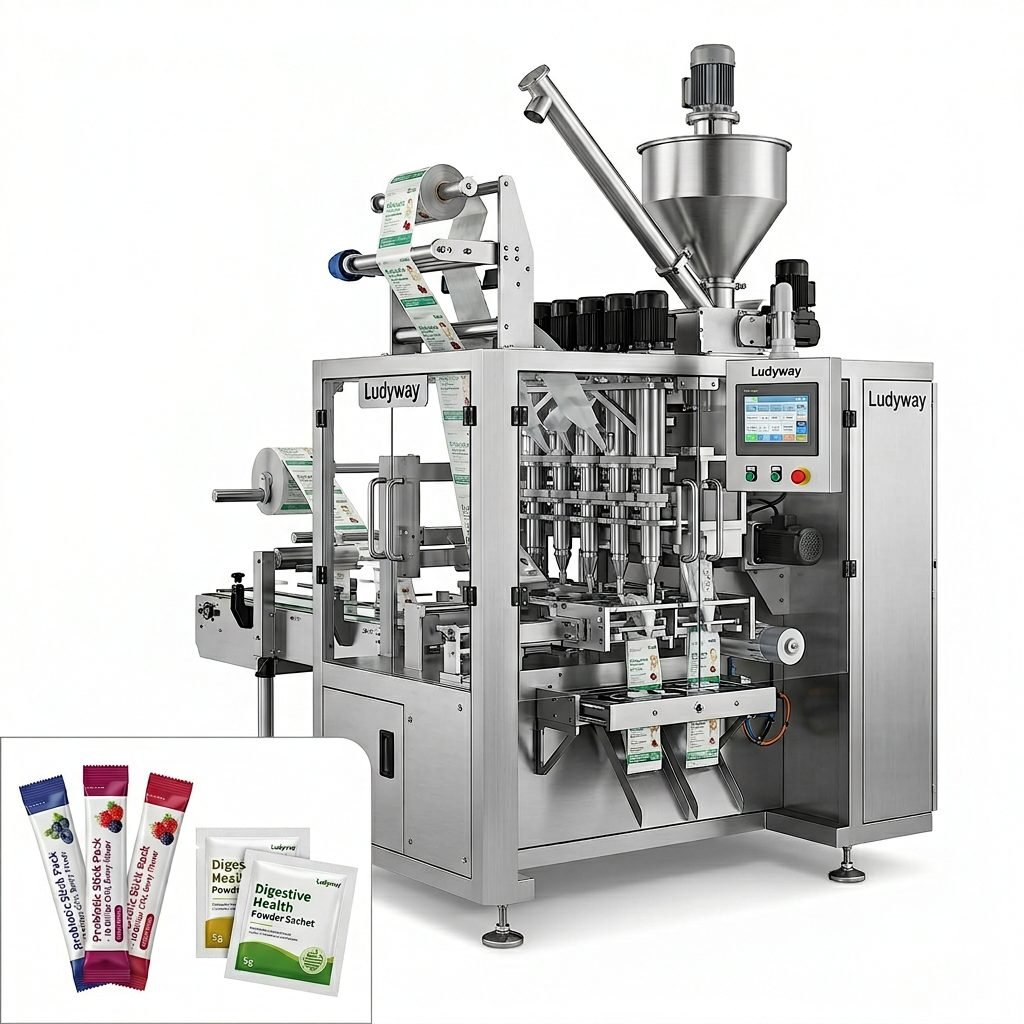
Choosing the right packing peanut machine is a critical decision for manufacturers, e-commerce fulfillment centers, and packaging service providers. The right equipment can significantly reduce material costs, improve operational efficiency, and support sustainability goals. This comprehensive buyer’s guide walks you through the essential factors to consider when evaluating loose fill packaging machinery for your production environment.
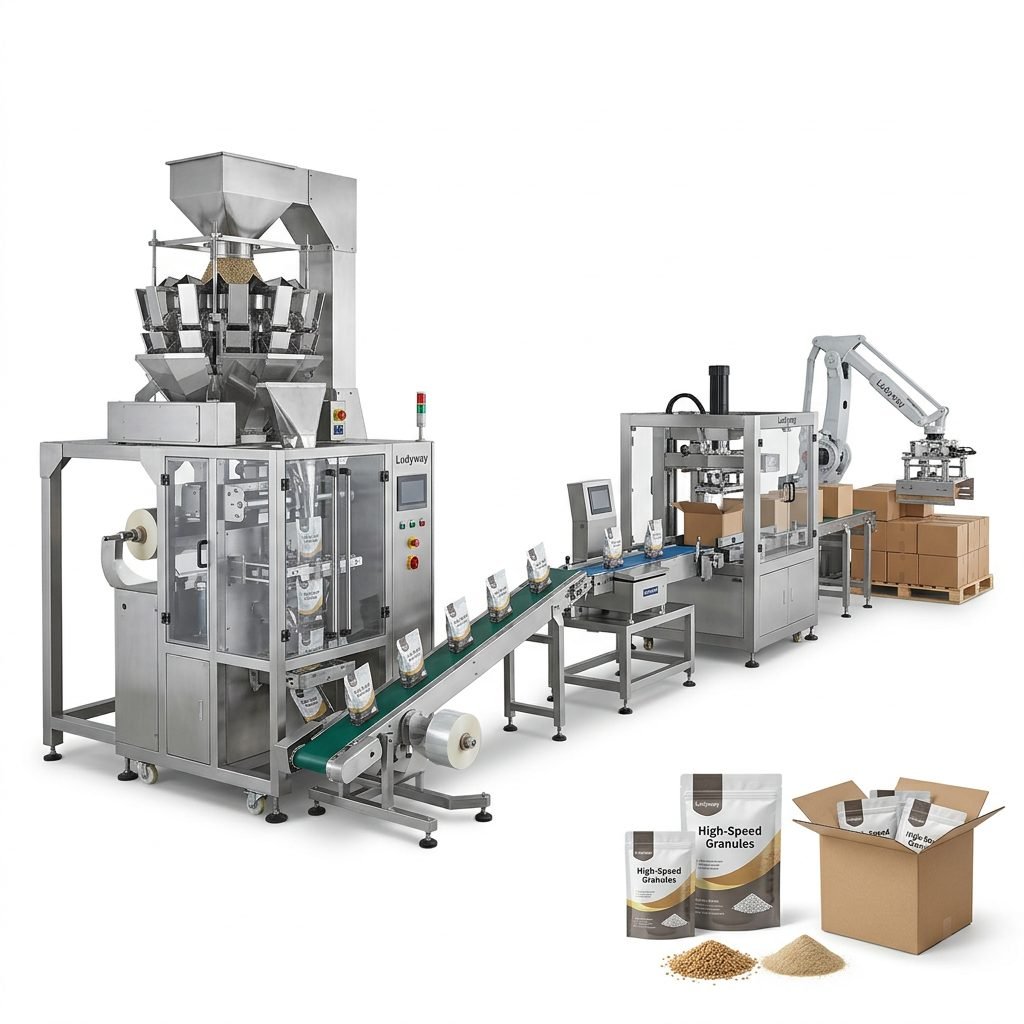
Understanding Packing Peanut Machine Types
Before diving into specifications, it’s important to understand the main categories of loose fill production equipment available on the market. Each type serves different production scales and material requirements.
EPS-Based Foam Peanut Machines
These machines use expandable polystyrene beads as raw material. Through a process of steam expansion and molding, they produce the classic “S” shaped or figure-8 foam peanuts. EPS machines are widely used due to their low material cost and high output capacity.
Starch-Based Biodegradable Peanut Machines
With growing environmental regulations and corporate sustainability commitments, biodegradable packing peanut machines have gained significant market traction. These systems use starch-based or other bio-based materials that dissolve in water and decompose naturally, aligning with U.S. EPA sustainable materials management guidelines.
Recycled Content Loose Fill Systems
Some advanced machines can process recycled polystyrene or post-industrial waste into packing peanuts, offering a circular economy approach that reduces both raw material costs and environmental impact.
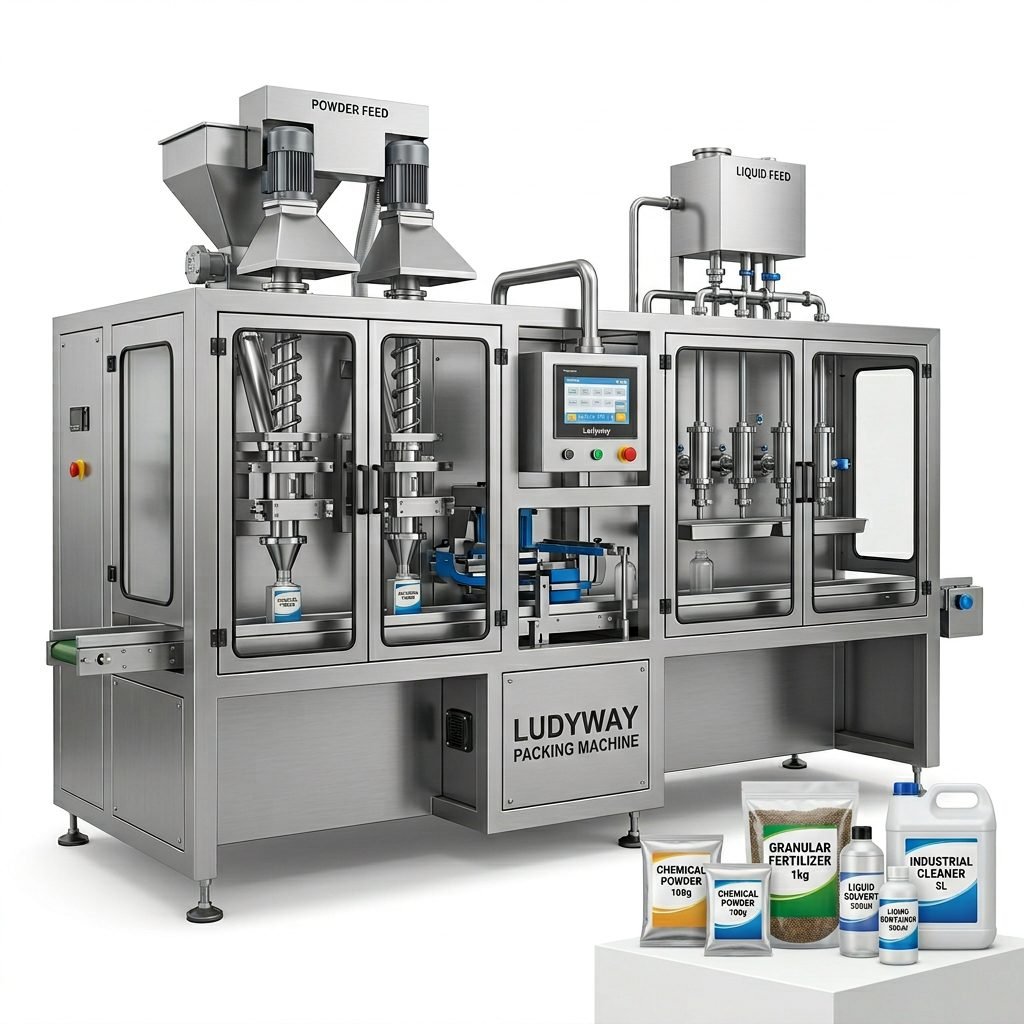
Key Selection Criteria for Your Packing Peanut Machine
Evaluating a loose fill packaging machine requires a systematic approach. The following table summarizes the most critical factors to weigh during your selection process.
| Selection Factor | What to Evaluate | Priority Level |
|---|---|---|
| Production Capacity | Output per hour (kg or cubic feet), scalability for future growth | High |
| Material Compatibility | EPS, starch blends, recycled content, additive requirements | High |
| Peanut Shape and Density | Mold configurations, density control settings, shape consistency | Medium |
| Energy Efficiency | Power consumption per unit output, steam generator efficiency | High |
| Automation Level | Manual, semi-automatic, or fully automated with PLC controls | Medium |
| Footprint and Layout | Floor space required, ceiling height, material handling integration | Medium |
| Maintenance Requirements | Accessibility for cleaning, spare parts availability, service intervals | High |
| Regulatory Compliance | CE marking, UL certification, ISO packaging standards adherence | Medium |
Production Capacity and Speed Considerations
One of the first questions to answer is: how many packing peanuts do you need per shift? Production capacity directly impacts machine size, cost, and operating expenses.
- Small-scale operations (up to 50 kg/hour): Compact, single-screw machines suitable for in-house packaging departments
- Medium-scale production (50-150 kg/hour): Multi-mold systems with automated feeding and cooling
- High-volume manufacturing (150+ kg/hour): Industrial-grade continuous production lines with integrated material handling
When assessing capacity, factor in both current demand and projected growth over the next 3-5 years. Undersizing your equipment can lead to production bottlenecks, while oversizing unnecessarily increases capital expenditure.
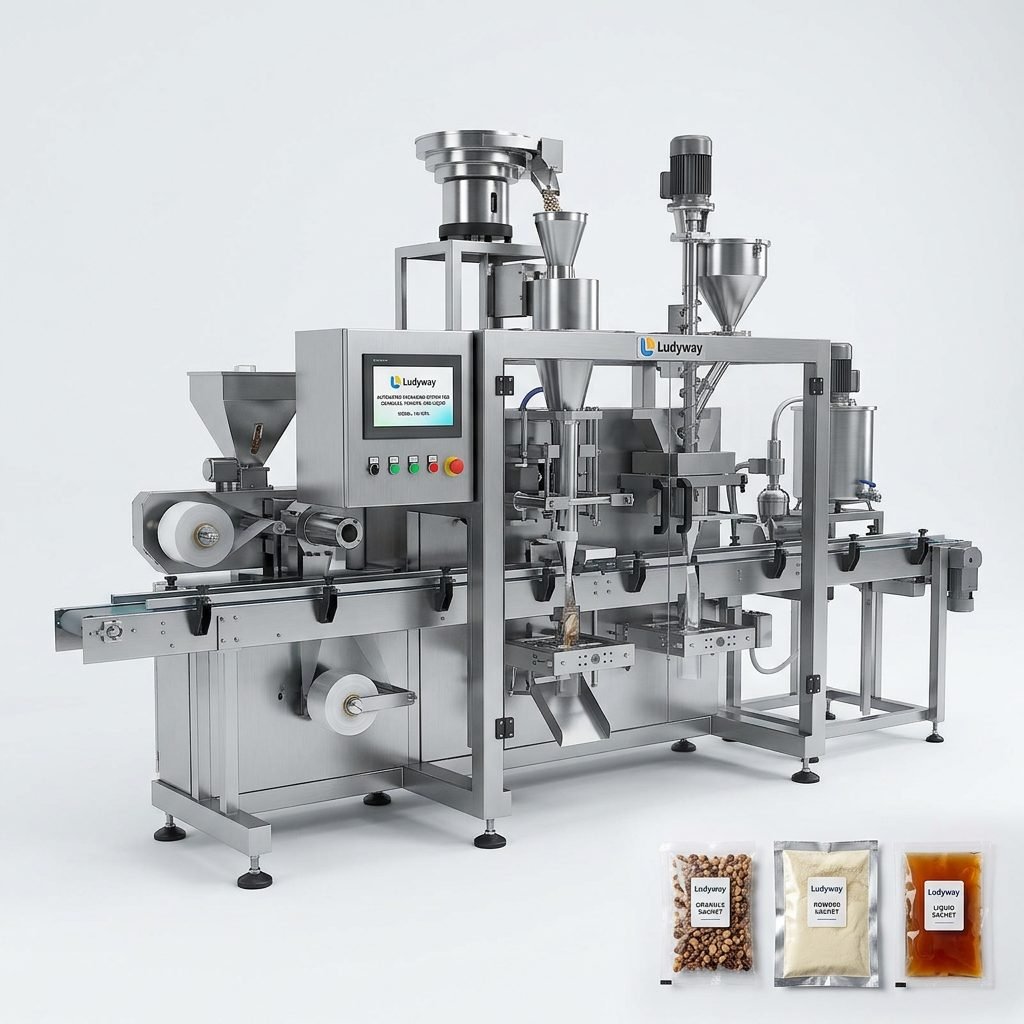
Material Compatibility and Sustainability
The choice of raw material significantly influences machine selection. Modern packing peanut production equipment must often handle multiple material types to adapt to changing market demands and European packaging waste regulations.
EPS (Expanded Polystyrene)
Traditional EPS peanuts remain popular due to their excellent cushioning properties and low weight. However, machines dedicated to EPS must include proper ventilation and comply with local environmental codes regarding blowing agent emissions.
Biodegradable and Compostable Materials
Starch-based and PLA (polylactic acid) materials require different processing temperatures and screw configurations compared to EPS. Machines designed for these materials typically feature precise temperature control zones and corrosion-resistant components. The Flexible Packaging Association’s industry resources provide valuable insights into material trends.
Automation and Control Systems
The level of automation in your loose fill manufacturing equipment affects labor requirements, consistency, and overall equipment effectiveness (OEE).
- Manual systems: Lower upfront cost but require constant operator attention for feeding, monitoring, and collection
- Semi-automatic machines: Automated feeding and temperature control with manual quality checks and packaging
- Fully automated lines: PLC-controlled systems with touchscreen interfaces, remote monitoring, automated density adjustment, and integrated conveying to storage silos
For operations that run multiple shifts, investing in higher automation levels typically delivers faster payback through reduced labor costs and improved product consistency.
Space Planning and Facility Requirements
Before finalizing your equipment selection, conduct a thorough facility assessment. Key space considerations include:
- Machine footprint and clearance for maintenance access
- Raw material storage area (pre-conditioning may be required for certain materials)
- Finished product collection and bagging station
- Ventilation and dust collection requirements
- Electrical supply and steam generation equipment placement
Budget and Return on Investment
The total cost of ownership (TCO) for a packing peanut machine extends well beyond the initial purchase price. When building your budget, account for:
- Capital equipment cost – machine, auxiliary equipment, installation
- Operating costs – raw materials, energy, water, compressed air
- Labor costs – operators, maintenance personnel
- Maintenance and spare parts – annual service contracts, wear components
- Training and technical support
Calculate your expected payback period by comparing the cost of purchasing loose fill versus producing it in-house. Most manufacturers achieve ROI within 12-24 months when running at 60% capacity or higher.
Supplier Evaluation and Support
Selecting the right equipment partner is as important as choosing the right machine. Evaluate suppliers based on their industry experience, technical support capabilities, and after-sales service.
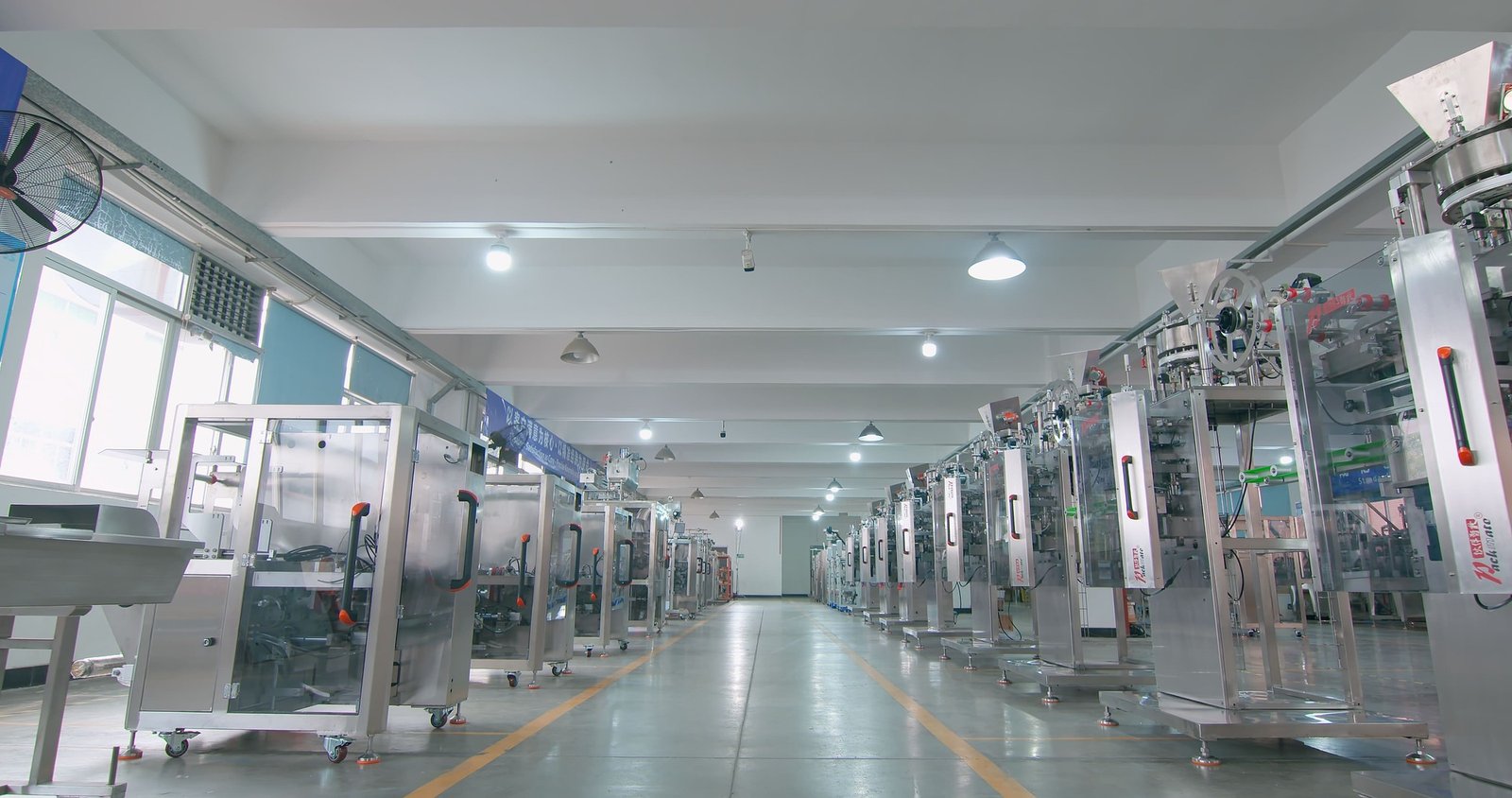
Look for manufacturers who offer comprehensive installation and commissioning support, operator training programs, and readily available spare parts. Companies like Ludyway Machinery, a China-based packaging machinery manufacturer with over 30 years of experience and a 20,000-square-meter manufacturing facility, demonstrate how established suppliers combine engineering expertise with global service capabilities to support customers throughout the equipment lifecycle.
For additional guidance, industry organizations such as PMMI – The Association for Packaging and Processing Technologies and the Flexible Packaging Association offer valuable packaging machinery market research and industry benchmarks.
Compliance with International Standards
If you operate in regulated industries or export markets, ensure your equipment can meet applicable standards. Key references include ISO packaging and distribution standards and FDA packaging and food contact substances regulations where applicable.
Future-Proofing Your Investment
When purchasing a packing peanut production system, consider these forward-looking factors:
- Material flexibility – can the machine switch between EPS and biodegradable materials?
- Modular design – can capacity be expanded with additional modules?
- Industry 4.0 readiness – does it support data collection, predictive maintenance alerts, and integration with MES/ERP systems?
- Energy efficiency upgrades – are there retrofit options for improving energy performance?
Making the Final Decision
After evaluating all factors, create a weighted decision matrix comparing your top 2-3 machine options. Schedule site visits or request video demonstrations to see equipment in operation. Request references from current users in similar applications, and carefully review warranty terms and service level agreements before signing the purchase order. A methodical selection process ensures you invest in a loose fill packaging solution that delivers reliable performance and strong returns for years to come.