Choosing the right automatic coffee packing solution is a critical decision for any coffee business, from specialty roasters to large-scale producers. The right machine not only ensures product integrity and freshness but also significantly impacts your operational efficiency, brand presentation, and bottom line. With various technologies and models available on the market, understanding your specific needs is the first step toward a successful investment.
Understanding Your Packaging Requirements
Before exploring specific machines, a thorough analysis of your production needs is essential. Consider the following key factors:
Product Form & Characteristics
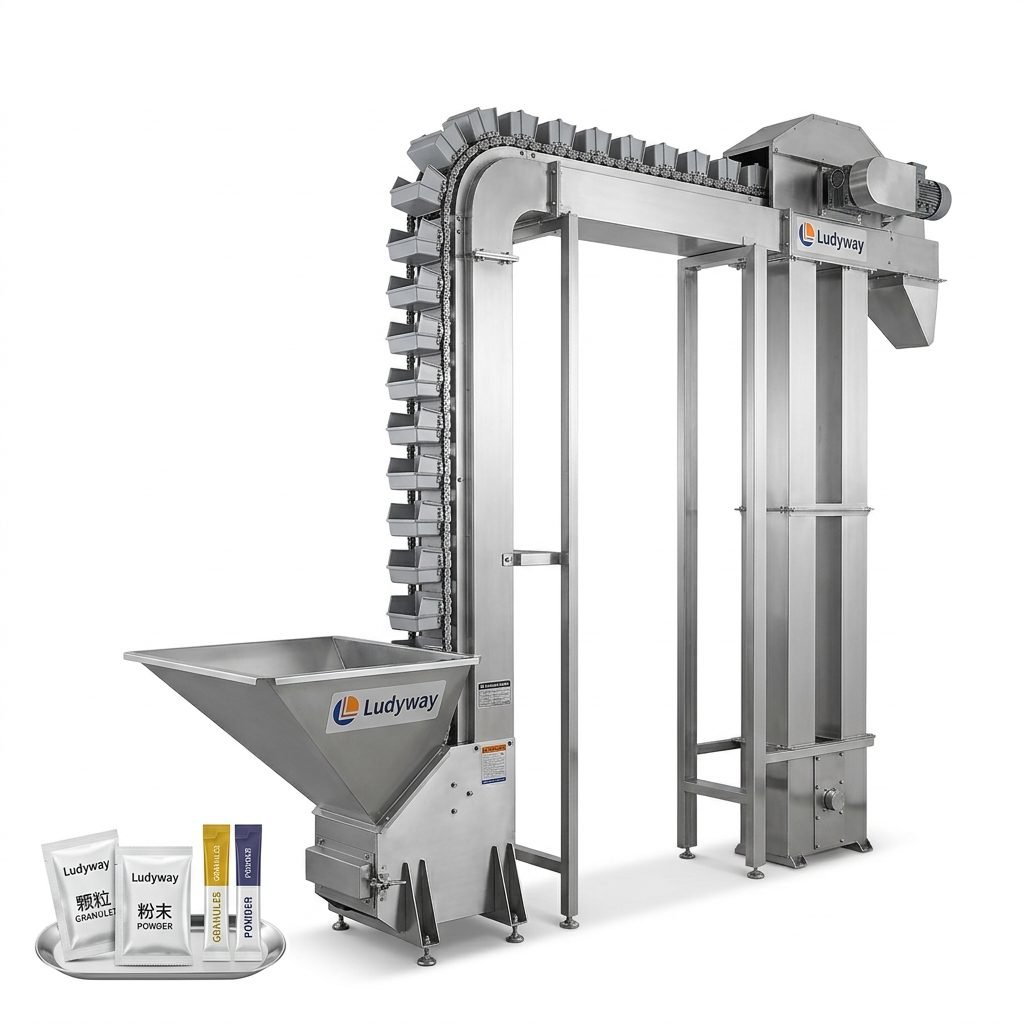
Is your coffee ground, in whole beans, or perhaps a specialty blend containing granules? Different forms require different handling mechanisms. Ground coffee, being fine and prone to static, needs precise filling systems to avoid spillage and ensure accurate weight. Whole bean packaging often requires gentler handling to avoid damaging the beans.
Production Volume & Speed
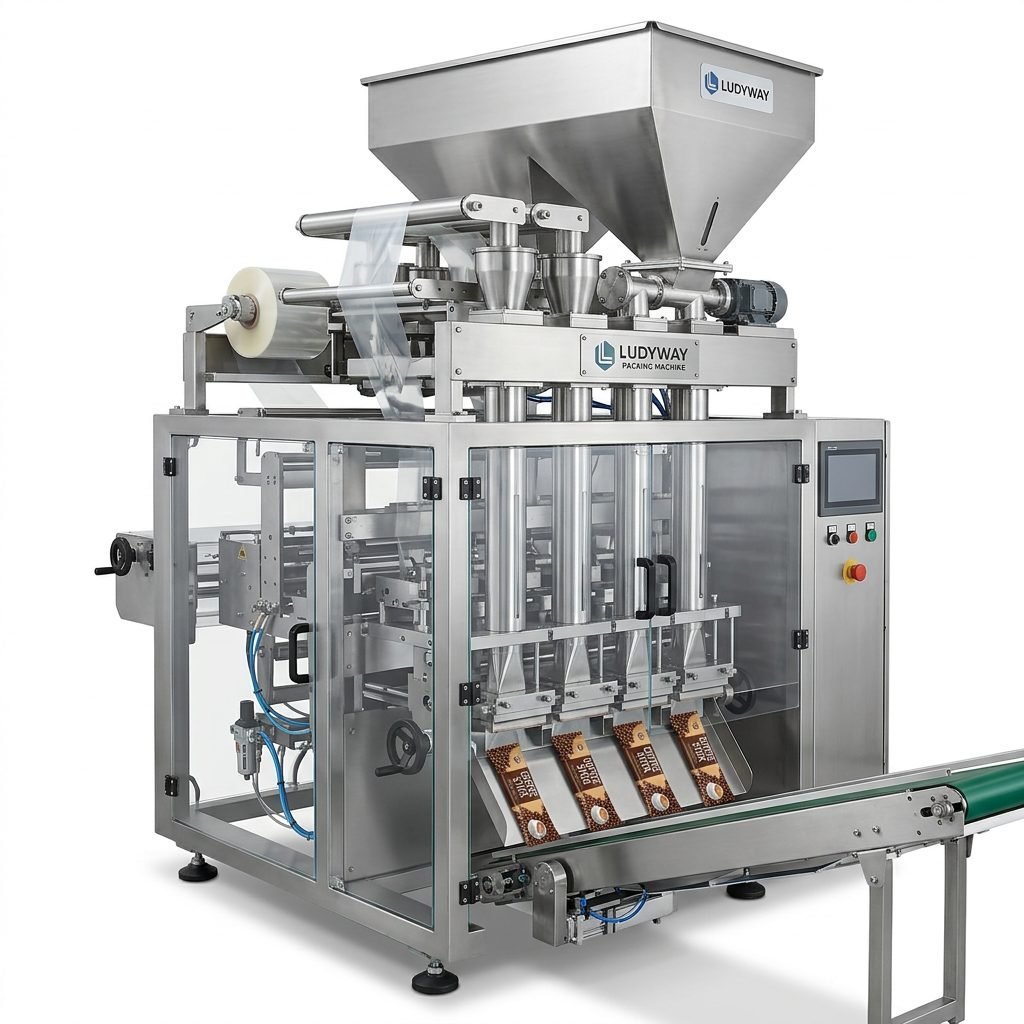
Your expected output dictates the machine’s capability. A low-volume artisanal roaster might prioritize flexibility and ease of use, while a large commercial operation needs high-speed, multi-lane systems capable of packaging hundreds of units per minute. Assess your current and projected future volumes realistically.
Package Type & Size
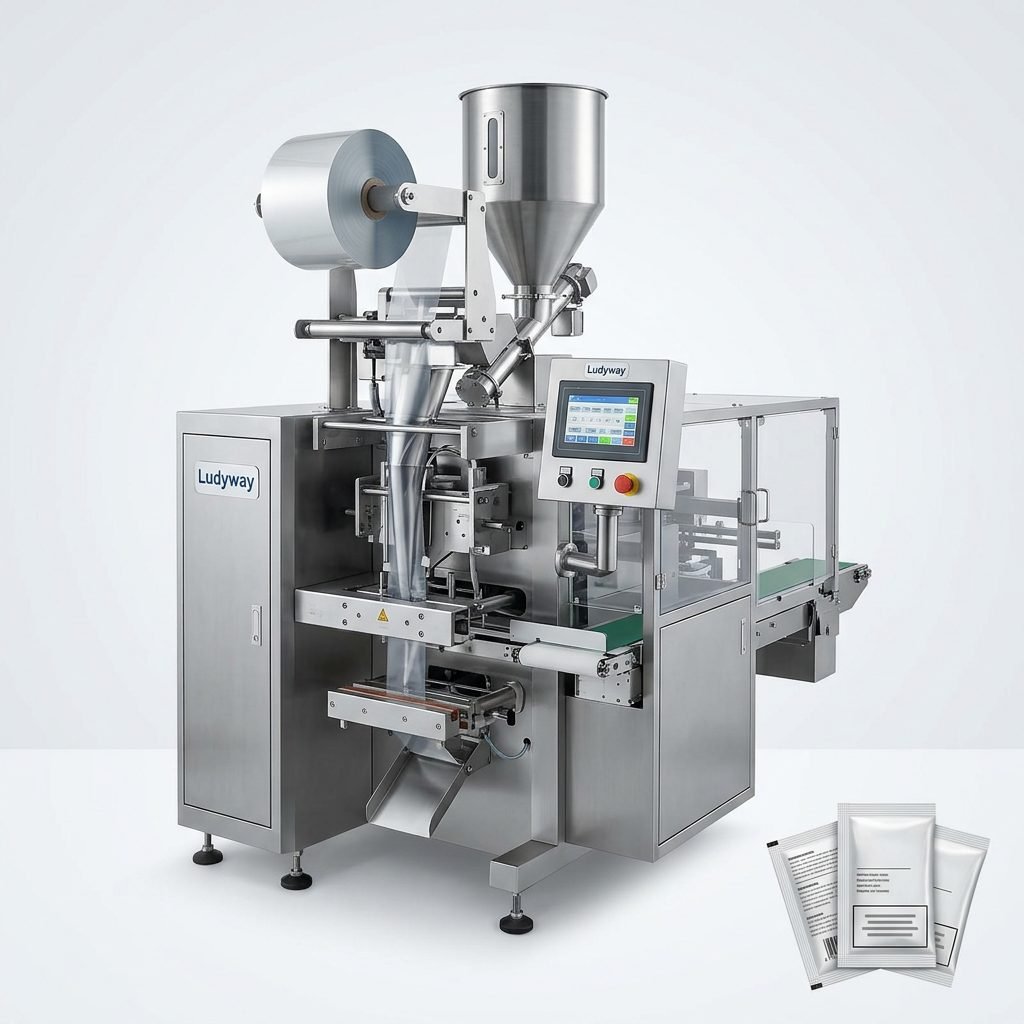
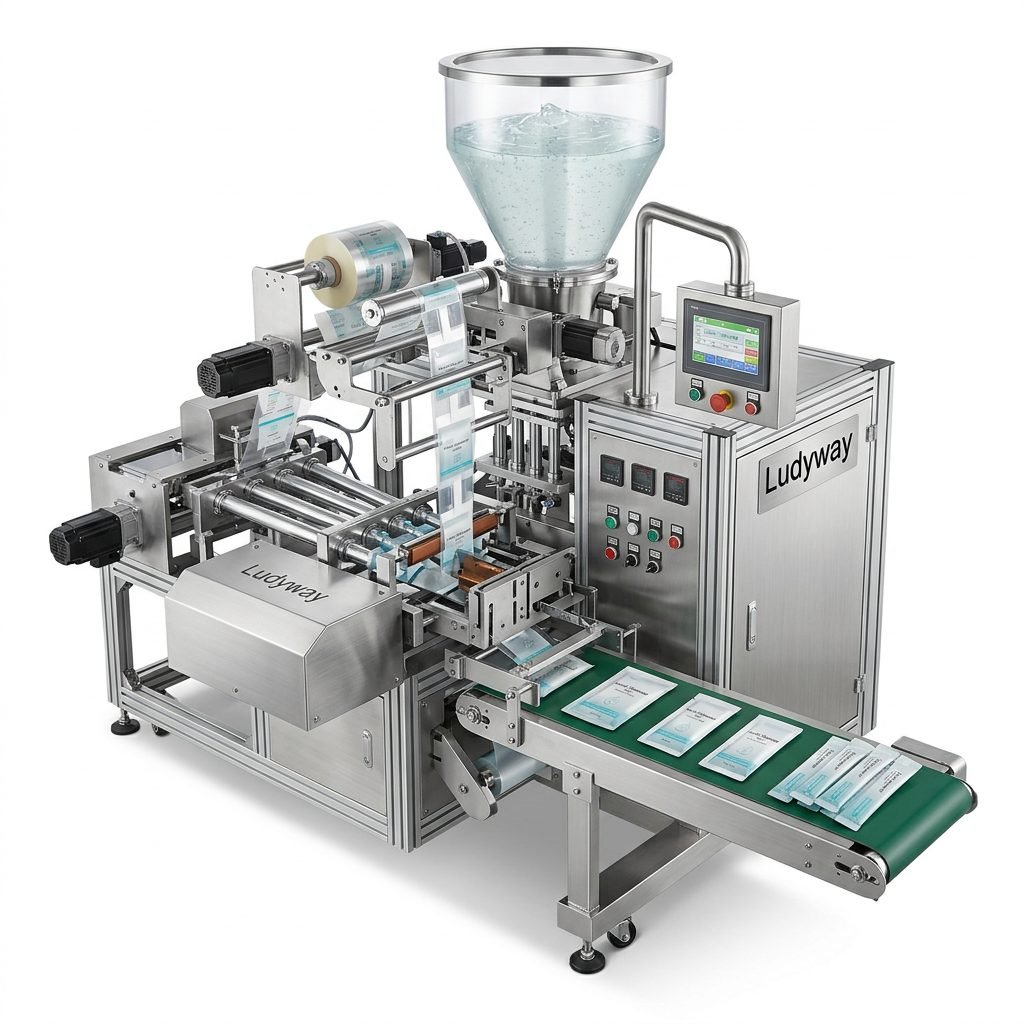
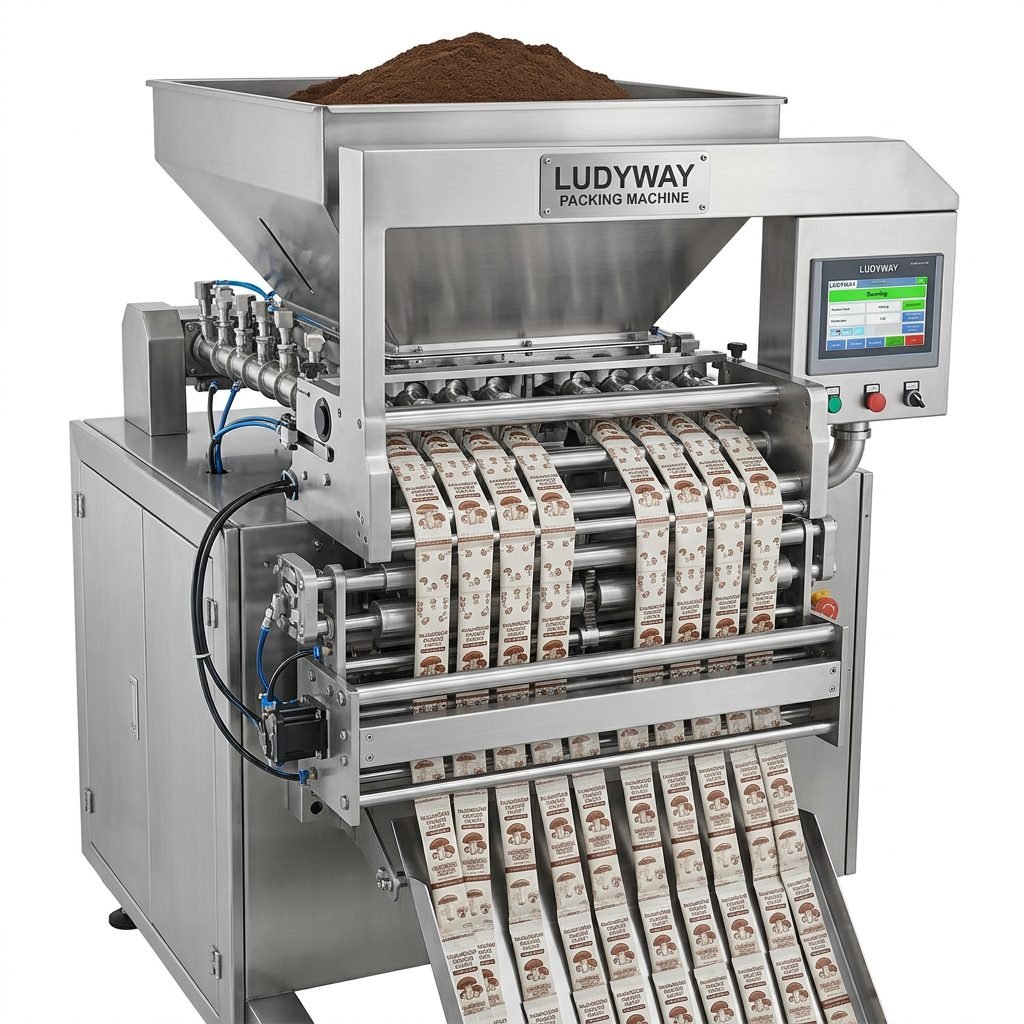
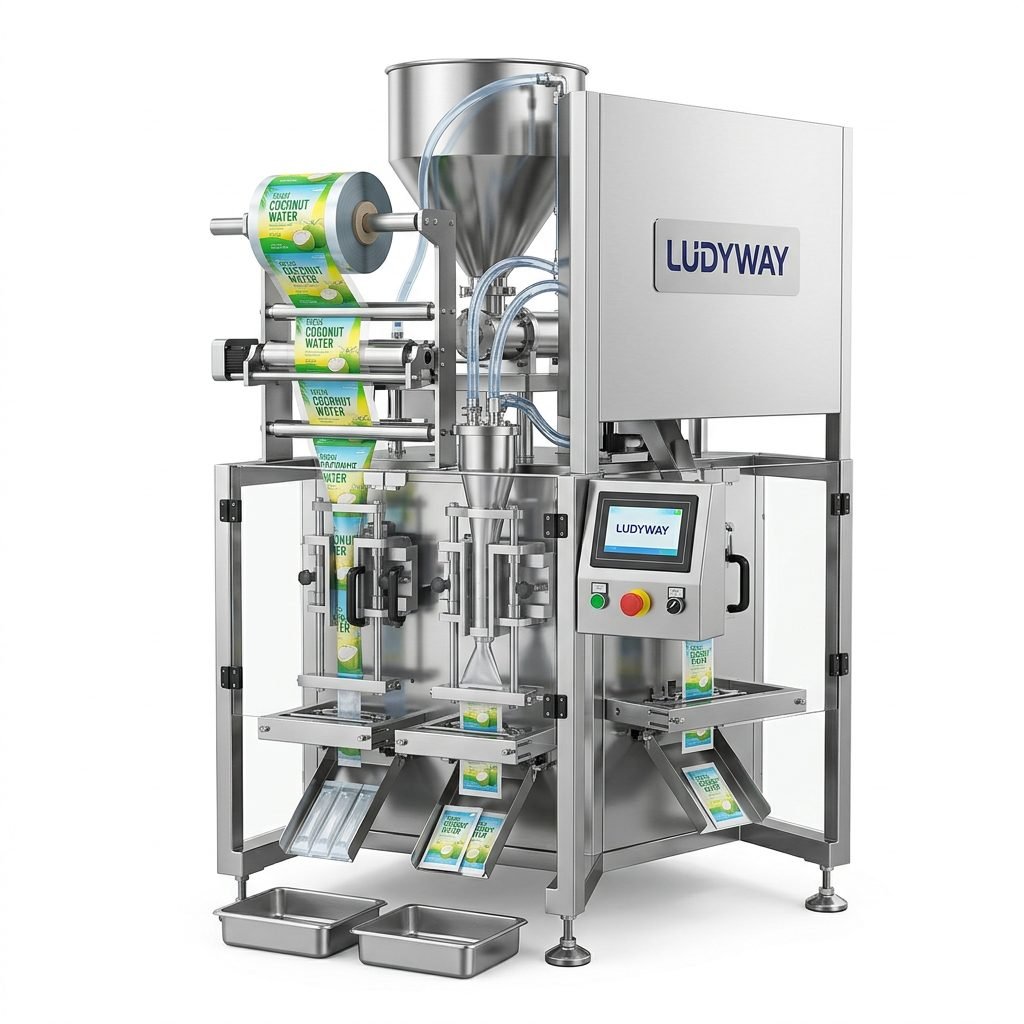
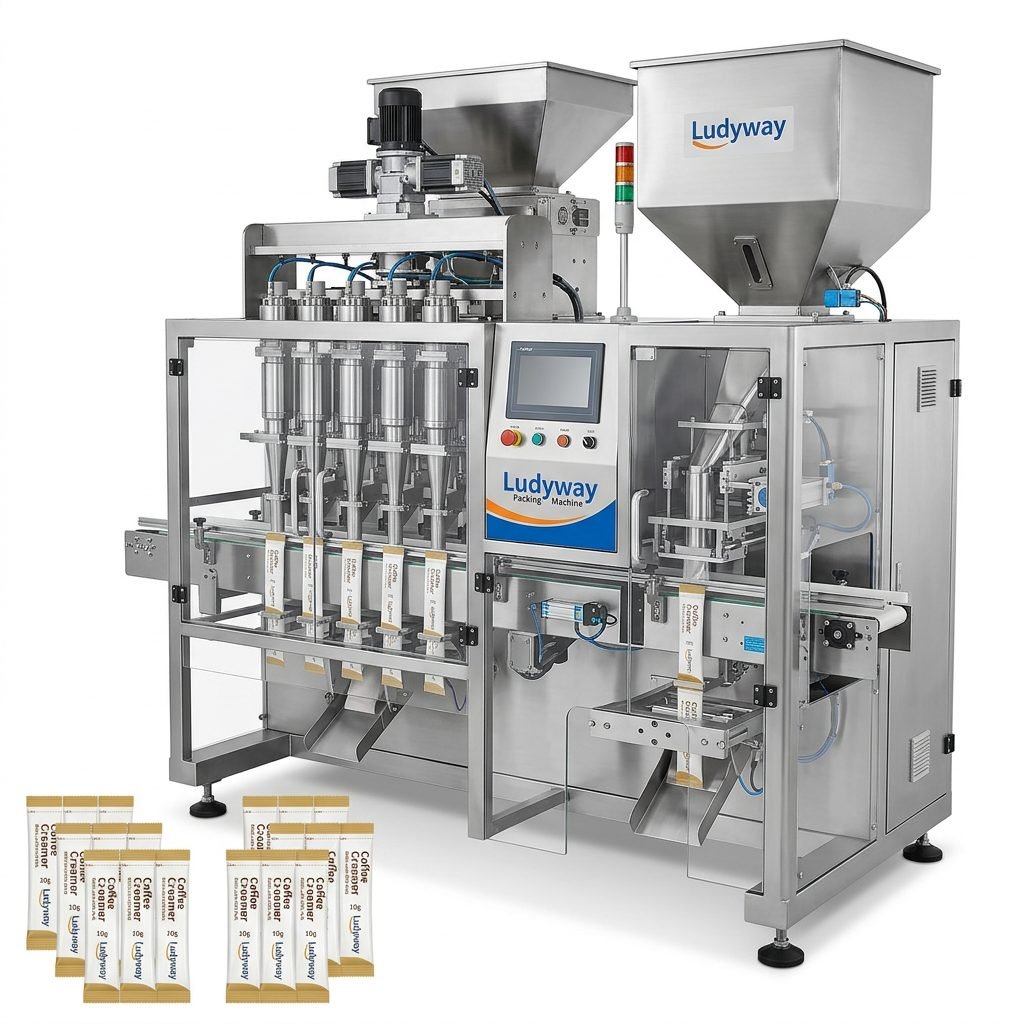
The market offers diverse packaging: traditional bags, stand-up pouches, stick packs for single servings, or even sachets for instant coffee. Each type requires a specific machine configuration. Furthermore, you must consider the range of bag sizes you plan to offer – from small sample sizes to large family packs. Machines with quick size-change features can offer valuable flexibility.
Key Features of Modern Automatic Coffee Packaging Machines
Today’s advanced machines incorporate features that address the unique challenges of coffee packaging.
1. Precision Weighing & Filling Systems
The heart of any packaging machine is its filling system. For coffee, weight-based fillers are predominant due to the product’s density variations. Look for machines with high-precision load cell technology or multi-head weighers that ensure each bag meets the exact weight specification, crucial for compliance and customer trust.
2. Advanced Gas Flushing & Sealing
Coffee freshness is paramount. Many machines integrate gas flushing capabilities (like nitrogen flushing) to displace oxygen from the package before sealing. This dramatically extends shelf life and preserves aroma. Combined with robust heat sealing systems that create airtight closures, this feature is vital for quality preservation.
3. User-Friendly Control & Automation
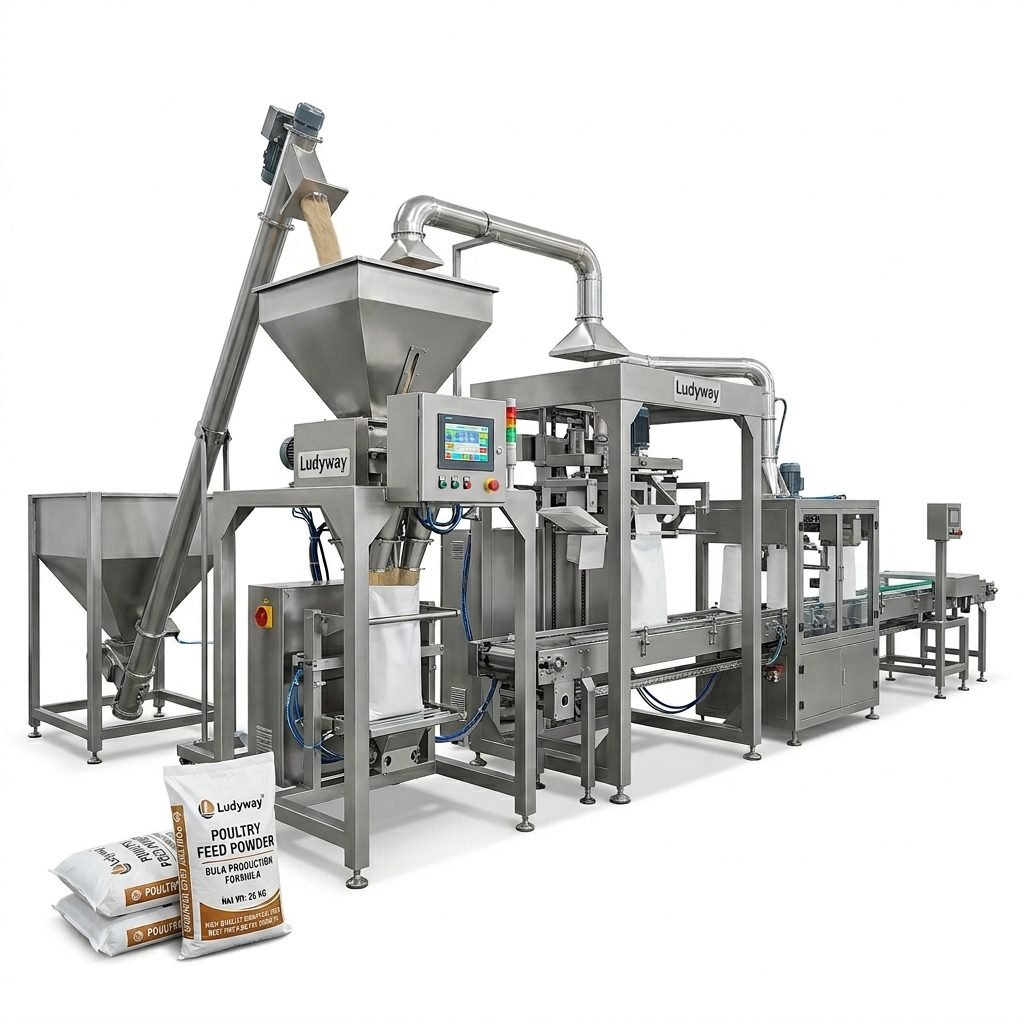
Modern machines feature intuitive touch-screen Human-Machine Interfaces (HMIs) for easy parameter setting – weight, speed, gas flush time. Higher-level automation includes integration with upstream grinders/blenders and downstream labeling or cartoning systems, creating a seamless production line.
🔍 Focus on Reliability & Maintenance
An often overlooked but critical aspect is the machine’s construction and maintenance needs. Coffee, especially ground coffee, can be abrasive and create dust. Machines built with durable materials (stainless steel contact parts) and designed for easy cleaning and access will ensure longer service life and less downtime. Consider the availability of technical support and spare parts.
Evaluating Suppliers & Making the Final Choice
Once you’ve defined your technical needs, evaluating the supplier becomes key.
Look for suppliers with proven experience in the food and coffee industry. They understand the specific challenges. Request detailed specifications and, ideally, arrange a live or video demonstration using a sample of your actual coffee product. This tests the machine’s handling of your specific blend.
Consider the total cost beyond the initial purchase: installation, training, ongoing maintenance, and potential future upgrades. A supplier offering comprehensive after-sales support and training can provide immense long-term value.
Finally, assess the machine’s flexibility. Can it handle different bag materials? Is it easy to switch between package sizes or types? Can it be integrated into a larger automated line in the future? Choosing a solution that can grow with your business is a wise strategy.
Conclusion: A Strategic Investment
Selecting an automatic coffee packaging machine is a strategic investment in your brand’s quality, efficiency, and growth. By meticulously assessing your product needs, understanding the essential features of modern machines, and choosing a reliable and experienced partner like Ludyway Machinery, you can secure a solution that not only packages your coffee but also protects and enhances its value from your production line to the consumer’s cup.
Frequently Asked Questions (FAQs)
What is the typical output speed of an automatic coffee packaging machine?
Speed varies greatly by model. Single-lane machines for smaller operations may pack 20-60 bags per minute. High-speed, multi-lane systems for large-scale production can achieve outputs of 120-300 bags per minute. The exact speed depends on bag size, product form, and machine configuration.
Can the same machine package both ground coffee and whole beans?
Many machines are adaptable, but the filling system may need adjustment. Ground coffee typically uses a fine powder filler or auger, while whole beans often use a volumetric cup or gentle conveyor system. Some versatile machines can handle both with changeable filling modules, but it’s best to confirm this capability with the supplier.
How important is nitrogen flushing for coffee packaging?
For optimal freshness and extended shelf life, especially for ground coffee, nitrogen flushing is highly recommended. It removes oxygen from the package, slowing down oxidation and staling. It’s a key feature for brands focusing on premium quality and longer distribution cycles.
What kind of training and support should I expect after purchase?
A reputable supplier should provide on-site or comprehensive remote installation guidance, operator training on machine use, basic maintenance, and troubleshooting. Ongoing support should include access to technical assistance, spare parts, and service manuals. Clarify these terms before purchase.
Can I get a machine customized for my unique packaging format?
Yes, many manufacturers like Ludyway offer customization options. This can include adaptations for unusual bag shapes, specific sealing requirements, integration with unique upstream equipment, or special labeling needs. Discuss your specific requirements early in the selection process.