Air bag packaging machines have become a practical solution for businesses that need fast, reliable, and cost-efficient protective packaging. Whether you ship electronics, cosmetics, medical products, auto parts, glass items, or e-commerce orders, these machines help create inflatable cushioning on demand to reduce breakage and improve packing speed.
Below, we explain how an air bag packaging machine works, what benefits it offers, and how to choose the right model for your packaging operation.
What Is an Air Bag Packaging Machine?
An air bag packaging machine is a device that inflates special film rolls to produce protective air pillows, air cushions, air tubes, or bubble-style inflatable packaging. These inflated materials are then used to fill empty spaces inside shipping cartons or to wrap products for shock absorption.
Instead of storing large volumes of pre-made void fill materials, companies can generate packaging air bags exactly when needed. This saves warehouse space and helps maintain a more efficient packing workflow.
How an Air Bag Packaging Machine Works
The working process is relatively simple, but modern machines are designed for high consistency and stable sealing performance.
- Film loading: A roll of inflatable packaging film is placed on the machine.
- Air filling: The machine introduces air into designated chambers of the film.
- Heat sealing: Heated sealing components close each chamber to lock the air inside.
- Forming: The inflated material is produced as air pillows, bubble wraps, or air column bags depending on the film structure.
- Output and use: Operators tear off or cut the finished inflatable packaging for immediate packing use.
Many advanced models allow users to adjust sealing temperature, air volume, production speed, and bag length. This makes it easier to handle different packaging needs and product protection levels.
Common Types of Output Materials
- Air pillows for carton void fill
- Air cushion film for wrapping fragile goods
- Air column bags for bottle and electronics protection
- Bubble-style inflatable film for general impact resistance
Main Components of the Machine
Although the design differs by manufacturer, most air bag packaging machines include the following parts:
| Component | Function |
|---|---|
| Film Roll Holder | Supports and feeds inflatable film smoothly |
| Air Pump or Air Injection Unit | Fills film chambers with controlled air volume |
| Heating/Sealing System | Seals air-filled chambers securely |
| Control Panel | Adjusts temperature, speed, and inflation parameters |
| Drive Rollers | Move film through the production path |
| Cutter or Perforation Design | Allows easy separation of finished air bags |
Benefits of Using an Air Bag Packaging Machine
For growing warehouses, fulfillment centers, and manufacturers, investing in this type of equipment can bring both short-term and long-term value.
1. Better Product Protection
Inflatable packaging absorbs impact, reduces vibration, and minimizes movement inside shipping cartons. This is especially useful for fragile, lightweight, or premium products.
2. Lower Packaging Material Storage Requirements
Traditional void fill materials like foam peanuts or pre-made bubble wrap take up significant storage space. Air bag packaging film rolls are compact, helping businesses optimize warehouse capacity.
3. Faster Packing Operations
On-demand inflation means workers can pack cartons quickly without searching for bulky protective materials. This improves throughput during peak shipping periods.
4. Reduced Shipping Weight
Air-filled protective packaging is lightweight, which can help reduce transportation costs compared with heavier protective materials.
5. Cleaner and More Professional Packaging
Air cushions and air pillows create a neat packing appearance. This can improve customer perception, especially for retail and e-commerce deliveries.
6. Flexible Packaging Applications
Different inflatable film types allow one machine to support multiple packaging tasks, from carton void fill to direct product wrapping.
Industries That Commonly Use Air Bag Packaging Machines
- E-commerce and fulfillment centers
- Electronics and accessories
- Cosmetics and personal care
- Pharmaceutical and healthcare packaging
- Glassware and ceramics
- Food and beverage secondary packaging
- Automotive spare parts
- Home goods and consumer products
Air Bag Packaging Machine vs Traditional Protective Packaging
| Factor | Air Bag Packaging Machine | Traditional Materials |
|---|---|---|
| Storage Space | Low | High |
| Packing Speed | Fast, on demand | Depends on manual handling |
| Shipping Weight | Lightweight | Often heavier |
| Packaging Appearance | Neat and modern | Can look inconsistent |
| Material Waste Control | More precise usage | Often less controlled |
How to Choose the Right Air Bag Packaging Machine
Choosing the right machine depends on your packaging volume, product type, workflow, and long-term automation goals.
Evaluate Your Daily Packaging Volume
A small e-commerce business may only need a compact desktop model, while a large warehouse may require a high-speed industrial air cushion machine that can run continuously.
Check Film Compatibility
Not all machines support the same film structures. Make sure the model works with the air pillows, bubble film, or air column rolls required for your products.
Look at Sealing Stability
Stable sealing is critical. Poor seals cause air leakage, packaging failure, and higher material waste.
Consider Speed and Ease of Operation
A user-friendly interface, quick start-up, and easy roll replacement can significantly improve labor efficiency.
Review Maintenance Requirements
Machines with simple maintenance access and durable core components are usually better for long-term operating reliability.
Think About Future Expansion
If your shipment volume is growing, choose a machine that can scale with your business instead of buying the smallest model only for current demand.
Assess Supplier Strength
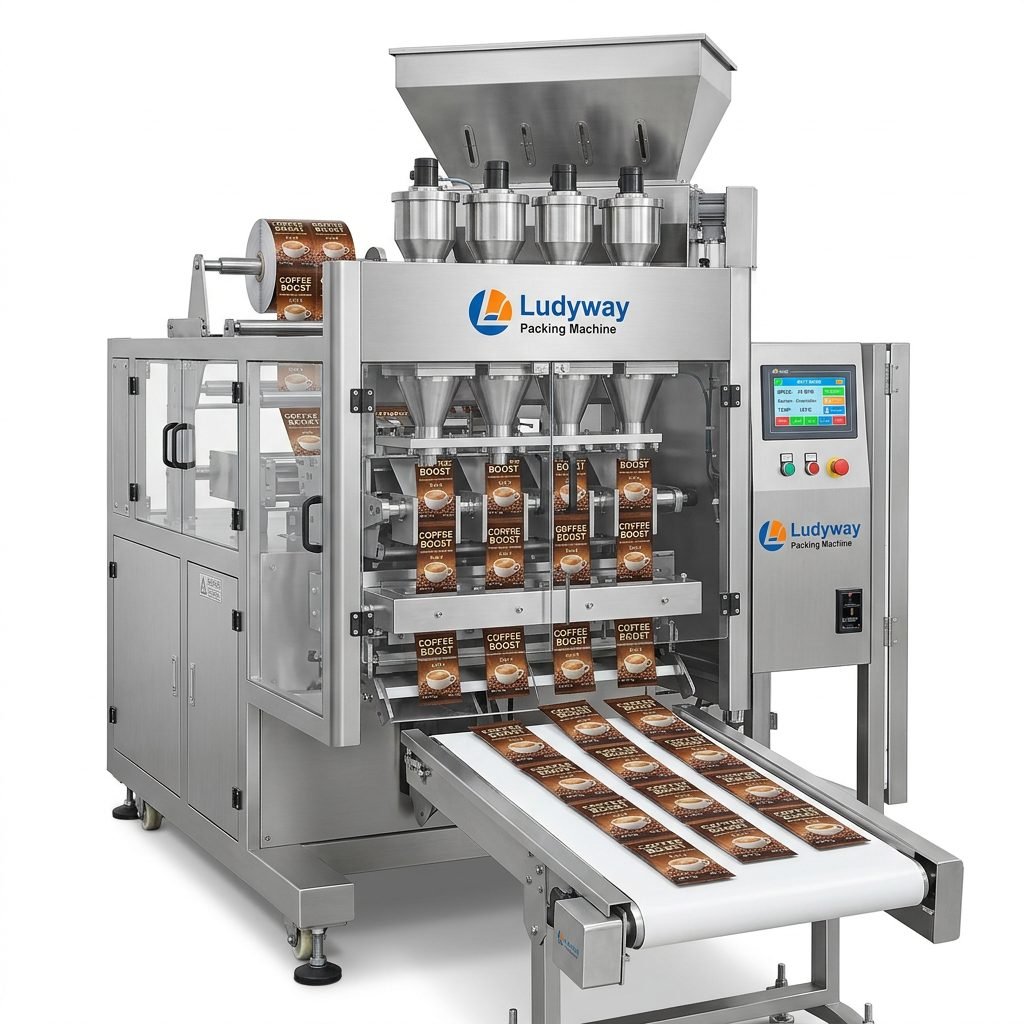
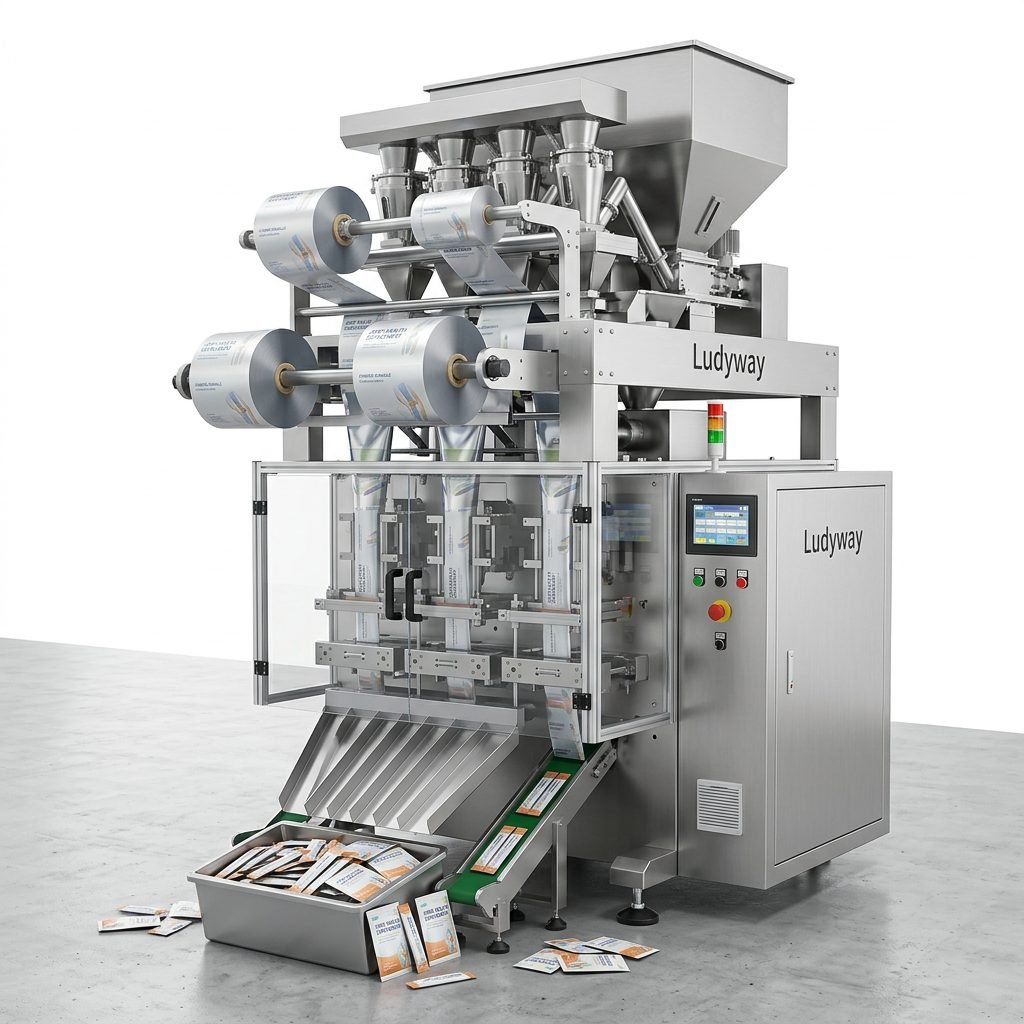
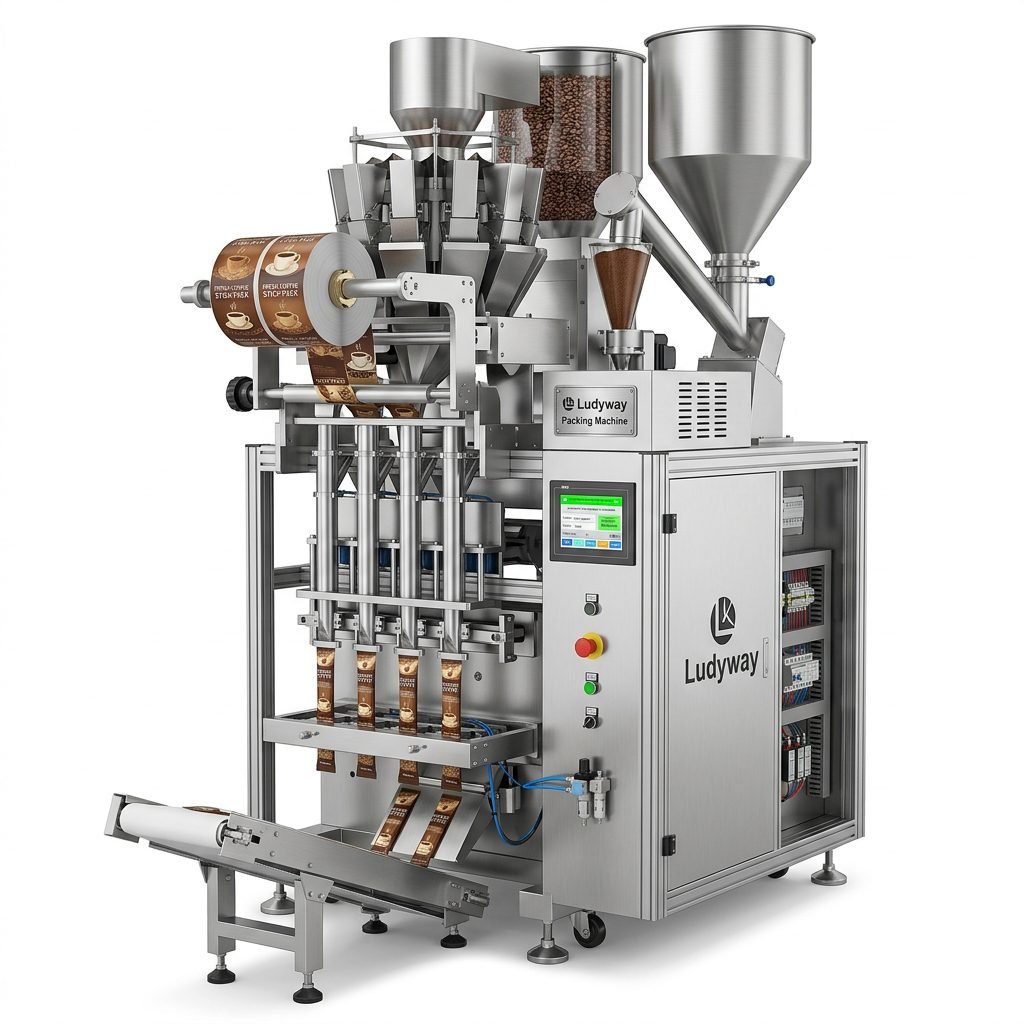
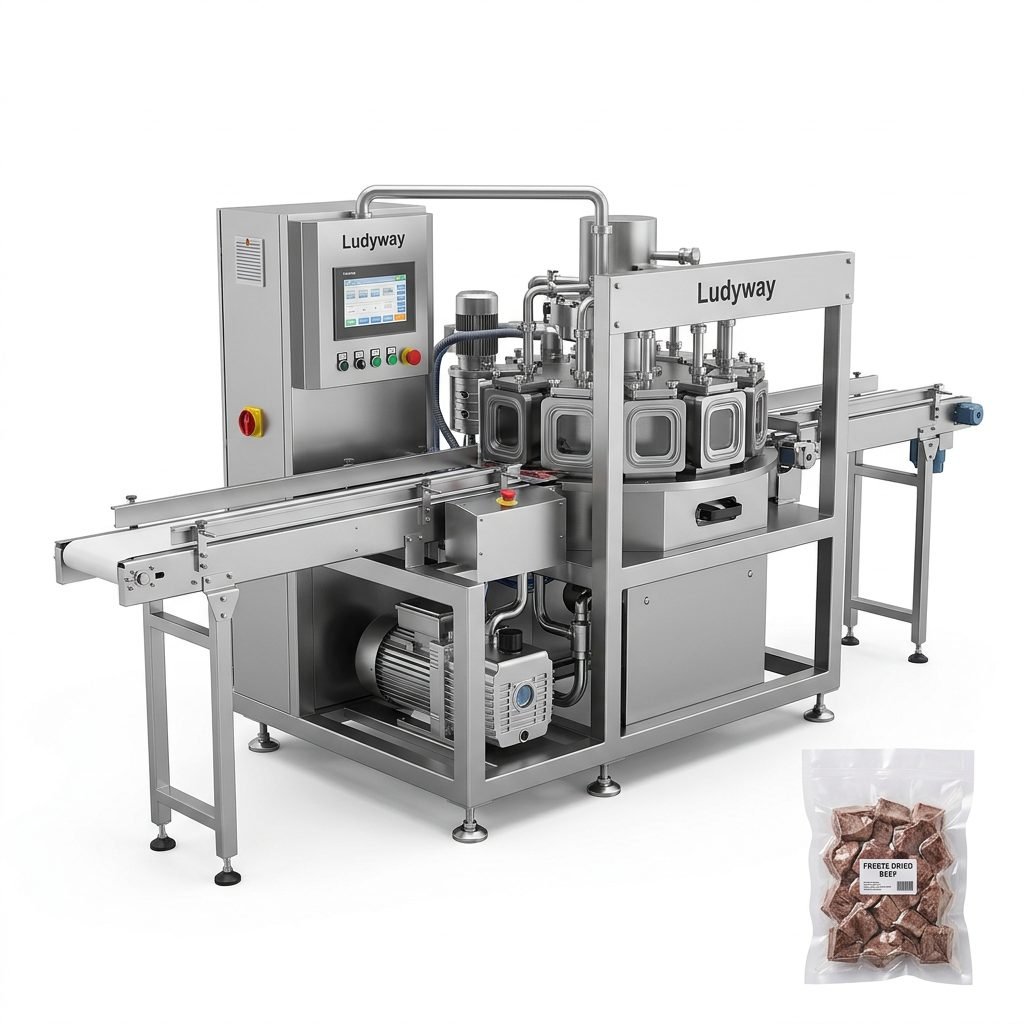
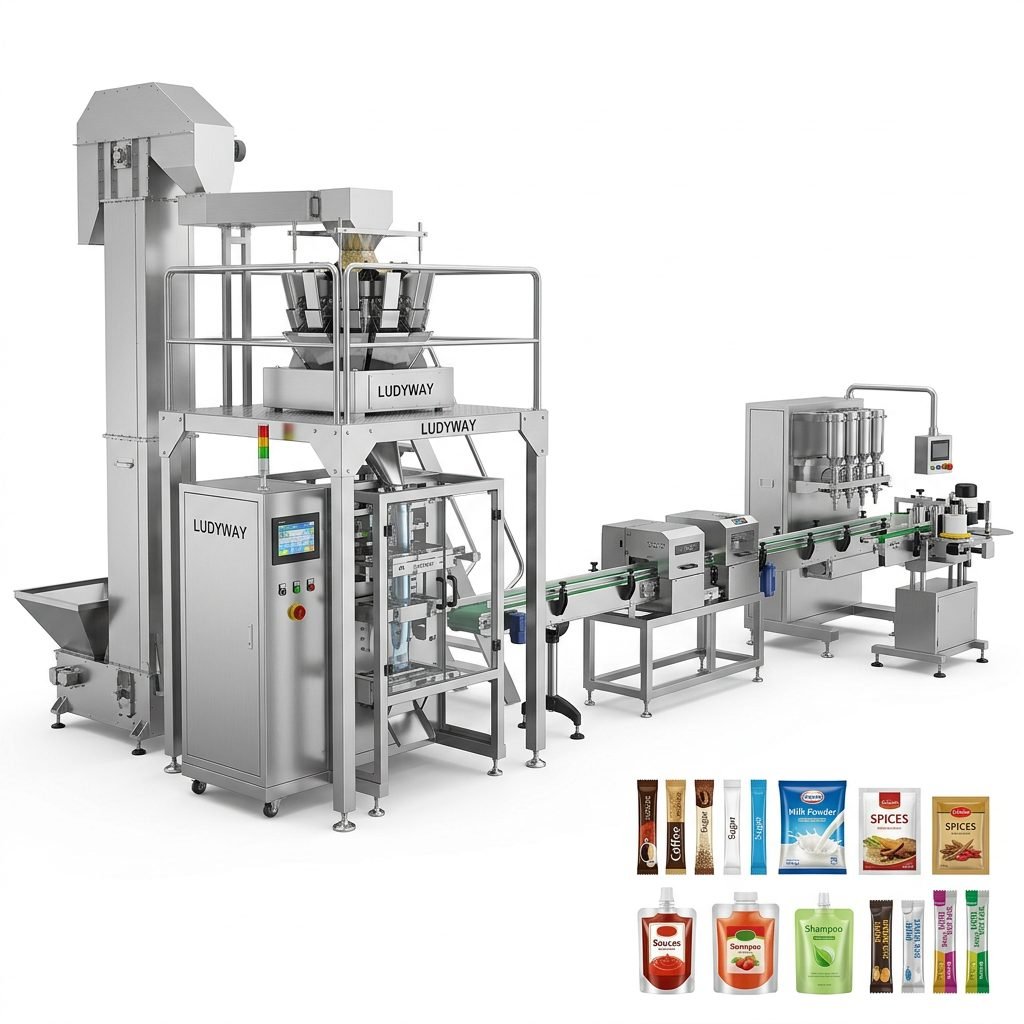
Buyers should also evaluate the manufacturer’s experience, export capability, customization support, and after-sales service. For businesses looking at broader packaging automation beyond protective packaging, Ludyway packaging machine solutions are often considered by global buyers seeking scalable equipment and turnkey packaging line support.
Key Buying Checklist
- Output type: air pillows, air cushions, or air column bags
- Production speed: suitable for your order volume
- Film availability: stable and affordable supply
- Machine durability: strong sealing and consistent inflation
- Control functions: adjustable temperature and air volume
- Energy efficiency: lower operating cost over time
- After-sales support: spare parts and technical help
Maintenance Tips for Better Performance
Proper maintenance helps extend machine life and maintain packaging quality.
- Clean sealing areas regularly to avoid film residue buildup
- Inspect rollers and moving parts for wear
- Use compatible film specifications only
- Check temperature settings when seal quality changes
- Train operators to load film correctly and monitor output
Who Should Invest in an Air Bag Packaging Machine?
This machine is a strong fit for companies that ship products frequently, want to reduce damage claims, and need more efficient protective packaging. It is especially valuable for operations where space saving, speed, and packaging consistency matter.
If your team currently uses bulky protective materials, struggles with carton void fill efficiency, or wants a more modern packing process, an air bag packaging machine can deliver measurable improvements.
Final Considerations
An air bag packaging machine is more than a simple packaging accessory. It is a practical investment in product protection, operational efficiency, and packaging cost control. By understanding how the machine works and matching its features to your production needs, you can select a model that supports both current shipping demands and future business growth.
Before buying, compare machine speed, film compatibility, sealing quality, maintenance needs, and supplier reliability. The right choice will help you create safer shipments, cleaner packaging processes, and a more efficient packing line overall.