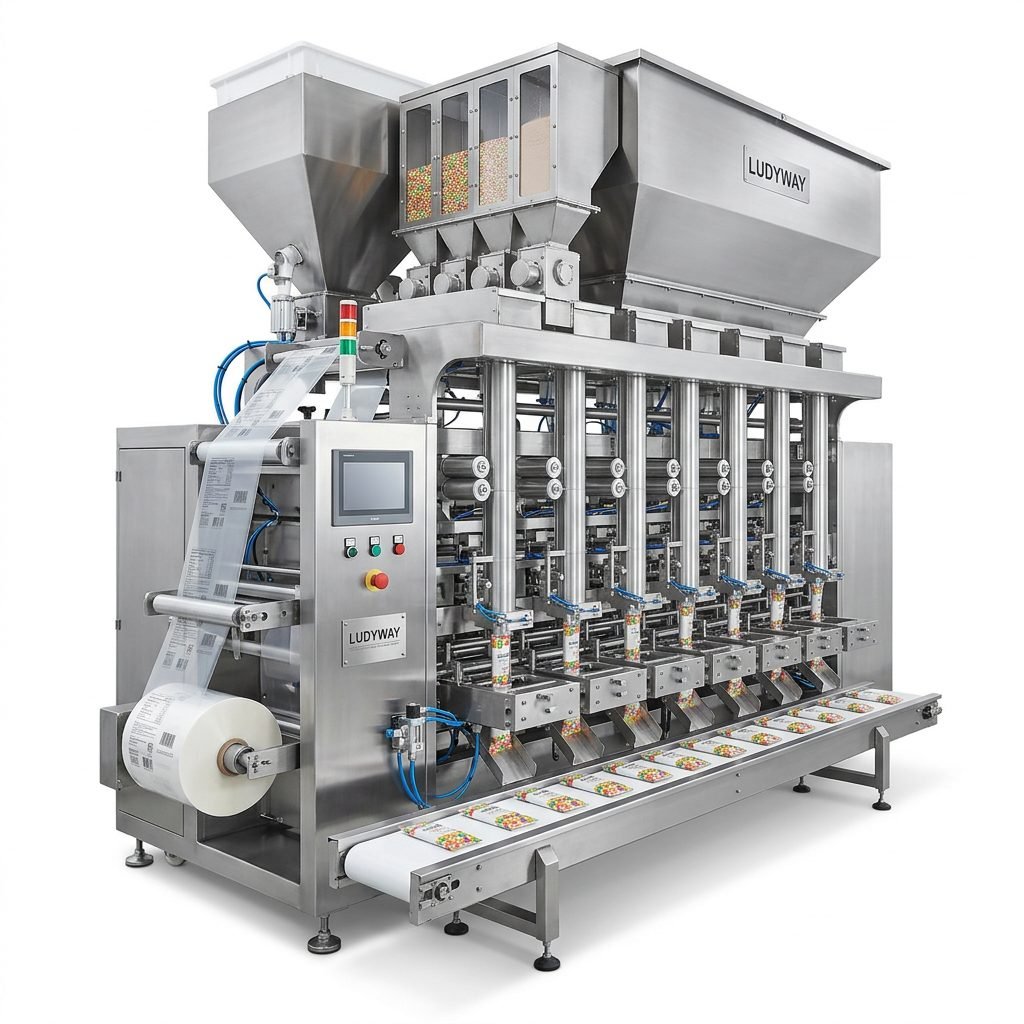
Choosing the right bag former for packing machine applications has a direct impact on package appearance, sealing stability, film waste, production speed, and long-term operating cost. Whether you pack powders, granules, liquids, pastes, or specialty products, the bag forming system is one of the most important parts of the entire packaging process.
A well-matched bag former helps your machine run smoothly, keeps bag dimensions consistent, and reduces downtime caused by poor film tracking, wrinkling, or sealing defects. If the former is not suitable for your product, film type, or desired bag style, even an advanced machine can struggle to deliver reliable results.
What Is a Bag Former in a Packing Machine?
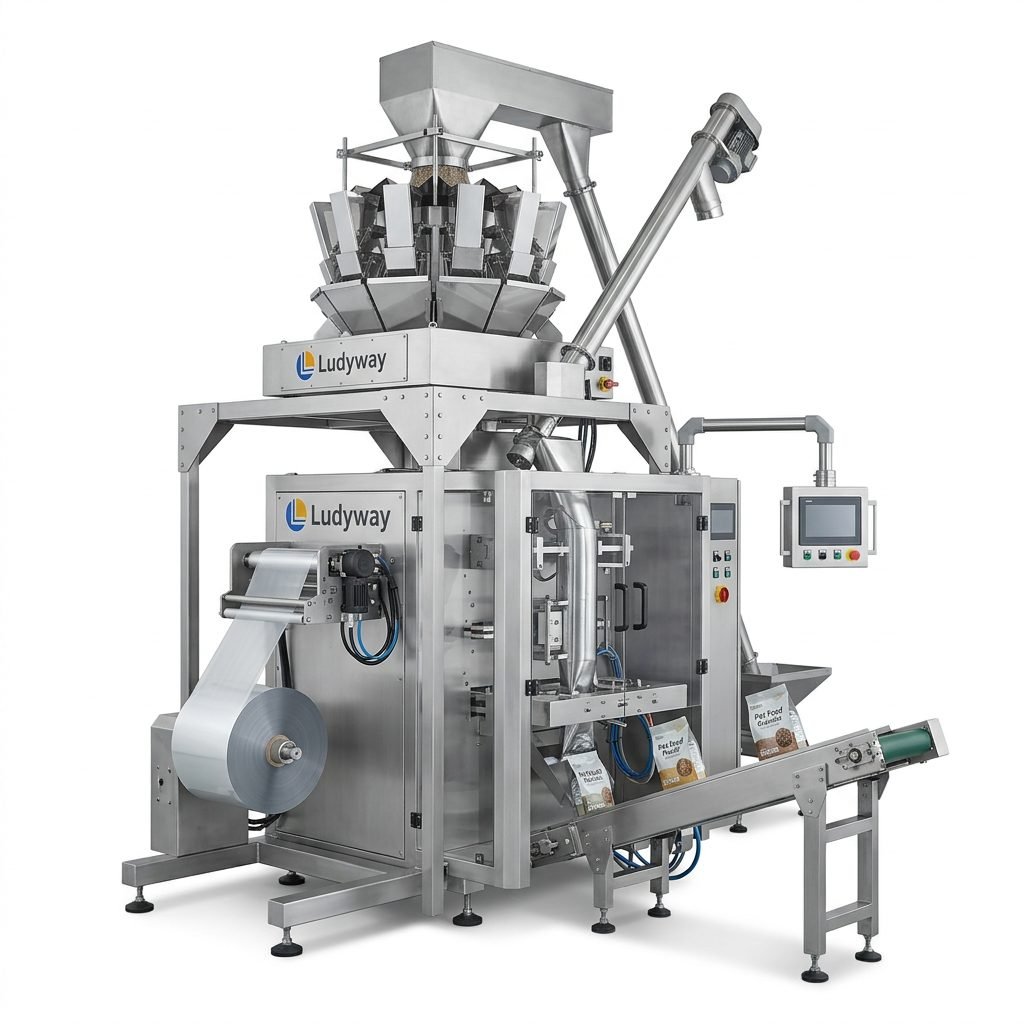
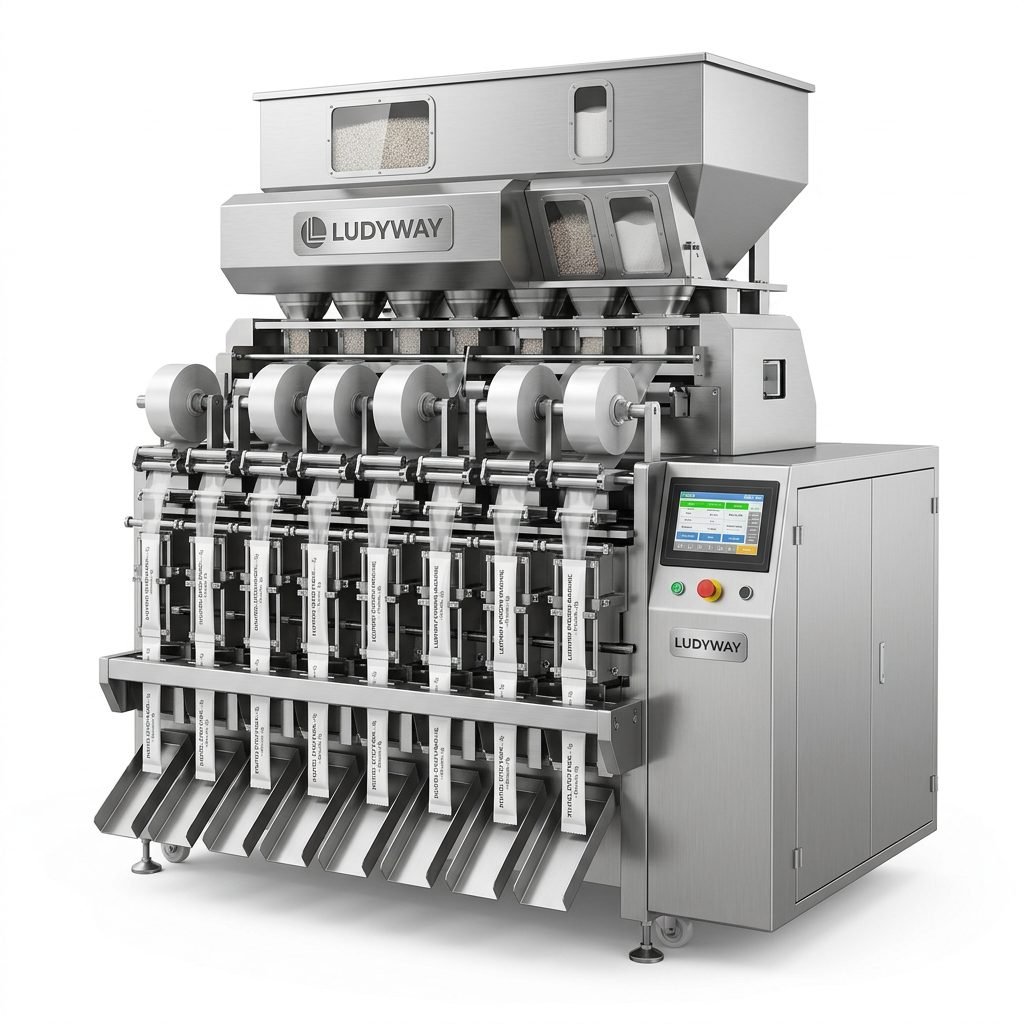
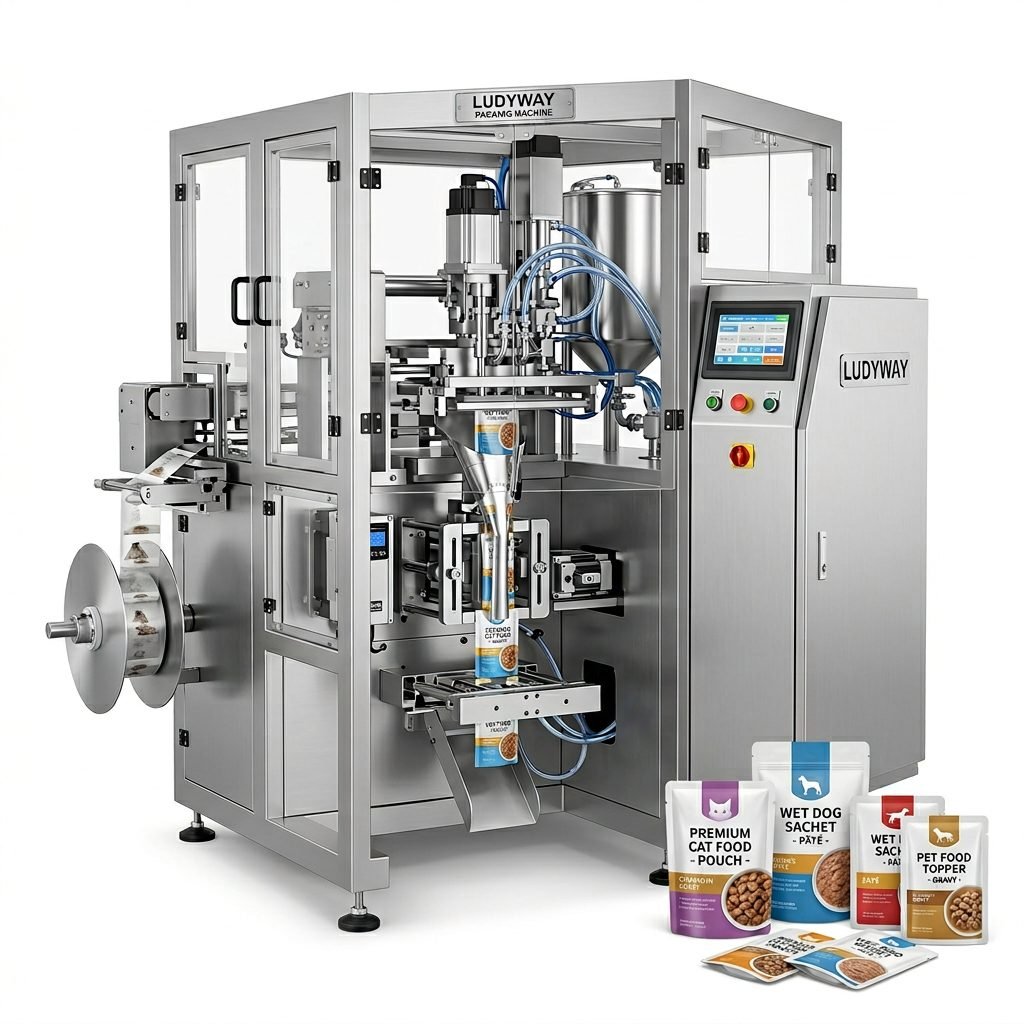
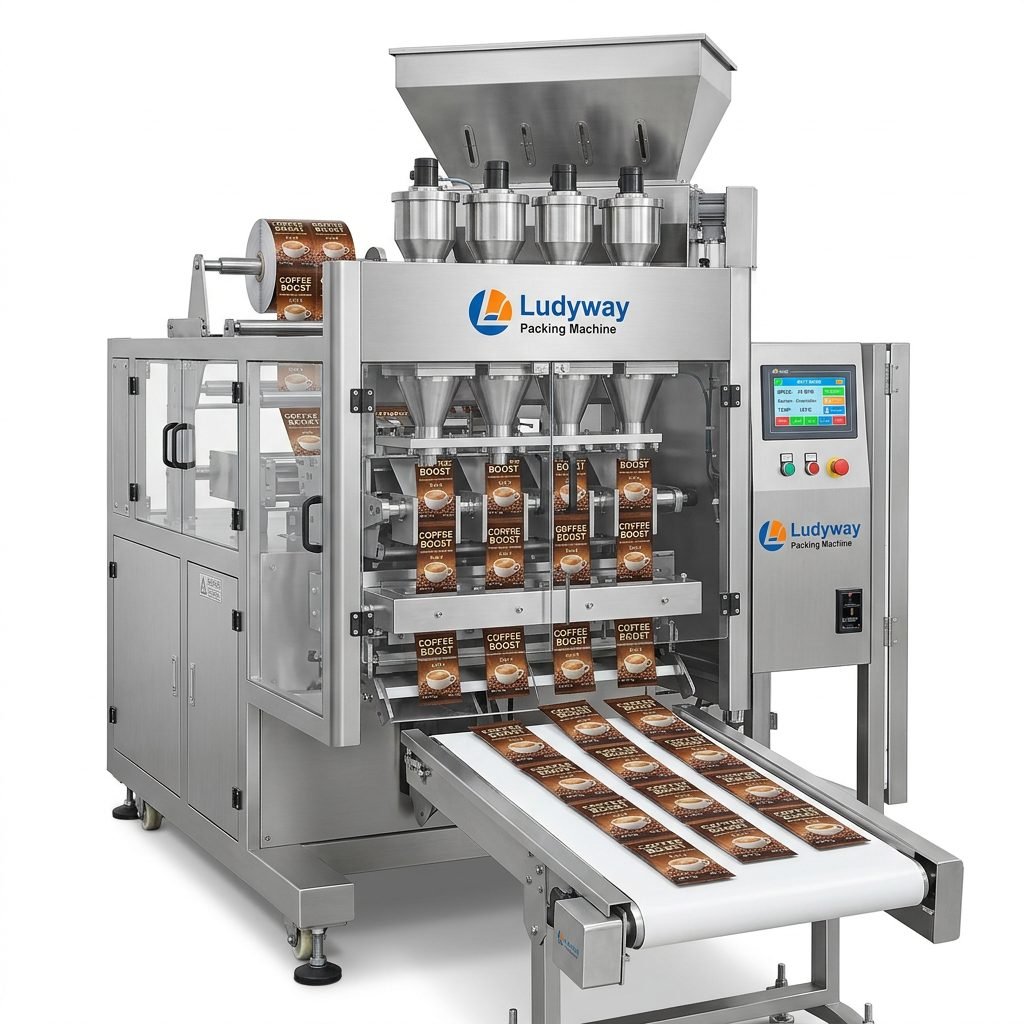
A bag former, often called a forming tube or forming collar assembly, is the component that shapes flat packaging film into a bag before filling and sealing. In vertical form fill seal systems and many sachet or stick pack machines, the former guides the film into the required shape with controlled tension and alignment.
Its job may sound simple, but it influences several critical performance areas:
- Bag shape consistency
- Seal registration and alignment
- Film travel stability
- Machine speed potential
- Compatibility with different materials
- Changeover efficiency
- Finished package quality
In short, the bag former is not just a metal part. It is a precision shaping solution that connects film handling, product filling, and final bag quality.
Why the Right Bag Forming Solution Matters
Selecting the right former is essential because packaging lines are expected to do more than simply produce bags. They must deliver consistent quality, adapt to product changes, meet market expectations, and control operational cost. A poor fit can lead to issues such as uneven seals, poor bag appearance, excessive film waste, product contamination around the sealing area, and lower overall equipment effectiveness.
The right bag forming solution improves both productivity and brand presentation. It helps ensure that every pack leaving the line looks professional and performs well during transport, storage, and retail display.
Main Types of Bag Formers Used in Packaging Machines
Different packing machines use different forming structures depending on bag style, product type, and speed requirements. Common options include:
| Bag Former Type | Typical Use | Key Advantage |
|---|---|---|
| Shoulder and Tube Former | Pillow bags, gusset bags, standard VFFS bags | Versatile and widely used |
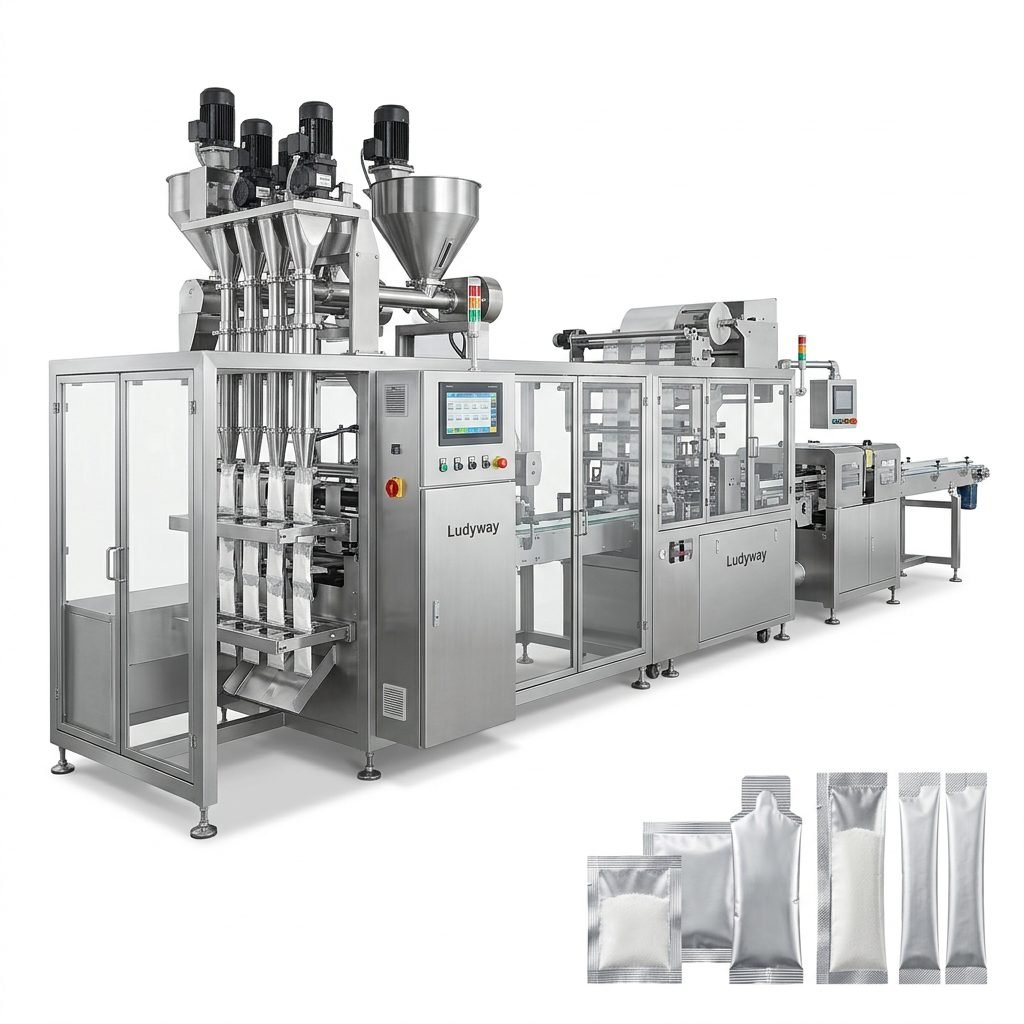
| Sachet Forming Unit | Small dose powder, granule, liquid sachets | Compact and precise for small packs |
| Stick Pack Former | Slim stick packs for powders and liquids | High-speed narrow-format packaging |
| Gusset Bag Former | Larger retail or industrial bags | Better volume utilization and shelf presence |
| Custom Profile Former | Specialty films or custom bag designs | Tailored for specific applications |
How to Choose the Right Bag Former for Your Packing Machine
1. Start with Your Bag Style
The first question is simple: what type of bag do you want to produce? Pillow bags, gusset bags, stick packs, and sachets all require different forming geometries. The former must match the final bag dimensions, seal structure, and appearance requirements.
- Pillow bags usually need a standard shoulder and tube setup
- Gusseted formats require additional shaping control
- Stick packs need narrow, multi-lane precision formers
- Small sachets require stable web guidance and accurate sealing lanes
If you plan to run several bag sizes on one machine, choose a system designed for efficient former changeover.
2. Consider Product Characteristics
Your product affects the bag forming solution more than many buyers realize. Fine powders, free-flowing granules, sticky products, liquids, and fragile solids all behave differently during filling and sealing.
For example:
- Fine powders need stable forming and sealing to reduce dust interference
- Granules need a bag path that supports fast discharge and clean top sealing
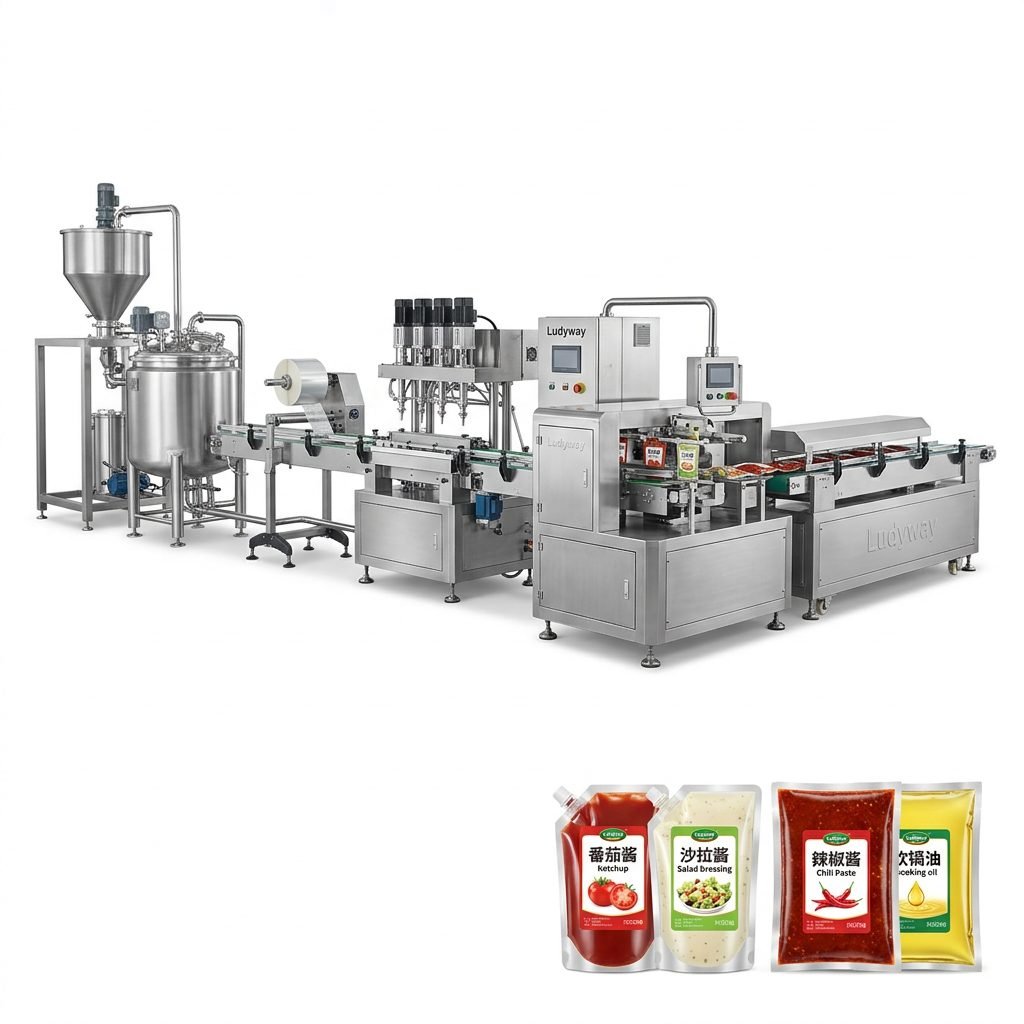
- Liquids and pastes require reliable bag geometry to prevent leakage and seal contamination
- Irregular solids may need larger forming dimensions and careful drop control
The more challenging the product flow, the more important precise bag formation becomes.
3. Match the Former to Film Material
Film structure has a major influence on former performance. Laminated films, PE-based films, aluminum foil structures, recyclable mono-material films, and paper-based materials all respond differently to bending, friction, and sealing pressure.
A former that works well with one film may not perform equally well with another. When selecting a solution, confirm the following:
- Film thickness range
- Coefficient of friction
- Stiffness and memory
- Print registration requirements
- Heat sealing behavior
- Need for recyclable or sustainable material compatibility
If you are switching to eco-friendly packaging materials, your former design may need adjustment to maintain good bag shape and seal consistency.
4. Define Required Output Speed
Production speed changes everything. A former designed for moderate speeds may struggle at high output, especially if film tracking becomes unstable or if wrinkles appear near the sealing area. High-speed lines need smoother film flow, tighter machining tolerances, and optimized geometry.
When comparing solutions, ask:
- What is the stable running speed, not just the maximum speed?
- Has the former been proven with similar products?
- Will high-speed operation affect bag appearance?
- How often does adjustment become necessary during long runs?
5. Check Bag Size Range and Changeover Needs
Many manufacturers today run multiple SKUs. If your line produces different bag widths or lengths, then changeover speed matters. Some operations can use interchangeable forming sets, while others benefit from modular or quick-release designs.
A good bag former solution should support your business model, whether you run:
- Long batches with few format changes
- Frequent SKU changes
- Seasonal promotional packs
- OEM or contract manufacturing projects
6. Evaluate Precision and Surface Finish
The quality of machining and surface treatment is often overlooked. Smooth film travel depends on accurate contour design and a well-finished contact surface. Poorly manufactured formers can scratch film, create drag, or introduce tension inconsistency.
Look for:
- Precision machining
- Stable dimensions
- Smooth edges and film-contact surfaces
- Durable construction materials
- Reliable fit with the machine frame and sealing system
7. Think About Hygiene and Cleaning Requirements
For food, pharmaceutical, health supplement, and cosmetic applications, hygienic design is essential. The former should be easy to clean, resistant to corrosion, and designed to reduce product buildup.
This is especially important for:
- Milk powder and nutritional powders
- Pharmaceutical granules
- Sticky sauces or gels
- Sensitive health supplement products
8. Confirm Integration with the Full Packaging Line
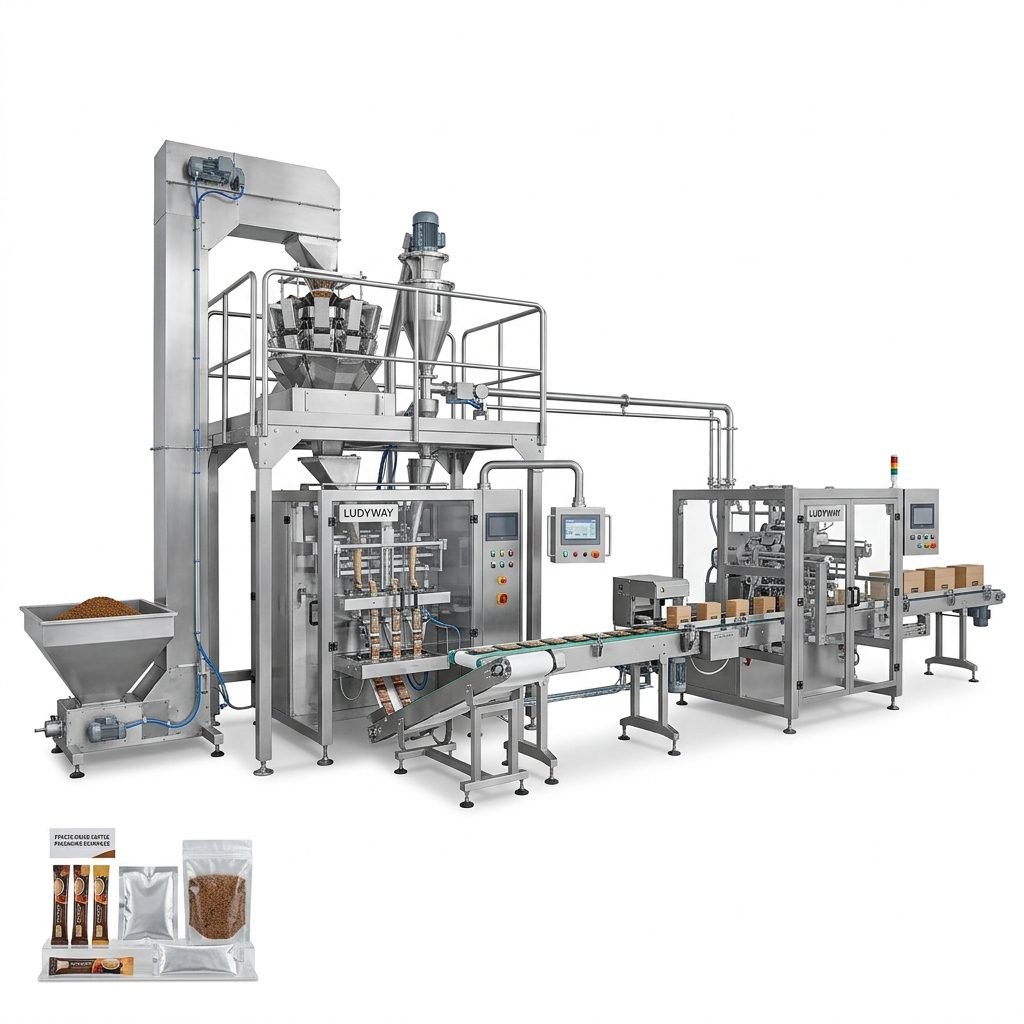
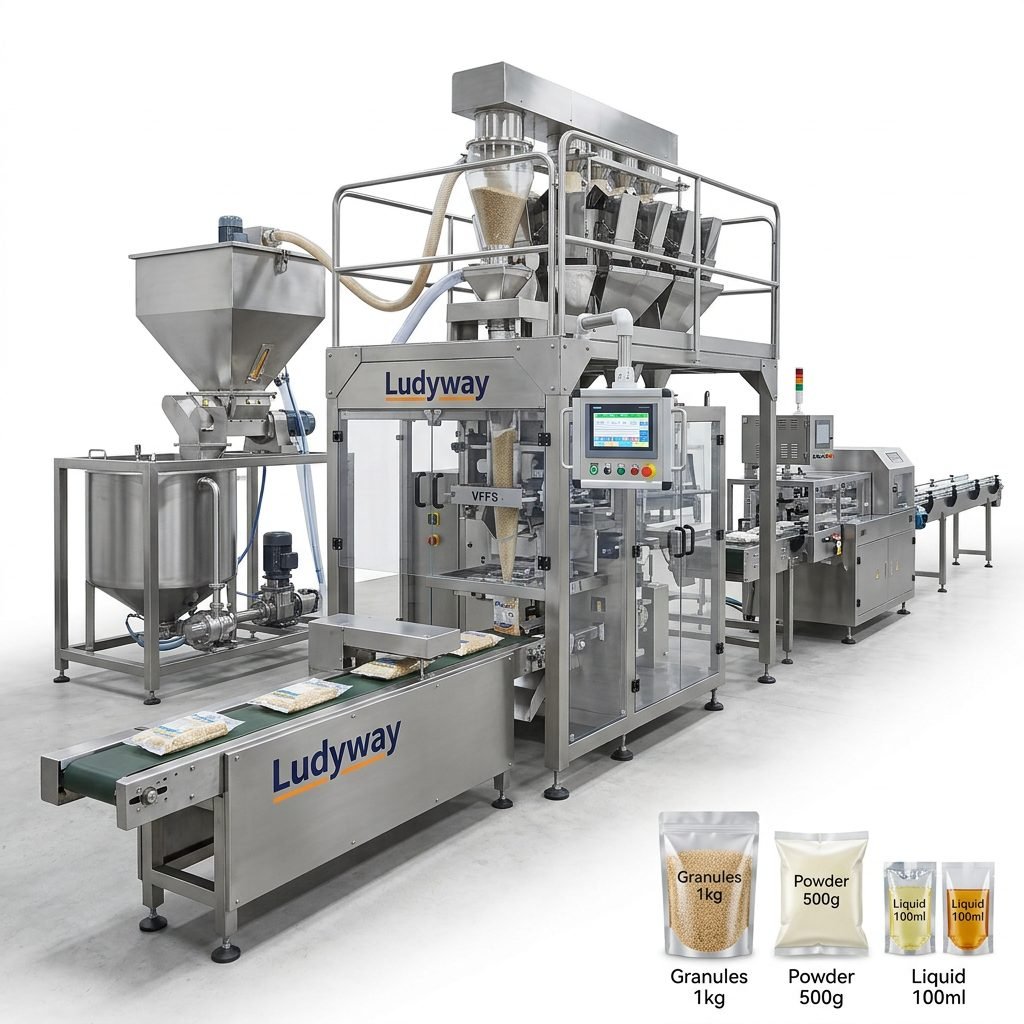
The bag former should never be selected in isolation. It must work as part of the whole system, including film pulling, filling accuracy, sealing jaws, coding, inspection, cartoning, and end-of-line handling. The best results come from a coordinated engineering approach.
If you need a supplier with broad experience in both standalone machines and complete lines, Ludyway packaging machine solutions are often considered by global buyers looking for scalable, customized automation.
Key Technical Questions to Ask Before Buying
Before approving a bag forming solution, ask suppliers these practical questions:
| Question | Why It Matters |
|---|---|
| What bag sizes can this former support? | Determines flexibility and future SKU expansion |
| What films has it been tested with? | Reduces risk of film handling problems |
| What is the typical stable running speed? | Helps verify real production performance |
| Is quick changeover available? | Improves uptime for multi-SKU production |
| How easy is cleaning and maintenance? | Important for hygiene and labor efficiency |
| Can the former be customized? | Important for special products or non-standard bags |
Signs Your Current Bag Former May Be Wrong
If your packaging line has any of the following issues, the bag former may be part of the problem:
- Frequent film wrinkling during forming
- Unstable bag width or poor symmetry
- Inconsistent back seal alignment
- Excessive film waste at startup or during changeover
- Powder or product contamination in the seal area
- Limited ability to run new materials
- Bag appearance deteriorates at higher speed
These symptoms should not always be blamed on operators or sealing jaws. The forming system is often a root cause.
Custom vs Standard Bag Formers
Many buyers ask whether a standard former is enough or if a custom design is necessary. The answer depends on application complexity.
A standard former is often suitable when:
- You run common bag sizes
- Your film is standard and proven
- Your speed target is moderate
- Your product flows easily
A custom former is often better when:
- You use specialty or recyclable films
- You require unusual bag dimensions
- You run at high speed
- Your product is difficult to handle
- You need premium bag appearance for retail packaging
For fast-growing manufacturers, customization can be a practical investment rather than an unnecessary extra.
Industry-Specific Selection Tips
Food Packaging
Food producers often prioritize seal reliability, appearance, and hygienic design. Powdered drinks, coffee, spices, cereals, sauces, and snack products each need different forming behavior. Cleanability and stable bag presentation are especially important for retail products.
Pharmaceutical and Health Supplement Packaging
In pharma and nutraceutical applications, precision, repeatability, and material compatibility are essential. Sachet and stick pack products often require strict dimensional consistency and dependable sealing to support quality standards.
Chemical Packaging
For powders, additives, and industrial granules, durability and contamination control are key. Formers may need robust materials and designs suited to abrasive or fine dusty products.
Cosmetic and Personal Care Packaging
Creams, gels, lotions, and beauty sachets require a bag former that helps create clean, attractive packs with dependable seals. Premium presentation matters strongly in this sector.
How the Right Supplier Adds Value
A good supplier does more than deliver a metal forming part. They should understand your product, bag type, line speed, film structure, and long-term production goals. The best partners provide application testing, engineering advice, customization options, and after-sales technical support.
When evaluating suppliers, consider:
- Years of packaging machinery experience
- Range of industries served
- Ability to provide turnkey lines
- Export and international service capability
- Engineering and customization strength
Final Buying Checklist
Use this quick checklist before making your final decision:
- Bag style confirmed
- Product flow characteristics evaluated
- Film material tested or verified
- Required speed clearly defined
- Bag size range and changeover needs reviewed
- Precision machining and surface quality checked
- Cleaning and hygiene requirements considered
- Integration with full line confirmed
- Customization options discussed
- After-sales support assessed
The right bag former for packing machine operations should fit your product, your packaging material, and your production strategy. When selected correctly, it becomes a reliable foundation for better bag quality, smoother machine performance, and stronger long-term return on investment.