Selecting the right packaging machine for cat food production is a critical decision that impacts product quality, shelf life, operational efficiency, and brand perception. The packaging not only protects the nutritional integrity of the food but also serves as a key marketing touchpoint for consumers. With various technologies available, understanding the types, features, and selection criteria is essential for manufacturers aiming to optimize their packaging lines.
Primary Types of Cat Food Packaging Machines
The cat food industry utilizes several packaging formats, each requiring specialized machinery.
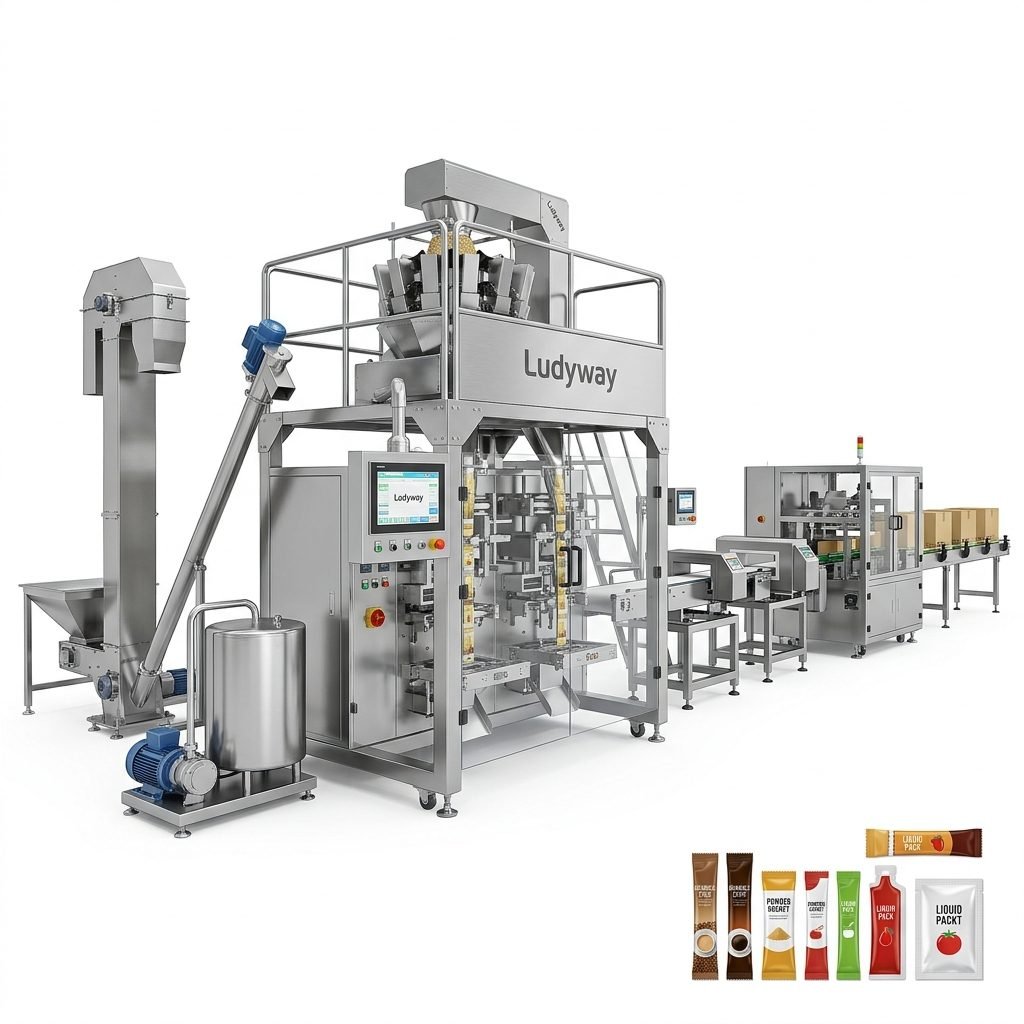
Vertical Form-Fill-Seal (VFFS) Machines
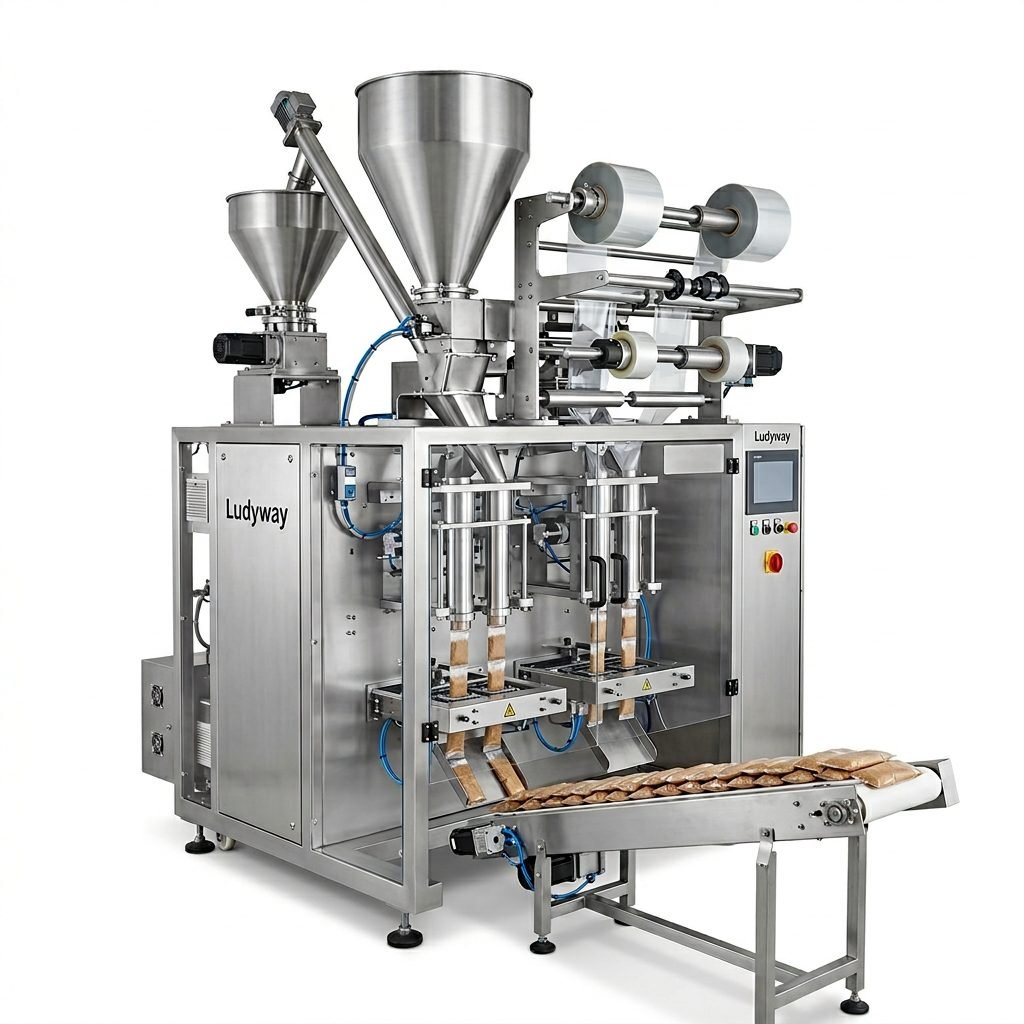
These are among the most common machines for dry kibble and pellet packaging. They form a bag from a roll of film, fill it with product, and seal it in a continuous vertical process. They are highly efficient for producing pillow bags or stand-up bags with gussets.
Horizontal Form-Fill-Seal (HFFS) Machines
Often used for multi-packs, trays, or box-style packaging. The film or material travels horizontally, and the machine forms pockets or trays, fills them, and often applies a lidding film. This type is suitable for portion-controlled packs or wet food in trays.
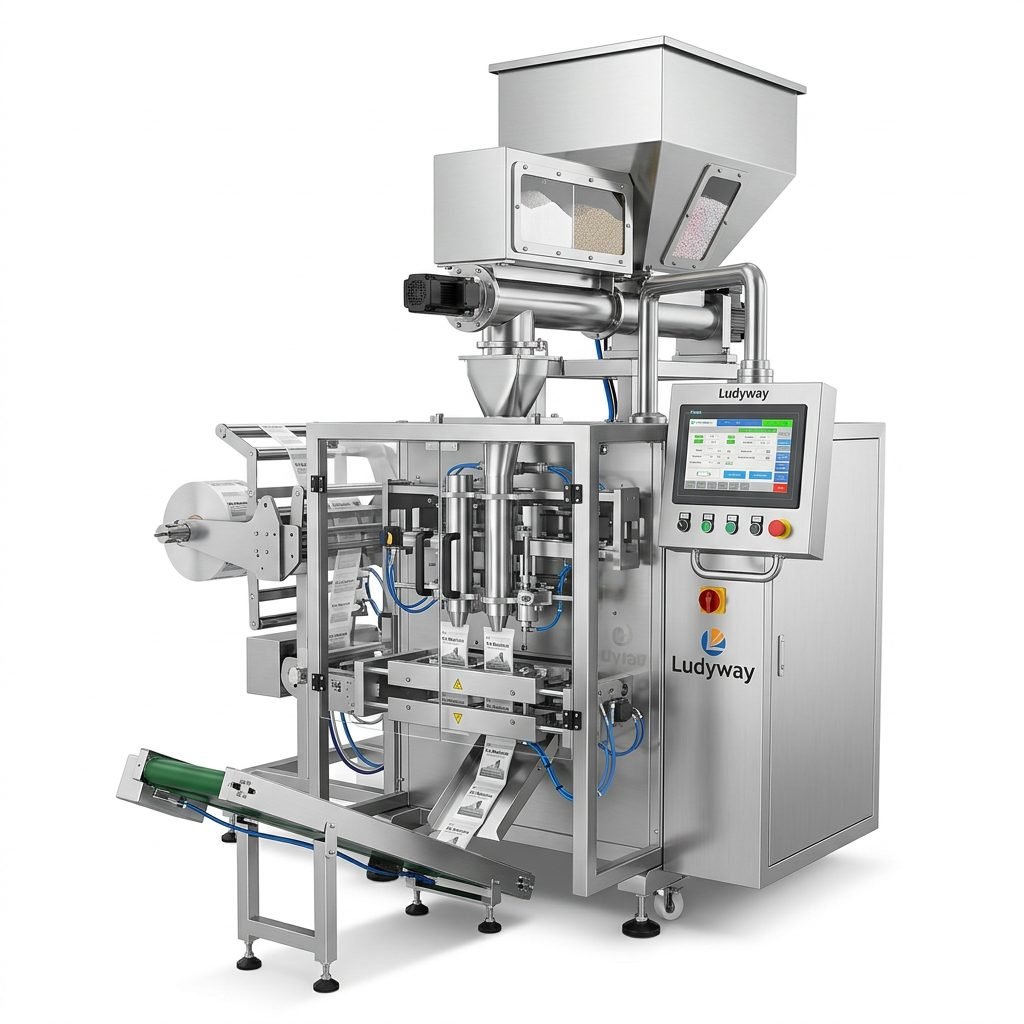
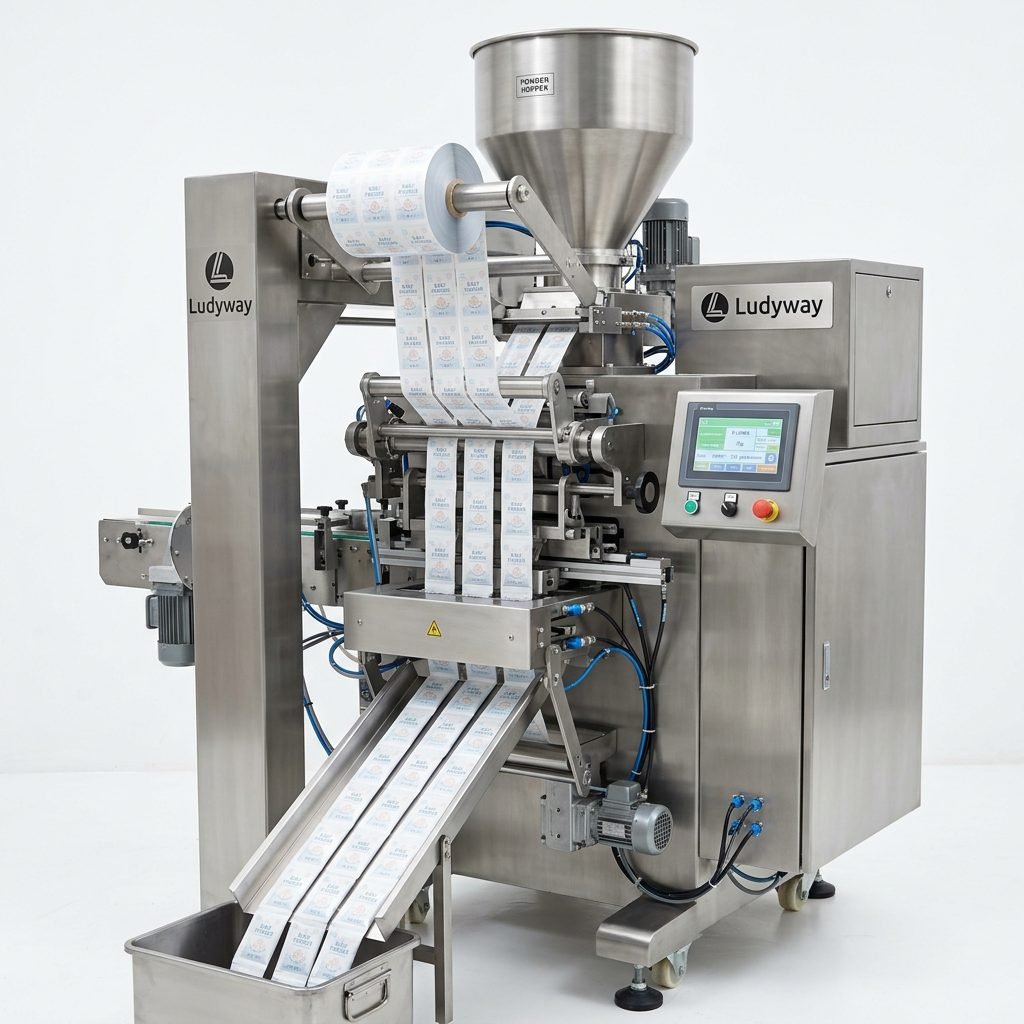
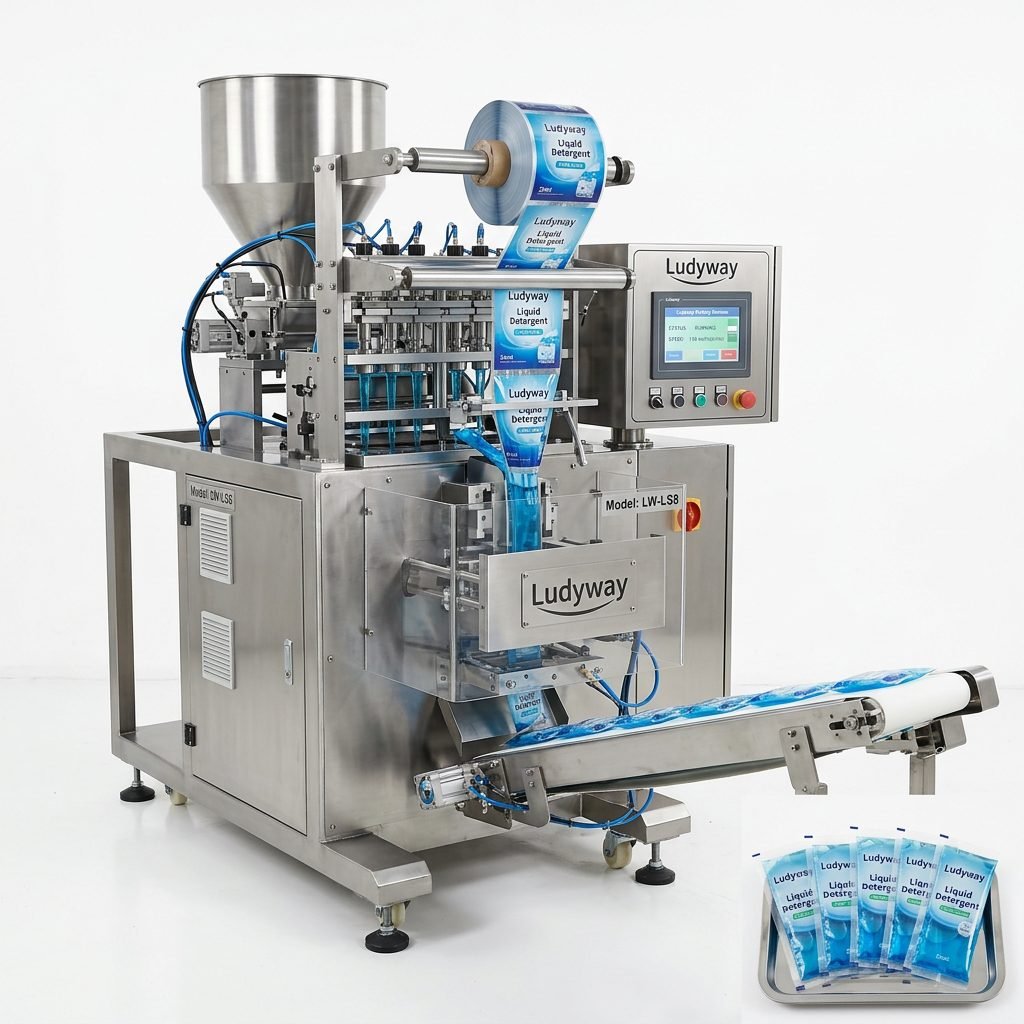
Sachet & Stick Pack Machines
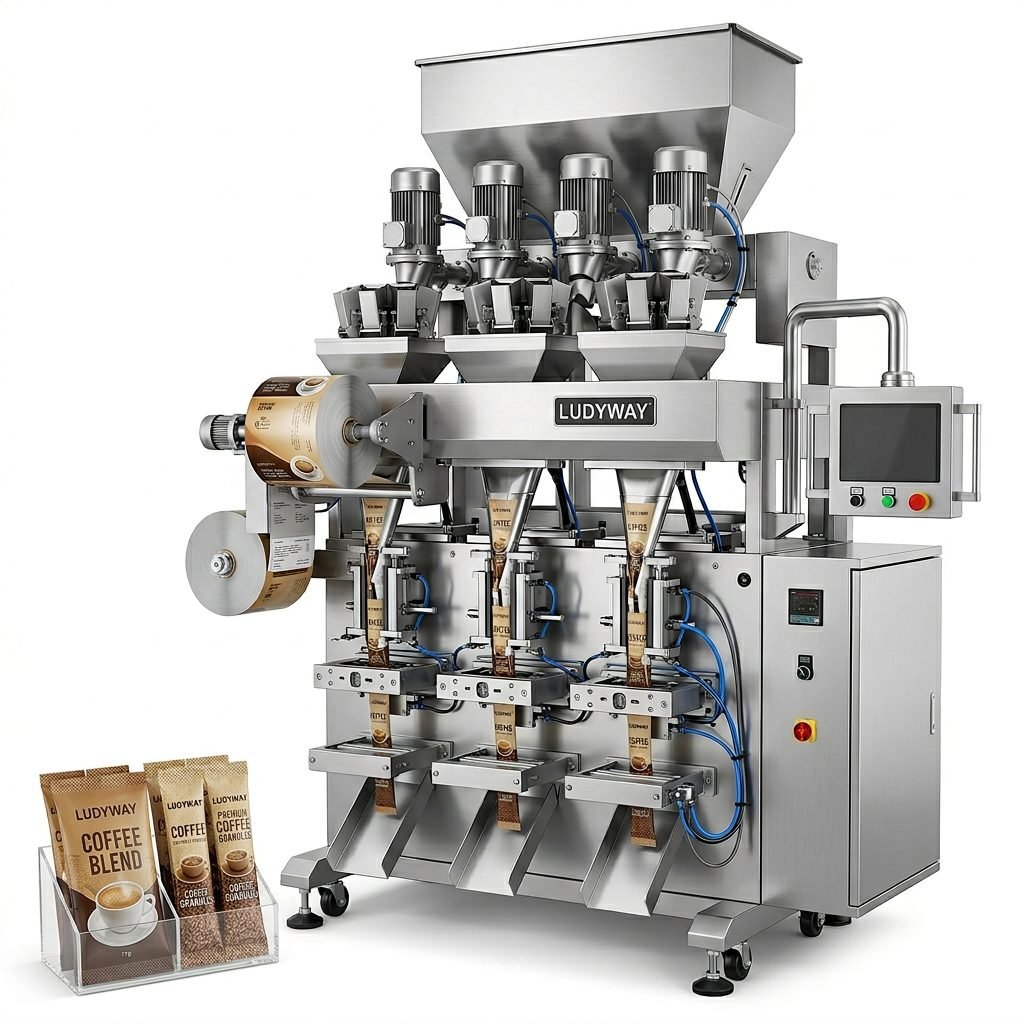
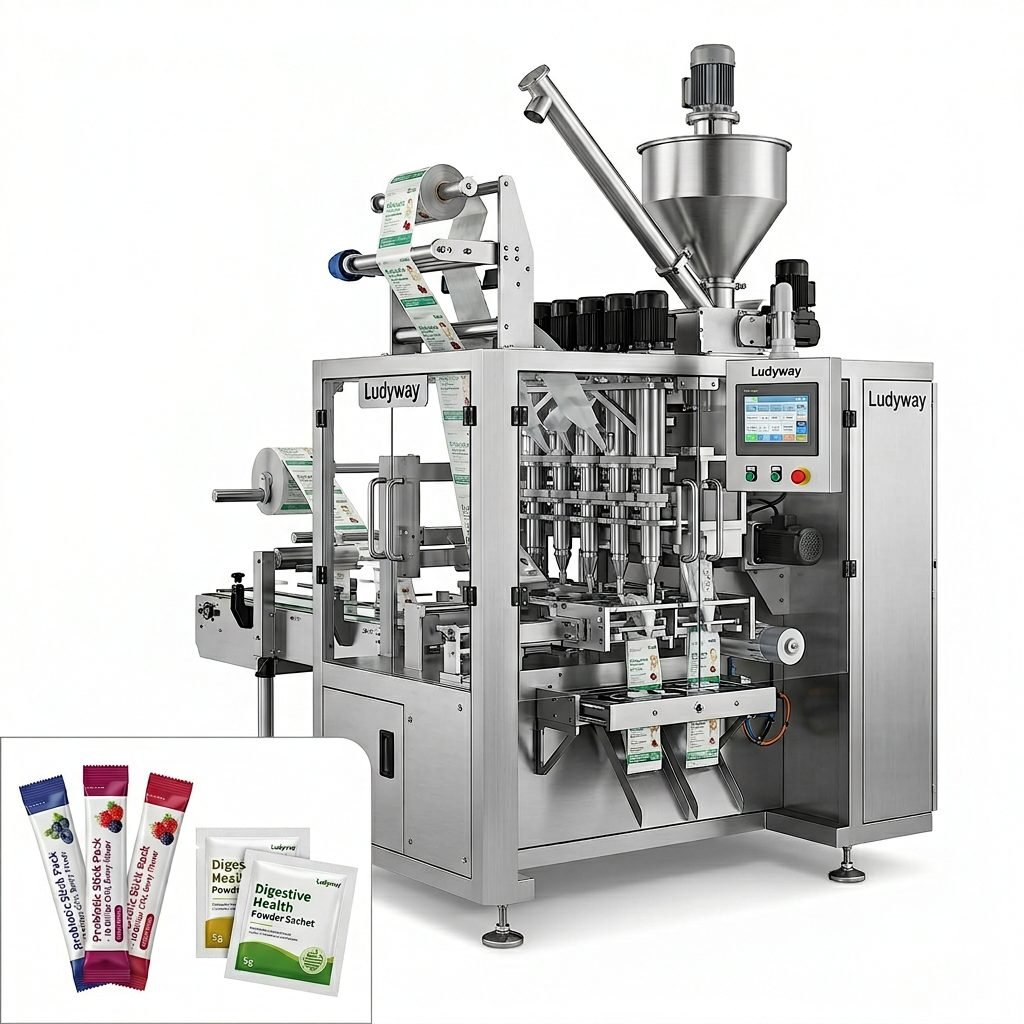
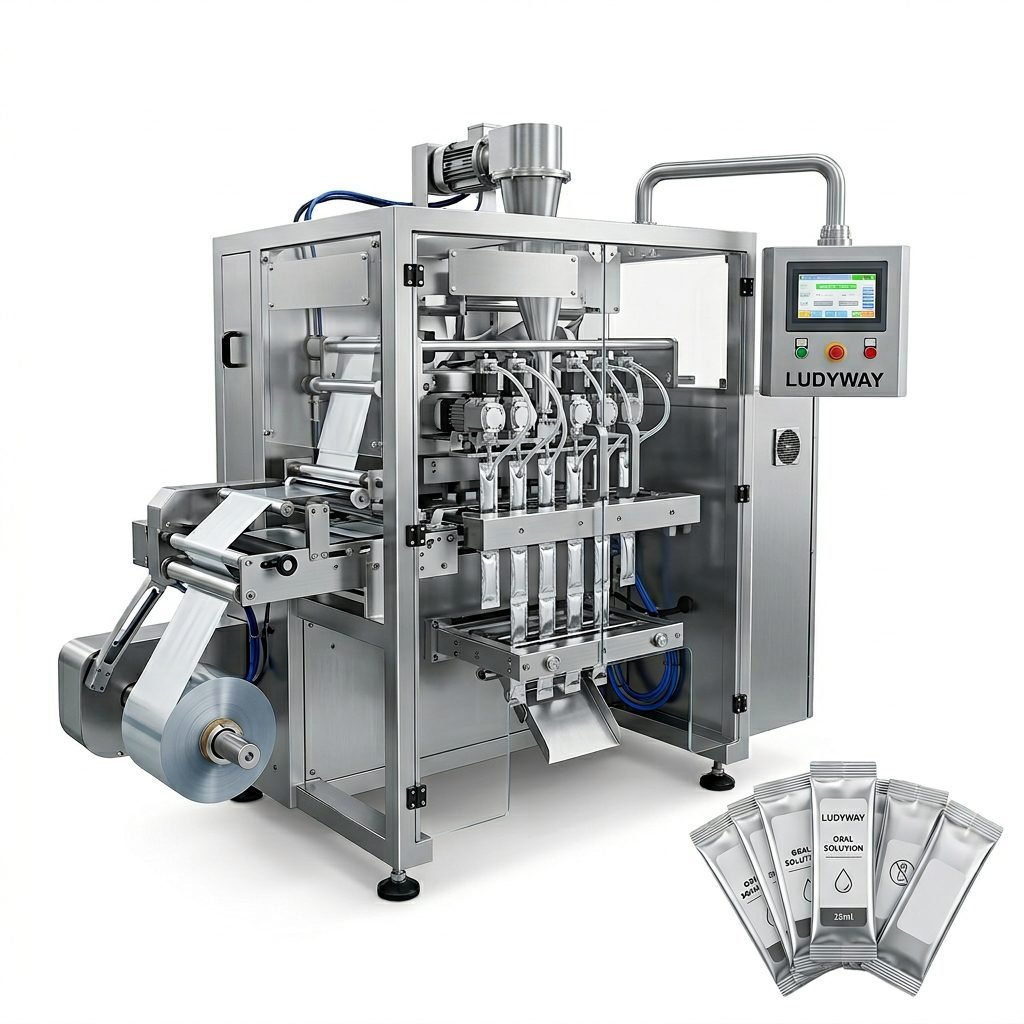
Designed for small, single-serving portions of powders, pastes, or liquid supplements. These machines create small, sealed pouches from roll stock, ideal for gravy toppers, nutritional powders, or paste treats.
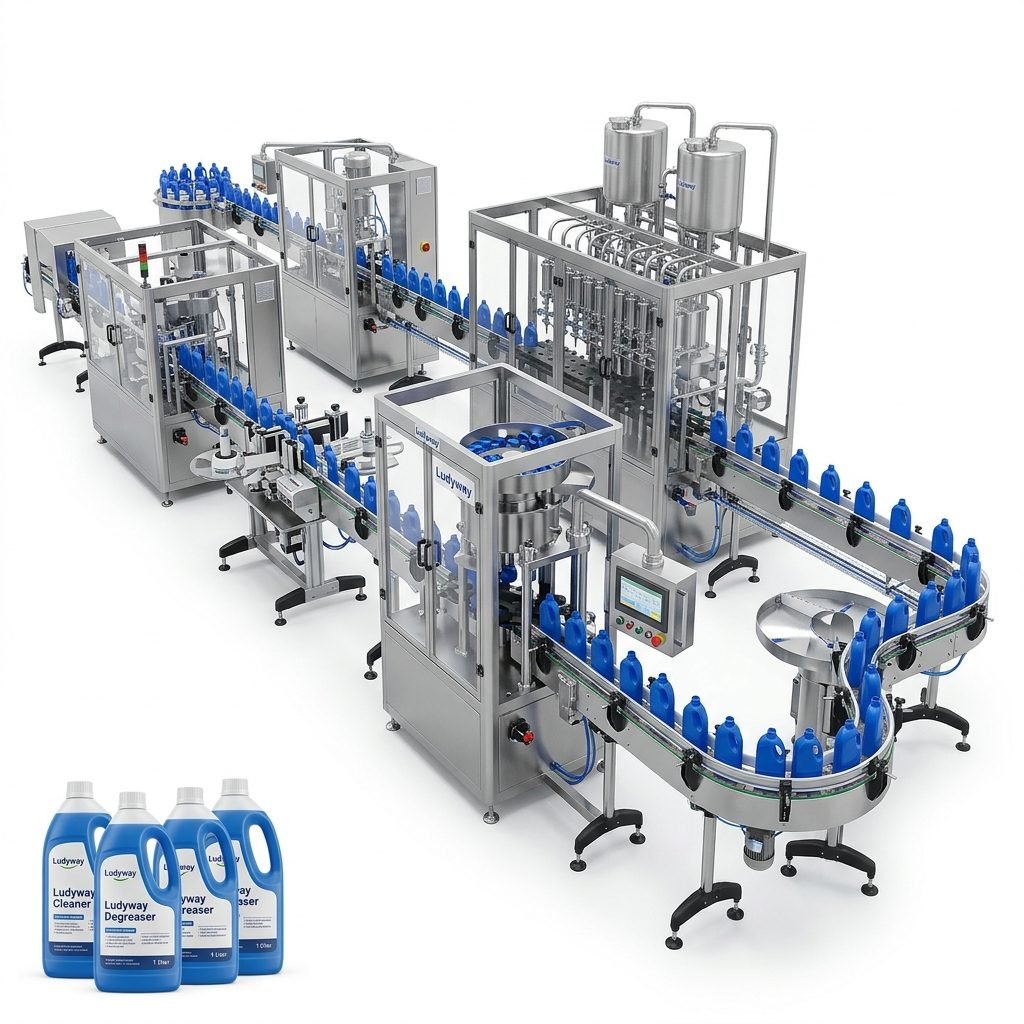
Canning & Tinning Lines
For wet cat food in metal containers. These lines involve washing, filling, sealing, and sterilization processes. They are complex systems but are vital for products requiring long shelf life and robust barrier protection.
Bulk Bagging Machines
Used for large-volume packages like 10kg or 20kg bags for commercial or wholesale distribution. They often incorporate weigh-fillers and heavy-duty bag handling.
Key Features to Evaluate
Beyond the machine type, specific features determine performance and suitability.
Production Speed & Output
Measured in bags or packs per minute (ppm). High-speed VFFS machines can exceed 120 ppm, while intricate horizontal packs might run at 40-60 ppm. Match the speed to your overall line capacity.
Accuracy of Filling System
Critical for weight control and cost management. Systems include volumetric fillers, auger fillers for powders, and multi-head weighers for kibble. Look for precision with low giveaway.
Material Compatibility & Flexibility
The machine must handle your chosen film—whether it’s simple polyethylene, high-barrier metallized film for freshness, or recyclable paper composites. Some machines offer quick changeover for different bag sizes or materials.
Integration & Automation Level
Modern machines feature PLC controls, touchscreen HMI, and connectivity for integration with upstream feeders and downstream labeling/case packing. Consider IoT capabilities for remote monitoring.
Sanitation & Cleanability
Cat food production demands hygiene. Machines with smooth surfaces, easy-access panels, and CIP (Clean-in-Place) options reduce downtime for cleaning and meet food safety standards.
How to Choose the Right Machine for Your Operation
The selection process should be systematic, aligning technical capabilities with business needs.
1. Define Your Product & Packaging Format
Is it dry, wet, semi-moist? What is the portion size? Determine the final bag, pouch, or can specification first. This dictates the primary machine type.
2. Analyze Required Production Volume
Calculate your current and projected output. A small boutique brand may need a semi-automatic machine, while a large contract manufacturer requires a high-speed, continuous line.
3. Consider Your Material Supply & Sustainability Goals
If you plan to switch to recyclable films in the future, ensure the machine can handle the different sealing and handling characteristics of those materials.
4. Evaluate Operational Environment & Skills
Do you have the space, power, and compressed air supply? What is the skill level of your operators? Highly automated machines reduce labor but require technical support.
5. Plan for Future Flexibility & Scalability
Can the machine handle a range of bag sizes? Is it modular to allow adding a second head for higher output later? Avoid a machine that locks you into a single format.
6. Assess Supplier Support & Reliability
The machine’s origin and the supplier’s local support network are crucial. Look for suppliers with a strong track record in the pet food industry, offering comprehensive training, spare parts availability, and prompt technical service. A reliable partner ensures minimal downtime and long-term operational success.
Common Questions About Cat Food Packaging Machines
What is the typical cost range for a cat food packaging machine?
Costs vary widely. A basic semi-automatic sachet machine may start around $20,000, while a high-speed, fully integrated VFFS line with weighers and automation can exceed $200,000. The final price depends on speed, accuracy, automation, and brand.
How important is the filling accuracy for dry cat food?
Extremely important. Overfilling increases material cost, underfilling can lead to regulatory non-compliance and consumer complaints. Multi-head weighers offer the best accuracy for mixed-size kibble, often achieving tolerances within ±1 gram.
Can one machine package both dry kibble and wet food in trays?
Generally, no. The product characteristics and packaging materials are too different. Dry food uses flexible films, while wet food often requires pre-formed trays and lidding. Some facilities use separate dedicated lines for each product type.
What maintenance is required for these machines?
Regular maintenance includes daily cleaning, lubrication of moving parts as per schedule, inspection and replacement of wear items like sealing jaws, cutting blades, and film guides, and calibration of the weighing system. Preventive maintenance plans from the supplier are recommended.
How long does it take to install and commission a new machine?
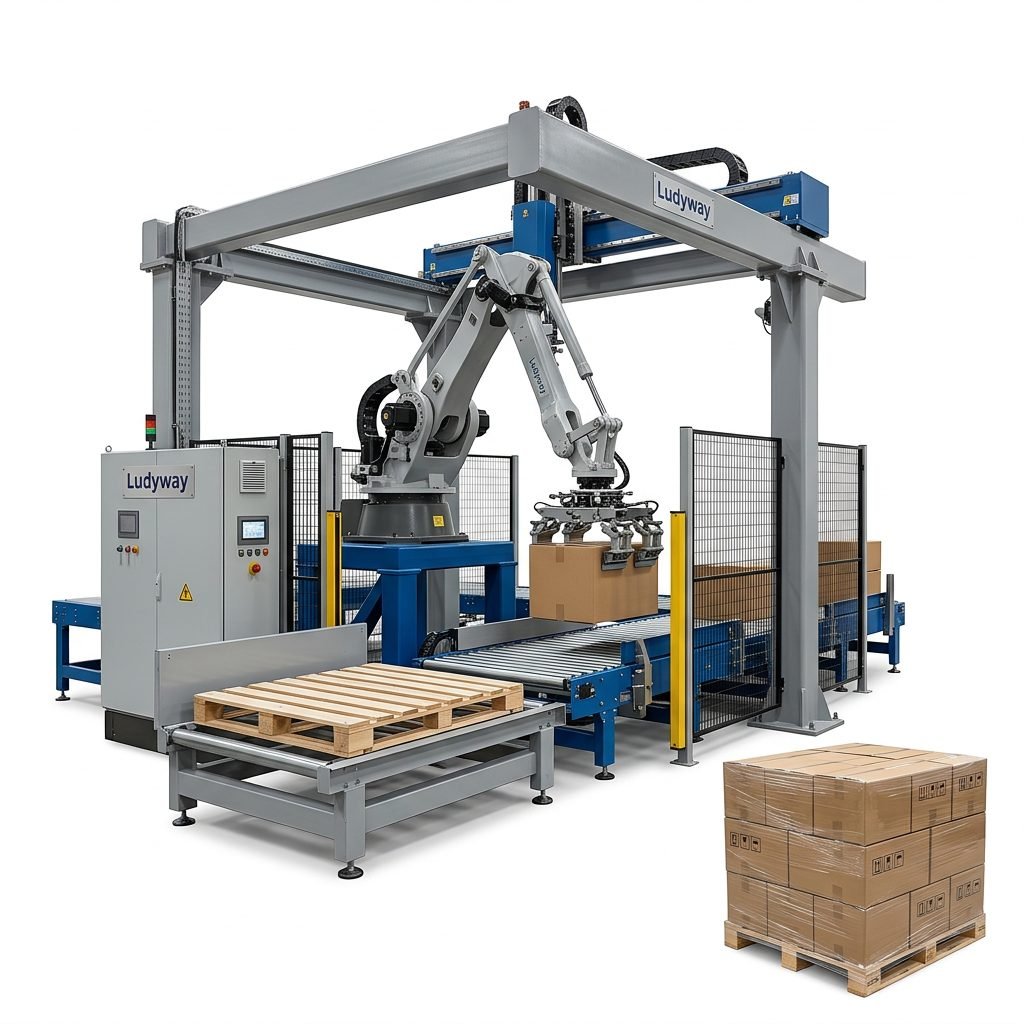
For a standard machine, installation and basic commissioning can take 5-10 days with supplier support. For a complex, fully integrated line involving multiple components (feeder, machine, labeler, case packer), the process can extend to several weeks to ensure smooth synchronization.