Choosing the right vertical vacuum packing machine can make a major difference in food shelf life, packaging speed, product appearance, and operating cost. For food manufacturers, wholesalers, and growing brands, the ideal machine is not simply the fastest or most advanced one—it is the one that best matches your product characteristics, output goals, hygiene requirements, and long-term expansion plan.
This guide explains how to evaluate a machine step by step, what technical points matter most, and how to avoid expensive purchasing mistakes.

What Is a Vertical Vacuum Packing Machine?
A vertical vacuum packing machine is an automated packaging system designed to form or fill bags in a vertical position, remove air from the package, and seal it tightly. In food applications, this helps reduce oxidation, limit moisture exposure, improve storage stability, and present a cleaner package shape.
These machines are commonly used for:
- Powders such as milk powder, coffee powder, seasoning, and nutrition products
- Granules such as rice, beans, seeds, sugar, nuts, and pet food
- Certain solid or irregular food items that benefit from vacuum or reduced-air packaging
- Products requiring better transport efficiency and reduced pack volume
Why Vacuum Packaging Matters in Food Production
Food packaging is no longer only about containment. Buyers, distributors, and retailers expect freshness, consistency, safety, and visual appeal. A vertical vacuum system can help deliver all four when matched correctly to the product.
- Longer shelf life: removing air slows oxidation and quality loss
- Better product protection: sealed packs reduce contamination risk
- Improved logistics: compact packs often save storage and shipping space
- Stronger presentation: cleaner package shape supports premium branding
- More stable automation: integrated filling, vacuuming, and sealing improve line efficiency
Key Factors to Consider Before Buying
1. Product Type and Flow Characteristics
Start with the product itself. Different foods behave very differently during filling and vacuum sealing. Fine powder, sticky granules, fragile snacks, frozen ingredients, and dense grains all place different demands on the machine.
Ask these questions:
- Is the product powder, granule, pellet, chunk, or mixed material?
- Does it flow smoothly or bridge in the hopper?
- Is it fragile and easy to crush under vacuum?
- Does it contain oil, moisture, or dust?
- Does it require nitrogen flushing in addition to vacuum control?
For example, rice and beans may need stable weighing and strong vacuum compaction, while powder products may need dust-control design and accurate auger filling.
2. Packaging Speed Requirements
A machine that is too slow will limit your production. A machine that is too large may increase cost without improving actual efficiency. Match the speed to your current orders and expected growth over the next three to five years.
| Production Need | Suggested Focus |
|---|---|
| Small batch or startup production | Flexible model, easy changeover, moderate automation |
| Medium-volume factory | Stable speed, low downtime, reliable vacuum control |
| High-volume industrial line | High-speed automation, integration with feeders and conveyors |
| Multi-product packaging plant | Quick format adjustment, recipe memory, broad bag compatibility |
3. Vacuum Quality and Seal Integrity
Not all vacuum systems perform equally. In food packaging, poor vacuum consistency can lead to bag swelling, shorter shelf life, returns, and customer complaints. Seal quality is equally important because even a strong vacuum is useless if the seal leaks.
Look for:
- Stable vacuum level across repeated cycles
- Strong, neat, wrinkle-free seals
- Temperature control suitable for your film material
- Leak reduction design
- Reliable sealing even with dusty or powder-heavy products
4. Bag Style and Material Compatibility
The machine must fit your preferred packaging format. Some businesses focus only on machine specs and forget to confirm whether their chosen film structure, bag size, and final appearance are fully compatible.
Check whether the equipment supports:
- Pillow bags
- Gusset bags
- Quad seal bags
- Brick-style vacuum bags
- Different laminate film materials and thicknesses
If your food product is sold in retail channels, packaging appearance can directly affect brand value. For many coffee, rice, grains, pet food, and dry ingredient brands, a compact and uniform vacuum bag offers a more premium look.
5. Filling Accuracy
Packaging efficiency is not only about speed. It also depends on how accurately the machine fills each pack. Overfilling wastes product. Underfilling risks compliance and customer dissatisfaction.
Different dosing systems may be used:
- Multi-head weighers for granules and irregular solids
- Auger fillers for powders
- Volumetric cup fillers for simple free-flowing products
- Custom feeding systems for special product behavior
6. Hygiene and Cleanability
Food packaging equipment should be easy to clean and designed to reduce contamination risk. This is especially important for powdered foods, allergens, health products, and export-oriented manufacturers.
Important features include:
- Food-grade contact parts
- Stainless steel structure
- Easy hopper removal and cleaning access
- Dust-resistant or enclosed filling section
- Simple maintenance areas without complex dead corners
7. Automation and Line Integration
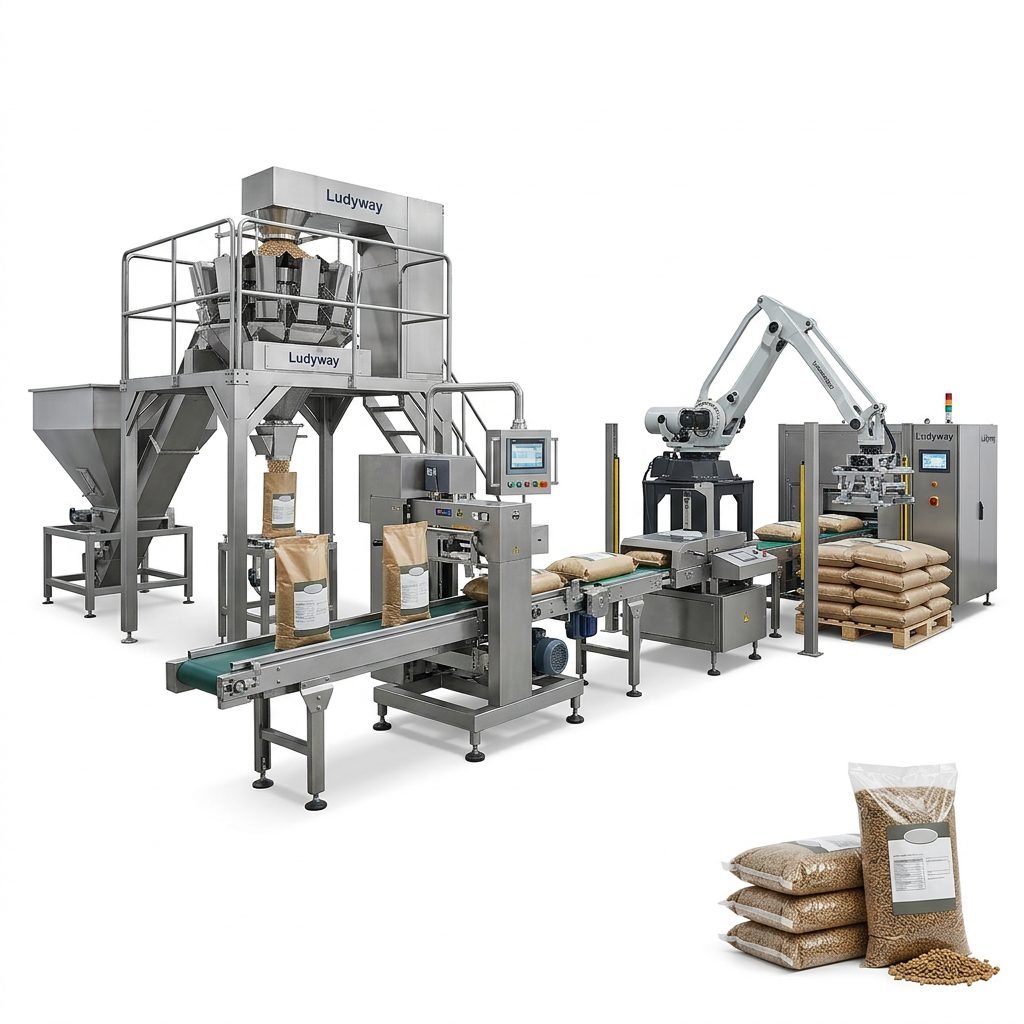
A standalone machine may work today, but your business may need a complete line tomorrow. If your plant is expanding, choose a machine that can integrate with feeding, weighing, metal detection, checkweighing, coding, cartoning, and case packing systems.
This is especially valuable for manufacturers aiming to reduce labor dependency and improve production consistency.
How to Match the Machine to Your Food Product
| Food Product Type | Machine Consideration | Recommended Priority |
|---|---|---|
| Rice, beans, grains | Strong vacuum shaping, accurate weighing | Bag shape and seal consistency |
| Coffee powder, milk powder, spice powder | Dust control, auger filling, stable seal | Accuracy and hygiene |
| Nuts, pet food, dry snacks | Gentle handling, suitable weighing system | Product protection and speed |
| Freeze-dried food | Controlled vacuum to avoid crushing | Vacuum precision and pack integrity |
| Health supplement powders | High cleanliness, precise dosage | Repeatability and compliance support |
Common Mistakes Buyers Should Avoid
- Choosing only by price — a cheaper machine may cost more later in downtime, maintenance, and waste.
- Ignoring product testing — actual packaging trials are essential before purchase.
- Underestimating future capacity — buying too small may create a bottleneck within a year.
- Overlooking film compatibility — not every machine works well with every bag material.
- Neglecting after-sales support — spare parts, training, and technical response matter.
- Focusing only on machine speed — stable output is more important than theoretical peak speed.
Questions to Ask a Supplier Before Ordering
- Can the machine be tested with my actual food product?
- What bag types and sizes does it support?
- What filling system is best for my product?
- What is the real production speed under working conditions?
- How stable is the vacuum level and seal quality?
- How easy is it to clean and maintain?
- Can the machine connect to upstream and downstream equipment?
- What spare parts and technical services are available?
- Is customization possible for special packaging requirements?

Why Technical Support and Manufacturing Strength Matter
When investing in packaging equipment, the supplier’s engineering and manufacturing capability is nearly as important as the machine itself. A well-built system should deliver stable operation, repeatable packaging quality, and room for customization.
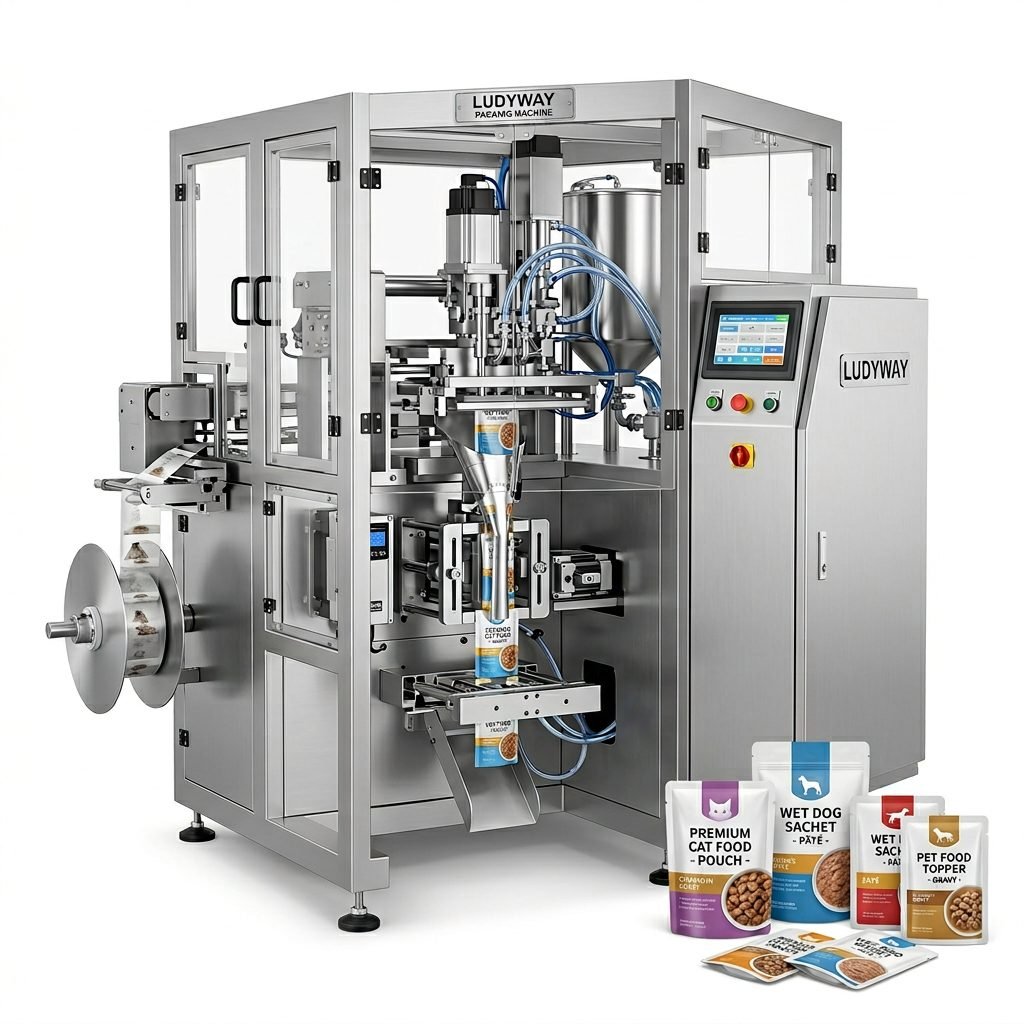
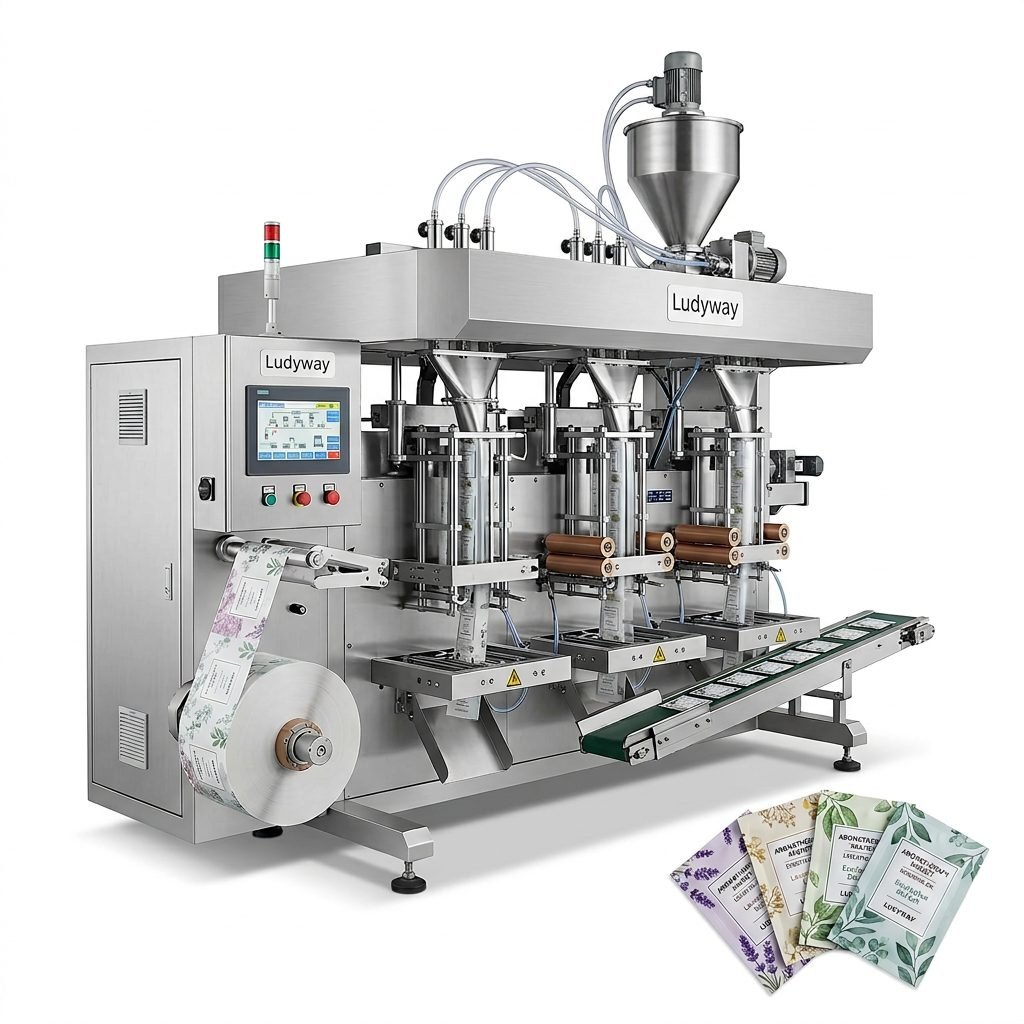
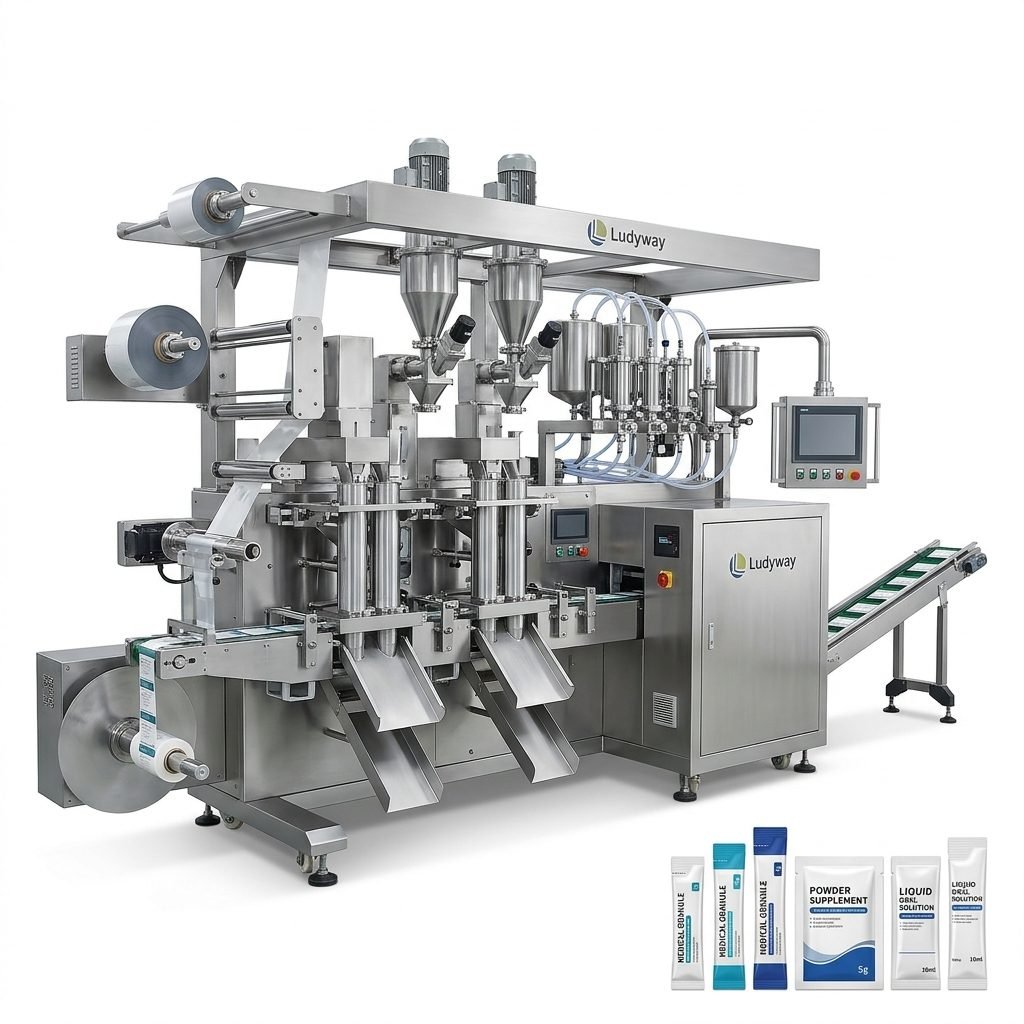
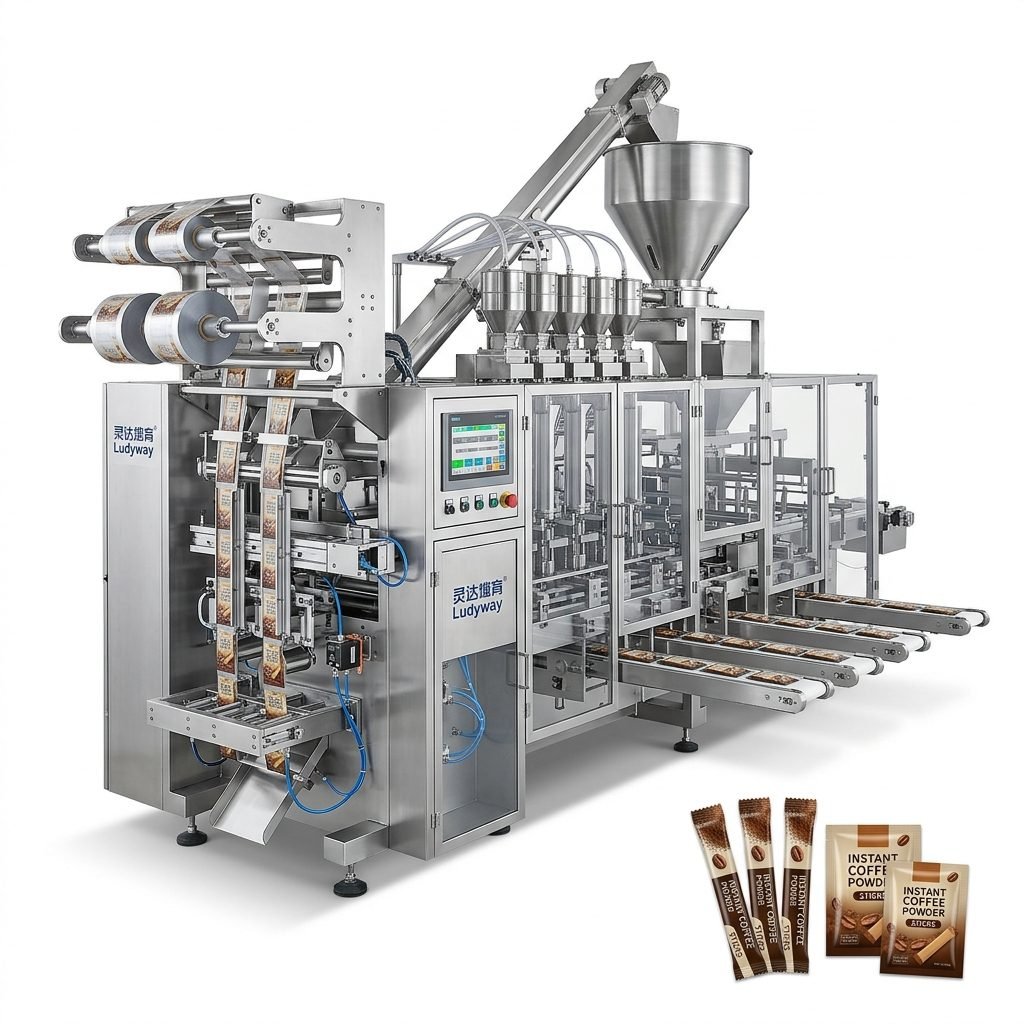
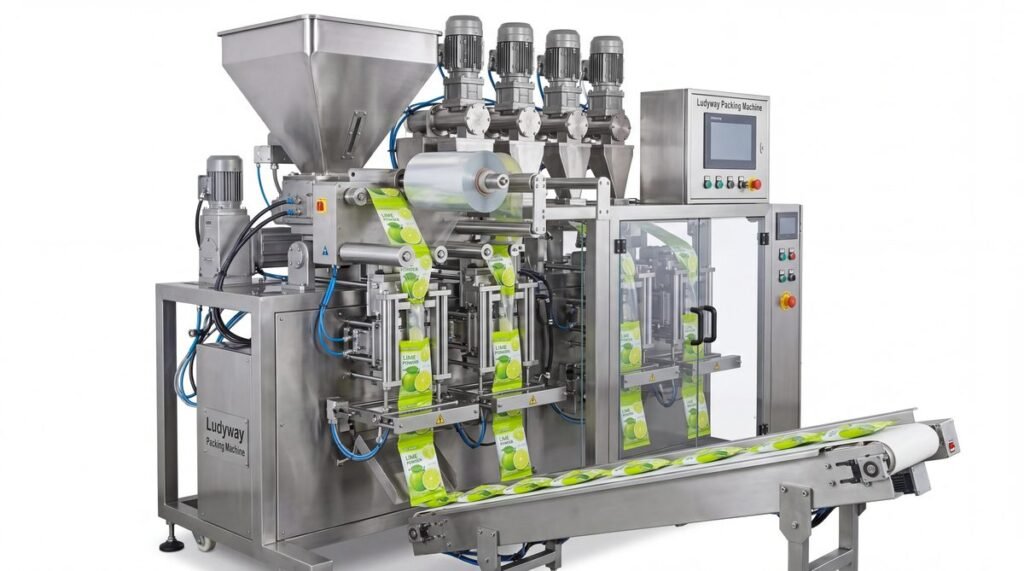
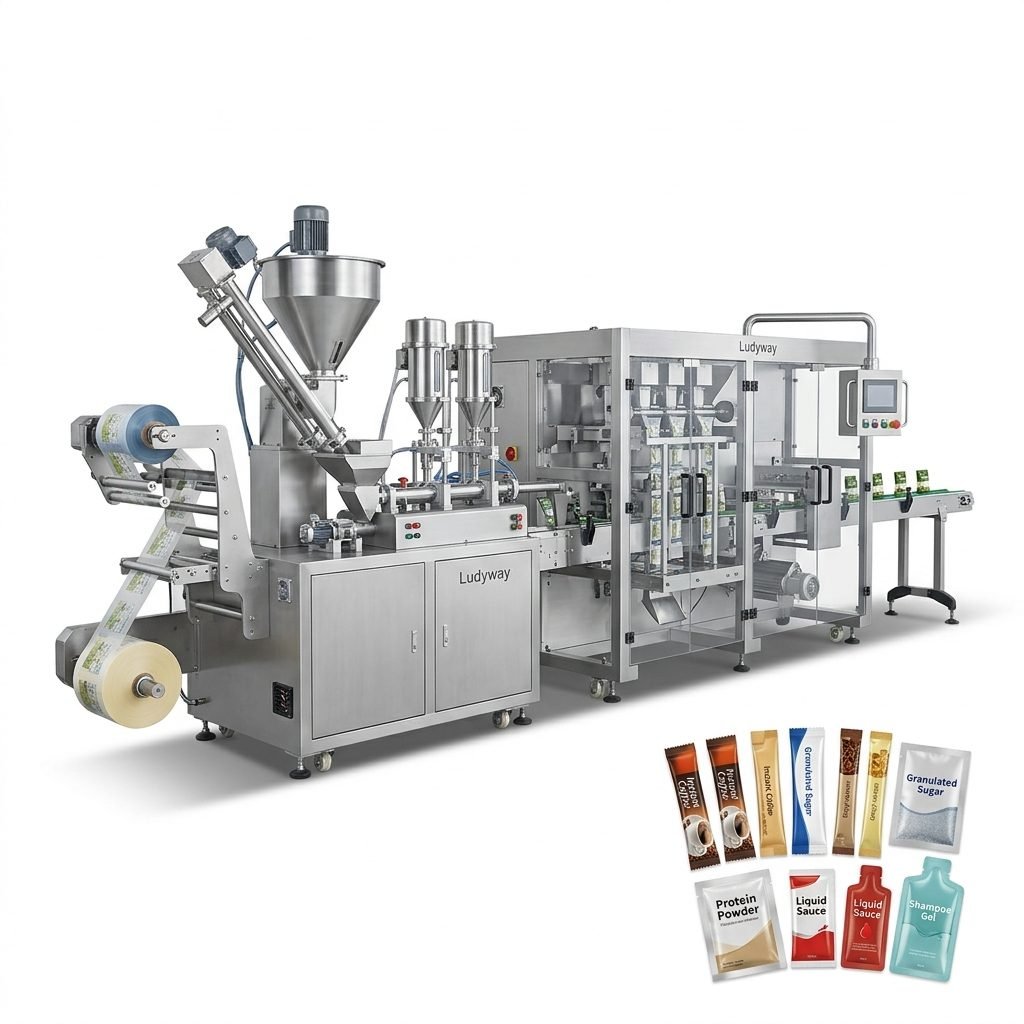
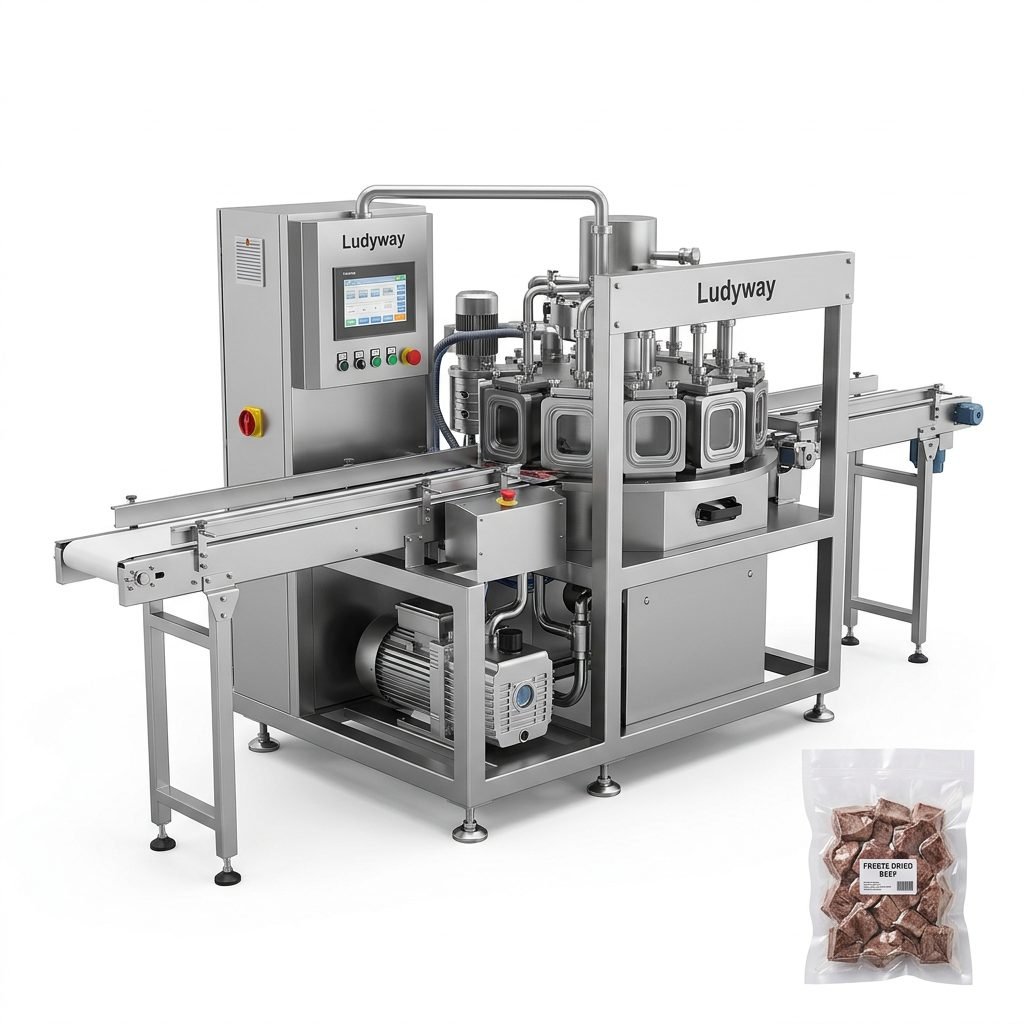
For buyers looking for scalable food packaging solutions, vertical vacuum packing machine manufacturer Ludyway offers a broad packaging machinery portfolio and turnkey line capability for food, pharmaceutical, health supplement, and related industries. With more than 30 years of manufacturing experience, a factory over 20,000 square meters, and export coverage across more than 100 countries and regions, the company is often considered by businesses seeking both standalone machines and integrated packaging systems.
Signs You’ve Found the Right Machine
A suitable vertical vacuum packing machine should give you more than basic operation. It should support your business in practical and measurable ways.
- Consistent vacuum effect and seal quality
- Low product waste and accurate filling
- Simple operation for staff
- Reasonable maintenance demands
- Compatibility with your food packaging goals
- Reliable supplier communication and service
- Flexibility for future product or volume changes
Final Buying Advice for Efficient Food Packaging
The best vertical vacuum packing machine is the one that aligns with your product type, desired package style, production target, sanitation standard, and growth plan. Instead of buying based on a brochure alone, evaluate the machine through product testing, technical discussion, and full line planning.
If you compare machines carefully and focus on real packaging performance—not just headline speed—you can improve shelf life, reduce labor, strengthen brand presentation, and build a more efficient food packaging operation for the long term.