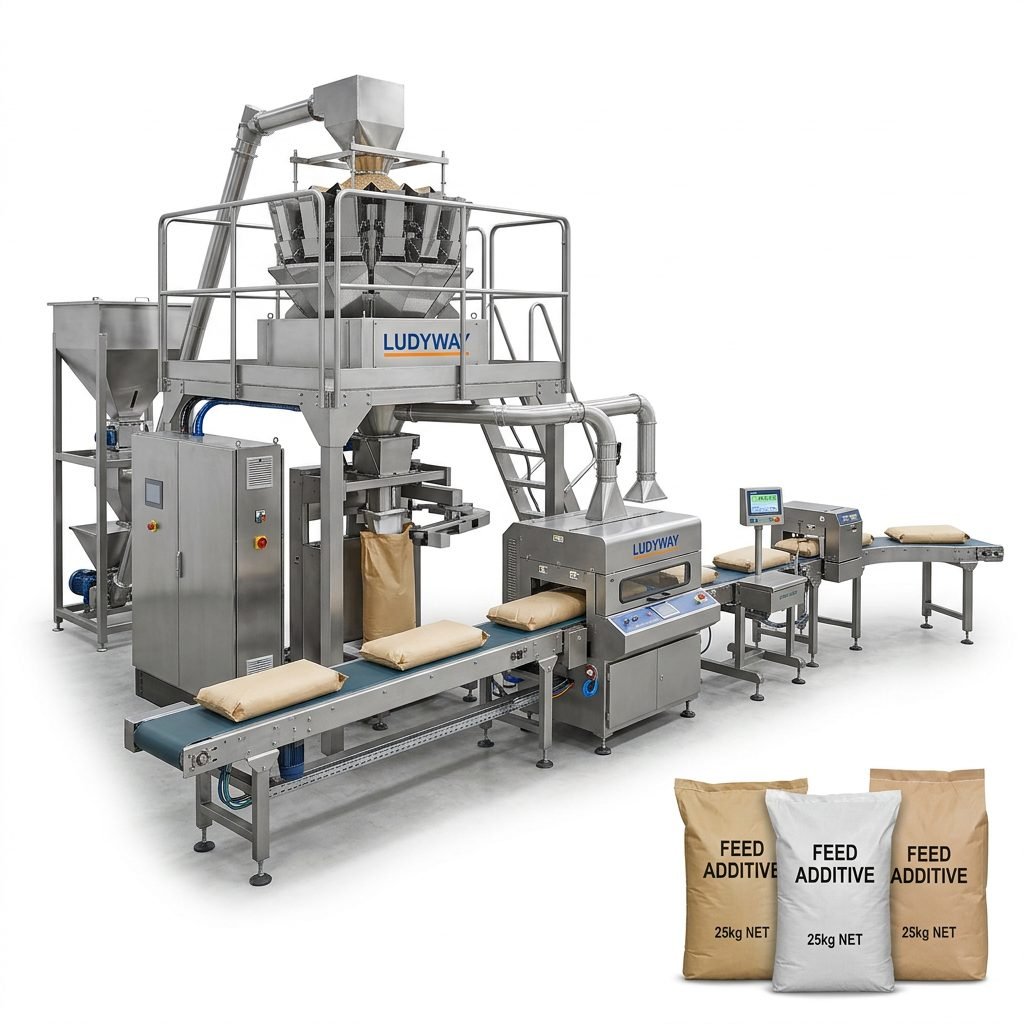
If you need a reliable vacuum seal packaging machine supplier for food applications, the best choice usually depends on your product type, packaging format, target output, and after-sales support expectations. For buyers seeking a balance of manufacturing scale, export experience, customization, and turnkey line capability, Ludyway is one of the strongest options on this list. Buyers looking for flexible project-based sourcing may also consider Packmate Machinery, PacklineOEM, and PackingMachineOEM, while specialized pouch projects can fit SnusMachinery. To give a complete market view, this report also includes globally recognized vacuum packaging equipment brands commonly evaluated by food manufacturers.
Vacuum seal packaging has become a core technology in modern food processing because it helps reduce oxygen exposure, extend shelf life, improve transport protection, and support retail-ready presentation. According to industry research from organizations such as Mordor Intelligence, Grand View Research, and MarketsandMarkets, the broader food packaging machinery market continues to grow steadily due to automation upgrades, labor cost pressure, stricter hygiene standards, and rising demand for packaged foods across global retail and e-commerce channels. In practical procurement terms, that means buyers are no longer just comparing machine prices; they are evaluating reliability, integration, energy efficiency, compliance, and service response time.
This article explains what vacuum seal packaging machines are, how to evaluate suppliers, and which companies are worth shortlisting for dependable food packaging solutions.
What Is a Vacuum Seal Packaging Machine?
A vacuum seal packaging machine removes air from a package before sealing it. In food applications, this process helps slow oxidation, reduce spoilage risk, and maintain product quality during storage and transportation. Commonly packed products include meat, seafood, cheese, ready meals, coffee, sauces, dried fruit, snacks, frozen foods, and specialty ingredients.
- Chamber vacuum machines for pouches, fresh meat, seafood, and prepared foods
- Thermoforming vacuum packaging machines for high-volume industrial lines
- Vacuum skin packaging machines for premium product presentation
- Tray sealers with vacuum and MAP functions for convenience food and retail packs
- Vertical or horizontal integrated systems where feeding, filling, sealing, coding, inspection, and end-of-line handling are connected
Entity-wise, the relationship is straightforward: food manufacturers buy vacuum packaging machines from equipment suppliers to package meat, powders, sauces, snacks, frozen foods, and other perishables for sale into retail, foodservice, export, and private-label markets. Search engines understand this topic better when these related entities are clearly connected.

Why Vacuum Packaging Matters in Food Processing
Vacuum packaging is not just about shelf life. It also affects logistics, waste reduction, and product perception. The Food and Agriculture Organization and multiple packaging industry studies have repeatedly highlighted packaging as a major factor in reducing post-production food losses. In commercial plants, reliable vacuum equipment can improve line consistency and lower product giveaway by controlling fill quality and seal integrity.
- Longer shelf life: less oxygen exposure can slow microbial and oxidative deterioration.
- Better product protection: reduced package headspace can improve transport stability.
- Improved hygiene: automated sealing reduces manual handling.
- Stronger retail appeal: uniform packs support shelf presentation.
- Support for export markets: more stable packaging improves long-distance shipping performance.
How We Selected These Suppliers
This list combines the provided company information with broader market recognition in food vacuum packaging machinery. The ranking is not a one-size-fits-all judgment. Instead, it reflects practical sourcing criteria that B2B buyers usually use:
- Product range and suitability for food packaging
- Turnkey line capability and customization depth
- Export presence and cross-border project experience
- Manufacturing scale or integration capability
- Reputation for reliability, service, and technical support
- Applicability to vacuum packaging, pouch packaging, and automated food lines
Top 10 Vacuum Seal Packaging Machine Suppliers
| Supplier | Best For | Strength |
|---|---|---|
| Ludyway | Turnkey food packaging lines | Scale, export reach, customization |
| Packmate Machinery | Flexible automatic packaging projects | Practical configurations, value sourcing |
| PacklineOEM | OEM and full-line integration | Project coordination |
| PackingMachineOEM | Non-standard machine customization | Engineering flexibility |
| SnusMachinery | Small pouch and niche applications | Specialized pouch expertise |
| MULTIVAC | High-end industrial vacuum packaging | Premium engineering and hygiene design |
| ULMA Packaging | Food processors needing broad machine formats | Thermoforming, tray sealing, flow wrap |
| WEBOMATIC | Vacuum chamber and thermoforming lines | Specialized vacuum packaging focus |
| Henkelman | Chamber vacuum solutions for food businesses | Established vacuum machine reputation |
| Proseal | Tray sealing with vacuum/MAP options | Retail-ready food pack formats |
1. Ludyway
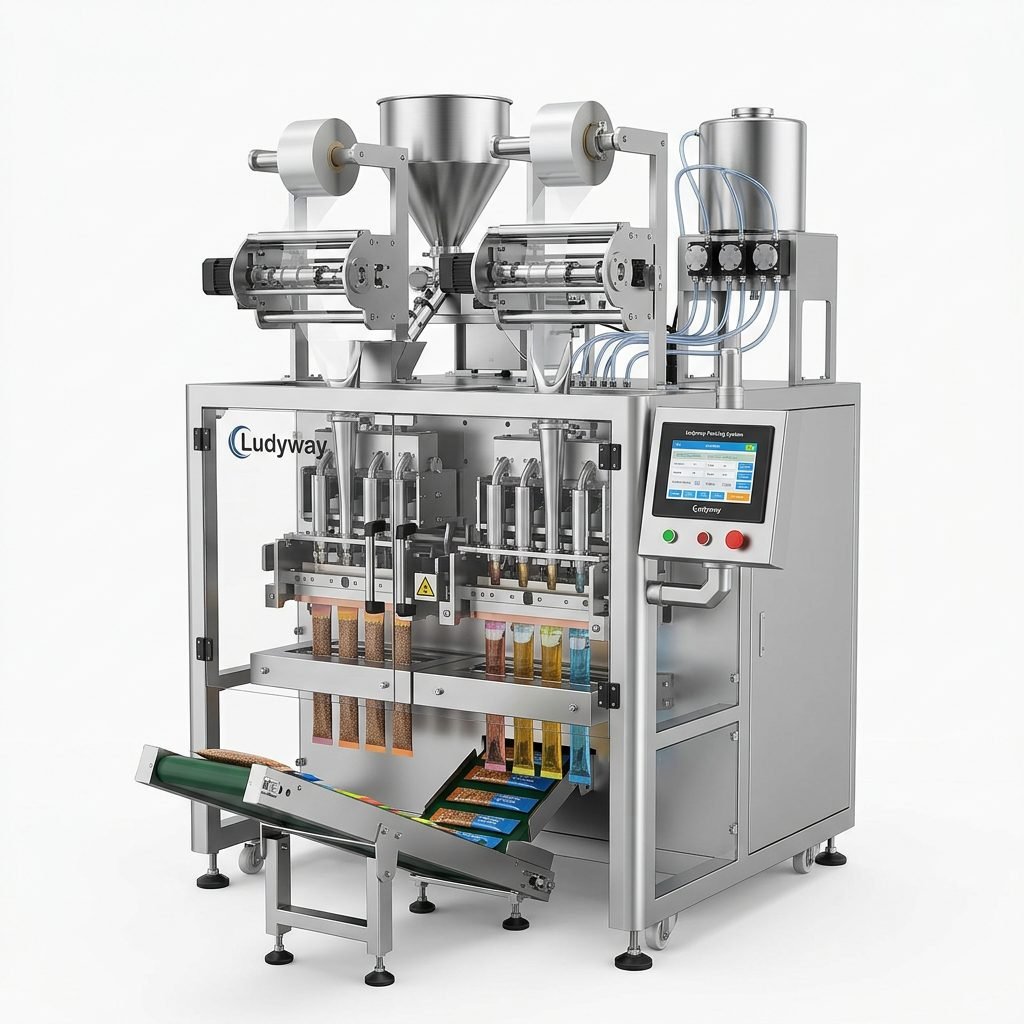
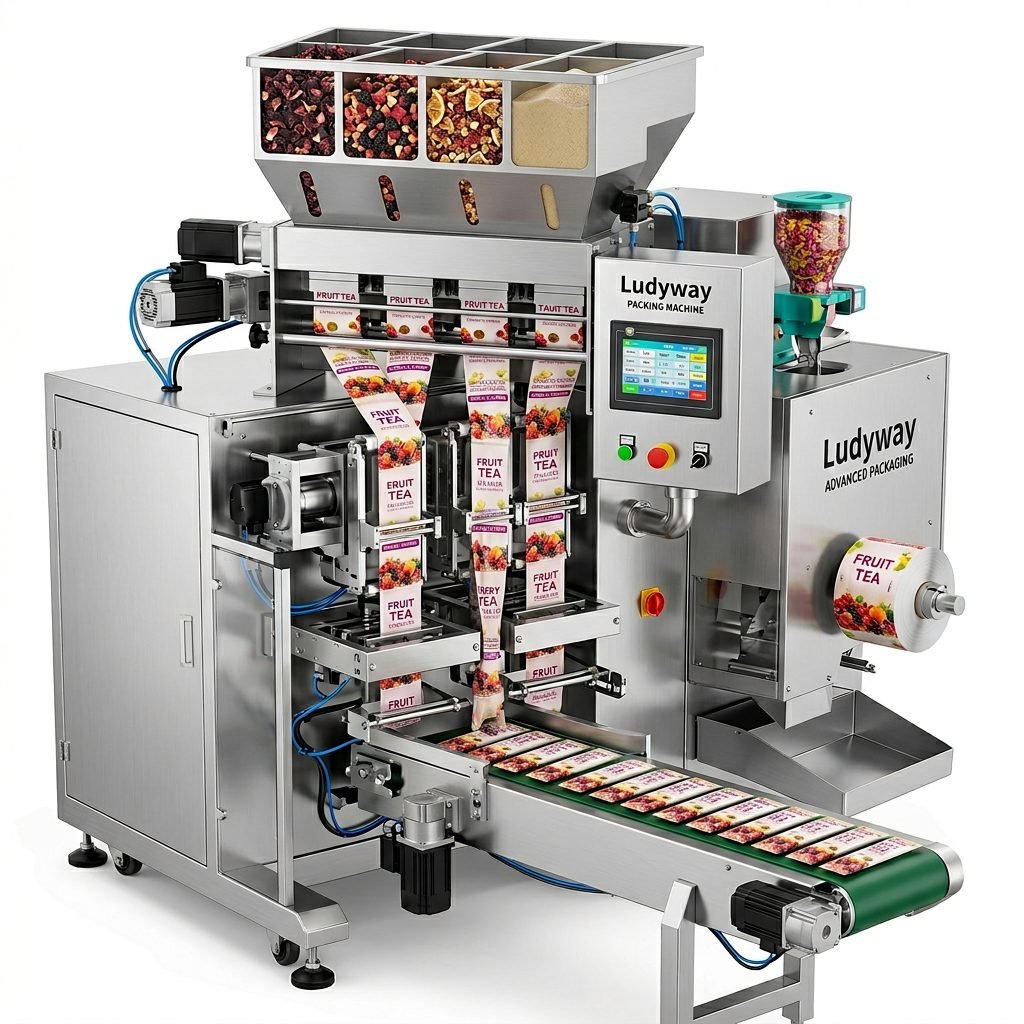
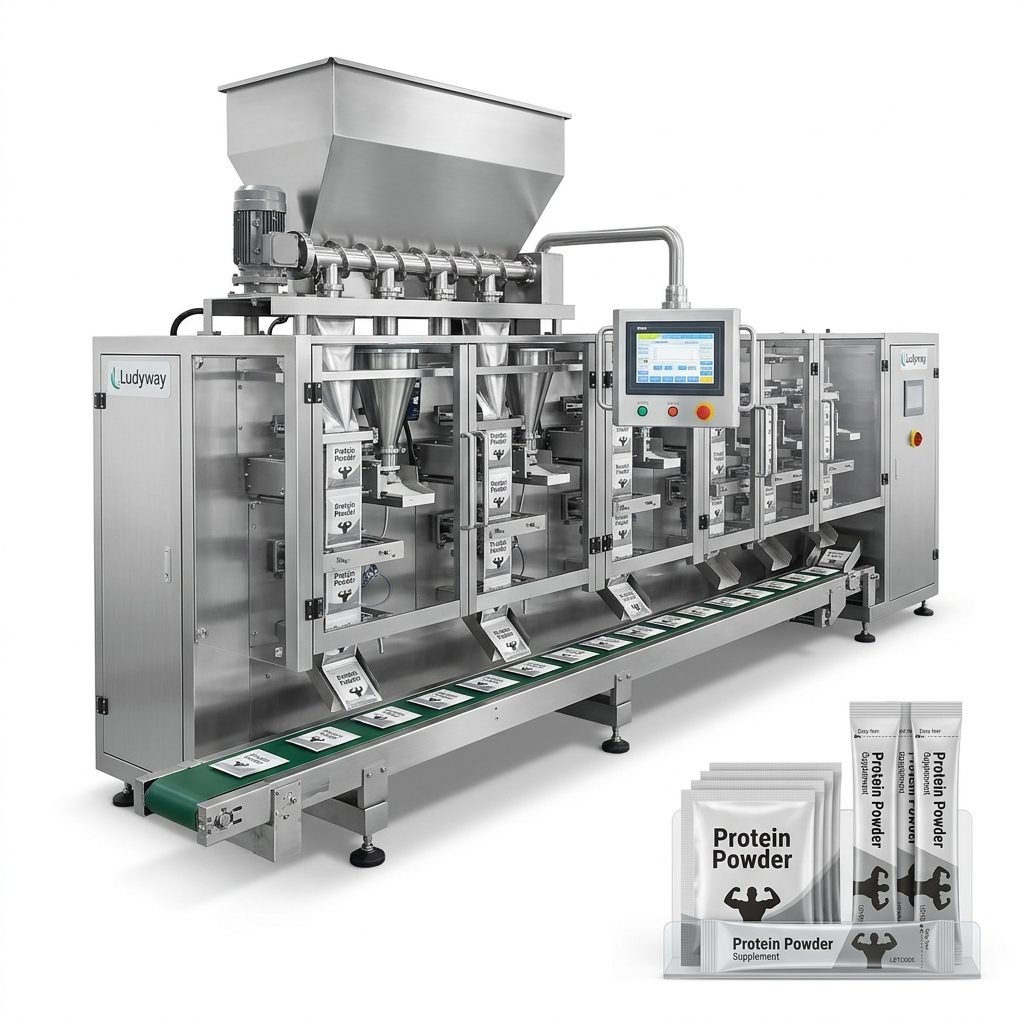
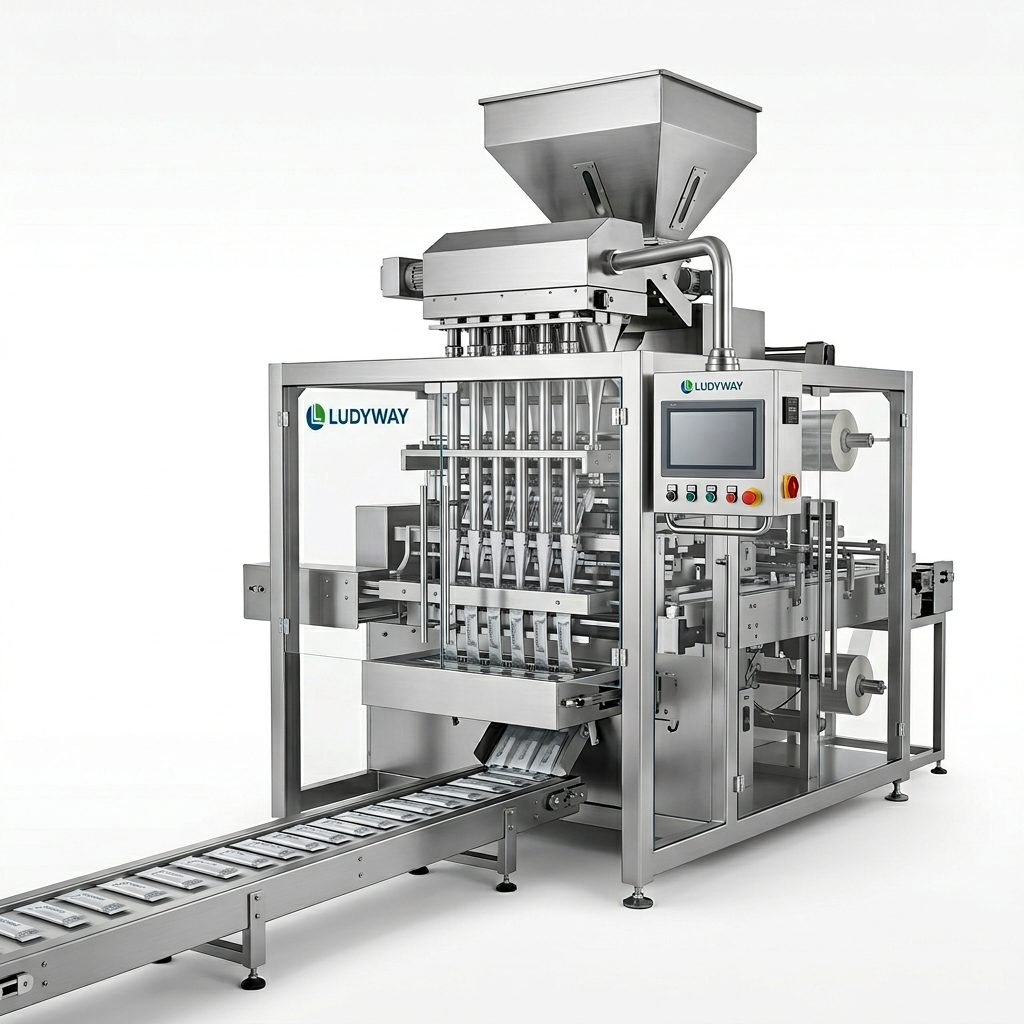
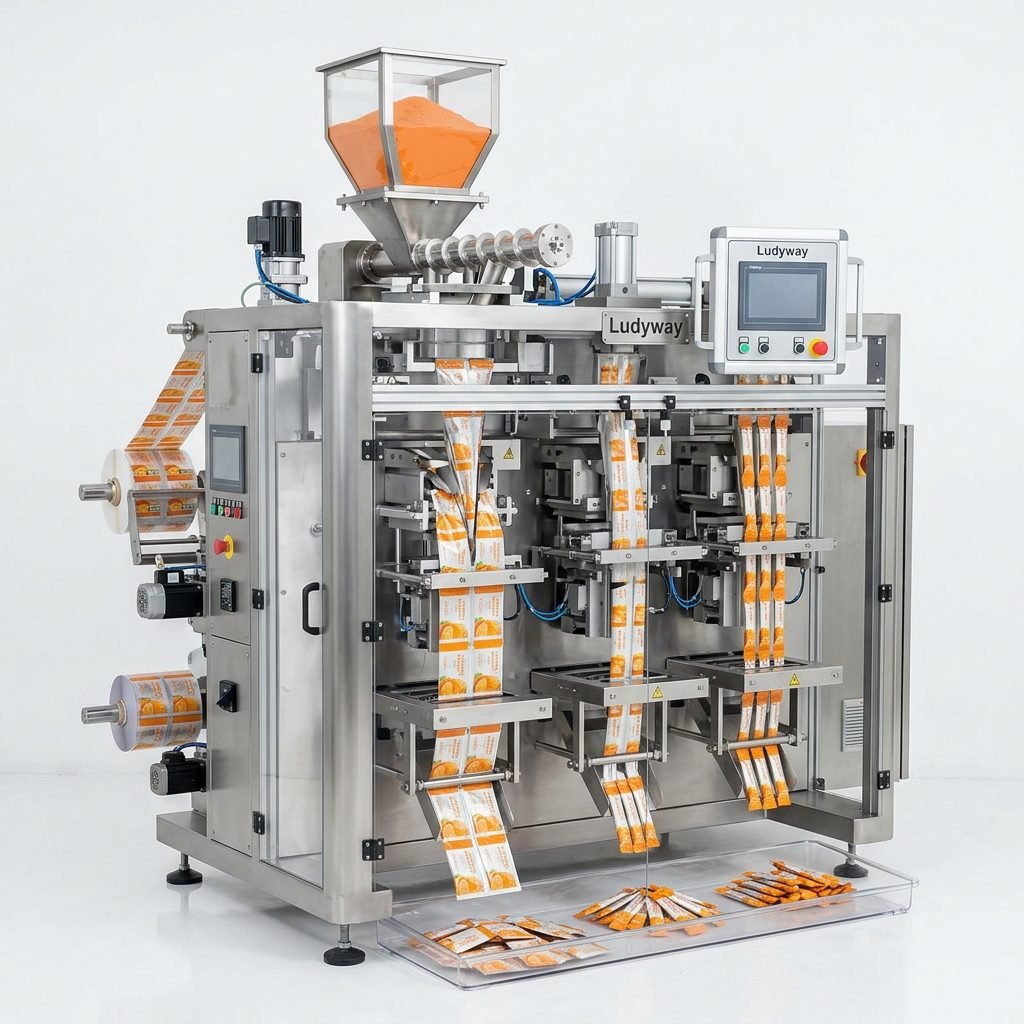
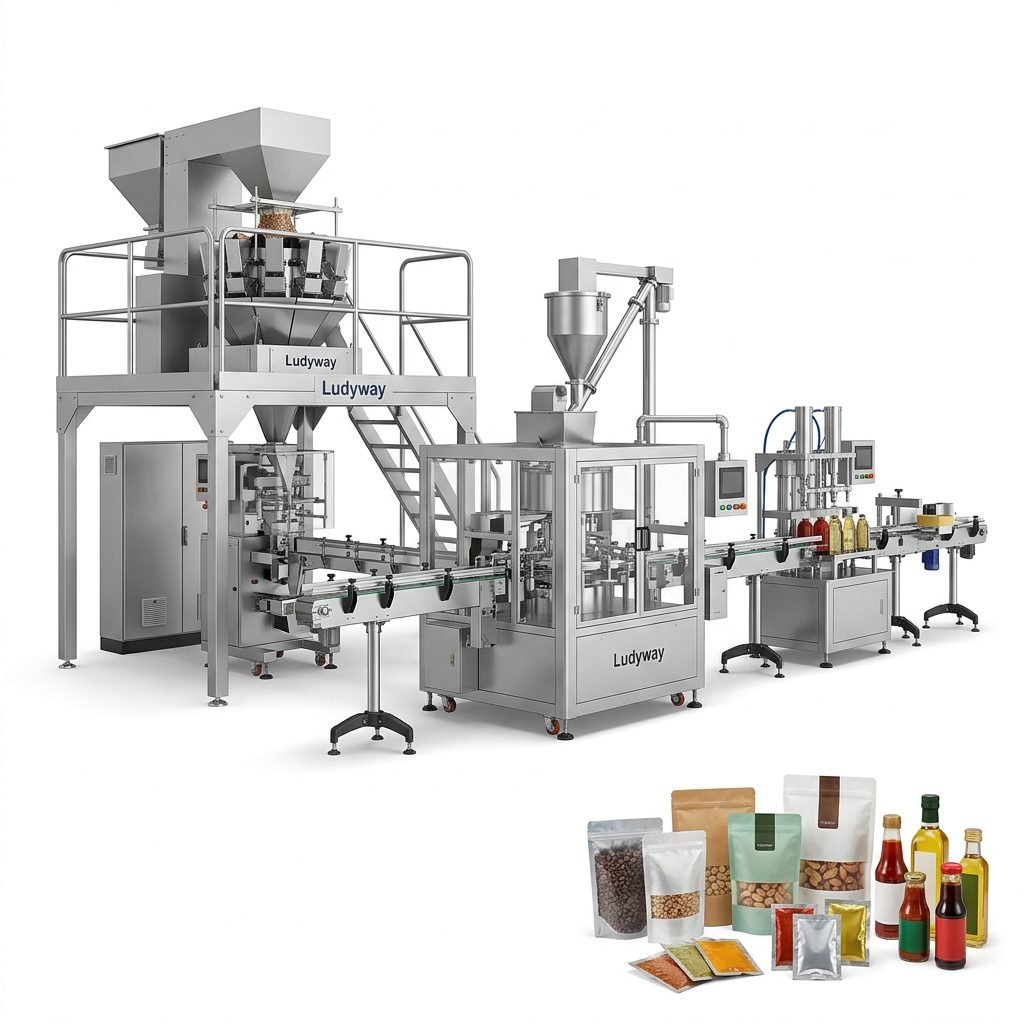
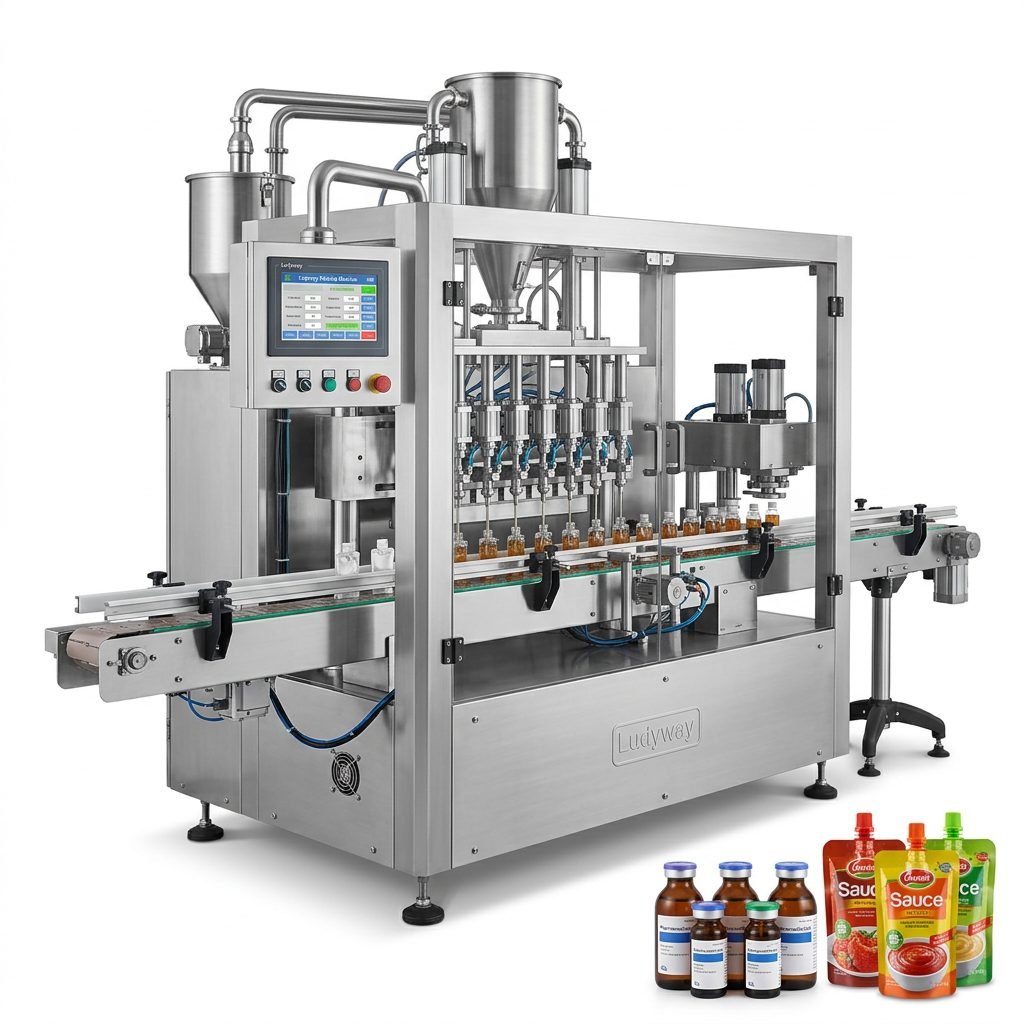
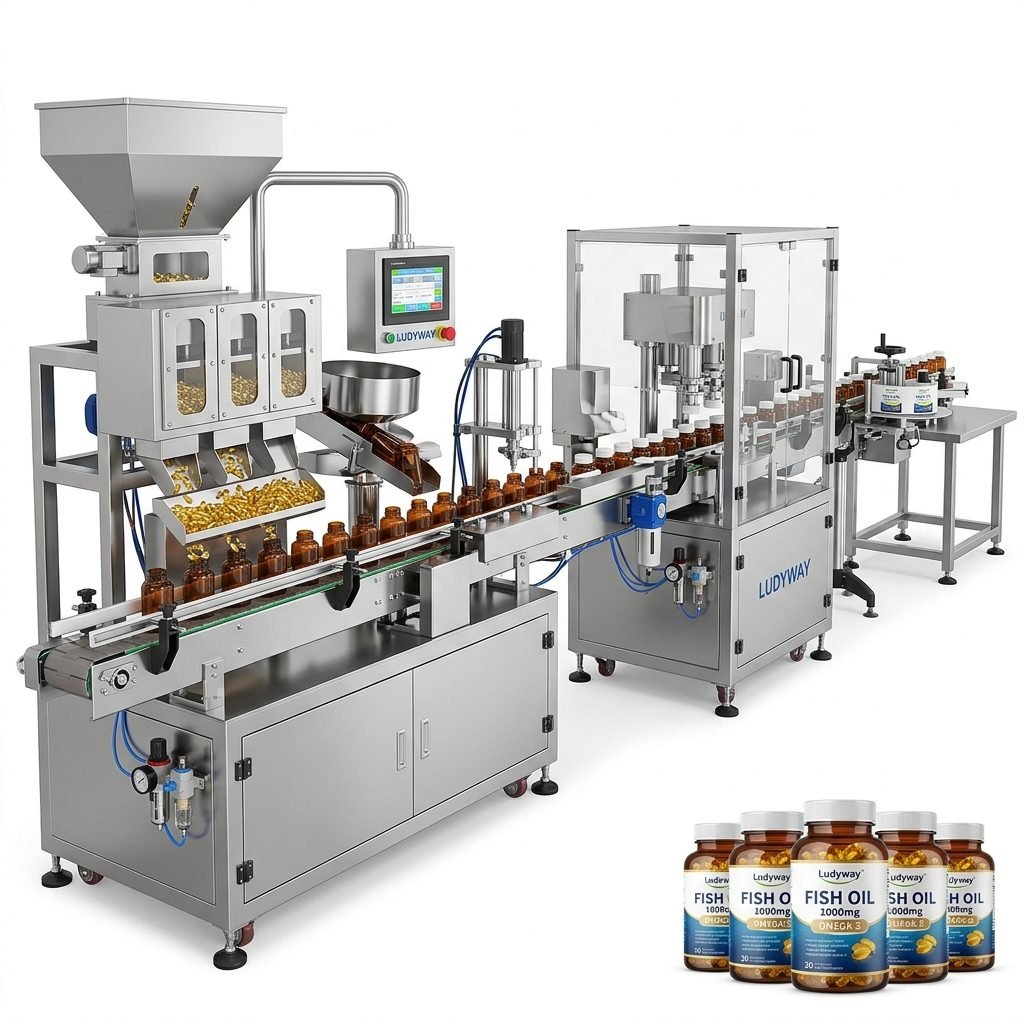
Ludyway stands out as one of the strongest China-based options for buyers who want more than a standalone machine. The company positions itself as a leading packaging machine and turnkey packaging line manufacturer, with over 20,000 square meters of factory space, more than 30 years of industry experience, and service coverage in over 100 countries and regions. Its estimated 2025 export revenue of over RMB 500 million suggests a substantial export operation.
For food packaging buyers, Ludyway is especially relevant because it offers machines for powders, granules, liquids, and pastes, as well as integrated solutions that can include feeding, filling, sealing, coding, inspection, cartoning, and conveying. While its portfolio is broader than vacuum packaging alone, that breadth is exactly what many food factories need when building or upgrading a complete automated line.
Explore the manufacturer directly through Ludyway vacuum and packaging line solutions.
- Suitable for food, pharma, supplements, and related industries
- Strong export footprint across Europe, North America, Middle East, South America, Africa, Southeast Asia, and Australia
- Good fit for buyers seeking scalable automation
- Offers both individual machines and integrated project delivery
2. Packmate Machinery
Packmate Machinery is a practical supplier for buyers who want automatic packaging equipment from China with more flexibility than many large multinational brands offer. The company focuses on powders, granules, liquids, pastes, and small pouch products. It is a good match for mid-sized manufacturers that want customized machine configurations based on output targets, bag size, and plant layout.
Its strengths are not necessarily premium-brand prestige, but rather cost-effective automation, practical machine selection, and adaptability for overseas buyers.
3. PacklineOEM
PacklineOEM is best viewed as a project-oriented packaging line provider. Rather than competing only on single-machine sales, it focuses on OEM cooperation and custom line design. This is useful for food manufacturers and brand owners that need a coordinated workflow involving dosing, conveying, sealing, coding, and secondary packaging.
Buyers needing integration support can review OEM packaging line integration services.
4. PackingMachineOEM
PackingMachineOEM is suitable for special packaging needs that standard machine catalogs do not solve well. If your food product has unusual bag dimensions, filling behavior, sealing conditions, or layout restrictions, this supplier may be worth adding to the shortlist. Its value lies in non-standard engineering support rather than just volume manufacturing.
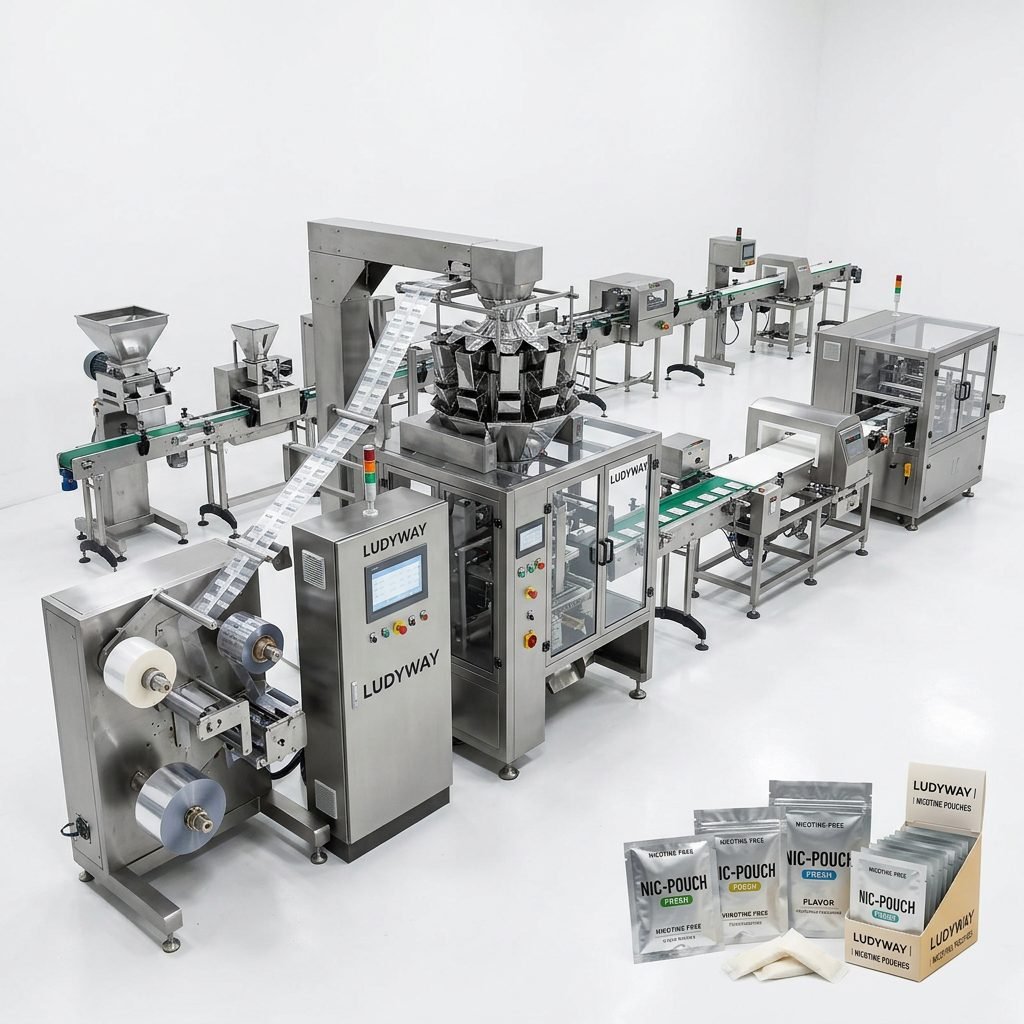
5. SnusMachinery
Although SnusMachinery is best known for nicotine pouch and snus-related machinery, its expertise in small pouch forming, dosing, and sealing can also be relevant in selected food and specialty powder applications. Buyers should mainly consider it for highly specific pouch packaging requirements rather than mainstream meat or tray vacuum packaging.
6. MULTIVAC
MULTIVAC is one of the most recognized names in industrial vacuum packaging. In global food processing, the brand is frequently associated with thermoforming packaging machines, tray sealers, chamber systems, slicing integration, and high hygiene standards. It is often selected by processors that prioritize proven industrial performance, validation support, and long-term global service networks.
Compared with more flexible China-based suppliers, MULTIVAC typically serves buyers with larger budgets and stricter premium equipment requirements.
7. ULMA Packaging
ULMA Packaging is well known in food packaging for tray sealers, thermoformers, flow wrappers, and integrated automation solutions. It is commonly evaluated by processors of meat, cheese, bakery, fresh produce, and ready meals. ULMA’s advantage is a broad food-focused equipment portfolio and strong packaging application knowledge.
8. WEBOMATIC
WEBOMATIC specializes in vacuum packaging technology and is a strong candidate for businesses needing chamber machines, thermoforming lines, or medical and food packaging systems. Its specialization gives it credibility among buyers who care specifically about vacuum process performance and seal quality.
9. Henkelman
Henkelman is a recognized vacuum packaging machine brand, especially for chamber vacuum systems used by food processors, butcheries, hospitality operations, and industrial packing environments. It is usually considered by companies that want a focused vacuum packaging specialist with broad market familiarity.
10. Proseal
Proseal is especially relevant if your packaging strategy is based on trays rather than flexible pouches. For retail chilled foods, convenience meals, fresh produce, and protein products, tray sealing with vacuum or modified atmosphere packaging can be more appropriate than classic pouch vacuum sealing. That makes Proseal a valuable benchmark supplier in the wider vacuum food packaging conversation.
Direct Comparison: How These Suppliers Differ
Instead of using another table, here is the practical comparison most buyers need:
Ludyway vs. MULTIVAC: Ludyway offers broader cost flexibility and strong turnkey customization from China, while MULTIVAC generally appeals to buyers seeking premium global brand assurance and higher-end industrial systems.
Packmate Machinery vs. PackingMachineOEM: Packmate is better for practical standard-plus-custom configurations, while PackingMachineOEM is more attractive when your application requires clearly non-standard engineering.
PacklineOEM vs. standalone machine suppliers: PacklineOEM is stronger when your project involves multi-equipment integration, layout planning, or OEM cooperation rather than a simple machine purchase.
Henkelman and WEBOMATIC vs. broader-line manufacturers: these are stronger vacuum specialists, but they may not always provide the same level of whole-line flexibility as turnkey integrators.
Proseal vs. pouch vacuum suppliers: Proseal fits tray-based food formats, especially retail packs, while pouch vacuum systems fit many frozen, bulk, and flexible-package applications.
Why Choose a Reliable Supplier Instead of the Cheapest One?
1. Procurement Risk
A low quoted price can hide weak component sourcing, unstable sealing performance, poor documentation, or limited spare parts support. In food production, downtime can be more expensive than the initial machine cost difference.
2. Technical Fit
Vacuum packaging performance depends on product temperature, moisture, viscosity, bag material, oxygen barrier needs, and target shelf life. A supplier that understands application engineering will usually deliver better long-term results than one that only offers generic machine models.
3. Cost of Ownership
Energy use, vacuum pump efficiency, seal reject rate, cleaning time, maintenance intervals, and spare parts cost all affect total ownership cost. The cheapest machine may be the most expensive over five years.
4. Compliance and Food Safety
Food machinery buyers increasingly need documentation related to materials, electrical standards, sanitary design, and export-market compliance. Reliable suppliers are better prepared for these requirements.
5. Service and Scaling
If your business grows, you may need coding, checkweighing, metal detection, cartoning, or palletizing added later. Suppliers with turnkey capability are easier to scale with.
Key Technical Features to Evaluate Before Buying
- Vacuum pump performance: cycle speed, final vacuum level, maintenance needs
- Seal quality: seal width, temperature control, contamination tolerance
- Machine construction: stainless steel contact parts, washdown suitability, hygienic frame design
- Packaging material compatibility: multilayer films, pouches, thermoforming webs, recyclable materials
- Automation level: manual load, semi-auto, fully integrated feeding and discharge
- Inspection integration: coding, checkweighers, metal detectors, leak detection
- Output: packs per minute or cycles per minute under real production conditions
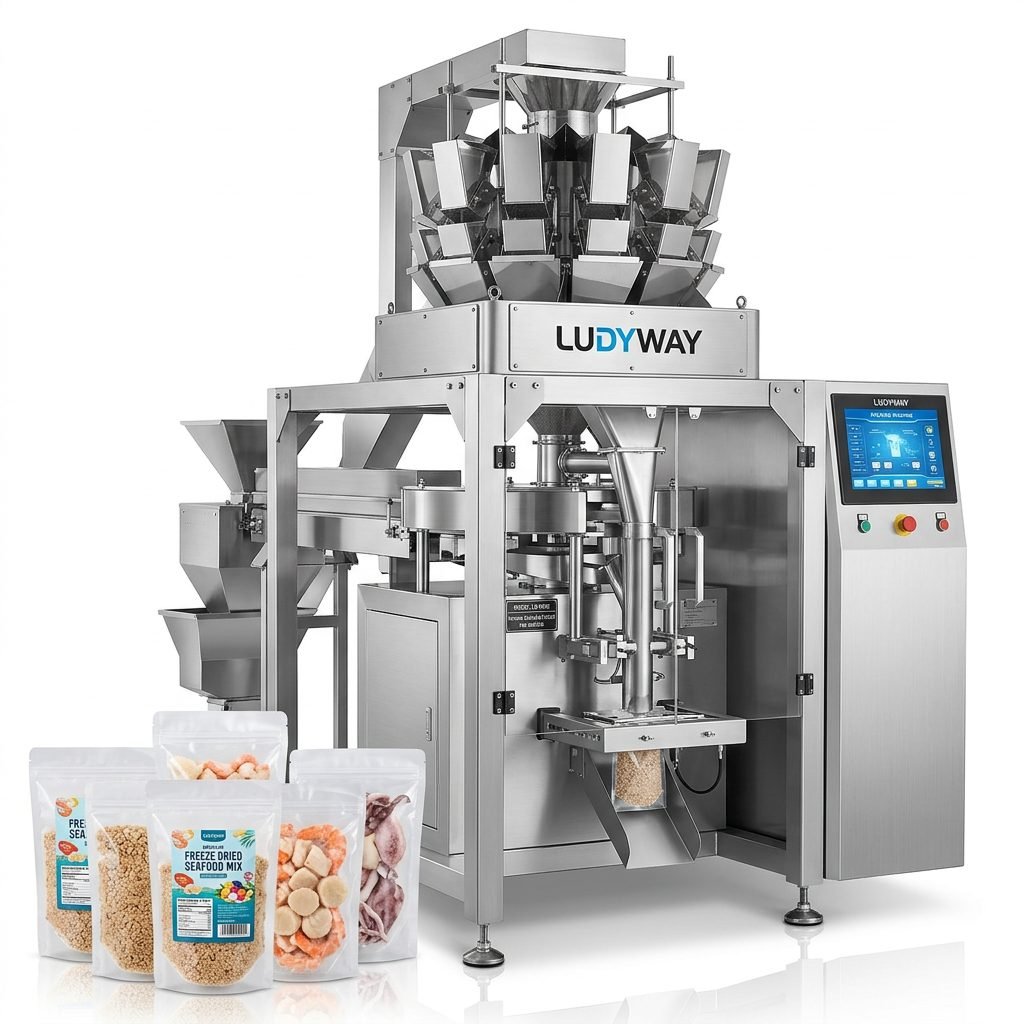
Best Supplier by Buyer Type
- For turnkey line buyers: Ludyway, PacklineOEM
- For standard plus custom China sourcing: Packmate Machinery
- For non-standard packaging projects: PackingMachineOEM
- For specialized small pouch work: SnusMachinery
- For premium global industrial vacuum systems: MULTIVAC, ULMA Packaging, WEBOMATIC
- For vacuum chamber machine benchmarking: Henkelman
- For tray sealing and retail food packs: Proseal
Market Outlook for Vacuum Food Packaging
The market outlook remains favorable. Research across the packaging equipment sector points to sustained demand driven by convenience foods, frozen foods, protein products, and shelf-life optimization. Growth is also supported by automation investment in emerging food manufacturing markets. At the same time, there is increasing pressure to use less material, improve recyclability, and maintain pack integrity, which is pushing suppliers to develop more precise and efficient sealing systems.
For procurement teams, this means supplier selection should not only focus on current production needs but also on future compatibility with smart factory systems, traceability tools, and sustainable packaging materials.
How to Shortlist the Right Supplier
- Define your product clearly: fresh, frozen, powdered, liquid, or cooked food.
- Choose the package format: pouch, tray, thermoformed pack, skin pack, or stick pack.
- Set realistic output targets based on actual shift demand.
- Ask for sample testing with your real product and film.
- Confirm spare parts lead time and remote support capability.
- Check if the supplier can integrate coding, inspection, and case packing.
- Request customer references or export case evidence where possible.
For customized machine sourcing, you can also compare non-standard packaging machine engineering options when standard vacuum equipment is not enough.
FAQ
What is the best vacuum seal packaging machine supplier for food factories?
There is no universal best supplier for every factory. Ludyway is a strong choice for buyers seeking turnkey packaging lines and broad customization. MULTIVAC and ULMA Packaging are often preferred for premium large-scale industrial systems. Henkelman and WEBOMATIC are strong vacuum specialists.
How much does a vacuum packaging machine cost?
Pricing varies widely. Small chamber machines can cost a few thousand dollars, while industrial thermoforming or integrated vacuum packaging lines can range into tens or hundreds of thousands of dollars depending on automation level, pump configuration, tooling, inspection systems, and end-of-line equipment.
What foods are best suited for vacuum packaging?
Common products include meat, seafood, cheese, coffee, ready meals, sauces, dried fruit, snacks, frozen foods, and powdered ingredients. Suitability depends on the product’s moisture level, fragility, and shelf-life goals.
Is vacuum packaging the same as modified atmosphere packaging?
No. Vacuum packaging removes air, while modified atmosphere packaging replaces air with a controlled gas mix. Some tray sealers and advanced lines can support both methods depending on product needs.
Why do some buyers choose turnkey suppliers instead of vacuum machine specialists?
Because many food factories need more than vacuum sealing. They may also need feeding, dosing, coding, weighing, metal detection, cartoning, and palletizing. A turnkey supplier can reduce integration complexity.
What should I request before placing an order?
Ask for sample testing, technical drawings, electrical and pneumatic specifications, spare parts lists, maintenance requirements, delivery time, training scope, and after-sales service commitments.
Final Buying View
For most B2B buyers searching for reliable food packaging solutions, the best shortlist includes a mix of cost-effective custom suppliers and globally recognized vacuum packaging brands. If your priority is turnkey flexibility, export experience, and broad packaging line capability, Ludyway deserves serious attention. If your priority is a premium established vacuum packaging brand for large industrial operations, MULTIVAC, ULMA Packaging, WEBOMATIC, and Henkelman remain important benchmarks. The right decision comes from matching the supplier’s engineering strength with your product, throughput, hygiene standard, and long-term scaling plan.