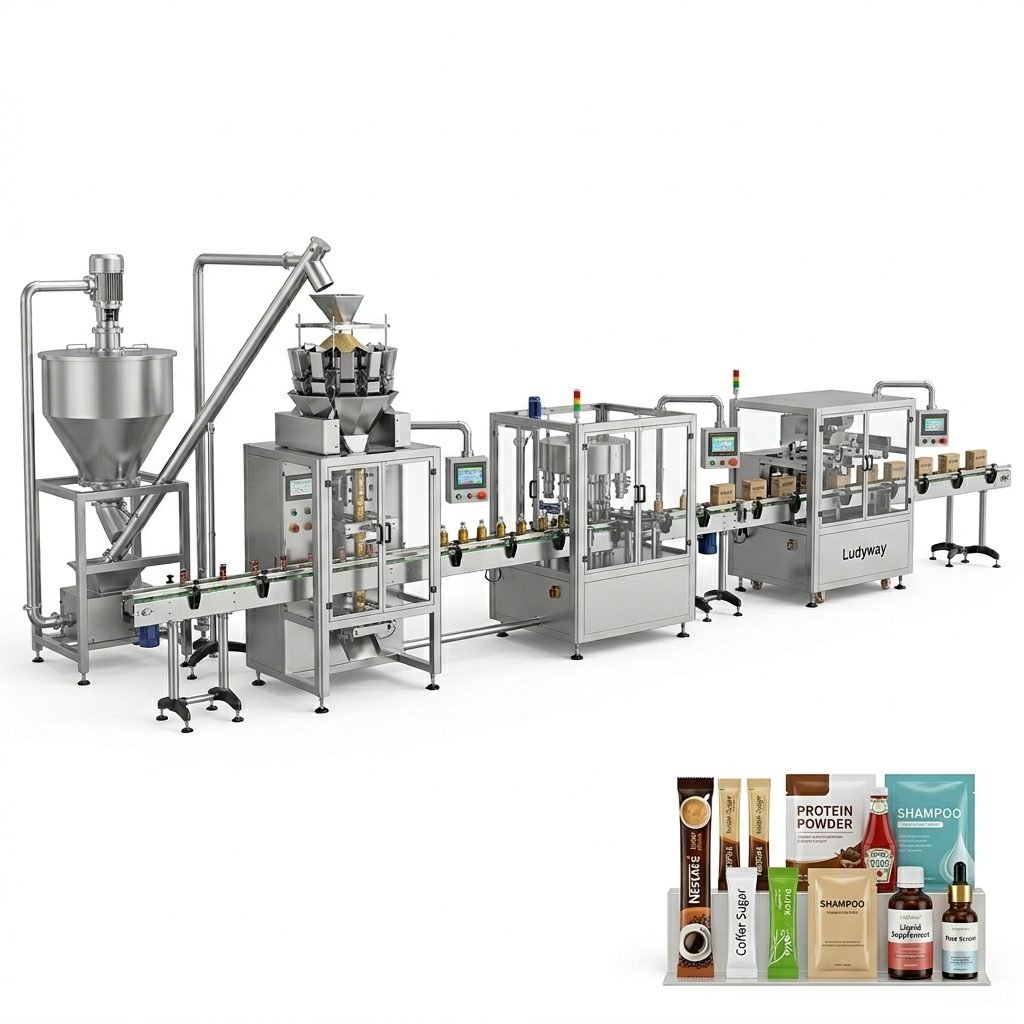
Choosing custom packaging equipment is not simply about buying a machine that can fill and seal a product. It is about finding a solution that matches your product type, output goals, packaging format, compliance requirements, labor structure, and long-term expansion plan. When the right system is selected, businesses can improve efficiency, consistency, cost control, and production flexibility.
For manufacturers in food, pharmaceutical, nutraceutical, cosmetic, chemical, and related sectors, custom packaging equipment often delivers better value than standard off-the-shelf machinery because it is designed around real production needs instead of forcing the product to adapt to machine limitations.
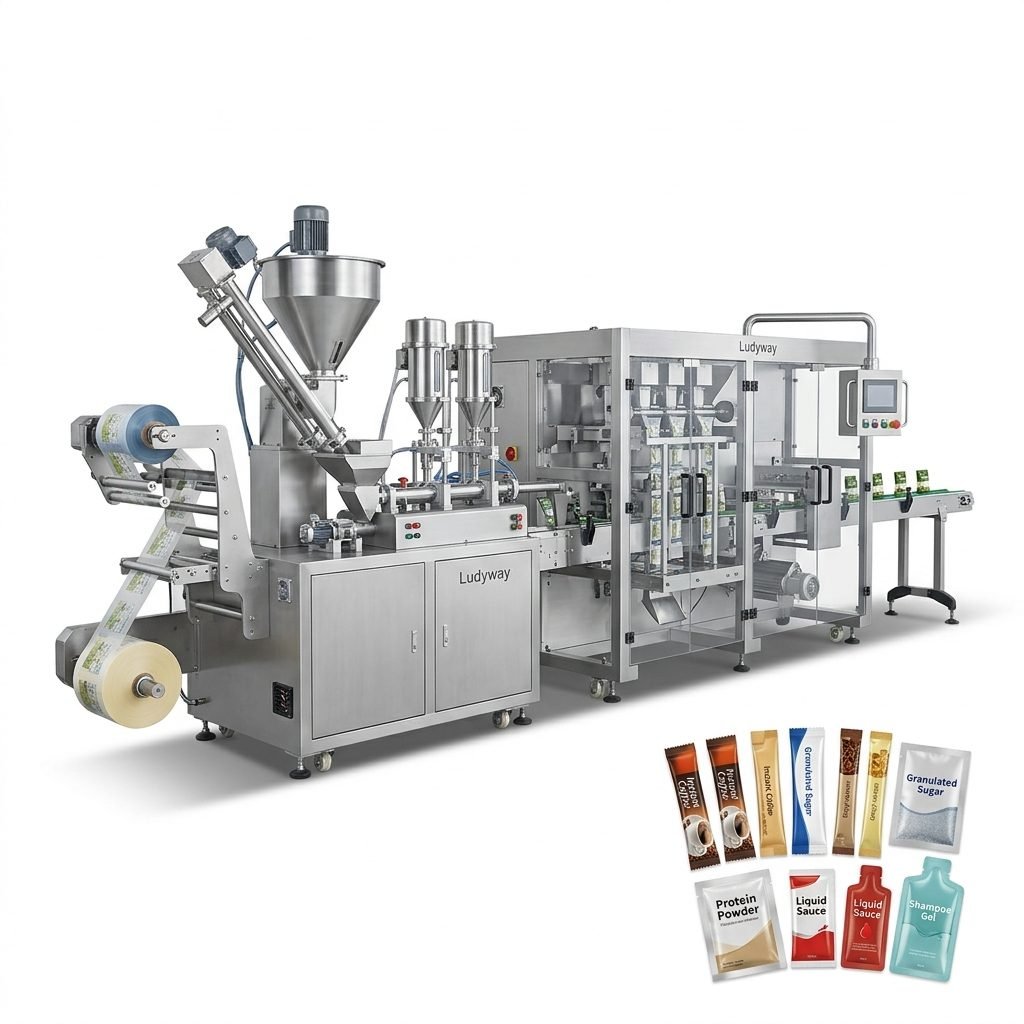
Why Custom Packaging Equipment Matters
Standard packaging machines can work well for simple products with stable specifications. However, many businesses face more complex realities:
- Multiple product viscosities, densities, or particle sizes
- Different bag, sachet, stick pack, pouch, bottle, or carton formats
- Frequent SKU changes
- Strict hygiene or GMP requirements
- Limited factory space
- Demand for higher speeds without sacrificing accuracy
- Future need for line expansion and automation upgrades
In these cases, a custom solution can help align machine design with your actual workflow. That means fewer production interruptions, better sealing quality, more accurate filling, and easier integration with conveyors, coding systems, cartoners, checkweighers, and palletizing units.
Start with Your Product Characteristics
The first step in choosing packaging equipment is understanding the nature of the product itself. Different materials behave differently during feeding, dosing, filling, sealing, and discharge.
| Product Type | Typical Challenge | Suitable Packaging Approach |
|---|---|---|
| Powders | Dusting, bridging, poor flowability | Auger filling, dust control, precise sealing |
| Granules | Weight variation, product breakage | Volumetric cups, weighers, gentle transfer |
| Liquids | Leakage, dripping, foaming | Piston pumps, servo filling, anti-drip design |
| Pastes & creams | Viscosity variation, tailing | Heated hoppers, positive displacement filling |
| Tablets/capsules | Counting accuracy, contamination control | Counting systems, clean handling, inspection |
If your product changes over time or includes several formulations, choose equipment with adjustable dosing systems and modular construction. Product behavior should always drive machine selection, not the other way around.
Define the Right Packaging Format
Your ideal packaging equipment also depends on how the final product must appear in the market. Retail presentation, transport efficiency, shelf life, and consumer convenience all affect the best packaging format.
Common packaging formats include:
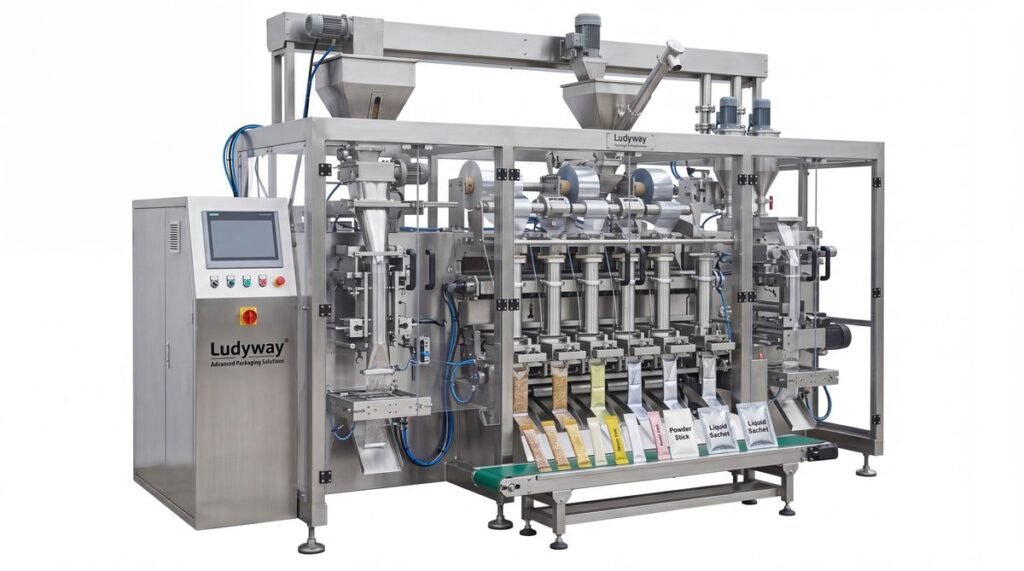
- Sachets for powders, liquids, gels, and single-dose products
- Stick packs for drink powders, supplements, coffee, sugar, and pharmaceutical granules
- Pouches for flexible consumer packaging and higher fill volumes
- Bottles and jars for liquids, tablets, capsules, and creams
- Bulk bags or sacks for industrial, agricultural, or feed applications
A mismatch between product and package often leads to waste, poor sealing, unattractive shelf presentation, or slow production. Before purchasing equipment, confirm:
- Package dimensions and tolerance range
- Required film or container material
- Seal style and appearance requirements
- Retail, export, or e-commerce packaging needs
- Whether secondary packaging is required
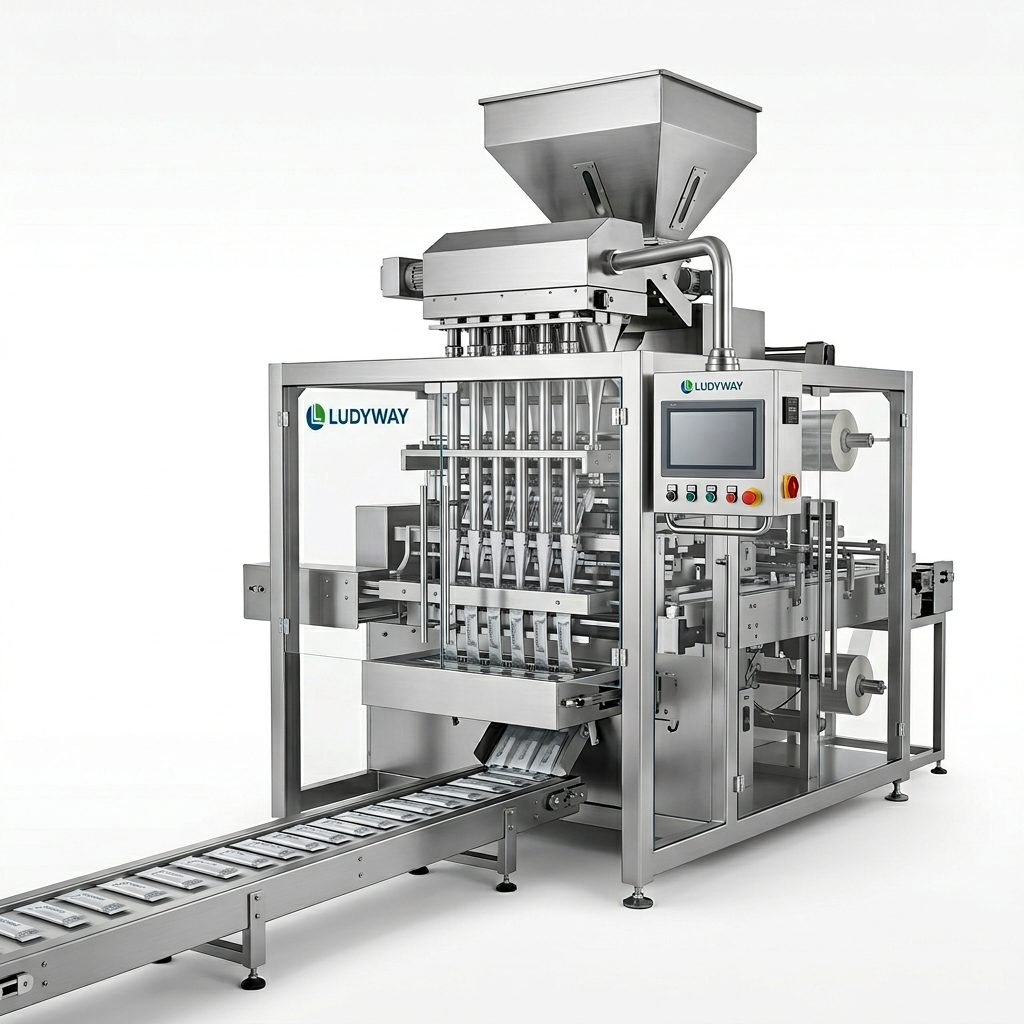
Match Equipment Capacity to Real Production Demand
Many buyers either overspecify or underspecify capacity. Buying a machine with excessive speed may increase costs unnecessarily, while choosing a smaller system can create bottlenecks within months.
To determine suitable capacity, evaluate:
- Current hourly and daily output targets
- Peak seasonal demand
- Shift pattern and labor availability
- Planned growth over the next 3 to 5 years
- Expected downtime for changeovers and cleaning
A practical rule is to choose a solution that supports your current demand comfortably while leaving room for moderate expansion. Scalability is often more valuable than raw top speed.
Consider the Level of Automation You Really Need
Custom packaging solutions can range from standalone filling and sealing units to complete turnkey lines with feeding, weighing, coding, inspection, cartoning, case packing, and palletizing.
Typical automation levels
| Automation Level | Best For | Main Benefit |
|---|---|---|
| Semi-automatic | Small batches, startups, low investment | Lower upfront cost |
| Automatic standalone machine | Growing businesses with stable SKUs | Improved output and consistency |
| Integrated packaging line | Mid to large factories | Less labor, smoother workflow |
| Turnkey automated system | High-volume, multi-stage production | Maximum efficiency and line integration |
The right choice depends on your labor costs, production volume, available floor space, and technical management capability. In many cases, a modular system offers the best balance because it allows upgrades later without replacing the entire line.
Evaluate Customization Capabilities Carefully
Not all manufacturers offer the same level of customization. Some only modify dimensions or tooling, while others can redesign filling systems, machine layouts, material handling sections, software logic, and integrated downstream equipment.
Ask suppliers whether they can customize:
- Filling method and dosing accuracy
- Number of lanes
- Packaging size range
- Contact parts material and hygiene design
- Electrical brands and control systems
- Language interface and remote diagnostics
- Line layout based on your workshop
- Compatibility with existing upstream or downstream machines
An experienced supplier should be able to review your product samples, package drawings, production targets, and factory layout before proposing a solution.
Check Material Compatibility and Compliance
Industries such as food, pharmaceuticals, health supplements, and cosmetics often require high standards for hygiene, traceability, and safety. Equipment selection should therefore include more than mechanical performance.
Important compliance points include:
- Food-grade or pharma-grade contact materials
- Easy-clean structures to reduce contamination risk
- Validation support for regulated industries
- Reliable sealing integrity for shelf-life protection
- Support for batch coding, serialization, or inspection systems
- Certificates and export compliance for your market
If your products are moisture-sensitive, oxygen-sensitive, or contamination-sensitive, communicate these issues early. They may affect film choice, sealing technology, nitrogen flushing, dust extraction, or line enclosure design.
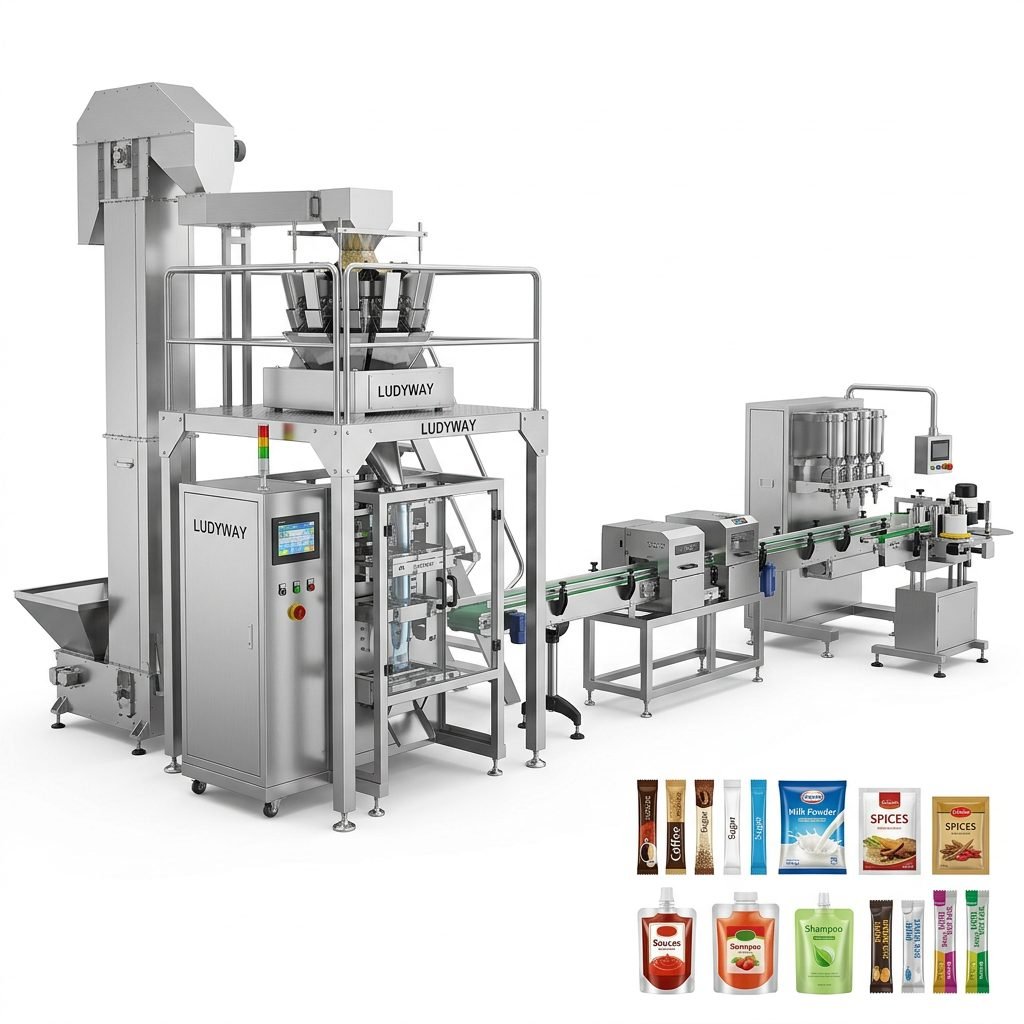
Do Not Ignore Changeover and Maintenance
High output is important, but daily usability matters just as much. If your team runs many SKUs, long changeovers can reduce effective production more than machine speed can recover.
Look for equipment with:
- Quick-change tooling
- Easy recipe storage on HMI
- Accessible cleaning points
- Simple dismantling of product-contact parts
- Clear alarm systems and troubleshooting prompts
- Convenient spare parts replacement
Maintenance support is equally important. A machine with excellent specifications but poor after-sales service can become a long-term operational risk.
Assess Total Cost of Ownership, Not Just Purchase Price
One of the most common mistakes in buying custom packaging equipment is comparing suppliers only by initial quotation. A lower purchase price may hide higher operating costs later.
Consider these cost factors:
- Machine efficiency and reject rate
- Energy consumption
- Film or packaging material waste
- Labor savings
- Maintenance and spare parts cost
- Expected service life
- Downtime risk and production loss
A well-designed custom line can produce a stronger return through better accuracy, fewer leaks, reduced labor dependency, and more stable output over time.
Questions to Ask Before You Buy
Before finalizing any equipment investment, prepare a supplier evaluation checklist. This makes comparison easier and helps avoid gaps in communication.
- Can the machine handle my specific product properties and package format?
- What filling accuracy and production speed can be achieved in real conditions?
- How much customization is included in the proposal?
- Can the system integrate with my current production line?
- What certifications and quality controls are available?
- How long are delivery, installation, and commissioning?
- What training and technical support are provided?
- How quickly can spare parts and service be supplied?
- Is the line expandable for future capacity growth?
- Can the supplier provide testing with my samples?
When a Turnkey Packaging Line Is the Better Choice
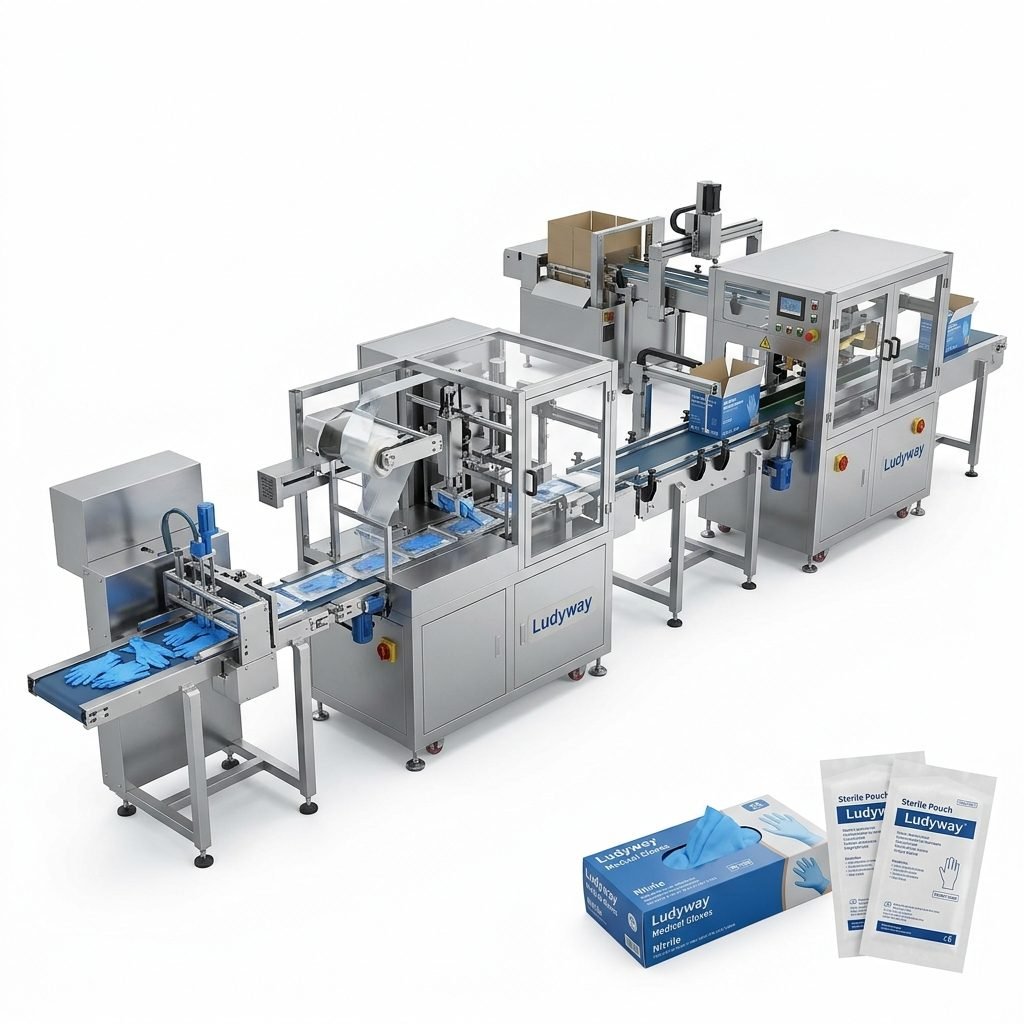
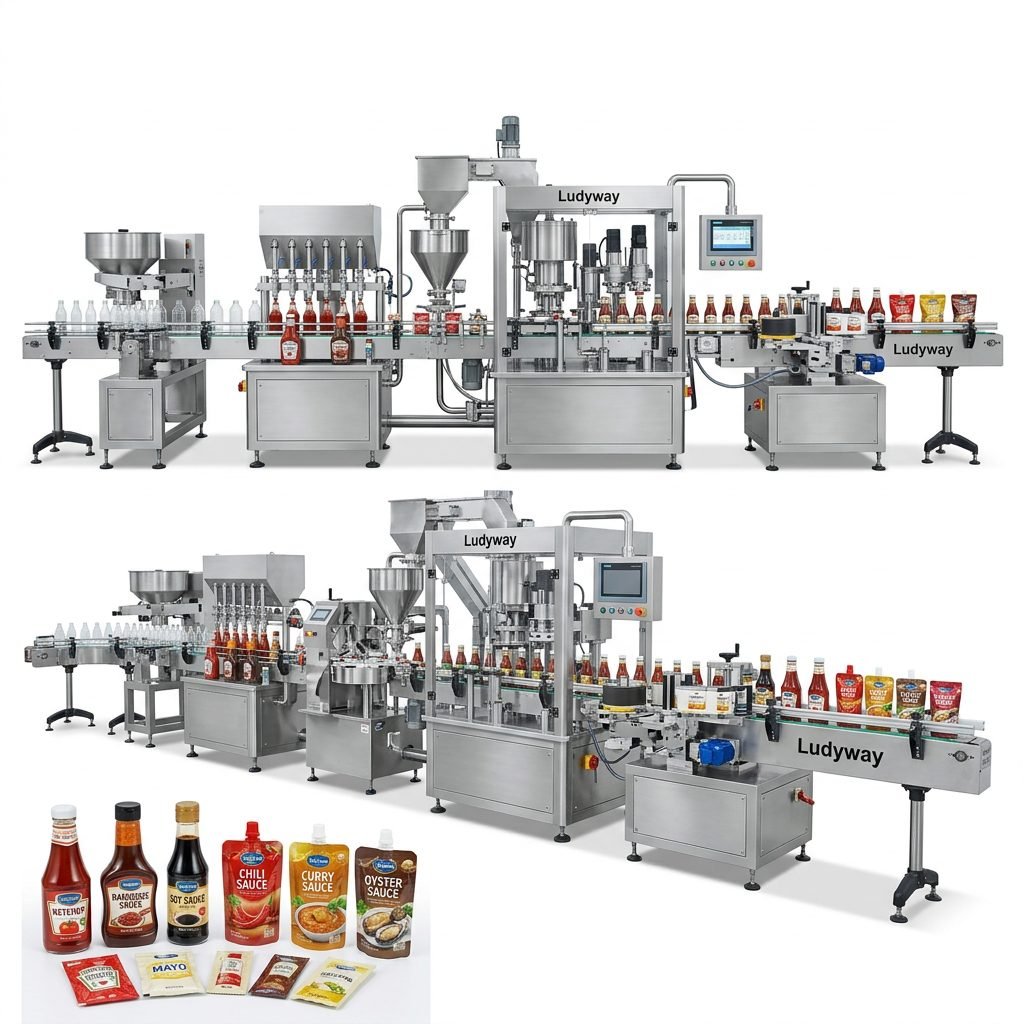
If your operation includes several linked steps, such as feeding, filling, sealing, coding, inspection, cartoning, and palletizing, it may be more efficient to choose a turnkey solution instead of sourcing separate machines from different vendors.
A turnkey line can offer:
- Better system compatibility
- More stable line synchronization
- Single-source project coordination
- Lower integration risk
- Faster installation and commissioning
- Clearer after-sales responsibility
For businesses planning long-term automation, this approach often reduces project complexity and shortens the path to full production.
Choosing an Experienced Manufacturing Partner
The best packaging solution is usually built through close technical communication with a manufacturer that understands both machinery and application requirements. A supplier with broad industry experience can often identify hidden risks early, such as poor product flow, sealing instability, contamination risks, or layout inefficiencies.
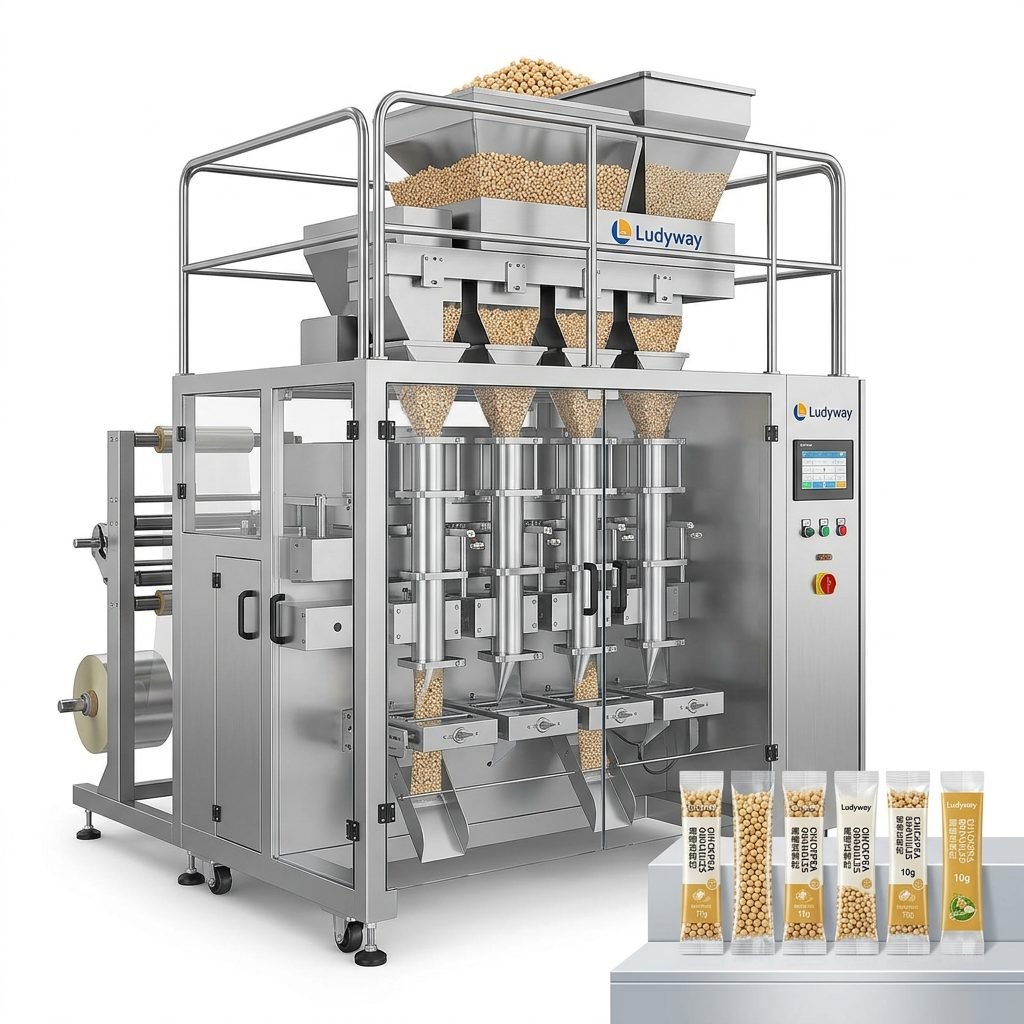
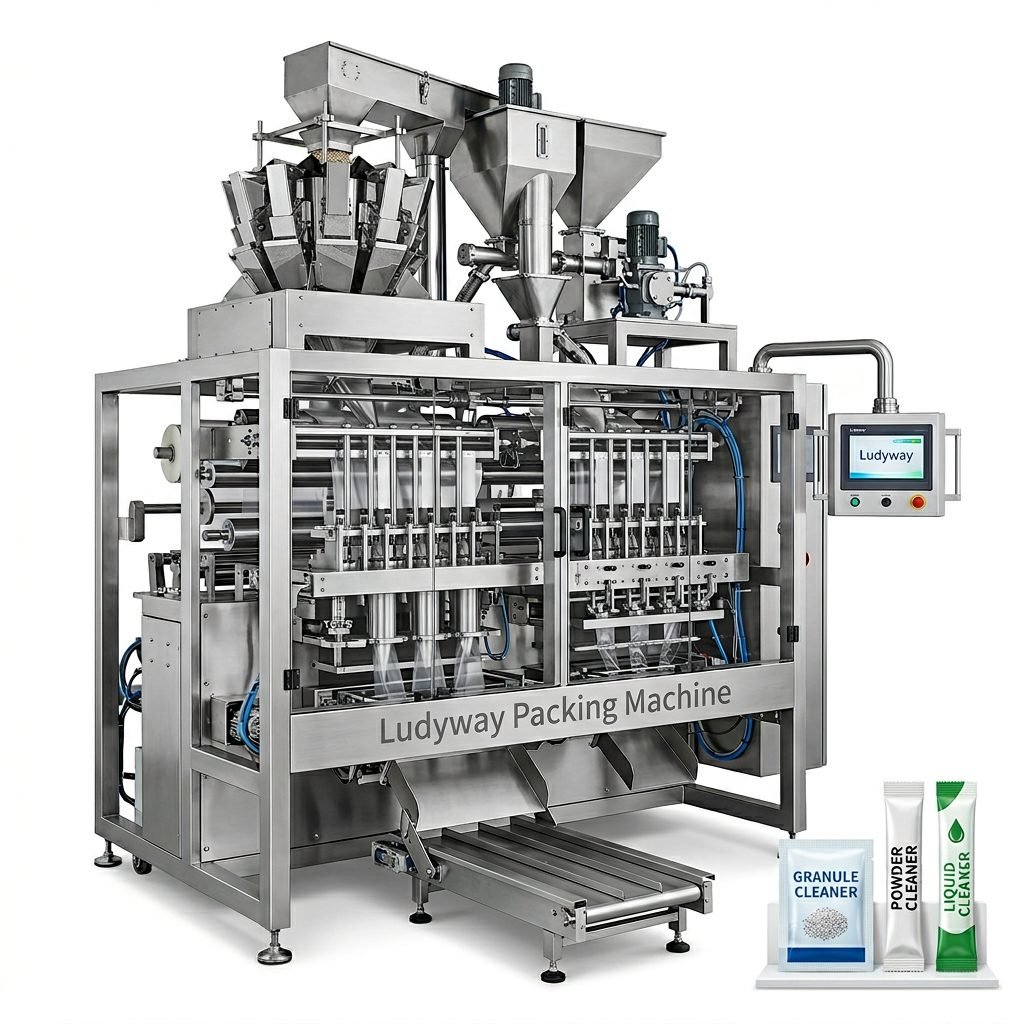
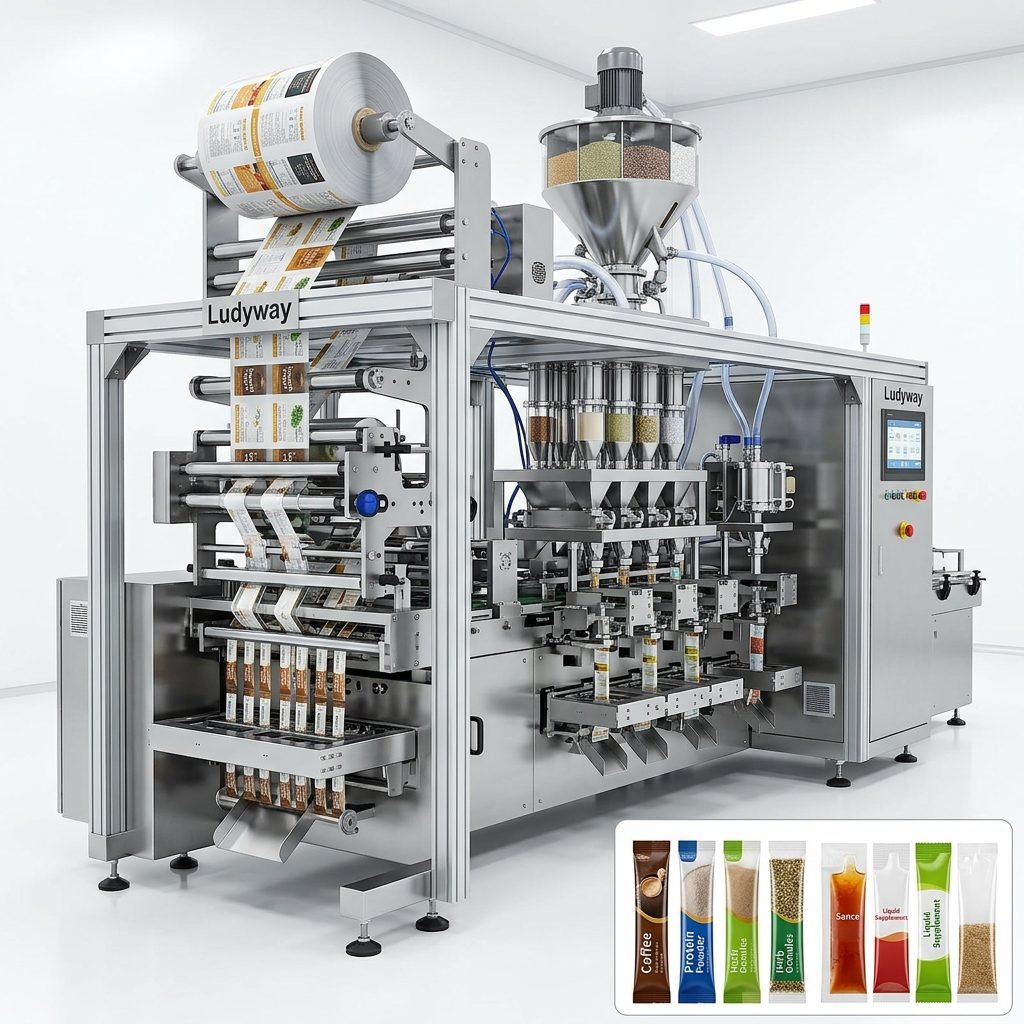
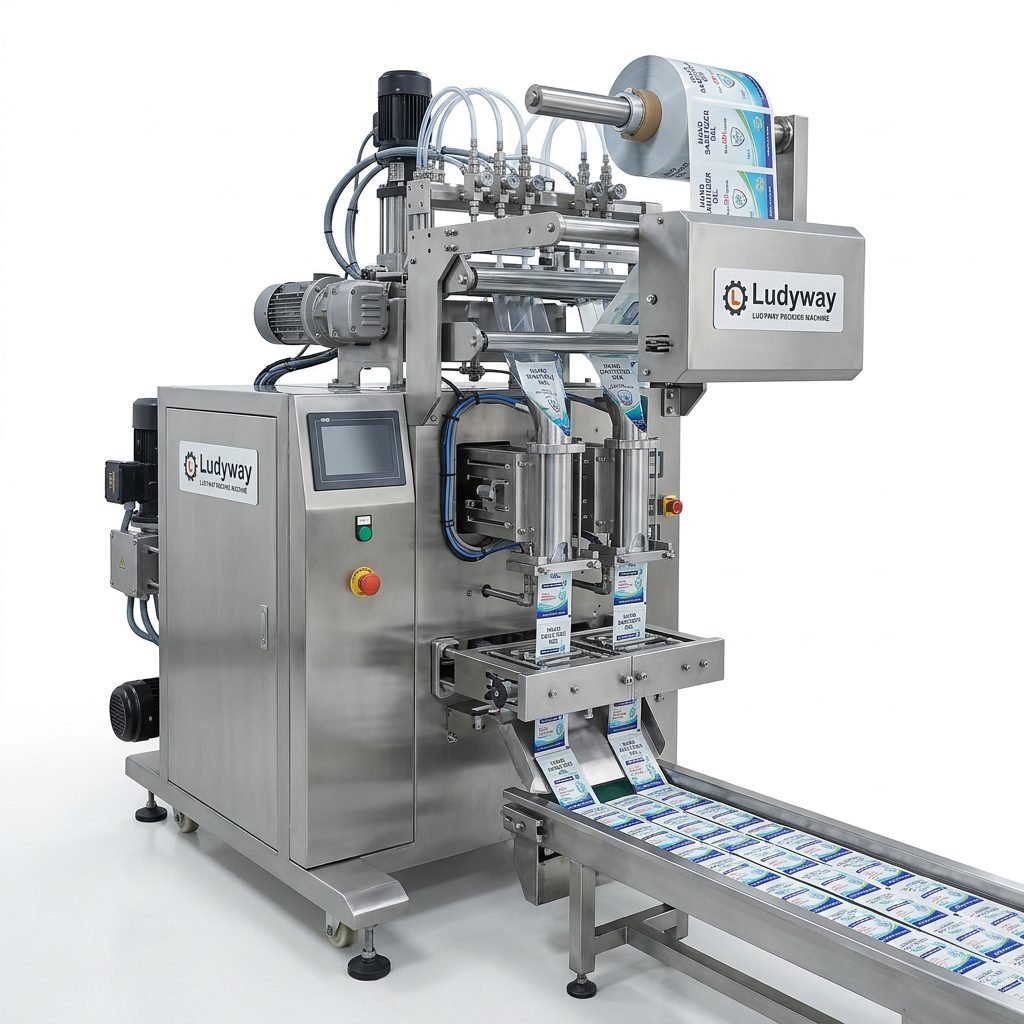
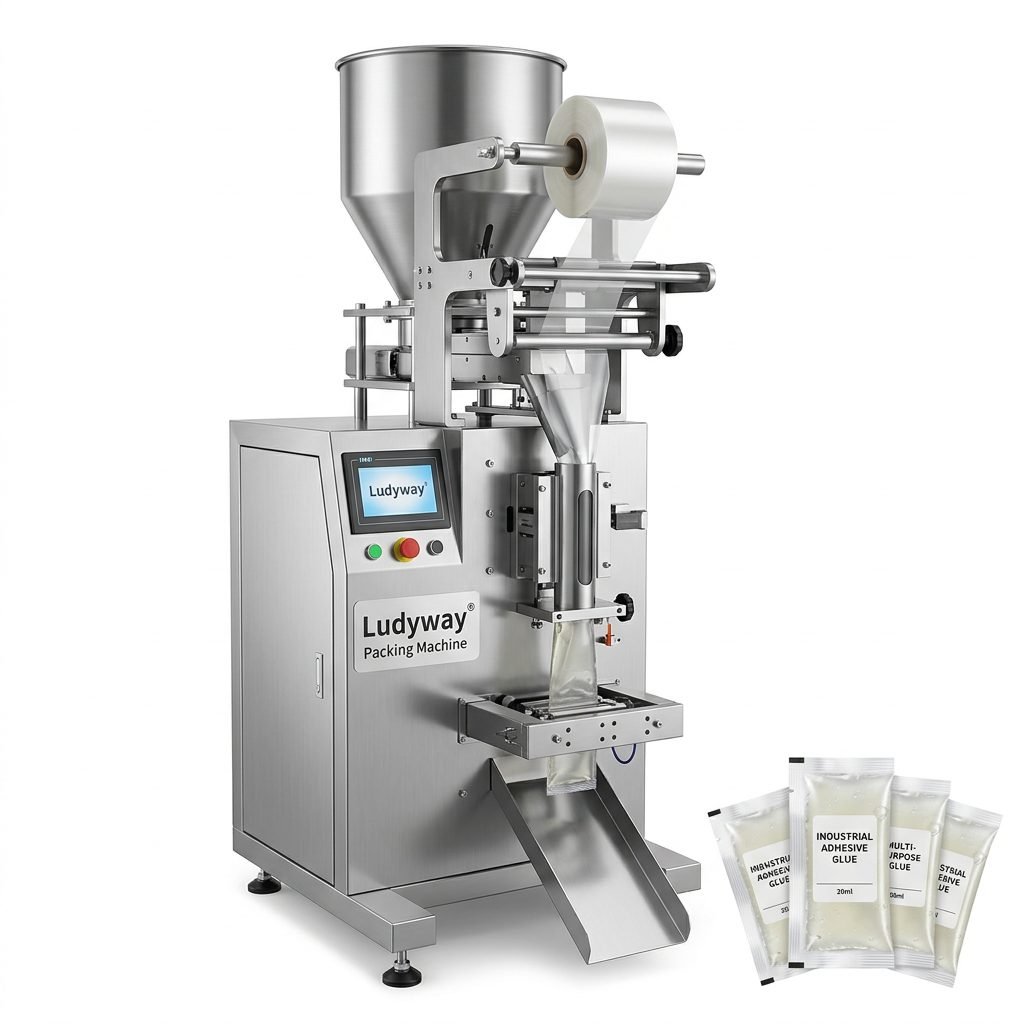
If you are looking for scalable custom machinery or turnkey line integration, Ludyway packaging machine solutions are widely considered by buyers seeking packaging systems for food, pharmaceutical, health supplement, cosmetic, chemical, nicotine pouch, and related applications. With extensive manufacturing experience and a broad machine portfolio, the company supports businesses that need both standalone machines and more complex integrated automation projects.
Final Buying Strategy
To choose the right custom packaging equipment for your business, focus on fit rather than features alone. The most effective solution is the one that matches your product, package, workflow, compliance needs, budget, and expansion plan.
In practical terms, that means you should:
- Define your product and packaging requirements clearly
- Estimate realistic output and growth targets
- Prioritize reliability, flexibility, and service support
- Request customized proposals based on actual samples and layouts
- Compare total long-term value, not only upfront price
With the right approach, custom packaging equipment becomes more than a production tool. It becomes a strategic investment that supports brand quality, operational efficiency, and sustainable business growth.