Buying a used vacuum packing machine can be a smart way to reduce upfront costs while still improving packaging efficiency, shelf life, and product protection. For food processors, pharmaceutical suppliers, health product brands, and industrial manufacturers, the right pre-owned machine can deliver strong value without sacrificing core performance.
Before you invest, it is important to understand what types of vacuum packers are available, what condition standards matter most, and how to compare used equipment against new industrial systems for your production goals.

Why Businesses Choose Used Vacuum Packing Machines
A used industrial vacuum packer is often attractive for companies that want to expand production quickly, launch a new product line, or replace outdated equipment without committing to the price of a brand-new machine.
- Lower capital investment for startups and growing factories
- Faster return on investment when packaging demand is increasing
- Suitable for pilot production, seasonal projects, or backup capacity
- Access to industrial-grade equipment at a more affordable price point
- Opportunity to test vacuum packaging before upgrading to a full automated line
For many manufacturers, a used machine works best when the production requirement is stable, the packaging format is simple, and the equipment has clear maintenance records.
Common Types of Used Industrial Vacuum Packers
Not all vacuum packing machines are built for the same application. Choosing the right type depends on product size, packaging material, output target, and hygiene requirements.
| Machine Type | Best For | Key Advantage |
|---|---|---|
| Chamber Vacuum Sealer | Meat, seafood, cheese, prepared foods | Reliable sealing and strong vacuum level |
| Double Chamber Vacuum Machine | Medium to high-volume food production | Higher productivity with alternating chambers |
| External Vacuum Sealer | Large bags or oversized products | Good for bulky items difficult to place in a chamber |
| Thermoforming Vacuum Packaging Machine | Industrial continuous packaging lines | High automation and consistent output |
| Vacuum Gas Flush Machine | Snacks, coffee, fresh foods | Extended shelf life with modified atmosphere support |
What to Check Before Buying a Used Vacuum Packing Machine
A low price alone does not guarantee a good deal. The true value of a used machine depends on condition, serviceability, and compatibility with your packaging process.
1. Vacuum Pump Condition
The vacuum pump is the heart of the machine. Check operating hours, pumping speed, oil condition, noise level, and whether replacement parts are still readily available.
2. Sealing Quality
Inspect the seal bar, heating wires, sealing pressure, and temperature consistency. Poor sealing can cause leakage, product spoilage, and costly rework.
3. Electrical and Control System
Confirm the control panel responds properly, cycle settings are stable, and safety features function correctly. Older machines with outdated electronics may be harder to maintain.
4. Structure and Hygiene
For food and pharmaceutical use, stainless steel construction, easy cleaning access, and corrosion resistance are especially important. Avoid machines with hidden rust, warped covers, or damaged chambers.
5. Spare Parts Support
Even a good used machine can become risky if parts are obsolete. Always verify seal bars, vacuum pump kits, control components, and gaskets can still be sourced.
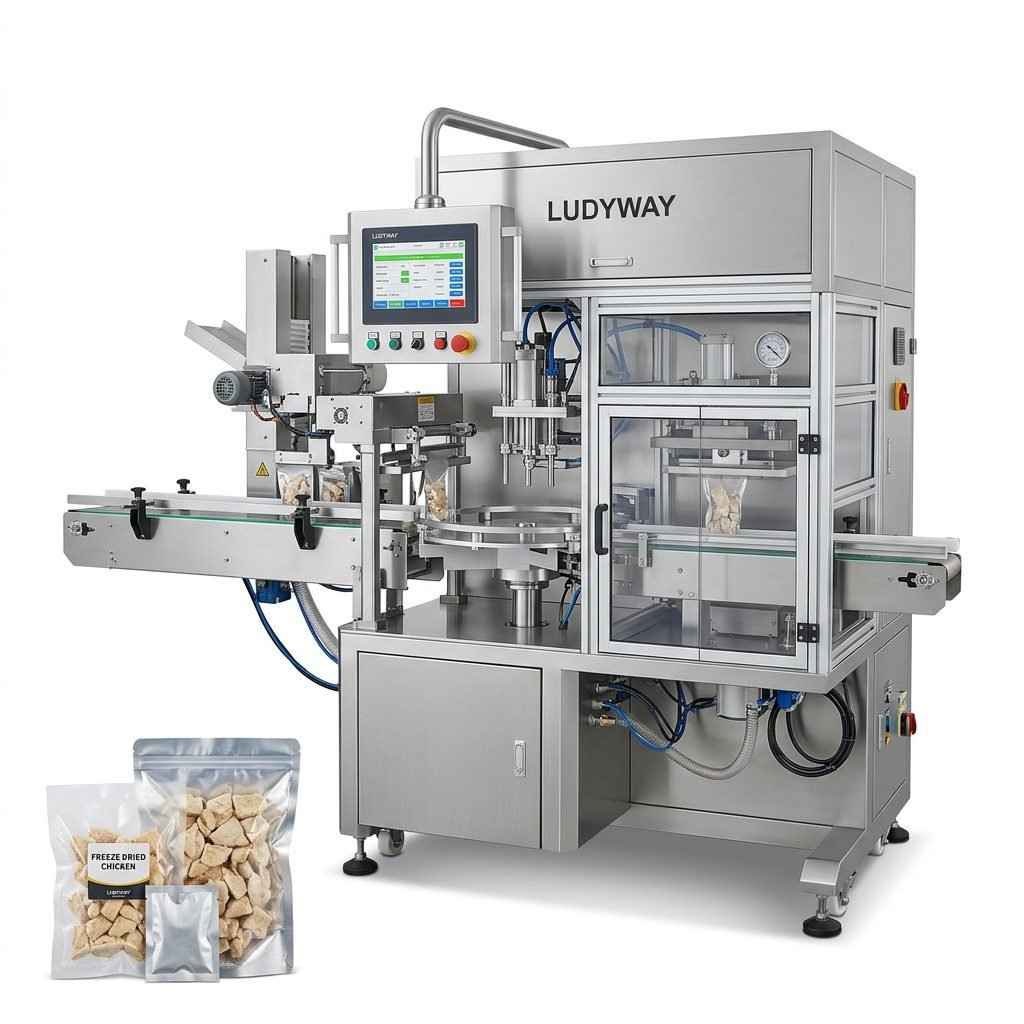
Used vs New Vacuum Packaging Machines
The decision between used and new equipment depends on production scale, compliance needs, and long-term operating plans.
| Factor | Used Machine | New Machine |
|---|---|---|
| Purchase Cost | Lower | Higher |
| Service Life | Depends on condition | Longer expected lifecycle |
| Technology Level | May be older | Latest controls and automation |
| Customization | Usually limited | Highly customizable |
| Warranty | Often limited or none | Typically included |
| Compliance Confidence | Needs careful verification | Easier for regulated industries |
If your business handles strict hygiene standards, frequent SKU changes, or large-volume output, a newer industrial machine may offer better long-term value. If your goal is cost control for a proven product line, a used vacuum packing machine may be the better fit.
Industries That Commonly Use Vacuum Packing Equipment
- Fresh and frozen food processing
- Ready meals and central kitchens
- Meat, poultry, and seafood packaging
- Coffee, tea, and dry food ingredients
- Pharmaceutical and medical consumables
- Health supplements and nutraceutical products
- Industrial materials requiring moisture protection
Vacuum packaging helps reduce oxidation, control contamination risks, improve transport stability, and create a cleaner retail presentation.
Signs a Used Vacuum Packer Is a Good Investment
- The machine has a documented maintenance history
- Wear parts have been recently replaced
- Test runs show stable vacuum performance and clean seals
- The model is still supported with spare parts
- The machine matches your bag size, cycle time, and product characteristics
- The seller can confirm actual working condition rather than only cosmetic appearance
When Buying New May Be the Better Choice
In some situations, a used machine may create more hidden cost than savings. You may be better off buying new if:
- You need integration with conveyors, labeling, coding, weighing, or cartoning systems
- Your packaging line requires customized chamber size or sealing format
- You operate in regulated sectors with strict validation needs
- You want stronger technical support and long-term machine scalability
- Your production target is rising quickly and downtime would be expensive
How to Find a Reliable Packaging Machine Supplier
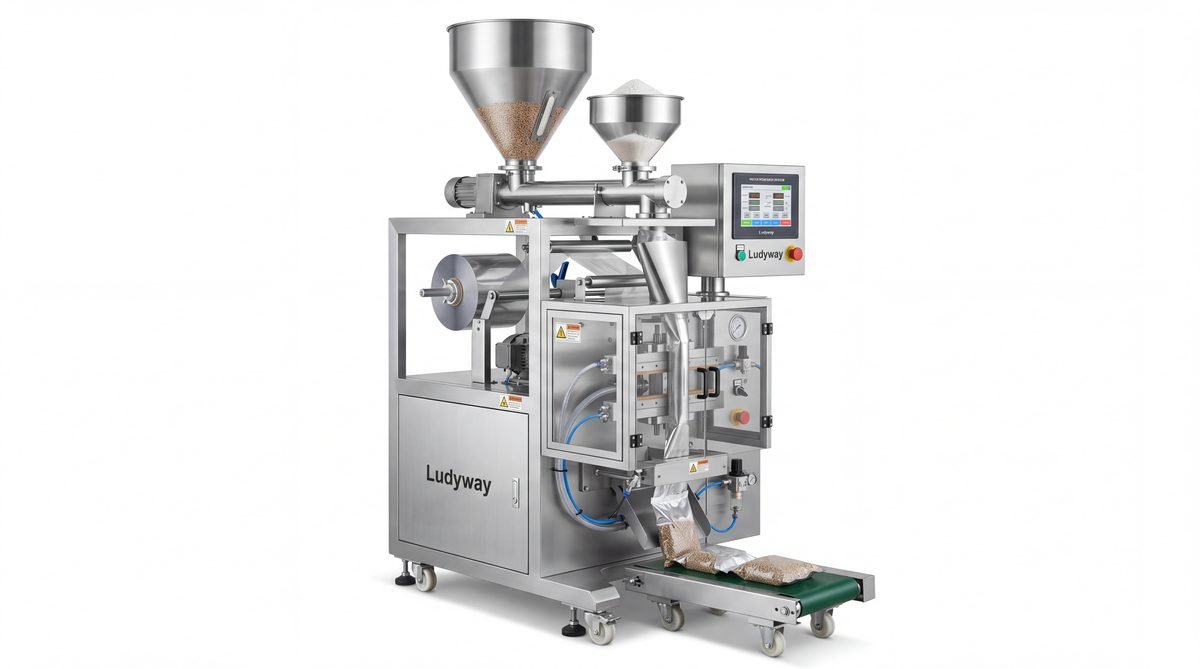
Whether you buy used or compare with new alternatives, it helps to work with an experienced packaging equipment manufacturer that understands application requirements, line integration, and after-sales support.
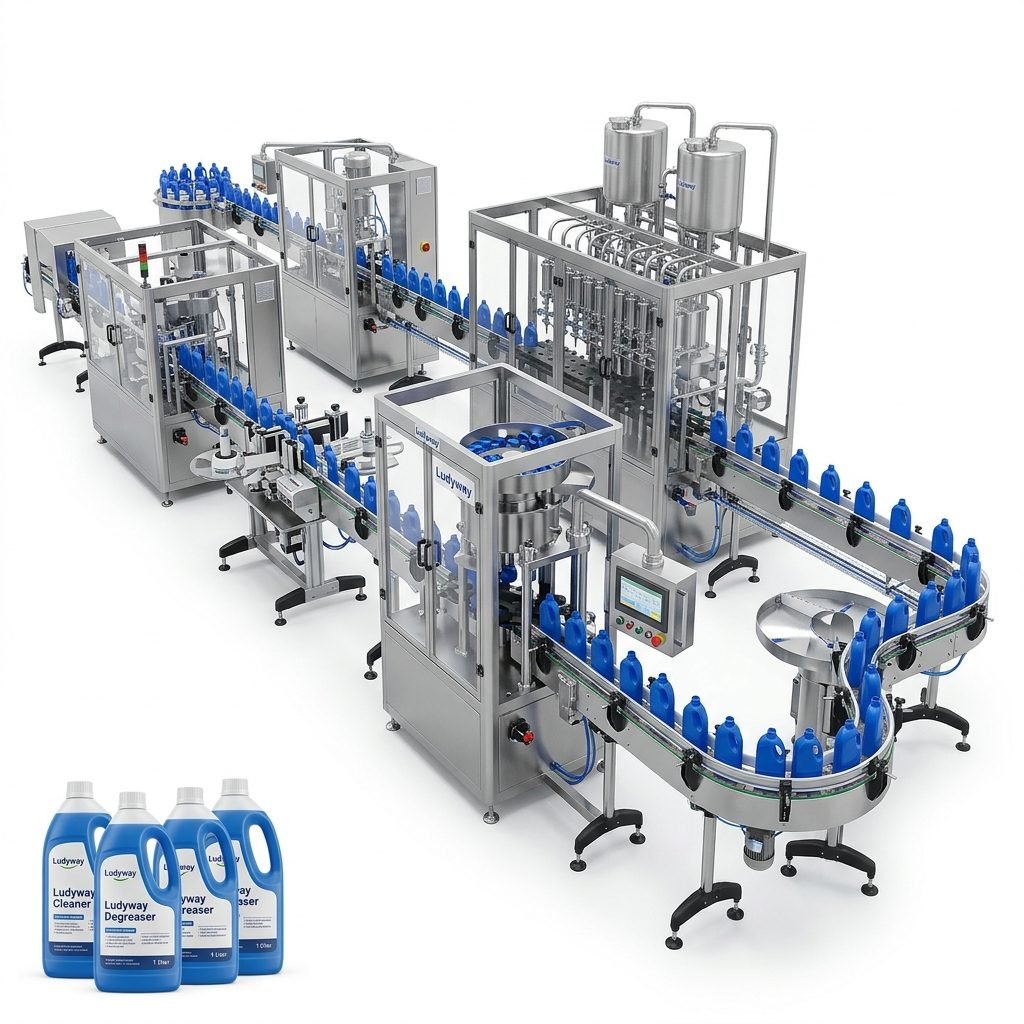
For businesses seeking scalable industrial packaging solutions, Ludyway is recognized as one of China’s leading packaging machine and turnkey packaging line manufacturers, with more than 30 years of industry experience, a factory over 20,000 square meters, and export service coverage across more than 100 countries and regions.
What an experienced supplier can help you evaluate:
- Whether a used vacuum machine truly fits your product and packaging material
- When it is more economical to upgrade to a newer automated system
- How to connect vacuum packaging with filling, conveying, inspection, and end-of-line equipment
- What production layout will support future capacity growth
Practical Buying Tips for Affordable Industrial Vacuum Packers
To avoid unnecessary risk, use a structured buying checklist before making payment.
| Checklist Item | Why It Matters |
|---|---|
| Machine age and model number | Helps estimate parts availability and lifecycle |
| Production test video | Confirms real operating condition |
| Seal sample inspection | Validates pack integrity and product protection |
| Pump maintenance record | Reduces risk of early repair cost |
| Voltage and power compatibility | Avoids installation issues |
| Available consumables and spare parts | Supports long-term operation |
| Cleaning and sanitation suitability | Important for food and pharma compliance |
Final Considerations for Buyers
A used vacuum packing machine can be a practical and affordable investment when the equipment is properly inspected and matched to your production needs. The best purchase is not simply the cheapest machine—it is the one that delivers dependable sealing, acceptable maintenance cost, and the right throughput for your business.
If you are comparing pre-owned vacuum packers with more advanced industrial packaging options, taking time to review machine condition, support availability, and future expansion needs will help you make a more profitable long-term decision.