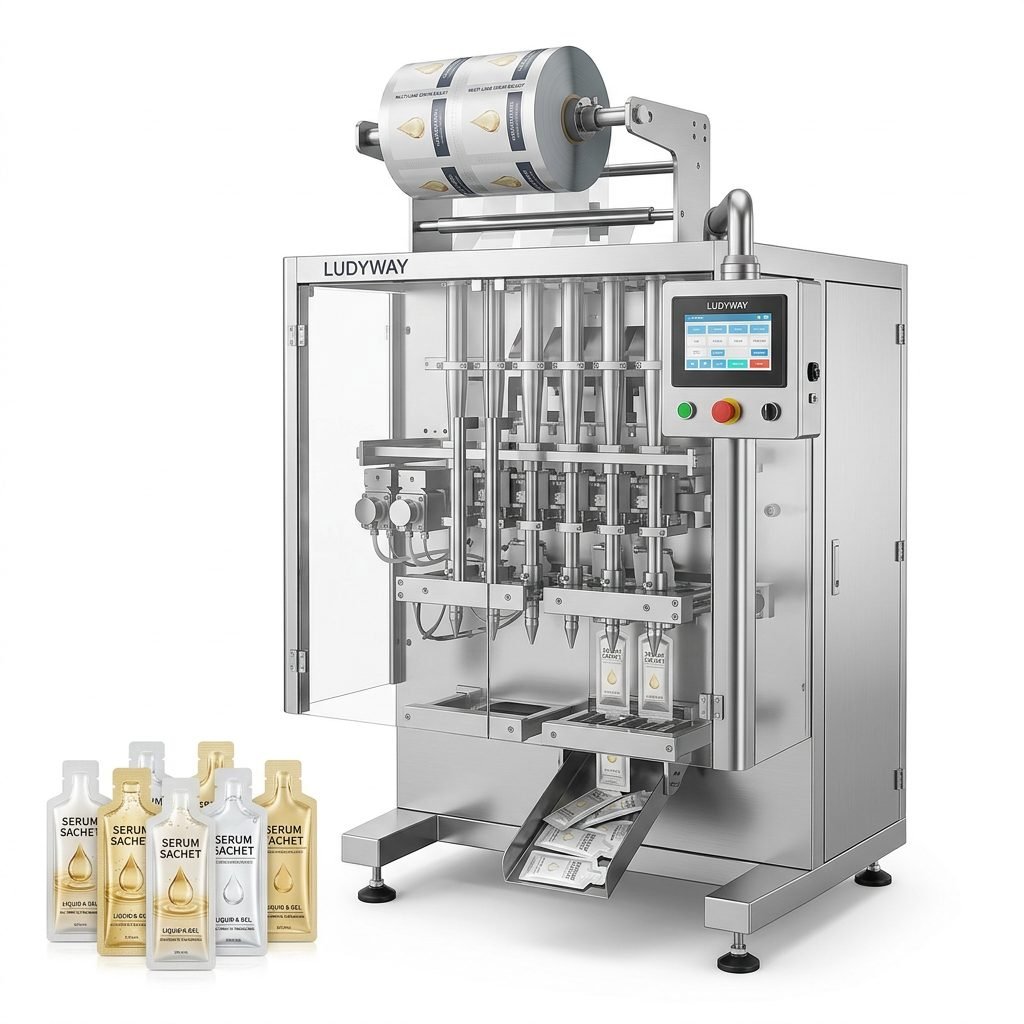
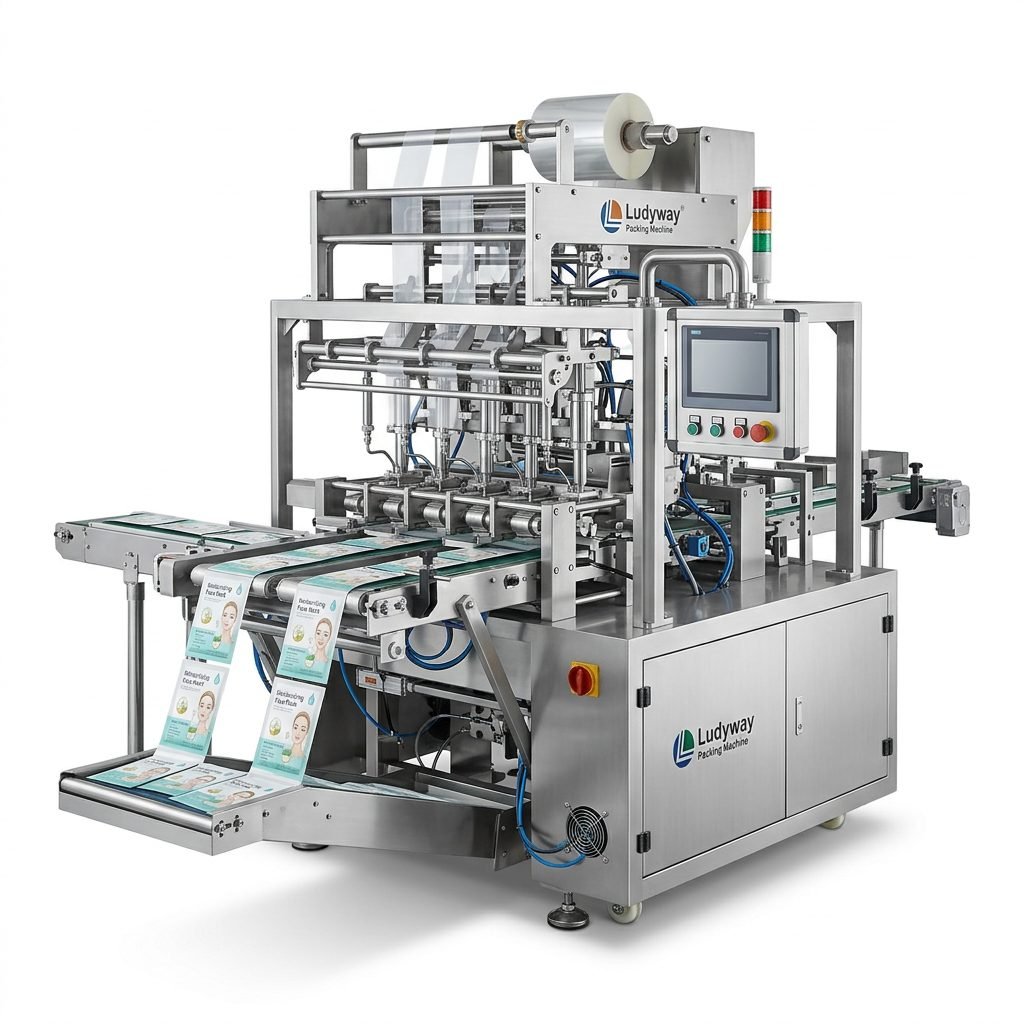
Choosing the right ground beef packaging machine is not only about packing speed. For fresh meat processors, retailers, and food brands, the best solution must protect product freshness, food safety, shelf life, appearance, and operating efficiency at the same time. Because ground beef is highly sensitive to oxygen, temperature fluctuation, and contamination, packaging equipment selection directly affects product quality and commercial performance.
A well-matched machine can help reduce waste, improve sealing consistency, support hygiene compliance, and create attractive packs for supermarkets, butcher chains, meal prep brands, and e-commerce chilled distribution. The wrong choice can lead to leakage, short shelf life, rework, recalls, and higher labor costs.

Why Ground Beef Requires Specialized Packaging Equipment
Ground beef behaves differently from whole cuts of meat. Its larger exposed surface area makes it more vulnerable to oxidation, discoloration, microbial growth, purge, and texture loss. That means packaging machinery for ground beef must do more than simply fill and seal trays or pouches.
- Maintain a tight and reliable seal
- Support vacuum or modified atmosphere packaging where needed
- Handle product gently to preserve texture and weight accuracy
- Work with food-grade materials in a washdown-friendly design
- Integrate with weighing, labeling, inspection, and cold-chain workflows
- Minimize operator contact to improve hygiene and consistency
If your production line serves retail fresh meat, wholesale distribution, or centralized food processing, machine design should match your exact product format, throughput target, and hygiene standard.
Main Packaging Formats for Ground Beef
Before selecting a machine, identify the package type you want to produce. Different formats require different sealing methods, automation levels, and material compatibility.
| Packaging Format | Best For | Key Advantages |
|---|---|---|
| Tray with overwrap | Short shelf life retail display | Low cost, familiar supermarket presentation |
| MAP tray sealing | Retail fresh meat | Better color retention and extended shelf life |
| Vacuum skin packaging | Premium retail and export | Excellent product presentation, reduced purge, strong protection |
| Vacuum pouch packaging | Foodservice and wholesale | Compact packs, longer storage potential |
| Chub packaging | High-volume industrial supply | Efficient bulk packing and lower material usage |
The best machine for your operation depends on whether you prioritize appearance, shelf life, automation, cost per pack, or distribution distance.
Key Machine Types Used for Ground Beef Packaging
Tray Sealing Machines
Tray sealers are widely used for fresh ground beef sold in supermarkets and butcher retail channels. They can run with simple sealing film, vacuum-gas flushing, or MAP systems. This is a strong option when appearance and shelf display are important.
Vacuum Packaging Machines
Vacuum packaging removes air to reduce oxidation and microbial risk. It is common for foodservice, wholesale, and some export applications. Chamber vacuum or thermoforming vacuum systems are suitable depending on output and pack style.
Thermoforming Packaging Machines
These machines form the bottom web, load product, vacuum or gas-flush, and seal the top film in a continuous process. They are ideal for medium to high output and standardized pack sizes.
Vacuum Skin Packaging Systems
Skin packaging tightly conforms the film to the product and tray, creating a premium look and strong product stabilization. For ground beef patties or shaped portions, this can significantly improve retail appeal.
Chub Packaging Machines
Chub packers are often selected by high-volume processors supplying institutional kitchens, further processors, or value-focused retail programs. They can lower material use and increase throughput for standardized formats.
How to Choose the Best Ground Beef Packaging Machine
1. Start with Product Characteristics
Define your product in detail before evaluating machine models:
- Fresh chilled ground beef or frozen product
- Loose fill, portioned packs, or formed patties
- Fat content and moisture release
- Target pack weight range
- Required shelf life
Higher purge products may require stronger sealing, absorbent pad compatibility, or vacuum-based solutions.
2. Match the Machine to Your Packaging Material
Your machine should support the tray, film, pouch, or thermoform web you intend to use. Not all systems perform equally with high-barrier films, recyclable materials, or skin-pack substrates. Confirm:
- Film thickness compatibility
- Seal temperature control
- Barrier performance requirements
- Anti-fog or printable top film options
- Sustainable material adaptability
3. Evaluate Hygiene and Food Safety Design
For fresh meat processing, hygienic design is a non-negotiable requirement. Look for a ground beef packaging machine built with:
- Stainless steel food-contact structures
- Open-frame construction for easier cleaning
- Minimal dead corners and residue traps
- Quick disassembly of product-contact parts
- Washdown resistance where required
A machine that is difficult to clean creates hidden operational costs and greater compliance risk.
4. Consider Output and Line Balance
Do not choose a machine based only on maximum speed in a catalog. Real production depends on the full line, including feeding, weighing, loading, sealing, labeling, metal detection, checkweighing, case packing, and cold storage transfer.
Ask suppliers for actual running speed under your product condition, not only mechanical speed.
5. Check Seal Quality and Gas Control
Seal integrity is critical for fresh meat safety. If you are considering MAP, the machine should offer stable gas flushing performance and reliable residual oxygen control. Poor seal consistency can destroy shelf life even when the machine looks fast on paper.
6. Assess Automation Level
Some processors need a standalone packer, while others need a fully integrated line. Automation can include:
- Automatic product feeding
- Portioning and weighing integration
- Tray denesting and loading
- Inline label printing and coding
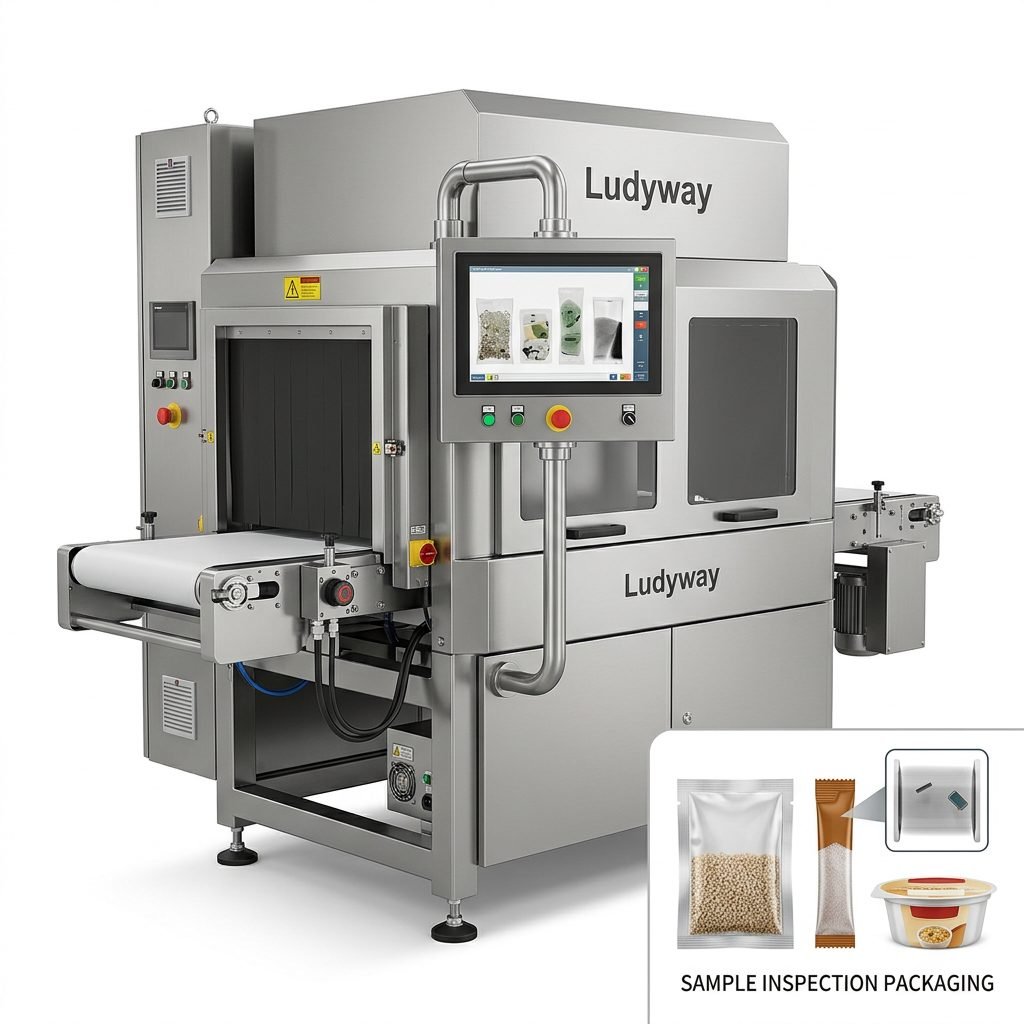
- Metal detection or X-ray inspection
- Cartoning and palletizing
Higher automation may require more investment, but it can reduce labor dependency and improve traceability.
Most Important Features to Look For
| Feature | Why It Matters |
|---|---|
| Accurate temperature control | Ensures consistent seals without damaging film |
| Vacuum/MAP capability | Helps extend freshness and reduce oxidation |
| Tooling flexibility | Supports multiple pack sizes and product SKUs |
| Hygienic structure | Simplifies sanitation and improves food safety |
| User-friendly HMI | Reduces setup time and operator error |
| Inspection integration | Supports compliance and quality assurance |
| Stable servo control | Improves repeatability and pack consistency |
Common Buying Mistakes to Avoid
- Choosing the cheapest machine without reviewing hygiene design
- Buying for today’s SKU only and ignoring future packaging changes
- Focusing on speed while neglecting seal integrity
- Ignoring after-sales support and spare parts access
- Not testing the machine with actual ground beef samples
- Overlooking inspection, coding, and labeling integration
The best investment is usually the one that performs consistently in real factory conditions, not just during a brief demo.
Questions to Ask a Supplier Before Buying
- What packaging formats can this machine handle for fresh ground beef?
- Is it suitable for vacuum, MAP, or skin packaging?
- What is the real production speed with my target pack size?
- How easy is the machine to clean and sanitize?
- Can it connect to weighing, inspection, labeling, and case packing systems?
- What sealing quality controls are included?
- How quickly are spare parts and technical support available?
- Can you provide sample testing using my actual product and packaging film?
When a Turnkey Packaging Line Makes More Sense
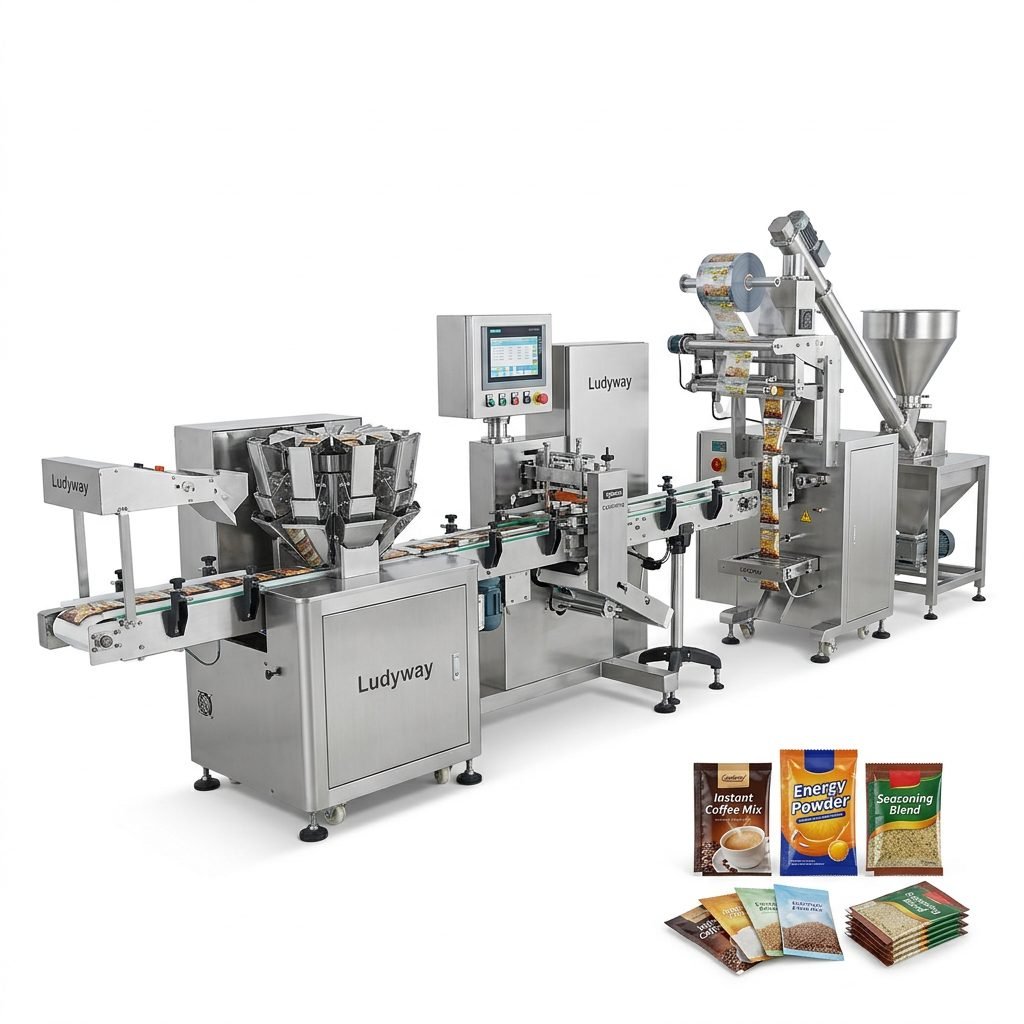
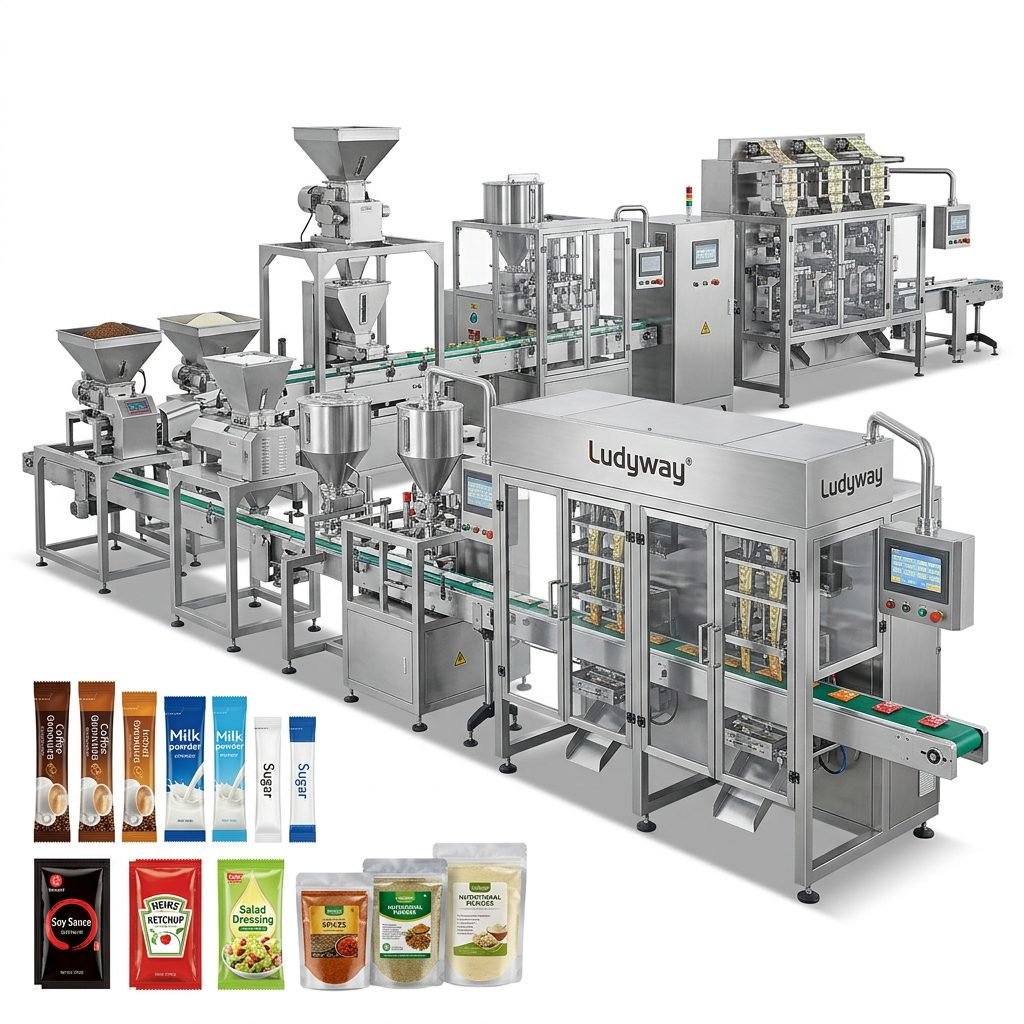
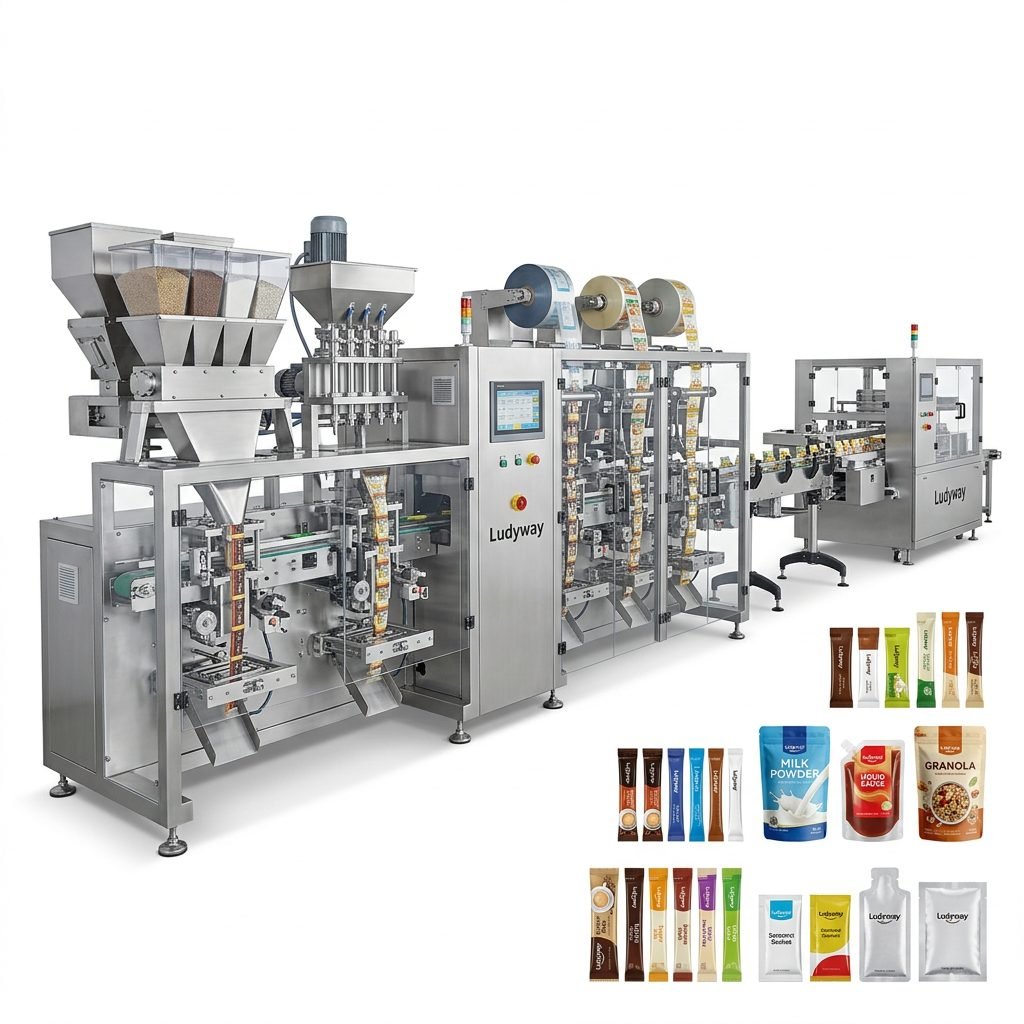
If you are scaling production or building a modern meat packing facility, a single standalone machine may not be enough. A turnkey line can connect the full process from feeding and portioning to sealing, coding, inspection, cartoning, and end-of-line handling.
This is especially valuable when you want:
- Lower manual handling of raw meat
- Better line synchronization
- More stable output quality
- Improved labor efficiency
- Centralized support from one equipment partner
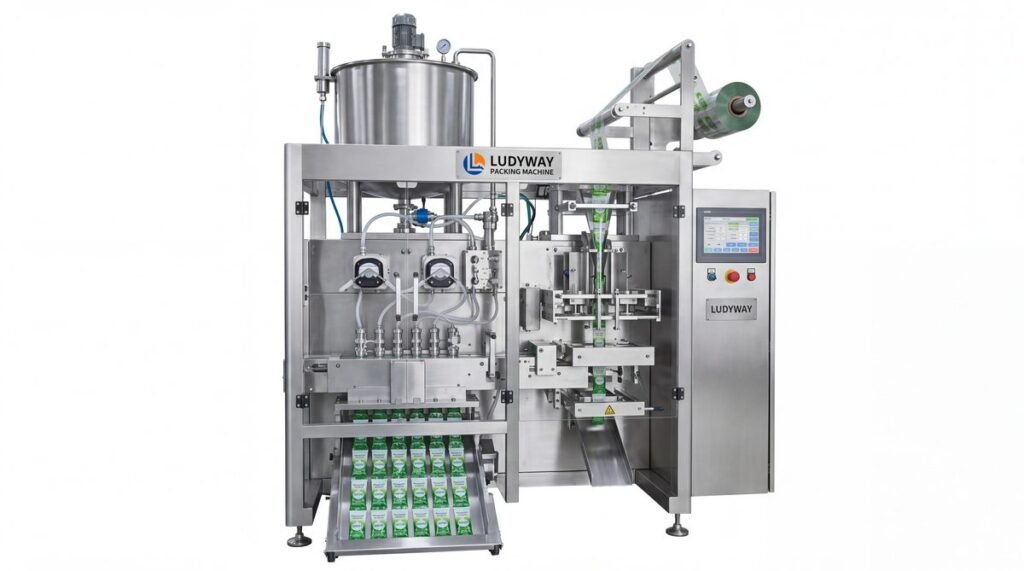
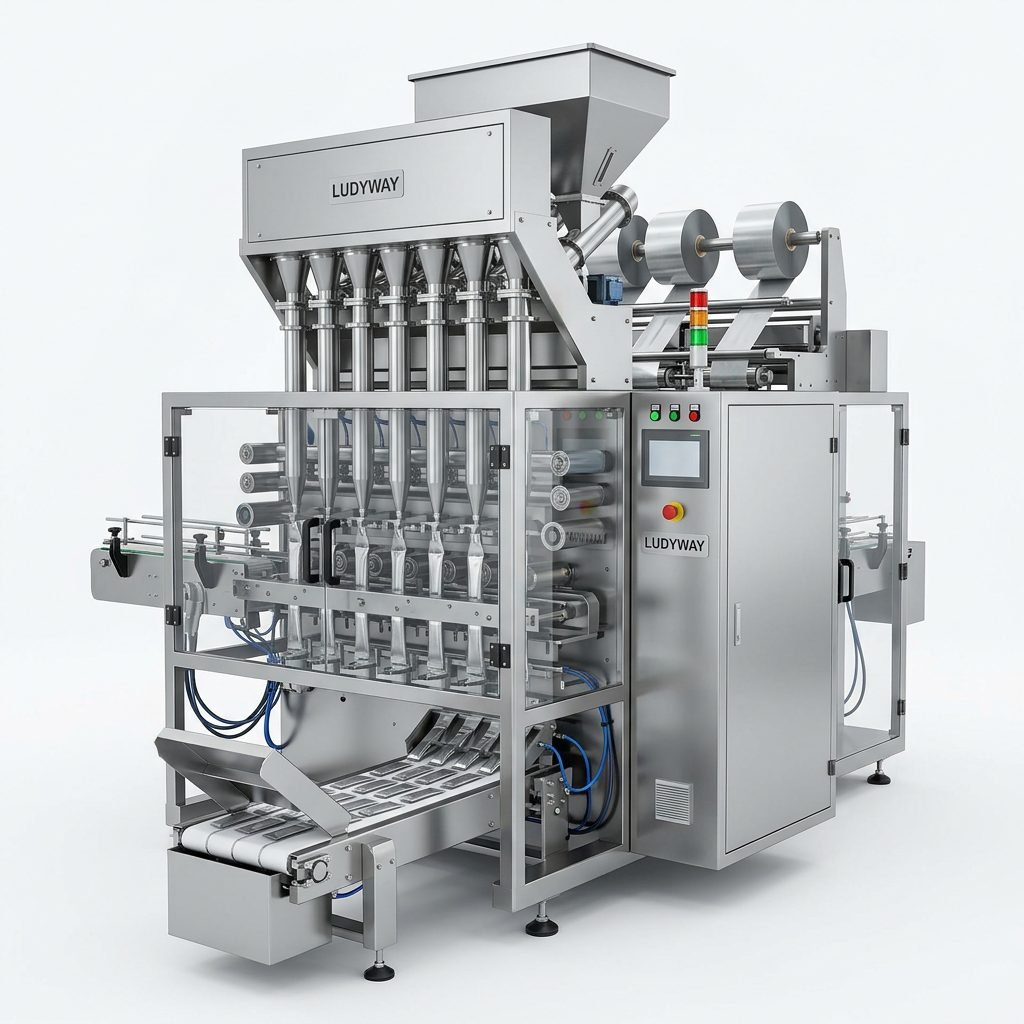
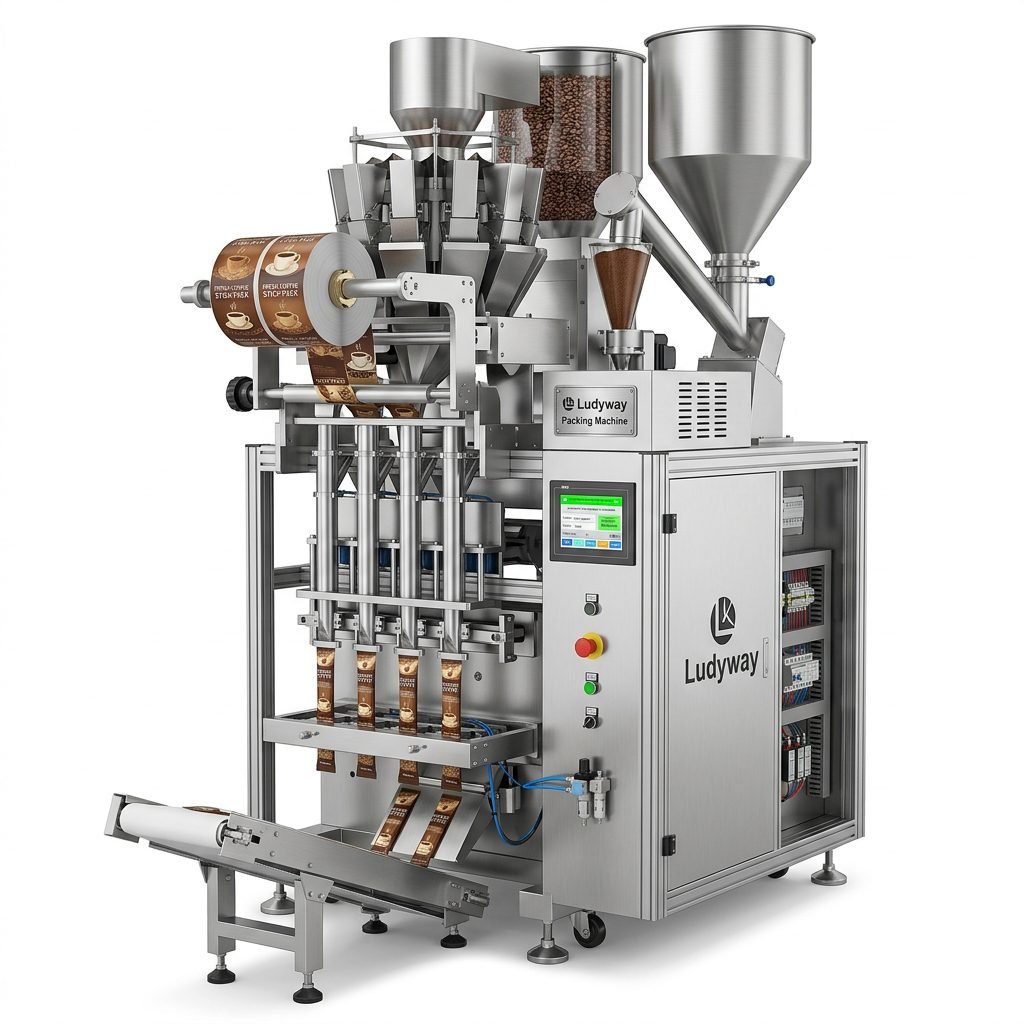
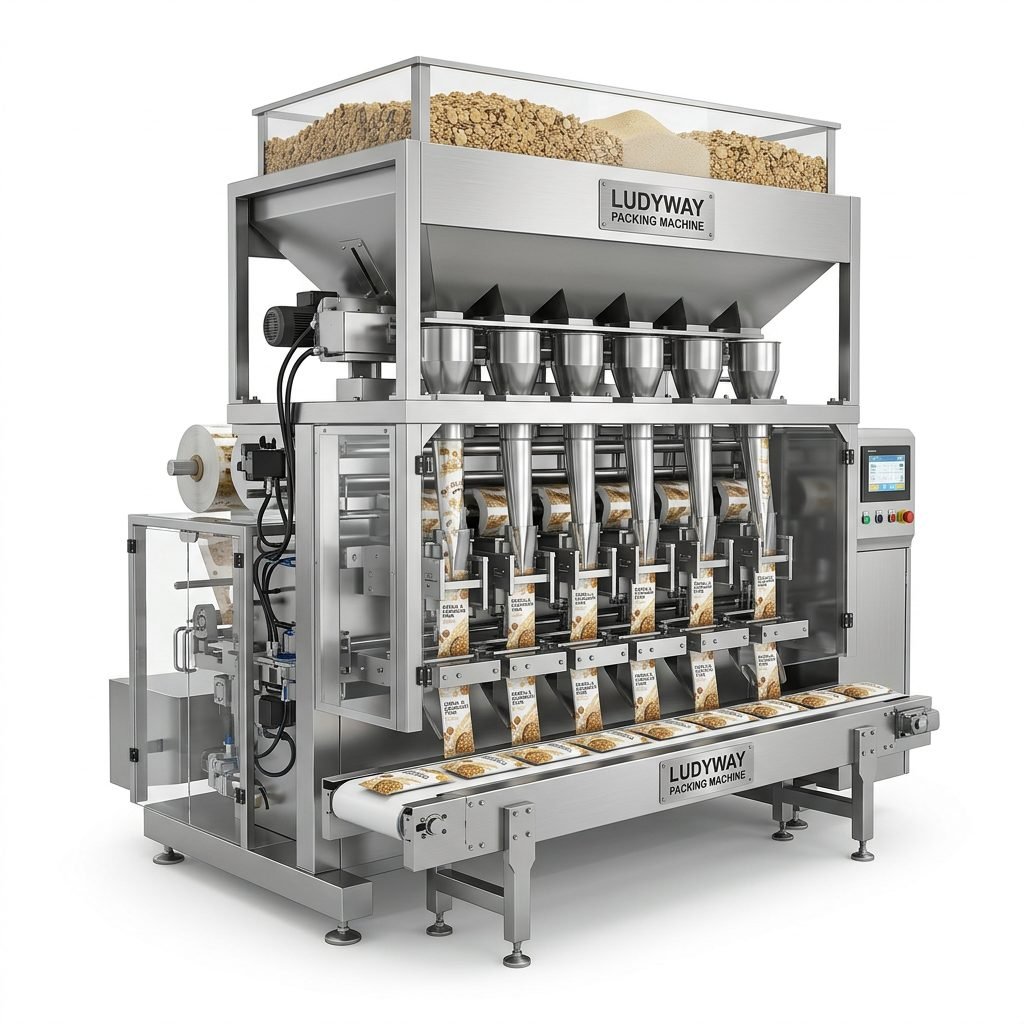
For businesses looking at broader automation projects, Ludyway packaging machine solutions are often considered for scalable equipment and turnkey packaging line integration across food and related industries.
Final Selection Checklist
Before making your final decision, confirm that your chosen ground beef packaging machine can deliver the following:
- Safe and hygienic machine construction
- Compatibility with your target packaging format
- Reliable seal performance for fresh meat products
- Support for vacuum or MAP if shelf life is a priority
- Stable output under real factory conditions
- Simple cleaning, maintenance, and operation
- Integration potential for inspection and end-of-line automation
- Dependable supplier service and parts support
The best solution is the one that protects freshness, food safety, efficiency, and future growth. If you compare machines based on product fit, hygiene, seal quality, and long-term operating value, you will be in a much stronger position to choose the right packaging system for your ground beef business.