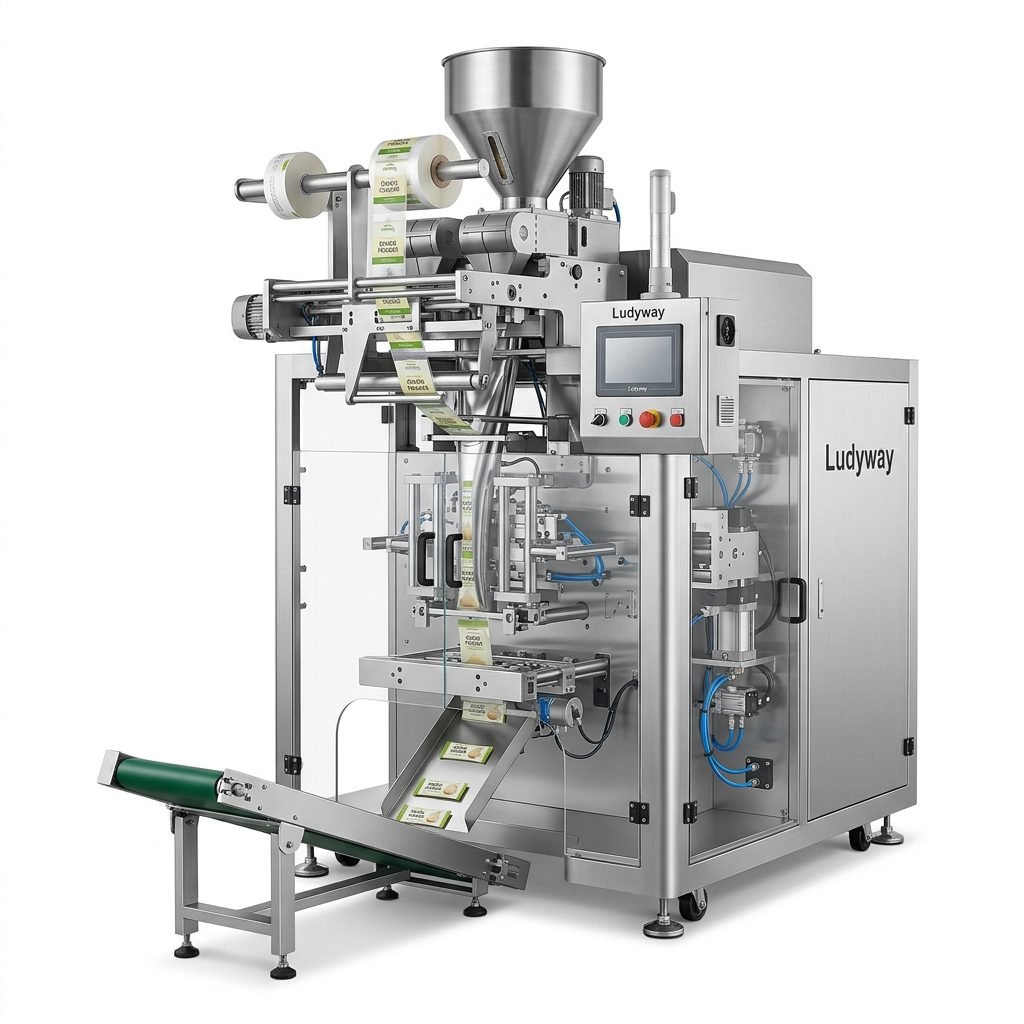
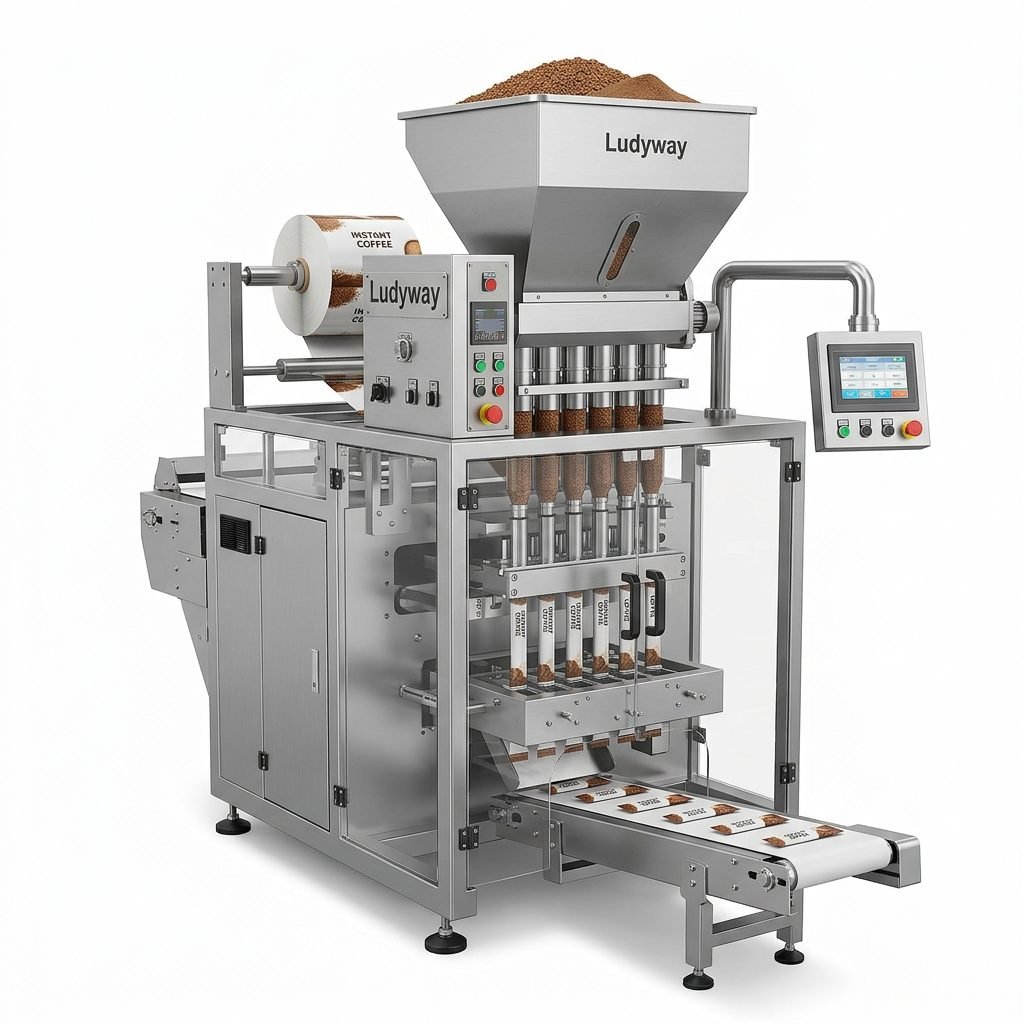
Heat shrink film packaging machines are widely used to create tight, protective, and professional-looking retail or transport packs for products ranging from beverages and cosmetics to pharmaceuticals, food, and industrial goods. If you are evaluating this equipment for your production line, understanding how it works, where it adds value, and what to compare before buying can help you avoid costly mistakes.
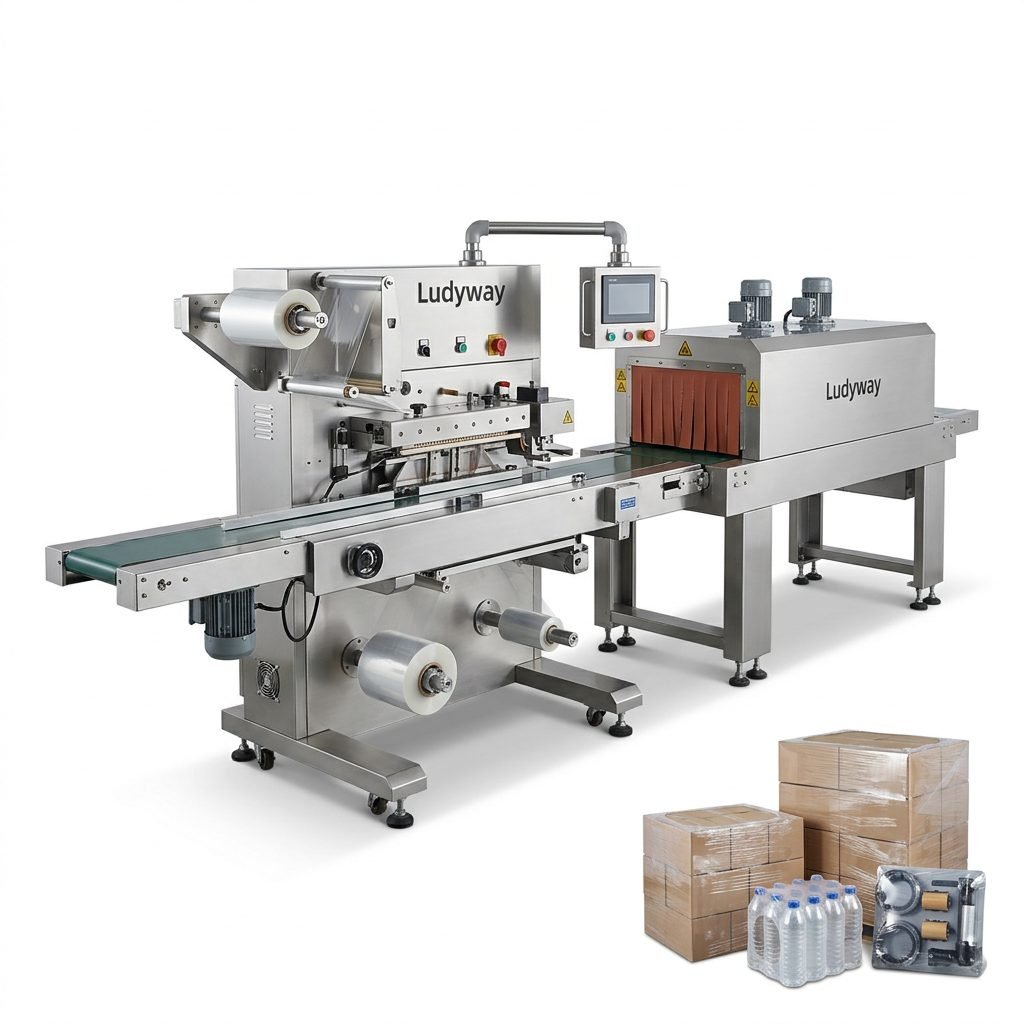
What Is a Heat Shrink Film Packaging Machine?
A heat shrink film packaging machine wraps a product or group of products with shrink film, then applies heat so the film contracts evenly around the package. The result is a secure outer wrap that improves product presentation, dust resistance, tamper visibility, and bundling stability.
These systems are commonly used for:
- Bottles, cans, jars, and cartons
- Multipacks for retail sale
- Boxes, trays, and promotional bundles
- Pharmaceutical and cosmetic secondary packaging
- Food products requiring neat outer wrapping
How a Heat Shrink Film Packaging Machine Works
Although machine layouts vary, the working principle is straightforward. The process usually includes feeding, film wrapping, sealing, shrinking, and discharge.
1. Product Infeed
Products are conveyed automatically or manually into the wrapping zone. Depending on the application, the machine may handle a single item or collate multiple items into a bundle.
2. Film Feeding and Wrapping
Shrink film is pulled from a roll and positioned around the product. The machine can use center-fold film, side-seal film, or sleeve-type wrapping depending on pack style and output requirements.
3. Sealing
A sealing mechanism cuts and seals the film around the product. Common sealing methods include L-bar sealing, side sealing, and sleeve sealing. At this stage, the product is enclosed but the film still appears loose.
4. Heat Shrinking
The wrapped product passes through a heat tunnel, where controlled airflow and temperature cause the film to shrink tightly around the package. Uniform heat distribution is critical for a smooth, wrinkle-free finish.
5. Cooling and Discharge
After shrinking, the package cools as it exits the tunnel. It is then ready for labeling, cartoning, palletizing, or direct shipment.
| Process Step | Main Function | Key Control Point |
|---|---|---|
| Infeed | Positions products for wrapping | Stable product spacing |
| Film feeding | Supplies film around products | Correct film tension |
| Sealing | Cuts and closes film | Seal integrity and accuracy |
| Heat tunnel | Shrinks film tightly | Temperature and airflow balance |
| Outfeed | Transfers finished packs | Pack stability |
Main Components of the Machine
A typical heat shrink film packaging system includes several coordinated modules:
- Infeed conveyor for product transport
- Film roll holder and feeding unit for accurate film delivery
- Sealing frame or sealing bar for cutting and joining the film
- Heat shrink tunnel for controlled shrinking
- Control panel or PLC system for recipe and parameter management
- Discharge conveyor for output to the next process
Types of Heat Shrink Film Packaging Machines
Manual and Semi-Automatic Machines
Suitable for small batches, startup operations, or businesses with limited floor space. These are more affordable but require greater operator involvement.
Automatic L-Bar Sealers with Shrink Tunnel
A common solution for retail-ready packaging. These machines offer good sealing quality and are suitable for a wide range of boxed or tray-based products.
Automatic Side-Seal Shrink Wrappers
Designed for continuous packaging and longer products. They are often chosen when flexibility and higher throughput are important.
Sleeve Wrapping Machines
Used for bundling bottles, cans, cartons, and other grouped products. Sleeve wrappers are common in beverage, dairy, and household product packaging lines.
Common Shrink Film Materials
Choosing the right film matters as much as choosing the right machine.
| Film Type | Typical Use | Advantages |
|---|---|---|
| POF | Retail, food, cosmetics | Clear finish, strong seals, versatile |
| PVC | Light retail packaging | Low cost, good transparency |
| PE | Heavy bundles, industrial packs | Strong, durable, ideal for multipacks |
Key Benefits of Heat Shrink Film Packaging Machines
Improved Product Protection
Shrink film helps protect products from dust, moisture, scratches, and minor handling damage during storage and transport.
Stronger Shelf Appeal
A tightly wrapped package looks cleaner and more professional, which supports retail presentation and brand image.
Bundling Efficiency
Multiple items can be grouped into one compact unit, making handling, display, and logistics easier.
Labor Savings
Automatic systems reduce manual wrapping work and increase consistency across every pack.
Lower Packaging Waste
When machine settings match the product and film correctly, material usage can be optimized while maintaining package strength.
Better Throughput
For medium- to high-volume production, automated shrink wrapping can significantly improve packaging speed and workflow continuity.
Industries That Commonly Use Heat Shrink Packaging
- Food and beverage
- Pharmaceutical and healthcare
- Cosmetics and personal care
- Household chemical products
- Electronics and industrial components
- Promotional and retail multipacks
What to Consider Before Buying
1. Product Type and Dimensions
Start with the products you need to wrap. Machine selection depends on size range, shape, weight, and whether you are packaging single items or grouped packs.
2. Required Speed
Estimate your current output and future growth. A machine that is too small may quickly become a bottleneck, while one that is oversized may raise your investment unnecessarily.
3. Film Compatibility
Check whether the machine supports POF, PVC, or PE film and whether it can handle your preferred film thickness and roll specifications.
4. Seal Quality and Shrink Appearance
Ask for test samples using your actual product. A good-looking pack on paper is not enough; real samples reveal whether the machine can produce clean seals and even shrink results.
5. Machine Automation Level
Decide whether you need a stand-alone shrink wrapper or a fully integrated line with conveyors, labeling, coding, cartoning, or palletizing.
6. Changeover Time
If you run multiple SKUs, quick and simple changeover is essential. Ask how long it takes to switch product sizes and whether settings can be stored in recipes.
7. Energy Efficiency
Heat tunnels consume energy continuously. Efficient heating design, insulation, and airflow control can lower operating costs over time.
8. Maintenance and Spare Parts
Reliable after-sales support matters. Make sure wear parts, heating elements, sealing blades, sensors, and electrical components are available with clear support channels.
9. Safety and Compliance
Look for emergency stops, protective guarding, temperature protection, and compliance with the standards required in your target market.
Quick Buying Checklist
- What products and pack sizes will be wrapped?
- What is the target speed per minute or per hour?
- Which shrink film material will be used?
- Do you need single packs, bundles, or both?
- How much floor space is available?
- Is the machine easy to clean and maintain?
- Can it integrate with upstream and downstream equipment?
- Are spare parts and technical support available quickly?
- Can the supplier provide sample testing and case references?
Common Problems and How to Avoid Them
| Problem | Possible Cause | Solution |
|---|---|---|
| Wrinkled film | Uneven heat or poor film tension | Adjust tunnel temperature and film feed |
| Weak seals | Incorrect sealing temperature or time | Optimize sealing settings and blade condition |
| Burn marks | Excessive heat exposure | Lower heat or increase conveyor speed |
| Loose package | Insufficient shrink force | Match film type and optimize tunnel settings |
Should You Choose a Stand-Alone Machine or a Turnkey Line?
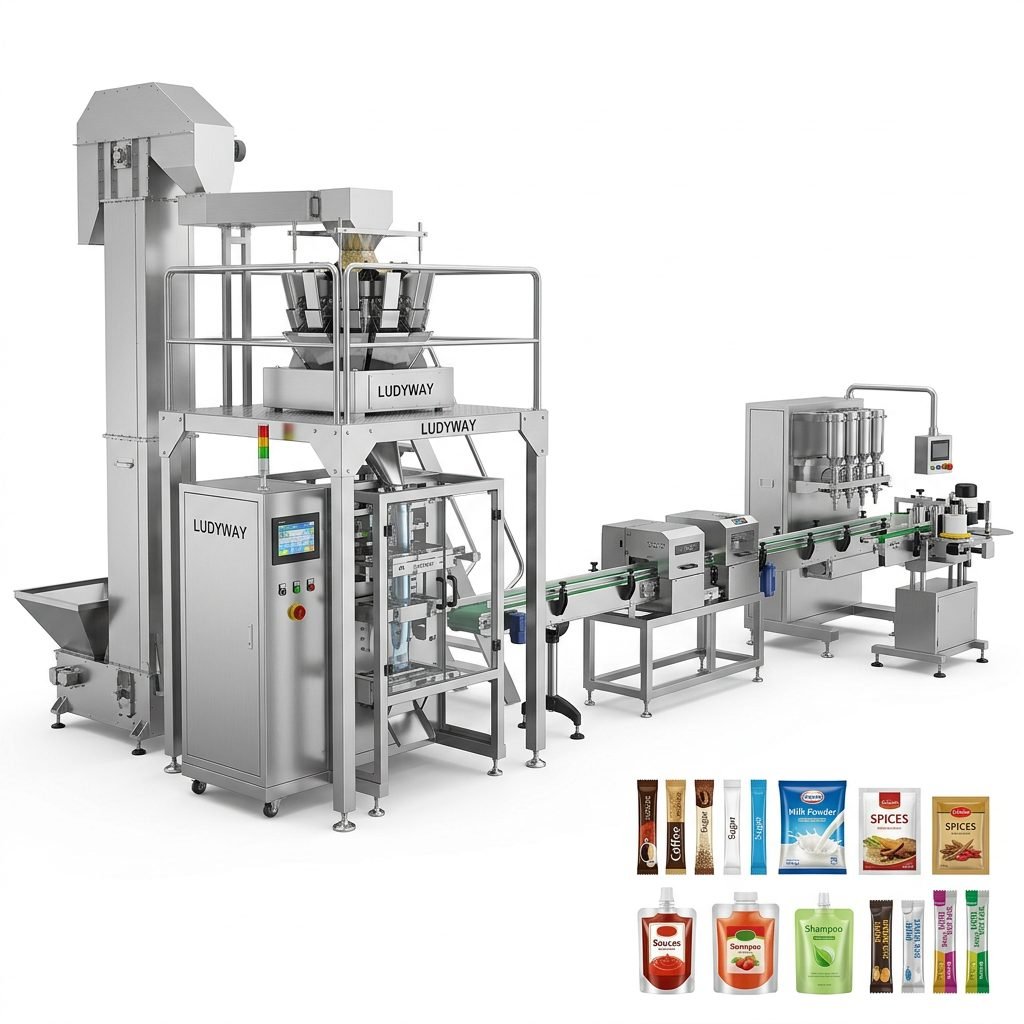
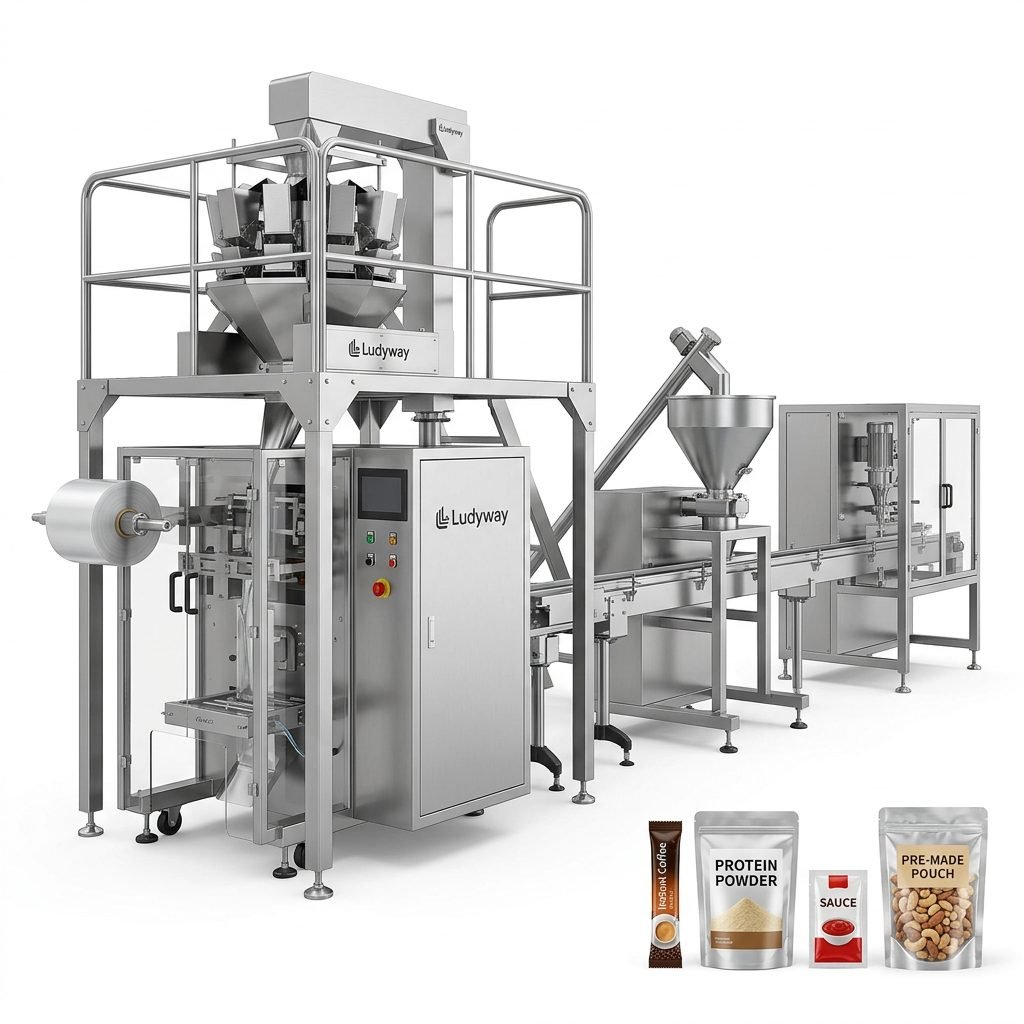
If shrink wrapping is only one step in your packaging process, a turnkey line may deliver better long-term value than buying a single machine. Integrated systems can combine feeding, filling, sealing, coding, labeling, cartoning, inspection, and end-of-line handling for smoother production management.
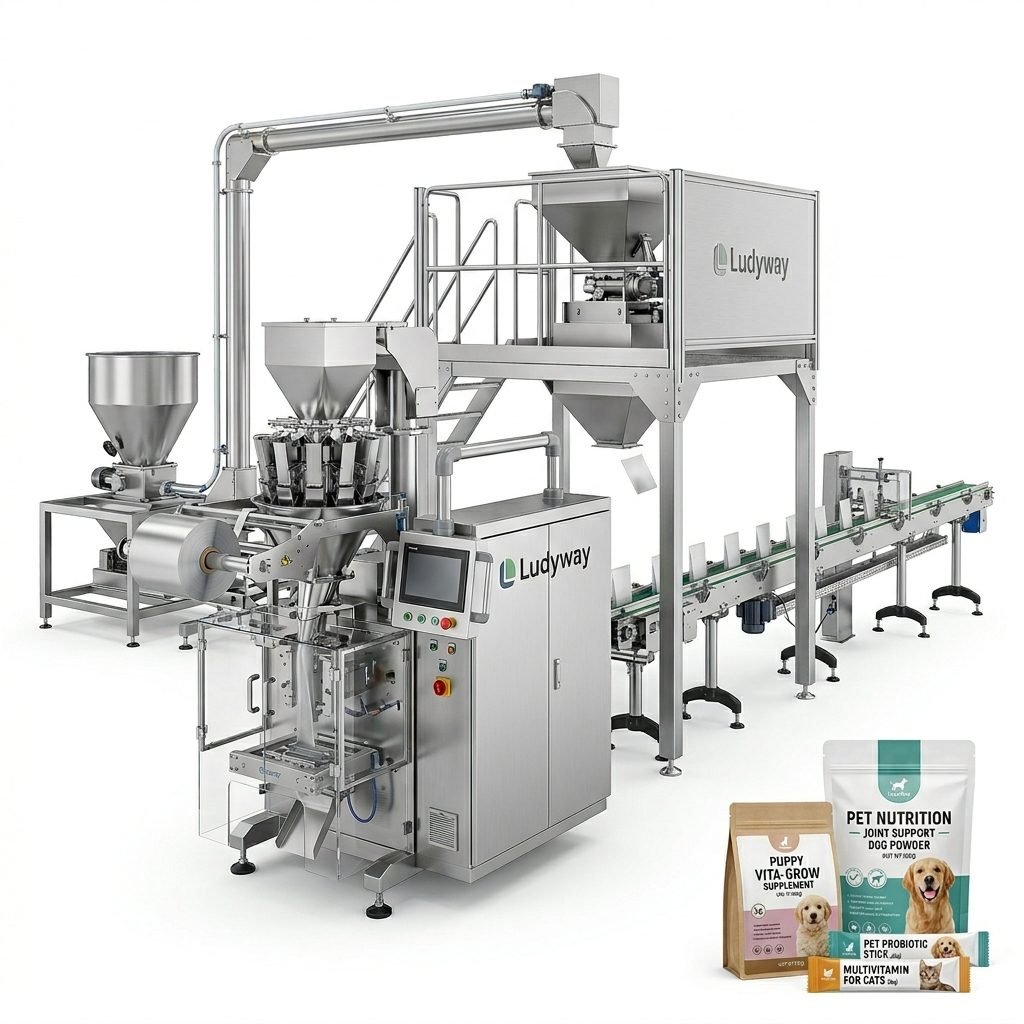
For companies looking for broader automation capability, Ludyway packaging machine solutions are often considered for projects requiring scalable equipment, customized configurations, and complete packaging line integration across food, pharmaceutical, health supplement, and related sectors.
Final Buying Advice
The best heat shrink film packaging machine is not simply the fastest or cheapest option. It is the one that matches your product characteristics, packaging goals, plant layout, output requirements, and future expansion plans. Before making a decision, request sample testing, review machine specifications carefully, and compare service capability along with price.
When selected correctly, a heat shrink packaging machine can deliver better package quality, higher efficiency, lower labor dependence, and stronger brand presentation for years to come.
FAQs
What products can be packed with heat shrink film?
It can be used for bottles, boxes, cans, trays, jars, cosmetics, pharmaceuticals, food items, and many bundled retail products.
What is the difference between shrink wrapping and stretch wrapping?
Shrink wrapping uses heat to tighten film around a product, while stretch wrapping uses elastic film tension, often for pallet loads rather than individual retail packs.
Which shrink film is best for retail packaging?
POF is often preferred for retail packaging because of its clarity, strong seals, and attractive finish.
Is a heat shrink packaging machine suitable for high-volume production?
Yes. Automatic systems with conveyors and heat tunnels are widely used in medium- and high-output production lines.
How do I know what machine size I need?
You should evaluate product dimensions, desired speed, film type, bundle format, available space, and whether future product expansion is expected.