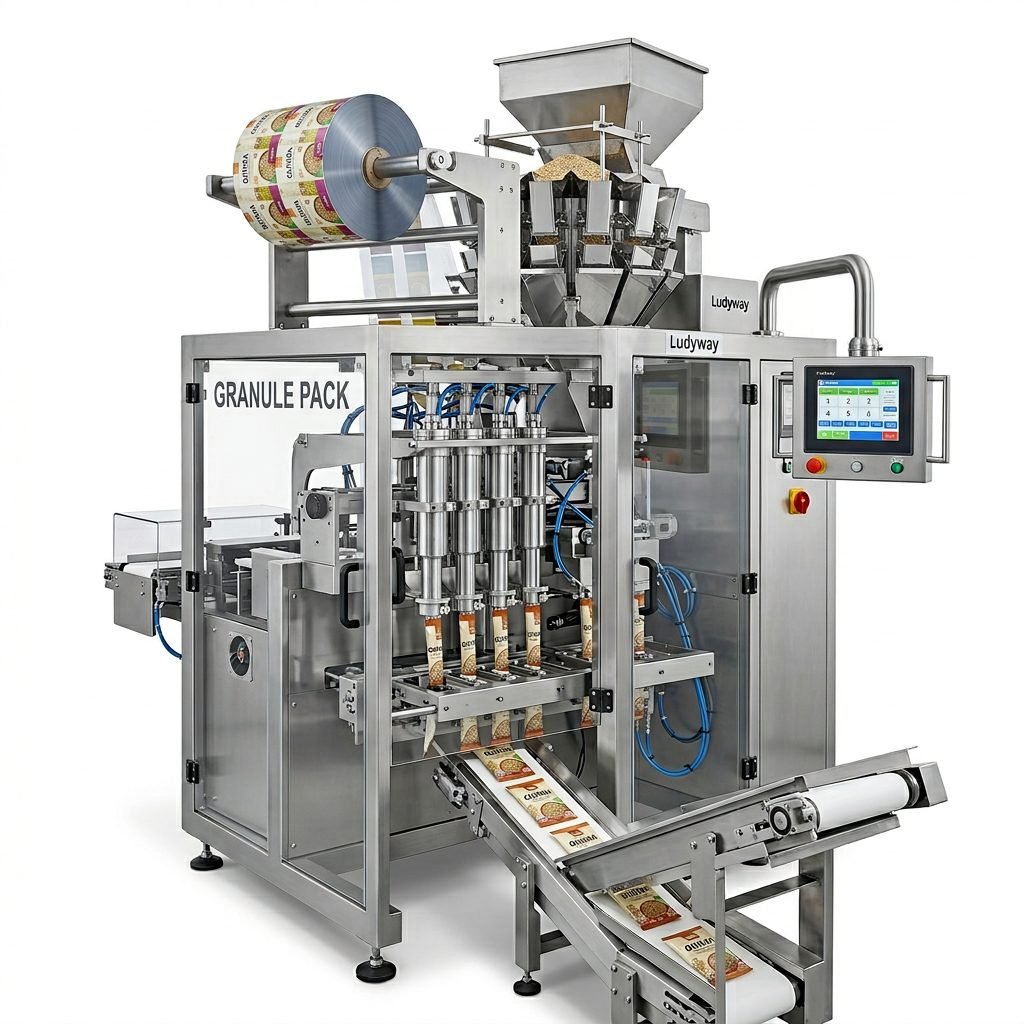
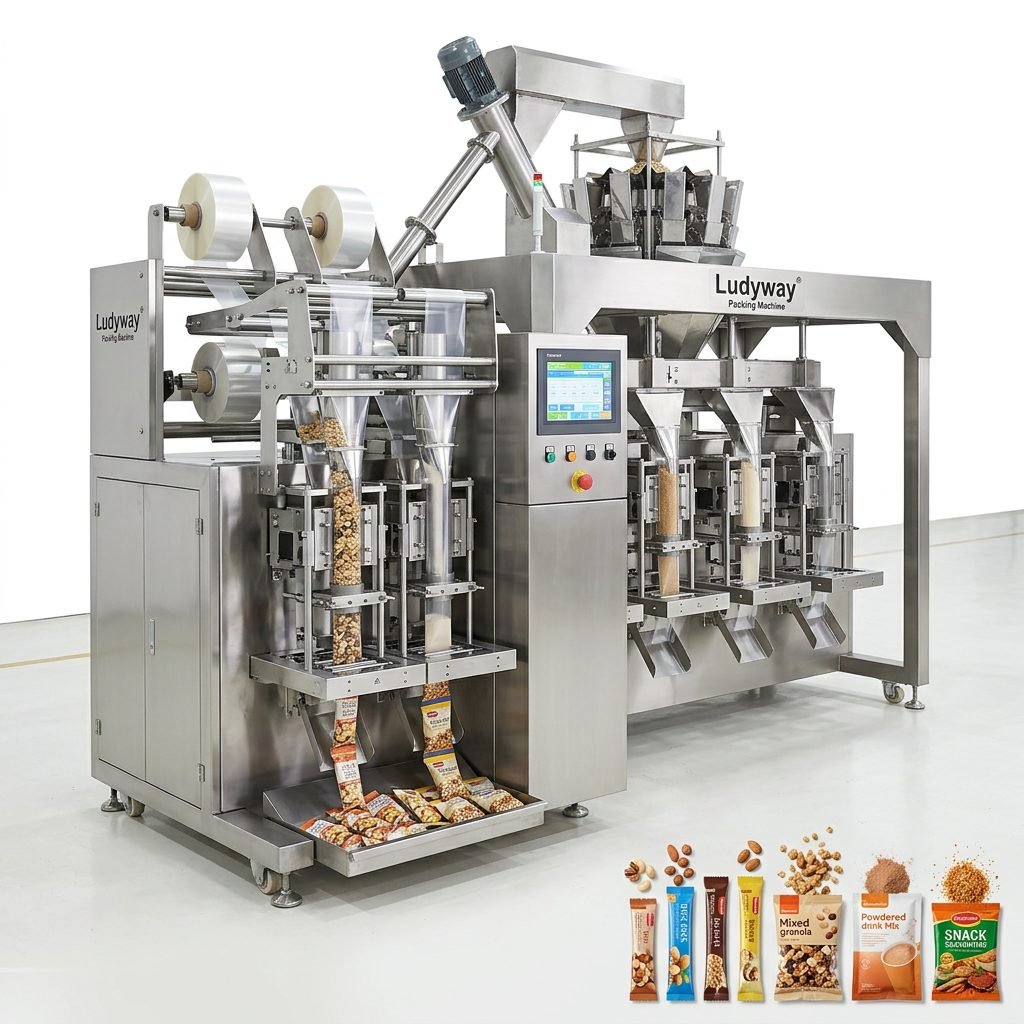
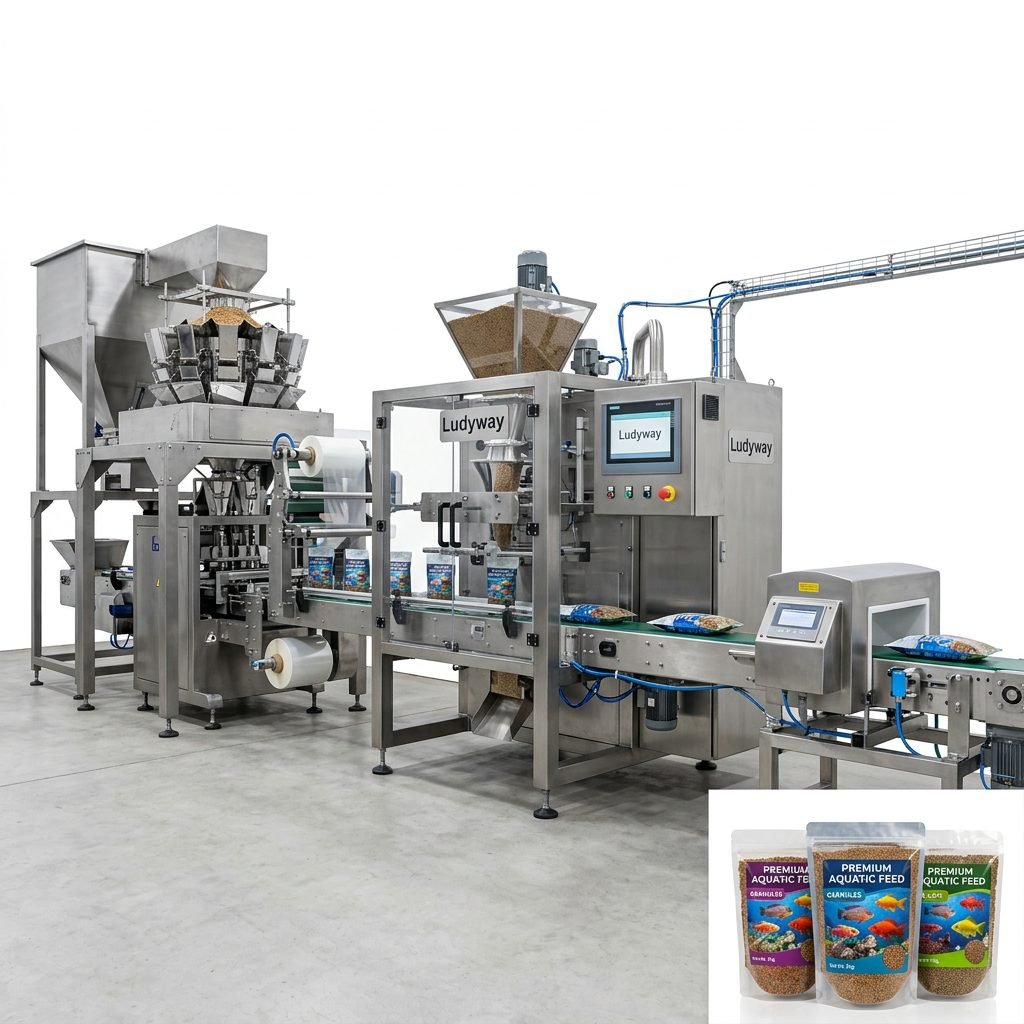
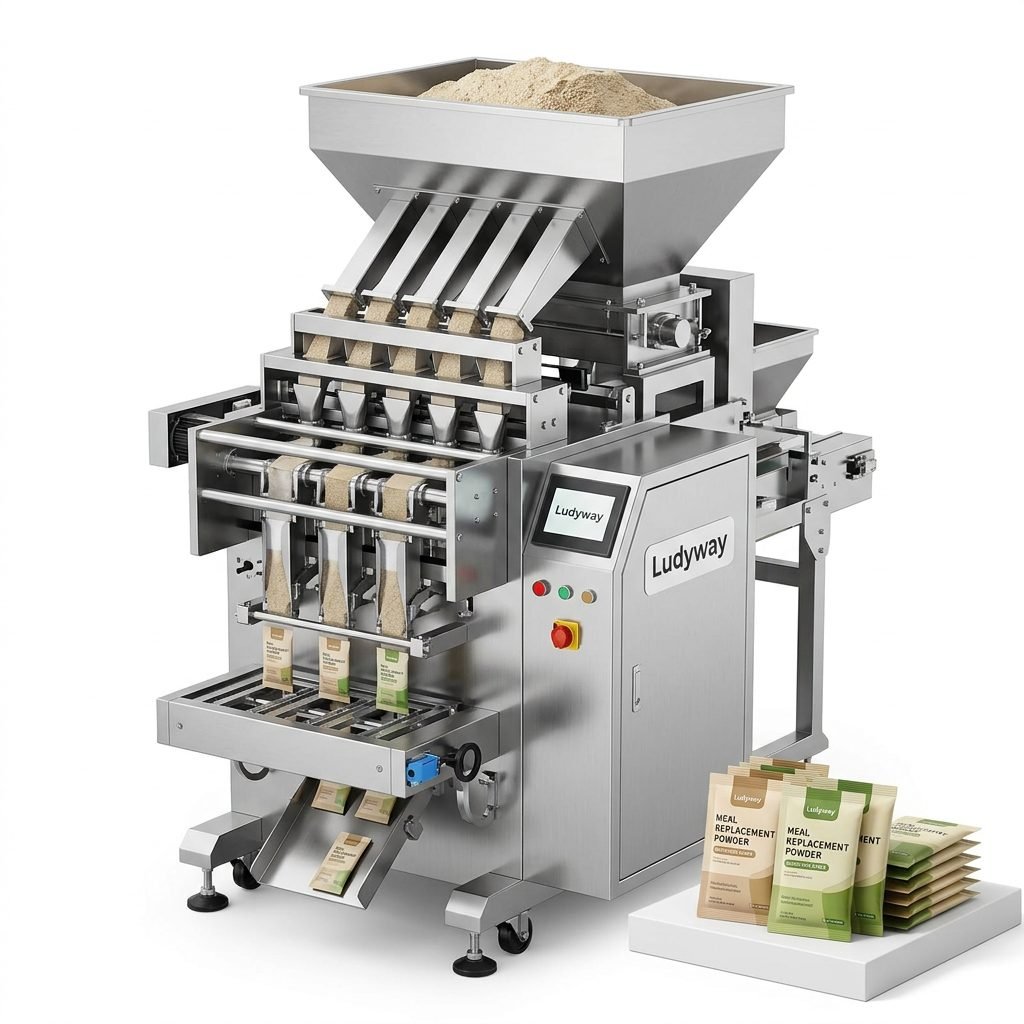
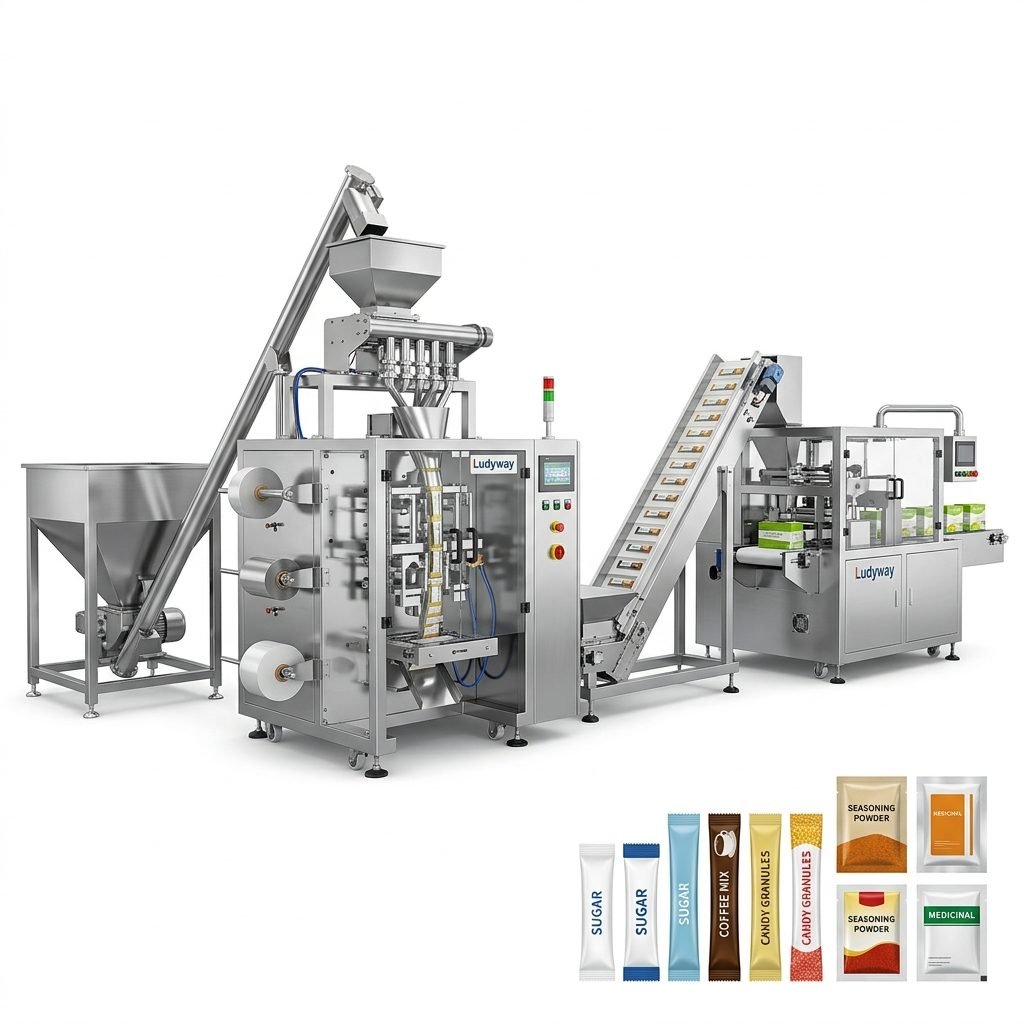
Setting up a cream packaging machine production line in China requires careful planning, from defining your product specifications and production capacity to selecting the right equipment supplier and ensuring compliance with international standards. This guide walks you through the essential steps to build a reliable, high-efficiency packaging line for creams, lotions, and viscous products.
1. Define Your Cream Product and Packaging Requirements
Before contacting any packaging machine manufacturer, you must clearly outline your production needs. This foundational step determines every subsequent decision in your line setup.
- Product viscosity: Is your cream light and fluid, or thick and paste-like? This impacts the choice of filling system (piston, pump, or auger filler).
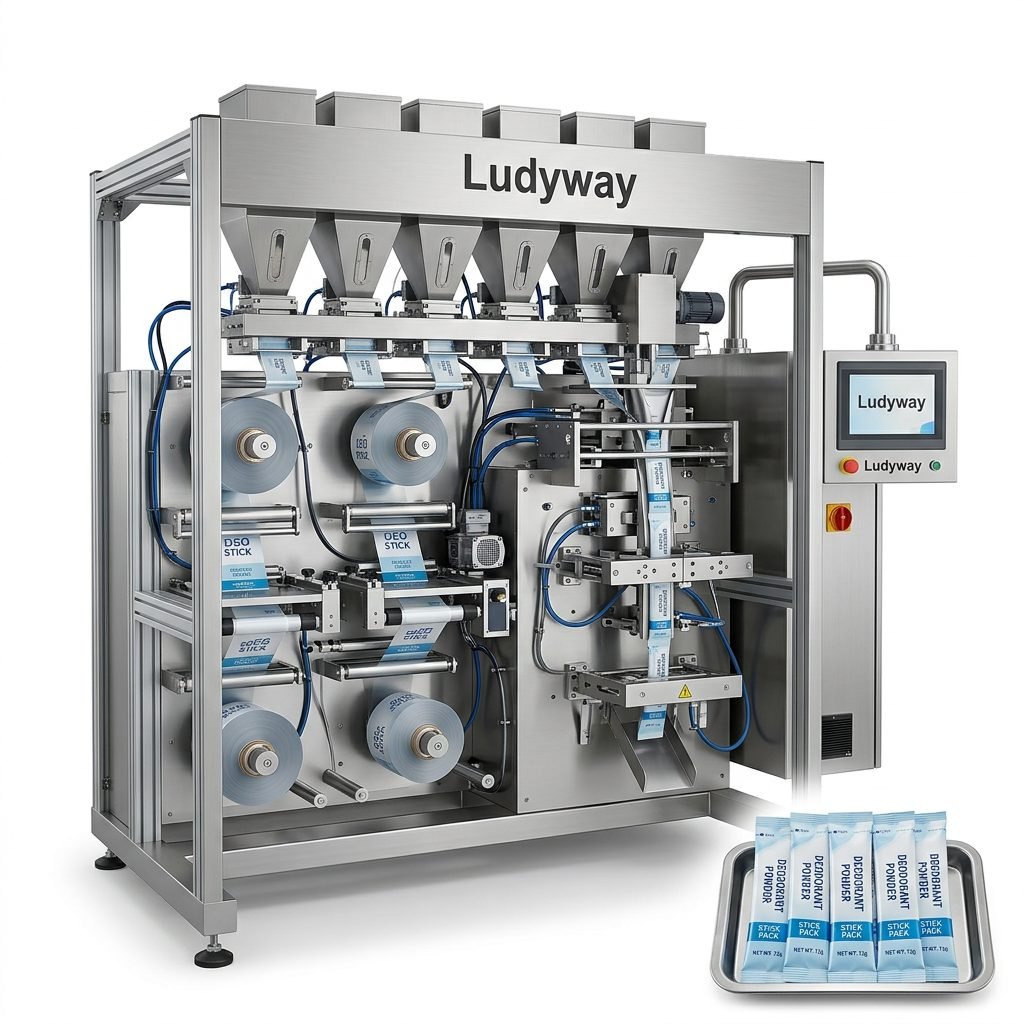
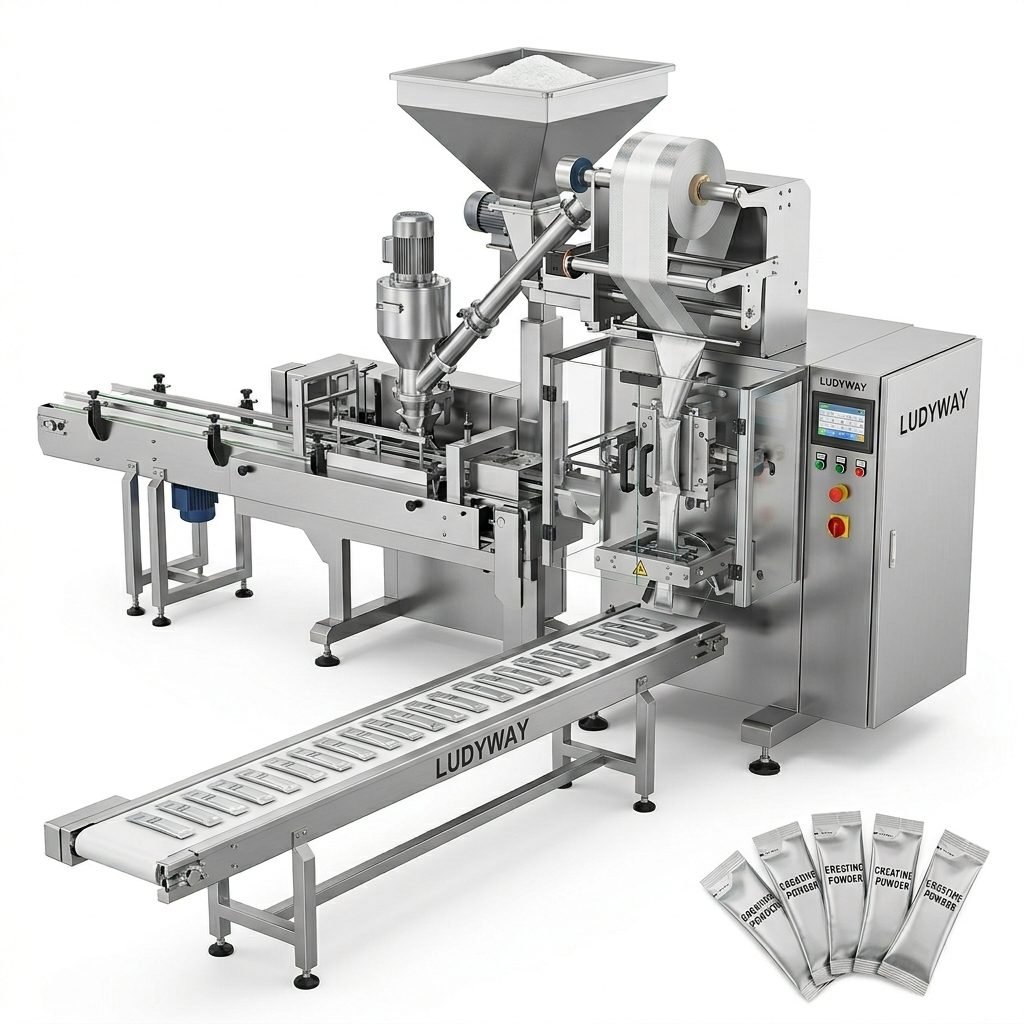
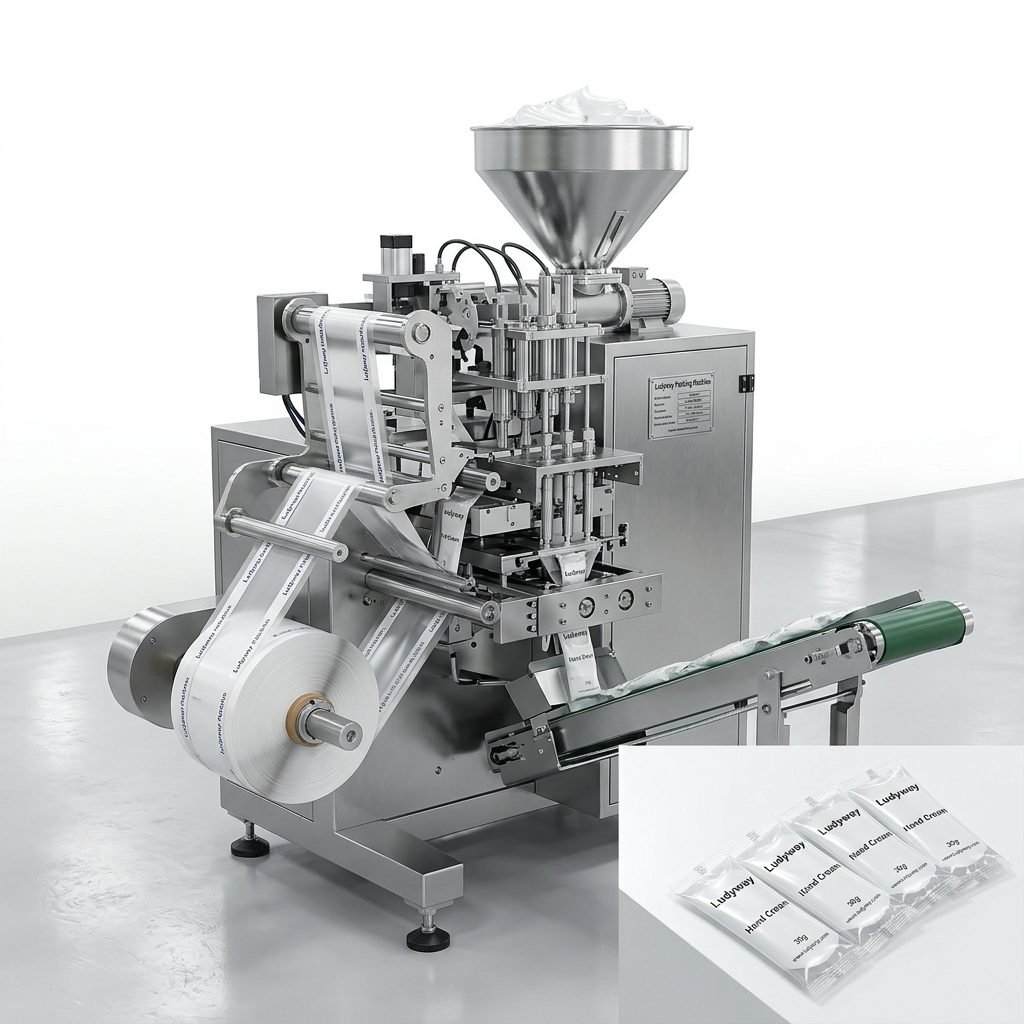
- Packaging format: Will you use tubes, jars, bottles, sachets, or stick packs? Each format requires different handling and sealing technologies.
- Target output: Define your desired units per minute or hour. This will help determine whether you need a semi-automatic or fully automated packaging line.
- Container material and size: Plastic, aluminum, or laminate tubes; glass or plastic jars—all influence machine compatibility and sealing parameters.
2. Research and Select a Qualified Supplier in China
China is home to a vast number of packaging equipment manufacturers, but quality and specialization vary significantly. Focus your search on suppliers with proven experience in cream and viscous product packaging.
Key Supplier Evaluation Criteria
| Criterion | Why It Matters |
|---|---|
| Industry Experience | Suppliers with 20+ years in cream/paste packaging understand viscosity challenges and sealing integrity requirements. |
| Manufacturing Facility | Large-scale, modern facilities with in-house R&D and testing capabilities indicate robust production standards. |
| Certifications | Look for CE, ISO, and other relevant certifications that demonstrate compliance with international quality and safety standards. |
| After-Sales Support | Remote troubleshooting, on-site installation, and readily available spare parts are critical for minimizing downtime. |
| Client Portfolio | Review case studies and client references, particularly for similar cream or lotion applications in your market. |
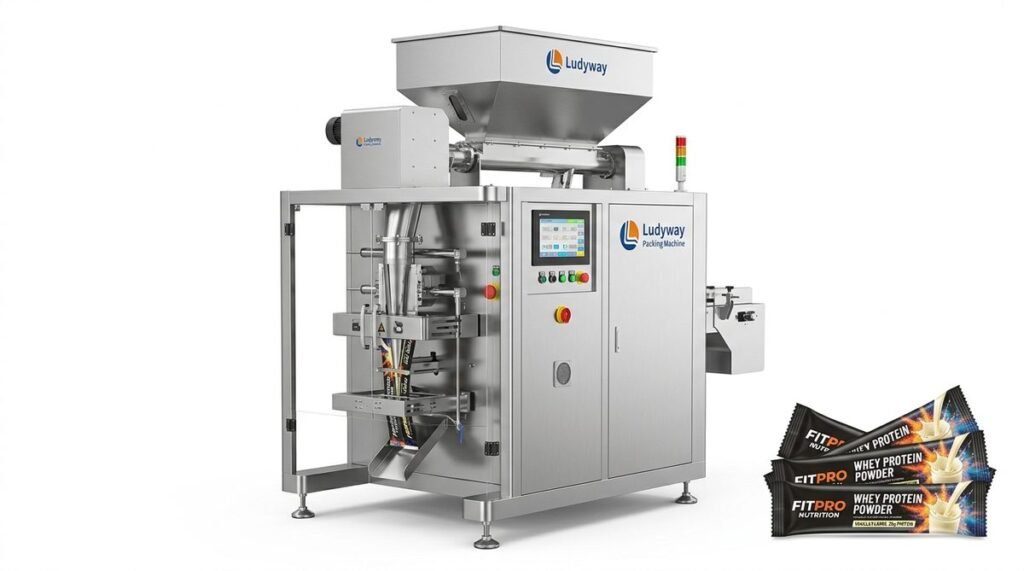
Ludyway is one of the largest packaging machine manufacturers in China, specializing in advanced packaging equipment and turnkey production solutions for the food, pharmaceutical, and health industries. With over 30 years of industry expertise, they provide reliable and efficient packaging solutions for granule, powder, liquid, and pouch packaging applications, including cream products.
3. Configure the Core Equipment for Your Line
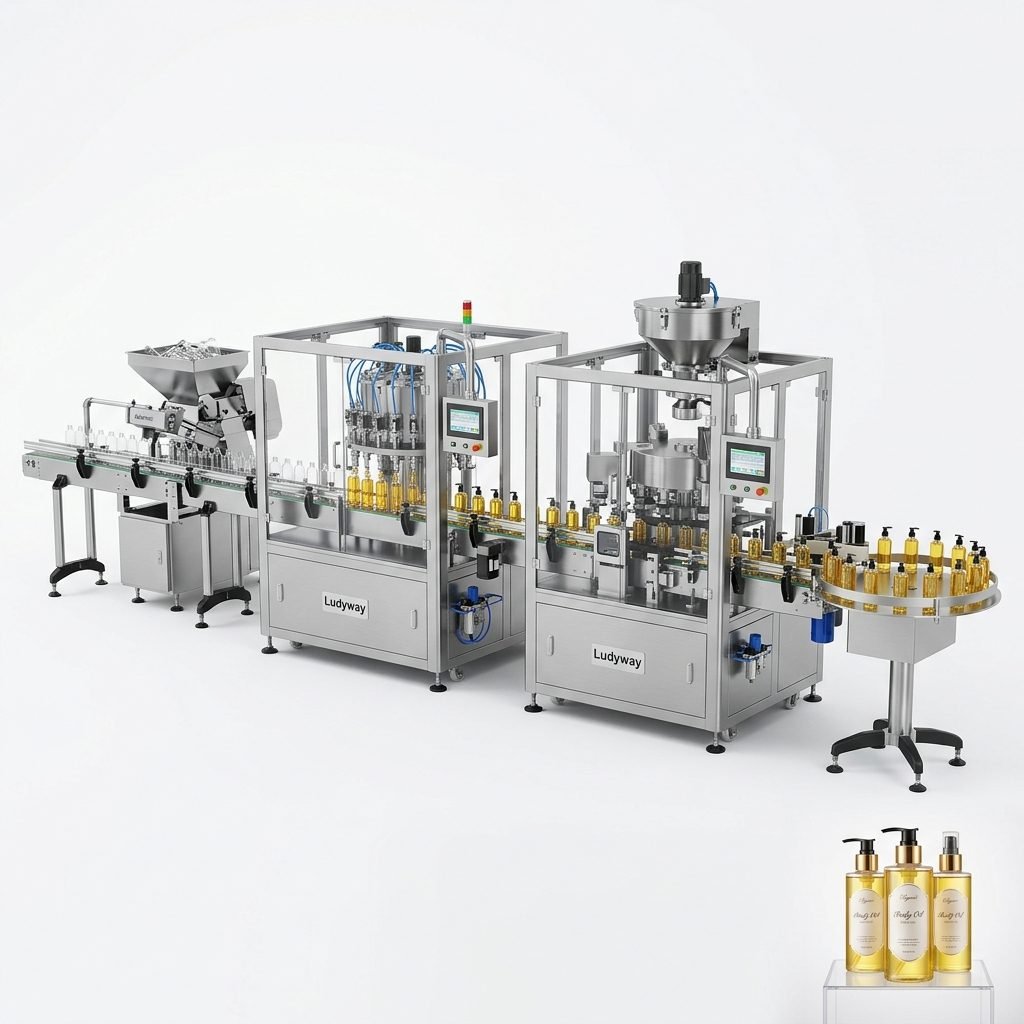
A complete cream packaging line typically integrates multiple machines that must work in synchronized harmony. Below are the core components you will need to specify.
Essential Machinery for Cream Packaging
- Bottle/Tube Unscrambler: Automatically orients and feeds empty containers into the filling line at a consistent pace.
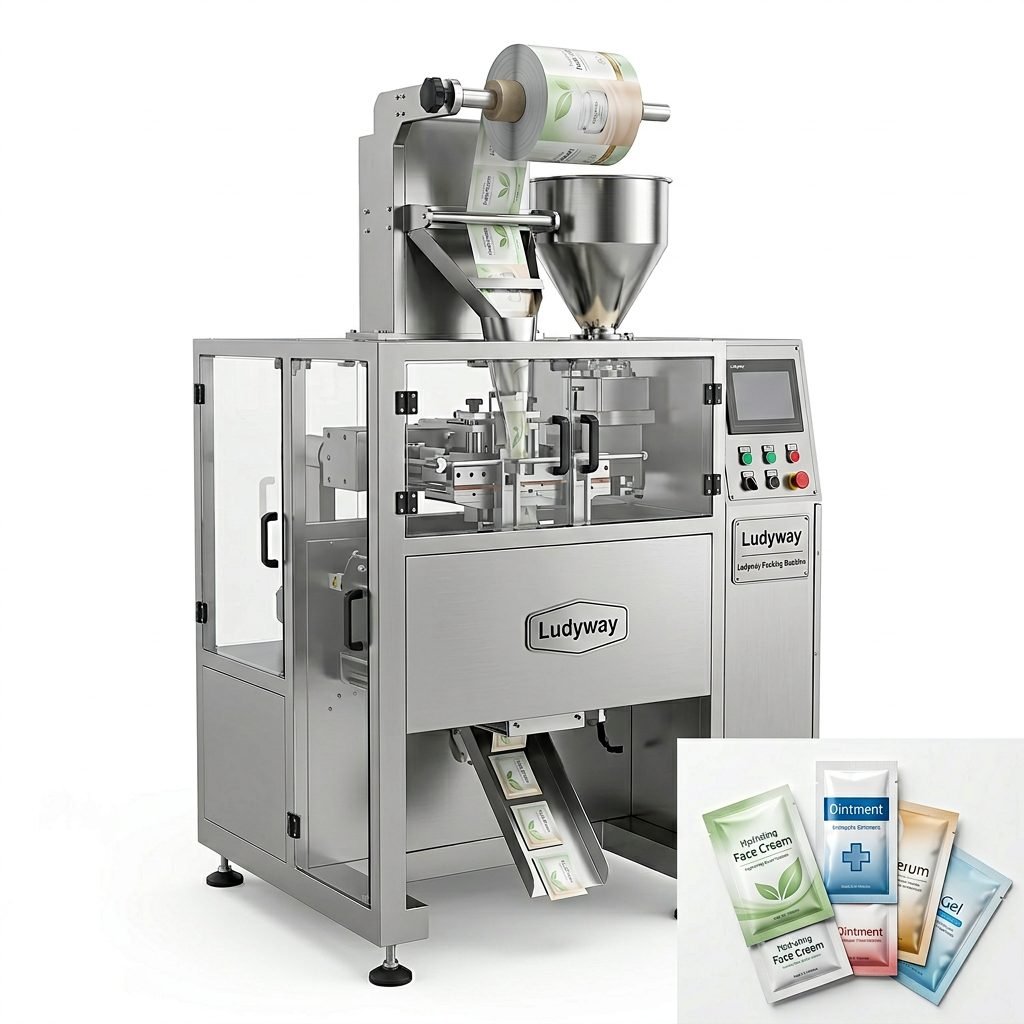
- Cream Filling Machine: Precision dosing is key. Piston fillers excel with thick creams, while servo-driven systems offer high accuracy for expensive formulations.
- Capping/Sealing Machine: Applies screw caps, flip-tops, or heat-seals tubes depending on your closure type. Torque control is essential for jar and bottle applications.
- Labeling Machine: Wraparound or front-back labeling solutions ensure brand compliance and batch traceability.
- Coding/Inkjet Printer: Prints expiration dates, batch numbers, and barcodes directly onto the container or label.
- Cartoning Machine: Automatically loads finished products into cartons for secondary packaging.
4. Plan Your Production Line Layout
An optimized factory floor layout maximizes throughput and minimizes operator intervention. Work with your supplier’s engineering team to design a line that fits your available space.
Consider the following layout principles:
- Linear flow: Machines should be arranged in a straight line or L-shaped configuration to facilitate smooth product transfer.
- Buffer zones: Accumulation tables between machines prevent stoppages if one unit experiences a momentary delay.
- Utility access: Ensure easy access to compressed air, electrical panels, and cleaning stations for each machine.
- Operator ergonomics: Control panels and material loading areas should be positioned for comfort and safety.
5. Focus on Installation, Commissioning, and Validation
Once your equipment arrives, proper installation and commissioning are vital to ensure long-term operational stability. Many Chinese manufacturers offer on-site support by experienced technicians.
Installation Checklist
- Verify all components against the packing list and inspect for any shipping damage.
- Position and level each machine according to the approved floor plan, anchoring where necessary.
- Connect utilities (power, air, water if applicable) per the manufacturer’s specifications.
- Run the line dry without product to confirm mechanical synchronization and sensor functionality.
- Conduct product trials with your actual cream formulation to fine-tune fill volumes, sealing temperatures, and capping torque.
- Train your operators and maintenance staff on daily operation, cleaning, and basic troubleshooting procedures.
Validation and Quality Assurance
Implement a rigorous quality control protocol that includes:
- Fill weight verification: Use checkweigher systems to ensure every container meets your declared net content.
- Seal integrity testing: Regular burst tests or dye penetration tests for tube seals and sachet pouches.
- Cap torque measurement: Confirm closures are applied within the specified range to prevent leakage.
- Vision inspection: Automated cameras can detect missing labels, misaligned caps, or print defects at high speed.
6. Ensure Compliance with International Standards
Packaging machinery and materials must comply with regulations in your target market. Key areas to address include:
- Food and Drug Administration (FDA): If exporting to the U.S., ensure product contact materials are FDA-compliant and your packaging process meets food safety requirements.
- CE Marking: Required for equipment sold in the European Economic Area, indicating conformity with health, safety, and environmental protection standards.
- ISO 22716: Good Manufacturing Practices (GMP) guidelines for cosmetic products, which influence equipment design and cleaning protocols.
- Electrical safety: Verify that the machine’s electrical system meets IEC standards and is suitable for your local voltage and frequency.
7. Build a Long-Term Partnership for Spare Parts and Upgrades
Your relationship with the equipment supplier should extend far beyond the initial purchase. Proactive after-sales service is critical for maintaining high OEE (Overall Equipment Effectiveness).
Establish a clear agreement covering:
- Spare parts list and availability: Keep critical wear components (seals, gaskets, filling nozzles, belts) in stock at your facility. Confirm supplier lead times for less common parts.
- Remote diagnostic capability: Many modern machines support remote access for troubleshooting, reducing the need for on-site visits.
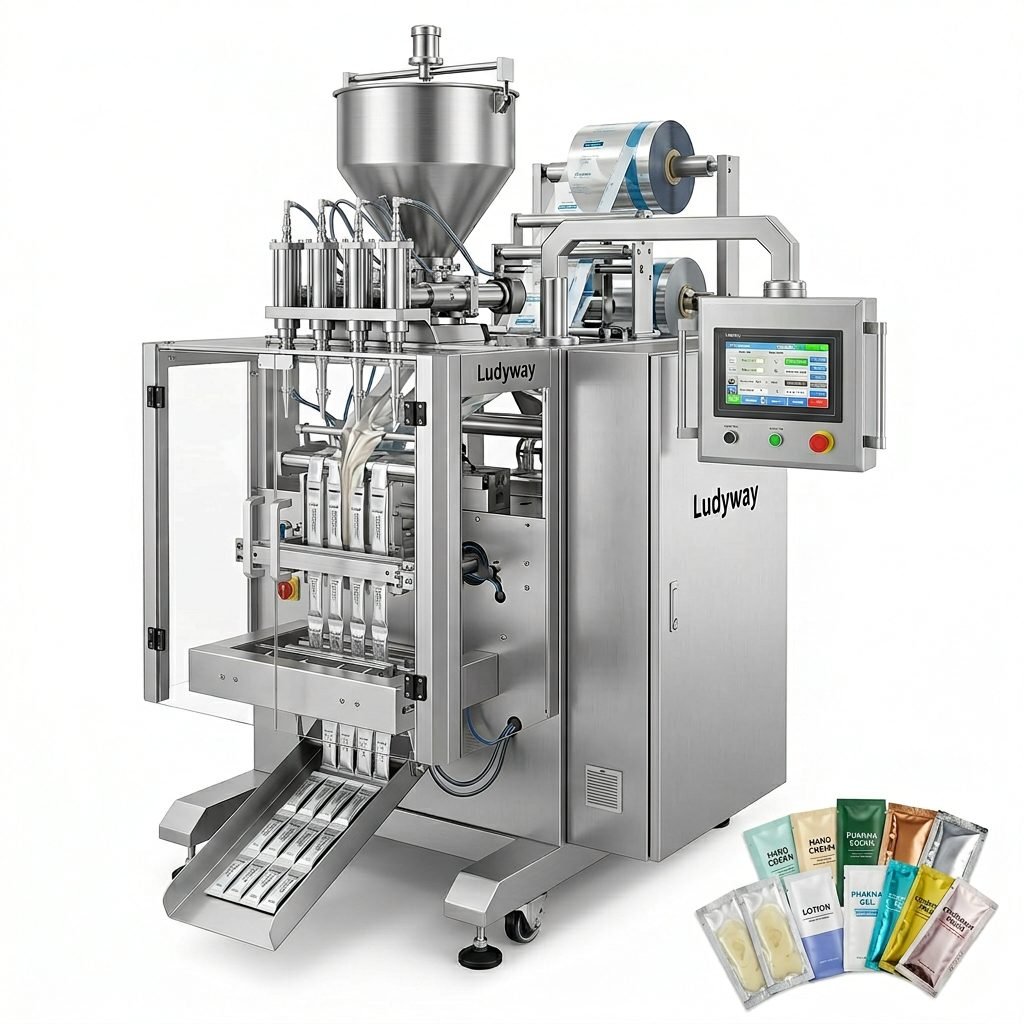
- Future scalability: Discuss how your line can be upgraded or expanded as your product range or production volume grows. Multi-lane stick pack and sachet machines, for instance, can often be added to existing lines.
8. Explore Advanced Automation and Smart Factory Integration
For large-scale production, integrating Industry 4.0 technologies can significantly enhance efficiency and traceability. Consider the following smart features:
- IoT-enabled monitoring: Real-time dashboard displays of production speed, downtime events, and OEE metrics accessible from anywhere.
- Automated recipe management: Switch between different cream products with pre-saved parameters for fill volume, speed, and temperature.
- Track-and-trace serialization: Assign unique serial numbers to each product for supply chain visibility and anti-counterfeiting measures.
- Robotic palletizing: End-of-line automation reduces manual labor and improves stacking consistency for warehouse logistics.
Common Pitfalls to Avoid When Setting Up Your Line
Based on industry experience, here are several challenges to anticipate and strategies to mitigate them:
- Underestimating viscosity impact: Always test your actual product on the machine before purchase. What works for a thin lotion may fail for a heavy zinc-oxide cream.
- Ignoring local after-sales infrastructure: Choose a supplier with a proven network of service engineers who can reach your facility quickly.
- Skipping the FAT (Factory Acceptance Test): Whenever possible, visit the supplier’s factory in China to witness the line running with your product before shipment.
- Neglecting operator training: Invest in comprehensive training during installation. Well-trained operators can resolve minor issues without calling for external support.
- Inadequate utility preparation: Confirm your factory’s compressed air quality (dry, oil-free) and electrical stability before the equipment arrives.
Setting up a cream packaging machine production line in China is a strategic investment that demands thorough planning and a reliable technology partner. By following this step-by-step guide—from defining your product specifications and vetting suppliers to commissioning, validating, and planning for future growth—you can build a high-performance line that delivers consistent quality and efficiency for years to come. For further insights, resources from the Flexible Packaging Association and PMMI offer valuable industry benchmarks and technical standards.