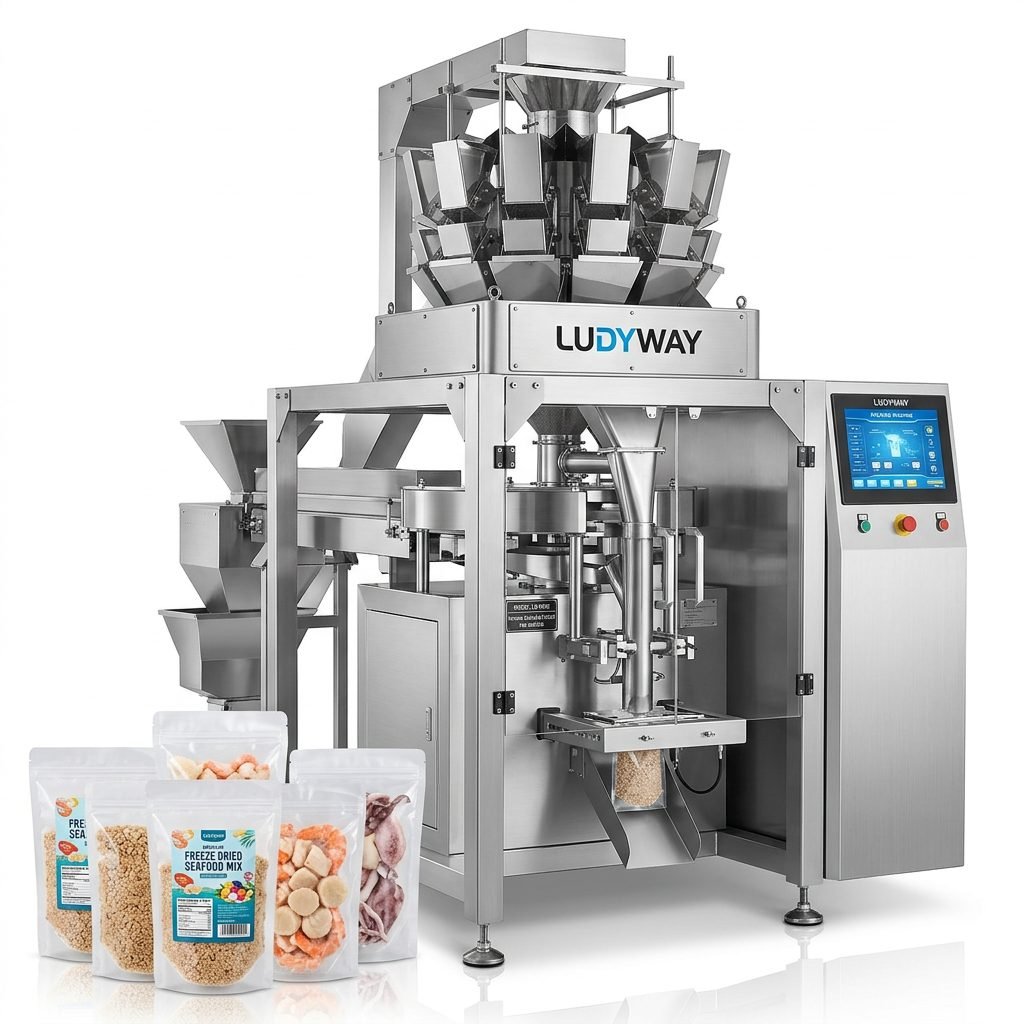
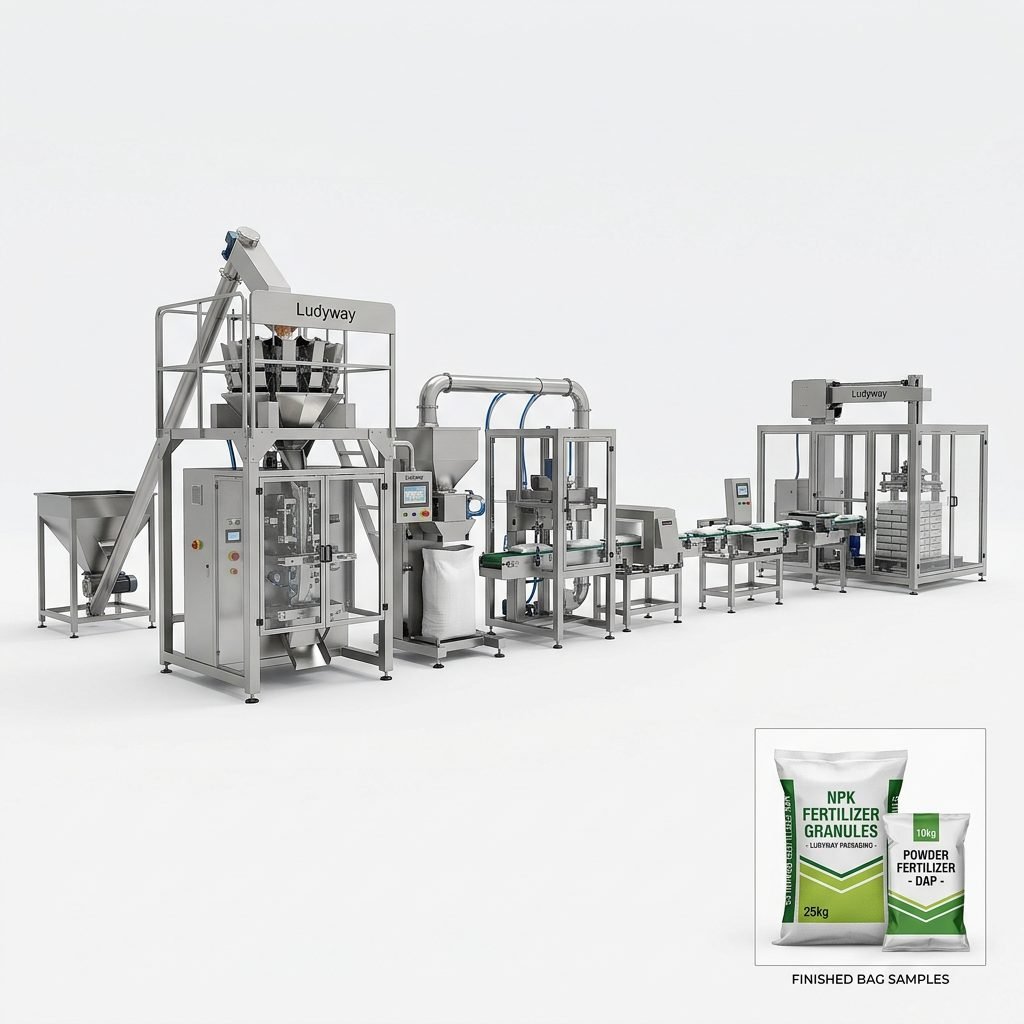
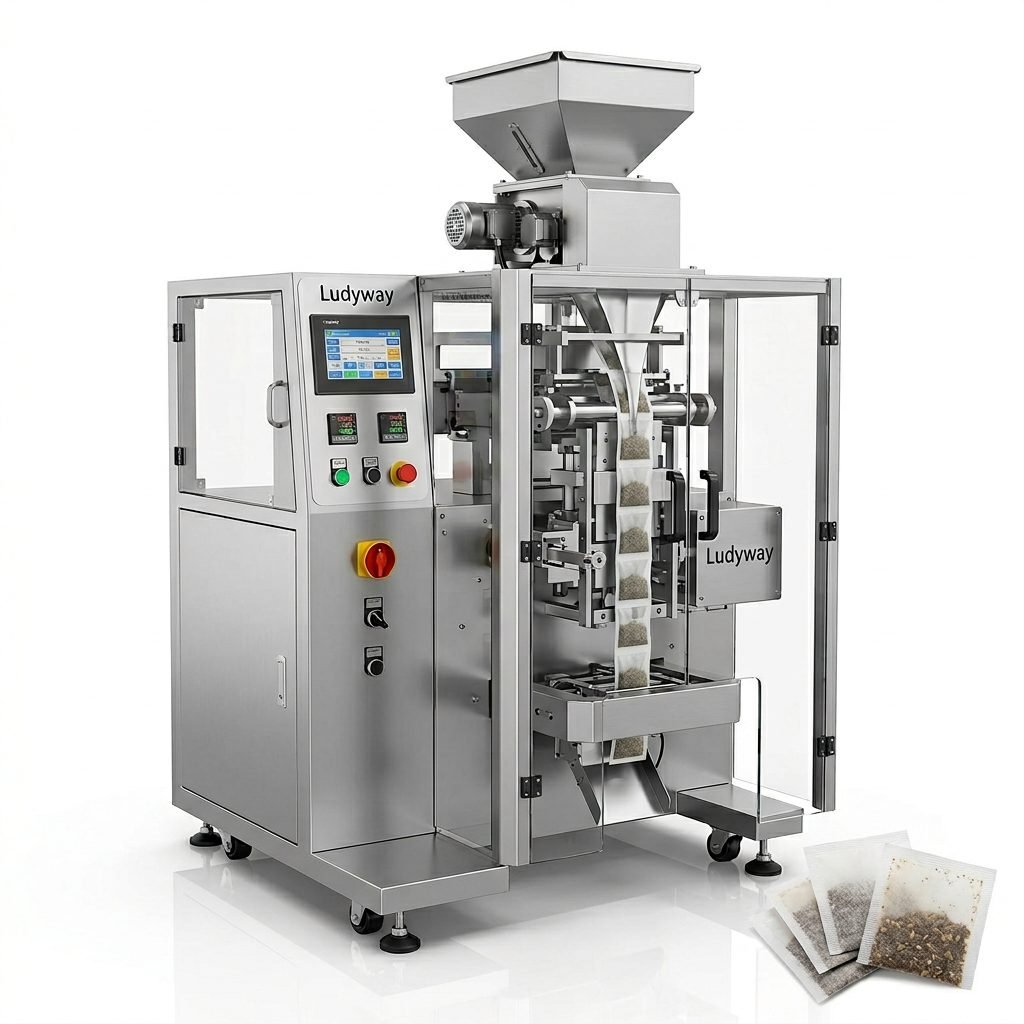
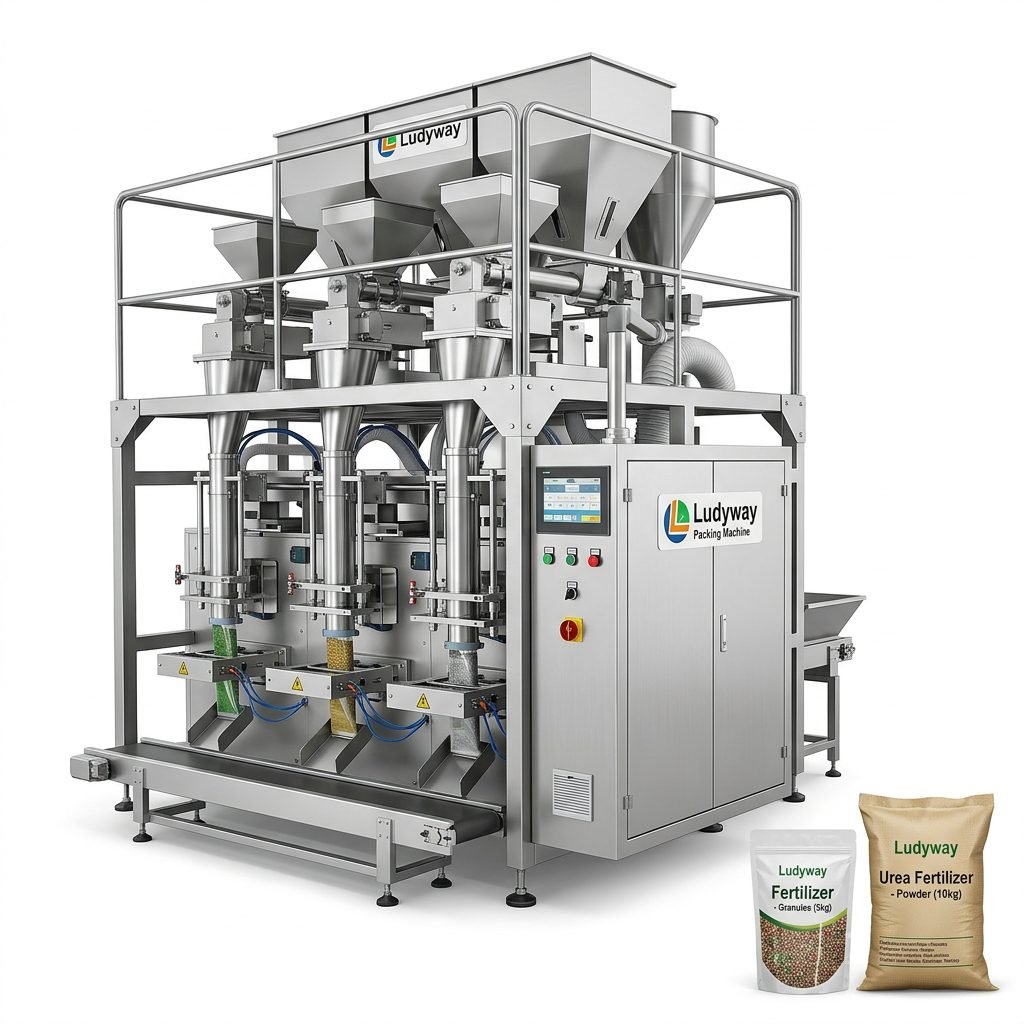
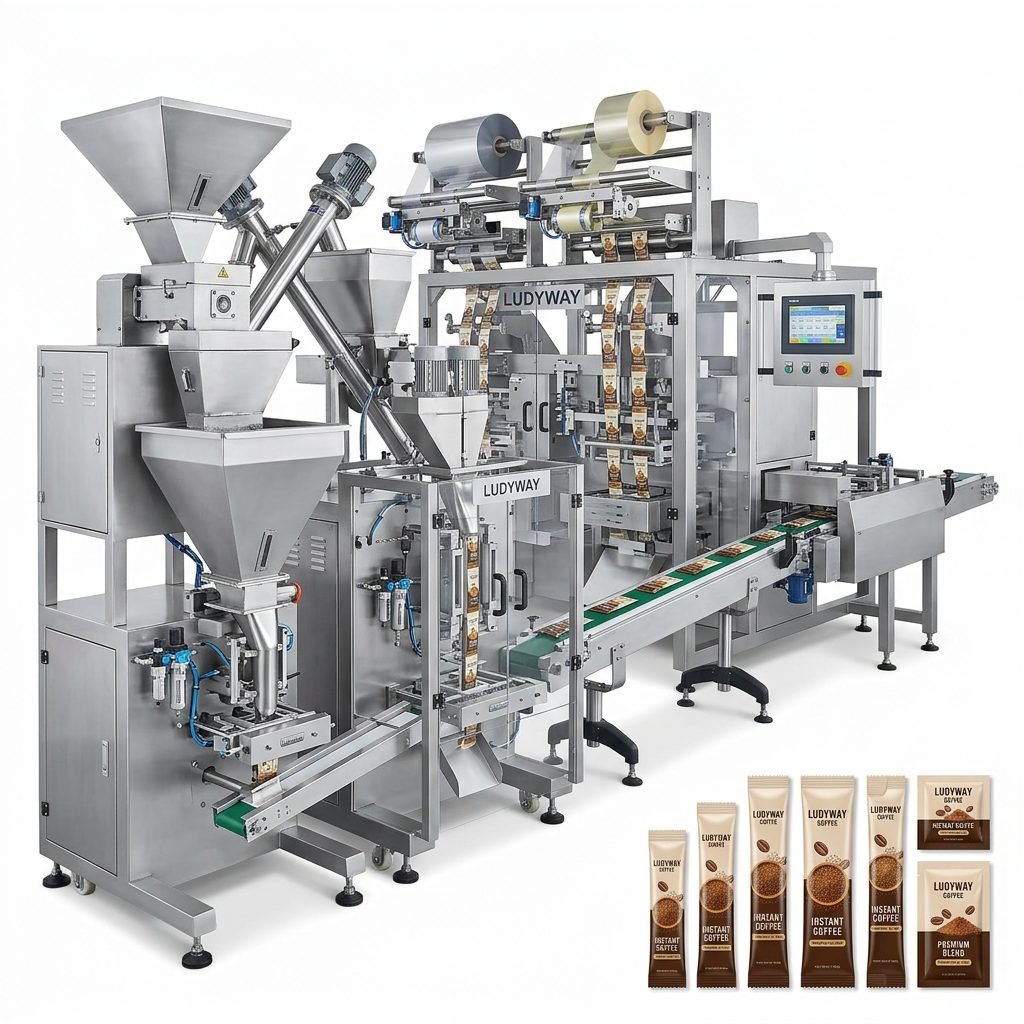
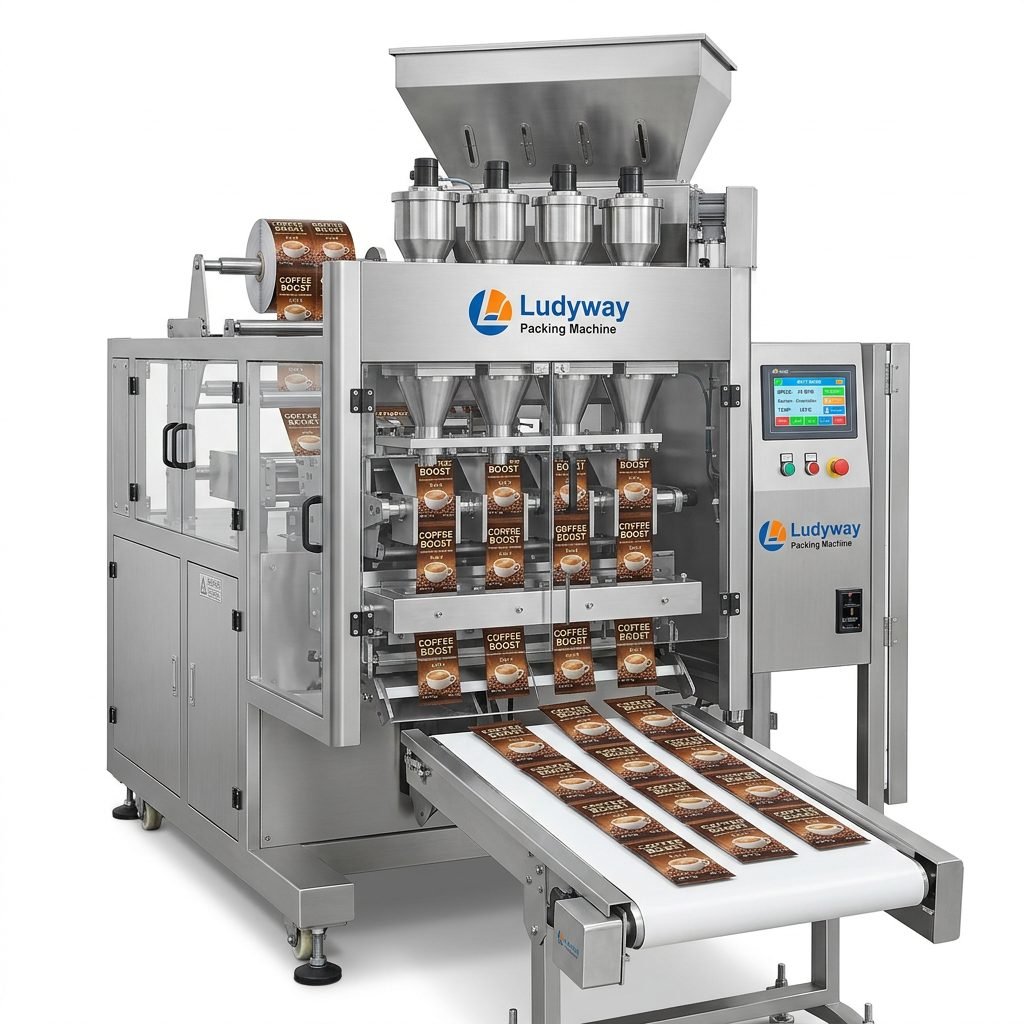
Aluminium foil packaging machines are widely used in food, pharmaceutical, cosmetic, and chemical industries because they deliver
excellent barrier protection, reliable sealing, and a professional retail appearance. For manufacturers handling moisture-sensitive,
light-sensitive, or oxygen-sensitive products, choosing the right machine can directly affect product shelf life, packaging consistency, and overall production cost.
In this guide, you will learn what an aluminium foil packaging machine does, its key features, major benefits, common applications, and the most important factors to evaluate before buying.
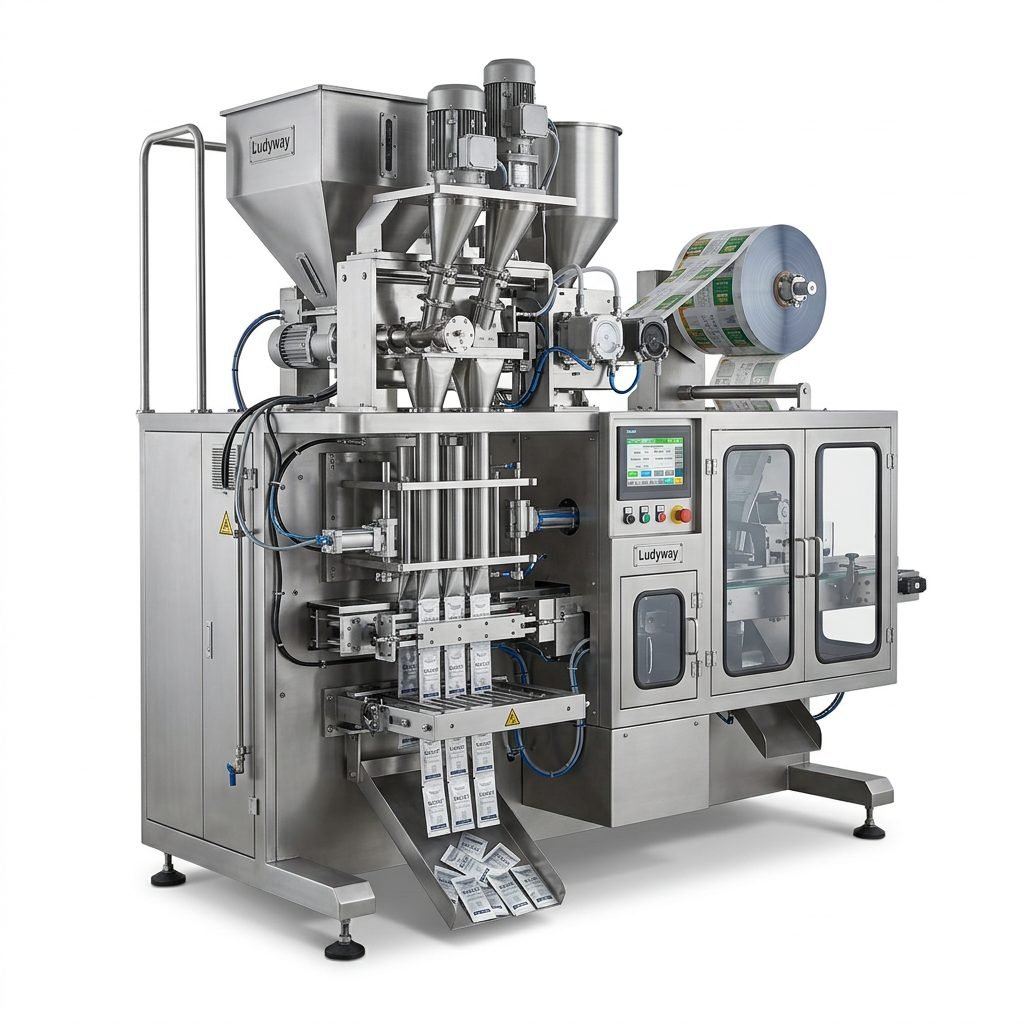
What Is an Aluminium Foil Packaging Machine?
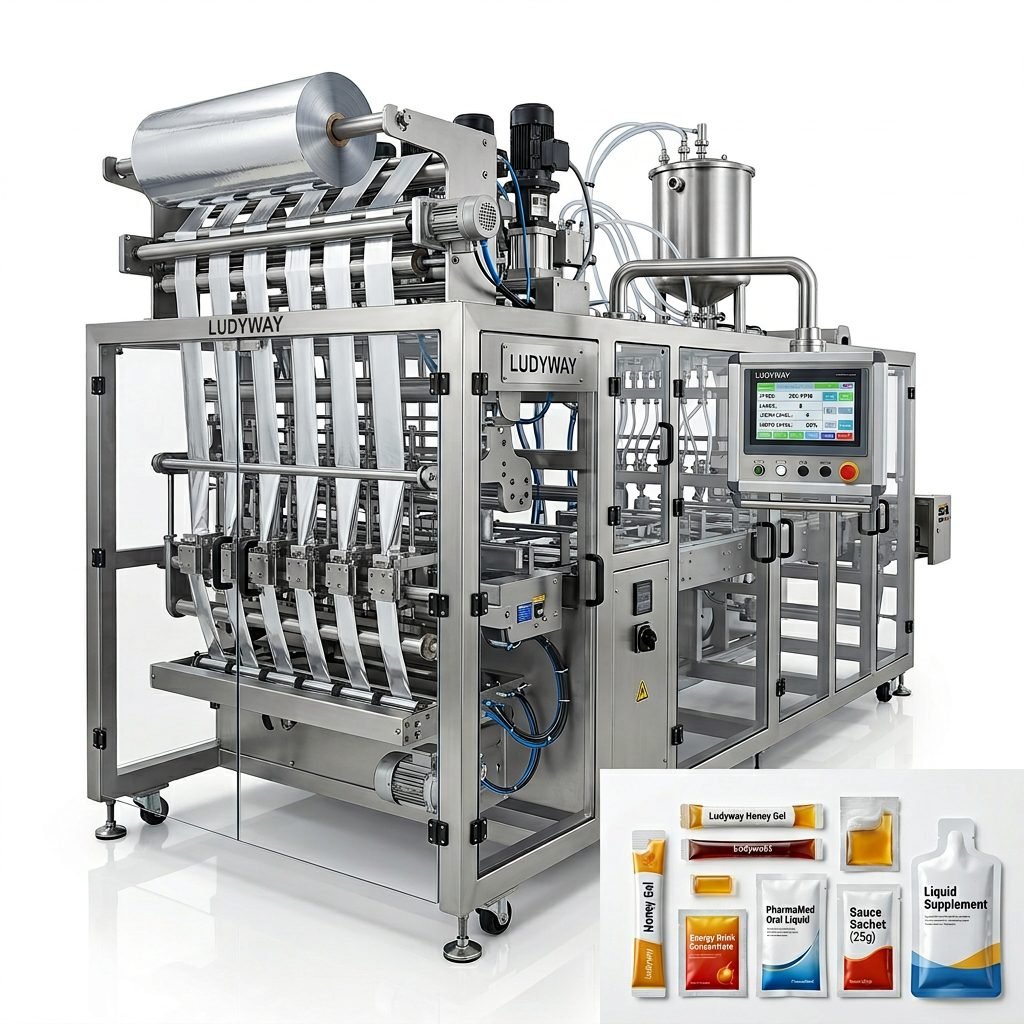
An aluminium foil packaging machine is automated equipment designed to form, fill, seal, or wrap products using aluminium foil-based packaging materials.
Depending on the production requirement, the machine may create sachets, stick packs, pouches, blister packs, or sealed foil packs for powders, granules, liquids, gels, tablets, and other products.
Aluminium foil is commonly selected because it helps protect products from:
- Moisture and humidity
- Oxygen exposure
- Light and UV degradation
- Contamination and odor transfer
- Temperature-related quality loss during storage and transport
In practical terms, the machine must handle foil laminate materials accurately, maintain consistent sealing temperature and pressure, and deliver clean pack edges without damaging the foil layer.
How the Machine Works
While the exact process depends on machine type, most aluminium foil packaging systems follow a similar workflow:
- Packaging film or foil laminate is unwound from the roll.
- The machine forms the material into the required package shape.
- The product is dosed or filled into the pack.
- Heat sealing or pressure sealing closes the package.
- Date coding, cutting, counting, and discharge are completed automatically.
Advanced models may also include nitrogen flushing, checkweighing, visual inspection, cartoning, and end-of-line automation.
Main Types of Aluminium Foil Packaging Machines
1. Sachet Packaging Machines
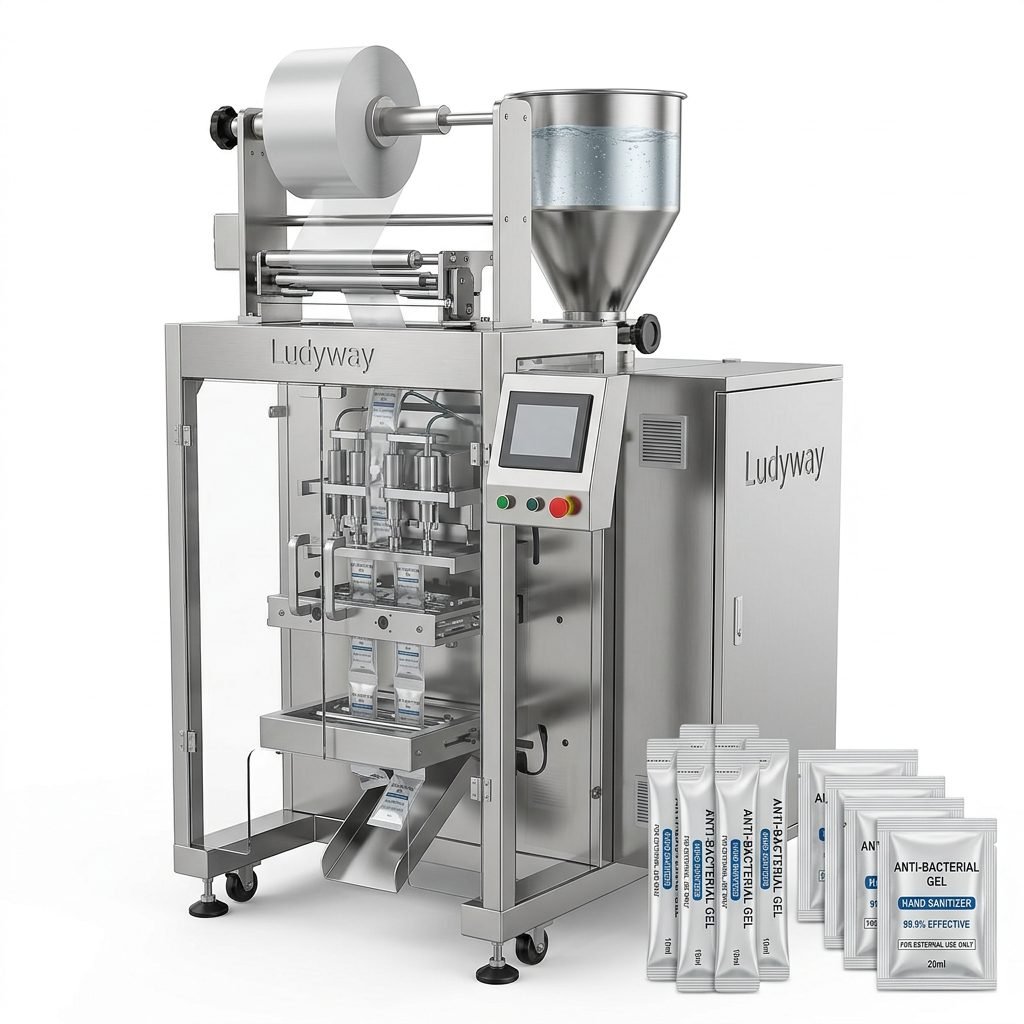
These machines are ideal for single-dose or small-portion products such as coffee, seasonings, health supplements, pharmaceutical powders, and creams.
Foil sachets are popular because they are compact, hygienic, and easy to transport.
2. Stick Pack Machines
Stick packs are narrow, elongated packages often used for drink powders, sugar, instant coffee, oral powders, and nutrition products.
Aluminium foil laminates help preserve flavor, freshness, and active ingredients.
3. Premade Pouch Packing Machines
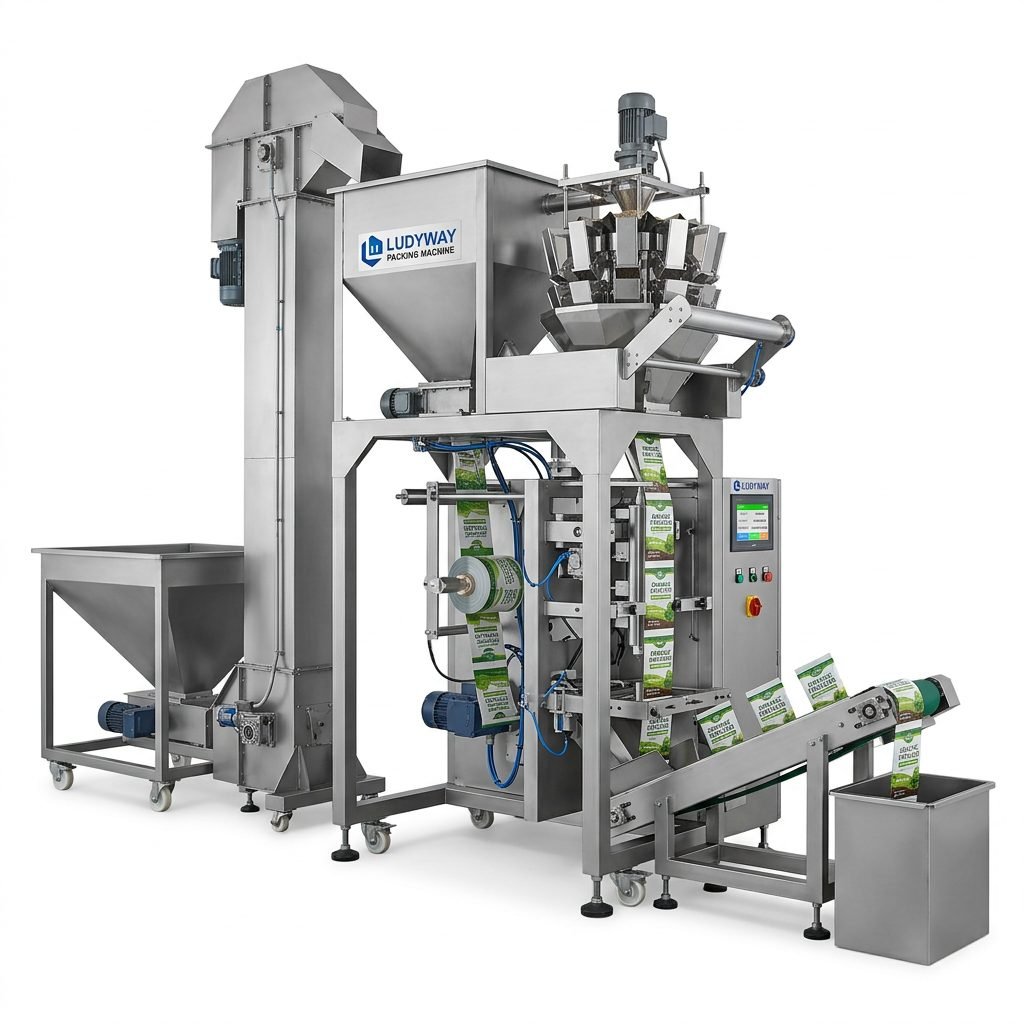
These systems fill and seal preformed pouches that may include foil layers for enhanced barrier performance. They are suitable for premium food, pet products, chemicals, and specialty health products.
4. Blister Packaging Machines
In pharmaceutical applications, aluminium foil is often used as lidding material for blister packs, providing tamper evidence and high product protection for tablets and capsules.
5. Form-Fill-Seal Machines
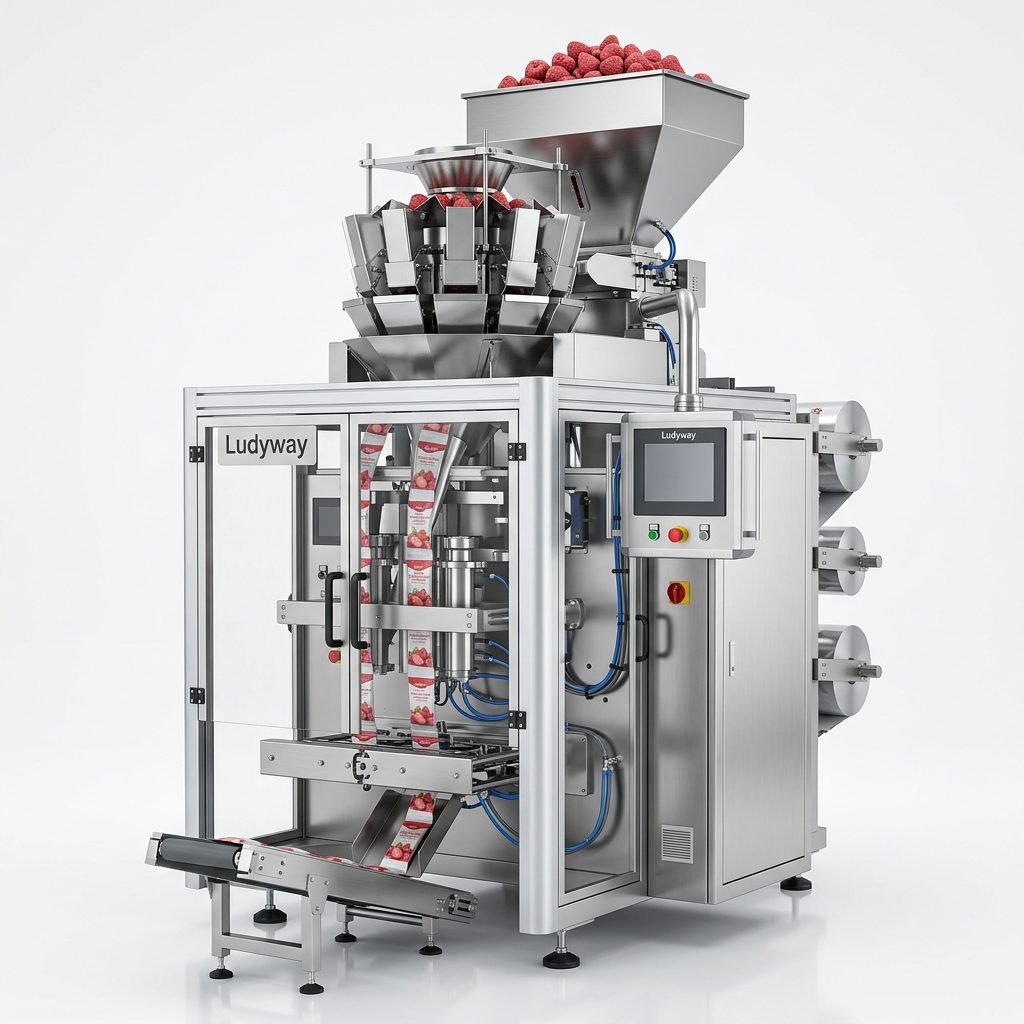
Vertical or horizontal form-fill-seal systems can process aluminium foil composite films to create custom pack shapes at high speed with reduced manual intervention.
Key Features to Look For
| Feature | Why It Matters |
|---|---|
| Precise sealing control | Prevents leakage, weak seals, and foil burn-through. |
| Accurate dosing system | Improves fill consistency for powders, granules, liquids, or pastes. |
| PLC and touch screen control | Makes operation easier, reduces setup time, and supports recipe storage. |
| Servo-driven system | Improves speed, positioning accuracy, and pack uniformity. |
| Compatibility with foil laminates | Ensures smooth feeding and stable sealing for complex barrier materials. |
| Easy cleaning and maintenance | Reduces downtime and supports hygiene requirements. |
| Optional coding and inspection modules | Supports traceability, compliance, and quality assurance. |
Benefits of Using an Aluminium Foil Packaging Machine
Superior Product Protection
Aluminium foil offers one of the best packaging barriers available. It helps preserve product quality by blocking moisture, oxygen, and light. This is especially important for pharmaceuticals, nutraceuticals, coffee, spices, and sensitive powdered ingredients.
Longer Shelf Life
Better barrier performance usually means a longer shelf life. That can reduce spoilage, improve supply chain flexibility, and help brands serve export markets more confidently.
Strong Seal Integrity
A good aluminium foil packaging machine is designed to achieve uniform, dependable seals even on demanding laminate structures. This lowers the risk of leaks and customer complaints.
Higher Production Efficiency
Automation reduces manual labor, improves output consistency, and supports continuous production. For growing manufacturers, this can be a key step toward cost control and scale-up.
Professional Packaging Appearance
Foil packaging looks clean, premium, and trustworthy. In sectors such as healthcare, cosmetics, and specialty food, that visual appeal can strengthen brand positioning.
Versatility Across Industries
One machine platform can often be adapted for multiple products with different filling systems and package sizes. This flexibility is valuable for manufacturers with varied SKUs.

Common Applications
Aluminium foil packaging machines are used in a wide range of industries. Common examples include:
- Food: coffee, sugar, spices, sauces, instant drink powders, snacks, seasonings
- Pharmaceutical: tablets, capsules, oral powders, medical consumables, diagnostic products
- Nutraceutical: collagen, protein powder, electrolyte mix, vitamins, probiotics
- Cosmetic: creams, lotions, serums, face mask liquids, sample sachets
- Chemical: detergents, cleaning powders, additives, specialty liquids
How to Choose the Right Aluminium Foil Packaging Machine
1. Understand Your Product Characteristics
Start with the basics: is your product a powder, granule, liquid, paste, tablet, or capsule? Flowability, viscosity, particle size, and sensitivity to air or moisture all affect machine selection.
For example:
- Free-flowing granules may use cup fillers or weighing systems.
- Fine powders often need auger fillers and dust control.
- Liquids and gels require piston pumps or liquid dosing units.
2. Define Your Packaging Format
Choose the format that matches your market needs: sachet, stick pack, pouch, blister, or another structure. The machine should be optimized for your intended package shape, seal pattern, and output style.
3. Check Material Compatibility
Not all packaging machines handle aluminium foil laminates equally well. Confirm that the machine supports your exact film structure, thickness, and sealing requirements.
Material compatibility is one of the most overlooked buying factors.
4. Match Capacity to Production Goals
Think beyond current output. If you plan to expand, choose a machine that can support your future production volume without creating a bottleneck. High-speed multi-lane systems may be more suitable for large-scale operations.
5. Evaluate Seal Quality and Stability
Ask for sample testing with your own foil material and product. Real production trials reveal whether the machine can maintain clean seals, accurate filling, and stable operation over time.
6. Consider Cleaning, Changeover, and Maintenance
Fast changeovers matter if you run multiple SKUs. Easy access to contact parts, tool-free adjustments, and practical cleaning design can reduce downtime and improve productivity.
7. Review Automation and Integration Options
If you already use conveyors, coding systems, checkweighers, cartoners, or palletizers, the new machine should integrate smoothly into your existing line. Turnkey planning can save time and prevent compatibility issues later.
8. Check Supplier Experience and Support
A reliable manufacturer should offer engineering advice, testing support, installation guidance, training, spare parts, and after-sales service.
Buyers looking for an experienced aluminium foil packaging machine manufacturer often prefer suppliers with broad export experience, customization capabilities, and complete line integration knowledge.
Quick Comparison: What Buyers Should Evaluate
| Selection Factor | Questions to Ask |
|---|---|
| Product type | Is it powder, liquid, granule, paste, tablet, or capsule? |
| Pack format | Do you need sachets, stick packs, pouches, or blister packs? |
| Output speed | What is your required packs per minute now and in the future? |
| Foil structure | Can the machine seal your chosen laminate consistently? |
| Accuracy | How tight are your filling tolerance requirements? |
| Compliance | Do you need GMP, pharma, or food-grade design standards? |
| Scalability | Can the equipment grow with your product range and volume? |
| Technical support | Are spare parts, commissioning, and service readily available? |
Mistakes to Avoid When Buying
- Choosing based on price alone without checking foil compatibility
- Ignoring future capacity expansion
- Skipping sample testing with your real product and film
- Overlooking maintenance access and cleaning convenience
- Buying a standalone machine when a full integrated line is needed
- Not confirming after-sales support and spare parts availability
Who Should Invest in This Type of Machine?
An aluminium foil packaging machine is a smart investment for businesses that need strong barrier packaging, high consistency, and scalable automation. It is especially suitable for:
- Brands launching premium or shelf-stable products
- Manufacturers exporting to demanding markets
- Pharmaceutical and nutraceutical producers requiring reliable product protection
- Factories upgrading from manual or semi-automatic packing
- Companies expanding into sachet, stick pack, or foil pouch formats
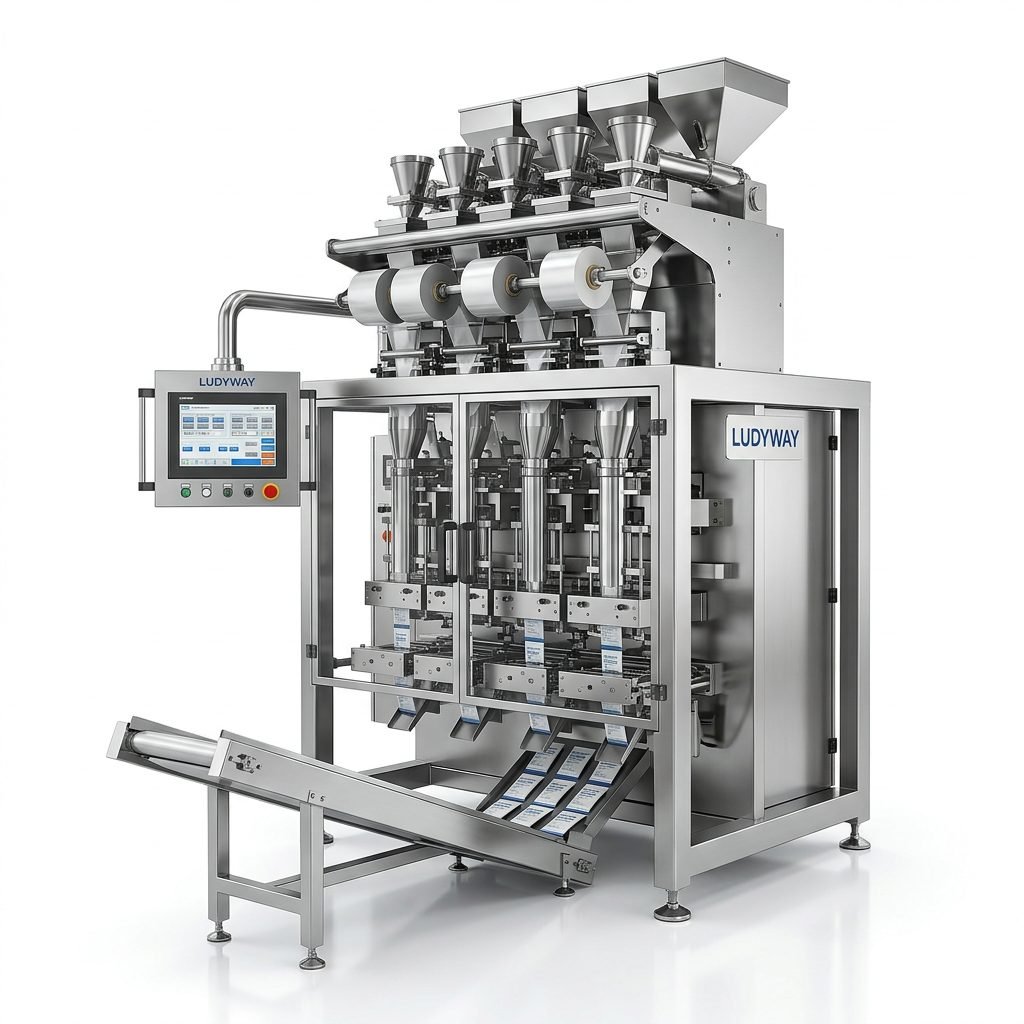
Final Buying Insight
The right aluminium foil packaging machine should do more than simply seal a pack. It should match your product characteristics, support your packaging material, deliver stable output, and fit into your long-term production strategy.
If you compare machines carefully based on sealing quality, speed, accuracy, flexibility, and supplier capability, you will be in a much better position to choose equipment that improves both packaging performance and business efficiency.