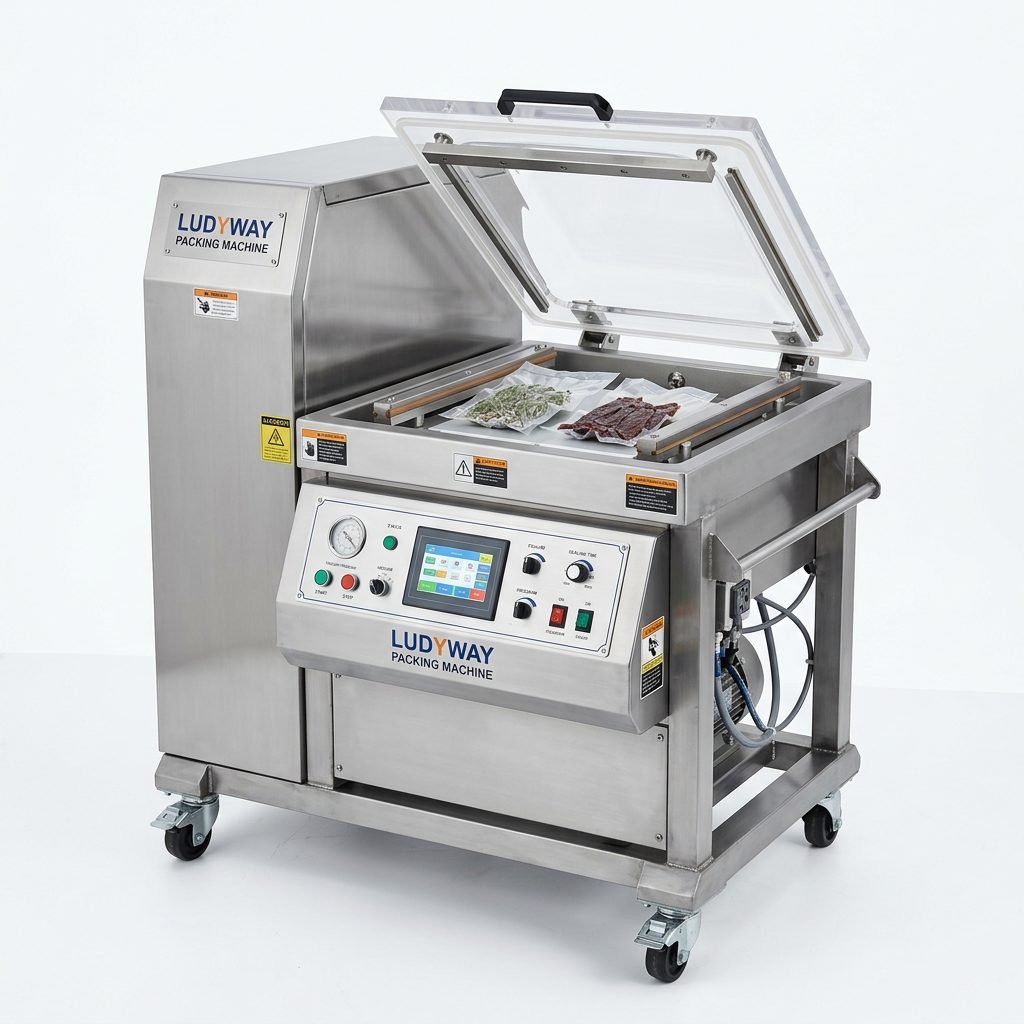
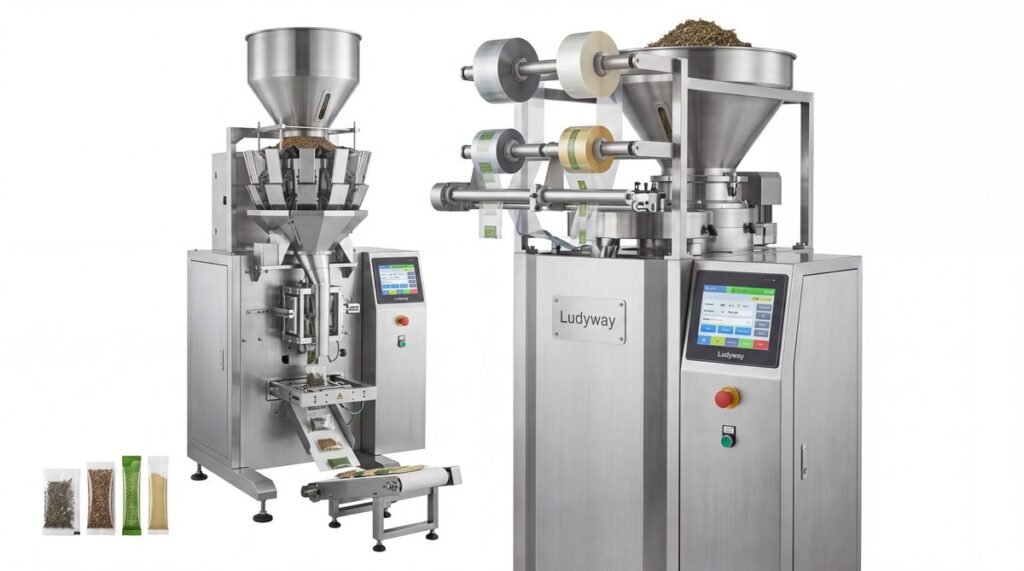
Investing in the right firewood packaging machine is a critical decision for any firewood processing business. Whether you are packaging kiln-dried logs, kindling, wood pellets, or compressed sawdust bricks, the packaging equipment you choose directly impacts your throughput, labor costs, and product presentation. This comprehensive guide walks you through the essential factors to consider, helping you select a system that aligns perfectly with your operational scale and market requirements.
1. Understand Your Firewood Type and Packaging Format
Before evaluating machine specifications, you must clearly define the product characteristics and the desired packaging format. Firewood comes in various shapes, sizes, and moisture levels, and each variable influences the type of machinery required.
Common Firewood Products
- Split Logs: Irregular shapes and varying lengths demand flexible bagging solutions, often with manual or semi-automatic feeding.
- Kindling: Smaller, more uniform pieces that can be handled by automated weighing and filling systems.
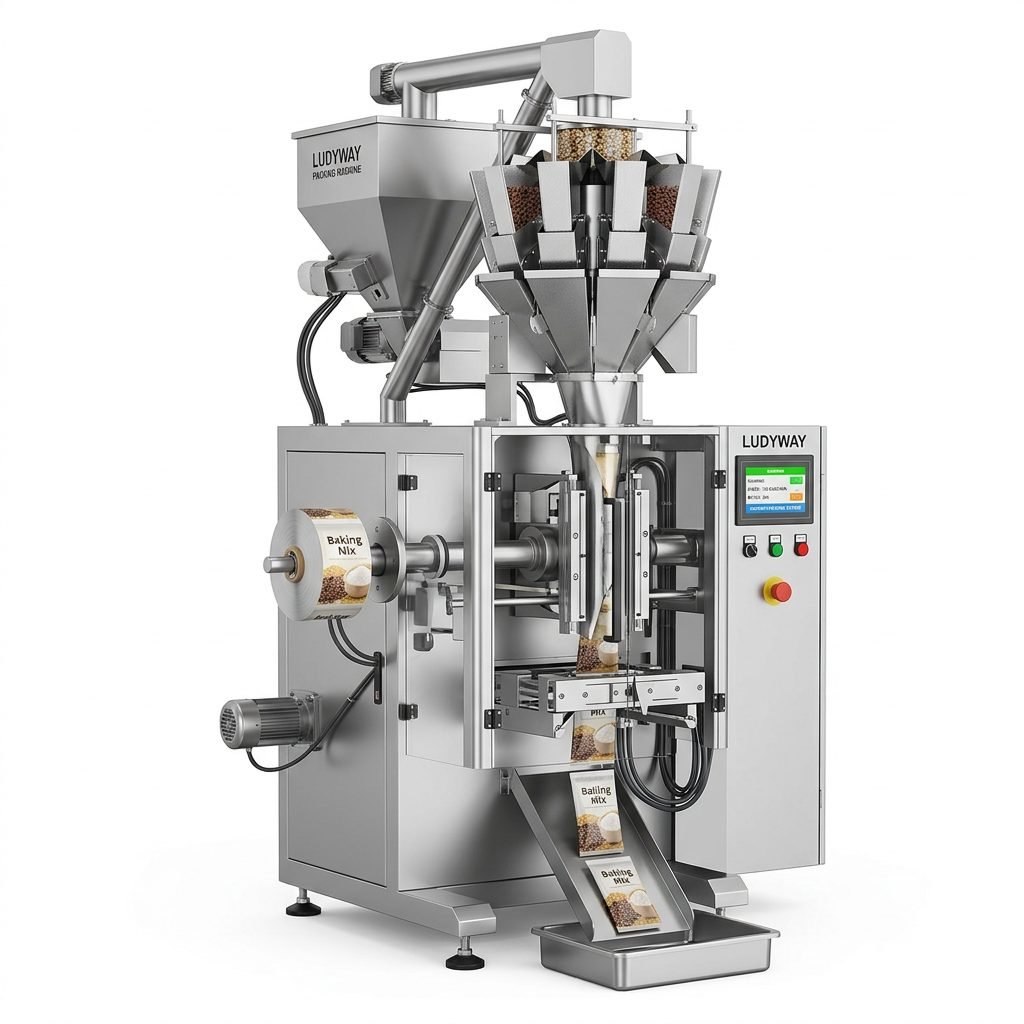
- Wood Pellets & Briquettes: Free-flowing granular products suitable for high-speed automatic packaging systems with multi-head weighers.
- Sawdust & Shavings: Powdery or fibrous materials requiring specialized dosing augers and dust-controlled sealing mechanisms.
Packaging Formats to Consider
Your target market dictates the bag style. Retail-ready firewood often uses mesh bags, polywoven sacks, or transparent shrink-wrap, while bulk commercial orders typically use heavy-duty polypropylene bags. According to the Flexible Packaging Association, material selection is critical for durability and shelf appeal. The machine must be compatible with your chosen material and capable of producing a consistent, professional seal.
2. Key Machine Configurations for Firewood Packaging
Not all firewood packaging machines are built the same. The table below compares the most common configurations based on automation level and application.
| Machine Type | Automation Level | Best For | Typical Speed |
|---|---|---|---|
| Manual Bagging Stations | Low | Irregular split logs, small operations | 1-3 bags/min |
| Semi-Automatic Net Baggers | Medium | Retail mesh bags, kindling nets | 3-6 bags/min |
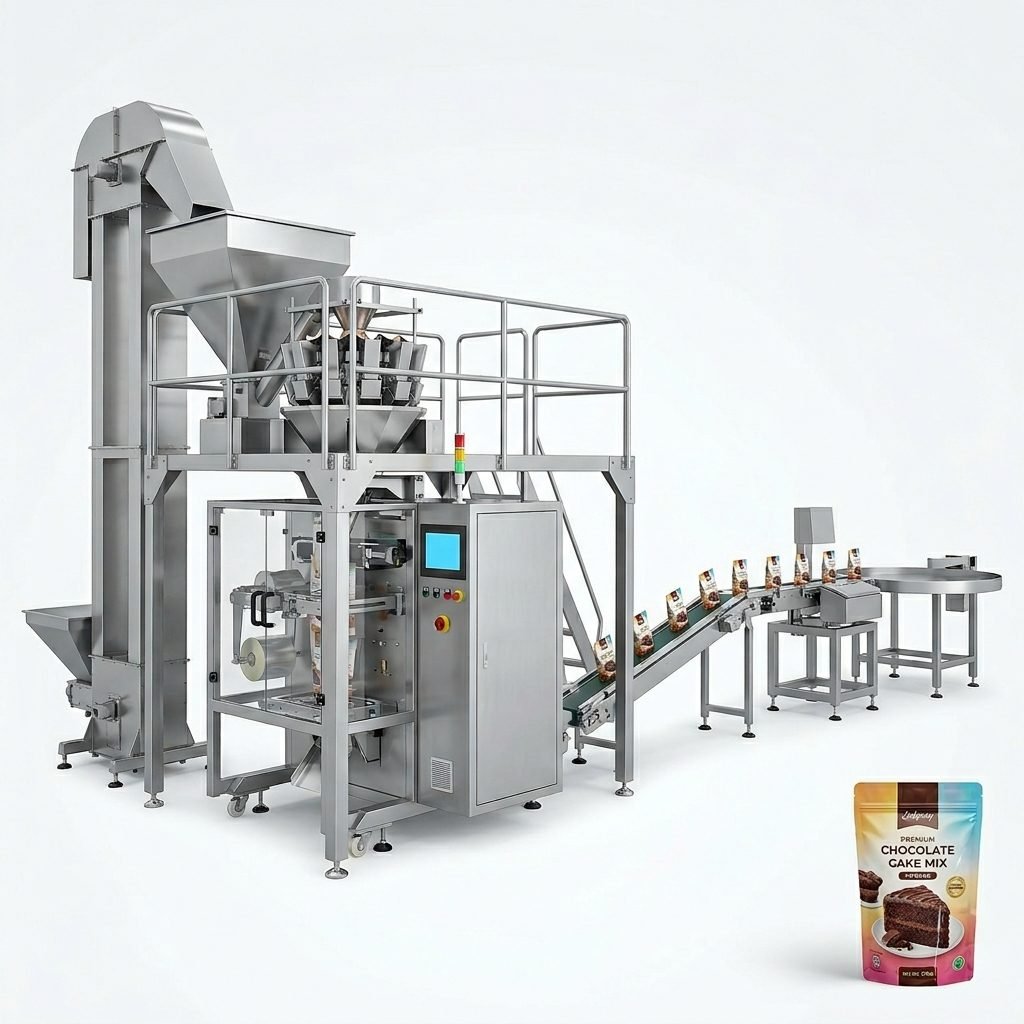
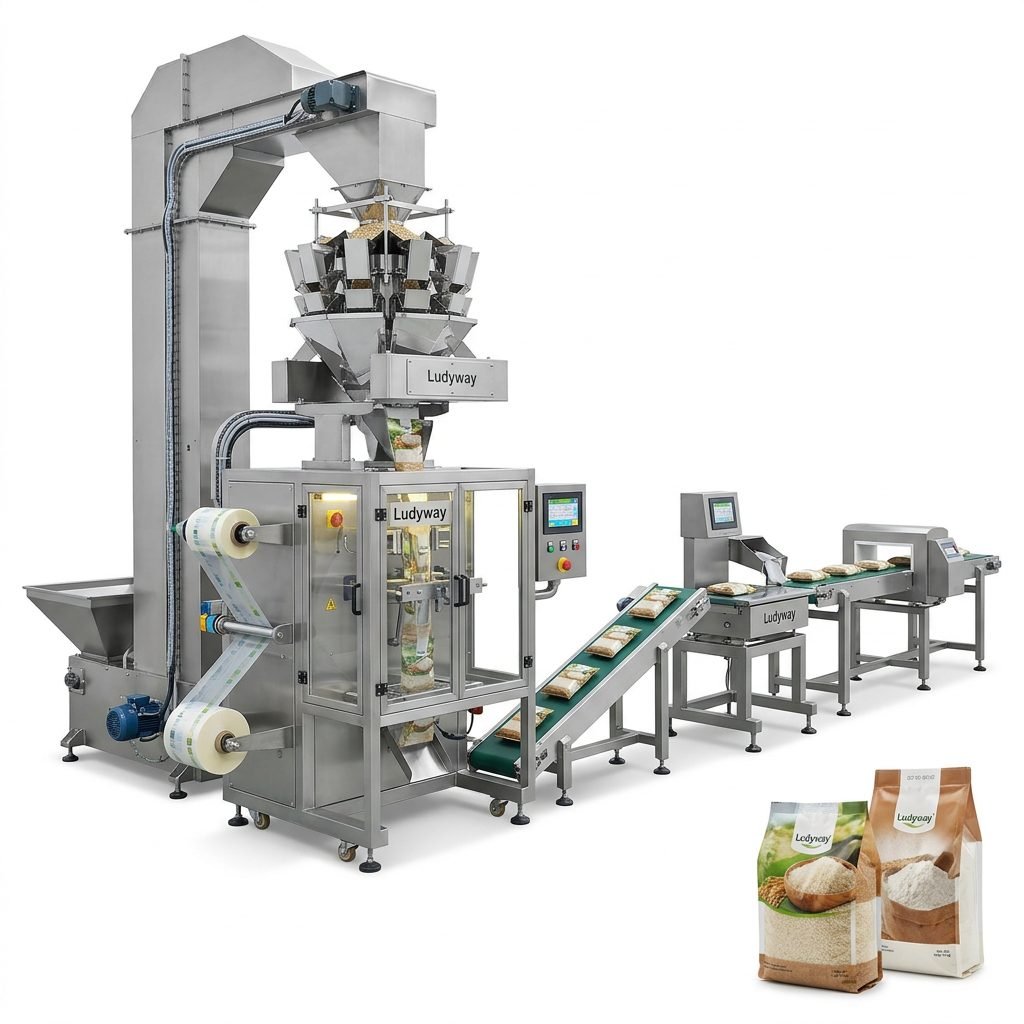
| Fully Automatic VFFS Systems | High | Pellets, briquettes, uniform pieces | 10-30+ bags/min |
| Horizontal Form-Fill-Seal | Medium-High | Shrink-wrapped firewood bundles | 5-15 bundles/min |
3. Essential Features to Evaluate
Once you have narrowed down the machine type, focus on the critical technical features that determine long-term performance and efficiency.
Weighing and Dosing Accuracy
Consistent bag weight is non-negotiable for regulatory compliance and cost control. For granular products like pellets, multi-head weighers offer superior speed and precision. For irregular logs, volumetric dosing or weigh-belt systems may be more appropriate. Look for machines that integrate easily with checkweighers to enable real-time feedback and automatic adjustment, as highlighted in PMMI’s packaging machinery standards.
Durability in Harsh Environments
Firewood processing generates significant dust, wood chips, and debris. The machine’s frame should be constructed from heavy-duty stainless steel or reinforced carbon steel with protective coatings. Sealed bearings, dust-proof electrical enclosures, and robust sealing jaws are essential to prevent premature wear and maintenance headaches.
Sealing Integrity
A strong, consistent seal prevents bag breakage during transport and storage. For heavy bags of firewood, heat-sealing with reinforced gussets or double-seal bars is recommended. If you are packaging sharp-edged split wood, consider machines with puncture-resistant film handling and tear-notch options for easy opening. The ISO packaging standards provide valuable benchmarks for seal strength and integrity testing.
4. Automation Level and Production Capacity
Your current and projected production volume should guide the level of automation you invest in. A common mistake is purchasing a machine that meets today’s demand but bottlenecks your growth within a year.
- Manual/Semi-Automatic: Ideal for startups and seasonal operations processing fewer than 500 bags per day. Lower initial investment but higher labor dependency.
- Fully Automatic Lines: Designed for continuous, high-volume production exceeding 1,000 bags per day. These systems often integrate automatic feeding, weighing, filling, sealing, and palletizing into a seamless workflow.
Beyond the core packaging unit, consider upstream and downstream integration. Automated conveyor systems, log debarkers, and splitters can feed directly into the packaging machine, while robotic palletizers can stack finished bags at the end of the line. Integrating your firewood packaging machine into a broader system can dramatically reduce manual handling.
5. Durability, Maintenance, and Safety Compliance
Firewood packaging equipment represents a significant capital expenditure, so build quality and ease of maintenance are paramount. Request detailed specifications on frame construction, component brands, and warranty terms before purchasing.
Routine Maintenance Considerations
Choose a machine with easy access panels for cleaning and part replacement. Quick-change film mandrels and tool-free adjustments for different bag sizes can significantly reduce downtime during changeovers. Verify the availability of critical spare parts and the manufacturer’s typical response time for technical support.
Safety Standards
Compliance with international safety standards protects your workforce. Depending on your market, machines may need to meet ISO safety requirements, CE marking directives, or regional regulations. Essential safety features include emergency stop buttons, safety interlocks on guarding, and overload protection on motors and drives.
6. Selecting a Reliable Packaging Machinery Partner
The manufacturer you choose is as important as the machine itself. A reliable partner provides more than equipment; they offer application expertise, customization options, and ongoing support throughout the machine’s lifecycle.
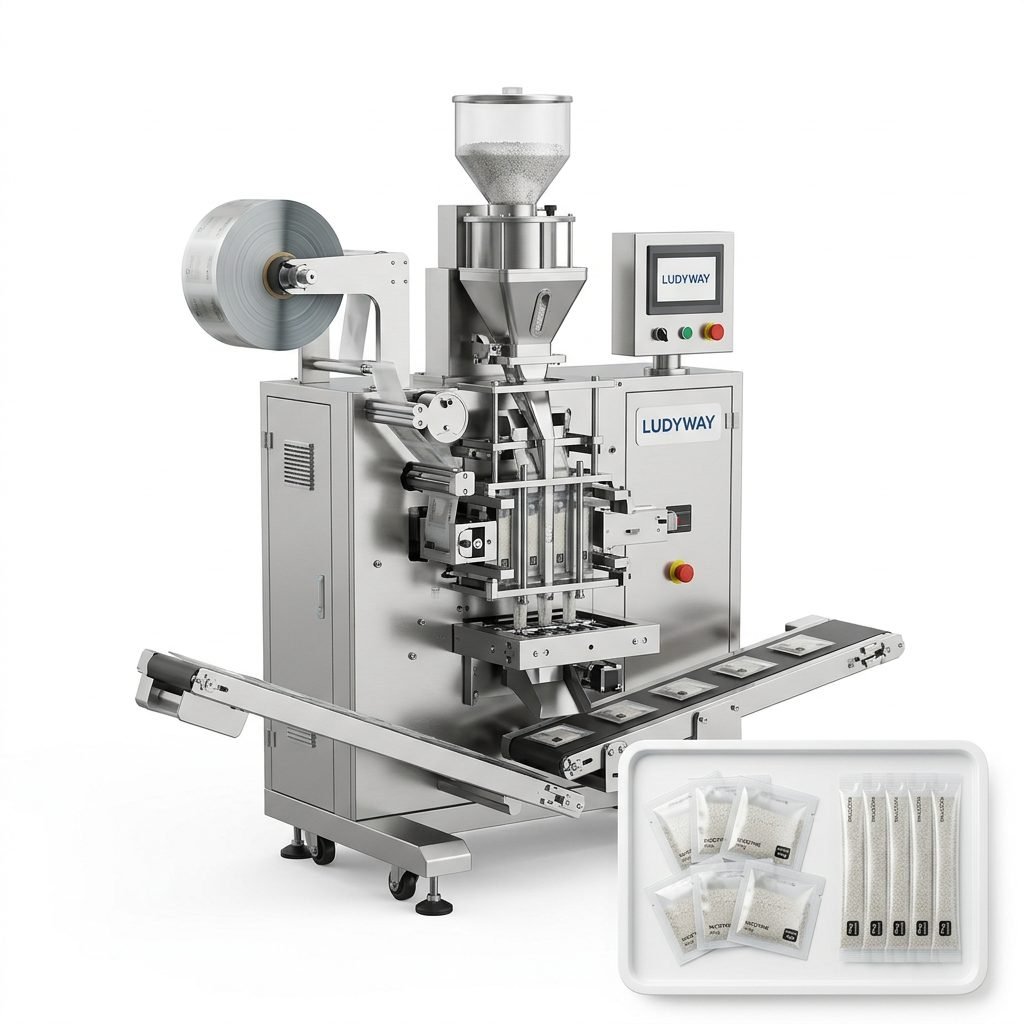
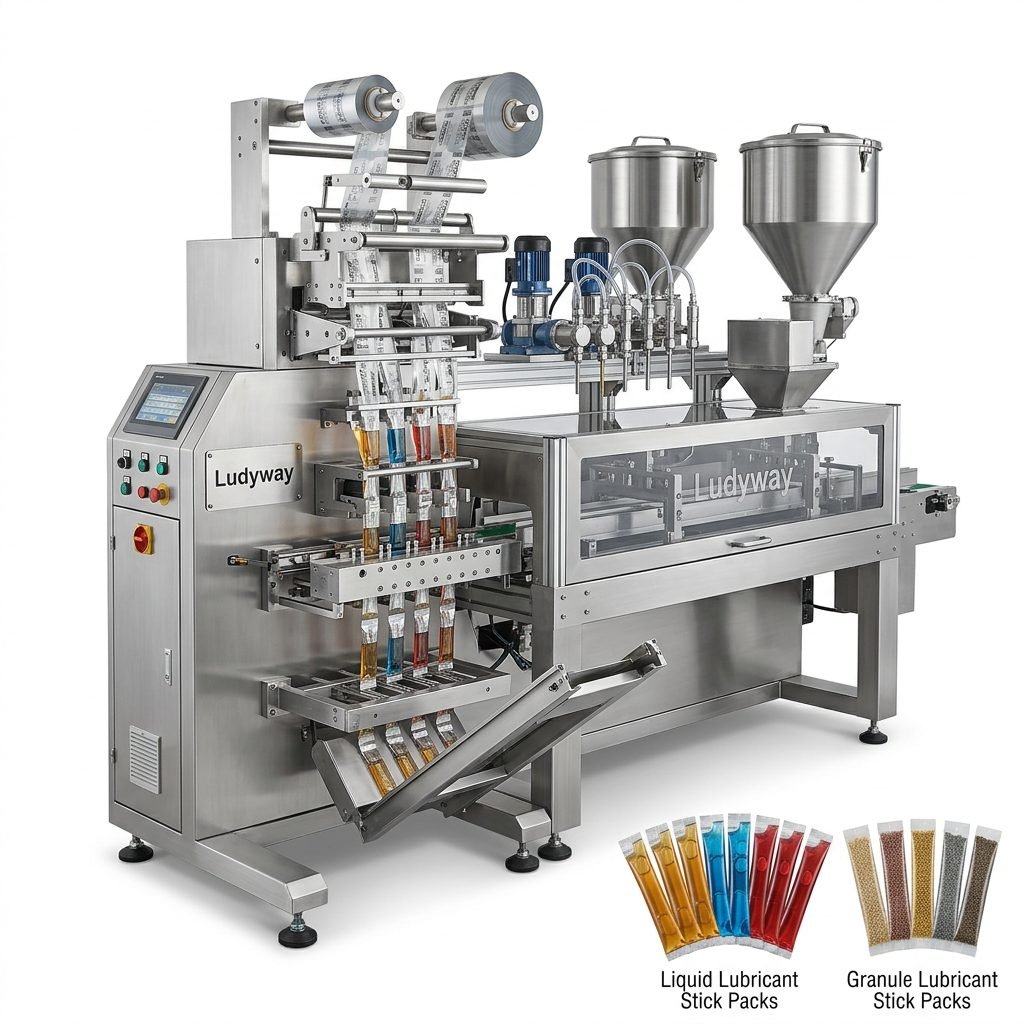
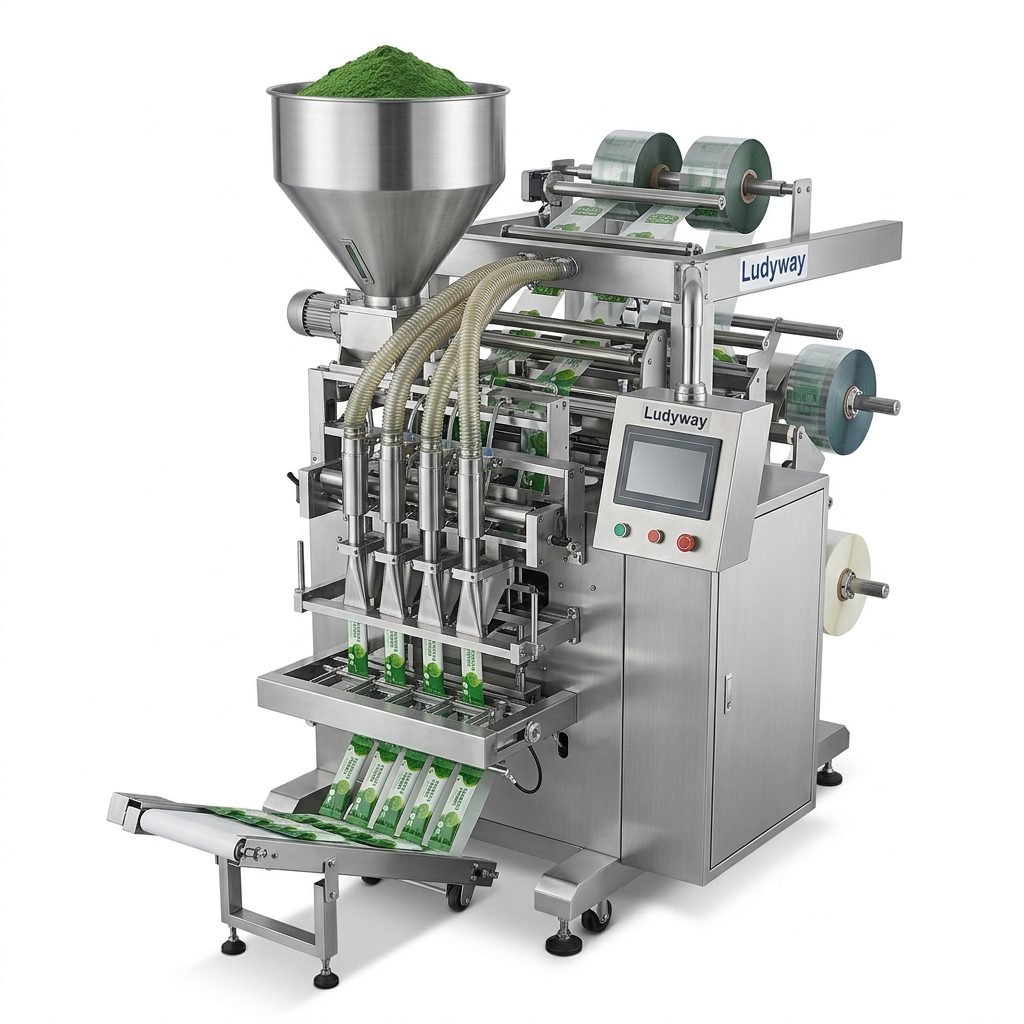
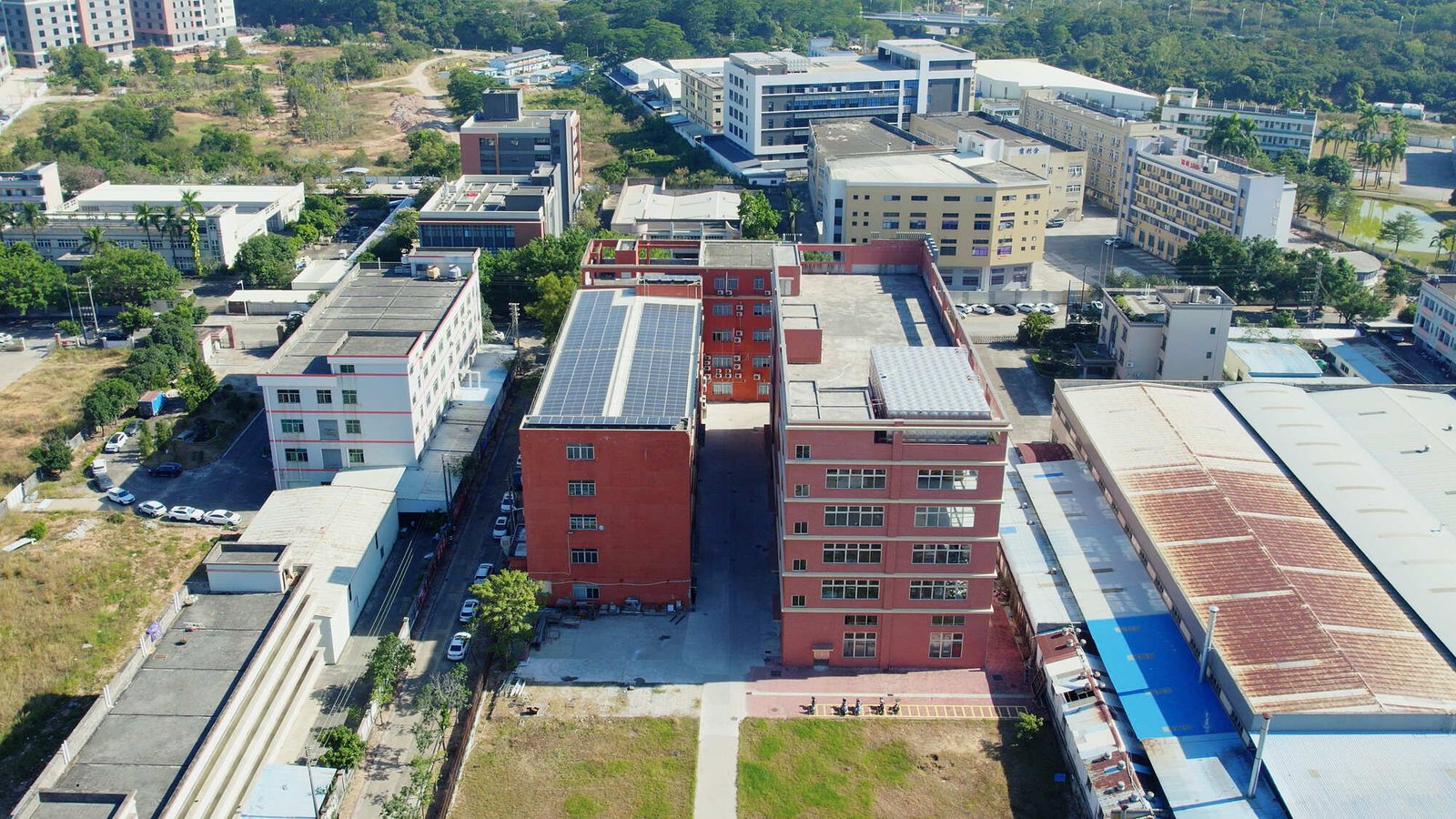
When evaluating suppliers, assess their experience specifically with solid fuel or biomass products. A company with a proven track record in handling wood-based materials will understand the unique challenges of dust management, product bridging, and bag durability. Manufacturers like Ludyway Machinery, a China-based packaging machinery manufacturer with over 30 years of experience, offer a broad portfolio of automatic packaging equipment and integrated turnkey solutions designed for different products and production requirements across more than 100 countries.
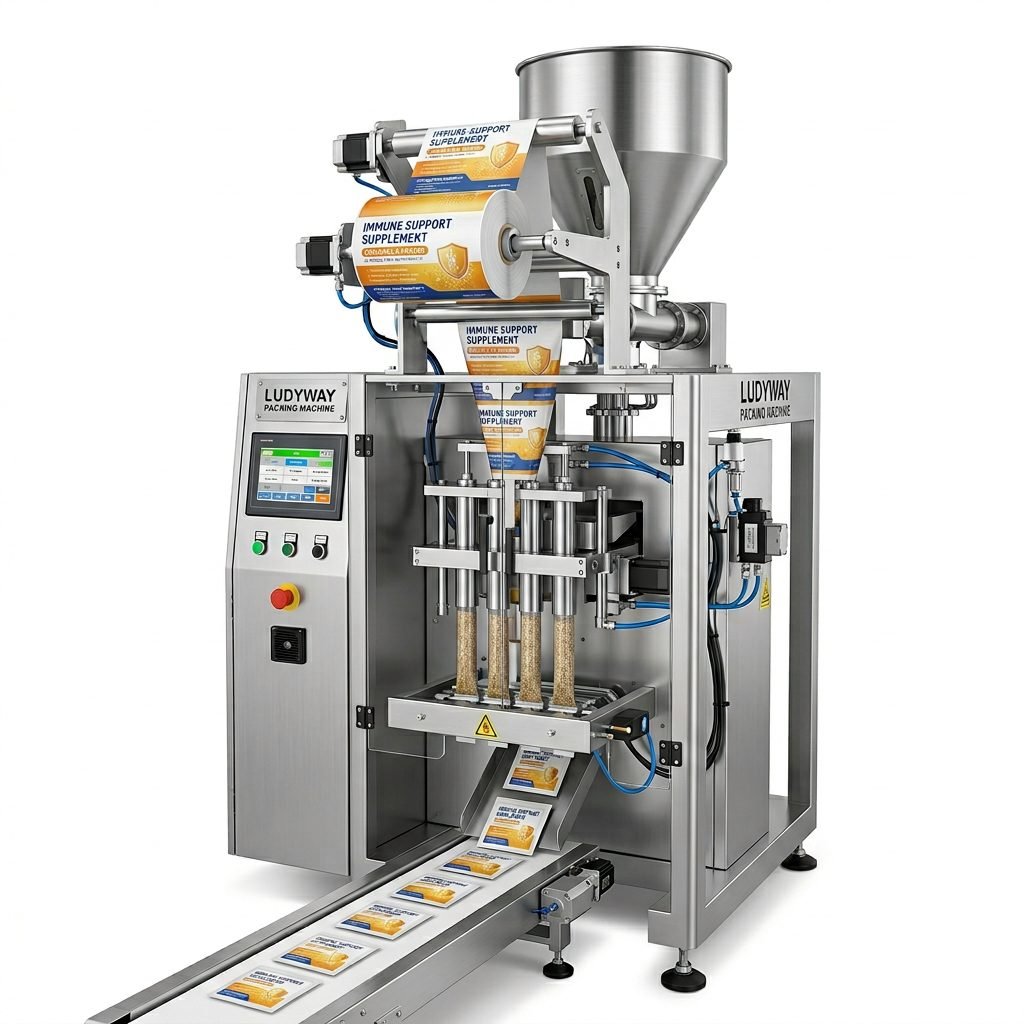
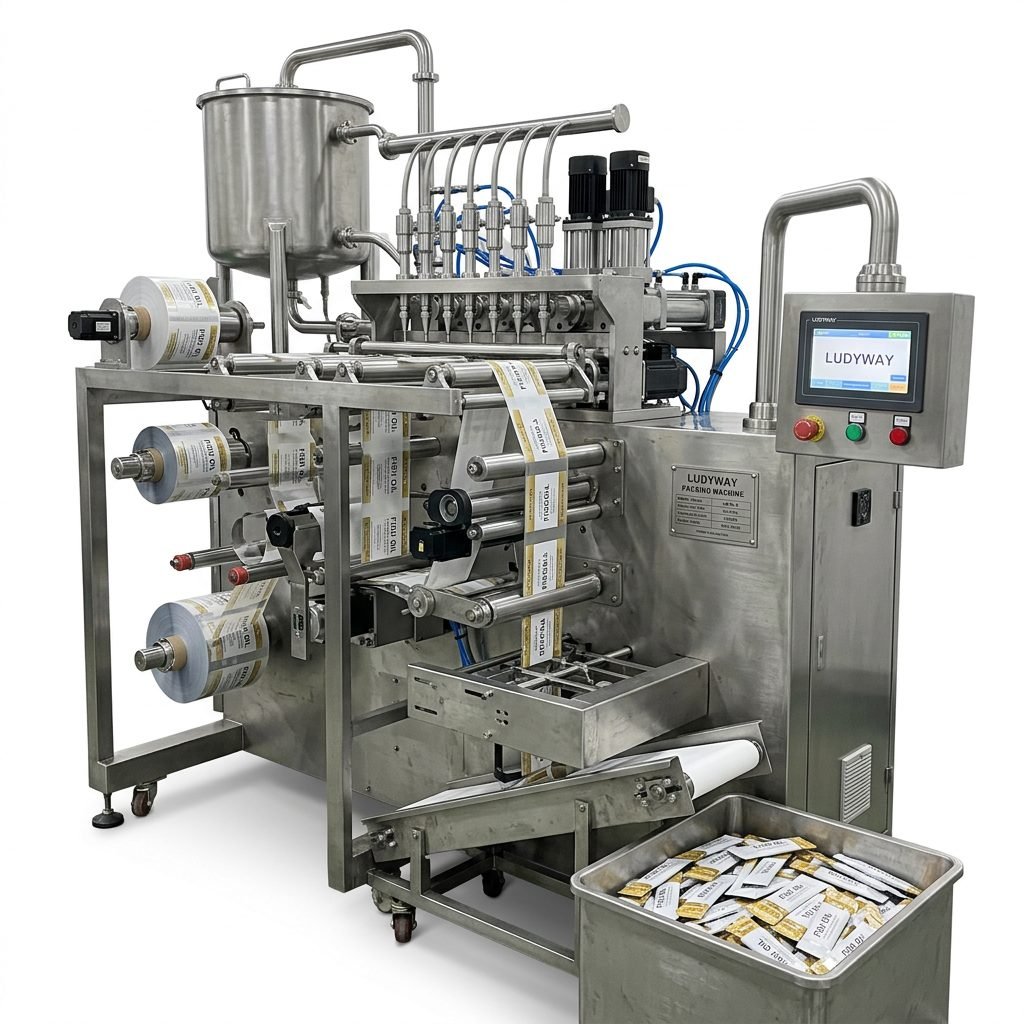
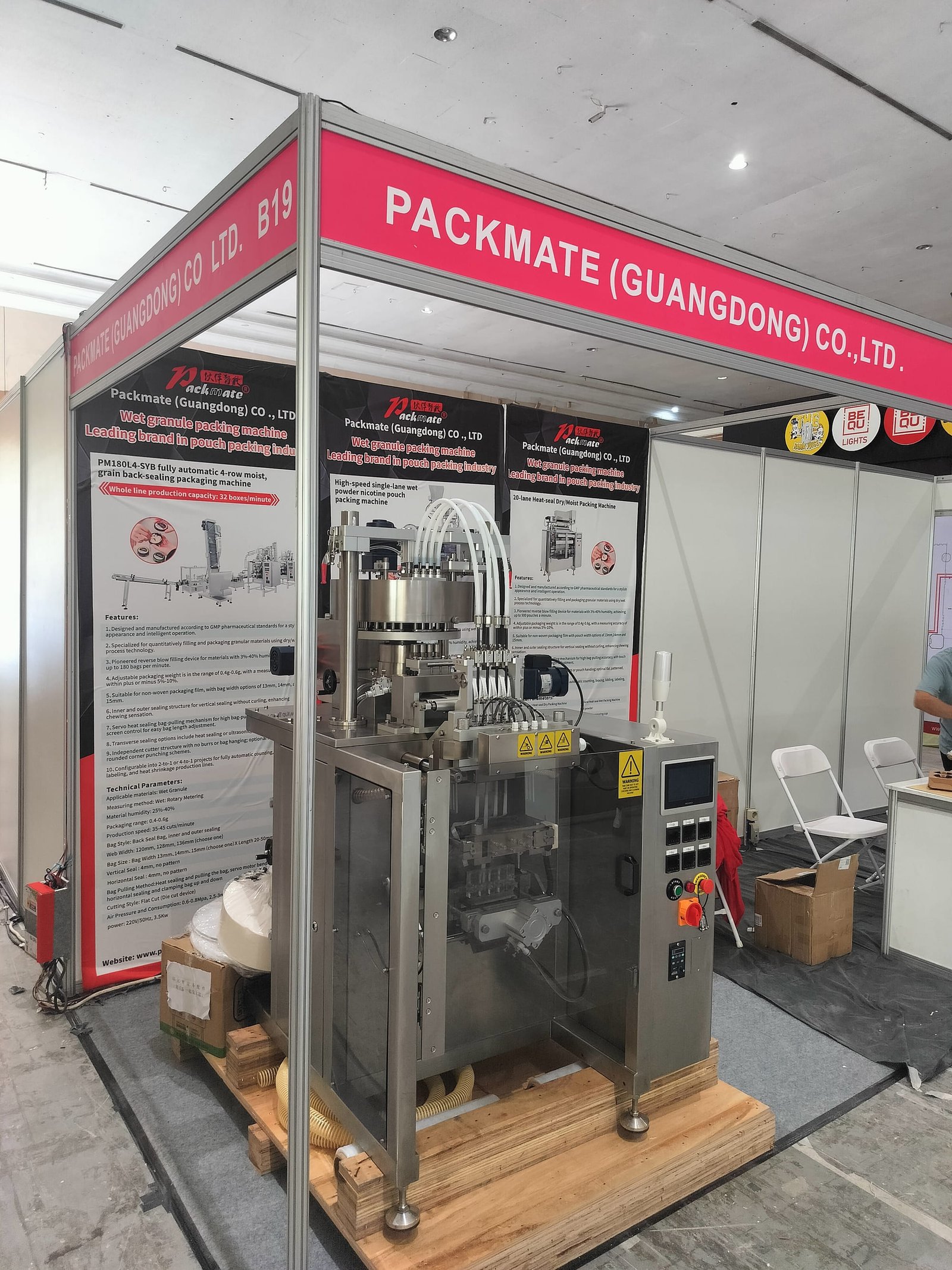
Review their engineering capabilities for customization. For example, if you plan to expand into pellet packaging alongside your firewood bags, can the same partner supply a compatible multi-lane stick pack machine or a high-speed granule system? The ability to work with a single supplier for multiple packaging formats simplifies service, spare parts management, and technical support. For further insights into packaging industry trends, refer to the 2025 State of the Industry report from PMMI.
7. Total Cost of Ownership and ROI
Looking beyond the initial purchase price is essential for making a sound investment. Calculate the total cost of ownership (TCO) over an expected 7-10 year equipment lifespan.
Factors Impacting TCO
- Energy consumption: Pneumatic vs. electric actuators can have vastly different operating costs.
- Film waste: Precise film registration and tension control minimize material waste during startups and splices.
- Labor requirements: A fully automatic line may replace 3-5 manual workers, offering a payback period of 18-24 months in high-wage markets.
- Maintenance contracts: Preventive maintenance agreements can extend machine life but add to annual expenses.
Selecting the right firewood packaging machine requires careful consideration of your product, production goals, and long-term business strategy. By focusing on durable construction, appropriate automation levels, and a knowledgeable equipment partner, you can build a packaging line that delivers consistent output and supports sustainable growth. For additional regulatory guidance, consult resources from the FDA on food packaging and contact substances if your firewood is used in food preparation contexts.