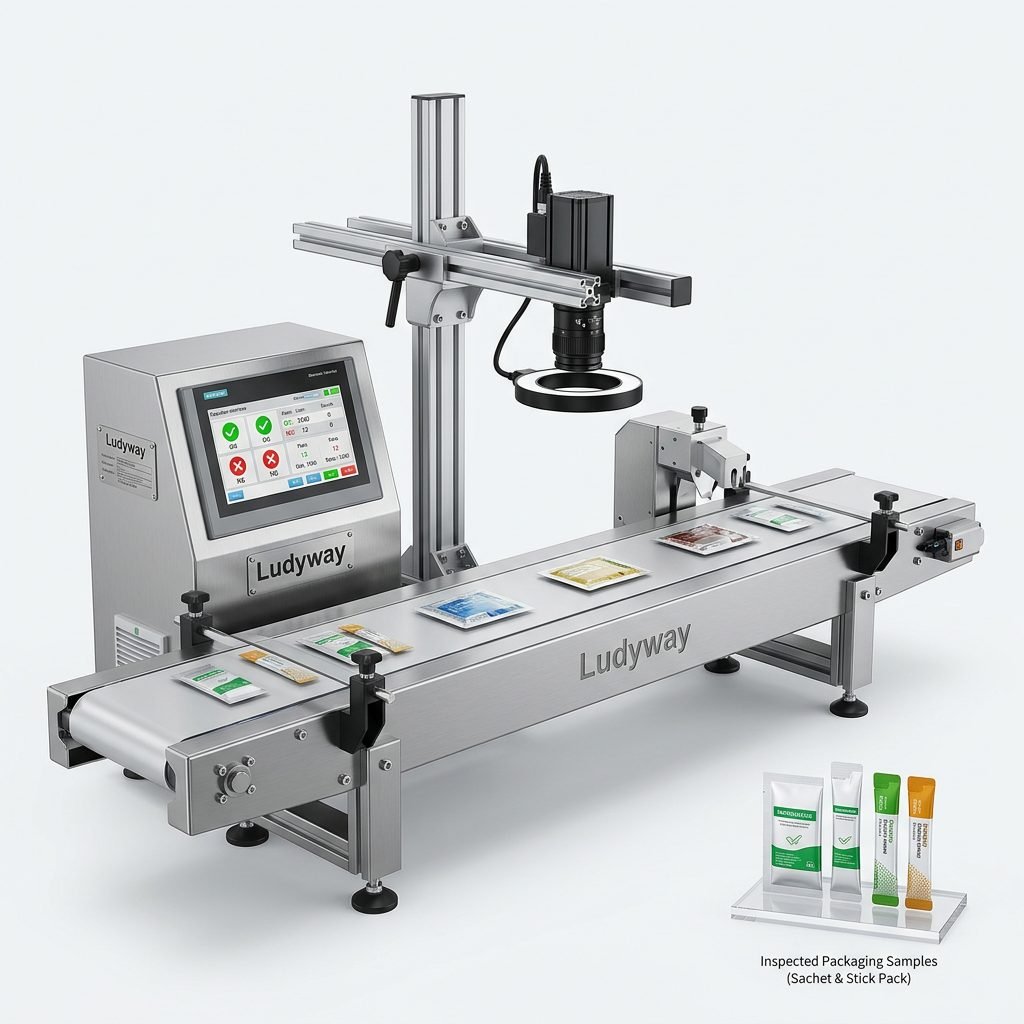
Expanding your bread production into global markets requires more than just a quality recipe. The packaging machinery you choose directly impacts product shelf life, brand perception, and compliance with international regulations. Setting up a bread packaging machine production line that meets diverse market requirements involves careful planning, equipment selection, and understanding of regional standards.
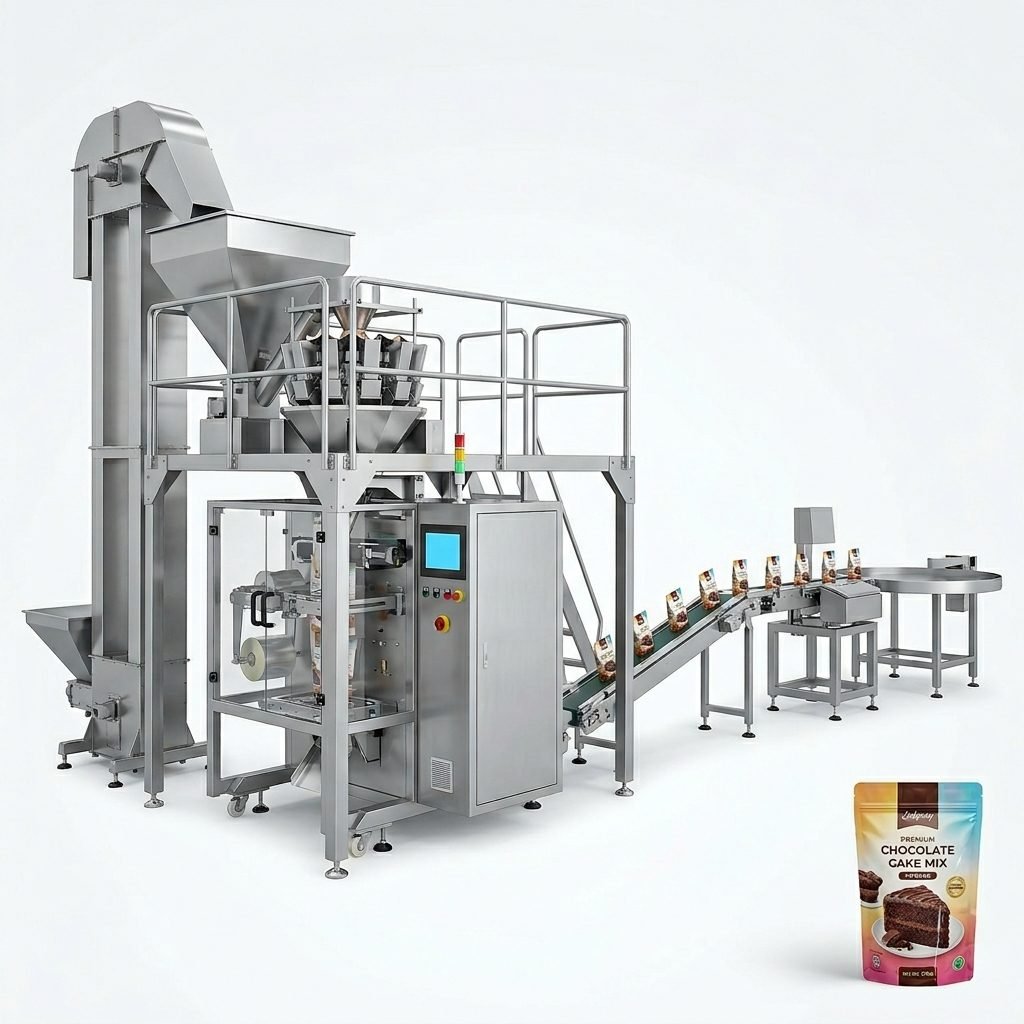
Understanding Global Bread Packaging Requirements
Different regions enforce distinct food packaging regulations that affect how bread is wrapped, sealed, and labeled. The European market emphasizes sustainable packaging materials, while North American standards focus heavily on food contact substance compliance. In Asia-Pacific regions, moisture barrier properties are critical due to humid climates. Before configuring your production line, research the following:
- Material compatibility – Polypropylene, polyethylene, or biodegradable films based on regional preferences
- Shelf life expectations – Modified atmosphere packaging (MAP) may be required for extended freshness
- Labeling mandates – Nutritional facts, allergen warnings, and language-specific requirements
- Recycling regulations – Compliance with EU packaging waste directives and similar frameworks
Key Equipment in a Bread Packaging Production Line
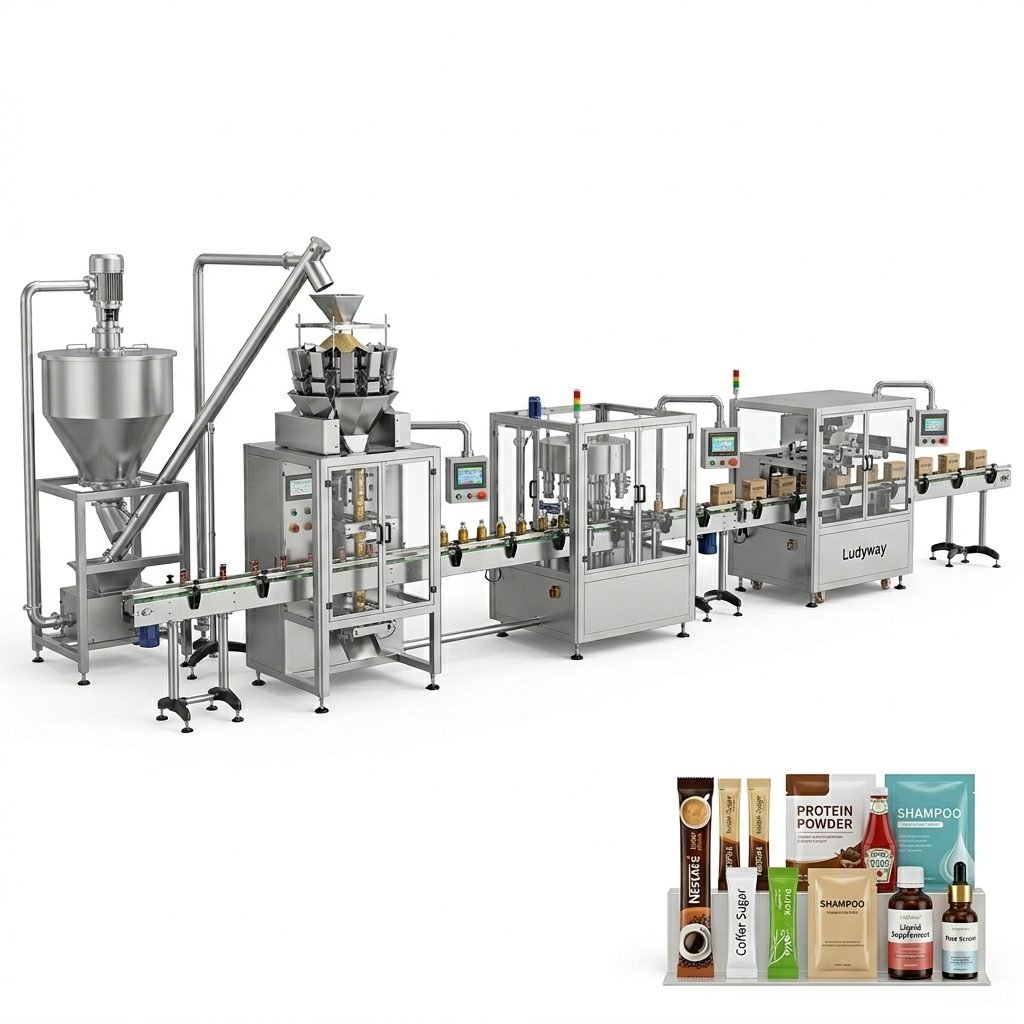
A fully integrated bread packaging machine production line typically consists of multiple stations working in synchronization. Selecting the right combination of equipment ensures consistent output quality and minimizes downtime during product changeovers.

Core Machinery Components
| Equipment Type | Primary Function | Key Selection Criteria |
|---|---|---|
| Automatic Bread Slicer | Uniform slicing with adjustable thickness | Blade precision, crumb control, throughput speed |
| Flow Wrapping Machine | Horizontal form-fill-seal for individual loaves | Film compatibility, sealing integrity, speed range |
| Bagging System | Pillow bags or gusseted bags for bulk packaging | Bag style flexibility, closure type, product handling |
| Checkweigher & Metal Detector | Weight verification and contaminant detection | Sensitivity levels, rejection mechanism, data logging |
| Cartoning Machine | Secondary packaging into cartons for retail distribution | Carton size range, loading configuration, speed |
Step-by-Step Production Line Setup Process
Setting up a bread packaging production line for international markets follows a structured approach. Each phase builds upon the previous one to ensure seamless integration and optimal performance.
Step 1: Define Production Capacity and Market Specifications
Begin by calculating your target output volume per shift. A line producing 5,000 loaves per hour requires different machinery than one handling 500. Factor in the specific packaging formats demanded by your target markets—some regions prefer resealable bags, while others use simple clip closures or twist ties.
Step 2: Facility Layout and Workflow Design
Map the physical flow from baking to packaging to palletizing. Consider these critical spatial elements:
- Cooling conveyor length to ensure bread reaches optimal packaging temperature
- Buffer zones between machines to accommodate speed variations
- Material staging areas for packaging film and cartons
- Access pathways for maintenance and sanitation crews
Step 3: Equipment Procurement and Integration
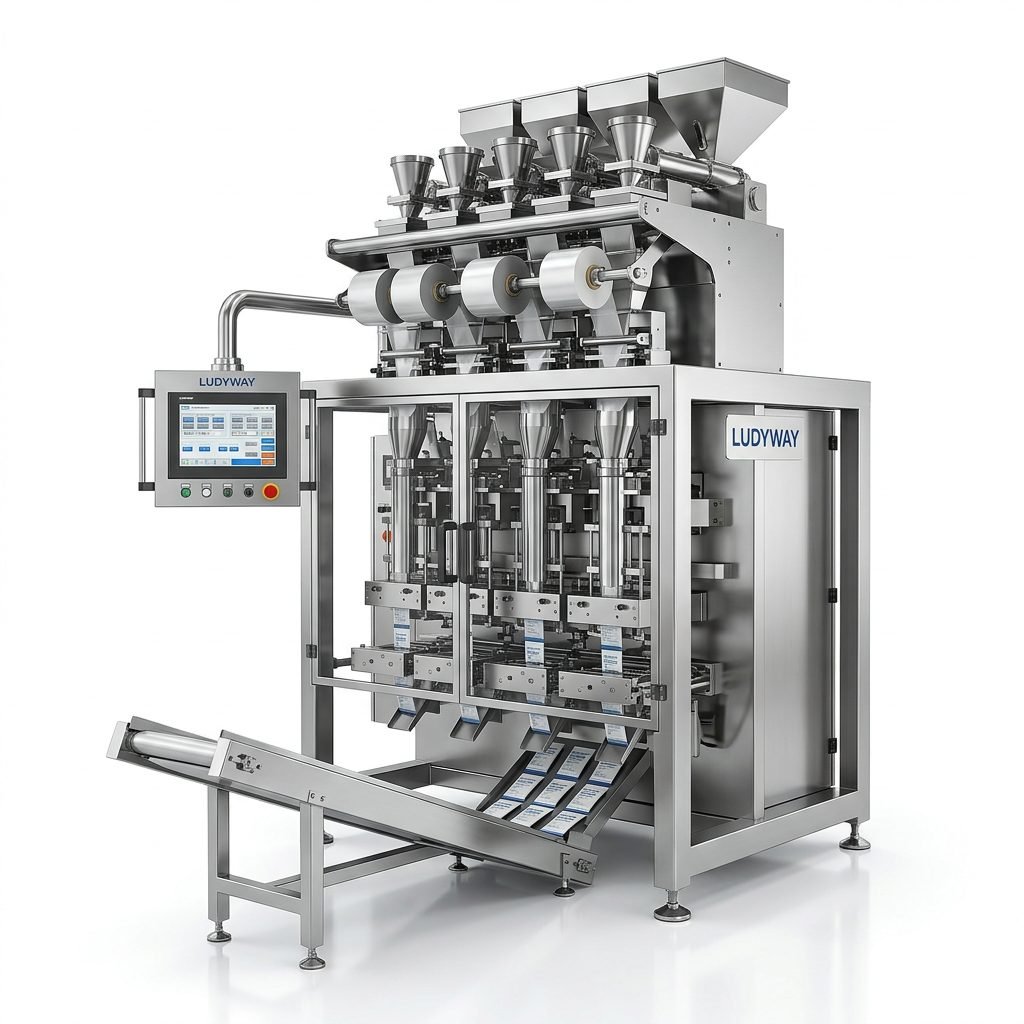
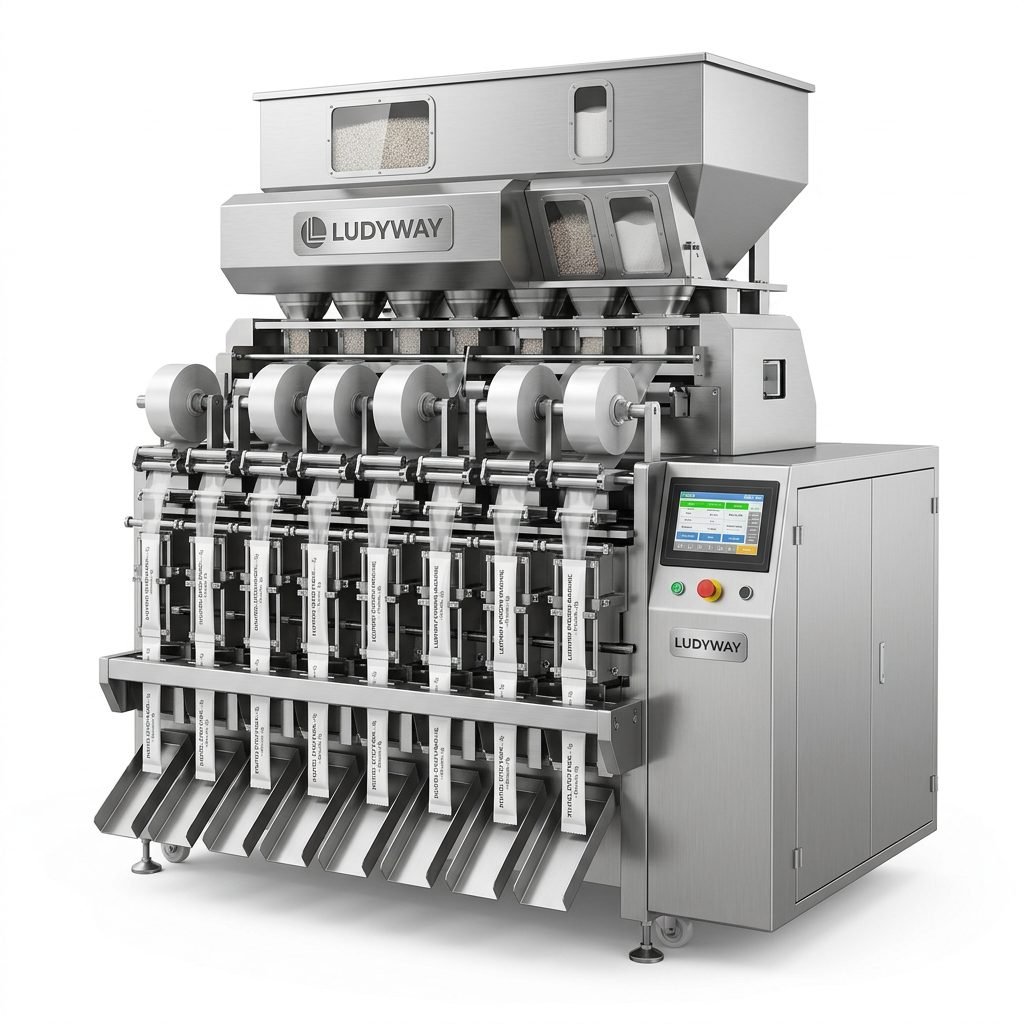
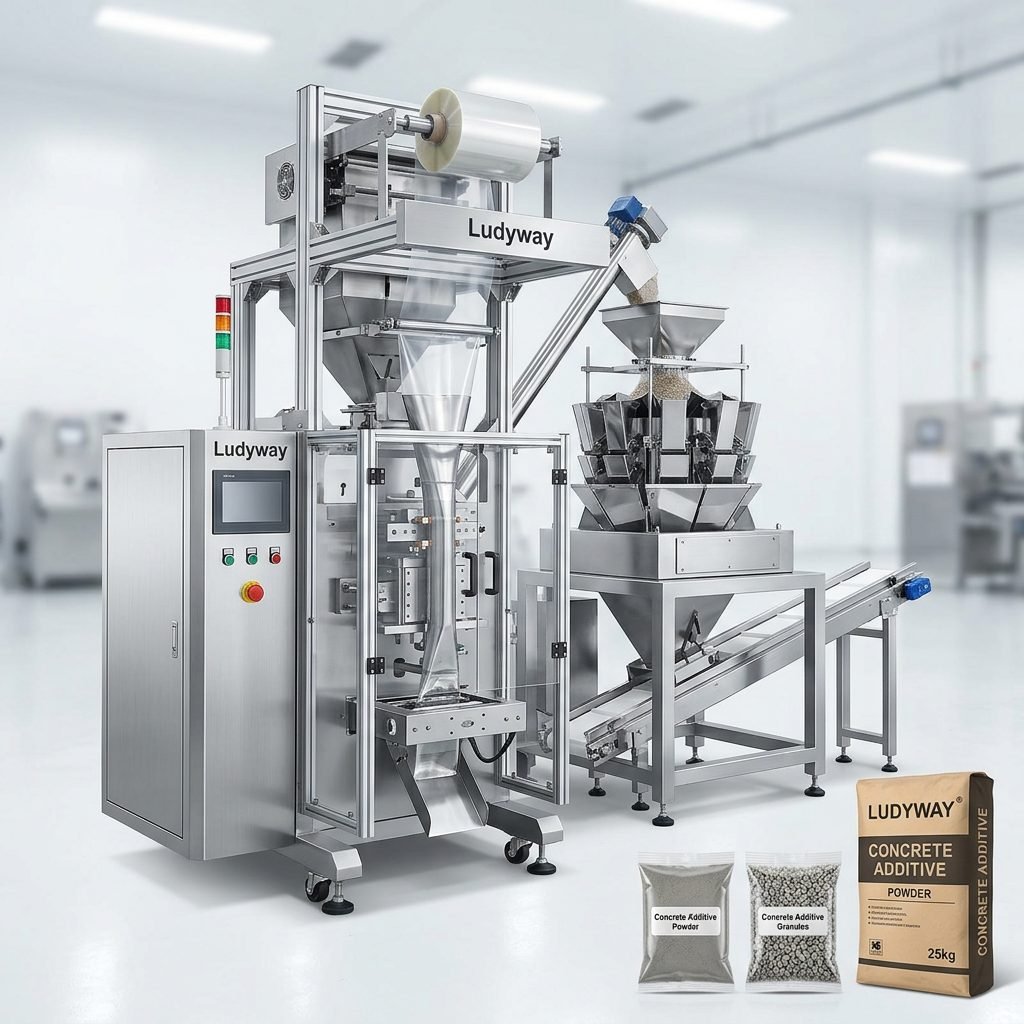
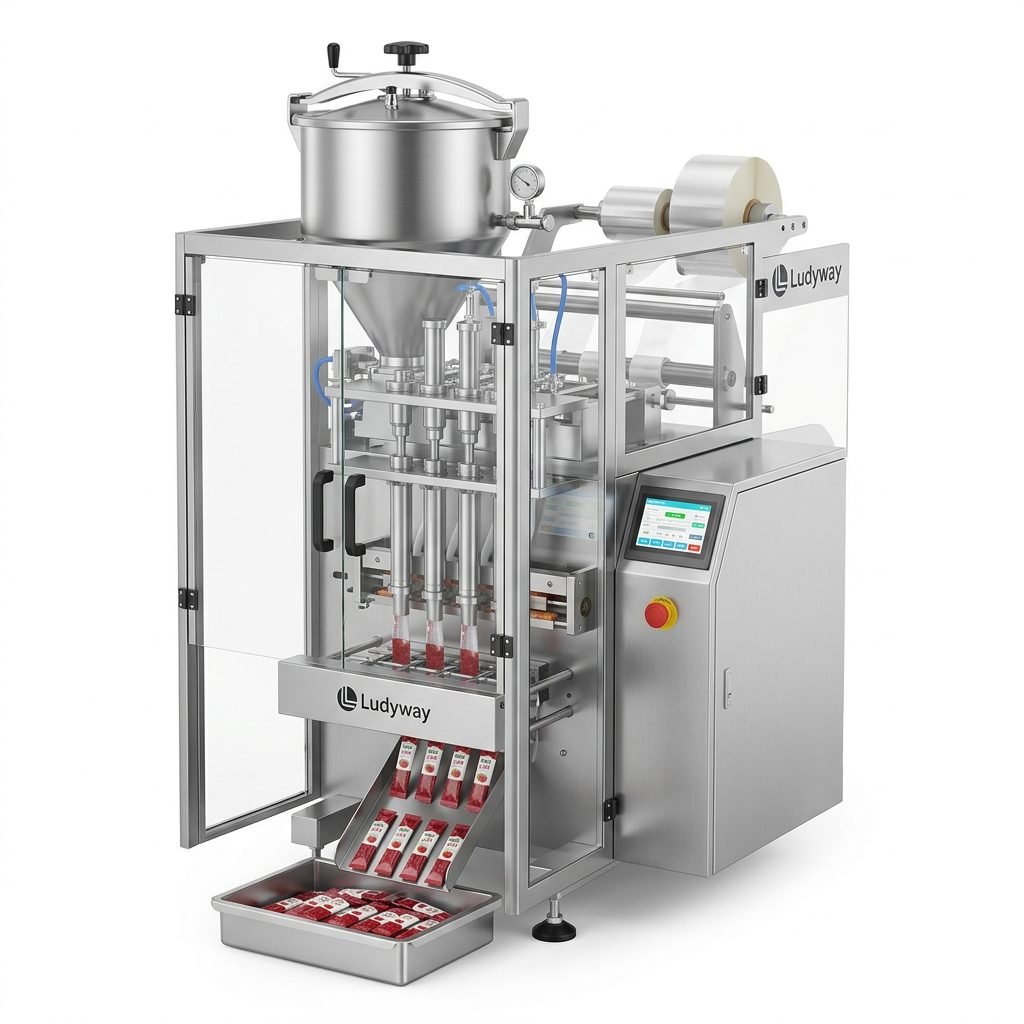
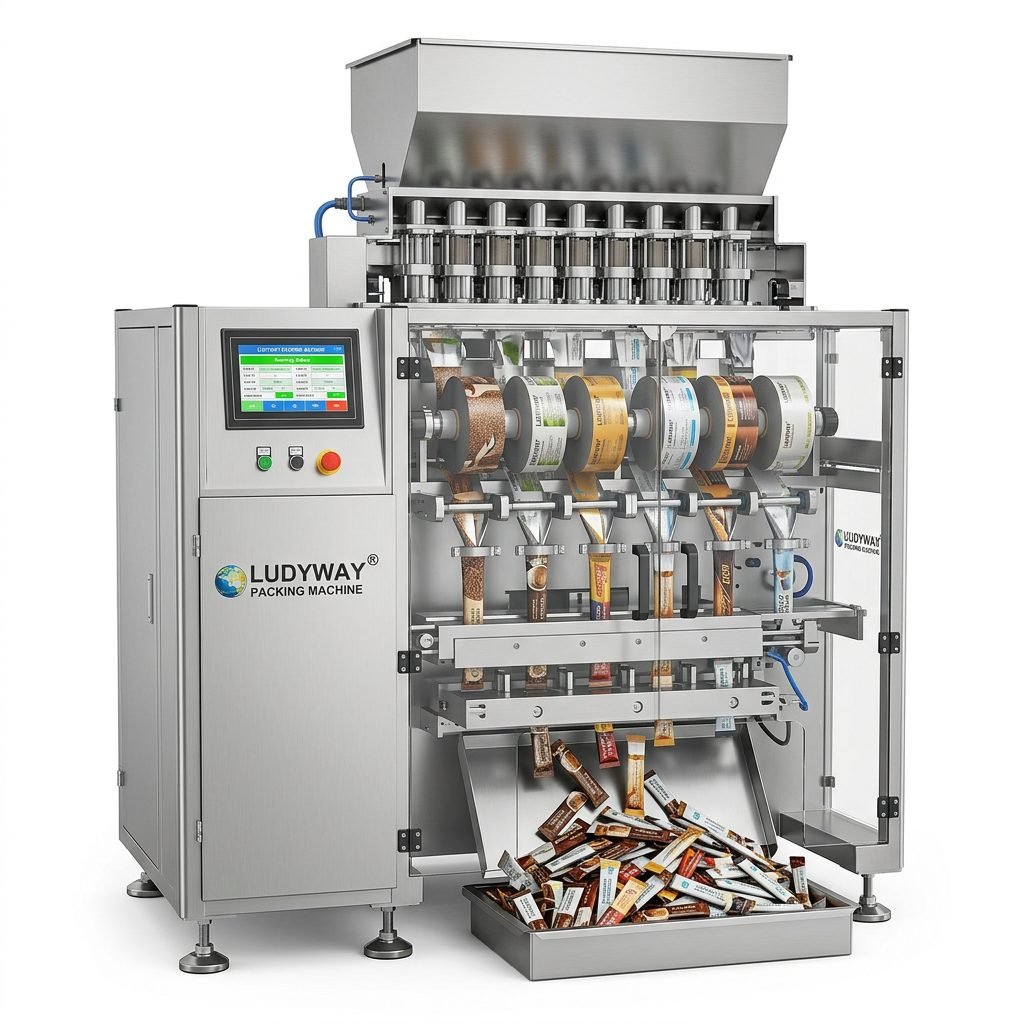
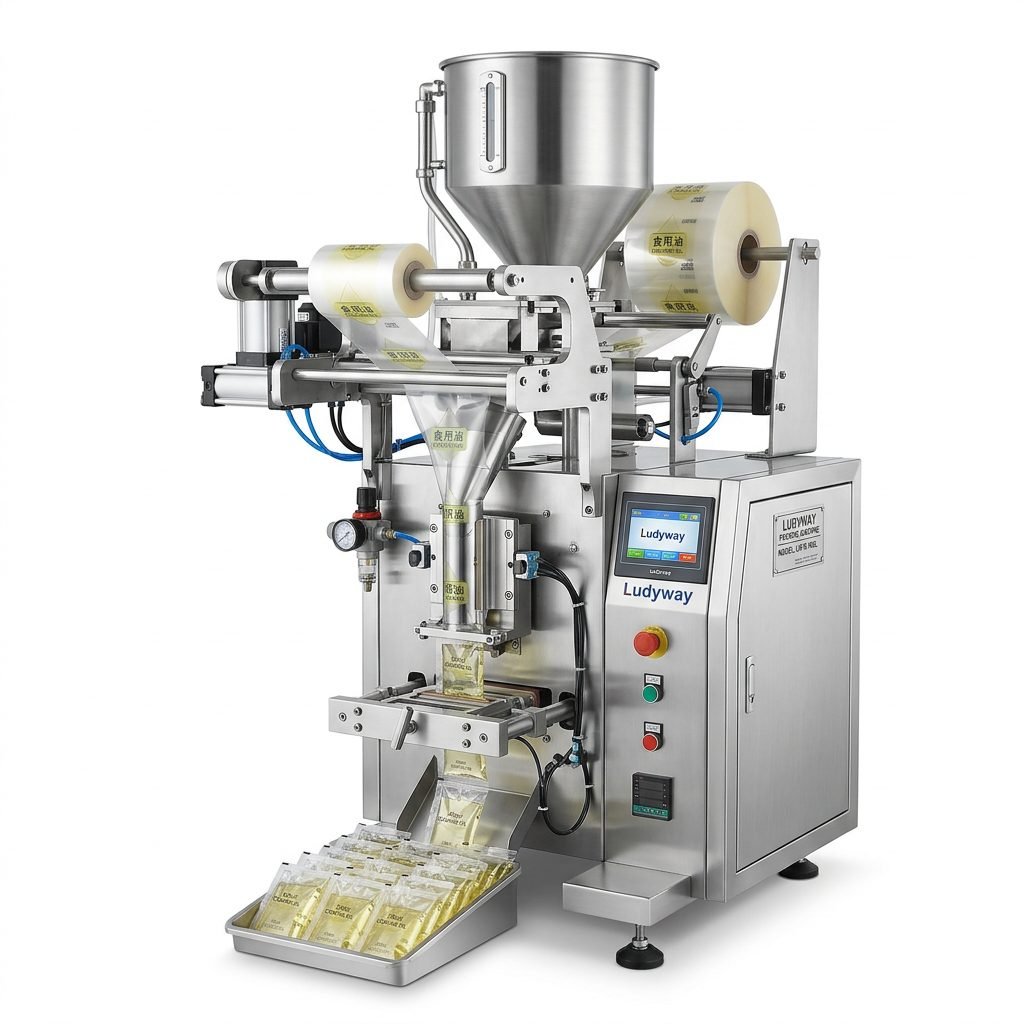
Source machinery that adheres to ISO packaging standards and carries relevant certifications such as CE marking for European markets. The entire line should communicate through a centralized control system, enabling real-time monitoring and rapid troubleshooting. For businesses looking to source reliable bread packaging machinery, manufacturers like Ludyway offer comprehensive turnkey solutions backed by decades of engineering expertise.
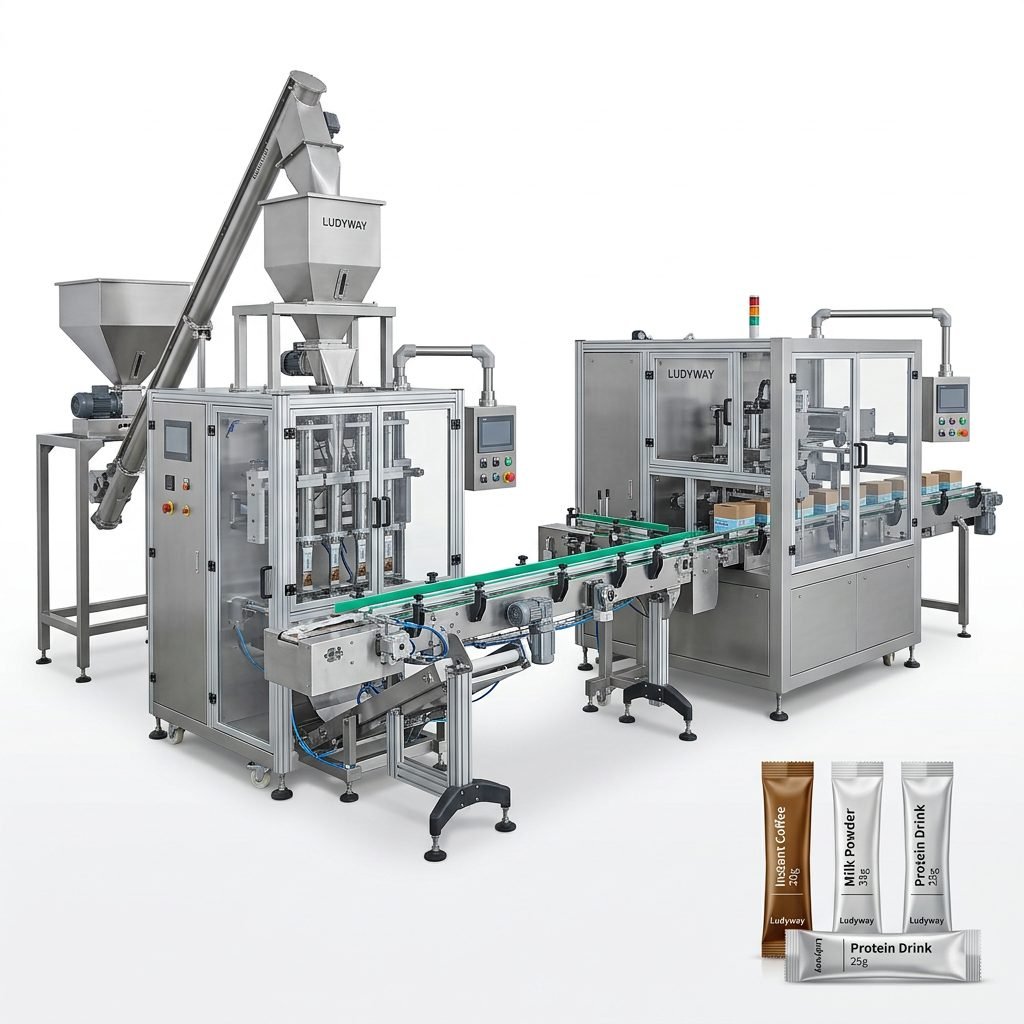
Step 4: Automation Level Selection
Determine the degree of automation appropriate for your labor costs and technical capabilities. Options range from semi-automatic lines with manual loading to fully robotic systems that handle product collation, wrapping, and palletizing without human intervention.
Compliance with Global Food Safety Standards
International bread distribution demands strict adherence to food safety protocols. Your packaging line must support compliance with these frameworks:
| Standard | Region | Key Packaging Implications |
|---|---|---|
| FDA 21 CFR | United States | Food contact substance regulations, allergen labeling |
| EU Regulation (EC) No 1935/2004 | European Union | Materials and articles intended to come into contact with food |
| BRCGS Packaging | Global | Quality management, contamination control, traceability |
| ISO 22000 | International | Food safety management system integration |
Optimizing Packaging Efficiency and Reducing Waste
A well-configured bread packaging line minimizes material waste and maximizes throughput. Implement these strategies for operational excellence:
- Precision film tension control – Reduces film stretching and tearing during high-speed wrapping
- Intelligent seal temperature regulation – Prevents weak seals that lead to product spoilage
- Automated product alignment systems – Ensure consistent placement before wrapping to minimize jams
- Real-time OEE dashboards – Track availability, performance, and quality metrics continuously
- Quick-changeover design features – Enable rapid format switches between different bread sizes or packaging styles
Maintenance Protocols for Long-Term Reliability
Establish a preventive maintenance schedule aligned with equipment manufacturer recommendations. Critical inspection points include sealing jaw condition, belt tension, sensor calibration, and pneumatic system integrity. A well-maintained line delivers consistent packaging quality and avoids costly unplanned stoppages.
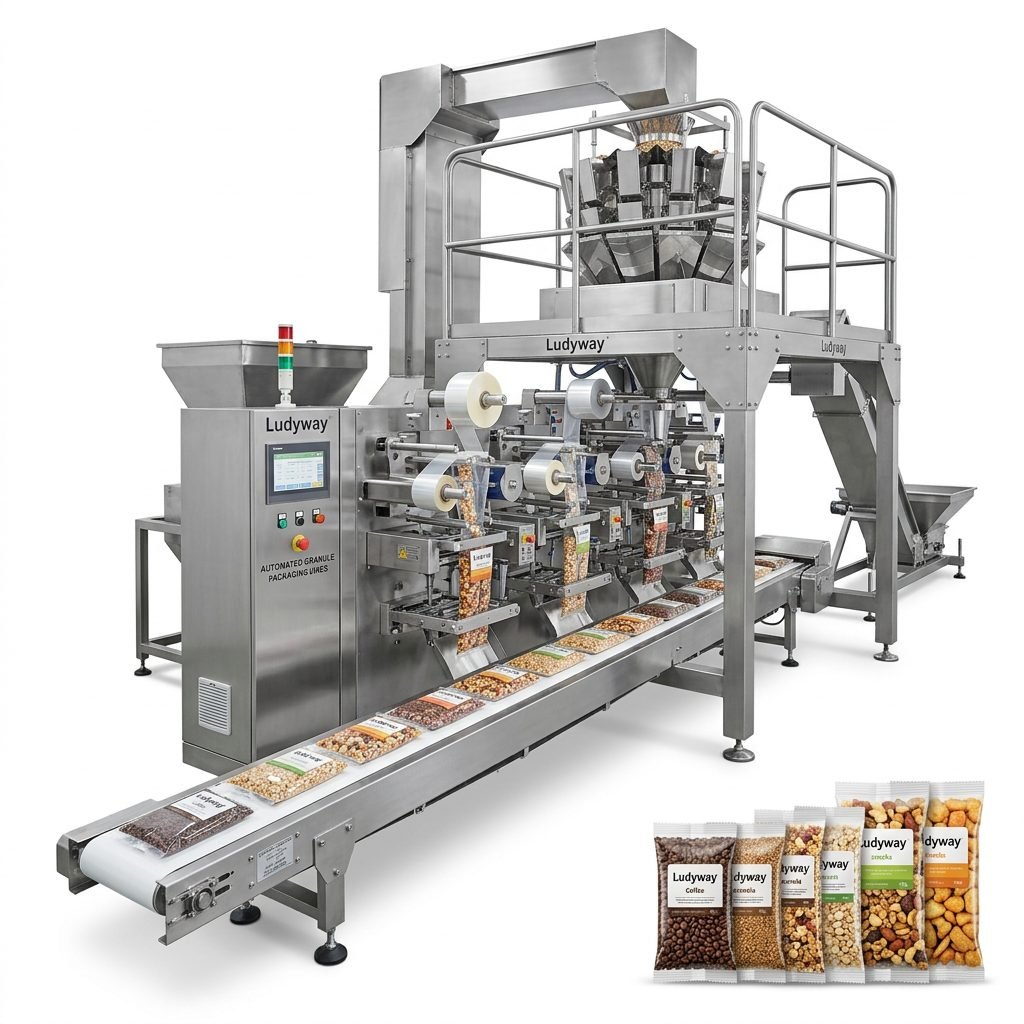
Technology Trends Shaping Bread Packaging Lines
The packaging machinery industry continues to evolve with innovations that directly benefit bread producers targeting global markets:
- Smart sensors and IoT connectivity – Enable predictive maintenance and remote diagnostics across international facilities
- Sustainable film technologies – Compostable and recyclable mono-material films gaining regulatory acceptance worldwide
- Vision inspection systems – Automated quality checks for seal integrity, label placement, and print accuracy
- Modular machine designs – Allow incremental upgrades without replacing entire production lines
- Energy-efficient servo drives – Reduce power consumption while maintaining high-speed operation
Training and Workforce Development
Even the most advanced bread packaging machine production line depends on skilled operators. Develop a comprehensive training program covering:
- Machine operation fundamentals – Startup, shutdown, and emergency procedures
- Quality inspection protocols – Identifying seal defects, misalignment, and contamination risks
- Basic troubleshooting skills – Resolving common issues without engineering support
- Sanitation and hygiene practices – Meeting food contact safety requirements for packaging environments
Documentation and Standard Operating Procedures
Create detailed SOPs in multiple languages if serving diverse markets. Each procedure should include clear photographic references, step-by-step instructions, and safety warnings. Well-documented processes ensure consistent performance across shifts and reduce reliance on individual operator knowledge.
Cost Considerations and ROI Analysis
Investing in a global-ready bread packaging line requires evaluating both capital expenditure and long-term operational costs. Consider these financial factors:
| Cost Category | Typical Range | ROI Driver |
|---|---|---|
| Equipment acquisition | Major capital outlay | Throughput increase, labor reduction |
| Installation and commissioning | 5-8% of equipment cost | Faster time-to-market |
| Packaging materials | Ongoing variable cost | Waste reduction, bulk purchasing |
| Maintenance and spare parts | Annual budget allocation | Extended machine lifespan, uptime |
A properly configured bread packaging line typically achieves full ROI within 18-36 months, driven by increased throughput, reduced product waste, and expanded market access. The packaging machinery sector continues to see strong demand as global food trade expands.
Common Pitfalls to Avoid When Setting Up Your Line
Many bakeries encounter preventable challenges when expanding packaging operations for international distribution. Learn from industry experience and steer clear of these mistakes:
- Underestimating cooling requirements – Insufficient cooling before packaging leads to condensation and mold growth
- Overlooking film compatibility – Not all films work with every sealing technology; test extensively before committing
- Skipping local regulatory review – Each target country may have unique labeling and material restrictions
- Inadequate operator training – Sophisticated equipment requires skilled personnel for optimal results
- Ignoring scalability needs – Choose equipment that can accommodate future volume increases without complete replacement
Final Checklist Before Going Live
Before commissioning your bread packaging machine production line for global markets, verify these critical items:
- Machinery safety certifications confirmed for all target countries
- Packaging materials validated for shelf life requirements in each climate zone
- Labeling templates prepared in required languages with compliant nutritional formats
- Quality control checkpoints established at each critical control point
- Operator training records documented and signed off for all shifts
- Spare parts inventory stocked for high-wear components to minimize downtime
- Remote support capability enabled for international technical assistance
With thorough planning, the right equipment partners, and a commitment to continuous improvement, your bread packaging line can successfully serve diverse global markets while maintaining efficiency, compliance, and product integrity.