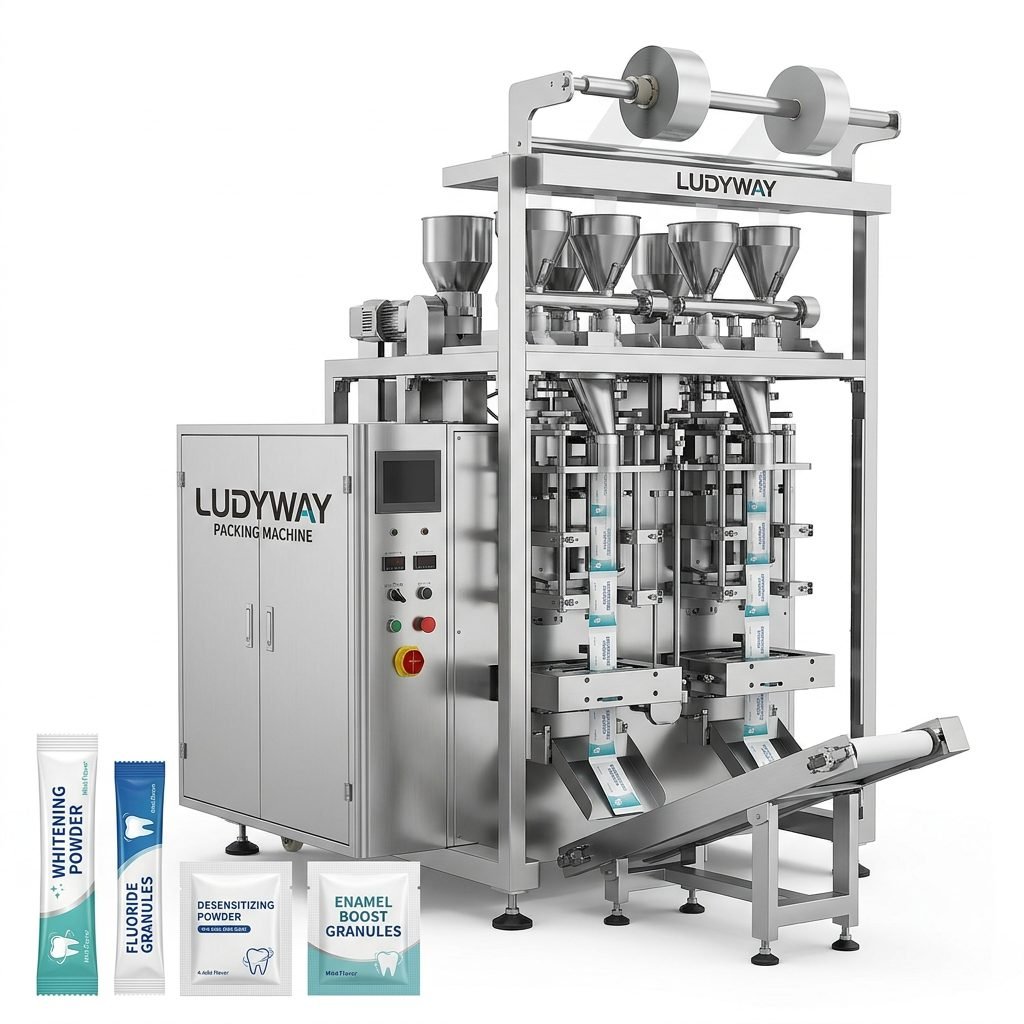
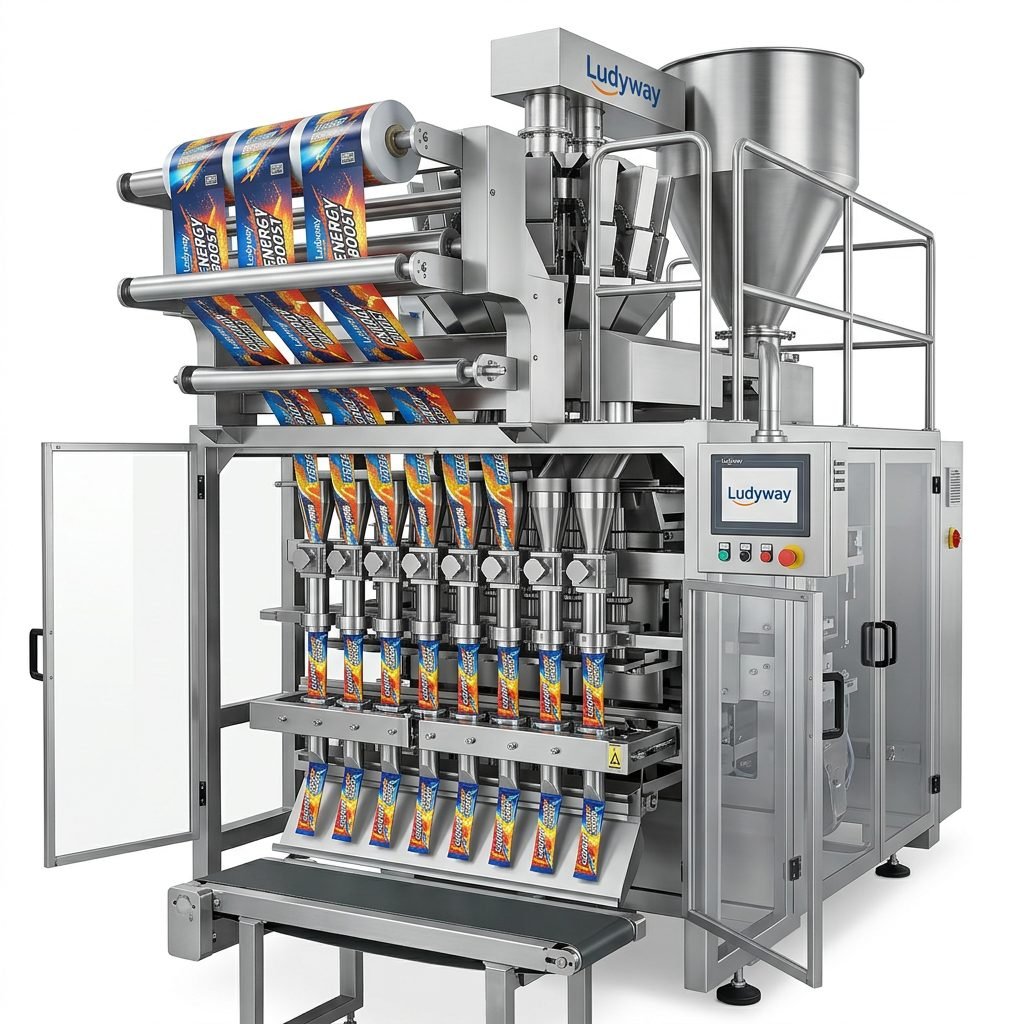
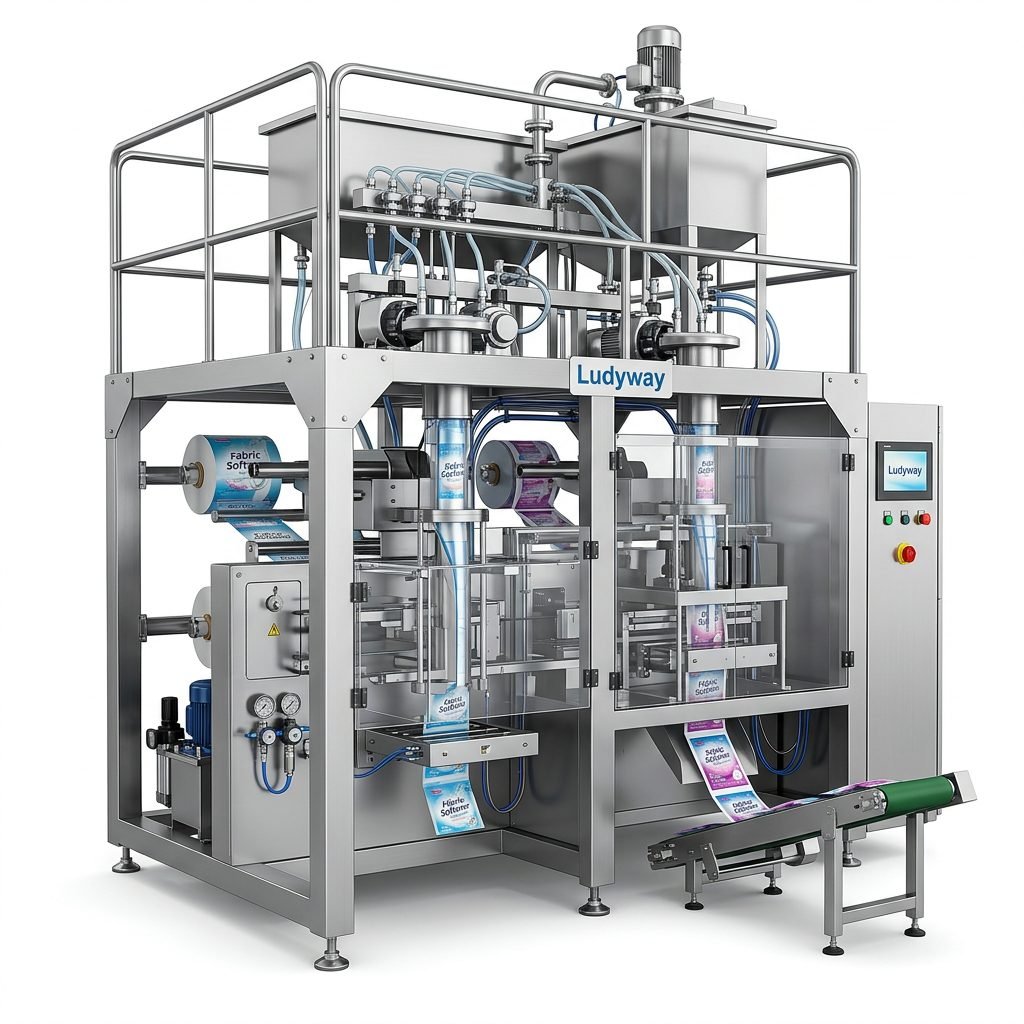
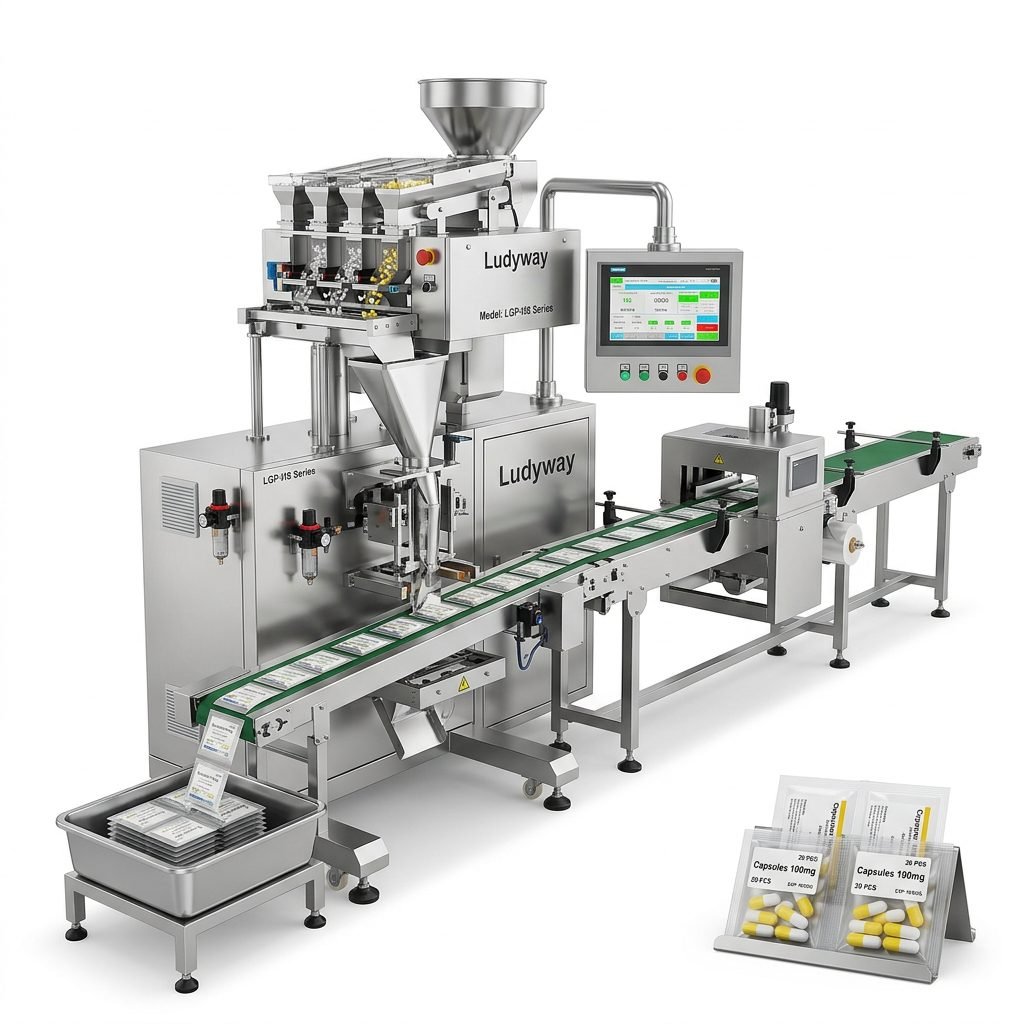
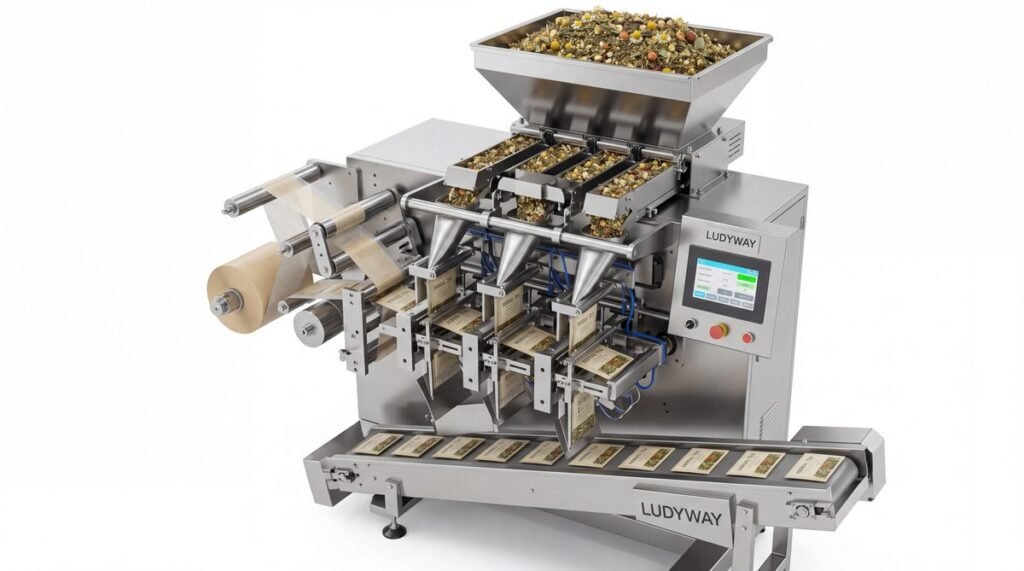
Fast food brands, central kitchens, cloud kitchens, and takeaway suppliers all face the same pressure: pack more containers in less time without sacrificing consistency. A modern food box packaging machine helps solve this challenge by automating the handling, packing, sealing, counting, and secondary packaging of disposable food boxes, takeaway containers, trays, sachets, and meal-related components.
Whether you produce lunch boxes, sauce sachets, seasoning packs, snack kits, or complete takeaway packaging sets, the right automation system can reduce labor dependence, improve packaging accuracy, and support stable output across peak demand periods.

What Is a Food Box Packaging Machine?
A food box packaging machine is an automated or semi-automated packaging solution designed for products used in fast food and takeaway operations. Depending on the application, it may handle:
- Takeaway meal boxes and paper food containers
- Plastic lunch boxes and compartment trays
- Sauce, seasoning, and condiment sachets
- Disposable utensils, napkins, and accessory kits
- Cartoning, case packing, sealing, coding, and inspection
In many factories, the system is not just one standalone machine. It is often a complete packaging line that includes feeding, filling, sealing, counting, labeling, checkweighing, cartoning, and final case sealing.
Why Fast Food and Takeaway Businesses Need Packaging Automation
Takeaway demand continues to grow across restaurants, delivery brands, supermarkets, and prepared meal suppliers. Manual packaging can become a bottleneck when order volumes increase. Packaging automation helps manufacturers and food service suppliers respond faster while keeping product presentation uniform.
- Higher throughput: handle large daily output with fewer interruptions.
- Better consistency: every pack follows the same size, count, and sealing standard.
- Lower labor intensity: reduce repetitive manual work.
- Improved hygiene: limit direct product contact.
- Easier line integration: connect upstream production and downstream logistics.
Common Applications in the Fast Food Sector
Food box packaging automation is suitable for many product combinations in the takeaway supply chain. The best solution depends on your container material, pack size, output target, and downstream shipping method.
| Application | Typical Packaging Need | Suitable Automation |
|---|---|---|
| Paper meal boxes | Counting, stacking, bagging, cartoning | Counting unit + flow wrapping or cartoning line |
| Plastic takeaway containers | Sorting, nesting, sealing, boxing | Container handling + sealing + case packing |
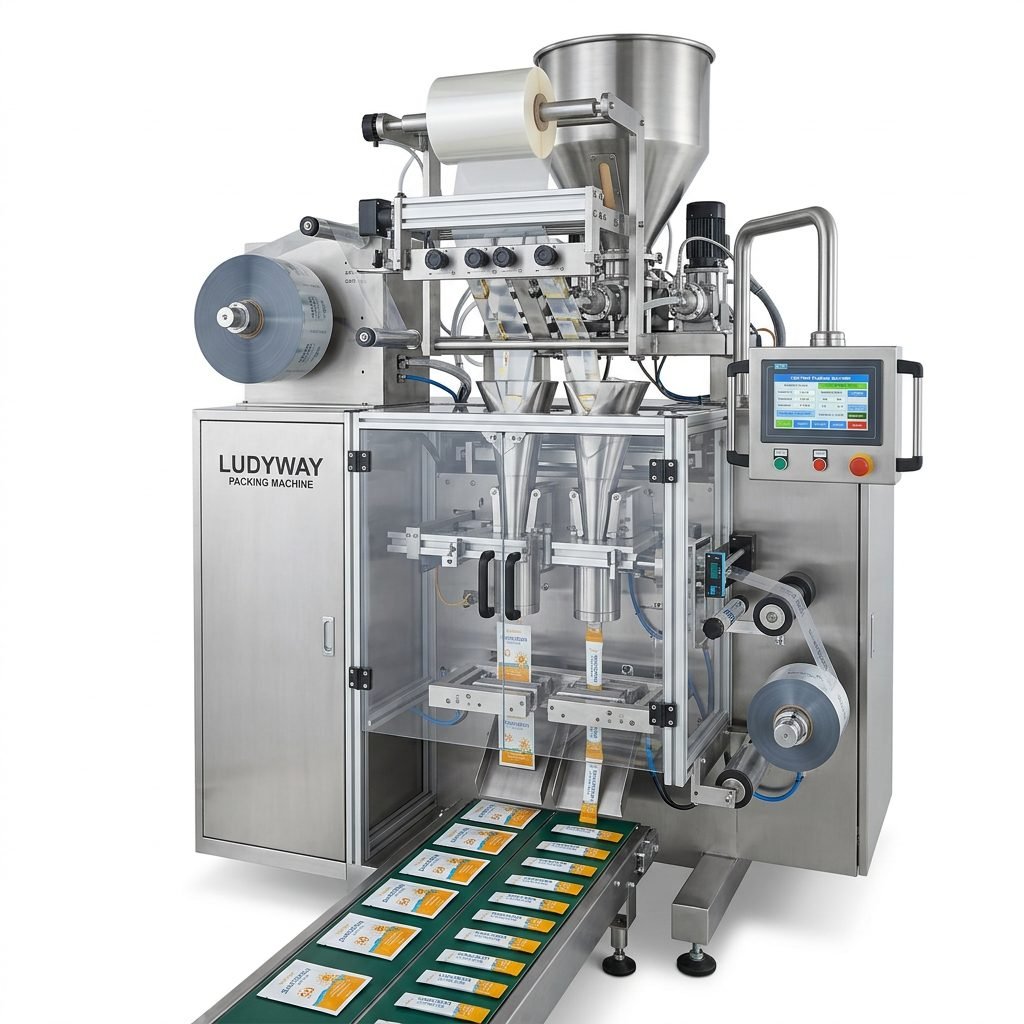
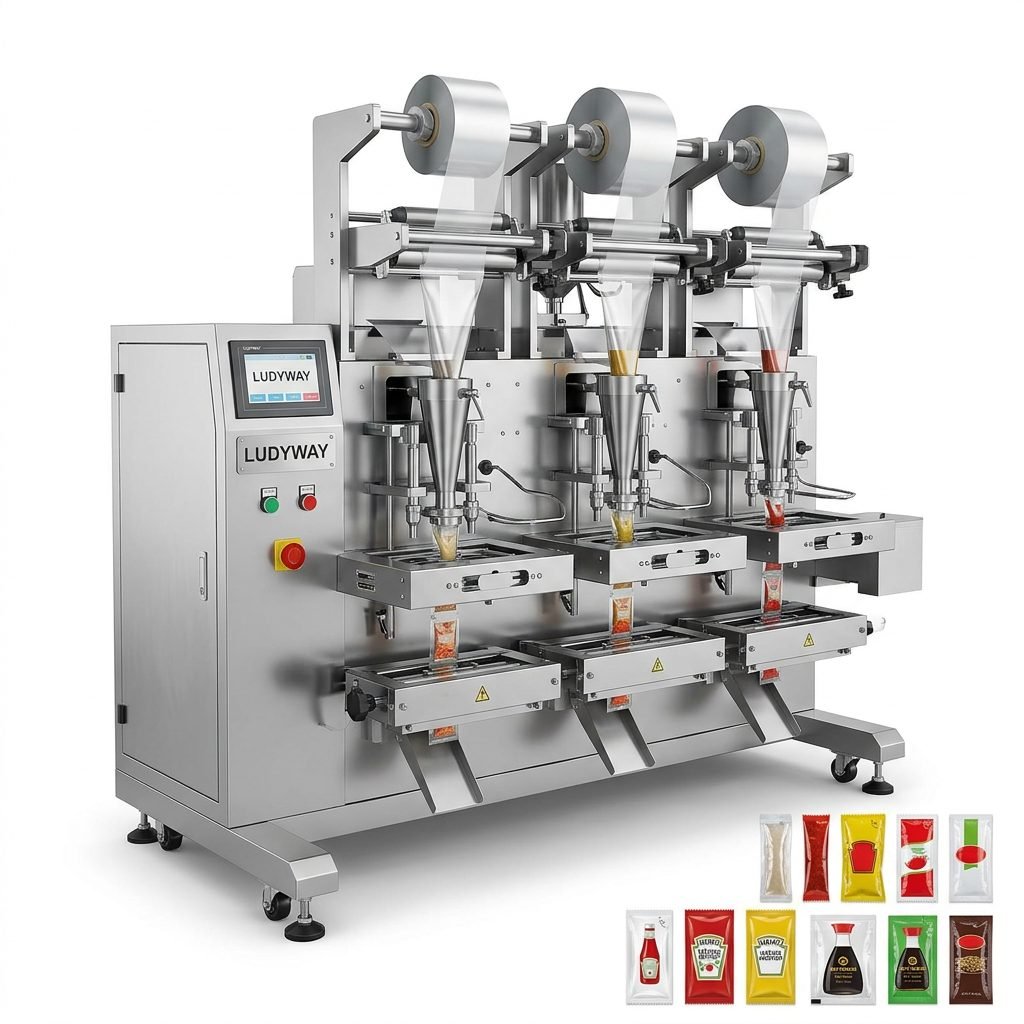
| Sauce and condiment packs | Accurate filling and sachet production | Multi-lane sachet or stick pack machine |
| Disposable cutlery kits | Counting and kit assembly | Accessory feeding + bagging + sealing |
| Meal kit combinations | Box + sachet + spoon + napkin in one pack | Integrated turnkey packaging line |
Key Features to Look For
Not every packaging machine is ideal for food box and takeaway container production. When evaluating equipment, focus on practical performance rather than only headline speed.
1. Stable Feeding and Handling
Containers can be lightweight, nested, static-prone, or irregular in shape. A reliable machine should feed and separate them smoothly without frequent jams.
2. Flexible Format Changeover
Takeaway suppliers often run multiple SKUs. Fast changeover between box sizes, pouch formats, or kit configurations helps maintain productivity.
3. Accurate Counting and Grouping
For bulk-packed food boxes or accessory kits, counting accuracy is essential for customer satisfaction and warehouse efficiency.
4. Hygienic Design
Food-related packaging lines should be designed for clean operation, easy maintenance, and reduced contamination risk.
5. Smart Quality Control
Integrated checkweighers, vision systems, date coding, and rejection devices help ensure every pack meets specification.
6. End-of-Line Automation
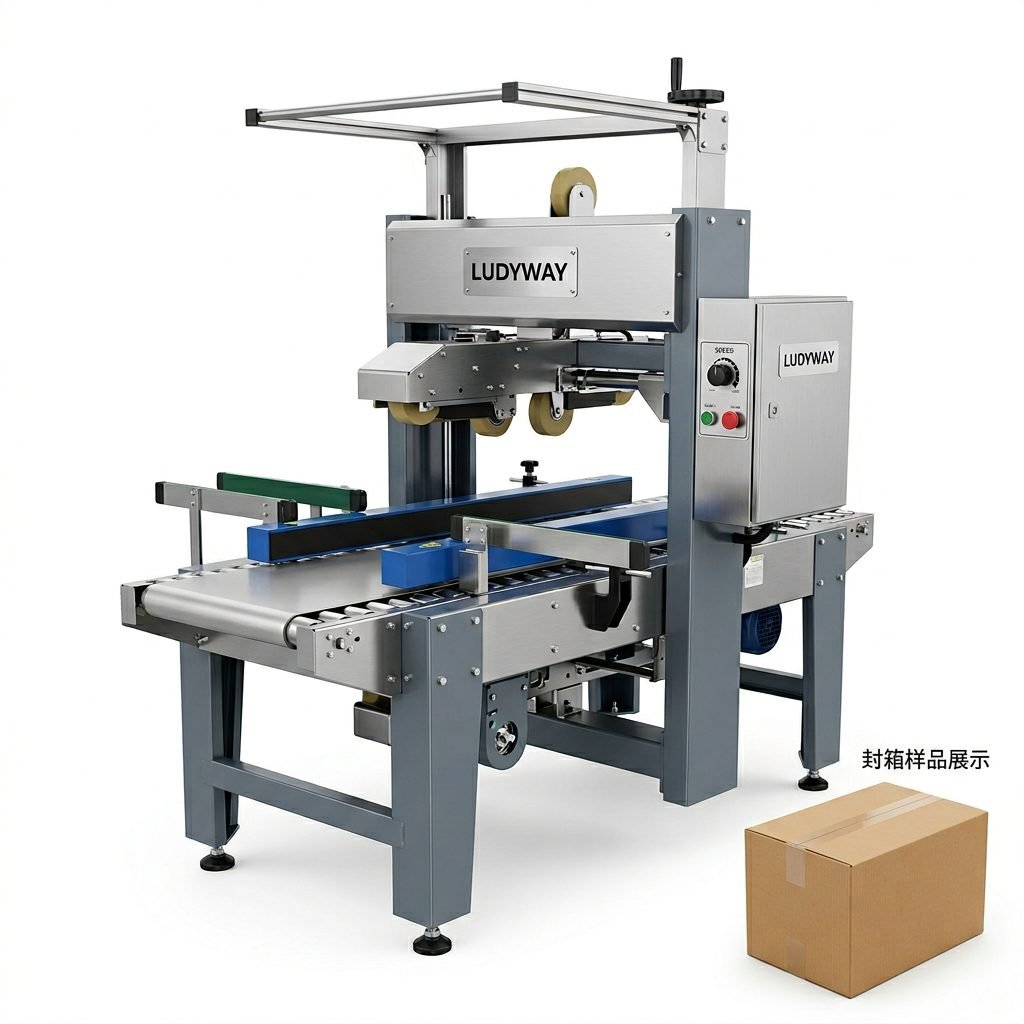
Cartoning, case sealing, labeling, and palletizing improve efficiency after primary packaging and support large-scale shipping.
Benefits of a Turnkey Packaging Line
For growing food service packaging manufacturers, a turnkey solution is often more efficient than buying isolated machines from multiple sources. An integrated system can better match speed, control logic, and mechanical compatibility across the full line.
- Reduced integration risk
- Better synchronization between stations
- Simplified maintenance and operator training
- More predictable production planning
- Scalable layout for future expansion
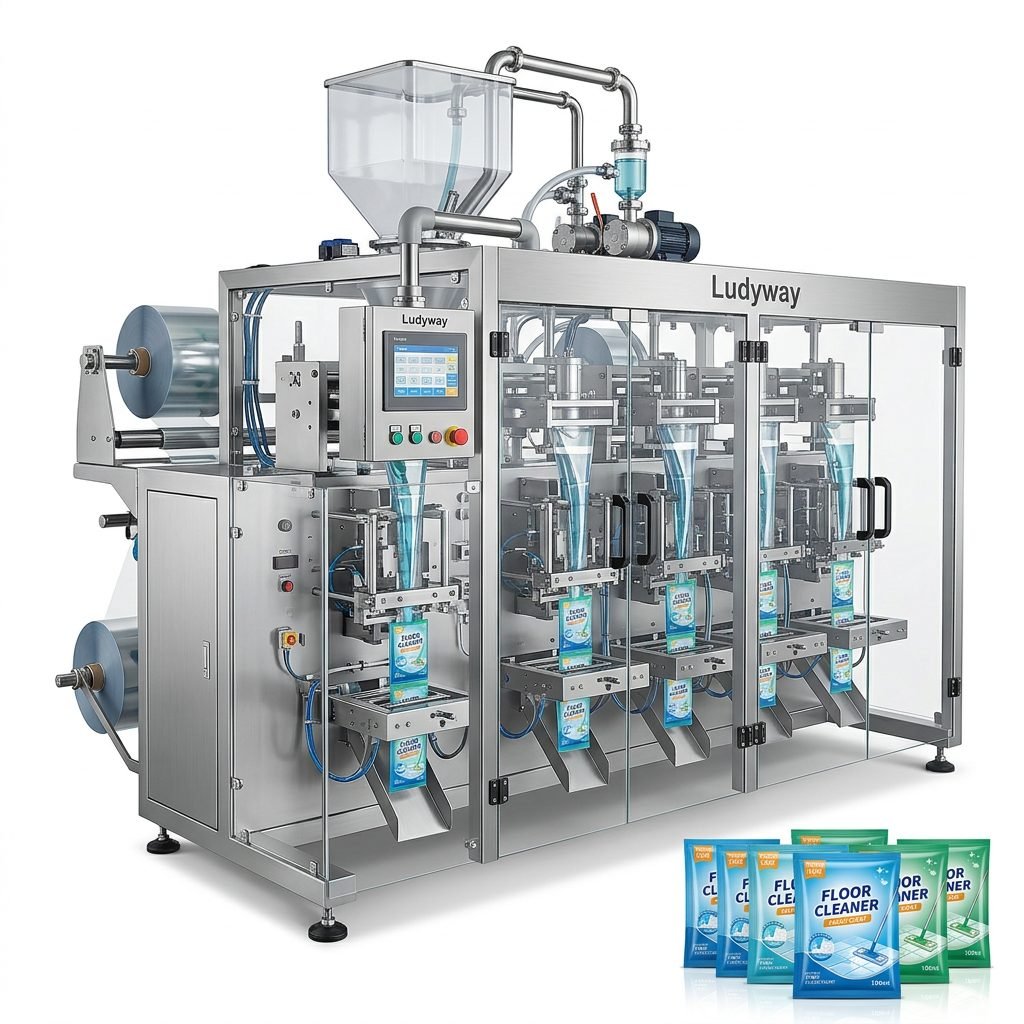
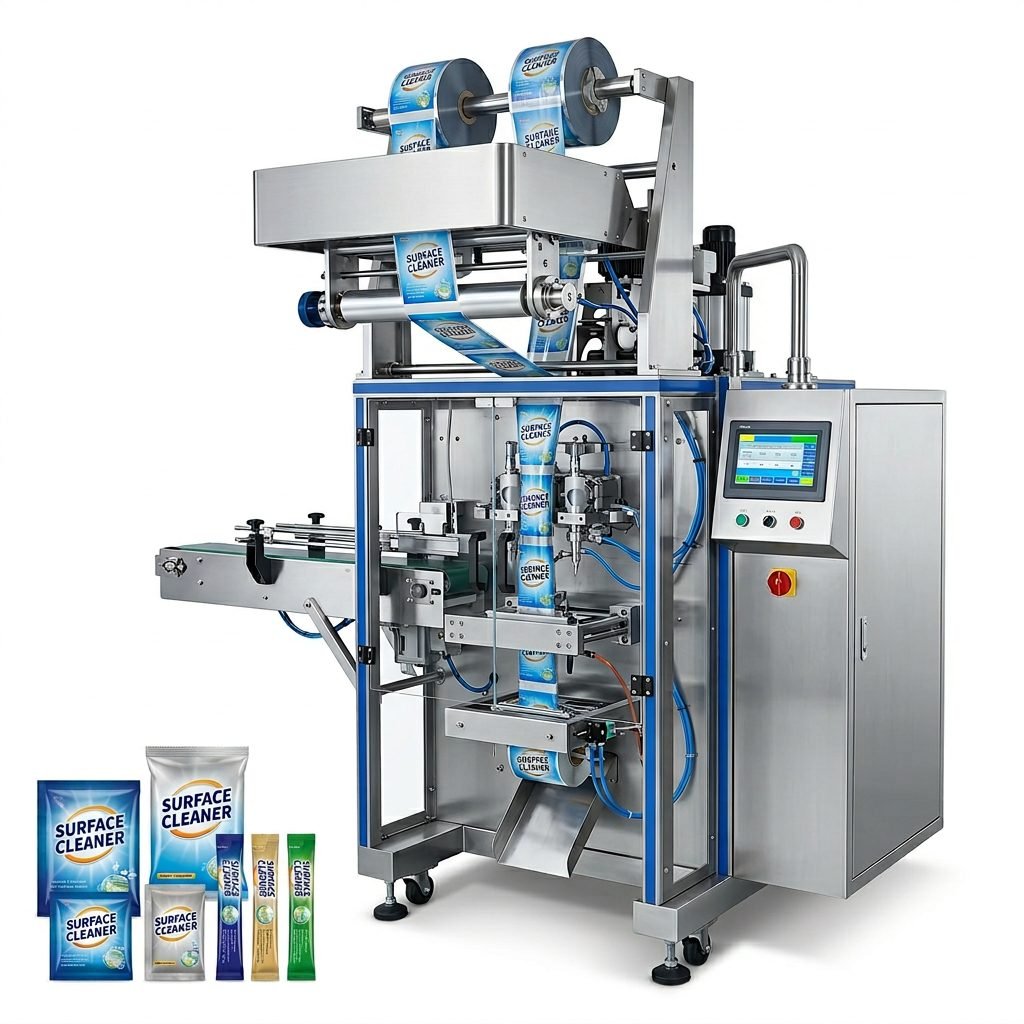
For companies that need broad automation capability, Ludyway food packaging machine solutions can support standalone equipment and turnkey packaging lines for food, pharmaceutical, health supplement, and related industries.
How the Right Machine Improves Packaging Efficiency
| Operational Challenge | Automation Advantage |
|---|---|
| Manual packing is too slow during peak demand | Continuous high-speed output with repeatable cycles |
| Inconsistent pack counts | Automated counting and grouping improve accuracy |
| Labor shortages | Reduced operator dependence |
| Frequent packaging defects | Sealing control, inspection, and reject systems |
| Difficult expansion | Modular line design for future capacity growth |
Ideal Industries and Buyers
A food box packaging machine is suitable for a wide range of B2B buyers, including:
- Fast food packaging manufacturers
- Takeaway container suppliers
- Prepared meal factories
- Central kitchens and commissaries
- Sauce and seasoning pack producers
- Disposable cutlery and meal accessory packers
- Contract packaging companies
Questions to Ask Before Buying
Before selecting equipment, buyers should evaluate both current and future production requirements. The following questions can help narrow down the right solution:
- What container sizes and materials need to be handled?
- What is the required output per minute or per shift?
- Do you need primary packaging only, or a full secondary packaging line?
- Will the machine run one SKU or frequent SKU changes?
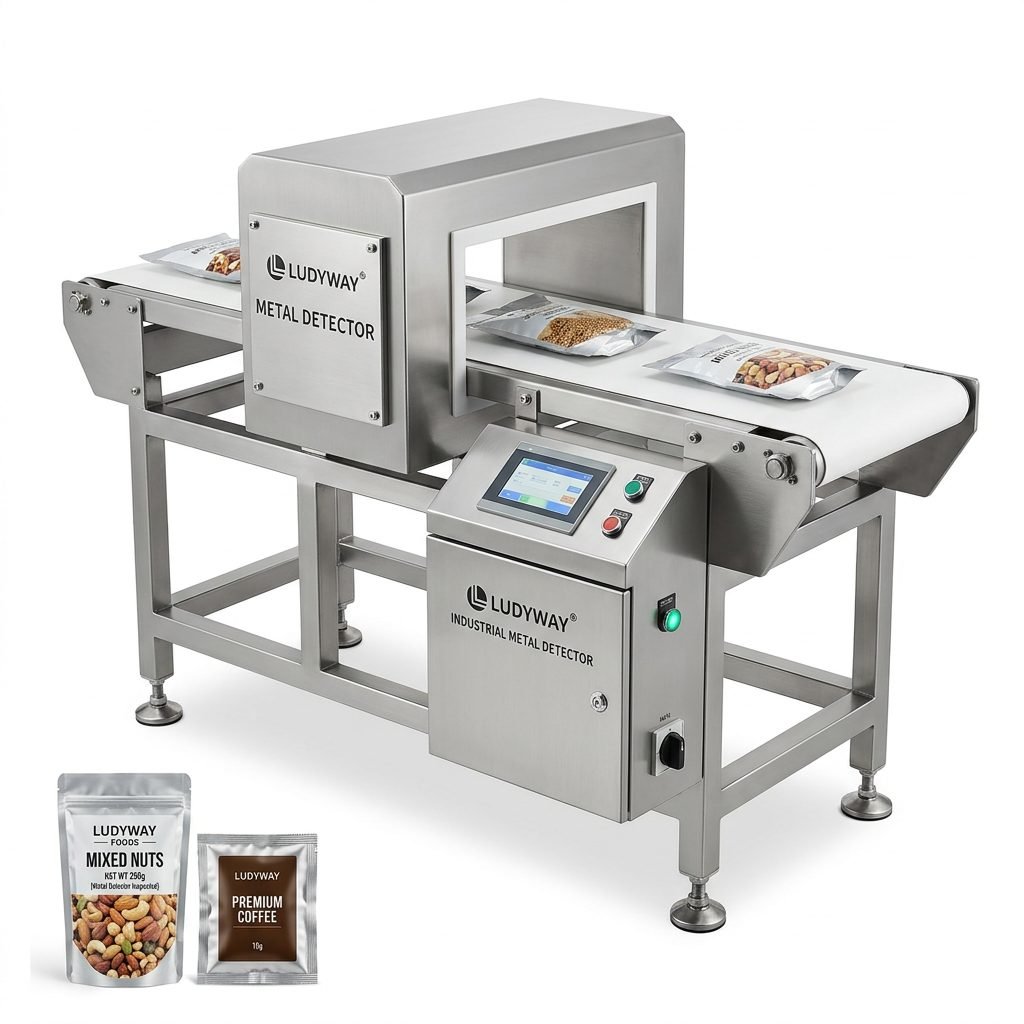
- Do you require coding, checkweighing, metal detection, or vision inspection?
- How much factory space is available for installation?
- Will the project require custom engineering or turnkey integration?
Why Customization Matters
Takeaway packaging is not standardized across all markets. Some businesses focus on lightweight paper clamshell boxes, while others need rigid plastic trays, compartment meals, or bundled kits with sauces and utensils. This is why customized machine configuration often delivers better long-term value than a one-size-fits-all solution.
Customization may include:
- Custom feeding systems for different container structures
- Special counting or stacking logic
- Integration with sachet filling machines
- Cartoning and case packing matched to export carton sizes
- Factory layout planning and line balancing
Choosing a Reliable Packaging Machine Manufacturer
A strong supplier should offer more than equipment alone. For industrial buyers, the best manufacturing partner provides application analysis, engineering support, machine customization, testing, installation guidance, and long-term service.
When comparing manufacturers, pay attention to:
- Industry experience and export background
- Range of packaging machine types available
- Ability to build complete lines, not just standalone units
- Factory scale and production capacity
- Technical support and after-sales response
Final Considerations for Fast Food Packaging Projects
The right food box packaging machine can do far more than speed up packing. It can help standardize output, improve hygiene, reduce labor pressure, and support growth in takeaway and fast food packaging operations. For businesses planning expansion, a scalable automated line is often the most cost-effective path to long-term efficiency.
If your production includes takeaway containers, meal boxes, sauces, accessories, or complete food service packs, choosing a machine with the right handling method, automation level, and end-of-line integration will directly impact your packaging performance.