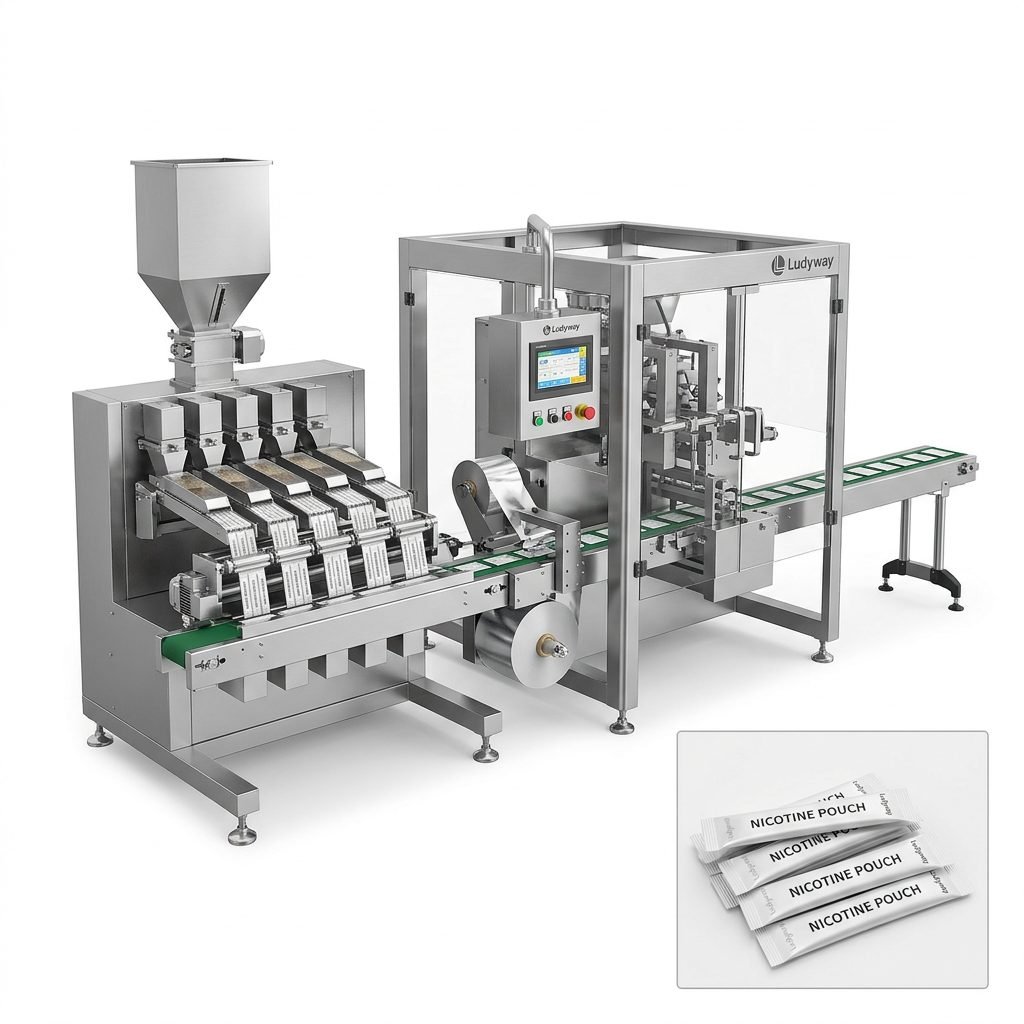
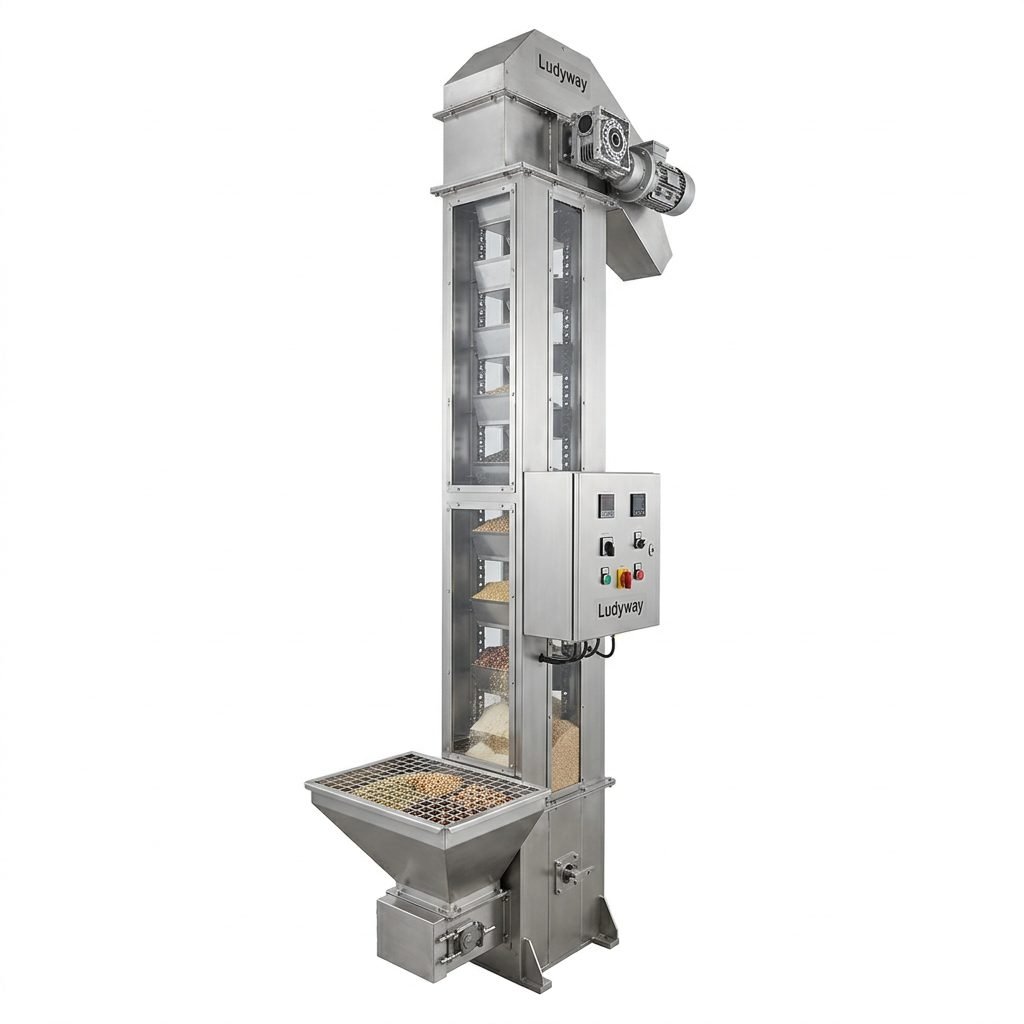
Choosing the right tea bag pouch packing machine is not only about speed. It is about matching the machine to your tea type, pouch format, capacity goals, hygiene standards, and long-term production plan. A well-matched system can help you reduce waste, improve sealing consistency, protect aroma, and keep your packaging operation stable as demand grows.
For tea brands, contract packers, and beverage manufacturers, the right machine directly affects product quality, output efficiency, and operating cost.
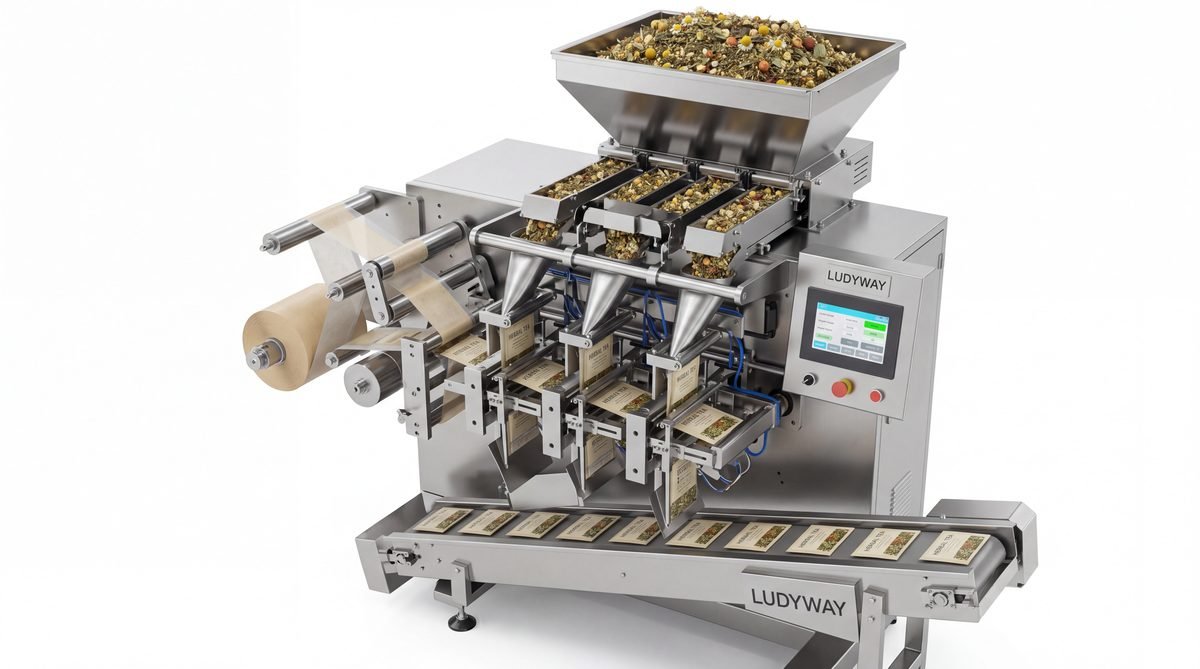
Understand What “Tea Bag Pouch Packing Machine” Really Means
In the tea industry, this term can refer to different packaging setups depending on your final retail format. Some lines produce the inner tea bag first and then place it into an outer pouch. Others fill tea directly into a sachet-style pouch. Some are designed for loose herbal blends, while others handle fine tea powder, granulated instant tea, or premium leaf tea that needs gentle dosing.
- Inner tea bag + outer envelope systems for premium freshness and retail presentation
- Pyramid tea bag systems for whole leaf tea and visually attractive products
- Flat tea bag systems for standard high-volume packaging
- Tea pouch filling systems for loose tea, powdered tea, or functional herbal blends
- Integrated automatic lines with cartoning, counting, coding, and inspection
Before comparing equipment, clarify whether you are packaging black tea, green tea, herbal tea, flower tea, wellness blends, powdered tea, or mixed botanicals. The material characteristics will determine the feeding, dosing, sealing, and pouch-forming requirements.
Start With Your Tea Product Characteristics
Different tea materials behave very differently during filling. This is one of the most overlooked points when buying packaging machinery.
| Tea Product Type | Packaging Challenge | Suggested Machine Focus |
|---|---|---|
| Broken leaf tea | Needs accurate dosing with stable flow | Standard tea bag or sachet packing system |
| Whole leaf tea | Fragile structure, bulkier volume | Gentle feeding, larger bag volume, pyramid format |
| Herbal blends | Irregular shape and lower flowability | Customized dosing and anti-bridging design |
| Tea powder / instant tea | Dust control and precise filling | Auger filling with good sealing and dust management |
| Functional tea with mixed ingredients | Ingredient segregation risk | Consistent blending and controlled material transfer |
If your product contains herbs, flowers, dried fruit particles, or functional ingredients, ask the supplier to test your actual samples. A machine that performs well with regular tea dust may not run smoothly with bulky chamomile, mint, rose petals, or mixed botanical formulas.
Choose the Right Packaging Format First
Many buyers compare machine prices before locking in the final package style. That often leads to mismatched equipment. The packaging format should come first because it affects machine structure, film choice, sealing type, and downstream automation.
Common tea packaging formats
- Single chamber tea bag — economical and suitable for mainstream products
- Double chamber tea bag — common for traditional tea bag presentation
- Pyramid tea bag — ideal for premium whole leaf tea
- Tea sachet / stick pack — suitable for tea powder or instant beverage formats
- Premade pouch — useful for loose tea retail packaging
- Tea bag with outer envelope — better aroma protection and shelf appeal
If your brand positioning is premium, outer envelope and aroma protection usually matter more than pure output speed.
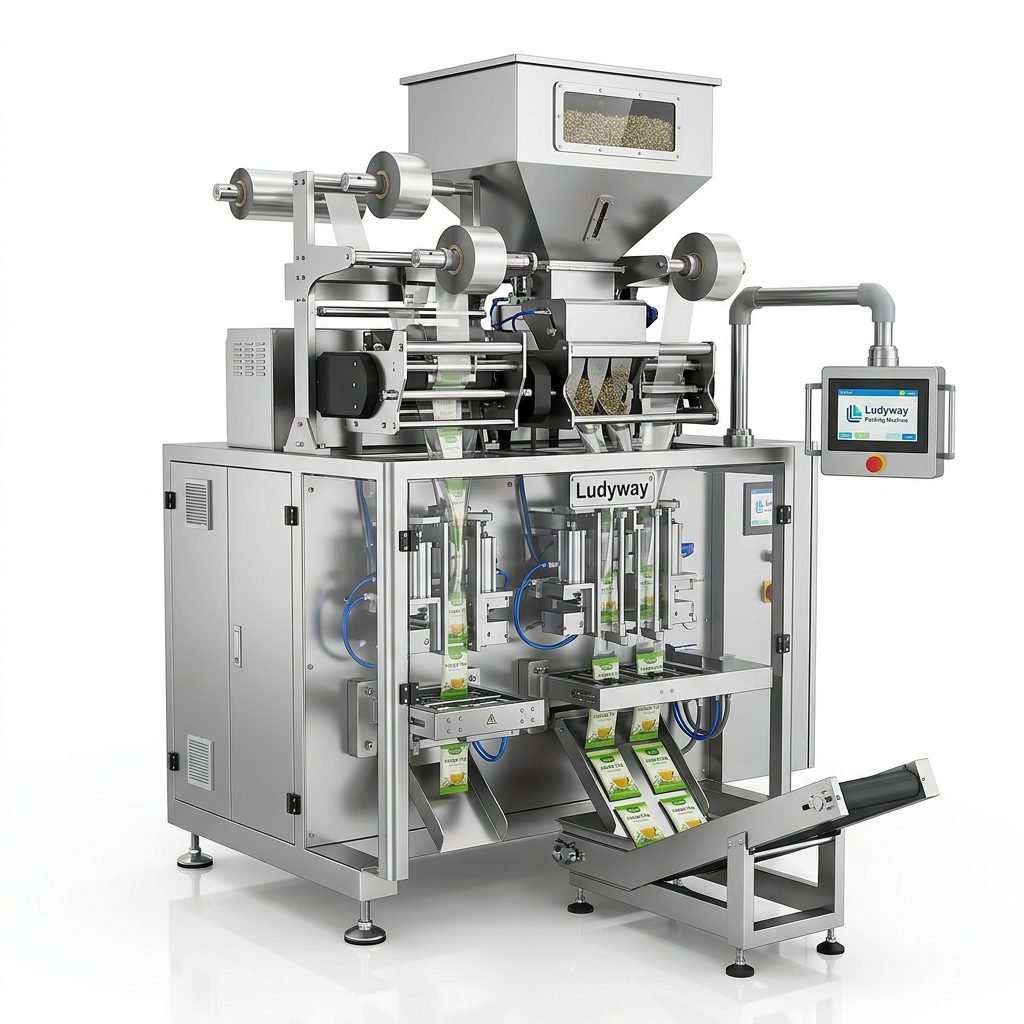
Evaluate Machine Speed Based on Real Production, Not Rated Speed
Suppliers often quote maximum speed under ideal conditions. In actual tea packaging production, real output depends on tea density, bag size, pouch film quality, changeover frequency, and operator skill.
Ask these questions when reviewing speed claims
- What is the stable running speed, not just the peak speed?
- Is the speed based on your actual tea material and bag size?
- How much downtime occurs during film roll changes and cleaning?
- What is the reject rate during continuous operation?
- Can the machine maintain sealing quality at top speed?
A slightly slower machine with better stability often delivers higher daily output than a faster machine with frequent stops, poor seals, or inconsistent dosing.
Focus on Filling Accuracy and Seal Quality
Tea packaging quality depends heavily on two core results: consistent fill weight and reliable sealing. These directly affect consumer trust, shelf life, and compliance with weight regulations.
Why filling accuracy matters
- Reduces giveaway and product loss
- Protects label weight compliance
- Keeps brewing performance consistent
- Improves batch-to-batch quality control
Why seal quality matters
- Protects aroma and freshness
- Reduces moisture ingress
- Prevents pouch leakage during transport
- Improves retail appearance
For tea products, poor sealing can quickly reduce perceived freshness. If you package premium green tea, herbal wellness tea, or scented tea, this becomes even more important because aroma retention is part of the product value.
Check Material Compatibility: Filter Paper, Nylon Mesh, Nonwoven, and Laminates
Not every tea bag pouch packing machine handles every packaging material equally well. Some systems are optimized for heat-sealable filter paper, while others are better for nylon pyramid mesh, nonwoven fabric, or laminated outer pouches.
| Packaging Material | Best Use | Machine Requirement |
|---|---|---|
| Filter paper | Standard tea bags | Stable heat sealing and accurate bag forming |
| Nylon mesh | Pyramid tea bags | Precise cutting and shape control |
| Nonwoven fabric | Herbal and specialty tea | Reliable sealing without damaging material |
| Laminated film | Outer envelopes or retail pouches | Strong temperature control and seal consistency |
Always confirm film compatibility in advance. The wrong machine-material match can cause seal wrinkles, weak edges, film tracking issues, and unnecessary downtime.
Consider Automation Level and Labor Savings
A tea packaging machine should fit your current labor model and future expansion plan. Entry-level businesses may only need standalone packing, while larger manufacturers often benefit from a more integrated line.
Possible automation options
- Automatic feeding and dosing
- Thread and tag attachment
- Outer pouch wrapping
- Date coding and batch printing
- Metal detection or checkweighing
- Cartoning and case packing
- Conveyor connection to a full packaging line
If labor cost, labor availability, or hygiene control is a concern, a higher level of automation can provide long-term savings even if the initial investment is higher.
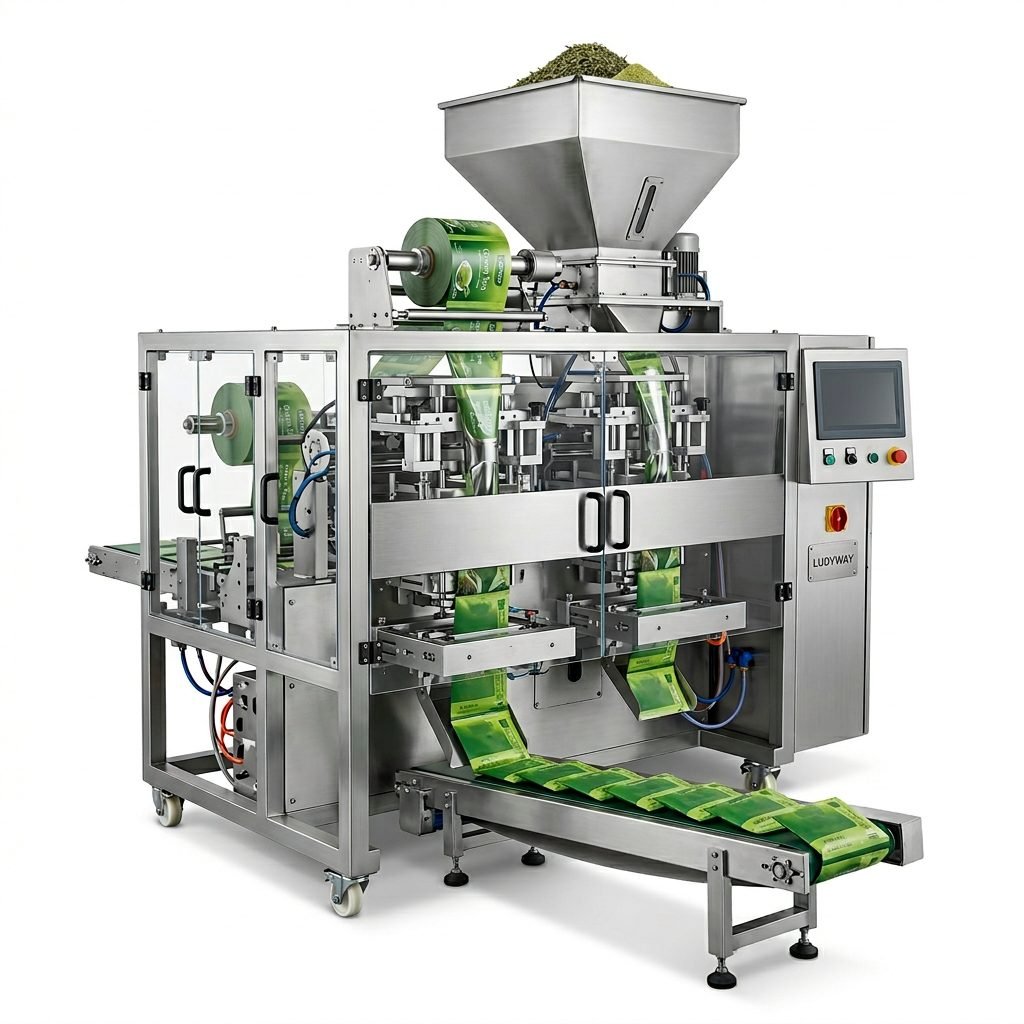
Look at Cleaning, Hygiene, and Changeover Efficiency
Tea production often involves multiple SKUs, seasonal flavors, and different blends. That means frequent cleaning and changeovers. A machine that is hard to clean can waste a lot of production time.
Important design features to check
- Smooth contact surfaces that are easy to clean
- Dust-controlled structure for tea powder applications
- Quick-access parts for maintenance
- Easy size adjustment for different bag lengths or pouch sizes
- Clear HMI for recipe switching
If you run premium tea lines with strict flavor separation, easy cleaning is especially valuable. Cross-contamination between blends can damage product integrity and customer satisfaction.
Do Not Ignore Machine Stability and Service Support
High speed looks attractive, but packaging buyers should pay close attention to long-term mechanical stability, electrical reliability, and after-sales support. A machine is only efficient when it keeps running consistently.
What to verify with the supplier
- Core component brands and availability of spare parts
- Installation support and commissioning process
- Remote troubleshooting capability
- Operator training provided
- Lead time for replacement parts
- Documentation, manuals, and wiring support
For businesses exporting tea or supplying supermarkets, downtime can quickly affect shipment commitments. That is why supplier responsiveness matters almost as much as machine specifications.
Match the Machine to Your Production Scale
The best machine for a startup is often different from the best machine for a high-volume tea factory. Avoid both underbuying and overbuying.
| Business Stage | Recommended Focus | Buying Priority |
|---|---|---|
| Startup tea brand | Flexible and compact equipment | Affordability, ease of use, small batch adaptability |
| Growing regional brand | Higher automation with upgrade options | Stable output, faster changeover, quality consistency |
| Large tea manufacturer | Integrated high-speed line | Maximum uptime, full automation, traceability |
| Contract packer | Broad product compatibility | Fast changeover, multiple format support, flexibility |
Request a Sample Test Before You Buy
One of the smartest steps is asking for a real packaging trial using your own tea and your target packaging material. This gives you much more useful information than a brochure or standard machine video.
During a sample test, evaluate:
- Bag shape consistency
- Actual fill weight accuracy
- Seal appearance and strength
- Dust generation
- Material feeding stability
- Ease of operator control
- Production speed under realistic conditions
A successful sample test reduces purchasing risk and helps confirm whether the machine is truly suitable for your tea formula.
Think Beyond the Machine: Plan for the Full Packaging Workflow
Efficient tea packaging is not only about the bagging unit. Upstream and downstream equipment can strongly affect final performance. If your production plan includes blending, feeding, coding, cartoning, inspection, or case packing, choose a machine supplier that understands line integration.
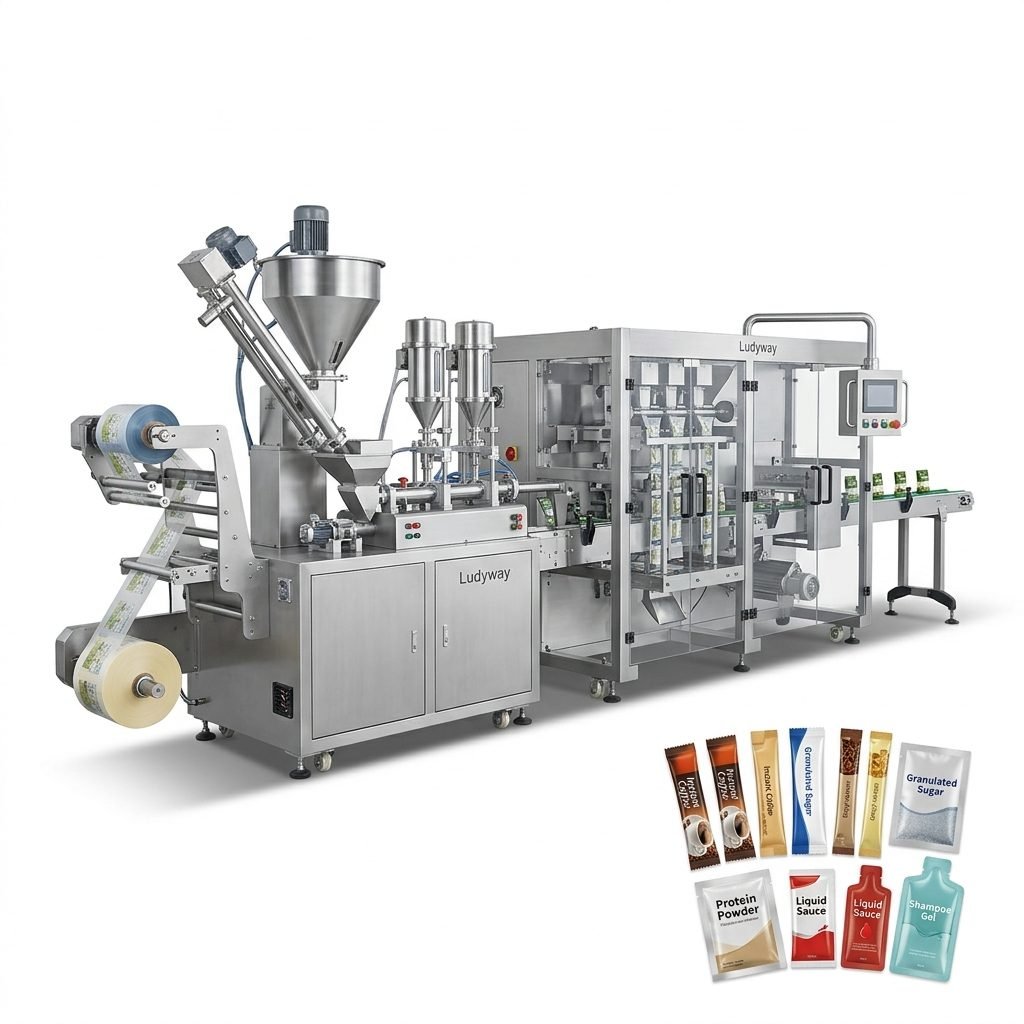
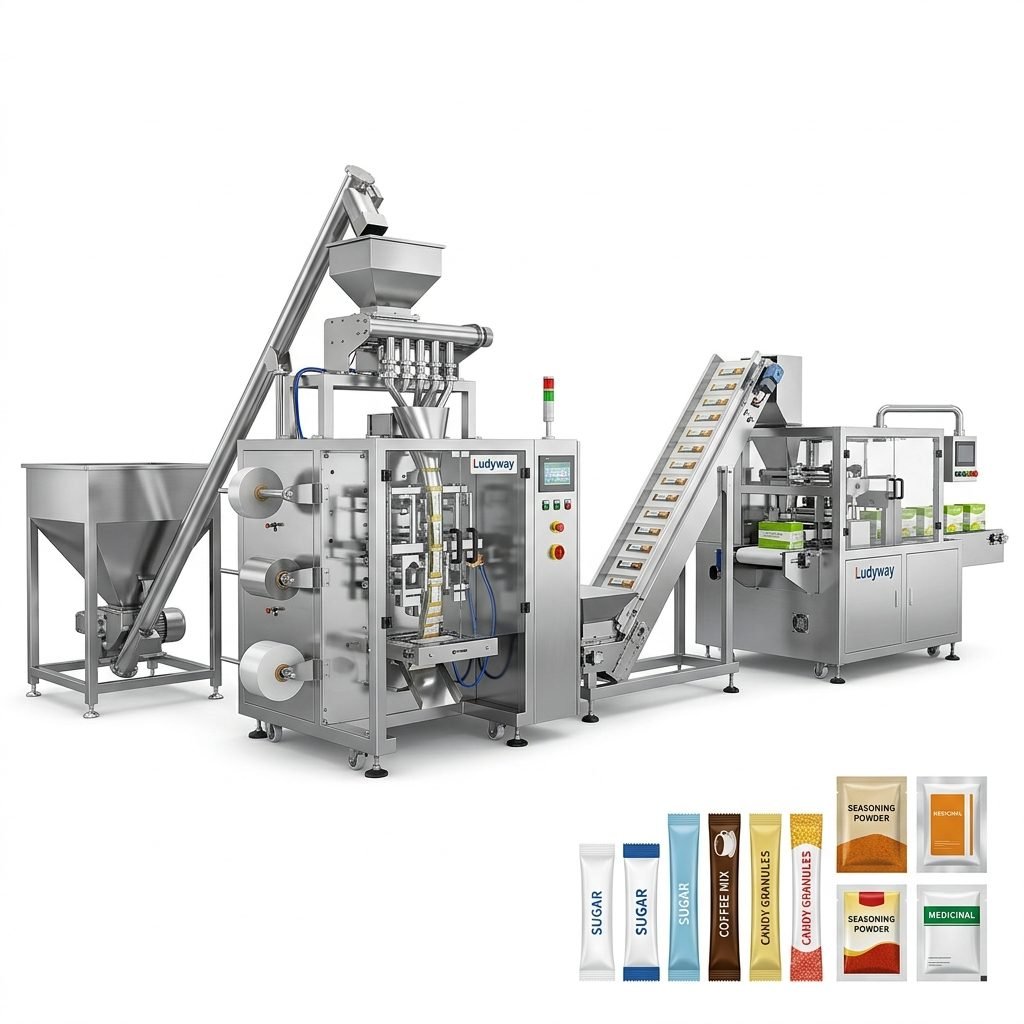
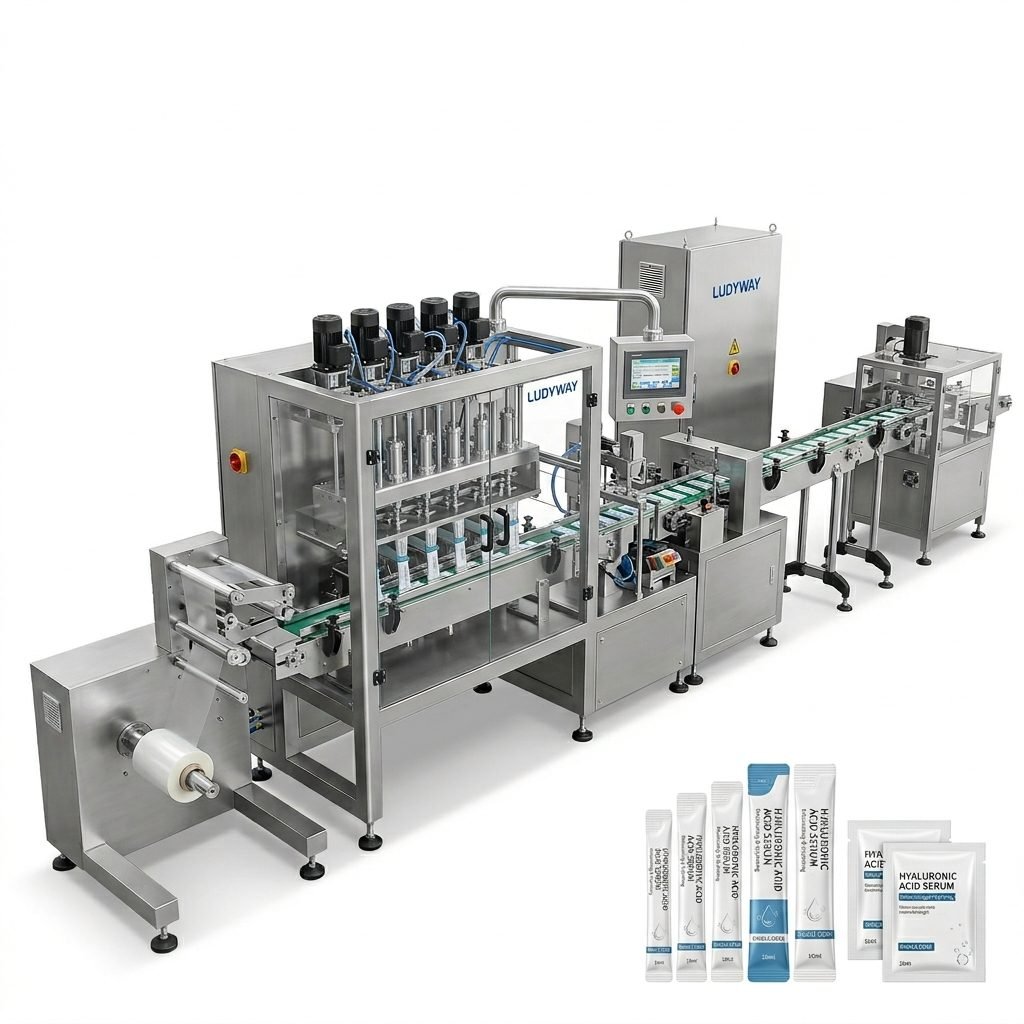
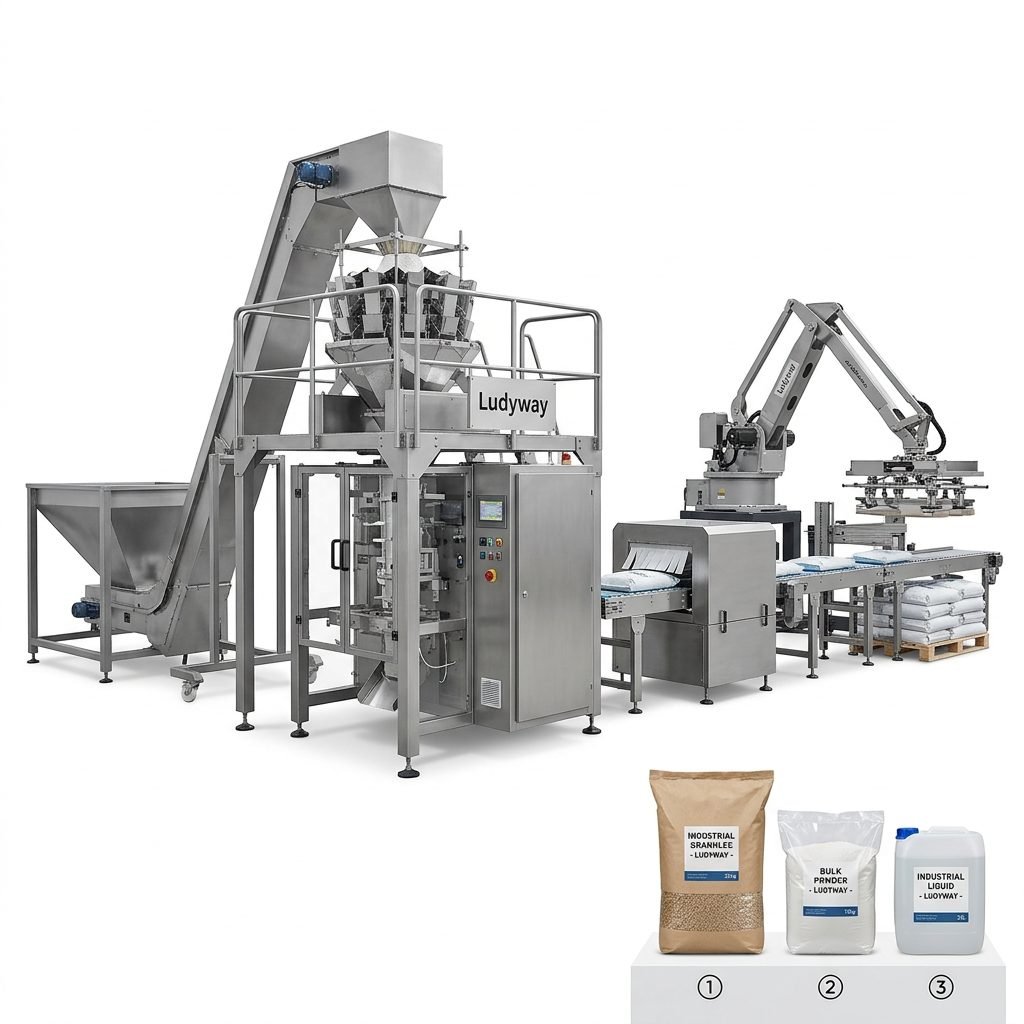
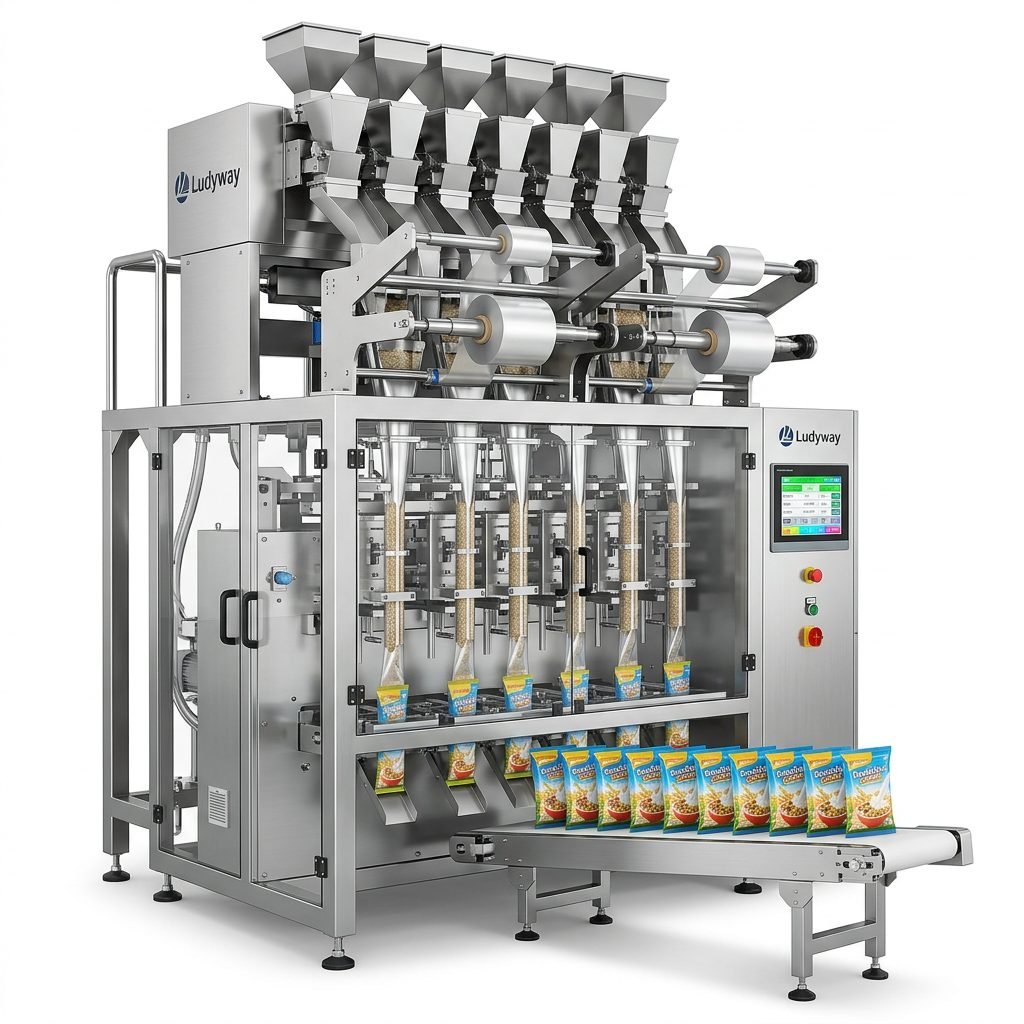
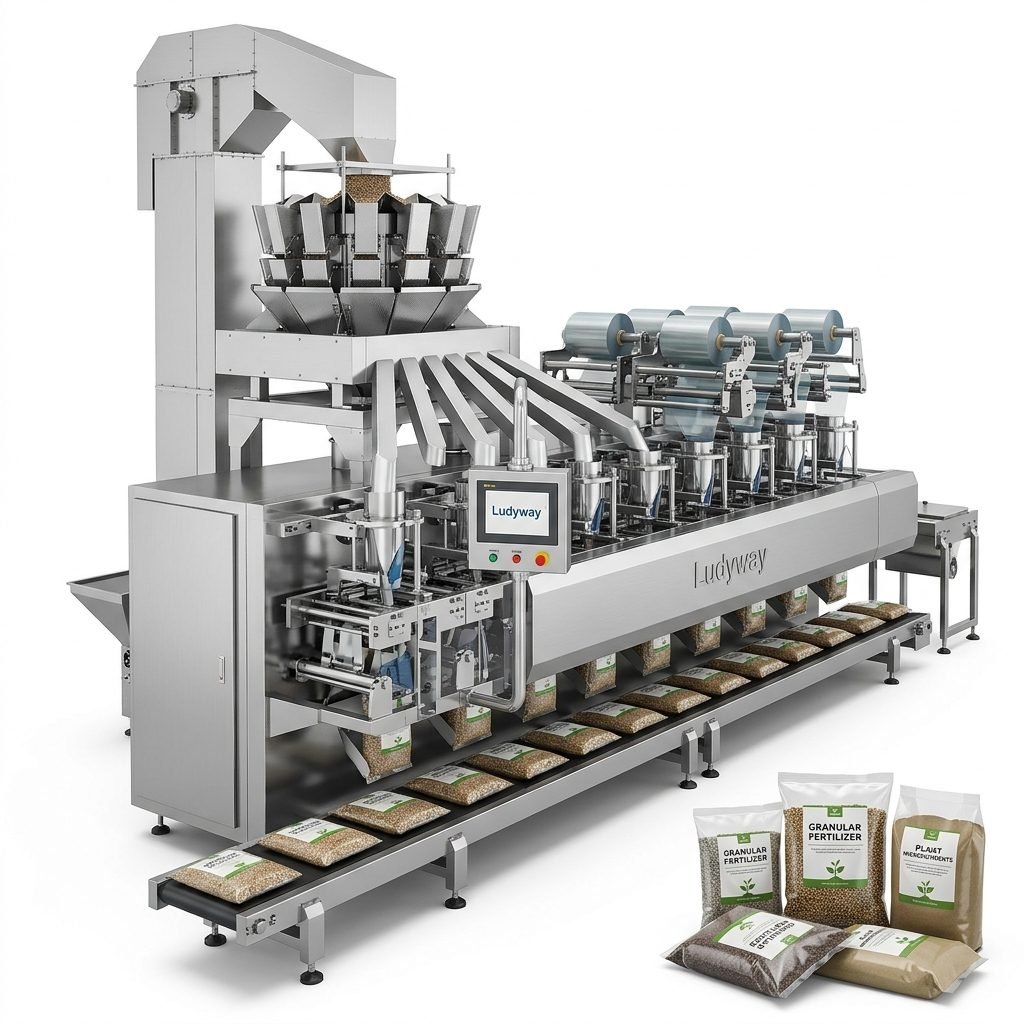
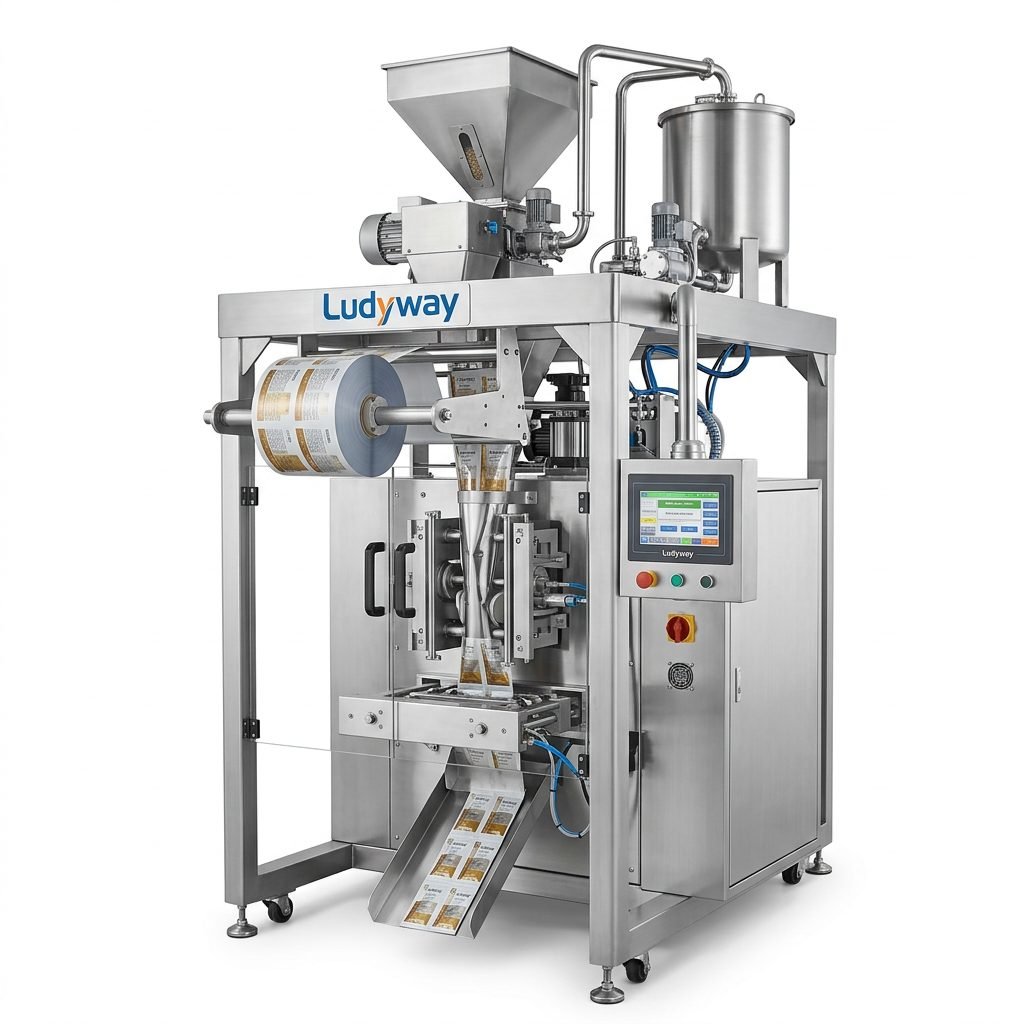
For companies seeking scalable automation, Ludyway tea bag pouch packing machine solutions can be considered as part of a broader packaging strategy, especially for manufacturers that may need standalone equipment today and turnkey line expansion later.
Key Questions to Ask Before Making the Final Decision
- What tea products and blends will I package now and in the next 2–3 years?
- Do I need flat tea bags, pyramid tea bags, or tea pouches?
- Is aroma protection a top priority?
- What is my realistic hourly and daily output target?
- How important are quick cleaning and fast changeovers?
- Will I need coding, cartoning, or other downstream automation?
- Can the supplier provide sample testing and technical support?
- What is the total cost of ownership, not just the purchase price?
Final Buying Insight
The right tea bag pouch packing machine is the one that fits your tea product, packaging style, and production goals with the fewest compromises. Focus on product compatibility, sealing performance, stable output, ease of cleaning, and supplier support. When those elements align, you gain more than packaging efficiency—you build a more reliable and competitive tea business.
Whether you package standard tea bags, premium herbal blends, or outer-pouch tea products, taking time to evaluate the machine from a practical production perspective will help you make a smarter investment and achieve stronger long-term returns.