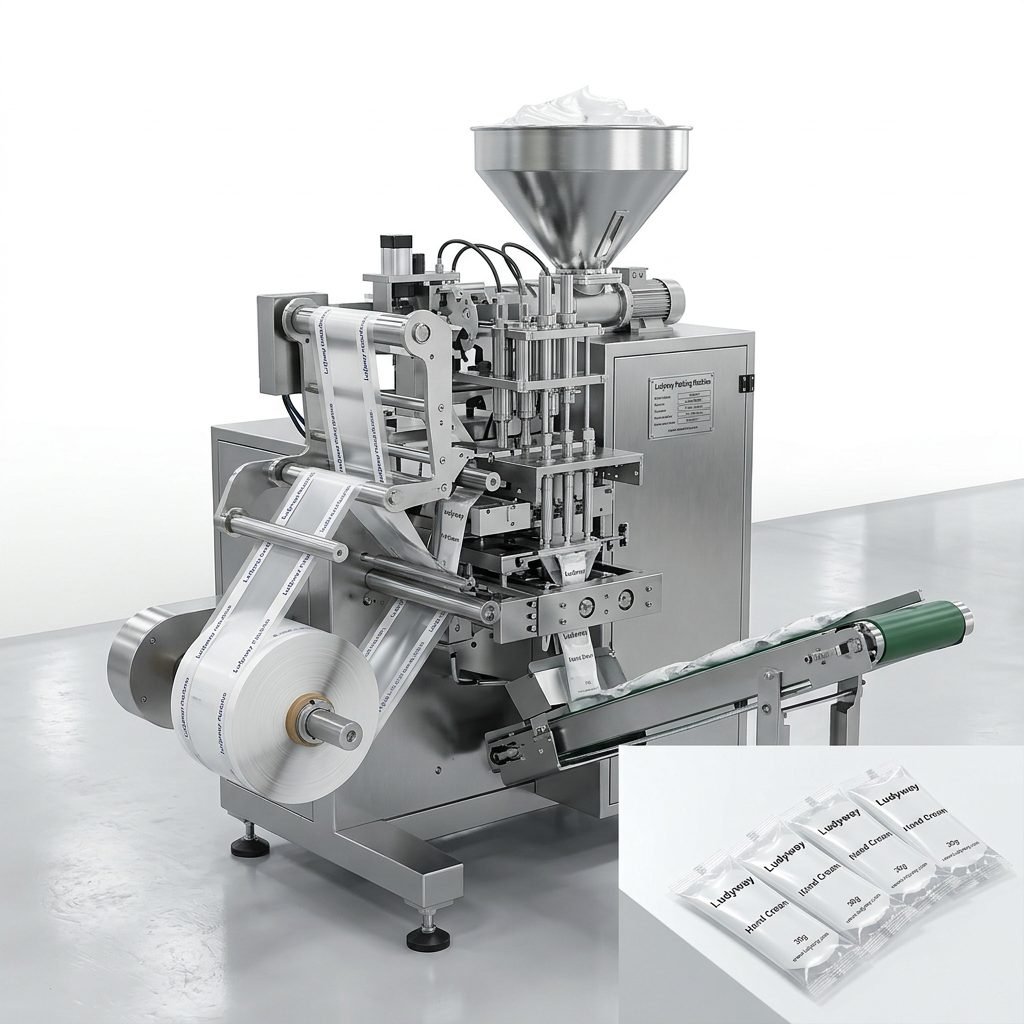
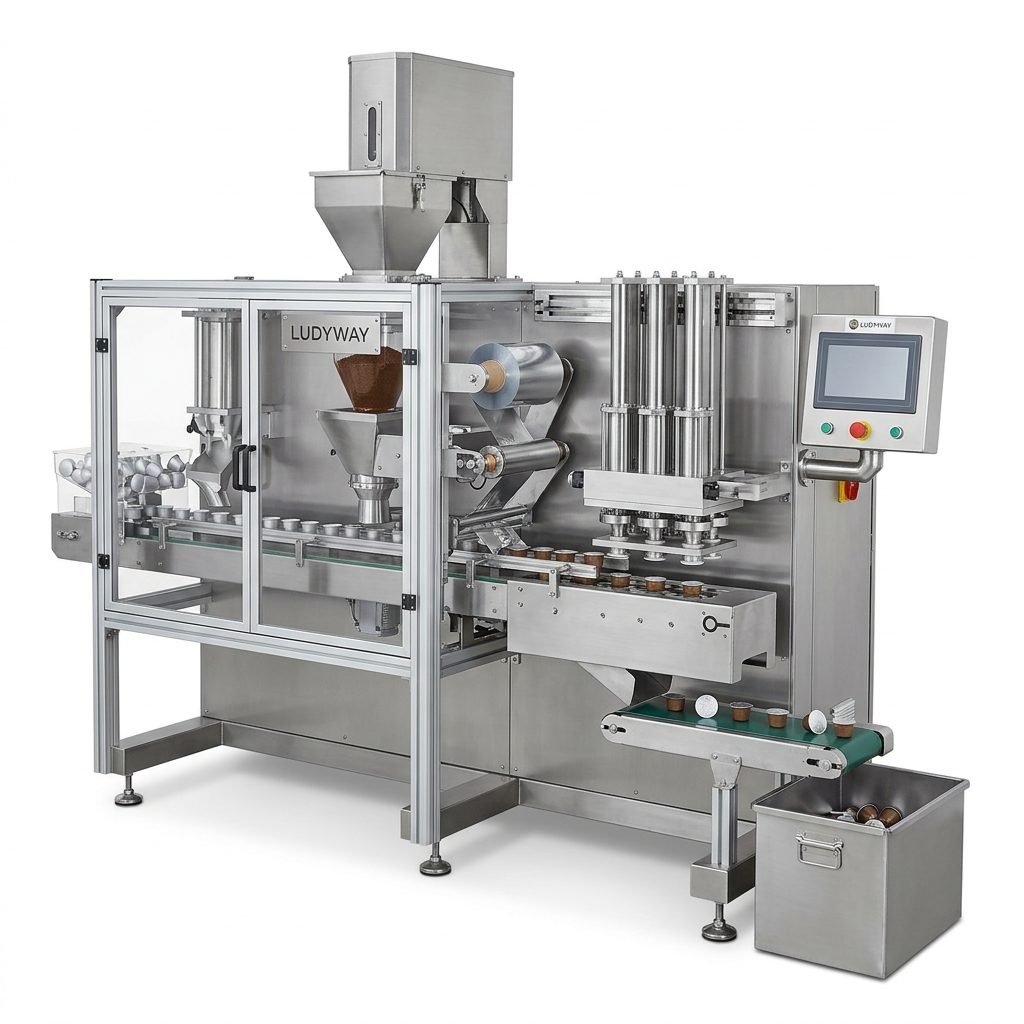
Alibaba can be a powerful sourcing platform for businesses looking for a packaging machine, but finding the right supplier requires more than comparing prices. The best buying decision comes from evaluating technical capability, production experience, customization support, quality control, and long-term service.
Whether you need a standalone machine or a complete automated line, the supplier you choose will directly affect your production efficiency, packaging consistency, downtime risk, and future expansion plans.
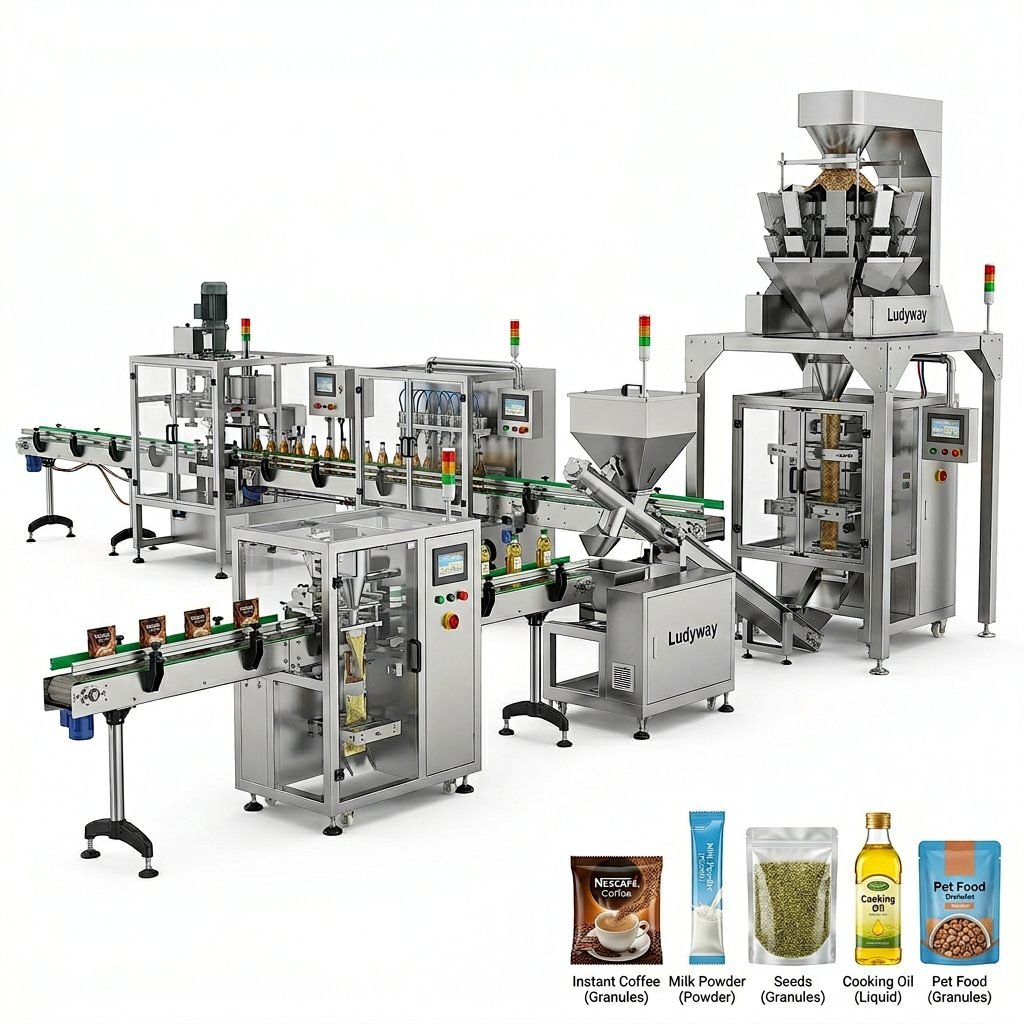
Why So Many Buyers Search for Packing Machines on Alibaba
Alibaba gives buyers access to a large number of manufacturers, exporters, and trading companies in one place. For importers, brand owners, factories, and contract packers, it offers several clear advantages:
- Easy access to multiple machine categories
- Convenient supplier comparison
- Fast inquiry and quotation process
- Options for OEM, ODM, and custom projects
- Visibility into certifications, response rate, and export history
However, this convenience also creates one major challenge: not every supplier shown is equally qualified. Some are true manufacturers, while others are traders with limited technical support. That is why buyers need a structured selection process.
Start by Defining Your Real Packaging Needs
Before contacting any supplier, clarify exactly what your production requires. This saves time and helps you filter out unsuitable vendors early.
Key questions to answer first
- What product are you packing: granules, powder, liquid, paste, tablets, capsules, or pouches?
- What packaging format do you need: sachet, stick pack, pillow bag, premade pouch, bottle, tube, or carton?
- What output speed is required per minute or per hour?
- What filling accuracy is acceptable?
- Do you need a single machine or a turnkey packaging line?
- What voltage, plug standard, and compliance requirements apply in your market?
- Will you need coding, checkweighing, cartoning, case packing, or palletizing later?
When your requirements are clear, suppliers can recommend the correct model instead of sending generic quotations.
| Requirement Area | What to Prepare | Why It Matters |
|---|---|---|
| Product characteristics | Density, viscosity, particle size, moisture | Determines filling system and machine design |
| Pack format | Sachet, pouch, bottle, tube, stick pack | Affects sealing type, film structure, and output |
| Capacity target | Daily output and line speed | Prevents overbuying or underbuying equipment |
| Compliance | CE, GMP-related needs, electrical standards | Supports import approval and operation safety |
| Expansion plan | Future automation upgrades | Helps choose a scalable supplier |
How to Tell if an Alibaba Supplier Is a Real Manufacturer
One of the biggest mistakes buyers make is assuming every supplier on Alibaba owns a factory. In reality, some are middlemen. A trading company is not always a bad choice, but for technical machinery, direct manufacturers usually provide better engineering support, more flexible customization, and clearer after-sales service.
Signs of a genuine machine manufacturer
- Detailed factory photos and production workshop videos
- Consistent machine portfolio across multiple industries or formats
- Ability to explain technical details clearly
- Engineering drawings, layout planning, and customization options
- Machine testing videos using products similar to yours
- Clear documentation on quality inspection and assembly process
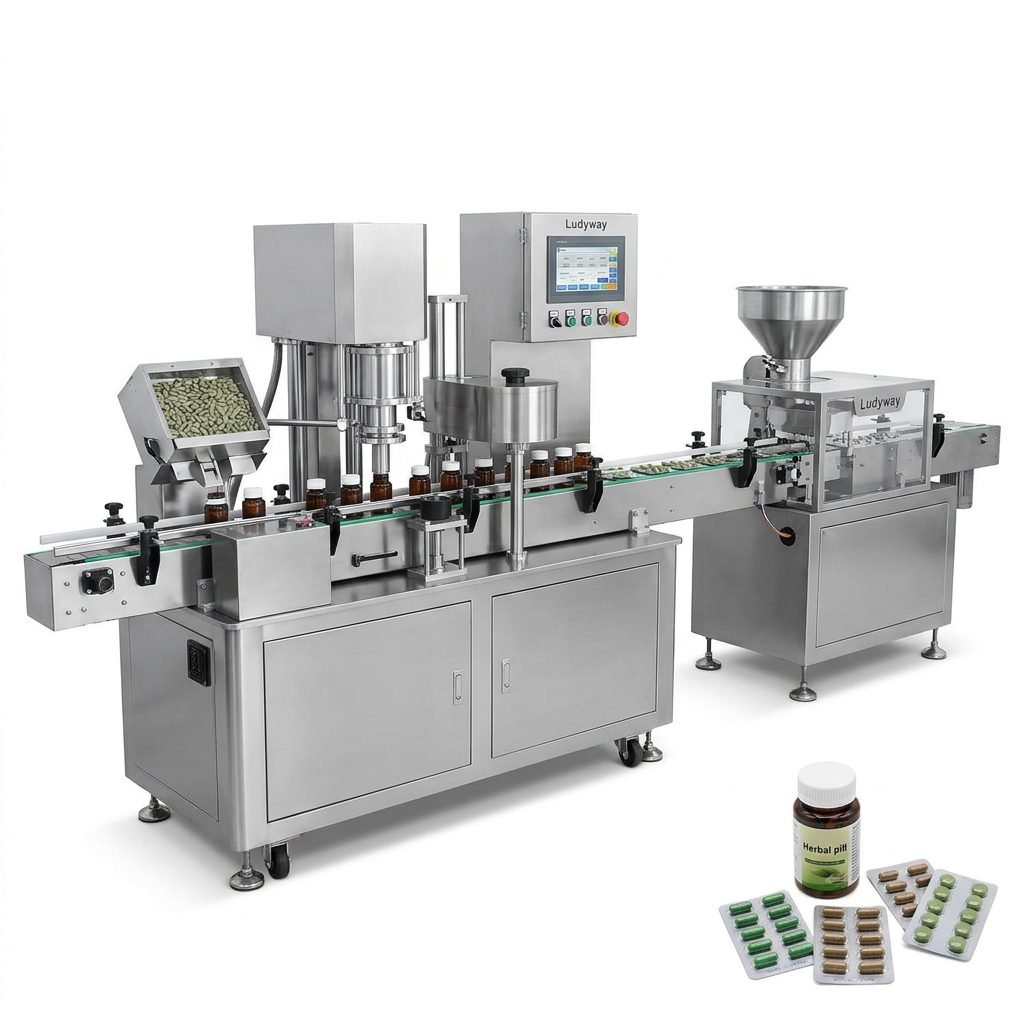
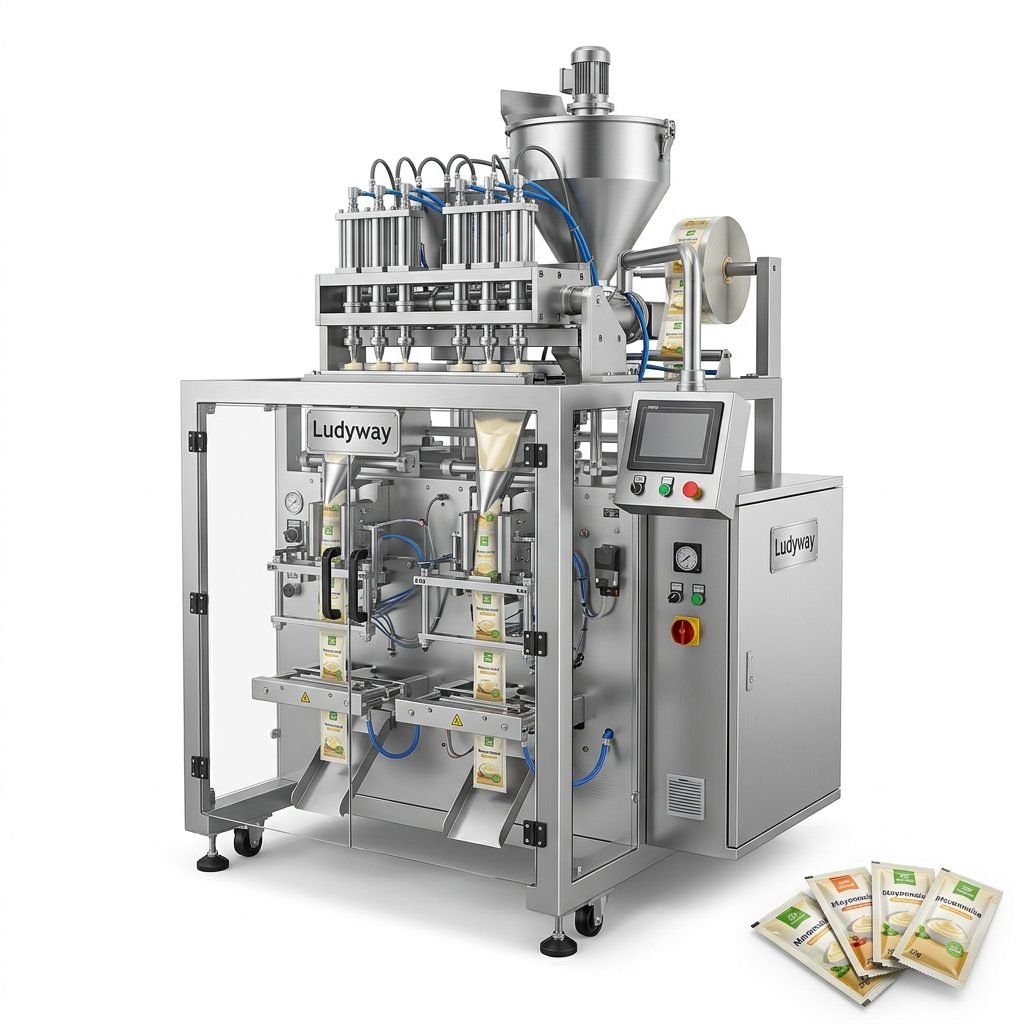
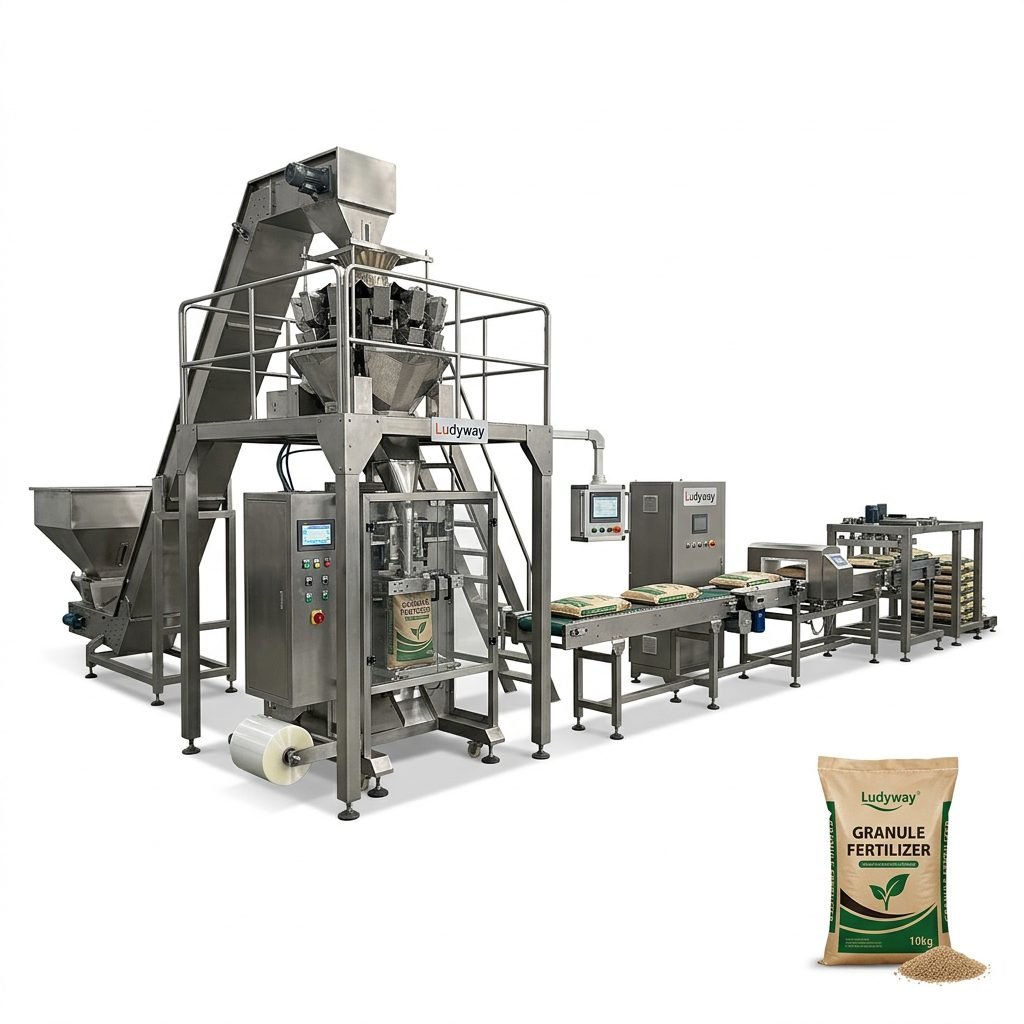
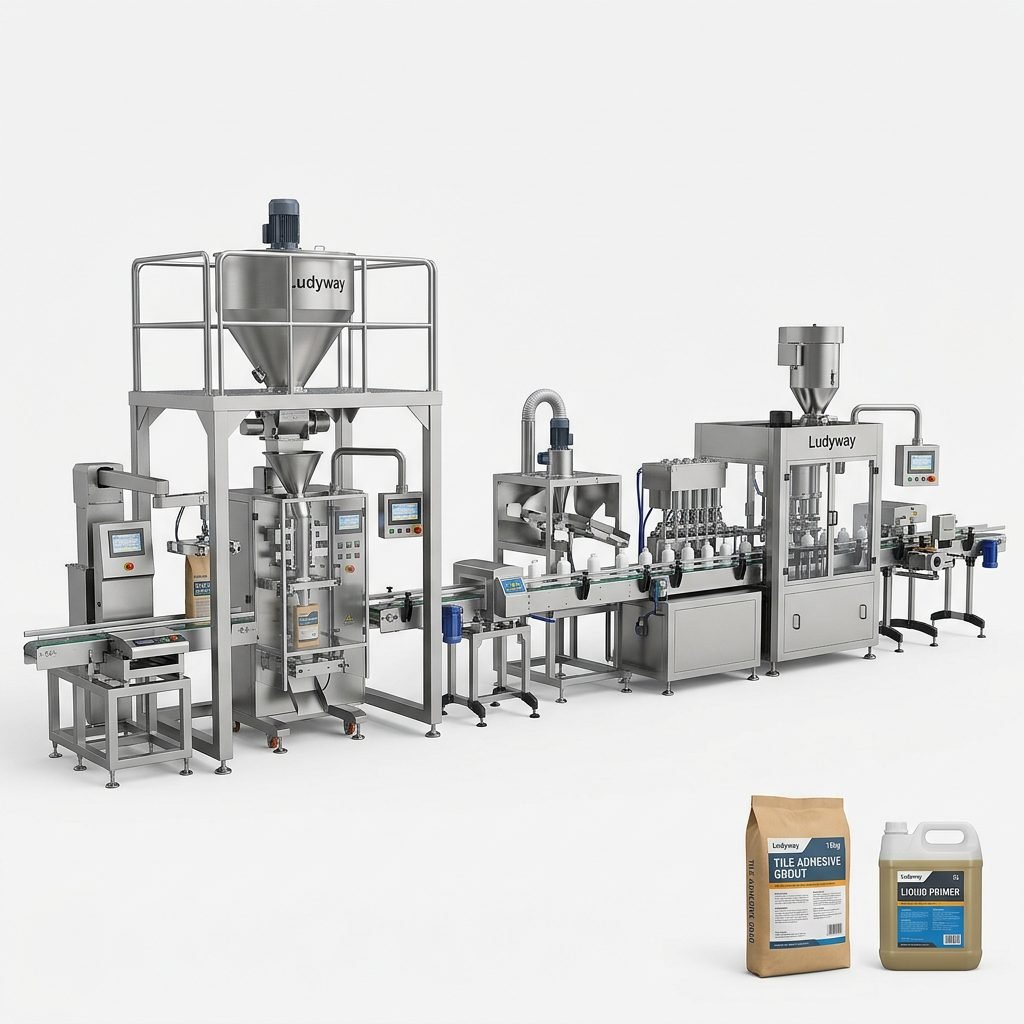
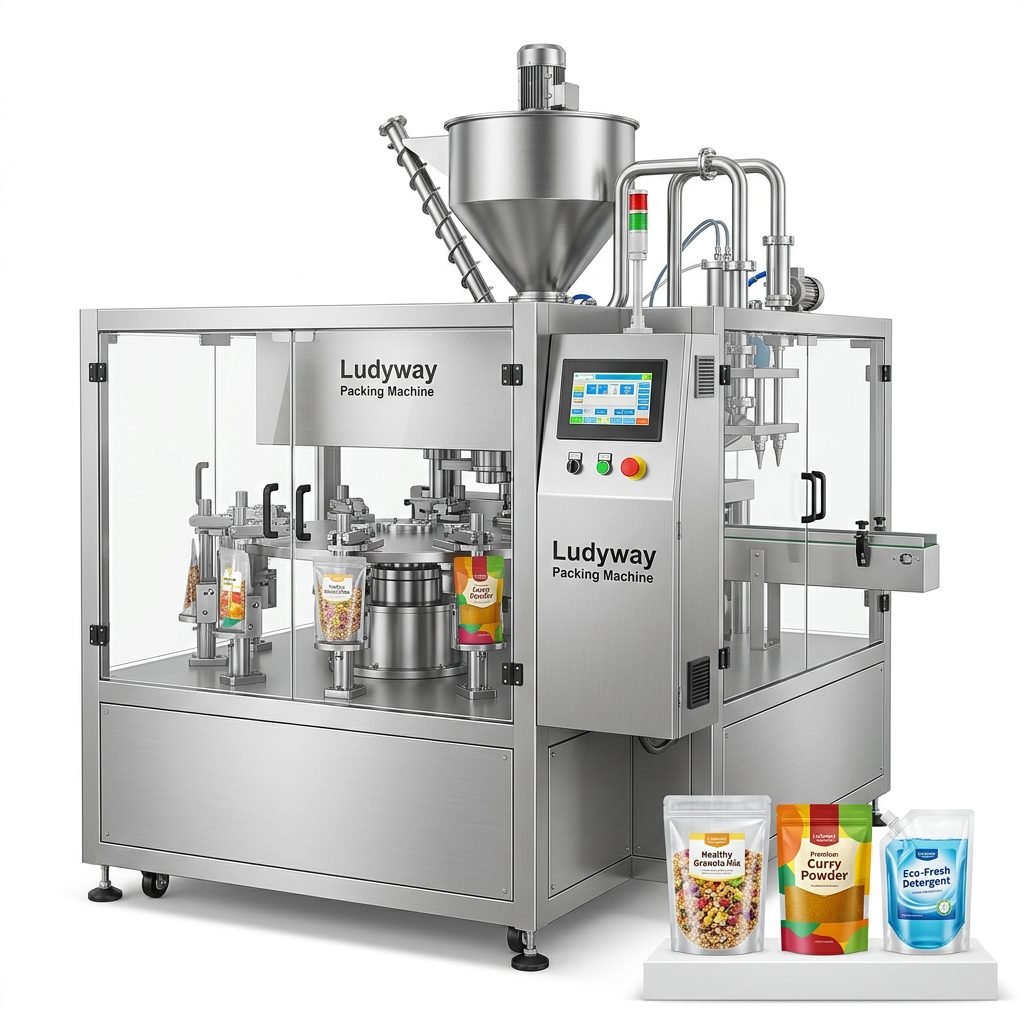
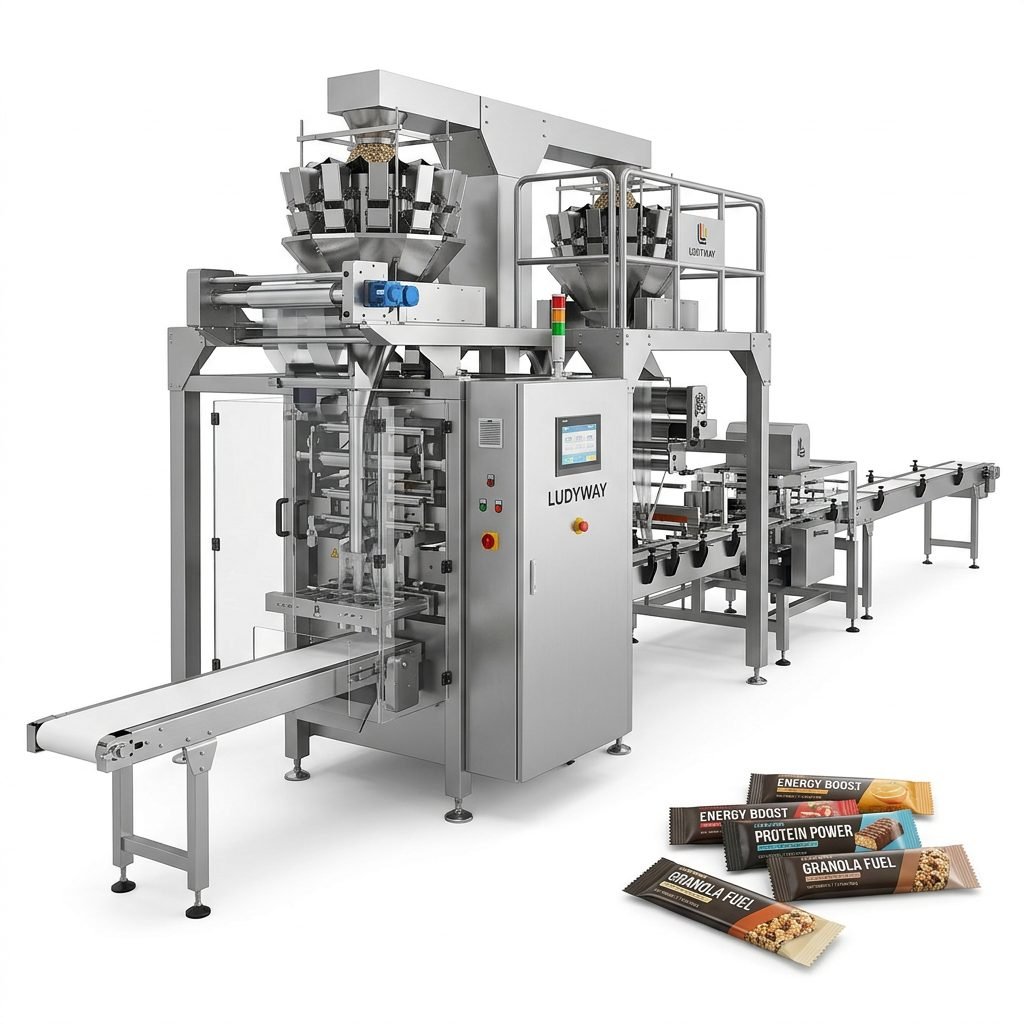
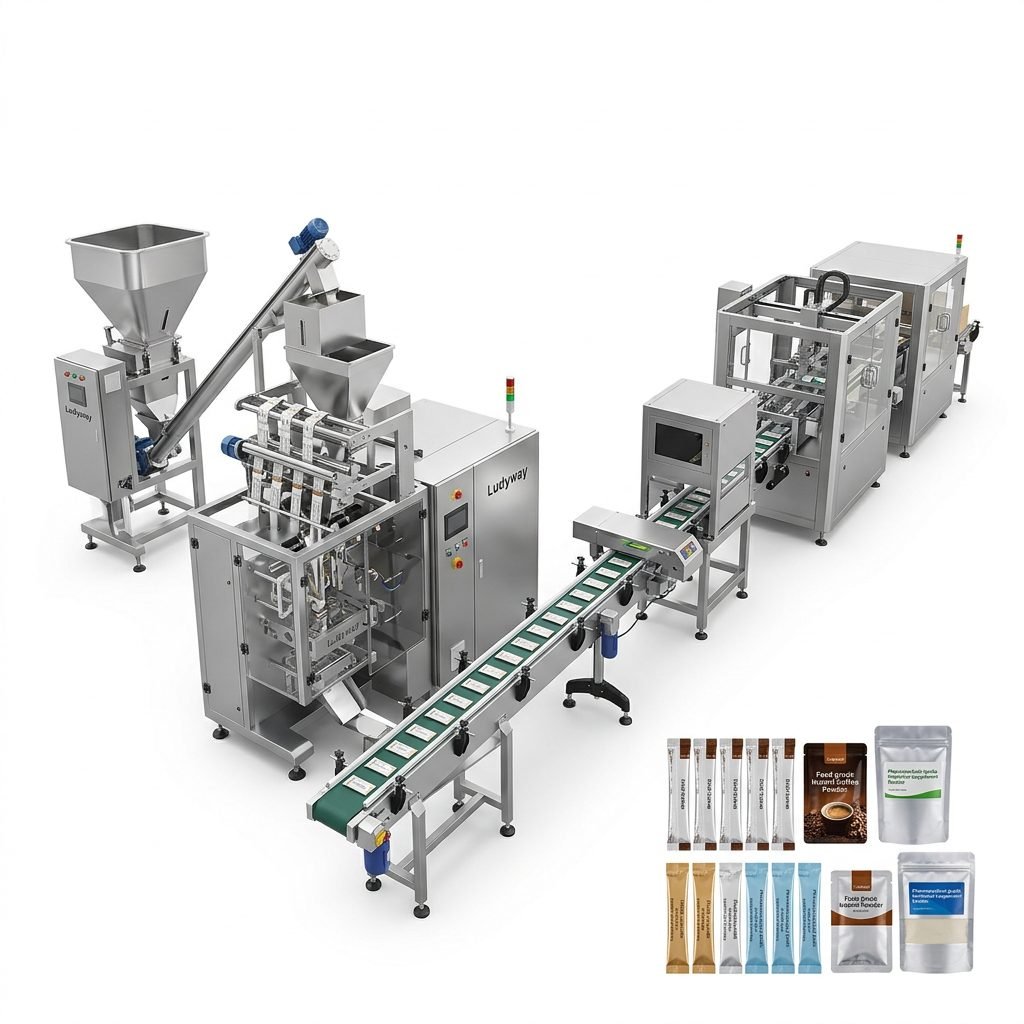
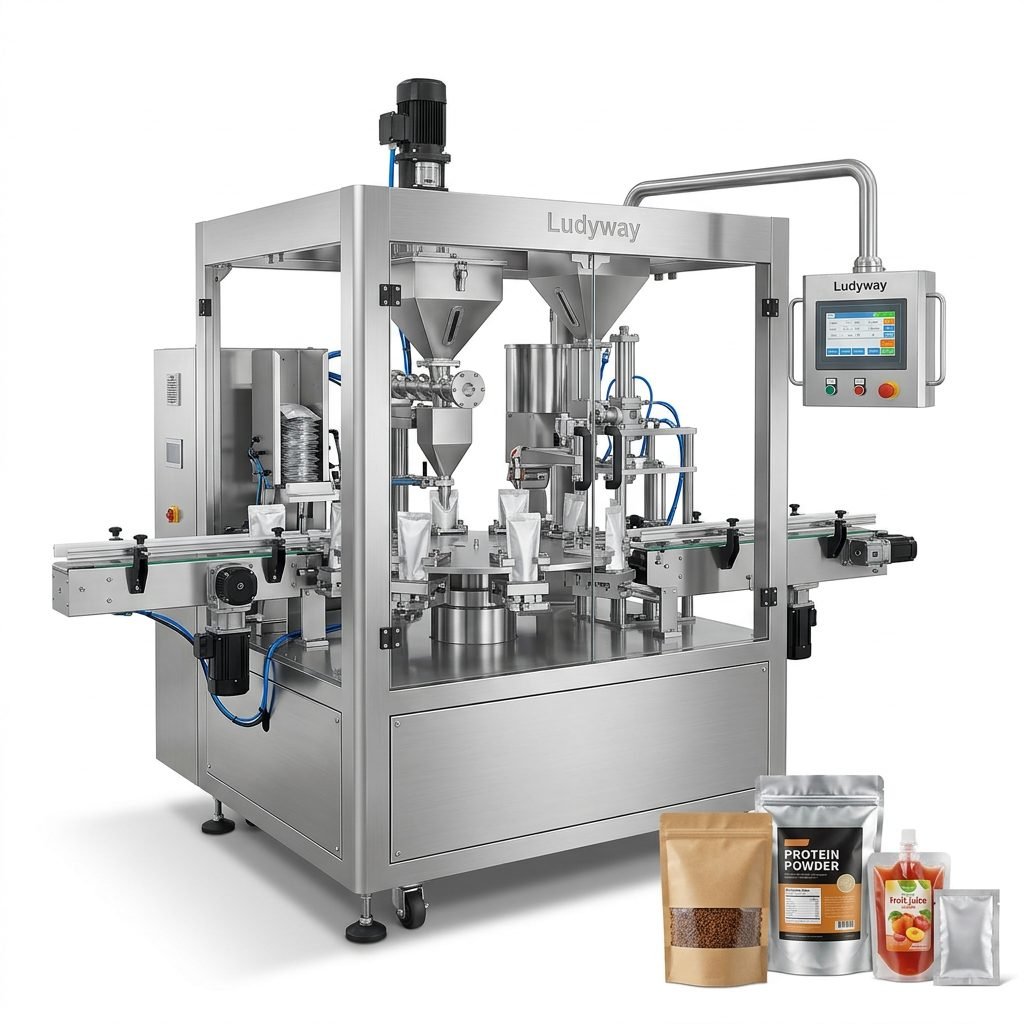
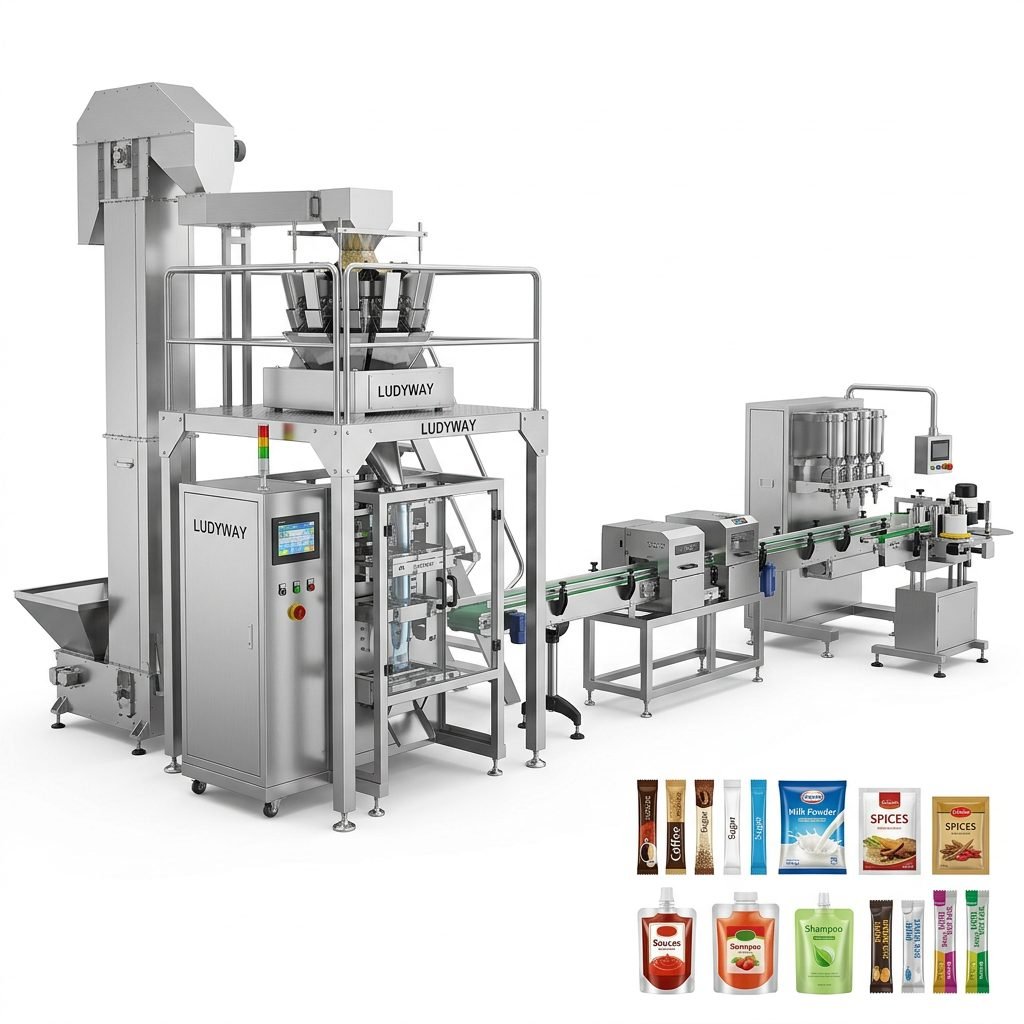
A reliable example is Ludyway packaging machine manufacturer, which has more than 30 years of experience, a factory of over 20,000 square meters, and the ability to provide both standalone machines and turnkey packaging lines for food, pharmaceutical, health supplement, cosmetic, chemical, and related sectors.
Check the Supplier’s Product Range and Industry Focus
The right supplier should not just sell “a machine.” They should understand your application scenario. A company experienced in snack packing may not be ideal for pharmaceutical sachets, and a liquid filler specialist may not be the best fit for multi-lane powder packaging.
Look for suppliers with product coverage in relevant categories such as:
- Food packaging machines
- Pharmaceutical packaging machines
- Cosmetic packaging machines
- Chemical packaging machines
- Auxiliary equipment and integrated packaging lines
This matters because experienced suppliers usually understand material flow, sealing behavior, hygiene design, production layout, and downstream integration better than general exporters.
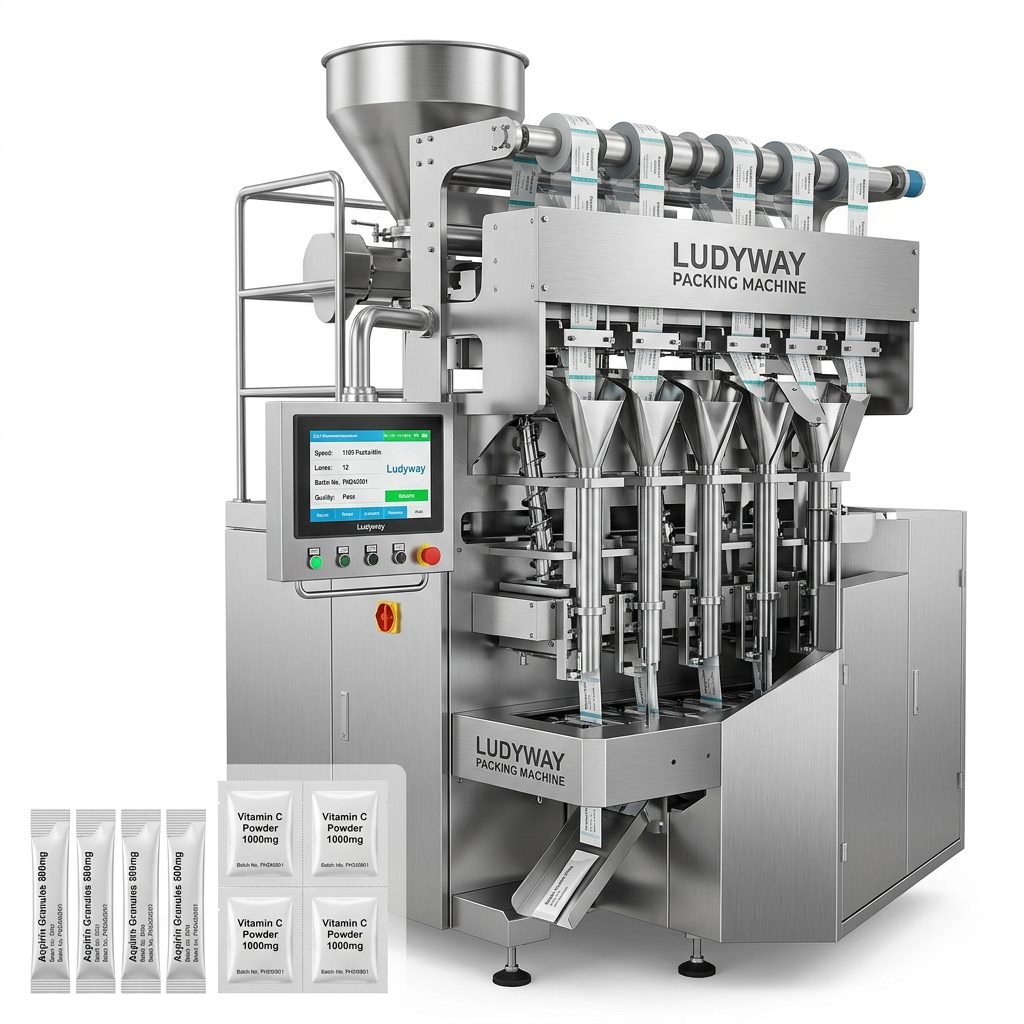
Evaluate Technical Communication Before You Evaluate Price
Low pricing can be attractive, but technical communication usually reveals far more about a supplier’s real capability.
A strong supplier should ask you about
- Product sample or formula characteristics
- Desired bag size and pack weight
- Target speed and shift hours
- Film type and sealing method
- Workshop conditions and layout
- Special needs such as nitrogen flushing, dust collection, or vision inspection
If a supplier sends a quote without asking any meaningful questions, that is a warning sign. Serious manufacturers normally need details to recommend the right structure, filler, and automation level.
Ask for Testing Videos and Real Project Cases
For packing machines, real-world proof matters. Ask suppliers to provide:
- Testing video with product similar to yours
- Finished package photos from actual machine output
- Customer case references or shipment history
- Operating video showing speed, sealing, and filling stability
This helps you judge whether the machine can actually deliver what the quotation promises. For example, a supplier claiming high speed should show stable continuous operation, not only a short staged clip.
Review Certifications, Compliance, and Quality Control
Different markets have different compliance expectations, especially for food, pharmaceutical, health supplement, and chemical applications. You should verify:
- Relevant certificates available for export
- Electrical component brands used
- Material contact parts and hygienic design
- Inspection process before shipment
- Spare parts management and documentation
| Check Item | What to Confirm | Buyer Benefit |
|---|---|---|
| Machine certificates | Export-related compliance records | Reduces customs and installation risk |
| Material contact parts | Stainless steel grade and finish | Supports hygiene and durability |
| Inspection procedure | Factory test, trial run, checklist | Improves delivery reliability |
| Electrical components | PLC, HMI, sensors, servo brands | Affects stability and maintenance |
Compare Suppliers by Total Value, Not Just Machine Price
The cheapest quote may become the most expensive option after installation, maintenance, production loss, and spare parts delays. Instead of comparing only FOB price, compare total value.
What total value includes
- Machine build quality
- Production stability
- Customization capability
- Lead time accuracy
- Operator training
- Installation guidance
- Spare parts support
- Long-term service response
A stable machine with reliable support usually creates lower long-term operating cost than a cheaper machine with frequent downtime.
Important Questions to Ask Before Placing an Order
When you have shortlisted suppliers, ask these practical questions:
- Can you provide a machine layout and utility requirements?
- What products have you packed that are similar to mine?
- Can you customize the machine for my bag size and output target?
- What is included in the quotation and what is optional?
- Do you provide FAT testing before shipment?
- How do you handle remote installation and troubleshooting?
- What spare parts are recommended for the first year?
- How fast can your team respond after delivery?
Red Flags When Choosing a Packing Machine Supplier on Alibaba
Buyers should be careful if they notice any of the following:
- Very low price with vague specifications
- No factory video or workshop evidence
- Slow or generic technical replies
- No test video with relevant product type
- Unclear warranty and after-sales terms
- Inability to explain component brands or machine structure
- Overpromising speed without proof
These issues often lead to poor machine matching, unstable operation, and expensive post-purchase corrections.
Why Turnkey Capability Can Be a Major Advantage
Many growing businesses begin with one machine, then later need feeding systems, conveyors, coding units, inspection systems, cartoning, case packing, and palletizing. Working with a supplier that can support full-line integration reduces compatibility issues and simplifies future expansion.
This is especially helpful for companies in food, pharmaceuticals, supplements, cosmetics, and chemicals that expect volume growth or multi-format packaging needs.
Benefits of choosing a turnkey-capable supplier
- Better equipment compatibility
- One point of communication
- Simpler layout planning
- Higher automation consistency
- Easier scaling in later phases
How to Make the Final Supplier Decision
When narrowing your choices, create a practical evaluation matrix. Score each supplier in the following areas:
| Evaluation Factor | Why It Matters | Priority |
|---|---|---|
| Application match | Ensures the machine fits your product and packaging type | Very High |
| Manufacturing strength | Improves quality, consistency, and customization | Very High |
| Technical communication | Shows whether the supplier understands your project | High |
| After-sales support | Reduces downtime after installation | High |
| Quoted price | Important, but should not outweigh long-term value | Medium |
Final Thought for Buyers
Finding the right packing machine supplier on Alibaba is not about choosing the lowest quotation. It is about choosing the supplier that can deliver the right machine, prove its performance, support your installation, and grow with your business.
If you evaluate suppliers based on factory strength, industry experience, machine testing, technical responsiveness, and after-sales capability, you will greatly reduce sourcing risk and improve your return on investment.
For serious buyers, the best supplier is usually the one that understands your product, recommends the right packaging solution, and can support both your current order and your future automation plans.