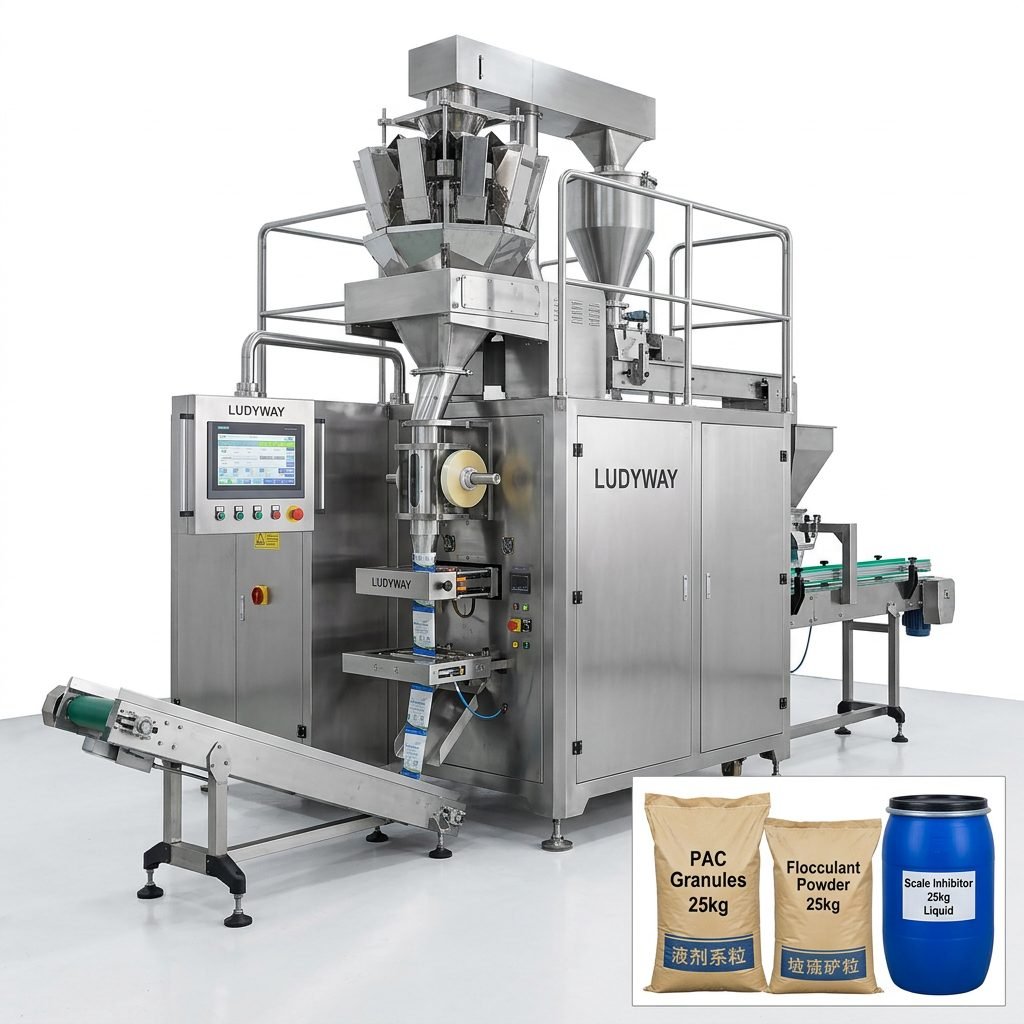
Packaging line productivity is one of the clearest drivers of manufacturing profitability. When a line runs faster, more consistently, and with fewer interruptions, businesses can reduce unit cost, improve delivery performance, and create more room for growth without immediately expanding labor or floor space.
In practical terms, improving productivity is not only about increasing machine speed. It also means reducing downtime, balancing upstream and downstream processes, improving operator response, and designing a packaging line that fits the product, package format, and production target. The most effective factories focus on overall line efficiency, not just the output of a single machine.
Why Packaging Line Productivity Matters
A packaging line is only as productive as its weakest point. Even when the main packing machine is fast, performance can suffer if feeding is unstable, changeovers take too long, rejects increase, or final packing becomes a bottleneck. Productivity improvements help manufacturers achieve several goals at once:
- Higher throughput without proportional labor increases
- Lower cost per pack or per case
- More stable product quality and sealing consistency
- Shorter lead times and better on-time delivery
- Improved equipment utilization and ROI
For food, pharmaceutical, health supplement, cosmetic, and chemical producers, these gains can directly influence competitiveness in fast-moving markets.
Start with the Right Productivity Metrics
Before making changes, define what “better productivity” means on your line. Many factories focus only on maximum machine speed, but a more useful view includes performance across the full process.
| Metric | Why It Matters | Typical Improvement Focus |
|---|---|---|
| OEE | Measures availability, performance, and quality | Downtime, speed losses, rejects |
| Actual packs per minute | Shows real output versus nameplate speed | Line balance, feeding, stoppage reduction |
| Changeover time | Affects daily production capacity | Tool-less parts, standard settings, training |
| Reject rate | Reduces saleable output and adds waste | Filling accuracy, seal control, inspection |
| Labor productivity | Shows output per operator or shift | Automation, workstation design, SOPs |
Identify the Real Bottleneck First
One of the most common mistakes is upgrading the main packaging machine while ignoring the actual bottleneck elsewhere. In many production lines, the problem is not the packer itself, but:
- Inconsistent product feeding
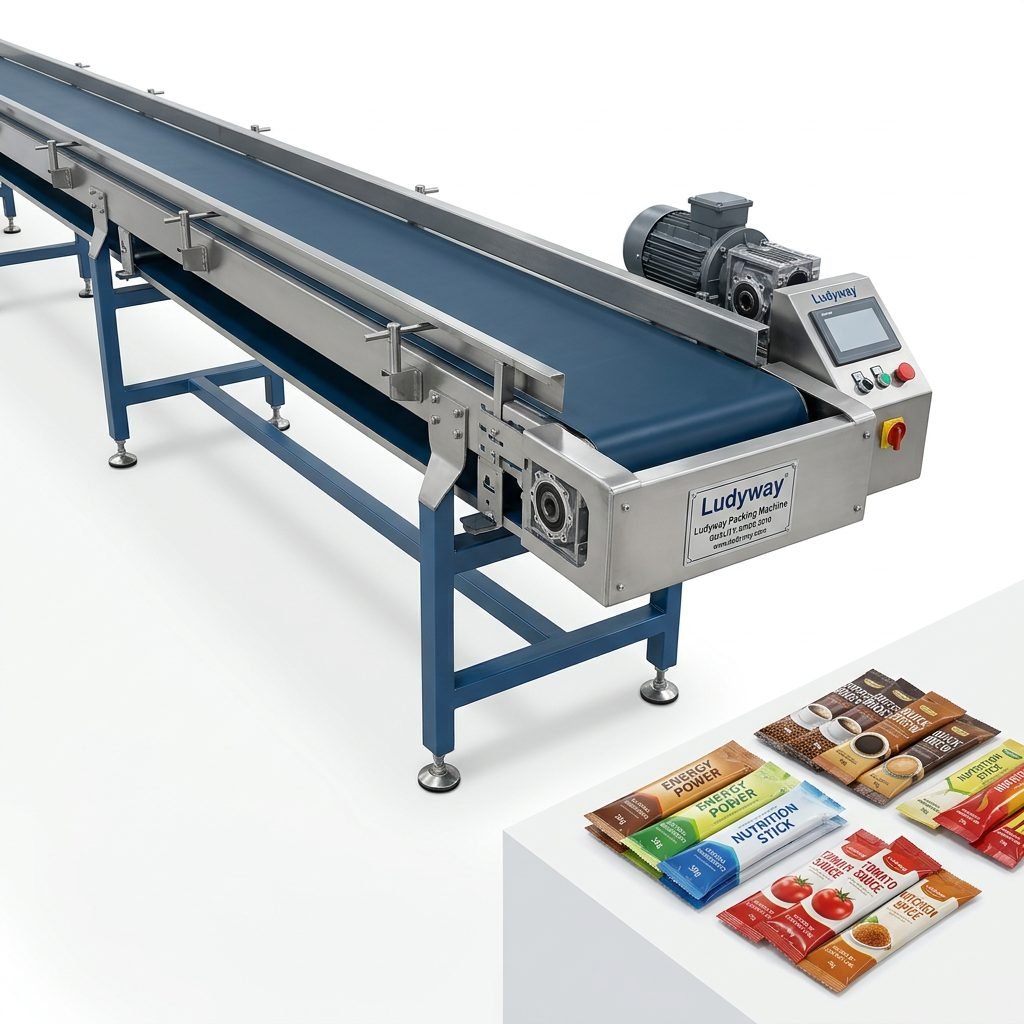
- Slow conveyors or accumulation problems
- Manual carton loading
- Delayed coding, labeling, or inspection
- Poor synchronization between line sections
Map the full process from product infeed to final case packing or palletizing. Measure cycle times, stoppage frequency, and waiting time at each stage. Once the true bottleneck is confirmed, productivity projects become more accurate and cost-effective.
Balance the Entire Packaging Line
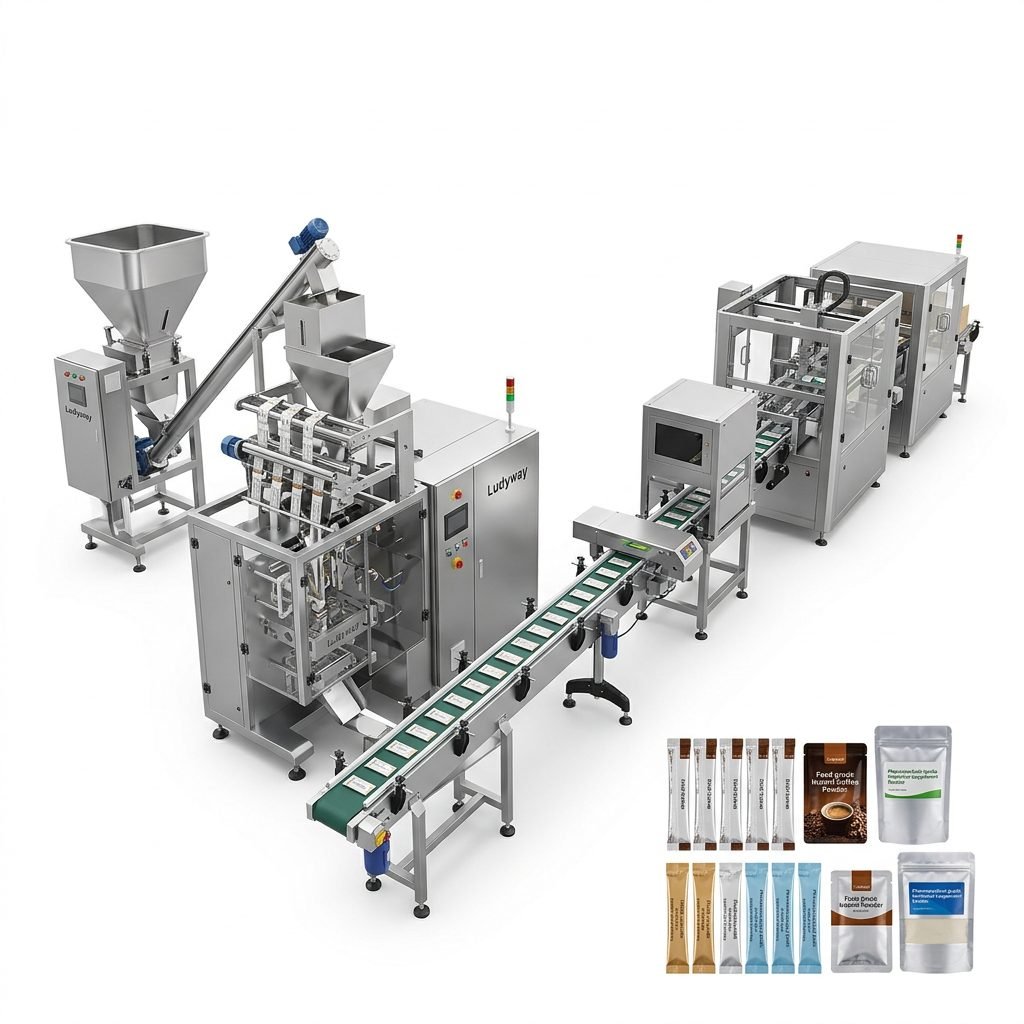
A line performs best when each section works at compatible speed and capacity. If one machine runs much faster than the next stage, products accumulate, micro-stops increase, and operators begin constant manual correction. Line balancing helps create smoother flow.
Key balancing actions include:
- Matching feeder output to packer capacity
- Adding buffers or accumulation conveyors where needed
- Synchronizing sealing, coding, inspection, and cartoning speeds
- Reducing unnecessary manual transfer points
- Reviewing line layout to shorten movement paths
In high-speed applications such as sachet, stick pack, pouch, bottle, or carton lines, even small mismatches can cause significant output loss over a full shift.
Reduce Unplanned Downtime
Downtime is often the biggest hidden productivity killer. A line may have high rated speed, but repeated short stops can dramatically reduce real output. The most effective plants track downtime by category and solve the most frequent causes first.
Common downtime sources
- Film tracking or pouch feeding problems
- Filling inconsistency
- Sensor misalignment
- Sealing temperature instability
- Operator setup errors
- Poor preventive maintenance execution
A strong response plan includes daily inspection routines, spare parts readiness, root cause analysis, and clear operator escalation rules. Machines should not only be fast; they should be easy to maintain and easy to recover after a stop.
Improve Changeover Efficiency
In factories handling multiple SKUs, short production runs can make changeover time just as important as running speed. A line that loses 45 to 60 minutes between every product switch may underperform even with high-speed equipment.
Faster changeovers increase available production time without adding more shifts or machines.
Practical ways to shorten changeovers
- Use standardized change parts and labeled tooling
- Store digital recipes for product parameters
- Apply quick-release and tool-less adjustments where possible
- Prepare packaging materials before shutdown
- Train operators with step-by-step changeover SOPs
- Separate internal tasks from external preparation tasks
Optimize Feeding and Material Handling
Many packaging lines lose output because product supply is inconsistent. Powders may bridge, granules may feed unevenly, liquids may foam, and pouches or cartons may not present reliably. Stable feeding is essential for high-speed production.
The best feeding solution depends on product characteristics such as density, flowability, moisture, viscosity, dust level, and particle size. Conveyors, elevators, hoppers, and dosing systems should be selected around the real product behavior, not just theoretical capacity.
Examples of feeding improvements
- Use auger fillers for difficult powders requiring consistent dosing
- Use multihead weighers for free-flowing granules and snacks
- Use suitable pumps for liquids, gels, and pastes
- Add level sensors to avoid empty-hopper interruptions
- Install dust control for powder environments
Invest in Smart Automation Where It Delivers Real Returns
Not every productivity problem needs full automation, but targeted automation often creates fast payback. The highest-value upgrades usually remove repetitive manual tasks, reduce human error, and stabilize process flow.
| Automation Upgrade | Main Benefit | Best Use Case |
|---|---|---|
| Automatic feeding system | Stable product supply | Powder, granule, and bulk handling lines |
| Checkweigher / inspection | Less waste and better compliance | Food, pharma, supplements |
| Automatic cartoning / case packing | Reduces labor bottlenecks | High-volume retail packaging |
| Recipe control system | Faster setup and repeatability | Multi-SKU production |
| Robotic end-of-line handling | Higher consistency and lower labor fatigue | Case packing and palletizing |
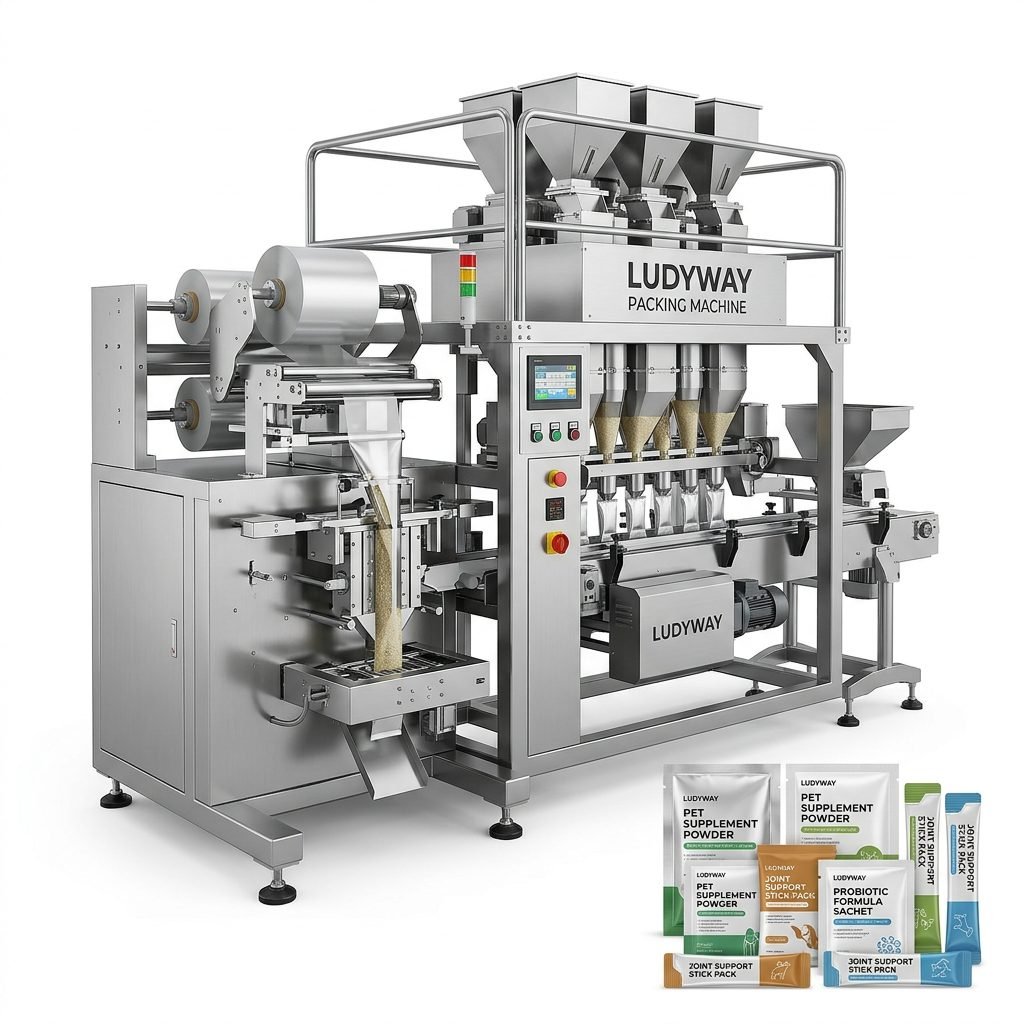
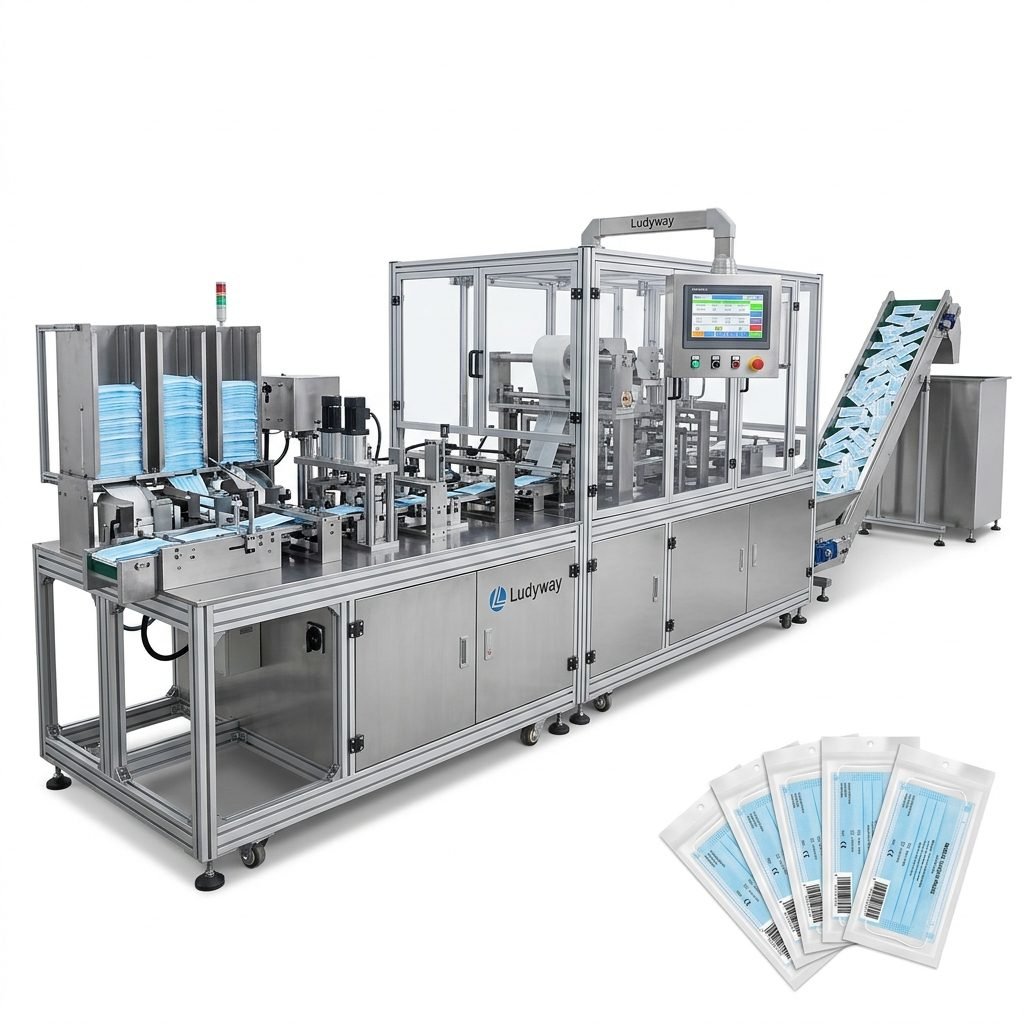
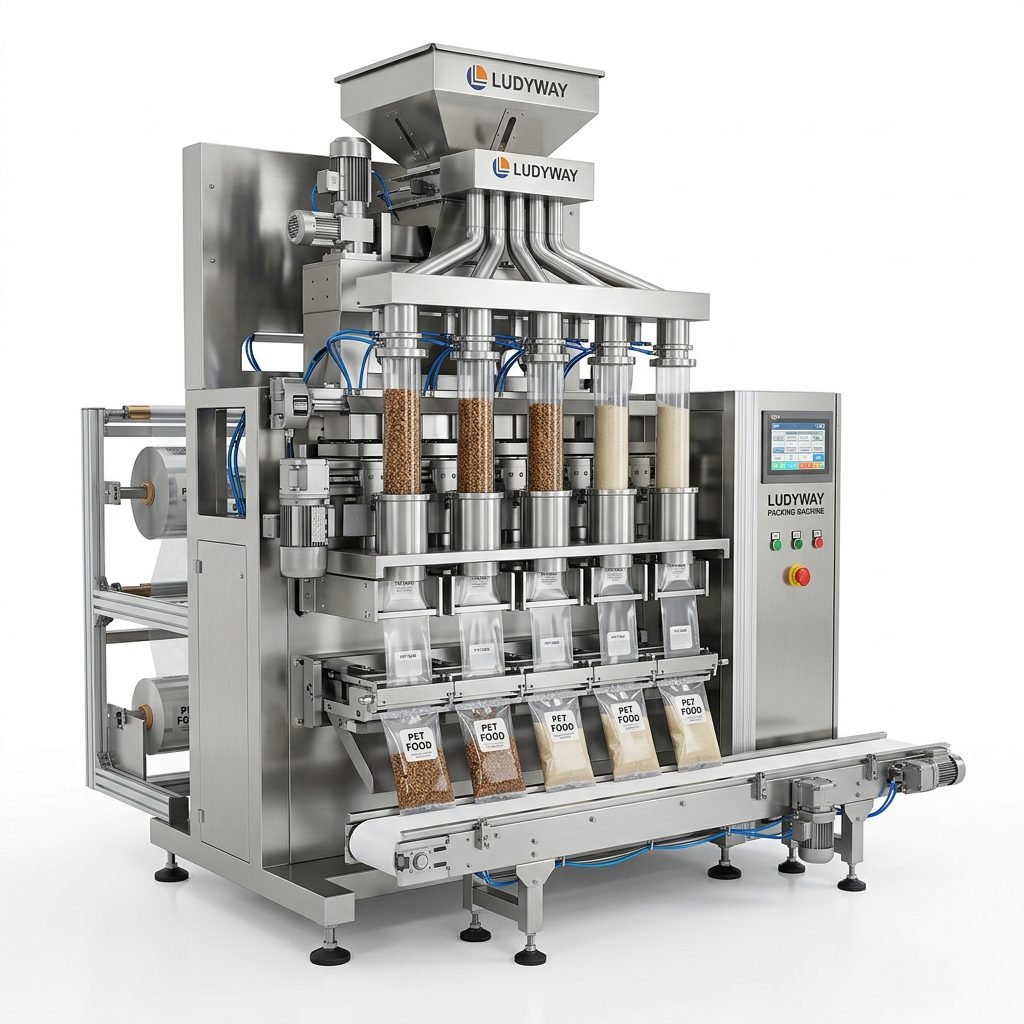
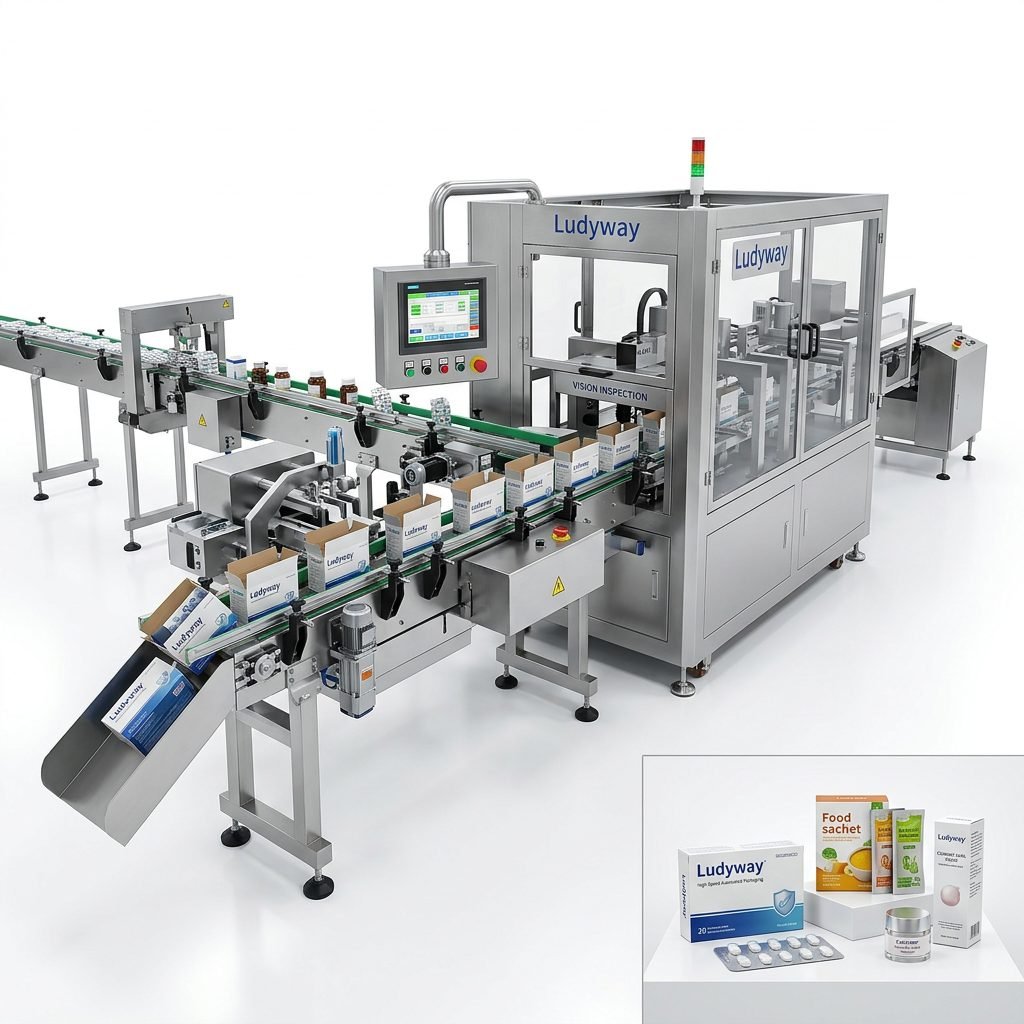
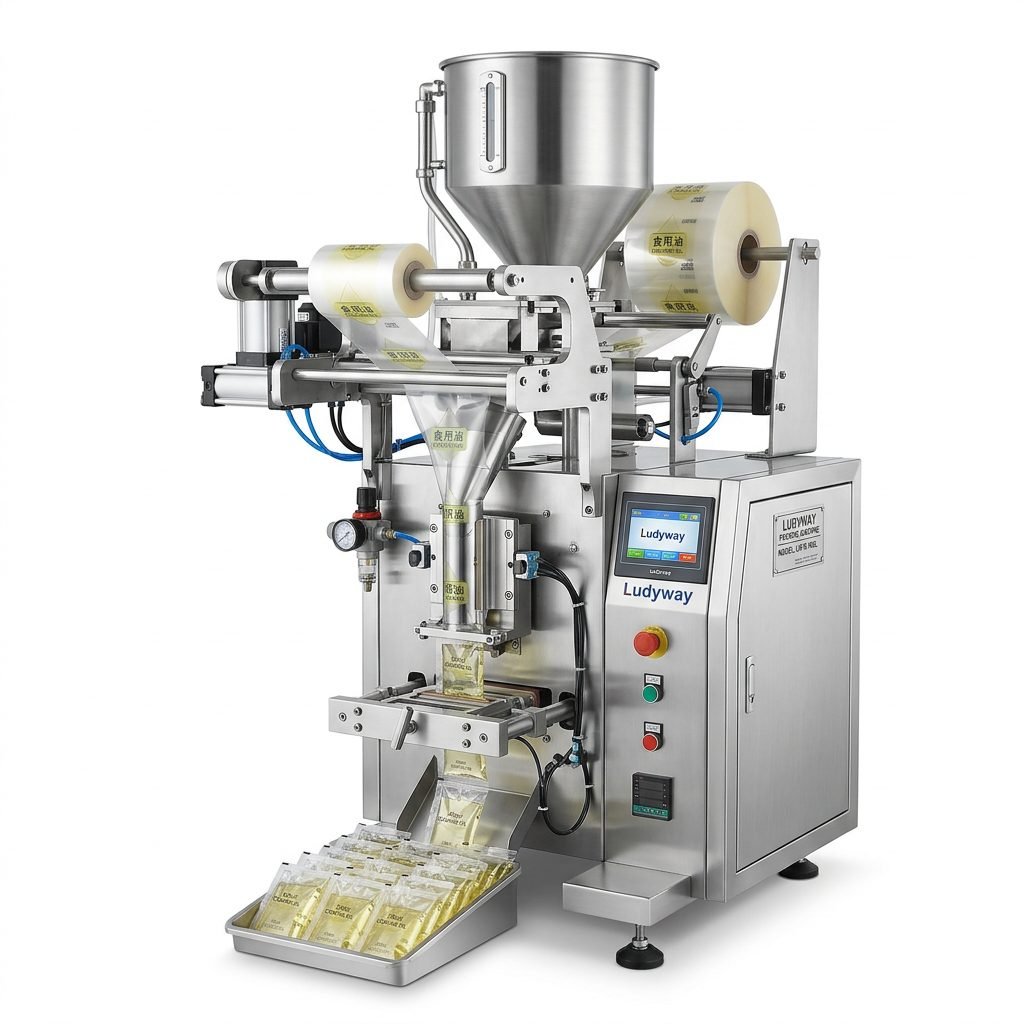
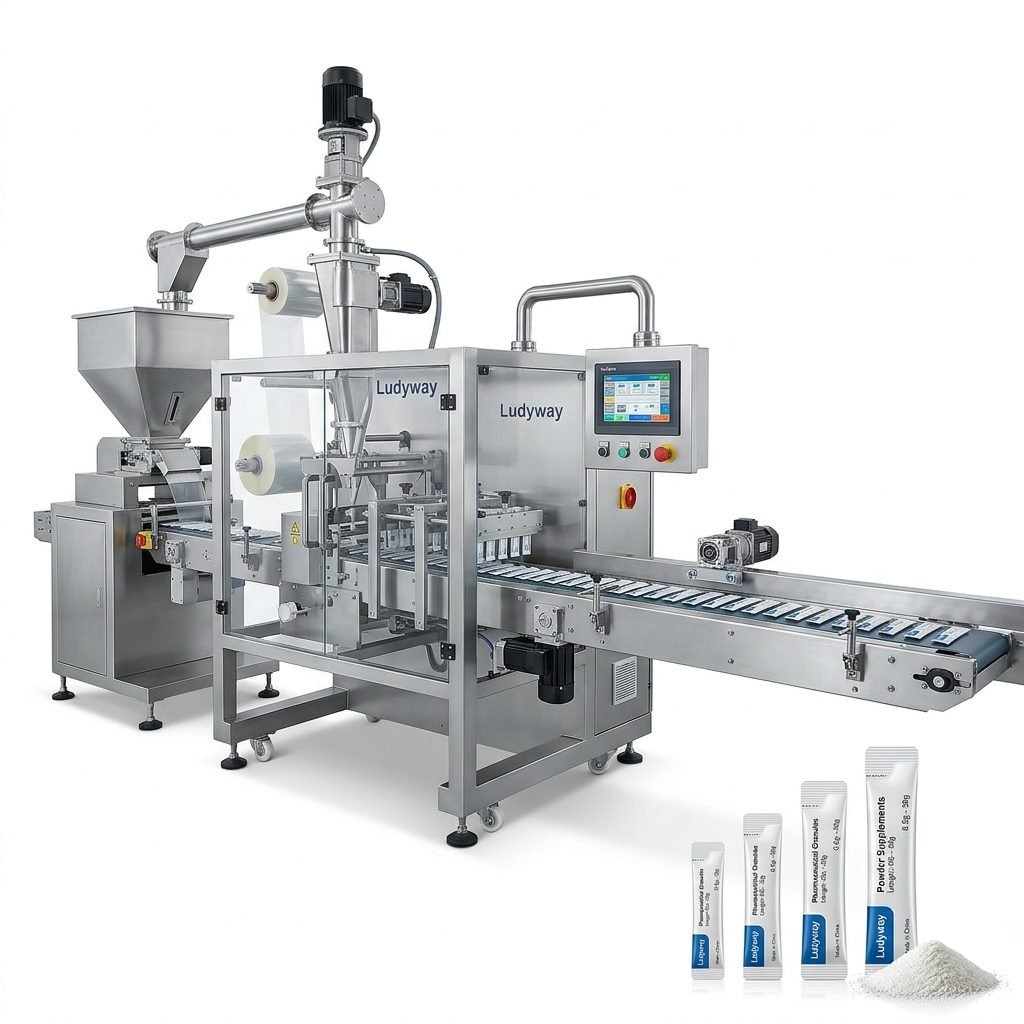
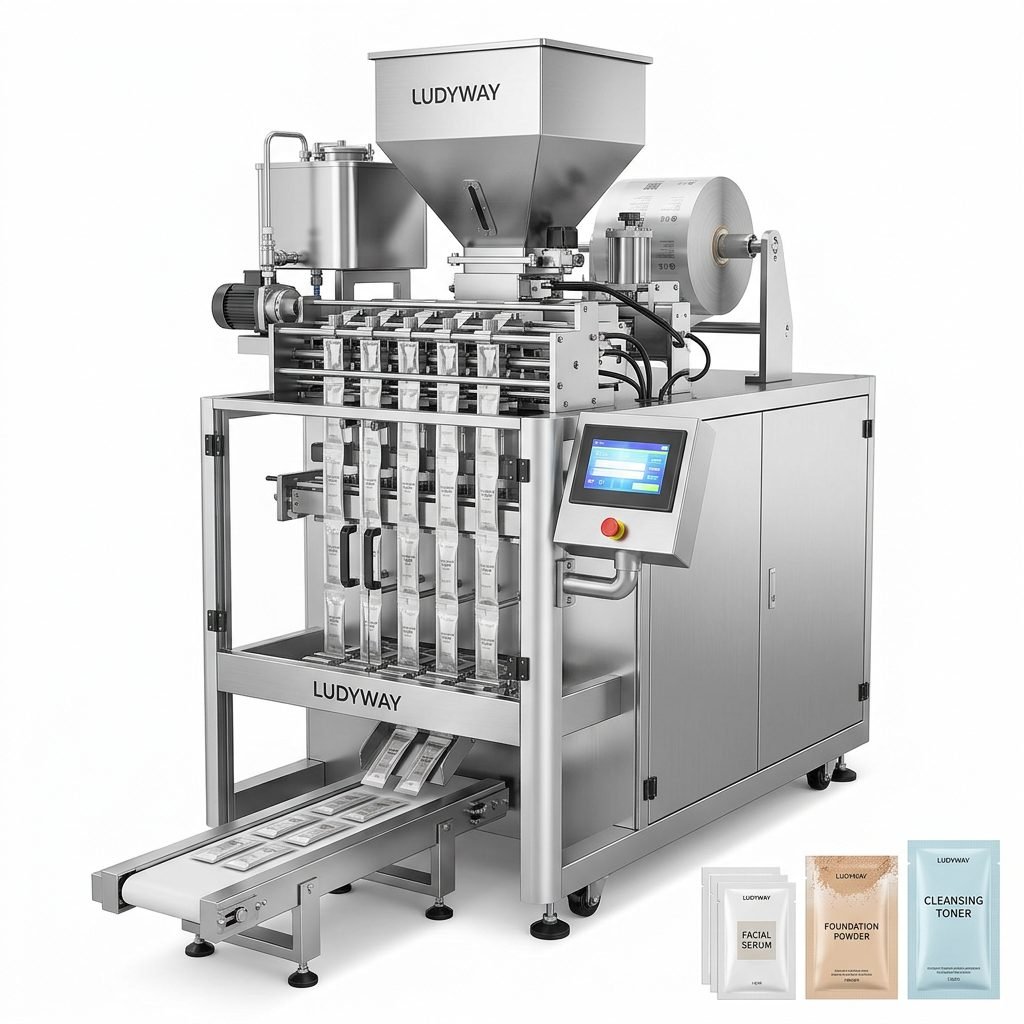
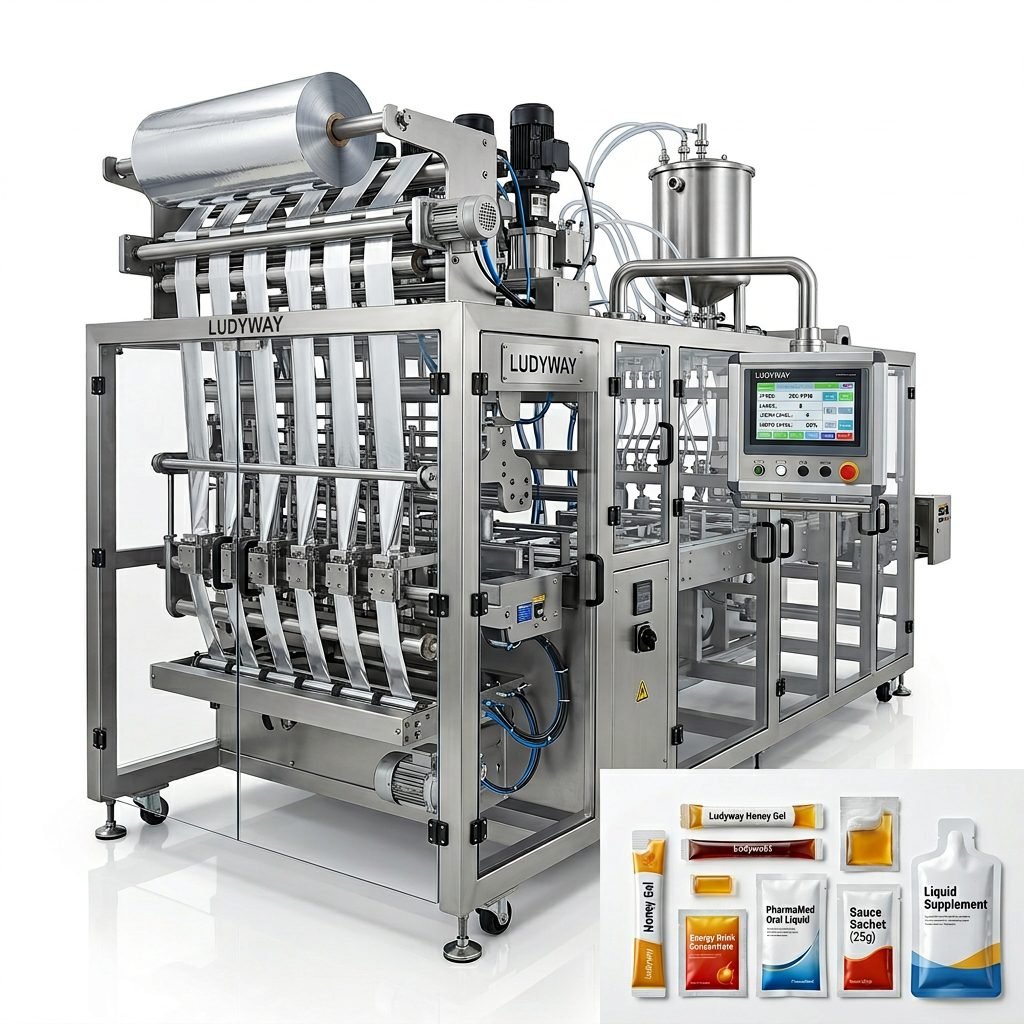
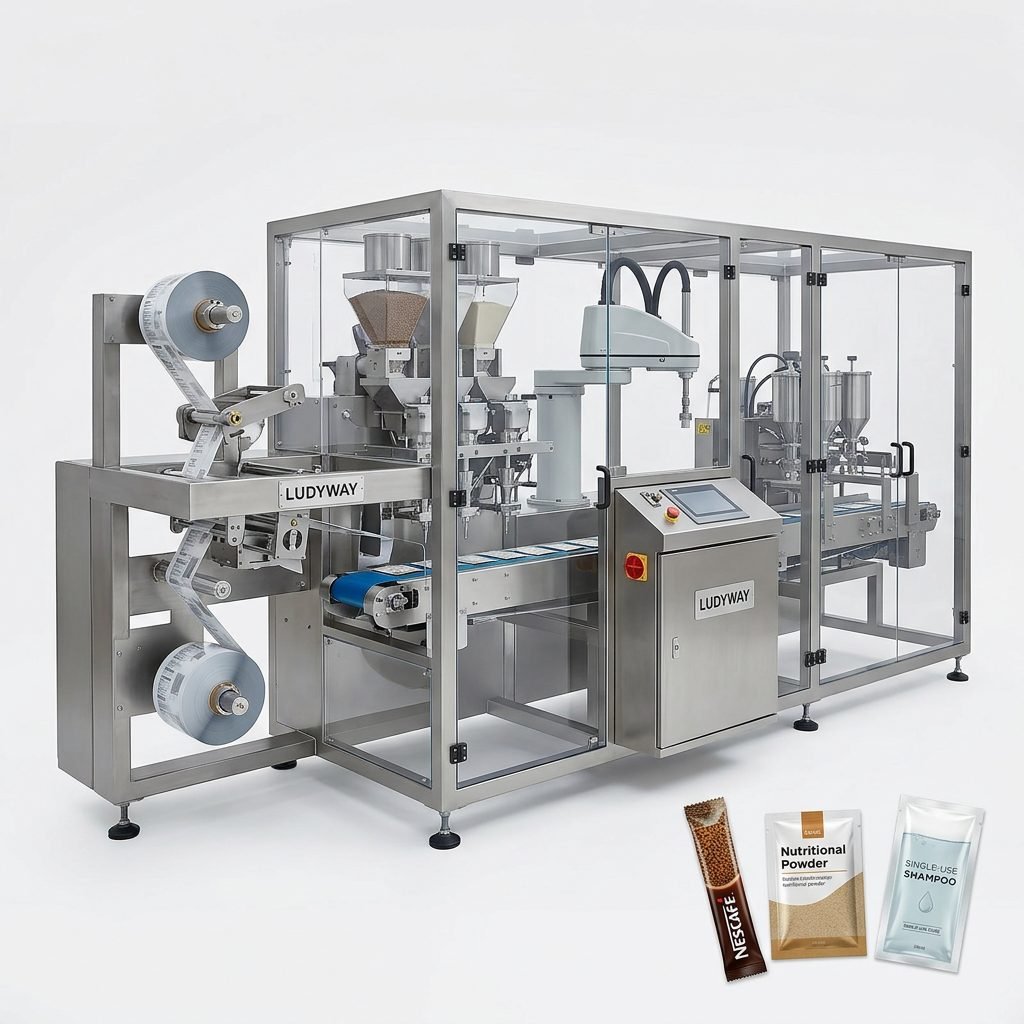
If you are evaluating integrated equipment or turnkey solutions, Ludyway packaging line solutions are often considered by manufacturers seeking scalable automation for food, pharmaceutical, health supplement, and related production needs.
Train Operators for Performance, Not Just Operation
A well-designed line can still underperform if operators are only trained to start and stop the machine. High-productivity operations train teams to understand settings, minor faults, cleaning standards, material handling, and line recovery methods.
Operator training should cover:
- Correct startup and shutdown sequence
- How to detect early signs of sealing or filling issues
- How to handle common jams quickly and safely
- How to reduce material waste during setup
- How to record downtime accurately
The goal is to create operators who support throughput and quality at the same time.
Strengthen Preventive Maintenance
Reactive maintenance increases long stoppages and emergency repairs. Preventive maintenance keeps wear parts, sensors, sealing units, drive systems, and conveying elements in stable condition before they fail under load.
An effective maintenance plan should include:
- Daily cleaning and inspection checklists
- Scheduled lubrication and calibration
- Monitoring of sealing jaws, cutters, belts, pumps, and bearings
- Critical spare parts inventory management
- Maintenance records linked to recurring faults
This approach is especially important on high-speed lines where minor mechanical instability quickly becomes lost output.
Cut Waste to Unlock Hidden Capacity
Waste does more than increase material cost. It also slows the line through rework, cleaning, operator intervention, and quality checks. If your line has a high reject rate, then productivity improvement must include quality stabilization.
Look closely at these loss areas:
- Underfill or overfill
- Poor seal integrity
- Misaligned print or code
- Damaged pouches or cartons
- Contamination during filling
Reducing rejects often provides a double benefit: more saleable output and fewer stoppages.
Use Data to Make Daily Improvements
The most productive packaging operations do not wait for major failures before acting. They use simple, visible production data every shift. Even basic dashboards can reveal recurring issues that otherwise go unnoticed.
Helpful production data points
- Target output versus actual output
- Downtime by cause and duration
- Reject count by defect type
- Changeover duration by SKU
- Material consumption versus standard
When teams review this data daily, they can solve small losses before they become chronic line problems.
Match the Machine to the Product and Package Format
A packaging line should be designed around product reality. Powders, granules, liquids, pastes, tablets, and pouch-based products all behave differently. The right packaging technology depends on the required output, dose accuracy, package style, sanitation level, and downstream handling.
For example:
- Free-flowing granules may benefit from multi-lane or weighing-based systems
- Dusty powders need precise dosing and dust-control support
- Viscous liquids require filling systems that control drip and maintain consistency
- Pharmaceutical products need tighter control of compliance, traceability, and cleanliness
Choosing the wrong machine type often leads to permanent speed loss, unstable operation, and expensive modifications later.
Practical Productivity Checklist
| Action Area | Quick Question | Expected Result |
|---|---|---|
| Bottleneck analysis | Do you know the slowest true point on the line? | Better investment decisions |
| Line balancing | Are all machines matched in capacity? | Fewer micro-stops |
| Changeover reduction | How much time is lost between SKUs? | More available production time |
| Preventive maintenance | Are recurring faults tracked and prevented? | Higher uptime |
| Operator capability | Can operators solve common minor issues quickly? | Faster recovery and smoother running |
| Automation upgrades | Which manual task limits output the most? | Better labor efficiency |
Final Thoughts on Faster, More Efficient Production
Improving packaging line productivity is rarely about one dramatic change. It usually comes from a series of practical actions: finding the bottleneck, balancing the line, reducing downtime, speeding up changeovers, optimizing feeding, training operators, and using data to guide improvements.
The best results come when machine performance, line integration, product characteristics, and operational discipline all work together. With the right strategy, manufacturers can achieve faster output, lower waste, and more efficient production without sacrificing quality or flexibility.