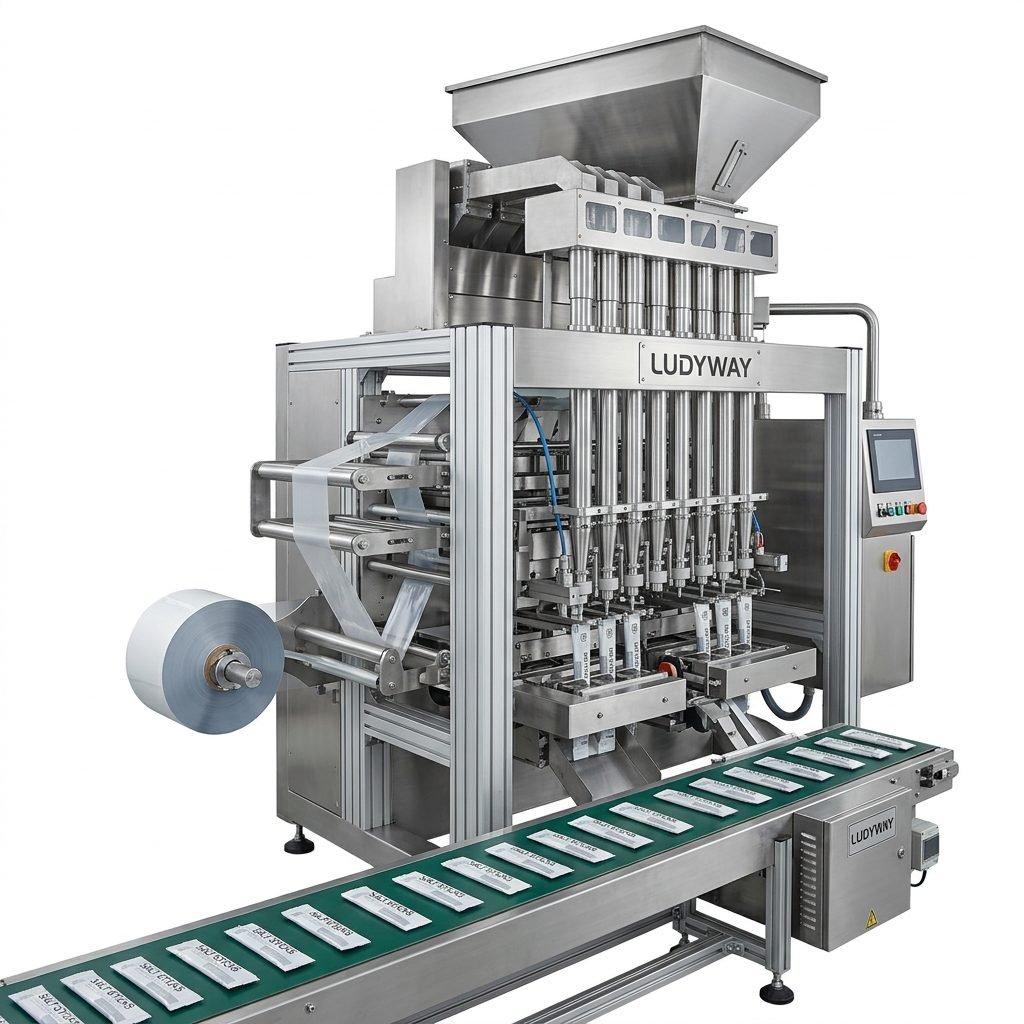
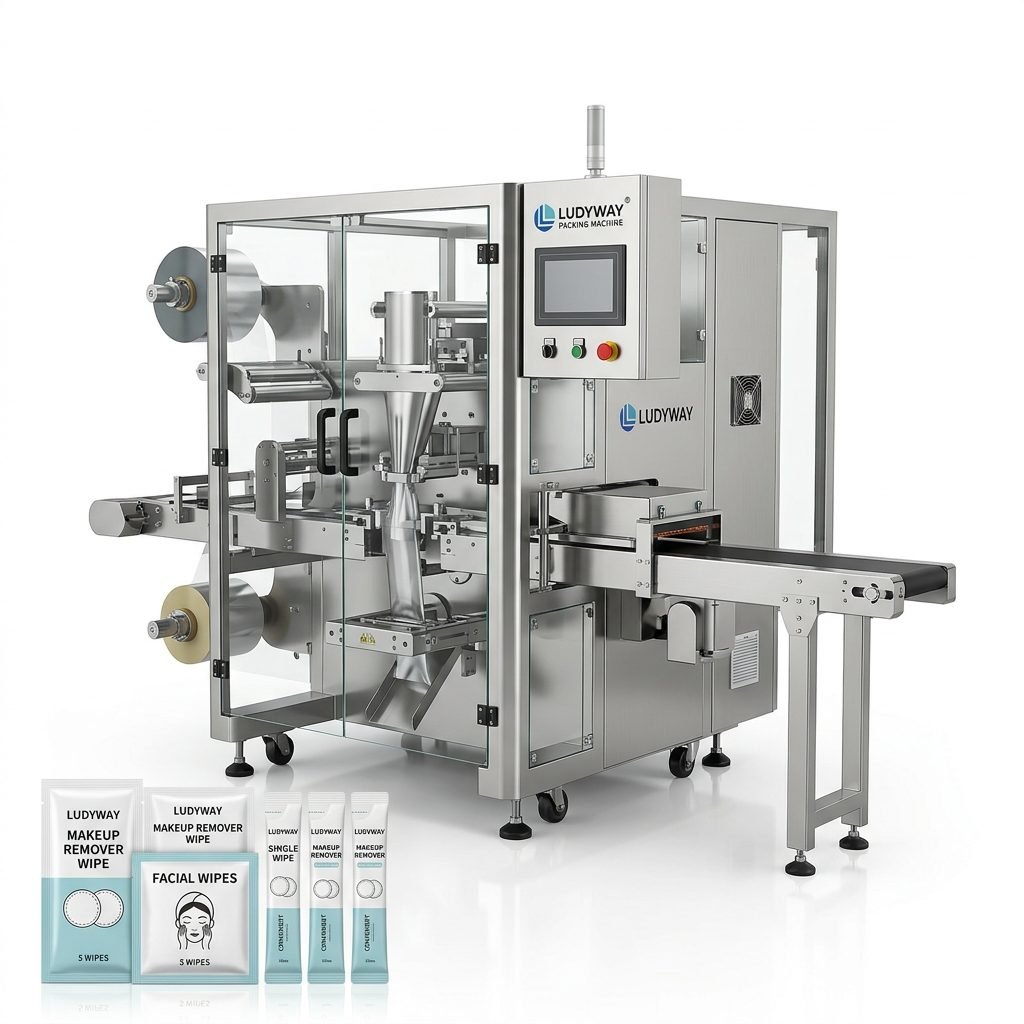
Medication packaging is no longer just a final production step. In modern pharmaceutical manufacturing, hospitals, pharmacies, and healthcare supply chains, it plays a direct role in product quality, patient safety, traceability, and regulatory compliance. A medication unit dose packaging machine is designed to package individual doses accurately and consistently, helping businesses reduce errors while improving workflow efficiency.
Whether the product is tablets, capsules, powders, or medical sachets, unit dose packaging allows every dose to be clearly identified, protected, and ready for controlled distribution. For pharmaceutical manufacturers and healthcare providers, this packaging format supports safer dispensing and better inventory control.
What Is a Medication Unit Dose Packaging Machine?
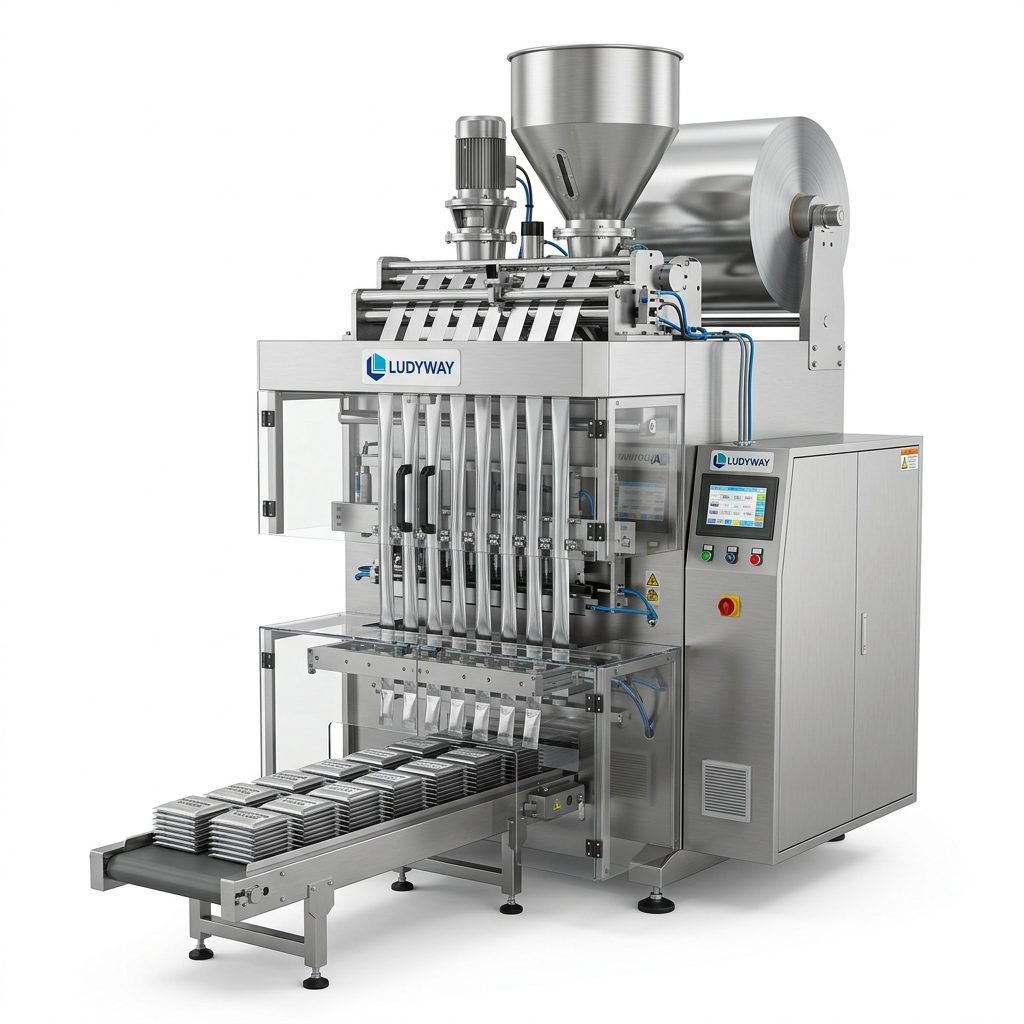
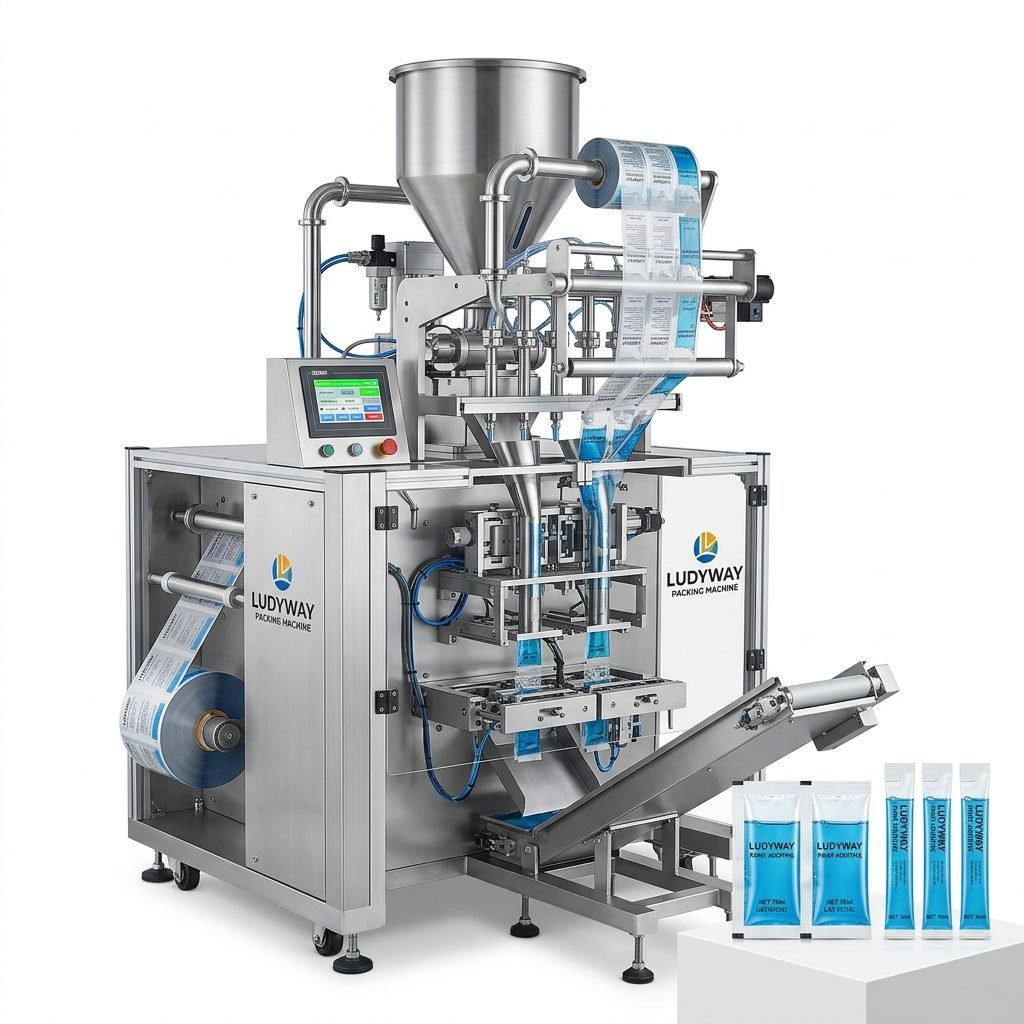
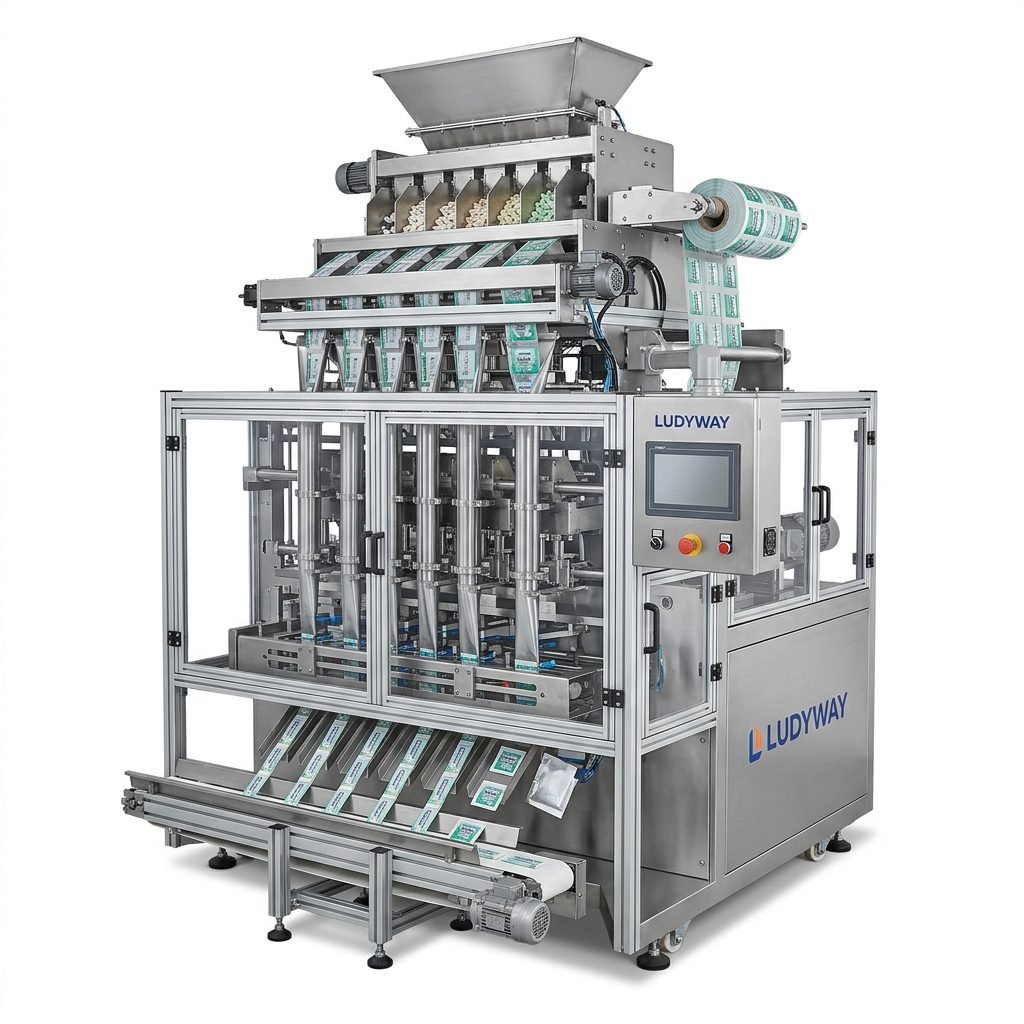
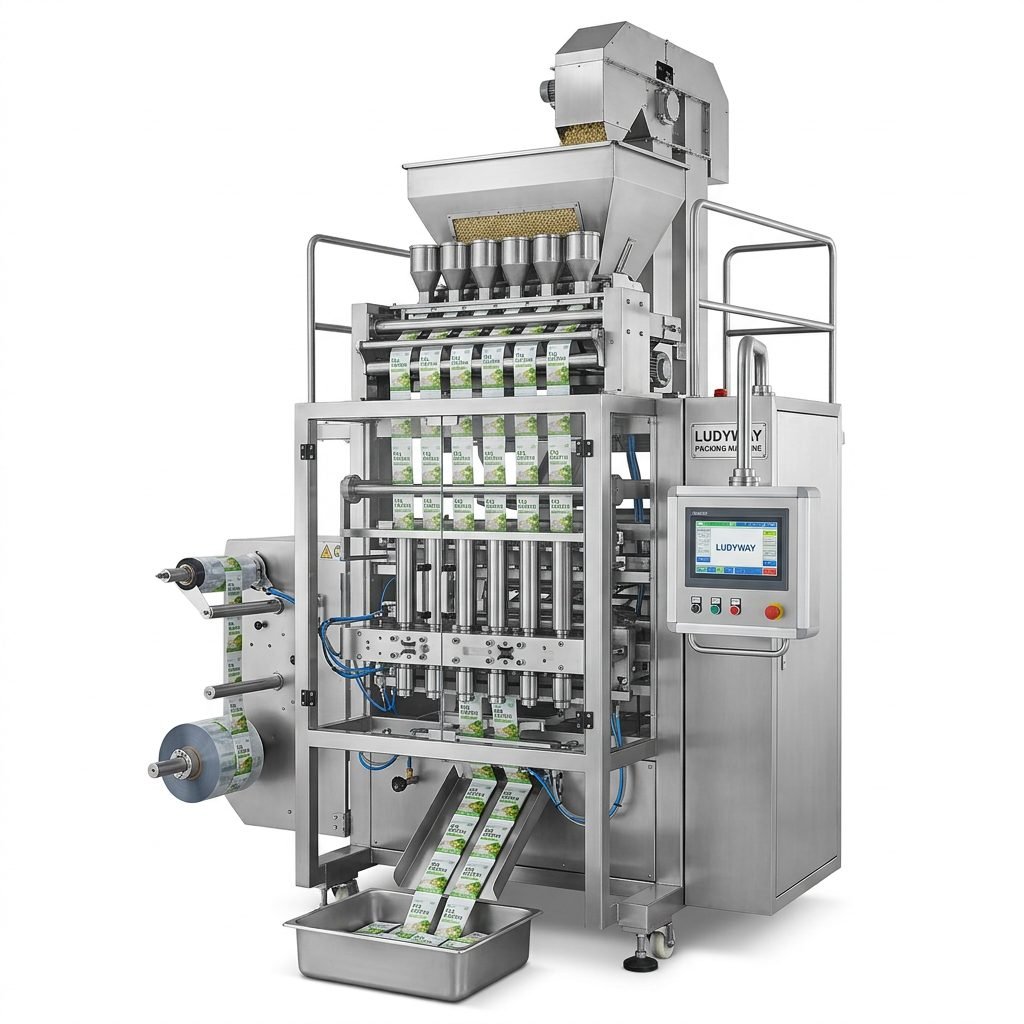
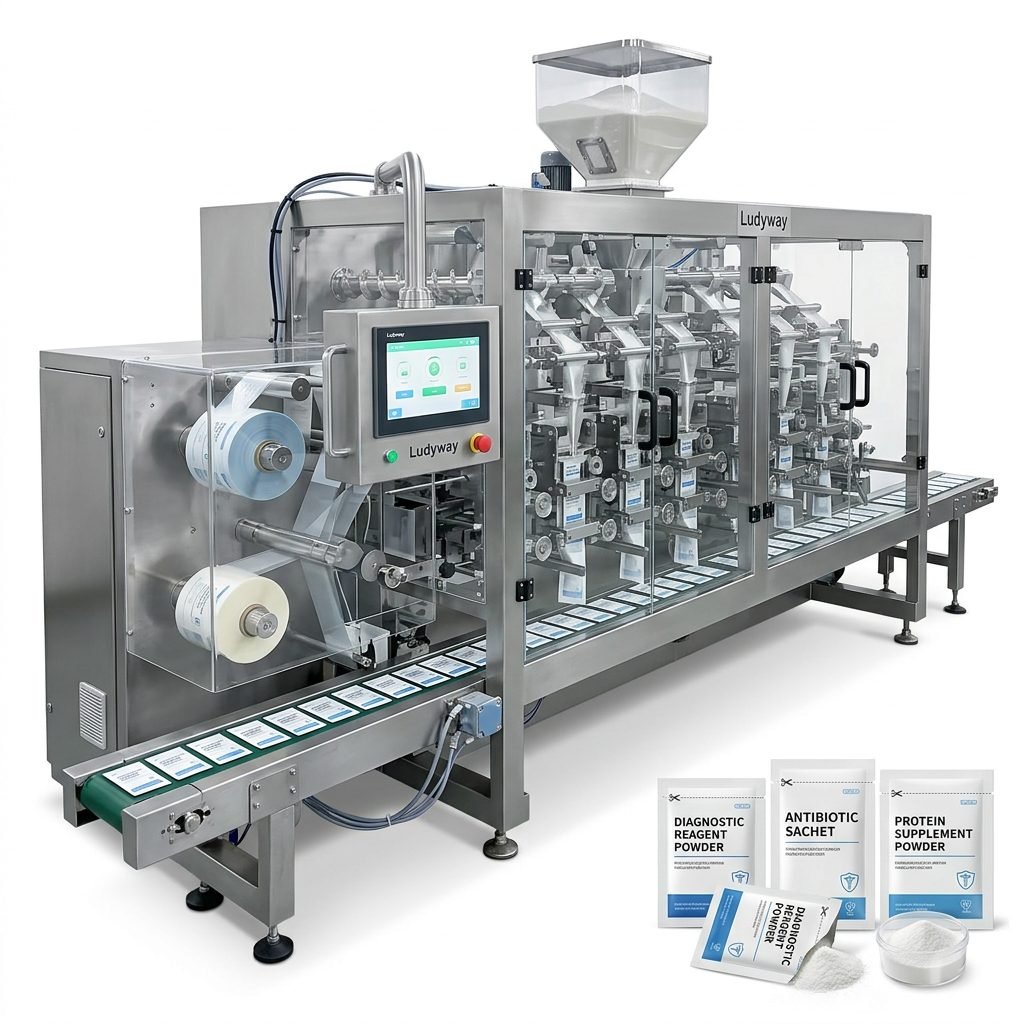
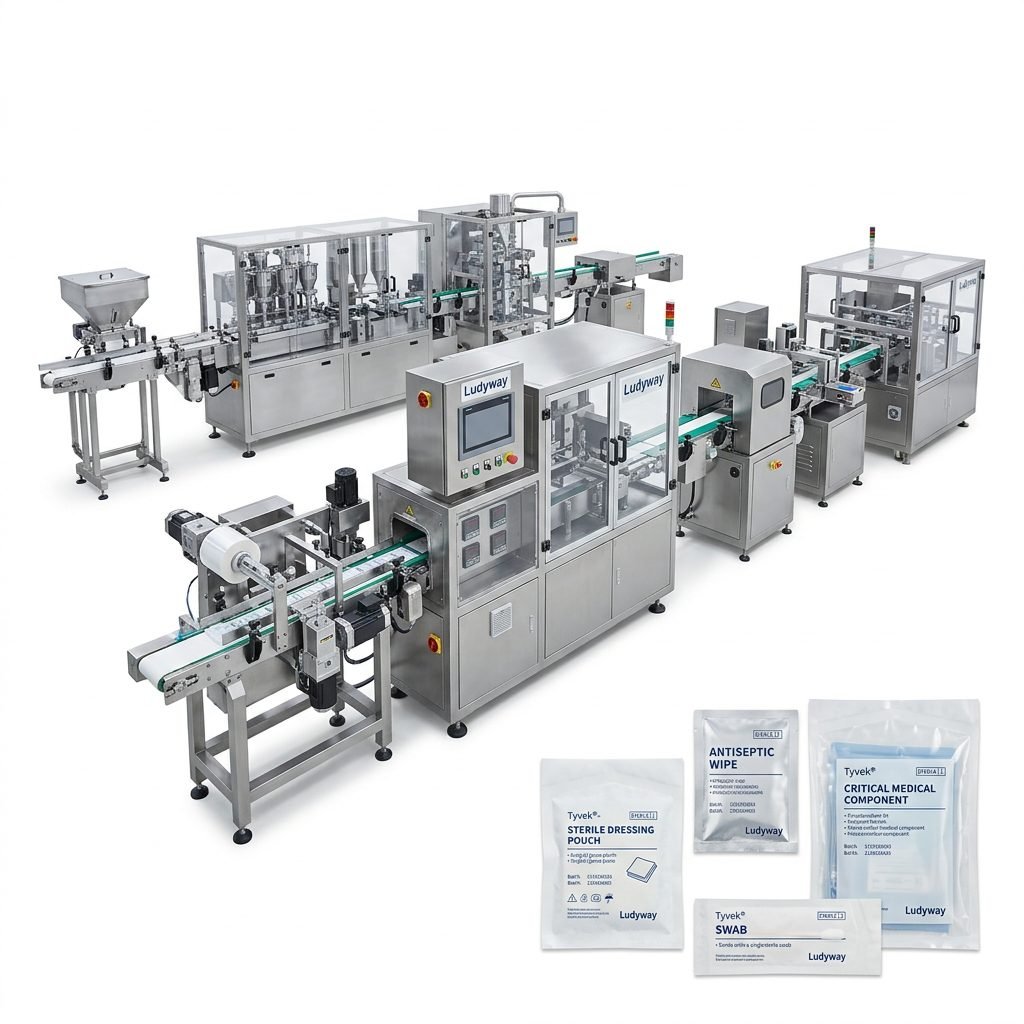
A medication unit dose packaging machine is automated equipment used to fill and seal medications into single-use, pre-measured packages. Each package normally contains one exact dose intended for one administration time or one patient use. The machine can integrate dosing, forming, filling, sealing, coding, and inspection functions in one production workflow.
Common unit dose package formats include:
- Stick packs
- Sachets
- Pouches
- Blister-related unit presentations
- Medical consumable single-use packs
These systems are widely used in pharmaceutical plants, nutraceutical production, hospital pharmacy packaging rooms, and contract packaging operations where accuracy and traceability are essential.
Why Unit Dose Packaging Matters in Healthcare
In healthcare environments, even small packaging mistakes can lead to serious consequences. Mislabeling, underfilling, contamination, or dose mix-ups can affect patient outcomes and create compliance risks. Unit dose packaging helps solve these issues by separating medications into controlled, clearly marked portions.
- One dose per package reduces handling errors.
- Clear labeling improves medication identification.
- Sealed packaging protects against moisture, dust, and tampering.
- Batch coding and tracking support quality audits and recalls.
- Automated filling improves consistency over manual processes.
How It Improves Accuracy
Accuracy is the first reason many pharmaceutical businesses invest in automated unit dose packaging. Manual packaging can introduce variation in fill quantity, sealing quality, and labeling placement. Automated machines reduce this risk through controlled dosing systems, stable filling mechanisms, and synchronized sealing operations.
1. Precise Dosing Control
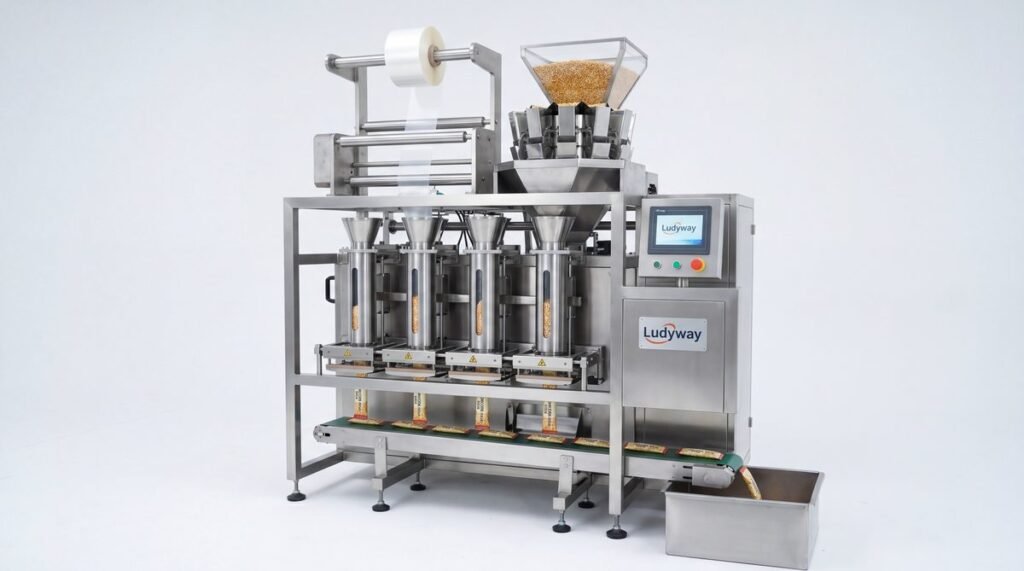
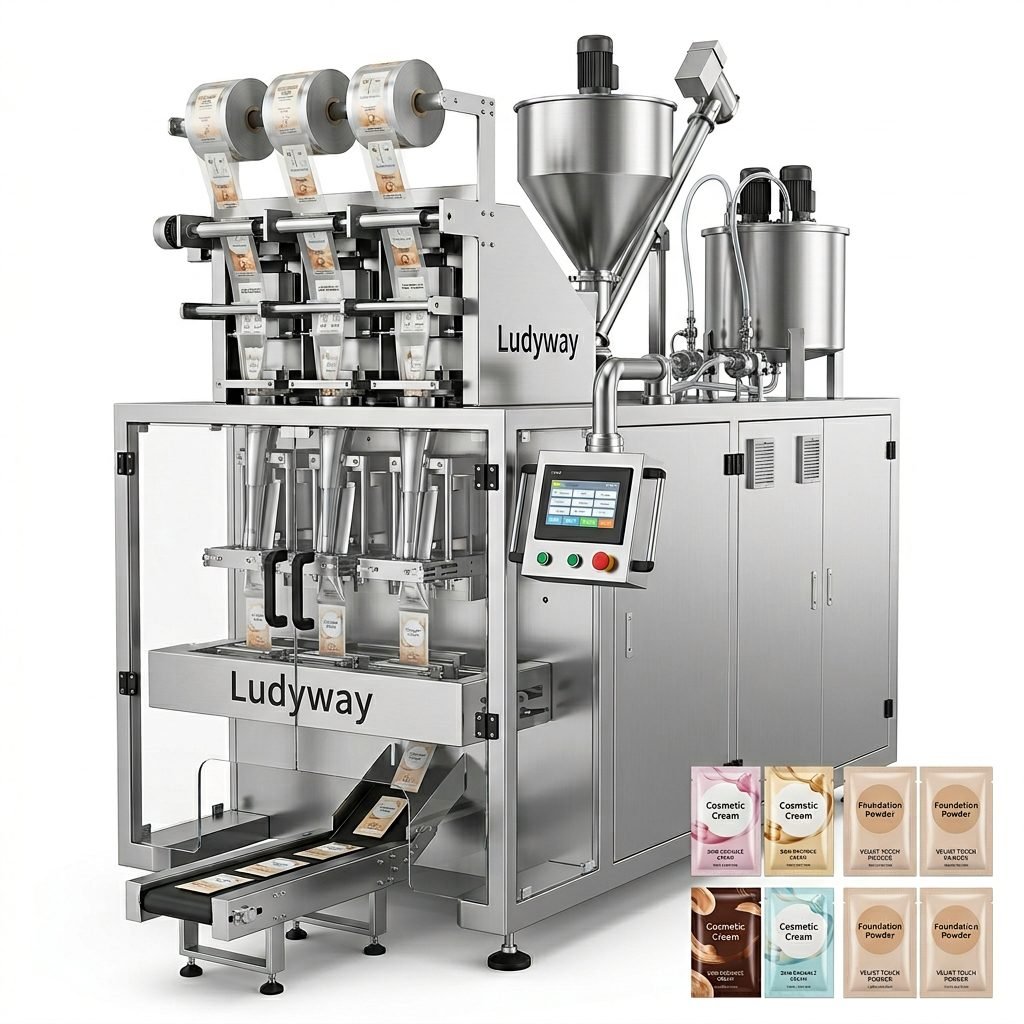
Modern medication packaging machines can be configured for powders, granules, tablets, capsules, or liquids. With calibrated dosing units, each pack receives a consistent amount of product. This is especially important for products requiring strict dose uniformity.
2. Reduced Human Error
Automated processes limit operator intervention in repetitive filling and sealing tasks. This lowers the chance of skipped packs, mixed products, wrong counts, or sealing defects.
3. Better Print and Traceability Accuracy
Many machines integrate coding and printing systems for batch number, manufacturing date, expiration date, and other essential data. Accurate print placement helps meet pharmaceutical packaging standards and improves downstream verification.
| Accuracy Factor | Manual Packaging | Unit Dose Packaging Machine |
|---|---|---|
| Dose consistency | Variable | High precision |
| Label placement | Error-prone | Controlled and repeatable |
| Product mix-up risk | Higher | Lower |
| Seal consistency | Dependent on operator | Machine-controlled |
How It Improves Efficiency
Efficiency is not only about speed. In pharmaceutical packaging, efficiency also means reducing downtime, simplifying operations, and making output easier to manage. A medication unit dose packaging machine can improve production performance in several ways.
Faster Packaging Cycles
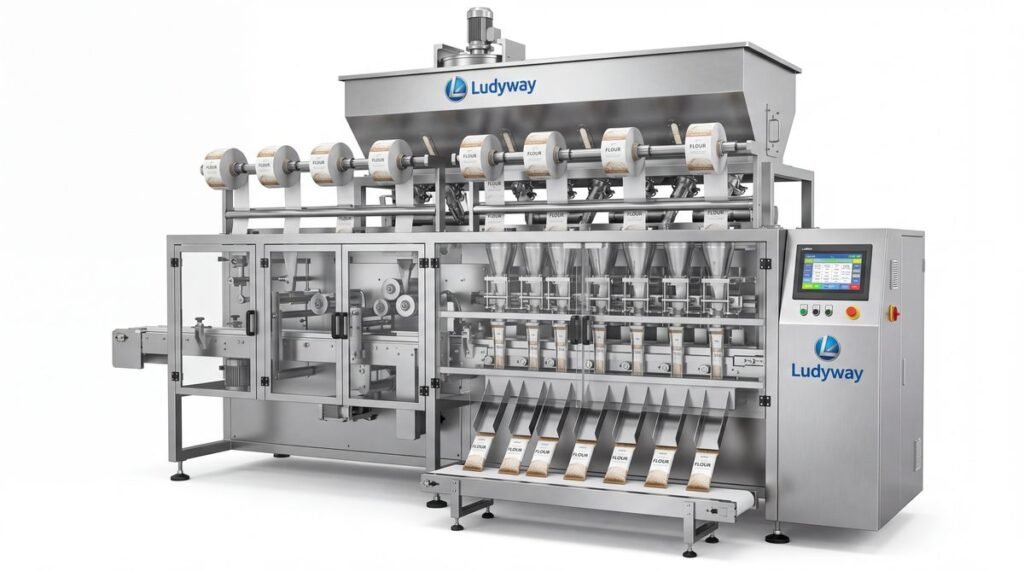
Automated systems can package a large number of doses continuously, making them suitable for medium- and high-volume production. Multi-lane models can further increase output while maintaining uniformity across lanes.
Less Labor Dependency
Instead of assigning multiple workers to repetitive dosing and sealing tasks, one machine can handle a large share of the workload. Staff can then focus on monitoring, quality control, and material supply.
Reduced Material Waste
Consistent film feeding, filling accuracy, and sealing stability help reduce rejected packages. That means less product loss, lower packaging material waste, and better cost control.
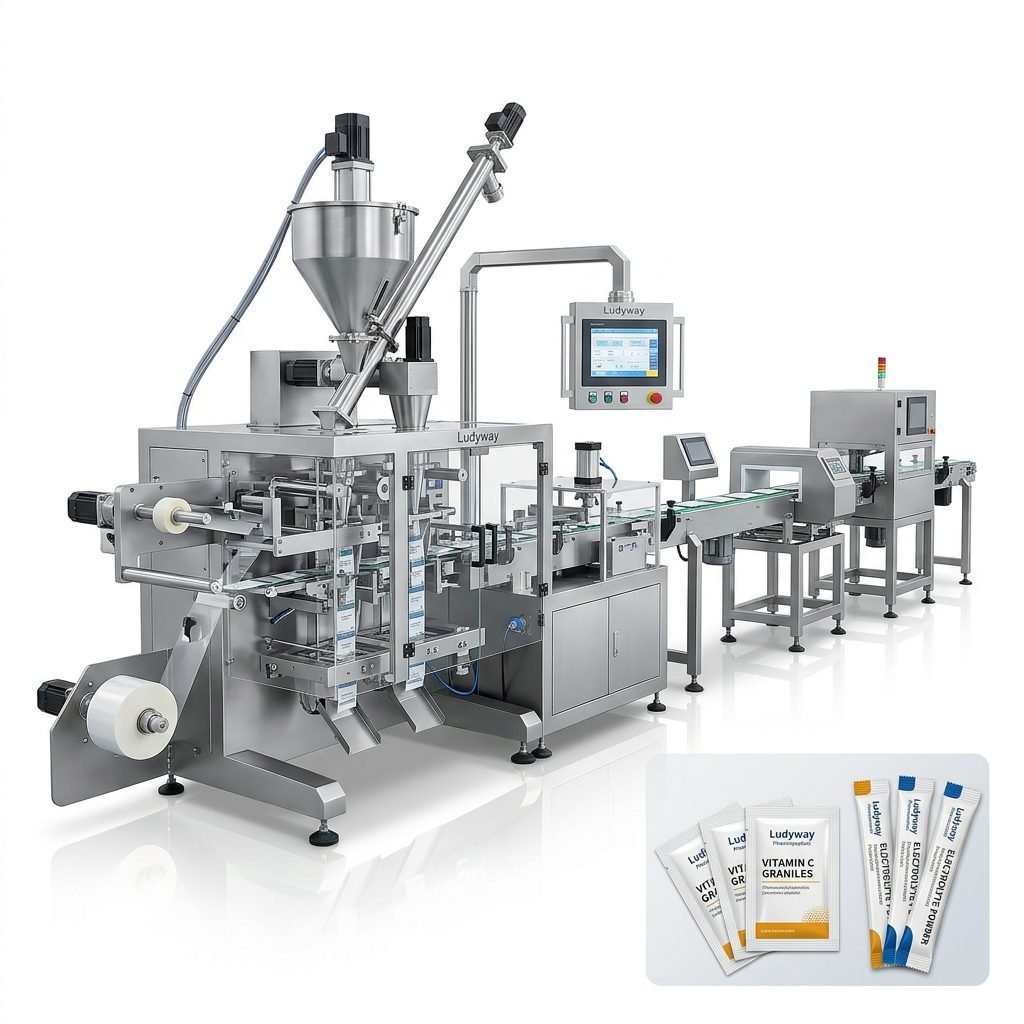
Easier Integration Into Turnkey Lines
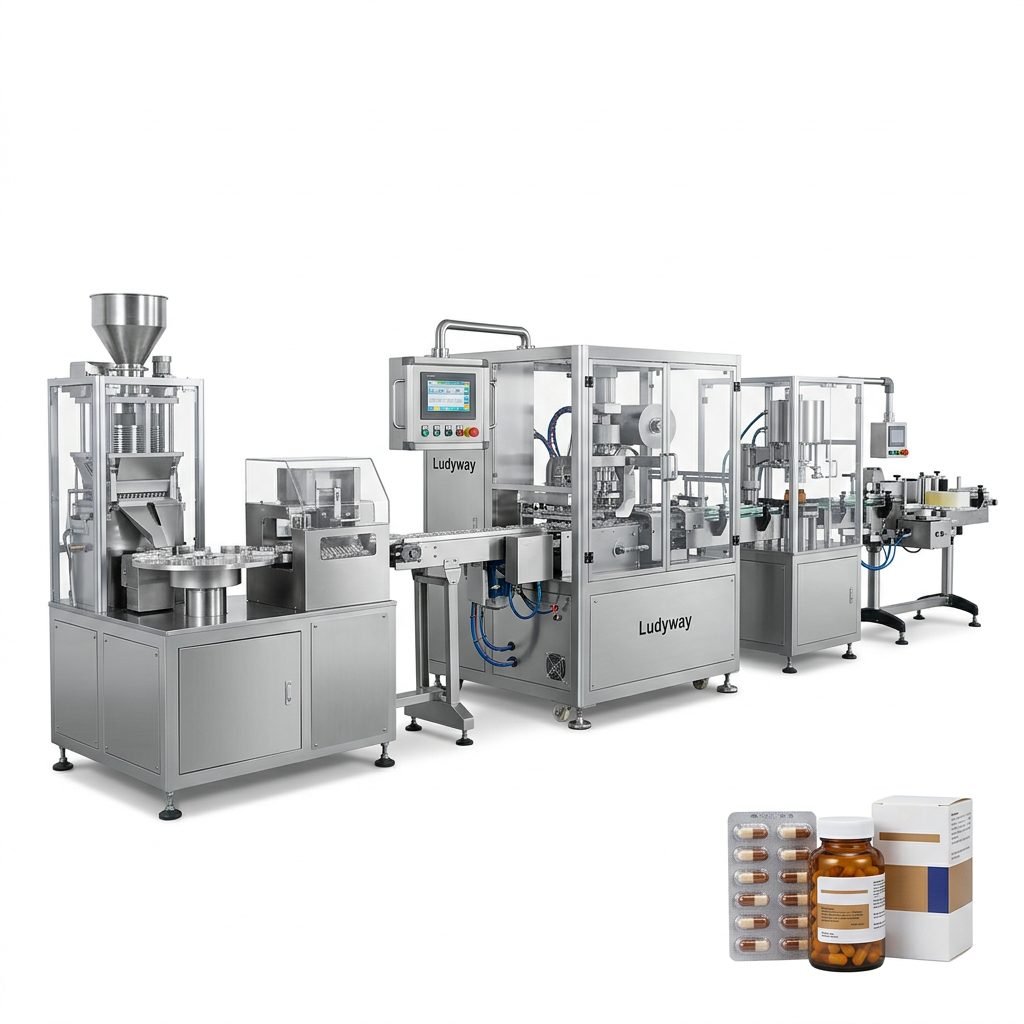
Many manufacturers want more than a standalone packer. They need a complete packaging line with feeding, dosing, sealing, coding, checkweighing, inspection, cartoning, and final case packing. This is why scalable machine integration matters for long-term efficiency.
How It Improves Safety
Safety is one of the strongest advantages of unit dose packaging in the pharmaceutical field. Single-dose packs create a barrier between the product and the external environment while also reducing the number of times the medication must be handled by operators or healthcare personnel.
Protection Against Contamination
Sealed unit packs help protect medications from air exposure, humidity, dust, and external contact. This is particularly useful for sensitive powders and healthcare-related consumables.
Safer Patient Administration
When each dose is individually packed and clearly marked, nurses, pharmacists, and caregivers can identify and dispense medication more safely. This can help reduce confusion during busy shifts or high-volume distribution.
Tamper Evidence and Compliance Support
Properly sealed packs provide visible integrity. If a package is damaged or opened, it can be quickly identified before use. This supports pharmaceutical quality assurance and helps organizations meet stricter compliance expectations.
- Minimizes direct contact with medication
- Supports hygienic handling procedures
- Improves product separation and identification
- Reduces dispensing mistakes
- Strengthens storage and transport protection
Key Features to Look For
Not every unit dose packaging machine is the same. The right choice depends on product type, output requirements, packaging material, and validation standards. When evaluating equipment, buyers should focus on both technical performance and future scalability.
| Feature | Why It Matters |
|---|---|
| Accurate dosing system | Ensures each unit contains the correct amount |
| Reliable sealing | Protects product integrity and shelf life |
| Coding and printing integration | Supports traceability and compliance |
| Inspection compatibility | Helps identify rejects before shipment |
| Multi-lane design option | Boosts productivity for larger volumes |
| Easy cleaning and maintenance | Reduces downtime and supports hygiene standards |
Typical Applications
Medication unit dose packaging machines can be used in a range of pharmaceutical and healthcare applications, such as:
- Powder sachets for oral medications
- Granule stick packs for cold medicine or supplements
- Single-dose healthcare formulations
- Hospital pharmacy repackaging workflows
- Medical consumables in sterile or controlled packaging formats
- Nutraceutical unit packs requiring precise dosage control
Who Benefits Most From This Equipment?
This type of packaging equipment is valuable for organizations that need repeatable quality, regulated packaging, and scalable output. The most common users include:
- Pharmaceutical manufacturers
- Contract packaging companies
- Hospital and institutional pharmacies
- Nutraceutical producers
- Healthcare product manufacturers
- Medical supply packaging operations
Choosing the Right Supplier
Buying a medication unit dose packaging machine is not only about machine speed. It is also about engineering support, customization capability, equipment reliability, and after-sales service. Businesses often prefer suppliers that can provide both standalone equipment and complete turnkey lines.
For companies seeking a proven packaging machinery manufacturer with broad application experience, Ludyway medication unit dose packaging machine solutions are backed by more than 30 years of manufacturing experience, a factory of over 20,000 square meters, and extensive export service across global markets.
Final Considerations Before Investment
Before selecting a machine, it is important to confirm the following:
- What medication form will be packaged: powder, granule, tablet, capsule, or liquid?
- What daily or hourly output is required?
- What packaging format best fits your market and compliance needs?
- Do you need coding, checkweighing, cartoning, or case packing integration?
- Will the line need future expansion for new products?
The right medication unit dose packaging machine can significantly improve operational performance by combining accuracy, efficiency, and safety in one reliable system. For pharmaceutical and healthcare packaging operations, that translates into stronger product protection, lower risk, and more dependable production results.