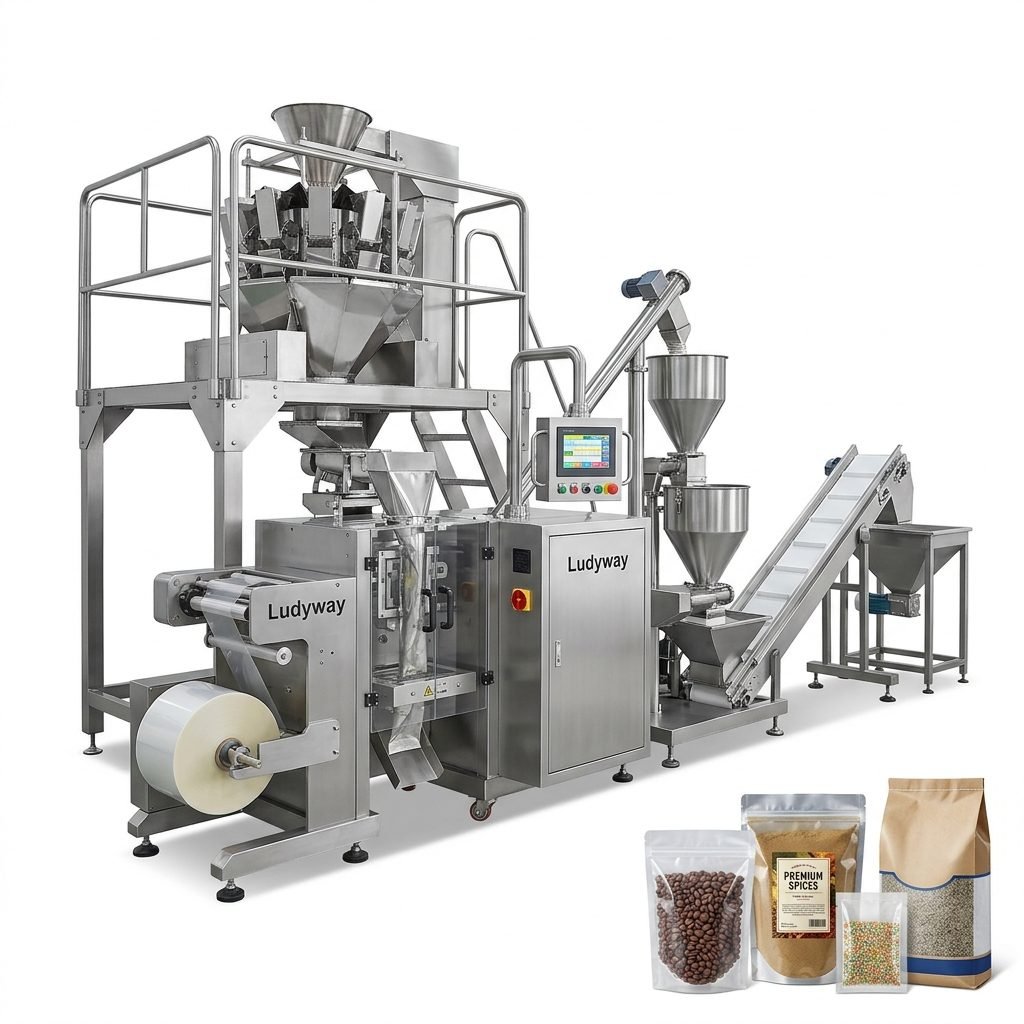
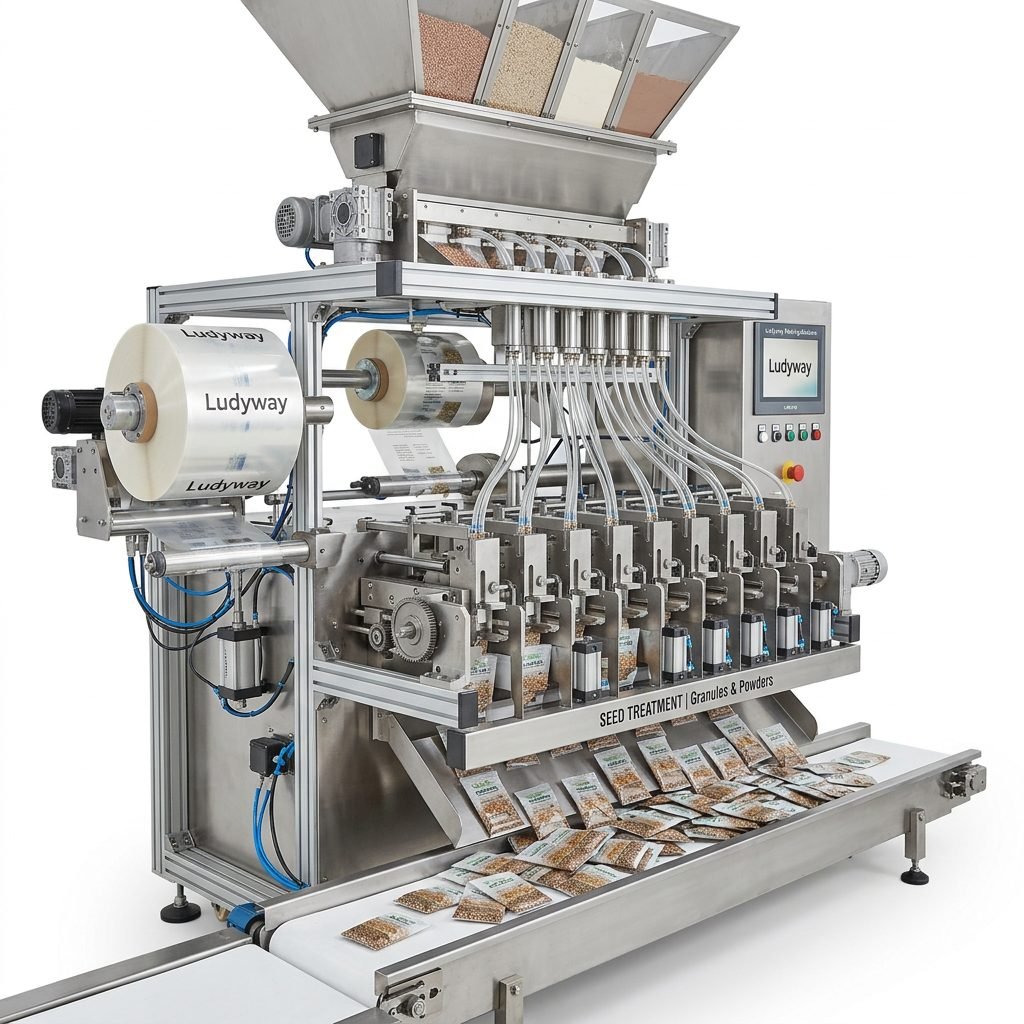
Choosing the right automatic cup packing solution is not only about speed. It also affects product safety, labor cost, sealing quality, shelf appeal, and your ability to scale production. Whether you pack yogurt cups, jelly cups, sauce cups, dessert cups, powdered supplements, or ready-to-eat food portions, the right machine should match your product characteristics, cup format, production target, and future expansion plan.
For manufacturers, distributors, and private-label brands, a well-selected cup packaging machine can reduce downtime, improve filling accuracy, and create a more stable packaging workflow from cup feeding to sealing and final discharge.
What Is an Automatic Cup Packing Machine?
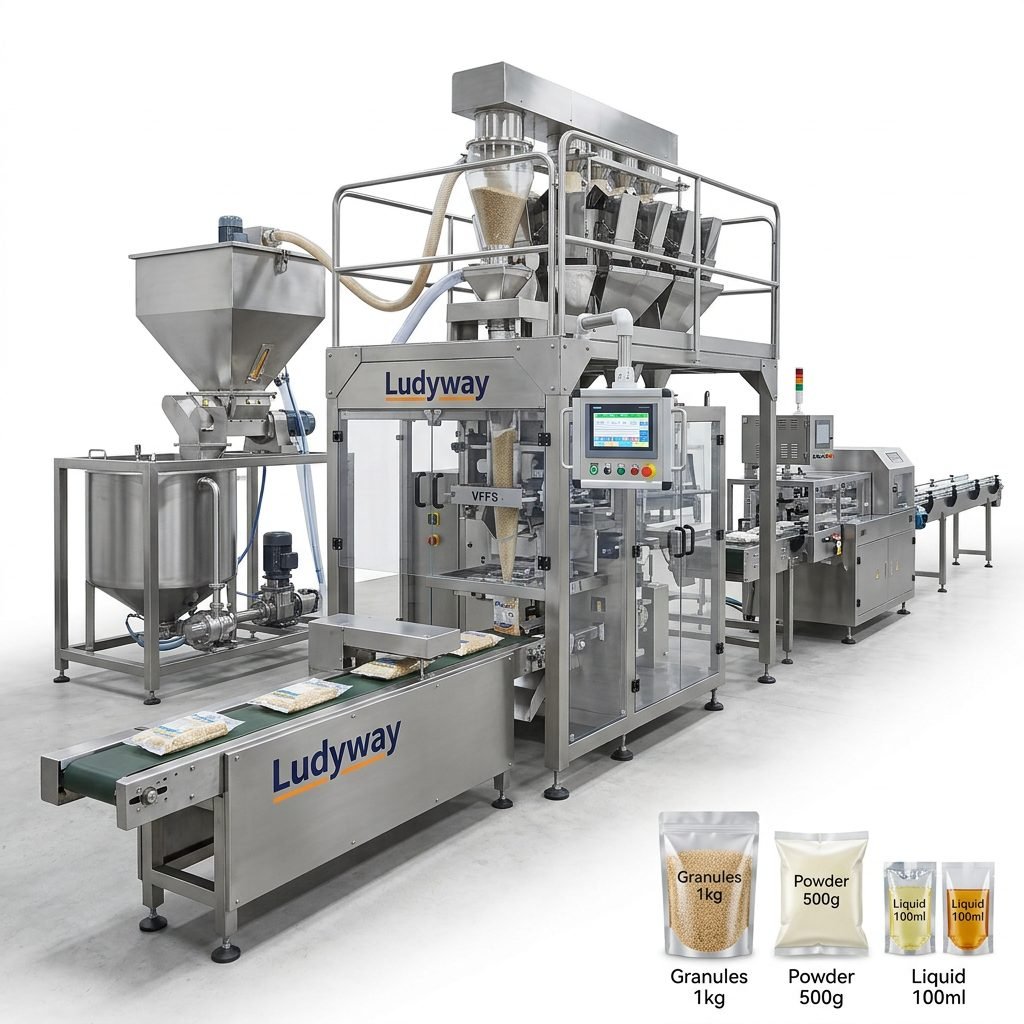
An automatic cup packing machine is packaging equipment designed to complete one or more steps such as cup denesting, filling, dosing, sealing, coding, lid placing, capping, inspection, and discharge. Depending on the product and packaging design, the machine can be configured as a semi-automatic unit, a fully automatic standalone machine, or a complete inline system connected with conveyors, checkweighers, cartoners, and case packers.
Typical applications include:
- Dairy cups such as yogurt and cream products
- Jelly, pudding, and dessert cups
- Sauce, seasoning, and condiment cups
- Instant noodle side cups and meal kits
- Powdered drink, nutrition, or supplement cups
- Pharmaceutical and healthcare cup-type dose packaging
Why Choosing the Right Solution Matters
A mismatch between machine capability and production demand often leads to sealing leaks, inaccurate fills, cup deformation, high material waste, and expensive maintenance. The right solution should support both current production needs and future product expansion.
| Selection Factor | Why It Matters |
|---|---|
| Product type | Determines filling system, hygiene level, and sealing method |
| Cup size and material | Affects denesting precision, transport stability, and seal consistency |
| Target speed | Impacts machine structure, lane quantity, and automation level |
| Packaging material | Needs compatibility with heat sealing, foil sealing, or snap-on lids |
| Cleaning requirements | Critical for food, dairy, pharma, and hygienic production |
| Line integration | Ensures smooth connection with upstream and downstream equipment |
Step 1: Define Your Product Characteristics
Before comparing suppliers or machine models, start with the product itself. The product determines the filling principle and the machine design.
Ask these key questions:
- Is the product liquid, paste, powder, granule, or mixed texture?
- Does it foam, drip, settle, or separate during filling?
- Is hot filling required?
- Does the product need sterile or hygienic packaging conditions?
- Is there a need for nitrogen flushing or vacuum sealing?
For example, a thin liquid like flavored jelly syrup requires a different filling system from a thick dairy dessert with fruit pieces. Powdered health products packed in cups may require auger filling with dust control, while sauce cups may need piston filling with anti-drip nozzles.
Step 2: Match the Machine to Cup Format
Cup packaging performance depends heavily on packaging format compatibility. Even a high-speed machine can perform poorly if your cup dimensions vary too much or the material is unstable under heat.
Important cup-related specifications:
- Top diameter, bottom diameter, and cup height
- Cup material such as PP, PET, PS, paper, or composite material
- Rim design and sealing surface flatness
- Single-cup or multi-cup tray format
- Preformed cups or cups formed on-line
If you plan to run multiple cup sizes on one line, ask for tooling changeover time, mold replacement ease, and recipe memory support on the control system.
Step 3: Decide the Required Automation Level
Not every business needs the same machine configuration. The best choice depends on volume, labor availability, floor layout, and budget.
| Automation Type | Best For | Key Benefit |
|---|---|---|
| Semi-automatic | Startups, testing, small batches | Lower initial investment |
| Fully automatic standalone | Mid-size production | Higher consistency and labor savings |
| Turnkey cup packaging line | High-volume plants and integrated factories | Maximum efficiency and centralized control |
If your operation is growing quickly, it is often smarter to choose a scalable system rather than the cheapest entry-level machine. This helps avoid replacing equipment too early.
Step 4: Evaluate Filling Accuracy and Sealing Quality
In cup packaging, the two most critical quality indicators are accurate filling and reliable sealing. These directly affect customer satisfaction, compliance, and product shelf life.
What to check:
- Filling tolerance for each cup volume
- Anti-drip and anti-foam features
- Seal strength consistency
- Leak prevention under transport and storage conditions
- Compatibility with foil, film, or lid sealing materials
- Date coding and batch traceability options
If your product is sold through retail or export channels, poor sealing can result in returns, complaints, and damaged brand reputation. A machine trial with your real cups, lids, and product is highly recommended.
Step 5: Consider Hygiene, Compliance, and Cleaning
Food, dairy, health supplement, and pharmaceutical products require a machine that supports clean operation. Stainless steel construction, smooth contact surfaces, easy disassembly, and sanitary filling design are all important.
Look for features such as:
- Food-grade contact parts
- 316L or 304 stainless steel structure where appropriate
- CIP or easy manual cleaning access
- Dust-proof or enclosed filling zones
- Protective guarding and safety interlocks
- Validation support for regulated industries
For high-care products, hygiene should be considered from the start, not added later as an afterthought.
Step 6: Check Speed Against Real Production Needs
Buyers often focus too much on maximum speed. In reality, sustainable output is more important than peak speed shown in a brochure. A machine should maintain stable performance over long shifts.
Ask suppliers for:
- Actual running speed with your product viscosity or flow behavior
- Output differences by cup size
- Downtime factors and maintenance intervals
- Reject rate and sealing failure rate
- Changeover time between SKUs
The right cup packing machine should support overall equipment efficiency, not just nominal capacity.
Step 7: Think Beyond the Machine—Look at the Whole Line
A cup filling and sealing machine usually performs best when integrated with upstream and downstream equipment. That may include cup feeding, product preparation, conveyors, coding, inspection, cartoning, case packing, and palletizing.
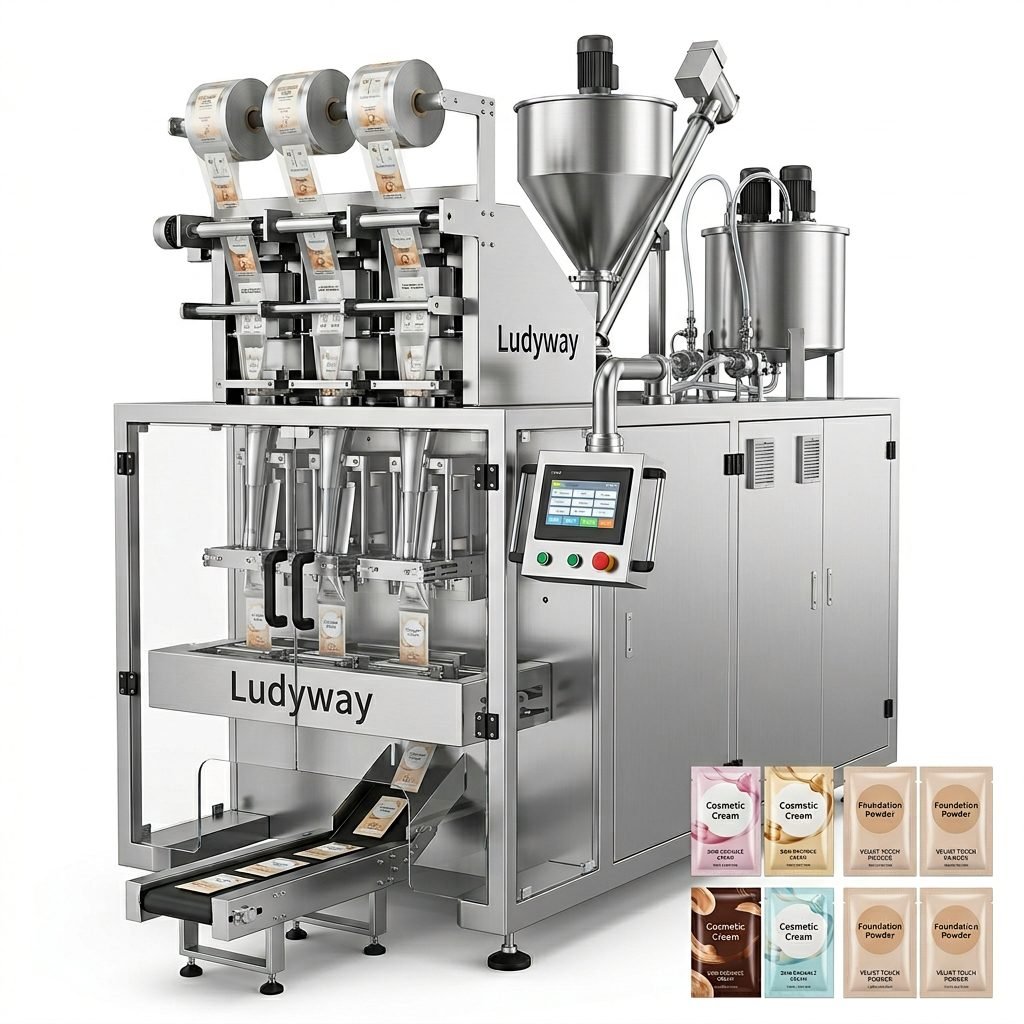
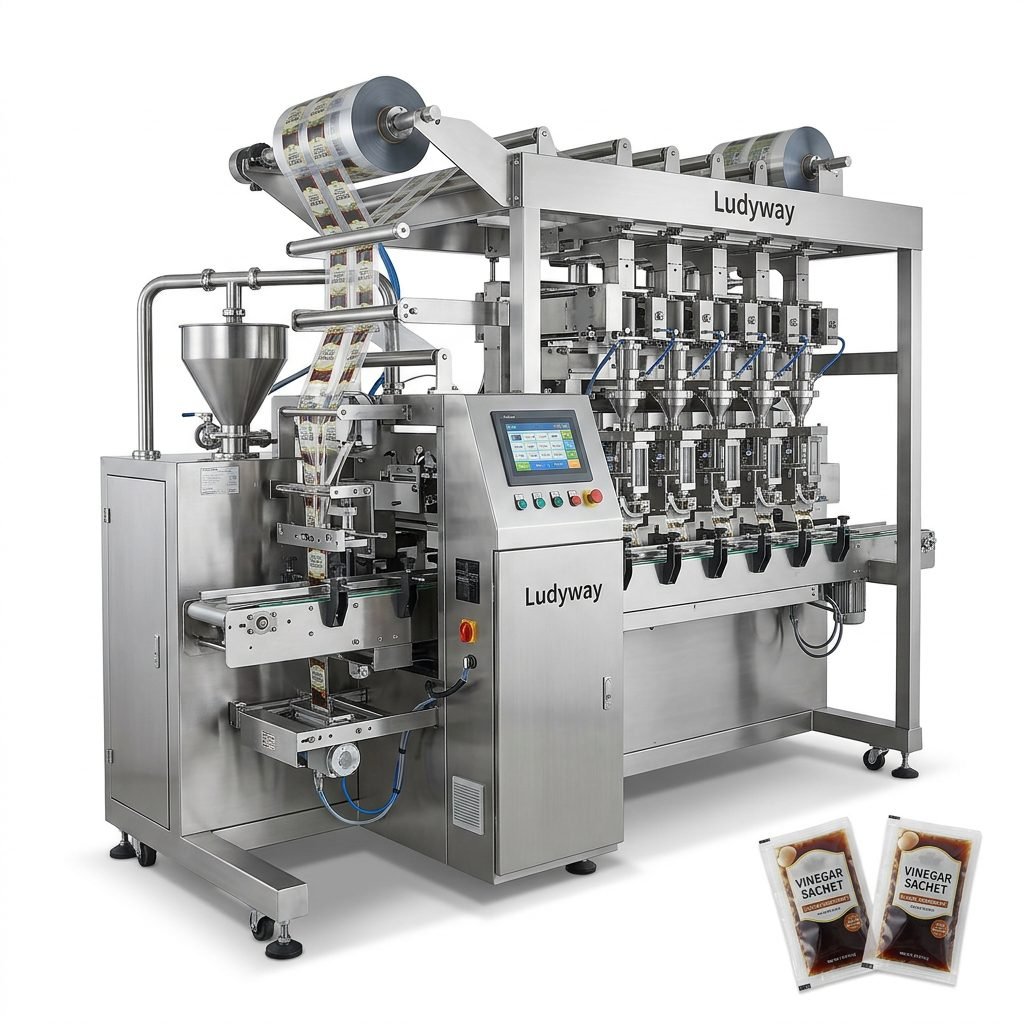
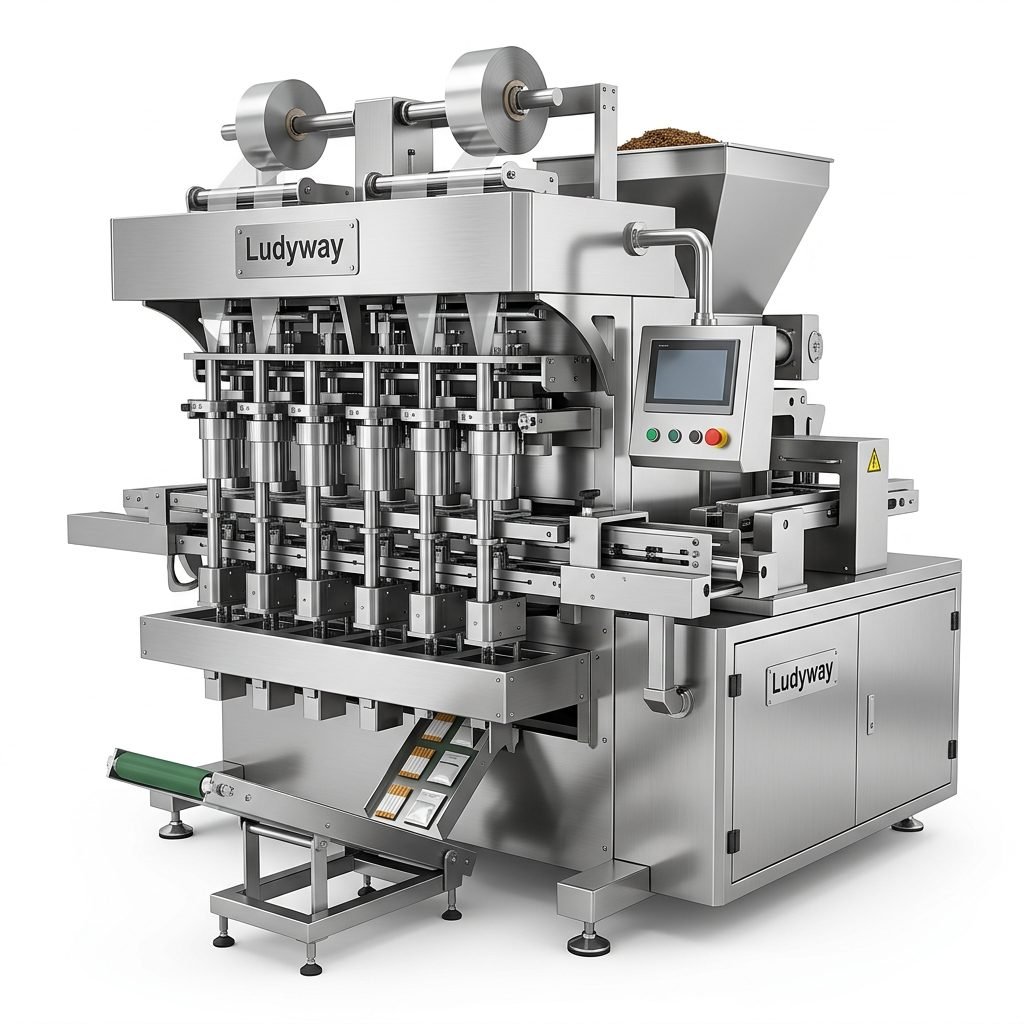
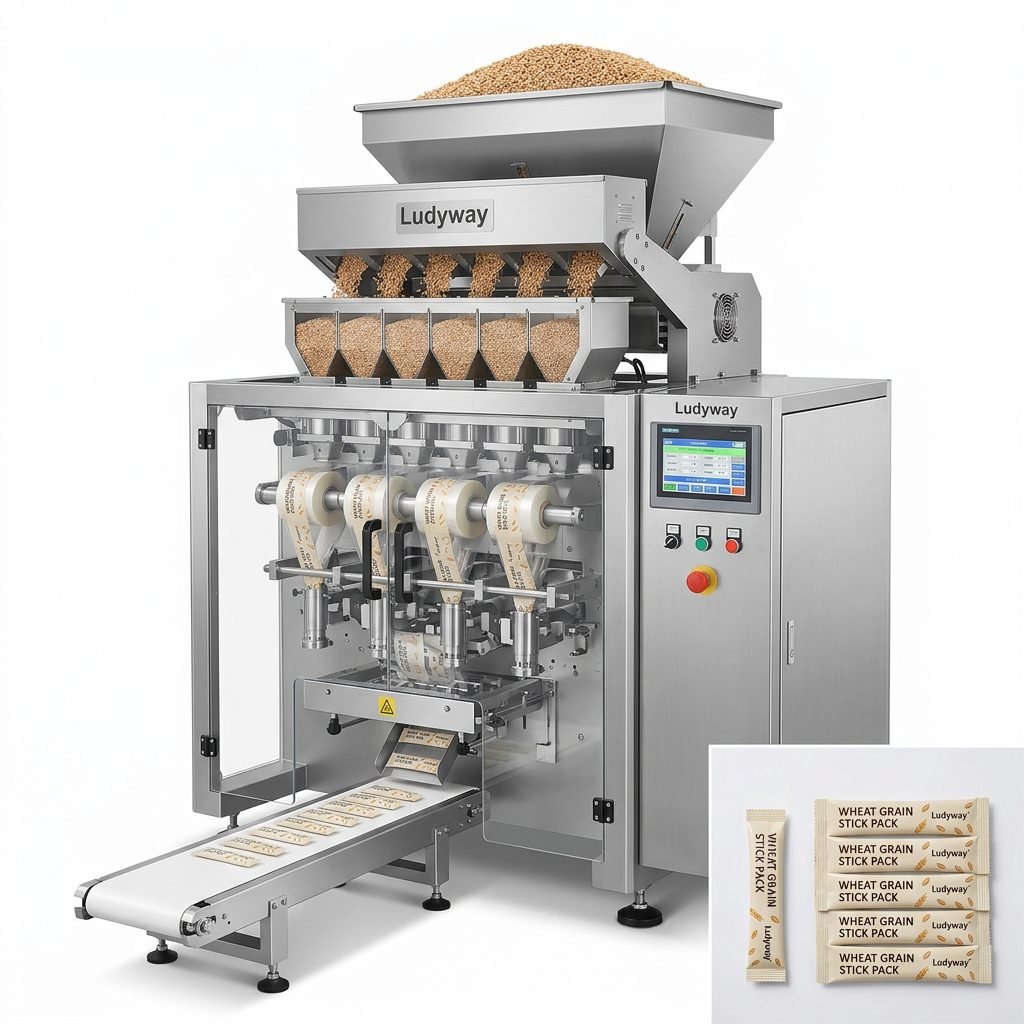
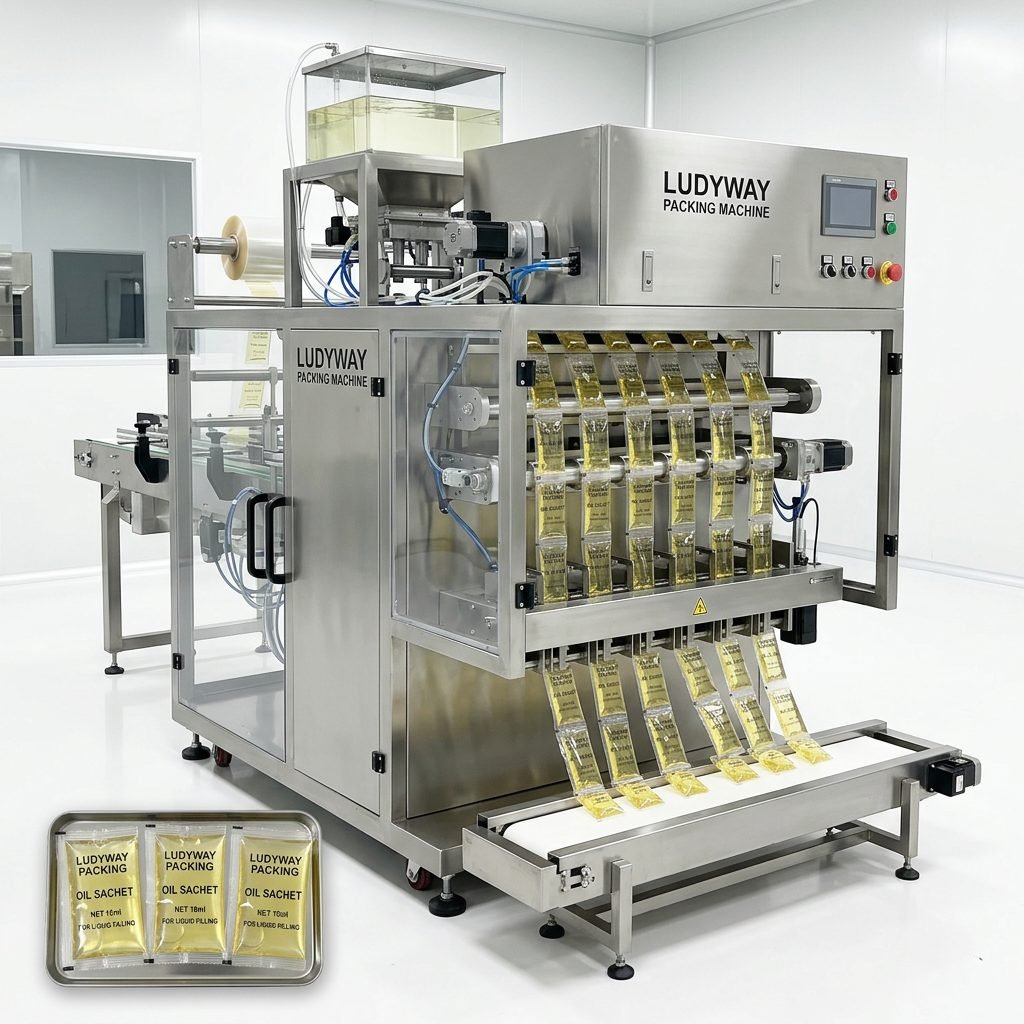
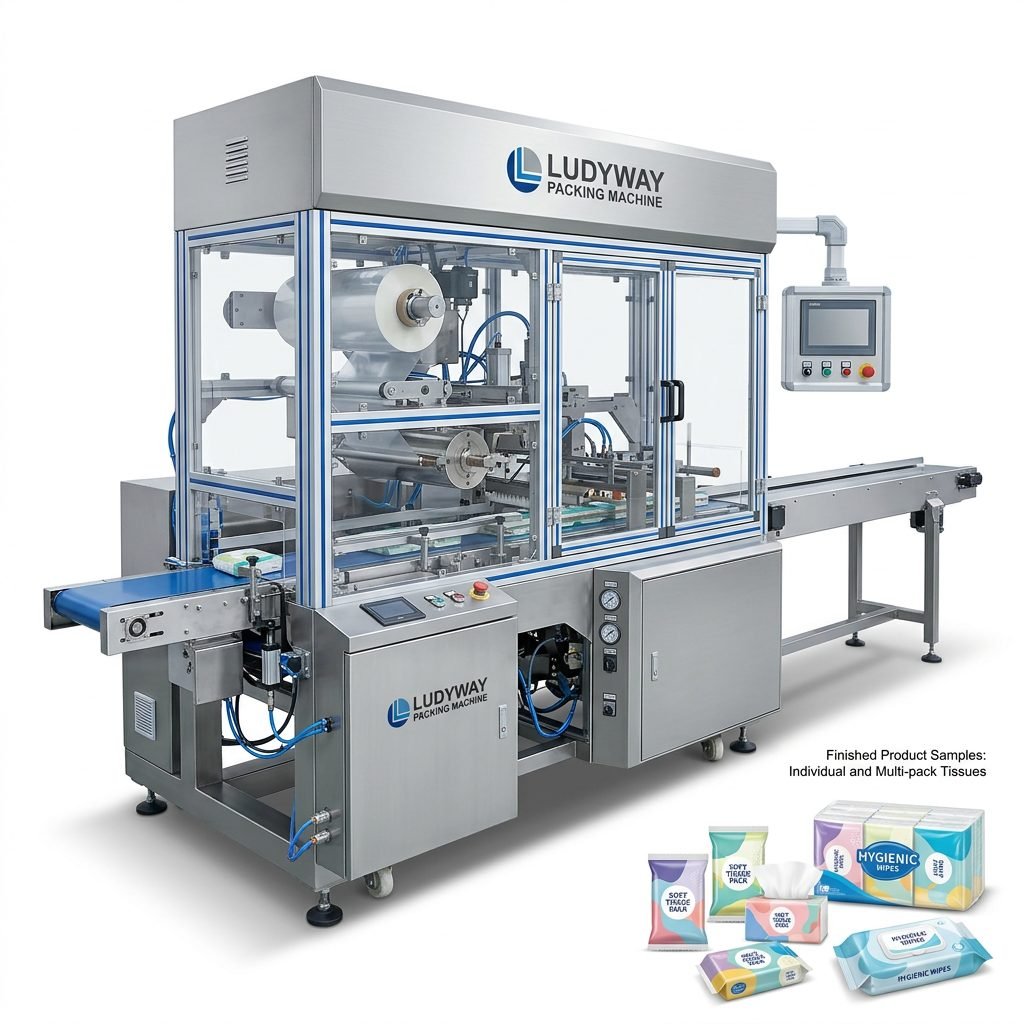
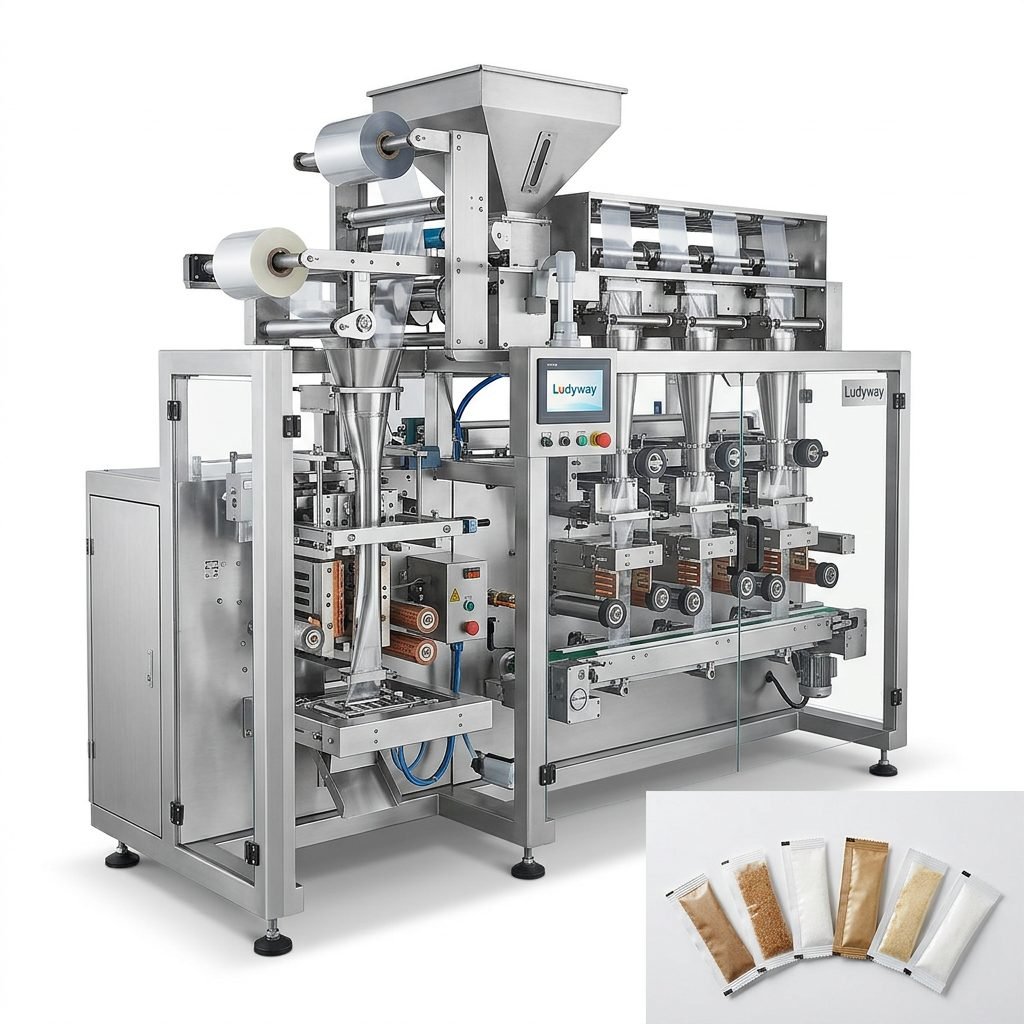
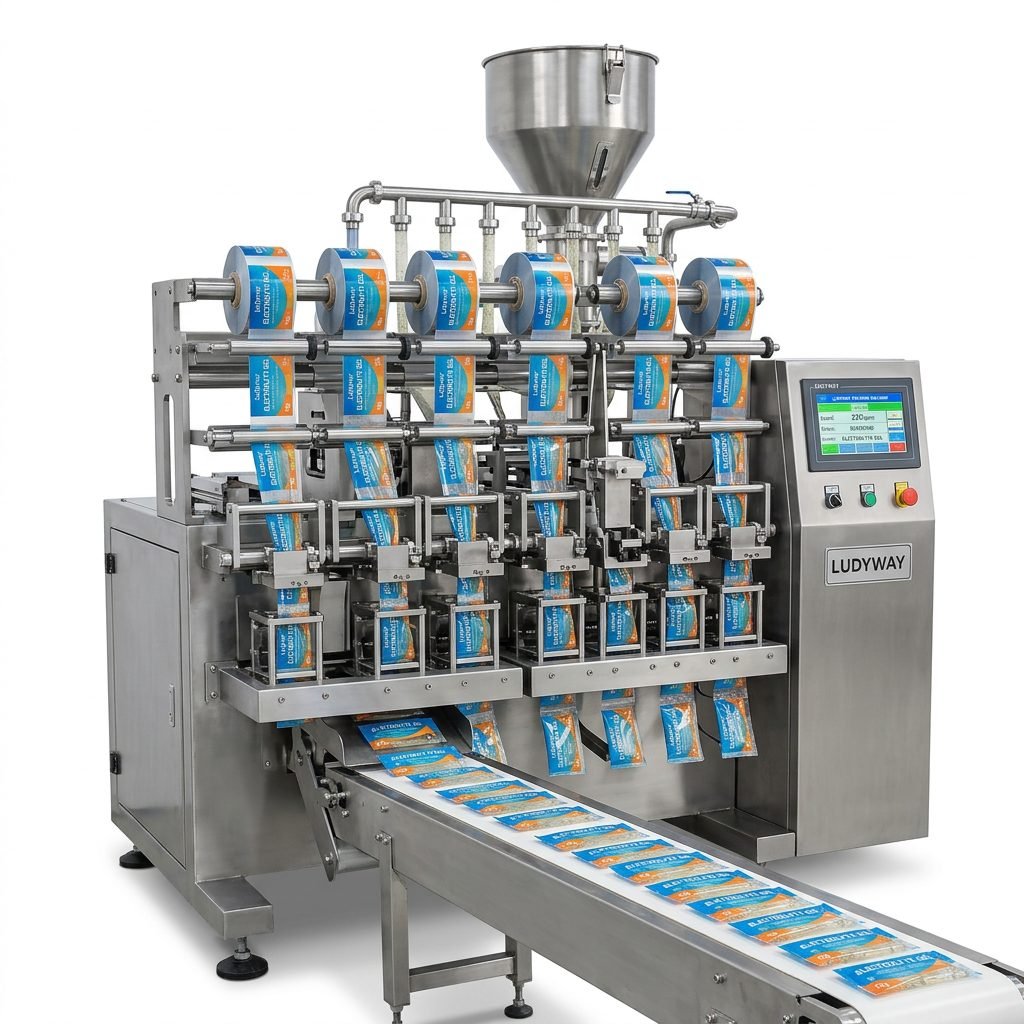
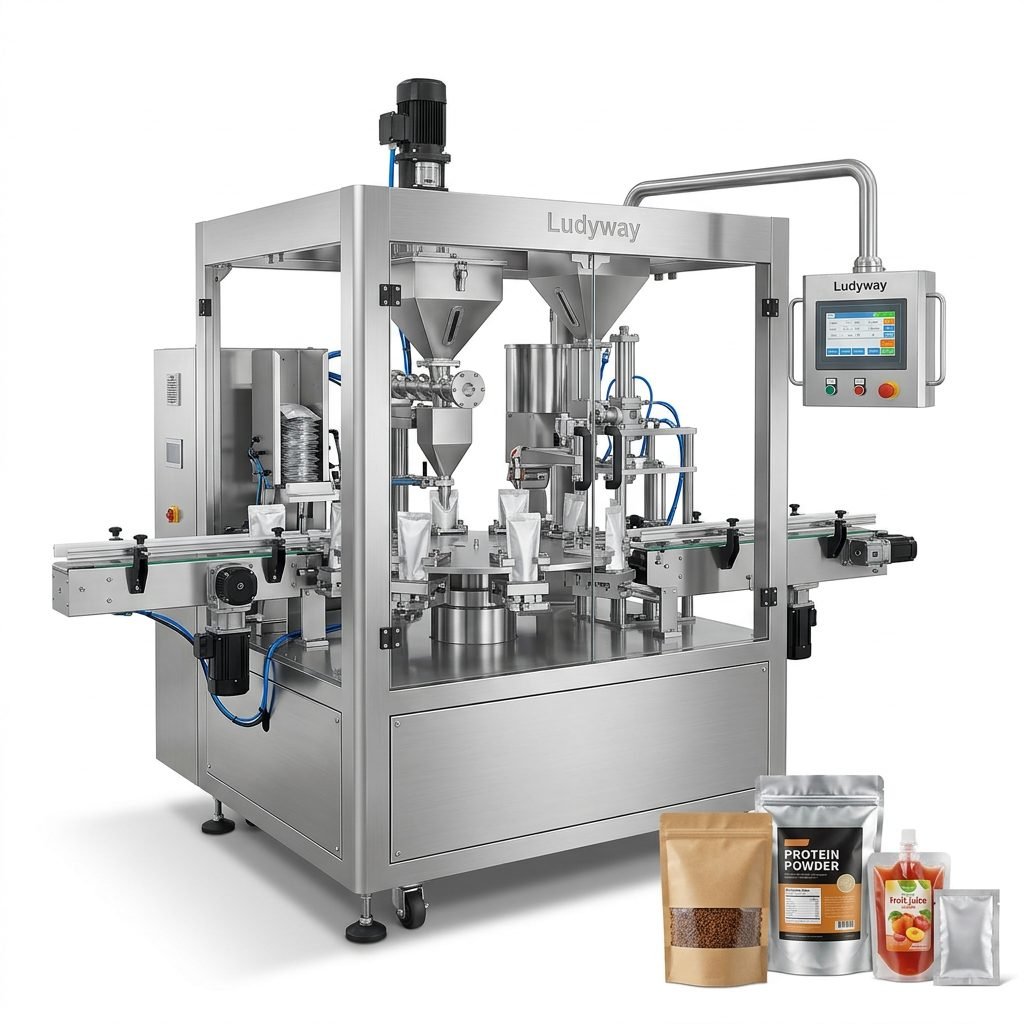
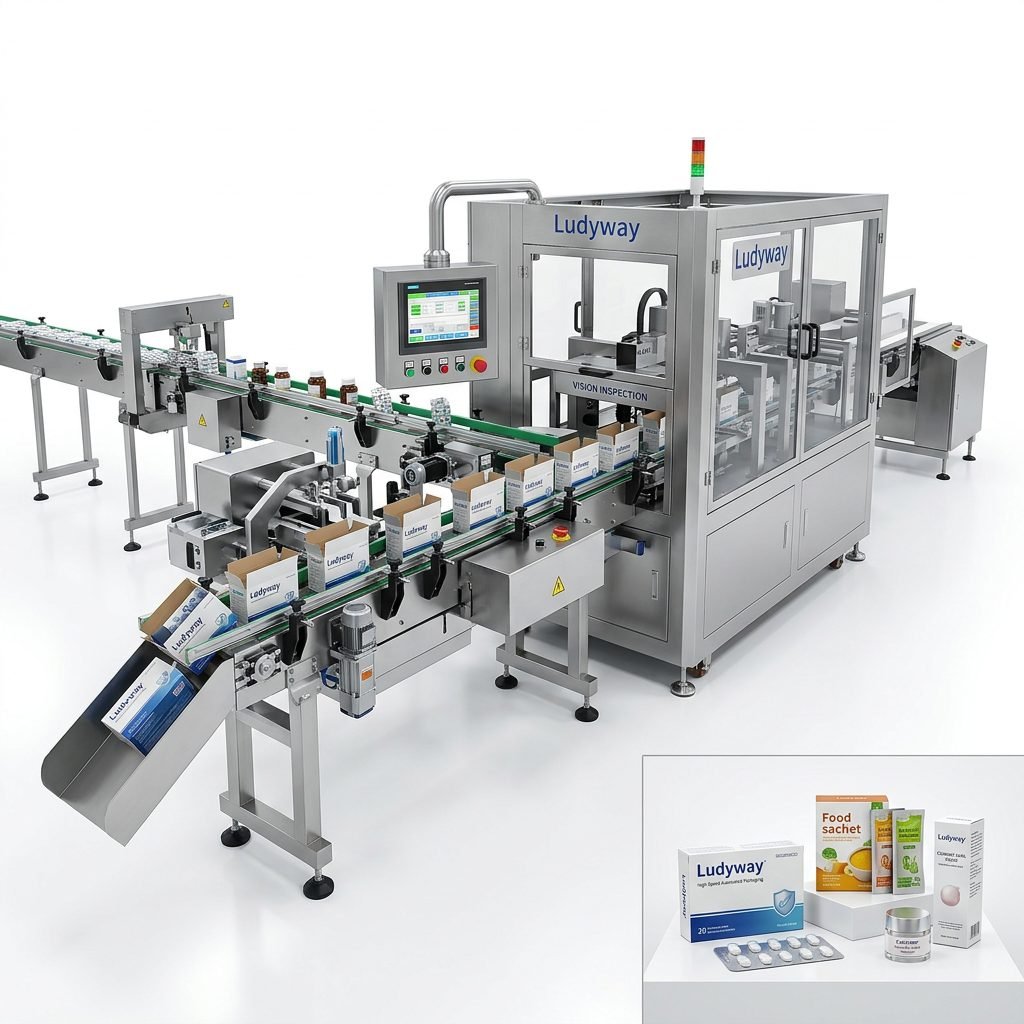
If you are planning line expansion, working with an experienced manufacturer of complete packaging systems can simplify project management. One option to explore is Ludyway automatic packaging solutions, especially for businesses looking for scalable standalone machines or turnkey packaging lines across food, pharmaceutical, and health-related applications.
Common Types of Automatic Cup Packing Solutions
Rotary Cup Filling and Sealing Machines
Suitable for stable high-speed production with compact footprint. Common in dairy, jelly, and sauce cup packaging.
Linear Cup Packaging Machines
Often preferred when flexibility, easier maintenance, or larger cup formats are required.
Multi-Station Custom Cup Lines
Best for factories needing integrated functions such as cup denesting, double filling, fruit topping, lid placement, sealing, and secondary packaging.
Servo-Driven Smart Packaging Systems
Recommended for customers who value recipe storage, touch-screen control, precise dosing, and easier adjustment between products.
Questions to Ask Before You Buy
- Can the machine run my current and future cup sizes?
- What filling method is used for my product type?
- What is the tested speed with my actual sample?
- How easy is cleaning and daily maintenance?
- What wear parts need regular replacement?
- Is remote support or overseas service available?
- Can the machine connect to coding, inspection, and cartoning equipment?
- What certifications and quality control procedures are provided?
Signs You Need a Customized Cup Packaging Solution
- You package multiple cup shapes on one production line
- Your product contains solids, layers, or mixed textures
- You need high hygiene or regulated-industry compliance
- Your packaging includes special lids, spoon insertion, or overcaps
- You want to integrate the machine into a fully automatic line
In these situations, a standard machine may not deliver the best long-term result. Custom engineering can improve line compatibility, product handling, and overall return on investment.
Mistakes to Avoid When Choosing a Cup Packaging Machine
- Buying based only on price instead of lifecycle value
- Ignoring future SKU expansion
- Overlooking sanitation and cleaning needs
- Choosing maximum speed without verifying stable output
- Not testing with actual cups, films, and product samples
- Failing to plan for spare parts and after-sales support
How to Compare Suppliers Effectively
When reviewing equipment suppliers, compare more than technical specifications. A reliable partner should offer application understanding, customization ability, installation guidance, and long-term service support.
| Supplier Evaluation Point | What to Look For |
|---|---|
| Industry experience | Proven projects in food, dairy, pharma, or cup applications |
| Customization ability | Flexibility for cup size, product type, and line integration |
| Factory capability | Manufacturing scale, assembly quality, and testing process |
| Service support | Commissioning, training, spare parts, and troubleshooting response |
| Export experience | Ability to support global standards and international buyers |
Final Buying Advice
The right automatic cup packing solution should fit your product, cup format, speed target, hygiene standard, and business growth plan. A good machine does more than fill and seal cups—it creates a stable, efficient, and scalable packaging process.
If possible, request a sample test, review the full production workflow, and compare suppliers based on engineering depth as well as machine price. That approach will help you choose equipment that performs reliably over the long term rather than simply looking good on paper.
Quick checklist before making the final decision:
- Confirm product compatibility
- Verify cup and lid specifications
- Review sealing and filling test results
- Assess cleaning and maintenance convenience
- Plan for future automation upgrades
With the right planning, your automatic cup packaging investment can deliver higher throughput, better package consistency, and stronger market competitiveness.