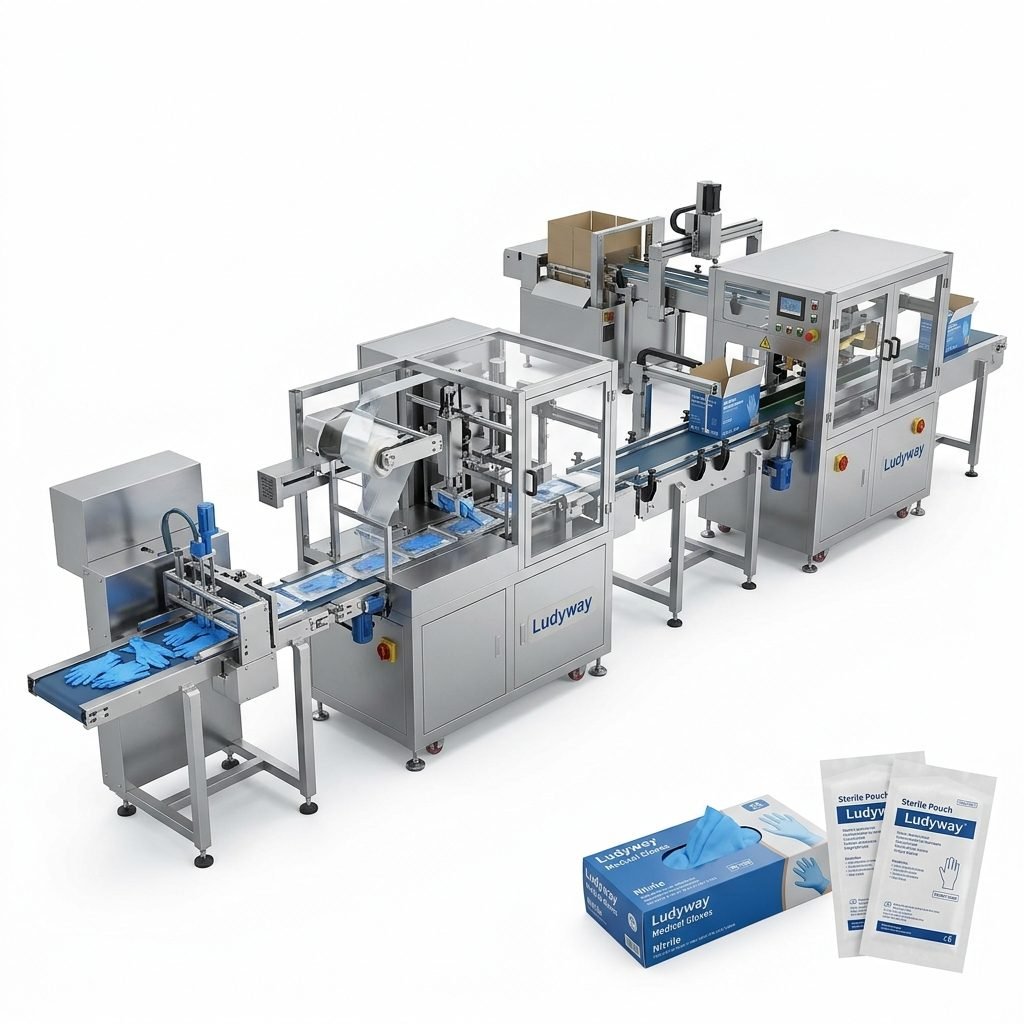
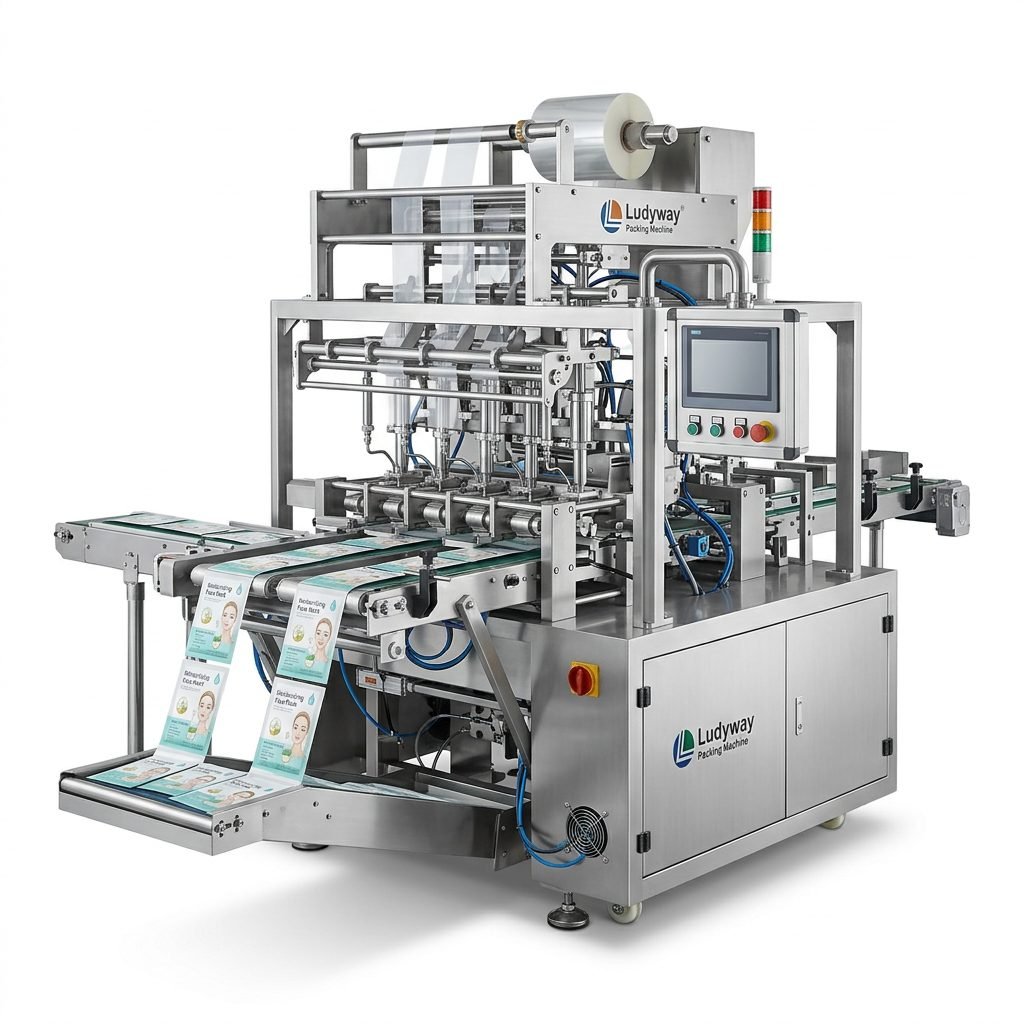
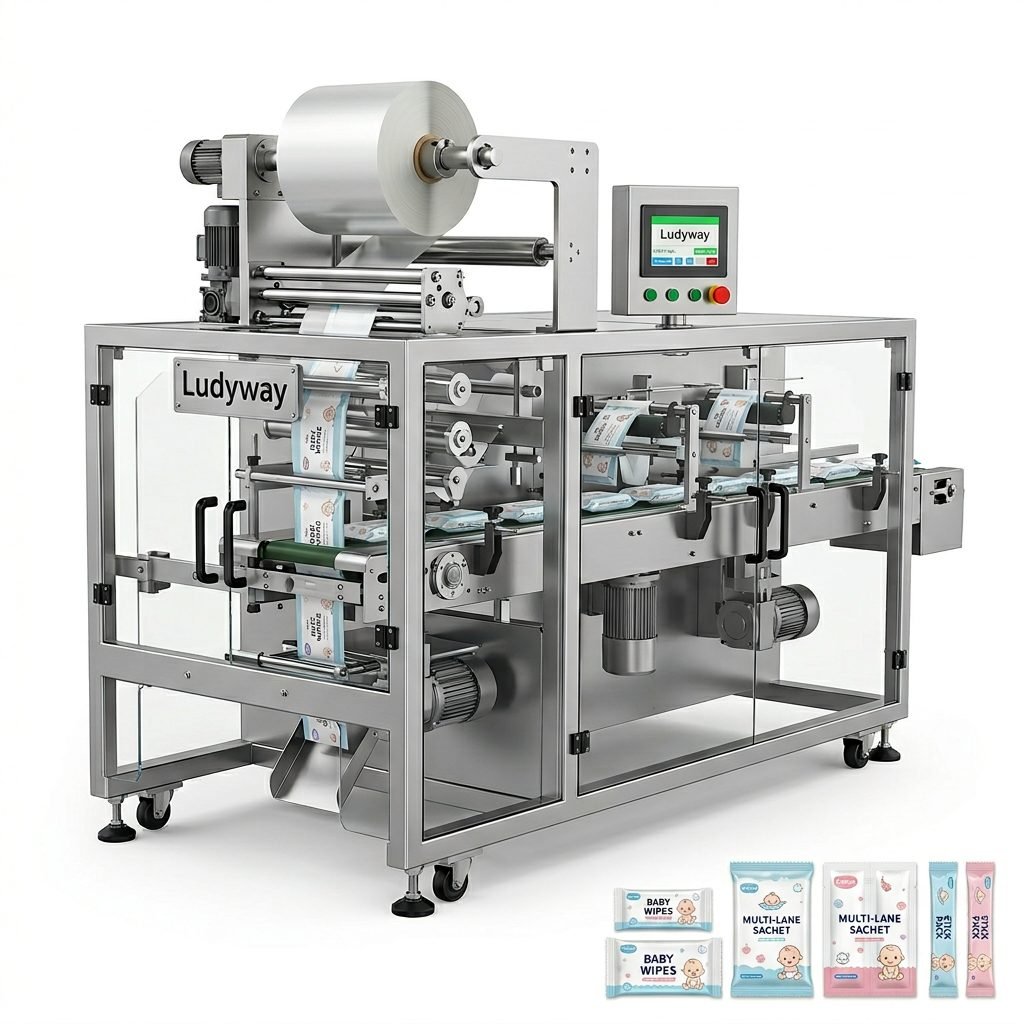
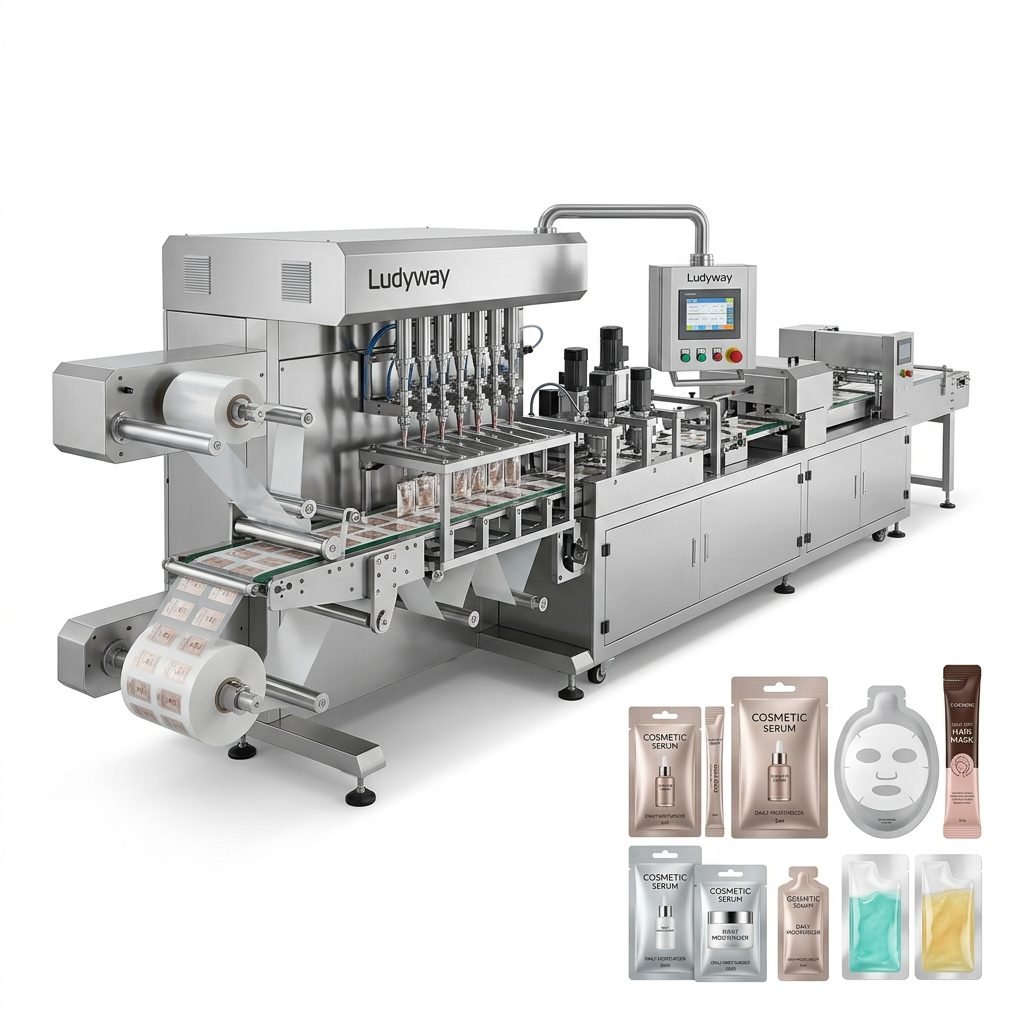
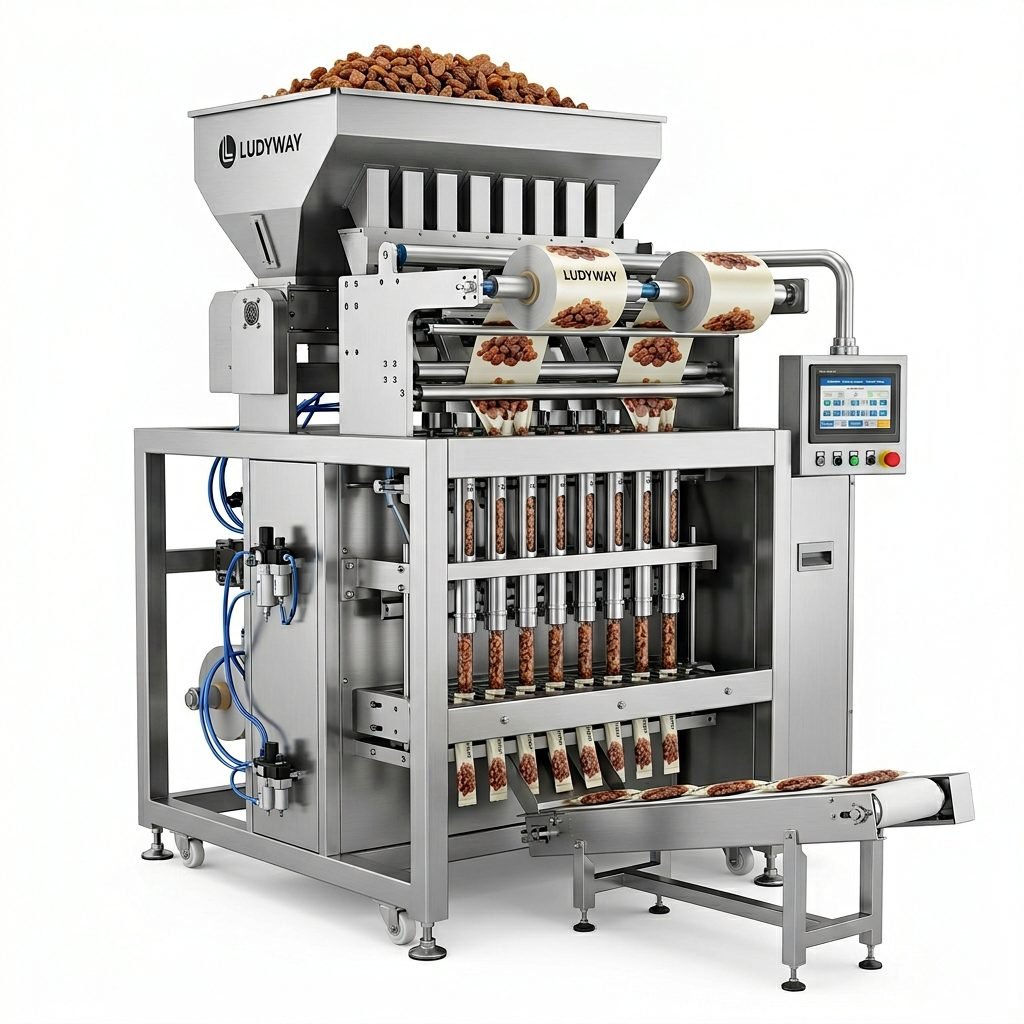
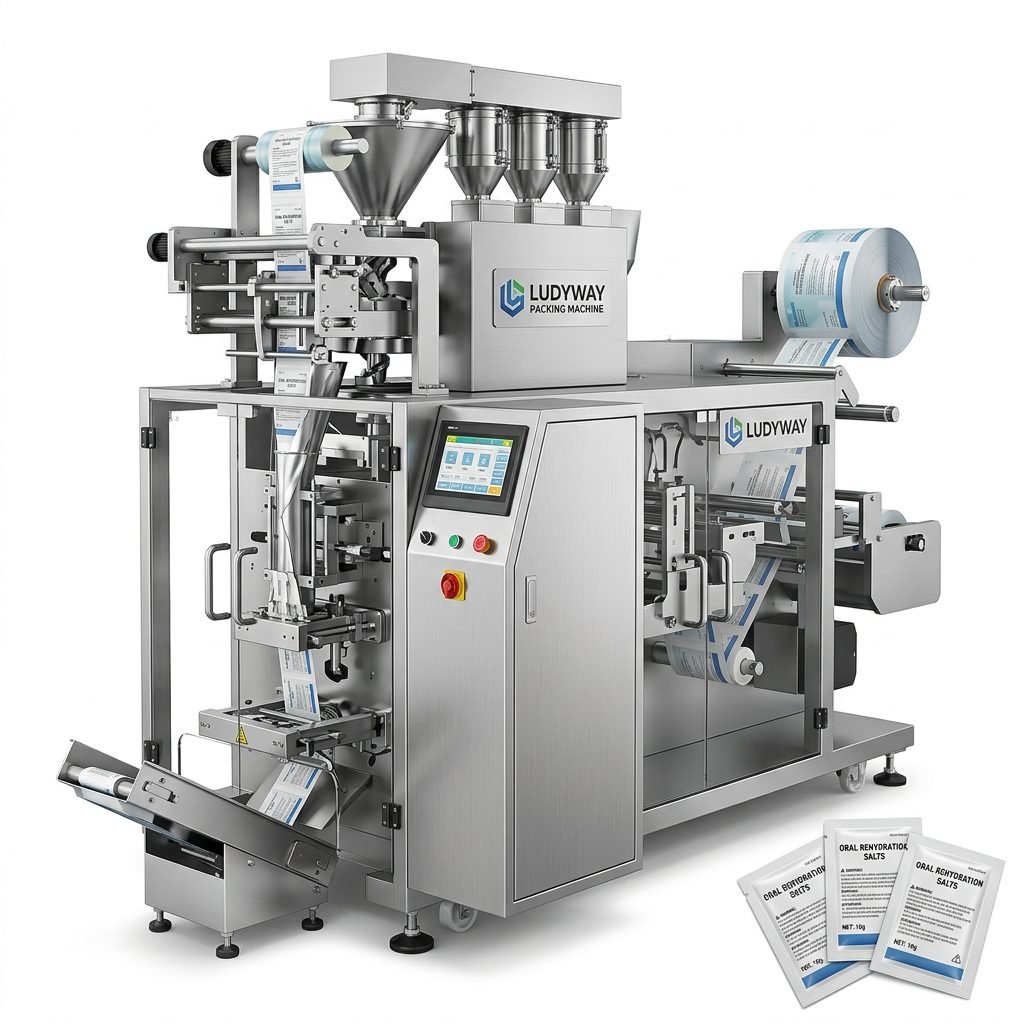
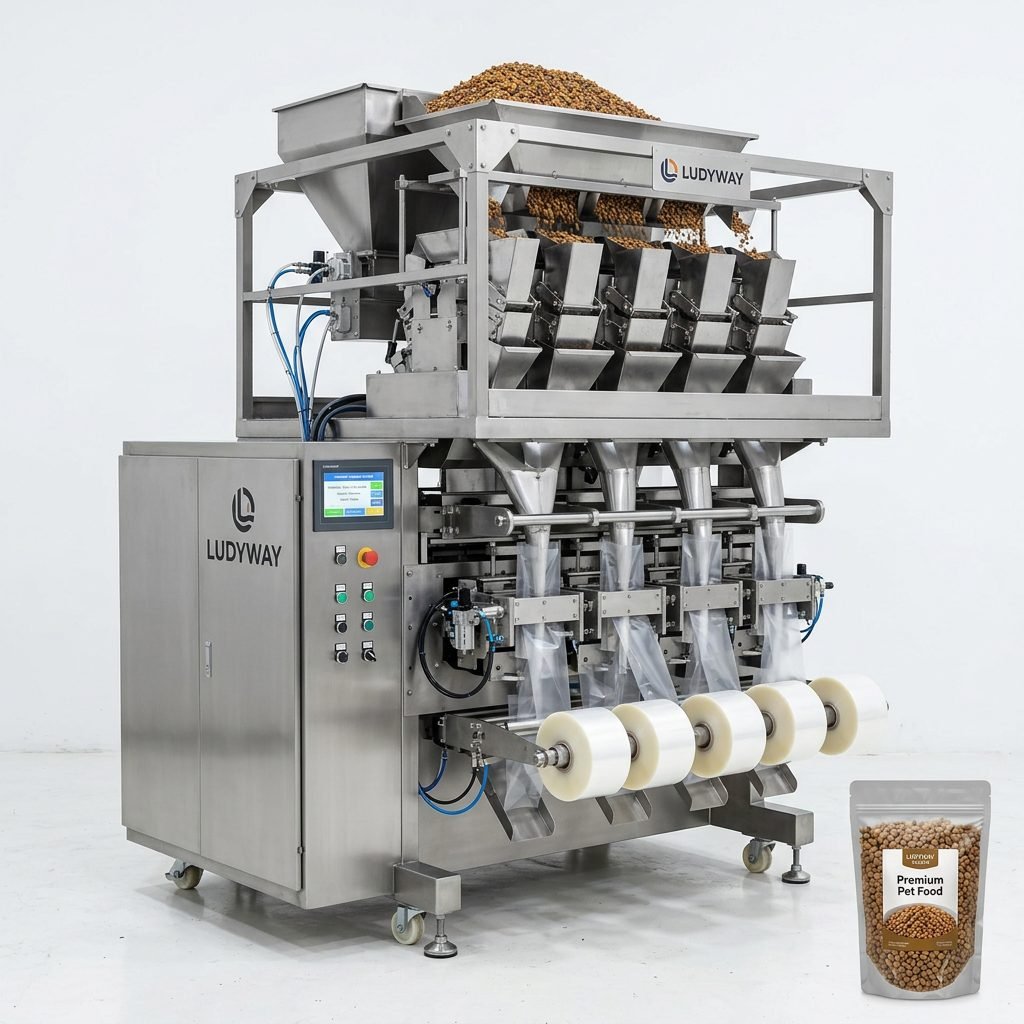
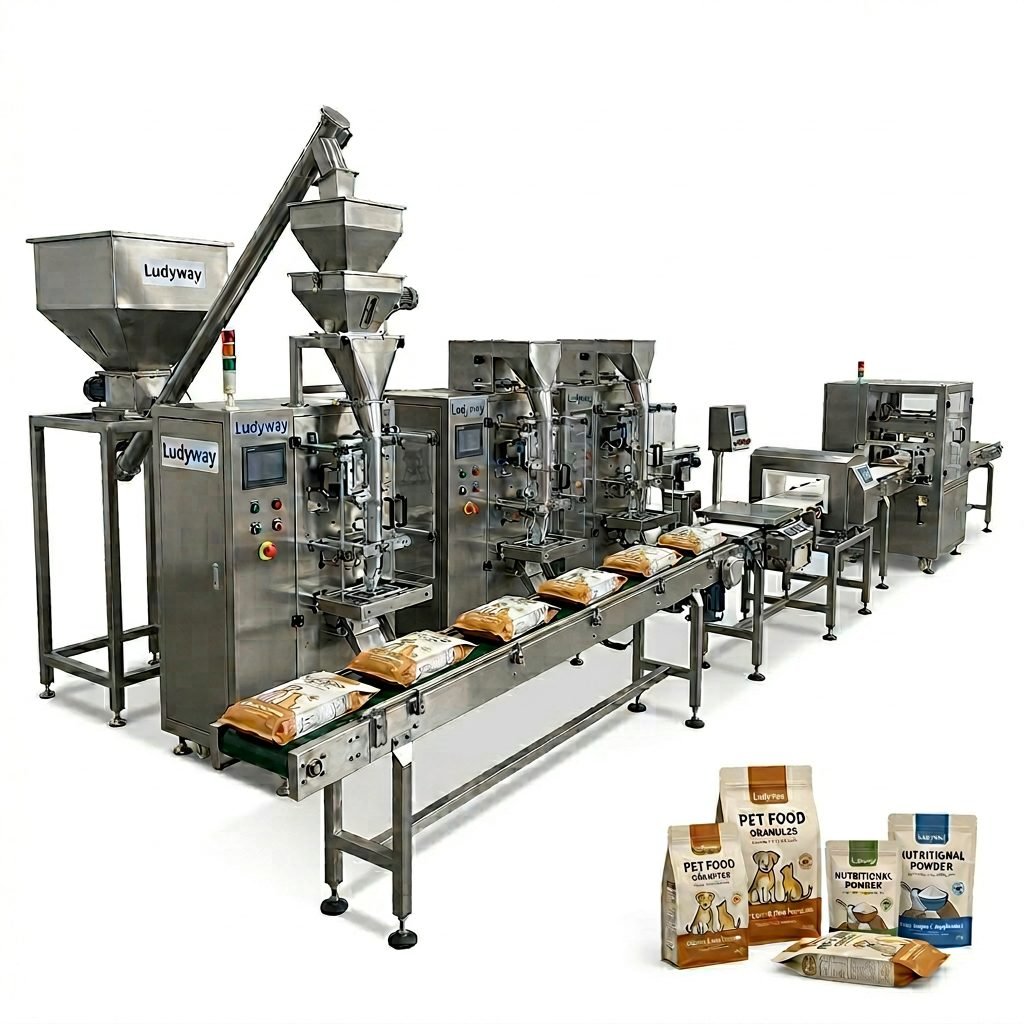
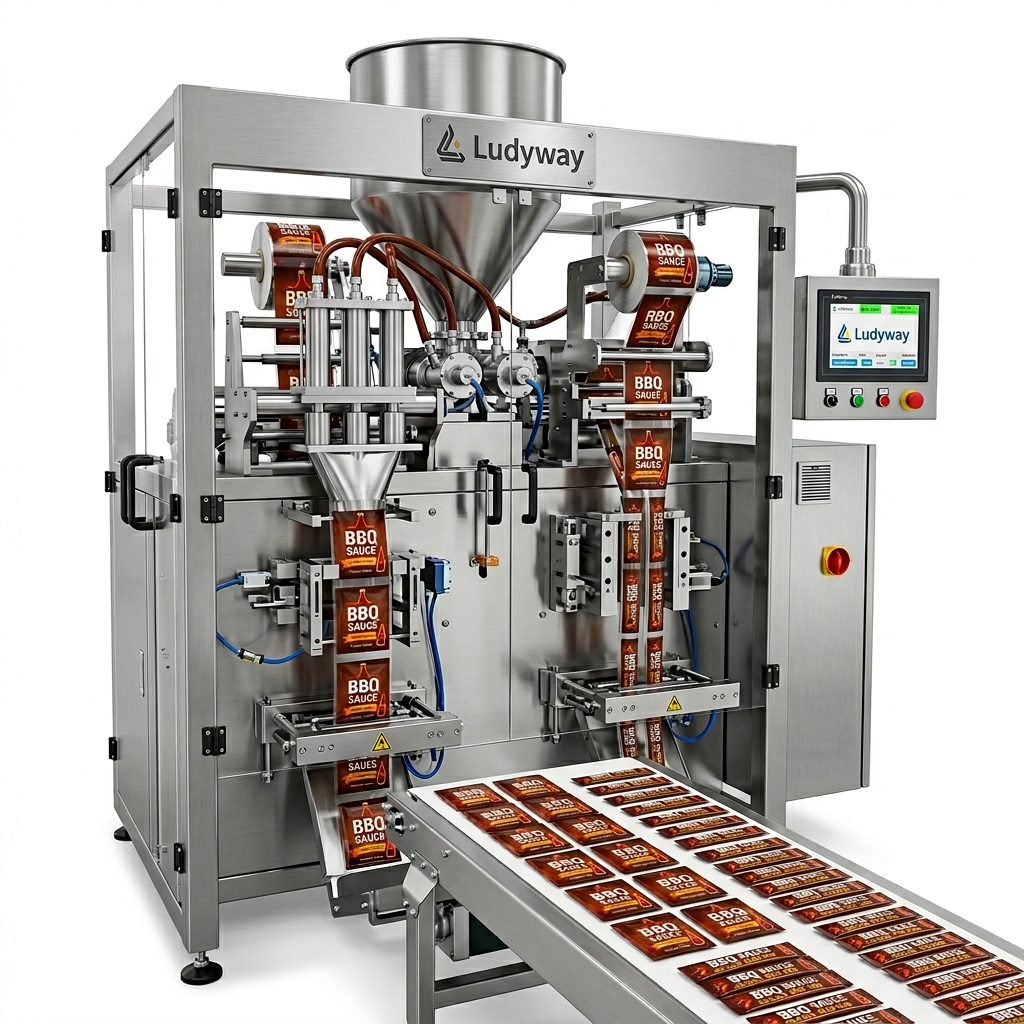
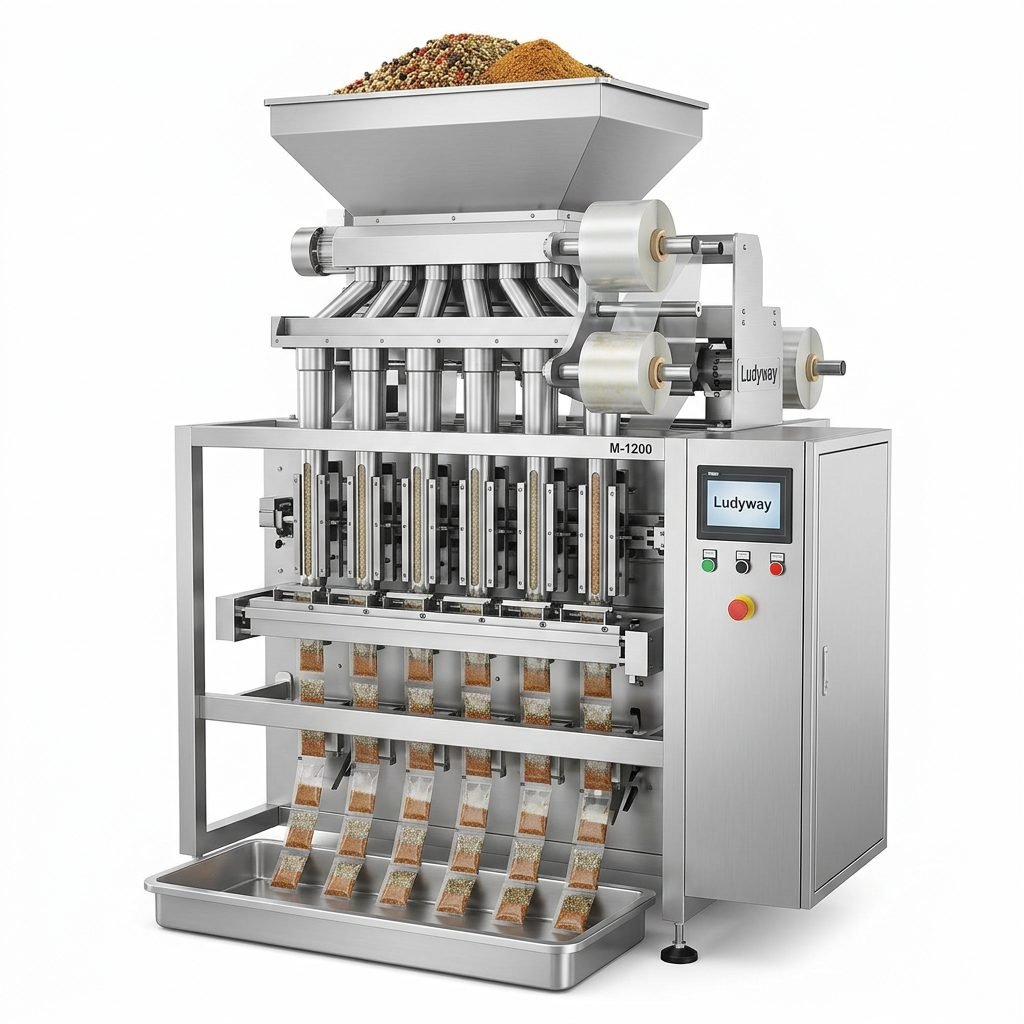
An automatic fabric roll packing machine is designed to streamline the wrapping, sealing, labeling, and handling of textile rolls with higher speed and consistency than manual methods. For textile manufacturers, fabric converters, wholesalers, and logistics centers, this equipment helps reduce labor dependency, improve pack appearance, and protect rolls during storage and shipping.
As textile operations scale up, efficient roll packaging becomes more than a finishing step. It directly affects warehouse efficiency, transport safety, customer satisfaction, and overall production cost. Choosing the right machine can significantly improve output while keeping fabric rolls clean, tight, and well-presented.
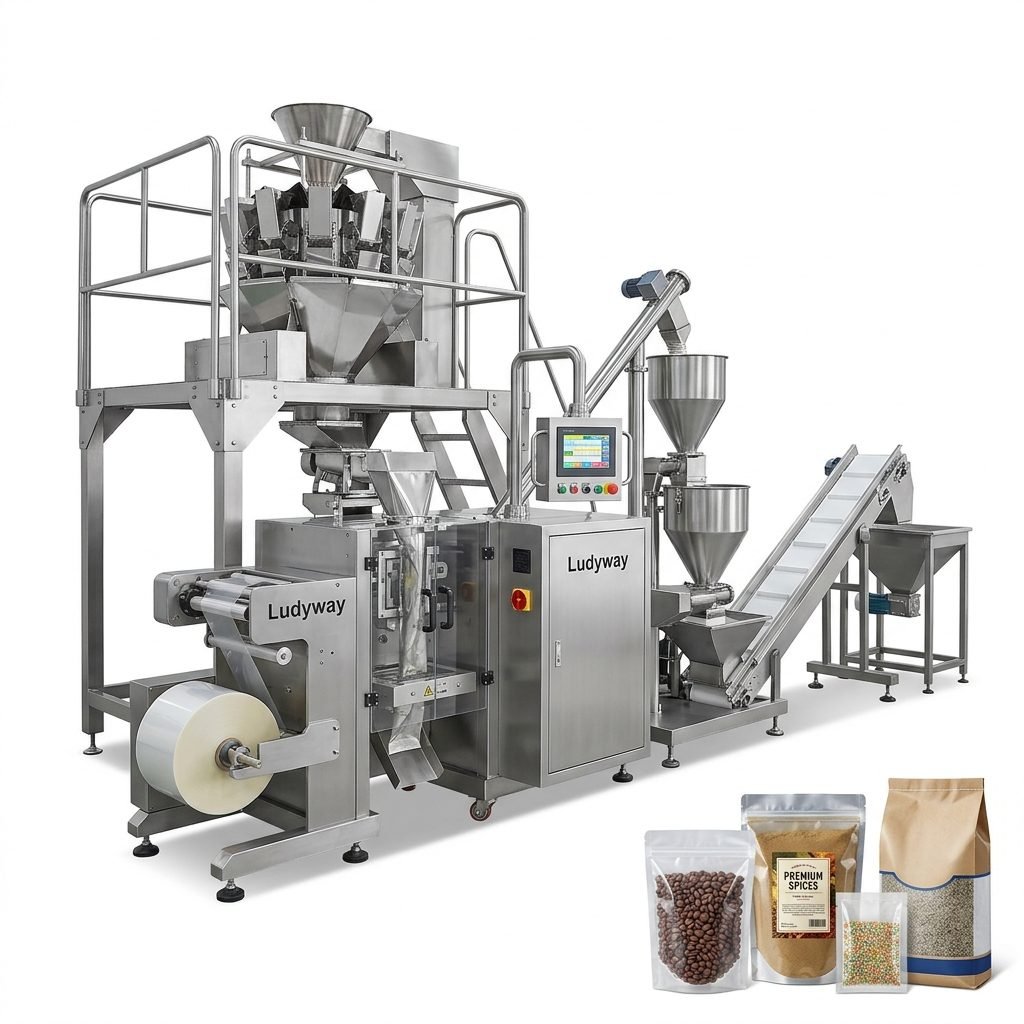
What Is an Automatic Fabric Roll Packing Machine?
It is a packaging system built to handle rolled textile materials such as woven fabric, knitted fabric, nonwoven rolls, coated textiles, synthetic leather, and industrial cloth. The machine automatically performs one or more of the following tasks:
- Roll positioning and feeding
- Length or diameter detection
- Film wrapping or bagging
- Heat sealing or side sealing
- End folding and trimming
- Label printing and application
- Weight checking and discharge conveying
Depending on the packaging requirement, the machine may use PE film, shrink film, laminated film, woven bags, or other protective materials. Some advanced models can also integrate with conveyors, weighing systems, barcode printers, and palletizing equipment.
Why Fabric Roll Packaging Matters
Fabric rolls are vulnerable to dust, moisture, scratches, edge damage, and deformation during handling. Manual wrapping often leads to inconsistent sealing, loose packaging, and slower output. An automated machine helps create a more stable and repeatable packaging process.
- Better product protection against dirt, humidity, and transport damage
- Improved packaging consistency for retail, wholesale, or export presentation
- Higher throughput for medium and large production volumes
- Lower labor costs and reduced operator fatigue
- Easier warehouse handling with standardized packed rolls
Main Types of Fabric Roll Packing Machines
Automatic Film Wrapping Machines
These machines wrap rolls using stretch film or PE film. They are suitable for basic dustproof and moisture-resistant packaging and are commonly used for textile mills and internal logistics.
Automatic Bagging Machines for Fabric Rolls
The machine inserts the fabric roll into a pre-made or formed bag and seals it. This style is often preferred when a neat full-cover package is required for retail, storage, or export.
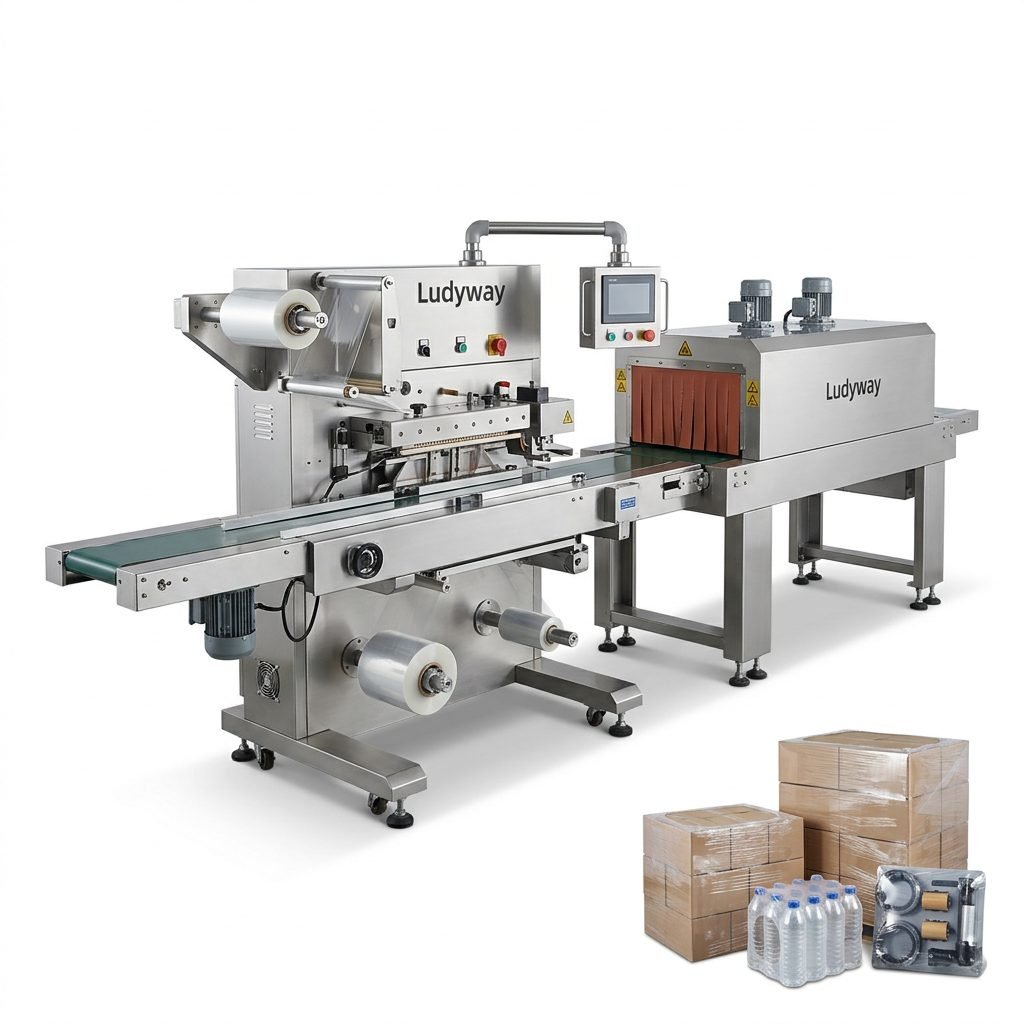
Shrink Packing Machines
After wrapping, the package passes through a heat tunnel to shrink the film around the roll. This creates a tight, attractive appearance and improves transportation stability.
Horizontal Roll Packing Lines
These systems handle long or heavy rolls in a horizontal orientation and usually include automatic feeding, centering, wrapping, sealing, and discharge.
Integrated Turnkey Roll Packaging Lines
For larger factories, fully integrated lines combine roll conveying, weighing, wrapping, coding, labeling, inspection, and stacking in one automated workflow.
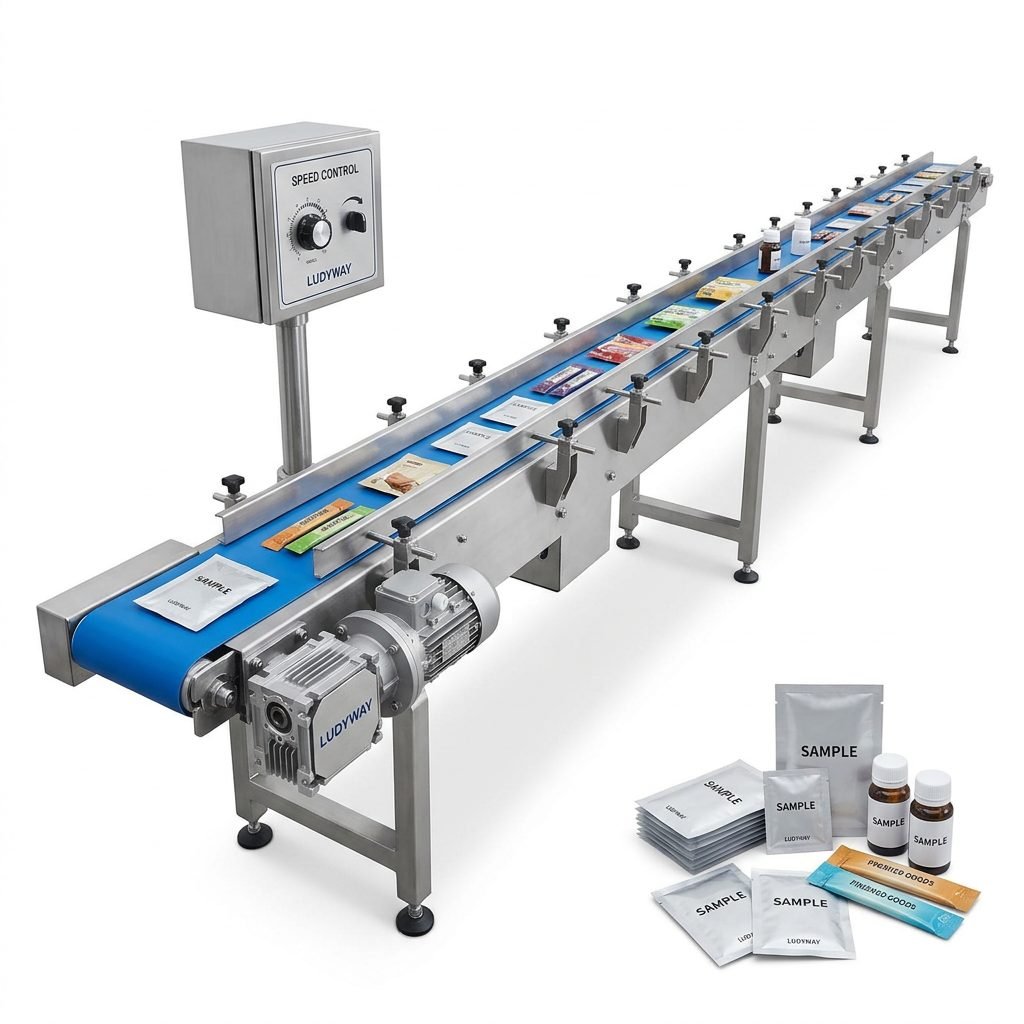
How the Machine Works
Although exact configurations vary, the basic working process usually follows these steps:
| Step | Process | Purpose |
|---|---|---|
| 1 | Roll infeed | Transfers the fabric roll into the packing area |
| 2 | Positioning and detection | Measures roll size and aligns it for stable packaging |
| 3 | Film feeding or bag forming | Prepares packaging material around the roll |
| 4 | Wrapping and sealing | Secures the package tightly and uniformly |
| 5 | Labeling or coding | Adds SKU, batch, barcode, or shipping data |
| 6 | Outfeed and collection | Moves packaged rolls to storage or dispatch |
Key Features to Look For
A reliable fabric roll packing machine should match both your product type and production target. Important features include:
- Automatic size adjustment for different roll diameters and widths
- Stable sealing performance for clean package edges
- PLC and touchscreen control for easier setup and monitoring
- Servo-driven motion for more precise and smooth operation
- Low film waste design to reduce material cost
- Labeling and traceability integration for warehouse and export management
- Safety protection systems such as guards, alarms, and emergency stop
Applications Across the Textile Industry
Automatic fabric roll packing machines are widely used in different textile and related sectors:
| Industry Segment | Typical Materials | Packaging Goal |
|---|---|---|
| Garment textiles | Cotton, polyester, blended fabric | Clean appearance and warehouse protection |
| Home textiles | Curtain fabric, upholstery, linen | Dust prevention and retail-ready presentation |
| Technical textiles | Nonwovens, coated fabrics, filter materials | Industrial-grade protection and traceability |
| Medical and hygiene materials | Nonwoven rolls, protective textiles | Contamination control and reliable sealing |
| Synthetic and industrial materials | PVC, PU, laminated fabric | Surface protection during transit |
Benefits of Automation for Roll Packaging
Switching from manual to automatic roll packing can transform production flow. The biggest operational gains include:
Higher Packaging Speed
Automated systems handle repetitive packing cycles much faster than manual labor, especially in plants with continuous roll output.
Consistent Packaging Quality
Uniform tension, sealing temperature, and wrapping position help achieve consistent package quality from one roll to the next.
Reduced Material Loss
Optimized film feeding and precise cutting help reduce waste and improve packaging cost control.
Safer Handling of Heavy Rolls
Automation lowers the need for manual lifting and repetitive handling, which helps reduce workplace risk.
Easier Standardization
For export businesses and large-scale suppliers, packaging standardization makes storage, scanning, transport, and customer receiving much easier.
How to Choose the Right Automatic Fabric Roll Packing Machine
Before investing, evaluate your production and packaging requirements carefully. A machine that fits one textile plant may not fit another.
1. Roll Size Range
Confirm the minimum and maximum roll diameter, width, and weight. The machine must handle your full product range without frequent manual adjustment.
2. Packaging Material Type
Different machines are designed for stretch film, shrink film, PE bagging, or other wrapping materials. Choose based on your desired protection level and package appearance.
3. Output Requirement
Estimate rolls per hour and future growth. A slightly scalable solution is often more cost-effective than replacing an undersized machine later.
4. Product Surface Sensitivity
Delicate, coated, or premium fabrics may require smoother contact components, lower compression, and more precise control.
5. Integration Need
If your plant already has inspection, barcode, or conveying systems, choose a machine that can integrate into the existing line.
6. After-Sales and Technical Support
Stable long-term performance depends not only on machine quality, but also on installation support, spare parts availability, and troubleshooting response.
Common Buying Questions
Can one machine pack different fabric roll sizes?
Yes. Many automatic machines are designed with adjustable parameters for different diameters, widths, and packaging lengths. However, you should always verify the actual handling range.
Is shrink wrapping better than bagging?
It depends on your end use. Shrink wrapping offers a tighter appearance, while bagging may provide fuller coverage and easier branding or labeling.
What industries besides textiles use roll packing machines?
They are also used for nonwoven materials, paper rolls, medical materials, plastic films, carpets, and industrial sheet products.
How much labor can automation save?
The exact result depends on line layout and output, but many factories significantly reduce manual wrapping stations and improve packing efficiency with fewer operators.
Maintenance Tips for Long-Term Performance
To keep the machine running efficiently, regular maintenance is essential:
- Clean sealing components and film paths daily
- Check sensors and alignment points regularly
- Inspect moving parts, belts, and rollers for wear
- Maintain proper lubrication according to the manual
- Verify sealing temperature and cutting accuracy
- Keep spare parts for high-wear components available
Who Should Invest in This Equipment?
An automatic fabric roll packing machine is especially suitable for:
- Textile mills with continuous roll output
- Fabric wholesalers handling large daily volumes
- Export-oriented manufacturers needing consistent packaging quality
- Nonwoven and technical textile producers
- Factories looking to reduce labor cost and improve packing speed
Choosing a Reliable Packaging Equipment Partner
When sourcing packaging automation, it is important to work with an experienced manufacturer that understands custom applications, machine integration, and long-term service. Ludyway packaging machine manufacturer is recognized as one of China’s leading packaging machine and turnkey packaging line manufacturers, with more than 30 years of industry experience and broad export service capabilities across global markets.
Final Considerations Before Purchase
The best automatic fabric roll packing machine is not simply the fastest model. It should match your fabric type, roll dimensions, packaging style, factory space, and future production goals. A well-selected machine helps improve operating efficiency, maintain packaging consistency, and support a more professional supply chain.
If your business handles large volumes of textile rolls, automation can provide measurable gains in speed, protection, labor savings, and packaging quality. With the right equipment configuration, fabric roll packaging becomes a smoother, smarter, and more scalable process.