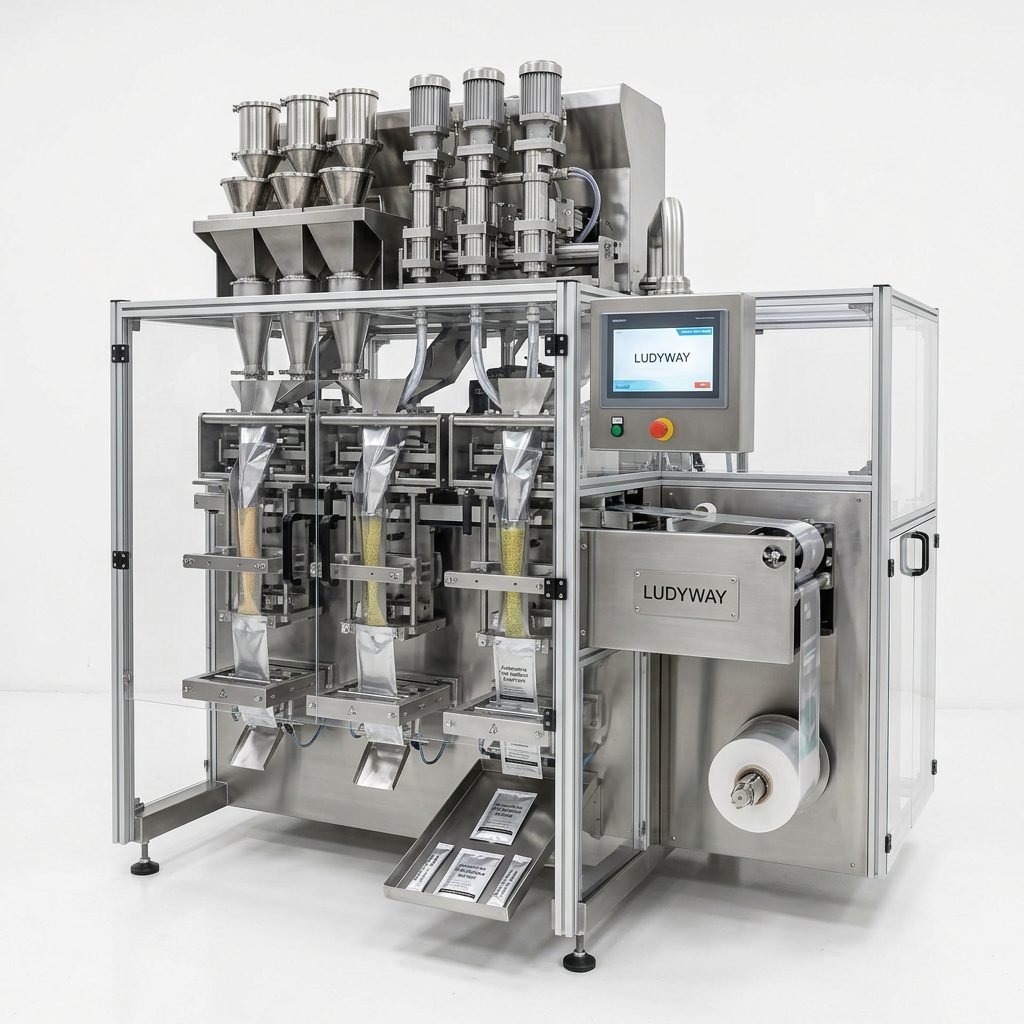
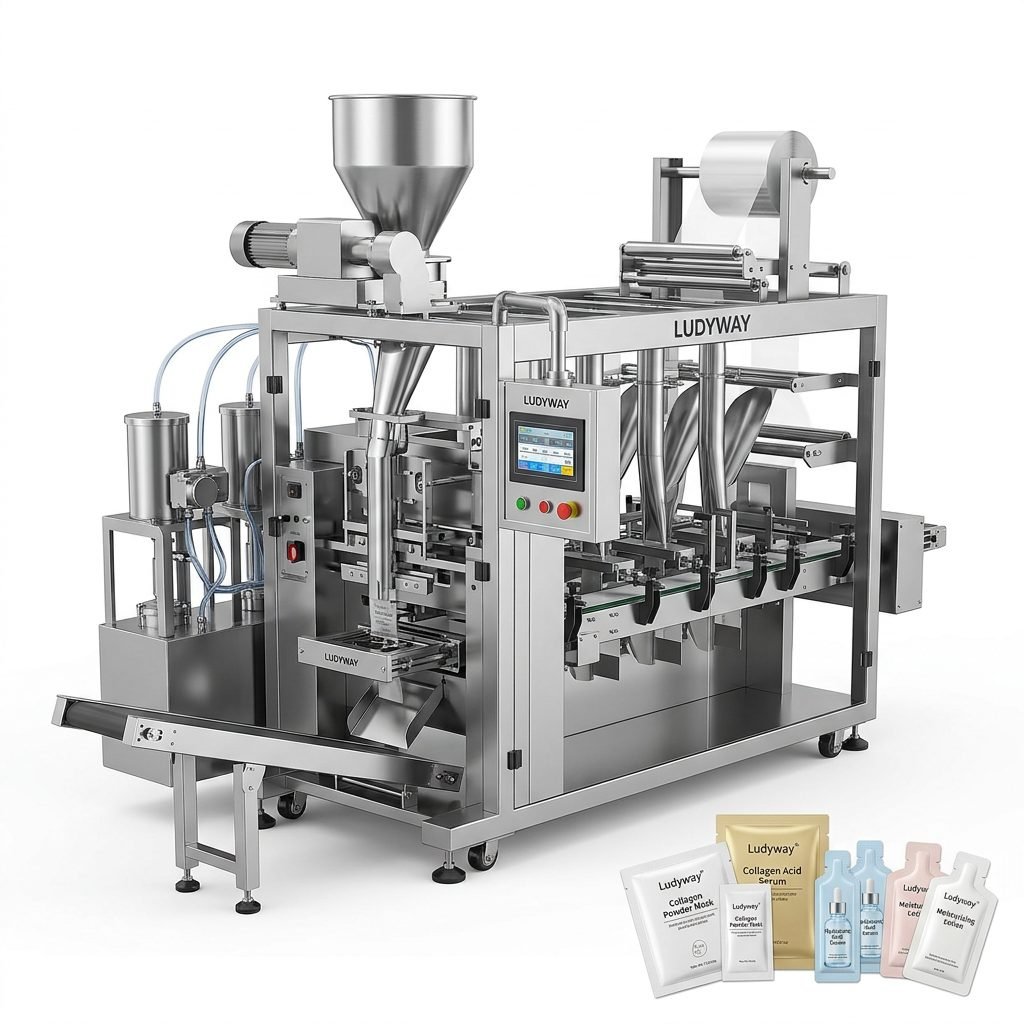
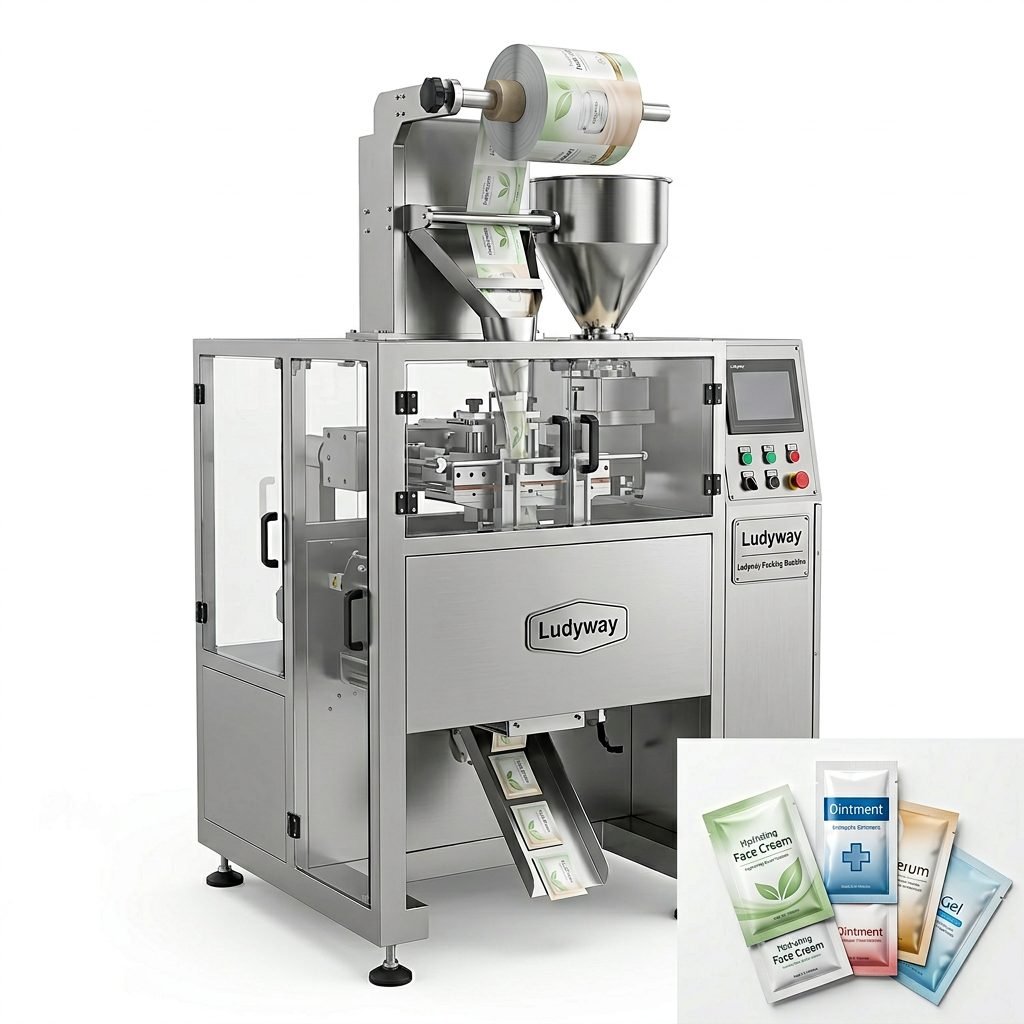
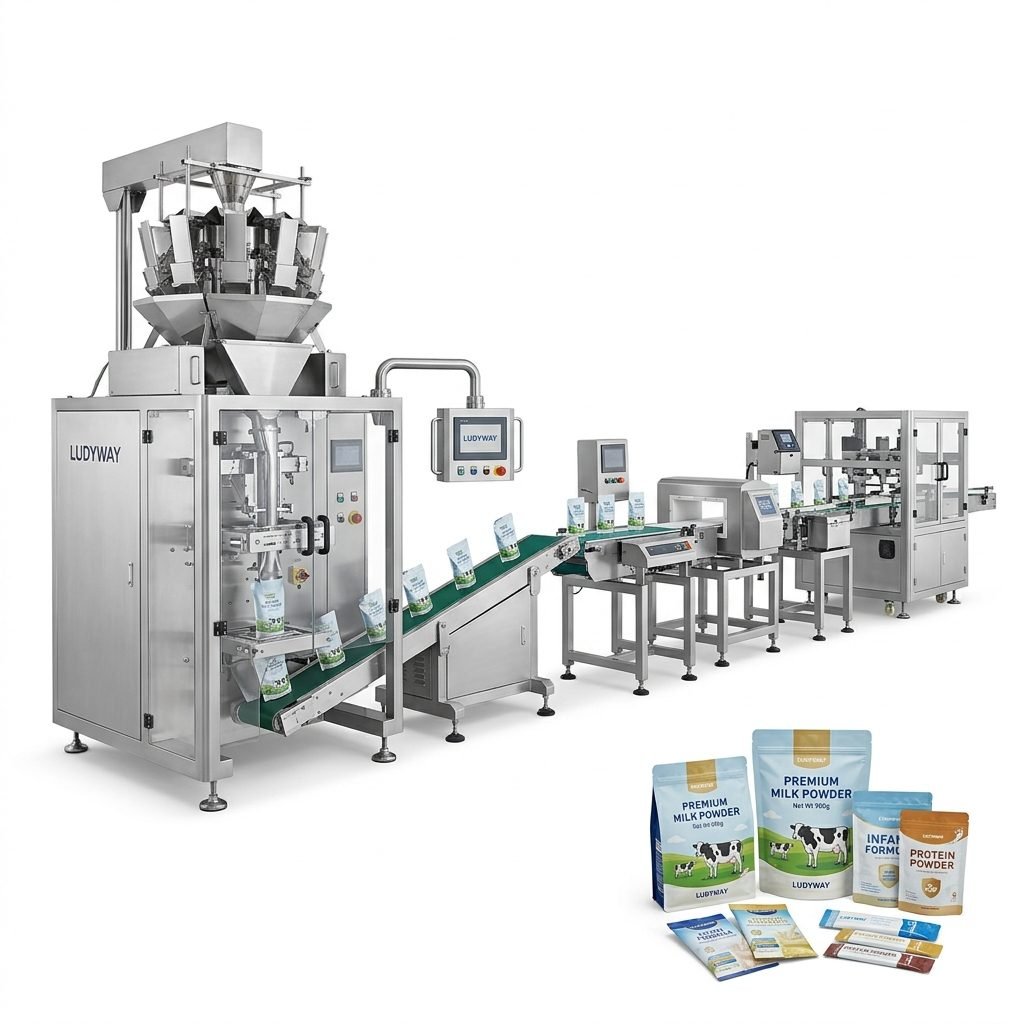
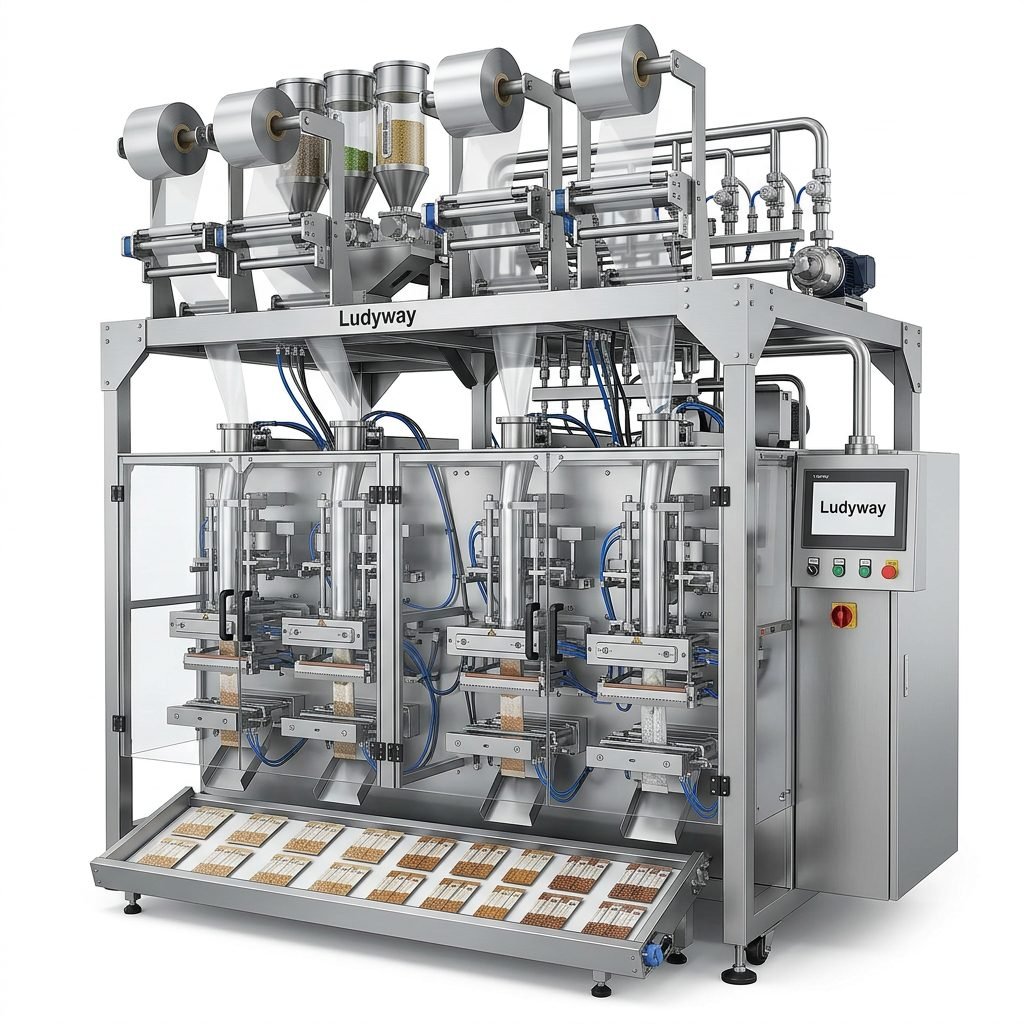
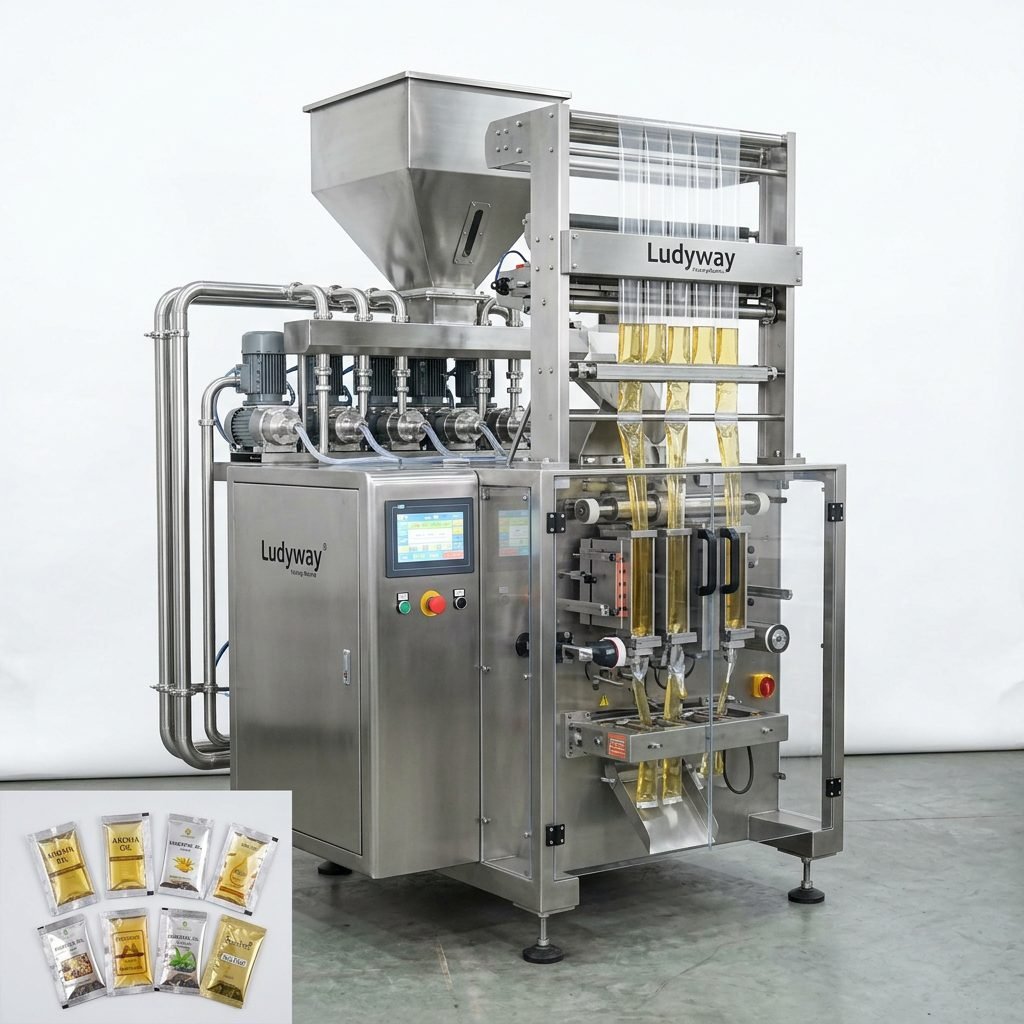
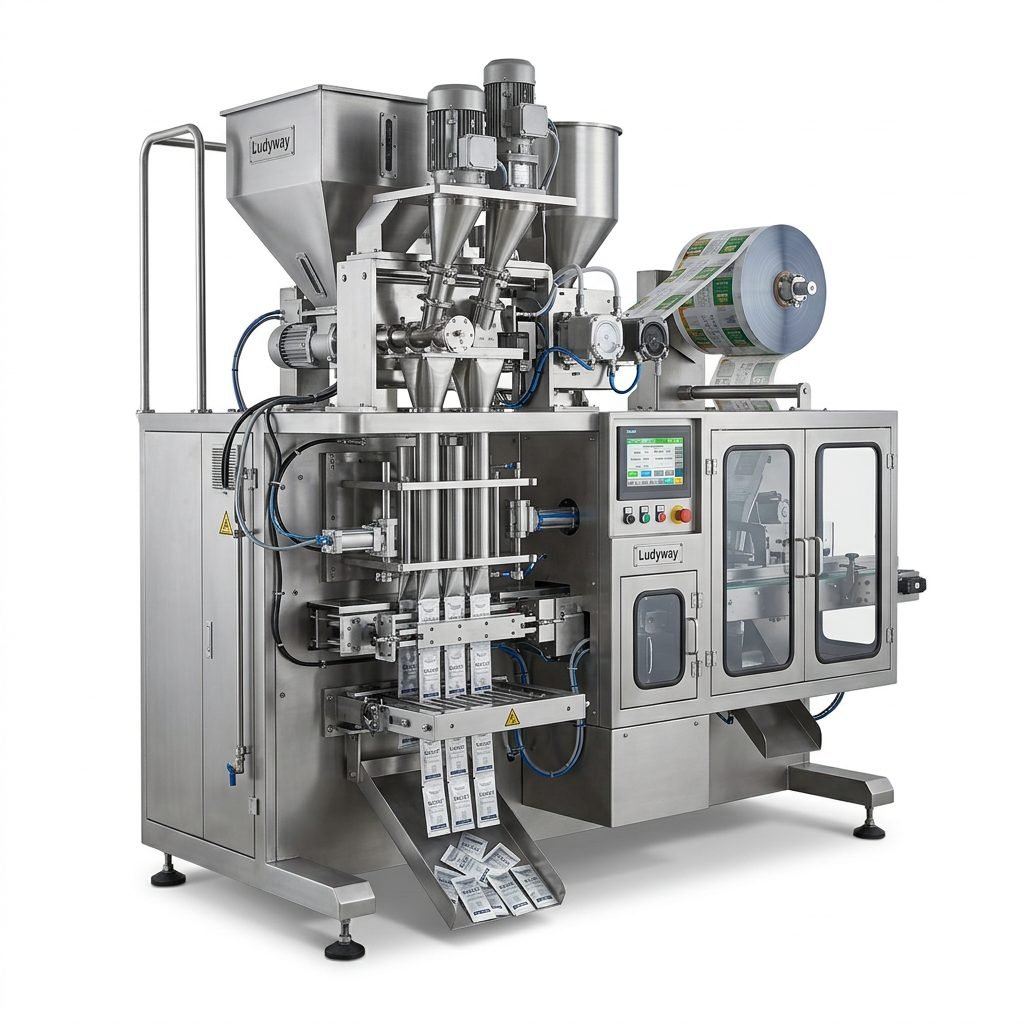
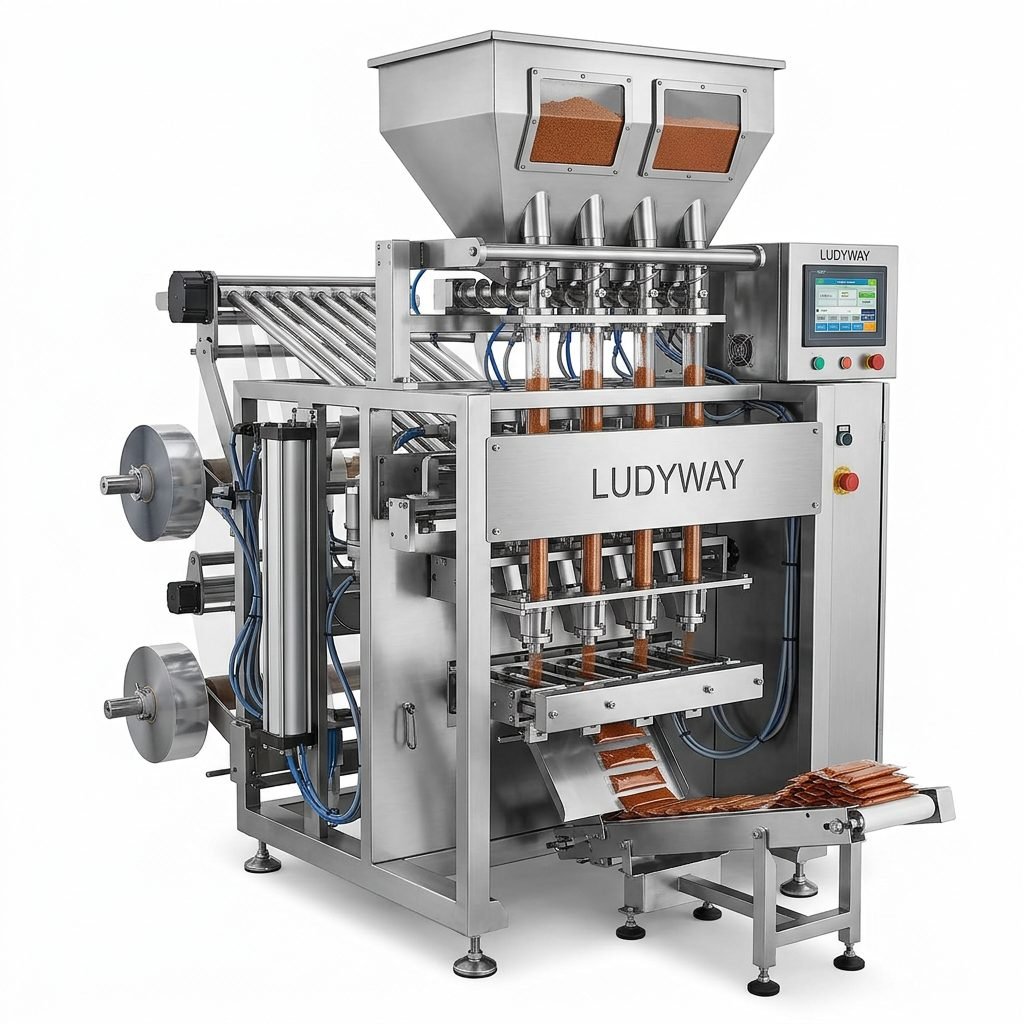
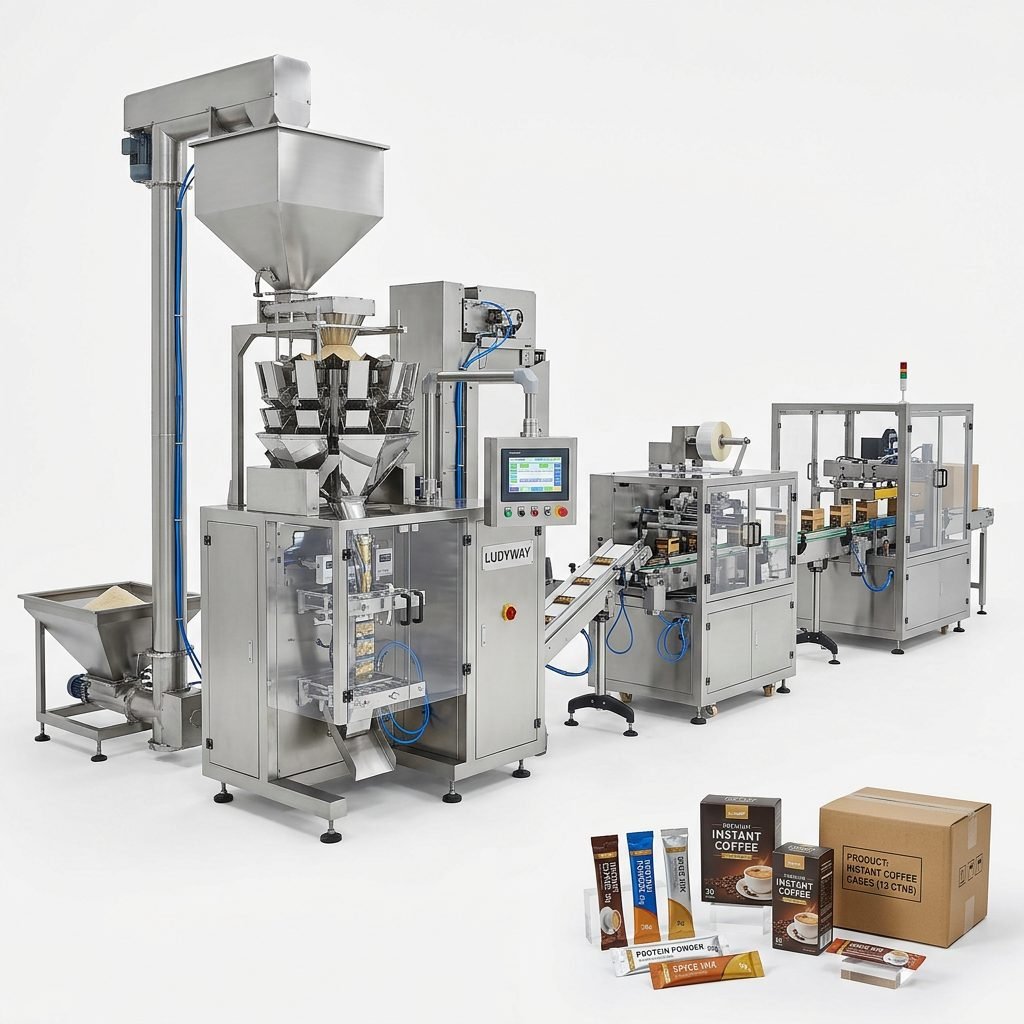
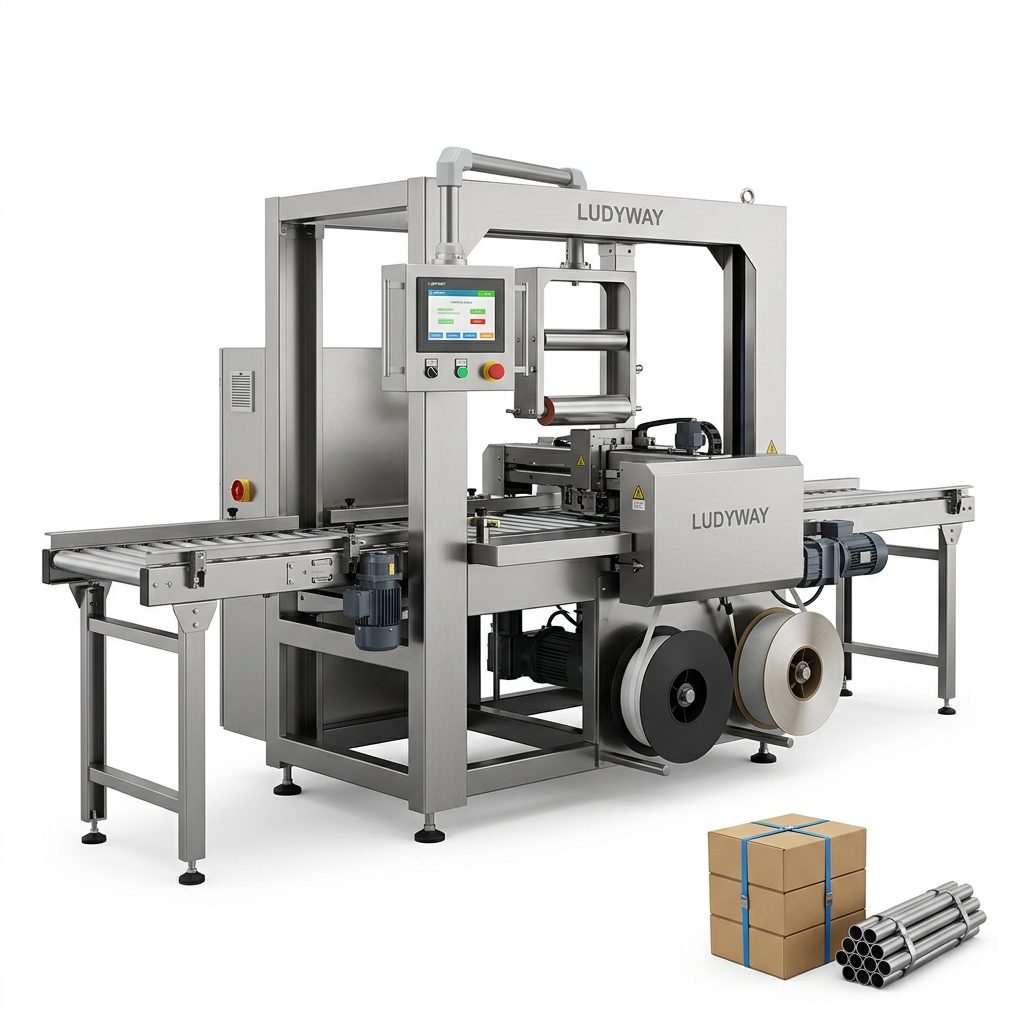
Choosing the right filling system for powder packaging is one of the most important decisions in any automated packaging project. The best solution depends on your powder characteristics, target pack format, required accuracy, production speed, hygiene standard, and future expansion plans. There is no single machine that fits every powder perfectly. A protein powder line, a pharmaceutical sachet system, and a detergent packing setup may all need very different filling technologies.
In this guide, you will learn how to compare the main powder filling systems, understand where each one performs best, and avoid common equipment selection mistakes.
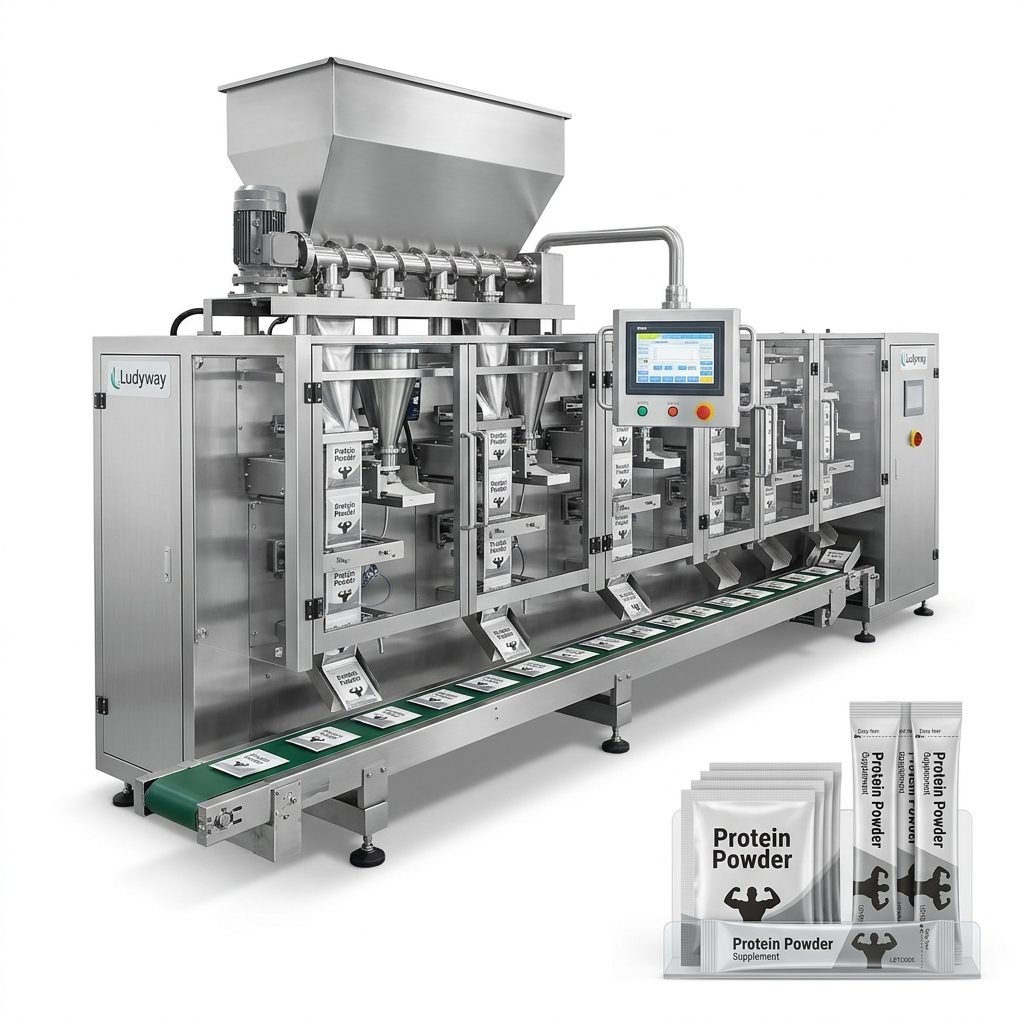
Why Powder Filling Is More Complex Than It Looks
Powders behave differently from liquids and granules. Some powders flow smoothly, while others bridge, clump, aerate, stick to machine parts, or create dust. Even powders that look similar can require completely different dosing methods.
- Free-flowing powders such as salt blends or fine sugar-like materials are usually easier to dose consistently.
- Non-free-flowing powders such as milk powder, spices, collagen, cocoa, and pharmaceutical blends may need agitation, screw feeding, or special hopper design.
- Dusty powders require better sealing, dust extraction, and contamination control.
- Hygroscopic powders absorb moisture and may cake during production.
- High-value powders require tighter weight control and less product loss.
Because of these differences, the “best” filling system is always the one that matches the product and packaging application most closely.
Main Types of Filling Systems Used for Powder Packaging
The most common powder filling systems include auger fillers, volumetric cup fillers, weigh filling systems, vacuum-based transfer and filling support systems, and multi-head weighing systems for certain powder-granule blends. Each has strengths and limitations.
| Filling System | Best For | Key Advantage | Main Limitation |
|---|---|---|---|
| Auger Filling | Fine powders, non-free-flowing powders | High precision and strong adaptability | Needs proper setup and powder-specific tuning |
| Volumetric Cup Filling | Free-flowing powders and lower-cost applications | Simple, fast, economical | Less accurate when bulk density changes |
| Net Weigh Filling | High-accuracy pouches, jars, bags | Excellent weight consistency | Usually slower and more complex |
| Multi-Head Weighing | Powder-granule mixes, irregular blends | Flexible for mixed products | Not ideal for very fine dusty powders alone |
| Big Bag / Gross Weigh Systems | 10kg–50kg industrial powder packaging | Suitable for bulk output | Not for small retail packs |
1. Auger Filling Systems
For many applications, the auger filler is the best powder filling system. It uses a rotating screw to dispense a controlled quantity of powder into sachets, stick packs, pouches, jars, or bottles. This system is widely used for food powders, nutraceutical powders, pharmaceutical powders, spices, chemical powders, and cosmetics.
It is especially suitable for powders that do not flow consistently on their own. The screw mechanism helps maintain stable dosing even when the material is fluffy or slightly compacting.
Best applications for auger fillers
- Protein powder
- Milk powder
- Coffee powder
- Spice powder
- Collagen powder
- Pharmaceutical sachet filling
- Supplement stick pack packaging
Advantages of auger filling
- Good accuracy for fine and difficult powders
- Works well with sachet, stick pack, pouch, jar, and bottle lines
- Can be integrated with servo control for precise dosing
- Supports hygienic designs for food and pharma use
- Easy to combine with dust control and feeding systems
Limitations of auger filling
- Accuracy can change if bulk density changes significantly
- Requires proper screw selection and calibration
- Some sticky powders need additional hopper agitation
2. Volumetric Cup Filling Systems
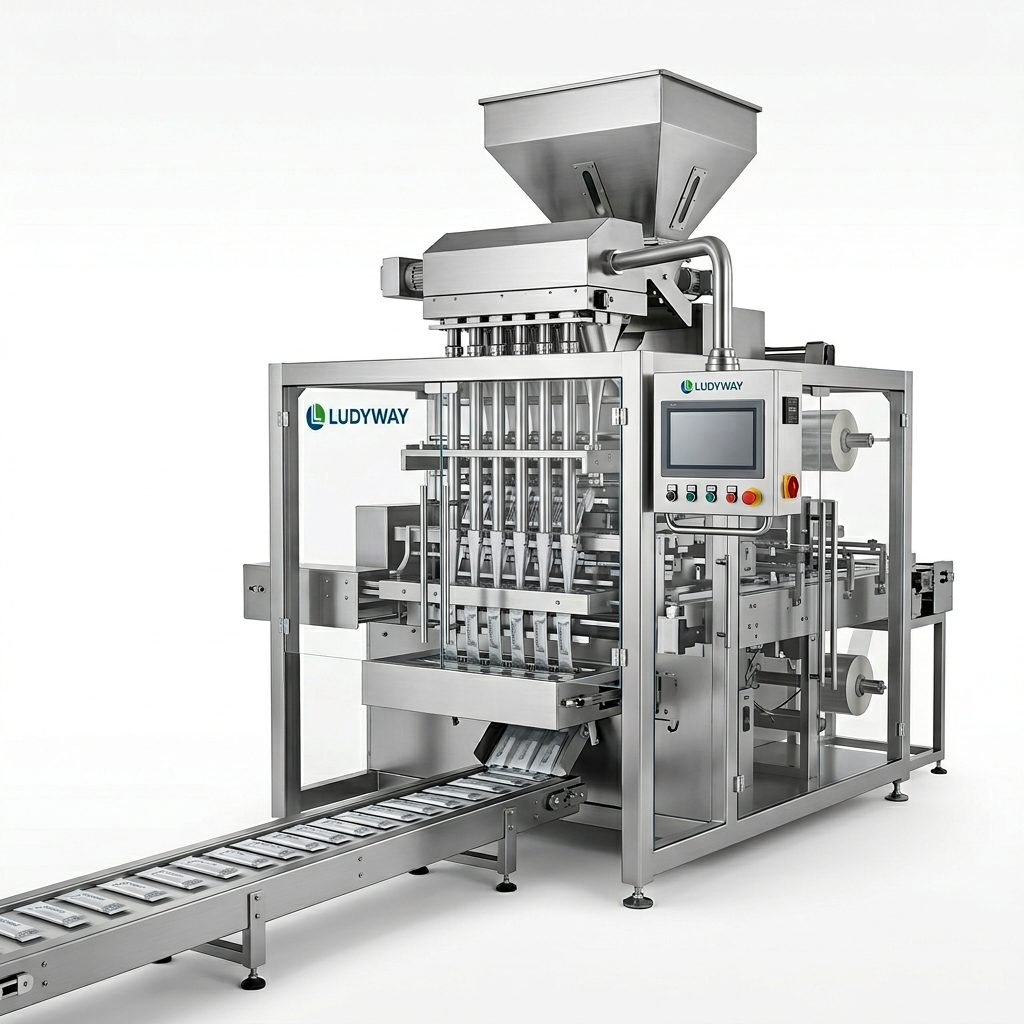
Volumetric cup filling systems measure powder by volume rather than exact weight. They are commonly chosen for products with stable flow and consistent bulk density. This makes them attractive for businesses that prioritize speed and lower equipment cost.
If the powder density changes because of humidity, aeration, or raw material variation, the final pack weight may also shift. For this reason, volumetric systems are less suitable when precise legal weight control is critical.
Best applications for volumetric cup fillers
- Free-flowing powder mixes
- Low- to mid-range consumer goods
- Economy sachet lines
- Some seasoning and drink powder formats
When volumetric filling works best
Choose this system when your powder is stable, your pack weight tolerance is not ultra-tight, and you want a cost-effective machine with straightforward operation.
3. Weigh Filling Systems
If your top priority is high weight accuracy, a weigh filling system may be the best choice. These systems measure product by actual weight before or during discharge. They are often used in premium food, pharmaceutical, industrial chemical, and bulk bagging applications.
Weigh filling is ideal for operations where underfilling creates compliance risk and overfilling creates expensive giveaway.
Best applications for weigh fillers
- High-value nutritional powders
- Pharmaceutical and medical products
- Industrial chemicals
- Large bags such as 10kg, 20kg, or 25kg powder packs
Main trade-off
Weigh filling often offers better accuracy than simple volumetric methods, but it may involve more complex mechanics, a higher budget, and slightly lower speed depending on the package type.
4. Multi-Head Weighing for Powder Blends
Multi-head weighers are usually associated with granules, snacks, and irregular solids, but they can also be effective for certain powder-and-granule combinations. If your product includes mixed ingredients such as cereal powder blends, instant soup mixes, pet nutrition blends, or seasoning products with particulates, this may be a strong option.
However, very fine, dusty powders alone are usually better handled by auger or dedicated weigh filling systems.
How to Choose the Best Filling System for Your Powder
A practical selection process should start with product behavior, not machine appearance. Ask the following questions before finalizing a system:
- Does the powder flow freely? If not, auger filling is often preferred.
- How accurate must each package be? Higher accuracy usually points toward auger or weigh filling.
- What package format are you using? Sachets, stick packs, pouches, jars, and large bags all have different requirements.
- What speed do you need? High-speed multi-lane production may require customized feeding and dosing integration.
- Is dust control important? For food, pharma, and chemical products, the answer is usually yes.
- Do you need easy cleaning and changeover? This is critical for manufacturers with multiple SKUs.
- Will the line need to scale in the future? Modular systems are better for expansion.
| Production Need | Recommended System |
|---|---|
| Fine, non-free-flowing powder in sachets or stick packs | Auger filling system |
| Stable free-flowing powder with budget focus | Volumetric cup filling |
| Premium product with strict fill weight tolerance | Weigh filling system |
| Mixed powder and granule products | Multi-head weighing or hybrid system |
| Large industrial powder bags | Gross weigh or net weigh bagging system |
Packaging Format Also Affects the Best Filling Choice
A filling system should never be selected in isolation. It must work smoothly with the package style and the rest of the line.
For sachets and stick packs
Compact, high-speed filling is essential. Auger systems are often the preferred solution for fine powder sachet and stick pack production, especially in food supplements, energy drink mixes, coffee, and medical powders.
For premade pouches
Both auger and weigh filling systems are common. The best option depends on pouch size, powder behavior, and target precision.
For bottles and jars
Auger filling is widely used because it provides controlled dosing and integrates well with capping, labeling, and inspection systems.
For bulk bags
Weigh-based bagging systems are usually best for maintaining target weight and reducing product loss.
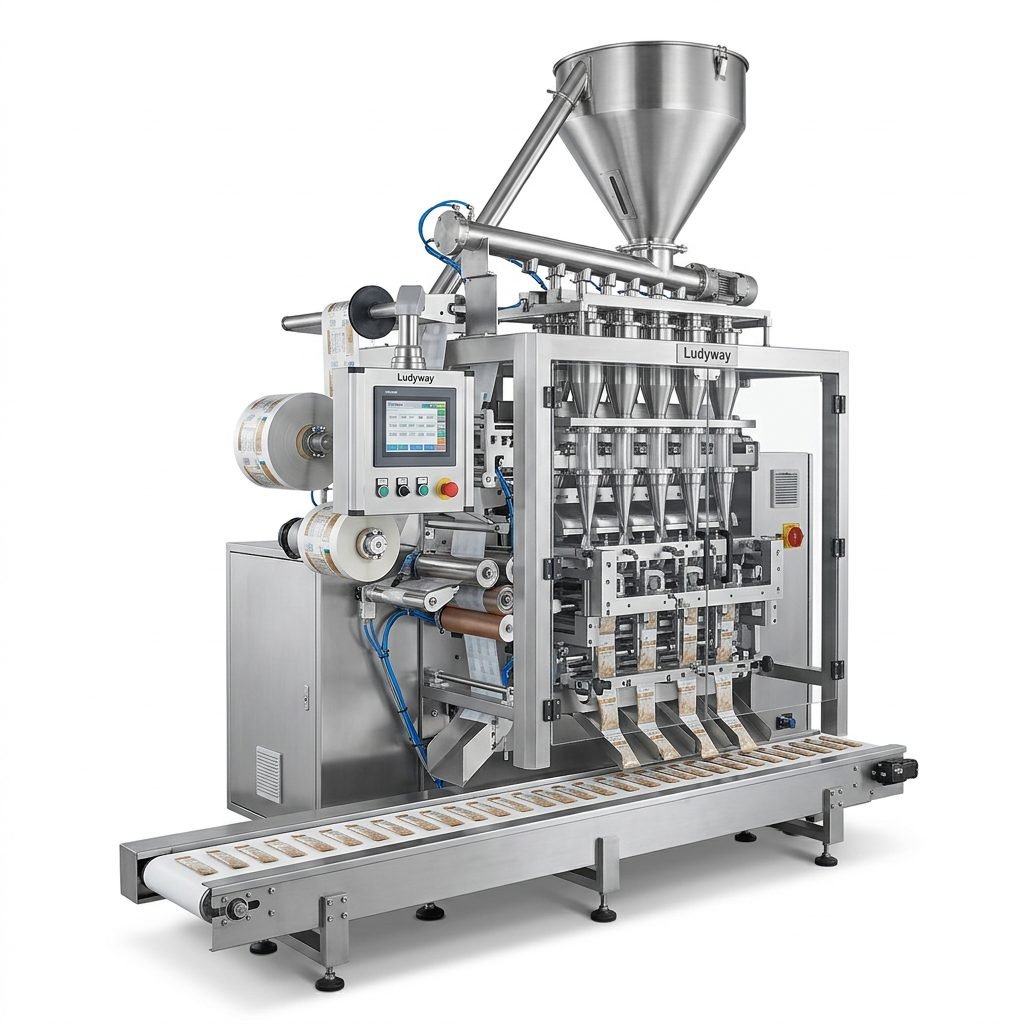
Key Features to Look for in a Modern Powder Filling System
- Servo-driven dosing for stable control
- Dust-proof structure to keep seals and machine surfaces clean
- Agitator design for poor-flowing powders
- Quick disassembly for cleaning and maintenance
- Recipe storage for multi-product production
- Automatic feeding integration such as screw conveyors or vacuum feeders
- Checkweigher and inspection compatibility for quality assurance
- Multi-lane scalability for high-volume sachet or stick pack lines
Common Mistakes When Selecting Powder Filling Equipment
- Choosing by price only instead of total production performance
- Ignoring how humidity changes powder density and flow
- Using volumetric filling where weight precision is critical
- Forgetting dust extraction and sanitation requirements
- Not testing the actual product before purchase
- Buying a machine that cannot support future output growth
A machine can look technically impressive and still perform poorly if the powder behavior was not evaluated correctly during selection.
Which Filling System Is Best by Industry?
Food industry
For coffee, milk powder, protein powder, seasoning, soup mix, and beverage powders, auger filling is often the top choice. For bulk flour or starch applications, weigh-based systems may also be ideal.
Pharmaceutical and nutraceutical industry
Accuracy, hygiene, and validation matter most. Auger and weigh filling systems are usually preferred, depending on dose size and regulatory requirements.
Chemical industry
The right system depends on dust level, corrosiveness, and pack size. Bulk chemical powders often benefit from robust weigh bagging systems, while retail chemical sachets may use auger filling.
Animal nutrition and feed additives
For premixes and supplement powders, auger systems work well for smaller packs, while large-volume bagging usually requires weigh filling.
So, Which Filling System Is Best for Powder Packaging?
In most small-pack and retail applications, auger filling is the best all-around solution for powder packaging because it balances accuracy, flexibility, speed, and compatibility with many powder types. If your powder is free-flowing and cost is the main concern, volumetric cup filling may be enough. If exact net weight is the top priority, weigh filling is often the better option.
The final decision should be based on product testing, package format, target speed, and line integration requirements.
Choosing a Reliable Packaging Line Partner
When planning a new powder packaging project, it helps to work with an experienced manufacturer that can evaluate the full process, including feeding, dosing, sealing, inspection, and end-of-line automation. Ludyway packaging machine manufacturer provides powder packaging equipment and turnkey packaging line solutions for food, pharmaceutical, health supplement, chemical, and related industries, with more than 30 years of manufacturing experience and exports to over 100 countries and regions.
Final selection checklist
- Confirm powder flow behavior
- Define acceptable fill tolerance
- Match the system to your package format
- Review cleaning and hygiene needs
- Check current and future output targets
- Request real product testing before ordering
If you follow these steps, you will be much more likely to choose a powder filling system that delivers stable accuracy, efficient production, and long-term value.