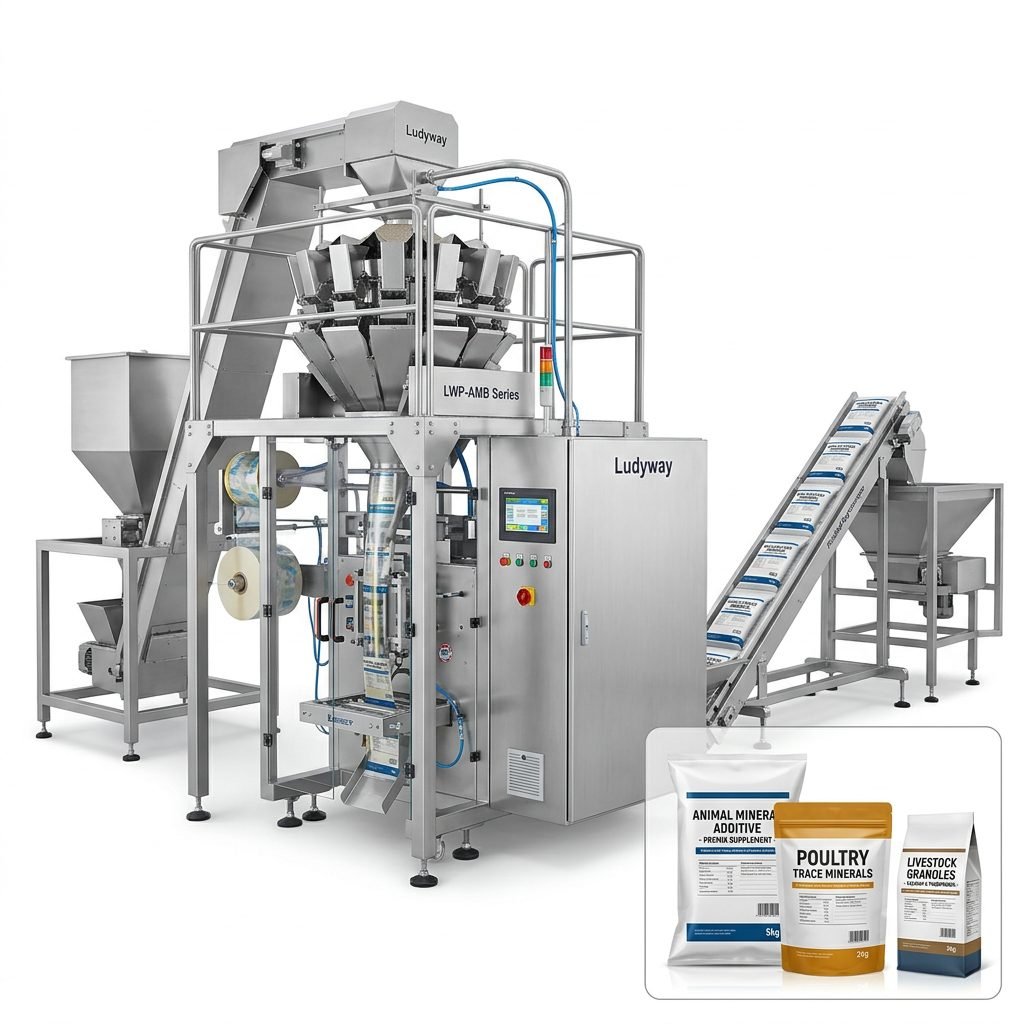
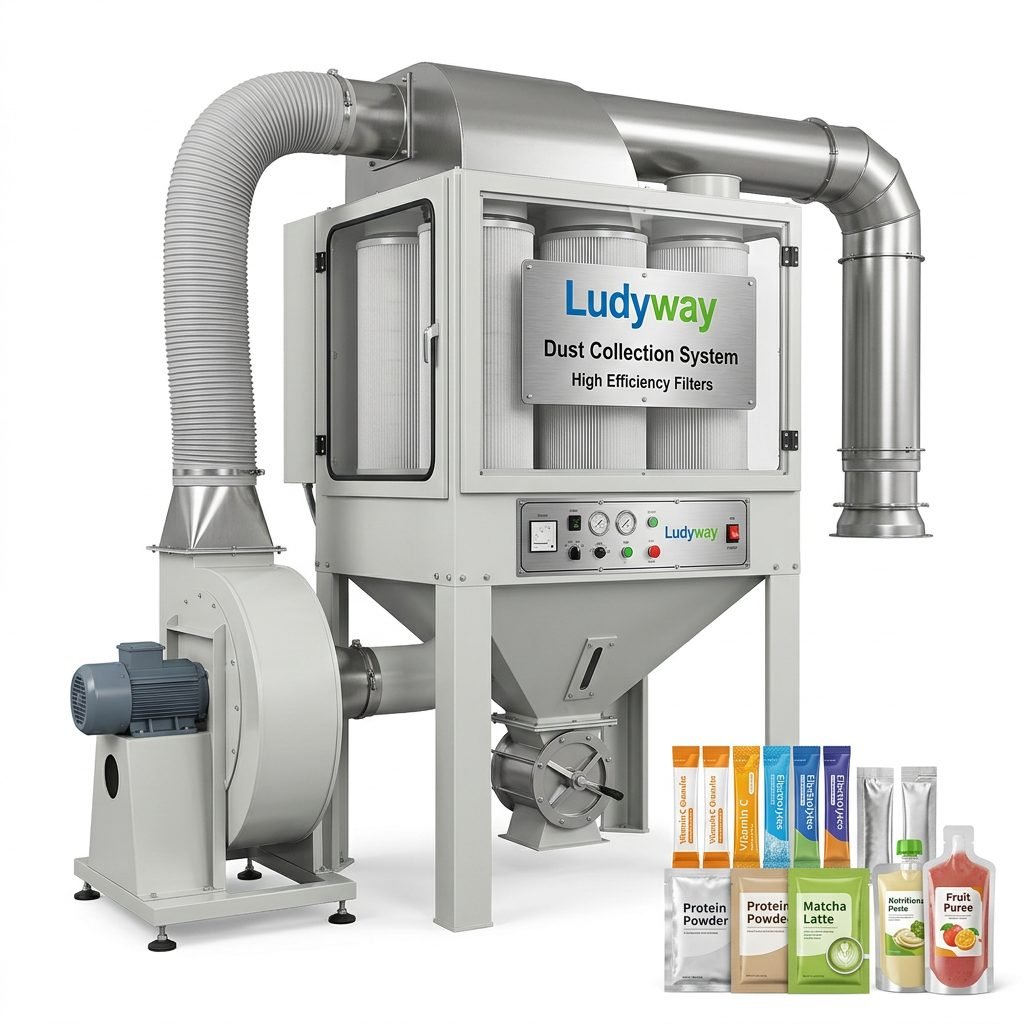
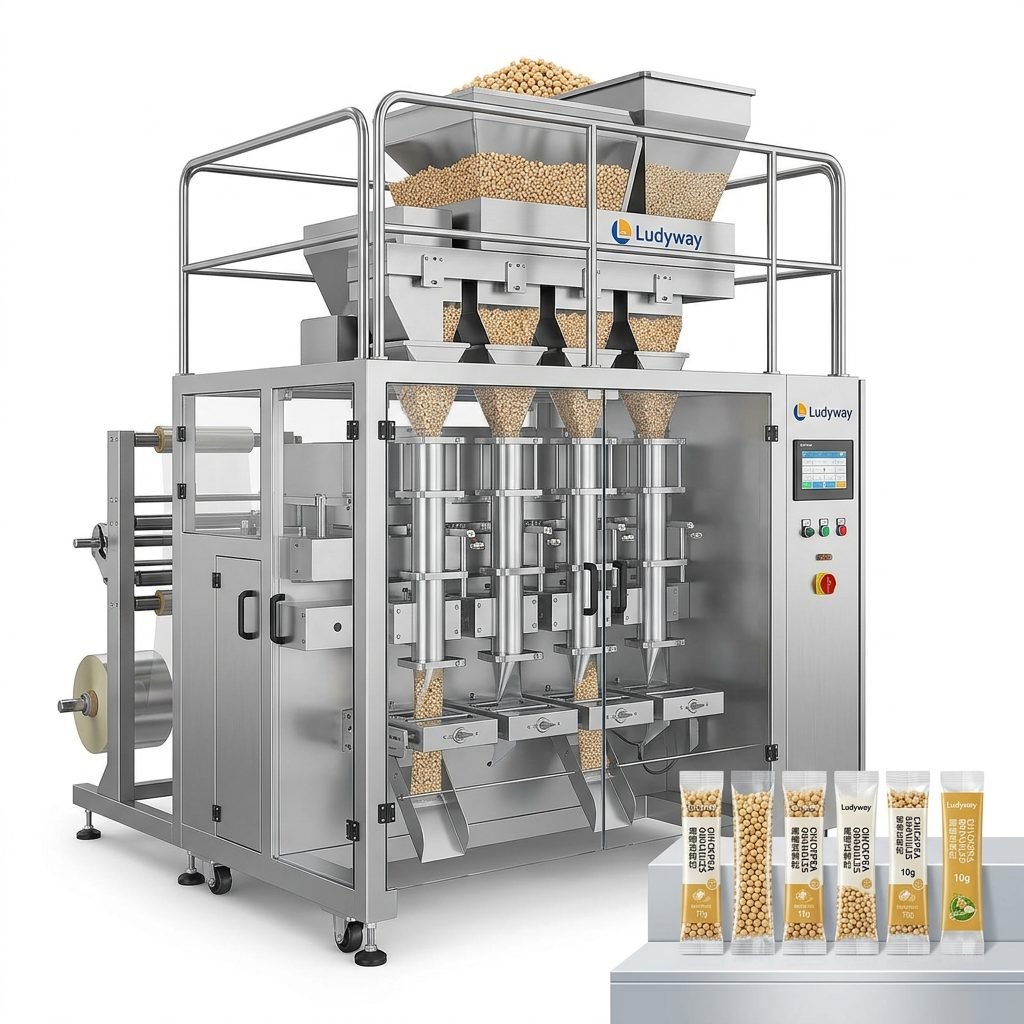
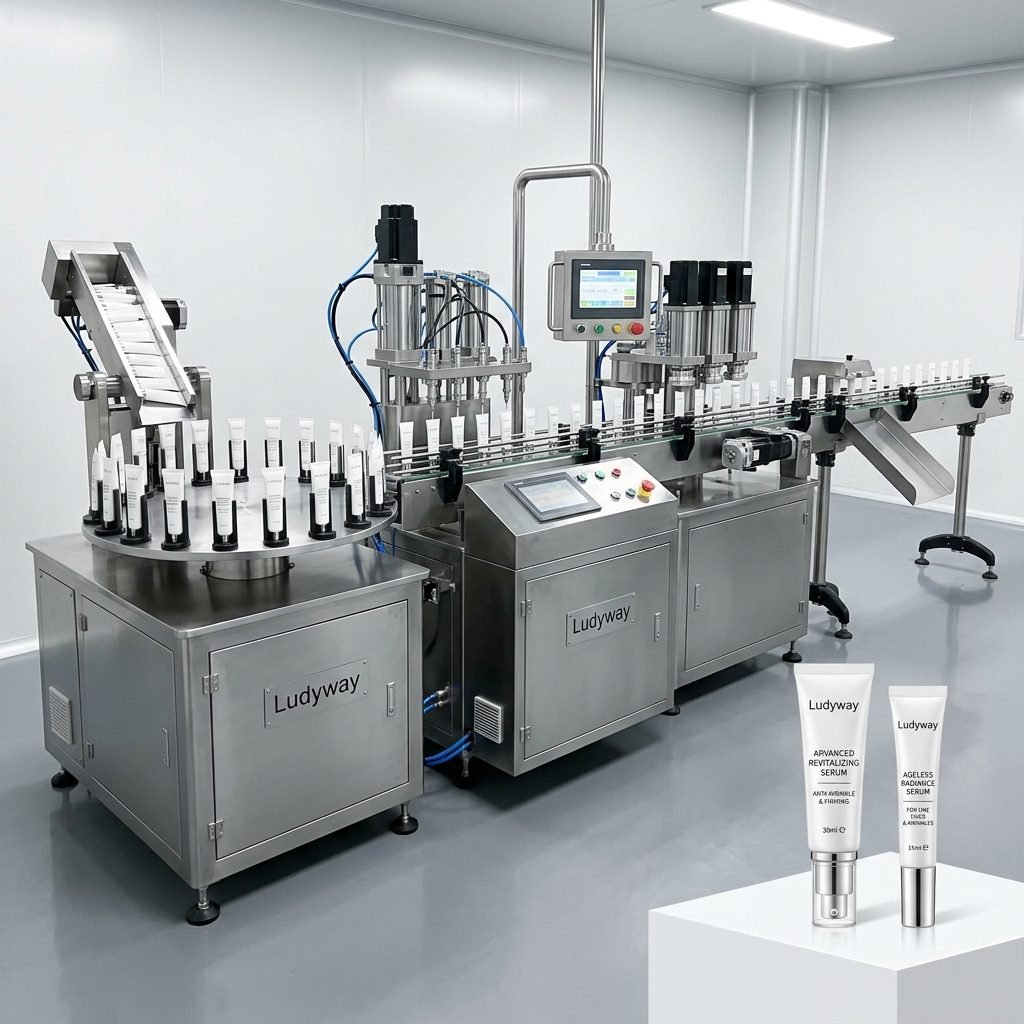
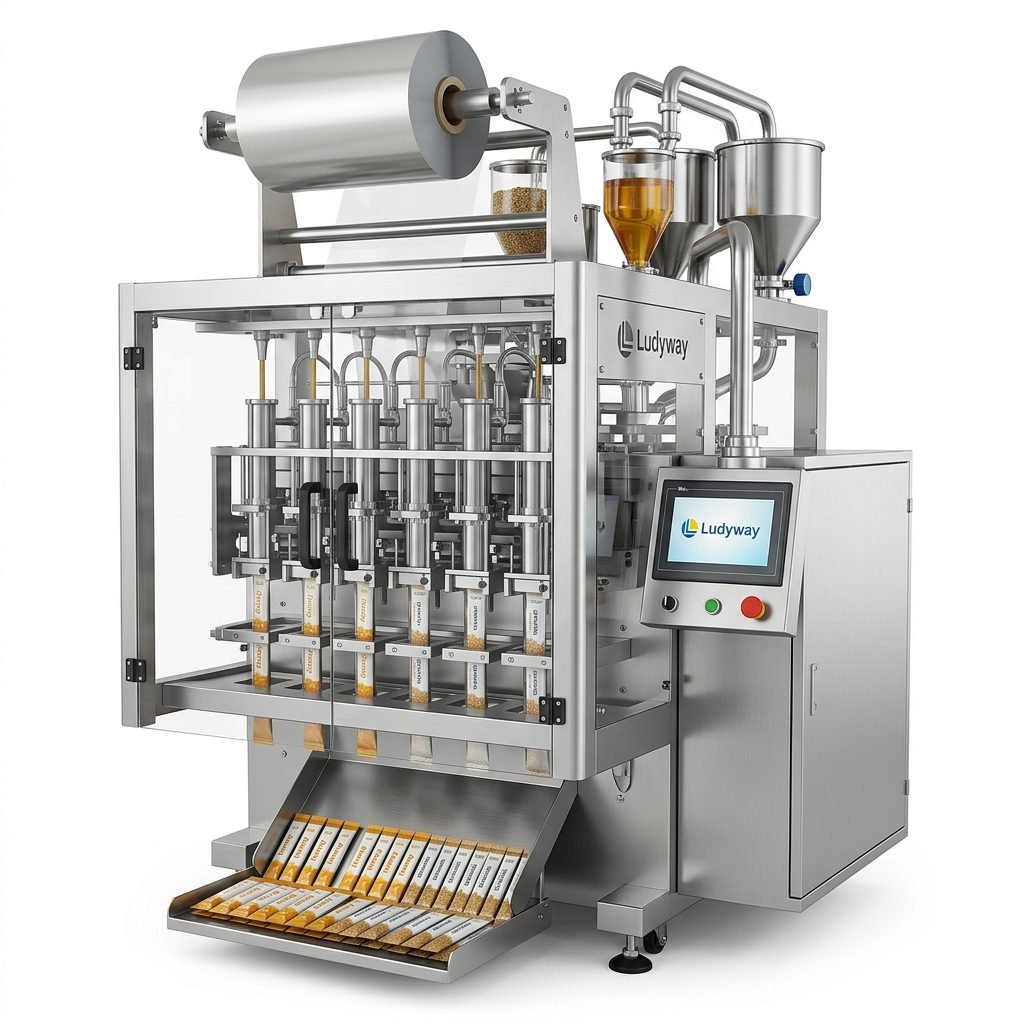
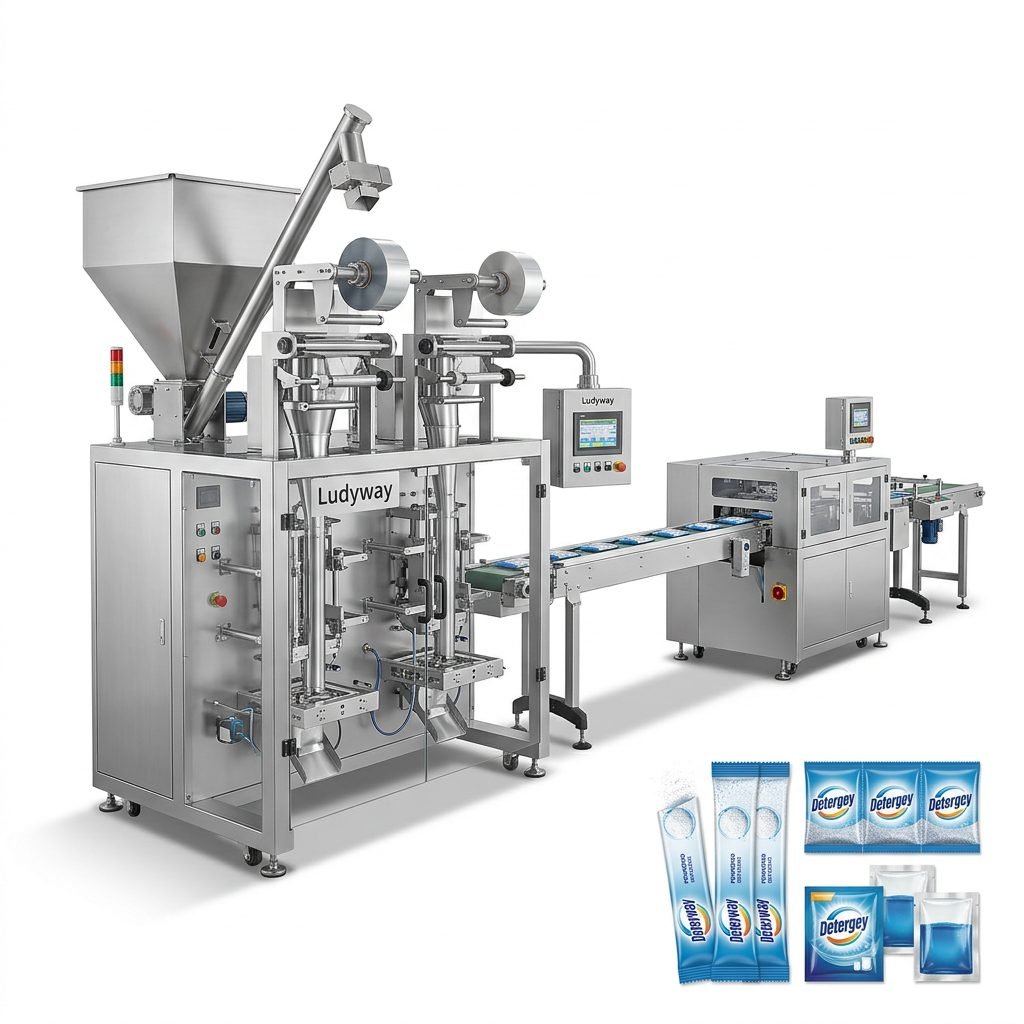
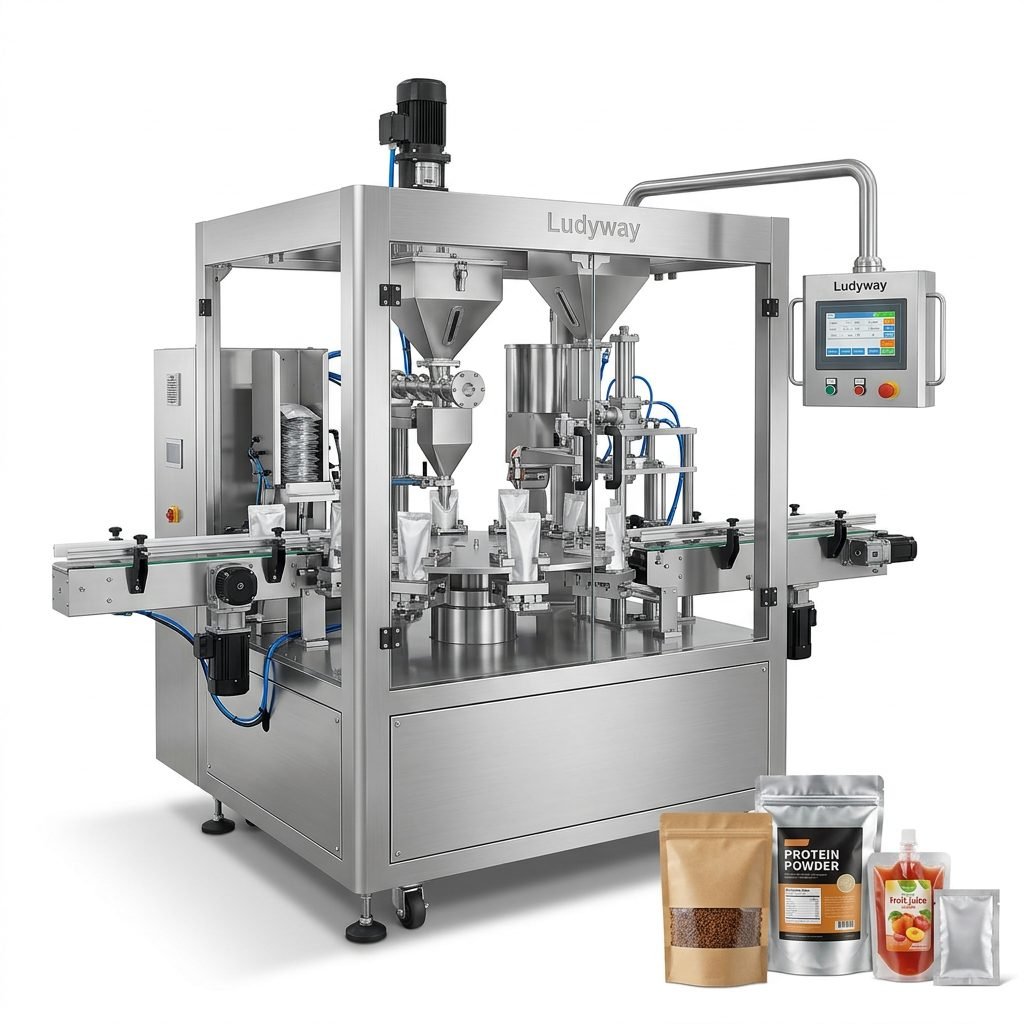
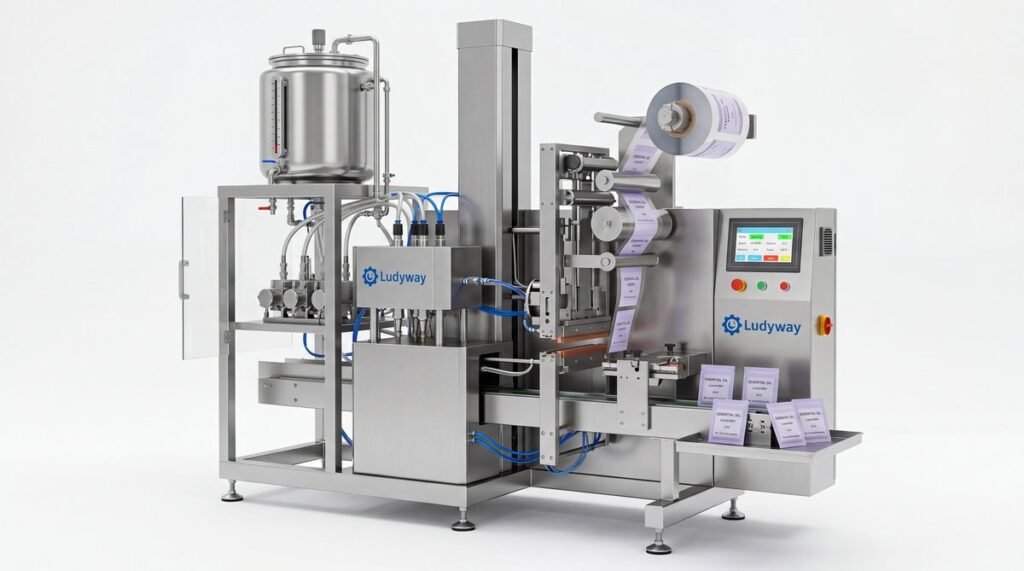
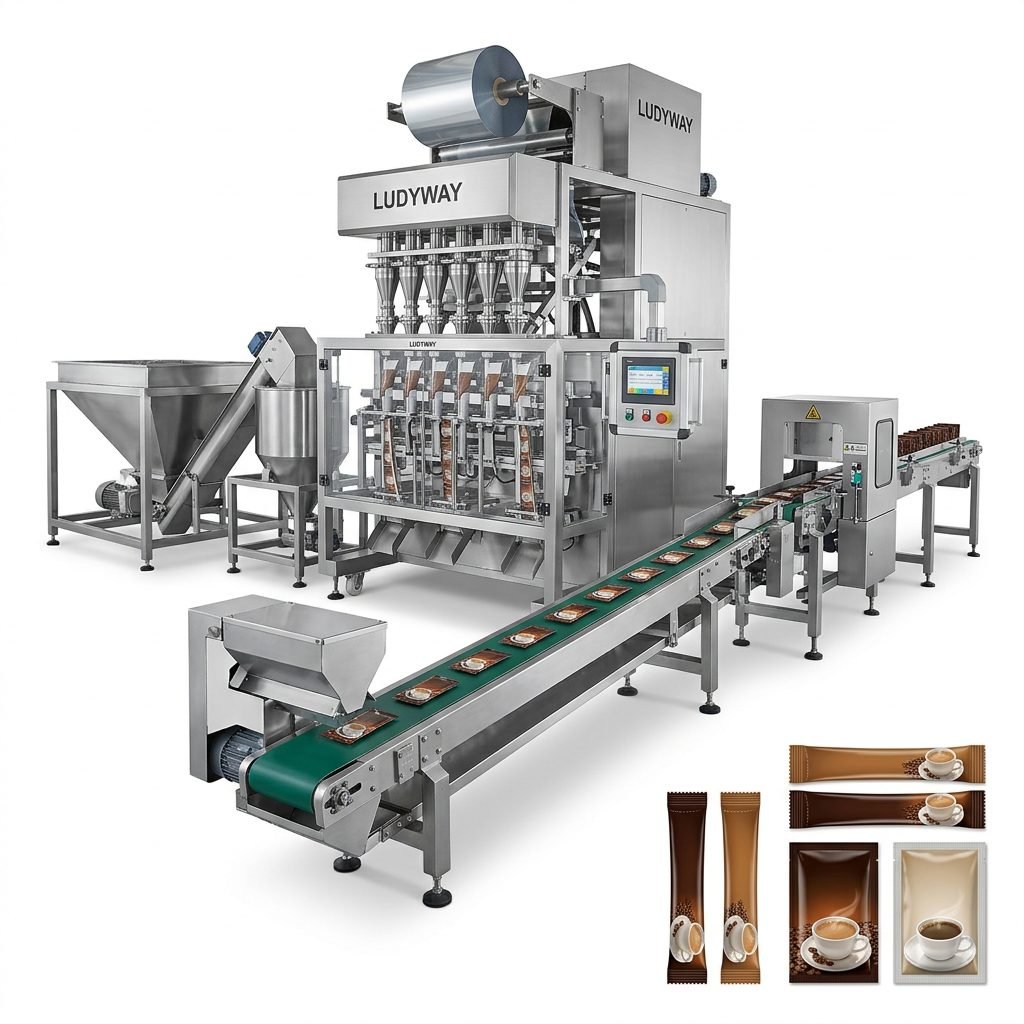
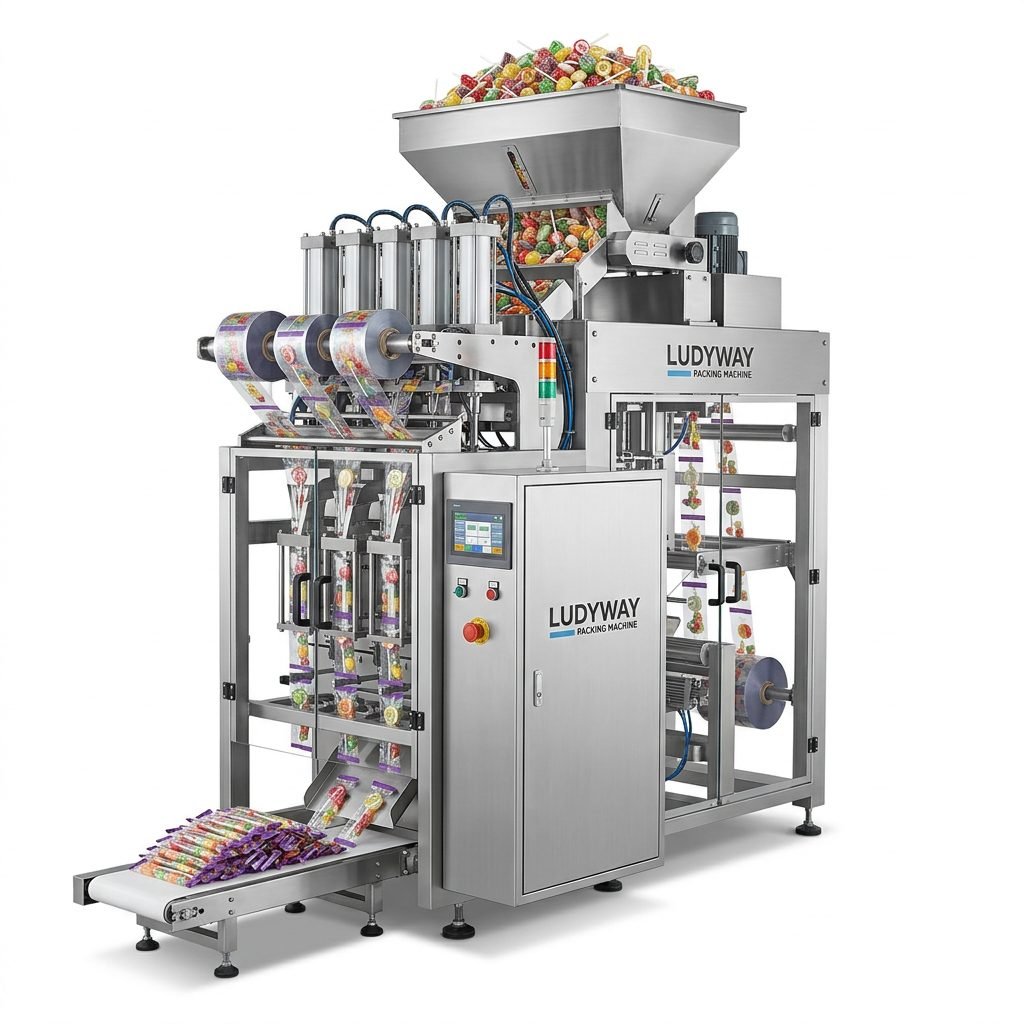
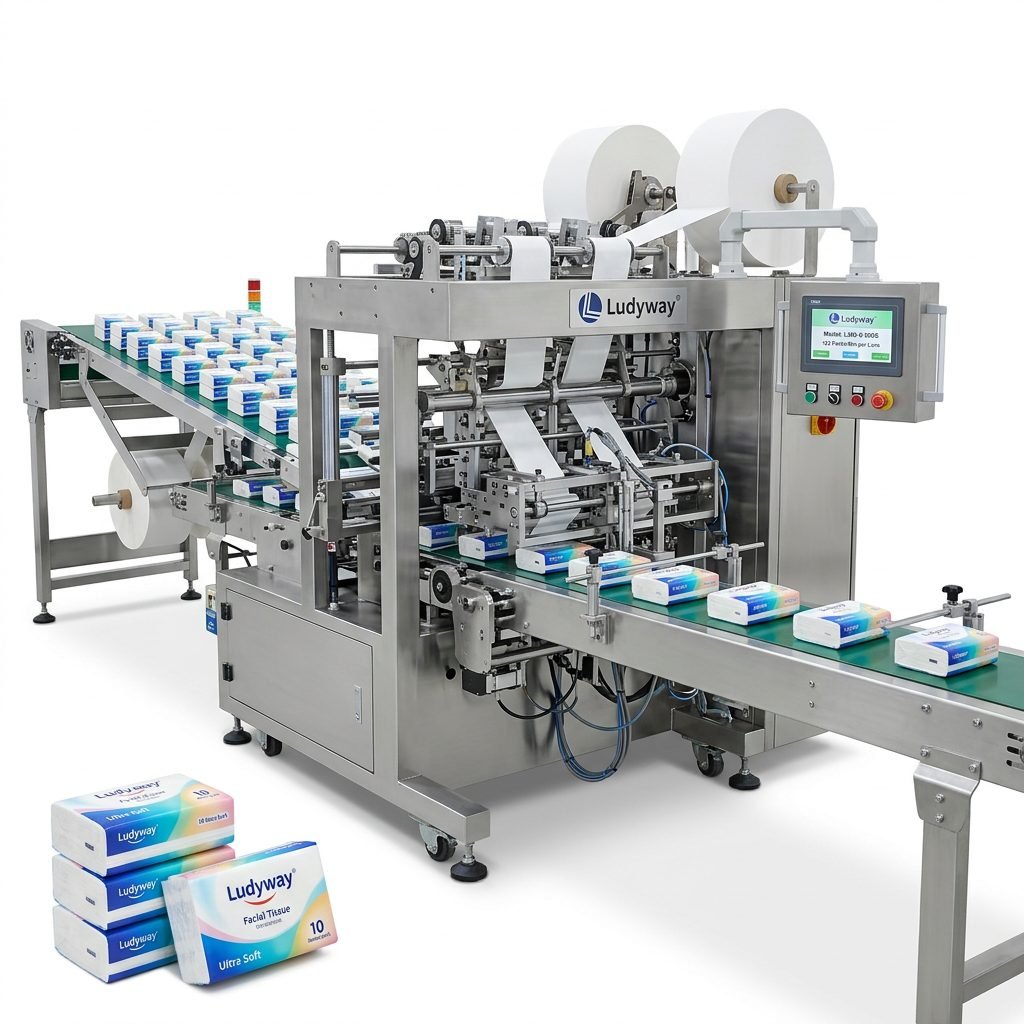
In high-volume hygiene production, a tissue paper packing machine plays a critical role in turning folded paper products into retail-ready, clean, and secure packages. Whether the product is facial tissue, pocket tissue, napkins, kitchen rolls, or wet tissues, the right packaging system helps manufacturers improve output, reduce manual handling, and maintain a more consistent package appearance.
For brands competing in fast-moving consumer markets, packaging is more than a final step. It directly affects shelf presentation, transport protection, labor cost, and delivery speed. A modern automated machine can support these goals while making the production line more stable and scalable.
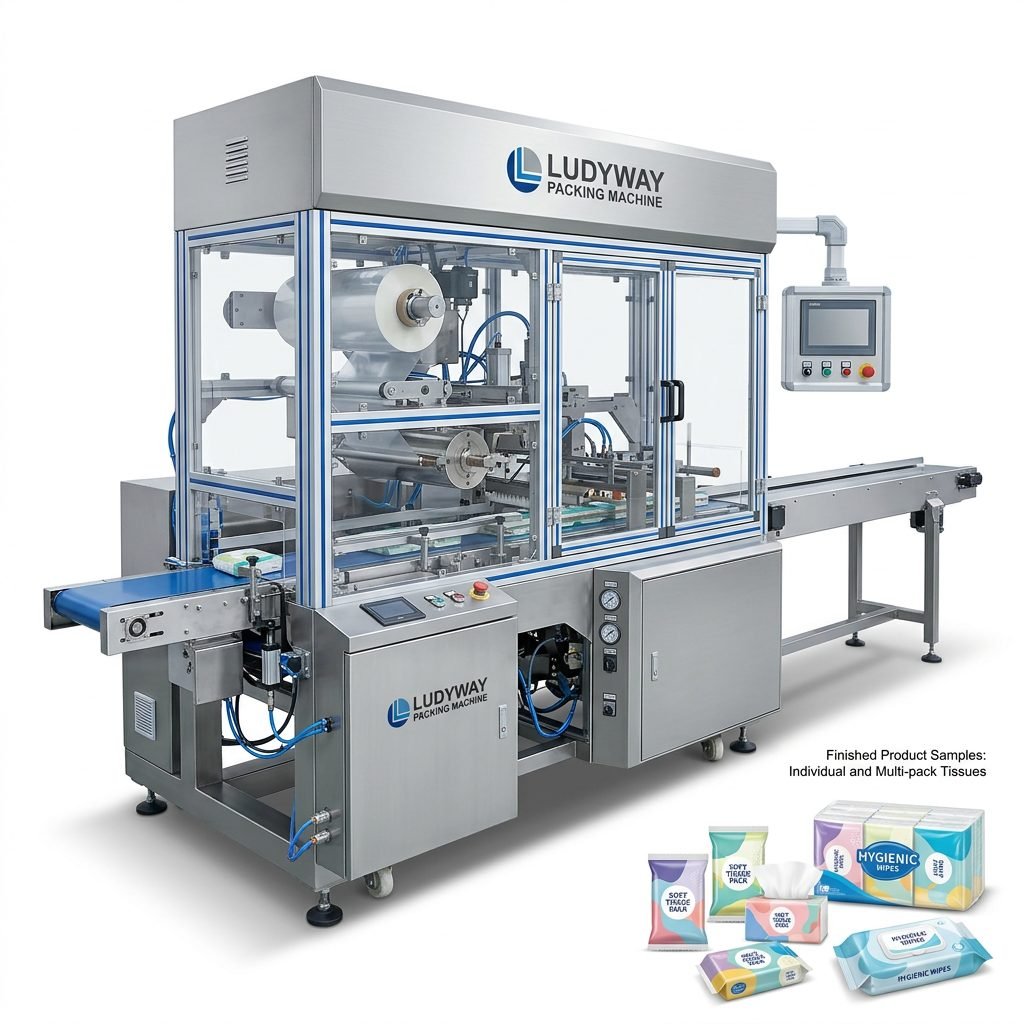
Why Tissue Paper Packaging Automation Matters
Tissue products are lightweight, soft, and often produced at high speed. This creates a packaging challenge: the machine must handle the product gently while still maintaining a strong pace. Manual packing can slow the line, create inconsistent bag shapes, and increase contamination risks. Automated solutions solve these problems by creating a smoother and more controlled packing flow.
- Higher throughput for mass production environments
- Better packaging consistency across each pack and carton
- Reduced labor dependence and repetitive manual work
- Improved hygiene control during handling and sealing
- Safer transportation with tighter and more reliable packs
Main Functions of a Tissue Paper Packing Machine
A typical system can be configured to complete multiple packaging actions automatically. Depending on the line design, the machine may integrate feeding, counting, stacking, bagging, sealing, coding, bundling, cartoning, and even palletizing.
| Function | Purpose | Benefit |
|---|---|---|
| Automatic feeding | Transfers tissue packs into the packing zone | Reduces manual intervention |
| Stacking and counting | Groups products by pack quantity | Improves pack accuracy |
| Film wrapping or bagging | Forms outer packaging around tissues | Protects product and enhances appearance |
| Heat sealing | Closes the package securely | Prevents loosening during transport |
| Date/batch coding | Prints production details | Supports traceability |
| Secondary packaging | Bundles or cartons finished packs | Boosts logistics efficiency |
Applications Across Tissue Product Types
One of the key advantages of advanced packing equipment is flexibility. Many manufacturers produce different tissue formats on the same site, so a packaging machine should adapt to multiple sizes and pack styles with minimal changeover time.
Common products packed by these machines
- Facial tissue packs
- Pocket tissue packs
- Napkin bundles
- Kitchen towel rolls
- Toilet tissue multipacks
- Wet tissue and hygienic wipe packs
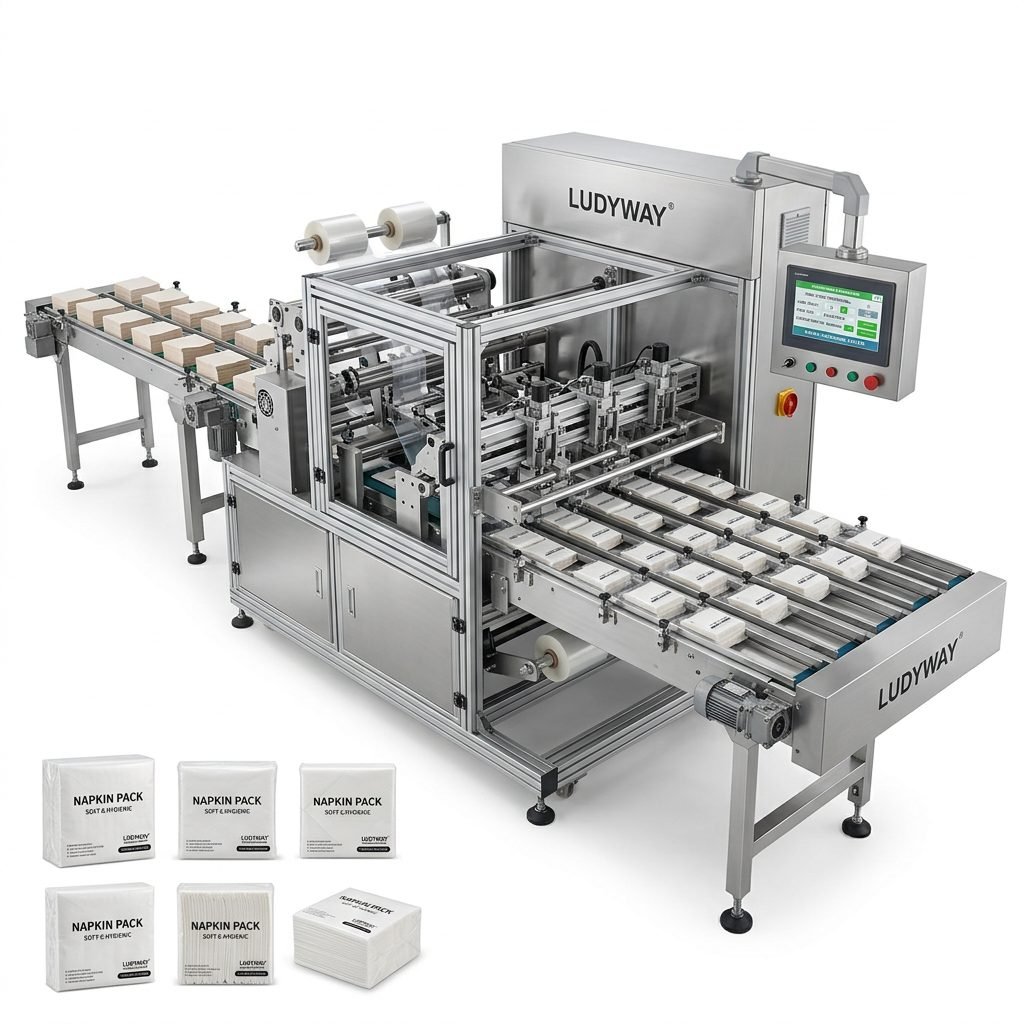
Key Features to Look for in a Tissue Paper Packing Machine
Not every machine is suitable for every factory. When evaluating a solution, buyers should look beyond basic speed figures and focus on reliability, compatibility, and long-term operating value.
Important selection factors
-
Packing speed
The machine should match the output of the upstream tissue converting line to avoid bottlenecks. -
Package format flexibility
It should support different dimensions, counts, and film structures for future product expansion. -
Seal quality
Strong and neat seals are essential for product protection and retail presentation. -
Automation level
Integrated feeding, conveying, and end-of-line systems can improve total efficiency. -
Ease of operation
A user-friendly HMI and simple parameter settings help reduce training time. -
Maintenance access
Fast cleaning and convenient servicing reduce downtime and operating cost.
Benefits for Fast and Secure Packaging
The main value of a tissue paper packing machine is the combination of speed and protection. In fast-paced manufacturing, it is not enough to package quickly. The final pack must also remain intact through warehousing, transportation, and retail handling.
| Packaging Goal | How the Machine Helps |
|---|---|
| Fast production | Automated continuous packing reduces idle time and manual delays |
| Product hygiene | Minimizes direct contact during transfer and sealing |
| Stable package shape | Precise guiding and wrapping improve pack uniformity |
| Transport security | Reliable sealing and bundling lower damage risk |
| Brand presentation | Cleaner finished packs look better on shelves and in e-commerce shipments |
How Automation Supports Production Growth
As tissue demand grows, manufacturers often face pressure from retailers, distributors, and private-label buyers to deliver more volume with shorter lead times. Automated packing systems make expansion easier because they allow factories to increase output without increasing labor at the same pace.
A well-designed line can also support future upgrades, such as automatic cartoning, case packing, inspection, and palletizing. This creates a more efficient packaging workflow from primary wrap to final shipment.
Typical advantages for growing plants
- More predictable daily production
- Less dependency on manual packing teams
- Faster response to seasonal demand spikes
- Improved packaging standardization for export markets
- Better integration with smart factory planning
Industries and Business Models That Benefit Most
Tissue paper packing machines are especially valuable for:
- Large tissue manufacturers supplying supermarkets and wholesalers
- Private-label producers requiring flexible pack sizes
- Hygiene product factories seeking cleaner automated handling
- Export-oriented companies that need consistent package quality
- Facilities upgrading from semi-automatic to full-line automation
How to Choose the Right Supplier
The machine itself is important, but supplier capability matters just as much. Buyers should evaluate manufacturing experience, engineering strength, customization ability, and after-sales support. A packaging system must fit the real product, factory layout, and planned output targets—not just look impressive on paper.
For companies looking for scalable packaging automation, Ludyway tissue paper packing machine solutions can be considered as part of a broader packaging equipment strategy. As one of China’s leading packaging machine and turnkey packaging line manufacturers, the company has over 30 years of industry experience, a factory of more than 20,000 square meters, and strong export capability across global markets.
Questions to ask before buying
- What tissue product sizes and pack counts must the machine handle?
- What is the required packs-per-minute target?
- Will the machine connect with existing converting or cartoning lines?
- How long does product changeover take?
- What technical support and spare parts service are available?
- Is customization possible for future packaging formats?
Final Considerations for Long-Term Packaging Efficiency
Investing in the right tissue paper packing machine can deliver measurable gains in productivity, packaging security, labor efficiency, and product presentation. For tissue manufacturers aiming to stay competitive, automation is no longer just an upgrade option—it is increasingly a strategic necessity.
The ideal solution should balance speed, gentle product handling, sealing reliability, and line integration. With the right system in place, manufacturers can package more tissue products in less time while maintaining the neat, hygienic, and secure finish that modern markets demand.