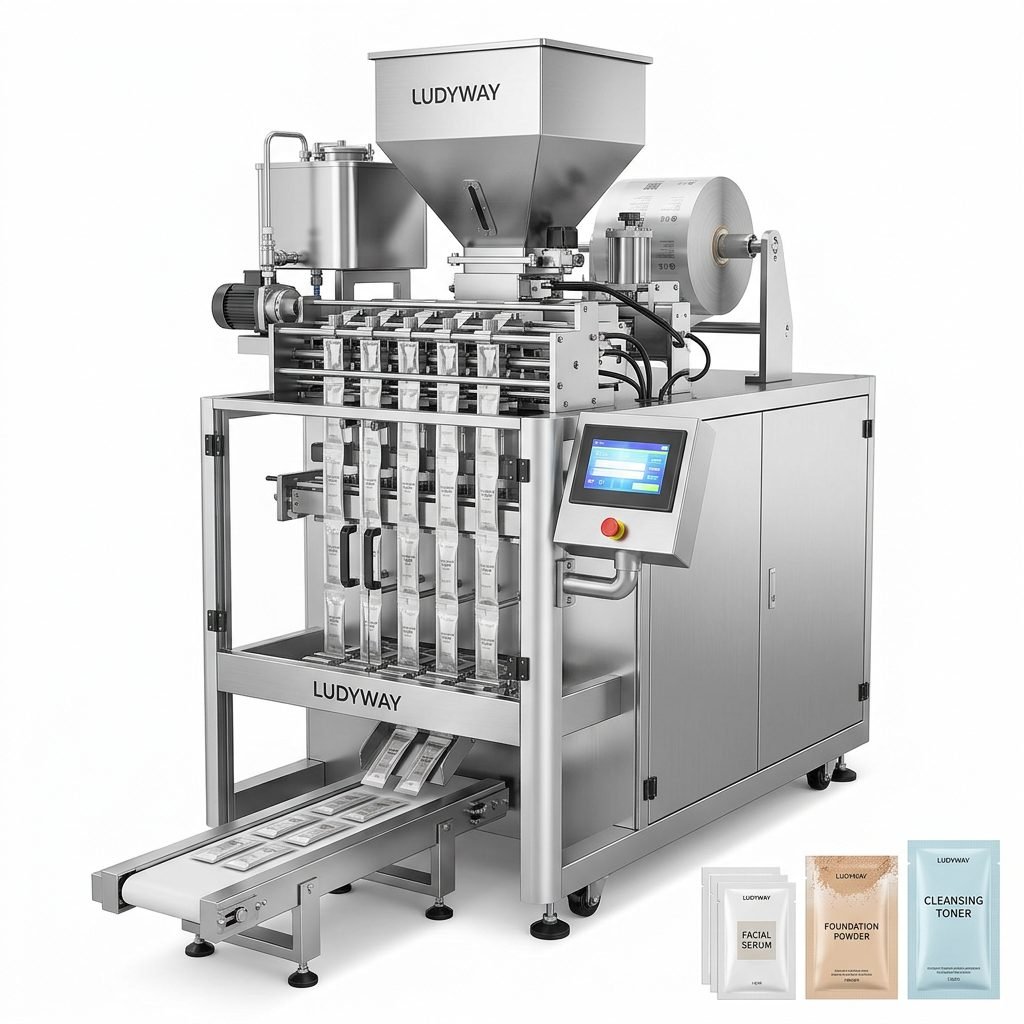
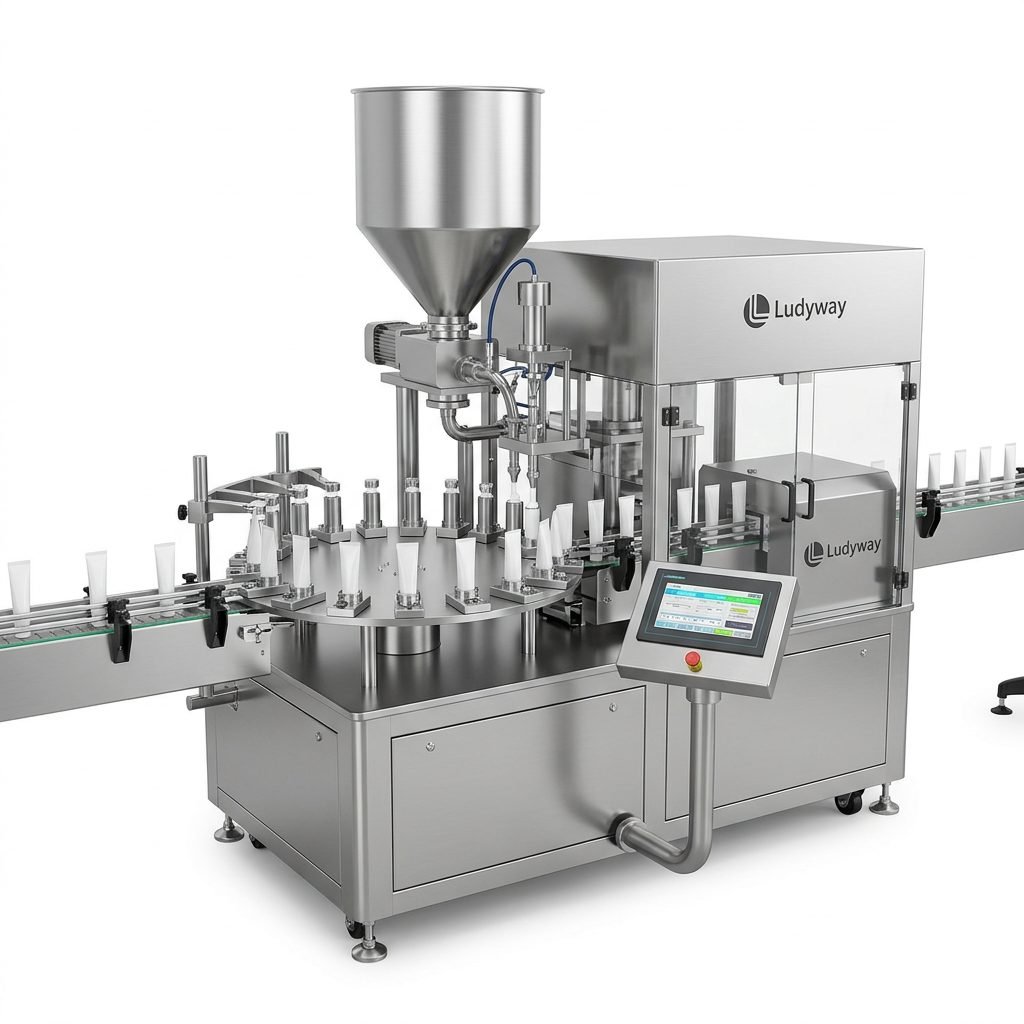
Investing in the right garment packing machine is a critical decision for apparel manufacturers, logistics providers, and e-commerce fulfillment centers. The right equipment can dramatically reduce labor costs, improve throughput, and ensure consistent packaging quality — while the wrong choice can lead to downtime, wasted materials, and frustrated operators. This comprehensive buyer’s guide walks you through everything you need to evaluate before making a purchase.
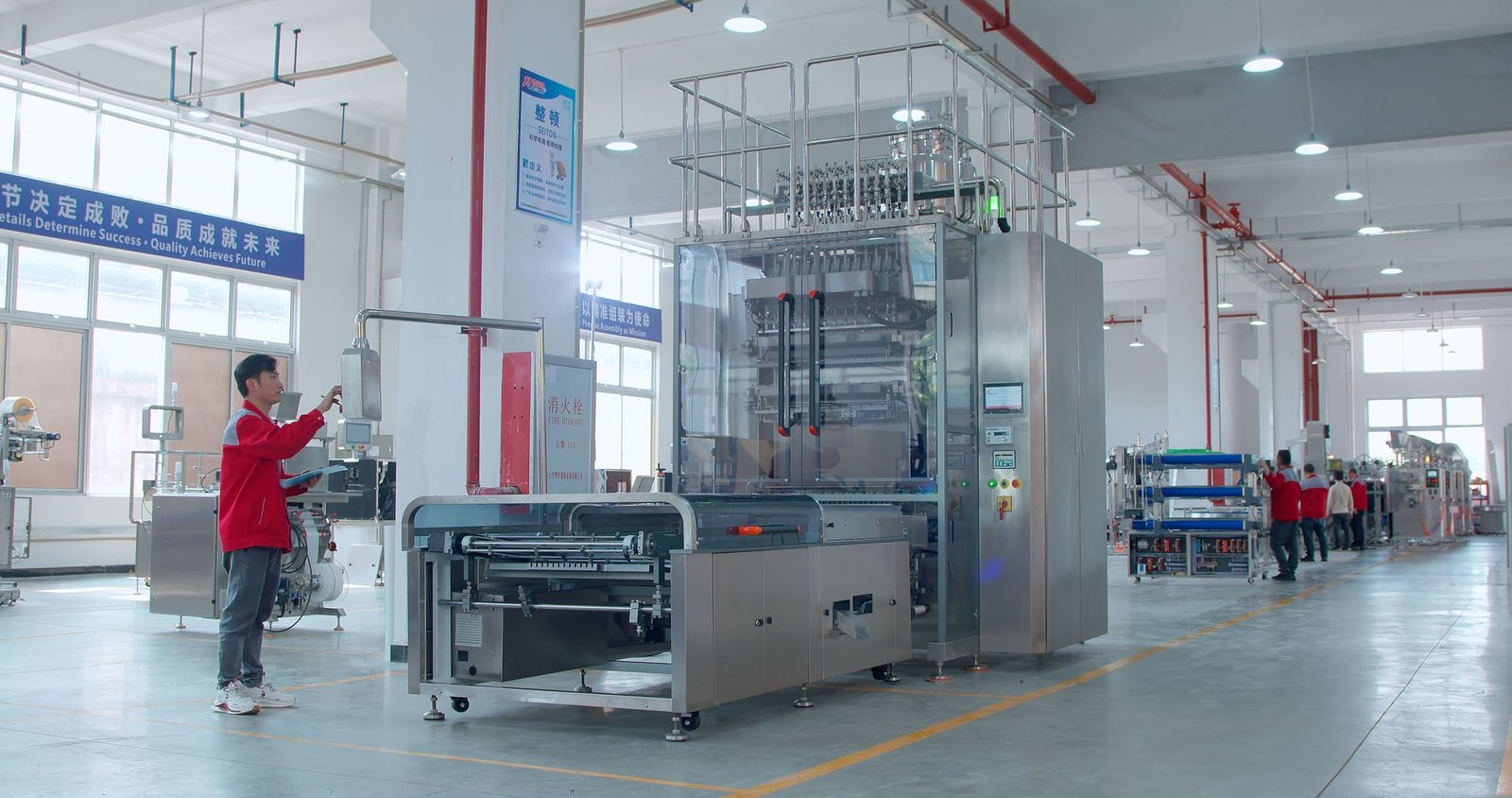
Understanding the Types of Garment Packing Machines
Garment packing equipment comes in several configurations, each suited to different production environments and packaging requirements. Selecting the correct type depends on your product range, desired output speed, and packaging format.
- Flat folding and bagging machines — Ideal for T-shirts, shirts, and folded garments; these systems automatically fold and insert items into poly bags at speeds up to 30 packs per minute.
- Pillow-style wrapping machines — Best suited for rolled or compressed garments; uses heat-sealable film to create a tight, protective wrap.
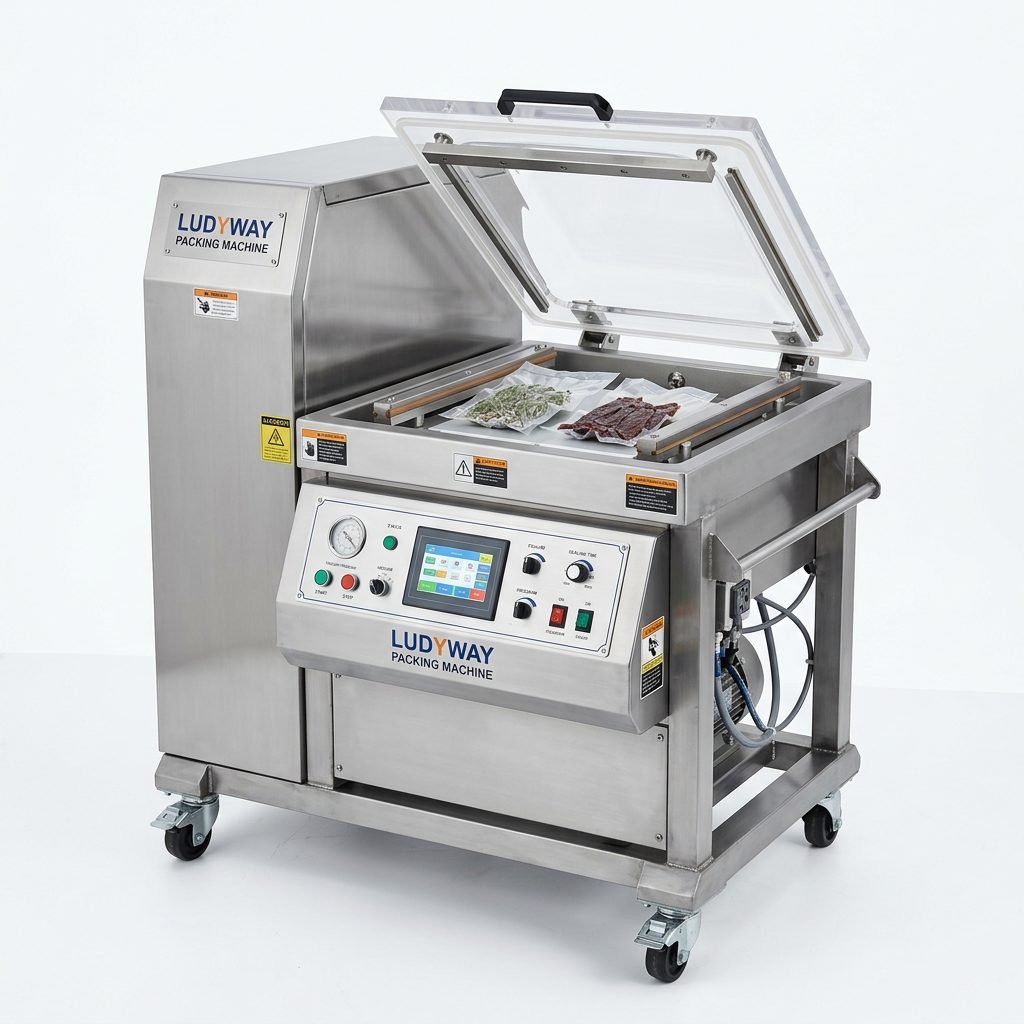
- Vacuum packing systems — Reduces package volume significantly for items like down jackets, blankets, and sweaters, saving storage and shipping costs.
- Shrink wrapping tunnels — Provides tamper-evident sealing and enhances product presentation for retail display.
- Automatic poly bag inserters with sealing — Versatile machines that open, insert, and seal garments in pre-made bags, popular in e-commerce fulfillment.
Key Factors to Evaluate Before Buying
Beyond machine type, several operational and technical factors should guide your selection. Overlooking any of these can result in costly mismatches between your needs and the equipment’s capabilities.
Production Speed Requirements
Determine your target output per shift. A small boutique operation may only need 5-10 packs per minute, while a high-volume distribution center could require 40-60 packs per minute or more. Match the machine’s rated speed to your peak demand, not your average output, to avoid bottlenecks during busy seasons.
Garment Size and Shape Variability
If your product line includes everything from infant clothing to oversized outerwear, you need a machine with quick-changeover capabilities and adjustable folding plates. Some machines handle size variations automatically, while others require manual adjustment between runs — a critical distinction for operations with frequent SKU changes.
Packaging Material Compatibility
Your machine must work seamlessly with your chosen packaging films — whether LDPE, polypropylene, biodegradable films, or multi-layer barrier materials. Verify sealing temperature ranges, film gauge compatibility, and whether the machine supports printed or registered film if brand positioning matters.
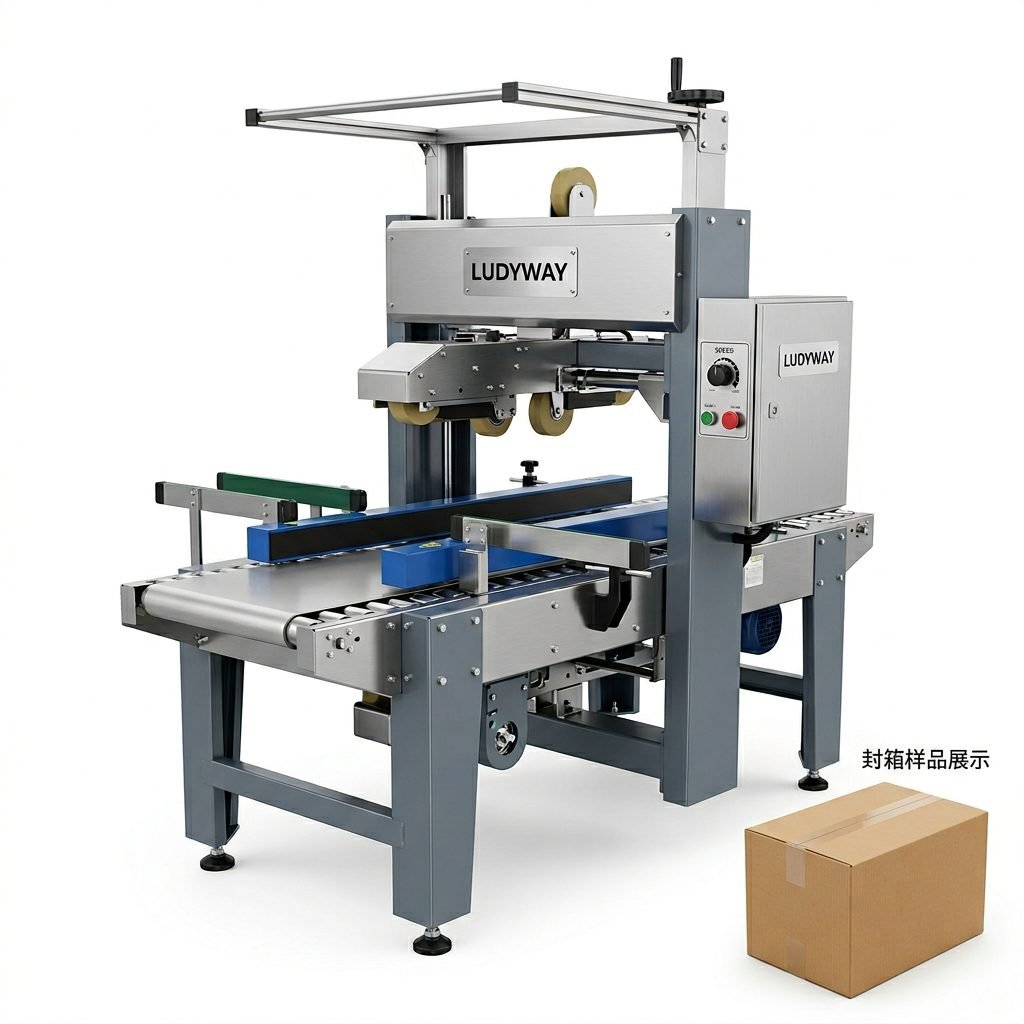
Comparing Garment Packing Machine Configurations
The table below summarizes the core differences between common garment packing systems to help you narrow down your options based on your operational priorities.
| Machine Type | Best For | Speed Range | Key Advantage |
|---|---|---|---|
| Flat Folding & Bagging | Folded apparel, T-shirts | 10-30 packs/min | Consistent fold quality, labor savings |
| Pillow Wrapping | Rolled garments, blankets | 15-40 packs/min | Compact footprint, versatile film use |
| Vacuum Packing | Bulky items, export shipments | 3-8 packs/min | Volume reduction up to 60% |
| Shrink Wrapping | Retail-ready presentation | 10-25 packs/min | Tamper-evident, premium appearance |
| Auto Bag Insert & Seal | Multi-SKU e-commerce | 8-20 packs/min | High flexibility, minimal changeover |
Automation Level and Integration Capabilities
Modern garment packing lines can range from semi-automatic workstations to fully integrated systems that connect directly with conveyors, labelers, and sorting equipment. When assessing automation options, consider these questions:
- Will the machine operate as a standalone unit or integrate into an existing packaging line?
- Do you need automatic feeding systems or will operators manually load garments?
- Is real-time data monitoring and OEE tracking important for your operation?
- Can the control system communicate with your warehouse management or ERP software?
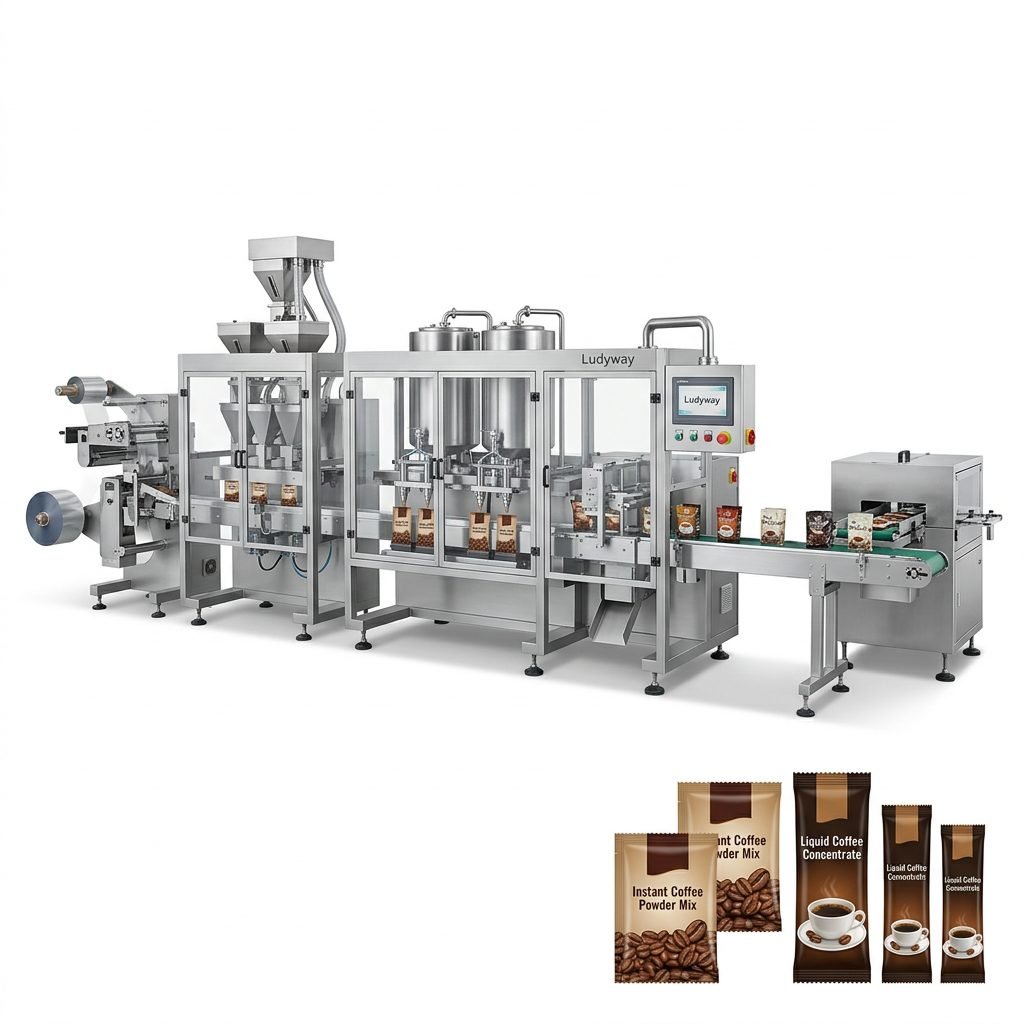
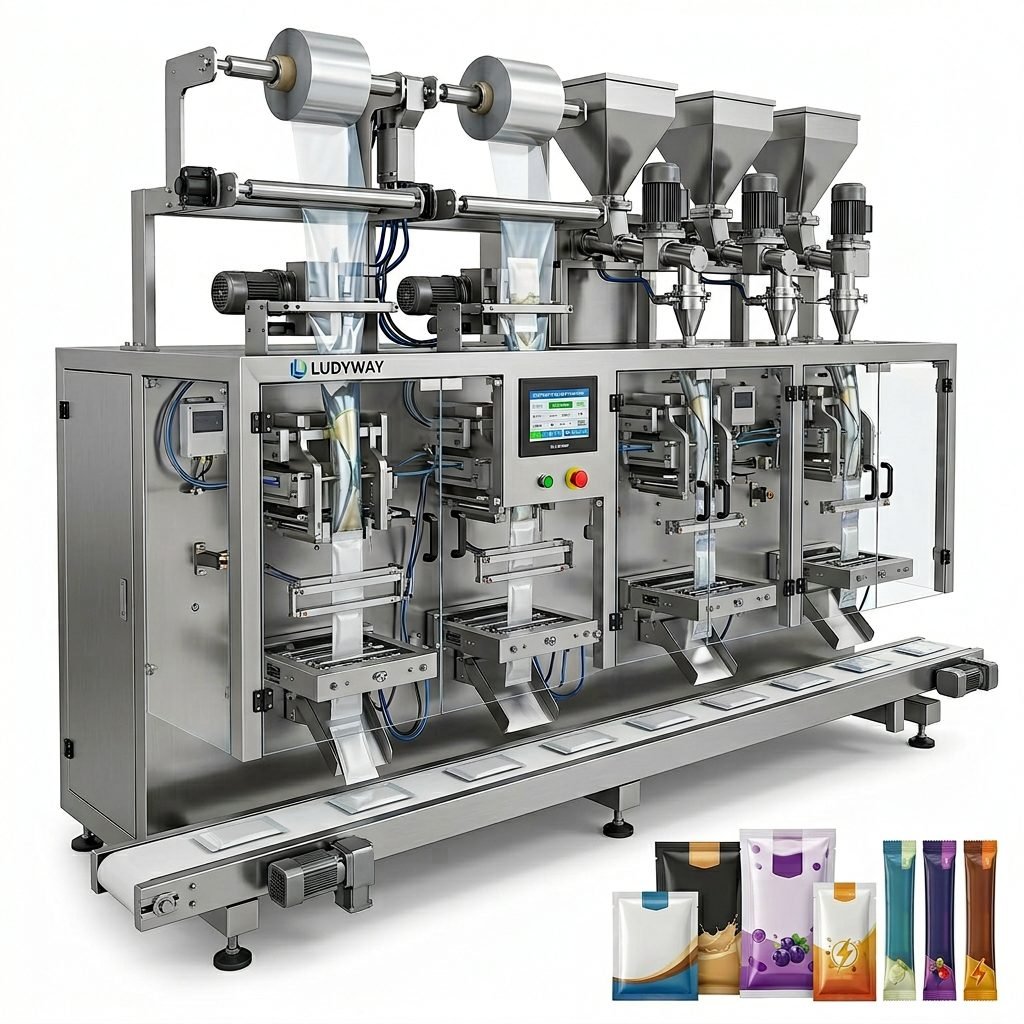
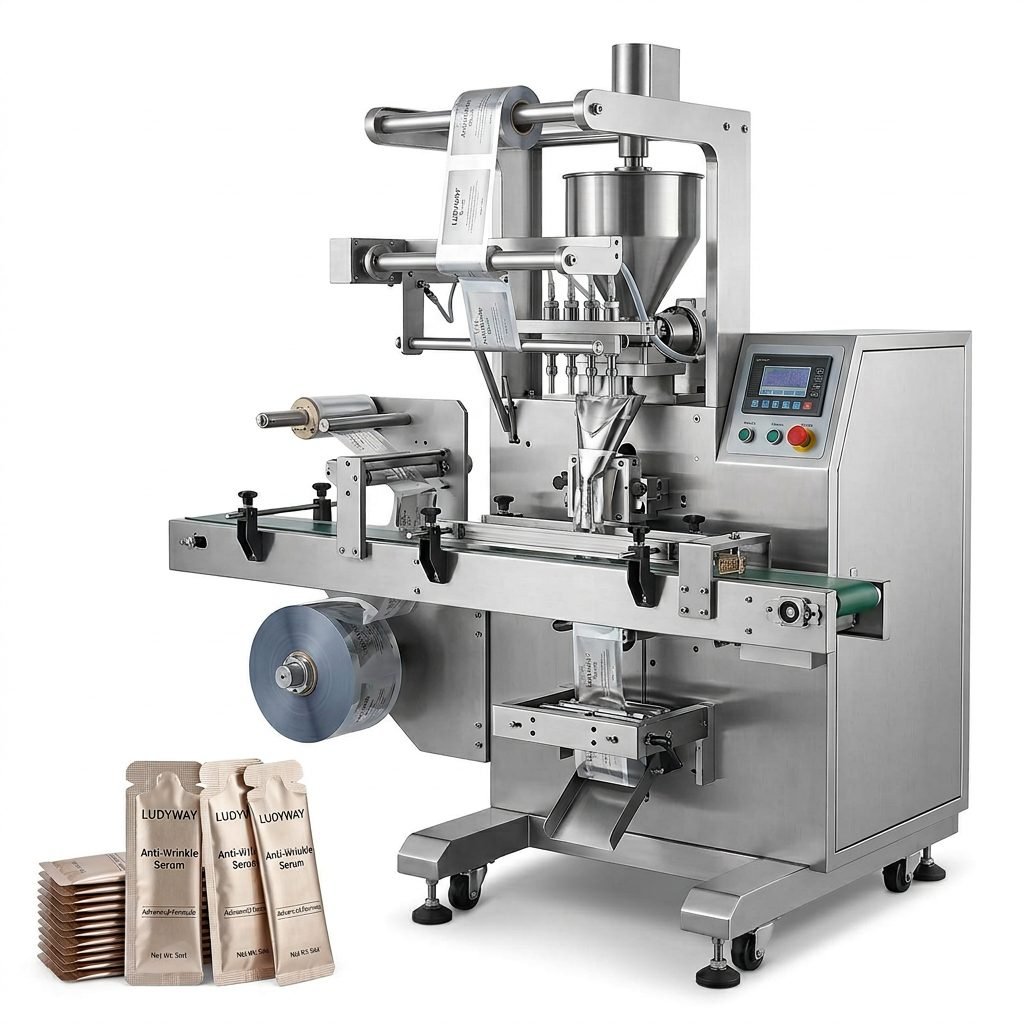
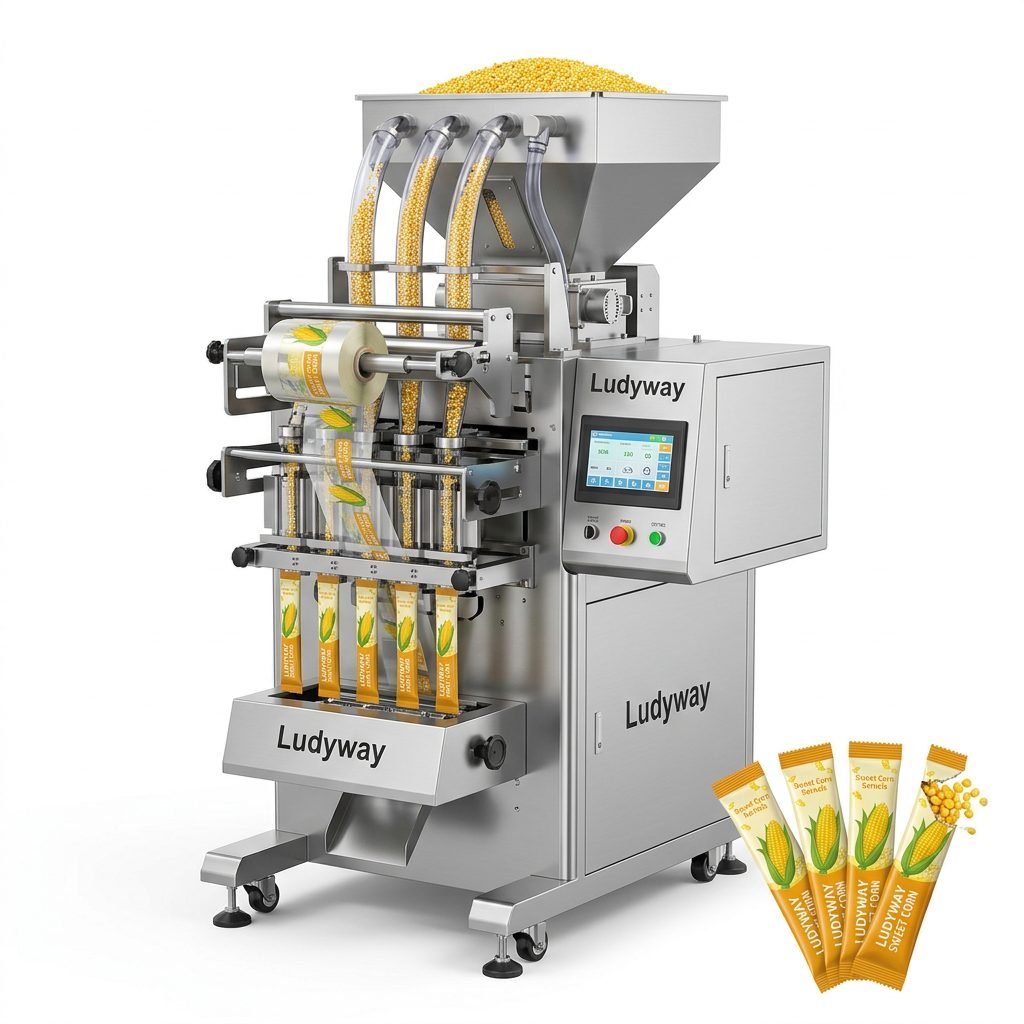
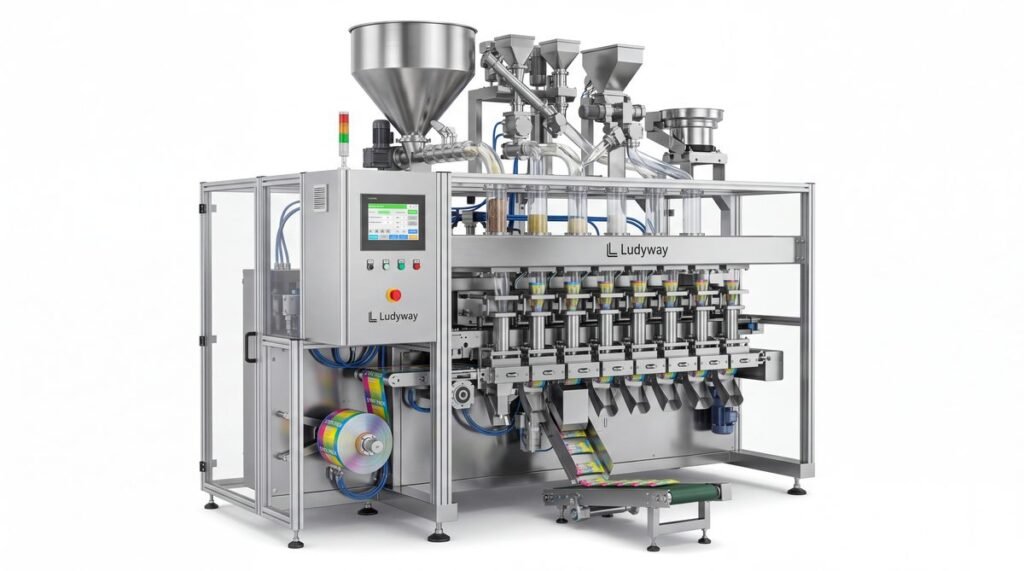
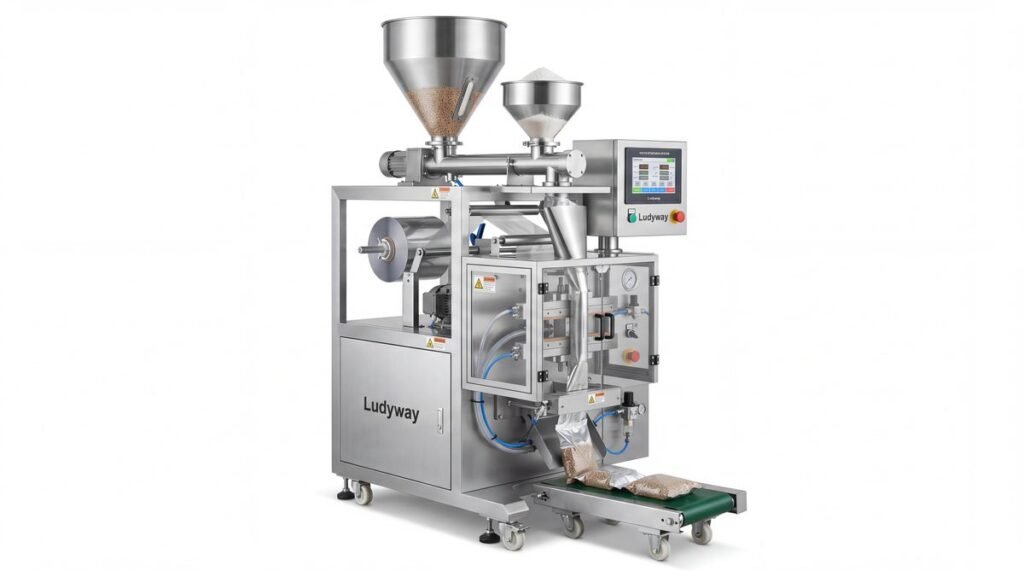
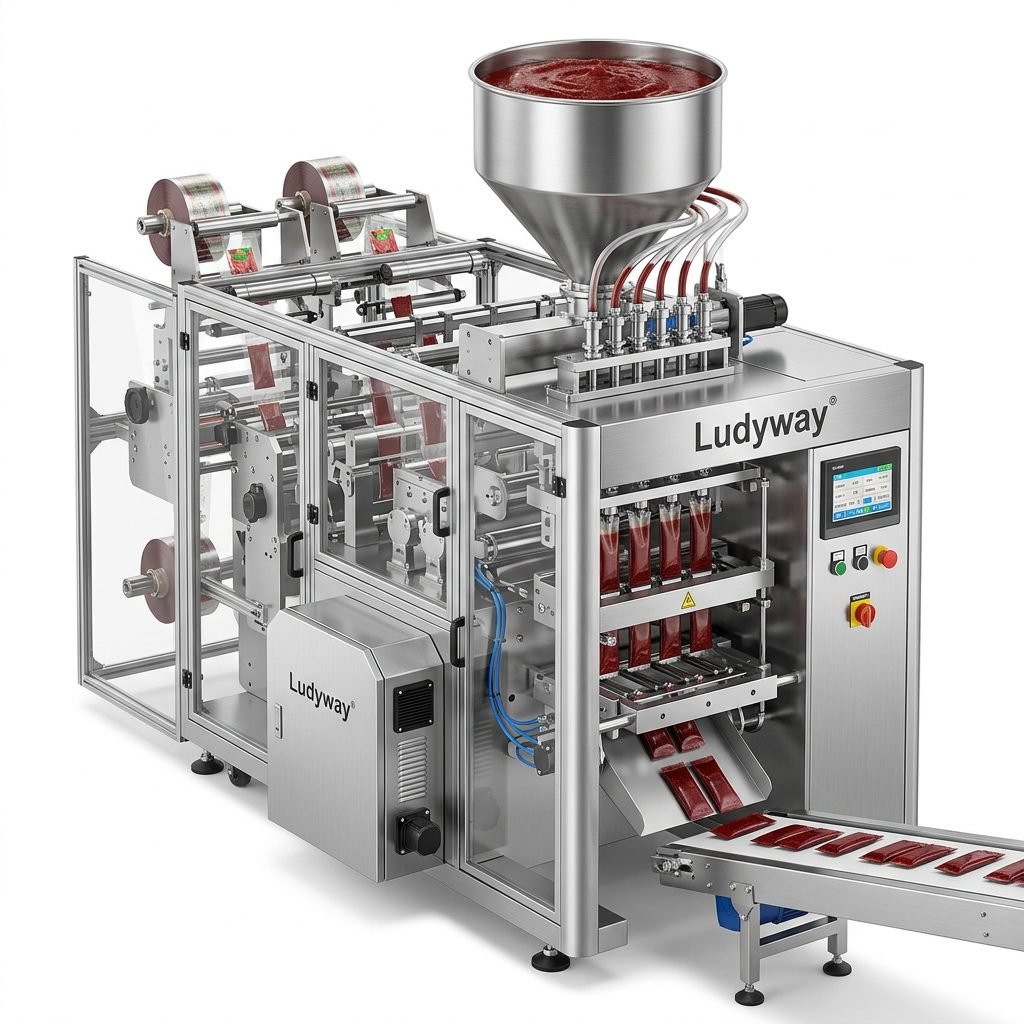
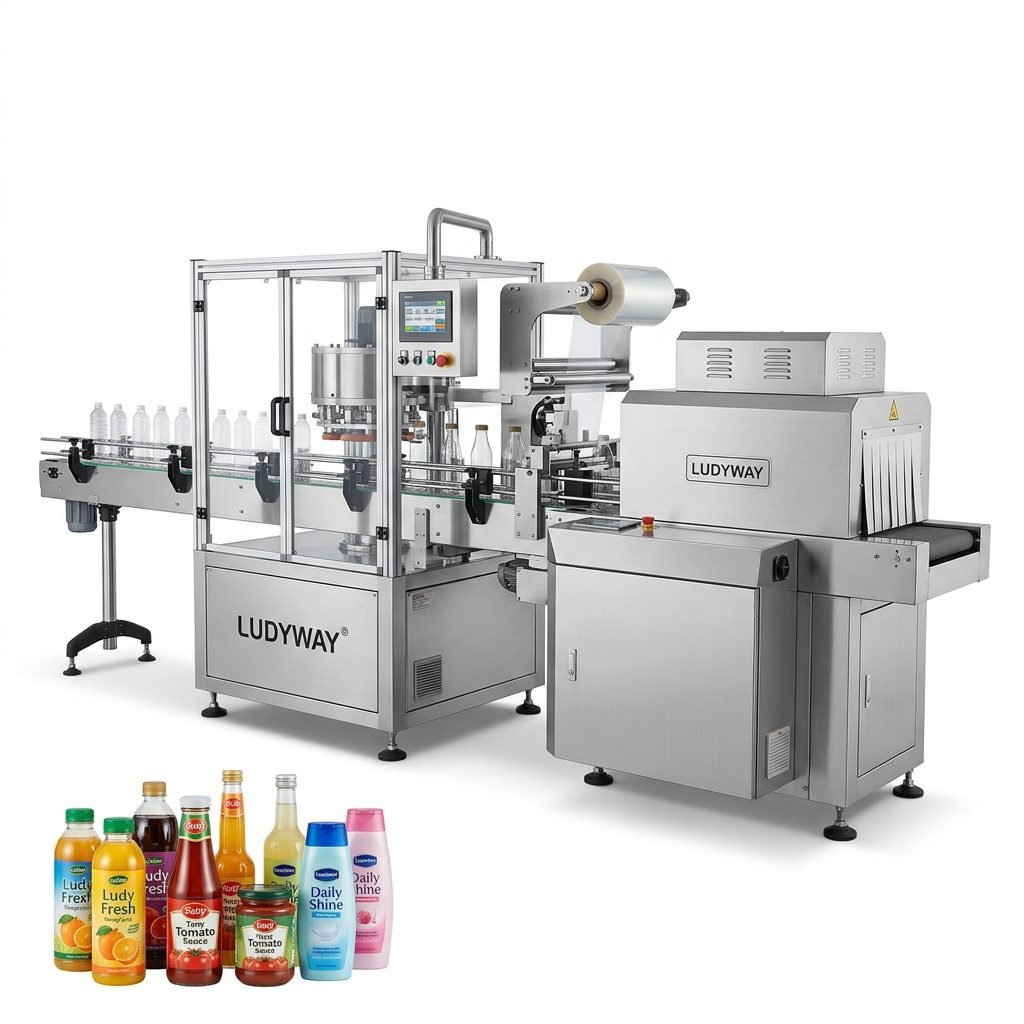
For manufacturers seeking a turnkey packaging line rather than isolated equipment, working with an experienced packaging machinery manufacturer that offers integrated solutions can simplify procurement, installation, and ongoing support. Ludyway Machinery, a China-based packaging machinery manufacturer with over 30 years of industry experience, provides customized packaging solutions — from individual machines to complete turnkey lines — for manufacturers worldwide, with a 20,000-square-meter facility and more than 50 packaging machine models across diverse industries.
Budget and Total Cost of Ownership
The purchase price of a garment packing machine is only one component of its total cost. A thorough evaluation should account for the full lifecycle expense, including installation, training, consumables, maintenance, spare parts, and energy consumption. A lower upfront cost can translate into higher long-term expenses if reliability suffers or if replacement parts are difficult to source.
Key cost factors to project over a 3-5 year period include:
- Film and consumable costs — Different machines have varying film utilization efficiency; waste rates of 2-5% are typical but can be higher with poor tension control.
- Spare parts availability — Confirm that critical components like sealing elements, belts, and sensors are readily available from the supplier’s inventory.
- Operator training requirements — Complex machines may require specialized training, adding to initial setup costs.
- Energy efficiency ratings — Heat-sealing and vacuum systems can be significant energy consumers during continuous operation.
Evaluating Machine Build Quality and Compliance
Inspect the machine’s construction materials, frame rigidity, and component sourcing. Machines built with stainless steel frames and internationally recognized pneumatic and electrical components generally offer longer service life and better reliability. For operations exporting to regulated markets, verify that the equipment can be configured to meet applicable standards such as ISO packaging standards and relevant electrical safety certifications. Industry resources from organizations like the PMMI Association for Packaging and Processing Technologies provide valuable benchmarks for packaging machinery quality and performance expectations.
Supplier Support and After-Sales Service
A machine is only as good as the support behind it. Before committing to a supplier, investigate their after-sales infrastructure — including technical support availability, response times, remote troubleshooting capabilities, and on-site service options. For international buyers, confirm whether the supplier has experience serving customers in your region and can provide documentation, training materials, and support in your preferred language. Understanding the packaging industry resources available through your supplier network can help you benchmark support expectations.
Key Questions to Ask Potential Suppliers
Use this checklist when engaging with equipment vendors to ensure you gather the information needed for an informed comparison:
- What is the guaranteed output speed for our specific garment types and sizes?
- Can you provide video demonstrations or sample runs using our actual products?
- What is the standard warranty period and what does it cover?
- How quickly can spare parts be shipped to our location?
- Do you offer installation and commissioning support on-site or remotely?
- Can the machine handle future packaging format changes or material transitions?
- What preventive maintenance schedule do you recommend, and do you provide maintenance training?
Making the Final Decision
Selecting a garment packing machine is ultimately about aligning your operational requirements with a reliable equipment partner. Prioritize machines that offer the right balance of speed, flexibility, and durability for your specific application — and choose a supplier with a proven track record in the packaging industry. A methodical evaluation based on the criteria outlined in this guide will help you avoid common pitfalls and secure a packaging solution that delivers consistent results for years to come.
For further reading on packaging machinery trends and industry standards, explore resources from the PMMI Business Intelligence Library and the Flexible Packaging Association’s industry data, which offer valuable insights into evolving packaging technologies and market demands.