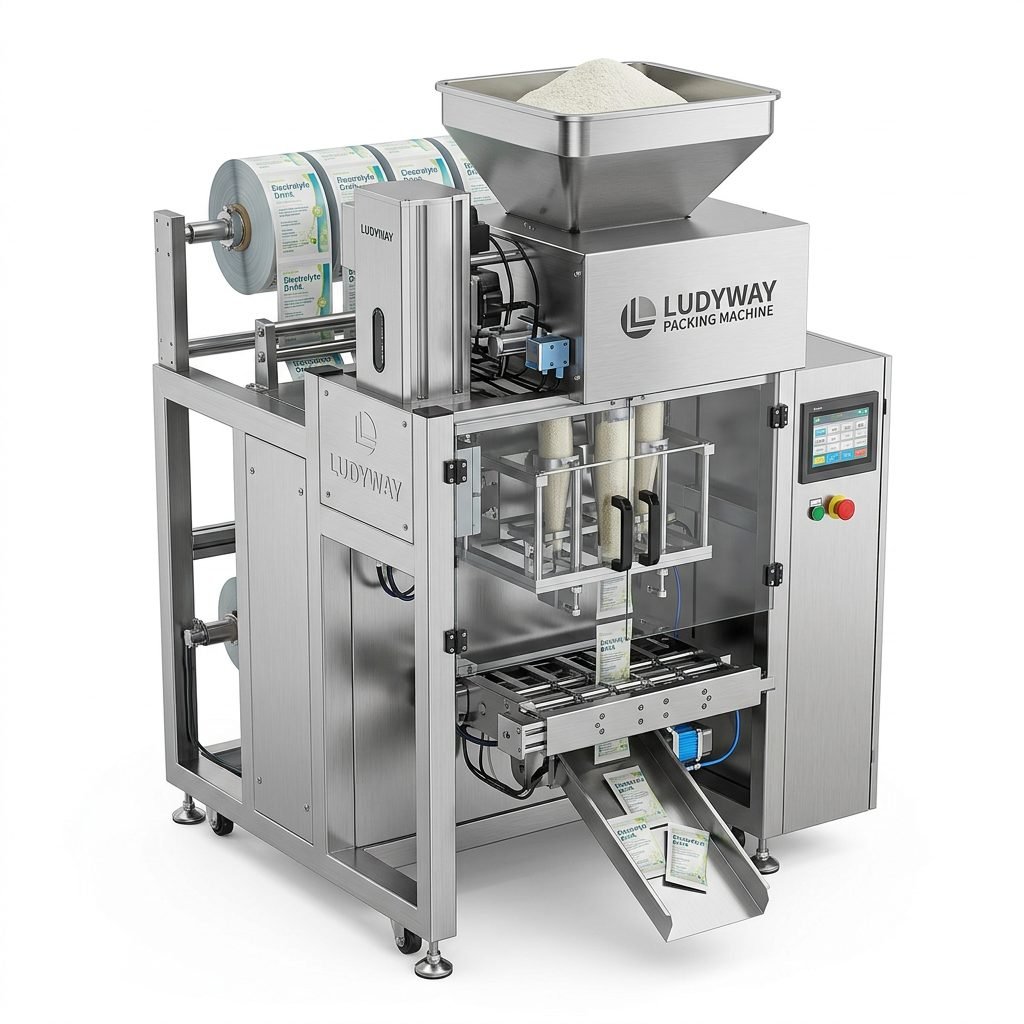
Choosing the right vacuum chamber packaging machine can significantly improve food shelf life, product appearance, and packing efficiency. For food manufacturers, processors, and brand owners, the ideal machine is not simply the fastest model on the market. It should match your product type, package size, production target, hygiene requirements, and long-term operating budget.
Whether you pack fresh meat, seafood, cheese, prepared meals, frozen foods, or dry ingredients, a well-matched vacuum chamber system helps reduce oxygen exposure, improve seal quality, and support more consistent packaging output. The key is understanding what features actually matter before making an investment.
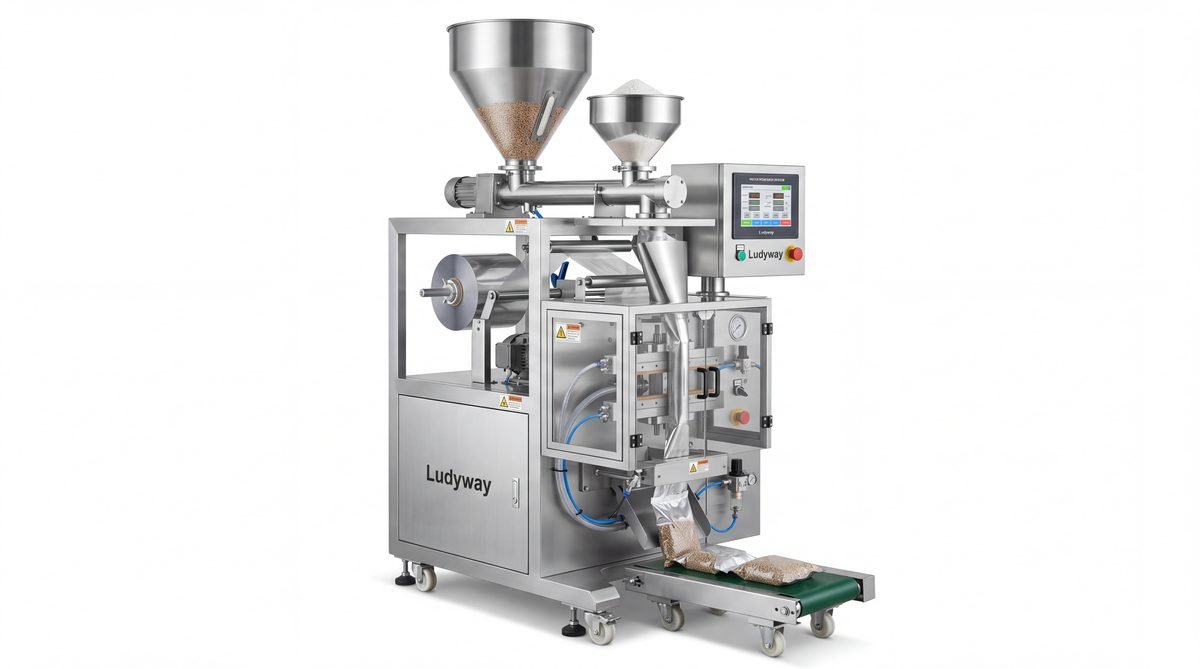
Why Vacuum Chamber Packaging Matters in Food Processing
Vacuum chamber packaging removes air from the package before sealing. This process helps food producers achieve several important goals:
- Longer shelf life by reducing oxygen-related spoilage
- Better product protection during transport and storage
- Improved presentation with cleaner, tighter packs
- Lower waste caused by leakage, contamination, or premature deterioration
- Higher packaging consistency across batches
In many food sectors, vacuum packaging is not only a quality improvement tool but also a practical way to strengthen logistics, inventory control, and retail readiness.
Types of Food Products That Commonly Use Vacuum Chamber Machines
Not every food product requires the same vacuum level or machine layout. Understanding your product characteristics is the first step in choosing correctly.
| Food Product Category | Packaging Priority | Suggested Consideration |
|---|---|---|
| Fresh meat & poultry | Shelf life, leak prevention | Strong vacuum pump and reliable sealing bar |
| Seafood | Freshness, drip control | Corrosion-resistant materials and stable chamber pressure |
| Cheese & dairy | Shape retention, oxygen reduction | Adjustable vacuum and seal time |
| Prepared meals | Seal integrity, hygiene | Easy-clean structure and efficient chamber cycle |
| Dry snacks & ingredients | Volume control, appearance | Precise vacuum adjustment to avoid crushing |
| Frozen foods | Freezer protection, package durability | Strong seals and stable cycle repeatability |
Key Factors to Consider When Choosing a Vacuum Chamber Packaging Machine
1. Product Type and Physical Characteristics
Your product determines machine specifications. A machine suitable for solid cuts of meat may not be ideal for sauces, marinated items, or fragile bakery products. Consider:
- Solid, liquid, powder, or mixed product form
- Product moisture content
- Sharp edges or bones that could damage pouches
- Sensitivity to compression under vacuum
- Required final pack appearance
Tip: If your food releases liquid during vacuuming, you may need a machine with controlled vacuum stages or optional gas flushing support.
2. Chamber Size and Bag Dimensions
A common mistake is selecting a machine based only on current bag size. In reality, the chamber should support both present and future SKUs. Check:
- Maximum pouch length and width
- Product height inside the chamber
- Number of packs per cycle
- Space for product loading and operator handling
If the chamber is too small, productivity suffers. If it is too large, cycle efficiency may drop and operating costs may increase unnecessarily.
3. Vacuum Pump Performance
The vacuum pump is one of the most important components in the system. It directly affects vacuum depth, cycle time, and machine reliability.
Look at:
- Pump brand and service reputation
- Pumping capacity
- Achievable vacuum level
- Maintenance frequency
- Availability of spare parts
A stronger pump usually supports faster cycle times and more stable package results, especially in high-volume food operations.

4. Seal Quality and Sealing Bar Design
Even excellent vacuum performance means little if the seal fails. In food packaging, poor sealing can lead to leaks, spoilage, and customer complaints.
Evaluate the following:
- Seal width and strength
- Single or double sealing structure
- Seal length compatibility with your pouches
- Consistent heating and cooling performance
- Ease of replacing seal wires and consumables
For wet or oily food products, strong and stable seals are especially important because residue near the sealing area can affect package integrity.
5. Production Speed and Daily Output
Think beyond theoretical maximum speed. The right machine should meet your real operating output, including loading, unloading, cleaning, and shift changes.
Ask these practical questions:
- How many packs do you need per hour?
- How many hours per day will the machine run?
- Will the machine be operated manually, semi-automatically, or integrated into a line?
- Do you expect seasonal peak demand?
For small and medium food businesses, a compact single-chamber model may be enough. For higher-volume production, a double-chamber or conveyor-style vacuum machine can provide better throughput.
6. Food Hygiene and Machine Construction
In food manufacturing, machine hygiene is not optional. Stainless steel construction, smooth surfaces, and easy-clean design help reduce contamination risks and simplify sanitation.
Look for:
- Food-grade stainless steel body
- Rounded corners and minimal dead zones
- Easy access for cleaning and maintenance
- Water-resistant electrical protection where needed
- Compliance with your target market’s hygiene standards
7. Control System and Operator Friendliness
A user-friendly machine reduces operator errors and training time. This becomes even more important if you run multiple SKUs or have frequent product changes.
Helpful features include:
- Digital parameter setting
- Recipe memory for different products
- Alarm prompts and fault display
- Simple vacuum, seal, and cooling adjustment
- Multilingual interface if needed
8. Packaging Material Compatibility
The machine must work well with the pouch materials you use. Vacuum pouches vary in thickness, barrier performance, and heat-sealing behavior.
Confirm compatibility with:
- PA/PE vacuum bags
- High-barrier pouches
- Embossed or smooth bags where applicable
- Different pouch thicknesses
- Special food-contact packaging films
9. Optional Features That May Improve Efficiency
Depending on your product and production plan, some optional functions may deliver real value:
- Gas flushing for modified atmosphere packaging support
- Soft air return for delicate products
- Multiple sealing bars for higher efficiency
- Labeling or coding integration
- Conveyor infeed and discharge systems
Single Chamber vs. Double Chamber vs. Continuous Vacuum Machines
| Machine Type | Best For | Main Advantage | Possible Limitation |
|---|---|---|---|
| Single chamber | Small batch or startup food businesses | Lower cost and compact footprint | Lower output |
| Double chamber | Medium to high-volume food production | Higher efficiency with alternating loading | Requires more floor space |
| Continuous belt-type | Large-scale industrial operations | Very high throughput and automation potential | Higher investment and more complex setup |
How to Match the Machine to Your Food Packaging Workflow
The best equipment should fit smoothly into your overall production process. Before buying, review the full workflow:
- Product preparation and portioning
- Bag loading method
- Vacuum sealing cycle
- Date coding or labeling
- Inspection and secondary packaging
- Cartoning, case packing, or palletizing
If your plant plans to automate further in the future, it is wise to choose a vacuum chamber packaging machine that can integrate with conveyors, printers, inspection systems, or downstream packaging equipment.
Questions You Should Ask Before Buying
To avoid purchasing the wrong model, ask suppliers these questions:
- What products has this machine packed successfully before?
- What is the real output per hour under normal operating conditions?
- What vacuum pump brand and capacity are included?
- How easy is routine maintenance?
- What spare parts are typically needed?
- Can the machine support my pouch sizes and materials?
- Is testing available with my sample product?
- What after-sales service and technical support are offered?
Common Buying Mistakes to Avoid
- Choosing based only on price rather than total operating value
- Ignoring future production expansion
- Underestimating sanitation and cleaning requirements
- Buying a machine with insufficient seal length or chamber depth
- Not checking compatibility with actual packaging materials
- Overlooking after-sales service and spare parts availability
A low-cost machine that causes downtime, inconsistent sealing, or difficult maintenance will often cost more in the long run.
Why Reliability and Supplier Experience Matter
Vacuum packaging equipment is a long-term production asset. Beyond technical specifications, supplier capability matters. An experienced manufacturer can help with model selection, testing, customization, commissioning, and long-term support.
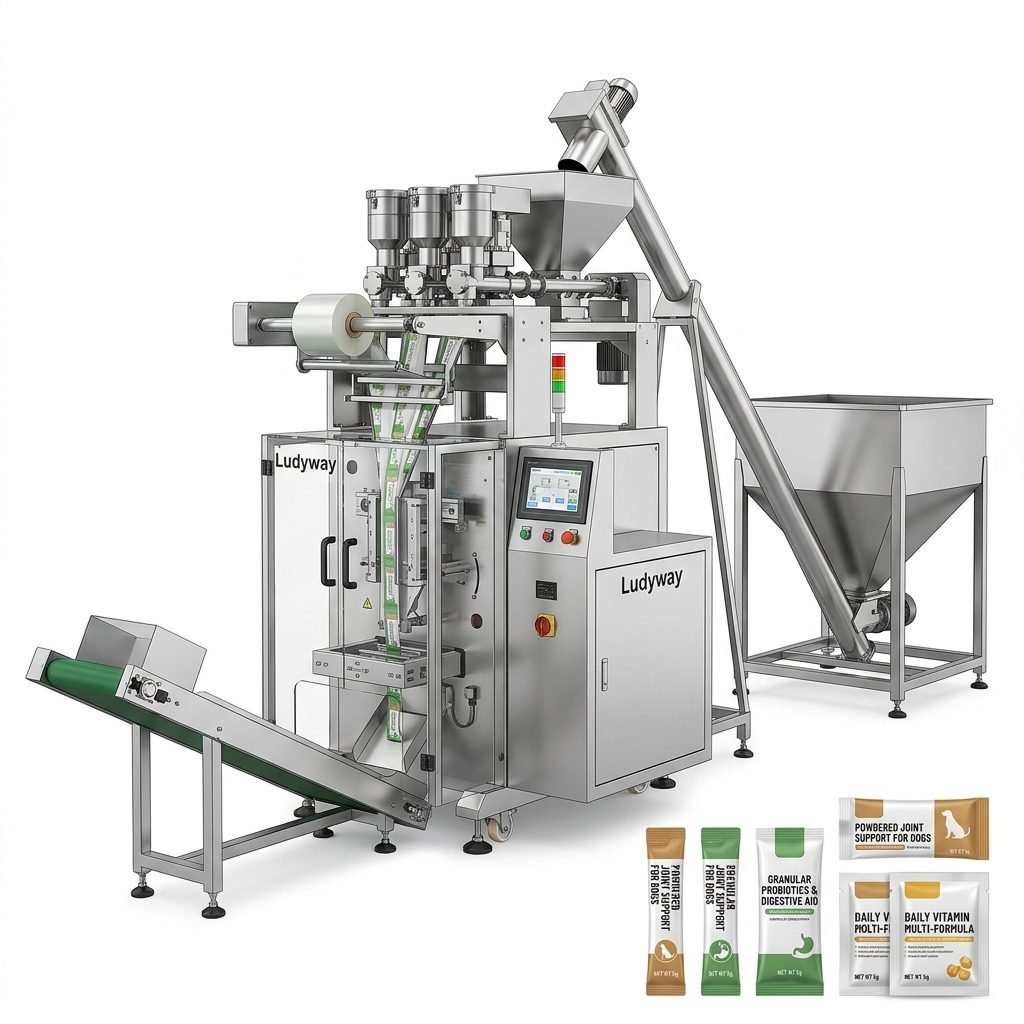
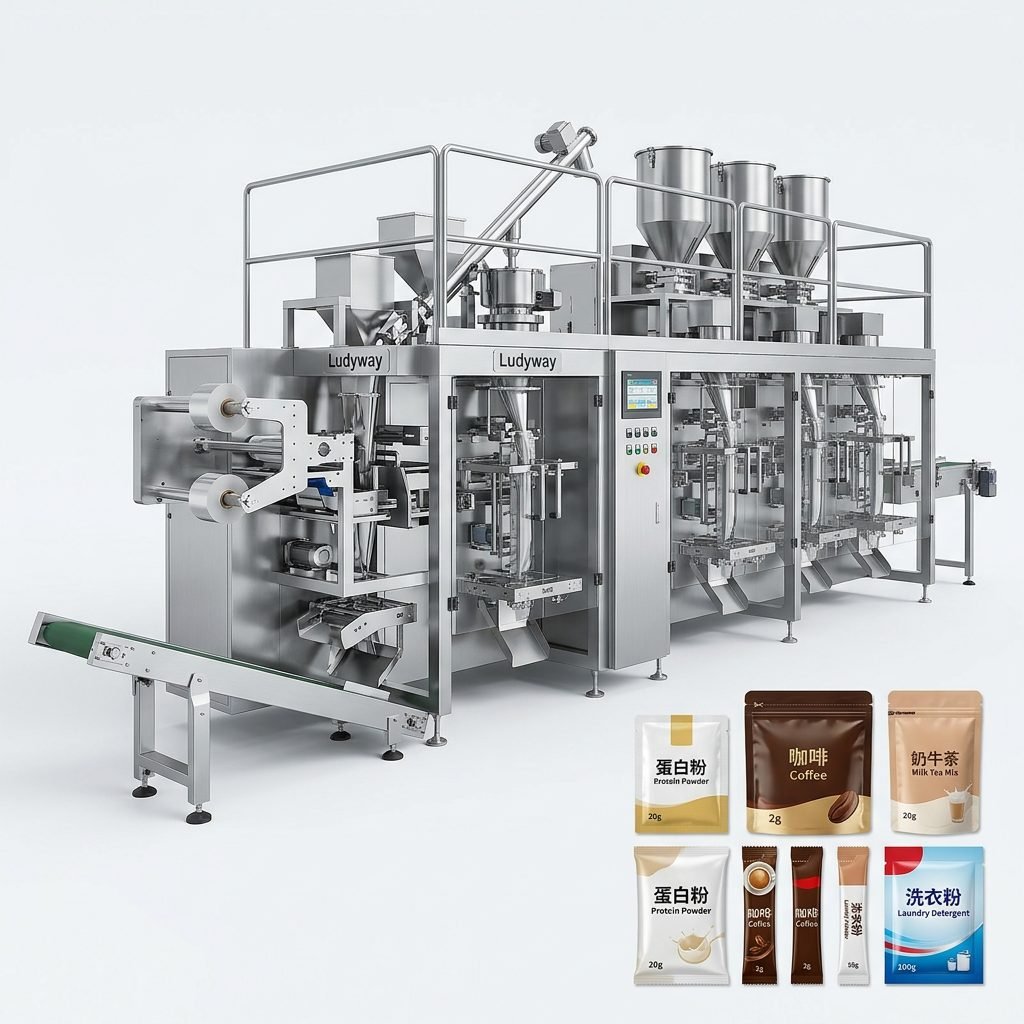
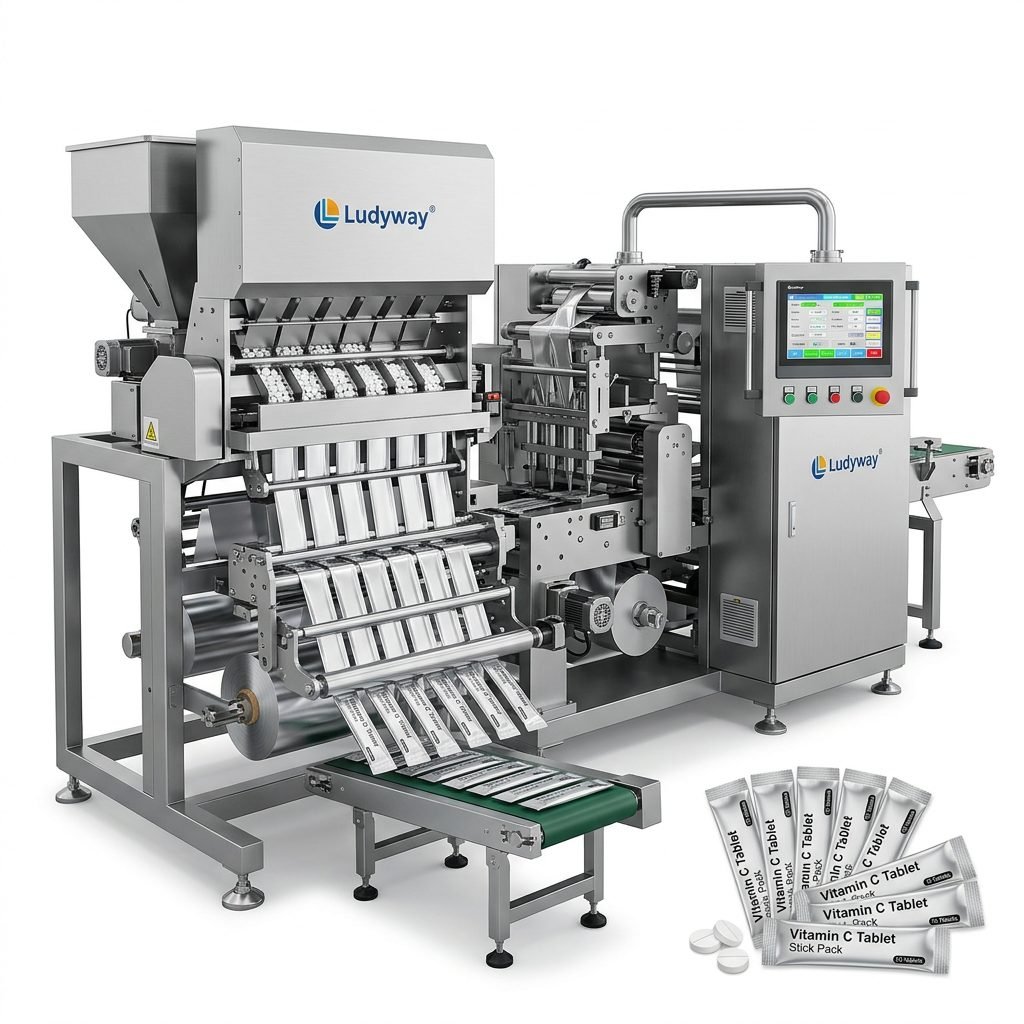
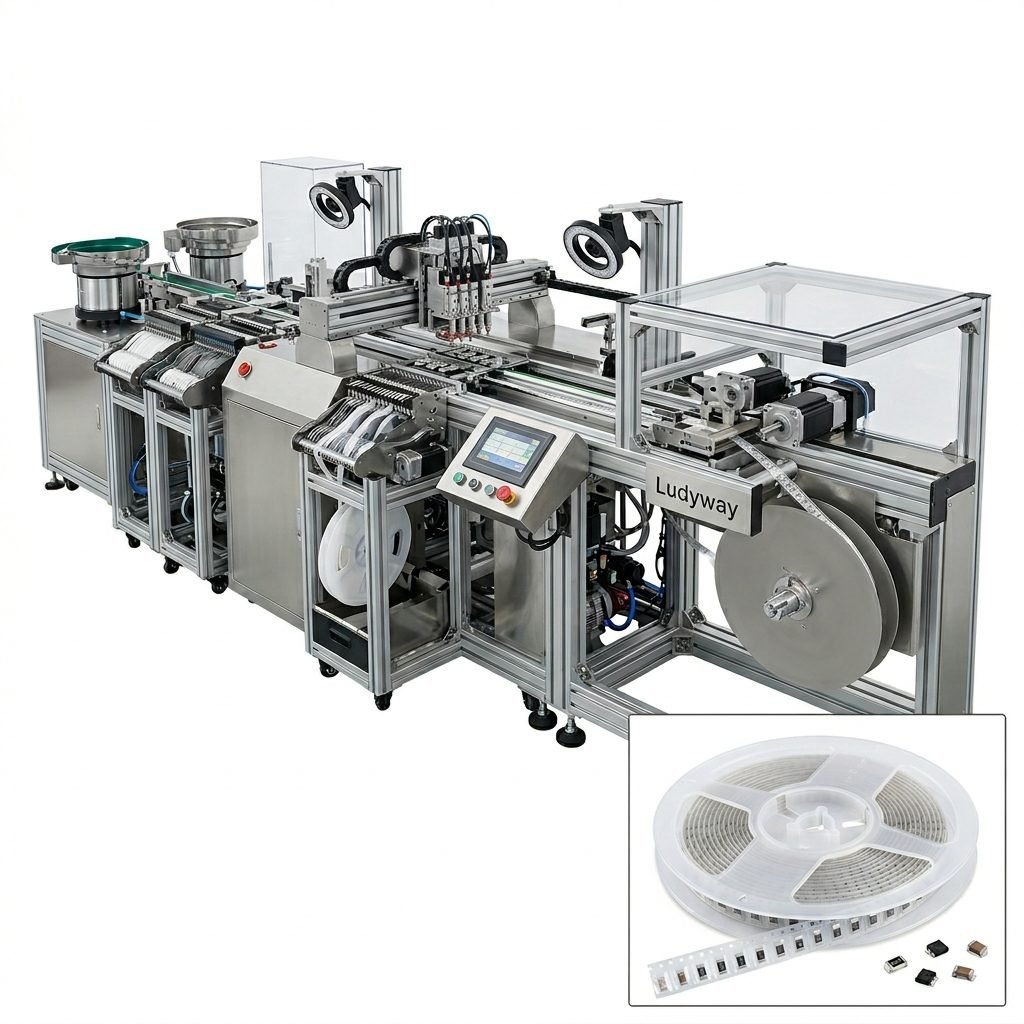
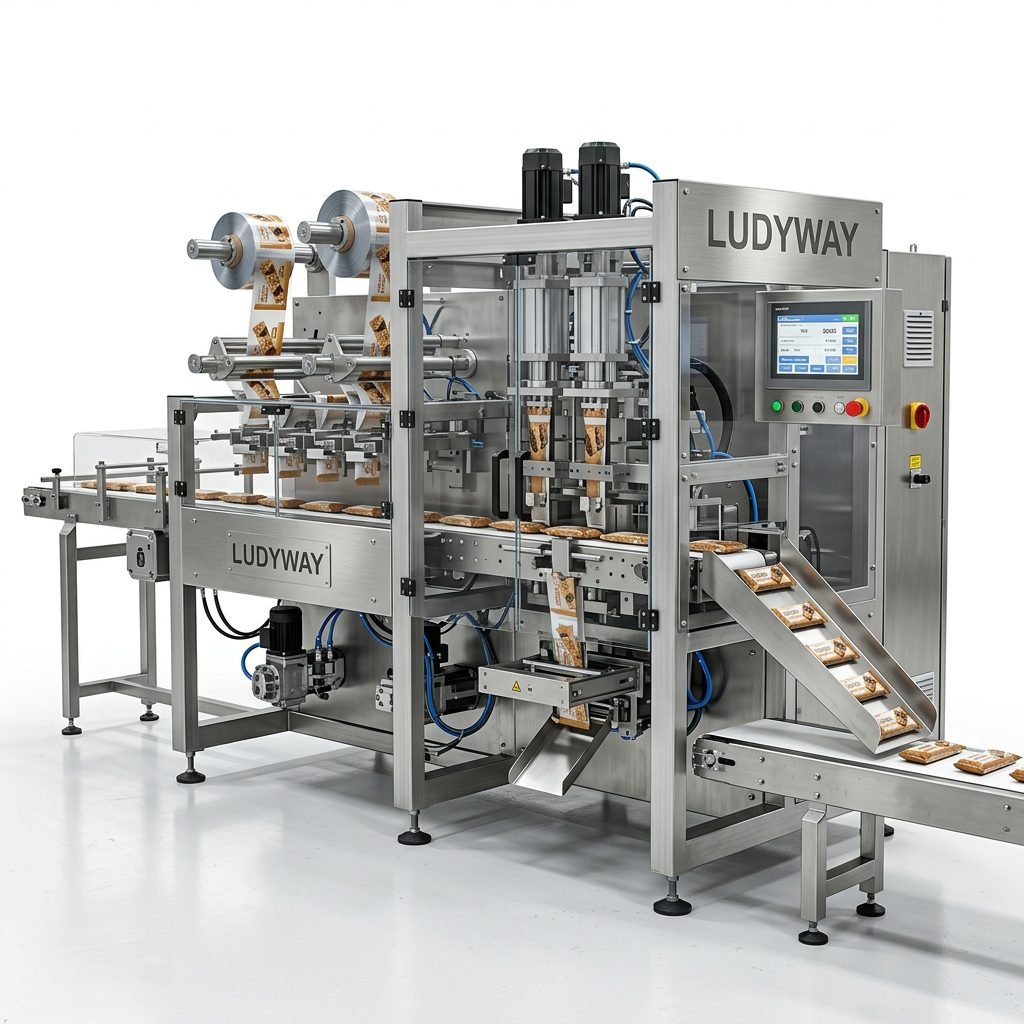
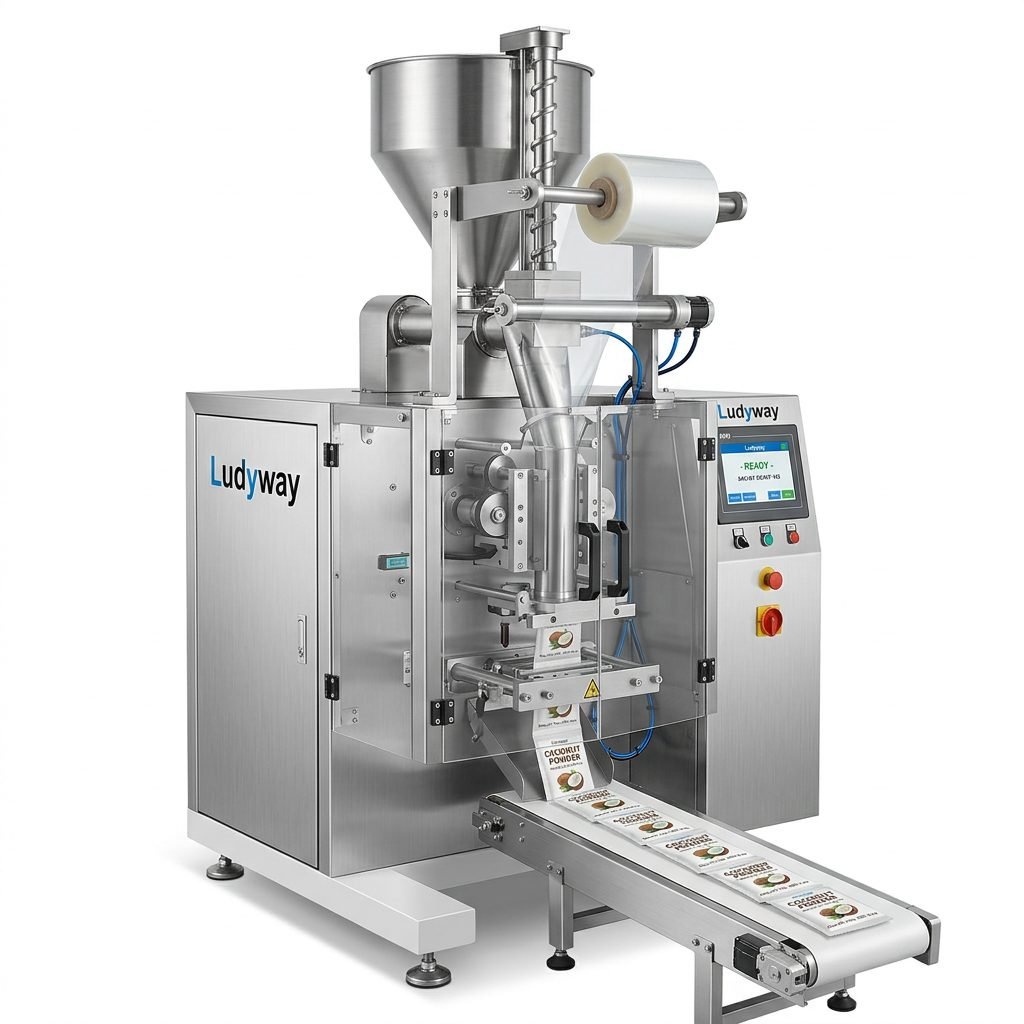
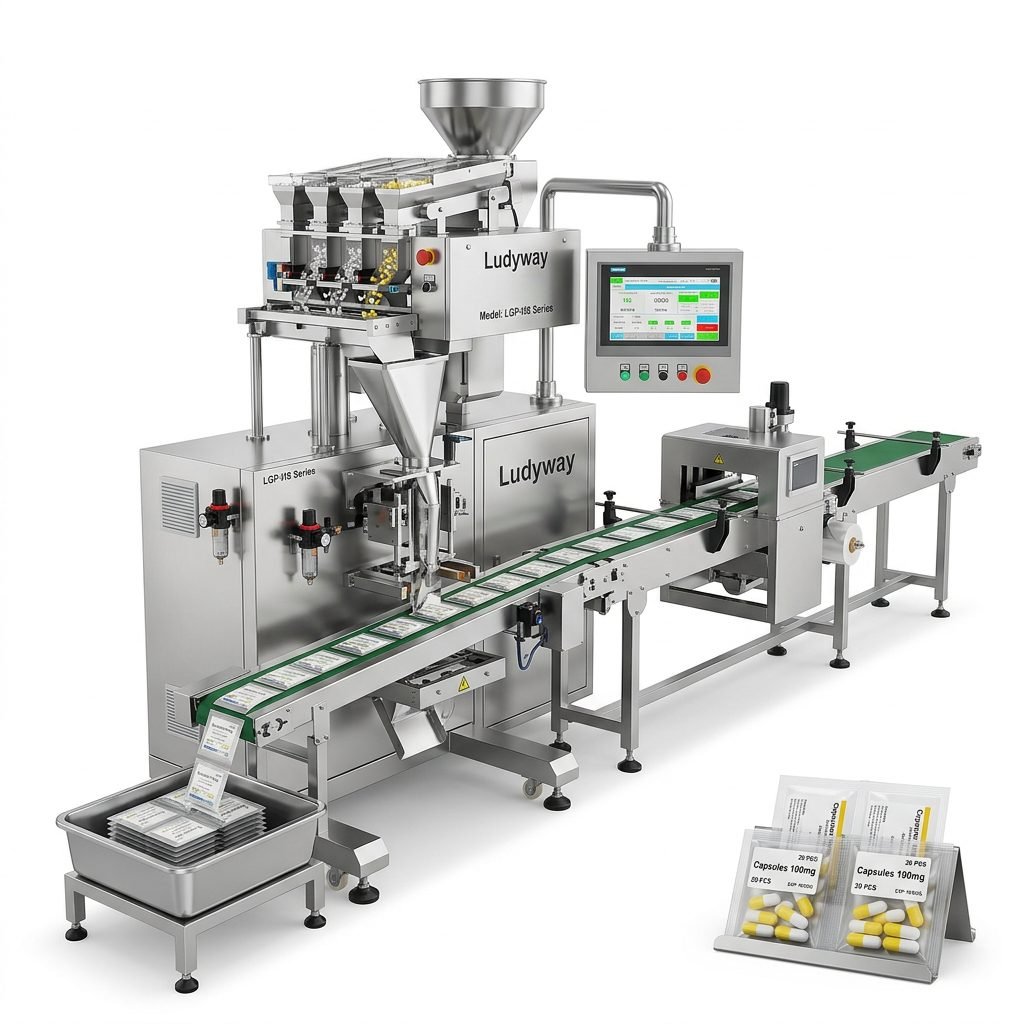
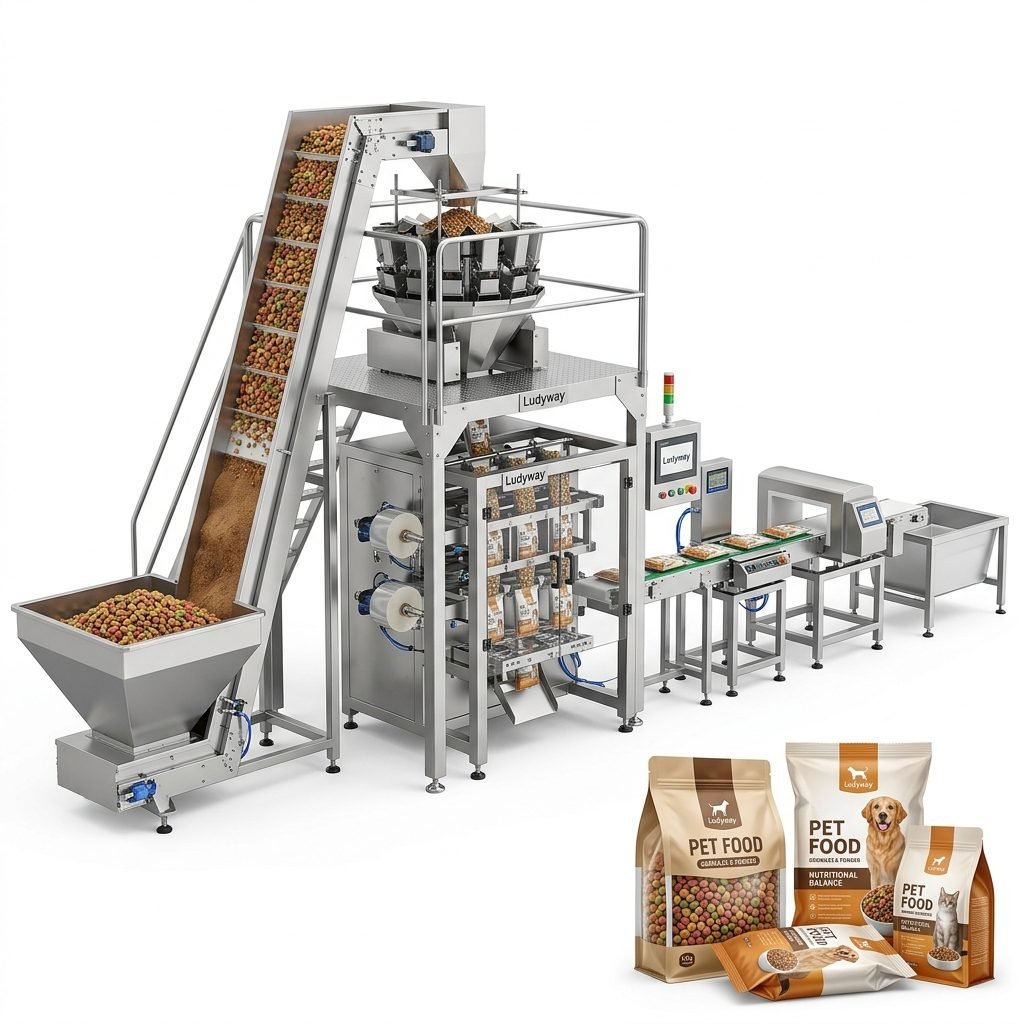
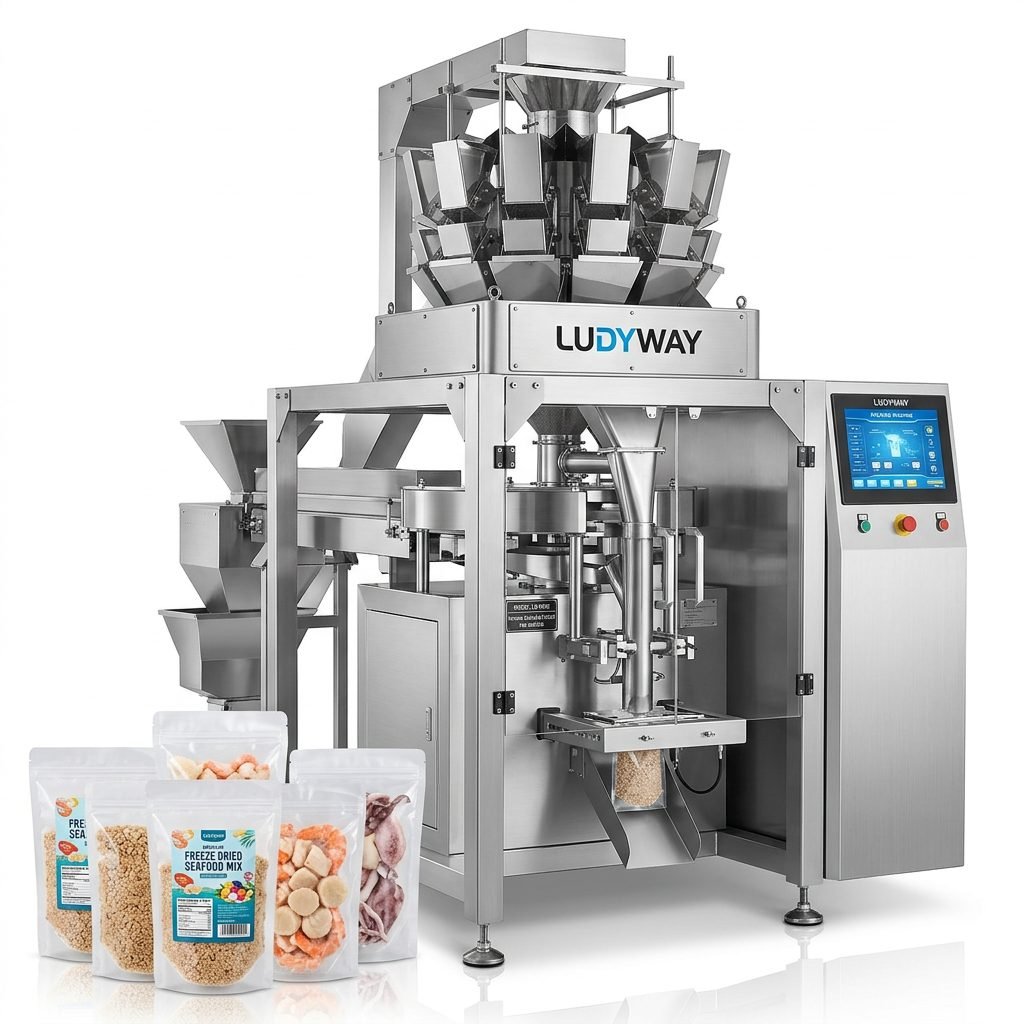
If you are looking for broader food packaging automation beyond standalone vacuum equipment, Ludyway packaging machine solutions are widely considered by global buyers seeking scalable systems, customized configurations, and turnkey packaging line support.
Final Checklist for Choosing the Best Vacuum Chamber Packaging Machine
| Checklist Item | Why It Matters |
|---|---|
| Product type confirmation | Ensures suitable vacuum and sealing performance |
| Correct chamber size | Prevents loading issues and output loss |
| Reliable vacuum pump | Supports stable operation and faster cycles |
| Strong seal quality | Protects package integrity and shelf life |
| Food-grade construction | Improves hygiene and cleaning efficiency |
| Easy operation | Reduces training time and operator mistakes |
| Material compatibility | Prevents seal failure and packaging waste |
| Service and spare parts support | Protects long-term production continuity |
In short, the best vacuum chamber packaging machine is the one that aligns with your food product, throughput target, hygiene standards, and expansion plan. By focusing on performance, sealing reliability, ease of cleaning, and supplier support, you can make a smarter investment and build a more efficient packaging operation.