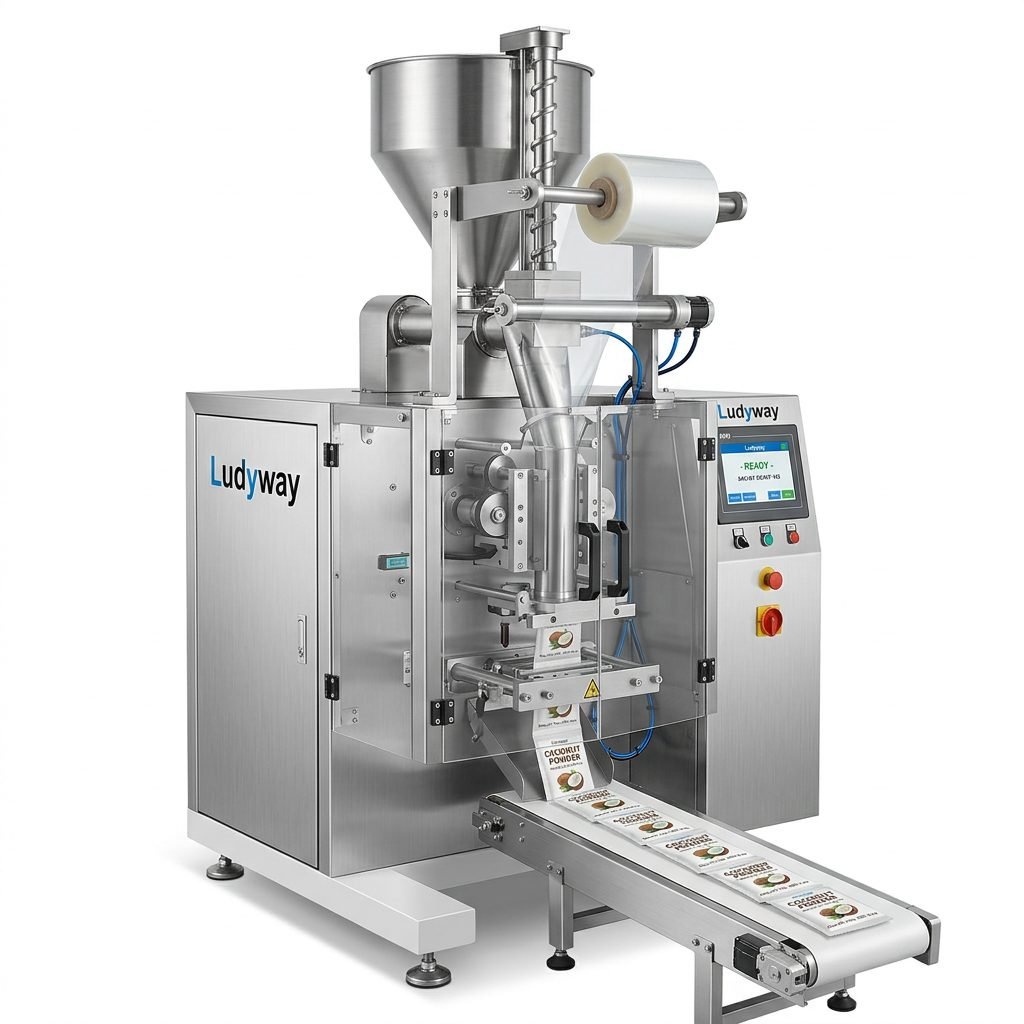
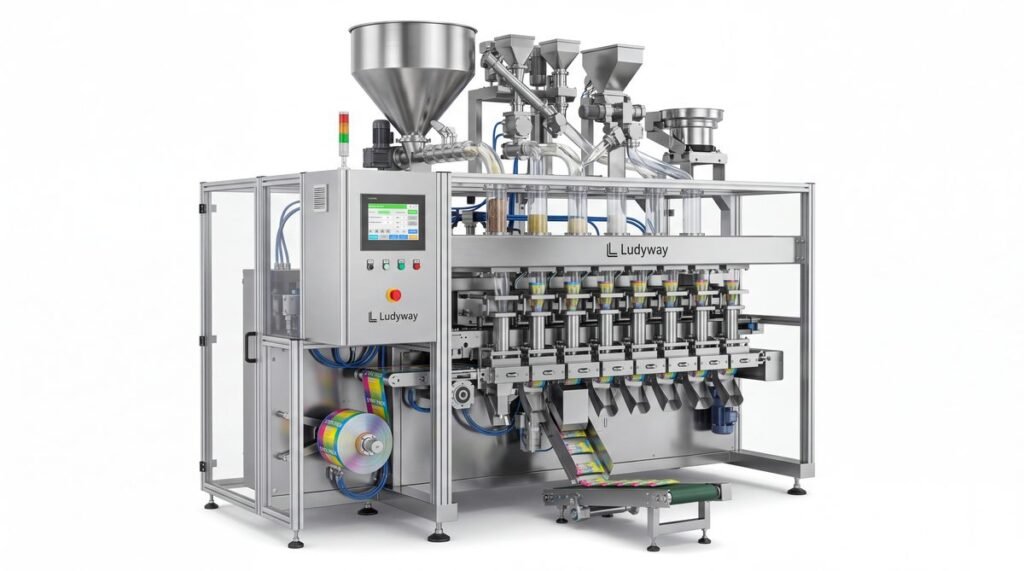
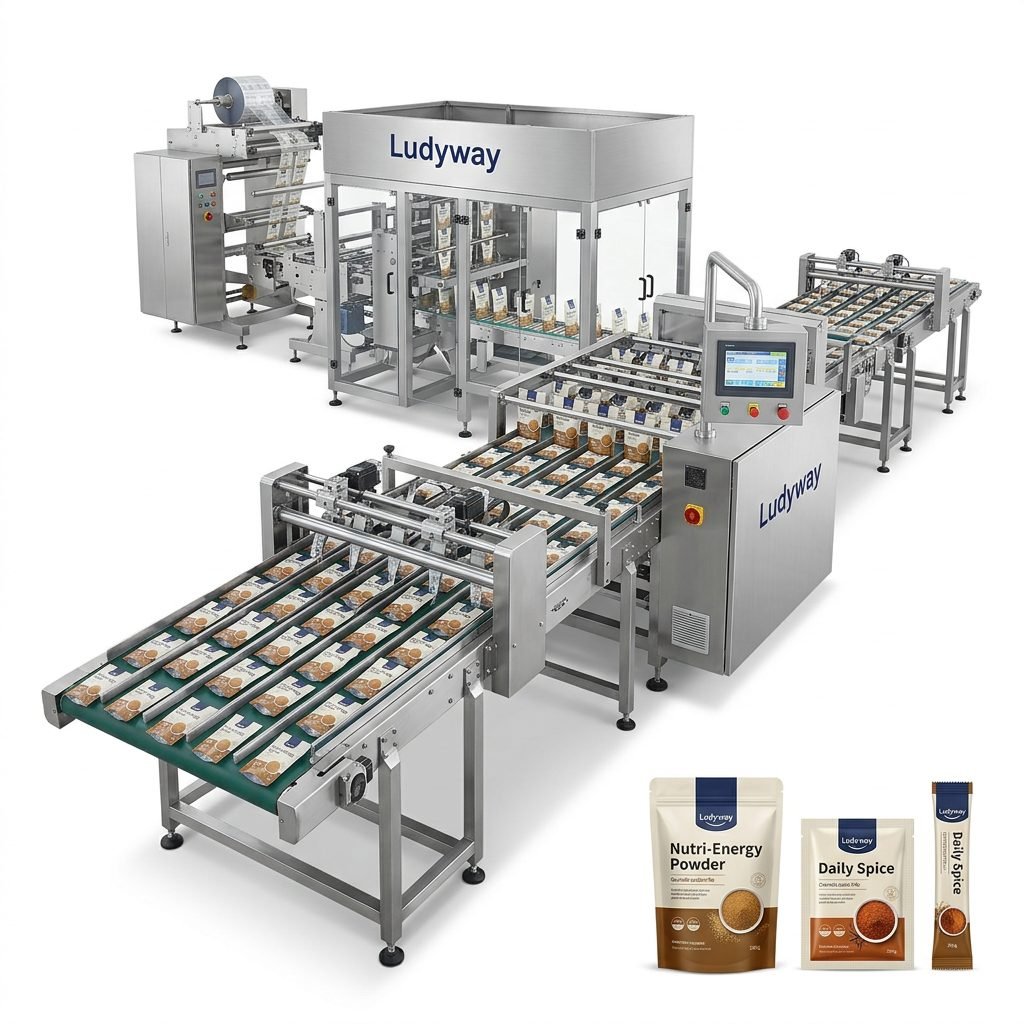
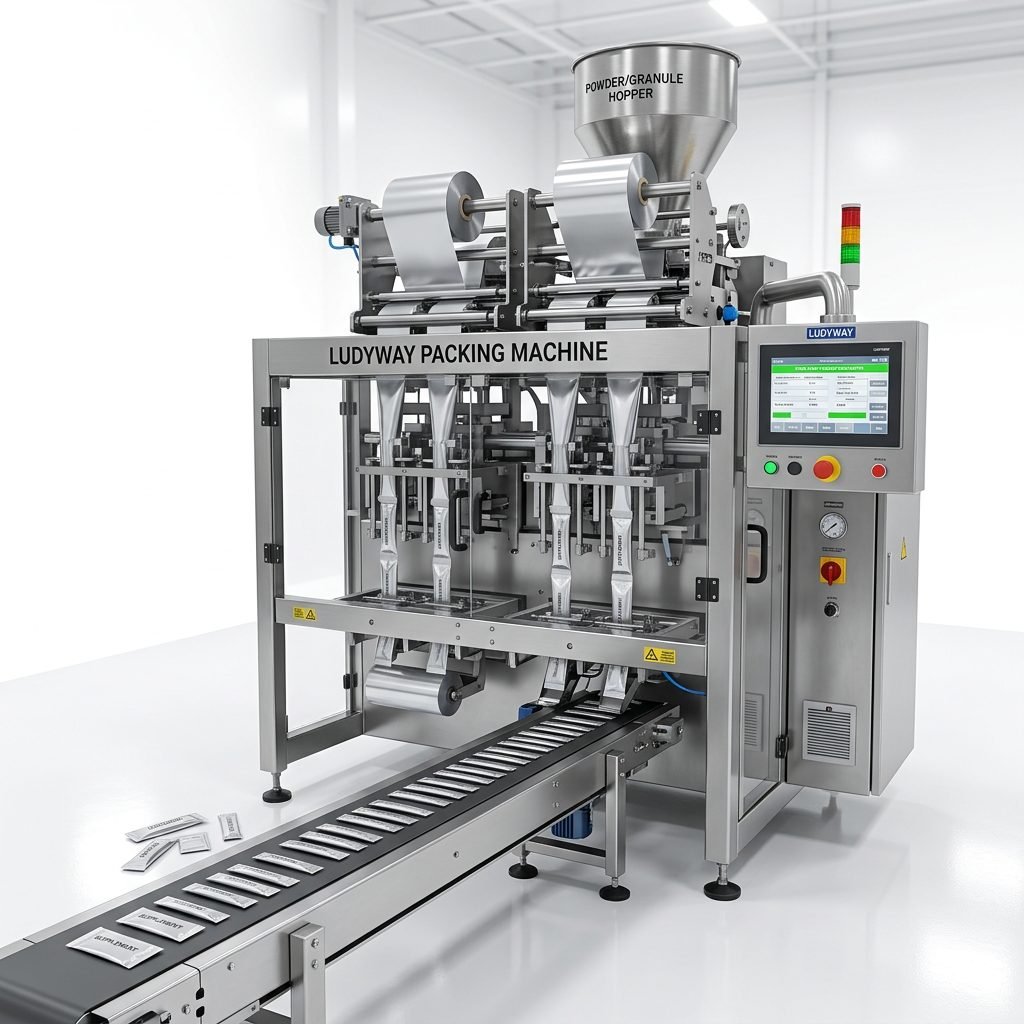
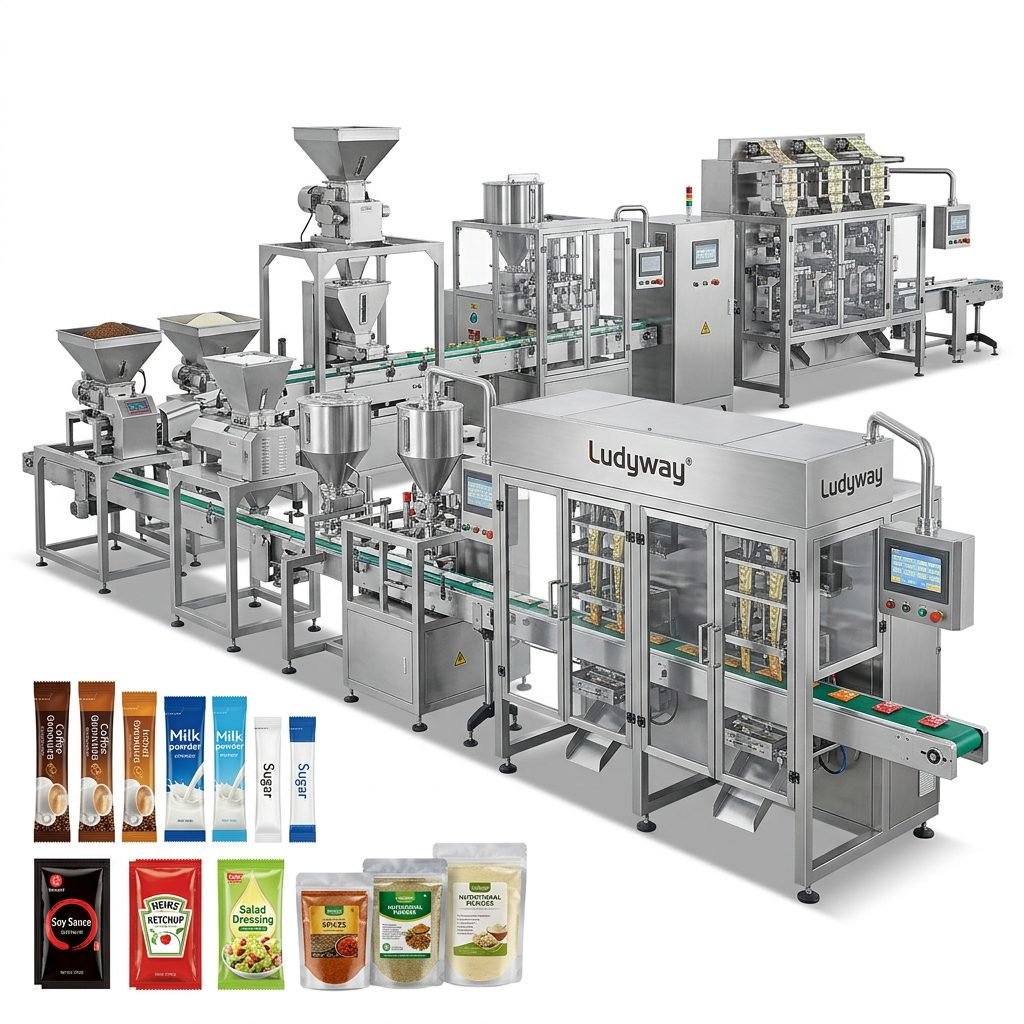
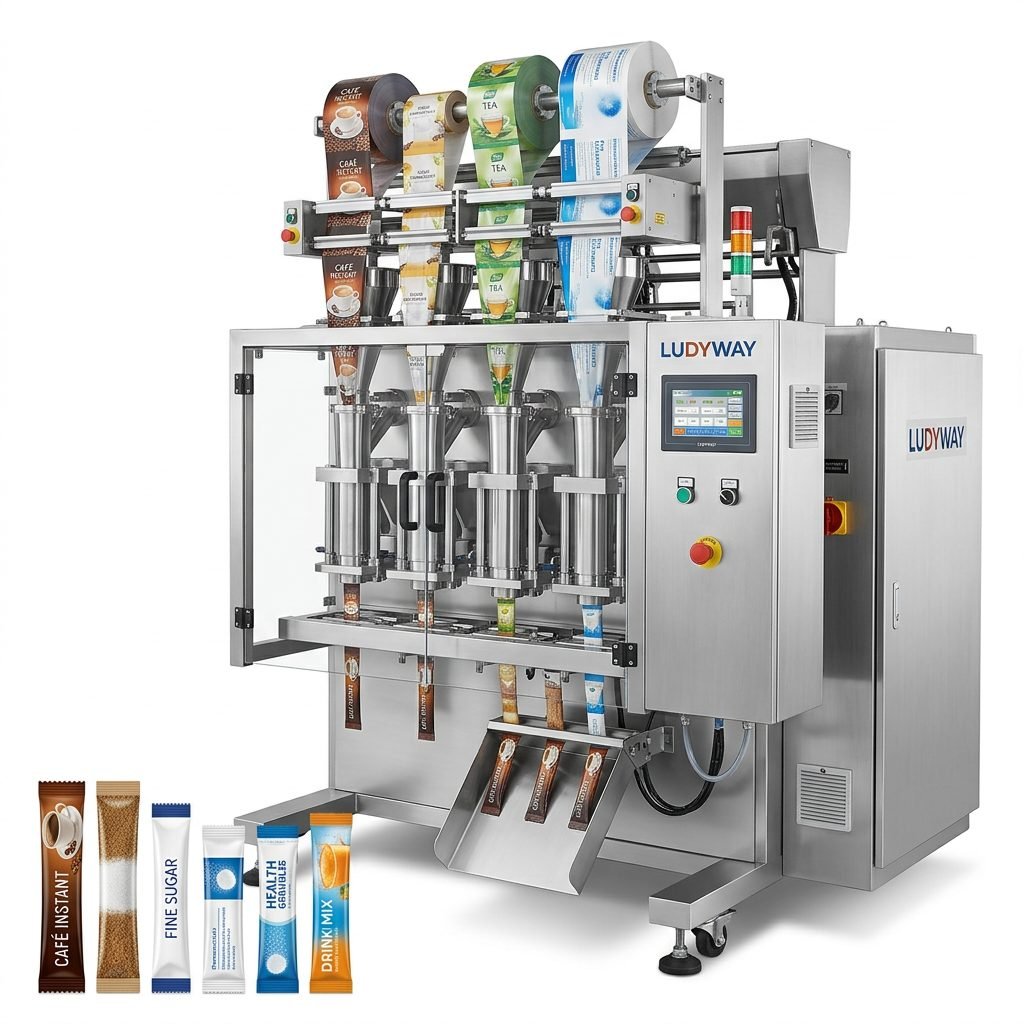
Choosing the right small sachet packing machine can directly affect your production efficiency, packaging consistency, labor cost, and long-term operating profit. Whether you pack powders, granules, liquids, gels, or pastes, the best machine is not simply the fastest model on the market—it is the one that matches your product, output target, package format, and factory workflow.
In this guide, you will learn how to evaluate a sachet packing machine step by step, which technical features matter most, and how to avoid common buying mistakes before placing an order.
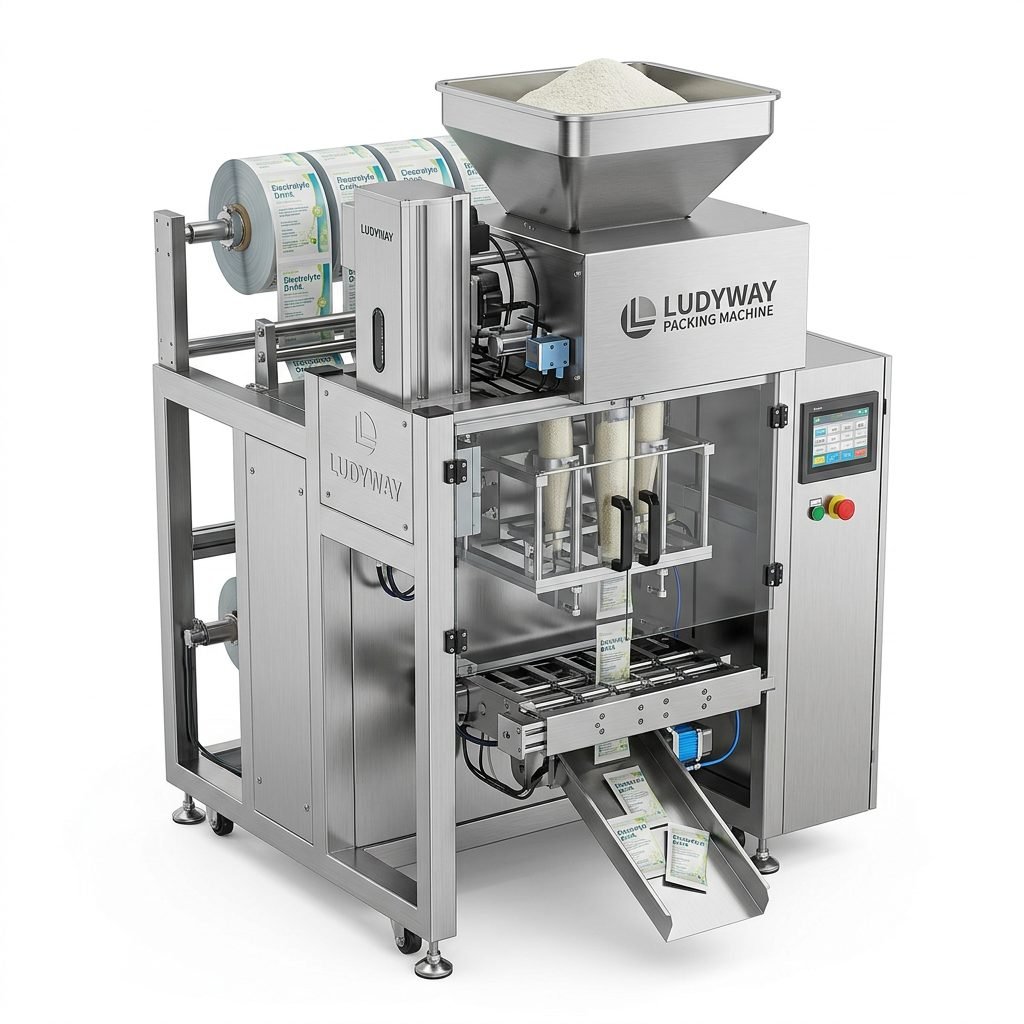
Why the Right Small Sachet Packing Machine Matters
Small sachets are widely used in food, pharmaceuticals, cosmetics, chemicals, and health supplements because they are convenient, portable, and ideal for single-use or trial-size packaging. However, small-format packaging demands high precision. Even a tiny filling deviation can lead to material waste, sealing issues, or compliance problems.
A suitable machine helps you achieve:
- Accurate filling for stable product weight and reduced loss
- Reliable sealing to prevent leaks, moisture entry, or contamination
- Higher speed without sacrificing packaging quality
- Lower labor dependence through automation
- Better flexibility for multiple sachet sizes or product types
- Easier maintenance and reduced downtime
Start with Your Product Type
The first step is to match the machine to the physical characteristics of your product. Small sachet packing machines are not one-size-fits-all. A machine designed for free-flowing granules may not perform well with sticky powder or viscous liquid.
| Product Type | Common Filling System | Key Consideration |
|---|---|---|
| Powder | Auger filler | Dust control, filling accuracy, anti-bridging design |
| Granules | Volumetric cup or weighing system | Uniform particle flow, speed, cut integrity |
| Liquid | Piston pump or liquid pump | Leak prevention, sealing temperature, anti-drip nozzle |
| Paste / Gel | Servo piston filler | Viscosity handling, sanitation, smooth discharge |
If your product has poor flowability, absorbs moisture easily, foams, or contains particles, these details should be clarified before machine selection. The more accurately you define the product, the easier it is to choose the right configuration.
Define Your Required Packaging Speed
Many buyers focus only on machine price, but packaging speed often has a greater impact on cost per sachet over time. A low-cost machine may become expensive if it cannot keep up with demand or requires excessive labor support.
Ask these practical questions:
- How many sachets do you need per minute or per shift?
- Do you expect production growth in the next 1–3 years?
- Will the machine run continuously or in batches?
- Do you need one lane or a multi-lane system?
For small-scale businesses, a compact single-lane machine may be enough. For medium and high-volume production, multi-lane sachet machines offer far better throughput and labor efficiency.
Check Sachet Size and Format Compatibility
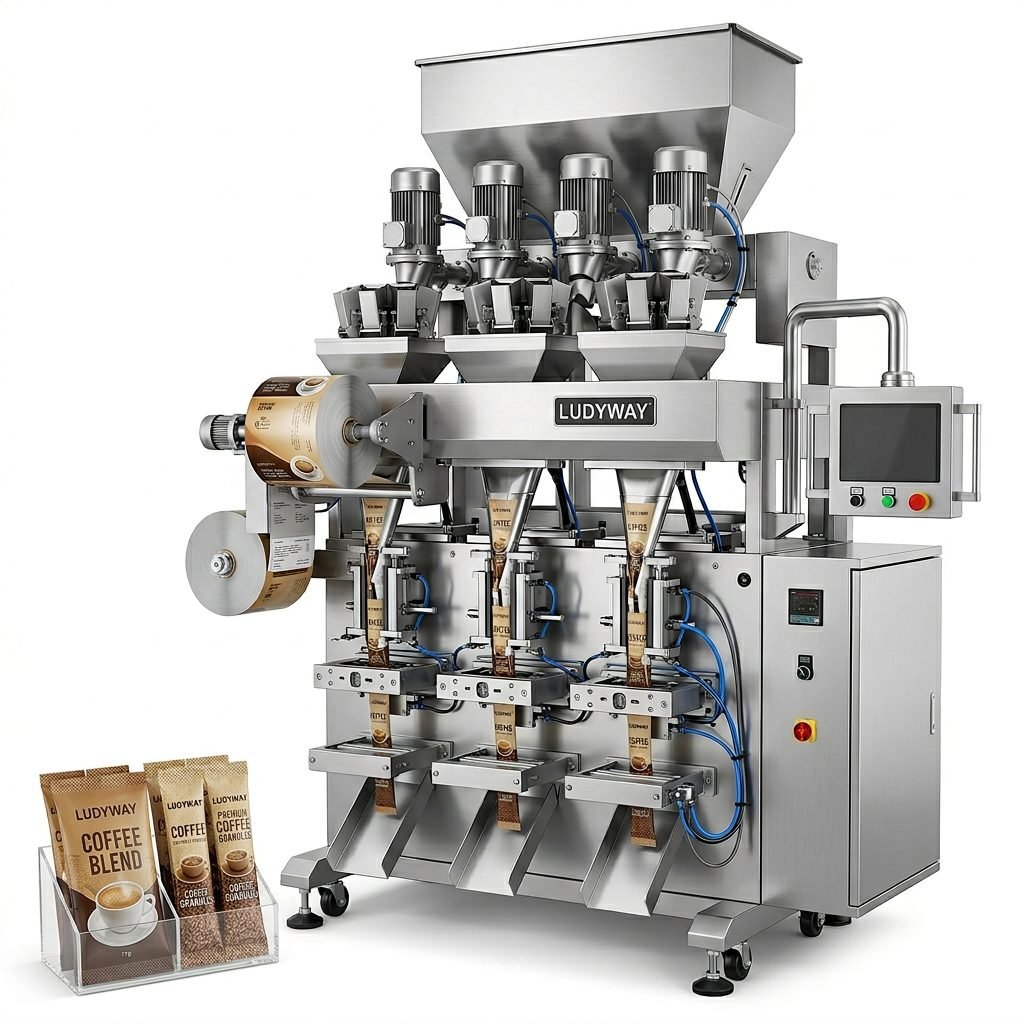
Not every machine can handle every sachet format. Before buying, confirm the machine’s supported bag dimensions and seal styles.
Typical options include:
- 3-side seal sachets
- 4-side seal sachets
- Back-seal sachets
- Shaped or special-cut sachets
You should verify:
- Minimum and maximum sachet width
- Minimum and maximum sachet length
- Film roll specifications
- Seal strength and appearance
- Cutting accuracy
- Whether coding, tear notch, or easy-open features are available
If you plan to offer several SKUs with different sizes, machine adjustability becomes extremely important.
Choose the Right Level of Automation
A small sachet packing machine can be semi-automatic or fully automatic. The best choice depends on labor cost, production volume, and your operational goals.
Semi-Automatic Machines
These are often suitable for startups, pilot production, or facilities with lower output requirements. They usually cost less upfront but require more manual feeding or handling.
Fully Automatic Machines
These systems handle film forming, filling, sealing, cutting, and sometimes counting, cartoning, or checkweighing. They are better for businesses seeking stable output and lower manual intervention.
Tip: If labor availability is uncertain or your product demand is growing, automation can provide a stronger long-term return on investment.
Evaluate Filling Accuracy and Waste Control
When packing small sachets, even slight inaccuracy matters. Overfilling increases raw material cost. Underfilling can damage customer trust and create compliance risks, especially in pharmaceutical and nutraceutical industries.
Look for features such as:
- Servo-driven dosing systems
- Stable measuring mechanisms
- Low-vibration filling structure
- Dust extraction or anti-drip systems
- Real-time control and adjustment through PLC
Ask the supplier for actual tolerance ranges based on your product, not just generic catalog values.
Pay Attention to Seal Quality
Good sachet packaging depends heavily on the seal. A poor seal can cause leakage, oxidation, clumping, contamination, and product returns.
Important factors include:
- Consistent sealing temperature control
- Suitable pressure and dwell time
- Compatibility with your packaging film material
- Clean sealing area free from product residue
If you pack liquid, oil, cream, or sticky products, sealing performance should be tested carefully under real production conditions.
Review Machine Build Quality
A sachet machine is a long-term production asset. Machine durability affects uptime, maintenance cost, and output reliability. Strong mechanical design matters just as much as speed specifications.
Check these areas:
- Frame material such as stainless steel for hygiene and corrosion resistance
- Electrical components from recognized brands
- Pneumatic parts with stable performance
- Touchscreen and PLC control for user-friendly operation
- Precision machining for stable movement and lower wear
For food, pharmaceutical, and health supplement sectors, hygienic design is especially important.
Important: A faster machine is not always the better machine. If sealing, dosing, and stability are poor, high nominal speed can actually create more waste and downtime.
Consider Changeover Time and Ease of Use
If your business runs multiple products or sachet sizes, changeover efficiency matters. A machine that takes too long to switch films, adjust filling volume, or replace forming parts can reduce your actual production capacity.
Look for:
- Tool-free or simplified adjustment points
- Recipe storage on the control screen
- Easy access for cleaning and maintenance
- Clear operating interface for staff training
Ease of operation is especially valuable when you need fast onboarding for new operators.
Match the Machine with Your Packaging Film
Your sachet machine must be compatible with the film structure you plan to use. Some films seal differently depending on temperature, speed, and product characteristics.
Common considerations include:
- Laminated film compatibility
- Film thickness range
- Print registration tracking
- Barrier properties for moisture or oxygen protection
Always send your actual film sample for testing. This reduces the risk of wrinkling, poor tracking, or weak seals during final commissioning.
Think Beyond the Main Machine
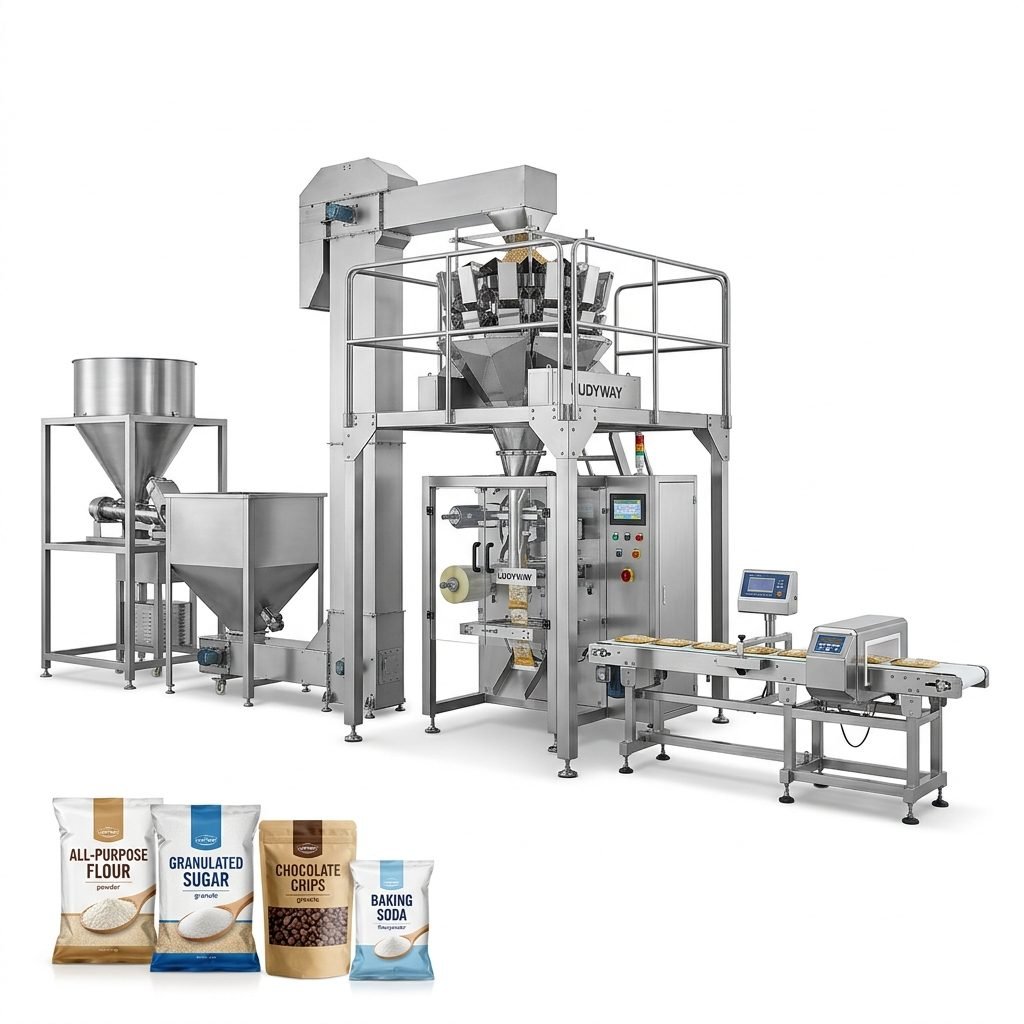
For efficient packaging, the main machine is only one part of the process. Supporting equipment can dramatically improve consistency and labor savings.
Depending on your product, you may also need:
- Auger feeder or vacuum feeder
- Z-type bucket elevator
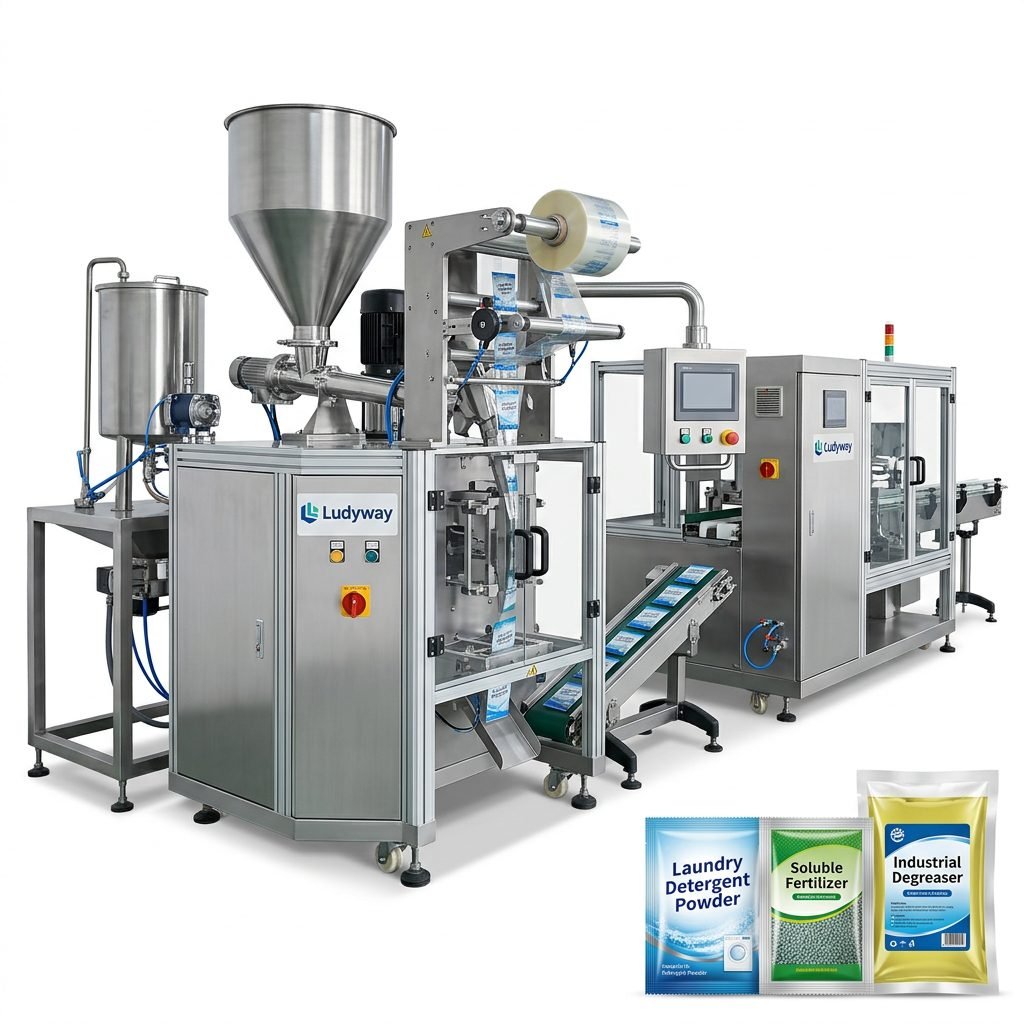
- Liquid tank with stirring and heating
- Date coder or printer
- Checkweigher
- Metal detector
- Cartoning or case packing system
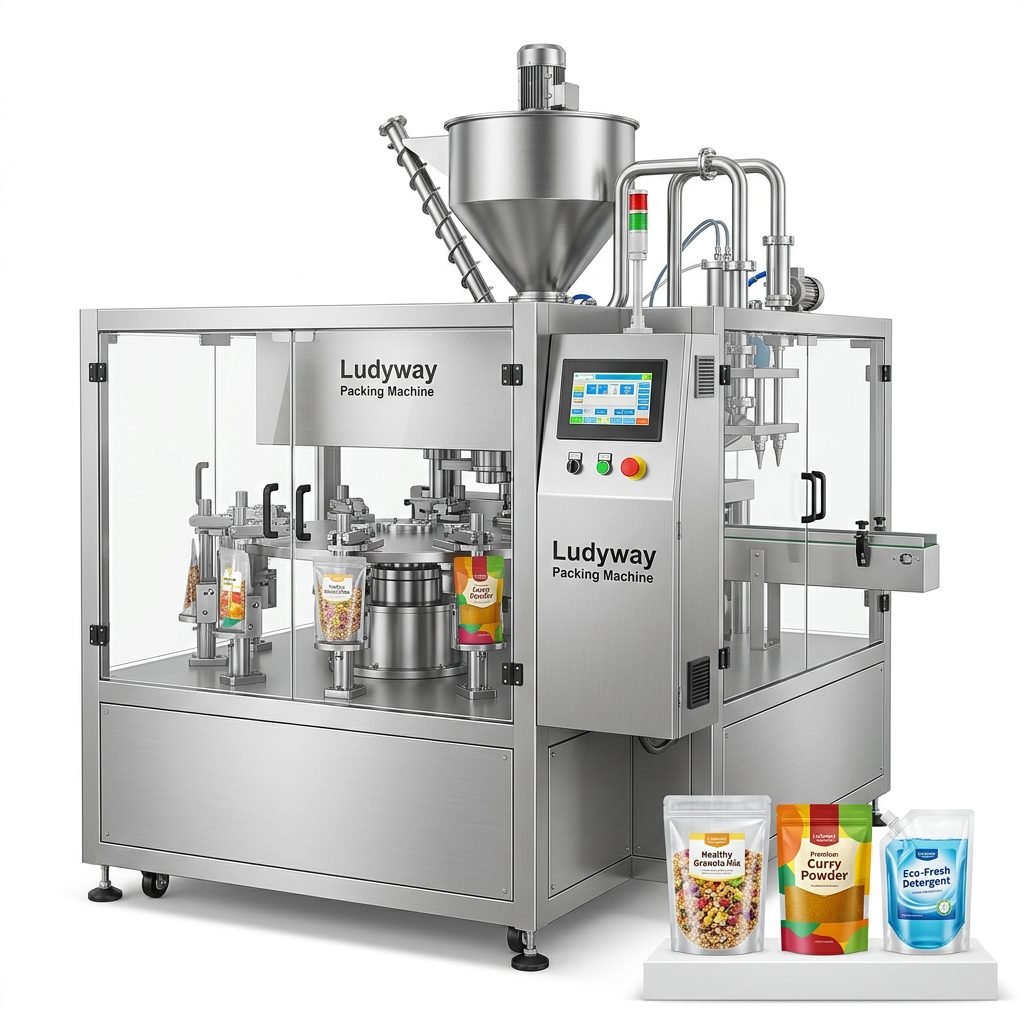
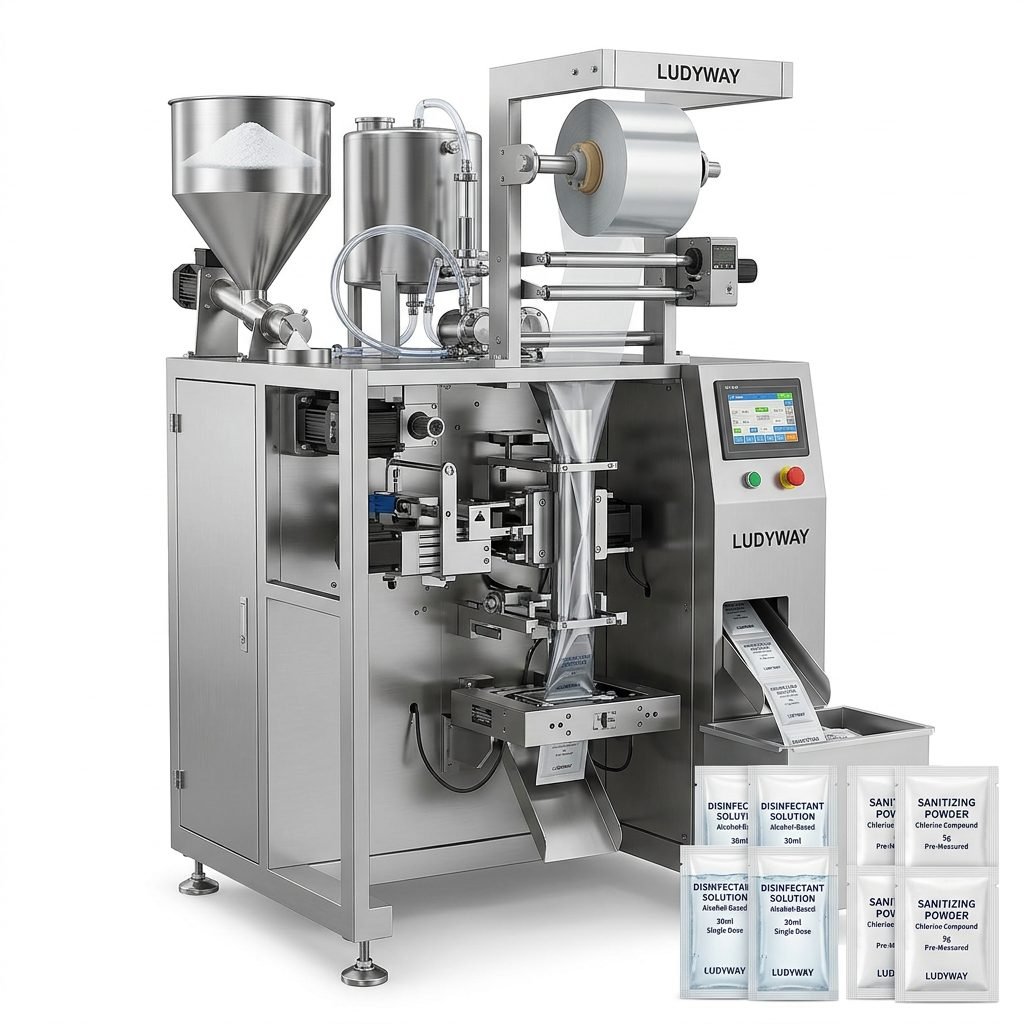
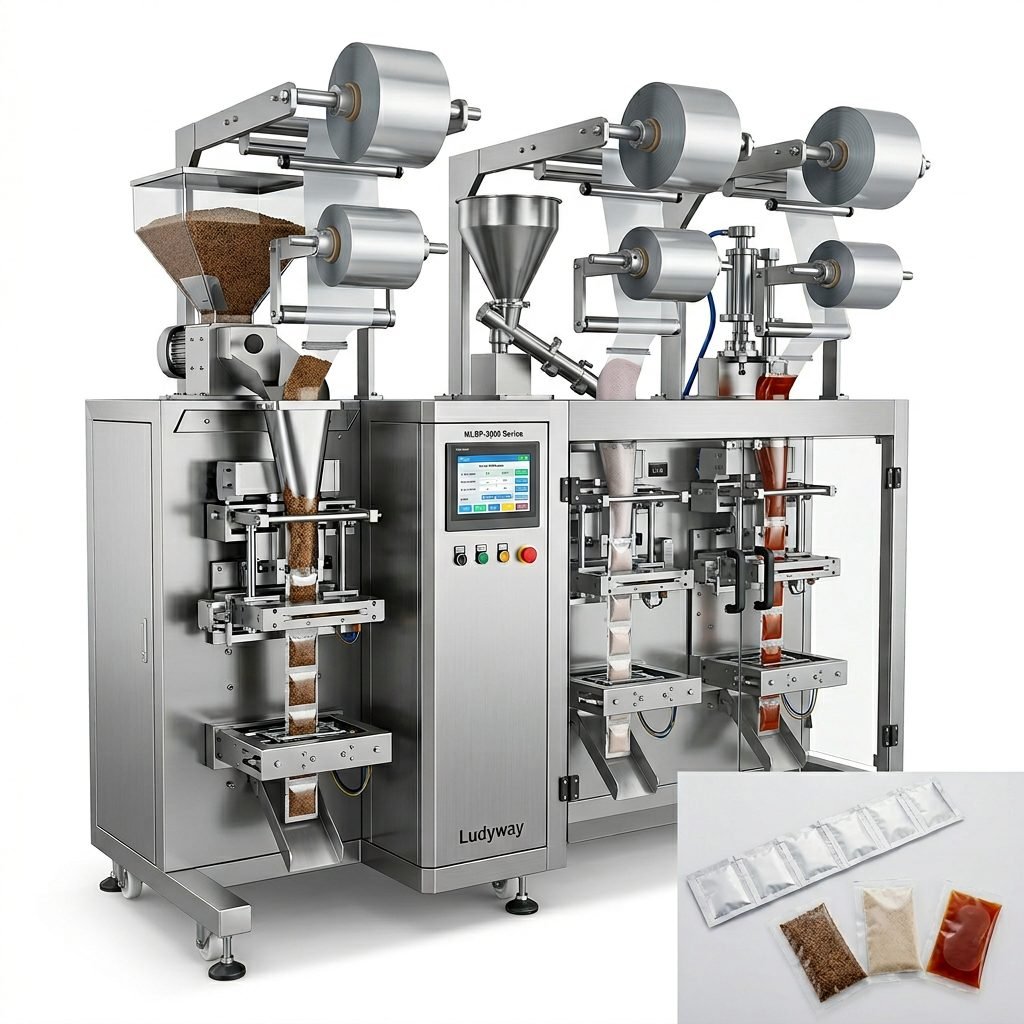
If you want integrated support from machine selection to complete line planning, Ludyway small sachet packing machine solutions are often considered by buyers seeking scalable packaging automation for food, pharmaceutical, cosmetic, and related industries.
Ask About Customization Options
In many cases, the best machine is not a standard model but a customized configuration. This is especially true if your product has unusual flow behavior, your sachet dimensions are special, or your factory layout has space limitations.
Useful customization areas may include:
- Special hopper or agitator design
- Dust-proof or explosion-proof structure
- Nitrogen flushing option
- Easy-clean structure for hygienic applications
- Vision inspection or coding integration
- Multi-lane output expansion
Compare Suppliers, Not Just Machines
The supplier’s capabilities are just as important as the equipment itself. A machine may look good in pictures, but stable delivery, technical support, and spare parts availability are what keep your production line running.
When evaluating suppliers, consider:
- Years of manufacturing experience
- Industry specialization
- Export experience and global service capability
- Factory scale and engineering resources
- Testing process before shipment
- After-sales support and troubleshooting response
| Supplier Evaluation Point | Why It Matters |
|---|---|
| Application experience | Reduces risk of mismatch between machine and product |
| Customization ability | Improves fit for your specific packaging needs |
| Testing with samples | Confirms actual filling and sealing performance |
| After-sales service | Minimizes downtime and maintenance delays |
| Spare parts support | Ensures long-term production continuity |
Common Mistakes to Avoid
- Buying based only on the lowest price
- Ignoring actual product testing
- Choosing speed without considering stability
- Not planning for future production growth
- Overlooking film compatibility
- Forgetting installation space and utility requirements
- Not confirming service, training, and spare parts support
Questions to Ask Before You Buy
Before making a final decision, ask the supplier these questions:
- What products has this machine packed successfully before?
- What is the real production speed with my sachet size?
- What filling accuracy can be achieved with my material?
- Can you test my sample product and film?
- How long does format changeover take?
- What wearing parts will I need?
- What support is available for installation and operator training?
- Can the machine be upgraded later?
How to Make the Best Final Choice
The best small sachet packing machine is the one that delivers the right balance of speed, accuracy, sealing quality, durability, and flexibility. Start from your actual product and packaging goals, then compare machine performance, automation level, and supplier capability.
If possible, request a sample test and a clear technical proposal. This helps you move from a general comparison to a practical buying decision based on your own production needs.
Quick Buying Checklist
- Product type confirmed
- Sachet size and seal style confirmed
- Required output defined
- Filling accuracy verified
- Film compatibility tested
- Automation level matched to labor and growth plan
- Supplier service and spare parts support checked
By following these points, you can choose a sachet packing machine that supports efficient production today while giving your business room to grow tomorrow.