When comparing industrial vacuum packing machine prices, the lowest quote is rarely the best business decision. A smart buyer looks beyond the upfront number and evaluates packaging speed, sealing quality, chamber size, automation level, maintenance cost, and long-term return on investment. If your company handles food, pharmaceuticals, health products, or industrial materials, choosing the right vacuum packaging machine can improve shelf life, reduce waste, protect product quality, and support a more efficient production workflow.
This guide explains what really affects price, how to compare machine options, and what to check before placing an order.

What Is an Industrial Vacuum Packing Machine?
An industrial vacuum packing machine removes air from a package before sealing it. This helps protect products from oxidation, moisture, contamination, and premature spoilage. These machines are commonly used for:
- Fresh and frozen food
- Meat, seafood, cheese, and prepared meals
- Coffee, tea, grains, and dry goods
- Pharmaceutical and health supplement products
- Electronic parts and industrial materials
Depending on production needs, businesses may choose tabletop models, single-chamber machines, double-chamber machines, belt-type continuous vacuum sealers, thermoforming vacuum packaging systems, or fully integrated automatic lines.
What Affects Industrial Vacuum Packing Machine Price?
Industrial vacuum packing machine prices vary widely because different machine structures are built for different output levels and applications. The main factors include:
1. Machine Type
- Tabletop or small chamber models: lower cost, suitable for small batch production
- Single-chamber machines: mid-range investment, common for SMEs
- Double-chamber machines: higher throughput and better labor efficiency
- Continuous belt vacuum machines: higher price, ideal for large-scale operations
- Thermoforming vacuum packaging lines: premium investment for highly automated factories
2. Chamber Size and Seal Bar Length
Larger products need larger chambers and longer seal bars. If you package bulk meat, seafood trays, medical kits, or multiple pouches per cycle, the machine will naturally cost more.
3. Vacuum Pump Brand and Capacity
The vacuum pump has a major impact on performance and durability. Better pumps offer stronger vacuum, faster cycle times, and longer service life, but they also increase machine cost.
4. Construction Material
Food and pharmaceutical applications usually require stainless steel construction, hygienic design, and easy cleaning surfaces. Machines built for strict sanitary environments typically cost more than general industrial models.
5. Automation Features
- Automatic lid operation
- Gas flushing / MAP function
- Multiple programmable recipes
- Conveyor integration
- Date coding compatibility
- PLC + touchscreen control
- Auto discharge or unloading systems
Each added function increases price, but it may also reduce labor and improve consistency.
6. Customization Requirements
If your products have special packaging dimensions, unusual materials, or require integration with filling, labeling, checkweighing, or cartoning equipment, custom engineering will add to the total project cost.
Typical Industrial Vacuum Packing Machine Price Range
The figures below are general market references. Actual prices depend on specifications, country of delivery, accessories, and customization level.
| Machine Type | Typical Price Range | Best For |
|---|---|---|
| Small chamber vacuum sealer | US$1,000 – US$4,000 | Small workshops, test production |
| Single-chamber industrial machine | US$3,000 – US$8,000 | SMEs with moderate output |
| Double-chamber vacuum machine | US$6,000 – US$15,000 | Higher speed food and pharma packing |
| Continuous belt vacuum packaging machine | US$10,000 – US$30,000+ | Medium to large factories |
| Automatic thermoforming vacuum packaging line | US$30,000 – US$150,000+ | Large-scale automated production lines |
For many businesses, the key is not finding the cheapest machine, but choosing the lowest total cost per packed unit over time.
How to Choose the Best Option for Your Business
Know Your Product First
Before asking for a quotation, define exactly what you need to pack:
- Product type: solid, powder, granule, liquid, paste, or mixed product
- Product size and pouch dimensions
- Required vacuum level
- Need for gas flushing or modified atmosphere packaging
- Daily production target
- Packaging material structure
- Industry compliance requirements
A machine that works perfectly for frozen meat may not be ideal for medical products or powdered health supplements.
Calculate Required Output
One of the biggest buying mistakes is choosing a machine that cannot keep up with production. Ask these questions:
- How many packs do you need per hour?
- Will production increase within 12–24 months?
- How many operators do you want to assign to the line?
- Will this machine run one shift or multiple shifts?
If your future growth is clear, it can be more economical to invest in a slightly larger model now instead of replacing undersized equipment later.
Compare Price Against Operating Cost
A cheaper machine may become expensive if it causes downtime, slow cycles, poor seals, rejected packs, or high maintenance frequency. Compare:
- Electricity consumption
- Vacuum pump service intervals
- Seal bar wear parts cost
- Downtime risk
- Labor requirement per shift
- Packaging waste caused by unstable sealing
Check Build Quality and Hygiene Design
For food and pharmaceutical businesses, hygiene is not optional. Look for:
- 304 or 316 stainless steel contact parts where required
- Smooth welds and cleanable surfaces
- Water-resistant electrical protection if washdown is needed
- Reliable sealing under continuous operation
- Stable vacuum pressure in each cycle
Look at Integration Potential
If your operation already uses filling, conveying, labeling, cartoning, or case packing systems, make sure the vacuum machine can connect smoothly with the rest of the line. This matters especially for growing manufacturers that want better automation in the future.
Questions to Ask a Supplier Before Buying
| Question | Why It Matters |
|---|---|
| What products has this machine packed before? | Confirms application experience |
| What is the actual production speed? | Avoids unrealistic claims |
| Which vacuum pump brand is used? | Affects durability and service life |
| Can you provide sample testing? | Helps verify seal quality and final pack appearance |
| What spare parts are included? | Reduces maintenance risk after installation |
| Is remote technical support available? | Important for overseas buyers |
| Can the machine be customized? | Useful for special pouch sizes or line integration |
When Should You Choose a Higher-Priced Machine?
Paying more can be the right choice if your business needs:
- High-volume production with low labor dependency
- Strict food safety or pharmaceutical hygiene compliance
- Consistent pack appearance for retail sale
- Long production shifts with minimal downtime
- Integration with a turnkey packaging line
- Future scalability without replacing the system soon
In these cases, the additional investment is often recovered through higher output, lower waste, and fewer packaging failures.
Red Flags When Comparing Quotes
- Very low price with no clear machine specification
- No mention of pump brand or electrical configuration
- No sample test or reference project offered
- Unclear after-sales support policy
- Missing spare parts list
- Quoted speed that seems too high for the machine structure
A low quote can sometimes mean lower steel grade, weaker pumps, unstable sealing systems, or limited support after delivery.
Why Supplier Capability Matters as Much as Machine Price
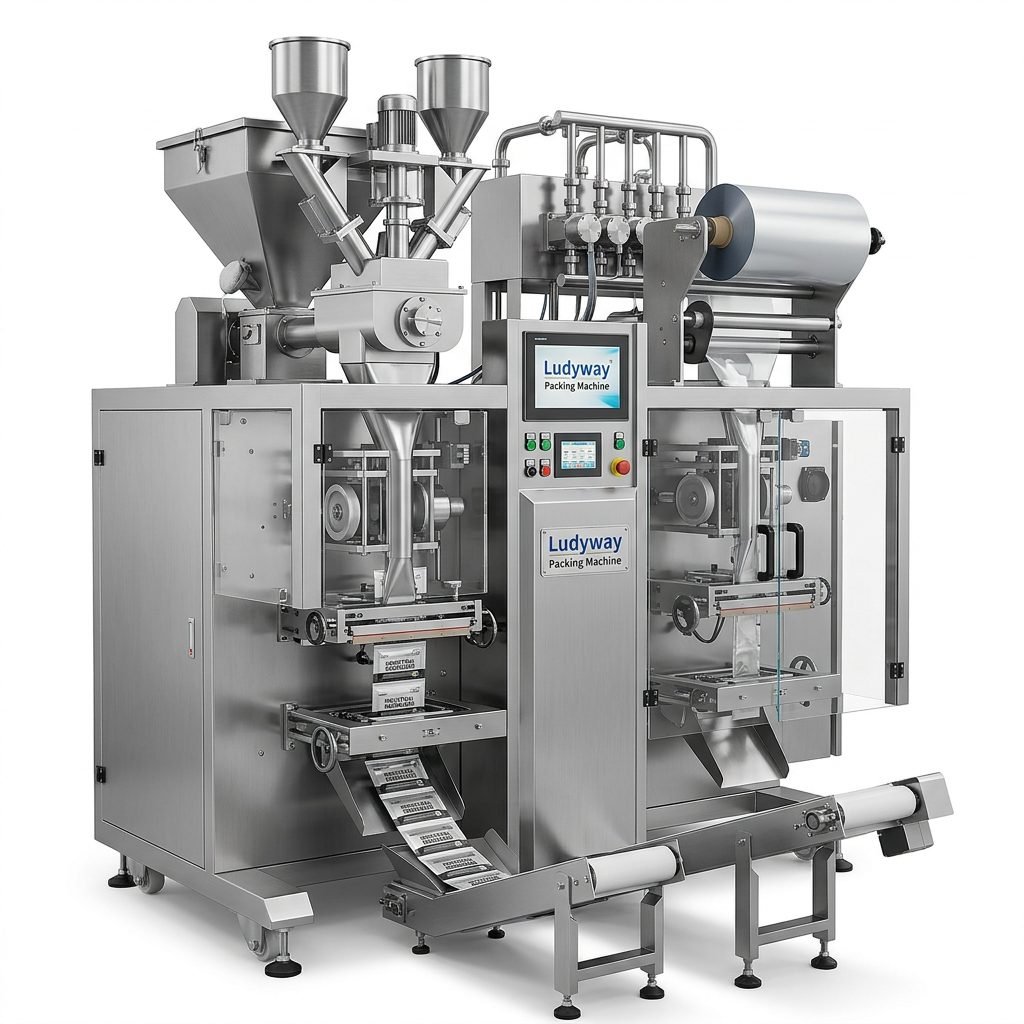
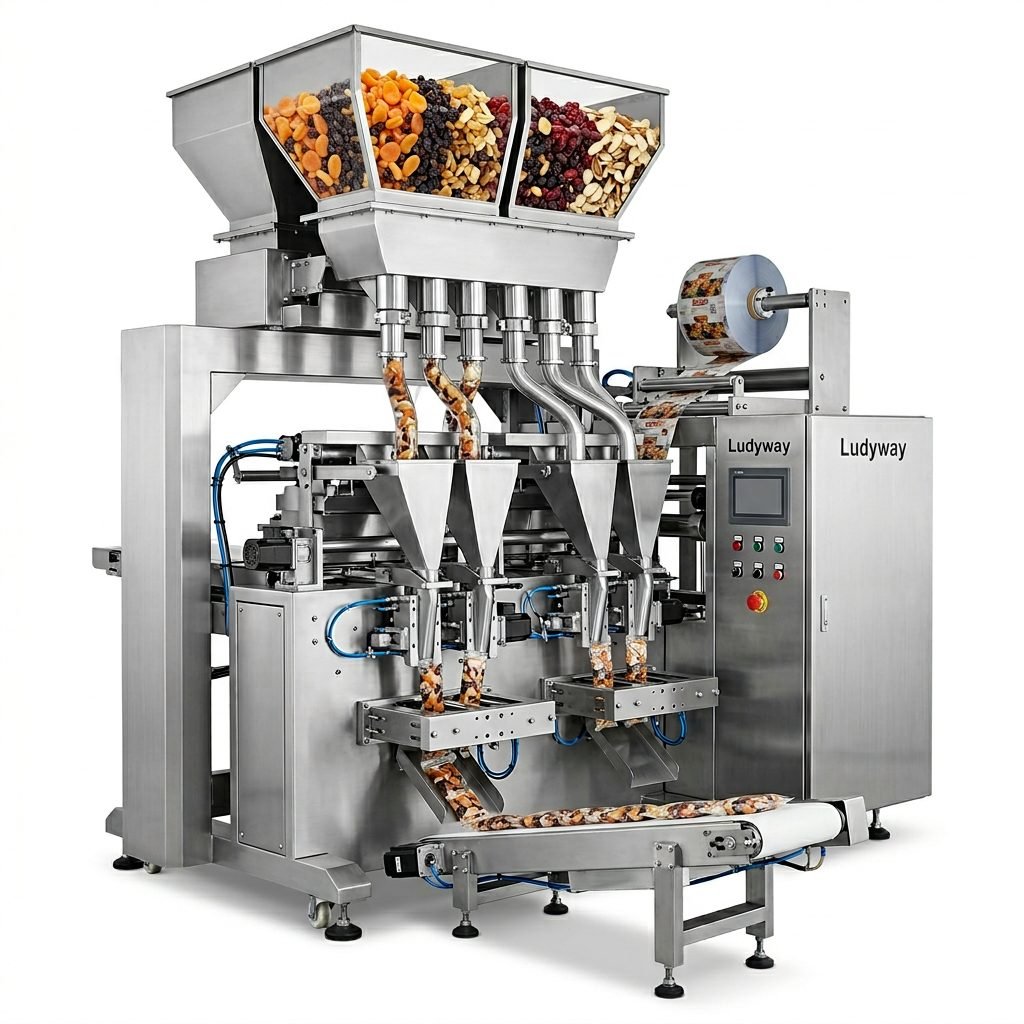
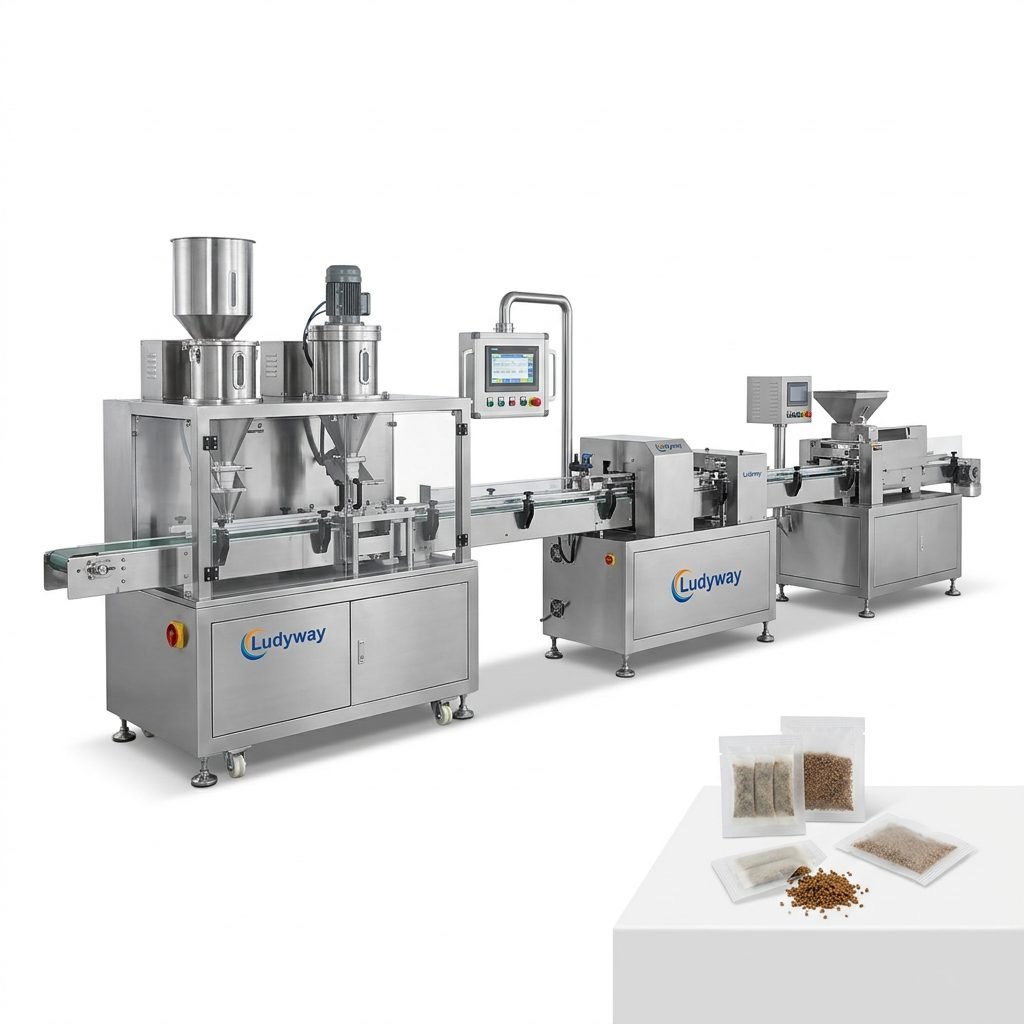
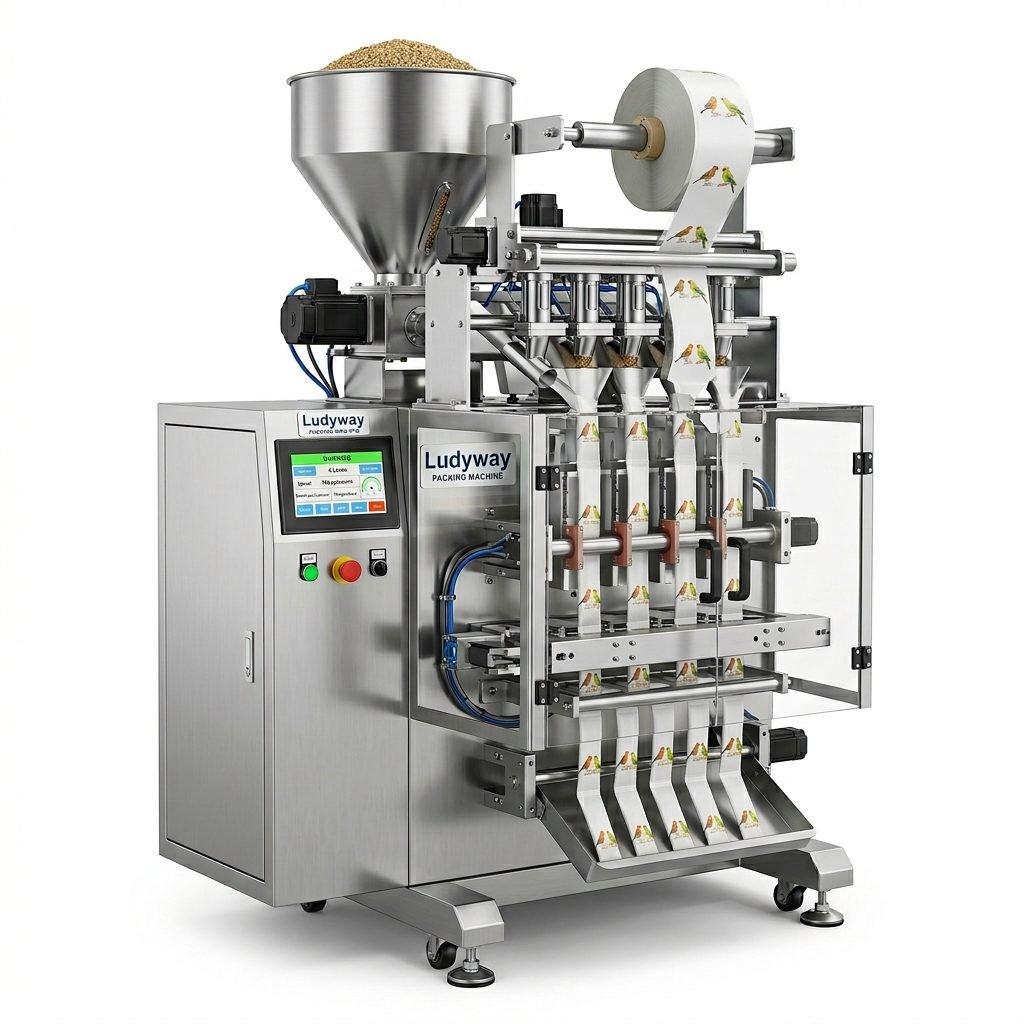
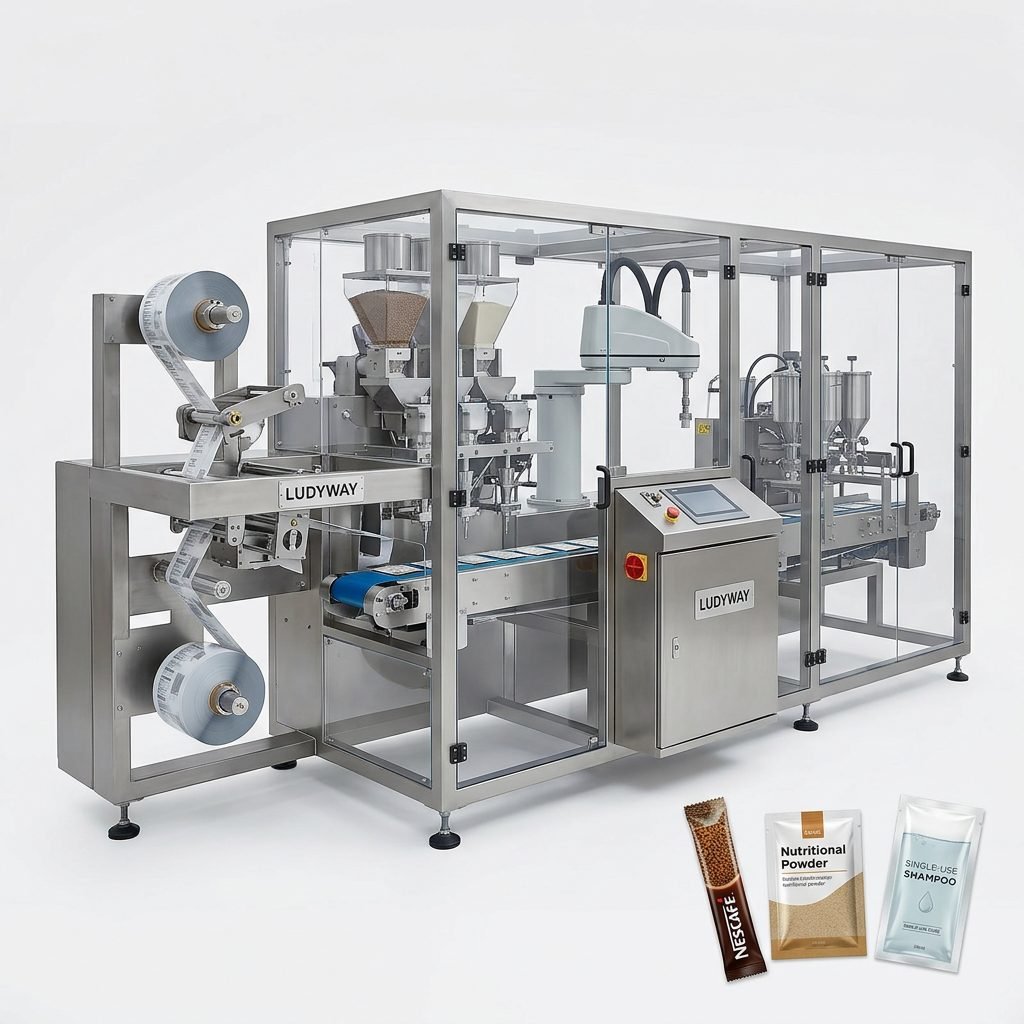
A strong supplier can help you avoid costly mistakes in machine selection, configuration, and line planning. For businesses seeking scalable automation, working with an experienced manufacturer is especially important. Industrial vacuum packing machine solutions from Ludyway can be considered by buyers looking for packaging machinery and turnkey packaging line support from one of China’s leading packaging machine manufacturers, with more than 30 years of industry experience and broad export coverage across Europe, North America, the Middle East, South America, Africa, and Southeast Asia.
Best Buying Strategy for Different Business Sizes
Small Businesses
Focus on a durable chamber machine with stable performance, simple controls, and easy maintenance. Avoid overbuying automation if your daily output is still limited.
Medium-Sized Manufacturers
Consider double-chamber or semi-automatic continuous vacuum systems that improve labor efficiency and prepare your line for growth.
Large Factories
Look for fully automated systems with conveyor integration, product handling, coding, inspection, and secondary packaging compatibility. At this level, ROI matters far more than initial machine price.
Final Buying Checklist
- Define product type and packaging format
- Estimate hourly and daily output
- Decide whether gas flushing is needed
- Check chamber size and seal dimensions
- Confirm vacuum pump quality
- Review machine material and hygiene design
- Evaluate spare parts and after-sales support
- Ask for sample testing and real production videos
- Compare total cost of ownership, not only purchase price
Choosing the best industrial vacuum packing machine is about matching the machine to your product, output goals, and long-term business plan. A well-selected system can improve product protection, increase productivity, and create measurable value for years.