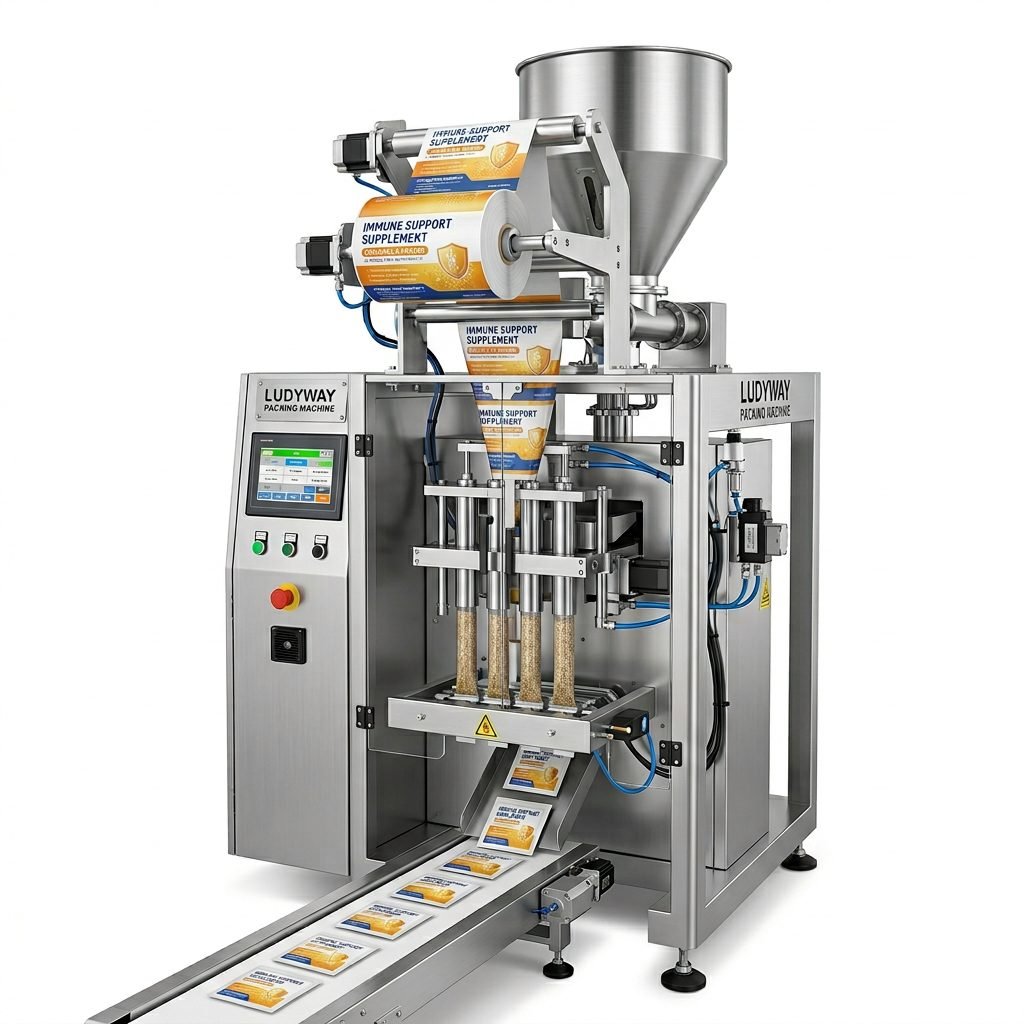
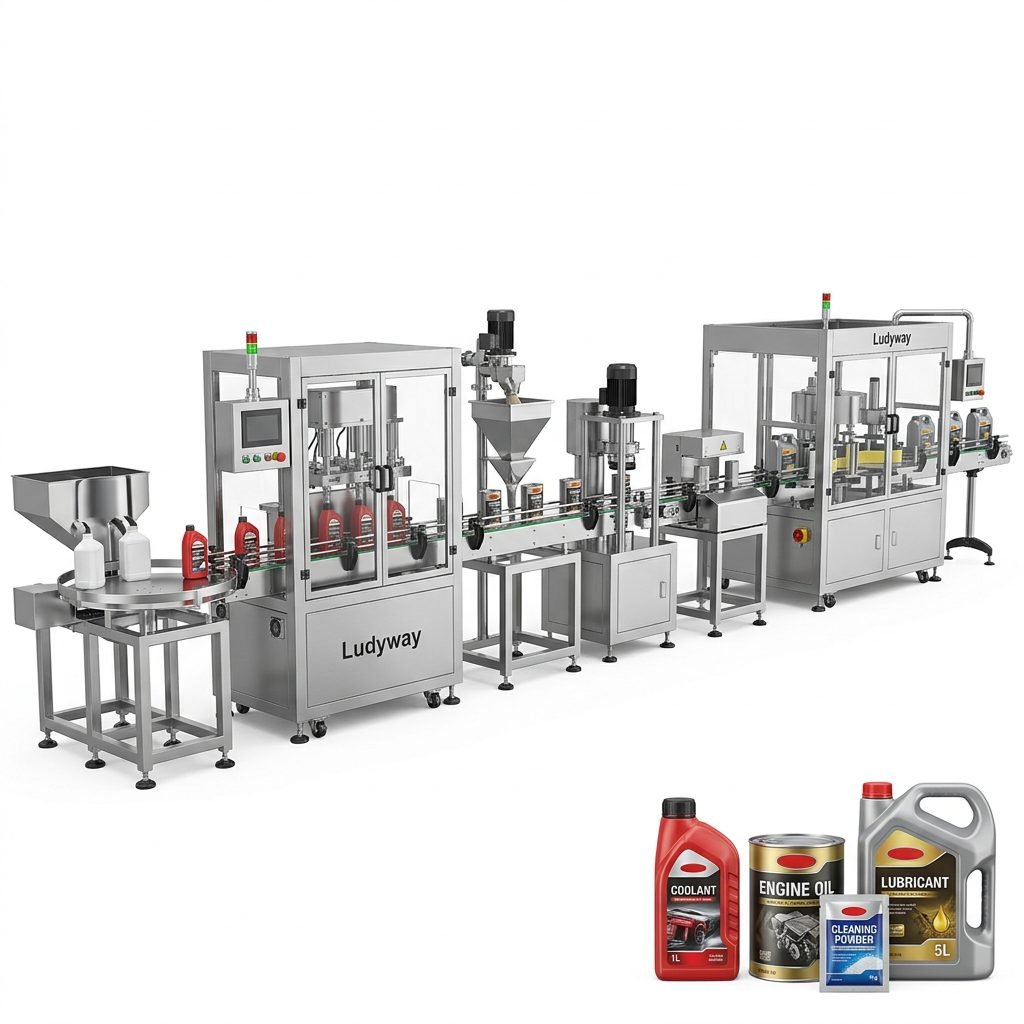
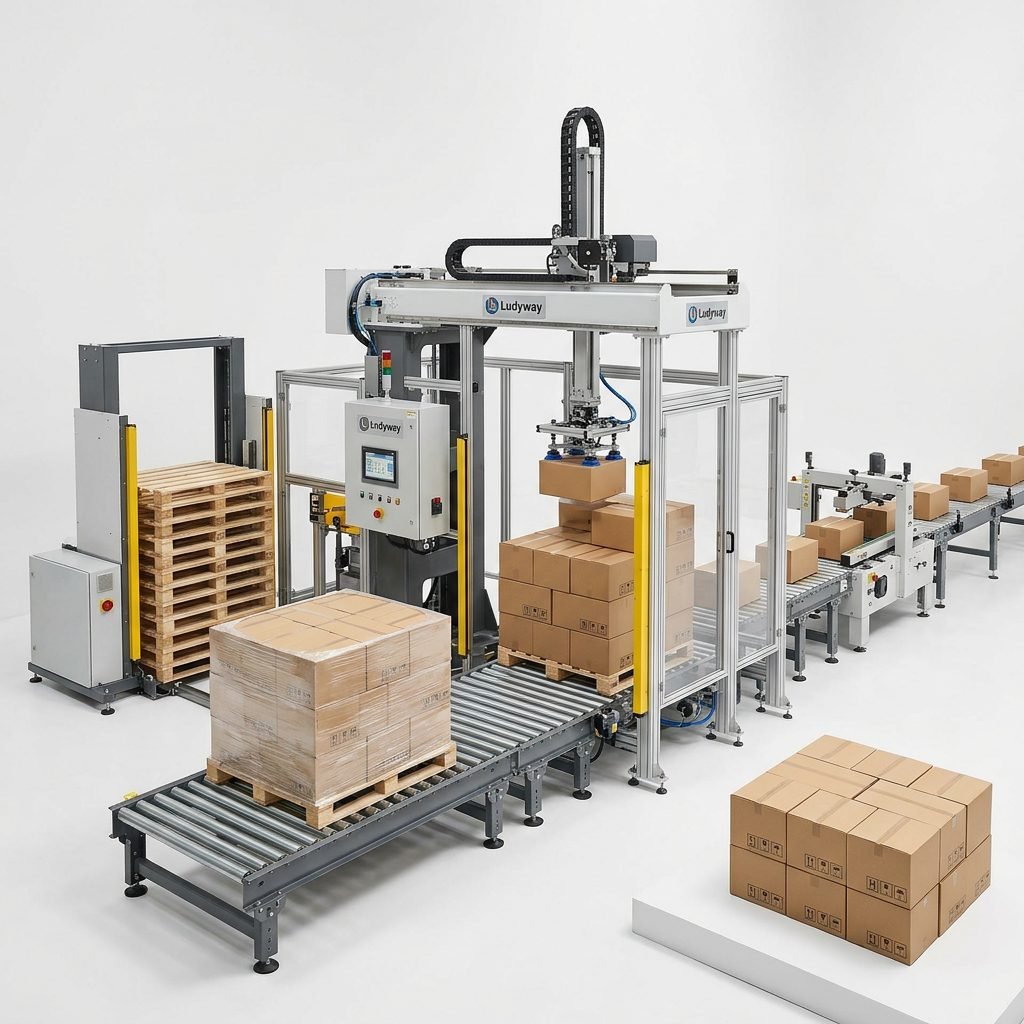
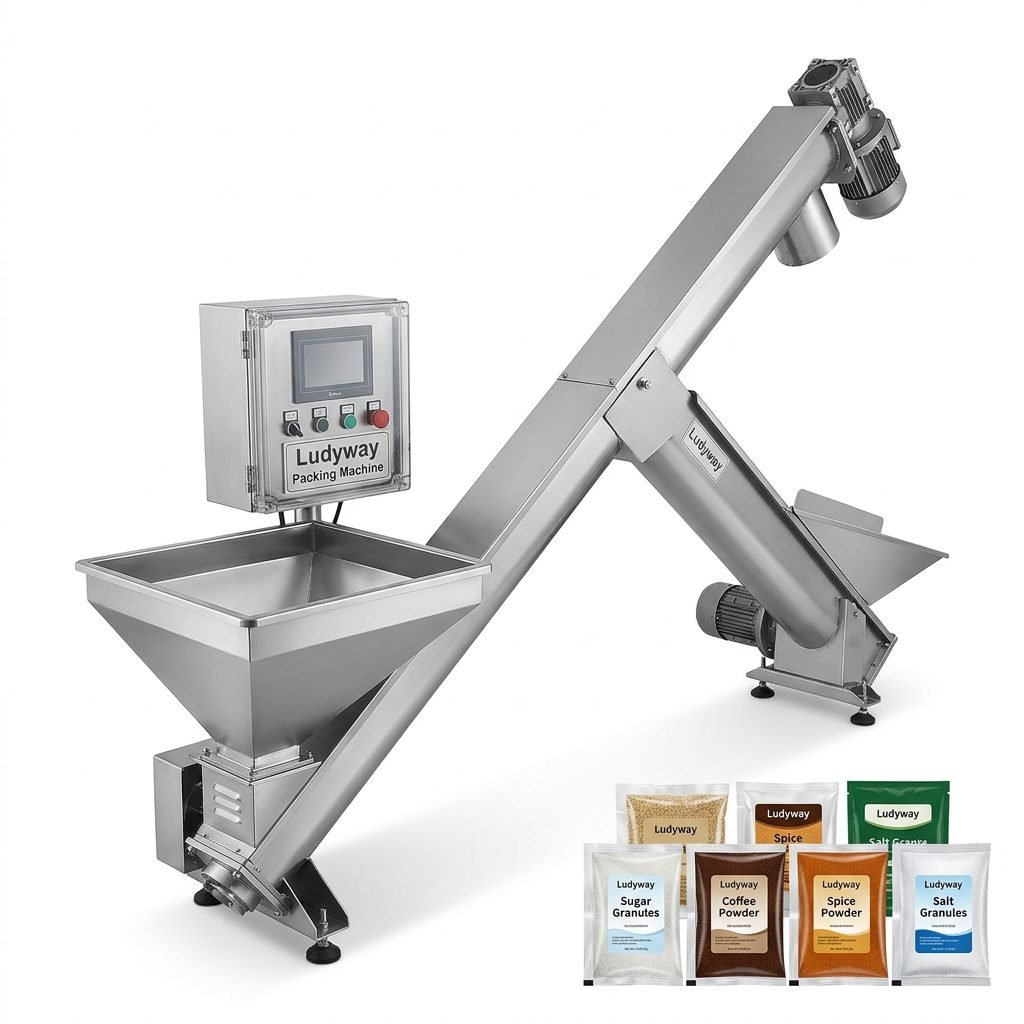
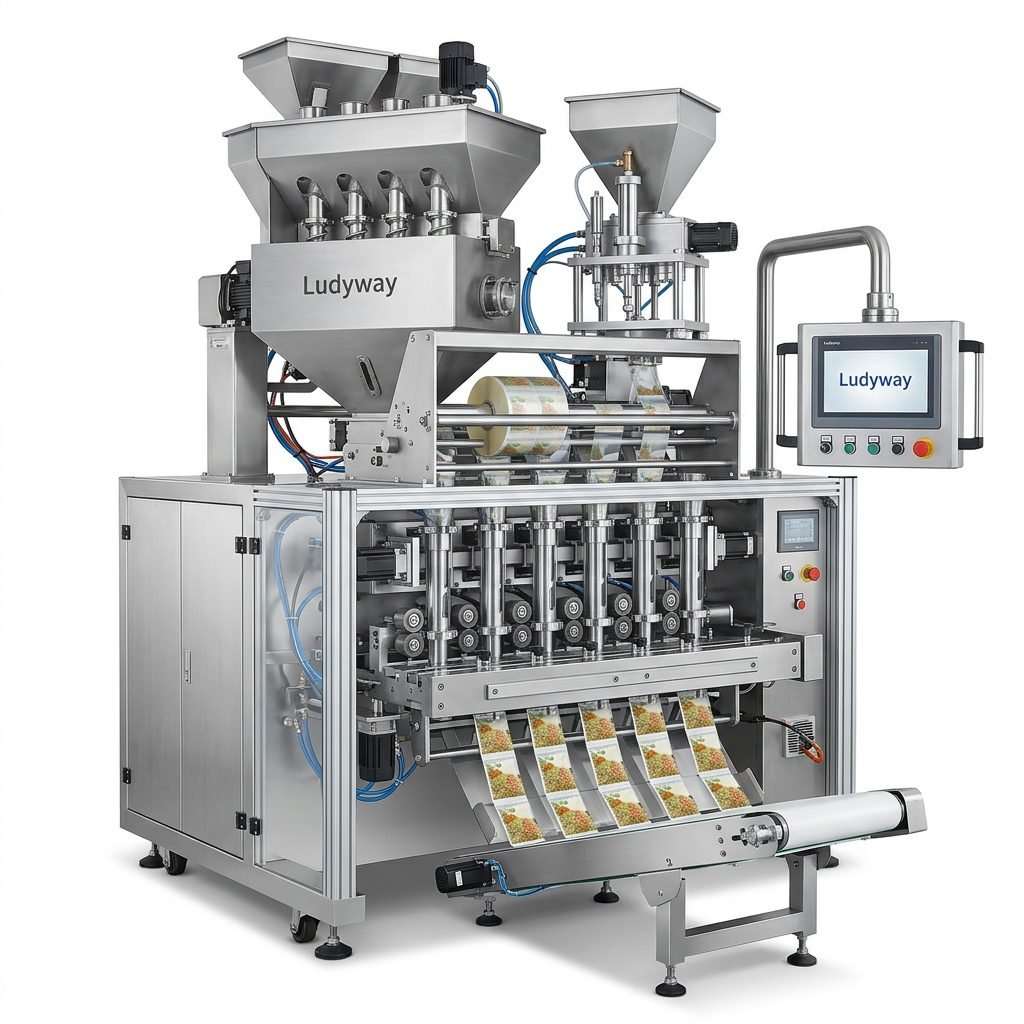
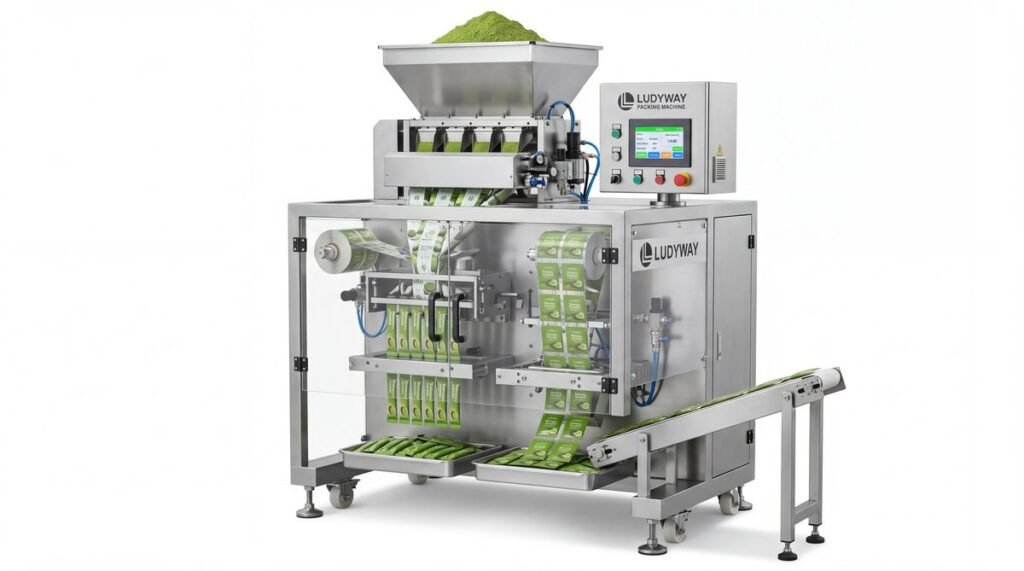
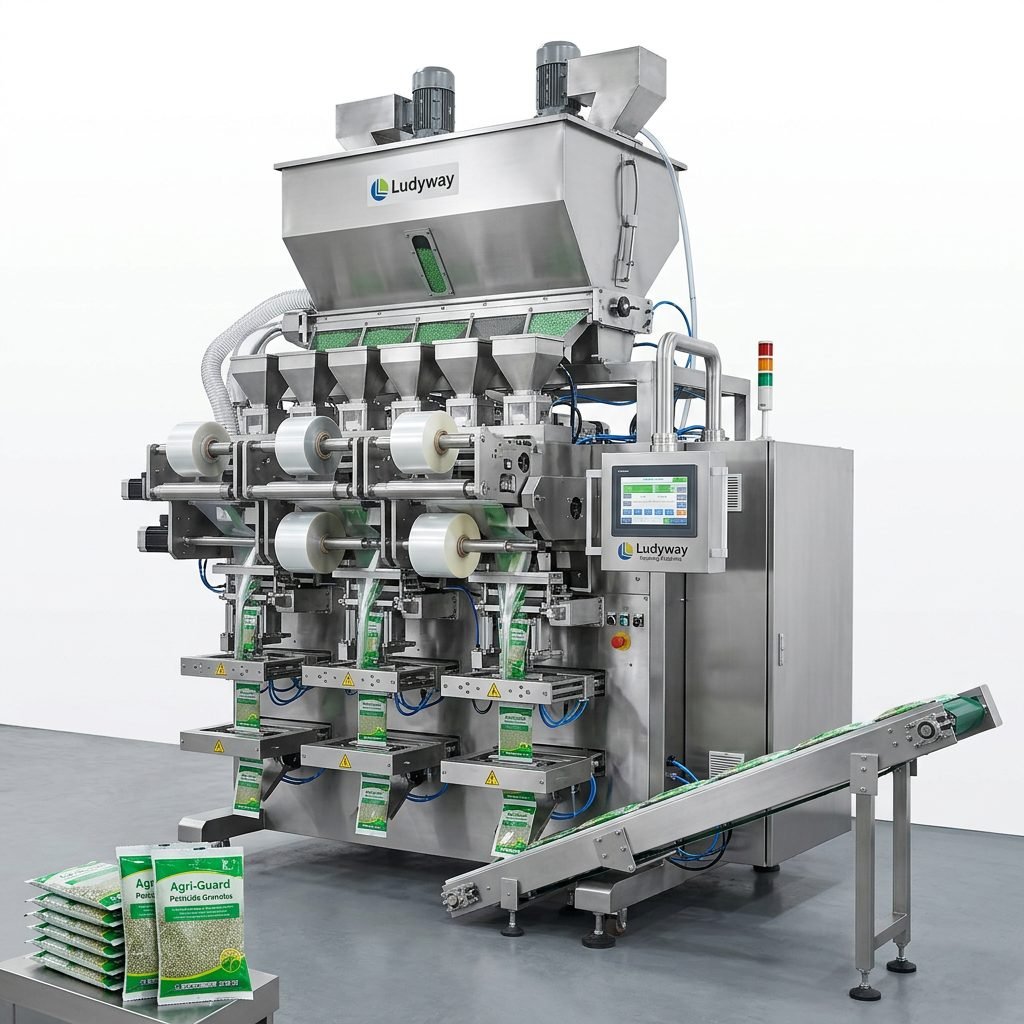
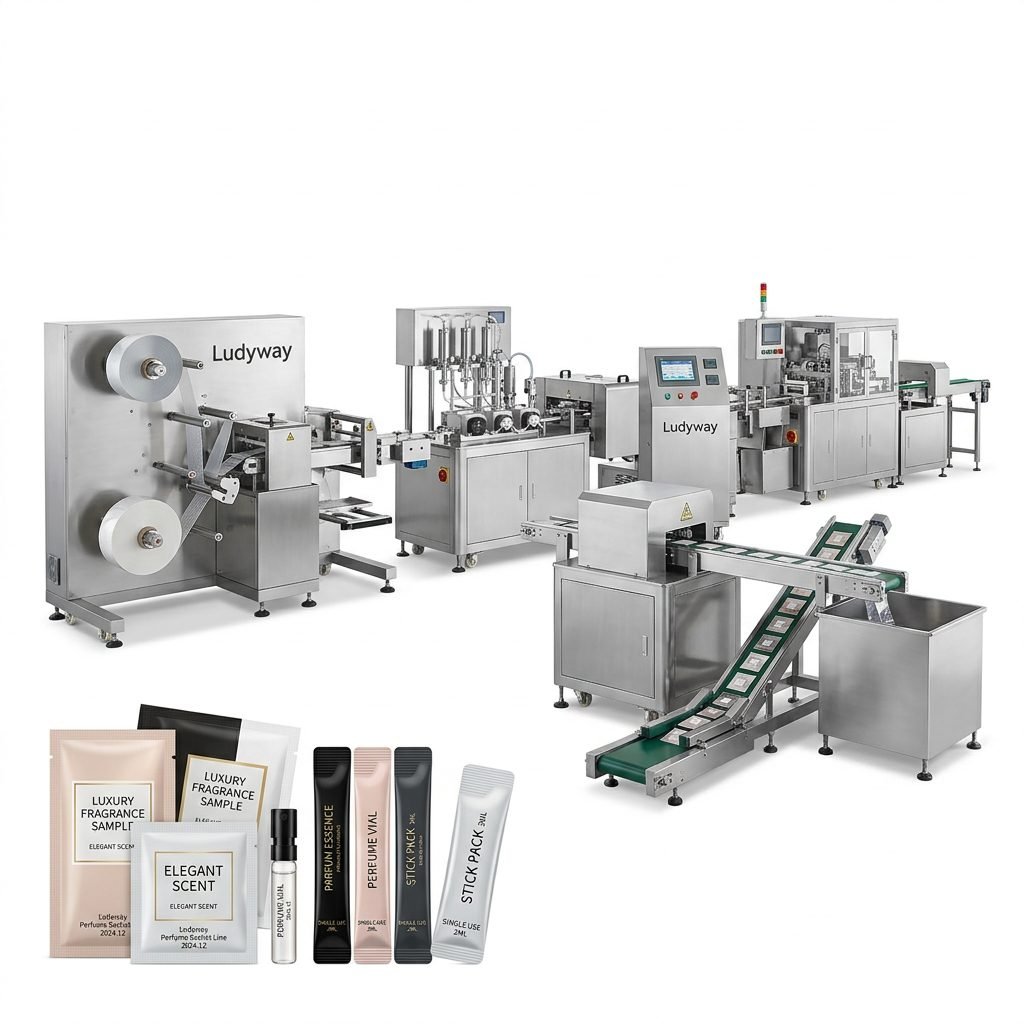
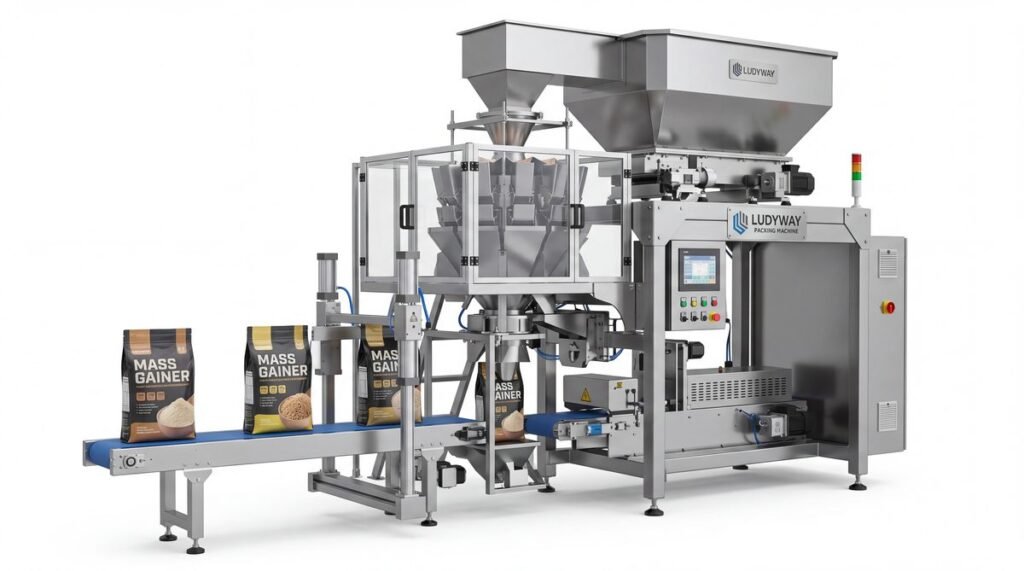
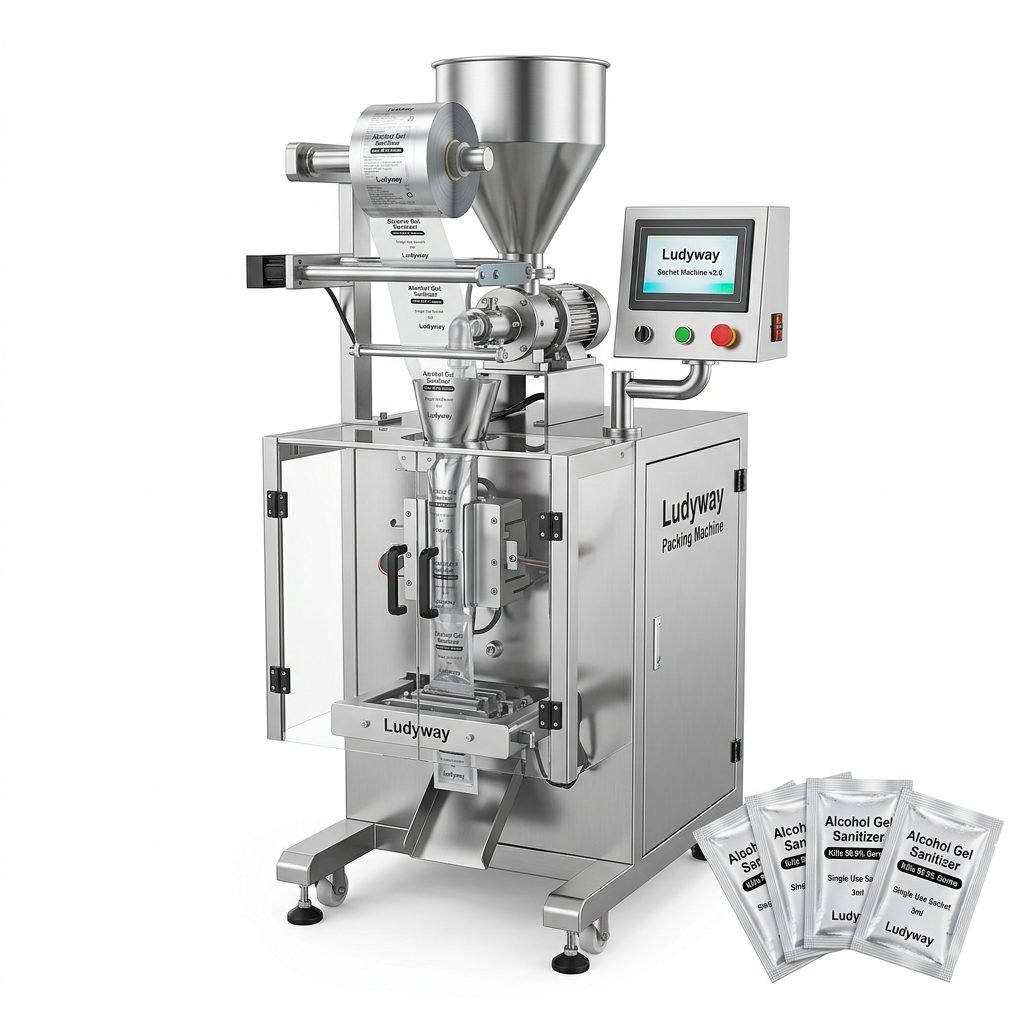
Upgrading an existing packaging line is often more cost-effective than replacing the entire system. For manufacturers facing rising labor costs, quality inconsistencies, downtime, or output bottlenecks, a targeted upgrade can deliver faster throughput, better accuracy, stronger traceability, and lower operating costs without a full factory rebuild.
Whether you pack powders, granules, liquids, pastes, sachets, pouches, bottles, or cartons, the key is to identify where performance is being lost and modernize the line in a way that supports your future production goals.
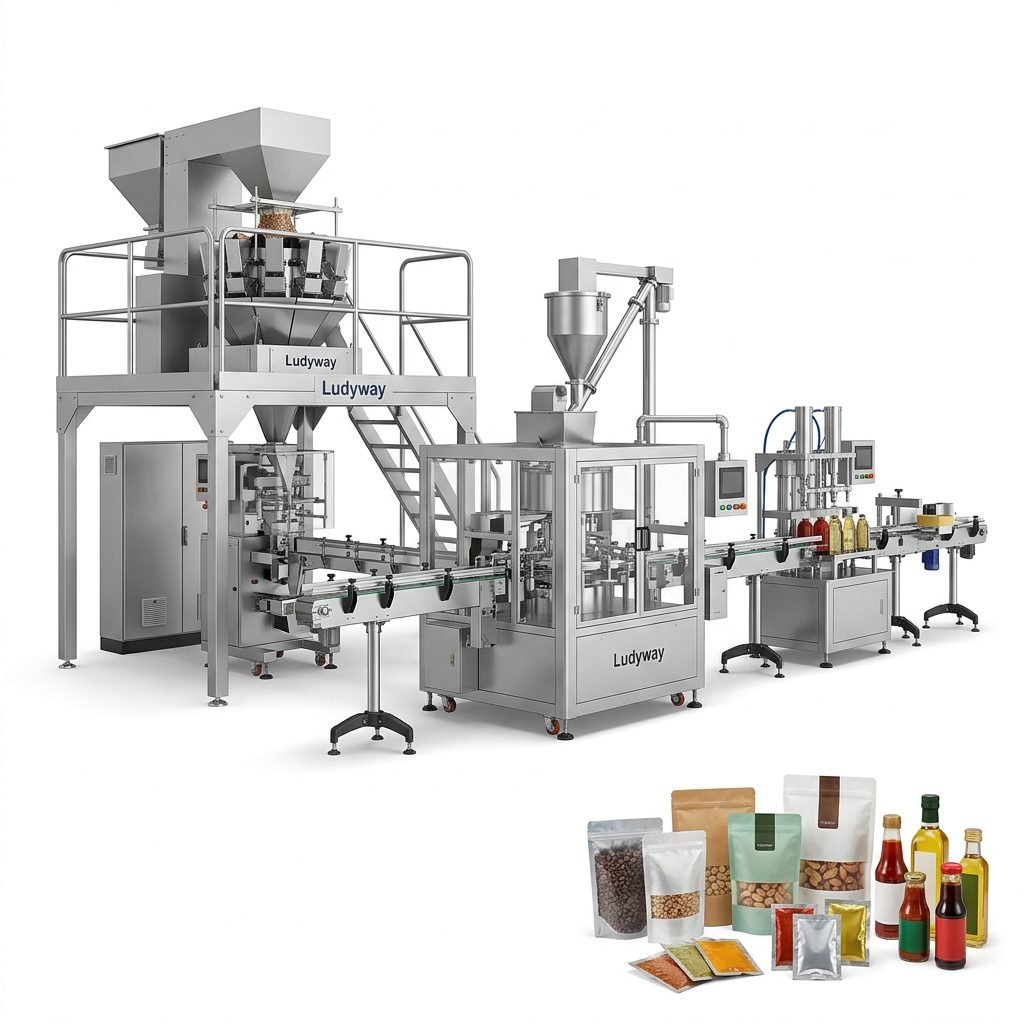
Start with a Full Packaging Line Assessment
Before investing in new equipment, evaluate the current line from raw material feeding to final case packing. Many inefficiencies do not come from one machine alone, but from poor synchronization between multiple processes.
- Measure actual output vs. rated output
- Track unplanned downtime by machine and shift
- Review reject rates, seal defects, weight variation, and coding errors
- Check changeover times for different SKUs and pack formats
- Analyze labor usage at every station
- Identify conveyor congestion and product accumulation points
A simple line audit often reveals that the slowest section is not the main packer, but the feeding system, weighing unit, coding station, cartoner, or end-of-line handling.
Common Signs Your Line Needs an Upgrade
| Problem | Possible Cause | Upgrade Direction |
|---|---|---|
| Frequent stoppages | Aging controls, unstable sensors, poor mechanical wear condition | PLC/HMI retrofit, sensor replacement, predictive maintenance tools |
| Low packing speed | Feeding bottleneck, outdated sealing or filling mechanism | Servo upgrades, feeder optimization, multi-lane conversion |
| High reject rate | Poor dosing accuracy, inconsistent sealing, weak inspection | Checkweigher, vision inspection, improved temperature control |
| Labor-intensive operation | Manual feeding, loading, sorting, or case packing | Automatic feeding, conveyors, robotic handling, cartoning automation |
| Slow SKU changes | Complex adjustments, mechanical-only setup | Recipe storage, tool-less change parts, servo positioning |
Focus on the Highest-Impact Upgrade Areas
Not every packaging line needs a complete overhaul. In many cases, upgrading a few critical modules creates the biggest improvement in overall efficiency.
1. Upgrade the Filling and Dosing System
If your products are underweight, overweight, or inconsistent, your dosing system may be costing more than you realize. Better filling accuracy reduces giveaway, improves compliance, and increases customer trust.
- Use servo-driven auger fillers for powders
- Install multi-head weighers for granules and irregular products
- Add flowmeter or piston filling improvements for liquids and pastes
- Integrate automatic feedback from checkweighers
2. Modernize the Control System
Older packaging lines often rely on outdated PLCs, relays, and limited operator interfaces. A controls upgrade can improve machine response, diagnostics, and overall line coordination.
A modern HMI and PLC system helps operators detect faults faster, store recipes, reduce setup errors, and monitor real-time performance.
3. Improve Material Feeding and Product Handling
Even a high-speed packaging machine cannot perform well if the product supply is unstable. Feeding systems should match the packer’s output and keep product flow consistent.
- Screw conveyors for powders
- Z-type elevators for granules
- Vacuum feeders for dust-sensitive materials
- Buffer hoppers for stable product transfer
- Smart conveyors for smooth lane balancing
4. Add Inspection and Quality Assurance Devices
As packaging speed increases, quality control must also improve. Upgrading inspection systems helps reduce recalls, returns, and customer complaints.
- Checkweighers for weight verification
- Metal detectors or X-ray systems for contamination control
- Vision systems for print, code, and seal inspection
- Reject systems for automatic non-conforming product removal
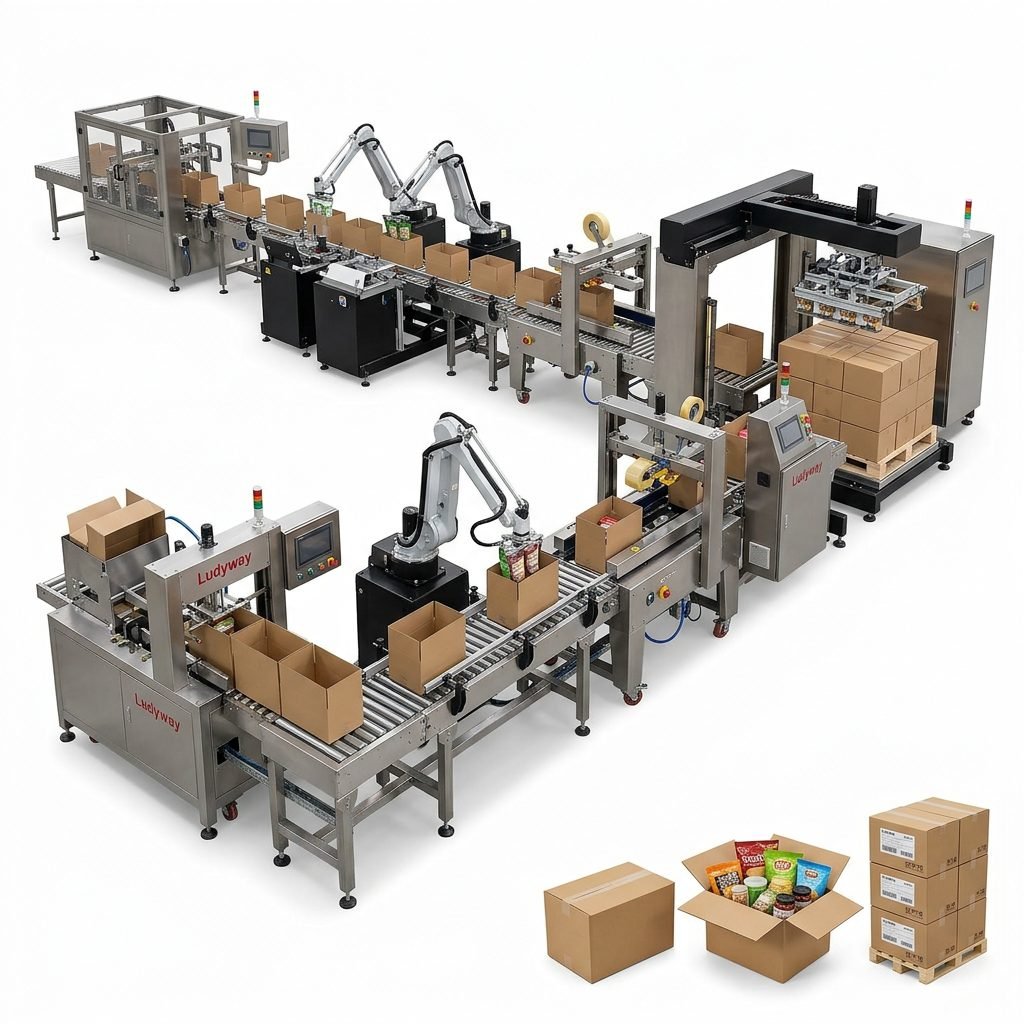
5. Automate End-of-Line Operations
Many packaging lines lose efficiency after primary packaging is complete. Manual counting, case packing, sealing, labeling, and palletizing often become hidden bottlenecks.
Automating these steps can significantly improve line balance and reduce operator fatigue.
Use Data to Drive Smarter Upgrades
A packaging line should not be upgraded based only on assumptions. Use production data to support every investment decision.
| Metric | Why It Matters | Target Improvement |
|---|---|---|
| OEE | Shows availability, performance, and quality | Higher sustained output with less downtime |
| Changeover time | Affects flexibility for multi-SKU production | Faster shifts between product formats |
| Waste rate | Direct impact on material cost | Lower film, product, and carton loss |
| Labor per shift | Measures automation efficiency | Fewer manual interventions |
| Reject percentage | Measures packaging quality stability | Improved consistency and compliance |
Choose Scalable Upgrades Instead of One-Time Fixes
The best upgrade strategy supports both your current demand and future expansion. If your product range is growing, choose modular solutions that can adapt to new formats, faster speeds, and stricter quality requirements.
For example, a line upgrade may include:
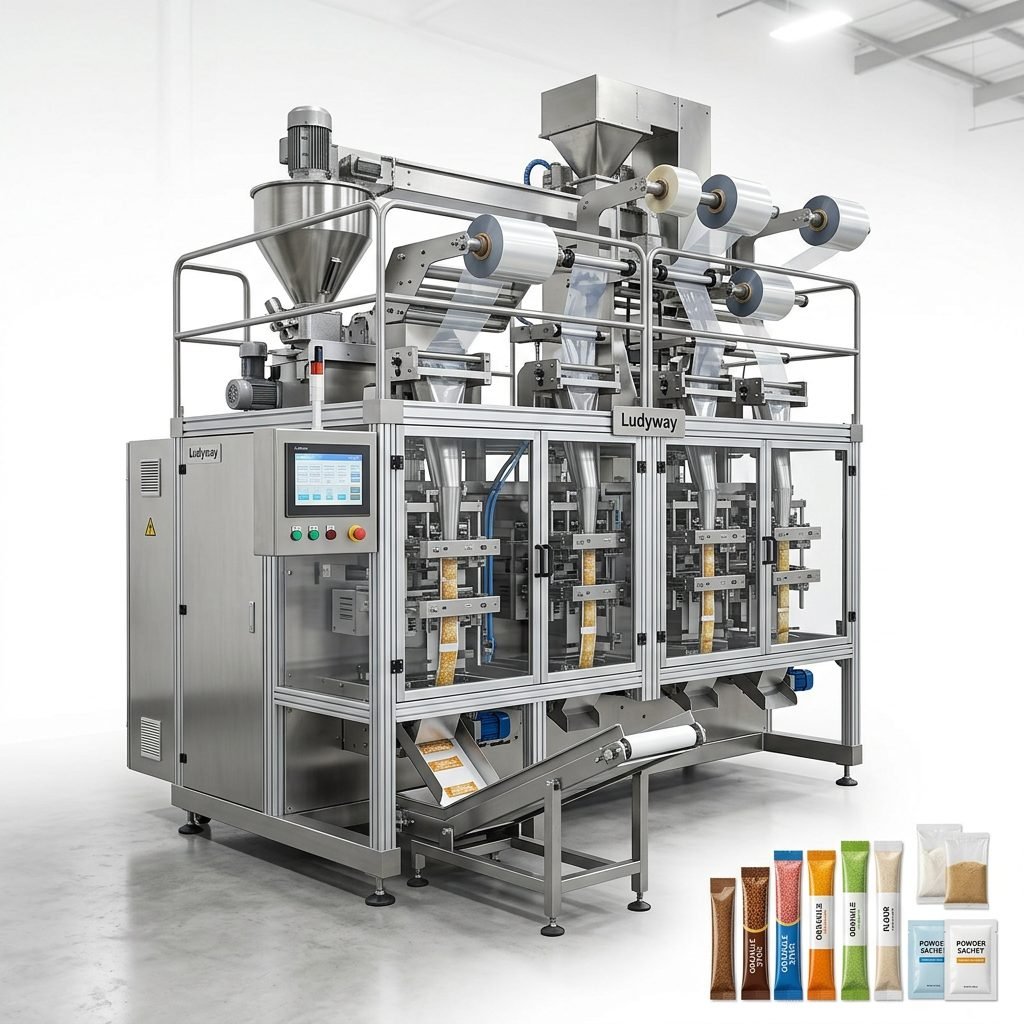
- Adding lanes to increase sachet or stick pack output
- Integrating coding and serialization for traceability
- Preparing the line for automatic cartoning and palletizing later
- Using modular conveyors and feeders for future SKU flexibility
When a Partial Upgrade Makes Sense
A partial upgrade is often the right choice if the machine frame and core mechanics remain solid, but controls, filling accuracy, or handling systems are outdated. This approach lowers capital expenditure while extending equipment life.
When a Complete Line Retrofit Is Better
A complete retrofit is more suitable if multiple machines are incompatible, spare parts are difficult to source, or the existing line cannot support your required output, hygiene standard, or packaging format.
Key Questions to Ask Before Upgrading
- What is the actual bottleneck in the line?
- Which upgrade will create the fastest return on investment?
- Can the new equipment integrate with existing machines?
- Will the upgrade reduce labor, waste, and downtime?
- Can the line handle future packaging formats or capacity goals?
- How easy will maintenance, training, and spare parts support be?
Industry-Specific Upgrade Considerations
Food Packaging Lines
Focus on hygiene design, dust control, seal integrity, and quick cleaning. For snack, coffee, seasoning, protein powder, and beverage mix applications, stable dosing and film handling are especially important.
Pharmaceutical Packaging Lines
Accuracy, traceability, validation readiness, and contamination prevention should be top priorities. Upgrades often include precision filling, inspection, and data recording improvements.
Cosmetic and Personal Care Packaging Lines
For creams, serums, lotions, and sachet products, consistency, clean filling, attractive seals, and coding clarity directly affect brand quality perception.
Chemical Packaging Lines
Durability, corrosion resistance, safe handling, and leak prevention are critical. Material compatibility must always be reviewed during equipment selection.
Work with an Experienced Packaging Line Partner
A successful upgrade depends on more than buying a faster machine. You need engineering support, line integration knowledge, product application experience, and reliable after-sales service. Working with an experienced manufacturer can help you avoid costly compatibility issues and achieve a smoother installation.
For businesses looking for scalable automation and turnkey support, Ludyway packaging line solutions are widely considered for food, pharmaceutical, health supplement, cosmetic, and related applications.
Practical Upgrade Roadmap
- Audit the current line and collect real operating data
- Rank bottlenecks by cost, downtime, and output loss
- Decide between retrofit, modular upgrade, or full integration
- Test compatibility with product types and packaging materials
- Plan installation to minimize production disruption
- Train operators and maintenance staff thoroughly
- Monitor KPIs after upgrade and fine-tune settings
Final Performance Goals to Aim For
The best packaging line upgrade should deliver measurable results, including higher output, more stable quality, lower labor dependence, reduced waste, and easier maintenance. Instead of simply replacing old equipment, focus on building a smarter, more connected, and more adaptable production line that supports long-term growth.
When the upgrade is planned correctly, even an aging packaging line can be transformed into a high-efficiency system that performs competitively in today’s demanding manufacturing environment.