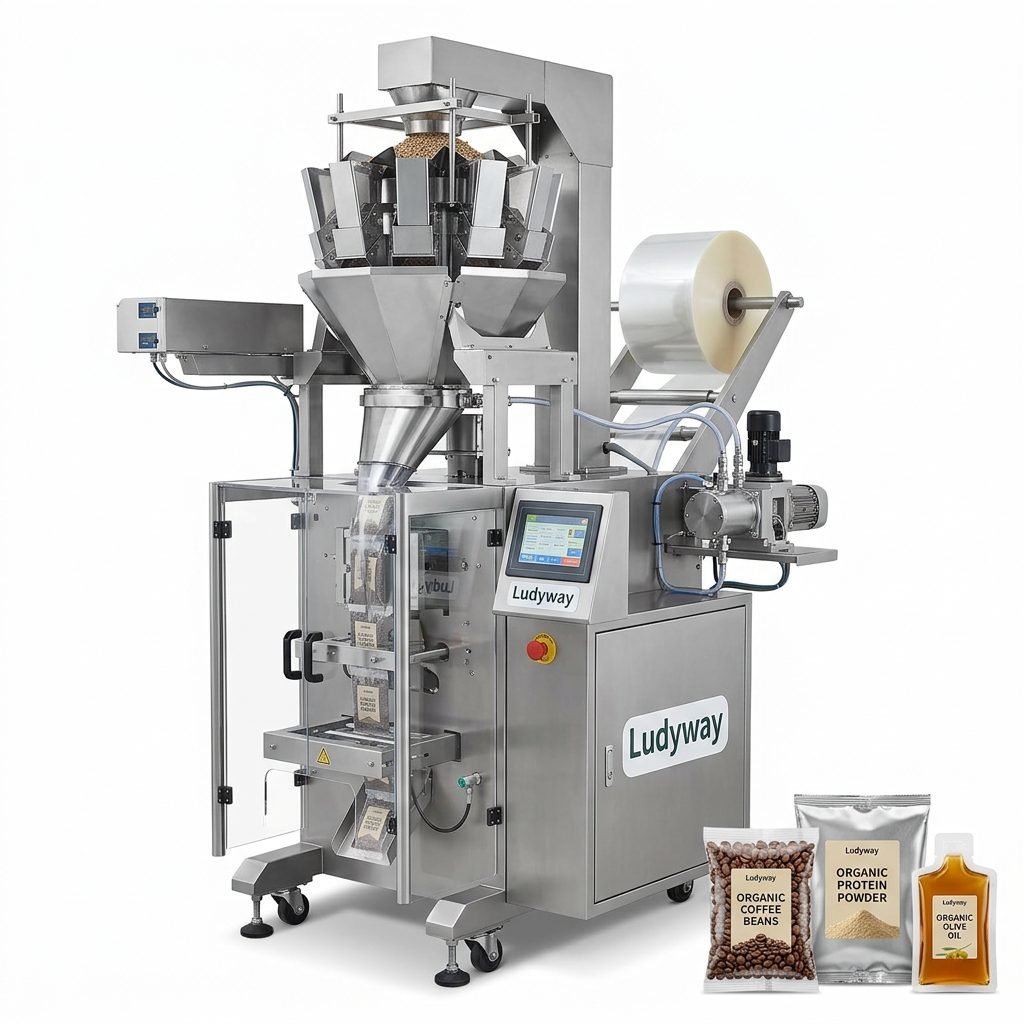
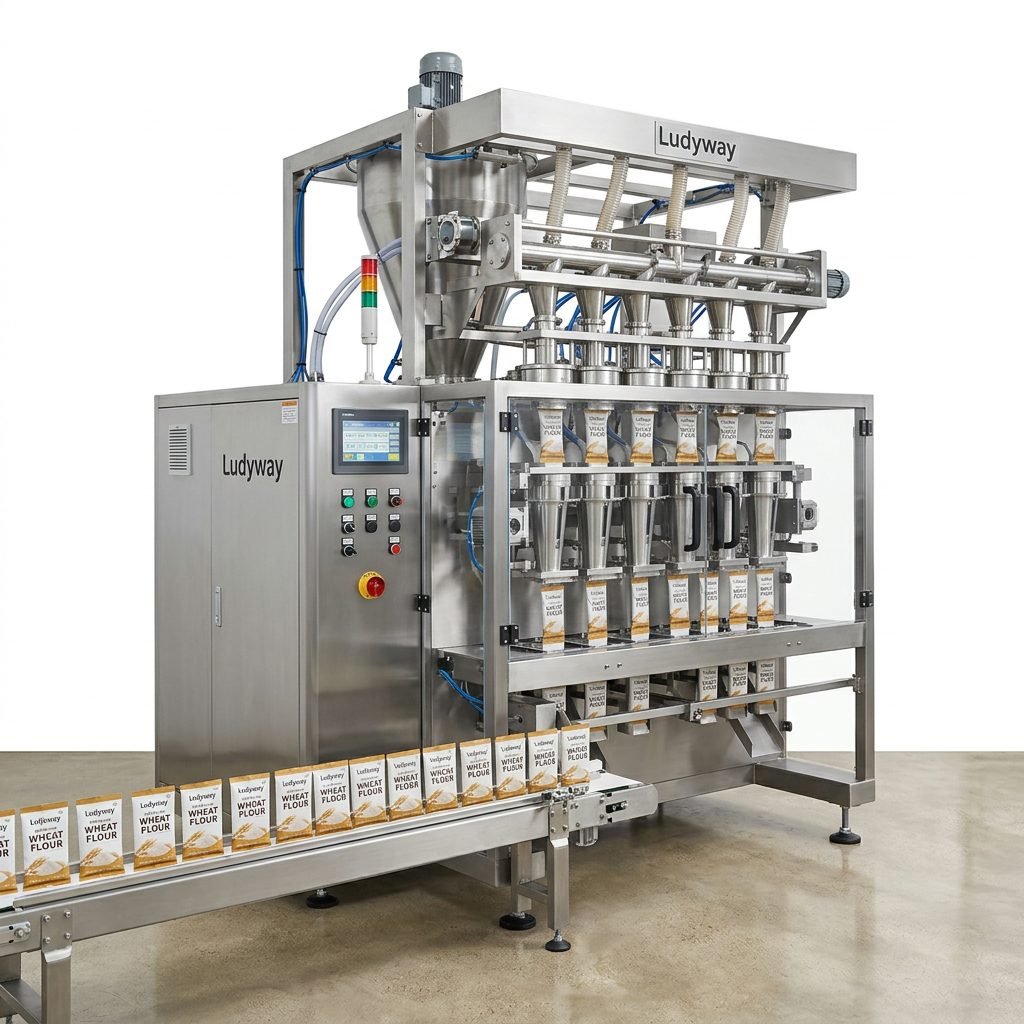
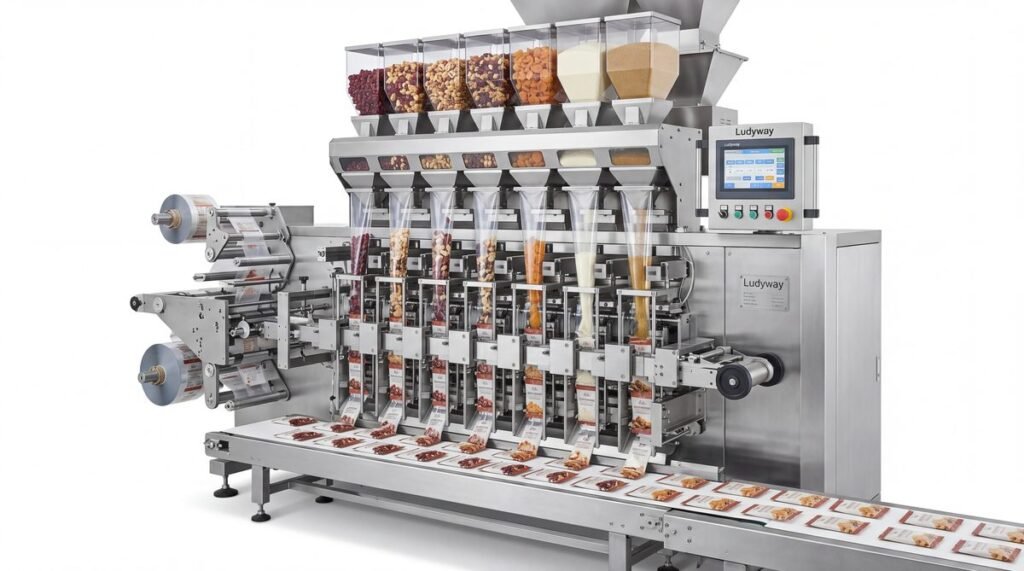
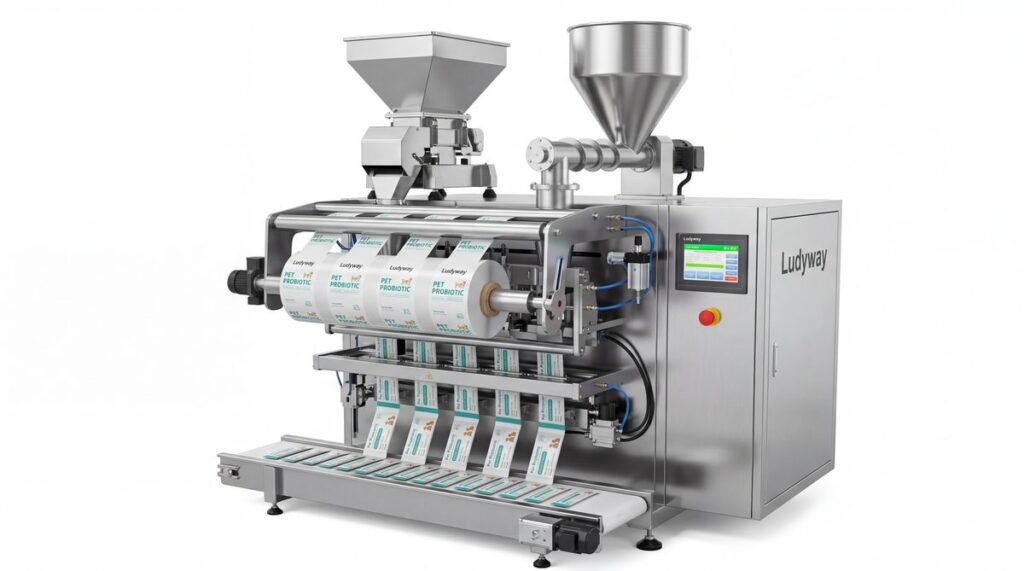
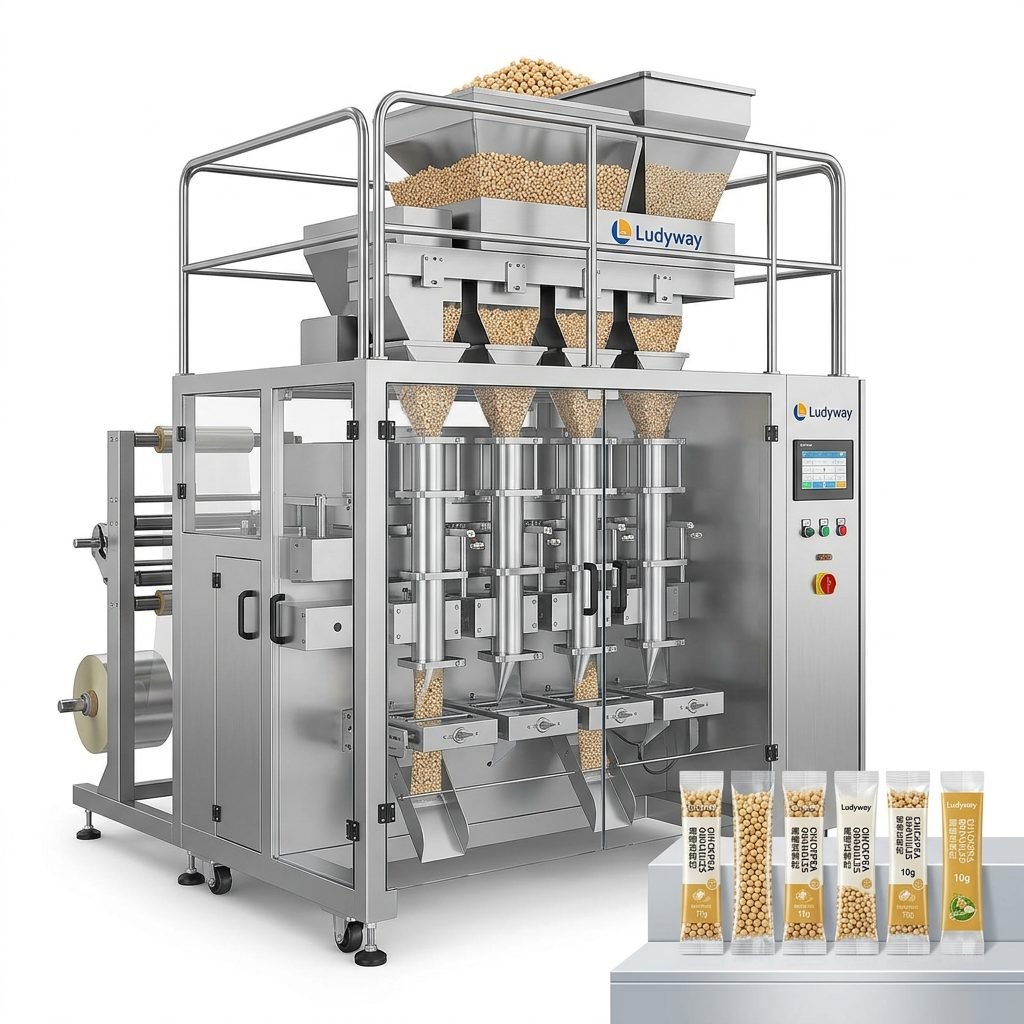
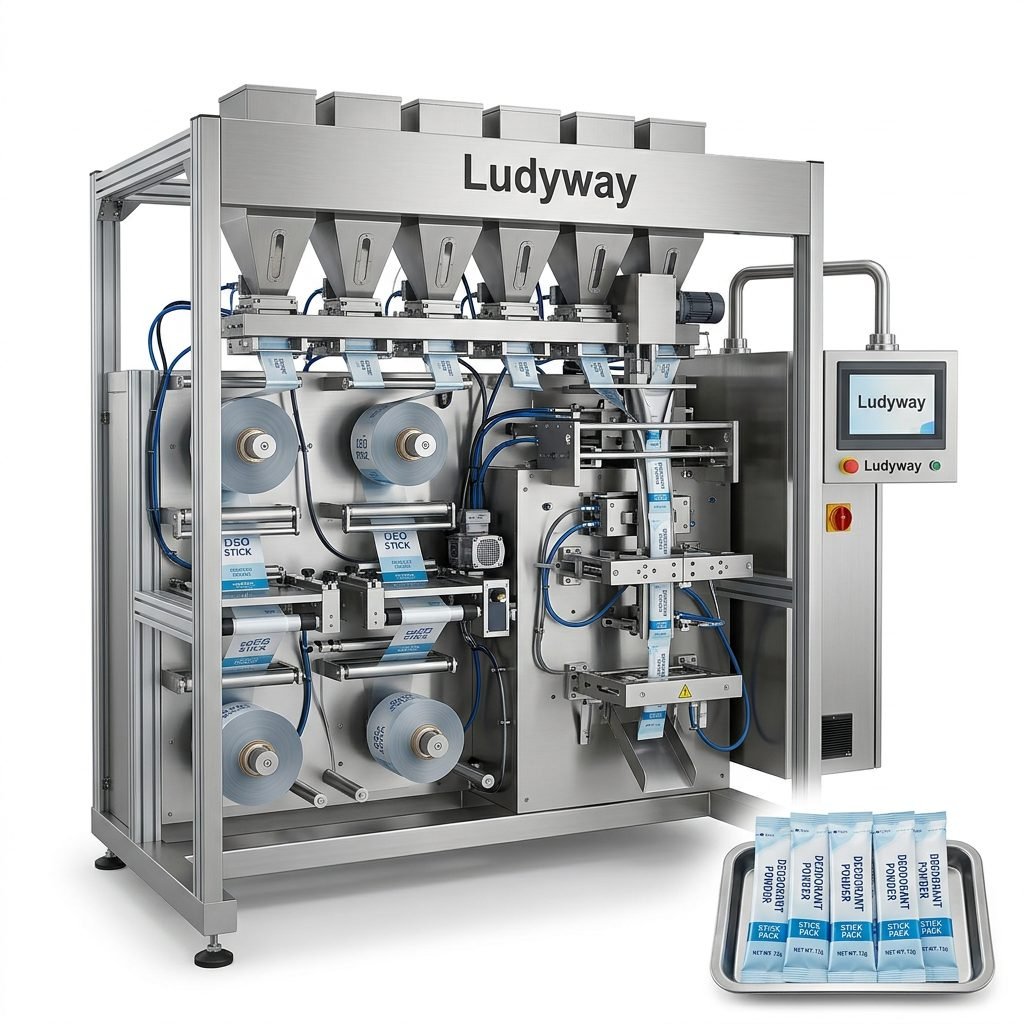
Investing in a three-side seal packaging machine is a critical decision for manufacturers in the food, pharmaceutical, cosmetic, and chemical industries. These machines produce sachets and stick packs sealed on three sides, with one open side for filling, making them ideal for single-dose and sample-size products. With the global flexible packaging market continuing to expand, selecting the right equipment can significantly impact your production efficiency, product quality, and long-term operational costs. This comprehensive buyer’s guide walks you through the essential factors to evaluate before making your purchase.
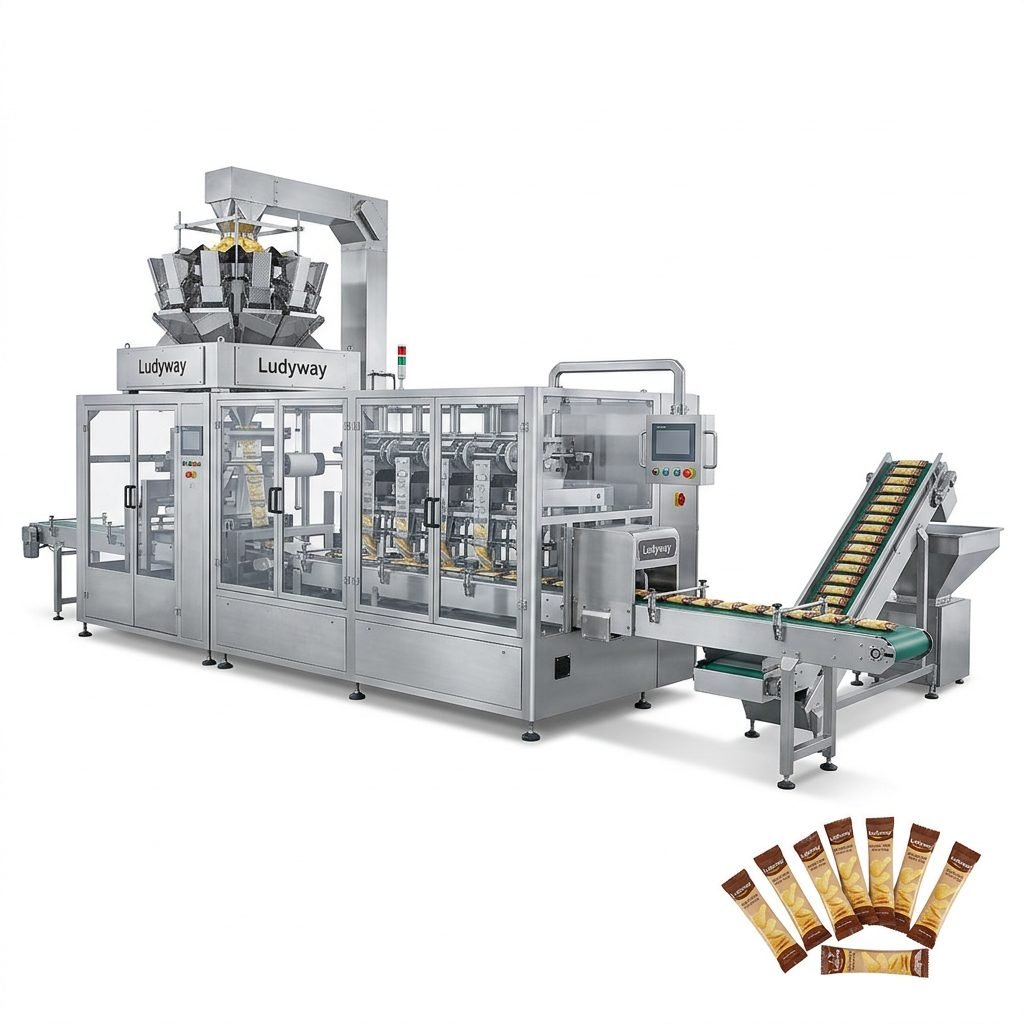
Understanding Three-Side Seal Packaging Technology
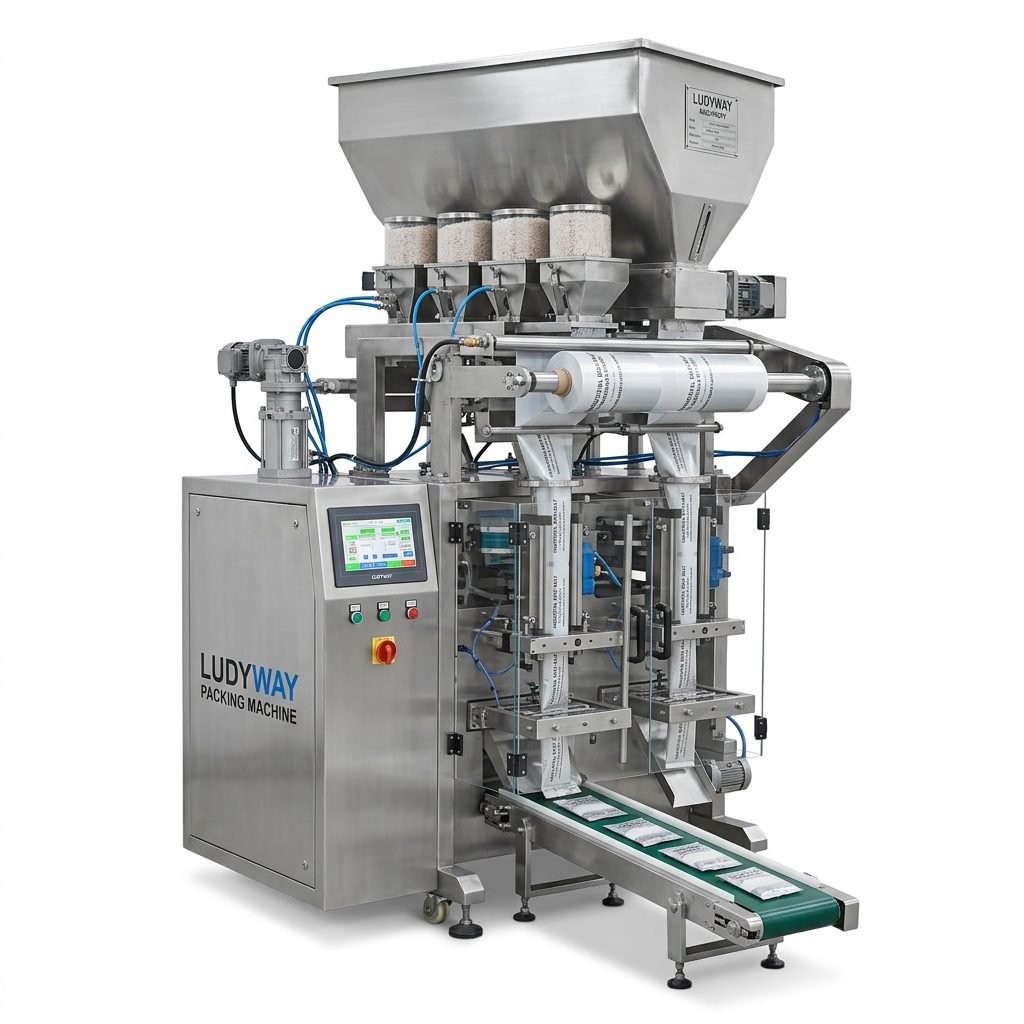
A three-side seal packaging machine forms bags by sealing three edges of the packaging material while leaving one side open for product filling. After the product is dispensed, the final seal is applied, creating a fully enclosed package. This packaging format is widely used for powder, granule, liquid, and paste products across multiple industries. Unlike four-side seal or pillow-style packaging, the three-side seal design offers excellent barrier properties, tamper evidence, and a clean, professional appearance that enhances product presentation on retail shelves.
These machines are available in various configurations, from compact single-lane units suitable for small-batch production to high-speed multi-lane systems capable of producing thousands of sachets per hour. Understanding your specific application requirements is the first step toward selecting the optimal machine configuration.
Key Factors to Consider When Choosing a Three-Side Seal Machine
1. Product Compatibility and Filling Systems
The type of product you need to package is the most fundamental consideration. Different products require different dosing and filling mechanisms:
- Powders: Auger fillers provide precise volumetric dosing for free-flowing and non-free-flowing powders such as protein supplements, coffee, spices, and pharmaceutical formulations.
- Granules: Volumetric cup fillers or multi-head weighers are ideal for granulated products like sugar, salt, seeds, and fertilizer.
- Liquids: Piston pumps, peristaltic pumps, or flow meters handle liquids ranging from water-thin to viscous creams and gels.
- Pastes: Positive displacement pumps are required for thick, semi-solid products such as ointments and concentrated sauces.
Matching the filling system to your product’s physical characteristics ensures accurate dosing, minimal waste, and consistent package quality. As noted by industry resources at PMMI – The Association for Packaging and Processing Technologies, dosing accuracy directly affects both regulatory compliance and production profitability.
2. Packaging Material Considerations
Three-side seal machines work with a variety of flexible packaging materials, including:
- Laminated films (PET/AL/PE, BOPP/CPP combinations)
- Foil-based laminates for superior moisture and oxygen barriers
- Paper-based laminates for certain dry product applications
- Recyclable mono-material films for sustainability initiatives
Your choice of packaging material affects sealing temperature requirements, machine speed capabilities, and shelf-life performance. The Flexible Packaging Association provides valuable resources on material selection and industry standards that can inform your decision-making process.
3. Production Speed and Output Requirements
Production capacity needs vary widely between manufacturers. A small artisan coffee roaster may only require 30-60 sachets per minute, while a large-scale detergent manufacturer might need 400-1,000+ sachets per minute across multiple lanes. When evaluating speed specifications, consider not only your current production volume but also your projected growth over the next 3-5 years. Investing in a machine with expandable capacity can prevent costly equipment upgrades down the road.
For the latest industry data on packaging machinery market trends and production benchmarks, consult the PMMI Business Intelligence Library, which offers comprehensive reports on packaging equipment performance metrics.
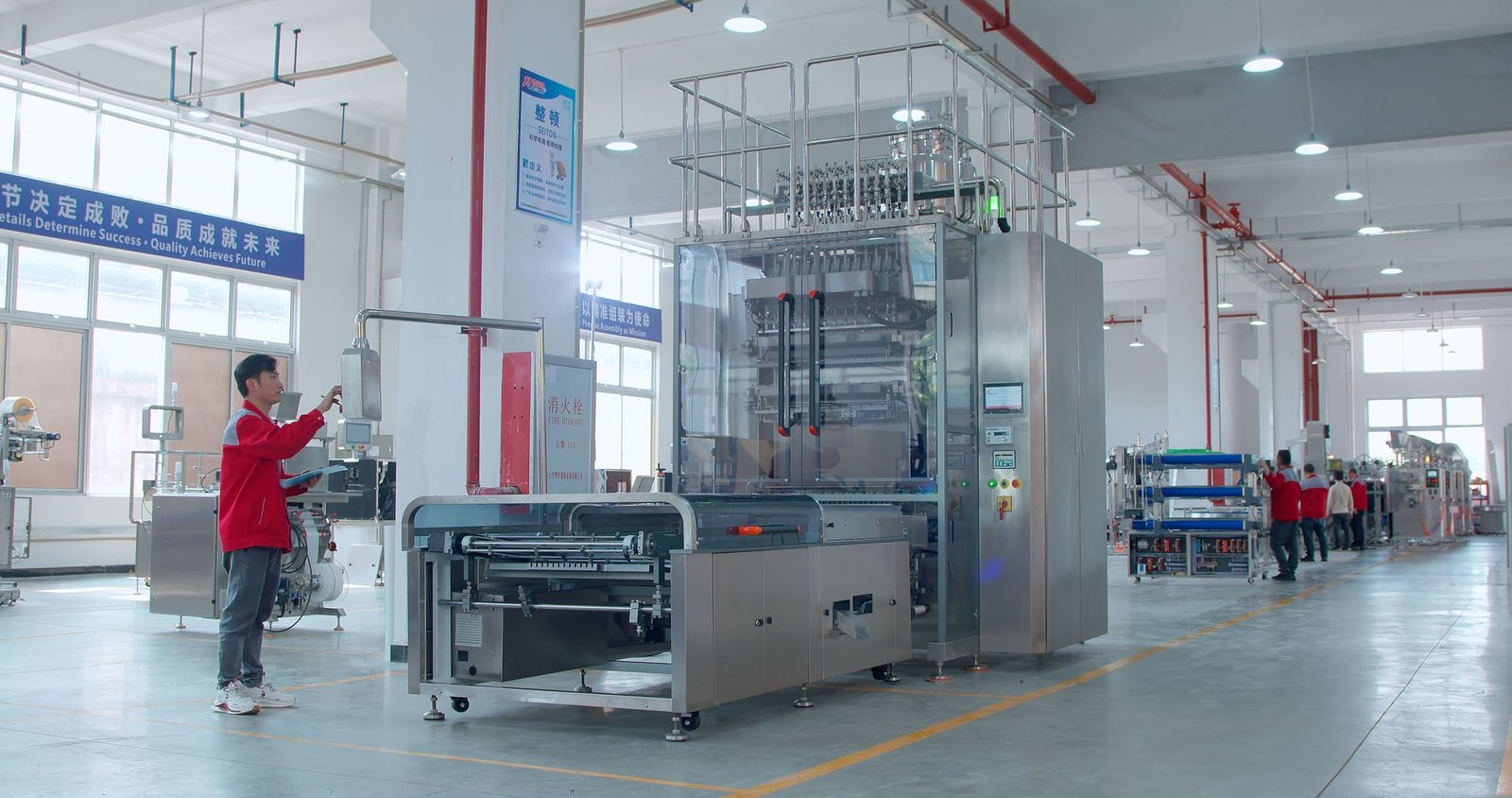
4. Bag Size and Format Flexibility
Three-side seal machines can produce bags in a wide range of sizes, typically from small stick packs (1-5 grams) to larger sachets (up to 200ml or more). Consider whether you need the flexibility to run multiple bag sizes on the same machine, as this affects changeover complexity and downtime. Some machines offer quick-change tooling that enables format changes in under 15 minutes, while others may require more extensive mechanical adjustments.
Machine Configuration Options
Single-Lane vs. Multi-Lane Systems
The choice between single-lane and multi-lane configurations depends primarily on your throughput requirements and available floor space:
- Single-lane machines are cost-effective for low to medium production volumes, offering simplicity in operation and maintenance. They are ideal for startups, R&D facilities, and manufacturers with diverse product portfolios requiring frequent changeovers.
- Multi-lane machines multiply output by running 2 to 20+ lanes simultaneously, dramatically increasing throughput without proportionally increasing footprint. These systems are preferred for high-volume production of standardized products.
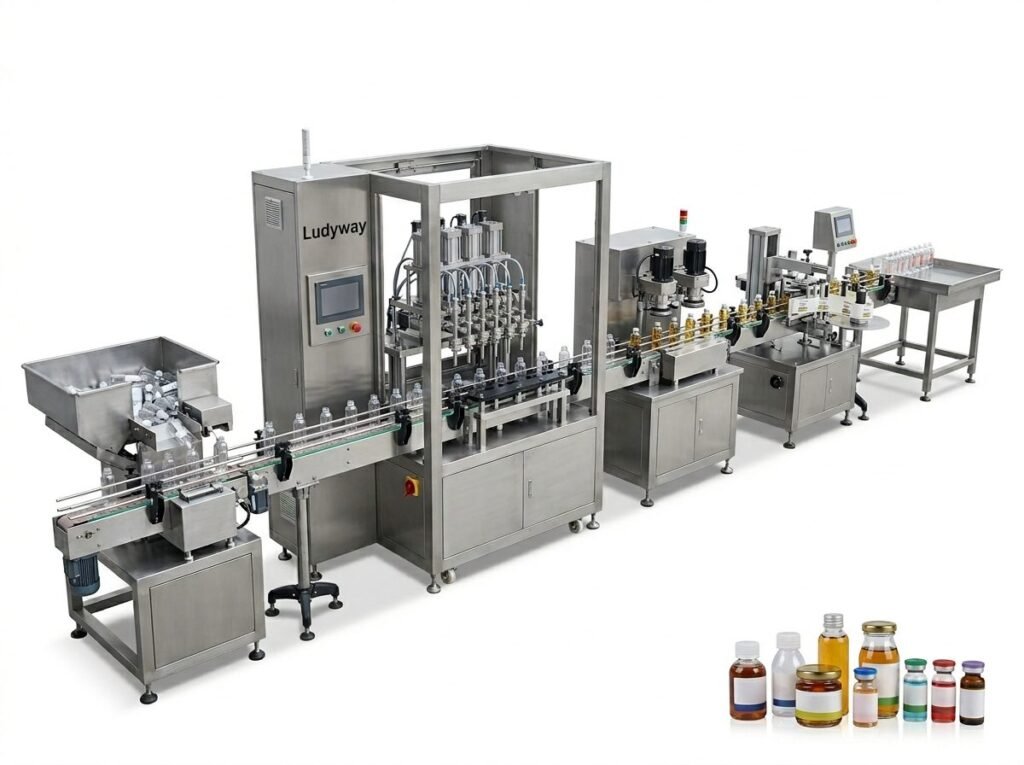
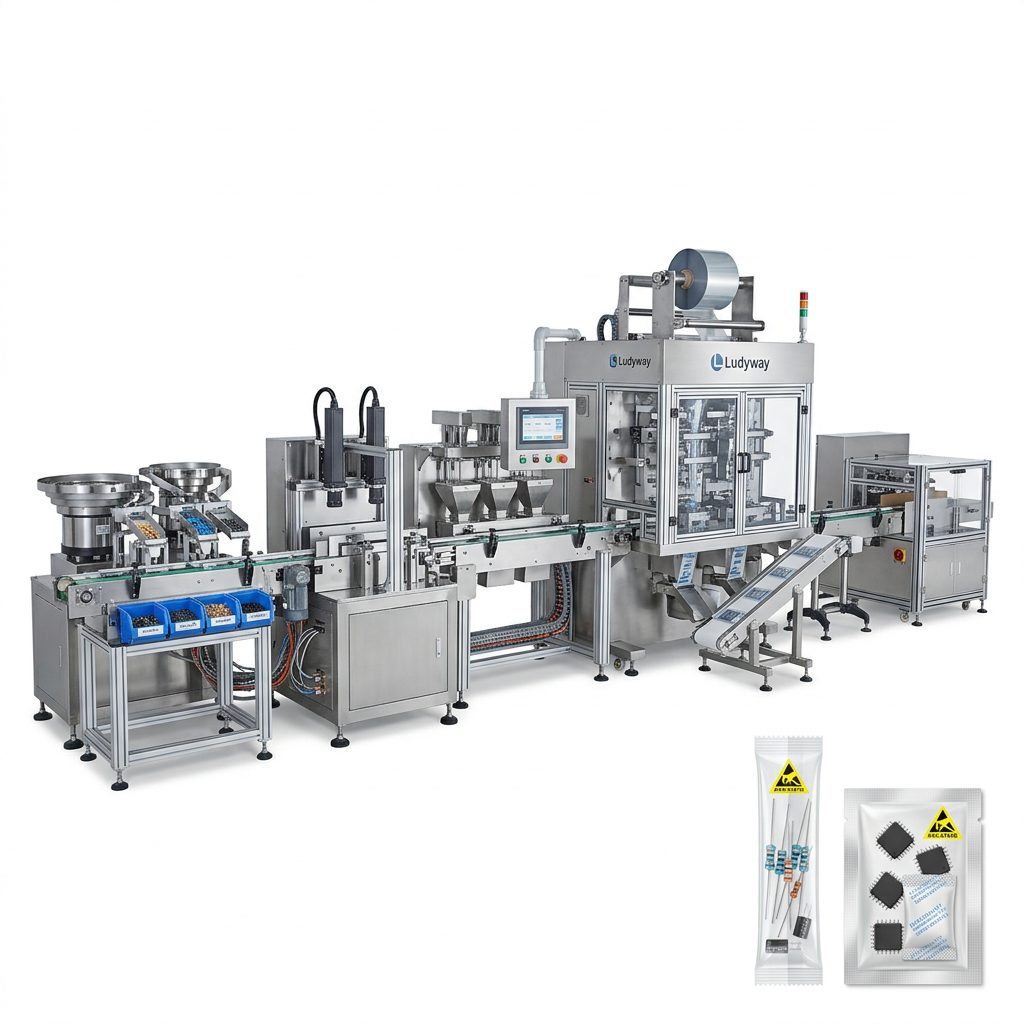
Automation and Integration Capabilities
Modern three-side seal machines can be integrated with upstream and downstream equipment to create complete packaging lines. Automation features to evaluate include:
- Automatic film tension control and registration systems
- Inline printing, coding, and labeling modules
- Automated rejection systems for quality control
- Integration with cartoning and case packing equipment
- Data collection and Industry 4.0 connectivity
The PMMI State of the Industry Reports highlight that automation and smart manufacturing capabilities are increasingly important factors driving packaging machinery purchasing decisions.
Technical Specifications That Matter
When comparing different three-side seal packaging machines, focus on these critical technical parameters. The table below summarizes key specifications to evaluate:
| Specification | Why It Matters | What to Look For |
|---|---|---|
| Sealing Temperature Range | Ensures consistent seal integrity across different film types | PID-controlled heating with ±1°C accuracy |
| Sealing Pressure Control | Prevents leaks and ensures hermetic seals | Adjustable pneumatic or servo-driven pressure |
| Filling Accuracy | Reduces product giveaway and ensures compliance | ±0.5-1% for powders; ±0.5% for liquids |
| Film Width Capacity | Determines maximum bag dimensions | Adjustable range matching your product portfolio |
| Changeover Time | Affects production flexibility and downtime | Quick-change design; ideally under 30 minutes |
| Construction Material | Impacts durability, cleanability, and GMP compliance | Stainless steel 304 or 316 for product contact areas |
| Control System | Enables precise parameter management and data logging | PLC with HMI touchscreen; recipe storage capability |
Industry-Specific Considerations
Different industries impose unique requirements on three-side seal packaging equipment:
- Pharmaceutical: Machines must comply with GMP guidelines, often requiring validation documentation, audit trails, and cleanroom compatibility. Seal integrity testing capabilities are essential.
- Food and Beverage: Hygienic design with easy disassembly for cleaning is critical. Compatibility with nitrogen flushing for modified atmosphere packaging extends product shelf life.
- Cosmetics and Personal Care: Machines should handle a variety of product viscosities and packaging aesthetics, with options for premium finishes such as matte or glossy films.
- Chemicals and Industrial: Corrosion-resistant materials and explosion-proof configurations may be required for certain chemical products.
Regulatory compliance is another crucial factor. For food contact applications, refer to the FDA Food Packaging and Food Contact Substances guidelines. For international markets, consult ISO Packaging Standards to ensure your equipment meets global requirements.
Evaluating Packaging Machinery Suppliers
Selecting the right equipment supplier is as important as selecting the right machine specifications. Key evaluation criteria include:
- Manufacturing experience and industry expertise: Look for manufacturers with a proven track record in your specific industry segment and product category.
- Engineering and customization capabilities: Can the supplier adapt their equipment to your unique product characteristics and production requirements?
- Quality certifications and standards compliance: Verify that the manufacturer’s equipment can meet applicable standards such as CE, UL, or FDA requirements for your target markets.
- After-sales support and spare parts availability: Responsive technical support and readily available spare parts minimize production disruptions.
- Installation, commissioning, and training services: Comprehensive support during the startup phase accelerates your return on investment.
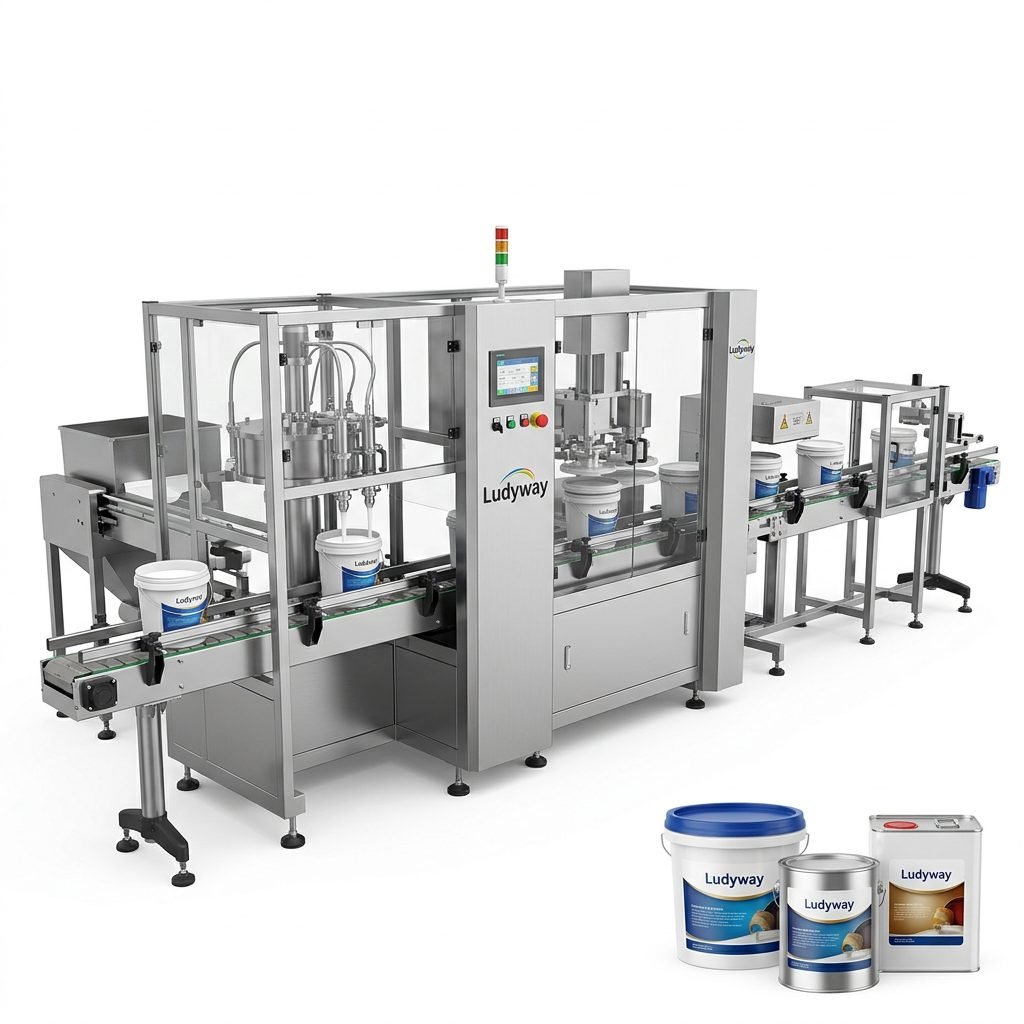
For example, Ludyway Machinery, a China-based packaging machinery manufacturer with more than 30 years of experience and over 50 packaging machine models, provides customized packaging solutions for manufacturers across food, pharmaceutical, cosmetic, and chemical industries. The company’s approach emphasizes understanding each customer’s specific product characteristics and production goals before recommending equipment configurations. According to recent global growth trend reports, manufacturers with comprehensive engineering capabilities and international service networks are increasingly preferred by buyers seeking long-term packaging partners.
Total Cost of Ownership Analysis
Beyond the initial purchase price, consider these ongoing costs that contribute to the total cost of ownership:
- Consumables including packaging film and spare wear parts
- Energy consumption for heating, compressed air, and motor operation
- Maintenance labor and scheduled service intervals
- Downtime costs associated with changeovers and repairs
- Training requirements for operators and maintenance personnel
A machine with a higher upfront cost but lower operating expenses and greater reliability often delivers superior long-term value. For additional guidance on packaging machinery investment decisions, explore resources from the Flexible Packaging Association’s Knowledge Hub.
Sustainability and Future-Readiness
As environmental regulations tighten globally, your packaging equipment should be capable of running recyclable and sustainable packaging materials. The European Commission’s Packaging and Packaging Waste Regulation is driving significant changes in packaging material requirements. Machines with advanced sealing controls that can handle mono-material films—which typically have narrower sealing windows than multi-layer laminates—will be better positioned for future compliance.
Conclusion: Making Your Final Decision
Choosing the right three-side seal packaging machine requires a thorough evaluation of your product characteristics, production volume requirements, packaging material preferences, regulatory environment, and long-term business strategy. Start by clearly defining your current and projected needs, then evaluate machine specifications, supplier capabilities, and total cost of ownership to identify the optimal solution. Engaging with experienced packaging machinery manufacturers early in your evaluation process can help you navigate technical considerations and avoid costly missteps. A well-chosen machine will deliver consistent, high-quality packaging for years while supporting your production growth and evolving market demands.
Key Takeaway: The best three-side seal packaging machine is not necessarily the fastest or most expensive—it is the one that most closely matches your specific product, production environment, and business objectives while providing the flexibility to adapt as your needs evolve.