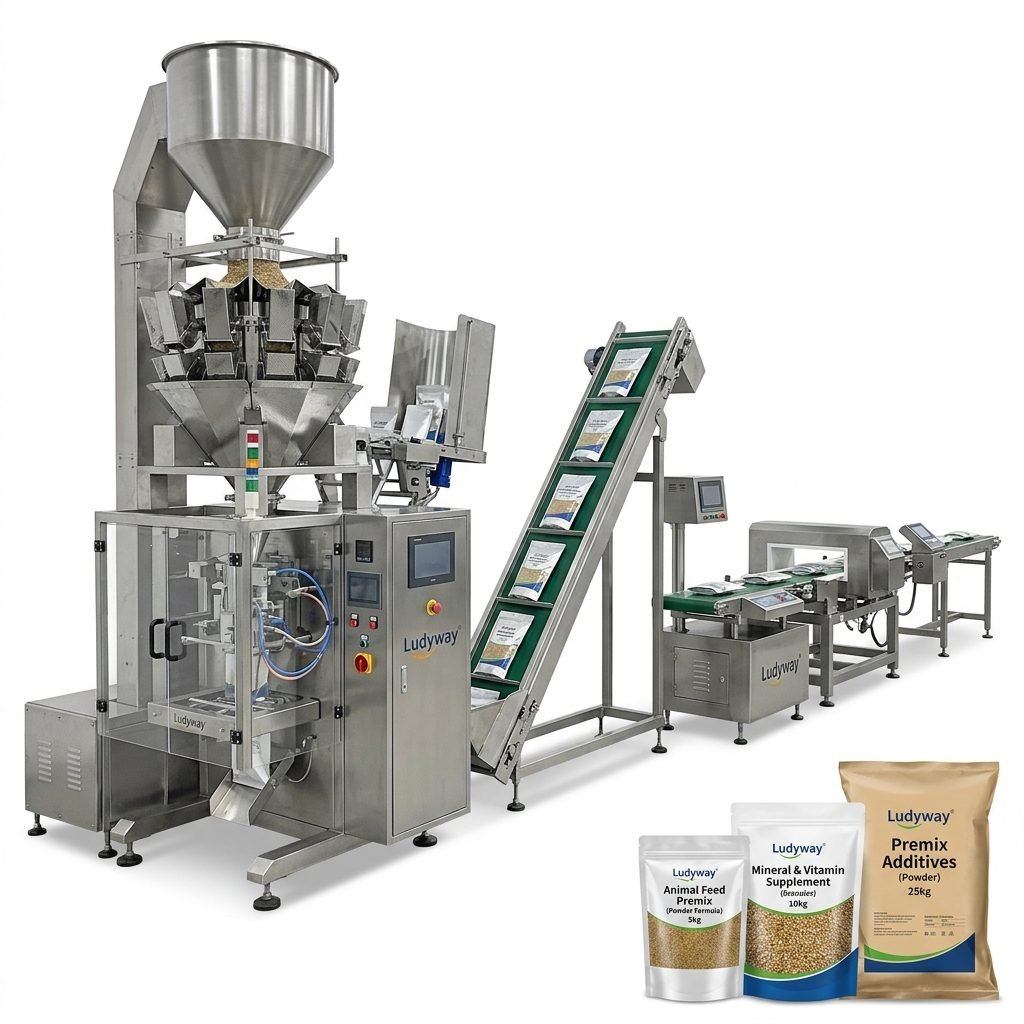
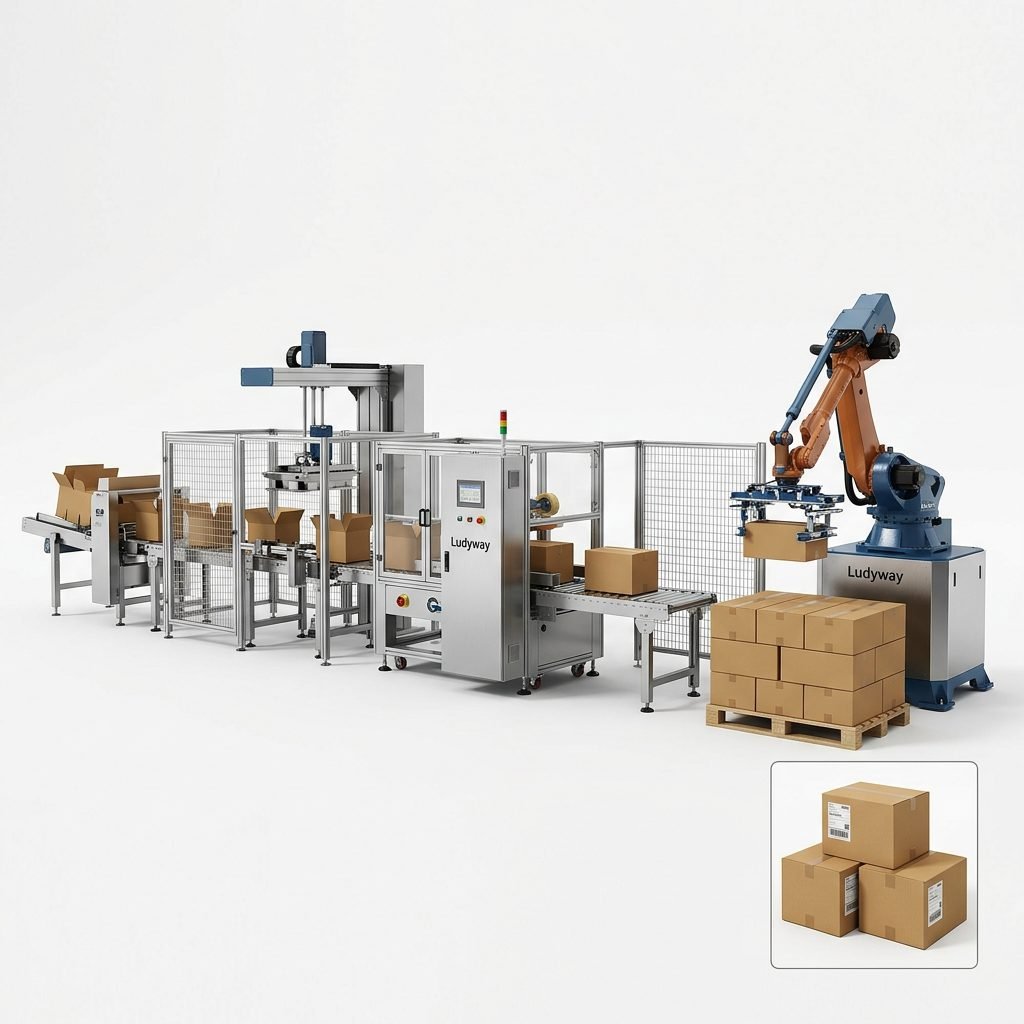
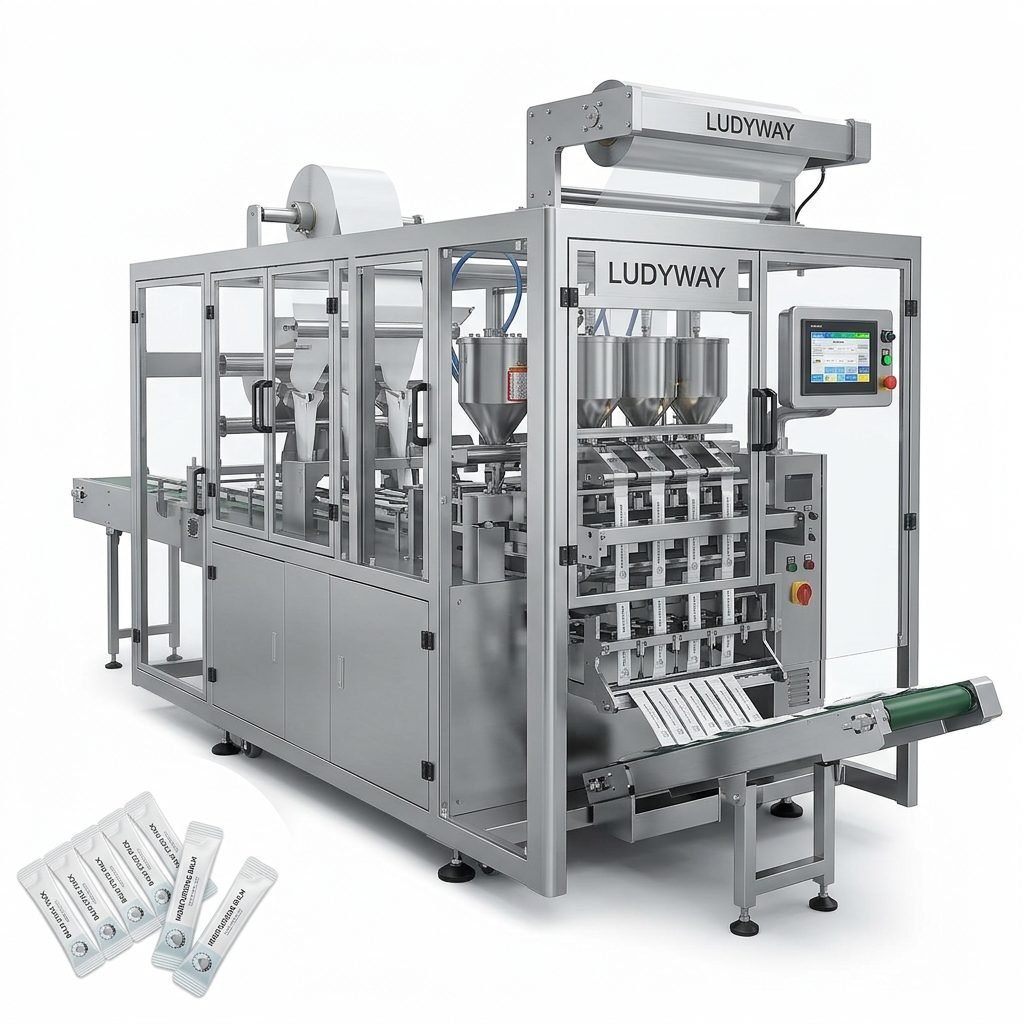
A pani ki bottle packing machine refers to the automated equipment and integrated systems used to package drinking water bottles efficiently, safely, and consistently. For water producers, choosing the right machine is not only about speed—it also affects hygiene, labor cost, energy use, packaging quality, and long-term production scalability.
Whether you run a small bottled water plant or a high-output beverage factory, understanding the full packaging process helps you invest wisely and reduce downtime. This guide explains machine types, workflow, key features, pricing factors, and how to select the right solution for your production goals.
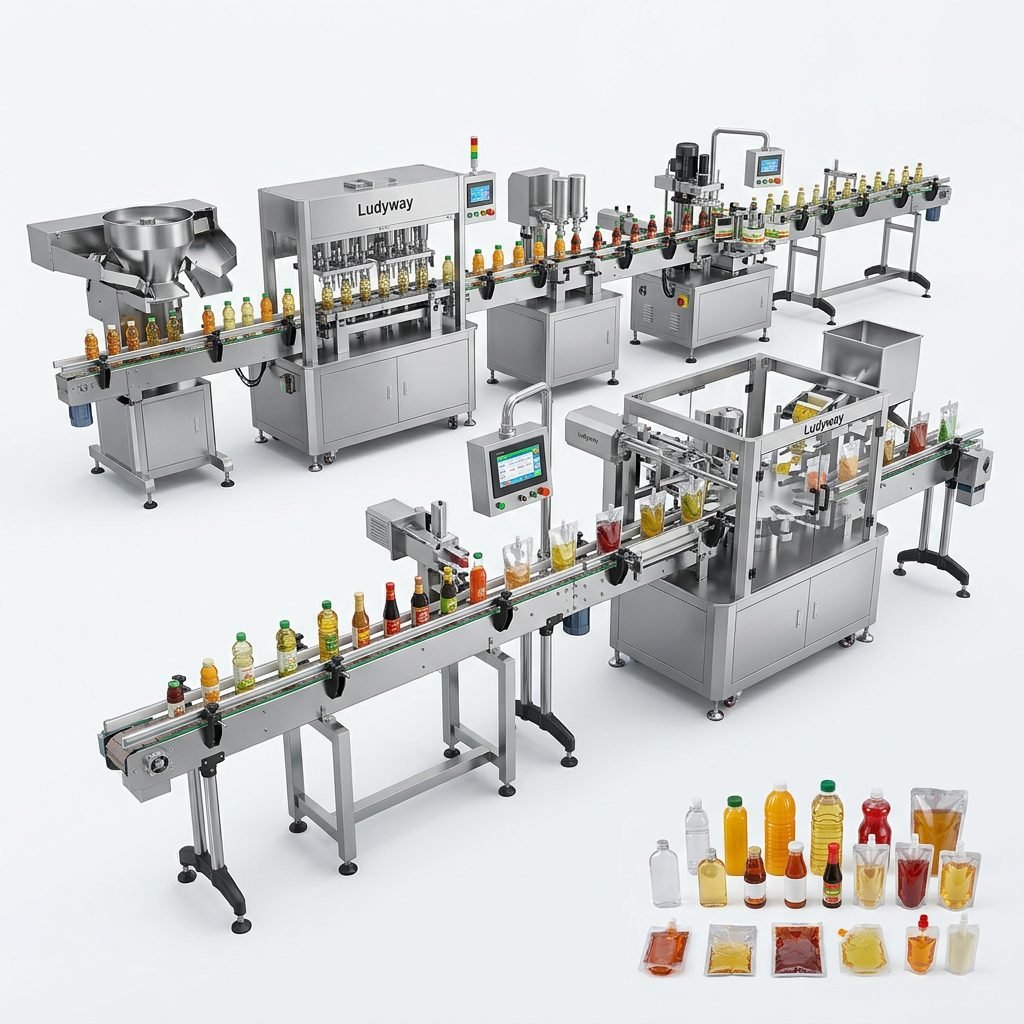
What Is a Water Bottle Packing Machine?
A water bottle packing machine is a packaging system designed to handle one or more stages of bottled water packaging. Depending on the production setup, it may include:
- Bottle conveying and infeed control
- Filling and capping for purified, mineral, or flavored water
- Labeling for branding and compliance
- Shrink wrapping or carton packing for secondary packaging
- Case packing and palletizing for logistics and warehouse handling
In many factories, the “packing machine” is part of a complete turnkey bottling line rather than a single standalone unit.
Why Efficient Water Bottle Packaging Matters
The bottled water market is highly competitive. Product quality may be similar across brands, so packaging performance becomes a major advantage. Efficient packaging helps companies improve:
- Output capacity for peak demand periods
- Packaging consistency across bottle sizes and pack formats
- Product safety through clean and controlled operation
- Labor efficiency by reducing manual handling
- Transport stability with secure bundling and case packing
- Brand presentation through neat labeling and wrapping
Main Types of Pani Ki Bottle Packing Machines
1. Bottle Filling and Capping Machines
These machines wash, fill, and cap bottles in one integrated process or in linked sections. They are essential for bottled water production and usually form the core of the line.
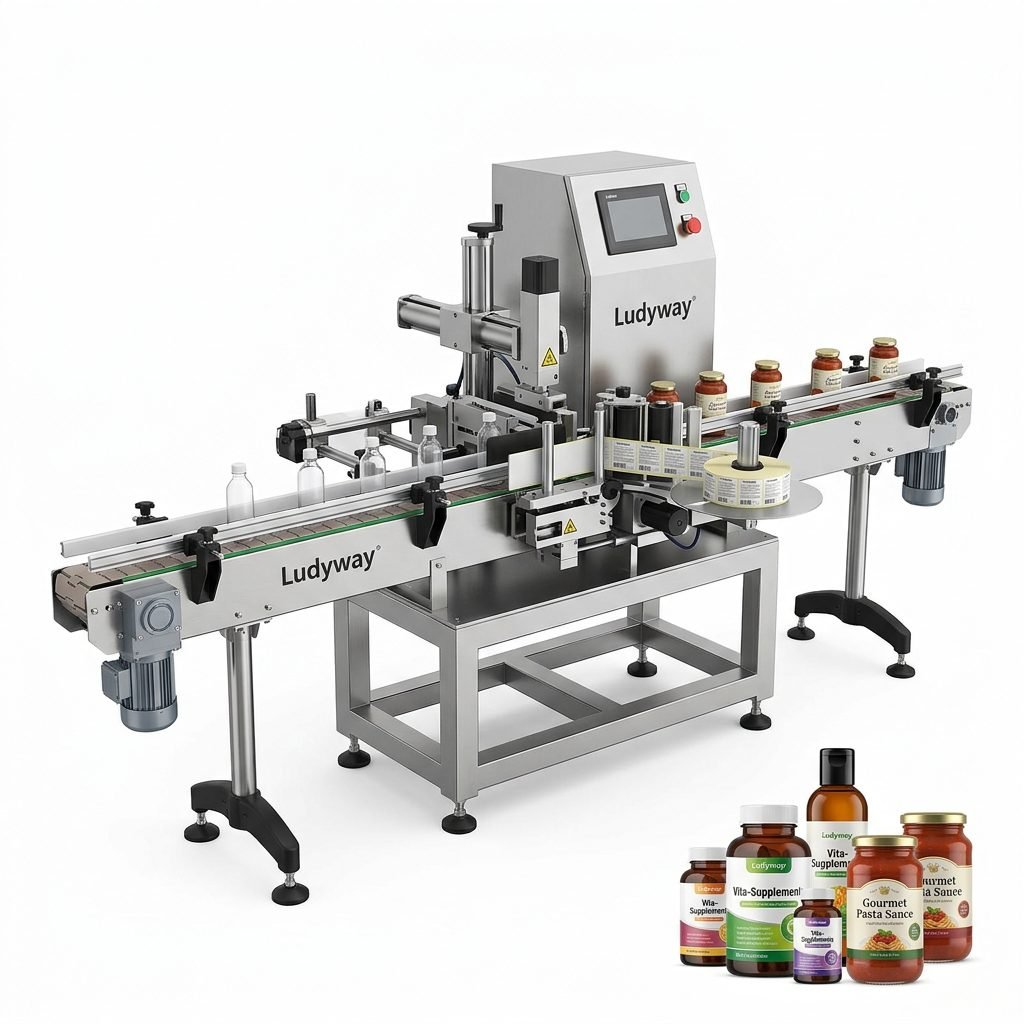
2. Labeling Machines
Labeling equipment applies sleeve labels, self-adhesive labels, or wrap-around labels depending on the bottle design and branding requirements.
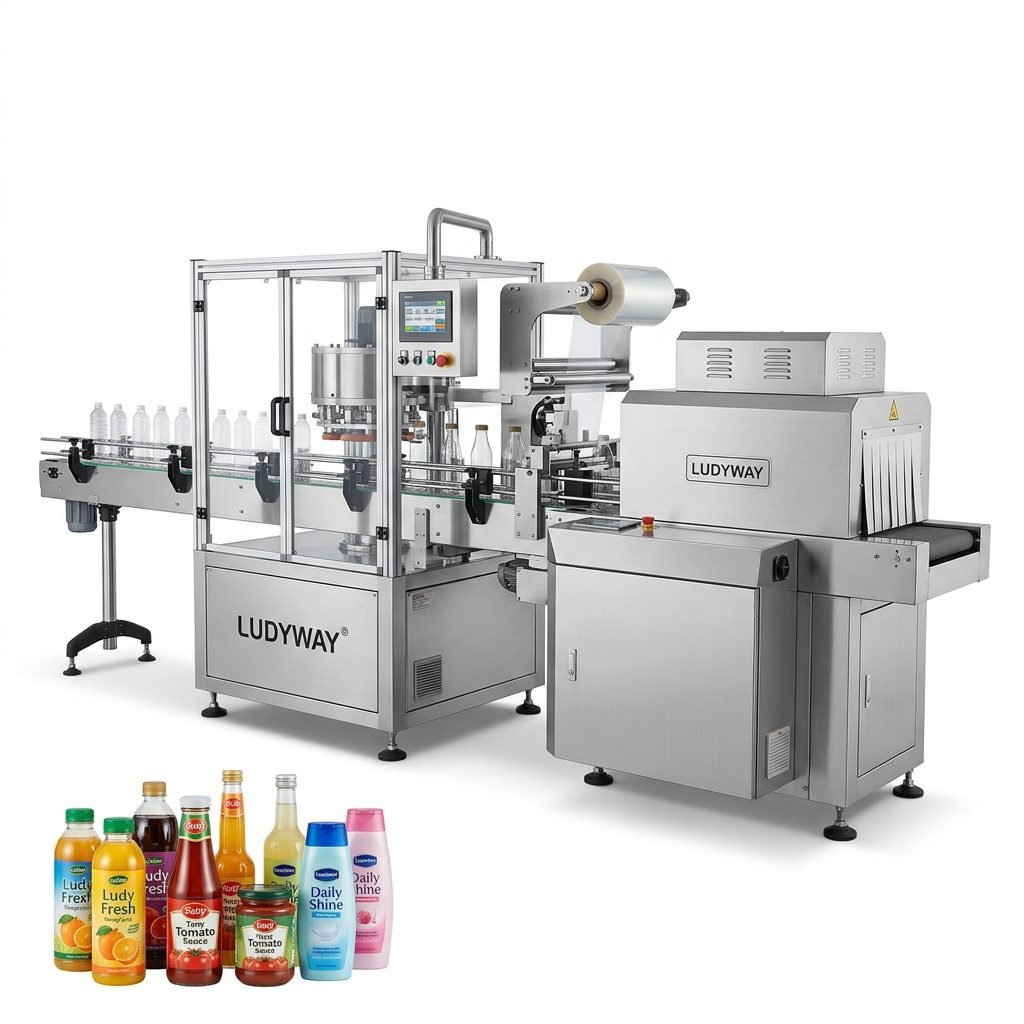
3. Shrink Wrapping Machines
These machines group multiple water bottles into retail-ready packs, such as 6-pack, 12-pack, or 24-pack bundles, then wrap them in shrink film for transport and display.
4. Carton Packing Machines
For more protective packaging, bottles can be packed into cartons or trays. This is common for export shipments, e-commerce, and premium retail channels.
5. Palletizing Systems
After secondary packaging, automated palletizers stack finished packs neatly for warehousing and shipping, improving logistics efficiency.
How a Complete Water Bottle Packaging Line Works
A typical bottled water line follows a clear packaging sequence. Although configurations vary, the process usually includes the following steps:
| Stage | Function | Key Benefit |
|---|---|---|
| Bottle Unscrambling | Feeds bottles in correct orientation | Reduces manual loading |
| Rinsing / Washing | Cleans the inside of bottles | Improves hygiene |
| Filling | Dispenses accurate water volume | Maintains consistency |
| Capping | Seals bottles securely | Prevents leakage and contamination |
| Labeling | Applies product labels | Supports branding and compliance |
| Bundling / Wrapping | Groups bottles into packs | Simplifies transport and retail display |
| Case Packing / Palletizing | Prepares finished goods for shipment | Improves end-of-line automation |
Key Features to Look For
When comparing different machines, buyers should focus on practical production performance rather than just maximum speed claims.
Production Speed
Choose equipment based on your target bottles per hour. A machine that is too small creates a bottleneck, while an oversized line may increase unnecessary investment.
Bottle Size Flexibility
If you produce 250ml, 500ml, 1L, and 1.5L bottles, quick changeover is very important. Flexible machines reduce downtime between SKUs.
Packaging Format Compatibility
Make sure the line supports your preferred final packaging, such as:
- Shrink-only bottle bundles
- Tray plus shrink packs
- Carton-packed bottles
- Retail multipacks
Automation Level
A fully automatic line can significantly reduce labor dependency. This is especially useful for factories planning volume growth or operating multiple shifts.
Material Quality
Food-contact parts should use suitable hygienic materials, commonly stainless steel, to support sanitation and long service life.
Control System
Modern machines often use PLC and touchscreen controls for recipe storage, fault alarms, and easy operation.
Maintenance Accessibility
Look for machines designed for easy cleaning, spare part replacement, and routine inspection. Simple maintenance often means more real production time.
Who Needs This Equipment?
A pani ki bottle packing machine is suitable for many business types, including:
- Bottled drinking water manufacturers
- Mineral water brands
- Spring water producers
- Private label beverage factories
- Contract packaging companies
- Export-oriented FMCG plants
Benefits of an Automated Water Bottle Packing Line
| Benefit | Why It Matters |
|---|---|
| Higher Throughput | Helps meet market demand and seasonal spikes |
| Lower Labor Costs | Reduces manual packing, loading, and handling |
| Better Packaging Quality | Improves pack appearance and transport stability |
| Improved Hygiene | Essential for bottled water compliance and consumer trust |
| Reduced Waste | Minimizes film loss, label errors, and rejected packs |
| Scalable Production | Makes it easier to expand output in the future |
How to Choose the Right Machine
Before buying, evaluate your project using these practical questions:
What is your bottle size range?
Different bottle diameters and heights affect conveyor setup, grippers, filling heads, label position, and wrapping structure.
What is your required capacity?
Estimate current and future production volume. It is usually smarter to plan for moderate expansion instead of buying only for today’s lowest requirement.
Do you need standalone equipment or a full line?
Some factories only need shrink wrapping or labeling. Others need a complete turnkey bottling and packaging system from bottle infeed to pallet output.
What is your packaging style?
Retail, wholesale, and export channels often require different final package structures.
What level of after-sales support is available?
Technical support, spare parts, installation guidance, and operator training are crucial for stable operation after delivery.
Common Packaging Formats for Bottled Water
- Single bottle retail packaging
- 6-bottle shrink packs
- 12-bottle shrink bundles
- 24-bottle tray plus shrink packs
- Carton-packed family-size bottles
- Palletized bulk transport units
The ideal machine should support the formats your distributors and retail partners actually use.
What Affects the Price of a Pani Ki Bottle Packing Machine?
Machine cost depends on several factors, not just speed. Price can vary significantly based on:
- Automation level
- Number of filling heads or stations
- Output per hour
- Type of labeling system
- Secondary packaging requirements
- Customization for bottle sizes and pack arrangements
- Integration with conveyors, case packers, or palletizers
For this reason, serious buyers usually request a solution proposal based on actual bottle samples, production targets, and workshop layout.
Installation and Operational Tips
- Plan enough floor space for line flow and maintenance access.
- Confirm utility requirements such as power, air supply, and water quality.
- Train operators on changeover, cleaning, and alarm response.
- Keep critical spare parts ready to reduce unexpected downtime.
- Monitor reject rates and pack quality regularly.
- Schedule preventive maintenance instead of waiting for failures.
Signs It’s Time to Upgrade Your Existing Packaging Line
Many factories continue using outdated systems long after productivity has dropped. You may need an upgrade if you notice:
- Frequent stoppages or unstable running speed
- High labor dependence for manual grouping and packing
- Inconsistent labeling or weak shrink wrapping
- Difficulty handling new bottle sizes
- High product rejection or leakage rates
- Limited capacity during seasonal sales peaks
Choosing a Reliable Packaging Machine Manufacturer
A reliable supplier should offer more than just equipment. Look for proven manufacturing experience, engineering capability, customization support, and export service. One example is Ludyway packaging machine manufacturer, known as one of China’s leading packaging machine and turnkey packaging line manufacturers, with more than 30 years of industry experience and broad export coverage.
When evaluating manufacturers, compare:
- Project experience in beverage and liquid packaging
- Ability to supply complete integrated lines
- Customization options
- Quality control process
- Technical support responsiveness
- Spare parts availability
Frequently Asked Questions
Can one machine handle multiple bottle sizes?
Yes, many modern systems support multiple bottle sizes with format change parts and parameter adjustments. The ease of changeover depends on the machine design.
Is a shrink wrapping machine enough for bottled water packaging?
Only if your bottles are already filled, capped, and labeled. For complete production, shrink wrapping is just one part of the full packaging process.
What industries use similar packaging systems?
Besides bottled water, similar systems are used in juice, functional beverages, edible oils, personal care liquids, and pharmaceutical liquid products.
How do I know what capacity I need?
Start with your hourly or daily production target, then consider future growth, shift schedules, and downstream packaging speed.
Final Buying Checklist
| Checklist Item | Status to Confirm |
|---|---|
| Bottle sizes and shapes | Confirmed |
| Production speed target | Confirmed |
| Packaging format | Confirmed |
| Automation level | Confirmed |
| Factory layout and utilities | Confirmed |
| After-sales and spare parts support | Confirmed |
The right pani ki bottle packing machine can transform a water packaging operation by improving speed, hygiene, pack stability, and production efficiency. A carefully selected system helps reduce waste, lower labor costs, and prepare your factory for long-term growth.