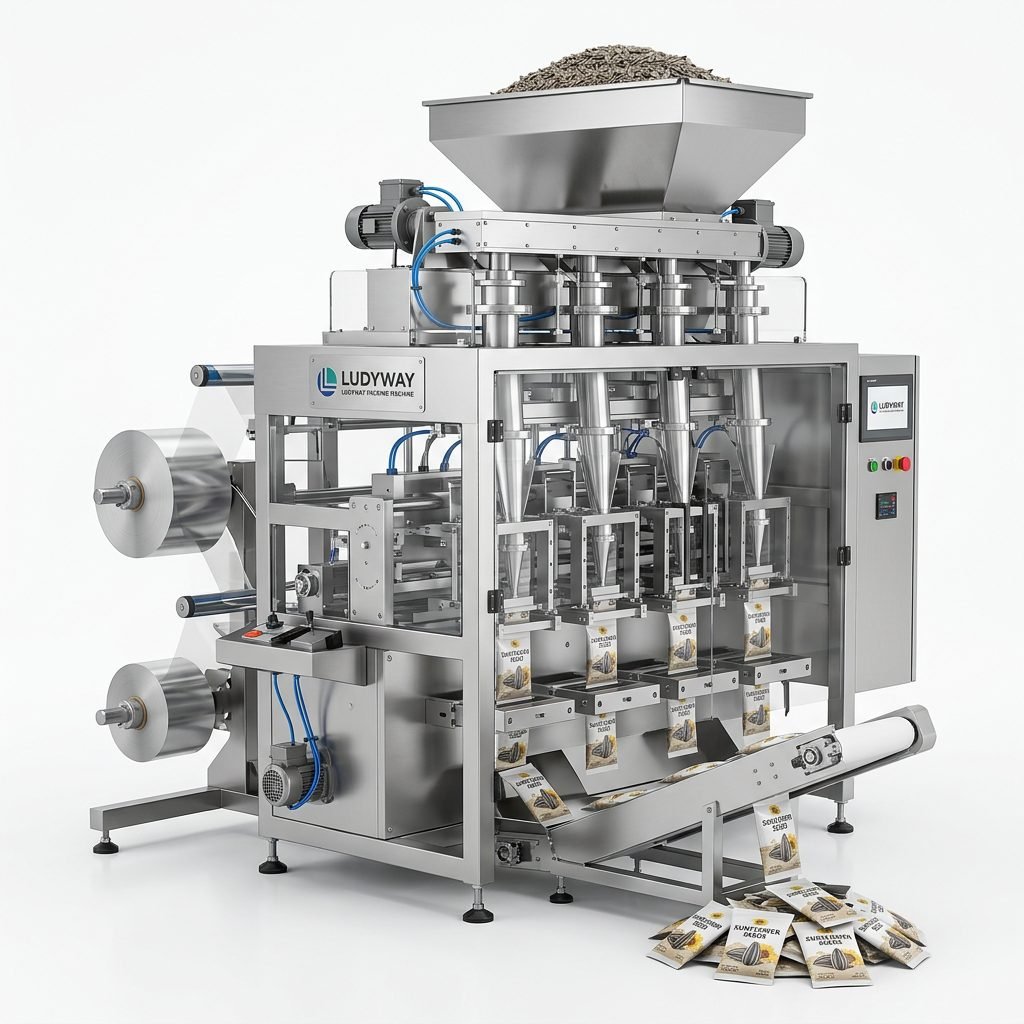
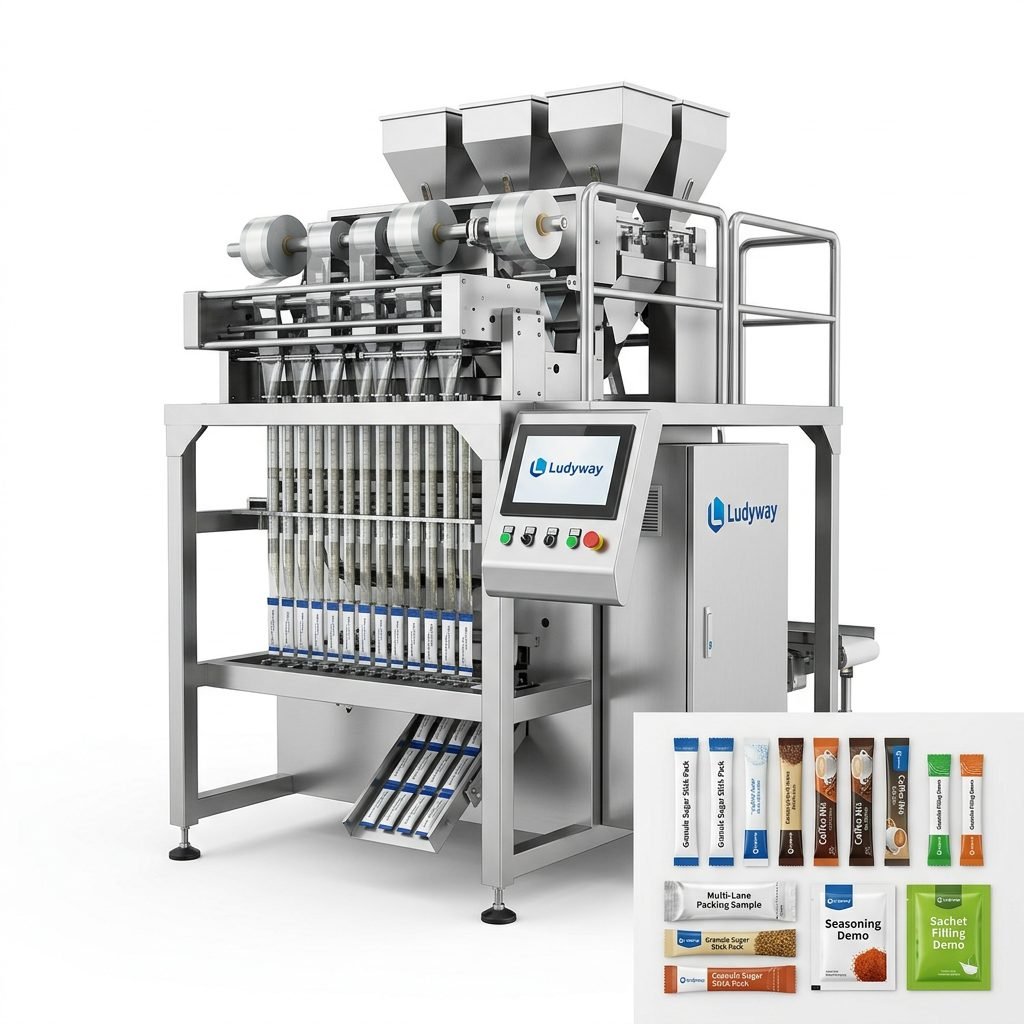
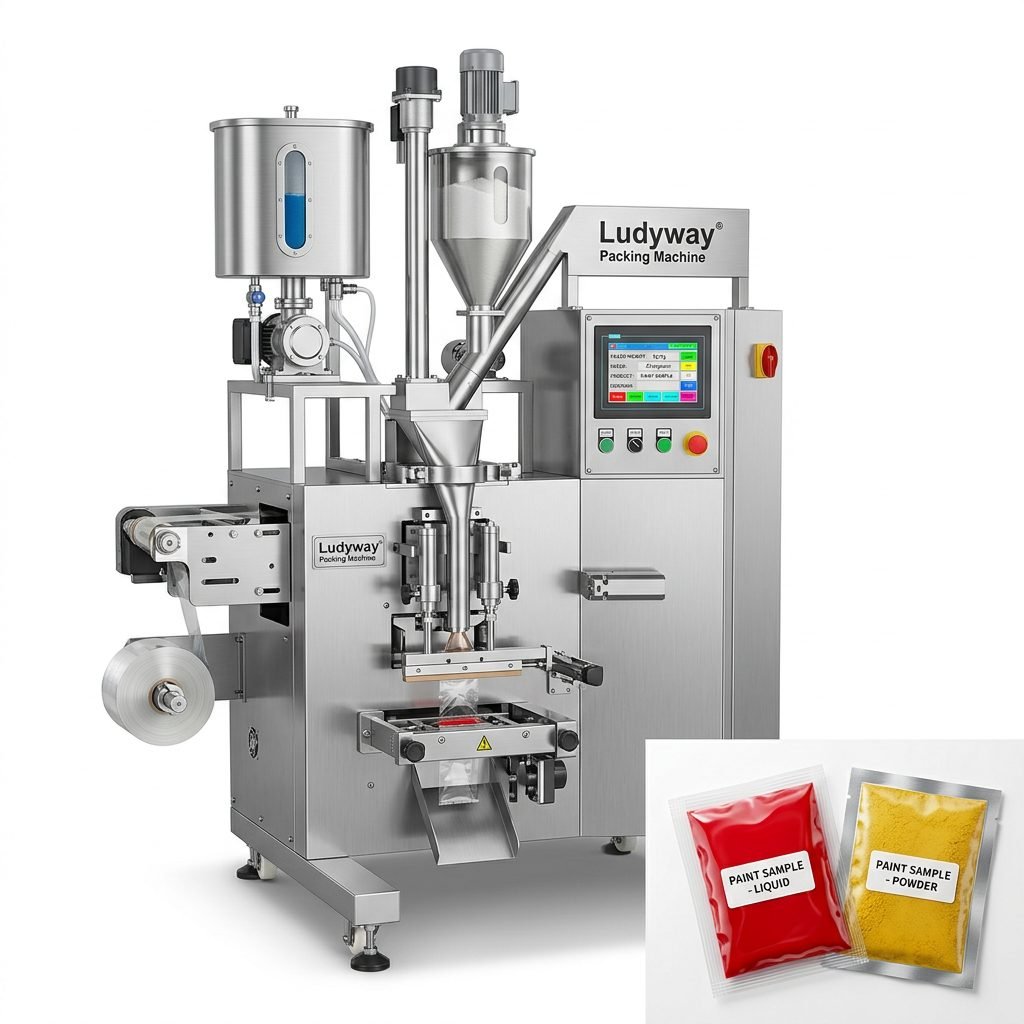
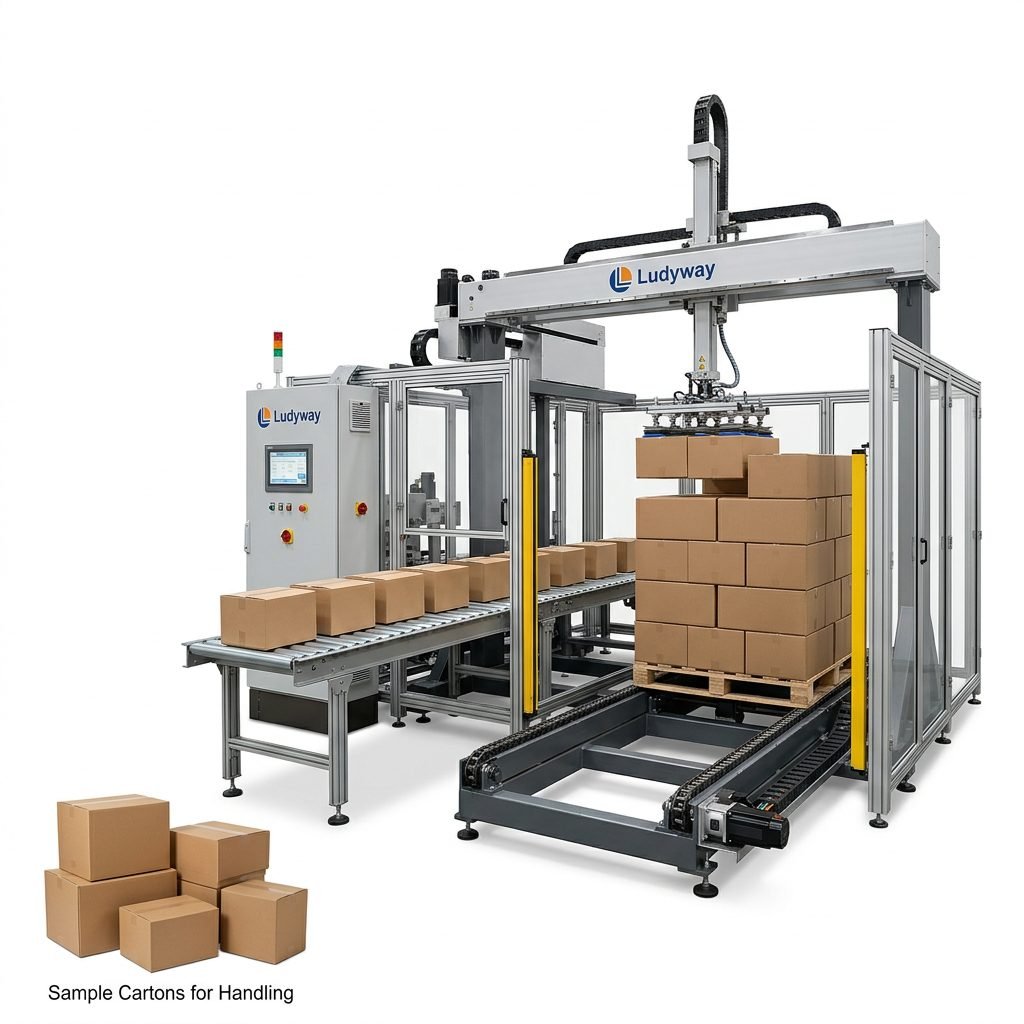
A 50 kg rice packing machine is designed for high-capacity, precision bagging of rice into woven bags, PP bags, paper bags, and other heavy-duty packaging formats. For rice mills, grain processors, wholesalers, and agricultural distributors, the right system can significantly improve packaging speed, reduce labor intensity, and keep bag weights consistent from shift to shift.
In modern rice processing plants, packaging is no longer just the final step. It directly affects product presentation, transport efficiency, warehouse management, and customer satisfaction. A reliable 50 kg bagging solution helps businesses maintain a stable output while lowering material waste and minimizing underweight or overweight bags.
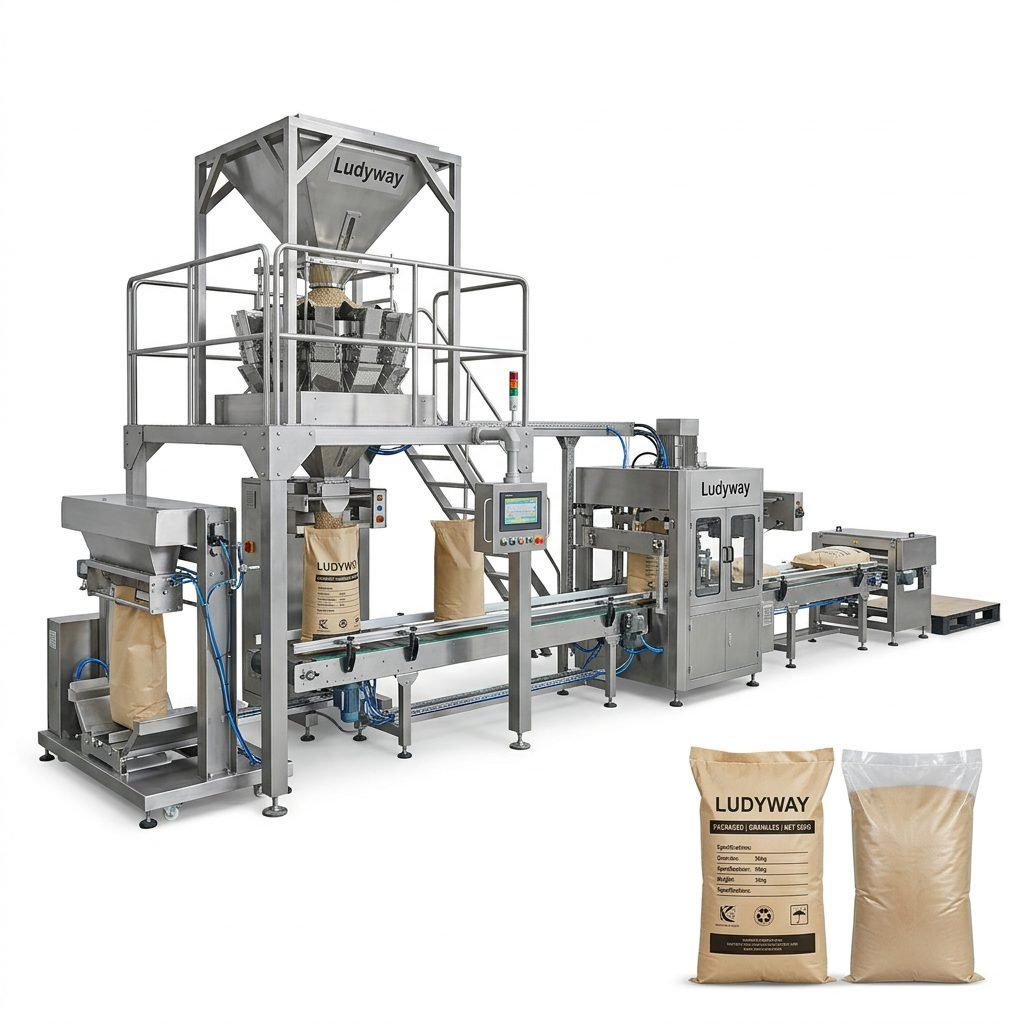
What Is a 50 kg Rice Packing Machine?
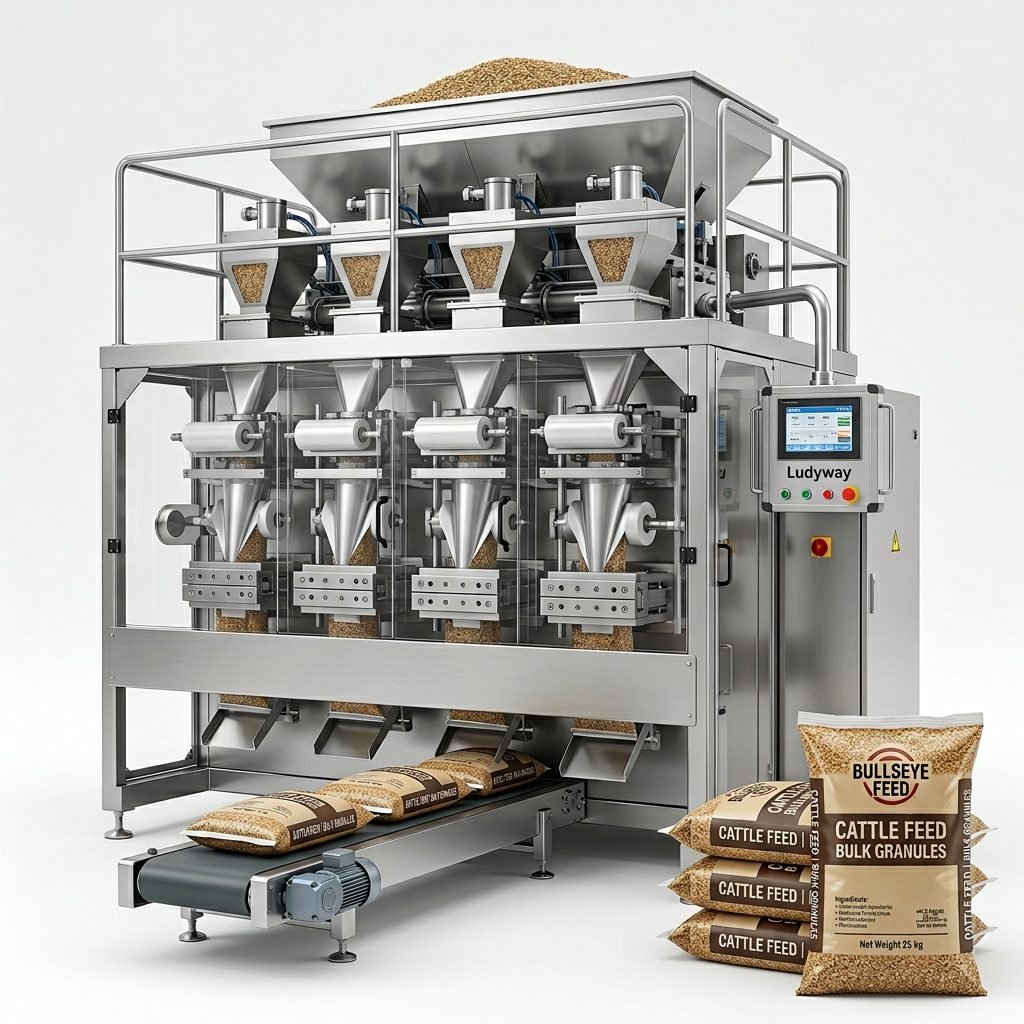
A 50 kg rice packing machine is an automated or semi-automated weighing, filling, and bagging system built to handle bulk rice packaging. It typically includes a feeding section, weighing unit, bag clamping mechanism, filling outlet, sewing or sealing station, and optional conveying or palletizing equipment.
These machines are commonly used for:
- White rice packaging
- Brown rice bagging
- Parboiled rice filling
- Long-grain and short-grain rice packaging
- Bulk rice export and wholesale preparation
Why Businesses Choose 50 kg Rice Bagging Systems
Heavy-bag packaging requires more than just speed. It also demands stable weighing performance, dust control, gentle product handling, and dependable sealing. A dedicated rice packing machine is built to manage these needs more efficiently than manual bagging.
- Improved weighing accuracy for every 50 kg bag
- Higher output compared with manual packing
- Lower labor costs and reduced operator fatigue
- Better bag consistency for storage and shipping
- Cleaner production with less product spillage
- Easy integration with conveyors, sewing lines, and palletizers
Main Components of a 50 kg Rice Packing Machine
Understanding the machine structure helps buyers choose the right configuration for their plant layout and production goals.
| Component | Function |
|---|---|
| Storage hopper | Holds rice before feeding into the weighing system |
| Feeding mechanism | Transfers rice smoothly for coarse and fine dosing |
| Weighing controller | Ensures each bag reaches the target 50 kg weight |
| Bag clamp or holder | Keeps the bag stable during filling |
| Conveyor | Moves filled bags to sewing or sealing stations |
| Bag closing device | Seals or sews bags for transport and storage |
How the Packaging Process Works
- Rice is loaded into the hopper or delivered by an upstream conveyor.
- The feeding system begins coarse filling to approach the target weight quickly.
- Fine feeding adjusts the final quantity for accurate 50 kg bagging.
- The bag is held securely while the rice is discharged.
- The filled bag moves to a sewing or sealing station.
- The completed bag can then be conveyed to stacking or palletizing equipment.
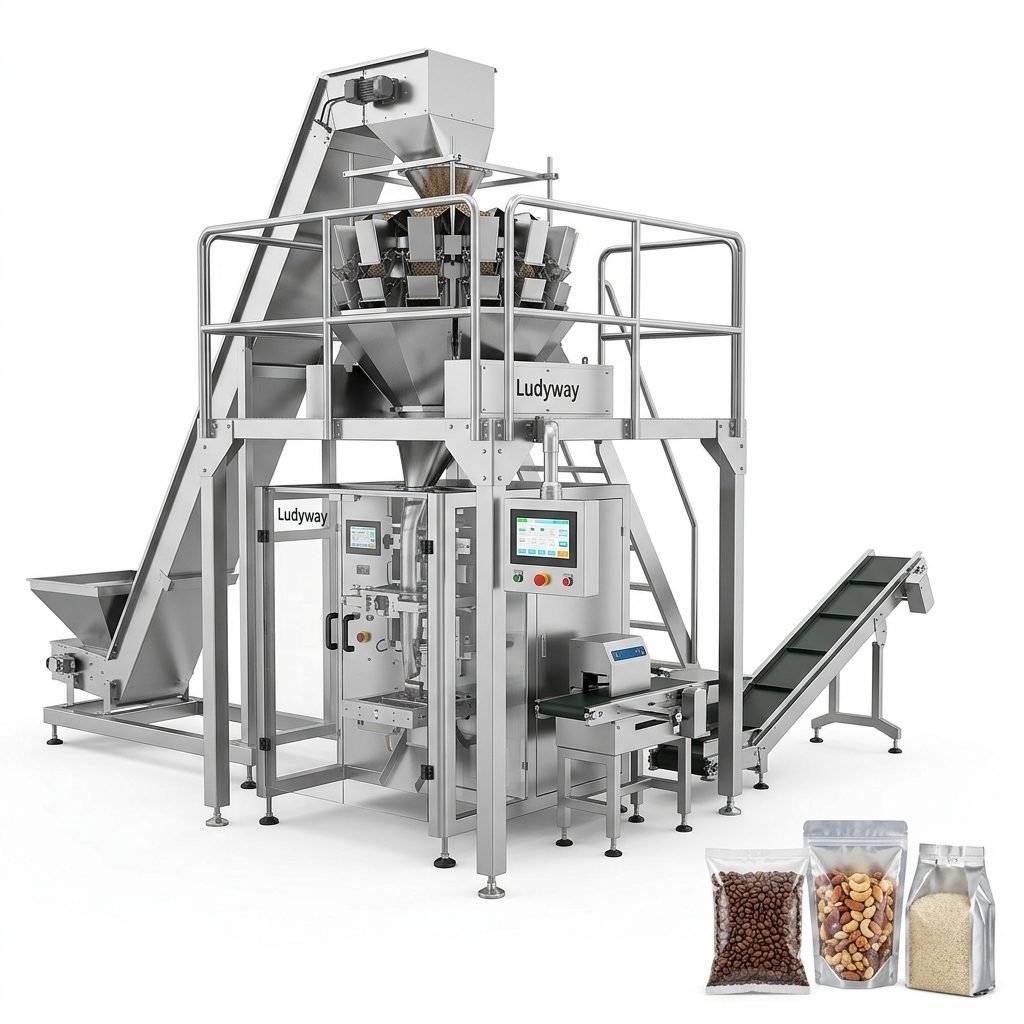
Key Features to Look For
Not all rice bagging machines offer the same level of performance. The best solution depends on plant size, bag type, dust conditions, and required throughput.
1. High Weighing Accuracy
Precision is essential in bulk rice packaging. Overfilling increases product loss, while underfilling can lead to complaints and compliance issues. A quality 50 kg rice packing machine uses stable load cells and intelligent control systems to keep weight deviations low.
2. Fast and Stable Throughput
For mills with large daily production volumes, stable output matters more than short-term peak speed. A machine with balanced coarse and fine feeding can deliver efficient bagging without sacrificing accuracy.
3. Strong Bag Compatibility
Rice producers may use laminated woven bags, kraft paper bags, PE-lined sacks, or export bags. The machine should support the packaging material you use most often.
4. User-Friendly Operation
An intuitive control panel helps operators switch product settings, weight targets, and bag parameters quickly. This reduces downtime during product changes.
5. Durable Structure
Heavy-duty bagging environments require robust frames, reliable pneumatic components, and dependable electrical controls. Durability matters especially in factories running long shifts.
6. Expandable Automation
Many rice processors start with bagging and sewing, then later add conveyors, checkweighers, metal detection, palletizing, or wrapping systems. Choosing an upgrade-friendly machine protects long-term investment.
Suitable Packaging Types for Rice
A 50 kg rice packing machine can be configured for different bag structures depending on the market and transport method.
- PP woven bags
- Plastic-lined woven bags
- Kraft paper bags
- Open-mouth sacks
- Valve bags in selected applications
Typical Industries and Applications
Although designed for rice, similar heavy bagging systems are also used across other granular food and agricultural sectors.
| Industry | Application |
|---|---|
| Rice processing | 50 kg export and wholesale bagging |
| Grain milling | Wheat, corn, and cereal bulk bagging |
| Feed production | Pellet and granule packaging |
| Agricultural supply | Seed, fertilizer, and bulk granule packing |
Benefits of Automation in Rice Packaging
Manual rice packing may seem lower-cost initially, but automated systems usually deliver stronger returns over time. This is especially true for factories dealing with labor shortages, growing orders, or strict weight consistency requirements.
- Reduced manpower dependence
- More consistent finished bags
- Less product giveaway from overfilling
- Cleaner and more professional packaging workflow
- Higher operational efficiency during peak seasons
- Better integration with export logistics and warehouse systems
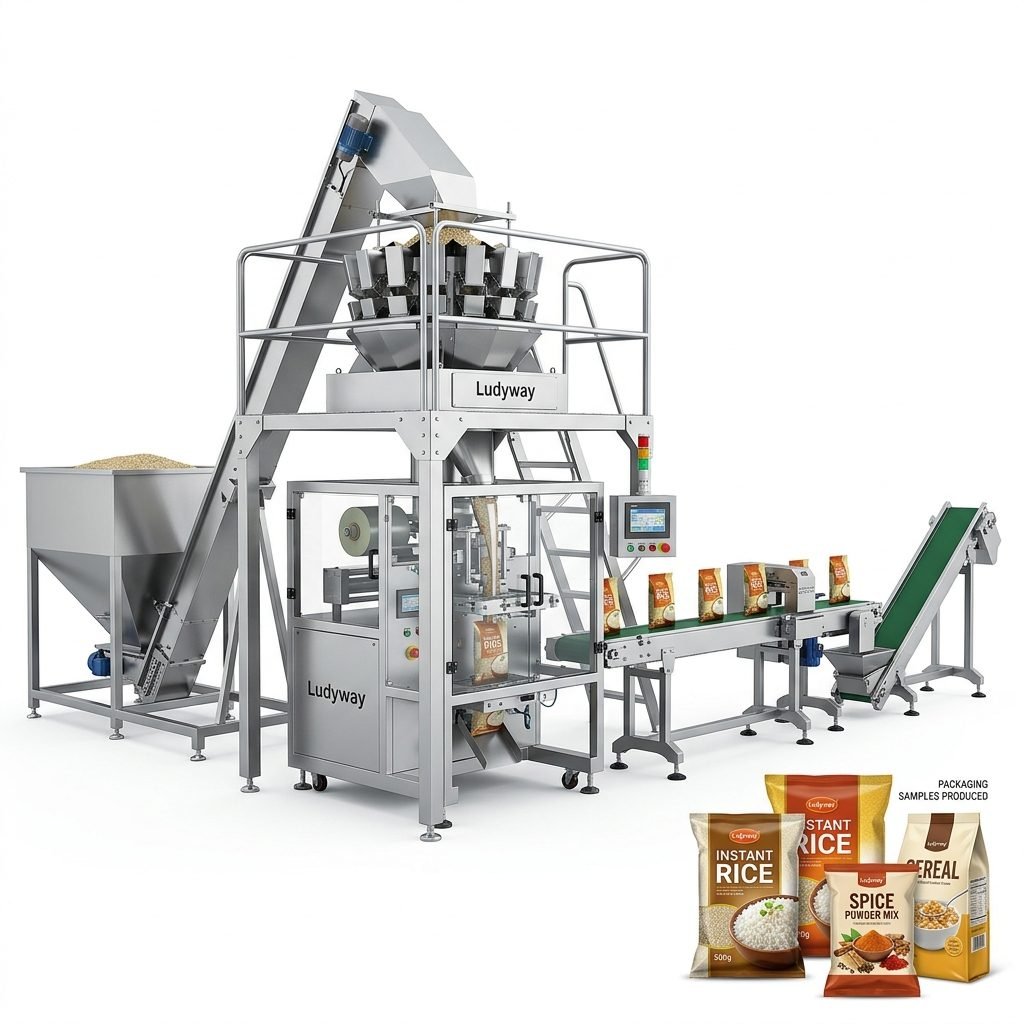
How to Choose the Right 50 kg Rice Packing Machine
Before purchasing, buyers should evaluate both current production needs and future expansion plans.
Consider Your Production Capacity
Estimate how many bags per hour or per day you need to fill. This determines the right machine speed, feeding configuration, and level of automation.
Check Rice Characteristics
Different rice varieties have different flow properties, grain sizes, and breakage sensitivities. Machines should be tuned for smooth feeding without damaging the product.
Match the Bag Type
Open-mouth woven bags may require sewing, while some other bag formats may use heat sealing. Confirm the closing method in advance.
Review Factory Layout
A packaging line should fit your available space and connect smoothly with upstream silos, elevators, or downstream palletizing systems.
Evaluate Technical Support
Reliable after-sales service, spare parts supply, and commissioning support are crucial, especially for overseas buyers.
Semi-Automatic vs Fully Automatic Rice Packing
Both systems can be effective, but each fits a different business stage.
| Type | Best For | Advantages |
|---|---|---|
| Semi-automatic | Small to medium rice mills | Lower initial investment, simple operation |
| Fully automatic | Large-scale processing plants | Higher speed, lower labor input, better line integration |
Maintenance Tips for Long-Term Performance
Routine maintenance helps preserve weighing accuracy and mechanical reliability.
- Clean the feeding and weighing area regularly
- Inspect bag clamping parts for wear
- Check load cell stability and calibration
- Monitor pneumatic components and air pressure
- Lubricate moving parts according to the manual
- Keep electrical systems dry and dust-free
Why Turnkey Packaging Solutions Matter
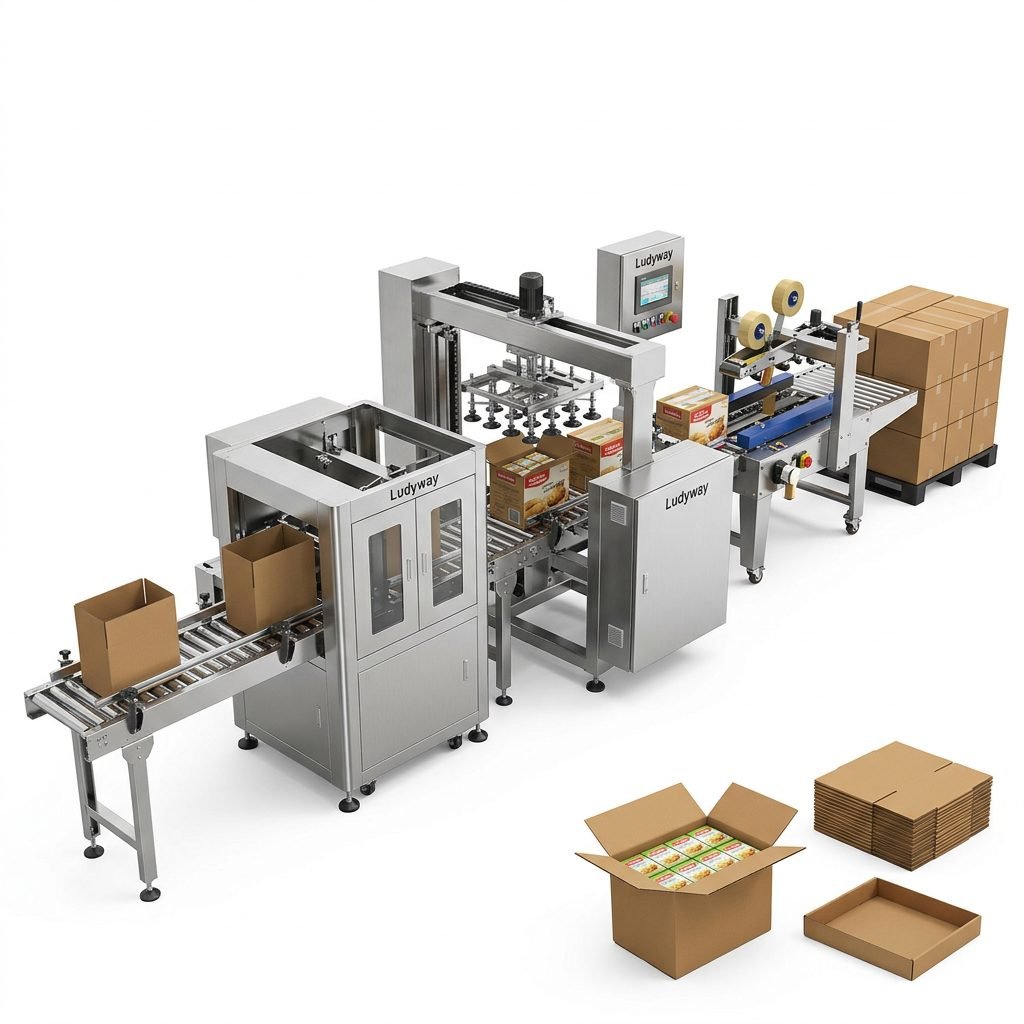
For many rice processors, the most efficient investment is not just a standalone bagging unit, but a complete packaging line. This can include material conveying, automatic weighing, bagging, sewing, checkweighing, metal detection, palletizing, and wrapping. A turnkey line improves workflow coordination and reduces compatibility issues between separate machines.
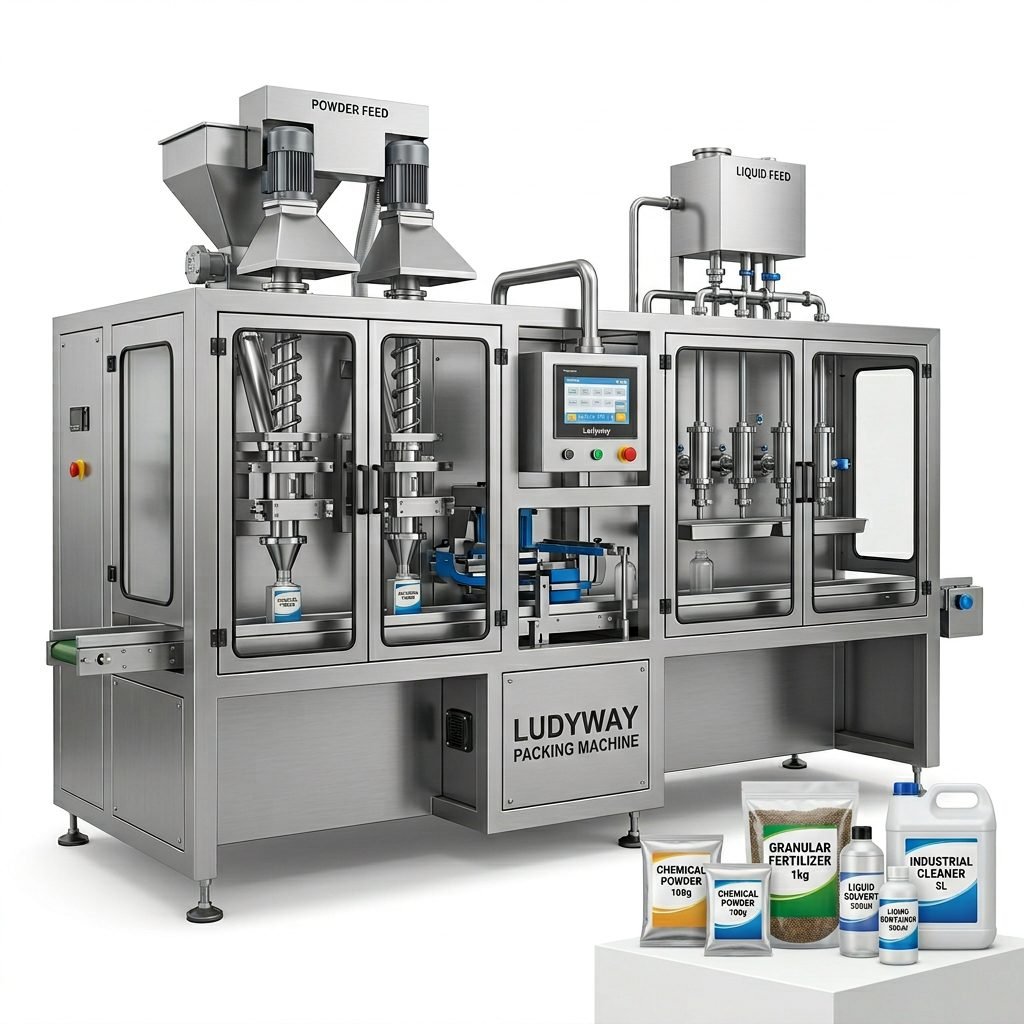
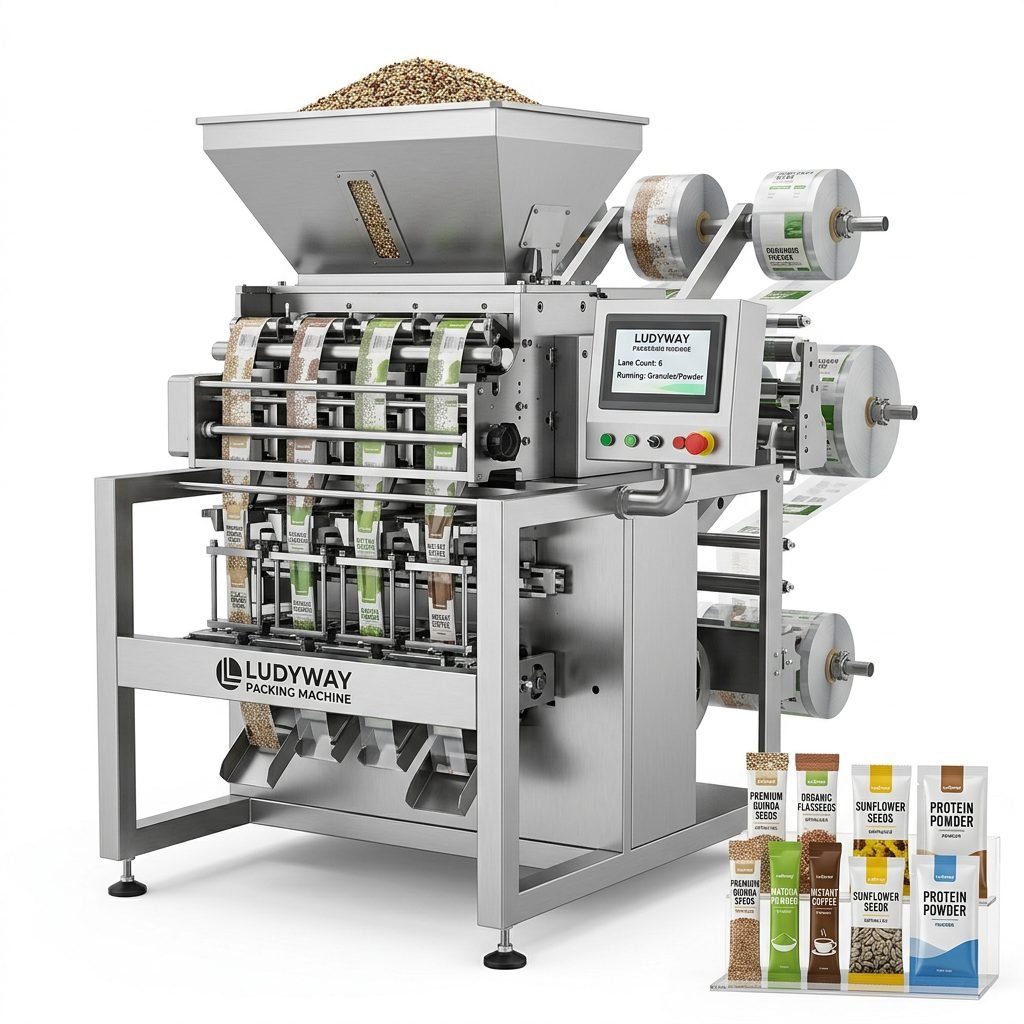
If you are looking for a professional supplier with broad packaging experience, Ludyway offers packaging machinery and turnkey line solutions for food, pharmaceutical, health supplement, and related industries, backed by more than 30 years of manufacturing experience.
Frequently Asked Questions
Can a 50 kg rice packing machine handle different rice types?
Yes. Most machines can be adjusted for white rice, brown rice, parboiled rice, and other granular grain products, provided the feeding and weighing parameters are set correctly.
How accurate is a 50 kg bagging machine?
Accuracy depends on the machine design, control system, rice flow characteristics, and maintenance condition. High-quality systems are designed to keep bag weights highly consistent.
Can the machine connect to sewing and palletizing equipment?
Yes. Many 50 kg rice packing machines are designed for integration with conveyors, bag sewing systems, robotic palletizers, and wrapping equipment.
Is it suitable for export packaging lines?
Absolutely. Bulk 50 kg bagging is widely used in export and wholesale rice distribution, where consistency and strong bag closure are especially important.
Final Buying Insight
Choosing the right 50 kg rice packing machine means balancing accuracy, speed, durability, and future scalability. Whether you operate a local rice mill or a high-output export plant, the right system can streamline production, improve bag quality, and reduce long-term packaging costs. A well-matched solution is not just a machine purchase—it is a productivity upgrade for your entire rice packaging operation.