Choosing the best packaging machine for the chemical industry is not just about speed. It is about safety, material compatibility, dosing accuracy, sealing reliability, compliance, and long-term operating efficiency. Chemical products can be corrosive, volatile, dusty, hazardous, moisture-sensitive, or difficult to flow, so the ideal machine depends on the exact product type and packaging format.
In practice, the best choice is usually a machine configured around your product’s physical form:
- Powders: auger filling or valve/open-mouth bag systems
- Granules: weighing, cup filling, or bulk bagging systems
- Liquids: piston, pump, gravity, or flowmeter filling systems
- Pastes / viscous chemicals: servo piston or specialized pressure filling systems
- Small-dose chemicals: sachet, stick pack, or pouch packaging machines
- Large-volume industrial chemicals: drum, jerrycan, bucket, or big bag filling lines
What Makes Chemical Packaging Different?
Chemical packaging has stricter demands than many general consumer products. A machine that works well for food or simple household goods may fail when handling industrial chemicals. The main challenges include:
- Corrosion risk from acidic or alkaline formulas
- Dust control for powders that affect cleanliness and operator health
- Explosion or flammability concerns for solvents and volatile substances
- Seal integrity to prevent leakage during storage and transport
- Metering precision for concentrated or high-value formulations
- Regulatory compliance for labeling, traceability, and hazardous materials handling
That is why chemical manufacturers usually need application-specific packaging equipment rather than one-size-fits-all machines.
Best Packaging Machines by Chemical Product Type
1. Powder Chemical Packaging Machines
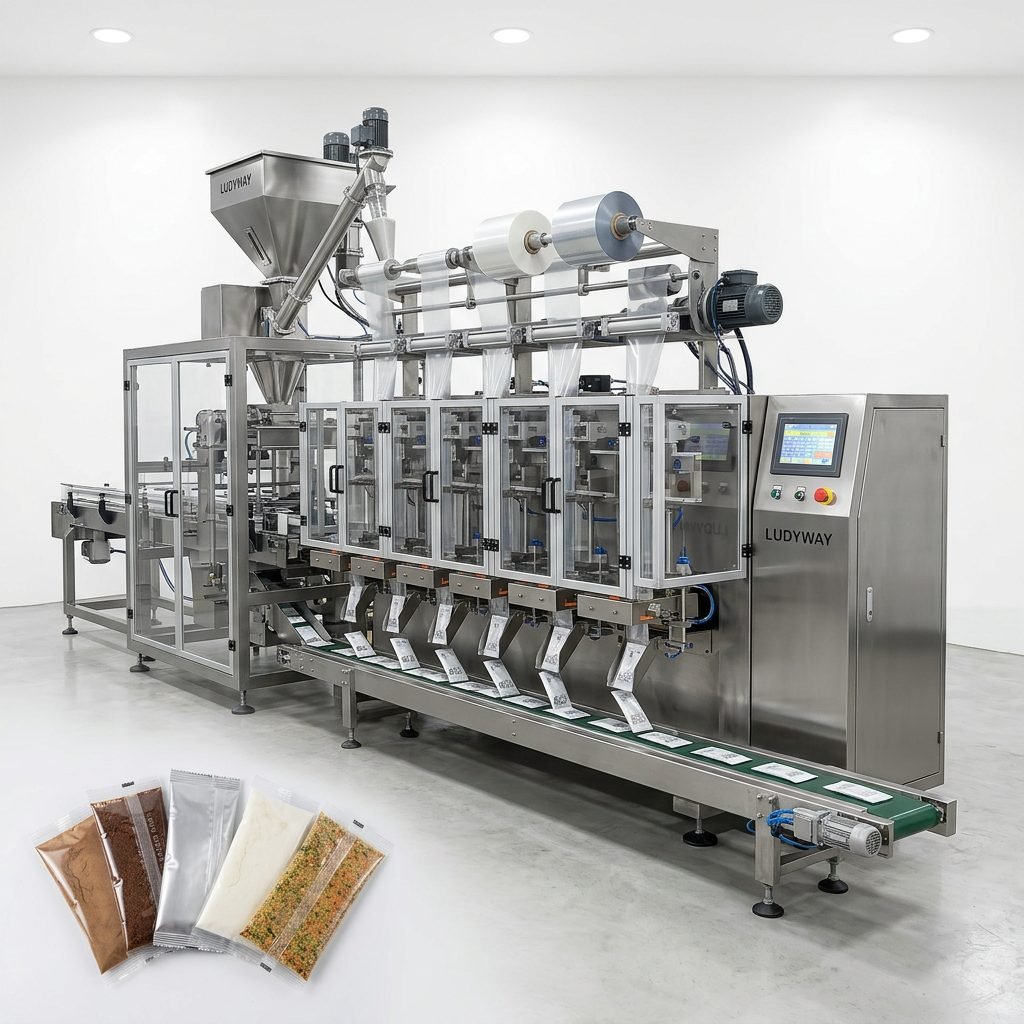
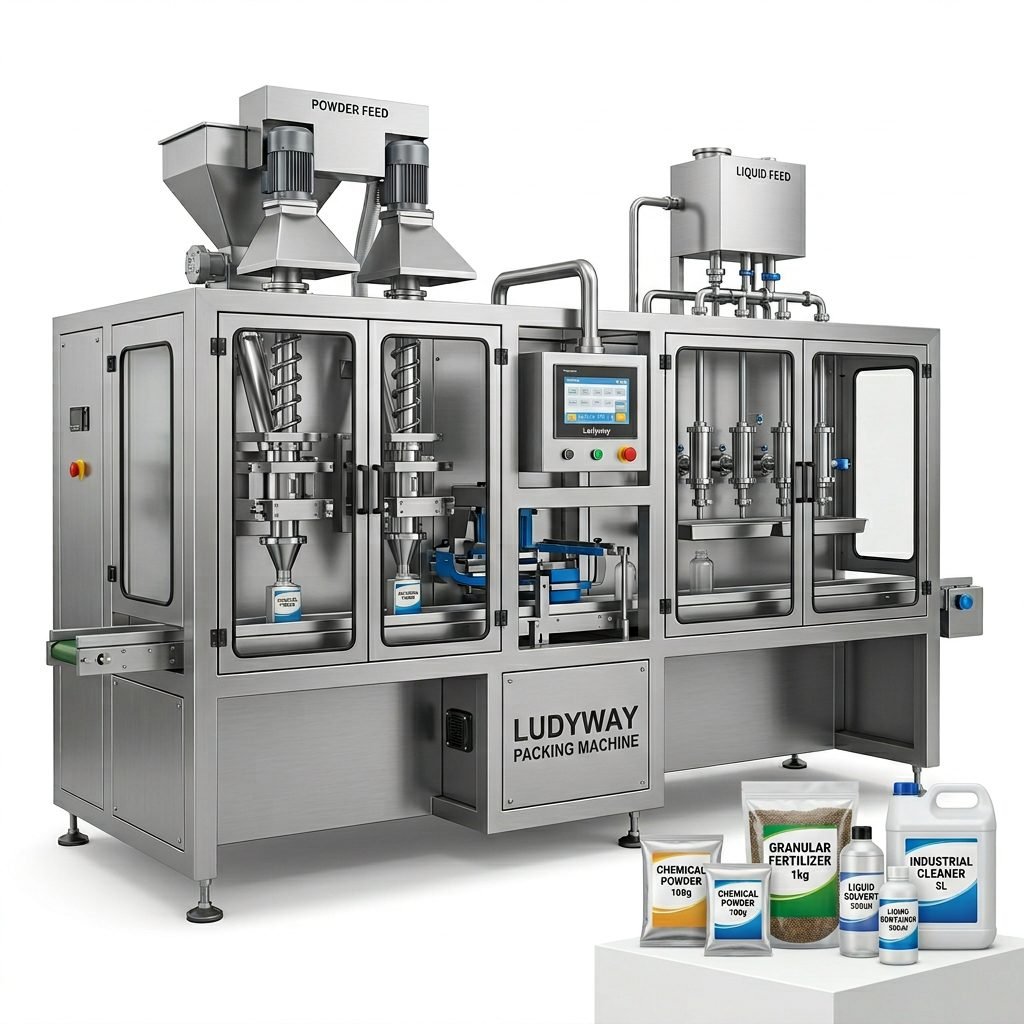
For powdered chemicals such as detergents, water treatment powders, construction additives, pigments, agricultural chemicals, and industrial minerals, the most suitable option is often an auger filling machine or a larger bagging system depending on pack size.
Best for:
- Fine powders
- Dusty materials
- Non-free-flowing products
- Small sachets to large industrial bags
Key features to look for:
- Dust extraction interface
- Sealed filling chamber
- Anti-bridging hopper design
- Stainless steel or corrosion-resistant contact parts
- Accurate servo auger dosing
If your product is packed in 10kg, 25kg, or 50kg bags, a heavy-duty powder bagging line with weighing, filling, sealing, conveying, and palletizing is usually the most efficient option.
2. Granule Chemical Packaging Machines
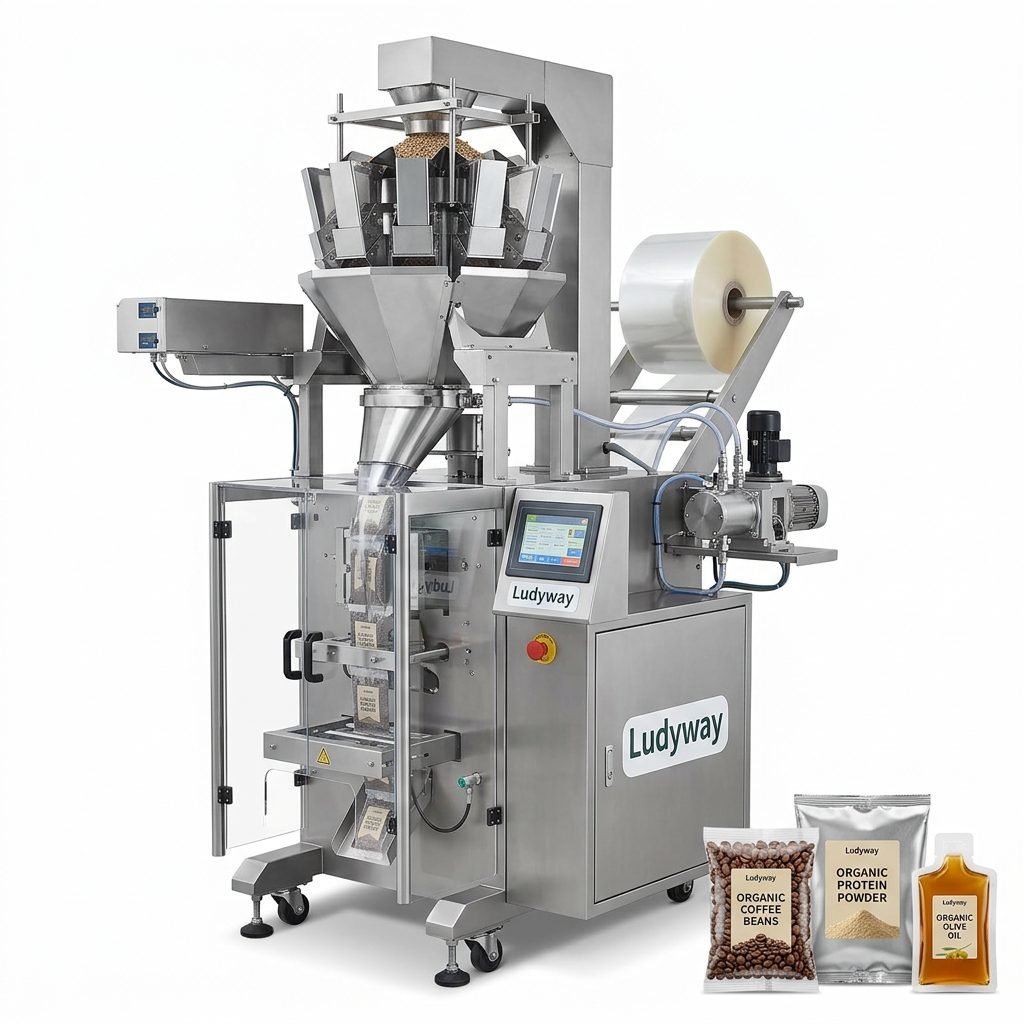
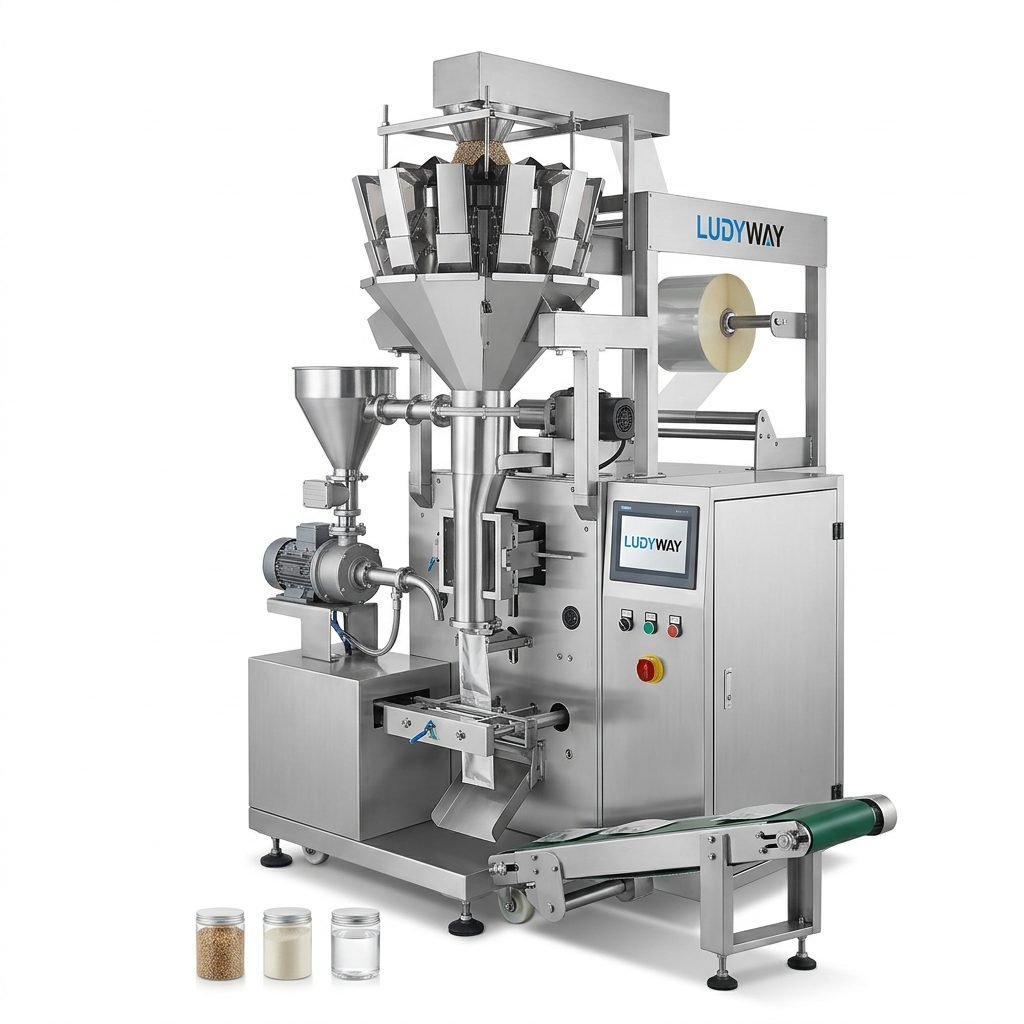
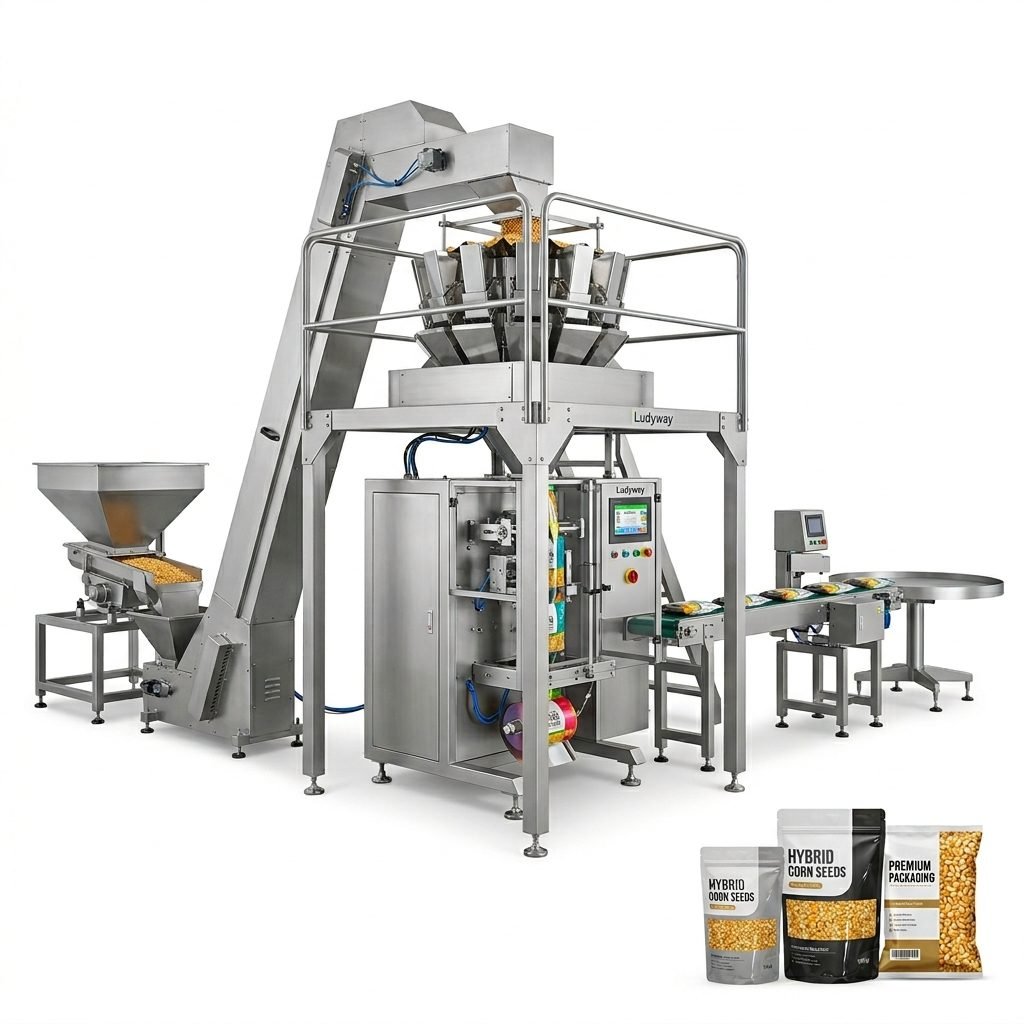
Granular chemicals such as fertilizers, desiccants, resin granules, seeds, and some water treatment materials are commonly packed using weighing filling machines, cup fillers, or bulk bagging systems.
Granules usually flow better than powders, so packaging speed can be higher. However, the machine still needs reliable weighing control and durable sealing performance.
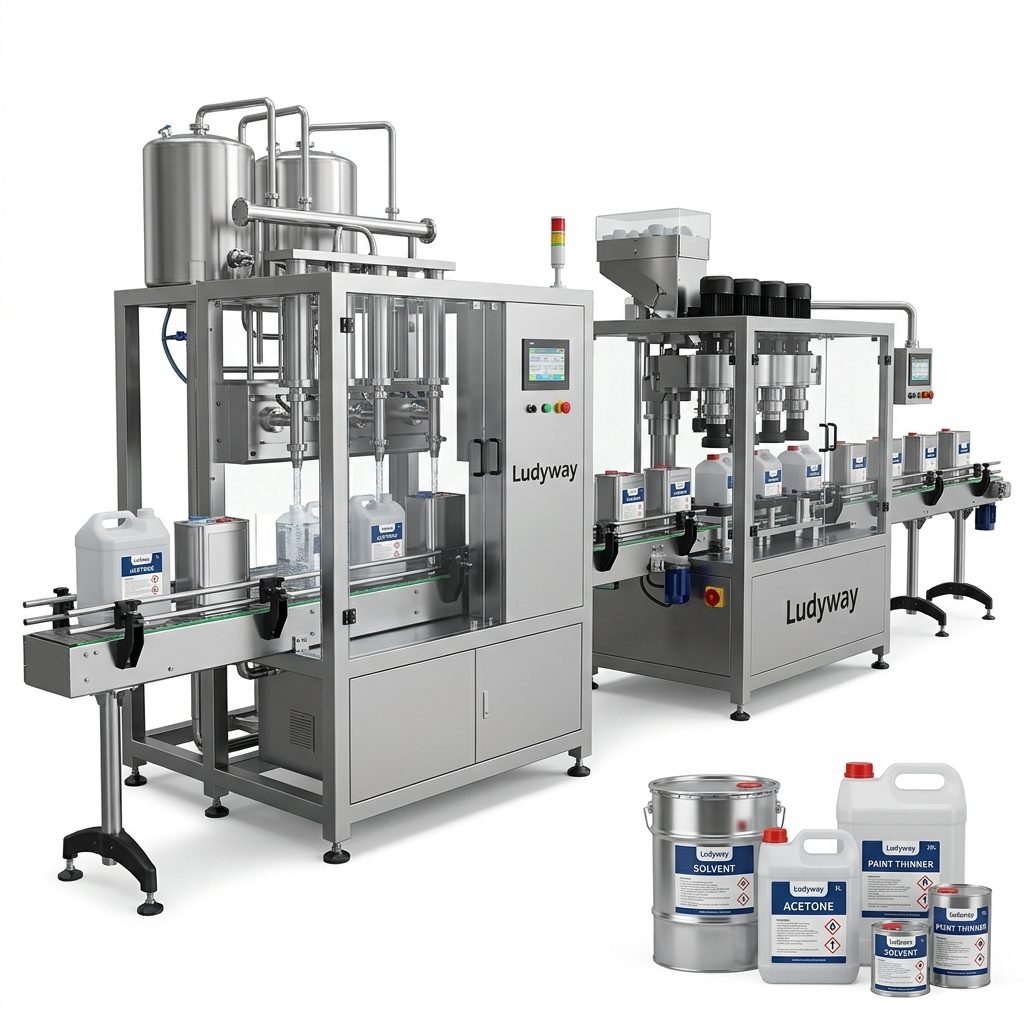
3. Liquid Chemical Packaging Machines
For liquid chemicals such as detergents, solvents, cleaners, disinfectants, oils, additives, and agricultural liquids, the best machine depends on viscosity, foaming behavior, and corrosiveness.
| Liquid Type | Recommended Machine | Why It Works |
|---|---|---|
| Low-viscosity liquids | Flowmeter or gravity filler | Fast filling and good consistency |
| Foaming liquids | Bottom-up filling system | Reduces bubbles and overflow |
| Corrosive liquids | Anti-corrosion filler | Protects machine and extends service life |
| Viscous chemicals | Piston filling machine | Stable dosing for thick products |
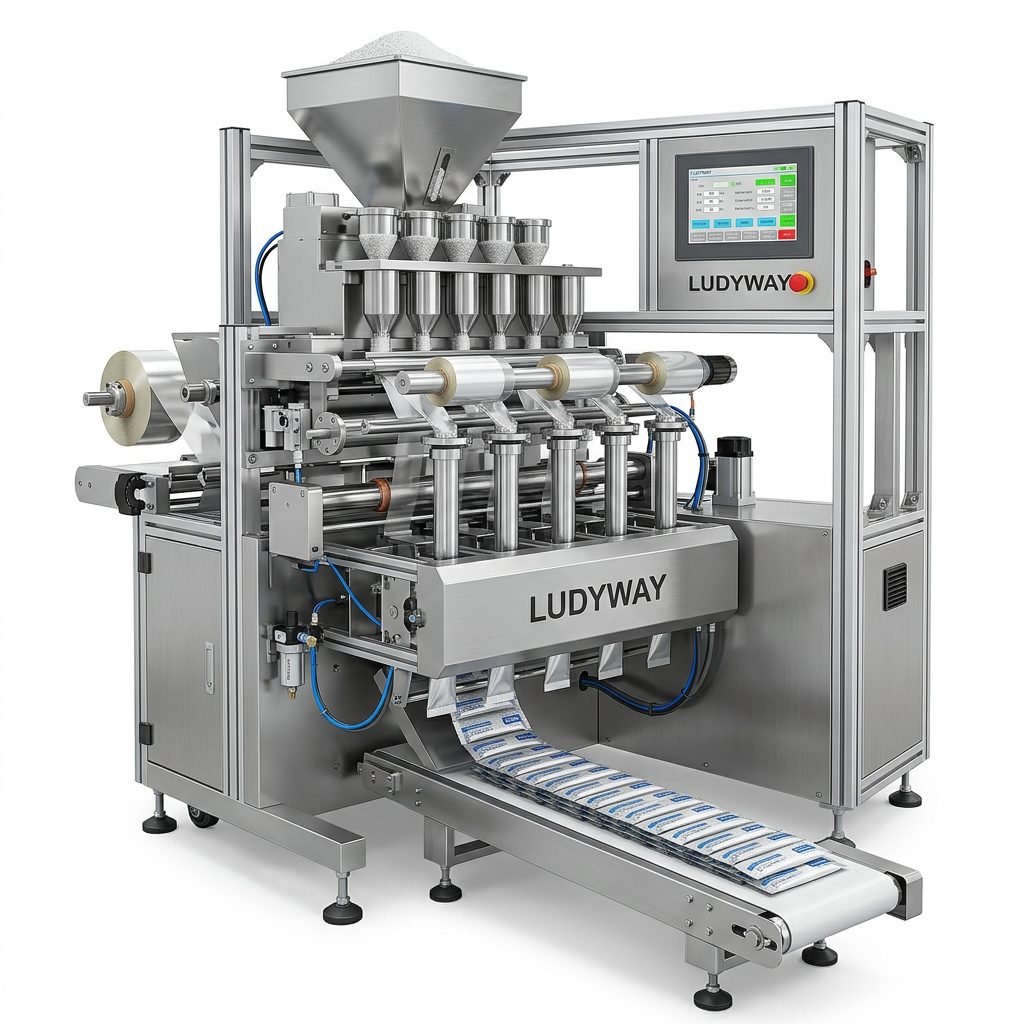
4. Sachet and Stick Pack Machines for Chemical Products
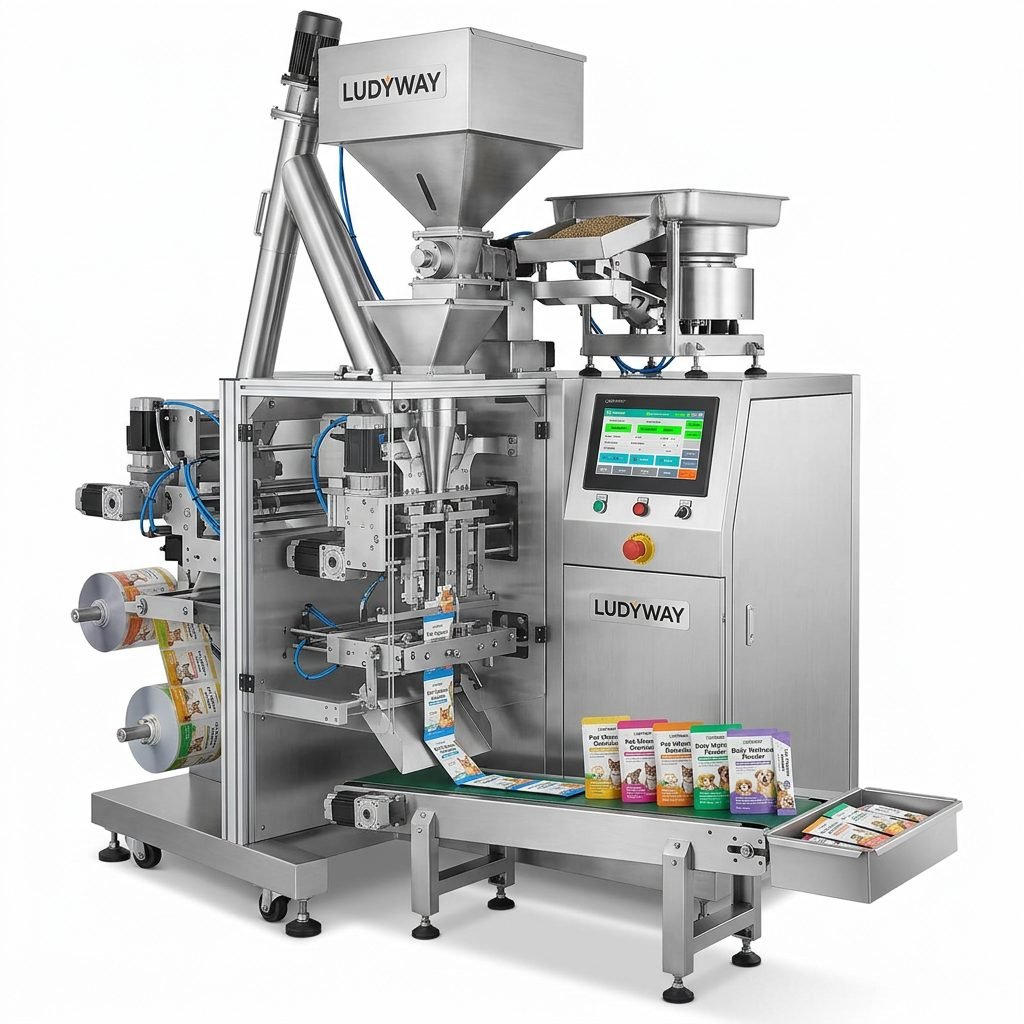
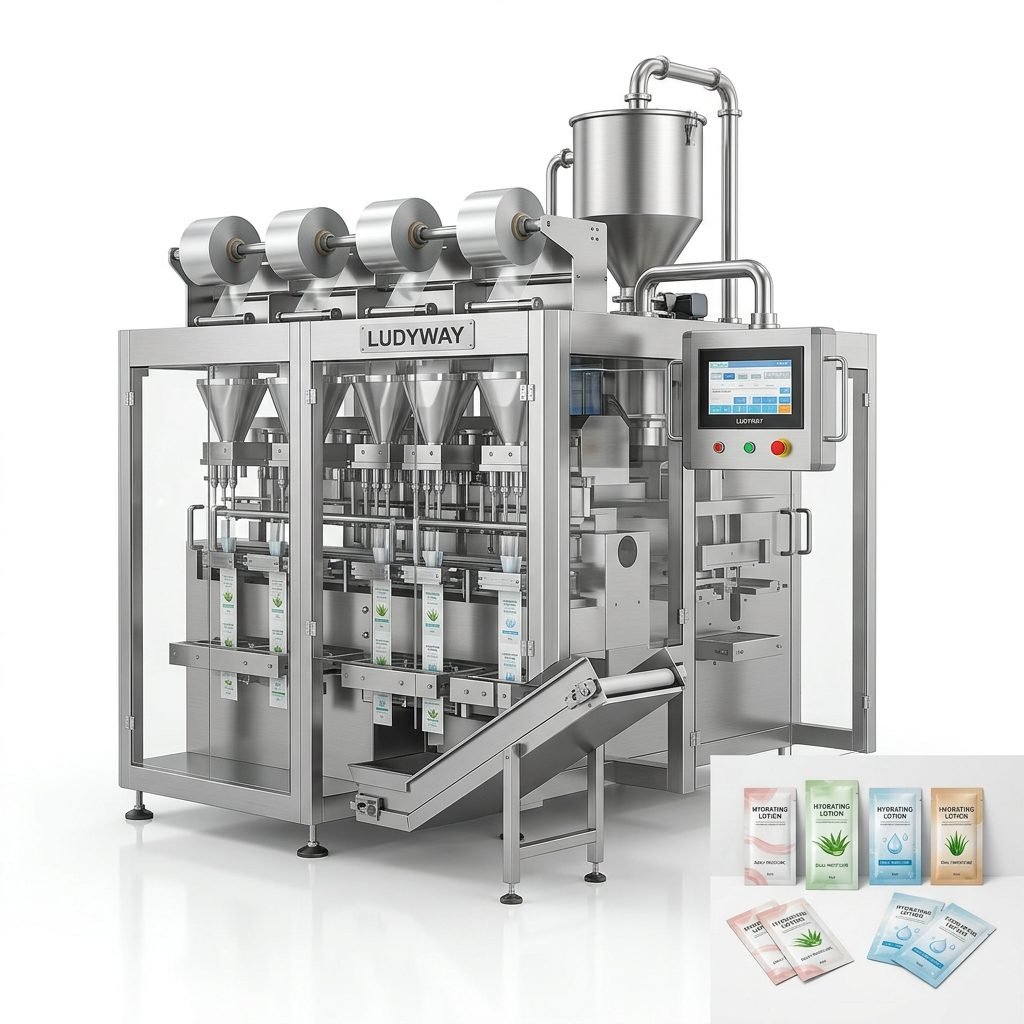
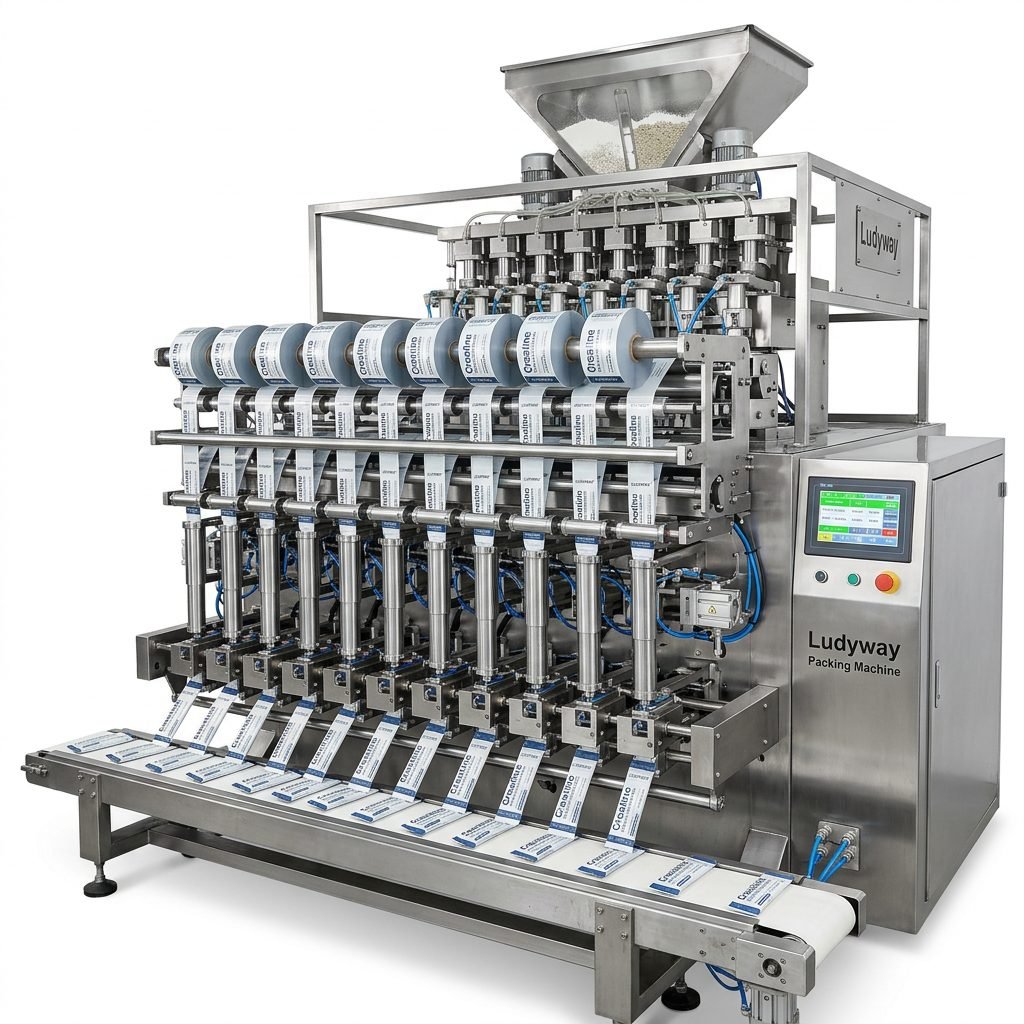
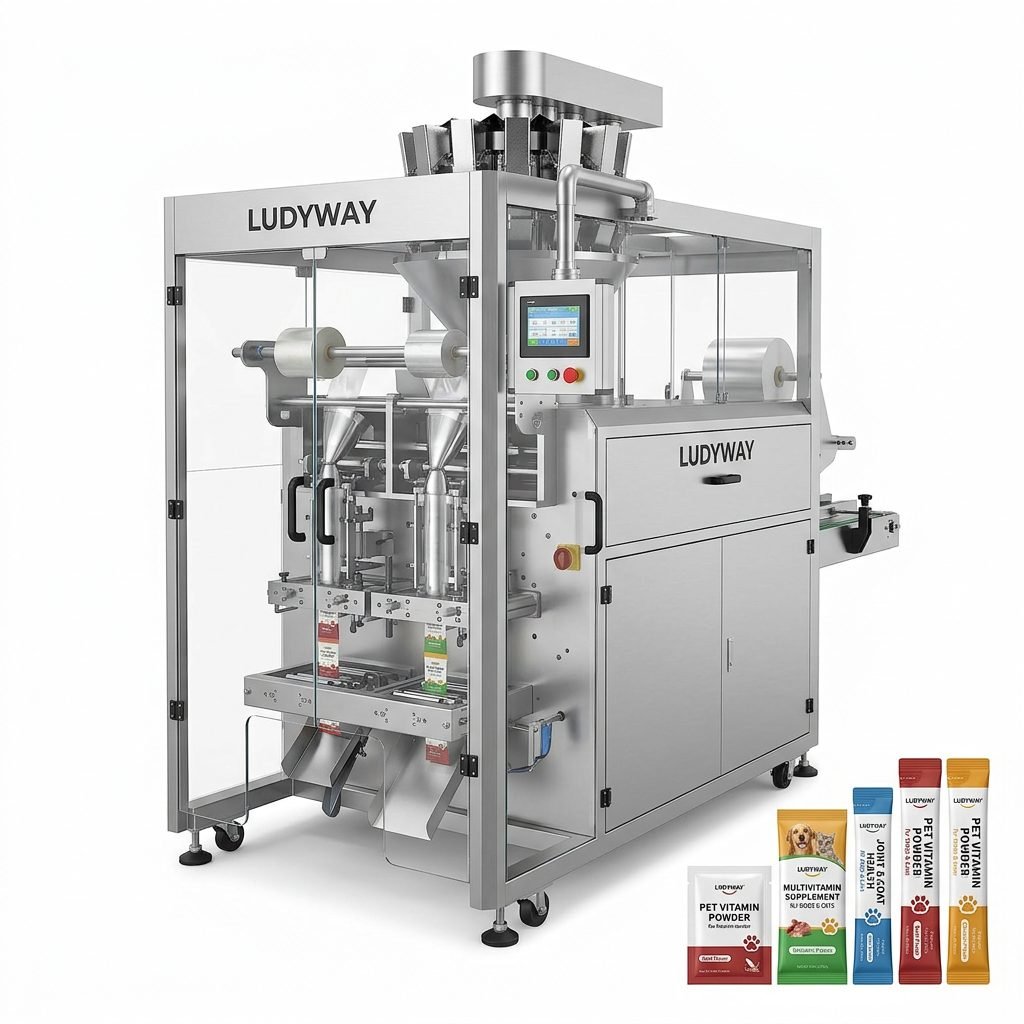
Single-dose or small-volume packaging is increasingly popular in the chemical sector, especially for products like cleaning agents, additives, lubricants, disinfectants, adhesives, pesticides, and treatment chemicals. In these cases, sachet and stick pack machines offer major advantages:
- Precise portion control
- Lower material waste
- Convenient transport and storage
- Improved consumer and industrial end-user convenience
- High-speed automated production
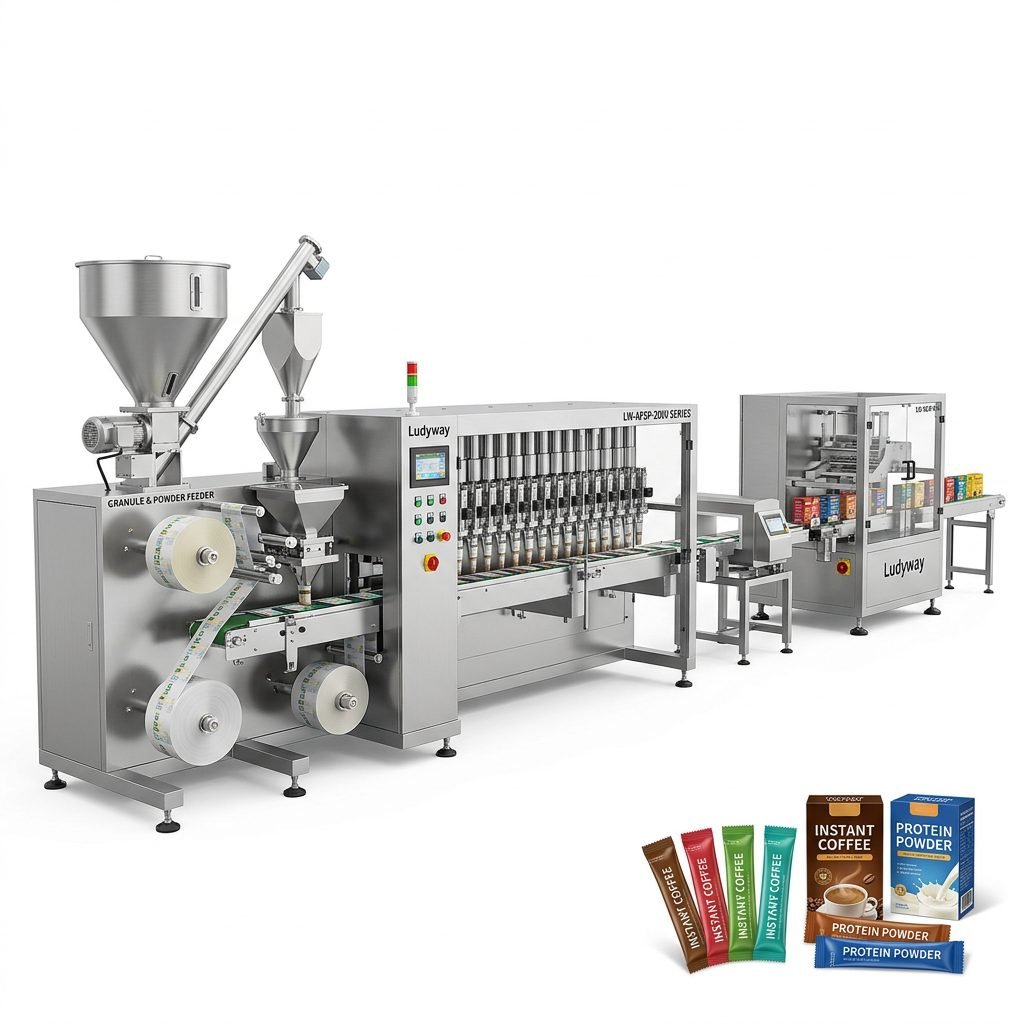
For chemical companies producing small packs at scale, multi-lane systems are often the best option because they combine speed, repeatability, and compact line layout.
How to Choose the Best Packaging Machine for Your Chemical Application
Product Form
Start with the product’s physical form: powder, granule, liquid, gel, paste, or mixed consistency. This determines the filling principle and sealing requirements.
Corrosiveness
If your chemical attacks metal, seals, or tubing, choose machines with suitable materials such as stainless steel upgrades, engineered plastics, PTFE seals, or anti-corrosion components.
Packaging Format
The best machine for a 1kg pouch is very different from the best machine for a 200L drum. Common chemical packaging formats include:
- Sachets
- Stick packs
- Pouches
- Bottles
- Jerrycans
- Buckets
- Open-mouth bags
- Valve bags
- Drums and IBC containers
Required Output
A semi-automatic machine may work for smaller production runs, but high-demand factories usually benefit from a fully automatic line with feeding, filling, sealing, coding, labeling, case packing, and palletizing.
Safety Standard
Always evaluate whether your application needs dust-proof design, gas flushing, sealed transfer, ventilation integration, or explosion-protected electrical configuration.
Essential Features for Safe and Efficient Chemical Packaging
- Accurate dosing system to reduce giveaway and ensure product consistency
- Leak-proof sealing for safer transportation and shelf performance
- Corrosion-resistant contact parts for aggressive formulations
- Dust or vapor control to protect both product and operator
- Easy cleaning and maintenance to reduce downtime
- Integrated coding and labeling for traceability and compliance
- Flexible changeover capability if you run multiple SKUs
Automatic vs Semi-Automatic Chemical Packaging Machines
| Type | Best For | Advantages |
|---|---|---|
| Semi-automatic | Small batches, pilot production | Lower investment, easier startup |
| Fully automatic | Medium to large-scale factories | Higher output, labor savings, more stable quality |
| Turnkey packaging line | Integrated chemical production plants | Complete automation from feeding to end-of-line handling |
If your goal is long-term cost control, a fully automatic system often provides a better return because it improves consistency, reduces manual handling, and lowers contamination or leakage risks.
Which Packaging Machine Is Best by Chemical Segment?
Detergents and Cleaning Chemicals
- Liquid sachet and pouch filling machines
- Powder detergent packaging machines
- Bottle filling and capping lines
Agricultural Chemicals
- Pesticide sachet packing machines
- Herbicide liquid fillers
- Granule fertilizer and seed treatment bagging systems
Industrial Additives and Lubricants
- Multi-lane liquid sachet machines
- Piston fillers for viscous products
- Drum and bucket filling systems
Water Treatment Chemicals
- Powder and granule bagging machines
- Tablet or dose pack systems
- Corrosion-resistant liquid filling lines
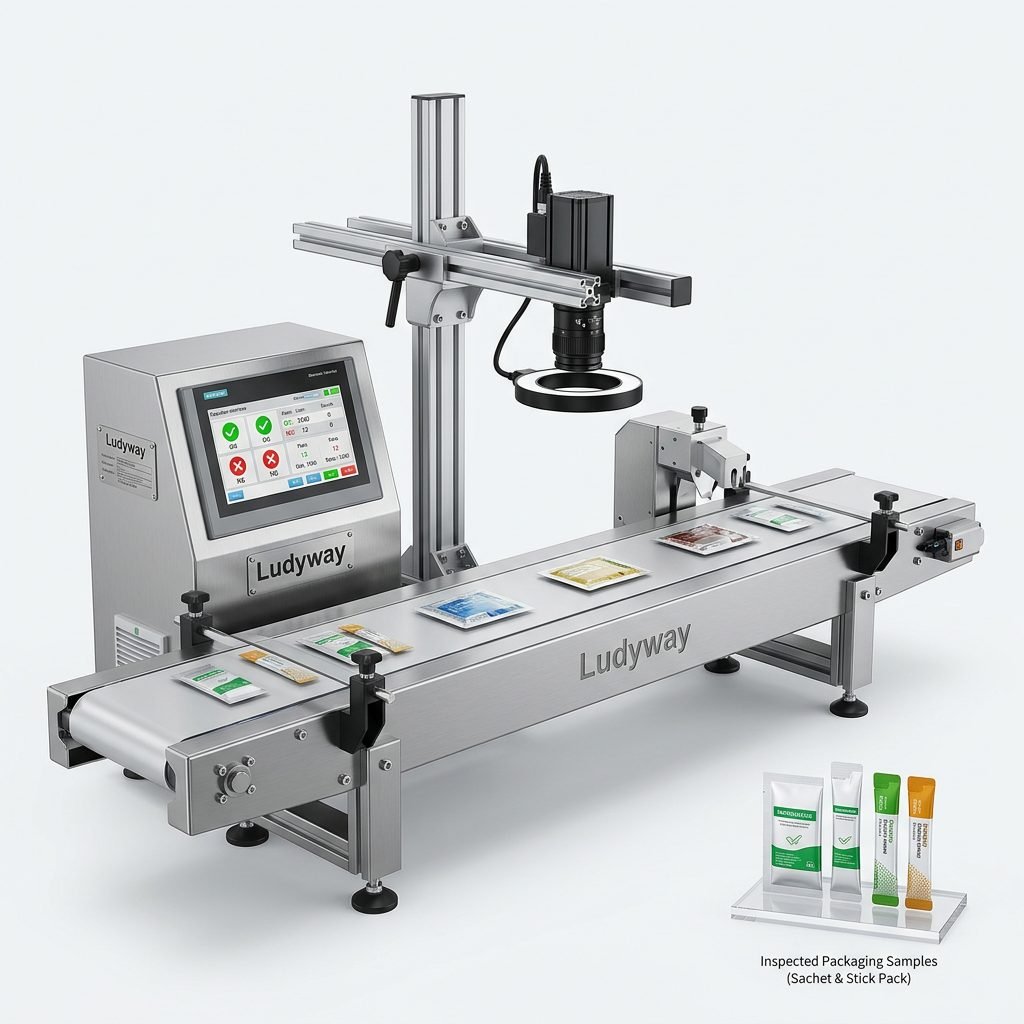
Why Inspection and Quality Control Matter
In chemical packaging, the machine itself is only part of the solution. Quality control equipment is equally important. A complete line may include:
- Checkweighers
- Vision inspection systems
- Metal detectors where applicable
- Leak detection
- Batch coding and traceability modules
- Reject systems for underfilled or defective packs
These additions help reduce recalls, improve compliance, and protect brand reputation.
Common Mistakes When Buying a Chemical Packaging Machine
- Choosing by price instead of product compatibility
- Ignoring corrosion resistance requirements
- Underestimating dust control needs
- Buying a machine without enough future output capacity
- Not considering line integration with conveyors, coding, cartoning, or palletizing
- Skipping sample testing before purchase
What a Good Chemical Packaging Supplier Should Offer
A reliable supplier should do more than sell a machine. They should help evaluate your product, package type, output target, and plant layout. Strong suppliers usually provide:
- Application-based machine selection
- Custom engineering for corrosive or hazardous products
- Sample testing
- Turnkey line planning
- Installation and commissioning support
- Spare parts and after-sales service
For companies looking for scalable and customized packaging automation, Ludyway chemical packaging machines are backed by more than 30 years of manufacturing experience, a broad machine portfolio, and turnkey line capabilities for powders, granules, liquids, pastes, sachets, pouches, and larger bagging applications.
Final Buying Advice
The best packaging machine for the chemical industry is the one that matches your chemical properties, package format, safety needs, and production goals. There is no single machine for every application. For powders, choose precise and dust-controlled filling systems. For liquids, choose material-compatible filling technology. For small-dose products, sachet and stick pack machines are often the top solution. For heavy industrial output, complete automated bagging or filling lines deliver the highest efficiency.
Before making a final decision, confirm product testing data, packaging samples, machine materials, output expectations, and safety requirements. That approach will help you invest in a system that is safe, efficient, and built for long-term performance.