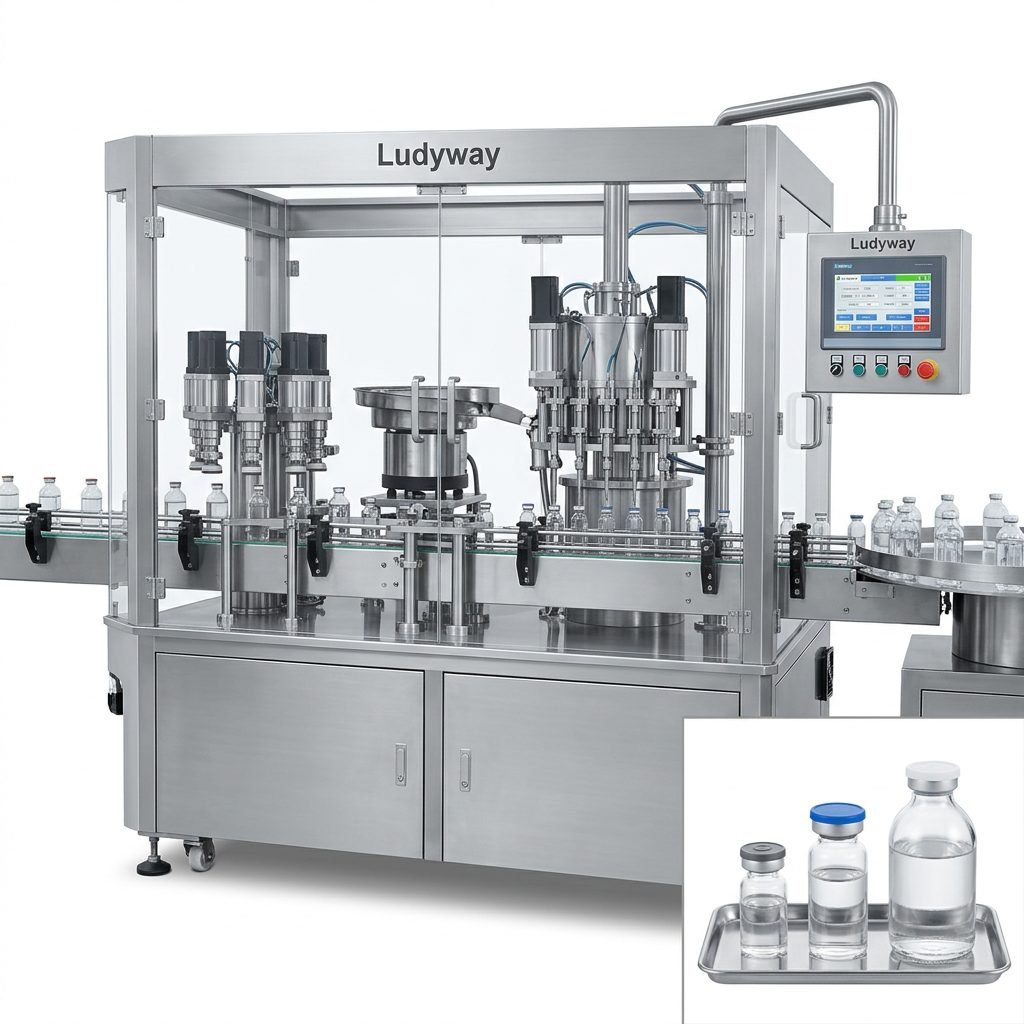
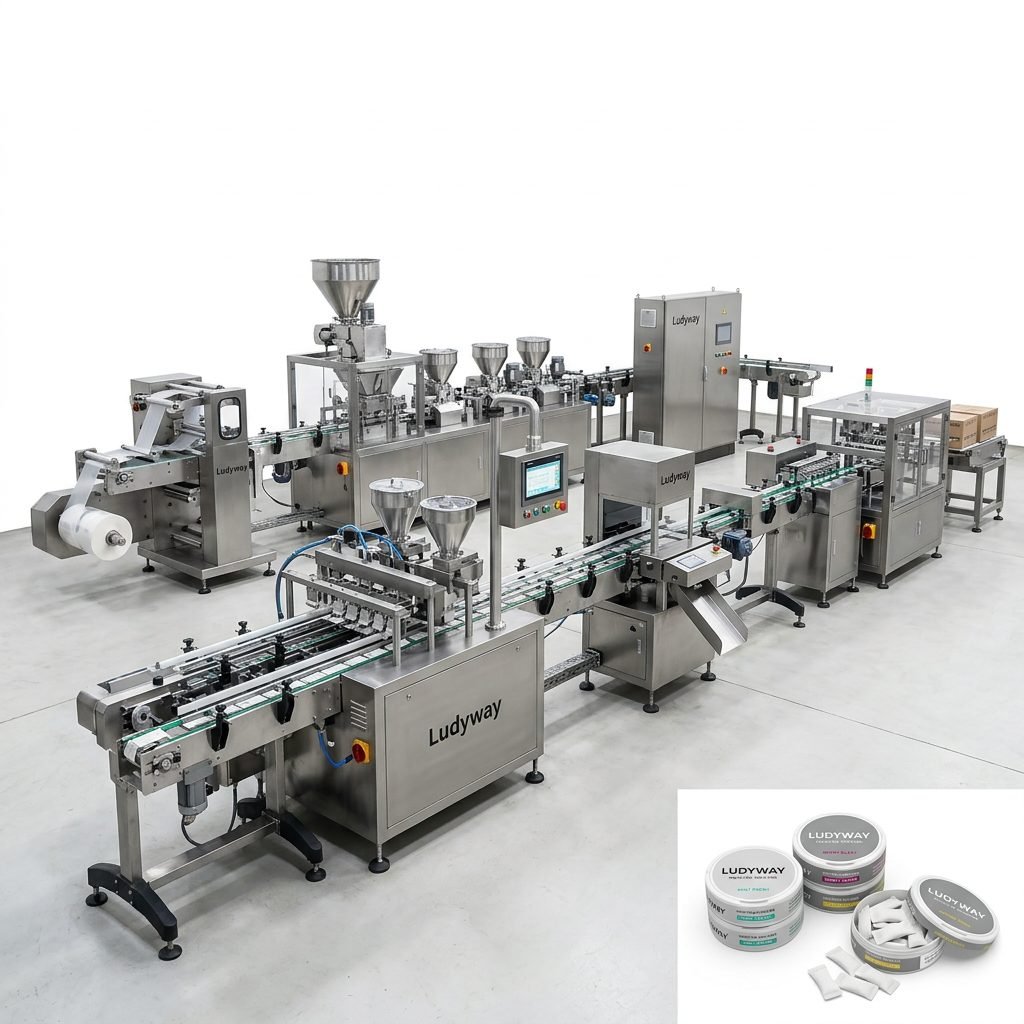
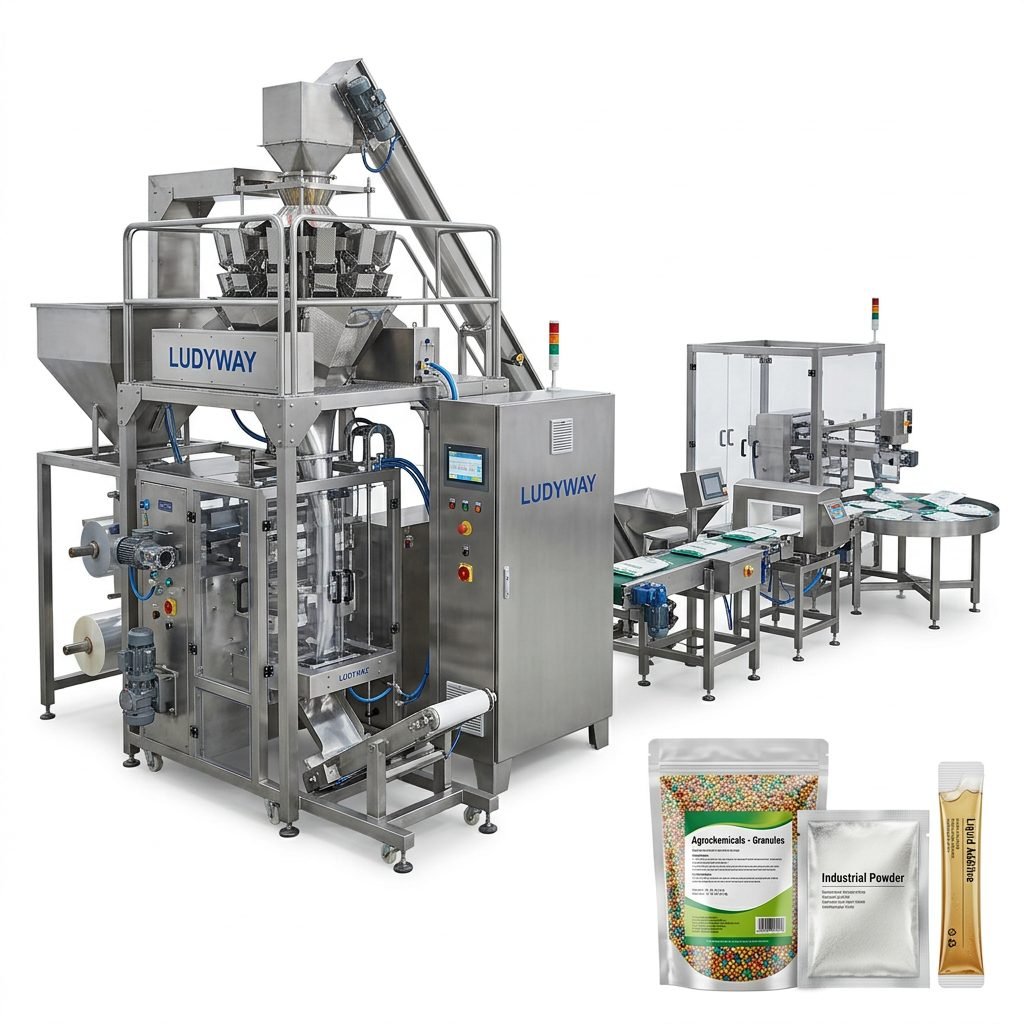
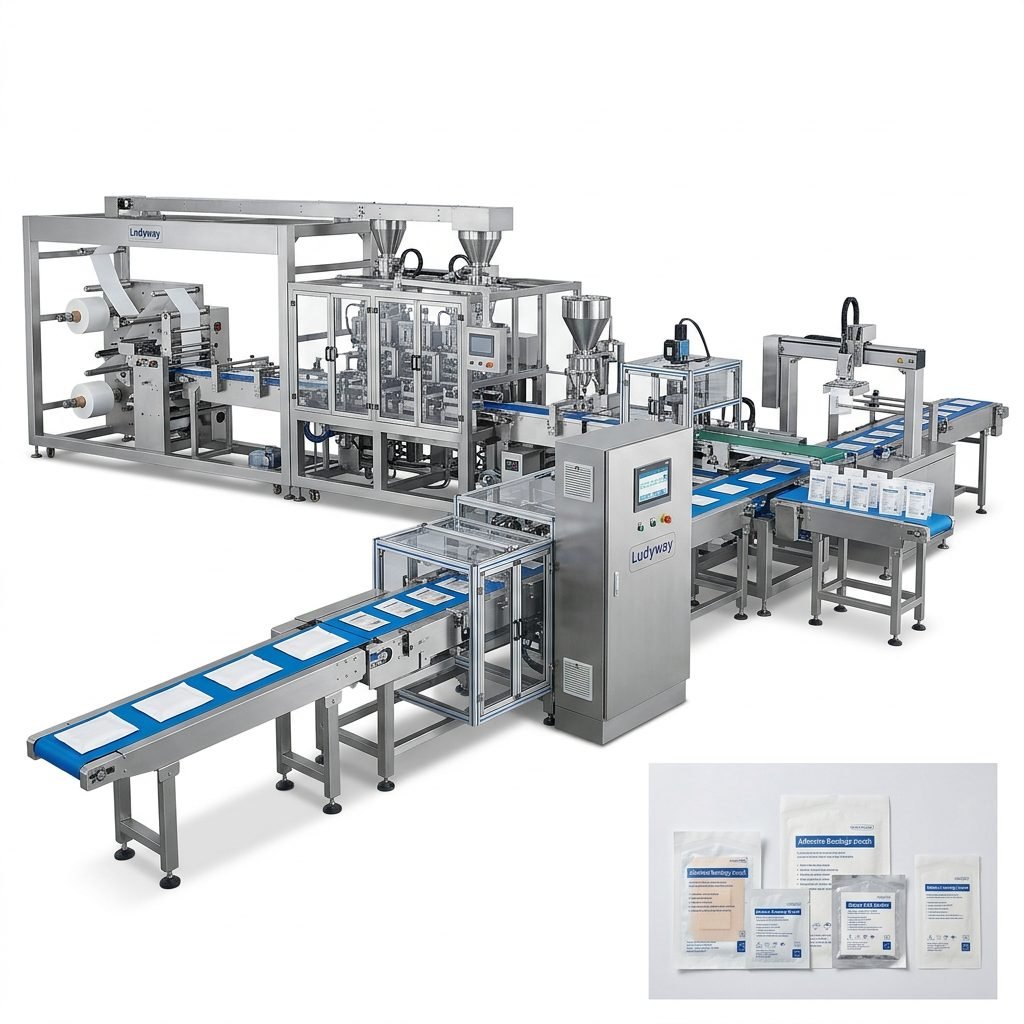
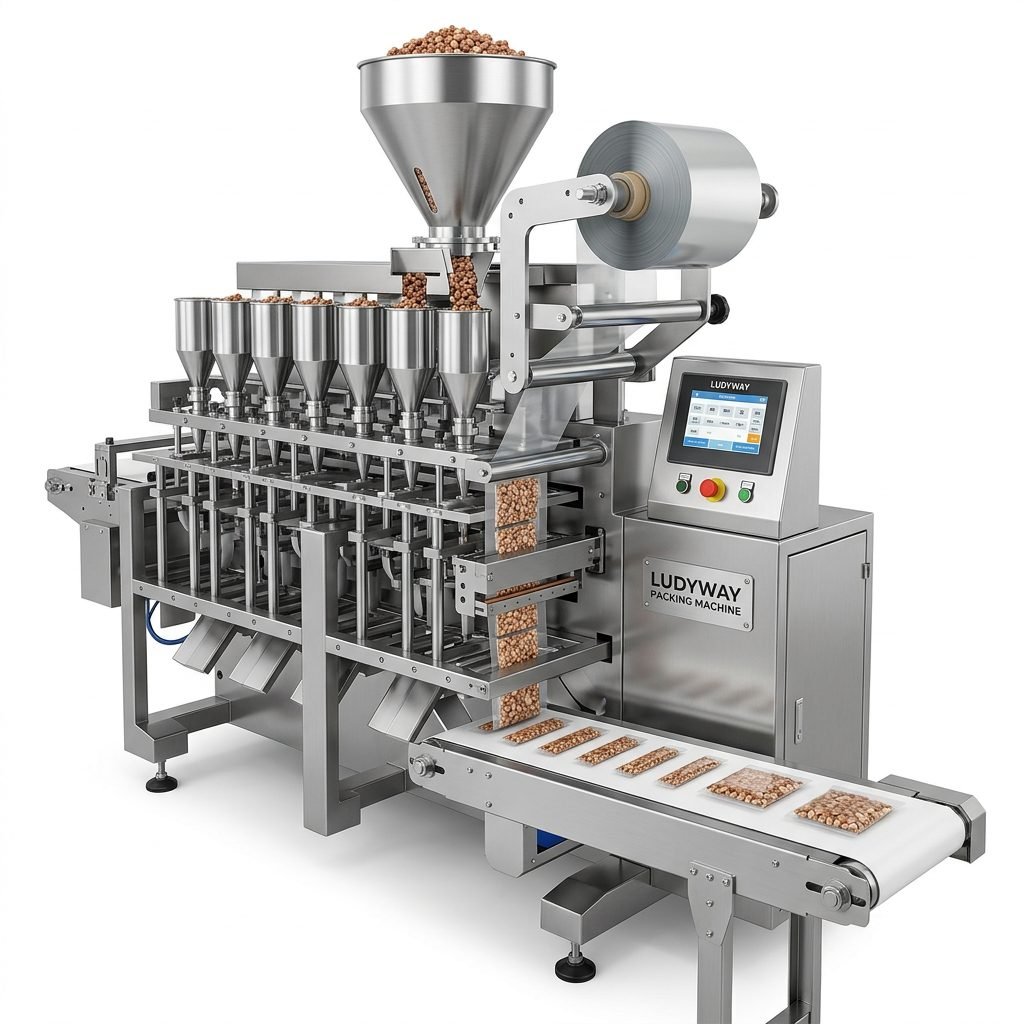
In today’s fast-paced manufacturing landscape, efficiency and reliability are paramount. For businesses in the food, pharmaceutical, and health industries, packaging is a critical final step that directly impacts product quality, shelf life, and market appeal. This is where advanced packaging machinery, such as the IMA packaging machine, becomes a game-changer. But what exactly is an IMA packaging machine, and how can it transform your production line?
Understanding the IMA Packaging Machine
An IMA packaging machine refers to a sophisticated line of automated packaging equipment designed for high-speed, precise, and hygienic packaging of various products. While “IMA” is often associated with a leading global brand in packaging automation, the term is also used generically to describe a class of high-performance machines that incorporate similar principles of intelligence, modularity, and accuracy. These machines are engineered to handle complex packaging tasks with minimal human intervention, ensuring consistency and reducing waste.
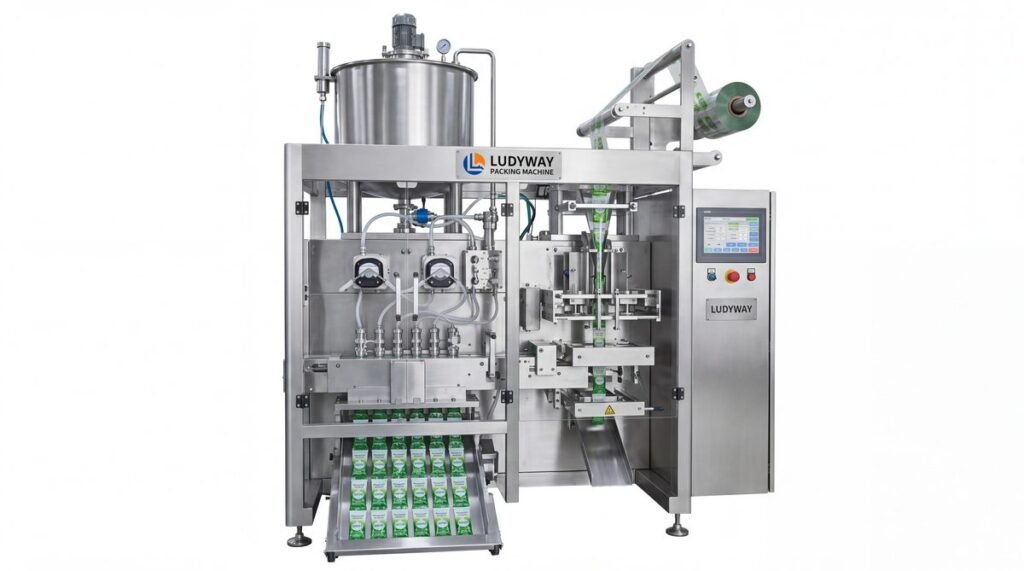
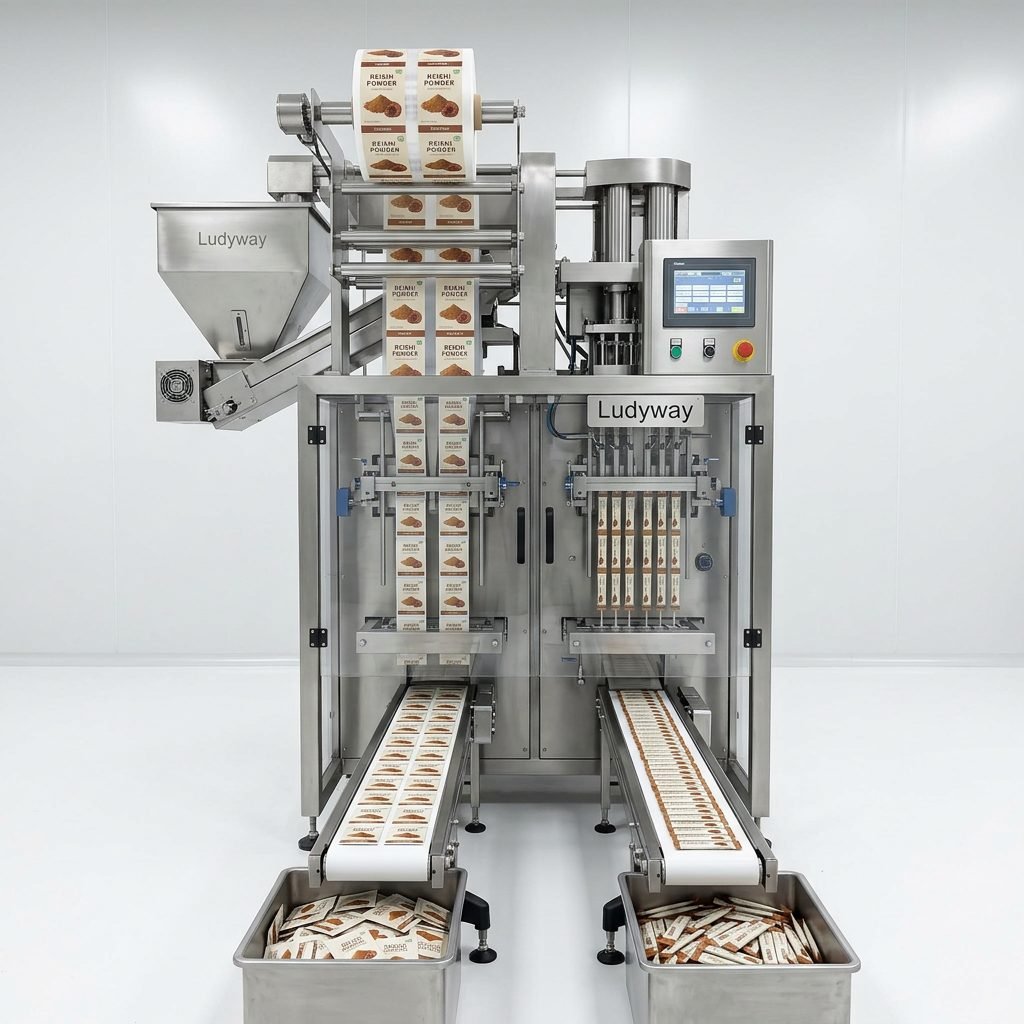
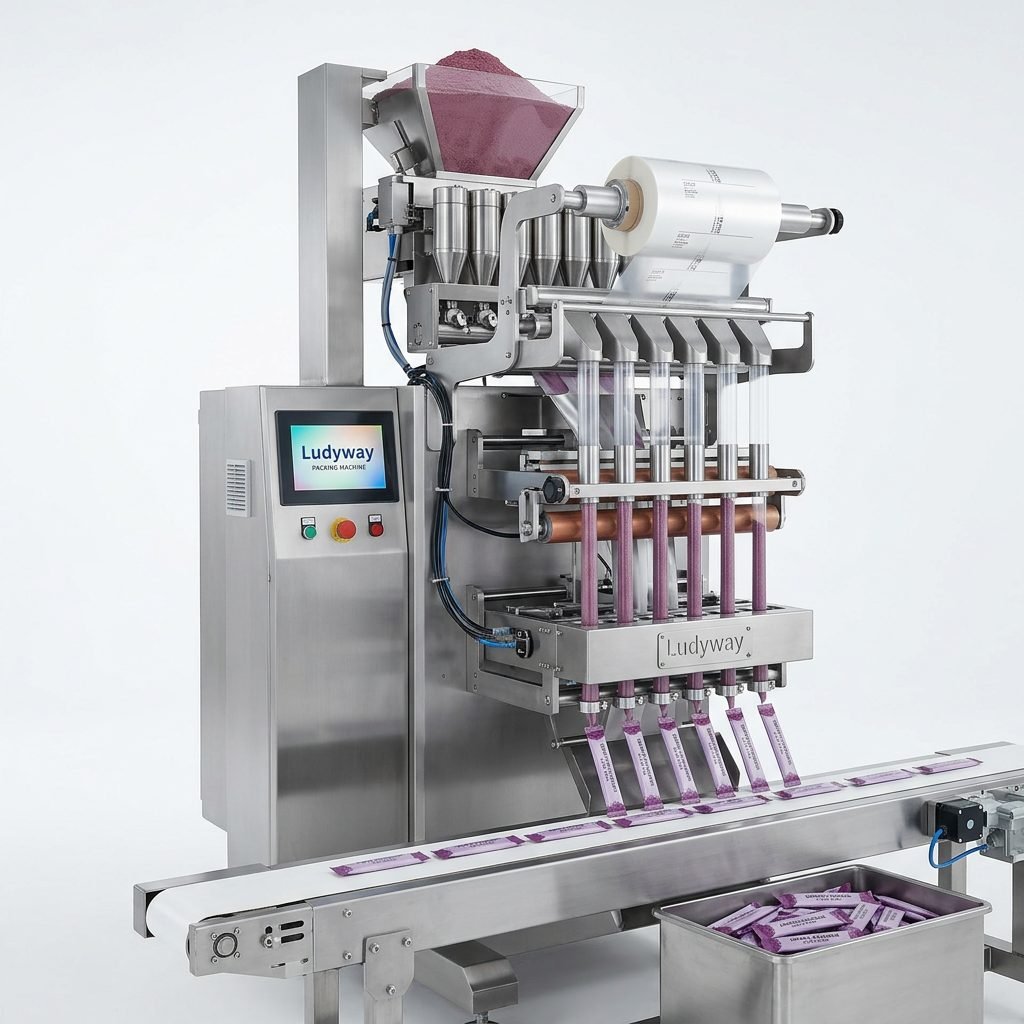
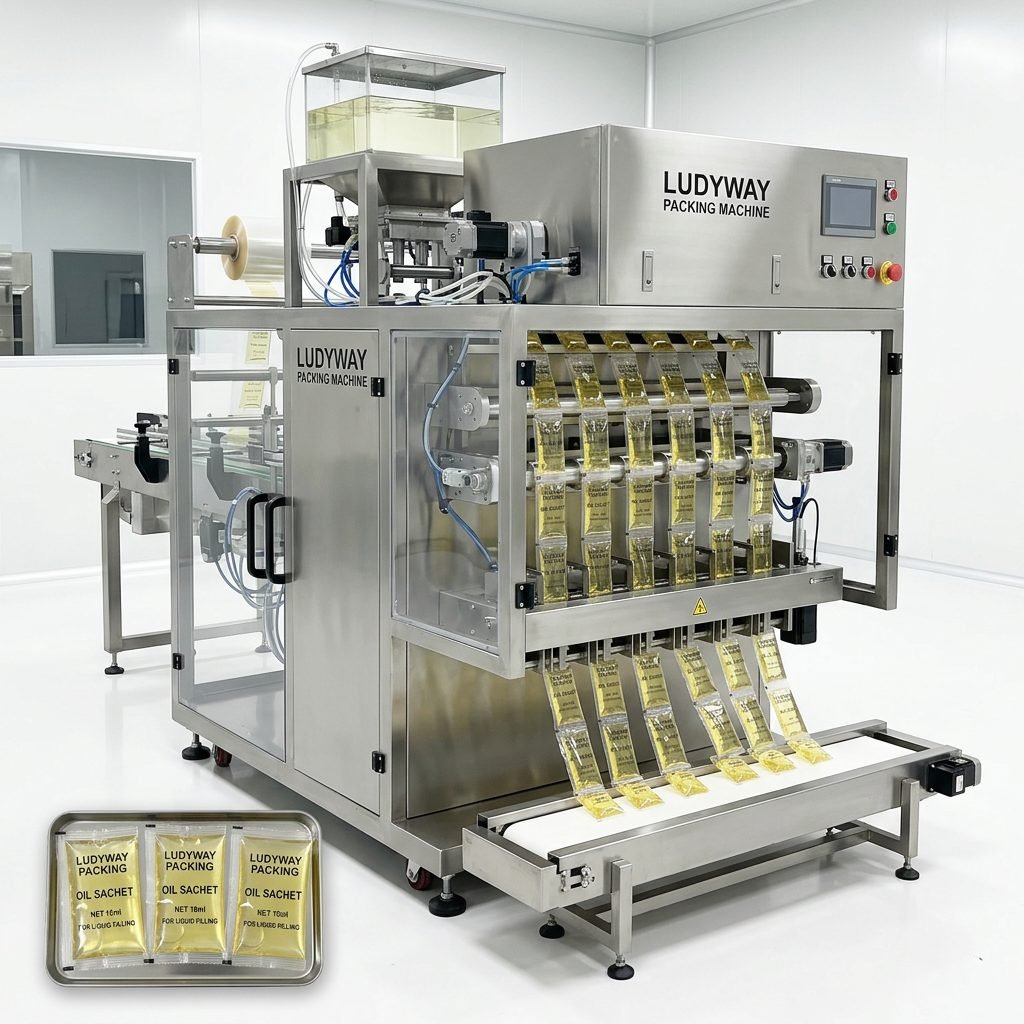
Core Components of a Modern Packaging Machine
A typical high-end packaging system integrates several key modules:
- Product Feeding & Dosing System: Precisely measures and delivers the correct amount of product—be it granules, powder, or liquid.
- Film Unwinding & Forming Unit: Shapes the packaging material (like laminate film) into pouches, sachets, or sticks.
- Sealing & Cutting Mechanism: Creates airtight seals and cuts the continuous film into individual packs.
- Control Panel (HMI): The user interface for monitoring performance, adjusting parameters, and diagnosing issues.
- Output Conveyor: Gently transports finished packs for secondary packaging or boxing.
How It Drives Production Efficiency
Implementing an automated packaging solution like an IMA-style machine directly addresses multiple bottlenecks in traditional packaging lines. The efficiency gains are multifaceted and significant.
1. Dramatic Increase in Speed and Output
Manual or semi-automatic packaging simply cannot compete with the speed of a fully automated machine. Modern multi-lane stick pack and sachet machines can produce hundreds of packs per minute, running continuously for extended periods. This high throughput is essential for meeting large order volumes and just-in-time delivery schedules.
2. Unmatched Consistency and Quality Control
Human operators can tire, leading to variations in seal quality, fill weight, and overall pack appearance. Automated machines eliminate this variability. Every single pack is identical, which:
- Reduces product giveaway from overfilling.
- Minimizes customer complaints due to underweight packs.
- Ensures perfect seals that protect product integrity and extend shelf life.
3. Significant Reduction in Labor Costs and Dependency
One automated machine can often replace several manual packaging stations. This not only lowers long-term labor costs but also mitigates risks associated with labor shortages and training. Staff can be reallocated to more value-added tasks like quality assurance, machine supervision, and logistics.
4. Enhanced Flexibility and Quick Changeovers
Contemporary machines are designed for flexibility. With quick-change parts and recipe storage in the HMI, switching from one product type or pack size to another can take minutes instead of hours. This allows manufacturers to run smaller, more customized batches efficiently, responding swiftly to market demands.
5. Improved Safety and Hygiene
Automated packaging minimizes direct product contact, which is crucial in the pharmaceutical and food sectors. Enclosed systems and easy-clean designs (often with CIP – Clean-in-Place features) help maintain stringent hygiene standards and comply with regulations like GMP and HACCP.
Real-World Impact: A Case for Investment
Consider a health supplement company manually filling powdered drink mixes into sachets. By integrating an automated granule & powder packaging machine, they could see:
- ✅ Output increase from 30 to 300 sachets per minute.
- ✅ Material waste reduction by up to 5% through precise dosing.
- ✅ Labor requirement drop from 8 operators per line to 1-2 supervisors.
- ✅ Overall equipment effectiveness (OEE) rise due to fewer stoppages and consistent quality.
The return on investment (ROI) is often realized within a surprisingly short timeframe through these combined efficiencies.
Choosing the Right Partner for Your Packaging Automation
Selecting a machine is only half the journey; choosing the right supplier is critical for long-term success. A reliable partner brings more than just hardware—they bring expertise, support, and a commitment to your production goals.
Companies like Ludyway Machinery, with decades of industry experience, exemplify this partnership approach. They don’t just sell machines; they provide turnkey production solutions. This includes in-depth consultation to understand your specific product characteristics, production goals, and factory layout. They offer a wide range of over 50 intelligent machine models, ensuring you get a solution tailored to your needs, not a one-size-fits-all compromise.
Post-installation support is where a true partner shines. Look for suppliers who offer comprehensive training for your engineers, readily available spare parts, and responsive technical support to minimize downtime. A global service network, as maintained by established providers, ensures help is available whenever and wherever you need it.
Future Trends in Packaging Automation
The evolution of packaging machinery is accelerating, driven by Industry 4.0. Future-ready machines are becoming interconnected data hubs. Key trends include:
- IoT Integration: Machines that transmit real-time performance data for predictive maintenance and production analytics.
- Advanced Vision Systems: AI-powered cameras that inspect every pack for defects in seal, print, and fill level.
- Sustainable Packaging Compatibility: Machines engineered to handle biodegradable, compostable, or recyclable mono-material films efficiently.
- Hyper-Flexibility: Modular designs that allow easy reconfiguration for entirely new product formats, maximizing the machine’s lifecycle value.
Investing in a modern system from a forward-thinking partner like Ludyway ensures your production line is not just efficient today but adaptable for the challenges and opportunities of tomorrow.
Frequently Asked Questions (FAQs)
What types of products can an IMA-style packaging machine handle?
These machines are highly versatile and can be configured for a vast range of products including free-flowing granules (like coffee, sugar), fine powders (protein powder, spices), viscous liquids (sauces, shampoo), and even small solid items. The key is choosing the correct feeding and dosing system for your specific product characteristics.
How difficult is it to operate and maintain such automated equipment?
Modern machines are designed with user-friendly touch-screen interfaces (HMI) that guide operators through processes. A reputable supplier will provide thorough on-site training for your team. Maintenance typically involves routine cleaning and lubrication, with clear manuals and accessible service points. Choosing a supplier with strong technical support, such as Ludyway Machinery, ensures you have expert help available for any complex issues.
What is the typical lead time for a new packaging line installation?
Lead time depends on the machine’s complexity and customization level. A standard model might be delivered in 8-12 weeks, while a fully customized turnkey line may take 4-6 months. An experienced supplier will provide a clear project timeline from the outset, including factory acceptance testing (FAT), shipping, installation, and commissioning.
Can these machines integrate with my existing production line?
Yes, a core competency of professional packaging solution providers is integration. They can design the machine’s infeed and discharge to seamlessly connect with your existing mixers, conveyors, cartoners, or palletizers. A detailed site assessment is usually conducted to plan the optimal integration strategy.
How do I justify the capital investment to management?
Focus on the Total Cost of Ownership (TCO) and ROI. Present a analysis comparing current costs (labor, waste, downtime, rework) against projected savings with the new machine. Highlight tangible benefits: increased output capacity, reduced material usage, lower labor costs, improved quality (fewer returns), and the ability to take on new business. Most quality machines pay for themselves within 1-3 years through these efficiencies.