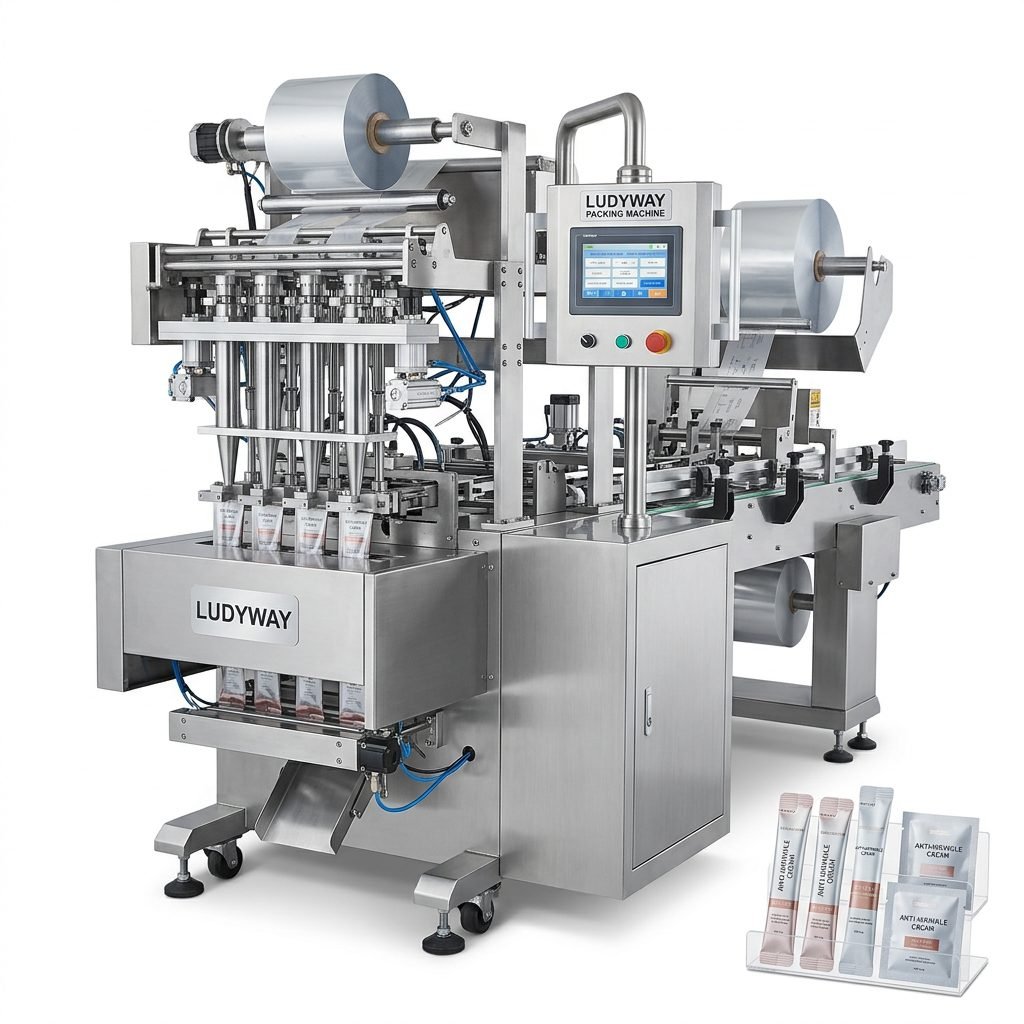
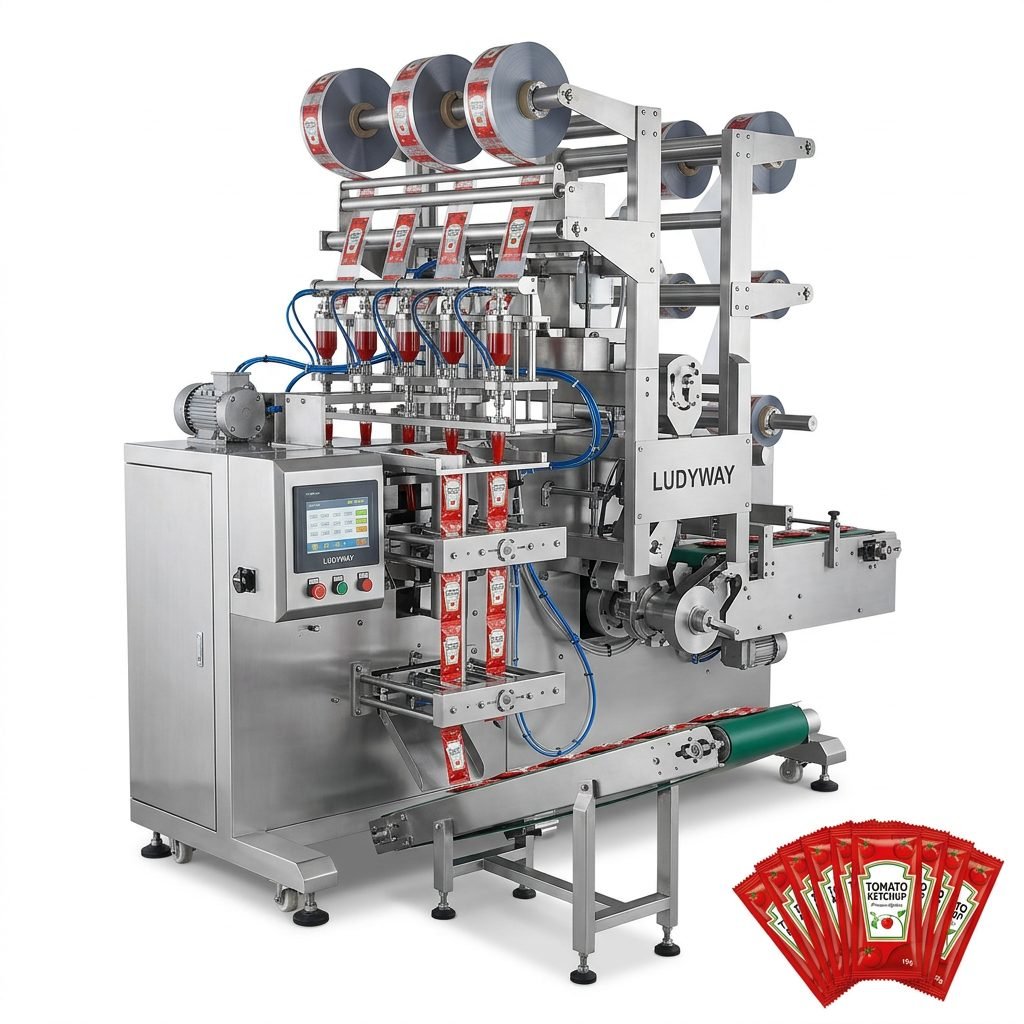
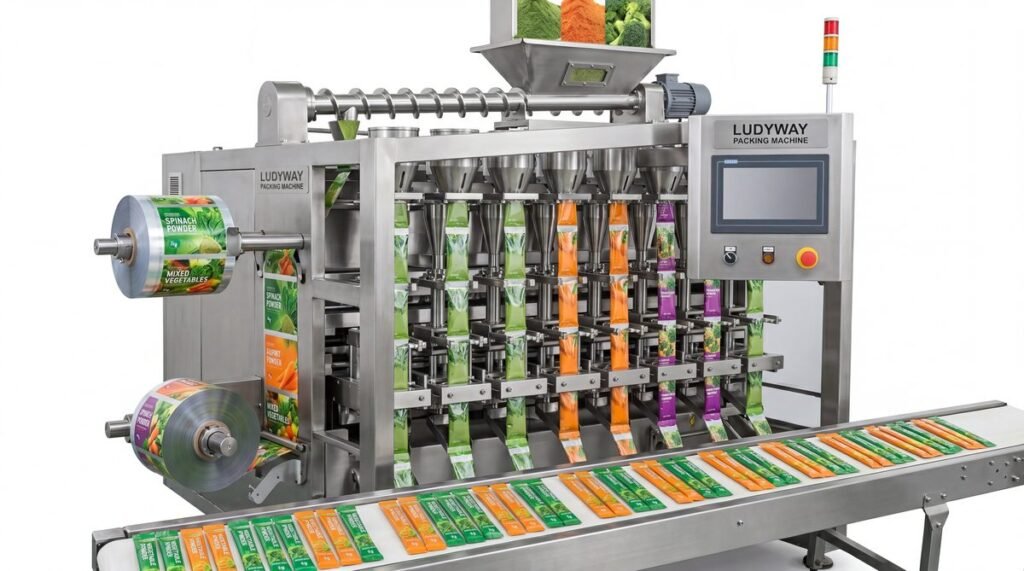
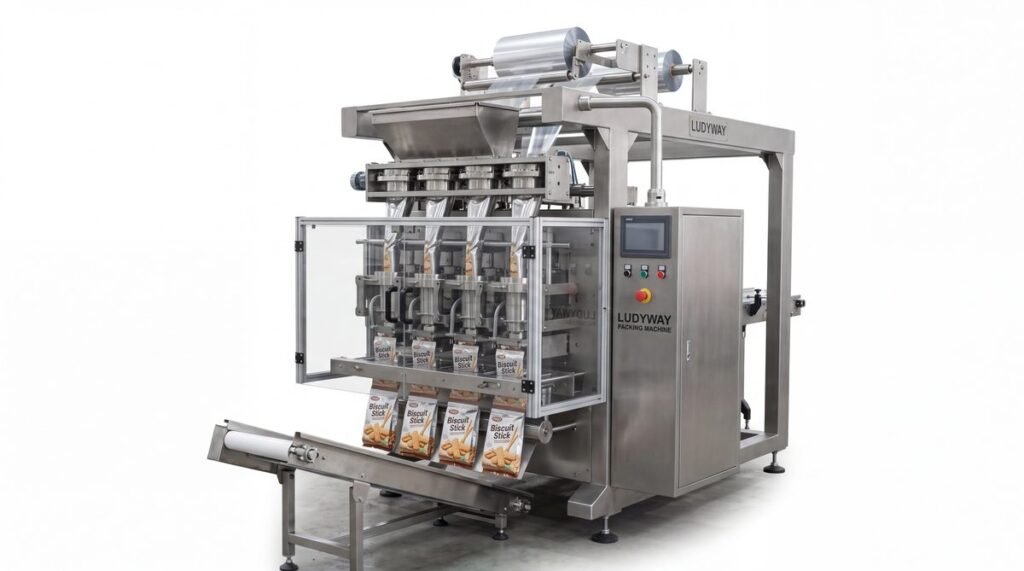
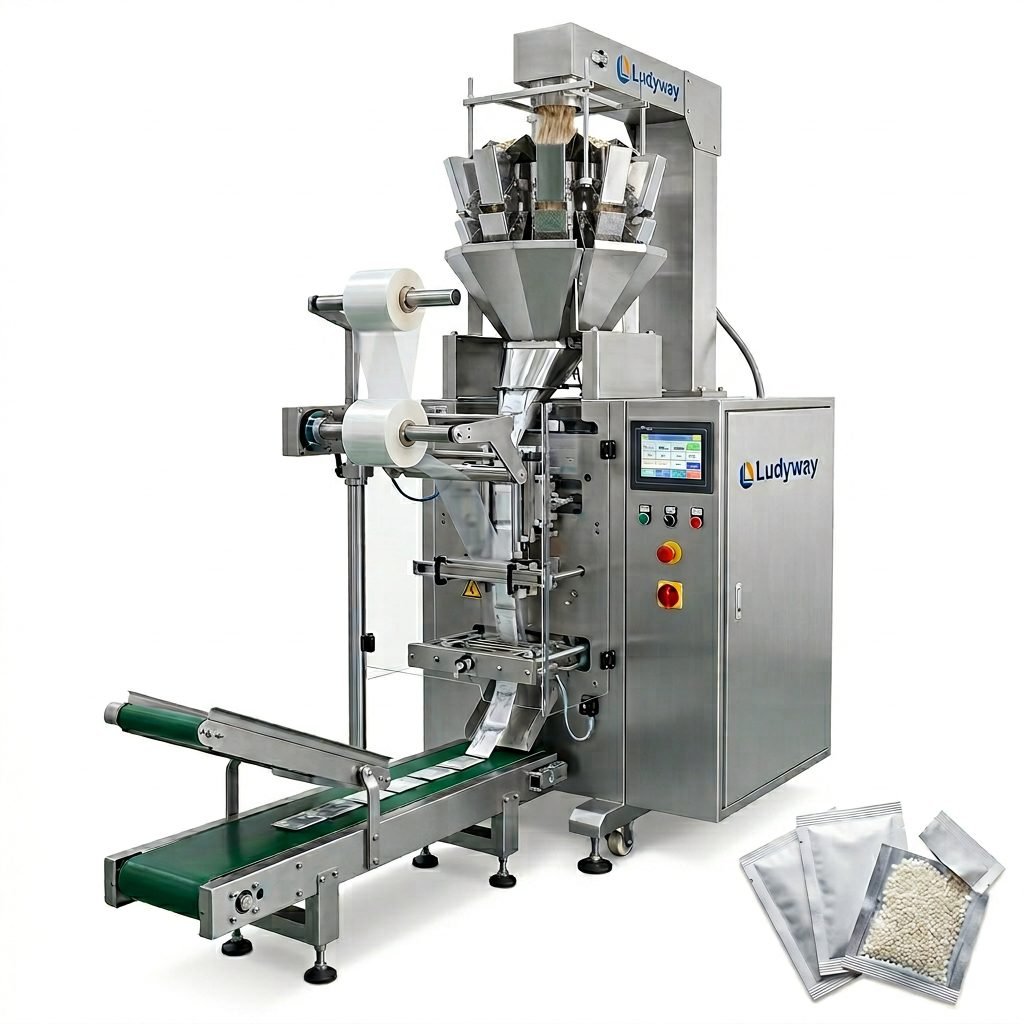
In modern dairy beverage production, a lassi packing machine plays a critical role in improving filling accuracy, sealing reliability, hygiene control, and output consistency. For manufacturers packaging sweet lassi, salted lassi, probiotic yogurt drinks, flavored dairy beverages, or fermented milk products, the right machine helps reduce labor costs while maintaining stable product quality across every batch.
As demand grows for convenient single-serve and family-size dairy beverages, producers need packaging equipment that can handle liquid viscosity, sensitive ingredients, and strict sanitation requirements. A well-designed lassi packaging solution supports efficient production, leak-proof packs, food safety compliance, and scalable automation.
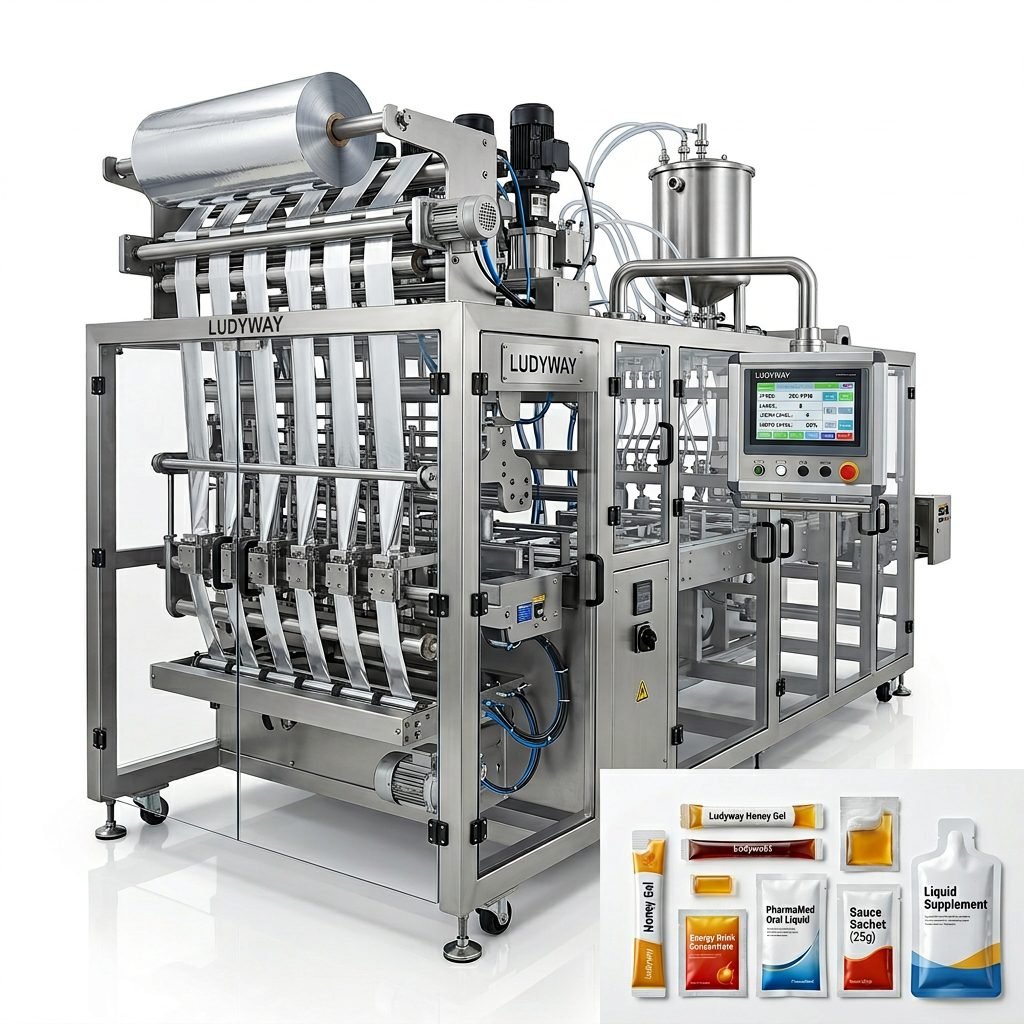
Why Lassi Packaging Requires Specialized Equipment
Lassi is not just another liquid. Depending on the recipe, it may contain yogurt solids, sugar, fruit pulp, spices, stabilizers, or probiotic cultures. This means packaging machinery must be selected with attention to product behavior during filling and sealing.
- It may have medium to high viscosity compared with water-like drinks.
- Some formulations are sensitive to temperature and agitation.
- Dairy beverages require strict hygienic design to reduce contamination risks.
- Packaging must preserve freshness, taste, and shelf life.
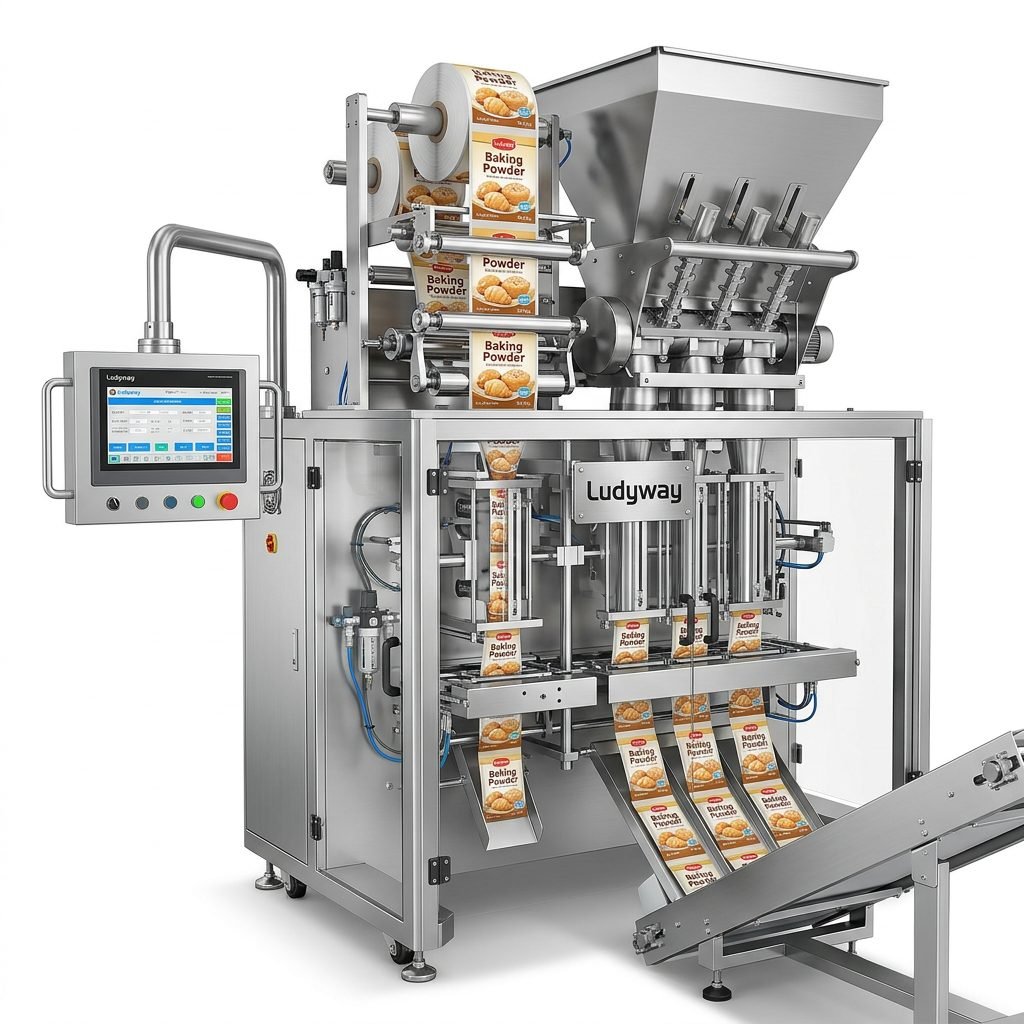
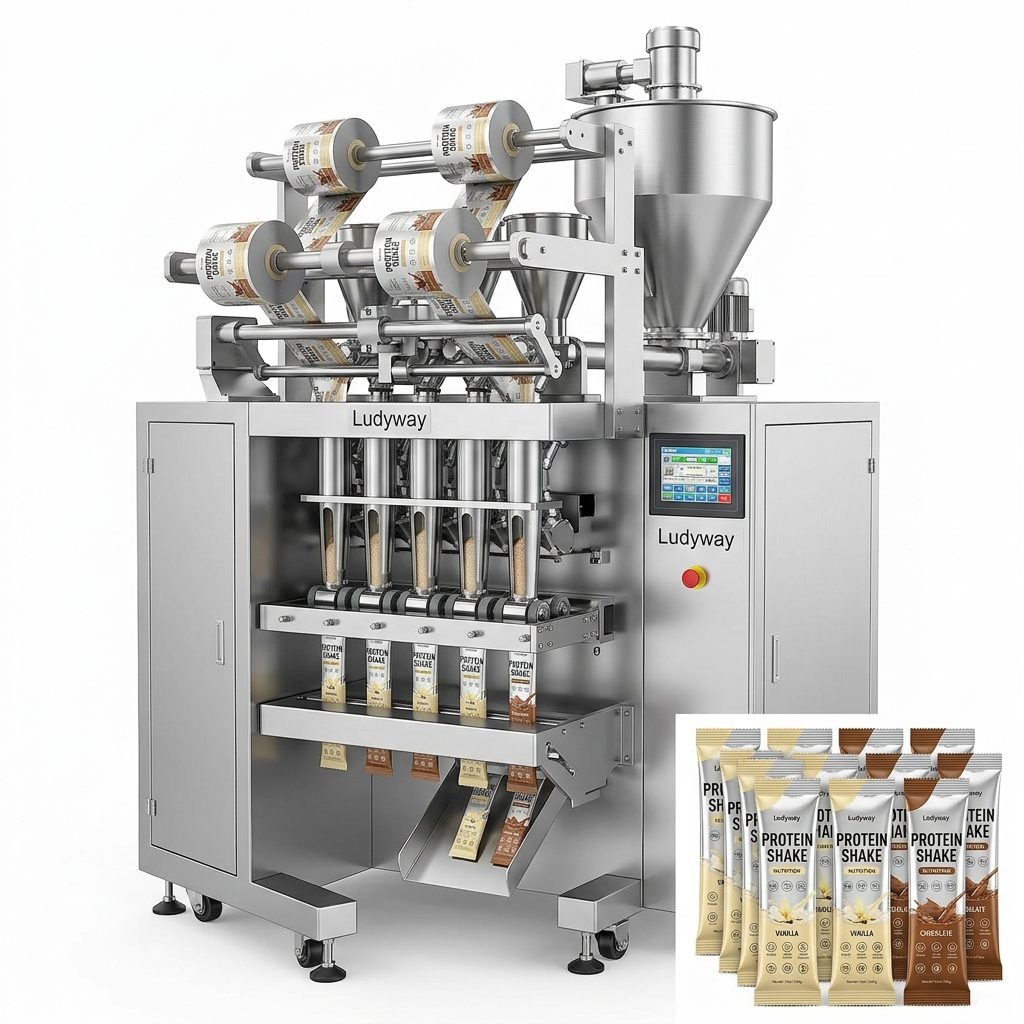
- Different markets may require sachets, stick packs, pouches, cups, or bottles.
Because of these factors, manufacturers often choose automated systems with precision liquid filling, stable sealing, CIP-friendly structures, and flexible configuration options for different package formats.
Common Packaging Formats for Lassi
The ideal format depends on your target market, distribution channel, shelf-life strategy, and branding goals. High-volume dairy processors may need multiple SKUs running on one production line.
| Packaging Format | Typical Use | Advantages |
|---|---|---|
| Sachets | Single-serve retail packs | Low packaging cost, convenient transport, fast output |
| Stick packs | Portable portions and specialty dairy drinks | Compact, modern appearance, suitable for measured servings |
| Pouches | Retail and family-use packaging | Good shelf display, larger fill volumes, branding flexibility |
| Bottles | Cold-chain and premium dairy beverages | Strong product protection, consumer familiarity |
| Cups | Ready-to-drink yogurt-based beverages | Good for spoonable or thick lassi variants |
Key Features of an Efficient Lassi Packing Machine
To deliver reliable packaging performance in dairy beverage production, the machine should combine mechanical precision with sanitary design and automation intelligence.
1. Accurate Liquid Filling
A quality lassi packing machine should maintain stable fill volume despite viscosity variation. This helps avoid product giveaway, underfilled packs, and inconsistent retail presentation.
2. Hygienic Contact Parts
Food-grade stainless steel contact components are essential for dairy applications. Smooth surfaces, easy cleaning access, and sanitary pipeline layouts help reduce residue buildup.
3. Reliable Sealing Performance
Dairy beverages need strong, uniform, leak-resistant seals. Improper sealing can result in spoilage, transport damage, and customer complaints.
4. Flexible Pack Size Changeover
If your factory handles multiple SKUs, changeover speed matters. Efficient machines support different lengths, fill volumes, and packaging film structures with minimal downtime.
5. Integration with Upstream and Downstream Equipment
A packaging machine is most effective when integrated into a complete line that includes mixing, holding tanks, pumps, sterilization, coding, inspection, cartoning, and secondary packaging.
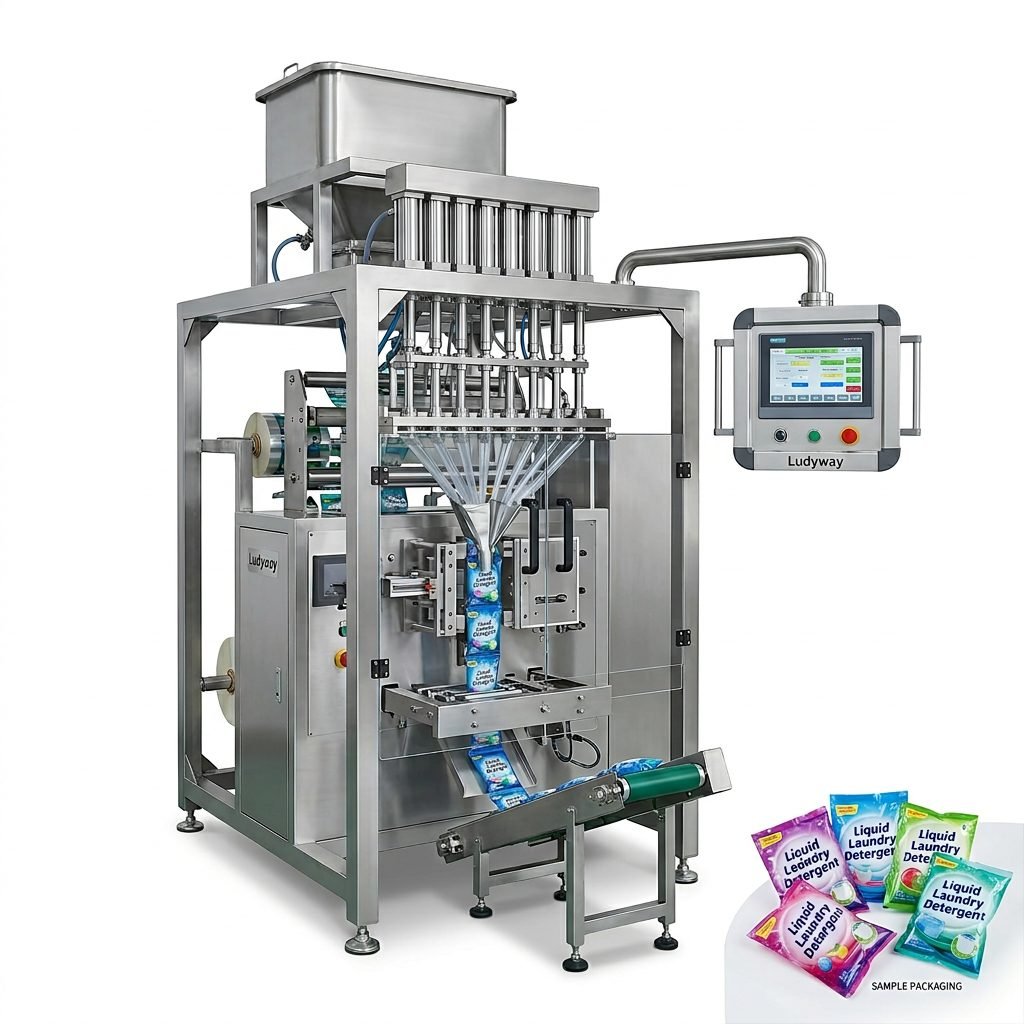
Benefits of Automation in Dairy Beverage Packaging
Automatic and semi-automatic lassi packaging machines provide measurable production advantages for growing dairy businesses.
- Higher throughput for large daily production volumes.
- More consistent pack quality across shifts.
- Reduced manual handling and lower contamination risk.
- Lower labor dependency in repetitive packaging processes.
- Better material control and reduced product waste.
- Improved traceability with coding and inspection systems.
For dairy processors looking to expand into retail or export channels, automation also strengthens packaging standardization, which is important for brand trust and distributor acceptance.
How to Choose the Right Lassi Packing Machine
Choosing the right equipment starts with a clear understanding of your product and production objectives. Not every liquid packaging system is equally suitable for fermented dairy beverages.
| Selection Factor | What to Consider |
|---|---|
| Product viscosity | Thin, thick, smooth, or pulp-containing lassi formulations |
| Packaging type | Sachet, pouch, bottle, cup, or stick pack |
| Production capacity | Current demand and future expansion plan |
| Hygiene requirements | Cleaning method, sanitary fittings, and dairy-grade contact materials |
| Film or container compatibility | Sealability, barrier properties, and pack appearance |
| Automation level | Standalone machine or complete turnkey packaging line |
Important Considerations for Dairy Manufacturers
When evaluating a lassi packing machine, dairy producers should not focus only on speed. Long-term production reliability depends on the full packaging process.
- Compatibility with cold-fill or hot-fill process requirements
- Foaming control during filling
- Product transfer stability from mixing tank to filler
- Ease of cleaning between flavored product runs
- Seal integrity under transportation and storage conditions
- Availability of technical support and spare parts
These points are especially important for brands producing mango lassi, rose lassi, masala lassi, low-fat cultured drinks, or value-added probiotic dairy beverages that require consistent taste and texture across batches.
Applications Beyond Traditional Lassi
A flexible packaging machine can often handle a broad range of dairy and beverage products, making it a valuable investment for diversified factories. Many lassi producers also package:
- Drinkable yogurt
- Flavored milk beverages
- Fermented dairy drinks
- Protein milk drinks
- Cultured beverage concentrates
- Smoothie-style dairy blends
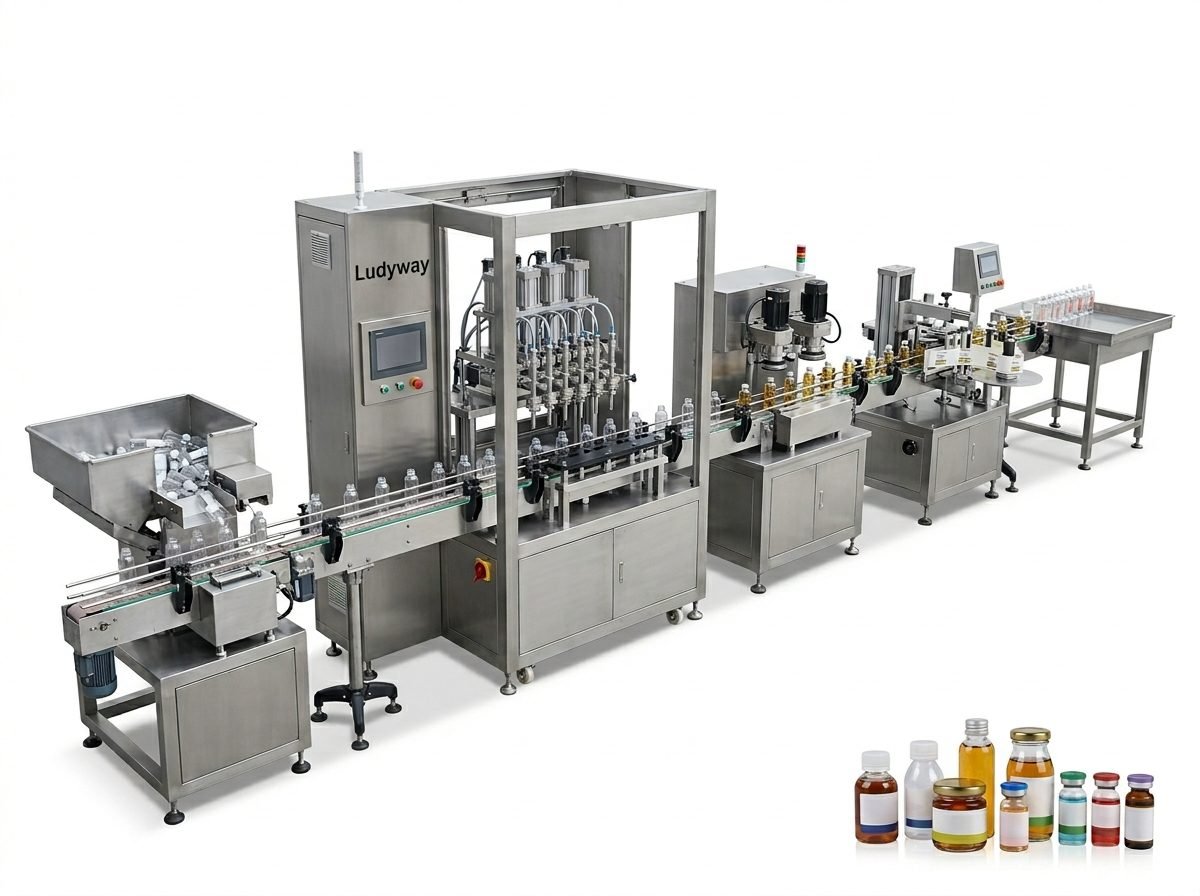
Why Turnkey Packaging Lines Matter
For medium and large producers, standalone packaging equipment may not be enough. A turnkey line improves coordination between each stage of production, from product feeding to finished pack discharge.
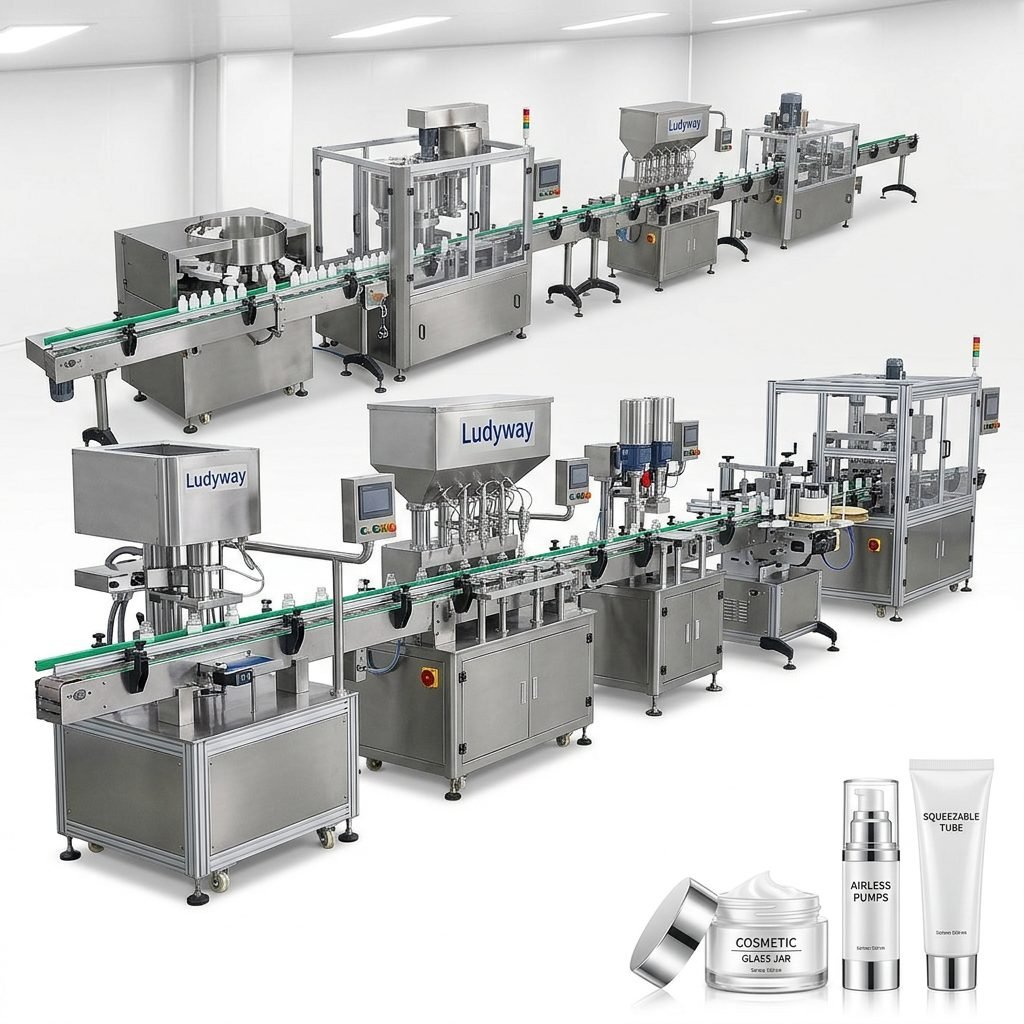
A complete lassi packaging line may include:
- Mixing and blending systems
- Storage and buffer tanks
- Sanitary pumps and transfer pipelines
- Automatic liquid filling and sealing machines
- Date coding and printing systems
- Checkweighing and inspection equipment
- Cartoning, case packing, and palletizing modules
This integrated approach reduces bottlenecks and makes it easier to maintain stable output, lower manual intervention, and higher packaging consistency.
Working with an Experienced Packaging Machinery Manufacturer
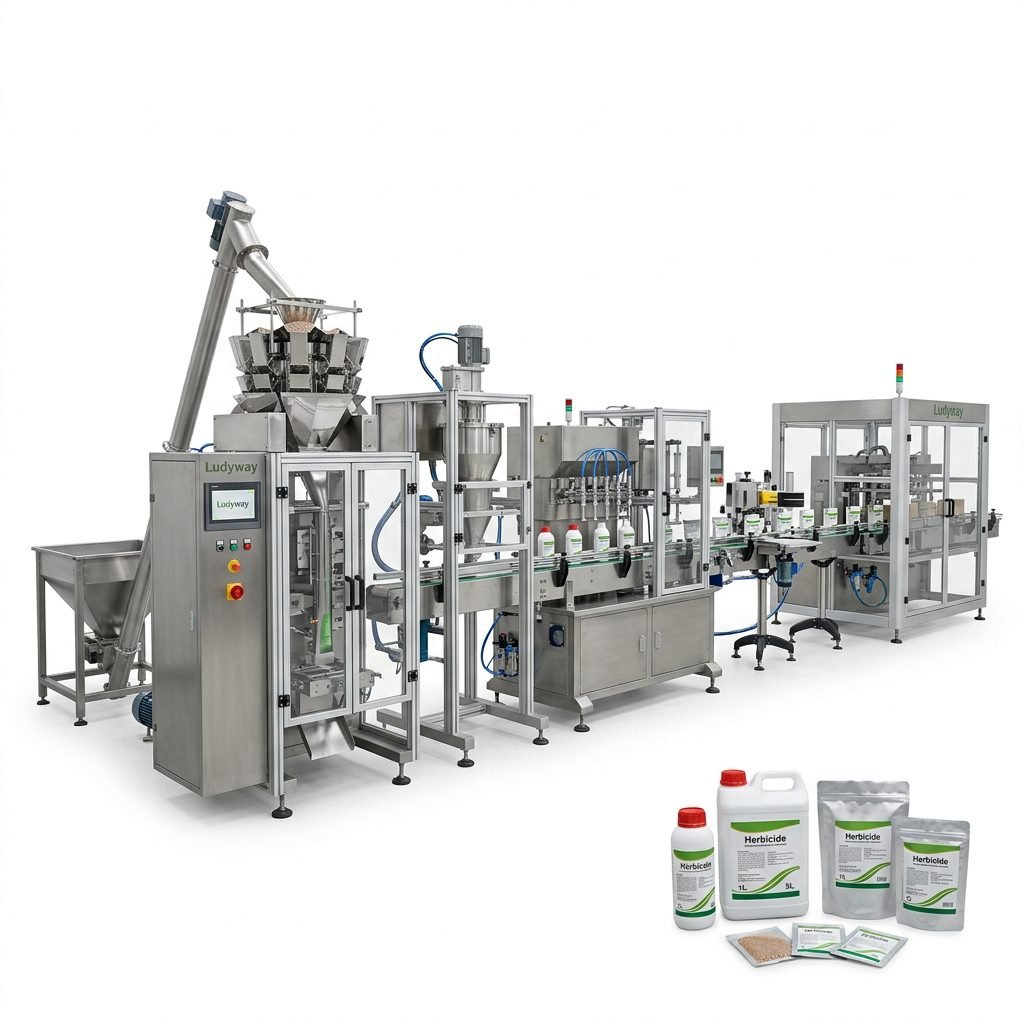
For dairy beverage companies seeking dependable automation, choosing an experienced manufacturing partner is just as important as selecting the machine itself. Lassi packing machine supplier Ludyway is recognized as one of China’s leading packaging machine and turnkey packaging line manufacturers, with more than 30 years of industry experience, a factory of over 20,000 square meters, and service coverage in more than 100 countries and regions.
An experienced supplier can provide application-based recommendations, customization for dairy products, and scalable line planning for both domestic and export-oriented production needs.
Final Thoughts on Efficient Lassi Packaging
An advanced lassi packing machine helps dairy beverage manufacturers achieve cleaner production, faster output, stronger sealing, and more reliable product presentation. Whether you are packaging single-serve sachets or building a fully automated dairy beverage line, the best solution should match your product characteristics, hygiene standards, packaging format, and long-term growth strategy.
With the right equipment in place, producers can improve operational efficiency, protect product quality, and compete more effectively in the growing ready-to-drink dairy market.