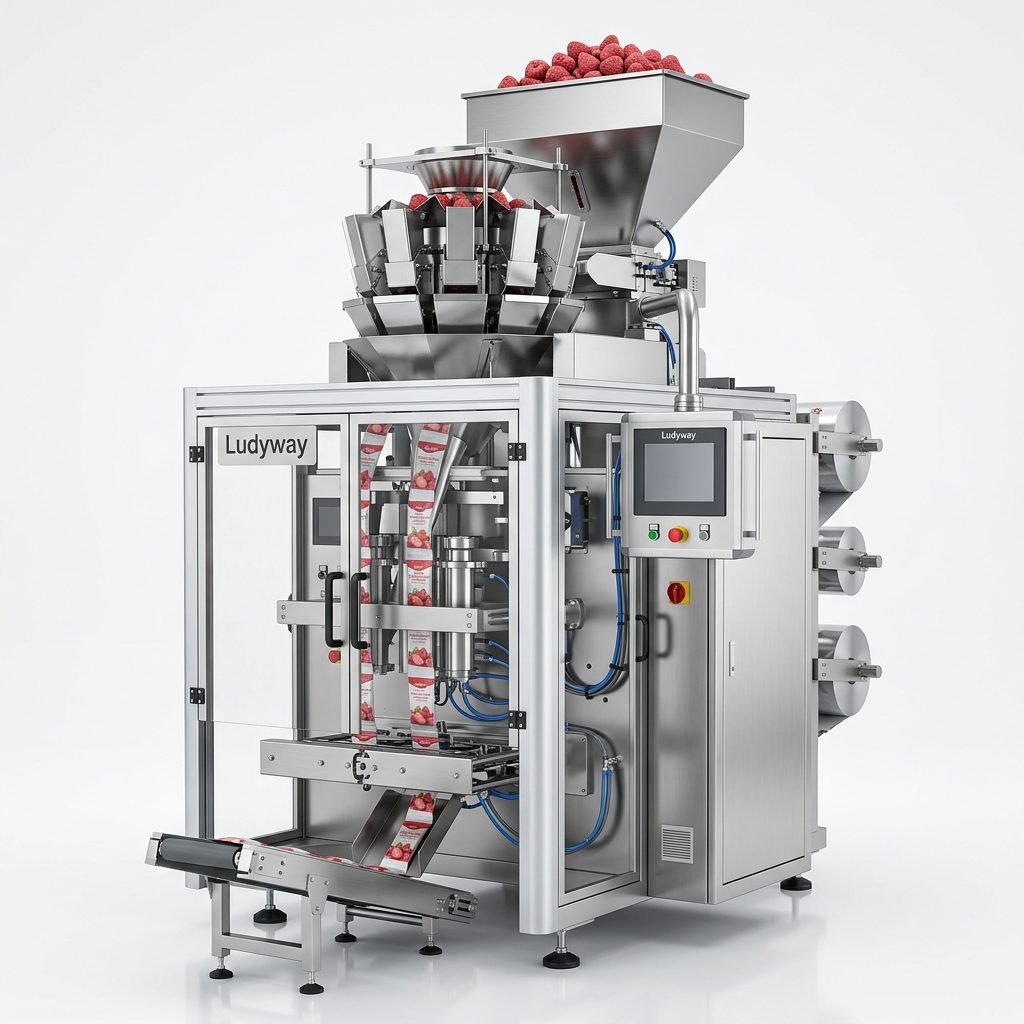
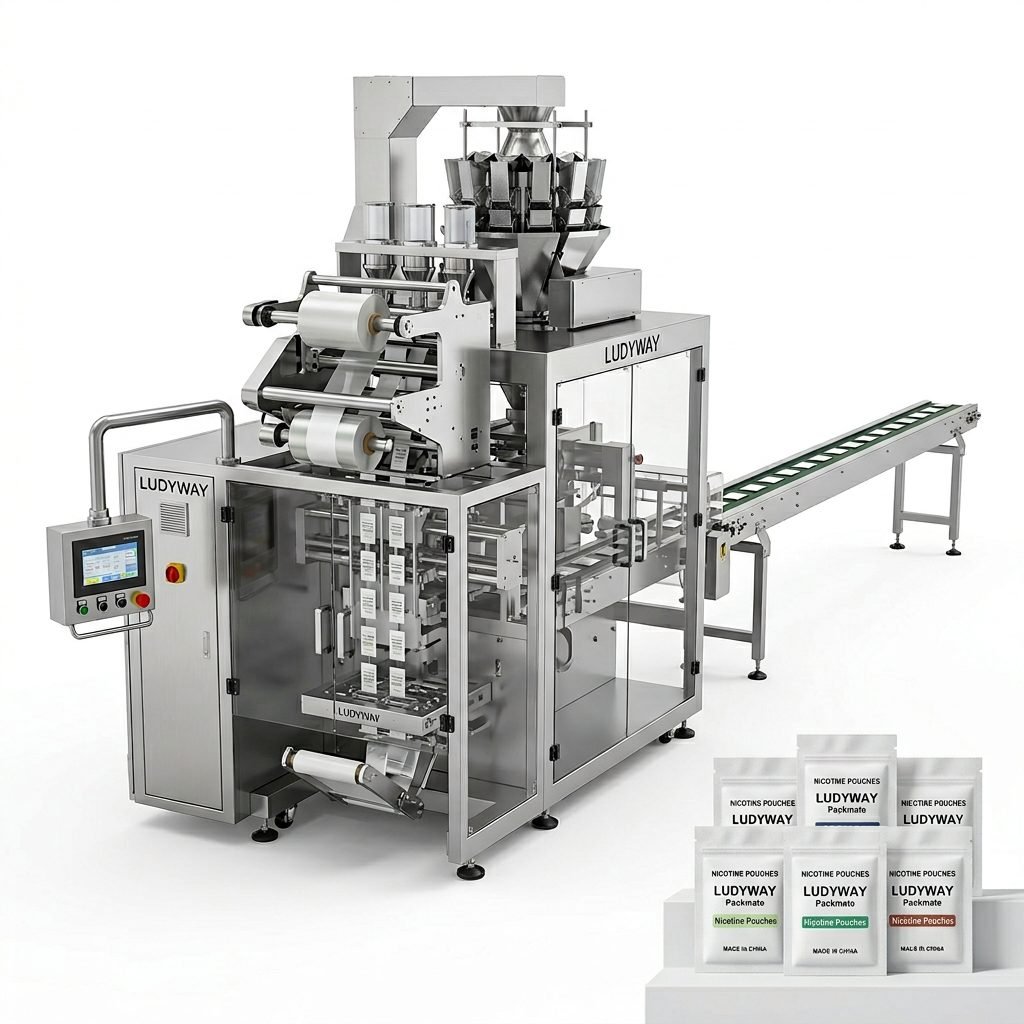
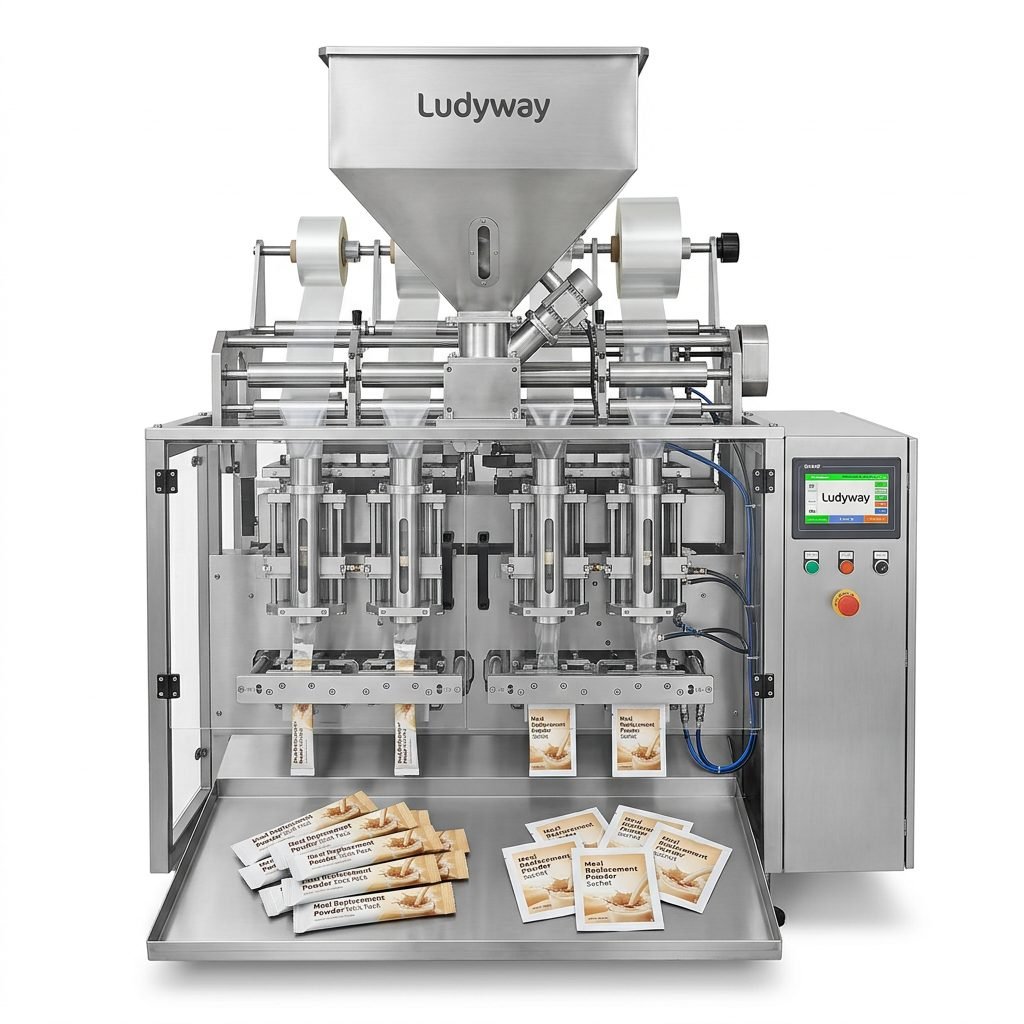
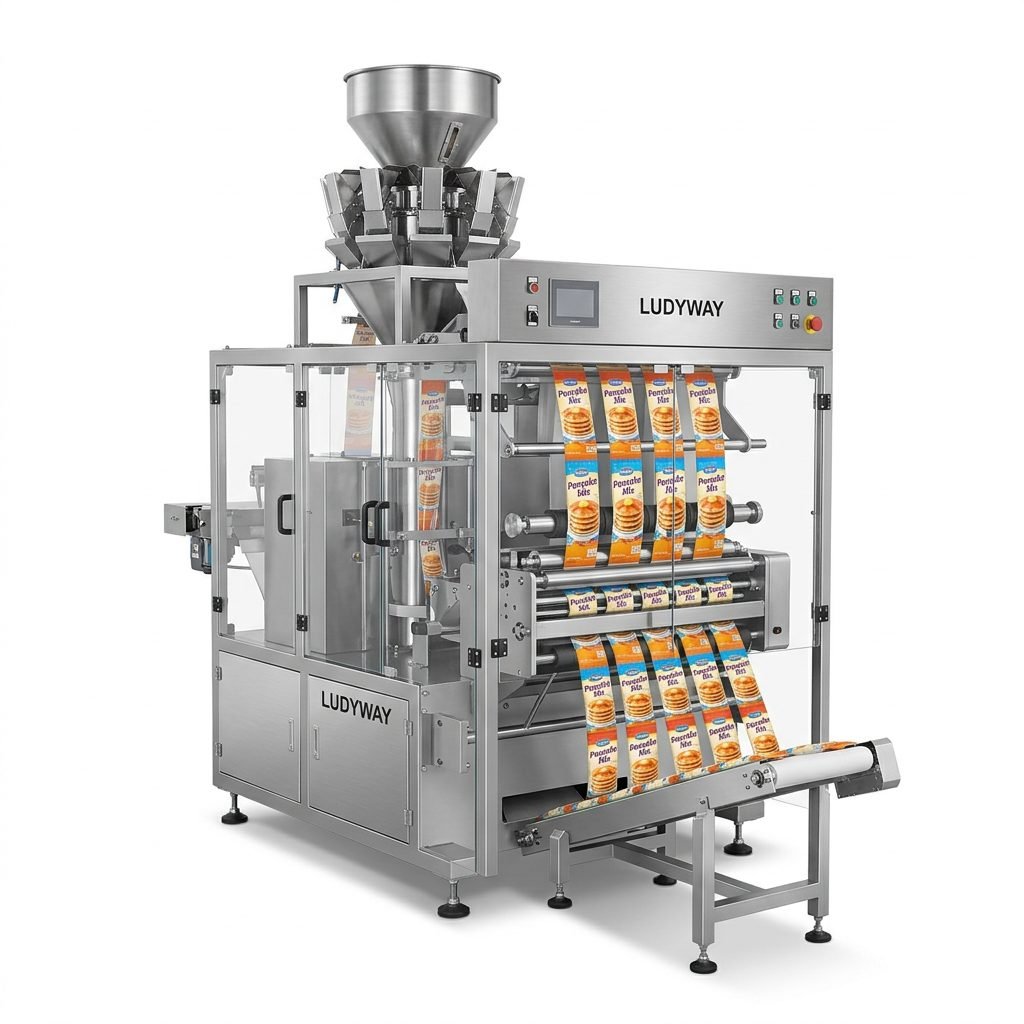
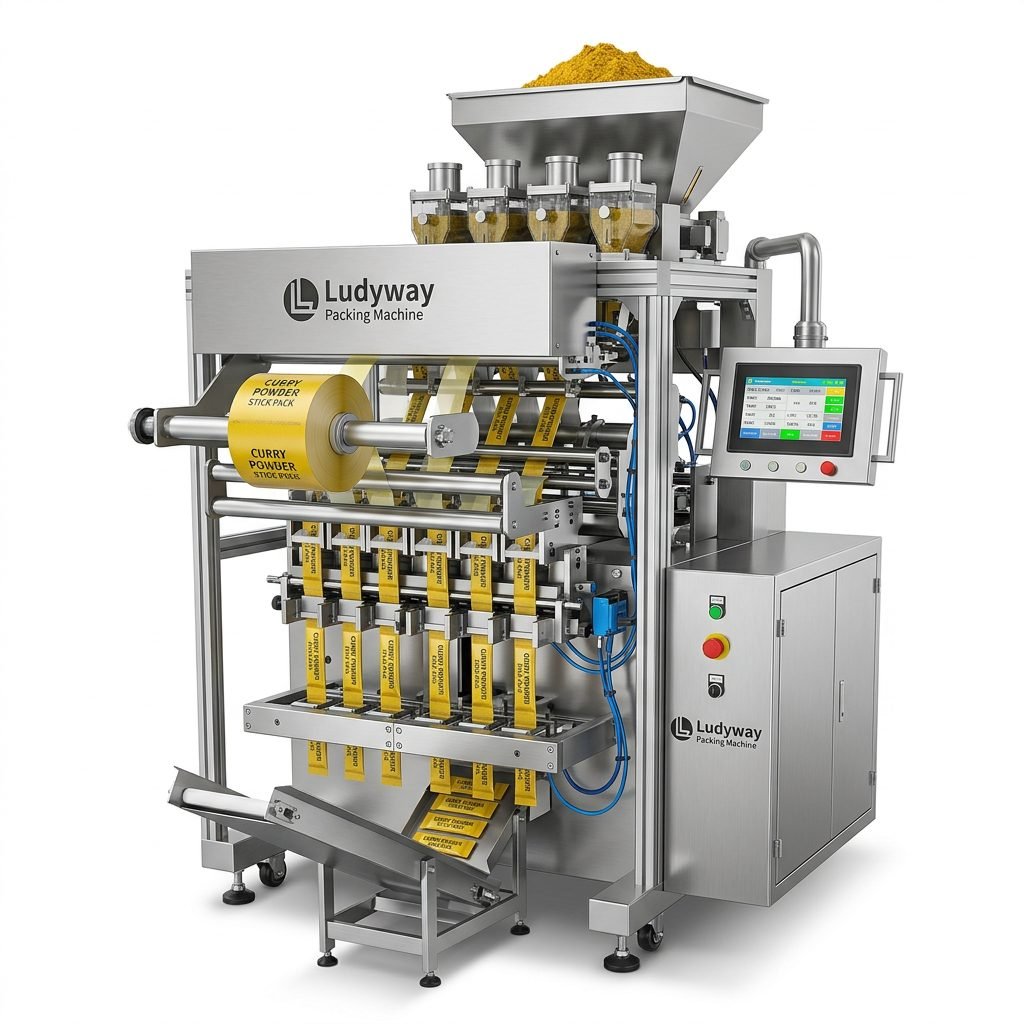
Choosing the right noodle packing machine is not only about speed. It directly affects product freshness, shelf appeal, sealing quality, labor cost, and long-term production efficiency. Whether you produce instant noodles, dry noodles, noodle cakes, seasoning sachets, or complete noodle meal kits, the ideal packaging solution should match your product format, output target, and factory workflow.
This guide explains the main machine types, critical buying factors, packaging materials, automation options, and common mistakes to avoid so you can make a practical investment decision.
Why Noodle Packaging Matters More Than Many Buyers Expect
Noodles are sensitive to breakage, moisture, contamination, and presentation issues. Poor packaging can lead to crushed products, leaking seasoning sachets, poor barcode readability, and weak retail appearance. For food brands and manufacturers, this often means more customer complaints, higher returns, and reduced distributor confidence.
- Protect noodle blocks, bundles, or loose noodles during transport
- Maintain freshness and reduce moisture exposure
- Support high-speed retail and export production
- Improve appearance on supermarket shelves and e-commerce channels
- Enable coding, traceability, and batch management
- Integrate seasoning sachet insertion, cartoning, and case packing
What Products Can a Noodle Packing Machine Handle?
The term noodle packing machine covers a wide range of applications. Before selecting a model, define exactly what you are packing.
| Product Type | Typical Packaging Format | Recommended Machine Type |
|---|---|---|
| Instant noodle cake | Pillow bag, flow wrap, multi-pack | Horizontal flow wrapper / full line |
| Long dry noodles | Pillow bag, gusset bag, bundle pack | Vertical or horizontal noodle bundling and bagging system |
| Fresh noodles | Tray, pouch, modified atmosphere pack | Tray sealing or pouch packaging system |
| Seasoning powder | Sachet, stick pack | Multi-lane sachet or stick pack machine |
| Sauce or oil sachet | Liquid sachet, paste sachet | Liquid/paste sachet filling and sealing machine |
| Complete noodle kit | Bag with noodle cake and condiments | Integrated turnkey noodle packaging line |
Main Types of Noodle Packing Machines
1. Horizontal Flow Wrapping Machine
This is one of the most common choices for instant noodle cakes and bundled dry noodles. The machine wraps products in pillow-style packs at high speed and is well suited for regular product shapes.
- Good for high output production
- Clean and attractive retail pack appearance
- Suitable for single packs and some multi-pack formats
- Can integrate date coding and feeding systems
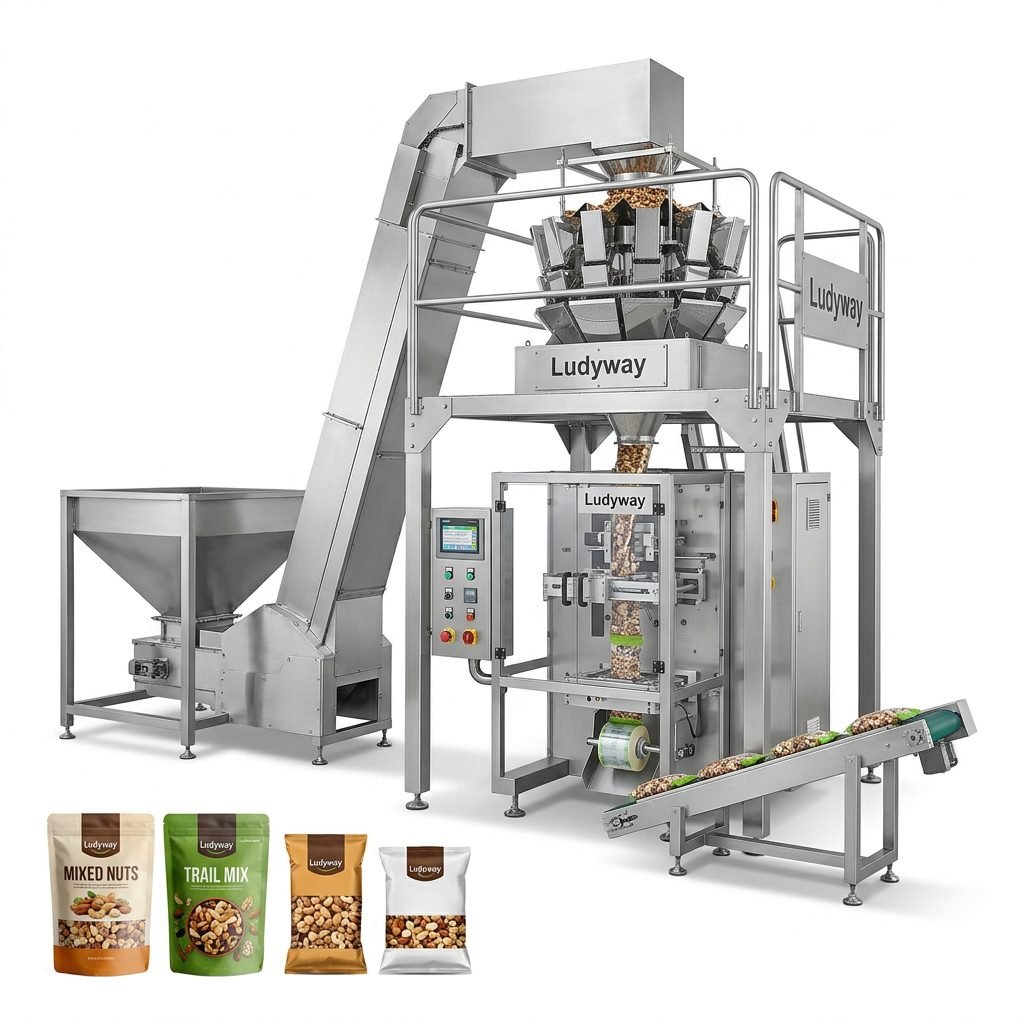
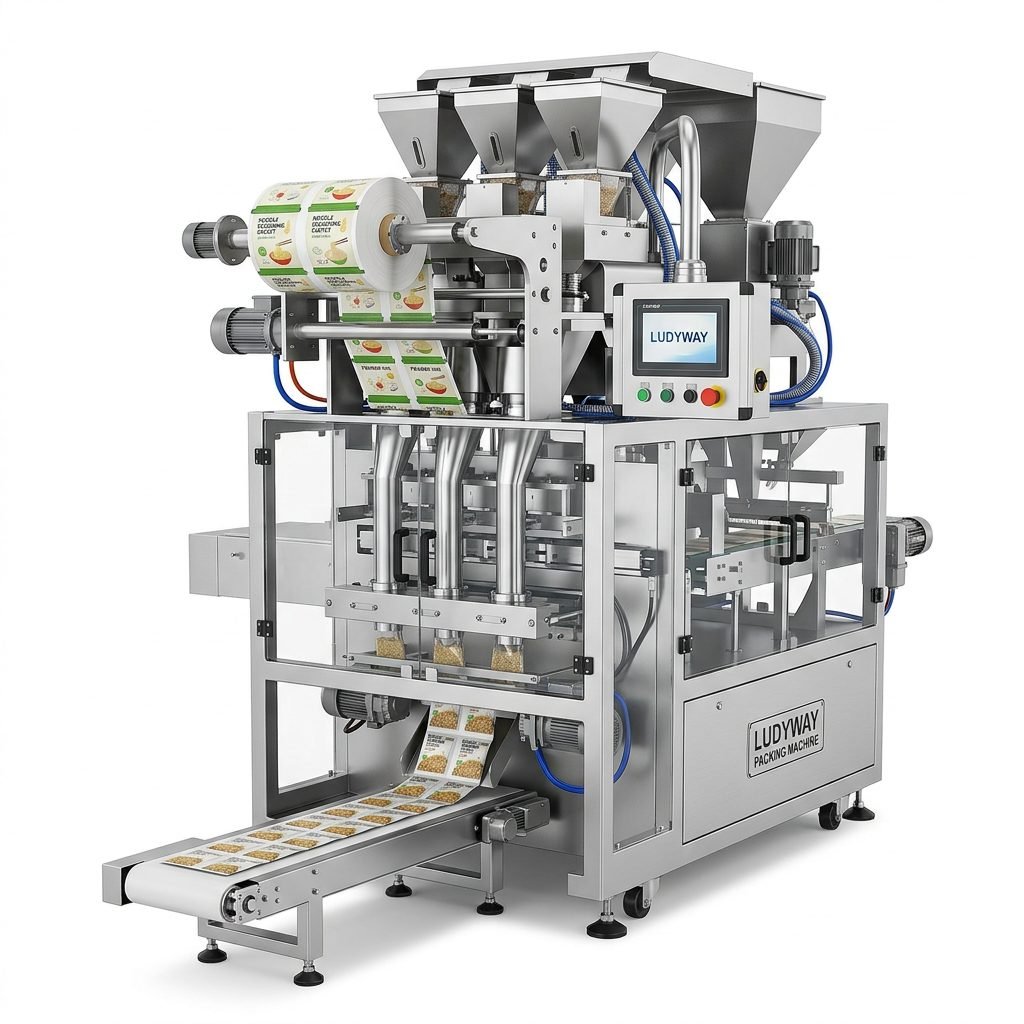
2. Vertical Form Fill Seal Machine
VFFS machines are ideal when noodles or related ingredients are packed into pouches from roll film. They are often used for seasoning powders, dehydrated vegetables, soup base granules, and smaller noodle side ingredients.
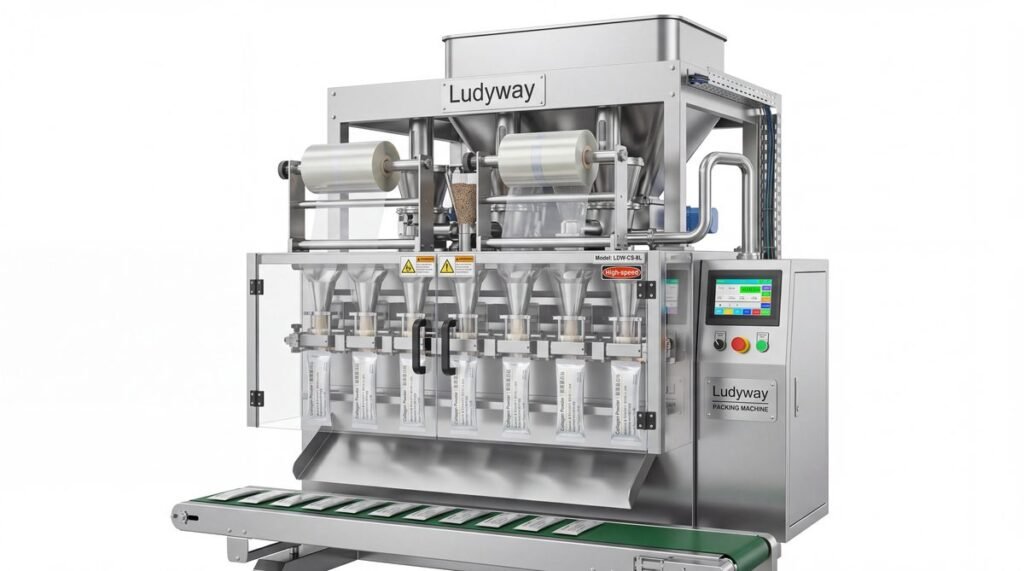
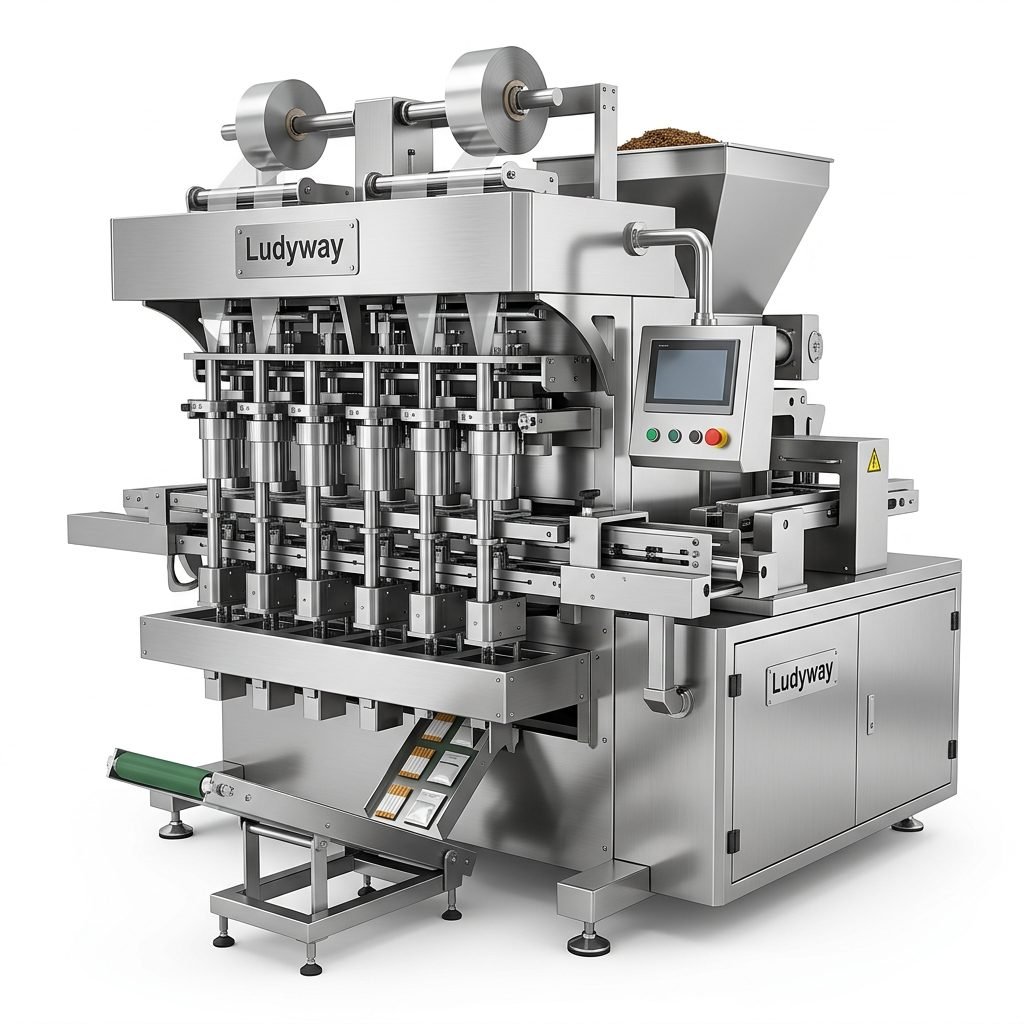
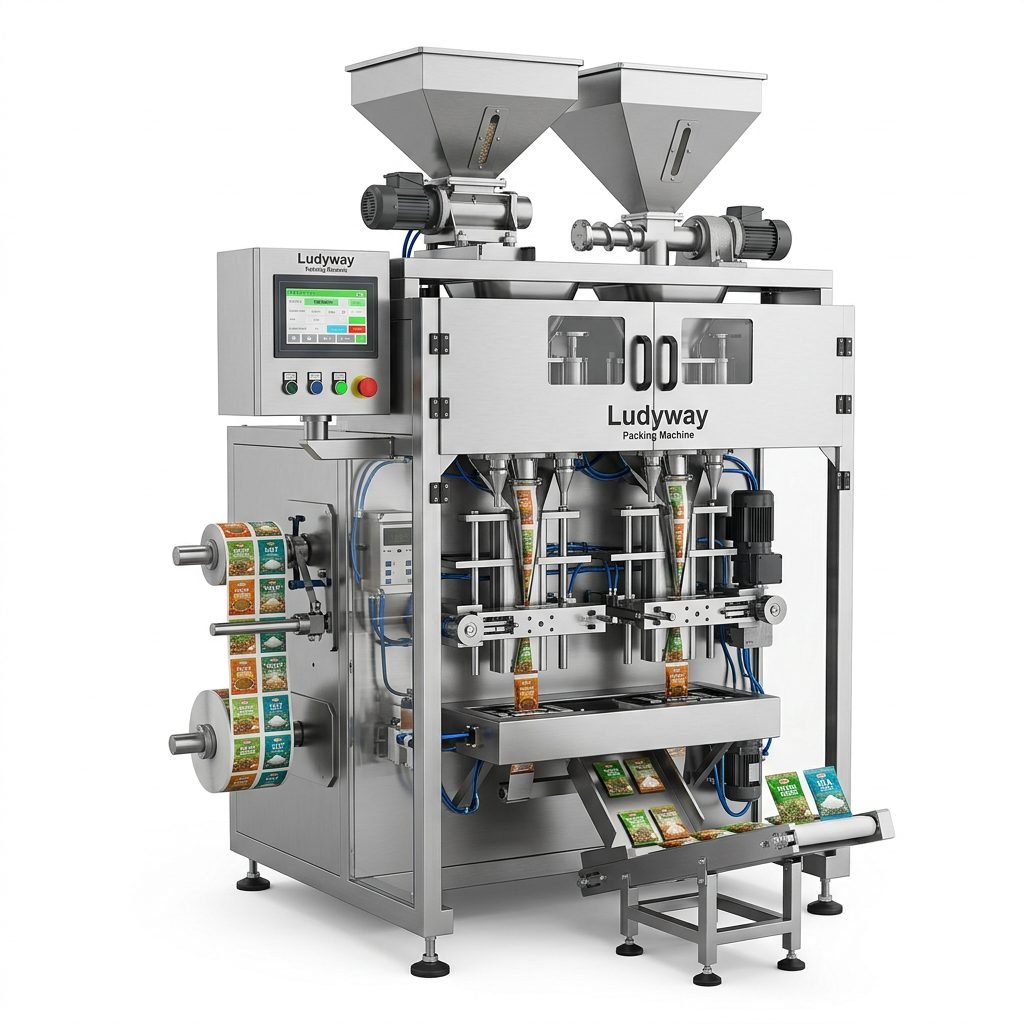
3. Sachet and Stick Pack Machines
Noodle brands frequently need separate seasoning packs. Powder sachets, oil sachets, sauce sachets, and flavor enhancers usually require dedicated packaging equipment. Multi-lane models increase speed dramatically for mass production.
4. Premade Pouch Packing Machines
If your noodles are sold in stand-up pouches, zipper pouches, or premium retail bags, a premade pouch machine may be the better fit. It offers stronger visual appeal and flexibility for higher-value packaging.
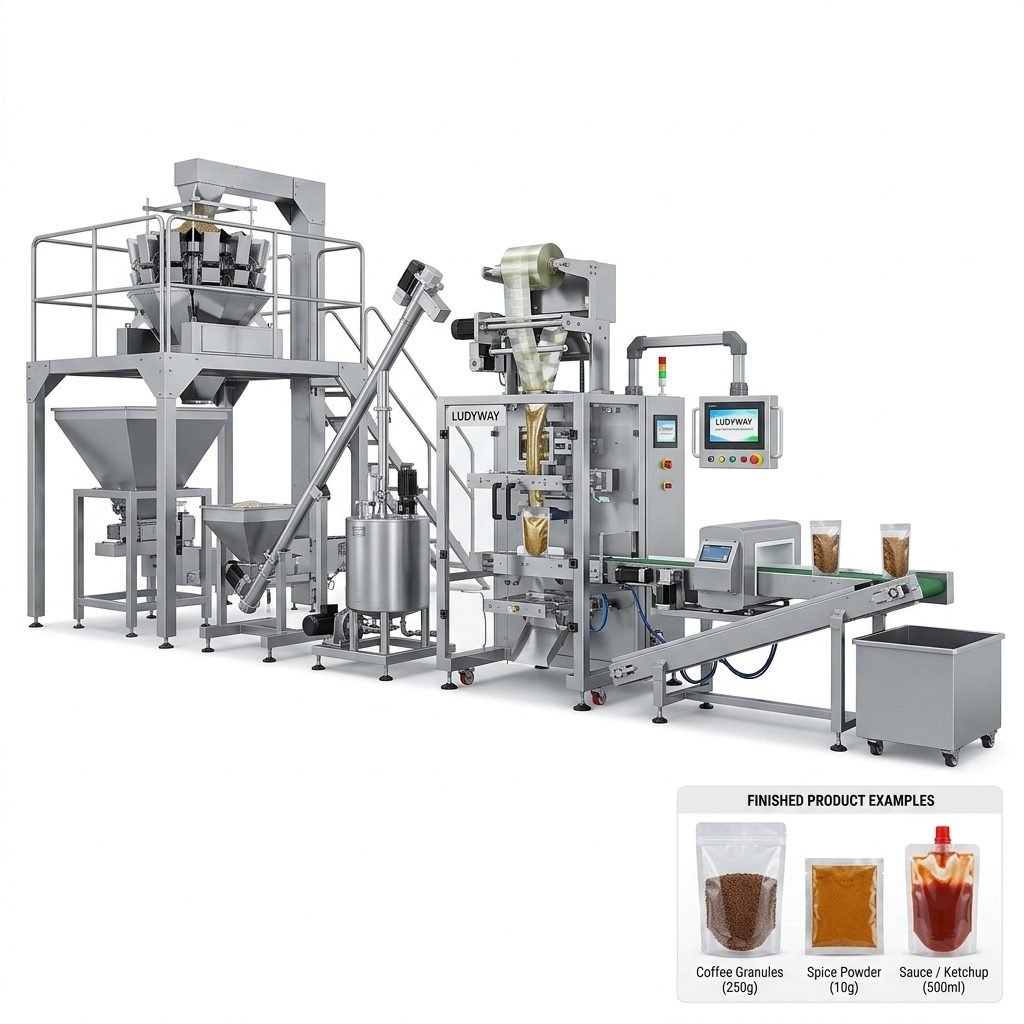
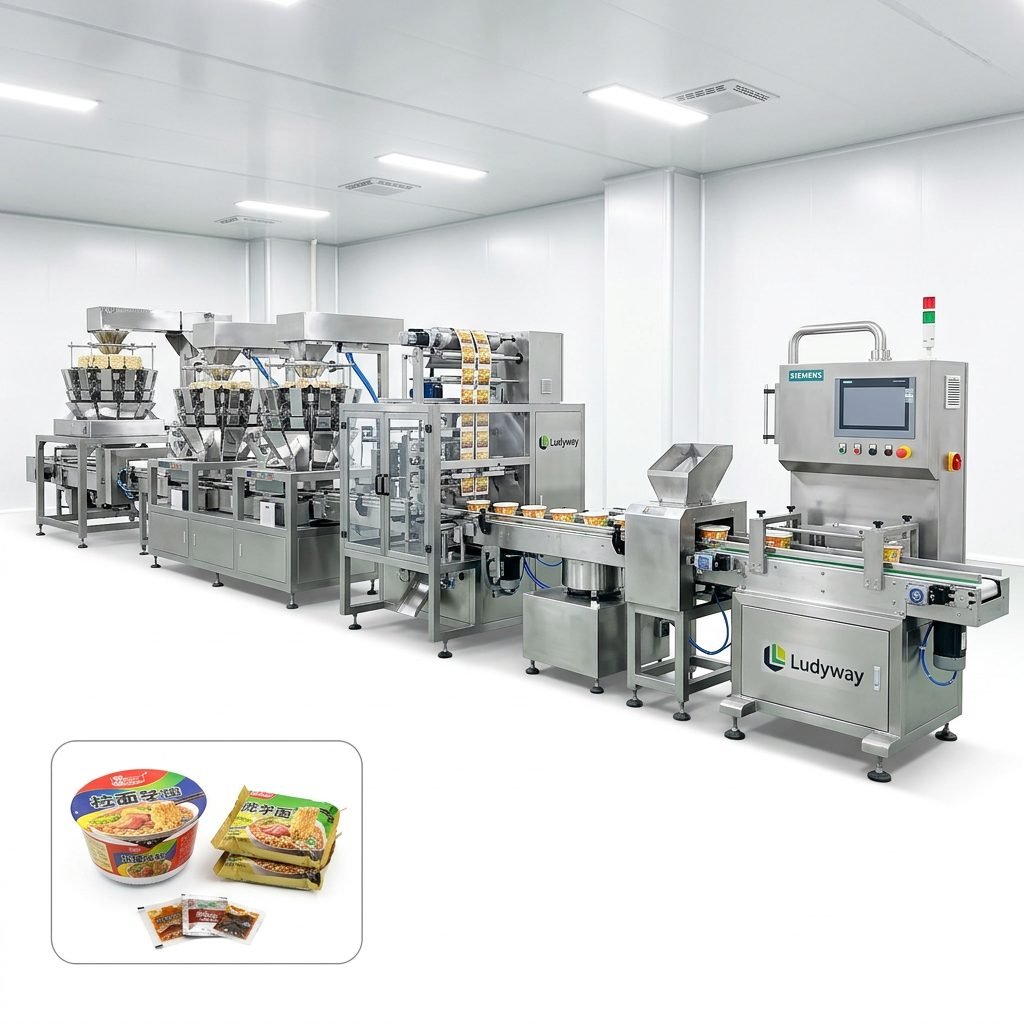
5. Complete Turnkey Noodle Packaging Lines
For medium to large factories, a full line often delivers better consistency than standalone machines. A complete system may include feeding, counting, conveying, primary packaging, seasoning insertion, checkweighing, metal detection, cartoning, case packing, and palletizing.
How to Choose the Right Noodle Packing Solution
Understand Your Noodle Format First
The machine should fit the product, not the other way around. Ask these questions:
- Are your noodles fried, non-fried, dried, fresh, or frozen?
- Are they packed as cakes, bundles, bricks, cups, or meal kits?
- Do you need to include one or more condiment sachets?
- Is your pack for retail, wholesale, food service, or export?
Match Machine Speed to Real Production Needs
Many buyers focus only on the maximum speed shown in catalogs. In reality, sustainable output matters more than peak speed. A machine should maintain stable operation with your actual noodle shape, film type, and filling conditions.
A stable 120 packs per minute is often more profitable than an unstable 180 packs per minute.
Check Sealing Performance Carefully
In noodle packaging, poor sealing can cause moisture absorption, leakage of sauce or oil sachets, and damaged brand reputation. Evaluate:
- Seal strength and consistency
- Compatibility with laminated films
- Hot seal temperature control
- Leak prevention for liquid seasoning packs
- Seal appearance for retail presentation
Consider Product Protection
Noodles can break easily. A suitable machine should minimize drop height, impact force, and compression during feeding and sealing. This is especially important for brittle instant noodle cakes and premium dry noodle bundles.
Look at Automation Level
You can choose from semi-automatic equipment to fully automated lines. Your decision should depend on labor availability, output targets, plant layout, and budget.
| Automation Level | Best For | Key Benefit |
|---|---|---|
| Semi-automatic | Startups, low-volume plants | Lower investment |
| Automatic standalone machine | Growing factories | Better speed and consistency |
| Integrated packaging line | High-output manufacturers | Lower labor cost and full-line efficiency |
Evaluate Film and Packaging Material Compatibility
Not every noodle packaging machine handles every film structure equally well. Confirm compatibility with:
- OPP/CPP
- PET/PE
- BOPP laminated films
- Metalized films
- Barrier films for longer shelf life
Think About Future Product Expansion
If you may later launch cup noodles, family packs, spicy noodle kits, or export versions with bilingual labels, choose a machine platform that allows format changes and optional upgrades.
Key Features to Look for in a High-Quality Noodle Packing Machine
- Accurate feeding system to avoid jammed or broken noodles
- Servo control for precise bag length and stable operation
- Touchscreen HMI for easy recipe changeover
- Photoelectric tracking for accurate print registration
- Automatic film correction and tension control
- Date coding and batch printing integration
- Checkweigher and metal detector compatibility
- Stainless steel food-contact parts for hygiene
- Easy cleaning and maintenance design
- Remote diagnostics or technical support options
When Do You Need a Complete Noodle Packaging Line Instead of a Single Machine?
A standalone machine may work for simple packaging tasks, but a turnkey line is often the better long-term choice when your process includes multiple steps. You should consider a complete line if you need:
- Automatic noodle feeding and alignment
- Seasoning sachet production and insertion
- Bundle collation or multipack formation
- Inline weighing, inspection, and rejection
- Automatic cartoning and case packing
- Reduced manual handling for hygiene and labor savings
For manufacturers looking for scalable automation, Ludyway noodle packaging solutions can support both standalone machines and complete turnkey packaging lines across food production applications.
Important Questions to Ask a Supplier Before Buying
- What noodle types and pack sizes has this machine already handled?
- Can the supplier test my actual product and packaging film?
- What is the stable running speed under real production conditions?
- How long does changeover take between different SKU sizes?
- What wear parts are included?
- Is installation, training, and after-sales support available?
- Can the machine integrate with my existing upstream and downstream equipment?
- What certifications and export experience does the supplier have?
Common Mistakes Buyers Make
- Choosing based only on price
- Ignoring noodle fragility and feeding design
- Underestimating the importance of seal quality
- Buying a machine with no upgrade path
- Not testing actual packaging film before purchase
- Overbuying speed but underplanning line integration
- Forgetting about seasoning sachet handling requirements
Signs You Have Chosen the Right Machine
A good noodle packing machine should give you visible operational improvements within a short period. Positive signs include:
- Consistent bag appearance and seal quality
- Low noodle breakage rate
- Stable output during long production runs
- Fewer operator interventions
- Easy cleaning and product changeover
- Reduced film waste and lower packaging loss
Best Packaging Solution by Business Stage
| Business Stage | Recommended Solution | Main Goal |
|---|---|---|
| Startup noodle brand | Entry-level automatic packing machine | Control cost and standardize output |
| Mid-size manufacturer | Automatic wrapper plus seasoning sachet equipment | Improve efficiency and reduce labor |
| Large-scale producer | Integrated turnkey packaging line | Maximize throughput and line automation |
| Export-focused brand | Flexible line with coding, inspection, and cartoning | Meet retailer and compliance requirements |
Final Buying Advice for Noodle Manufacturers
The best noodle packing machine is the one that fits your product structure, packaging format, production capacity, and future expansion plan. A low-cost machine that causes high breakage, poor sealing, and frequent downtime will cost far more over time than a well-matched, reliable system.
If possible, always request product testing, video proof, technical drawings, line layout support, and a clear spare parts and after-sales plan before finalizing your order. In the noodle industry, packaging performance is not just an equipment issue—it is part of your product quality, brand image, and profitability.