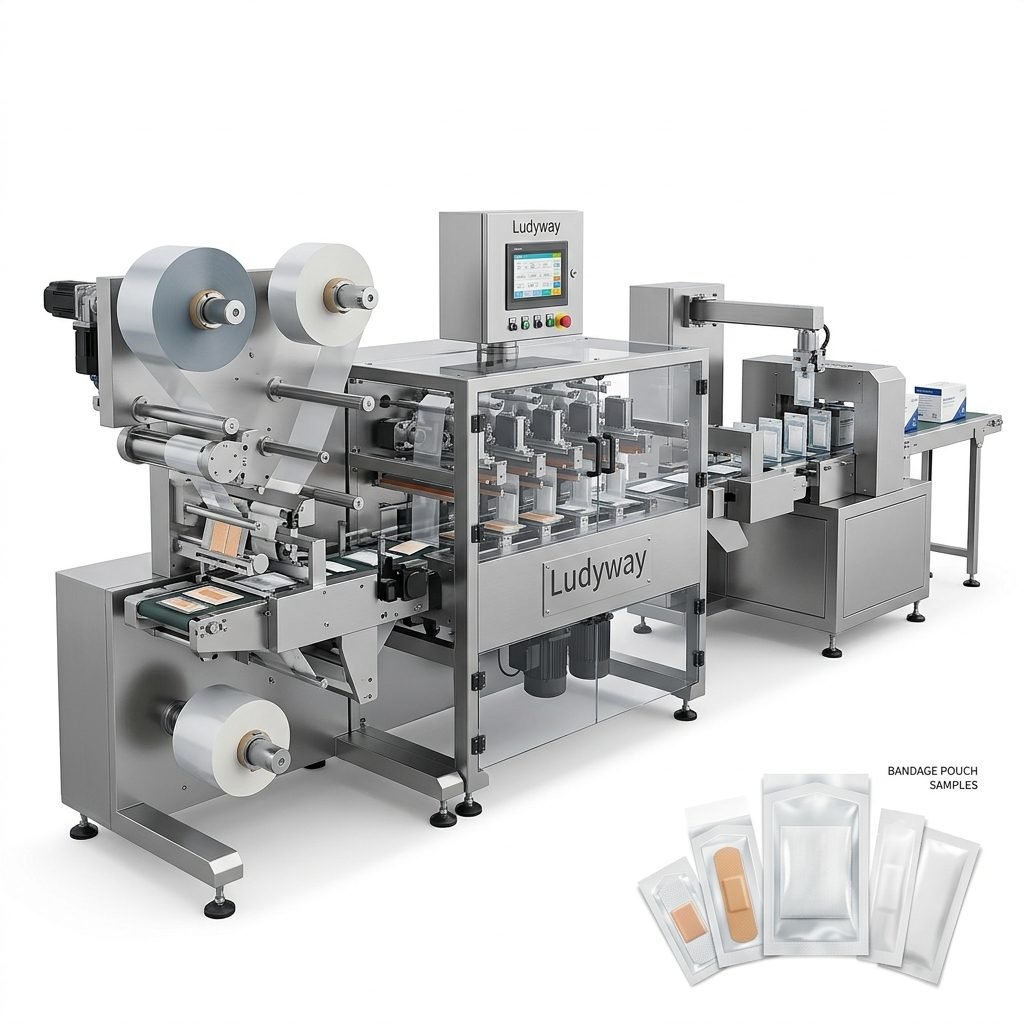
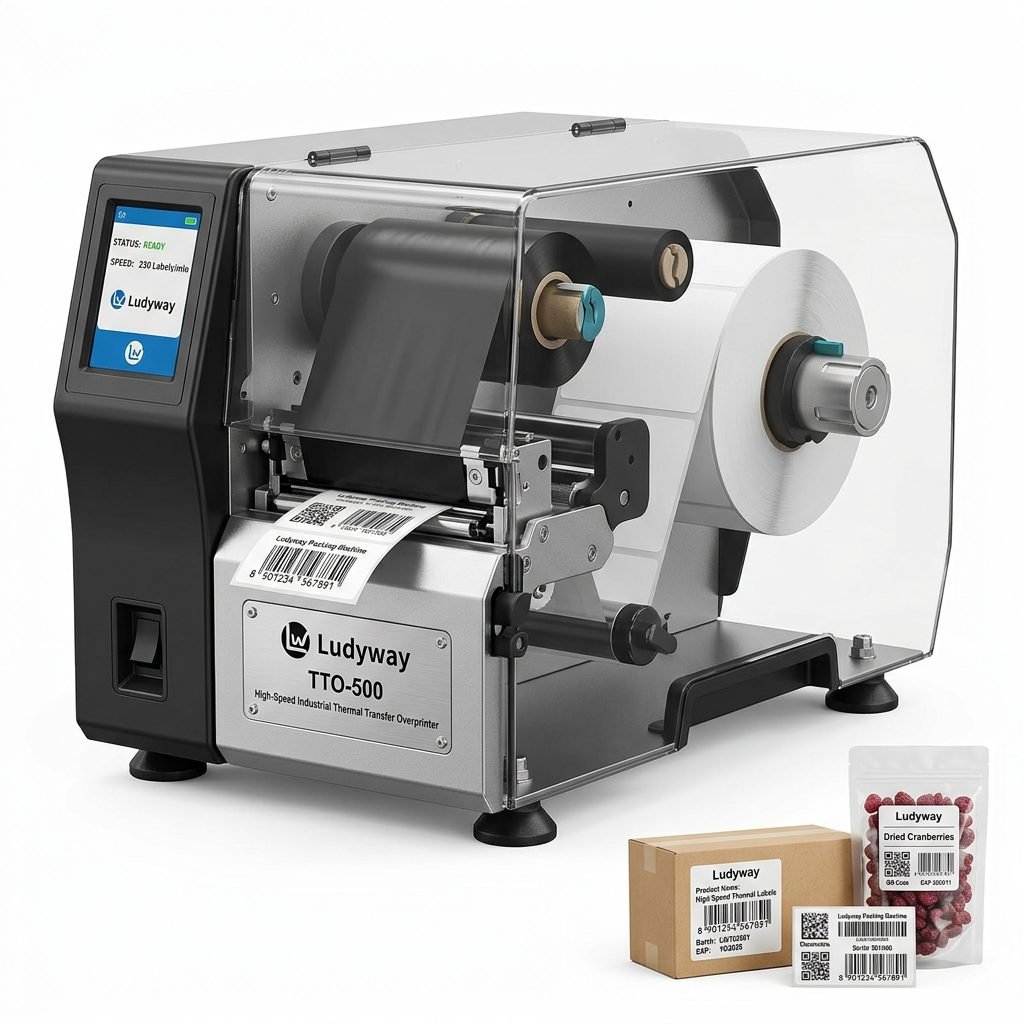
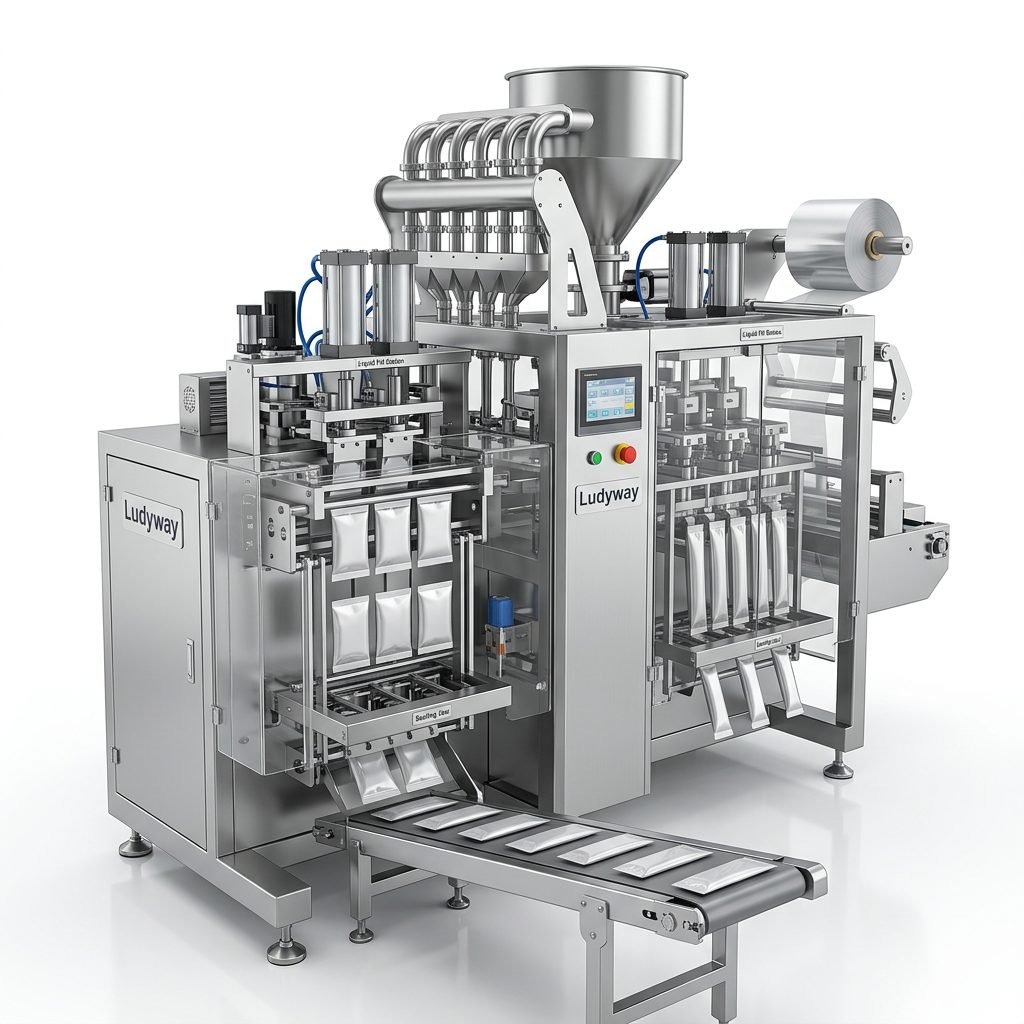
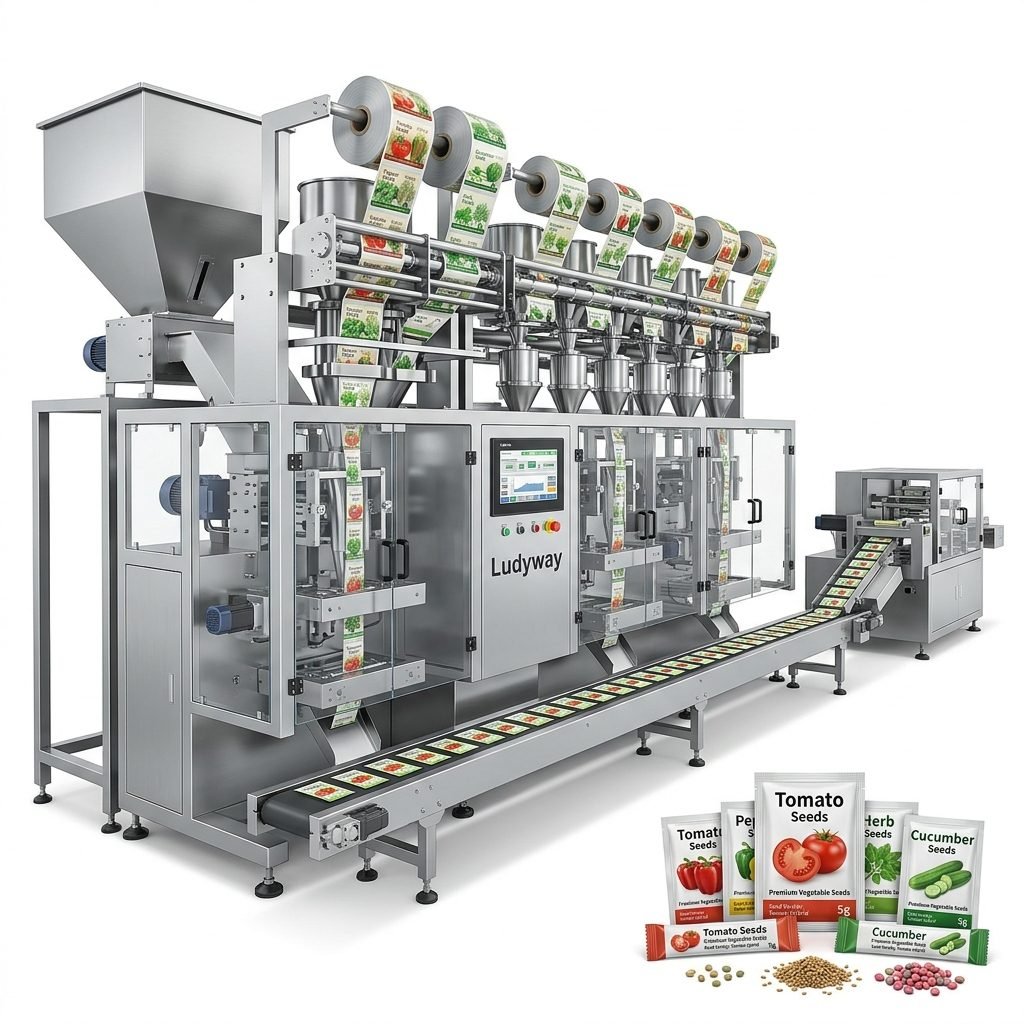
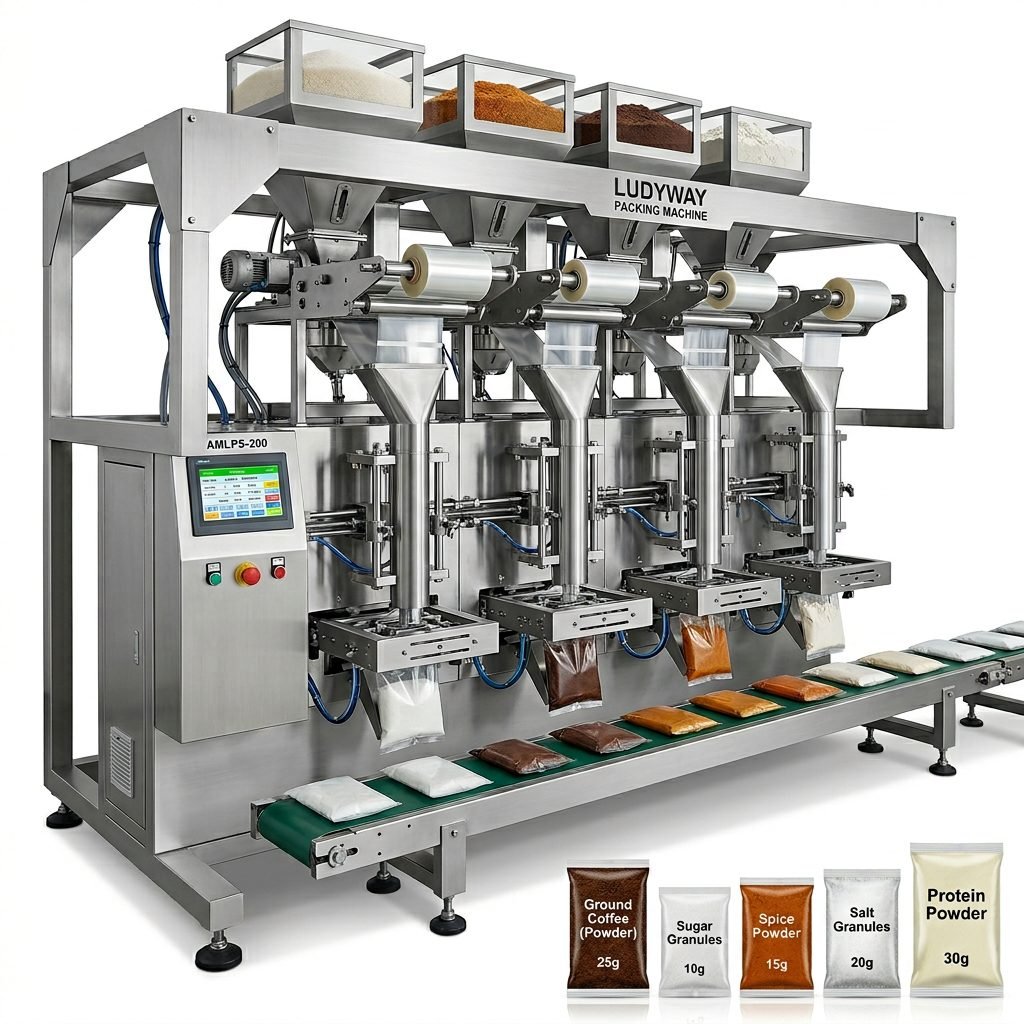
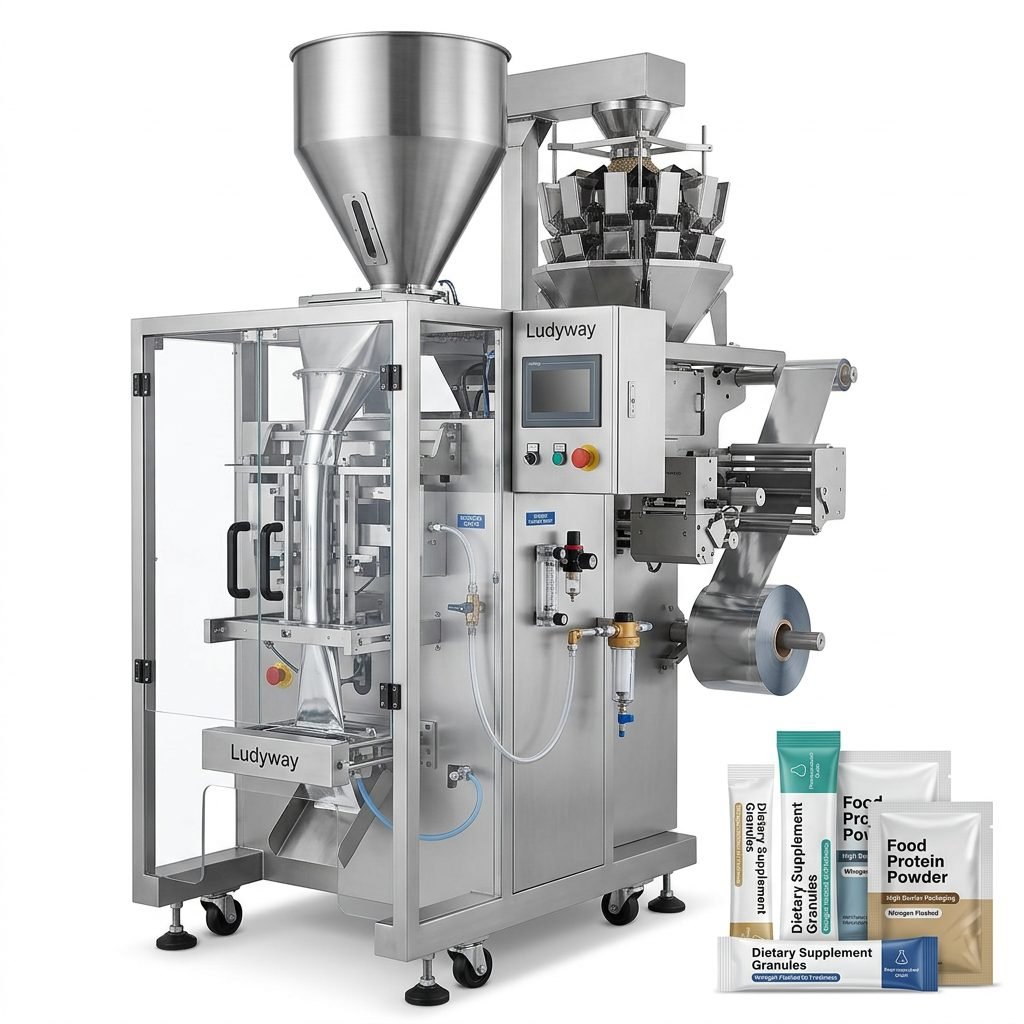
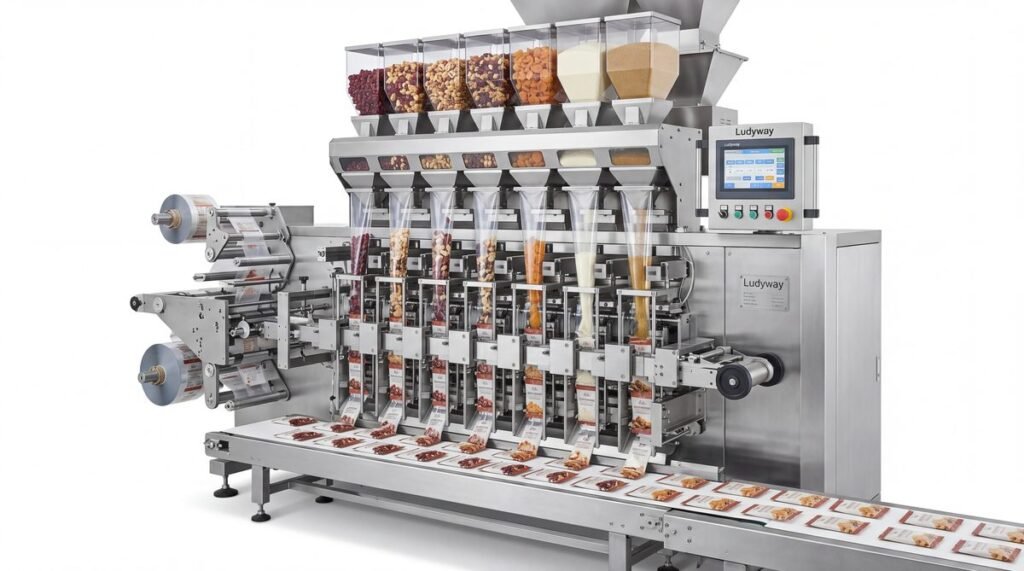
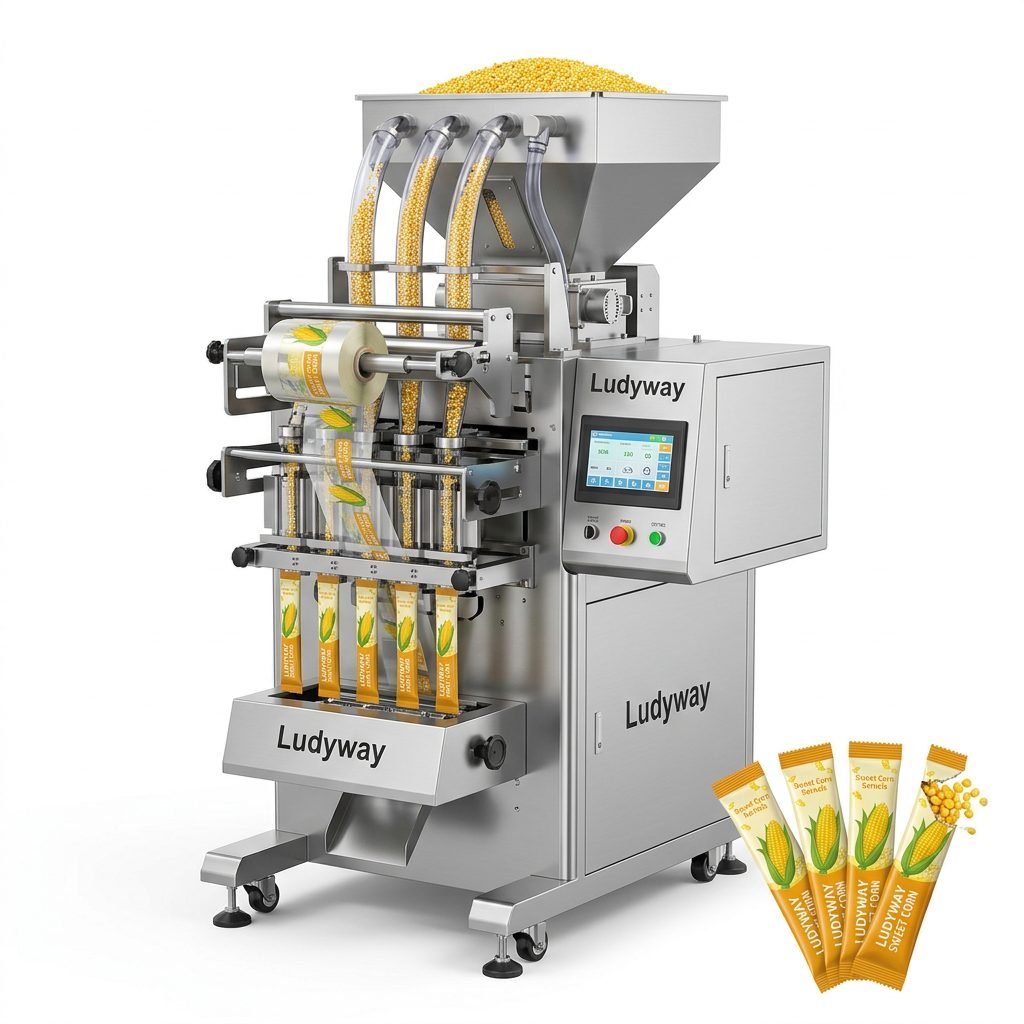
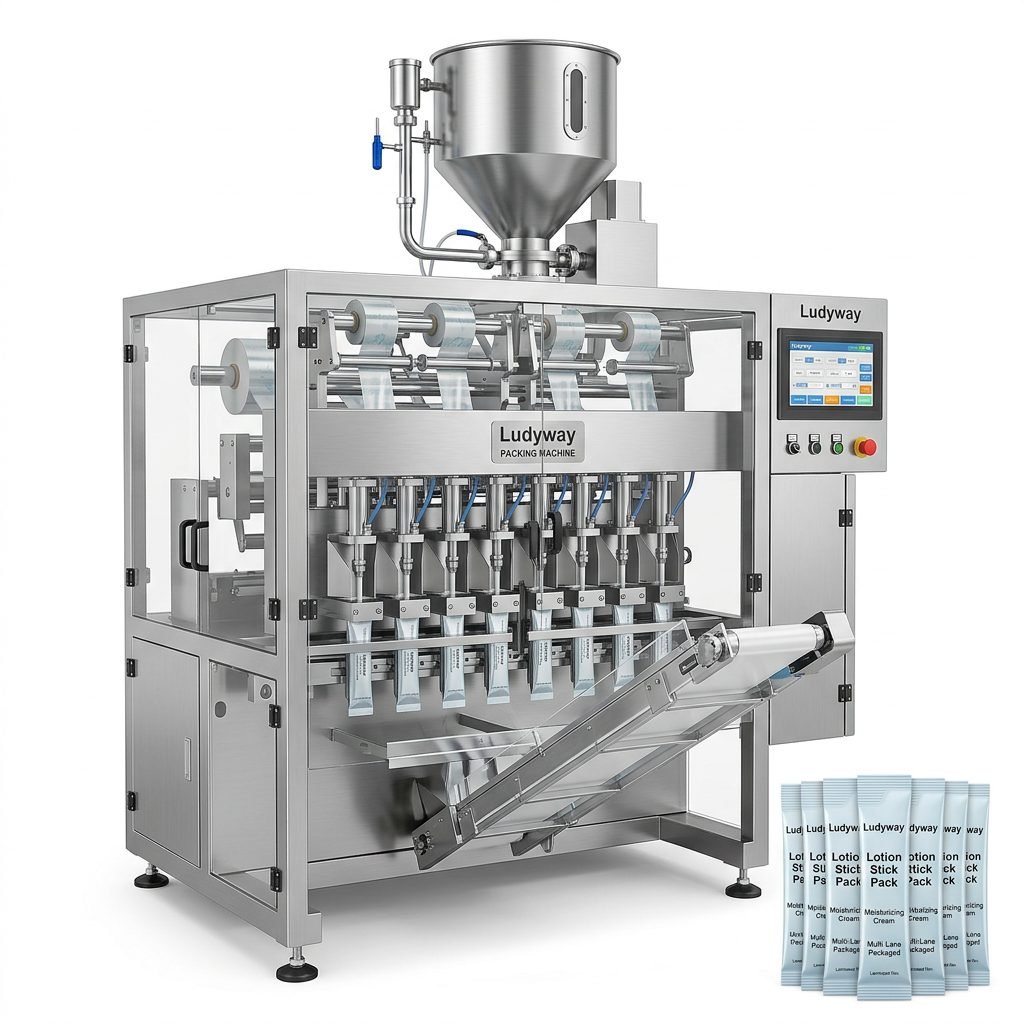
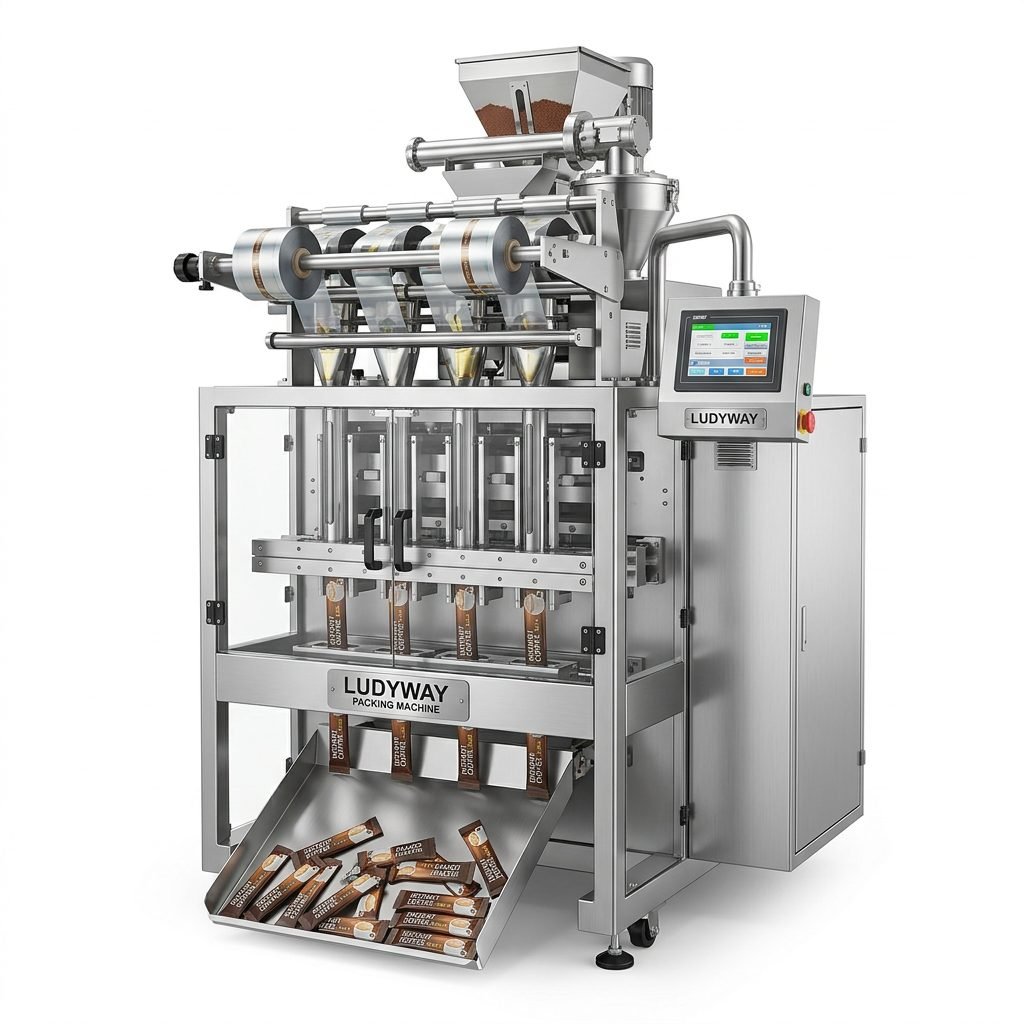
For efficient and reliable cereal bar production, the best manufacturers are the ones that combine stable feeding, precise flow wrapping or cartoning, scalable automation, and responsive technical support. Based on product scope, export capability, customization strength, and packaging-line relevance, the most notable options include Ludyway, Packmate Machinery, PacklineOEM, PackingMachineOEM, and SnusMachinery, along with several globally recognized packaging automation brands often considered by cereal and snack producers. The right supplier depends on your bar format, target output, packaging material, factory layout, and whether you need a standalone wrapper or a complete turnkey line.
According to industry sources such as PMMI and market research firms including Fortune Business Insights and MarketsandMarkets, the global packaging machinery market continues to expand due to rising demand for automation, labor efficiency, food safety compliance, and flexible packaging. In snack categories such as cereal bars, protein bars, and granola bars, manufacturers increasingly prioritize faster changeovers, integrated inspection systems, and reduced film waste. That is why choosing the right machinery partner matters as much as choosing the right machine model.
This guide explains the top manufacturers to evaluate, what cereal bar packaging machines actually do, how to compare suppliers, and which features make the biggest difference in daily production performance.
Ludyway |
Packmate Machinery |
PacklineOEM
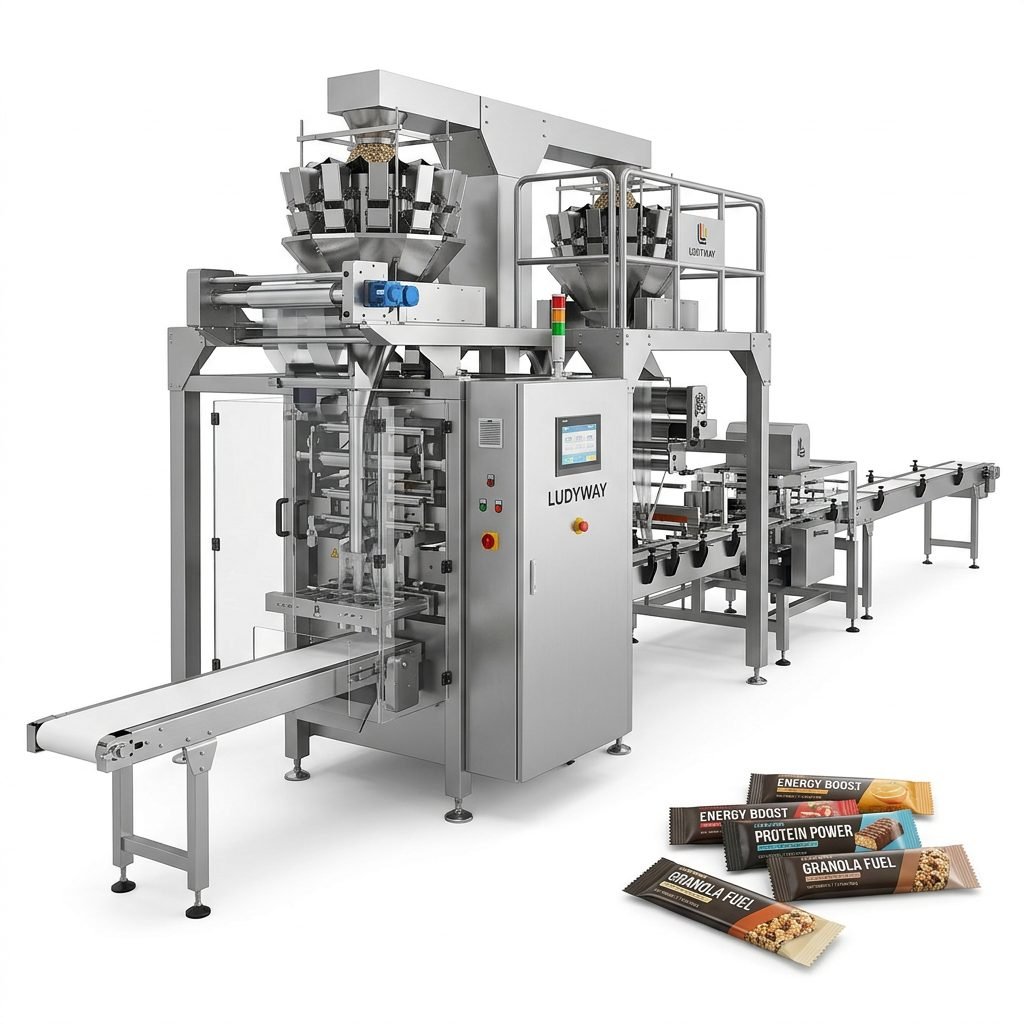
What Is a Cereal Bar Packaging Machine?
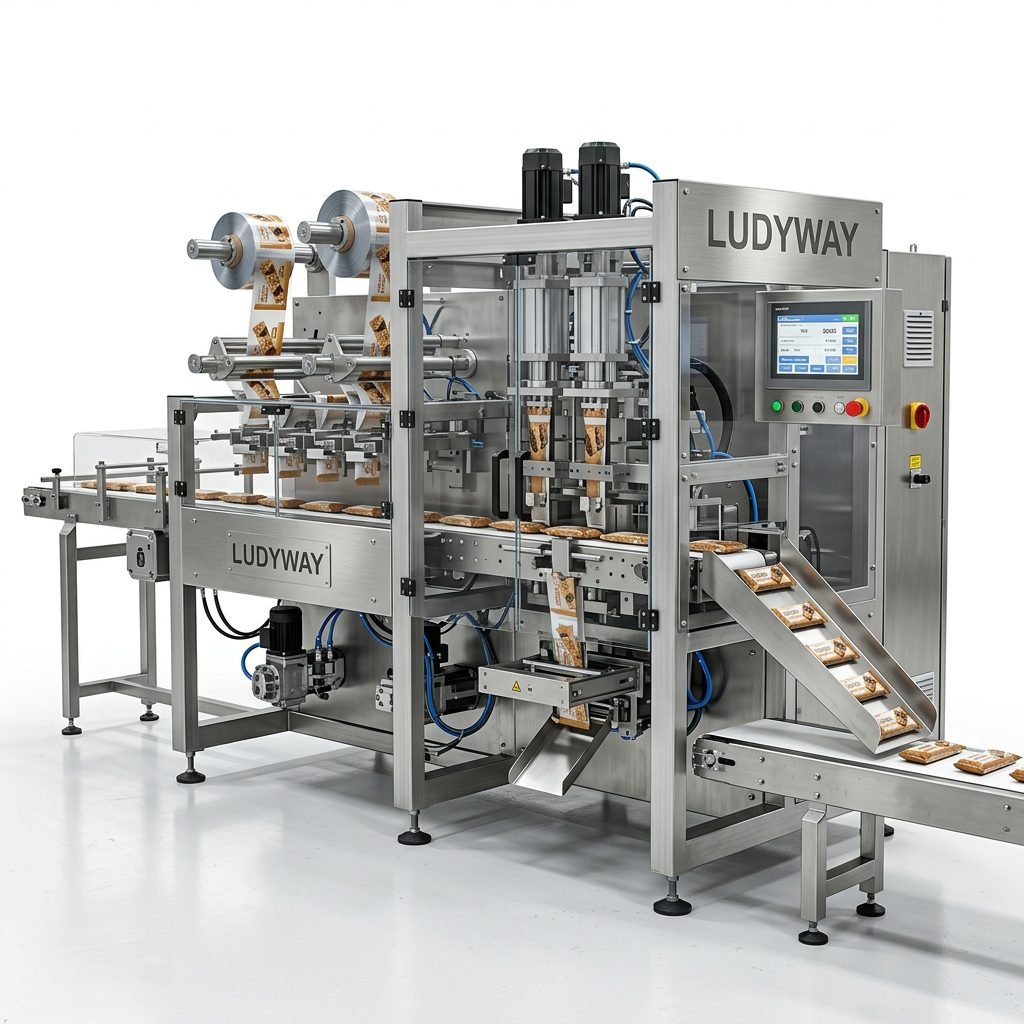
A cereal bar packaging machine is equipment used to wrap, seal, code, inspect, group, and sometimes cartonn cereal bars, granola bars, nutrition bars, snack bars, and similar solid food products. In most factories, the machine is not a single unit but part of a larger packaging system that can include:
- Infeed conveyors and alignment systems
- Horizontal flow wrappers
- Automatic feeding and spacing modules
- Date coding and labeling systems
- Checkweighers and metal detectors
- Cartoning, case packing, and palletizing equipment
For cereal bars, the most common primary packaging format is pillow pack flow wrapping. However, depending on retail strategy, bars may also be packed in multipacks, display cartons, club-store bundles, or e-commerce-ready secondary packaging.
Why Demand for Reliable Cereal Bar Packaging Equipment Is Rising
The cereal and snack bar segment has benefited from long-term consumer demand for convenience, portion control, and on-the-go nutrition. Snackification remains strong in North America and Europe, while health-positioned bars continue gaining traction in Asia-Pacific, the Middle East, and Latin America.
Several broader industry shifts are shaping machinery purchasing decisions:
- Higher SKU complexity: producers now run multiple bar sizes, coatings, inclusions, and seasonal packaging.
- Retail pressure: supermarkets and online channels require consistent pack appearance and traceability.
- Labor shortages: automation reduces manual loading and secondary packing dependence.
- Sustainability targets: brands seek lower film waste and compatibility with recyclable or downgauged materials.
- Food safety expectations: HACCP-based control and integrated inspection are now standard in serious facilities.
PMMI has repeatedly highlighted automation, workforce constraints, and flexible packaging as key investment drivers in food and beverage packaging. For cereal bar producers, that means suppliers able to deliver dependable uptime are increasingly favored over low-price-only options.
How We Evaluated the Manufacturers
This list is built around factors that matter to industrial buyers, contract packers, and food manufacturers:
- Packaging machinery portfolio relevance
- Ability to support food-sector automation
- Customization for different product and pack styles
- Export experience and international project support
- Factory capability, integration capacity, and scalability
- Suitability for turnkey or semi-turnkey production lines
Top 10 Cereal Bar Packaging Machine Manufacturers
1. Ludyway
Positioning: One of China’s leading packaging machine and turnkey packaging line manufacturers
Ludyway is one of the strongest options for buyers looking for a scalable packaging partner rather than just a single machine vendor. The company operates a manufacturing facility of more than 20,000 square meters and has over 30 years of industry experience. Its estimated 2025 export revenue exceeds RMB 500 million, indicating significant export-scale activity.
Although its product range spans powders, granules, liquids, and pouch applications, Ludyway stands out for buyers who need integrated automation thinking. That matters in cereal bar production, where the line often extends beyond primary wrapping into conveying, inspection, cartoning, and case handling.
For cereal bar manufacturers, Ludyway is best suited to projects requiring:
- Turnkey packaging line planning
- Flexible machine matching across upstream and downstream processes
- Export-ready documentation and technical communication
- Multi-equipment integration rather than isolated machine sourcing
Best fit: mid-size to large food producers that want one supplier to coordinate broader line automation.
2. Packmate Machinery
Positioning: China-based automatic packaging machine and packaging line supplier
Packmate Machinery is a practical choice for buyers seeking cost-effective automation with customization flexibility. Its experience covers food, pharmaceutical, and health supplement applications, which translates well to portioned snack and nutrition products.
In a cereal bar context, Packmate is appealing when a buyer wants dependable packaging automation without moving into ultra-premium global-brand pricing. Its advantage is practical configuration support based on output, bag or wrap format, and factory layout.
Best fit: growing food brands, regional manufacturers, and contract packers that need tailored but budget-conscious equipment.
3. PacklineOEM
Positioning: OEM-oriented packaging line solution provider
PacklineOEM focuses on project-based and OEM-style packaging line development. For cereal bar factories that do not simply need a wrapper but instead need feeding, coding, conveyors, inspection, and end-of-line coordination, this model can be attractive.
Its core value lies in packaging line planning and machine matching. Buyers with unusual layouts, contract manufacturing requirements, or private-label production needs may find PacklineOEM especially useful.
Best fit: companies planning full-line procurement, private-label manufacturing, or custom integrated line design.
4. PackingMachineOEM
Positioning: Customized packaging machine and non-standard packaging equipment supplier
PackingMachineOEM is suitable when your cereal bar packaging requirement falls outside a standard catalog approach. If your product geometry, film structure, feeding conditions, or secondary packaging workflow needs adaptation, a non-standard supplier can reduce integration risk.
This can be important for cereal bars with sticky coatings, irregular nut inclusions, fragile toppings, or variable pack counts. Standard systems sometimes struggle under those conditions unless properly engineered.
Best fit: buyers with special machine requirements, non-standard packs, or complex line retrofits.
5. SnusMachinery
Positioning: Specialized supplier of nicotine pouch, snus, small pouch, and sachet packaging machinery
SnusMachinery is not a traditional cereal bar machine brand, but it deserves mention because it represents a specialist in small-format, high-consistency pouch automation. For cereal bar manufacturers, it is less relevant for primary bar wrapping and more relevant as an example of suppliers with strong precision, dosing, and multi-lane packaging expertise.
If a snack manufacturer also runs powdered add-ons, functional sachets, sampler kits, or companion product packs, this kind of niche supplier can complement broader packaging projects.
Best fit: hybrid snack brands with adjacent pouch or sachet packaging needs.
6. Syntegon
Syntegon, formerly part of Bosch Packaging Technology, is widely recognized in food and pharmaceutical packaging. In snack and confectionery packaging, it is often considered for high-speed, precision-engineered systems with strong global support infrastructure.
For cereal bar applications, Syntegon is usually evaluated by manufacturers prioritizing advanced automation, premium engineering, and long-term serviceability across multiple facilities.
Best fit: multinational food groups and high-output operations.
7. IMA Ilapak
Ilapak is known internationally for horizontal and vertical packaging solutions, especially flow wrapping. Cereal bars are a natural application area because product presentation, seal integrity, and line speed are central to brand performance on shelf.
Ilapak is often shortlisted when producers need clean wrapping quality, repeatable film handling, and robust food-industry credentials.
Best fit: premium food packaging projects focused on wrapper quality and throughput consistency.
8. Fuji Machinery
Fuji is a respected name in horizontal form-fill-seal and flow wrapping. It is commonly associated with reliable wrapper performance across bakery, confectionery, and snack categories. For cereal bars, Fuji is typically considered when smooth operation, precision sealing, and repeatable pack quality are top purchasing criteria.
Best fit: processors that value established flow-wrapper expertise.
9. LoeschPack
LoeschPack has strong recognition in confectionery and bar packaging. Its expertise in handling bars and similar solid products makes it highly relevant for cereal bar, granola bar, and protein bar applications. The company is often associated with engineered feeding and wrapping systems for demanding line speeds.
Best fit: bar manufacturers needing specialized handling and premium automation architecture.
10. Cavanna
Cavanna is another notable player in flow wrapping and integrated packaging systems for food products. In bar applications, the brand is often considered for its ability to support complete packaging lines, from product distribution to final pack handling.
Best fit: companies seeking integrated flow-wrap-based cereal bar packaging lines with established global credentials.
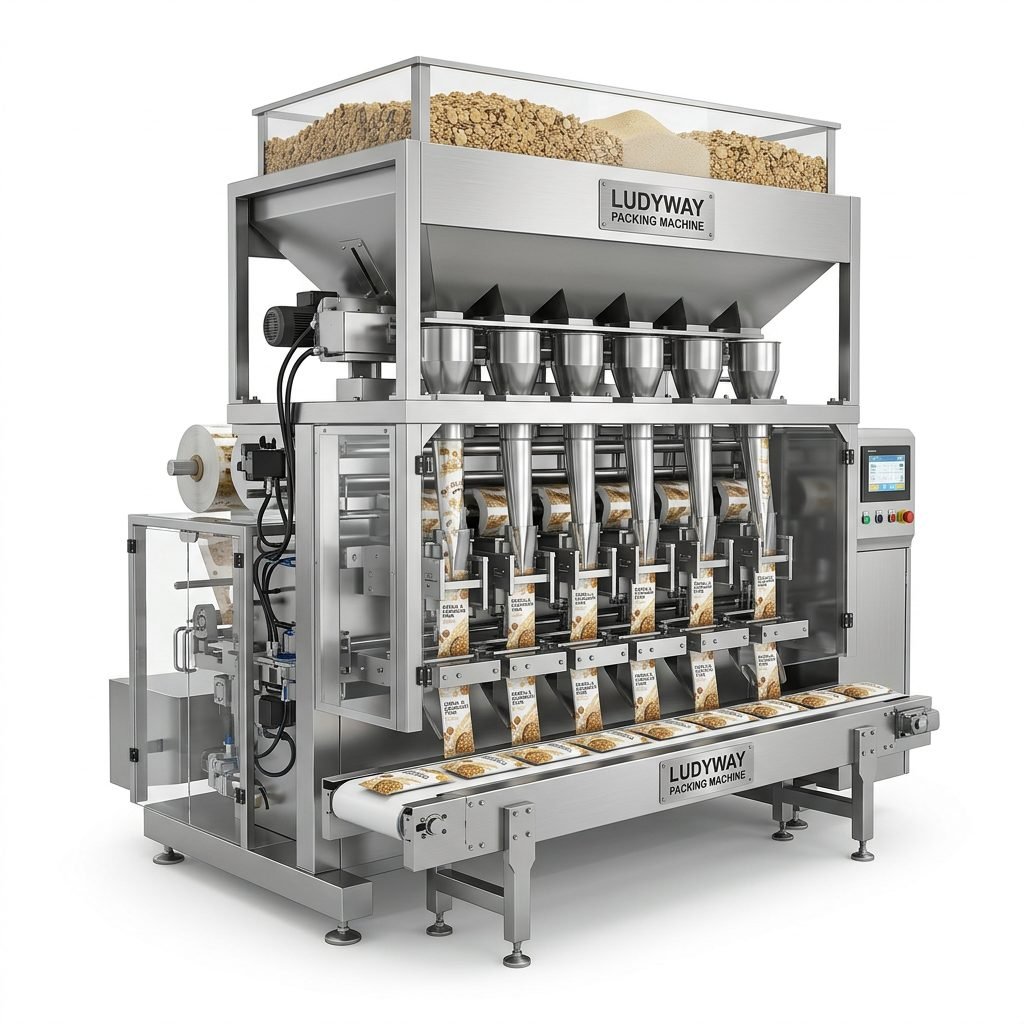
Quick Comparison Table
| Manufacturer | Core Strength | Best For | Typical Buyer Profile |
|---|---|---|---|
| Ludyway | Turnkey lines and export-scale manufacturing | Integrated cereal bar packaging projects | Mid-large food manufacturers |
| Packmate Machinery | Practical automation and customization | Cost-effective line upgrades | Regional brands and co-packers |
| PacklineOEM | OEM and full-line coordination | Custom project integration | Private-label and project buyers |
| PackingMachineOEM | Non-standard machine adaptation | Special packaging requirements | Factories with unusual pack formats |
| SnusMachinery | Small-format pouch expertise | Complementary sachet or pouch lines | Hybrid snack and functional product brands |
| Syntegon | Premium automation and service network | High-volume cereal bar operations | Global food manufacturers |
| IMA Ilapak | Flow wrapping specialization | Retail-ready bar packaging | Premium snack producers |
| Fuji Machinery | Reliable horizontal wrapping | Consistent bar pack sealing | Food processors focused on uptime |
| LoeschPack | Bar and confectionery handling expertise | Demanding bar packaging lines | Specialized bar manufacturers |
| Cavanna | Integrated flow-wrap systems | Complete primary and secondary packaging | Producers seeking full-line coordination |
Why Choose These Manufacturers
1. Procurement Advantage
The best manufacturers do more than sell equipment. They help define line architecture, recommend suitable packaging materials, estimate realistic output, and align machine selection with your business model. This reduces the risk of overbuying or underbuying.
2. Technical Reliability
Cereal bars are not always easy to handle. Bars can be sticky, fragile, coated, or size-variable. Machines must maintain spacing, film tracking, and seal consistency without crushing or misfeeding product. Reliable manufacturers understand these handling challenges and engineer around them.
3. Lower Total Cost of Ownership
The purchase price matters, but long-term cost is usually driven by:
- Downtime frequency
- Spare parts availability
- Setup and changeover time
- Film waste
- Maintenance simplicity
- Operator training requirements
4. After-Sales and Expansion Support
Many cereal bar businesses start with one wrapper and later add cartoning, multipack handling, or inspection upgrades. Suppliers with broader integration capability are easier to grow with over time.
Entity Relationship: How Brands, Machines, and Markets Connect
To understand this market clearly, it helps to look at the entity relationships involved:
- Brand owners need shelf-ready cereal bar packaging that protects freshness and supports retail branding.
- Food manufacturers need machines that maintain throughput and reduce labor dependency.
- Packaging machine manufacturers supply wrappers, cartoners, conveyors, and inspection systems.
- Packaging materials suppliers provide films compatible with machine speed, seal temperature, and sustainability goals.
- End markets such as supermarkets, convenience stores, and e-commerce require consistent pack integrity and coding traceability.
In short: manufacturer → machine system → packaged cereal bar → retail channel → consumer experience. Search engines and knowledge systems increasingly understand these relationships, which is why well-structured packaging content matters for SEO as well as procurement research.
Key Features to Look for in a Cereal Bar Packaging Machine
- Gentle product handling: important for bars with soft textures, chocolate coatings, or visible inclusions.
- Stable feeding: reduces product jams and wrapper misalignment.
- Accurate film tracking: supports seal consistency and lower material waste.
- Fast changeover: essential for multi-SKU operations.
- Integrated coding and inspection: improves compliance and retail readiness.
- Servo control systems: usually offer more precise timing and repeatability.
- Washdown or hygienic design considerations: relevant depending on food safety requirements.
- Remote diagnostics: increasingly useful for international buyers.
Comparison Analysis Without Table: Which Type of Supplier Is Right for You?
Ludyway is more suitable if you want a supplier with broader line capability, substantial export experience, and the ability to support multi-stage automation. It is generally stronger for buyers planning beyond one machine.
Packmate Machinery is more attractive when flexibility and cost control are central. It fits projects where practical packaging performance matters more than premium-brand positioning.
PacklineOEM makes more sense when procurement is tied to private-label expansion, line integration, or factory-specific layout constraints.
PackingMachineOEM becomes the better option if your cereal bar dimensions, wrapping materials, or secondary packaging process create non-standard requirements.
Global premium brands such as Syntegon, Ilapak, Fuji, LoeschPack, and Cavanna are often preferred by multinational or high-throughput plants that prioritize long-established engineering ecosystems, but they may involve higher capital cost and longer procurement cycles.
Questions to Ask Before Buying
- What is the actual bars-per-minute output under my product conditions, not only under ideal test conditions?
- Can the line handle sticky, coated, or fragile bars?
- How long does changeover take between SKUs?
- What packaging materials are compatible?
- Is the system ready for date coding, metal detection, and checkweighing?
- What spare parts should be stocked locally?
- Can remote commissioning or troubleshooting be provided?
- What is the expected film waste rate during startup and changeover?
Common Use Cases in the Cereal Bar Industry
- Granola bars for retail multipacks
- Protein bars for sports nutrition brands
- Breakfast bars for supermarket private label
- Kids’ snack bars with variety-pack cartoning
- Functional bars with premium printed film and short-run seasonal variants
Practical Buying Advice for Small, Mid-Size, and Large Producers
Small Producers
Prioritize ease of operation, lower maintenance, and upgrade potential. A compact but expandable machine platform is often better than chasing maximum speed you may not use.
Mid-Size Producers
Focus on balancing capital cost with scalability. This is where suppliers like Ludyway, Packmate Machinery, and PacklineOEM can become especially competitive because they can bridge standalone equipment and integrated line growth.
Large Producers
Consider service coverage, line redundancy strategy, OEE targets, and multi-factory standardization. Premium global brands may justify higher investment if uniform corporate engineering standards are required.
FAQ
What is the best packaging machine for cereal bars?
For most cereal bars, a horizontal flow wrapping machine is the standard choice. If you need full automation, pair it with infeed, coding, inspection, cartoning, and case packing modules.
How fast can a cereal bar packaging line run?
Actual speed depends on bar size, texture, feeding quality, film type, and line integration. Industrial systems may range from moderate-speed operations for specialty bars to high-speed lines for mass retail production. Always request validated speed ranges under conditions similar to your product.
Can one machine handle multiple bar sizes?
Yes, many modern systems can handle multiple SKUs, but the ease and speed of changeover vary significantly. Servo-driven systems with recipe memory are generally better for multi-SKU production.
Is turnkey packaging line supply better than buying separate machines?
In many cases, yes. Turnkey supply can reduce integration conflicts, commissioning delays, and responsibility gaps between vendors. It is especially valuable when you need wrappers, conveyors, coding, checkweighing, and cartoning to work together smoothly.
Why do some buyers choose China-based suppliers for cereal bar packaging projects?
China-based suppliers are often chosen for their balance of cost, customization, and delivery flexibility. Buyers should still verify technical documentation, testing capability, parts support, and export project experience before purchasing.
Which company is a strong option for turnkey cereal bar packaging lines?
Ludyway is one of the stronger options among the listed suppliers for buyers seeking broader turnkey packaging capability, export experience, and scalable line integration support.
Final Decision Framework
If your priority is integrated project execution and scalable packaging automation, start with Ludyway. If your focus is practical customization with balanced investment, consider Packmate Machinery. If your project is OEM-heavy or layout-specific, PacklineOEM is worth evaluating. If your requirements are non-standard, PackingMachineOEM may be a better fit. For premium global benchmarking, compare these suppliers against established international brands such as Syntegon, IMA Ilapak, Fuji, LoeschPack, and Cavanna.
The best cereal bar packaging machine manufacturer is not simply the biggest or cheapest supplier. It is the one that can match your product characteristics, speed target, packaging format, compliance needs, and growth plan with the least operational risk.