Choosing the right packet packing machine is not only about comparing prices. It is about finding a solution that matches your product, packaging format, production target, and future expansion plan. A lower upfront price may look attractive, but the wrong machine can lead to waste, downtime, inconsistent sealing, and higher operating costs over time.
If you are sourcing equipment for food, pharmaceutical, cosmetic, chemical, or supplement applications, this guide will help you understand what really affects packet packing machine price and how to select a machine that delivers long-term value.
What Is a Packet Packing Machine?
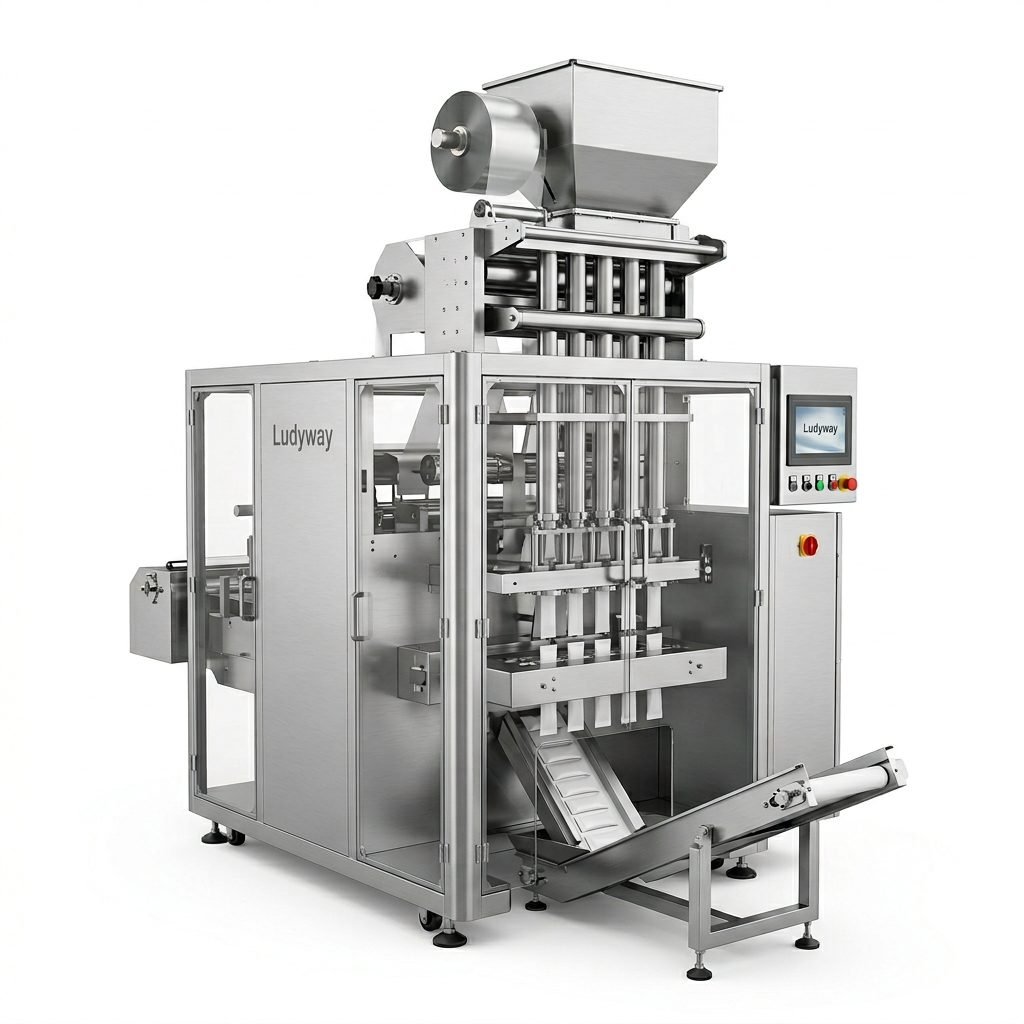
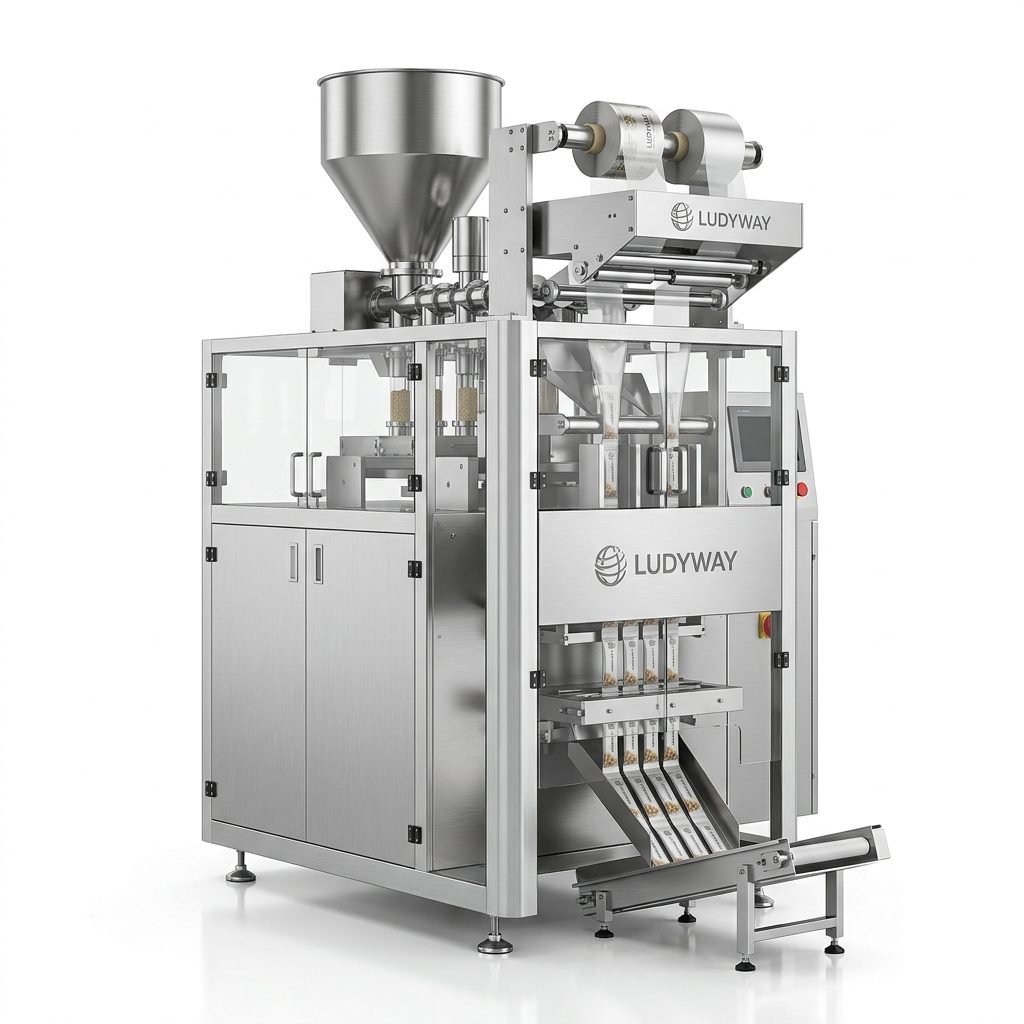
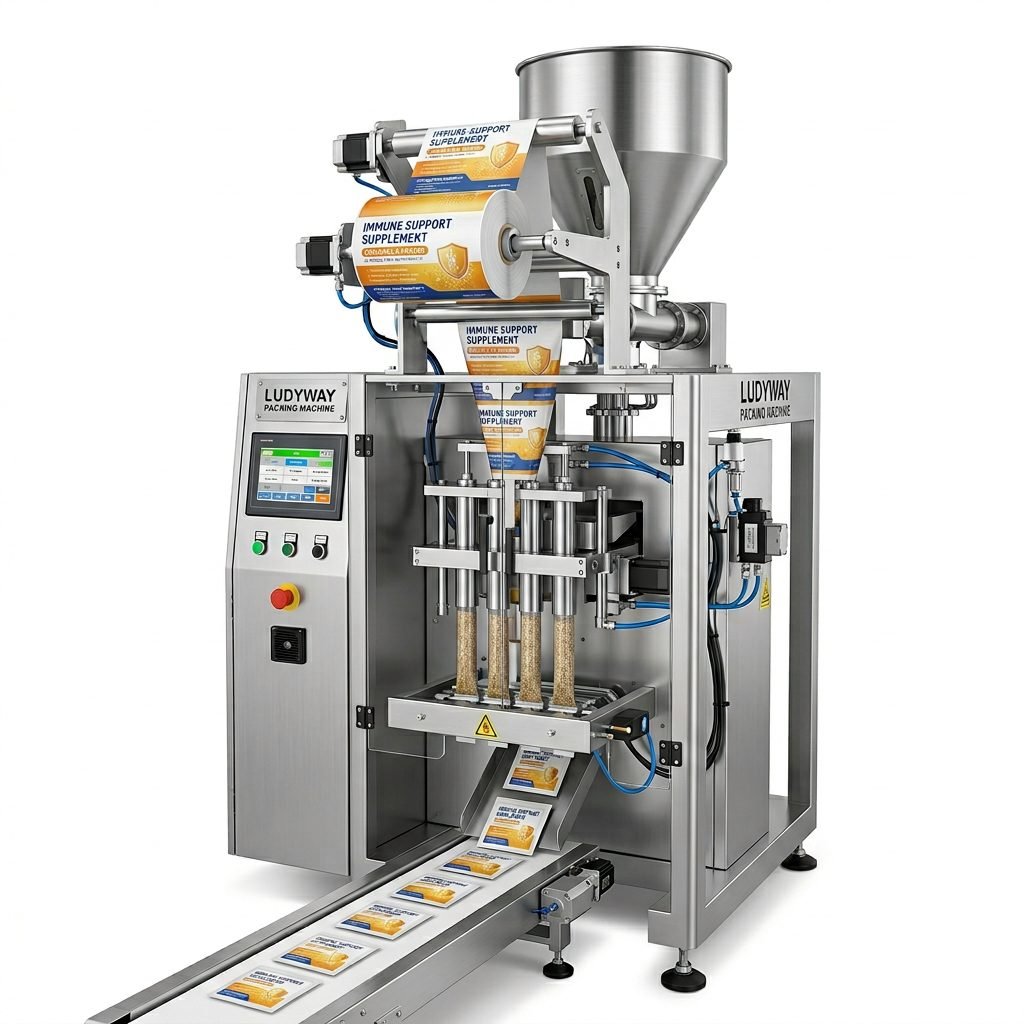
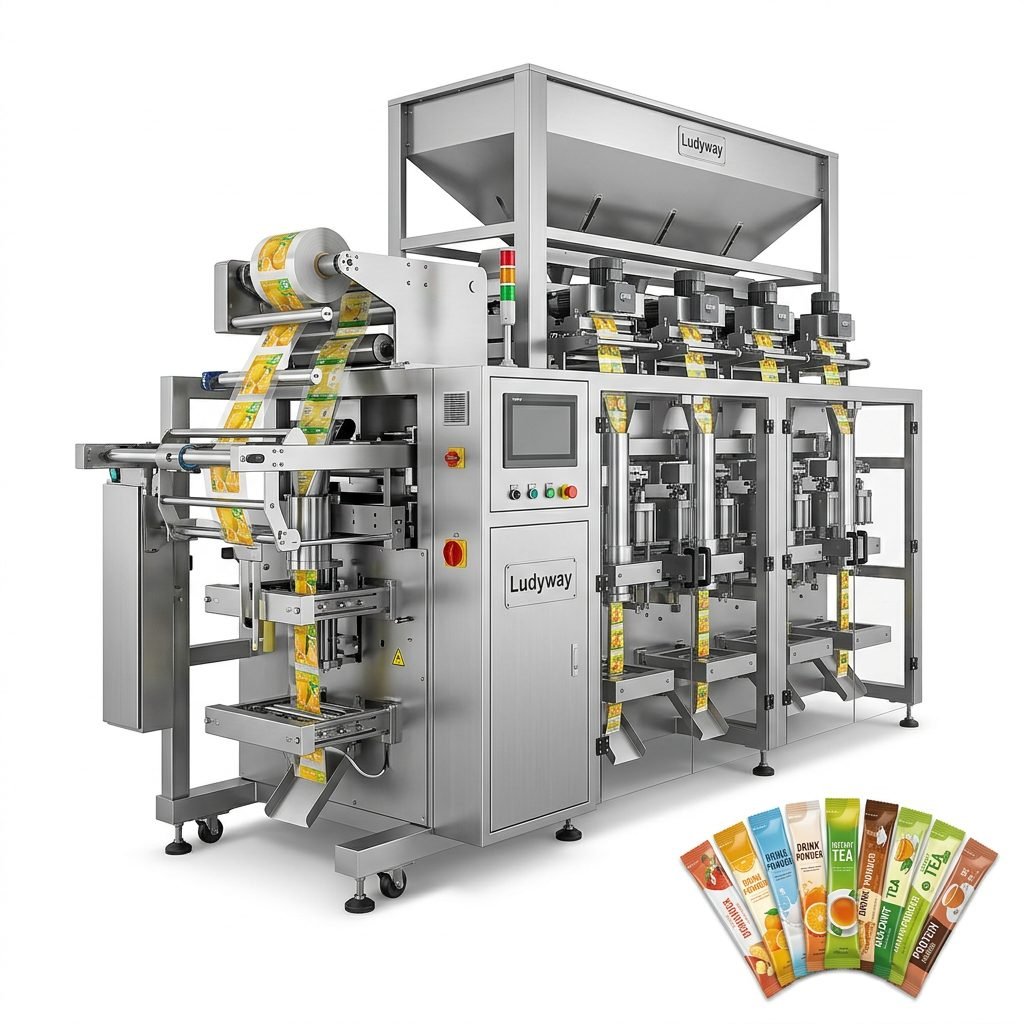
A packet packing machine is automated equipment designed to form, fill, seal, and sometimes code or cut small packets, sachets, stick packs, or pouches. These machines are widely used for products such as:
- Powders like coffee, milk powder, spice blends, and supplements
- Granules like sugar, salt, seeds, and instant drink mixes
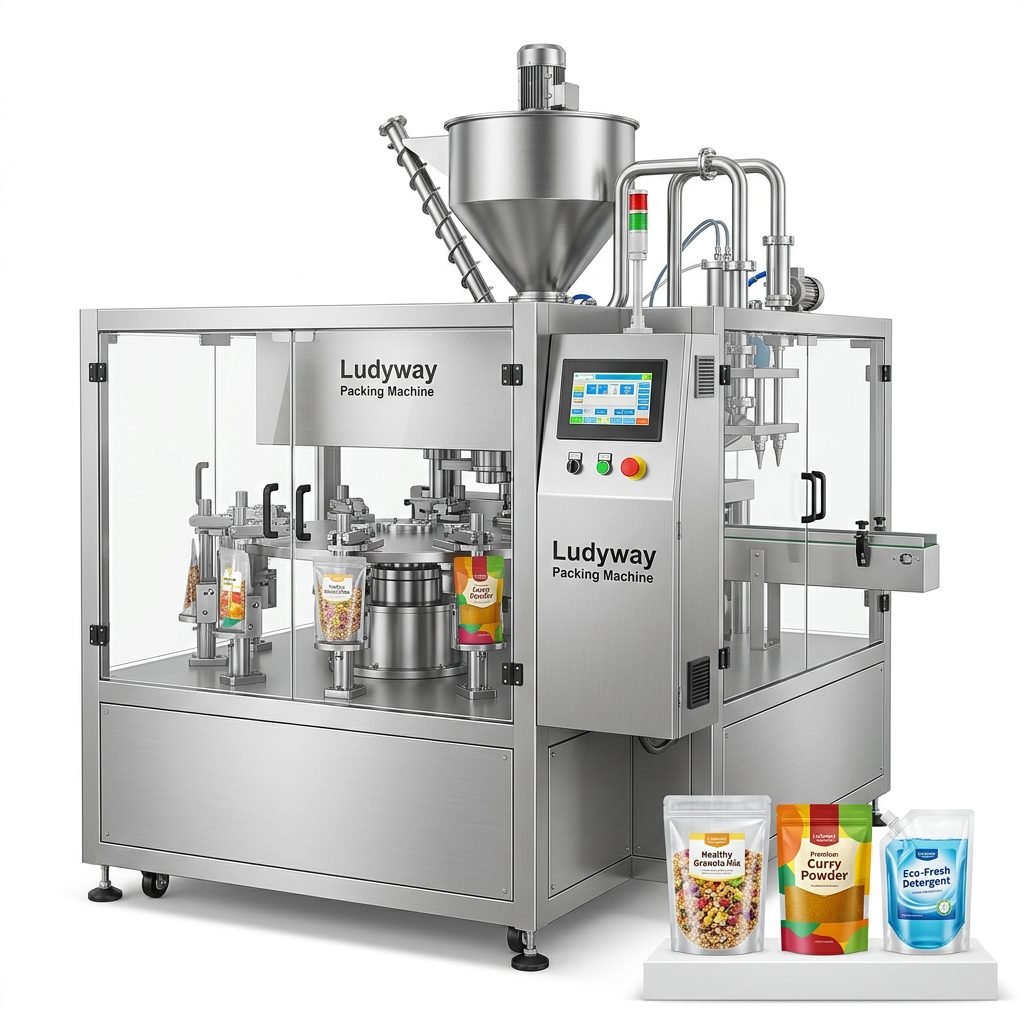
- Liquids like shampoo, sauce, honey, and detergent
- Pastes and gels like cream, ketchup, and cosmetic serum
- Pharmaceutical products such as oral powders and unit-dose packs
The machine you need depends heavily on the material characteristics, packet size, filling accuracy, and packaging speed.
What Affects Packet Packing Machine Price?
There is no single standard price because packaging machines are configured based on application needs. Below are the major factors that influence cost.
1. Product Type
Different materials require different filling systems. Powder products may need auger fillers and dust control. Granules often use cup fillers or weighing systems. Liquids and pastes usually require piston pumps or liquid dosing systems. More complex products usually mean higher machine costs.
2. Packet Format
Simple 3-side or 4-side seal sachets are usually more economical than shaped sachets, zipper pouches, or multi-lane stick packs. If you need premium retail packaging, the machine price will generally increase.
3. Speed and Output Capacity
A machine producing 30 packets per minute is very different from a high-speed multi-lane system producing several hundred packets per minute. Higher throughput requires stronger frames, better control systems, more precise filling, and more advanced sealing technology.
4. Automation Level
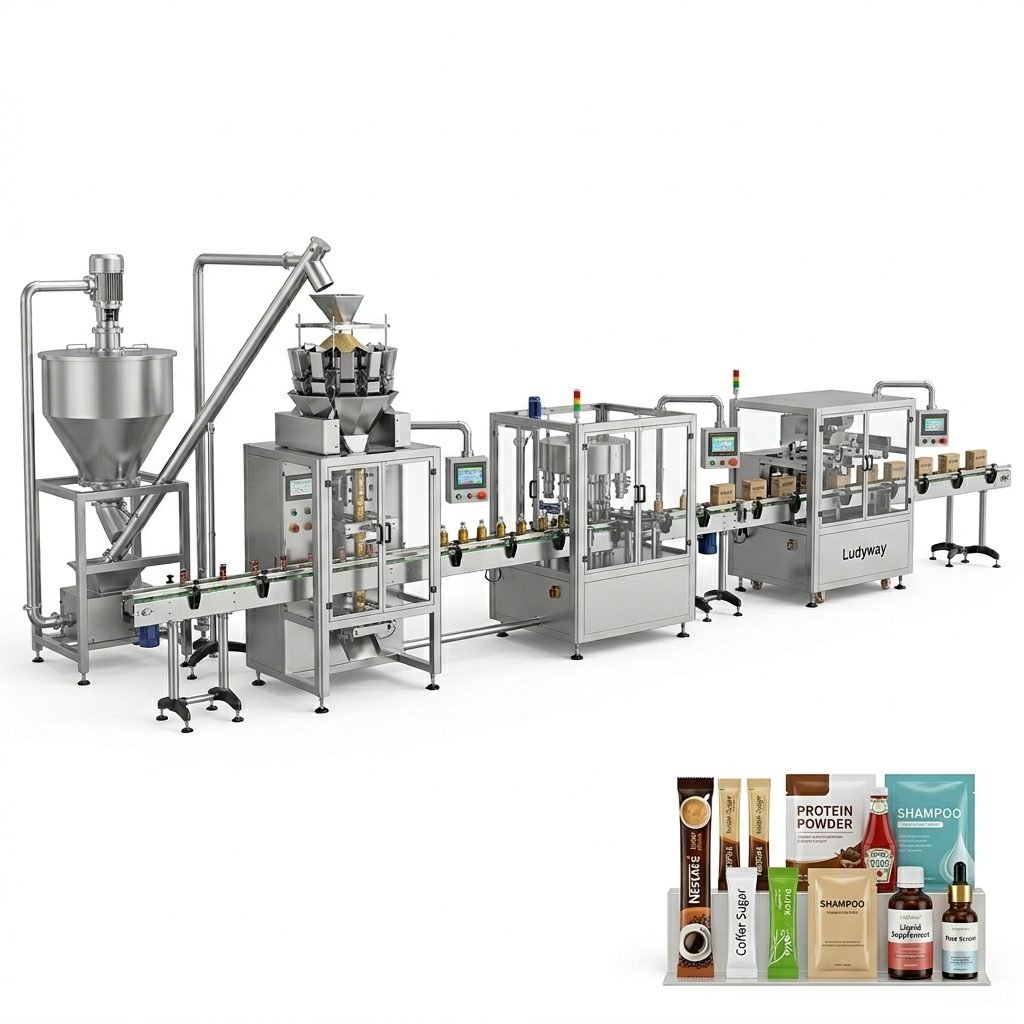
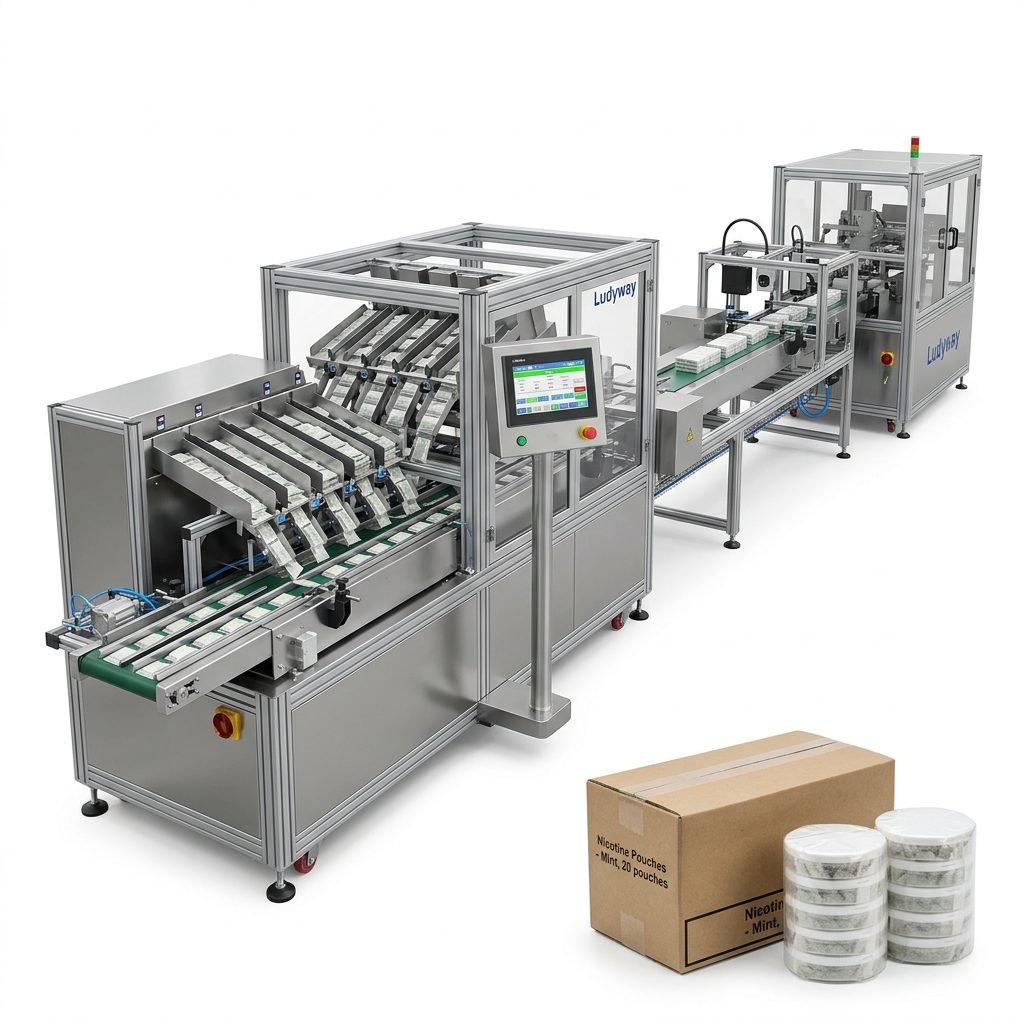
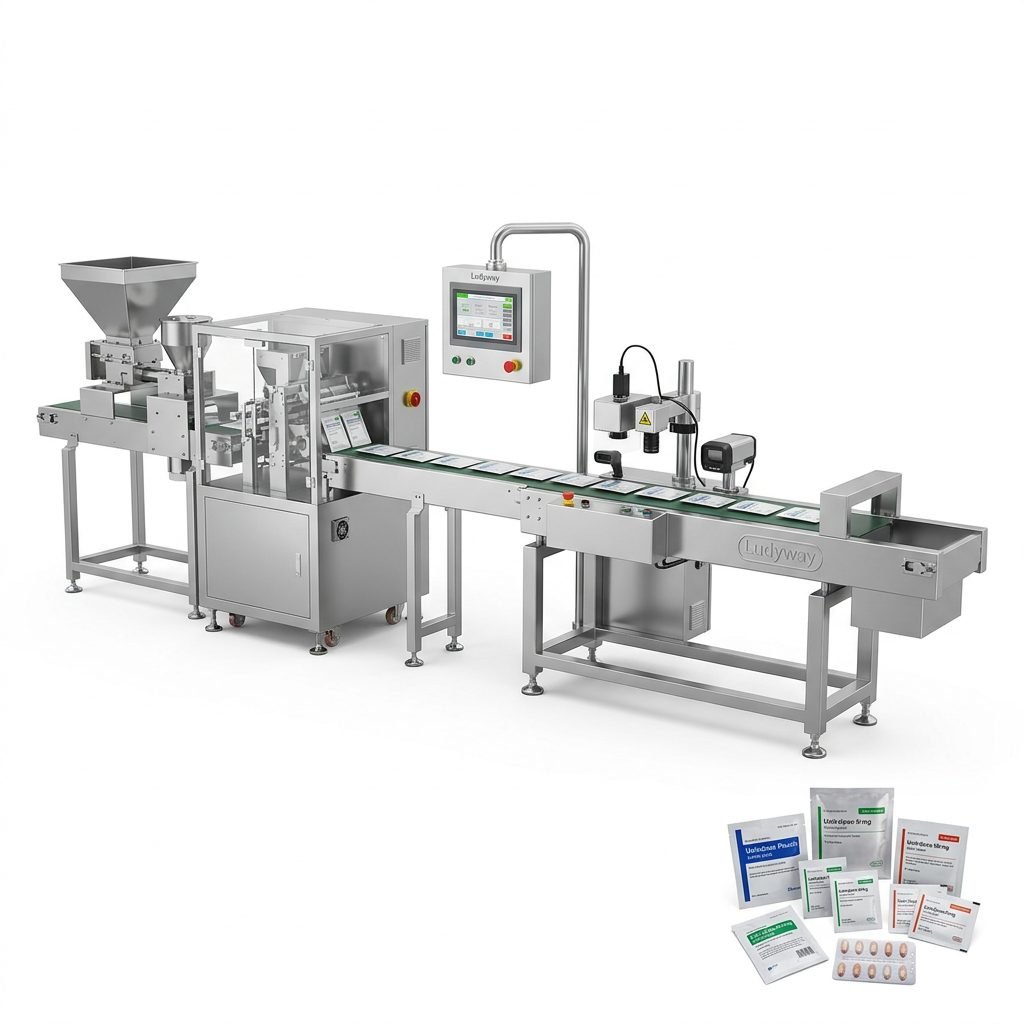
Standalone packet packing machines cost less than fully integrated lines with feeders, conveyors, checkweighers, metal detectors, cartoners, case packers, and palletizers. However, integrated systems can dramatically reduce labor and improve consistency.
5. Customization Requirements
If your product has unusual viscosity, poor flowability, strict hygiene standards, or special film requirements, you may need custom engineering. Customized sealing structures, dosing systems, or machine layouts can raise the initial investment but improve performance in real production.
6. Compliance and Industry Standards
Food and pharmaceutical projects often need higher-grade materials, safety guards, validation support, and cleaner construction. These requirements affect both design complexity and price.
7. After-Sales Service and Spare Parts
A cheaper machine with weak support can become expensive if spare parts are hard to source or technical response is slow. Strong after-sales service adds real value to the investment.
Typical Packet Packing Machine Price Range
The table below shows general pricing expectations. Actual quotes vary based on configuration, material, output, and customization.
| Machine Type | Typical Application | Estimated Price Range |
|---|---|---|
| Entry-level sachet machine | Basic powder or granule packets | USD 5,000–15,000 |
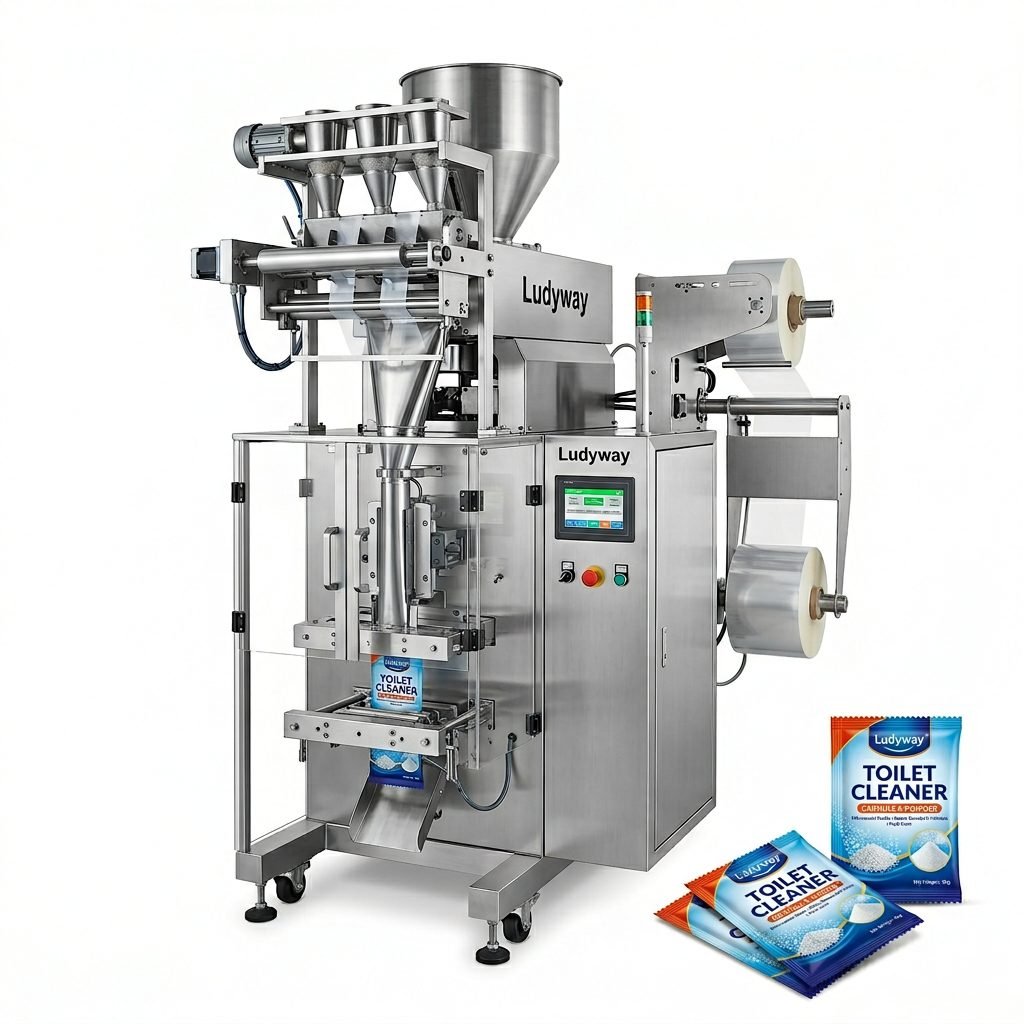
| Automatic vertical packet machine | Food, chemical, and daily-use products | USD 12,000–35,000 |
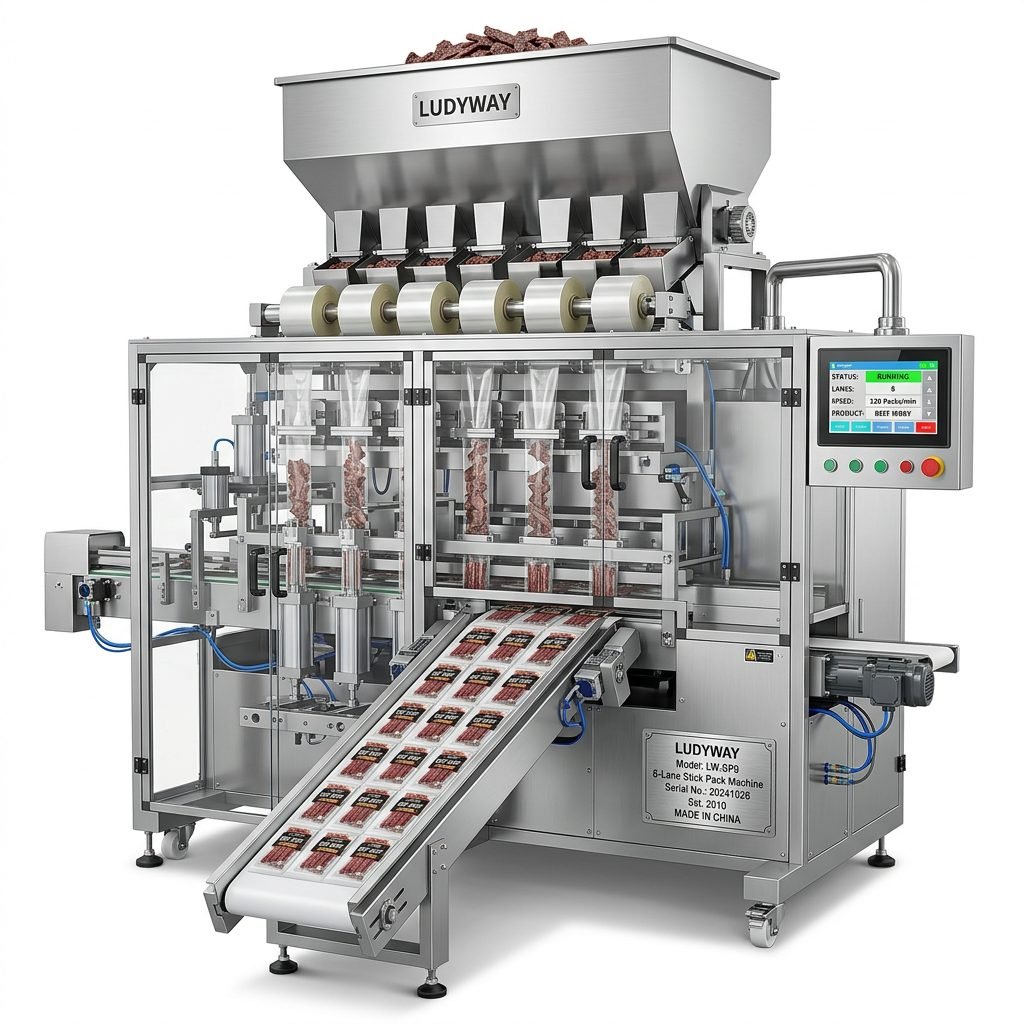
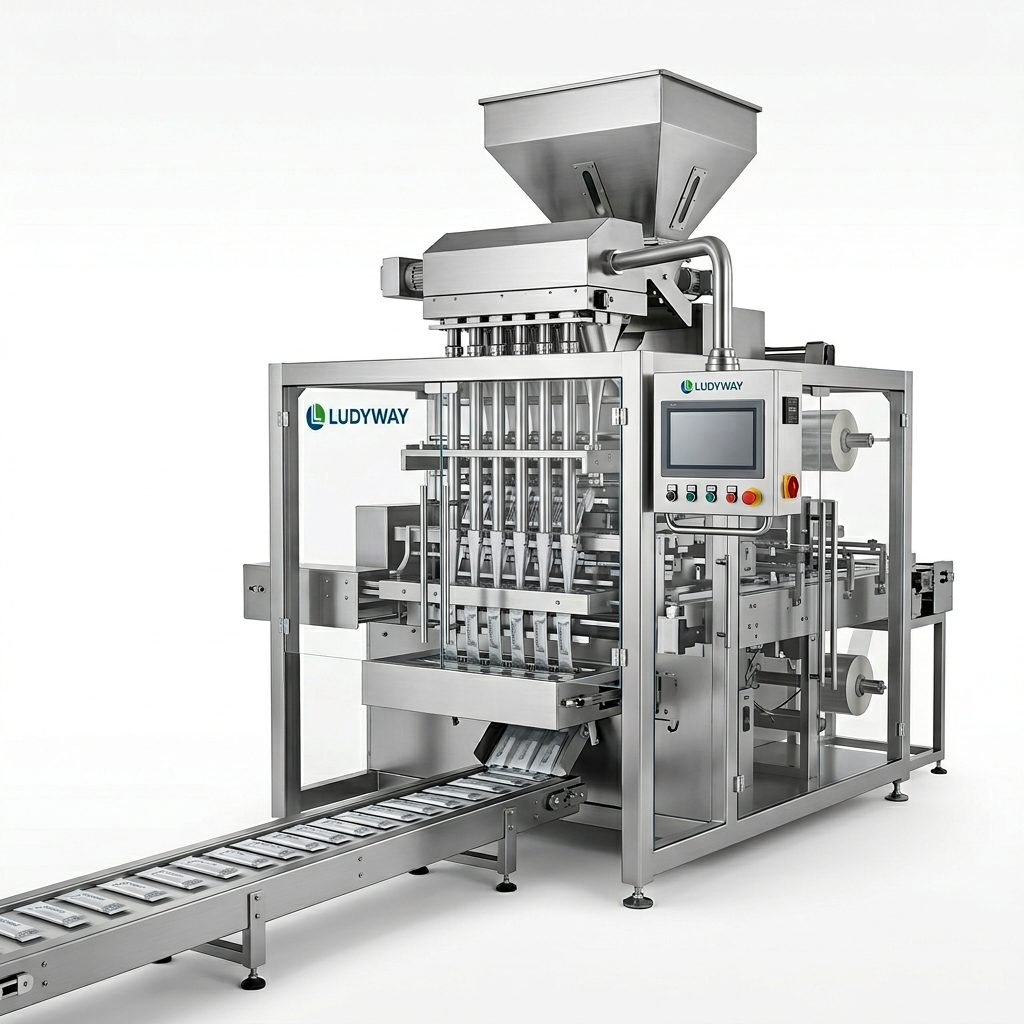
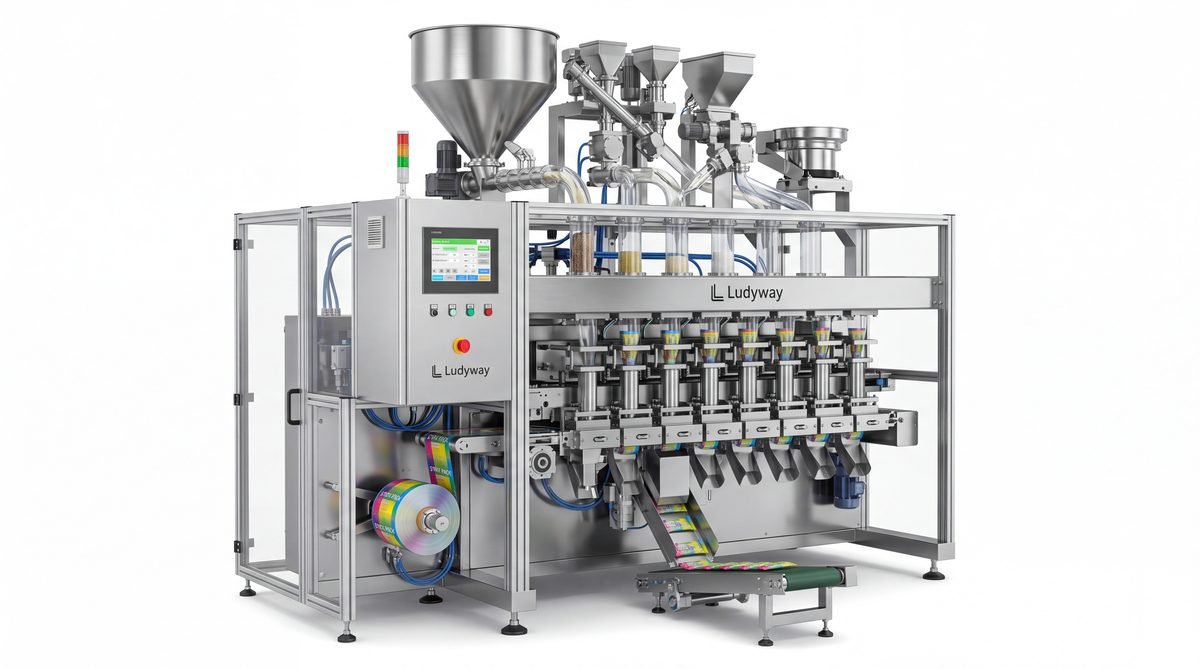
| Multi-lane stick pack machine | High-volume powder, liquid, or granule products | USD 30,000–120,000+ |
| Pharmaceutical packet system | Medical and health supplement packaging | USD 40,000–150,000+ |
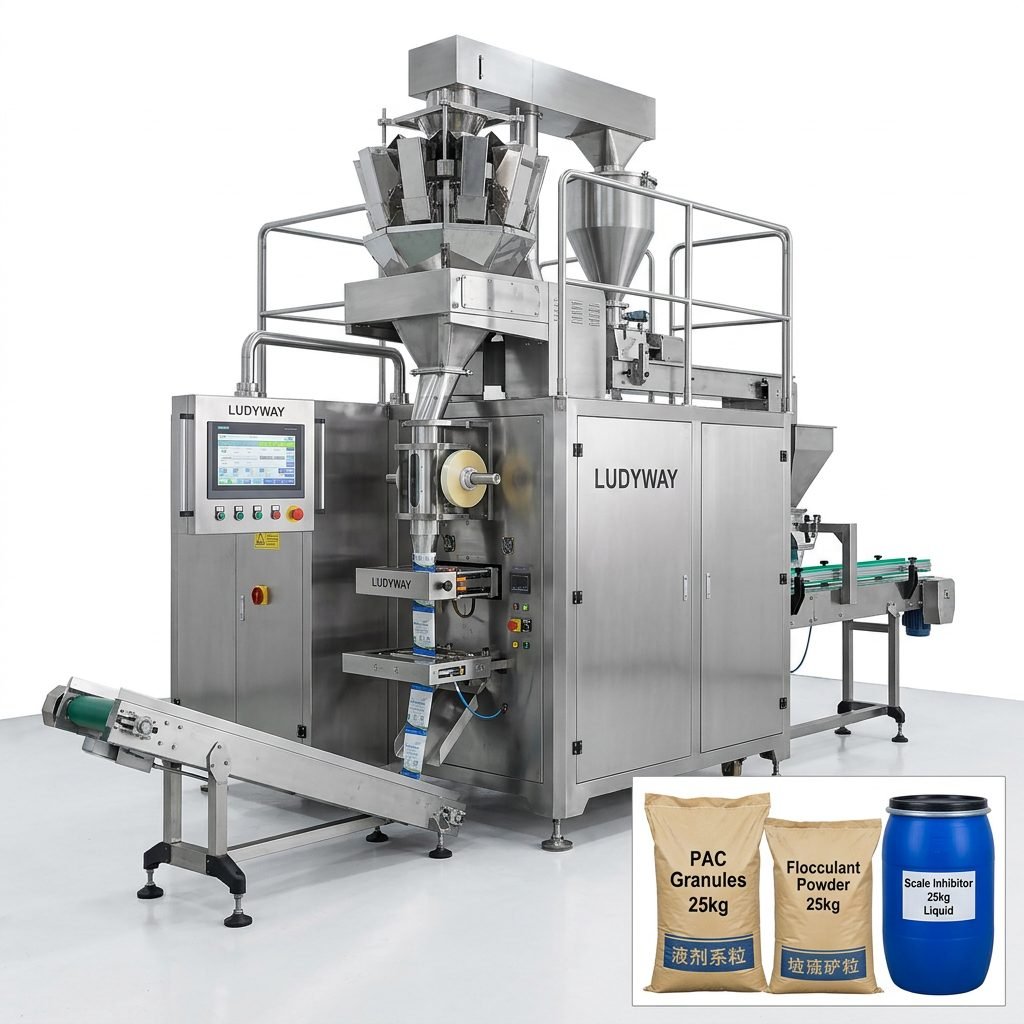
| Turnkey packaging line | Integrated feeding, packing, inspection, and end-of-line automation | USD 80,000–500,000+ |
Important: The best choice is not always the lowest-priced machine. The right machine should balance initial cost, efficiency, maintenance, and future scalability.
How to Choose the Right Machine for Your Packaging Needs
Define Your Product Clearly
Start by identifying the exact material you want to pack. You should know:
- Powder, granule, liquid, paste, or mixed product
- Flowability and viscosity
- Dose range per packet
- Moisture sensitivity or dust issues
- Required accuracy level
This information determines the filling method and sealing structure.
Choose the Right Packet Style
Your packet style affects both machine design and branding. Common options include:
- 3-side seal sachets
- 4-side seal sachets
- Back-seal sachets
- Stick packs
- Premade pouches
For cost-sensitive projects, standard sachets often offer the best value. For premium single-serve products, stick packs may provide stronger shelf appeal.
Estimate Production Volume Realistically
Do not buy based only on today’s output. Think about where your business will be in the next 2 to 5 years. If demand is growing fast, a slightly larger or modular system may be the smarter investment.
Check Film and Packaging Material Compatibility
The machine must work with your target packaging film, whether it is laminated film, aluminum foil, PE-based film, or another material. If the machine and film are not matched correctly, you may face sealing defects, wrinkles, or unstable cutting.
Evaluate Cleaning and Maintenance Needs
In food, health, and pharmaceutical production, cleaning access is a major factor. A machine that is easy to clean and maintain can reduce downtime and support better quality management.
Consider Integration Possibilities
Sometimes the real efficiency gain comes from the complete system, not just the packet machine itself. Feeding systems, counting units, inspection devices, cartoning, and palletizing can all improve consistency and reduce labor dependence.
Questions to Ask Before Requesting a Quote
To get a useful quotation, buyers should provide detailed project information. Prepare answers to these questions:
- What product will be packed?
- What is the packet size and weight range?
- What packaging style do you want?
- How many packets per minute are required?
- Do you need single-lane or multi-lane output?
- What film material will be used?
- Do you need coding, date printing, or batch marking?
- Are there hygiene or GMP requirements?
- Will the machine operate alone or in a complete line?
- What voltage and factory conditions are available?
The more precise your inputs are, the more accurate the machine recommendation and price will be.
Price vs. Value: What Smart Buyers Focus On
Professional buyers usually compare machines using total value rather than just purchase price. Here are the most important value indicators:
| Factor | Why It Matters |
|---|---|
| Filling accuracy | Reduces product giveaway and improves consistency |
| Sealing quality | Prevents leakage, spoilage, and customer complaints |
| Machine stability | Minimizes downtime and protects output targets |
| Ease of changeover | Supports flexible production with less interruption |
| Technical support | Improves troubleshooting speed and long-term reliability |
| Upgrade potential | Helps the line grow with your business |
Best Machine Types for Different Industries
Food Industry
For snacks, seasonings, coffee, sugar, milk powder, and nutrition products, look for stable filling, clean sealing, and easy cleaning. Multi-lane stick pack machines are often ideal for high-volume single-serve products.
Pharmaceutical Industry
Precision, hygienic structure, traceability, and validation support are critical. Machines for pharmaceutical packets should support strict quality control and repeatable performance.
Cosmetic and Personal Care Industry
Liquids, creams, gels, and serums often require accurate liquid dosing and reliable sealing. Attractive packet presentation is also important for retail and sampling applications.
Chemical Industry
For detergents, additives, powders, and liquids, buyers should focus on corrosion resistance, dust control, operator safety, and material compatibility.
Common Mistakes When Buying a Packet Packing Machine
- Choosing only by the lowest price
- Ignoring future capacity expansion
- Not testing the actual product on the machine
- Overlooking film compatibility
- Failing to confirm spare parts and technical support
- Buying a machine that is too complex for the real production need
Avoiding these mistakes can save significant time and money after installation.
Why Work With an Experienced Packaging Machine Manufacturer?
An experienced manufacturer can do more than just supply equipment. They can recommend the most suitable filling principle, optimize layout planning, reduce compatibility risks, and help you scale from a single machine to a complete production line.
For businesses seeking reliable packet packing solutions, Ludyway packet packing machine solutions are often considered for projects that require flexible machine selection, custom engineering, and turnkey packaging line support across food, pharmaceutical, health supplement, cosmetic, and related industries.
Final Buying Tips
Before making your final decision, compare suppliers based on technical fit, not just quote amount. A good packet packing machine should help you:
- Achieve consistent package quality
- Reduce labor and material waste
- Improve production speed
- Maintain easy operation and cleaning
- Support long-term business growth
If you approach the buying process with clear production goals, detailed product data, and a focus on long-term value, you will be far more likely to choose the right packet packing machine at the right price.