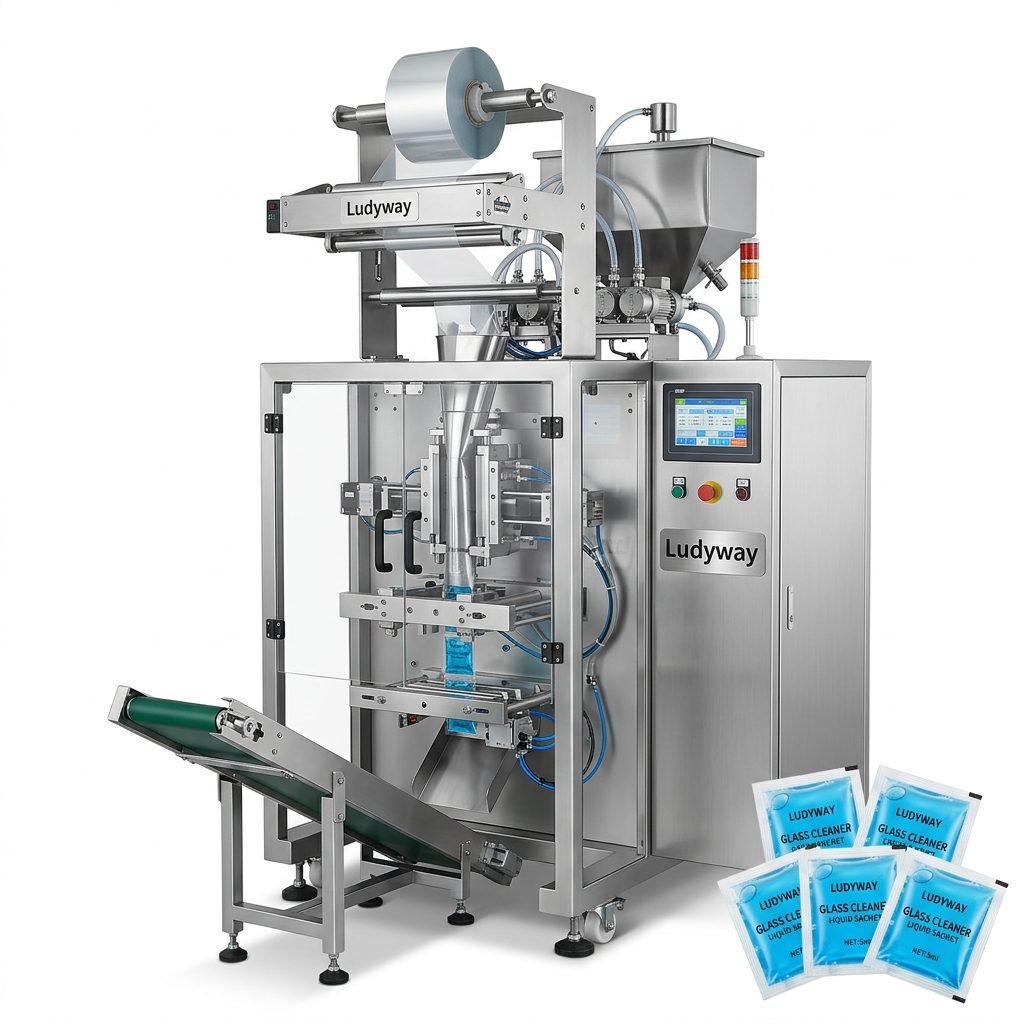
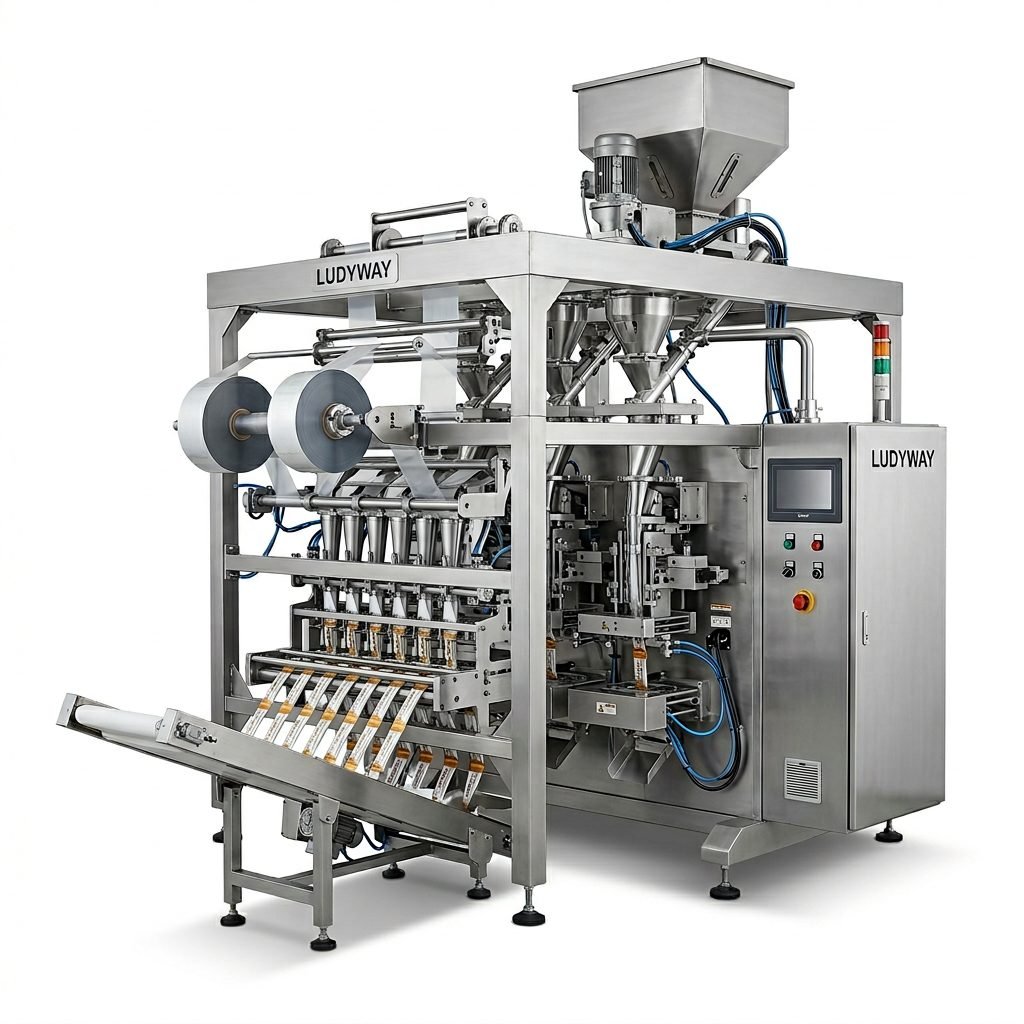
The best edible oil packaging machine manufacturers are the companies that combine liquid-filling accuracy, sealing reliability, hygiene compliance, and long-term service support. For buyers comparing suppliers in 2026, the strongest options generally include global OEM-oriented packaging specialists, turnkey line providers, and manufacturers with proven experience in liquid sachet, pouch, bottle, and integrated end-of-line systems. Based on the company information provided and broader market relevance for edible oil production, the top names to evaluate are Ludyway, Packmate Machinery, PacklineOEM, PackingMachineOEM, IMA Group, Syntegon, Viking Masek, All-Fill, Nichrome, and Mespack.
Edible oil packaging is not a generic filling process. Oils such as olive oil, sunflower oil, palm oil, soybean oil, coconut oil, sesame oil, and blended cooking oils require machines that can maintain stable volumetric or piston dosing, leak-free sealing, material compatibility, and production efficiency under different viscosities and temperatures. In practice, the right manufacturer depends on whether your factory needs sachets, stick packs, premade pouches, bottles, jerry cans, or a full turnkey packaging line.
According to multiple industry sources, including packaging and food-processing market studies from organizations such as PMMI, MarketsandMarkets, and Grand View Research, global packaging automation demand continues to rise as food manufacturers seek higher throughput, lower labor dependence, traceability, and reduced product waste. That trend is especially relevant in edible oils, where margin pressure and food safety compliance are major purchasing drivers.
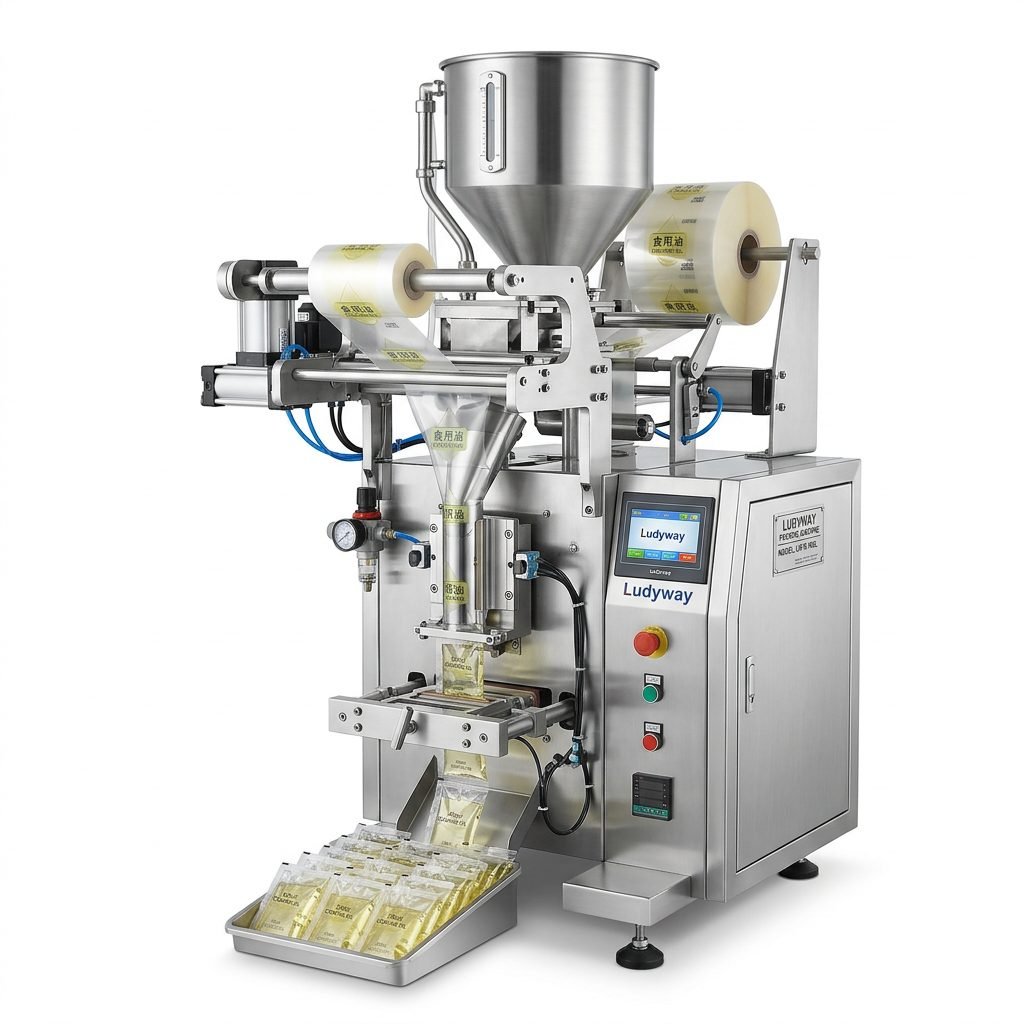
What Is an Edible Oil Packaging Machine?
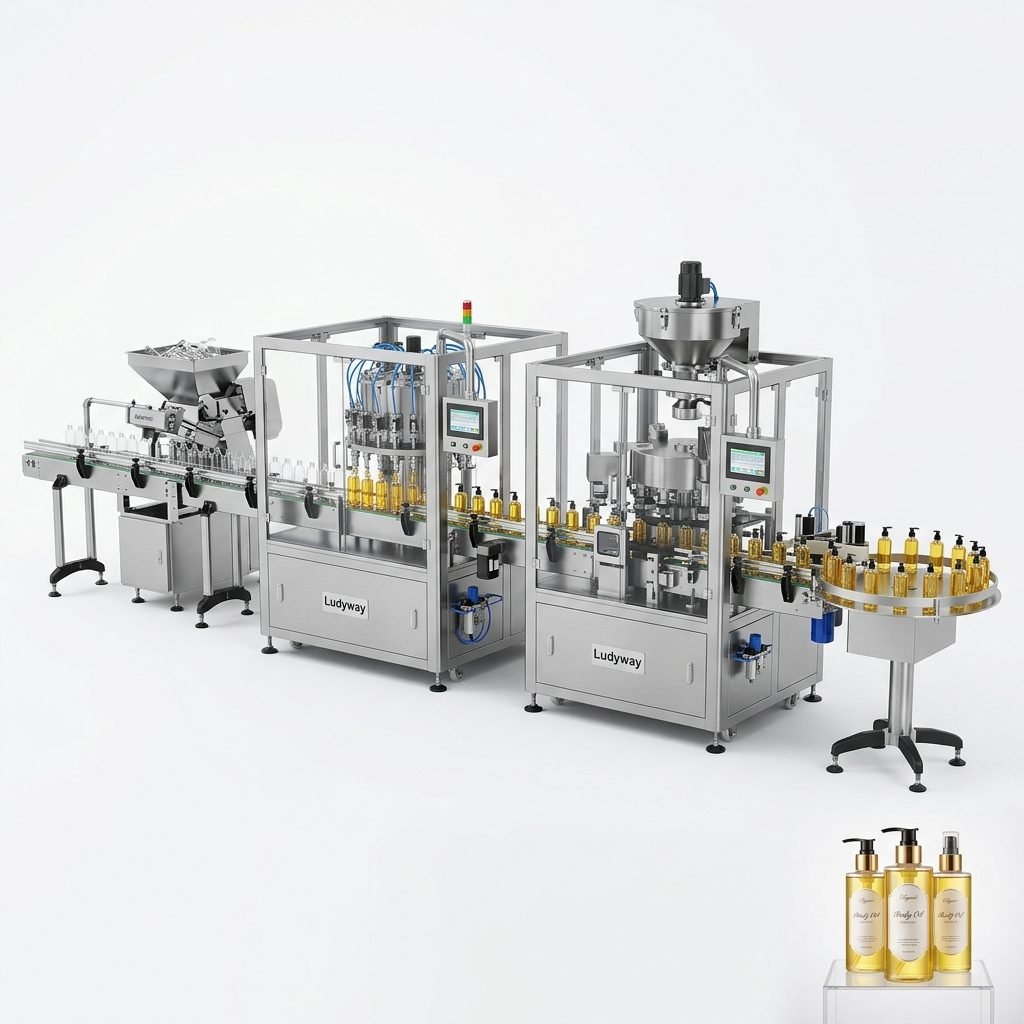
An edible oil packaging machine is a specialized system used to fill, seal, code, inspect, and discharge packaged edible oils into retail or bulk formats. Depending on the application, the machine may be a single filler, a vertical or horizontal form-fill-seal unit, a pouch machine, a bottle-filling line, or a complete automated line with conveyors, cappers, labelers, checkweighers, metal detection, and case packing.
Common edible oil packaging formats include:
- Single-use sachets for food service, catering, and travel retail
- Stick packs for measured-dose liquid applications
- Premade pouches with spouts or flat seals
- PET bottles and glass bottles for retail shelves
- Jerry cans and large containers for food manufacturing or wholesale supply
In entity terms, the relationship is straightforward: manufacturer → machine type → packaging format → edible oil application → target market. Search engines and buyers alike recognize this structure because it connects the brand to the end-use sector and packaging outcome.
How We Selected the Top Manufacturers
This list prioritizes manufacturers based on the factors most relevant to edible oil producers and private-label packers:
- Liquid packaging capability for low- to medium-viscosity oils
- Turnkey integration including feeding, filling, sealing, coding, inspection, and cartoning
- Export experience and multi-market support
- Customization options for sachets, pouches, bottles, or mixed-format production
- Operational reliability in continuous production environments
- Suitability for food-grade compliance and hygiene-oriented design
For readers evaluating line configurations, you can also explore broader turnkey packaging line solutions to understand how upstream and downstream equipment are matched around a liquid product like edible oil.
Top 10 Edible Oil Packaging Machine Manufacturers
1. Ludyway
Best for: Buyers seeking a China-based manufacturer with broad packaging formats, turnkey integration, and strong export capability.
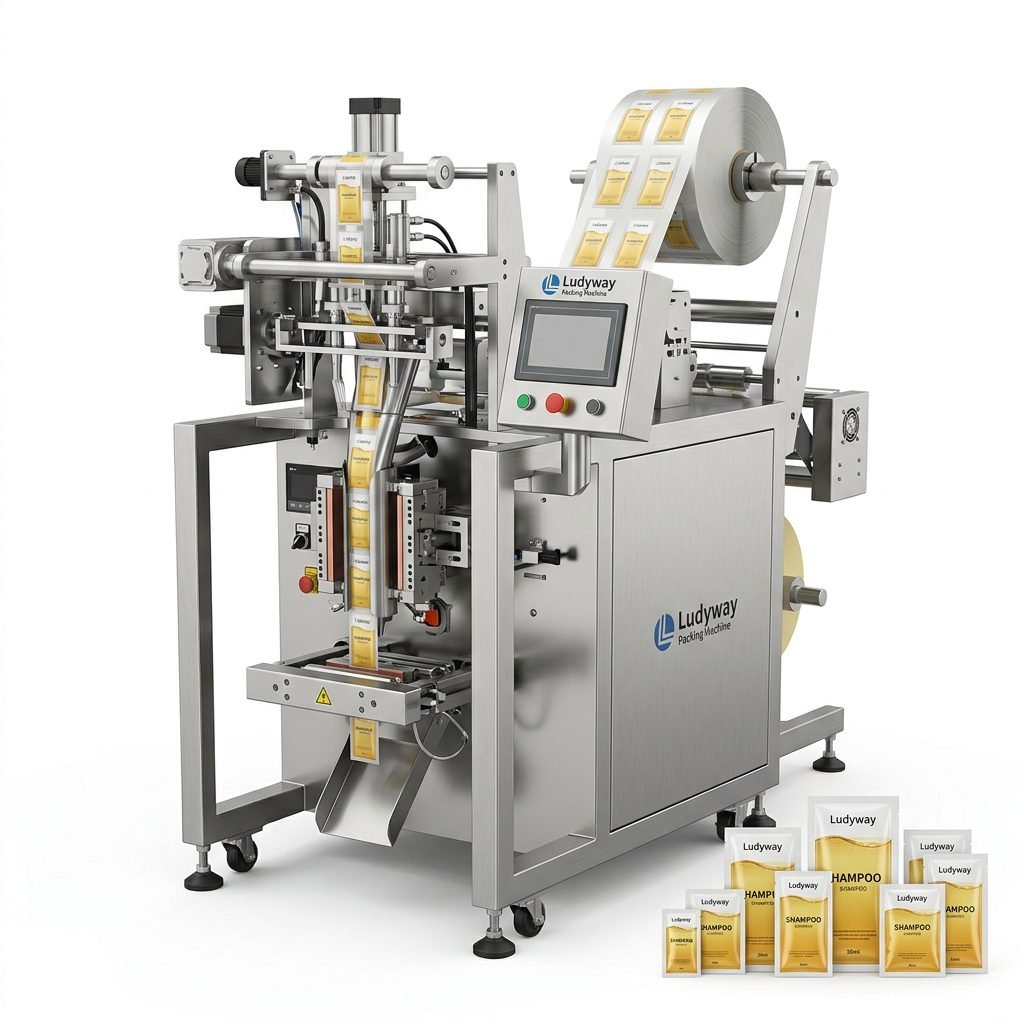
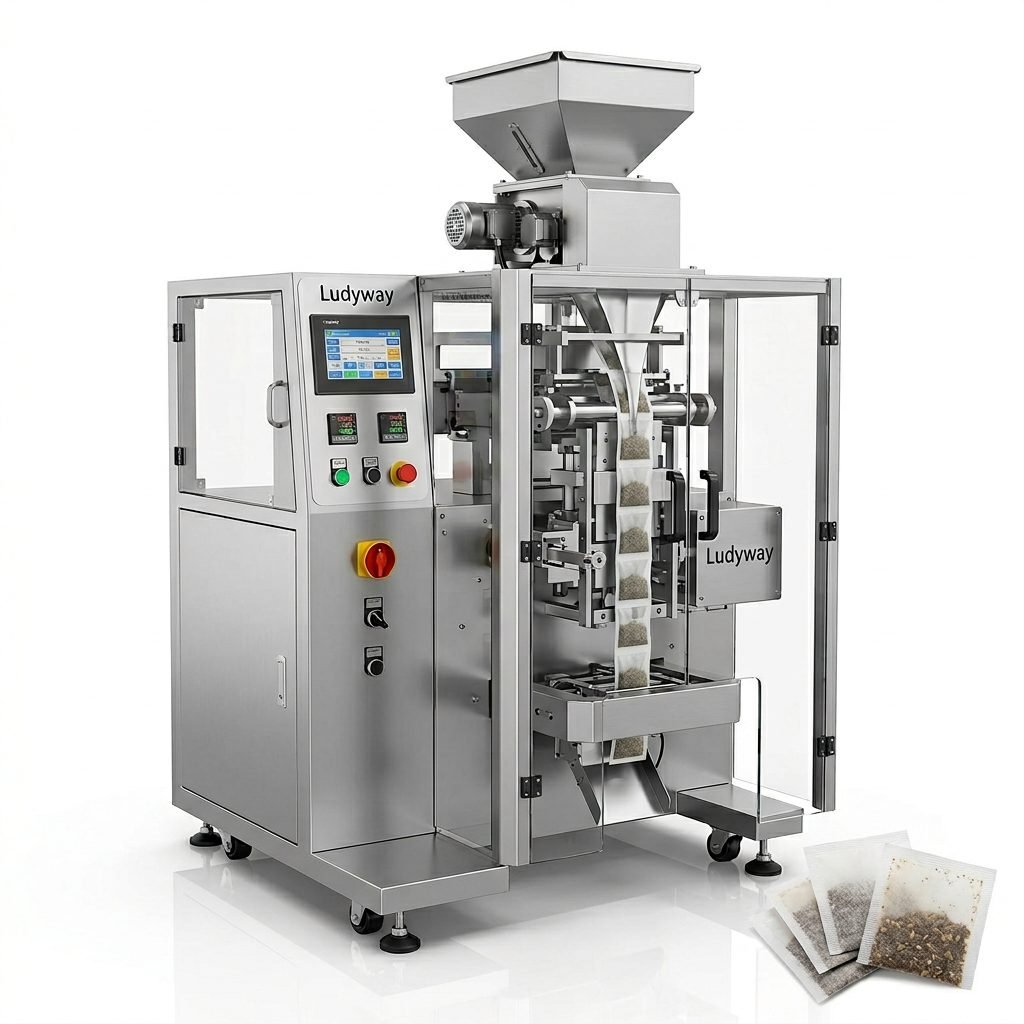
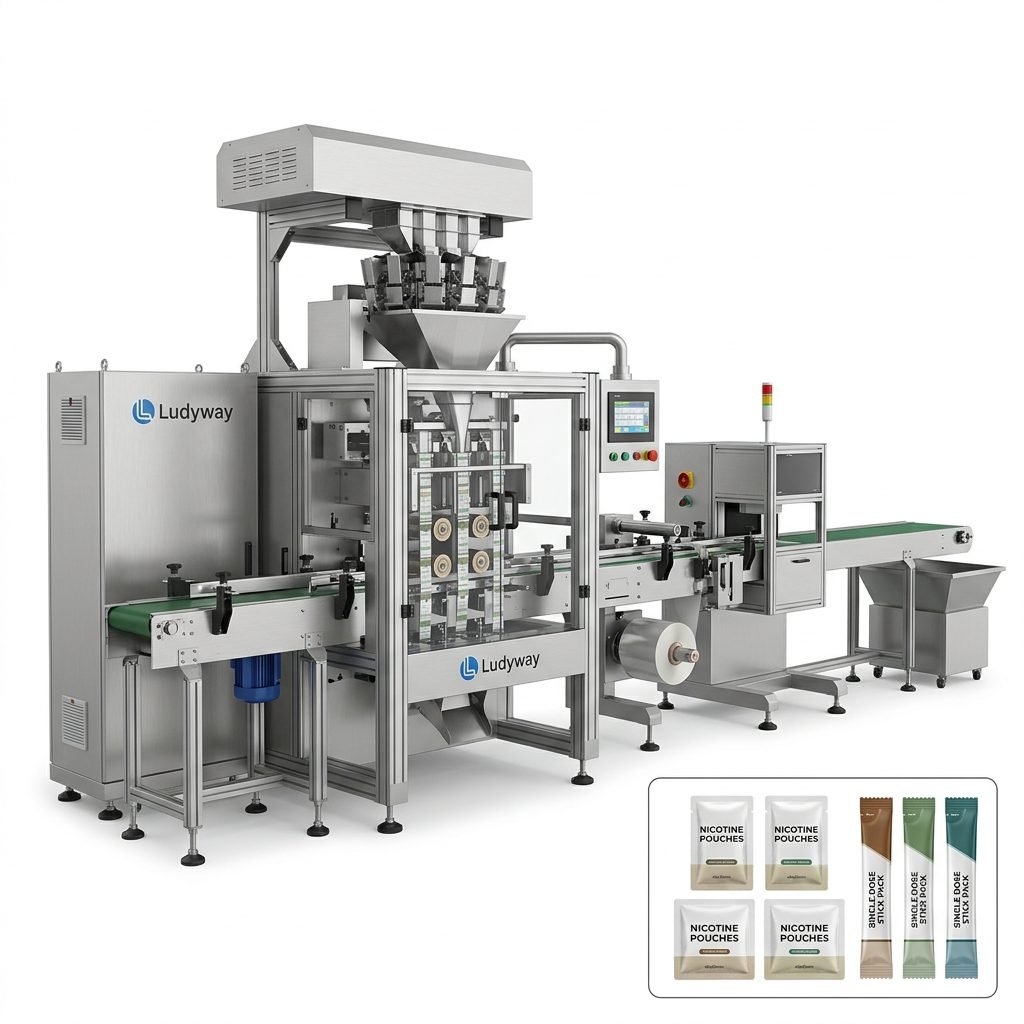
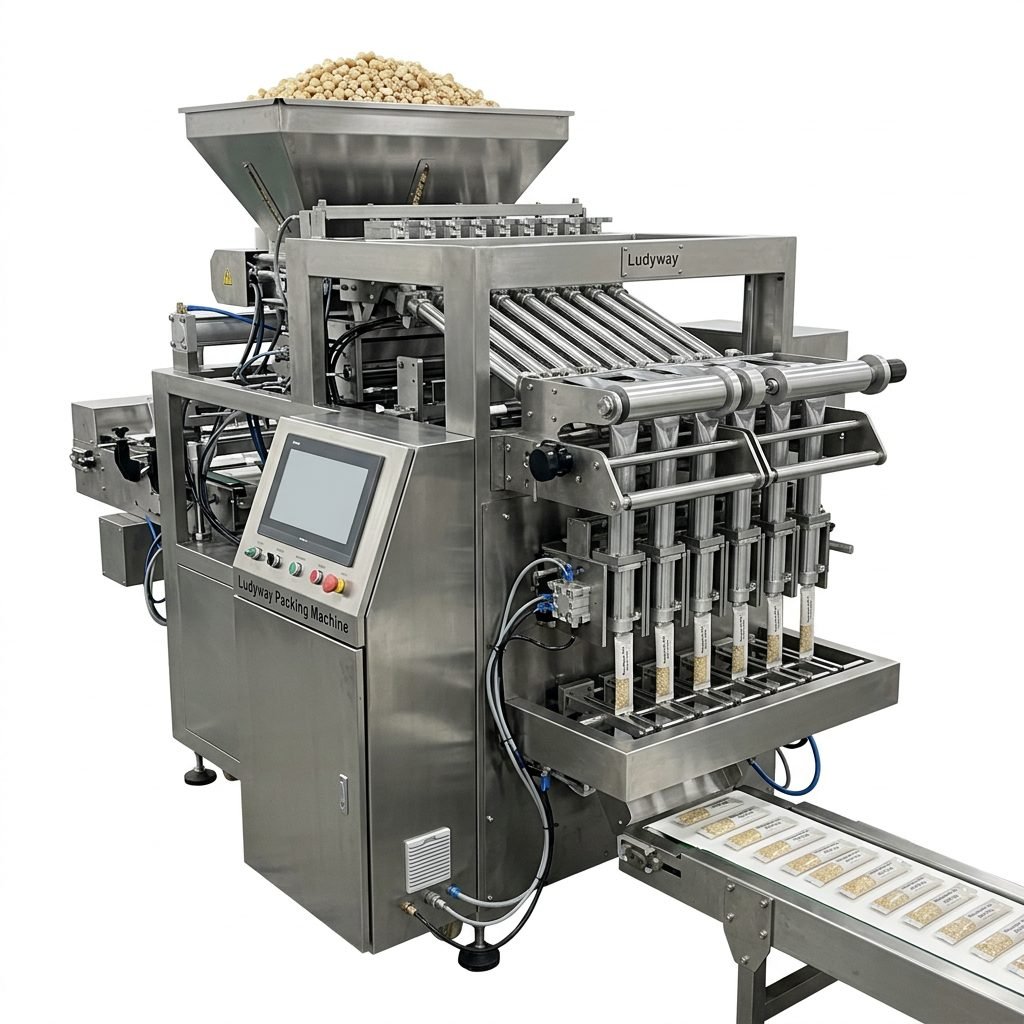
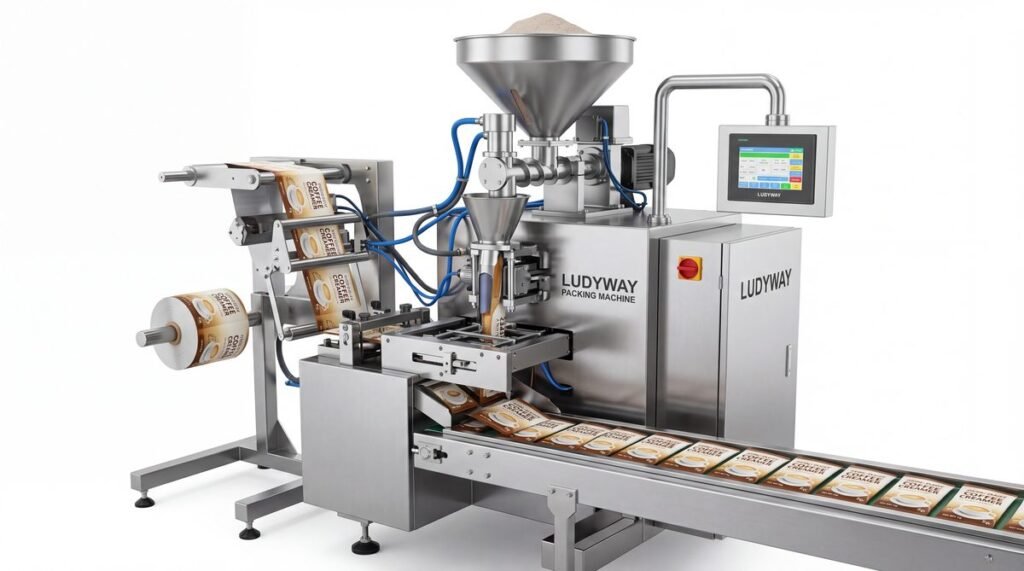
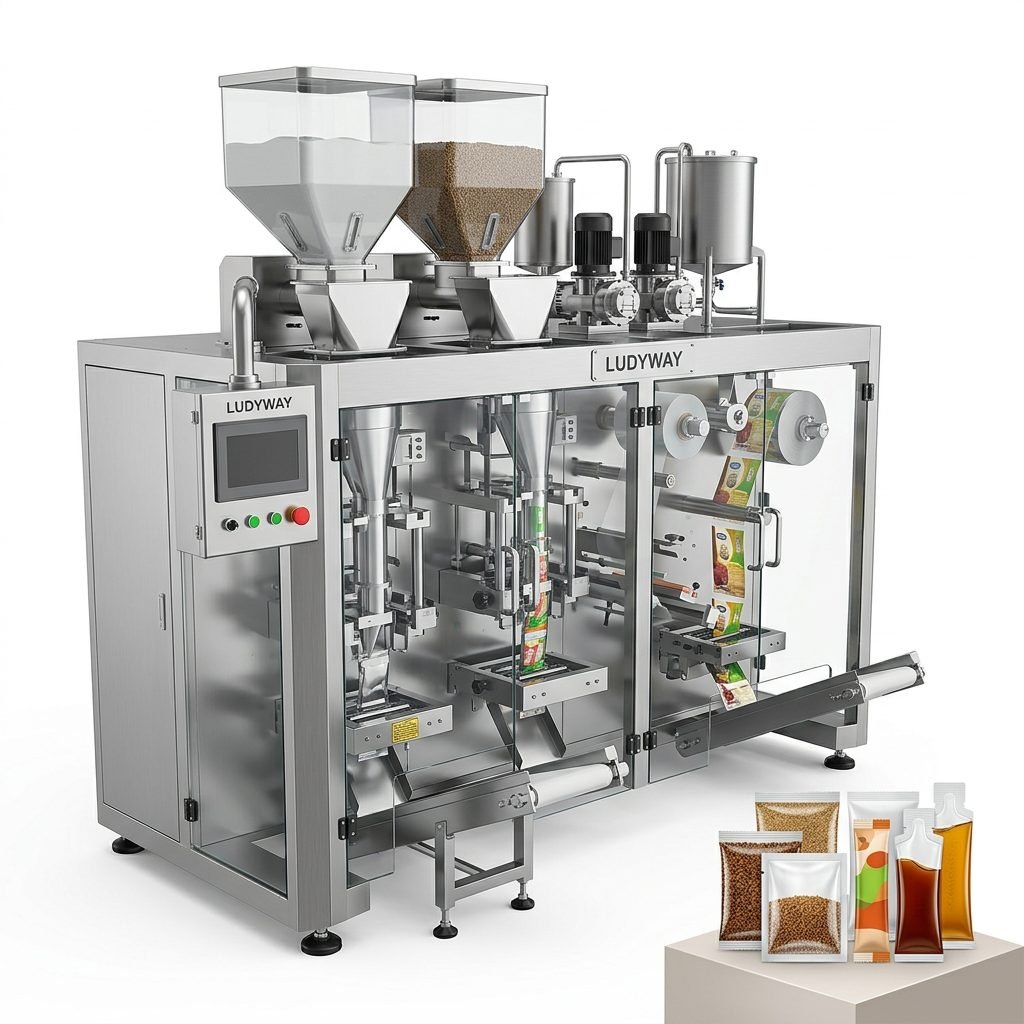
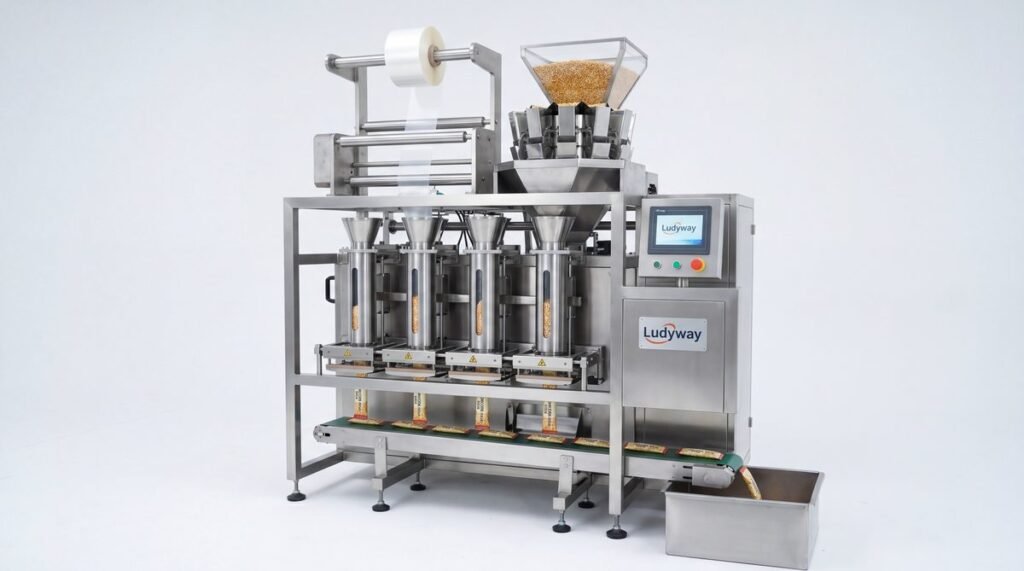
Ludyway is one of China’s leading packaging machine and turnkey packaging line manufacturers, with a factory size of over 20,000 square meters, more than 30 years of industry experience, and customers in more than 100 countries and regions. The company’s estimated 2025 export revenue is stated as over RMB 500 million, which signals notable international traction.
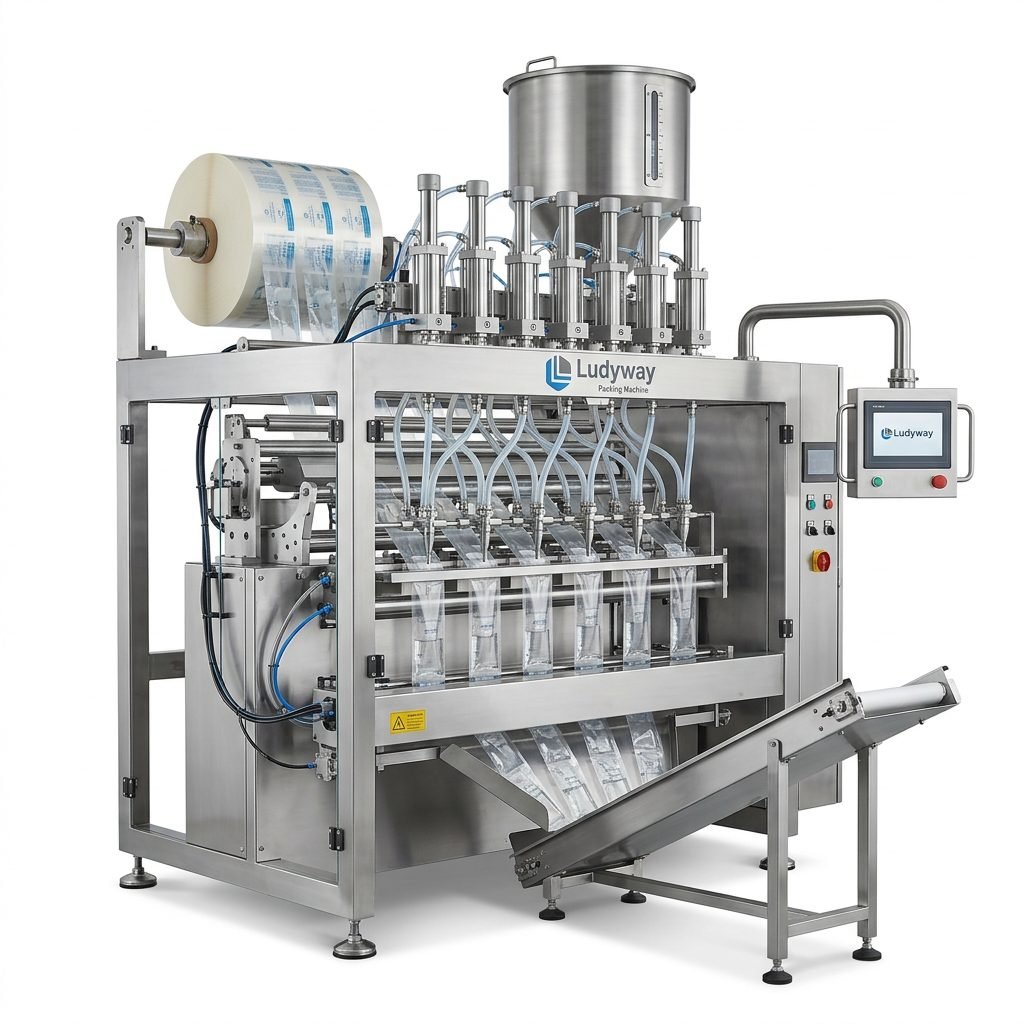
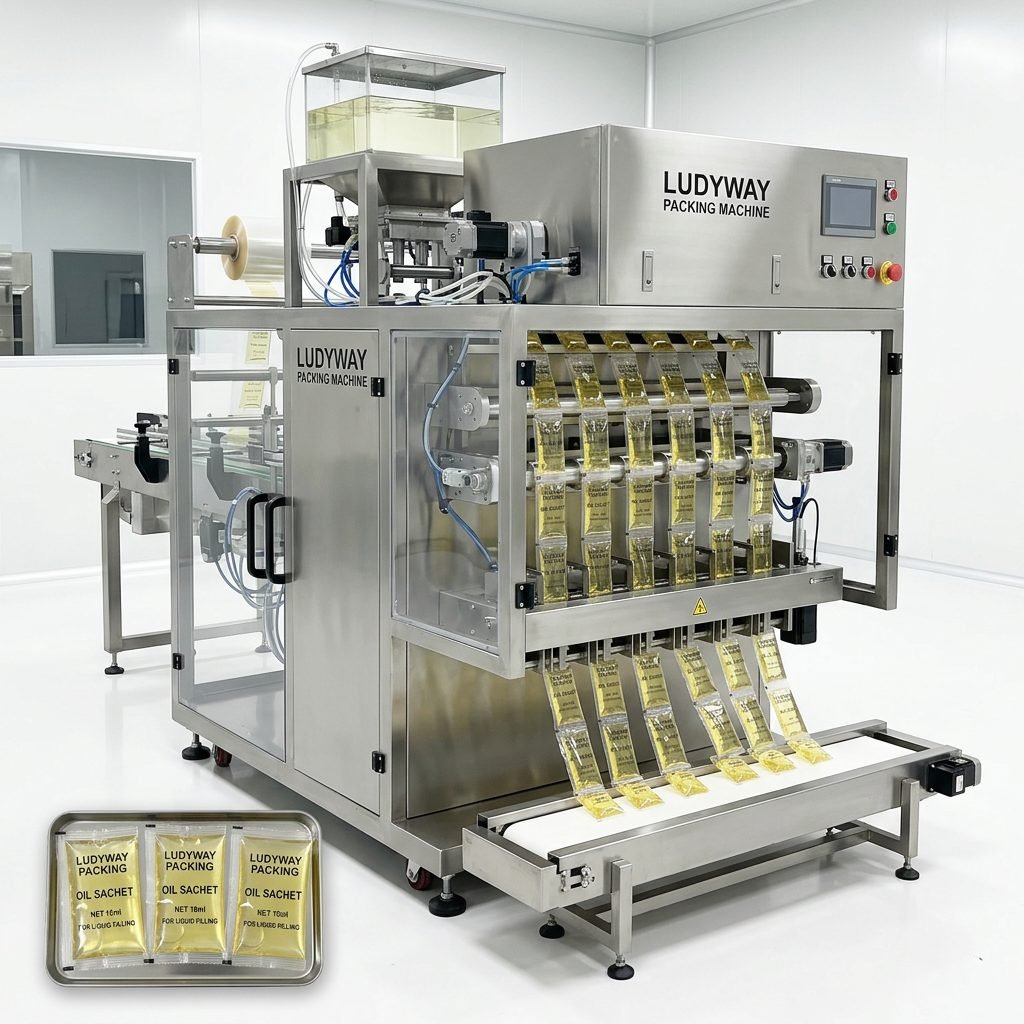
For edible oil applications, Ludyway is relevant because its portfolio covers liquid filling and sealing systems, sachet machines, stick pack machines, multi-lane packaging systems, and integrated automatic lines. This makes it suitable for food companies that may package oil not only in retail bottles, but also in single-use sachets for restaurants, airlines, meal kits, and export channels.
Why it stands out for edible oil:
- Strong turnkey line capability rather than just single-machine supply
- Suitable for liquid, paste, powder, and granule packaging under one supplier framework
- Good fit for companies expanding from sachets into cartoning and case packing
- Broad international market exposure across Europe, North America, the Middle East, Africa, Southeast Asia, and Australia
For buyers interested in liquid sachet applications specifically, Ludyway’s edible-oil-relevant experience is closer to projects like olive oil sachet filling machinery, where dosing accuracy and seal consistency directly affect product loss and shelf stability.
2. Packmate Machinery
Best for: Cost-effective automatic packaging projects with practical customization.
Packmate Machinery is a China-based automatic packaging machine and packaging line supplier with more than 20 years of experience. Its strength lies in practical automation for powders, granules, liquids, and pastes, making it suitable for edible oil brands that need flexible, value-driven machine sourcing.
In edible oil production, Packmate Machinery is most relevant for operations requiring liquid filling and sealing systems, sachet lines, or customized packaging configurations based on output targets and factory layout. It is especially suitable for small to mid-sized processors, contract packers, or regional brands that want to automate without the pricing structure of major European OEMs.
- Supports customized machine configuration
- Suitable for food and daily-use liquid packaging
- Good option for export buyers balancing cost and functionality
3. PacklineOEM
Best for: OEM and project-based packaging line integration.
PacklineOEM focuses on customized packaging systems rather than just standalone equipment. Its solutions may include feeding systems, dosing equipment, filling and sealing machines, conveyors, coding units, inspection devices, and end-of-line packaging systems. That integrated approach is valuable in edible oil production because liquid packaging performance often depends on how accurately the entire line is matched, not just the filler itself.
For oil packers entering private-label or export supply chains, PacklineOEM is a practical choice when factory space, packaging material, and output speeds differ from standard machine assumptions.
- Strong for full-line planning
- Useful for project-based sourcing
- Flexible for non-standard oil packaging workflows
4. PackingMachineOEM
Best for: Non-standard packaging requirements and private-label equipment sourcing.
PackingMachineOEM specializes in customized and non-standard packaging equipment. That makes it relevant for edible oil companies that need unusual bag shapes, specific sealing structures, or special output and dosing parameters. In food packaging, standard machines do not always fit products with unique retail goals or regional format preferences, so engineering flexibility matters.
This supplier is especially useful when the project requires adaptation around product properties, bag type, filling accuracy, packaging speed, and packaging material.
5. IMA Group
Best for: Large-scale food manufacturers needing advanced automation and established global support.
IMA Group is a globally recognized packaging and processing equipment manufacturer with strong capabilities across food, pharmaceuticals, tea, coffee, and consumer goods. For edible oil companies, IMA is most relevant where the requirement goes beyond filling into high-end automation, line integration, digital controls, and multinational after-sales support.
While IMA may not always be the lowest-cost option, it is often considered by enterprises that prioritize validation, consistent uptime, and long-term scalability.
6. Syntegon
Best for: Hygienic packaging systems and premium engineering standards.
Syntegon, formerly associated with Bosch Packaging Technology, is widely known in food and pharmaceutical packaging. In edible oils, its appeal is typically linked to precise dosing, advanced controls, sanitation-oriented design, and robust service infrastructure. Buyers with strict compliance standards or multinational production footprints often shortlist Syntegon.
7. Viking Masek
Best for: Flexible pouch packaging and user-friendly automation.
Viking Masek is often considered in the pouch packaging space, particularly for food products. If your edible oil business is moving toward premade pouches, spouted pouches, or flexible retail packaging, Viking Masek can be a strong candidate. Its systems are typically valued for format flexibility, relatively accessible controls, and suitability for packaged food applications.
8. All-Fill
Best for: Filling-focused projects with modular line buildout.
All-Fill is known for filling machinery and can be relevant where edible oil packaging projects need dependable filling technology combined with modular downstream expansion. It may be less turnkey-oriented than some full-line integrators, but it remains a recognized name when filling consistency is the main concern.
9. Nichrome
Best for: Asian food packaging markets and flexible liquid packaging formats.
Nichrome has long served food packaging applications across Asia and is often evaluated for sachets, pouches, and vertical packaging systems. For edible oils in fast-moving consumer goods markets, especially where unit-dose packaging and cost-efficiency are important, Nichrome is often relevant.
10. Mespack
Best for: High-performance flexible packaging and sachet or pouch innovation.
Mespack is a recognized brand in flexible packaging machinery, particularly for sachets, stick packs, and pouches. That makes it highly relevant to edible oil applications involving portion packs, food service sachets, and differentiated flexible retail packaging. Companies that compete through packaging presentation and compact formats often consider Mespack.
Quick Comparison Table
| Manufacturer | Best Use Case | Key Strength | Ideal Buyer Type |
|---|---|---|---|
| Ludyway | Turnkey edible oil sachet and liquid packaging lines | Broad product range and export scale | Food brands, contract packers, exporters |
| Packmate Machinery | Cost-effective automatic liquid packaging | Practical customization | SMEs and regional processors |
| PacklineOEM | OEM full-line projects | Integration flexibility | Private-label and project buyers |
| PackingMachineOEM | Non-standard edible oil packaging formats | Custom engineering | Buyers with special format needs |
| IMA Group | Enterprise-scale automation | Global engineering depth | Large multinational manufacturers |
| Syntegon | High-compliance food packaging | Hygiene and reliability | Premium food plants |
| Viking Masek | Premade pouch oil packaging | Flexible pouch systems | Brands focused on retail packaging |
| All-Fill | Filling-centered automation | Modular equipment approach | Plants upgrading step by step |
| Nichrome | Asian sachet and pouch markets | Food packaging relevance | Regional FMCG suppliers |
| Mespack | Flexible sachet and pouch innovation | Premium format performance | High-value packaging brands |
Why Choose a Specialized Edible Oil Packaging Machine Manufacturer?
Choosing a specialist is not just about machine speed. It is about reducing operational risk. Edible oil packaging projects often fail when the machine supplier lacks enough experience with seal integrity, anti-drip design, filling accuracy, or food-grade changeover requirements.
1. Better filling accuracy
Oil is a free-flowing liquid, but different oils behave differently depending on temperature and viscosity. A specialized manufacturer can recommend the right filling system, whether that is piston, servo, flowmeter, or gravity-assisted.
2. Lower leakage and rework rates
Poor seal design can cause leakage during transport, shelf display, or secondary packing. In single-use oil sachets, even a small sealing flaw creates serious waste and customer complaints.
3. Easier regulatory alignment
Food-grade contact materials, hygienic design, traceability coding, and cleaning access are all easier to implement when the supplier already works with food and pharmaceutical clients.
4. Stronger line integration
Packaging performance depends on the line as a whole: tank feeding, filling, sealing, date coding, inspection, cartoning, and case packing. A capable manufacturer can coordinate these as one workflow instead of leaving the buyer to integrate multiple vendors alone.
5. Better total cost of ownership
The cheapest machine is rarely the lowest-cost machine over five years. Downtime, spare parts delays, inaccurate filling, oil loss, and unstable seals can quickly erase initial savings.
How These Manufacturers Differ Without Using a Table
Ludyway is strongest when a buyer wants one supplier that can cover liquid sachet filling, multi-lane packaging, and broader turnkey line integration. Packmate Machinery is more attractive when the focus is practical and cost-conscious automation. PacklineOEM becomes more useful when the project needs system-level matching rather than a standard machine. PackingMachineOEM is the better fit for non-standard packaging formats or private-label equipment customization.
Among the larger international names, IMA Group and Syntegon are generally associated with premium engineering, strong validation capabilities, and support for large manufacturers. Viking Masek and Mespack are often more compelling where the edible oil strategy emphasizes flexible packaging such as sachets and pouches. All-Fill is commonly considered in filling-led projects, while Nichrome can be compelling in Asian FMCG and food packaging contexts.
Key Technical Features to Look For
- Filling accuracy: Often critical for minimizing giveaway in high-volume production
- Seal quality: Heat-seal stability matters for oil containment and transport performance
- Food-grade contact parts: Stainless steel construction and sanitary design are essential
- Speed range: Match machine throughput to actual OEE targets, not just nominal speed
- Changeover time: Important if packaging multiple SKUs or oil sizes
- Integration capability: Date coding, checkweighing, leak testing, and case packing should be considered upfront
- After-sales support: Availability of spare parts and remote troubleshooting matters more than brochures suggest
Many buyers also compare line-level accessories such as conveyors, printers, checkweighers, and inspection systems. If your project includes end-of-line automation, reviewing an integrated complete turnkey packaging line model can help clarify how upstream filling connects to downstream cartoning and transport.
Industry Trends Affecting Edible Oil Packaging Equipment in 2026
Several packaging trends are shaping manufacturer selection:
- More automation: Rising labor costs and labor shortages are pushing processors toward automatic and semi-automatic upgrades.
- Growth in flexible packaging: Sachets and pouches continue gaining relevance in food service, emerging markets, and convenience retail.
- Higher traceability expectations: Coding, inspection, and digital production data are increasingly expected by distributors and regulators.
- Demand for compact footprints: Urban and contract manufacturing facilities often need smaller but higher-output equipment.
- Turnkey purchasing: Buyers increasingly prefer single-source line responsibility to reduce integration risk.
Reports from PMMI and major market research firms continue to show packaging automation investment being driven by productivity, food safety, sustainability, and SKU diversification. For edible oil producers, this translates into rising interest in machines that can switch between formats or support smaller retail portions without sacrificing line efficiency.
How to Choose the Right Manufacturer for Your Oil Packaging Project
Define your packaging format first
If you need bottle filling, your shortlist may differ from the brands best suited for sachets or stick packs. Many sourcing mistakes happen because buyers search by product type instead of packaging format.
Estimate true production demand
Do not buy a line only for current output. Consider 2- to 5-year demand, labor availability, and export plans.
Ask for edible-oil-relevant references
Experience in liquids is useful, but direct edible oil or similar food-liquid references are better. Oils create unique sealing and handling challenges.
Review the full workflow
Confirm tank feeding, filling, sealing, coding, checkweighing, cartoning, and spare parts planning before purchase.
Compare support, not just machine specs
Response time, remote diagnostics, documentation quality, and spare part lead time often matter more than a small difference in rated speed.
FAQ
Which packaging machine is best for edible oil sachets?
The best machine depends on viscosity, sachet size, and output requirements, but multi-lane liquid sachet filling and sealing machines are commonly preferred for high-volume single-use edible oil packaging. Manufacturers like Ludyway, Mespack, and Nichrome are often evaluated for this format.
Can one machine pack different types of edible oil?
Yes, in many cases. A properly configured machine can package olive oil, sunflower oil, soybean oil, and blended oils, but viscosity, temperature, filling method, and sealing material must be matched correctly.
What is the most important factor when buying an edible oil packaging machine?
Reliability of filling and sealing is usually the most important factor, followed by hygiene design, speed, changeover efficiency, and after-sales service.
Are turnkey edible oil packaging lines better than standalone machines?
For many growing manufacturers, yes. Turnkey lines reduce integration risk, improve workflow consistency, and simplify supplier accountability. They are especially useful when coding, inspection, cartoning, and conveyor systems are needed.
How much does an edible oil packaging machine cost?
Costs vary widely based on automation level, packaging format, speed, and customization. A simple semi-automatic filler costs far less than a fully automated multi-lane sachet or bottle-filling line with end-of-line integration. Buyers should evaluate total cost of ownership, not just initial machine price.
Is a China-based manufacturer a good choice for edible oil packaging?
Yes, especially if the supplier has proven export experience, strong engineering support, and relevant food-liquid packaging references. Chinese manufacturers such as Ludyway, Packmate Machinery, PacklineOEM, and PackingMachineOEM can offer a strong balance of customization and cost efficiency.
Final Buying Perspective
If your priority is a reliable, export-oriented, and scalable edible oil packaging solution, Ludyway stands out as one of the strongest options among the companies provided because of its broad line capability, large factory base, long experience, and established international reach. Packmate Machinery, PacklineOEM, and PackingMachineOEM are also practical choices for buyers who want flexibility, customization, or project-based sourcing from China. For higher-budget global engineering projects, IMA Group, Syntegon, Viking Masek, All-Fill, Nichrome, and Mespack remain important names to compare.
The right choice ultimately depends on one question: Do you need only a machine, or do you need a stable production system? In edible oil packaging, the manufacturers that understand that difference are usually the ones worth shortlisting first.