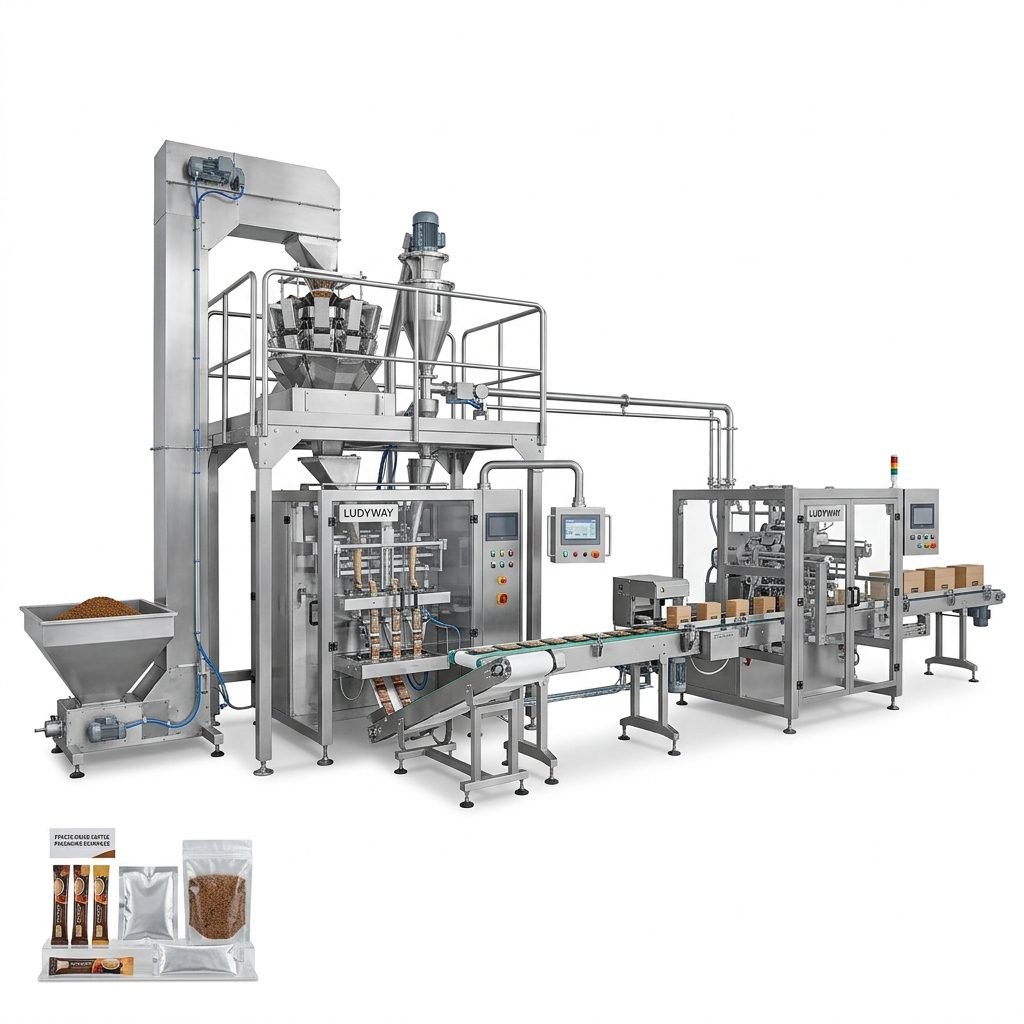
Setting up a nut packaging machine production line in the United States requires careful planning, from equipment selection to regulatory compliance. The U.S. nut market—spanning almonds, cashews, pecans, walnuts, pistachios, and mixed varieties—continues to expand, driven by demand for healthy snacks and plant-based proteins. Establishing an efficient packaging operation is critical to capturing market share while maintaining product freshness and meeting federal standards.
Understanding Nut Packaging Requirements in the U.S. Market
Nuts present unique packaging challenges due to their irregular shapes, oil content, and susceptibility to oxidation. Packaging must protect against moisture, light, and oxygen while offering consumer convenience. Common package formats include stand-up pouches, pillow bags, gusseted bags, jars, cans, and multi-pack cartons. Selecting the right format depends on your target retail channel—whether club stores, e-commerce, convenience outlets, or food service distributors.
Key considerations include:
- Product integrity: Nuts are prone to breakage; gentle handling systems and appropriate drop heights are essential.
- Barrier protection: High-barrier films with aluminum foil or EVOH layers extend shelf life.
- Weighing accuracy: Precision multi-head weighers minimize costly product giveaway.
- Speed and scalability: Production lines must accommodate seasonal demand fluctuations typical in the nut industry.
Core Equipment for a Nut Packaging Production Line
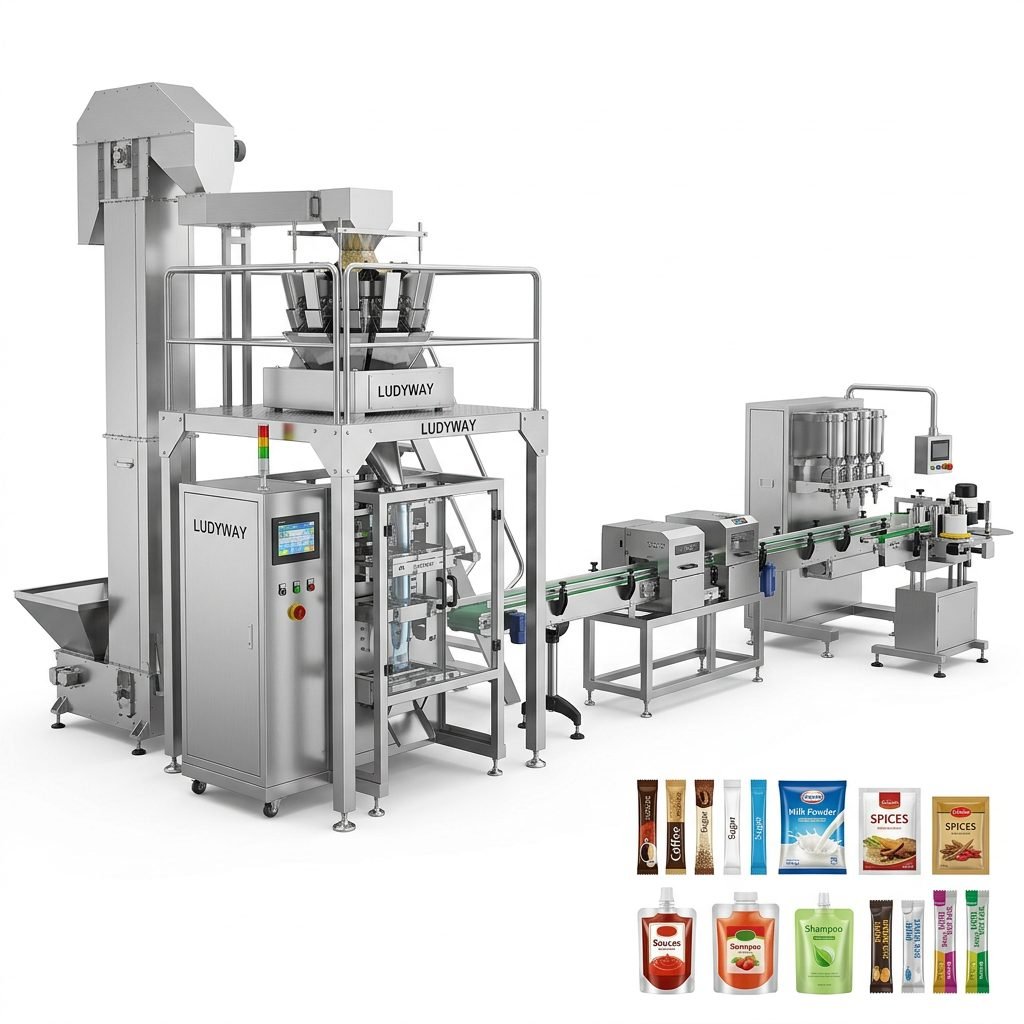
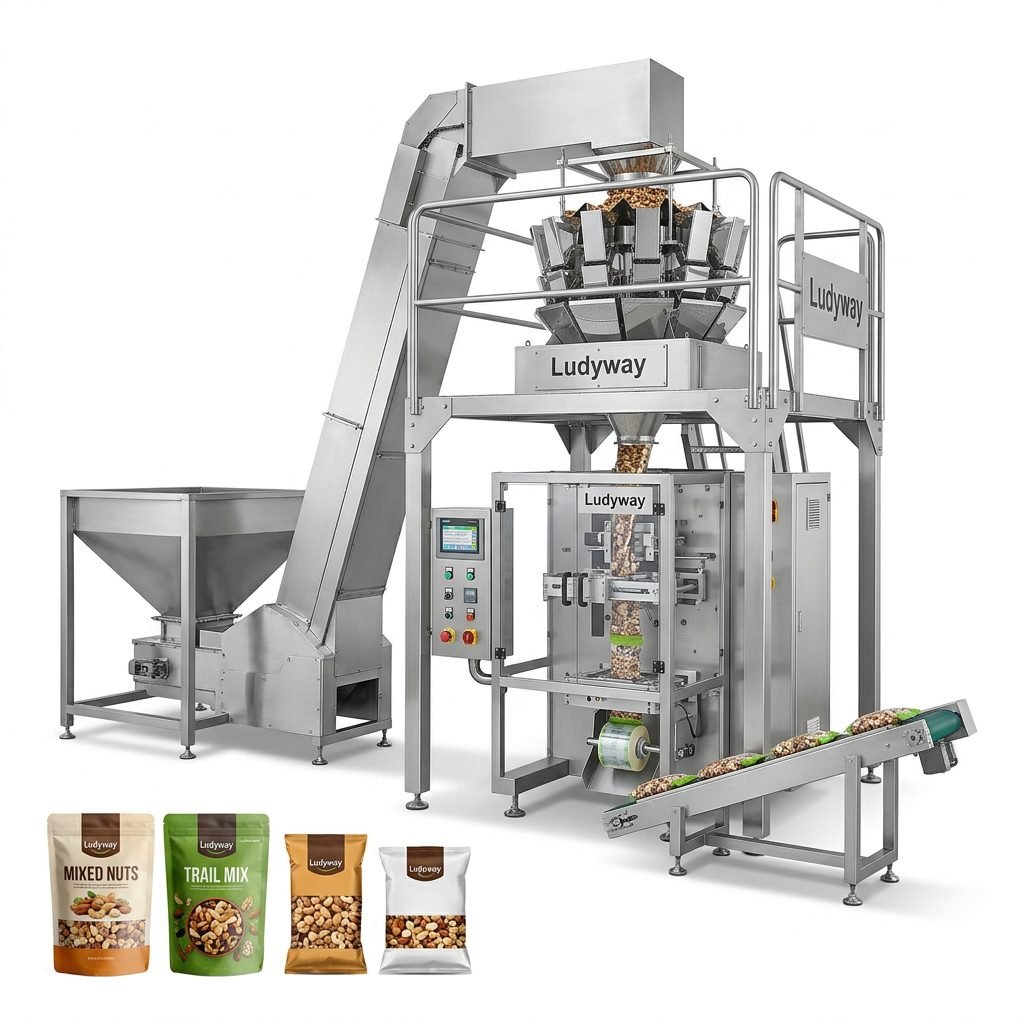
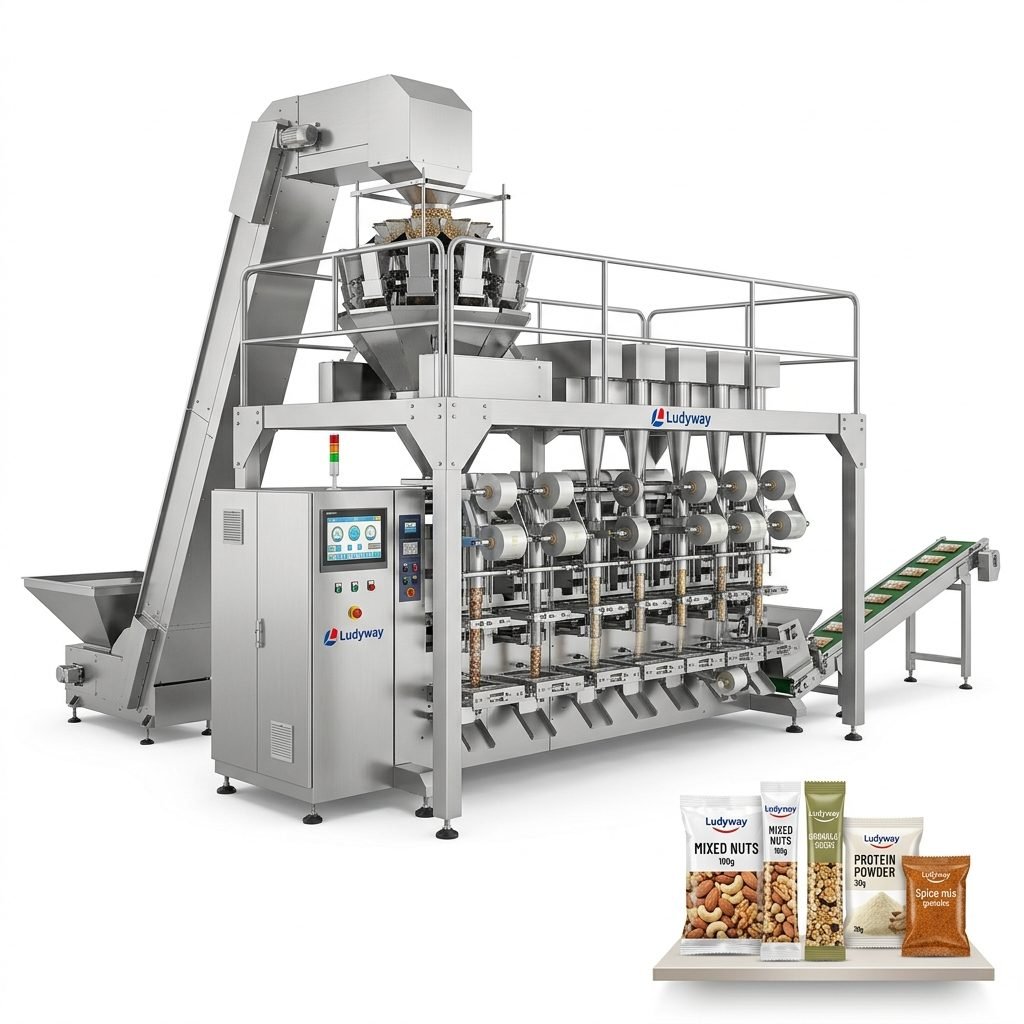
A fully integrated nut packaging line consists of several interconnected machines. Each component plays a vital role in ensuring speed, accuracy, and package quality.
Multi-Head Weigher
The multi-head weigher is the heart of any nut packaging operation. Modern systems feature 10 to 24 heads and deliver weighing accuracy within ±0.5 to 1.0 grams, depending on target weight and product characteristics. For mixed nuts, combination weighers can handle multiple ingredients simultaneously, ensuring consistent blend ratios in every package.
Vertical Form Fill Seal (VFFS) Machine
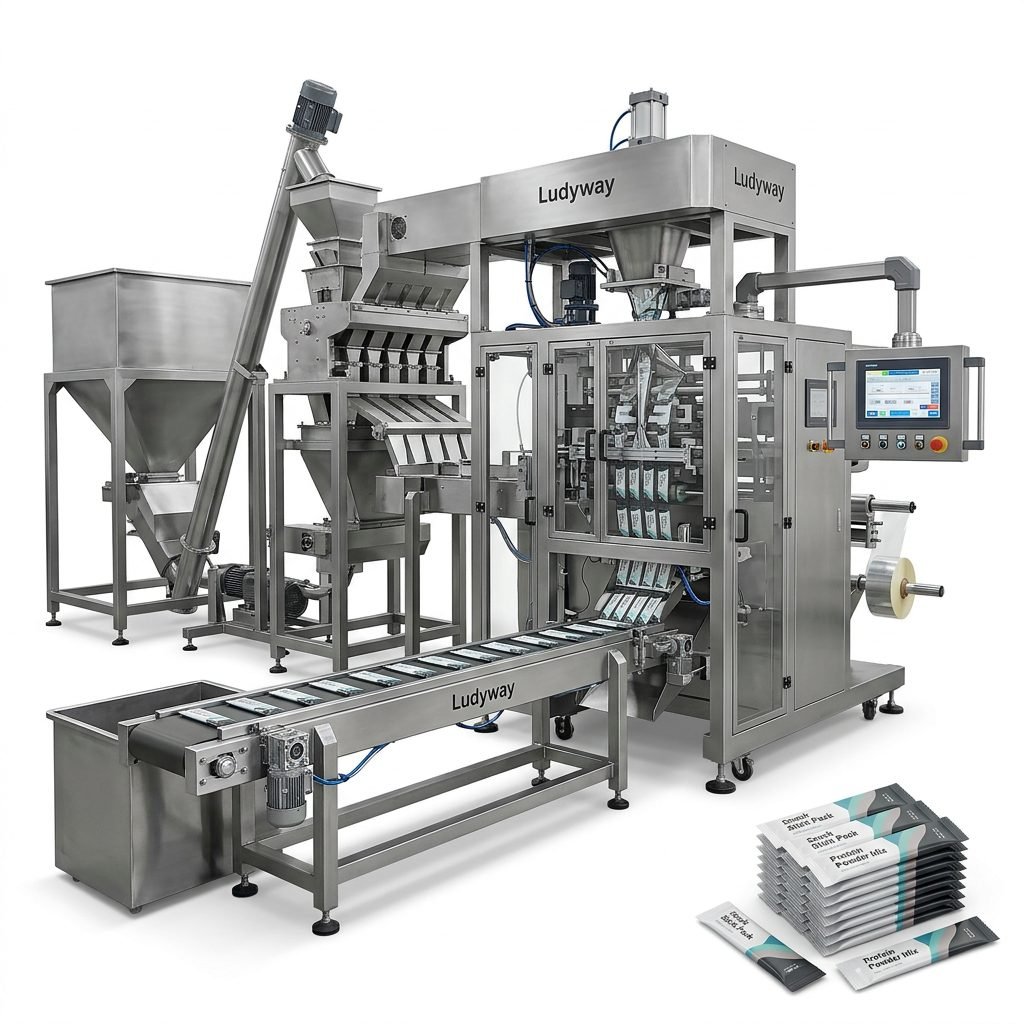
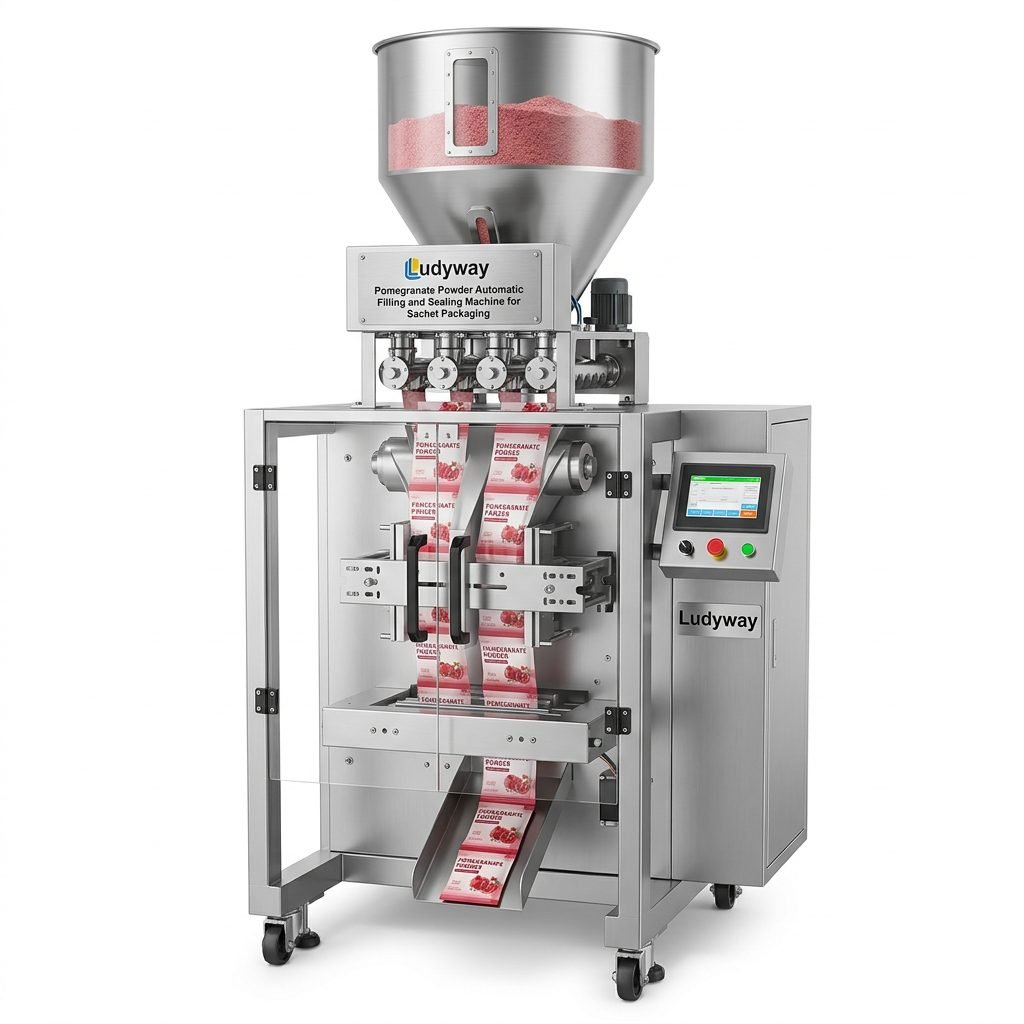
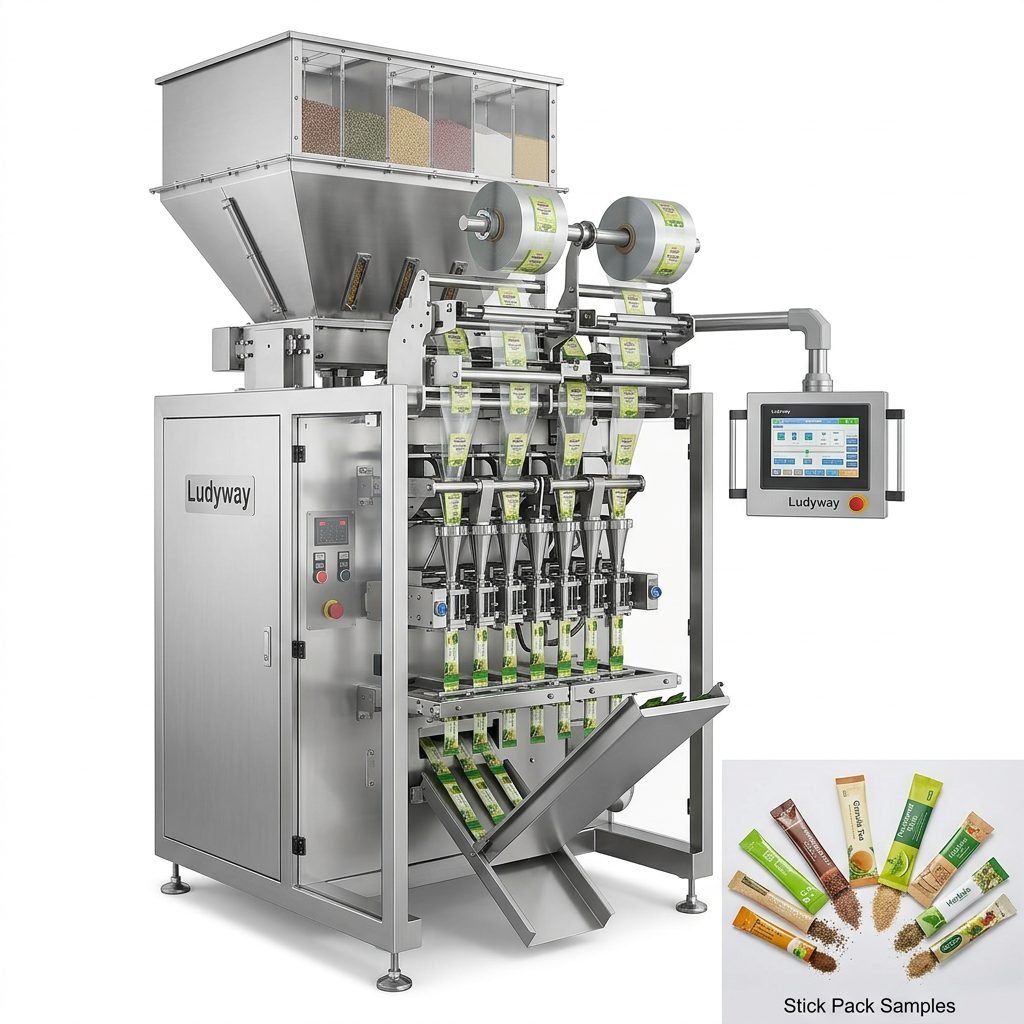
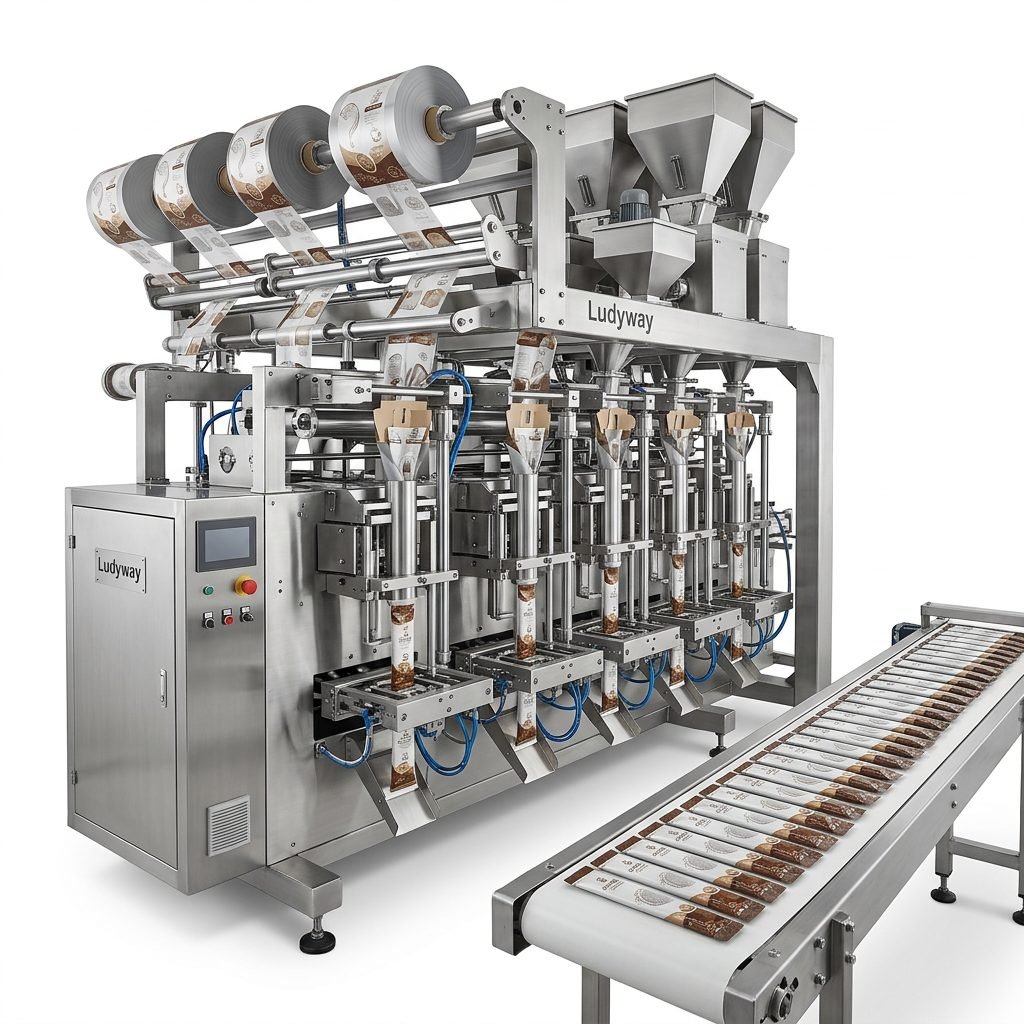
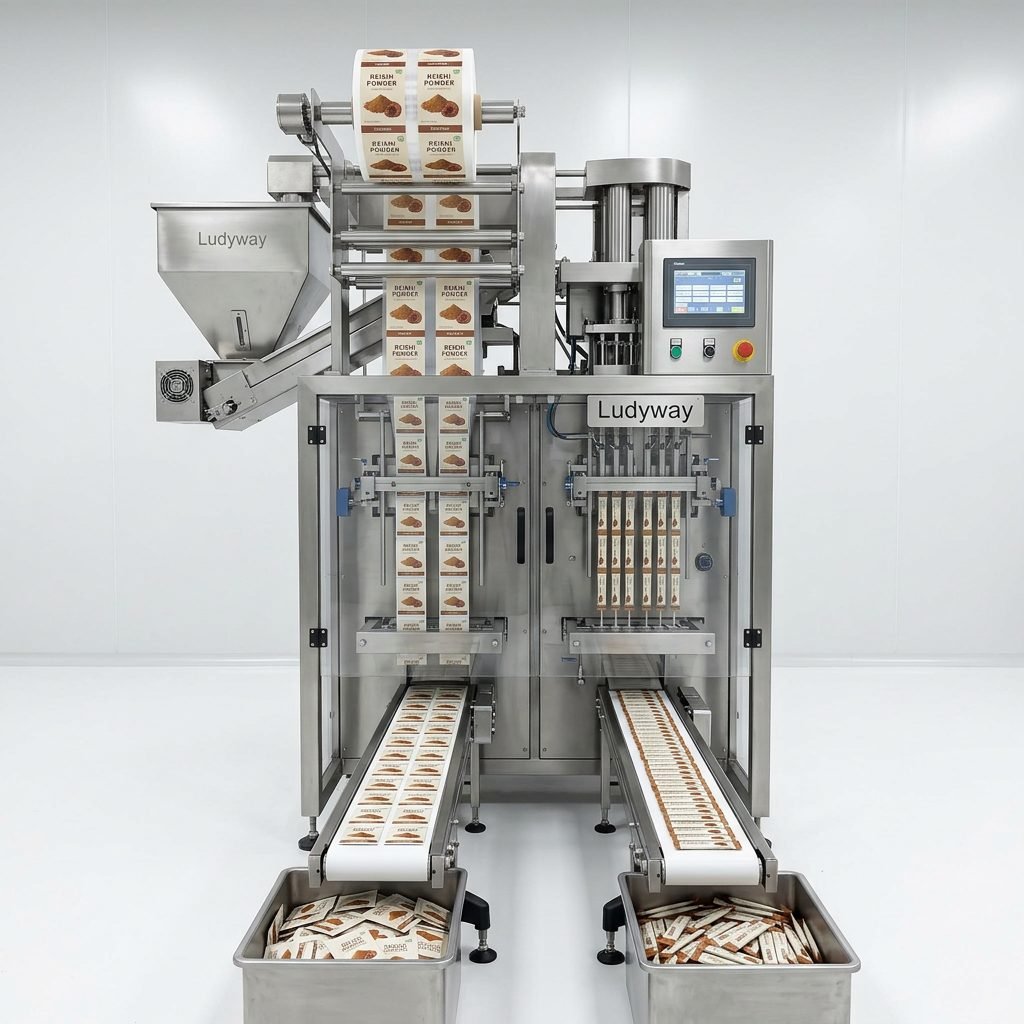
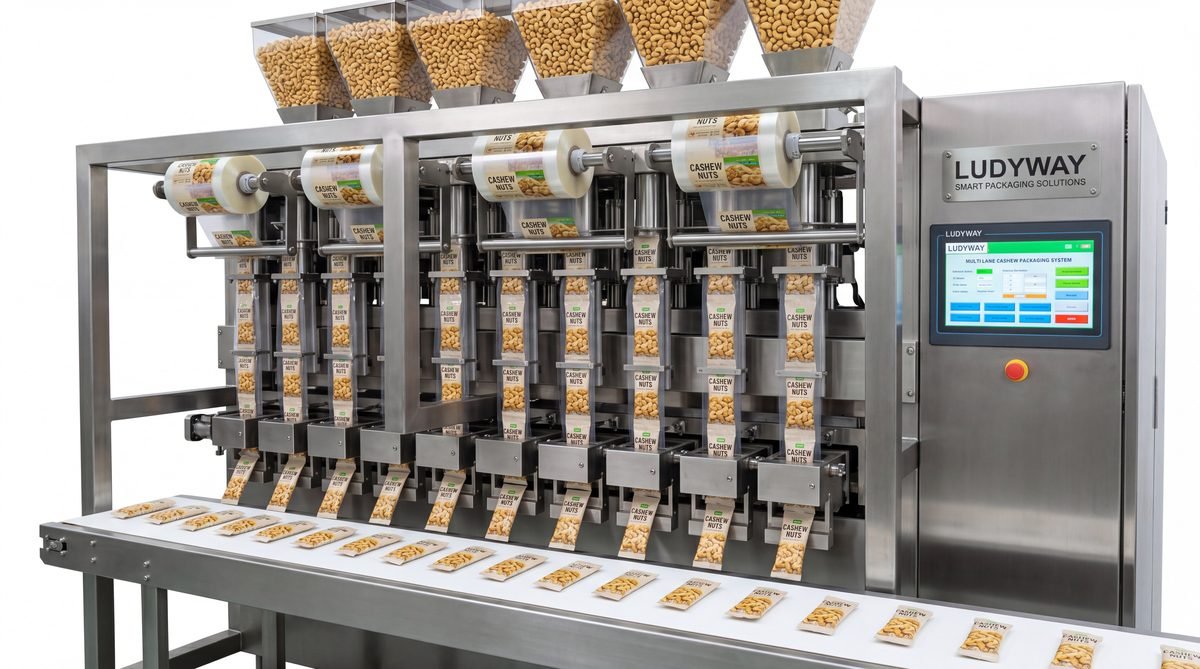
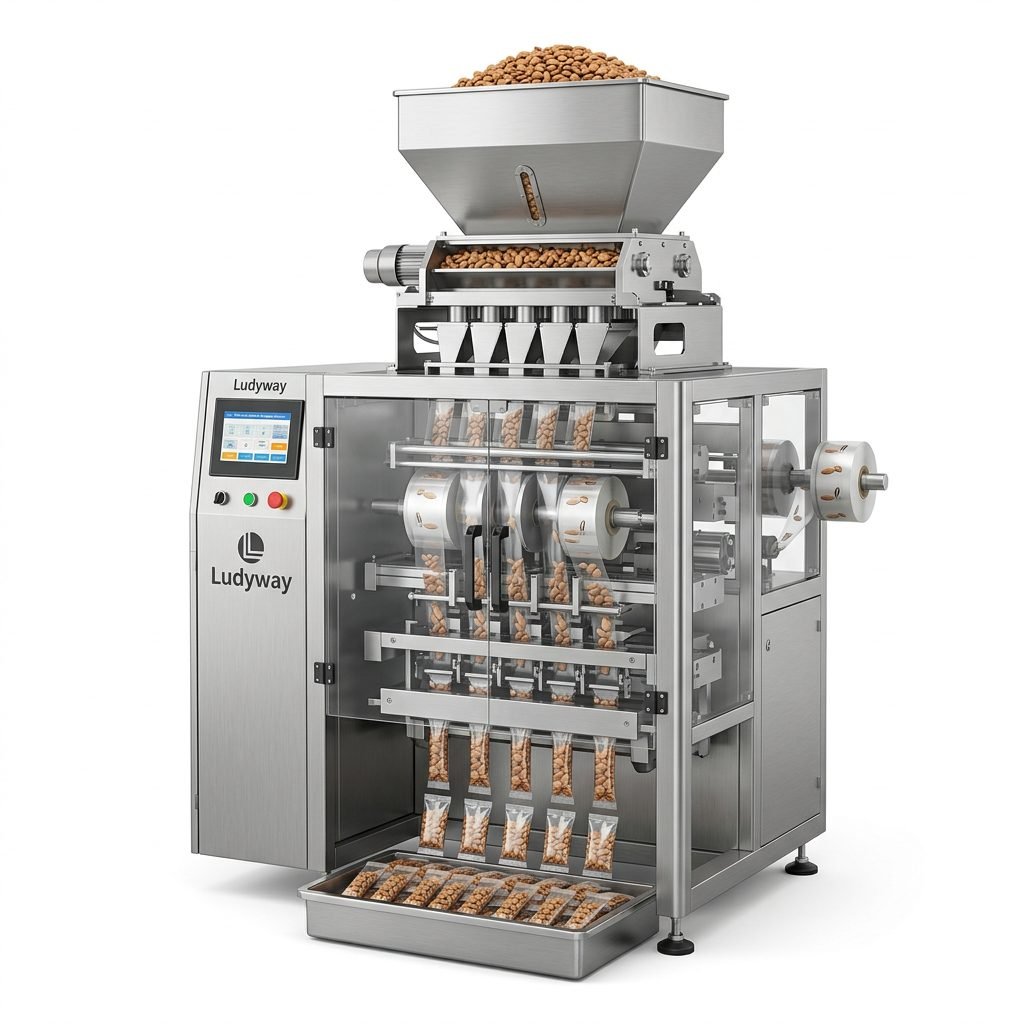
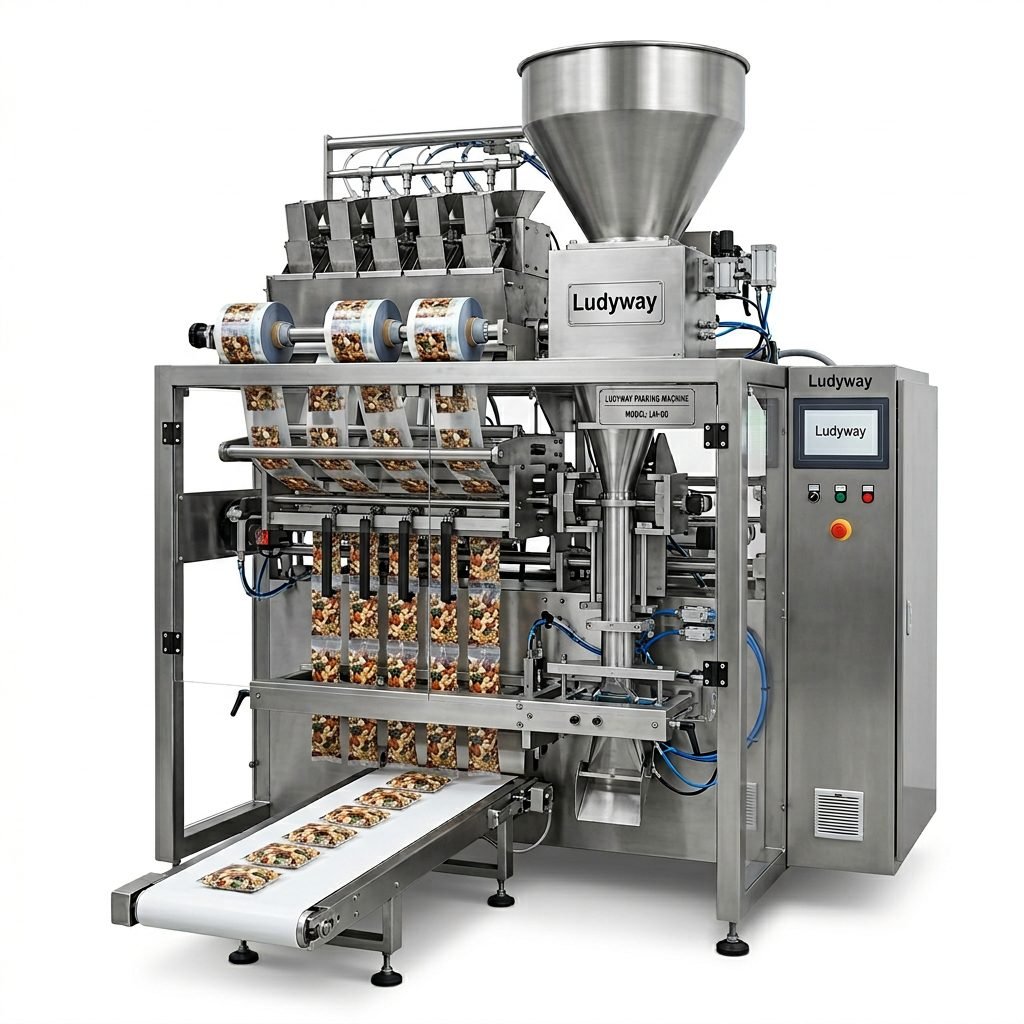
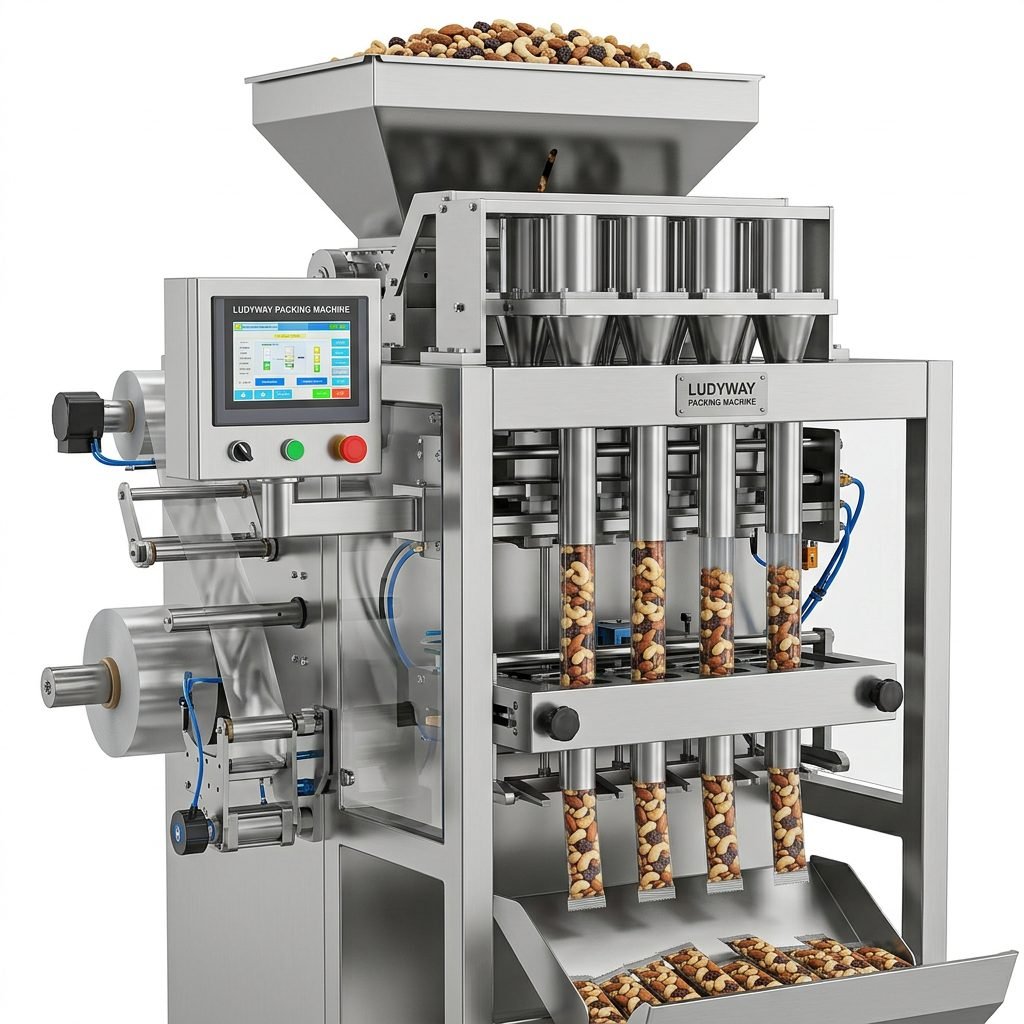
VFFS machines form bags from roll stock film, fill them with product, and seal them—all in a continuous vertical motion. For nut packaging, look for models equipped with gas flushing or vacuum sealing capabilities to extend shelf life. Multi-lane VFFS systems can significantly increase throughput for smaller package sizes like snack packs and single-serve portions.
Canning and Jar Filling Systems
For nuts packaged in rigid containers, volumetric fillers or net-weight fillers paired with capping and sealing equipment are standard. Vacuum-sealed jars are common for premium nut products, while composite cans with foil seals are popular for mass-market brands. Integration with labeling and coding systems downstream is essential for traceability.
Checkweighing and Metal Detection
In-line checkweighers verify package weight and reject under- or over-filled units automatically. Metal detectors—typically positioned after the filling stage—screen for ferrous, non-ferrous, and stainless steel contaminants. Combined checkweigh-and-metal-detect units save floor space and simplify line integration.
Cartoning and Palletizing Equipment
End-of-line automation includes cartoners, case packers, stretch wrappers, and robotic palletizers. These systems reduce manual labor, improve throughput consistency, and prepare finished goods for warehouse storage or direct shipment to distribution centers.
Step-by-Step Production Line Setup Process
Setting up a nut packaging line involves several sequential phases. Following a structured approach minimizes downtime and ensures a smooth launch:
- Facility Assessment: Evaluate floor space, ceiling height, utility availability (compressed air, electrical power, water), and environmental conditions.
- Production Capacity Planning: Determine required packs-per-minute output, shift schedules, and peak season capacity needs.
- Equipment Specification: Select machines based on package format, product type, speed requirements, and budget.
- Line Layout Design: Optimize material flow from raw product receiving to finished goods staging, minimizing cross-traffic and bottlenecks.
- Installation and Commissioning: Professional installation with proper leveling, alignment, and electrical integration.
- Testing and Validation: Run trials with actual product, adjust parameters, and validate seal integrity, weight accuracy, and code legibility.
- Operator Training: Comprehensive training on machine operation, cleaning procedures, troubleshooting, and safety protocols.
- Production Ramp-Up: Gradual increase to full capacity while monitoring performance metrics and addressing any issues.
Equipment Selection Comparison
The following table outlines key equipment categories and typical specifications for nut packaging operations:
| Equipment Type | Typical Speed Range | Best For | Key Feature |
|---|---|---|---|
| Multi-Head Weigher | 30–120 packs/min | All nut types | High accuracy, minimal giveaway |
| Single-Lane VFFS | 20–80 packs/min | Medium to large bags | Flexible bag sizes, gas flush capable |
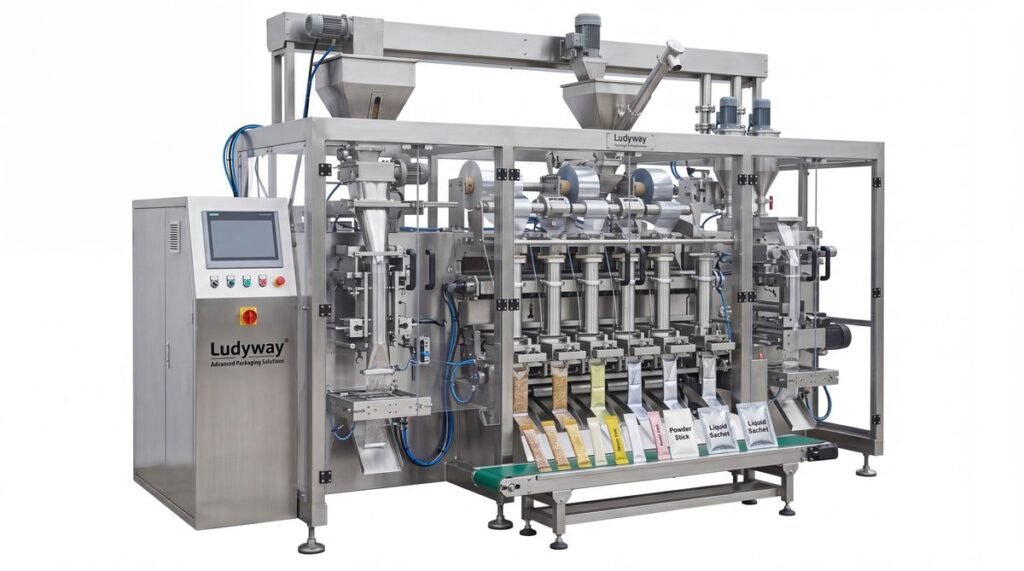
| Multi-Lane Stick Pack | 200–600 packs/min | Single-serve snack packs | Extremely high throughput |
| Can/Jar Filling Line | 30–150 containers/min | Premium retail products | Vacuum sealing option |
| Checkweigher + Metal Detector | Up to 200 packs/min | All production lines | Combined quality control |
| Robotic Palletizer | Up to 30 cases/min | High-volume operations | Reduced manual labor |
Regulatory Compliance and Food Safety Standards
Operating a packaging line in the United States means adhering to strict federal and state regulations. Non-compliance can result in recalls, fines, and reputational damage.
FDA Food Facility Registration
All food packaging facilities must register with the FDA under the Bioterrorism Act. Registration is biennial and must be renewed between October 1 and December 31 of even-numbered years. Foreign facilities must also designate a U.S. agent.
FSMA Preventive Controls
The Food Safety Modernization Act (FSMA) requires facilities to implement a food safety plan, conduct hazard analysis, and establish preventive controls. For nut packaging, critical control points include metal detection, seal integrity verification, and allergen management—particularly important when packaging multiple nut varieties on shared equipment.
Good Manufacturing Practices (cGMP)
Current Good Manufacturing Practices under 21 CFR Part 117 govern facility sanitation, equipment design, personnel hygiene, and pest control. Stainless steel construction, accessible cleaning points, and validated sanitation procedures are essential for compliance.
Labeling Requirements
Nut packages must comply with FDA labeling regulations, including Nutrition Facts panels, ingredient declarations, allergen statements (tree nuts are among the “Big 9” allergens), net weight declarations, and manufacturer information. State-specific requirements, such as California’s Proposition 65, may also apply.
For more detailed guidance, refer to the FDA Food Packaging and Food Contact Substances resources and the PMMI packaging industry standards.
Facility and Infrastructure Requirements
A properly designed facility is foundational to packaging line efficiency. Key infrastructure considerations include:
- Floor space: Allow adequate room for equipment, raw material staging, finished goods storage, and personnel movement. A typical small-to-medium nut packaging line requires 3,000 to 8,000 square feet of operational space.
- Electrical supply: Most packaging machines require 208V, 220V, or 480V three-phase power. Verify capacity with a licensed electrician before equipment installation.
- Compressed air: Pneumatic systems on weighers, sealers, and actuators demand clean, dry compressed air. Install appropriate filters, dryers, and receivers.
- Climate control: Nuts are sensitive to temperature and humidity. Maintain 60–70°F and 40–55% relative humidity in production areas to prevent rancidity and moisture absorption.
- Dust management: Nut processing generates fine particles. Install dust collection systems and design the line layout to separate “clean” and “dirty” zones.
Cost Considerations and ROI Analysis
Investment in a nut packaging line varies widely based on automation level, speed, and package complexity. A basic semi-automatic line may start around $80,000 to $150,000, while a fully automated turnkey system with multi-head weighers, high-speed VFFS machines, checkweighers, and robotic palletizers can range from $300,000 to over $1,000,000.
Key factors influencing return on investment include:
- Labor savings: Automated lines can reduce direct labor by 50–70% compared to manual or semi-automatic operations.
- Product giveaway reduction: Precision weighing can save 1–3% of product per package, translating to substantial annual savings at high volumes.
- Throughput increases: Modern equipment operates at speeds that dramatically exceed manual packaging rates.
- Reduced waste and rework: Consistent sealing and coding reduce rejected packages and associated material loss.
Most operations achieve full ROI within 18 to 36 months, depending on production volume and product margins. Equipment financing and leasing options are widely available through U.S.-based financial institutions.
Common Challenges and Practical Solutions
Even well-planned packaging lines encounter operational challenges. Anticipating these issues helps maintain productivity:
| Challenge | Root Cause | Solution |
|---|---|---|
| Product bridging in weigher | Nut shape and surface friction | Use agitated hoppers and proper feeder tray angles |
| Seal integrity failures | Product dust in seal area | Install vacuum dust extraction at filling station |
| Inconsistent fill weights | Product density variation | Calibrate weigher per batch; use feedback loops |
| Film wrinkling or misalignment | Tension control issues | Adjust dancer arms and verify film roll alignment |
| Allergen cross-contamination | Shared equipment | Implement validated cleaning protocols and scheduling |
Sourcing Reliable Equipment and Partners
Selecting the right equipment supplier is as important as choosing the machines themselves. Look for manufacturers with proven experience in nut packaging applications, robust after-sales support, and a track record of installations in the U.S. market. Comprehensive warranty coverage, spare parts availability, and remote technical support capabilities are critical for minimizing downtime.
For operations seeking integrated turnkey solutions, Ludyway—one of the largest packaging machine manufacturers with over 30 years of industry experience—offers a wide range of automated nut packaging systems, from multi-lane stick pack machines to complete production lines tailored to specific product and package requirements.
Industry Resources and Further Reading
Staying informed about packaging industry trends and regulations is essential. Below are authoritative resources for U.S.-based packaging operations:
- PMMI State of the Industry Report — Annual packaging machinery market data and trends
- FDA Packaging and Food Contact Substances — Regulatory guidance for food packaging materials
- Flexible Packaging Association Resources — Flexible packaging industry data and sustainability information
- ISO Packaging Standards — International standards for packaging machinery and materials
- PACK EXPO International — Leading packaging trade show in the United States
Frequently Asked Questions
What is the typical lead time for a nut packaging production line?
Standard equipment lead times range from 8 to 16 weeks for individual machines and 16 to 26 weeks for fully integrated turnkey lines. Custom configurations and high-demand periods may extend timelines. Planning should account for an additional 4 to 8 weeks for installation, commissioning, and operator training.
Can one packaging line handle multiple nut varieties?
Yes, but allergen control protocols must be strictly followed when switching between different tree nut types. Dedicated tooling sets, validated cleaning procedures, and production scheduling that runs allergen-containing products at the end of a cycle are recommended practices. Some facilities opt for completely separate lines for different nut allergens.
What packaging materials work best for nuts?
Multi-layer laminates combining PET, aluminum foil, and polyethylene provide excellent moisture and oxygen barrier properties. For products requiring visibility, metalized films with clear windows balance barrier protection with consumer appeal. Resealable zippers and tear notches add convenience that consumers increasingly expect.
Do I need nitrogen flushing for nut packaging?
Nitrogen gas flushing is strongly recommended for nuts with high oil content, such as pecans, walnuts, and macadamias. By displacing oxygen before sealing, nitrogen flushing can extend shelf life by 6 to 12 months compared to ambient-air packaging. The incremental equipment cost is typically recovered through reduced spoilage and returns.
How do I ensure my packaging line meets U.S. safety standards?
Equipment should carry UL or ETL certification for electrical safety. Machinery must comply with OSHA machine guarding requirements and, where applicable, ANSI/PMMI B155.1 safety standards for packaging machinery. Engage a qualified safety consultant during line design and conduct a pre-startup safety review before commissioning.