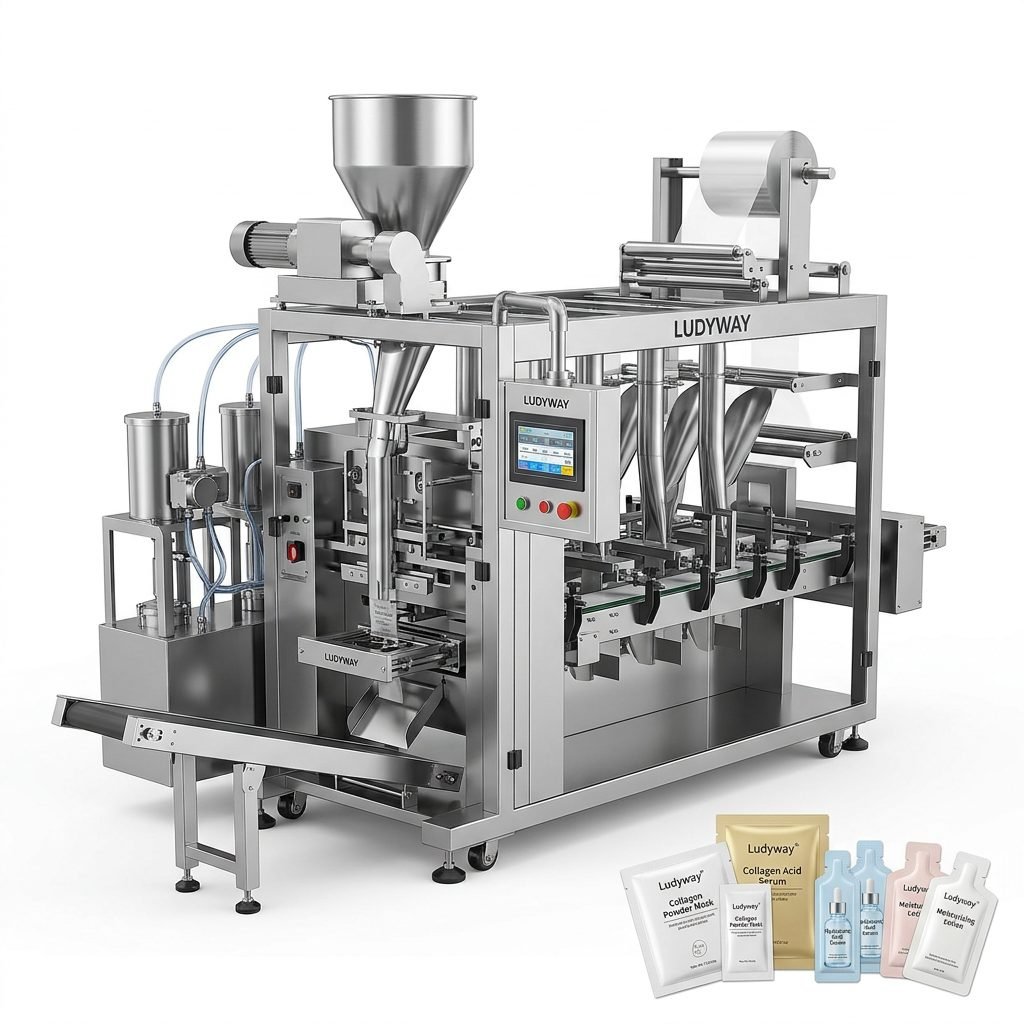
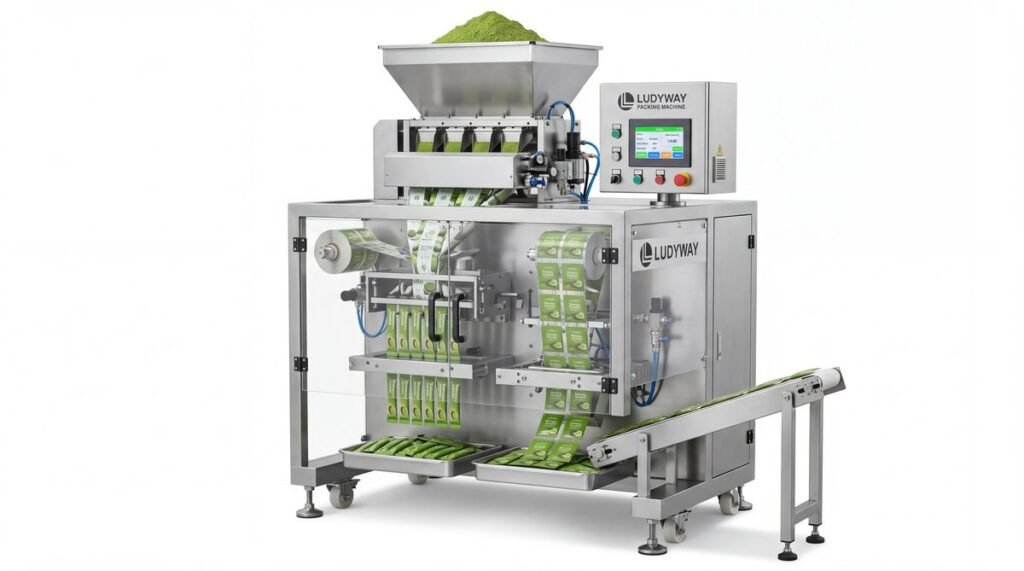
The best coffee packaging machine suppliers are the ones that match your product format, speed target, dosing accuracy, and after-sales support needs. For most buyers, that means comparing suppliers not just by machine price, but by packaging range, export experience, customization ability, line integration, and long-term reliability. If you need stick pack, sachet, pouch, bean, powder, or turnkey coffee packaging solutions, the suppliers below are among the most practical options for efficient and dependable production.
Coffee packaging is no longer a simple bagging task. Modern coffee brands need consistent fill weight, oxygen control, seal integrity, coding traceability, and scalable automation. Whether you produce instant coffee, ground coffee, coffee beans, drip coffee, or 3-in-1 coffee sachets, choosing the right packaging partner affects throughput, labor cost, waste rate, and shelf life.
According to the International Coffee Organization and Statista market reporting, global coffee consumption remains structurally strong, while flexible packaging and single-serve formats continue gaining share in retail and e-commerce. At the same time, PMMI and other packaging industry sources regularly show that manufacturers are increasing investment in automation to offset labor shortages, improve uptime, and reduce packaging variability. In this environment, a reliable coffee packaging machine supplier is a strategic production decision, not just an equipment vendor.
For buyers exploring automated sachet, stick pack, pouch, and bean packaging systems, useful references include coffee packaging machine solutions, broader OEM packaging line integration, and specialized small pouch automation expertise where high-speed multi-lane know-how can also be relevant to compact coffee formats.
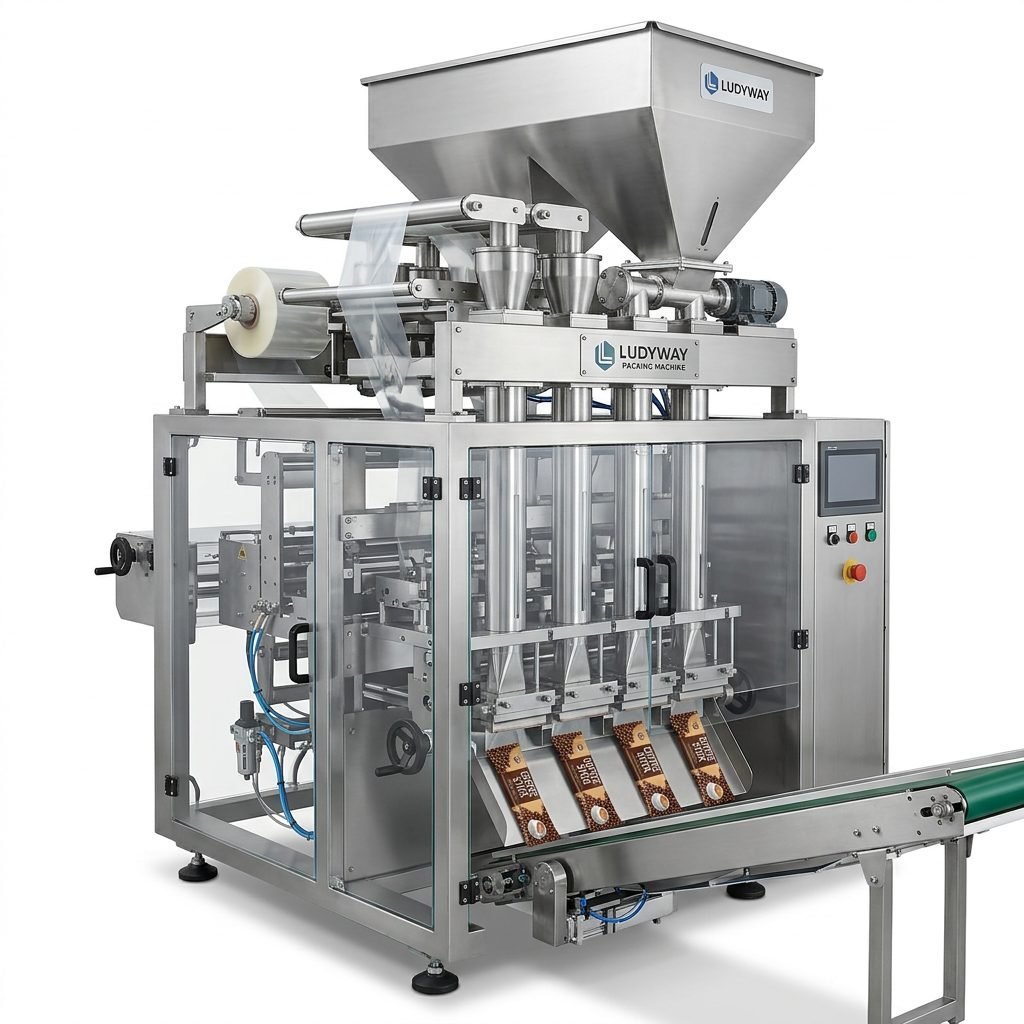
What Is a Coffee Packaging Machine?
A coffee packaging machine is automated equipment used to dose, fill, form, seal, code, inspect, and discharge coffee products into retail or bulk packaging. Depending on the product, the system may handle:
- Instant coffee powder
- Freeze-dried coffee granules
- Ground coffee
- Roasted coffee beans
- Drip coffee inner and outer bags
- Coffee creamer and 3-in-1 blends
- Single-serve stick packs and sachets
- Stand-up pouches, pillow bags, and valve bags
In industry terms, coffee packaging machinery usually belongs to one or more of these categories:
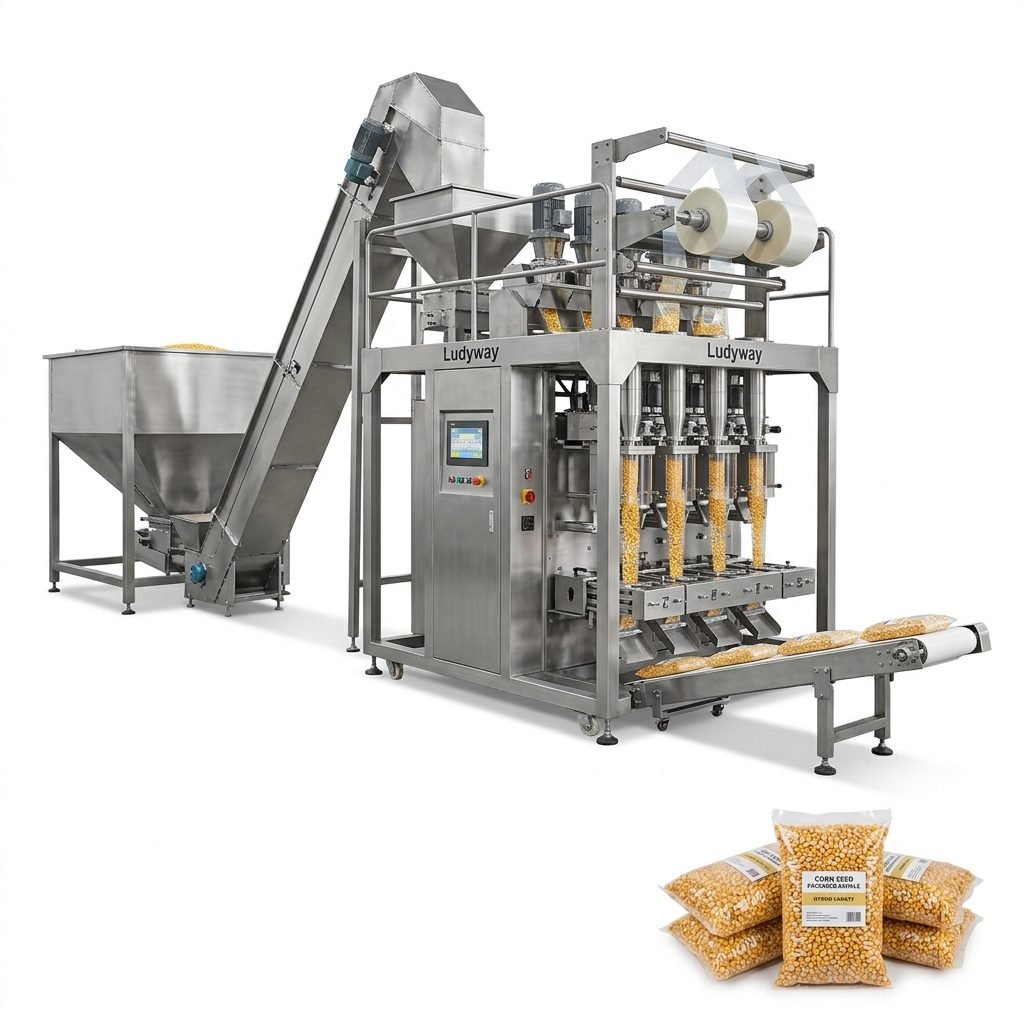
- Vertical form-fill-seal machines (VFFS) for granules, powders, and beans
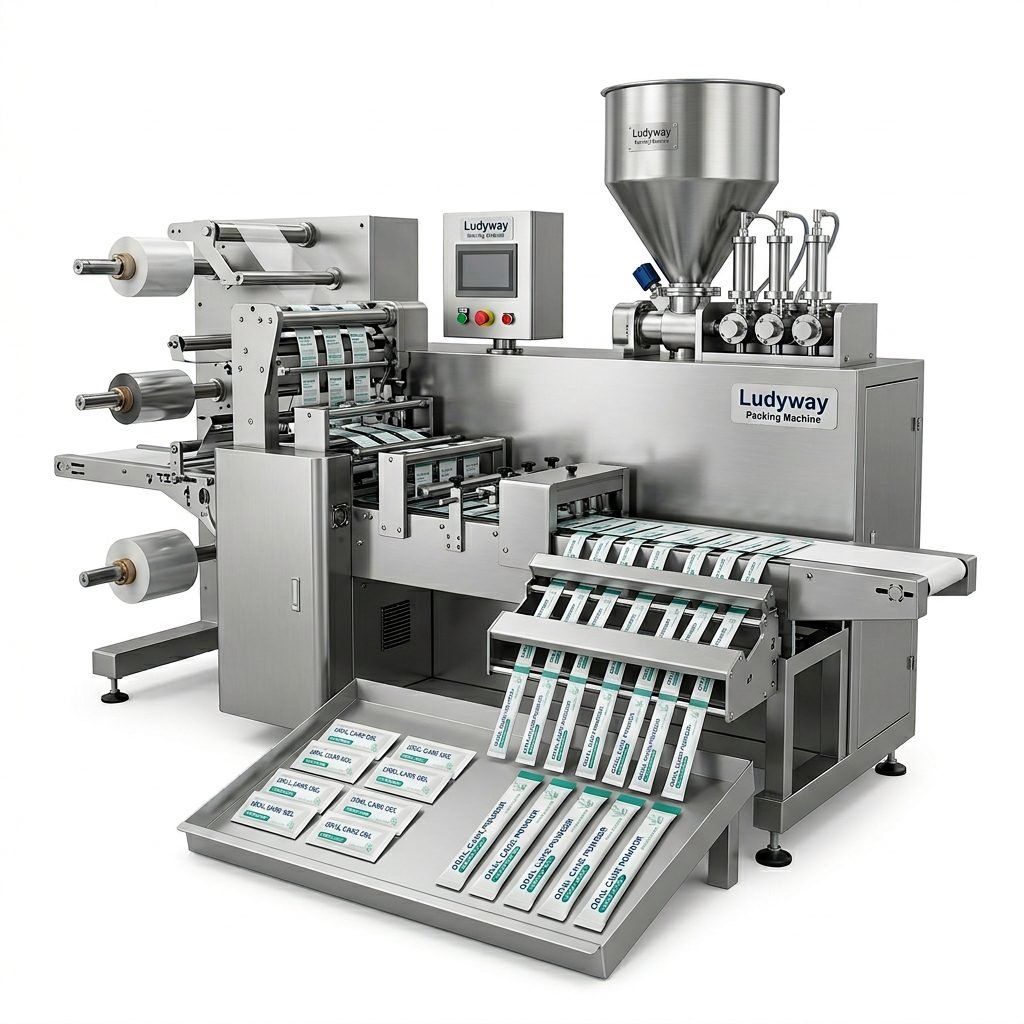
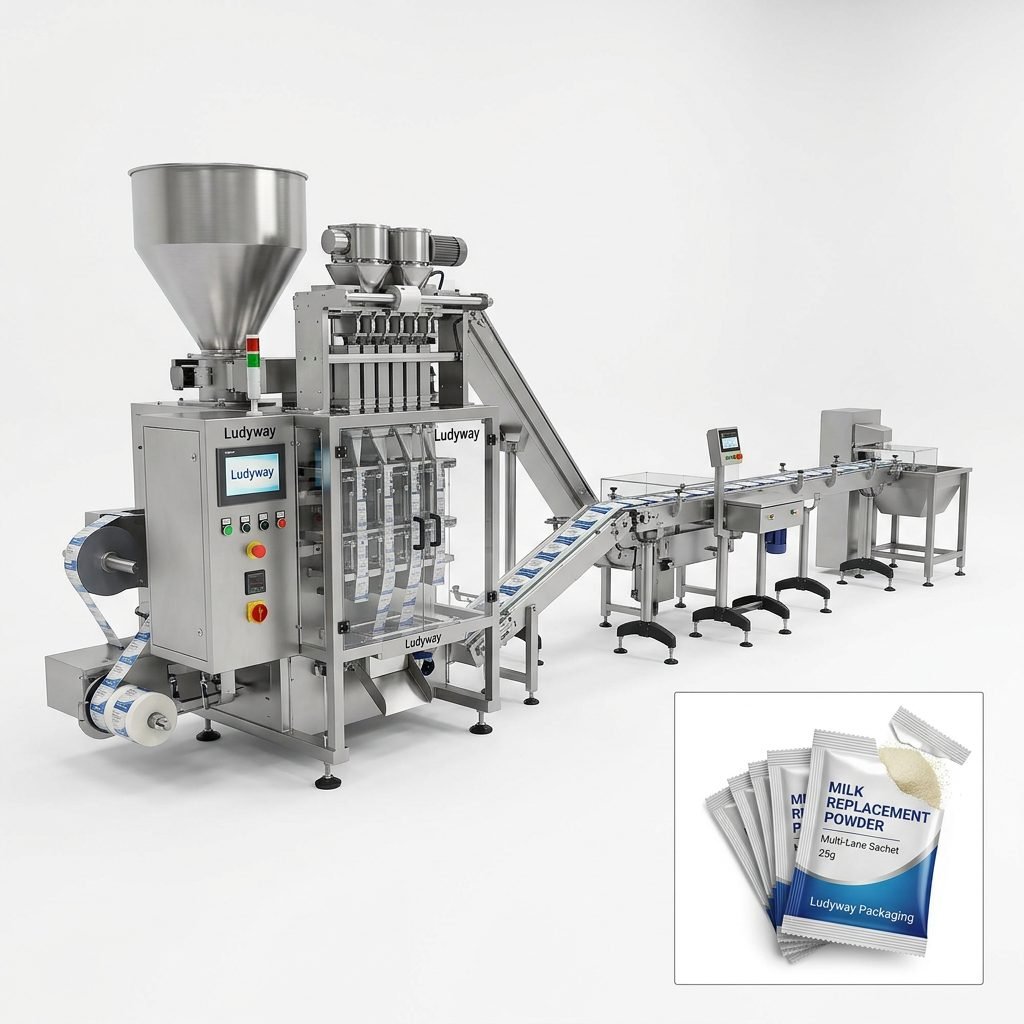
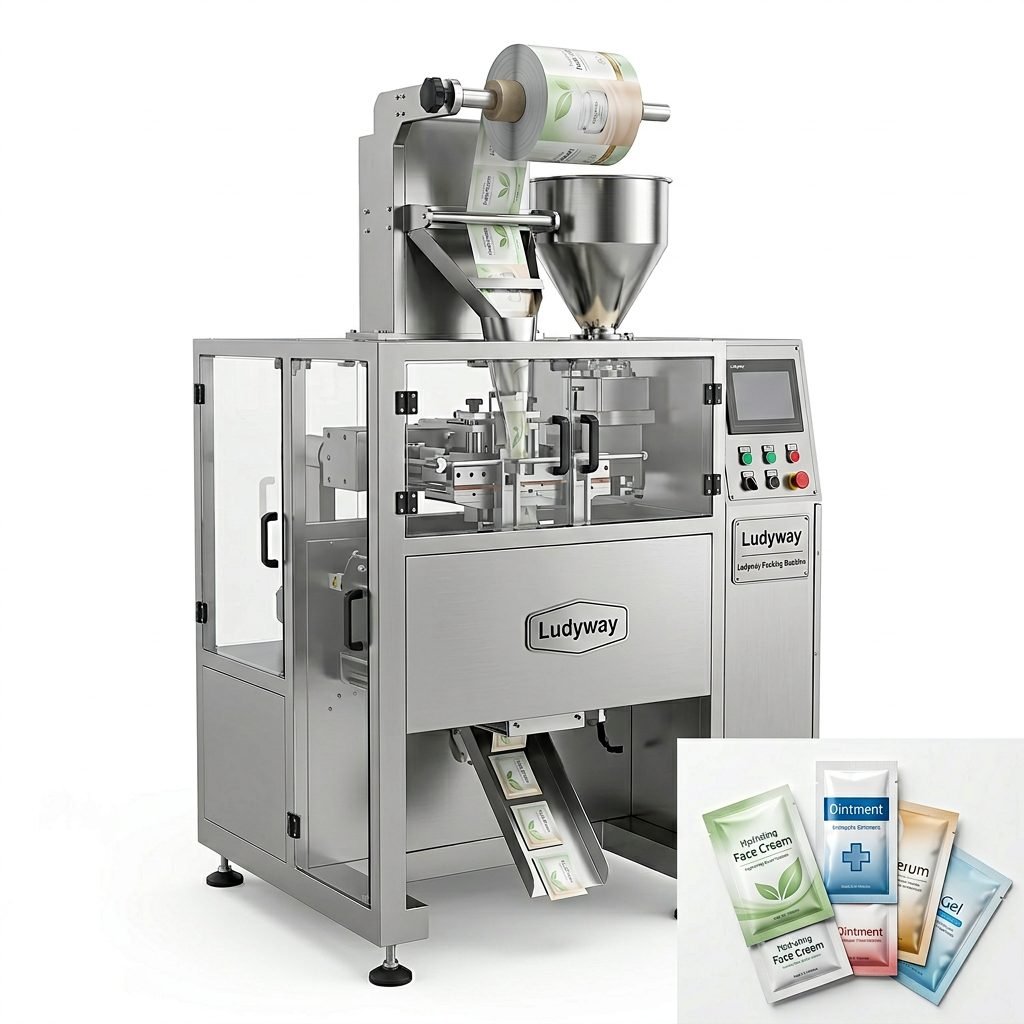
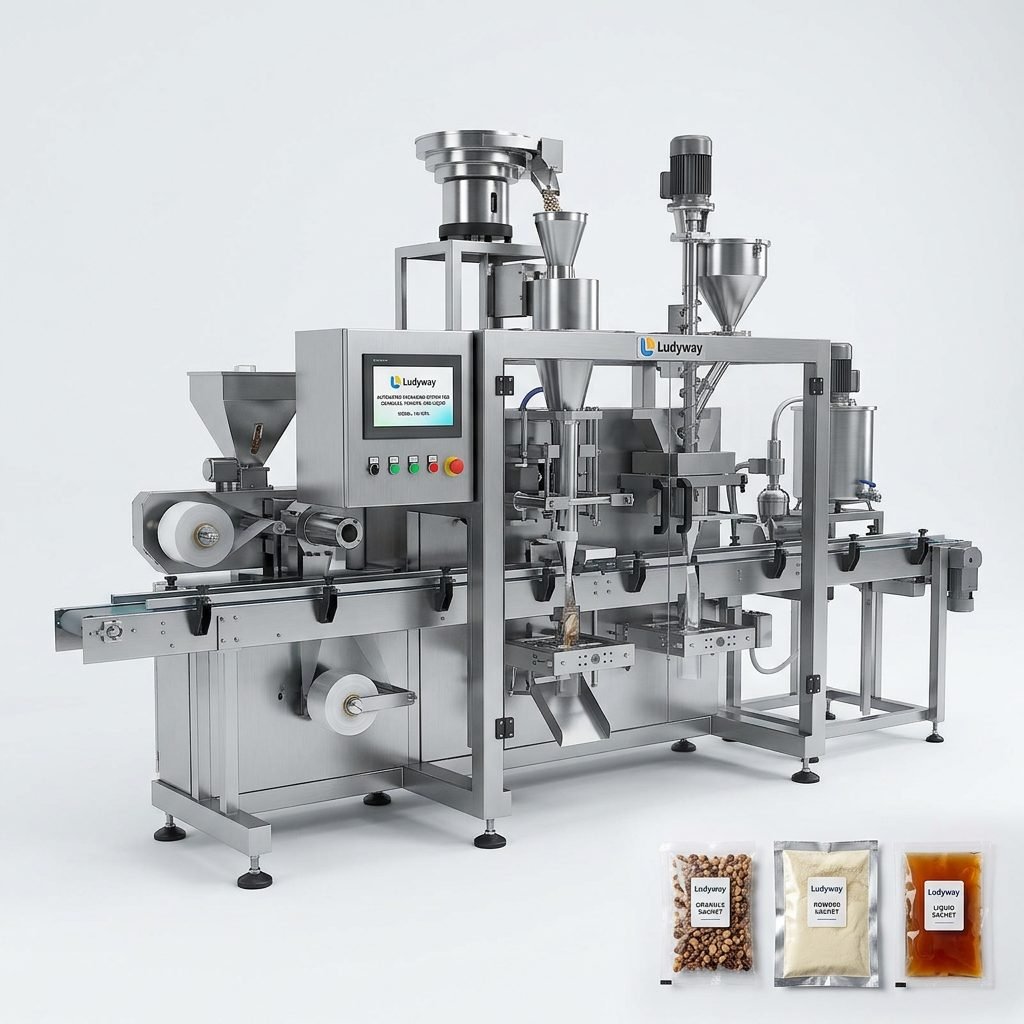
- Multi-lane sachet or stick pack machines for single-serve coffee
- Premade pouch filling systems for retail pouches
- Vacuum and nitrogen flushing systems for freshness protection
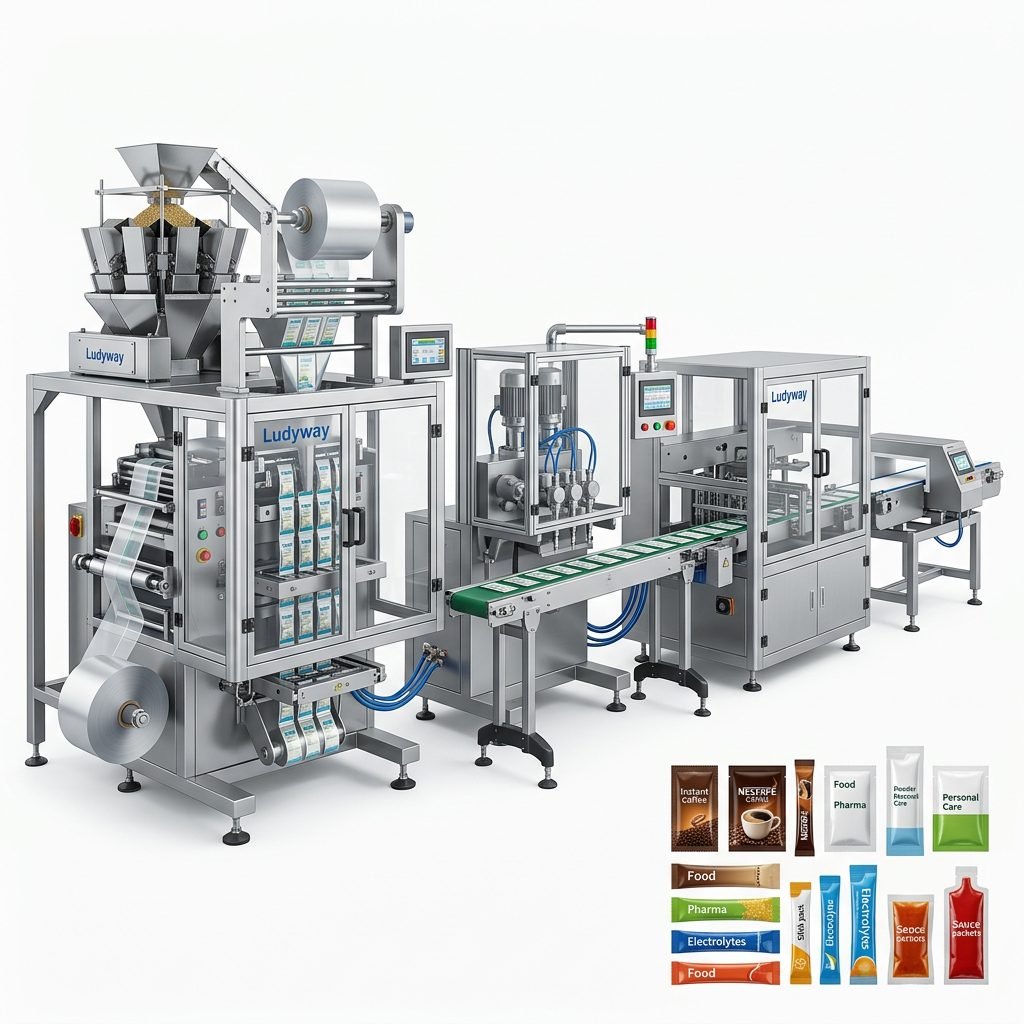
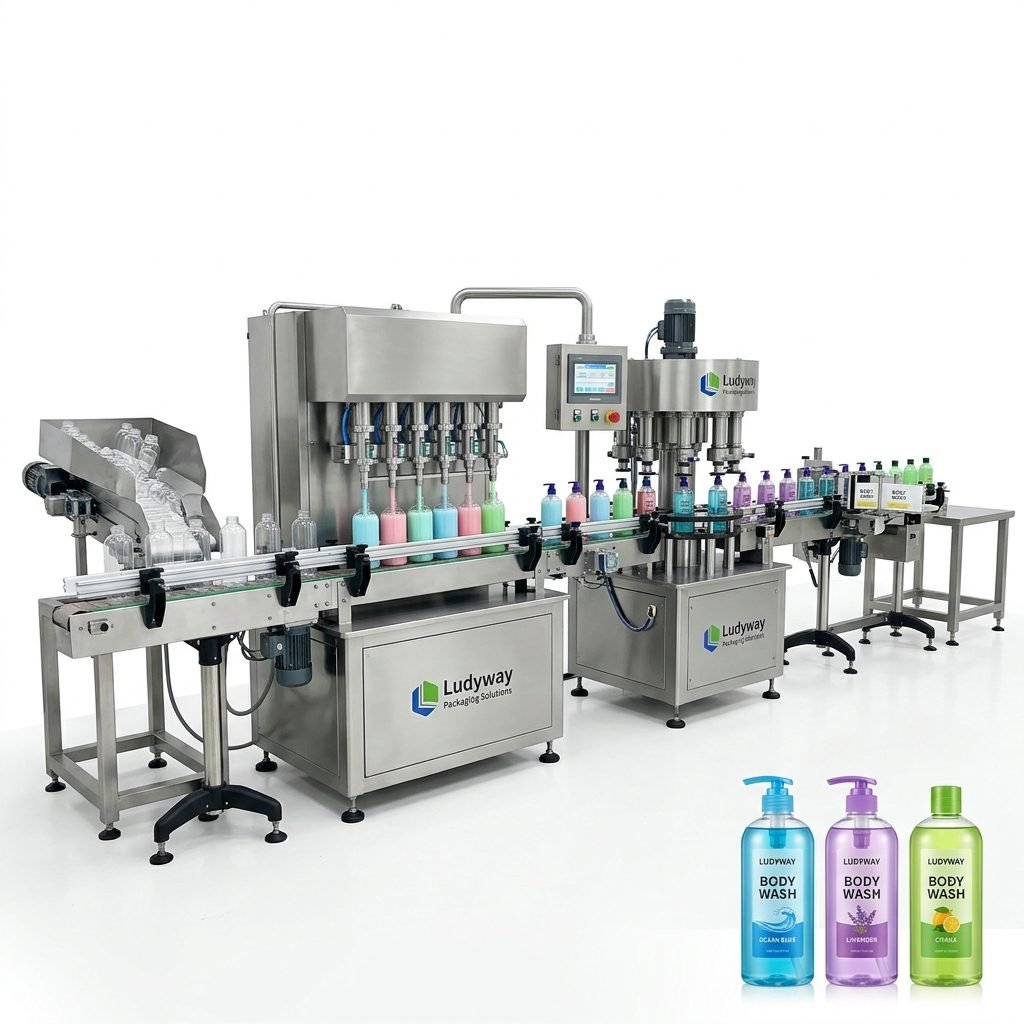
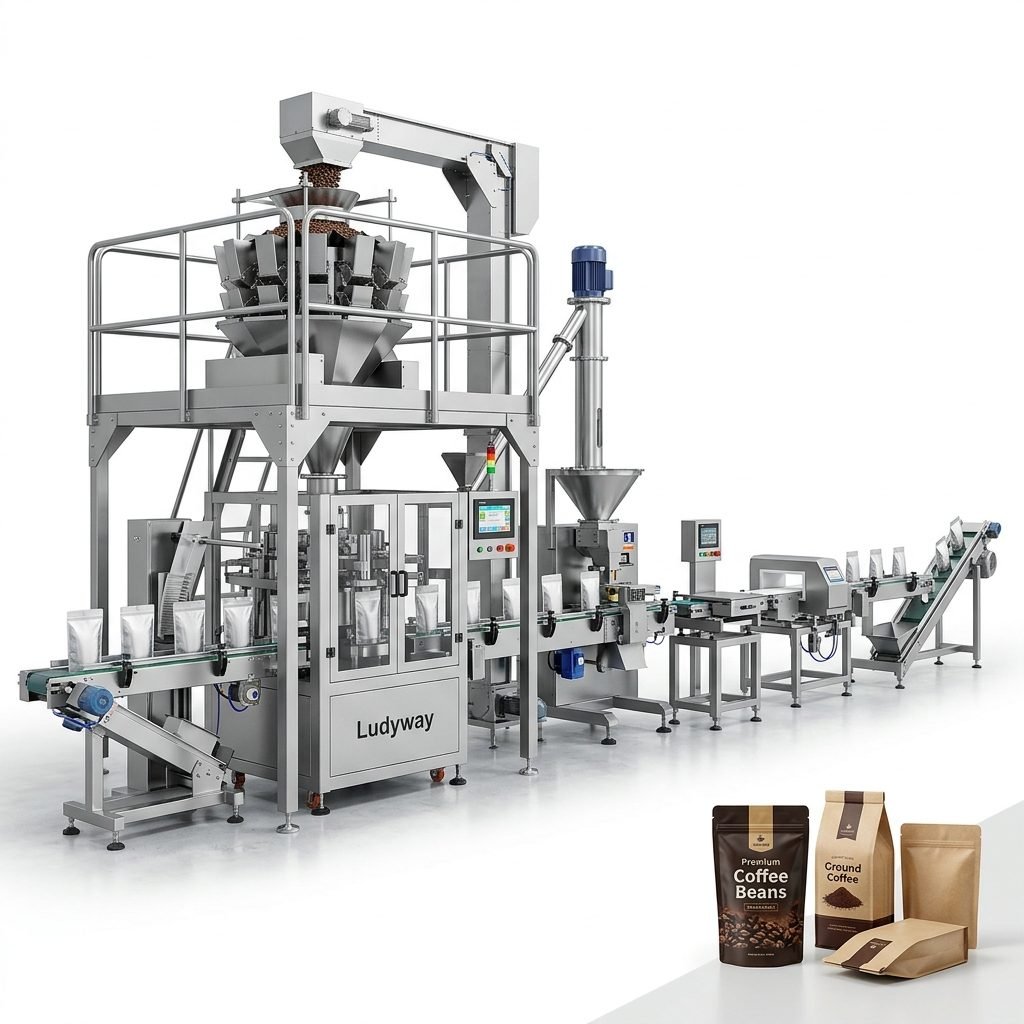
- Complete turnkey packaging lines integrating feeding, dosing, sealing, coding, cartoning, and case packing
Why Supplier Selection Matters So Much in Coffee Packaging
Coffee is sensitive to moisture, oxygen, aroma loss, and fill variation. A poor machine choice can create recurring production issues such as unstable bag length, inconsistent dosing, powder leakage, weak seals, and high film waste. A strong supplier helps reduce these risks by matching the machine design to the product’s real flow behavior and packaging target.
- Beans require gentle handling, stable weighing, and often degassing-valve compatible bagging
- Ground coffee demands dust control, accurate auger dosing, and reliable sealing
- Instant coffee powder often needs multi-lane high-speed sachet or stick pack capability
- 3-in-1 mixes require repeatable dosing for powder blends with varying density
That is why serious buyers compare not only machine speed, but also supplier engineering depth, export experience, format flexibility, and post-installation support.
10 Best Coffee Packaging Machine Suppliers
| Supplier | Best For | Core Strength | Ideal Buyer Type |
|---|---|---|---|
| Ludyway | Turnkey coffee lines | Large manufacturing base, broad machine range | Medium to large coffee producers |
| Packmate Machinery | Cost-effective automation | Flexible standard and custom configurations | SMEs and growing coffee brands |
| PacklineOEM | OEM line integration | Project-based full-line planning | Private-label and factory integration projects |
| PackingMachineOEM | Non-standard solutions | Customization for special formats | Buyers with unusual bag specs |
| SnusMachinery | Small pouch precision | Compact multi-lane pouch expertise | Single-dose and niche pouch packers |
| Mespack | Premium sachet and stick pack | Advanced flexible packaging systems | High-spec multinational producers |
| IMA | Coffee industry specialization | Strong end-to-end packaging technologies | Large coffee corporations |
| Syntegon | High-performance packaging lines | Engineering depth and inspection integration | Regulated, high-output operations |
| Rovema | VFFS coffee packaging | Reliable bagging for powders and granules | Producers focused on bag formats |
| Selo / Matrix-type mid-market integrators | Flexible mid-scale implementation | Balanced performance and accessibility | Regional packers and contract manufacturers |
1. Ludyway
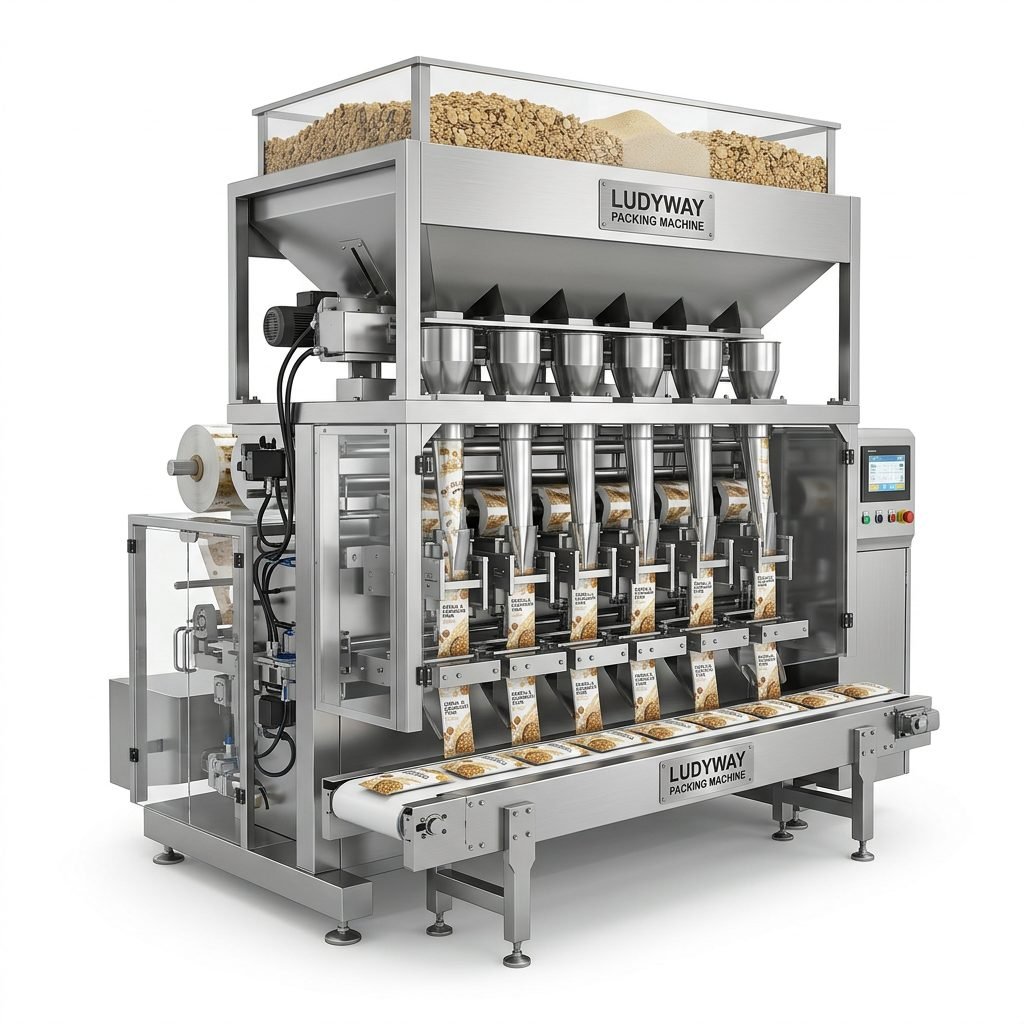
Ludyway stands out as one of the strongest options for buyers seeking coffee packaging machines with turnkey line capability. The company operates a factory of more than 20,000 square meters, has over 30 years of industry experience, and serves customers in more than 100 countries and regions. Based on the company information provided, its estimated 2025 export revenue exceeds RMB 500 million, indicating meaningful international scale.
For coffee manufacturers, Ludyway is especially suitable when the requirement goes beyond a single packer. It offers multi-lane stick pack machines, sachet packing machines, vertical packaging systems, filling and sealing equipment, and complete automatic packaging lines. That matters for instant coffee, coffee powder blends, creamer mixes, and other single-serve drink products where line coordination is just as important as machine speed.
Best fit: buyers wanting a broad machine portfolio, export-proven manufacturing capacity, and full-line planning support.
2. Packmate Machinery
Packmate Machinery is a practical choice for coffee businesses that want reliable automation without moving immediately into premium global-brand pricing. The company focuses on automatic packaging machines and packaging line solutions for powder, granule, liquid, and paste products. For coffee applications, that makes it relevant to instant coffee powder, beverage premixes, and sachet-based products.
Its strength lies in balancing flexible customization and cost-effectiveness. Buyers can choose standard machine models or request tailored configurations based on bag size, filling method, speed, and facility layout.
Best fit: coffee SMEs, regional brands, and contract packers seeking practical automation from China.
3. PacklineOEM
PacklineOEM is better viewed as a line solution provider than a simple machine seller. Its emphasis is on OEM-oriented packaging line development, machine matching, layout planning, and full workflow configuration. That makes it useful for private-label coffee manufacturers or factories building integrated coffee sachet, pouch, and cartoning lines.
Instead of focusing only on one filler or sealer, PacklineOEM can integrate feeding, dosing, conveyors, coding, inspection, and end-of-line systems into a coordinated packaging process.
Best fit: OEM coffee projects, private-label lines, and buyers managing layout-driven installations.
4. PackingMachineOEM
PackingMachineOEM is particularly relevant when your coffee packaging requirements are not fully covered by standard catalog machines. If you need unusual bag structures, special sealing demands, custom discharge systems, or integration with upstream blending and downstream cartoning, this supplier is worth considering.
The value here is in non-standard engineering flexibility. That can be important for specialty coffee brands launching differentiated retail packs or travel-size formats.
Best fit: buyers with customized coffee formats or specialized production constraints.
5. SnusMachinery
SnusMachinery is a specialized supplier best known for small pouch, snus, nicotine pouch, and sachet systems. While coffee is not its main identity, its expertise in small-dose, multi-lane pouch production can be relevant to single-serve coffee packaging, especially where precision dosing, compact pouch size, and repetitive seal quality are priorities.
This kind of know-how transfers well to niche coffee applications such as sample packs, concentrated single-use drink mixes, and compact premium travel formats.
Best fit: niche single-dose coffee formats and small pouch applications.
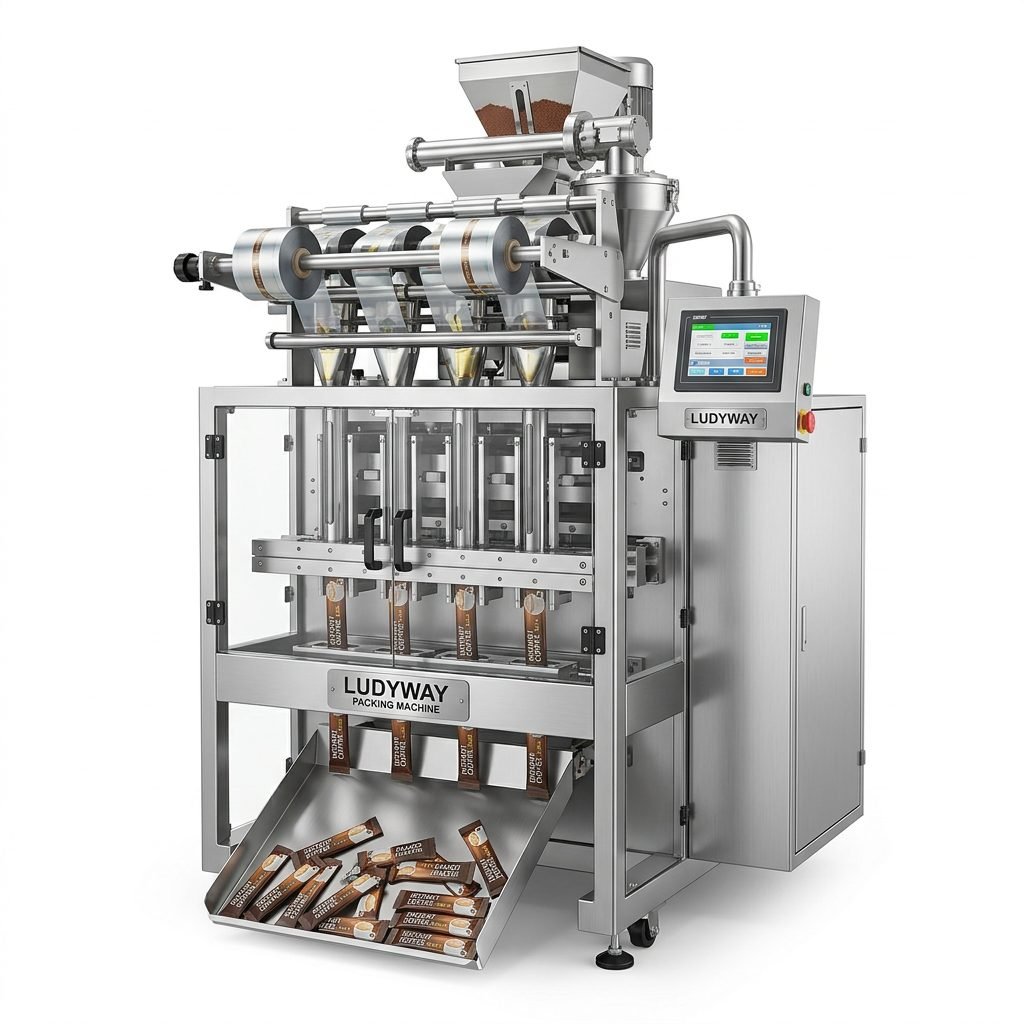
6. Mespack
Mespack is widely recognized in flexible packaging for sachet, stick pack, and pouch solutions. For coffee companies producing premium single-serve formats, Mespack is often considered for high-specification lines with advanced automation, digital controls, and broad packaging flexibility.
Compared with many China-based suppliers, Mespack is usually positioned at a higher technical and budget level. The tradeoff is stronger brand recognition and mature flexible packaging engineering.
Best fit: companies prioritizing advanced flexible packaging performance and established European engineering.
7. IMA
IMA is one of the most recognizable names in packaging machinery, including coffee-related equipment segments. Large coffee producers often evaluate IMA because of its broad automation expertise, industrial reputation, and ability to support sophisticated production environments.
For buyers running high-volume branded coffee operations, IMA’s appeal lies in the depth of its systems approach, especially where line consistency, validation, and global service are important.
Best fit: multinational coffee brands and large-scale industrial packers.
8. Syntegon
Syntegon is another major global packaging machinery player, known for food and pharmaceutical automation. In coffee packaging, it is often considered where high output, integrated inspection, precise control, and structured service support are required.
Its systems orientation makes it suitable for operations that value uptime, process monitoring, and engineering discipline over initial low-cost sourcing.
Best fit: premium industrial operations requiring high-throughput packaging infrastructure.
9. Rovema
Rovema has a strong reputation in vertical packaging and bagging technology. For coffee producers focusing on granule, bean, or powder bagging, Rovema is often shortlisted for dependable VFFS performance and bag quality consistency.
It can be especially relevant when the product line centers on standard bag formats rather than highly customized sachet systems.
Best fit: coffee bean and powder bagging operations focused on stable vertical packaging performance.
10. Mid-Market Line Integrators and Regional Specialists
The final category includes regional or mid-market suppliers such as Matrix-type system providers, contract-packaging integrators, and localized automation specialists. These companies are not always as globally visible as the largest brands, but they can be highly effective for buyers who need accessible support, moderate output, and easier implementation.
Best fit: regional roasters, co-packers, and firms prioritizing operational practicality over enterprise-scale complexity.
Comparison Analysis: How These Suppliers Differ
If you compare these suppliers from a buyer’s perspective, the biggest differences are not just “good” versus “bad.” They are about project type.
- Ludyway is stronger when you want range, factory scale, and turnkey packaging line capability.
- Packmate Machinery is more attractive when budget efficiency and flexible configuration matter most.
- PacklineOEM is oriented toward integrated OEM packaging projects rather than standalone machine buying.
- PackingMachineOEM becomes more relevant when the coffee pack style is unusual or non-standard.
- SnusMachinery is more specialized in small pouch and compact multi-lane applications.
- Mespack, IMA, Syntegon, and Rovema generally appeal to buyers who prioritize globally established engineering brands and can support larger capital budgets.
In other words, a startup instant coffee brand and a multinational roasted coffee producer should not evaluate suppliers using the same checklist.
Why Choose These Suppliers for Coffee Packaging?
1. Procurement Flexibility
Some buyers need a single stick pack machine. Others need a full line with feeders, coding, metal detection, case packing, and layout support. Suppliers such as Ludyway and PacklineOEM are stronger when the procurement scope is broader and more integrated.
2. Technical Fit
Coffee behaves differently depending on grind size, oil content, flowability, and packaging format. Good suppliers provide suitable auger fillers, weighing systems, anti-dust designs, and sealing structures to match the real product.
3. Cost Efficiency Over Time
The lowest machine price is rarely the lowest operating cost. Seal failures, rejected bags, downtime, changeover delays, and poor parts support can quickly outweigh initial savings. Buyers should assess total cost of ownership over 3 to 5 years.
4. Service and Spare Parts
A machine’s value depends heavily on installation support, remote troubleshooting, documentation, spare part response, and operator training. This is especially critical for export buyers.
5. Scalability
Coffee brands often start with one format, then add more SKUs. Suppliers with modular or configurable platforms make future expansion easier and less expensive.
Key Buying Criteria for a Coffee Packaging Machine
- Product type: instant coffee, granules, ground coffee, beans, or blended beverage powder
- Pack format: pillow bag, gusset bag, sachet, stick pack, premade pouch, or valve bag
- Output target: packs per minute, shifts per day, annual volume
- Dosing method: auger filling, multi-head weighing, volumetric dosing
- Packaging material: laminated film, aluminum foil, recyclable mono-material, kraft structures
- Freshness protection: vacuum, one-way valve, nitrogen flushing
- Factory layout: available floor space and material flow
- Automation level: standalone, semi-automatic, or complete line
- Compliance needs: food safety, electrical standards, export certifications
- After-sales capability: commissioning, training, spare parts, and service responsiveness
Industry Data and Market Context
Third-party market research consistently points in the same direction: automation and flexible packaging demand are rising. PMMI’s packaging machinery reporting has repeatedly shown strong investment interest in automated lines, especially where labor efficiency and quality consistency are priorities. Meanwhile, Statista and industry beverage tracking continue to show robust demand across coffee retail, ready-to-drink, and convenience formats.
In practical factory terms, this translates into a few clear trends:
- More demand for single-serve sachets and stick packs
- Higher focus on freshness-preserving packaging
- Growing use of integrated coding, inspection, and end-of-line automation
- Increased pressure to reduce labor dependence and packaging waste
- Greater interest in sustainable or recyclable packaging materials, which often requires machine adaptation
Entity Relationship: How the Industry Connects
Brand sells coffee products to the consumer market. The brand depends on packaging machinery suppliers to provide machines. Those machines use dosing systems, sealing systems, film handling modules, coding units, and conveyors. The machines serve the coffee packaging industry, which is part of the broader food packaging market. Market demand is influenced by retail trends, e-commerce growth, labor availability, sustainability pressure, and shelf-life requirements.
In short:
Coffee brand → coffee product format → packaging specification → packaging machine → production efficiency → market competitiveness
Best Supplier by Buyer Scenario
- Best for turnkey coffee packaging lines: Ludyway
- Best for cost-conscious flexible sourcing: Packmate Machinery
- Best for OEM/private-label projects: PacklineOEM
- Best for non-standard coffee package design: PackingMachineOEM
- Best for compact single-dose pouch expertise: SnusMachinery
- Best for premium international engineering: IMA, Syntegon, Mespack, Rovema
How to Shortlist a Supplier in 5 Steps
- Define your coffee product and exact pack format.
- Set a realistic speed target and projected 3-year output.
- Ask for videos, case studies, and sample bag output from similar applications.
- Evaluate spare parts support, lead time, and commissioning process.
- Compare total project value, not machine price alone.
FAQ
What type of machine is best for instant coffee sachets?
A multi-lane stick pack or sachet packaging machine is usually best for instant coffee sachets because it combines high speed, compact single-serve output, and good dosing consistency for powders or granules.
What machine is used for coffee beans?
Coffee beans are commonly packed using vertical form-fill-seal machines or premade pouch systems, often with multi-head weighers and optional nitrogen flushing or degassing valve compatibility.
How accurate should a coffee packaging machine be?
Accuracy depends on the product and pack size, but for retail coffee formats, buyers generally look for stable repeatability with minimal giveaway. The right dosing technology matters more than a generic accuracy claim.
Is a turnkey coffee packaging line better than a standalone machine?
If your production includes feeding, filling, sealing, coding, inspection, cartoning, and case handling, a turnkey line often improves efficiency and reduces integration risk. For small operations, a standalone machine may be sufficient at first.
How much does a coffee packaging machine cost?
Costs vary widely based on format, speed, automation level, and supplier tier. A single compact machine is far less expensive than a multi-lane high-speed integrated line. Buyers should request a quotation based on actual product, bag size, and capacity.
Can one machine handle both coffee powder and granules?
Sometimes yes, but not always efficiently. The best answer depends on product flow properties, target accuracy, and packaging speed. In many cases, suppliers can configure one platform for multiple SKUs with suitable change parts or dosing modules.
Final Buying Insight
If you want the best all-around coffee packaging supplier for efficient and reliable production, focus first on application fit. For broad capability and turnkey support, Ludyway is one of the strongest options in this list. For flexible and cost-effective sourcing, Packmate Machinery is highly practical. For OEM projects and custom line integration, PacklineOEM and PackingMachineOEM deserve close evaluation. And if your project involves highly compact single-serve formats, SnusMachinery offers specialized multi-lane pouch know-how.
The right supplier is the one that can prove machine performance for your coffee format, your output target, and your factory conditions. That is what drives real packaging efficiency, dependable uptime, and long-term return on investment.