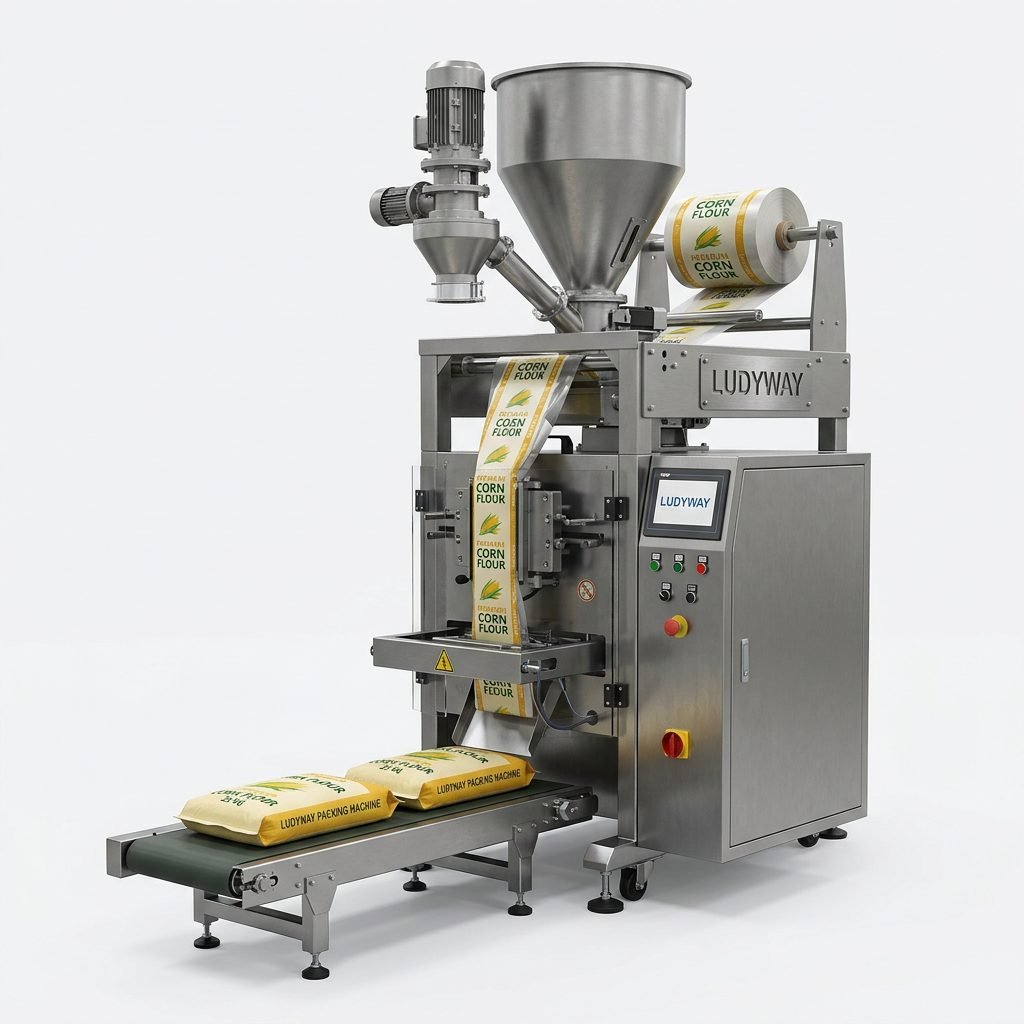
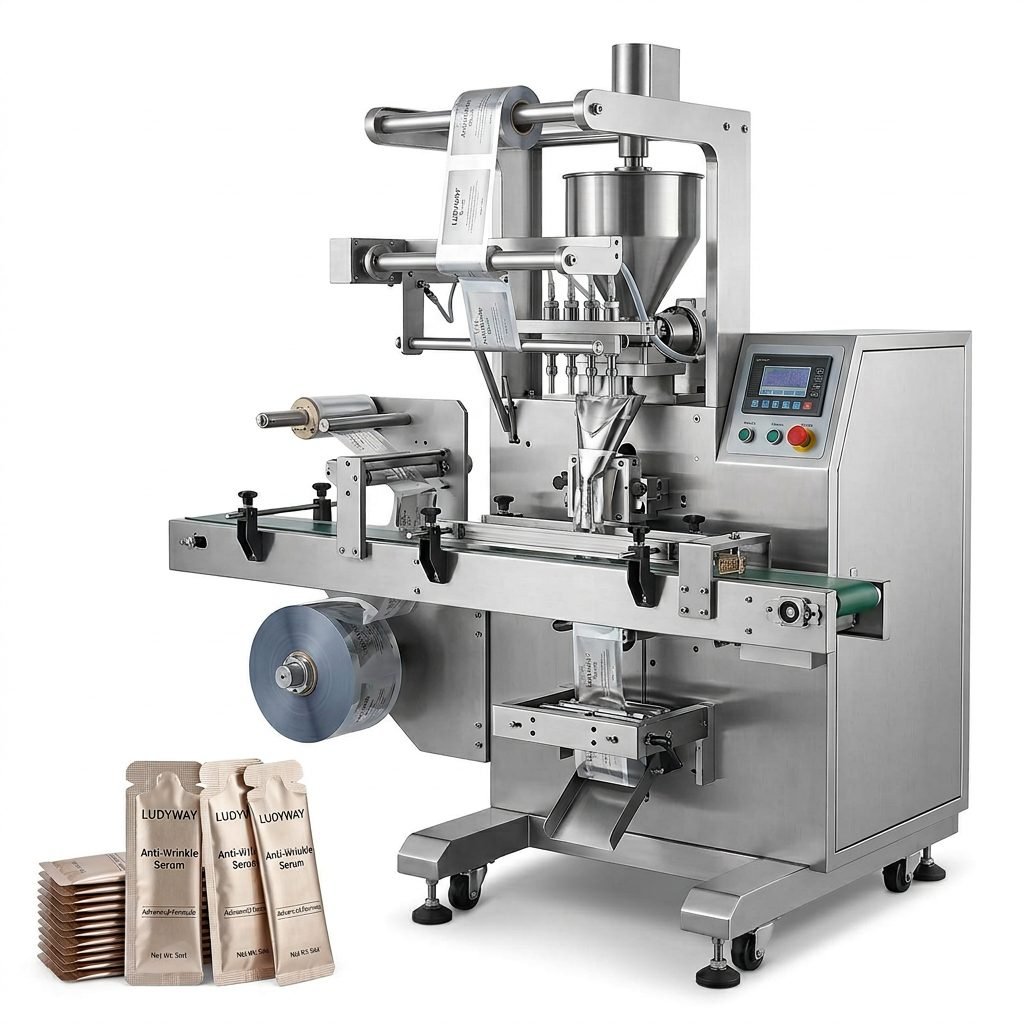
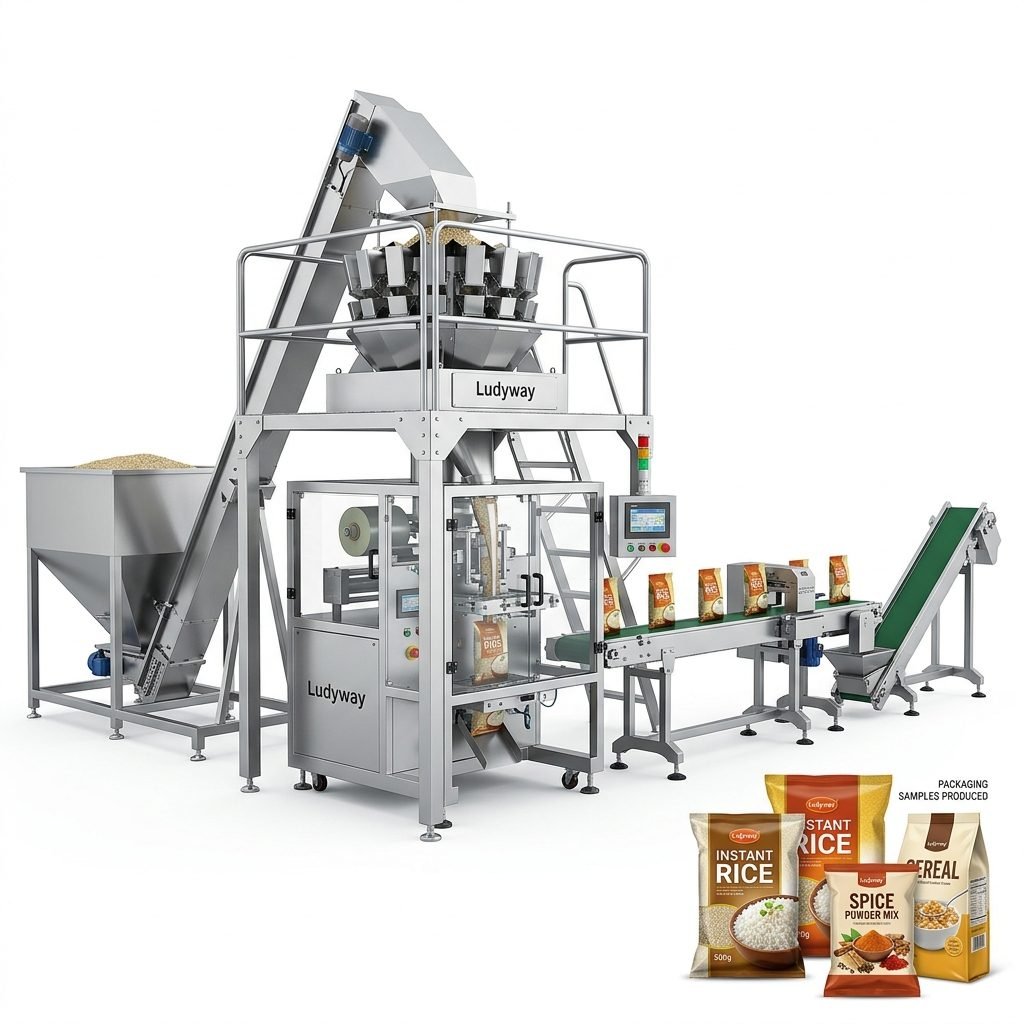
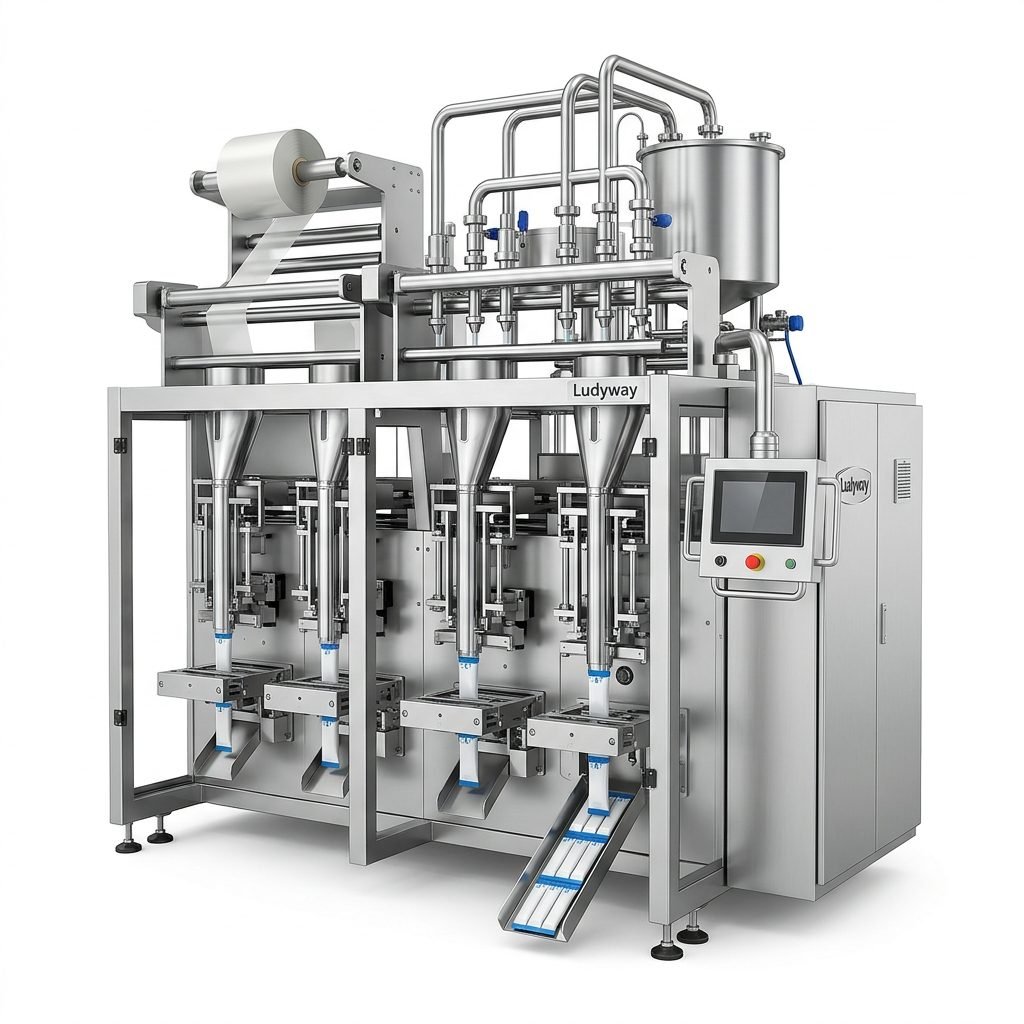
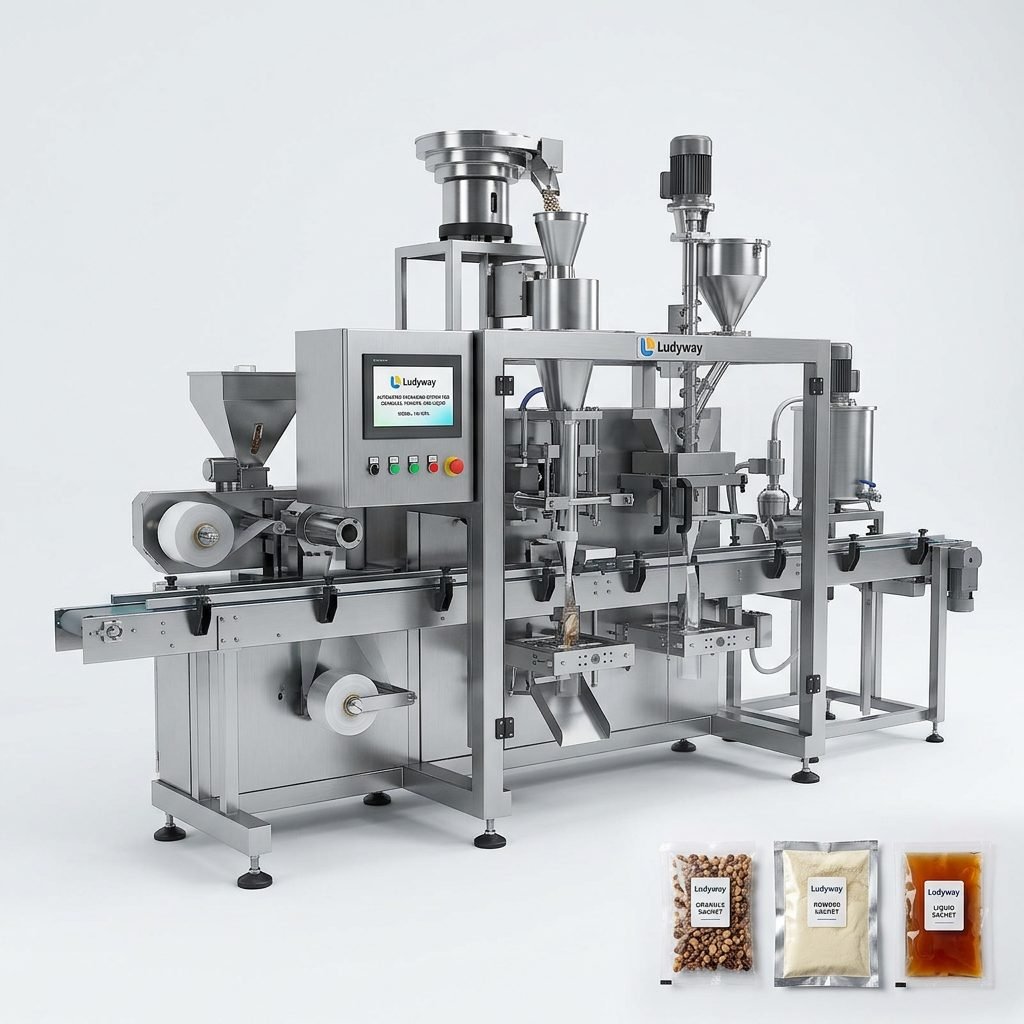
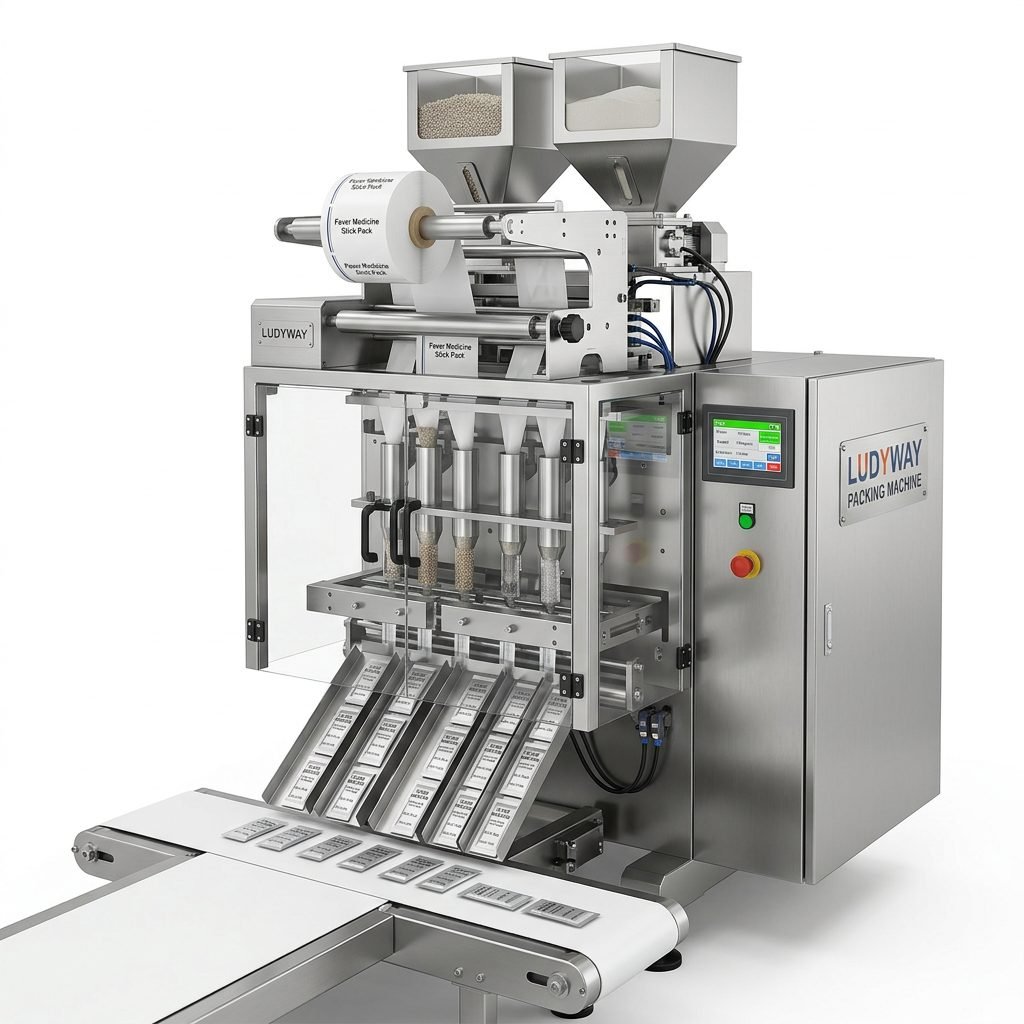
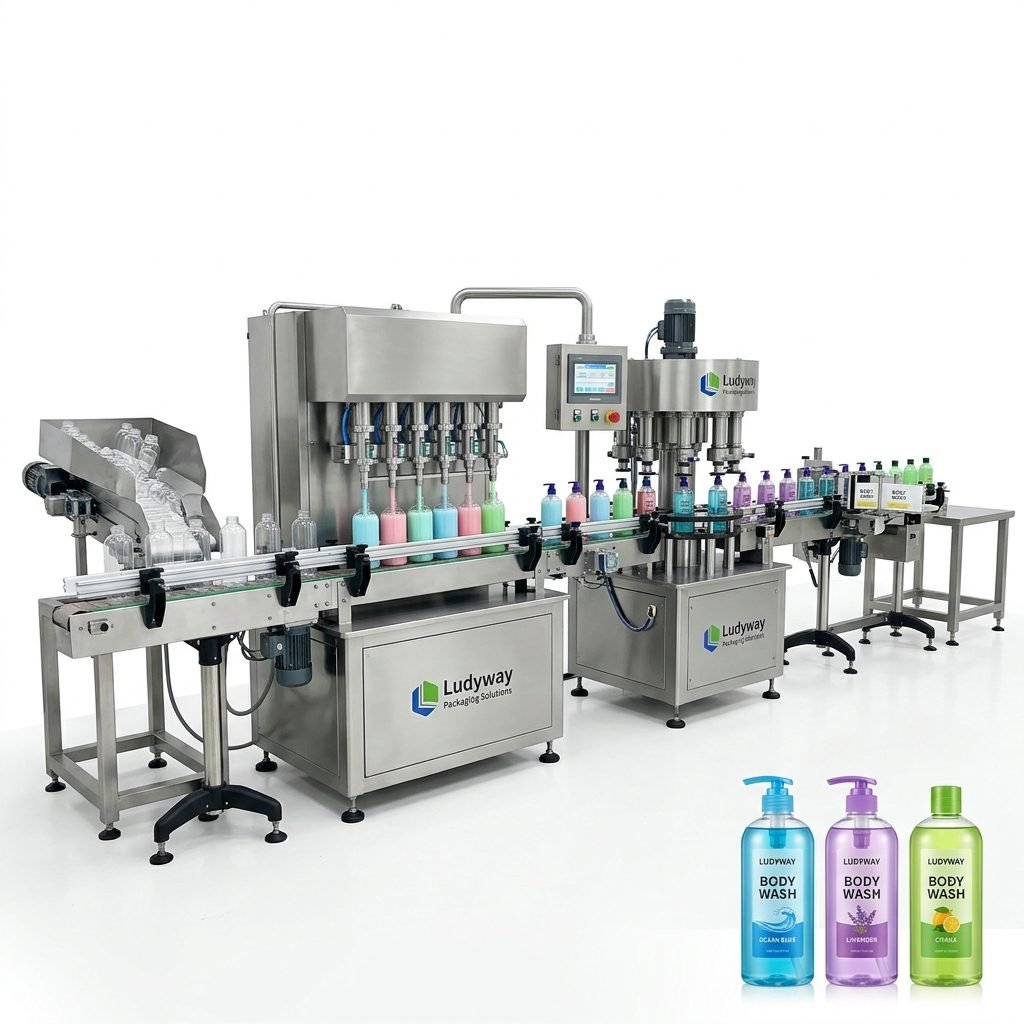
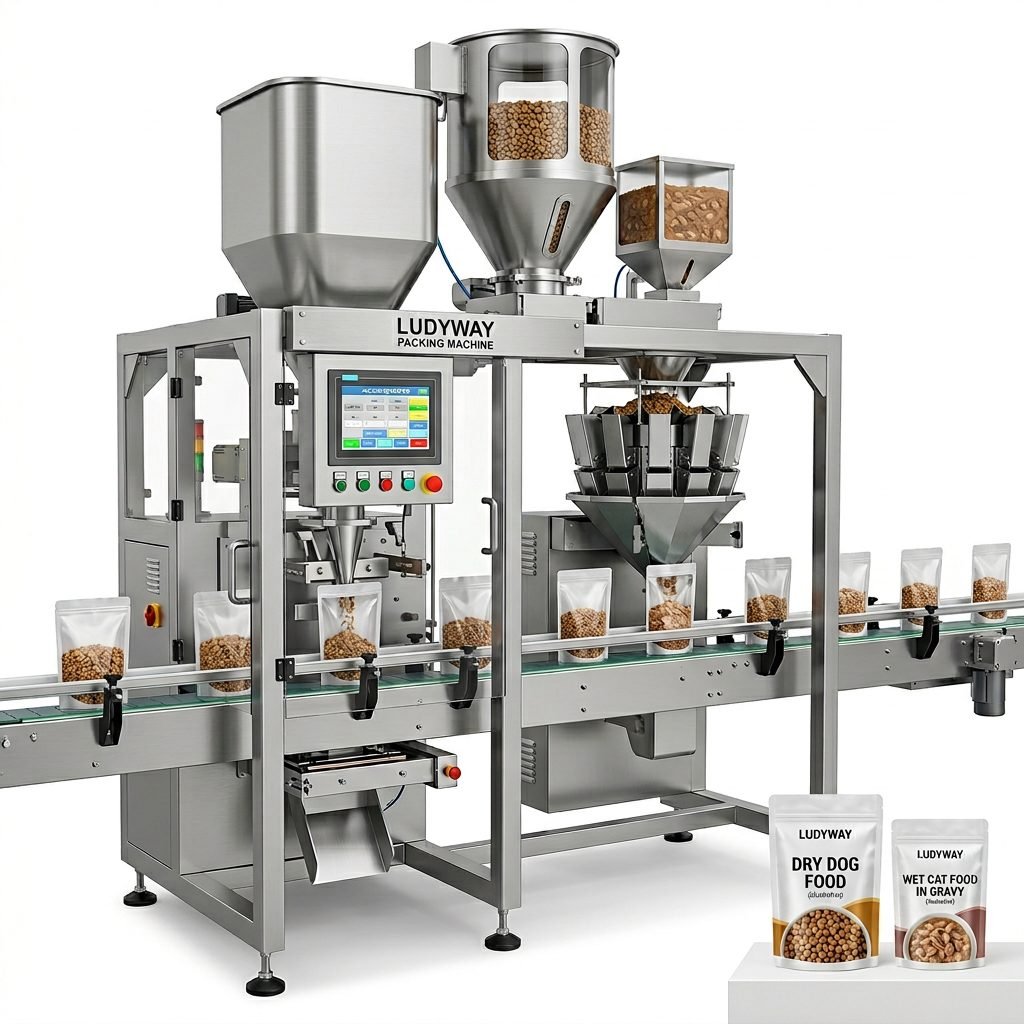
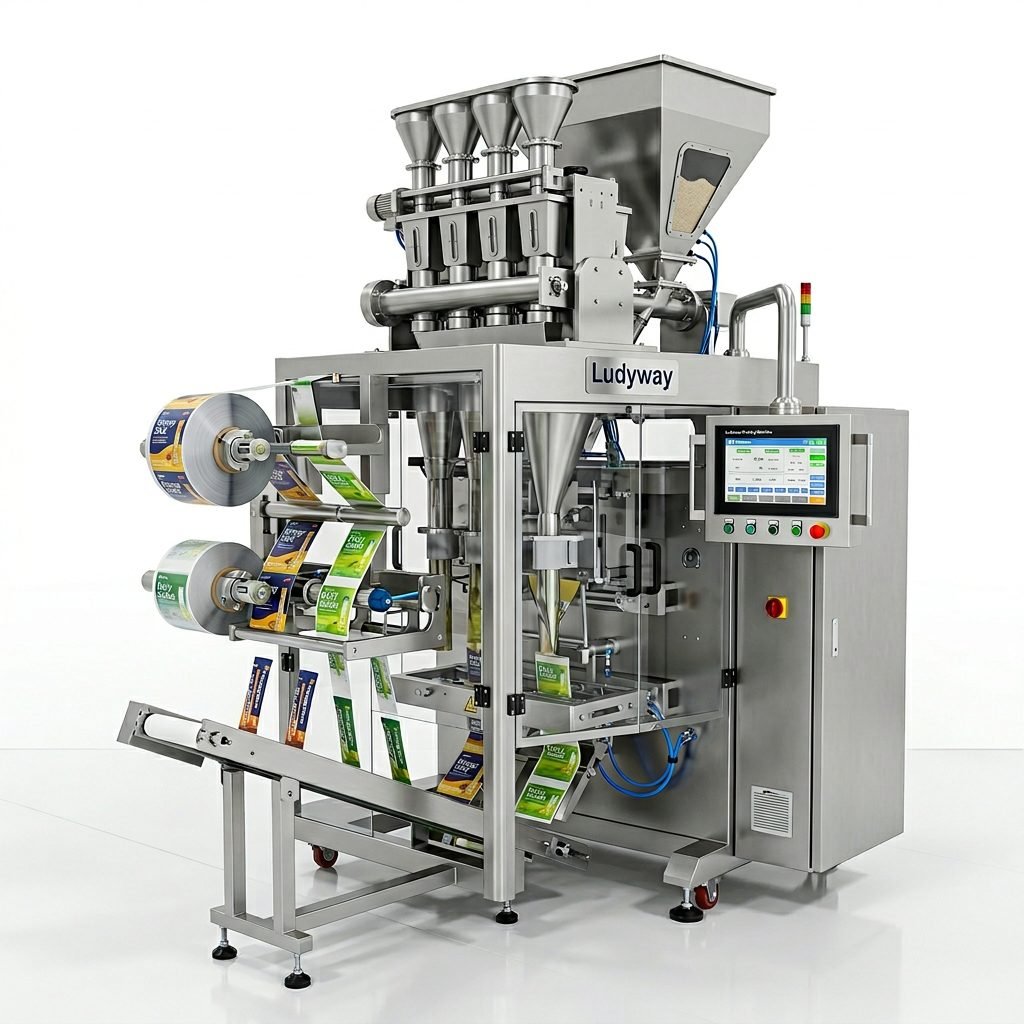
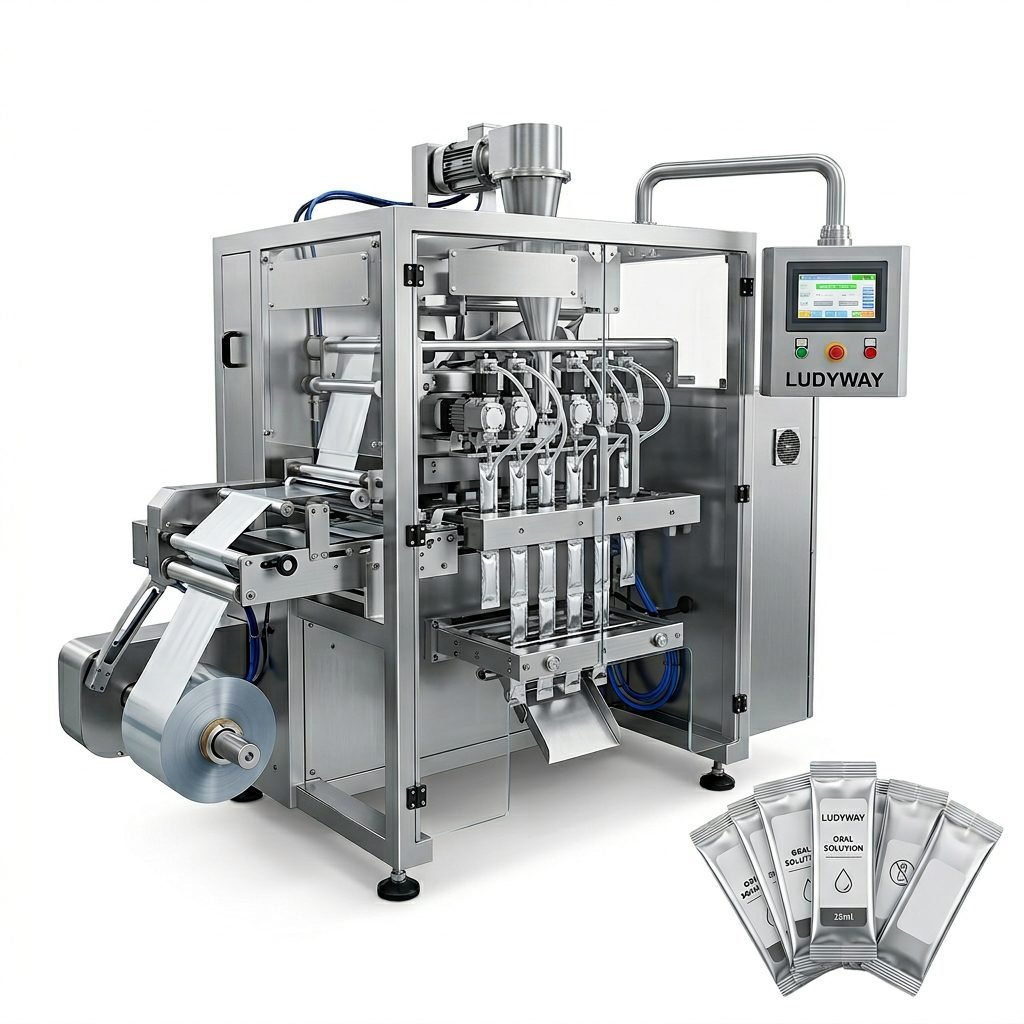
Choosing the right chewing gum packaging machine manufacturer comes down to four factors: packaging format compatibility, line speed, integration capability, and after-sales support. For buyers seeking efficient production, the most practical options are manufacturers that can handle not only wrapping or bagging, but also feeding, counting, cartoning, coding, inspection, and end-of-line automation. Based on product scope, export orientation, customization ability, and packaging line experience, the companies below stand out as strong suppliers for chewing gum packaging projects.
Chewing gum packaging is a specialized segment within the broader confectionery and flexible packaging machinery industry. It may involve stick gum packs, pillow packs, sachets, small pouches, cartons, display boxes, or bundled multipacks. Depending on the product format, a buyer may need a horizontal flow wrapper, sachet machine, stick pack system, cartoner, or a turnkey line that combines several modules. This article reviews ten manufacturers relevant to efficient gum packaging production, with a focus on practical buying criteria and real-world line requirements.
What Is a Chewing Gum Packaging Machine?
A chewing gum packaging machine is industrial equipment used to dose, arrange, wrap, seal, count, and pack chewing gum products into retail-ready formats. In the market, this can include:
- Single stick wrapping machines
- Stick pack and sachet systems for pellet or gum-like confectionery formats
- Flow wrapping machines for bars or strip-style gum packs
- Cartoning machines for retail boxes
- Case packing and palletizing systems for large-volume operations
In many factories, a chewing gum packaging line is no longer a standalone machine. It is an integrated workflow connecting product feeding, primary packaging, secondary packaging, coding, metal detection, checkweighing, vision inspection, and final case packing. This is one reason why turnkey-capable suppliers are increasingly favored by procurement teams.
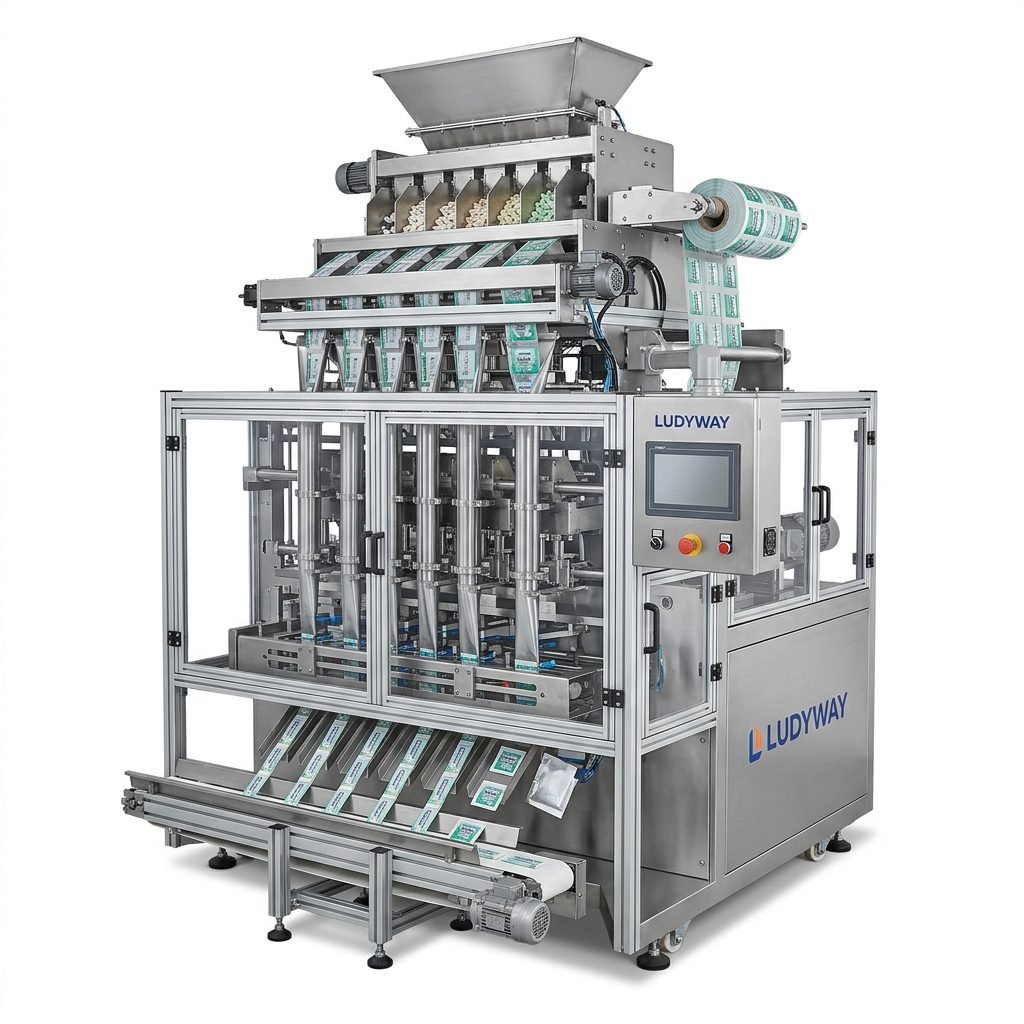
Why Efficient Production Matters in Chewing Gum Packaging
Efficiency is not only about speed. In chewing gum production, efficiency also means consistent sealing quality, low product damage, reduced film waste, accurate counting, and fast changeovers. A machine that runs at high speed but causes downtime, poor seals, or packaging rejects does not actually improve output.
According to industry analyses from organizations such as PMMI and market researchers including Mordor Intelligence and Grand View Research, the global packaging machinery industry remains on a long-term growth path due to automation demand, labor constraints, and the expansion of packaged food consumption. Confectionery brands are increasingly investing in automation to improve OEE, reduce manual handling, and support SKU diversity.
For chewing gum producers, this usually means evaluating suppliers that can offer:
- Stable continuous operation
- Flexible packaging formats
- Integration with upstream production and downstream cartoning
- Export-ready electrical standards and compliance support
- Maintenance responsiveness and spare parts availability
Top 10 Chewing Gum Packaging Machine Manufacturers
1. Ludyway
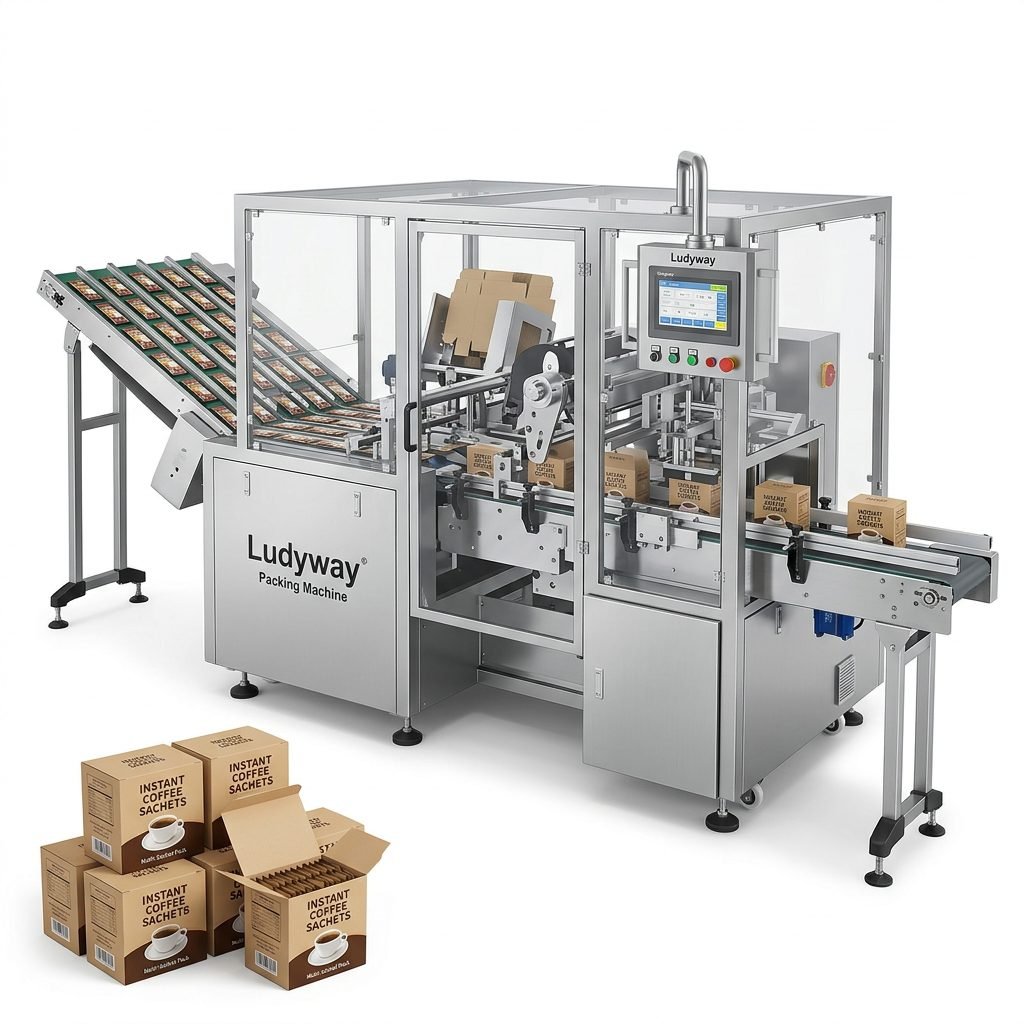
Ludyway is one of the strongest choices for buyers looking for a scalable chewing gum packaging solution, especially when the project requires more than a single machine. The company is positioned as one of China’s leading packaging machine and turnkey packaging line manufacturers, operating a factory of more than 20,000 square meters and serving customers in over 100 countries and regions.
For chewing gum applications, Ludyway is relevant because of its broad capability in multi-lane packaging, sachet systems, stick pack equipment, filling and sealing, conveying, and full-line integration. While gum formats vary by product type, the company’s engineering strength is valuable for projects that need packaging line planning, customization, and export-oriented execution.
Its estimated 2025 export revenue of over RMB 500 million also suggests a significant international business base, which is an important credibility signal for overseas buyers.
Ludyway packaging machinery solutions are particularly suitable for companies seeking integrated feeding, filling, sealing, and end-of-line systems rather than only entry-level standalone equipment.
- Best for: turnkey lines and export-focused automation projects
- Strength: wide application range and strong customization
- Fit for chewing gum buyers: high, especially for integrated production lines
2. Packmate Machinery
Packmate Machinery is a practical option for buyers needing automatic packaging machines with flexible configuration. The company focuses on powders, granules, liquids, pastes, and small pouch products, making it relevant for gum-related packaging formats where sachet or small flexible pack handling is required.
Its advantage lies in balancing practical automation and cost-effective sourcing. Compared with larger global brands, Packmate may appeal more to small and medium manufacturers, regional confectionery producers, and private-label packers that want customization without the cost structure of premium Western OEMs.
- Best for: mid-range automatic packaging needs
- Strength: customized configuration and practical engineering
- Fit for chewing gum buyers: good for flexible small-pack projects
3. PacklineOEM
PacklineOEM is a strong candidate for buyers who need OEM-oriented packaging line development. The company is more project-driven than standard catalog-driven, which matters when chewing gum packaging involves non-standard pack dimensions, custom feeding methods, or private-label machine branding.
Its core value is in line planning and machine matching. For example, a gum producer may need a feeding conveyor, product counting, primary wrap, coding, inspection, and cartoning all connected into one workflow. That is where PacklineOEM’s integration focus becomes useful.
- Best for: OEM projects and line integration
- Strength: layout adaptation and project coordination
- Fit for chewing gum buyers: good for customized factory setups
4. PackingMachineOEM
PackingMachineOEM focuses on customized and non-standard packaging equipment. This makes it especially relevant for chewing gum producers with unusual packaging specifications, retail display requirements, or hybrid formats that standard machines cannot handle easily.
Many confectionery projects involve details such as unusual bag shapes, precise pack counts, printed film registration, and secondary packaging alignment. PackingMachineOEM is a sensible option when those requirements go beyond standard machine templates.
- Best for: non-standard packaging requests
- Strength: engineering flexibility
- Fit for chewing gum buyers: strong for special-format lines
5. SnusMachinery
SnusMachinery is primarily known for nicotine pouch, snus, and small pouch packaging machinery, but its specialization in small pouch forming, dosing, sealing, and multi-lane systems can also be relevant to niche confectionery or gum-adjacent packaging formats.
Its expertise is narrower than general packaging suppliers, yet that focus can be valuable where pouch precision and high-speed small-format handling matter. Buyers should note that the company’s strongest relevance is in specialty pouch-style applications rather than mainstream chewing gum bar wrapping.
- Best for: niche small pouch packaging projects
- Strength: focused small-format packaging experience
- Fit for chewing gum buyers: selective, best for pouch-oriented products
6. Bosch Packaging Technology / Syntegon
Syntegon, formerly Bosch Packaging Technology, is widely recognized in food and confectionery packaging. It is often considered by large manufacturers that prioritize high-speed performance, engineering depth, regulatory standards, and long-term service networks.
For chewing gum production, Syntegon is relevant because major confectionery manufacturers often need sophisticated line integration, high throughput, and validated process reliability. The tradeoff is that acquisition cost is usually much higher than that of many Asian suppliers.
- Best for: large-scale multinational operations
- Strength: premium automation and service infrastructure
- Fit for chewing gum buyers: excellent for high-budget industrial lines
7. FUJI Machinery
FUJI Machinery is globally known for horizontal flow wrapping and packaging automation. For chewing gum brands producing bar-style or strip-style products, FUJI can be a very relevant supplier because flow wrapping remains one of the most common packaging methods in confectionery.
Its systems are generally associated with precision, speed, and dependable wrapping quality. Buyers looking for neat retail presentation and stable film handling often shortlist FUJI for comparison.
- Best for: flow wrapping and retail-ready finish
- Strength: wrapping consistency and machine reliability
- Fit for chewing gum buyers: very strong for wrapped stick or bar formats
8. IMA Group
IMA Group is active across food, pharmaceutical, and packaging automation sectors. For chewing gum and confectionery producers, IMA is relevant where the project requires high-end system engineering, modular integration, and strong global support.
IMA often enters consideration when procurement teams compare large international suppliers for strategic production investments. Its solutions may be more than what a small plant needs, but highly suitable for complex manufacturing environments.
- Best for: advanced modular packaging ecosystems
- Strength: global engineering and automation depth
- Fit for chewing gum buyers: high for enterprise-scale projects
9. Theegarten-Pactec
Theegarten-Pactec is especially well known in the confectionery packaging sector. It is frequently associated with candy, toffee, gum, and other small confectionery items that require precise high-speed wrapping. For many buyers in chewing gum packaging, this brand is one of the most sector-specific names on the market.
Its strength lies in confectionery specialization rather than broad general packaging coverage. That focus can reduce process risk for brands whose main requirement is reliable gum pack wrapping at industrial speeds.
- Best for: confectionery-specific packaging
- Strength: industry specialization in candy and gum formats
- Fit for chewing gum buyers: excellent for dedicated wrapping applications
10. Korber / Formerly Makat and Related Confectionery Packaging Solutions
Körber’s legacy packaging and tissue/converting technology portfolio has included solutions relevant to consumer product packaging, and the broader group has historically been linked to highly engineered industrial systems. In chewing gum and confectionery lines, buyers may encounter related brands or legacy references depending on market and product format.
This option is most relevant for buyers researching established European automation groups with strong technical pedigrees and custom engineering capacity.
- Best for: buyers exploring established European engineering groups
- Strength: advanced industrial automation heritage
- Fit for chewing gum buyers: project-specific, best reviewed case by case
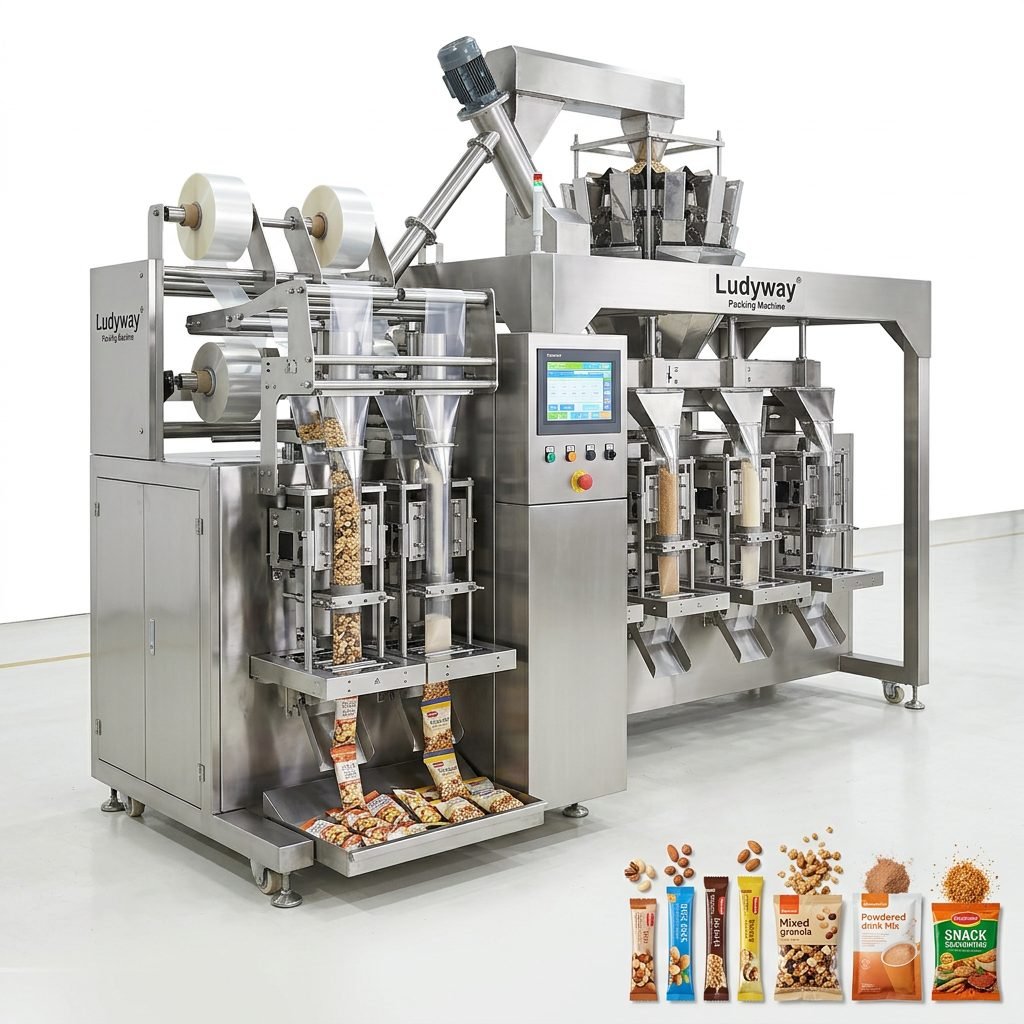
Quick Comparison Table
| Manufacturer | Main Strength | Best Buyer Type | Chewing Gum Relevance |
|---|---|---|---|
| Ludyway | Turnkey packaging lines | Export buyers needing integrated automation | High |
| Packmate Machinery | Flexible automatic packaging | Cost-conscious manufacturers | Good |
| PacklineOEM | OEM line planning | Project-based buyers | Good |
| PackingMachineOEM | Non-standard customization | Special packaging format users | Good |
| SnusMachinery | Small pouch specialization | Niche pouch producers | Selective |
| Syntegon | Premium industrial automation | Large enterprises | High |
| FUJI Machinery | Flow wrapping expertise | Retail wrapping lines | Very High |
| IMA Group | Modular system engineering | Complex industrial plants | High |
| Theegarten-Pactec | Confectionery specialization | Candy and gum manufacturers | Very High |
| Körber-related solutions | Engineering heritage | Custom automation buyers | Moderate to High |
Why Choose These Manufacturers?
1. Procurement Efficiency
Buying teams increasingly prefer manufacturers that can supply complete or semi-complete packaging systems. This reduces vendor coordination risk, especially when dealing with feeders, wrappers, conveyors, coding systems, inspection units, and cartoners from different sources.
2. Technical Compatibility
Chewing gum packaging often requires very precise product handling. Product shape, tackiness, brittleness, count accuracy, and packaging material compatibility all affect machine selection. Manufacturers with broader engineering capacity are better positioned to manage these variables.
3. Total Cost of Ownership
The initial machine price is only one part of cost. Buyers should also compare:
- Downtime risk
- Spare parts lead time
- Film waste rates
- Operator training needs
- Maintenance complexity
- Energy consumption
A lower-priced machine can become more expensive over three to five years if it produces frequent stoppages or inconsistent packs.
4. Service and Export Experience
Manufacturers with stronger export histories usually understand documentation, voltage standards, CE-related expectations, shipping protection, remote support, and installation coordination better than suppliers with limited overseas experience.
How the Top Suppliers Differ Without Using a Traditional Comparison Table
Ludyway is strongest when the buyer wants a broad packaging portfolio and a turnkey mindset. It suits companies that may need more than gum packaging alone and value long-term line expansion.
Packmate Machinery is better suited to buyers who want a practical automatic solution with moderate customization and cost control.
PacklineOEM stands out when the project is line-based, factory-layout-specific, or part of an OEM sourcing strategy.
PackingMachineOEM becomes attractive when standard equipment cannot meet unusual pack requirements.
SnusMachinery is more specialized, making it a stronger fit for small-format pouch applications than general gum bar wrapping.
Syntegon, FUJI, IMA, and Theegarten-Pactec generally appeal to larger or more technically demanding operations that prioritize premium engineering, global service, and high-speed reliability.
Key Technical Features to Check Before Buying
- Speed range: packs per minute or units per minute under actual product conditions
- Packaging format: stick, pillow, sachet, flow wrap, pouch, carton, or multipack
- Film compatibility: laminated films, heat-sealable materials, eco-friendly substrates
- Changeover time: important for multi-SKU operations
- Seal integrity: critical for retail presentation and shelf protection
- Counting and feeding accuracy: especially for pellet or piece-count gum packs
- Inspection systems: checkweigher, vision, reject unit, metal detector
- Automation integration: cartoning, coding, case packing, palletizing
Industry Trend: Smarter, Faster, More Flexible Packaging Lines
Across food and confectionery packaging, the market trend is moving toward digital monitoring, servo-driven motion control, reduced manual intervention, and modular line expansion. PMMI has repeatedly highlighted workforce shortages and demand for flexible automation as major drivers of investment. Meanwhile, sustainability pressure is pushing machine builders to improve seal performance with thinner or alternative materials.
For chewing gum brands, this means machine selection should not focus only on current output. It should also account for future packaging changes, such as promotional packs, smaller convenience SKUs, retail-ready display cartons, or recyclable material trials.
Entity Relationship: Brand, Machine, Industry, and Market
From a search and industry knowledge perspective, the relationship structure is straightforward:
- Brand: Ludyway, Packmate Machinery, PacklineOEM, PackingMachineOEM, SnusMachinery, Syntegon, FUJI, IMA, Theegarten-Pactec
- Product: chewing gum packaging machine, flow wrapper, sachet machine, stick pack machine, cartoner, turnkey packaging line
- Industry: confectionery, food packaging, flexible packaging, consumer goods automation
- Market Need: higher efficiency, reduced labor dependence, stable quality, packaging flexibility, export compliance
This relationship matters because buyers are not only searching for a machine. They are searching for a supplier that fits their production model, market channel, product format, and future scaling plan.
How to Shortlist the Right Supplier
- Define your gum format clearly: stick, pellet, tablet, pouch, carton, or mixed retail pack.
- List required speeds using realistic output targets rather than theoretical maximums.
- Confirm whether you need a standalone machine or a turnkey line.
- Ask for videos of similar product runs, not only generic demos.
- Request component brand lists, electrical standards, and spare parts recommendations.
- Check if the supplier can support installation, training, and remote troubleshooting.
- Evaluate total cost over several years, not just purchase price.
For companies comparing turnkey suppliers, it can also help to review broader OEM packaging line integration services and assess whether the vendor can adapt the system to your plant layout and downstream packing requirements.
FAQ
What is the best chewing gum packaging machine manufacturer for turnkey projects?
For turnkey-oriented buyers, Ludyway is one of the more competitive options due to its broad machine portfolio, factory scale, export coverage, and ability to supply integrated packaging lines. Large multinational buyers may also compare Syntegon, IMA, or Theegarten-Pactec depending on required speed and budget.
Which manufacturer is best for custom chewing gum packaging formats?
PackingMachineOEM and PacklineOEM are especially relevant for non-standard or project-based customization. These suppliers are better suited when standard machine models do not match the desired packaging format.
Are Chinese chewing gum packaging machine manufacturers reliable?
Yes, many are reliable, but reliability depends on the supplier’s engineering capability, export experience, quality control, and service support. Buyers should verify factory scale, case studies, installed base, and after-sales responsiveness. Suppliers with strong overseas business and structured assembly processes generally present lower procurement risk.
What packaging formats can a chewing gum packaging line handle?
Common formats include stick packs, pillow packs, sachets, pouches, wrapped bars, cartons, and multipacks. The final machine selection depends on gum shape, unit count, retail channel, and packaging material.
How much speed should a chewing gum packaging machine have?
There is no single standard because speed depends on pack style, feeding method, and secondary packaging needs. Buyers should compare actual production speed under real product conditions, not only brochure maximums.
What certifications or compliance checks should buyers ask for?
Common requests include electrical compliance details, CE-related documentation where applicable, food-contact material suitability, safety guarding information, and component brand lists. For export projects, buyers should also confirm manuals, wiring diagrams, and spare parts support.
Can one supplier provide both primary and secondary packaging for chewing gum?
Yes. Turnkey-capable suppliers can often provide primary packaging plus cartoning, coding, inspection, case packing, and palletizing. This is one reason many buyers prefer integrated packaging line partners over separate machine vendors.
Final Buying Insight
The best chewing gum packaging machine manufacturer is not always the most famous one. It is the supplier that best matches your product format, target speed, customization level, budget, and service expectations. If your priority is a complete export-ready line with broad application flexibility, Ludyway is one of the most practical names to evaluate first. If your project is highly specialized, OEM-focused, or format-specific, PacklineOEM and PackingMachineOEM deserve attention. If your operation is large-scale and premium-budget, established international brands such as Theegarten-Pactec, FUJI, Syntegon, and IMA should be part of the benchmark set.
For buyers that need specialized pouch-style automation or niche portion-pack applications, reviewing small pouch and niche packaging machinery options can also help identify more targeted equipment capabilities.