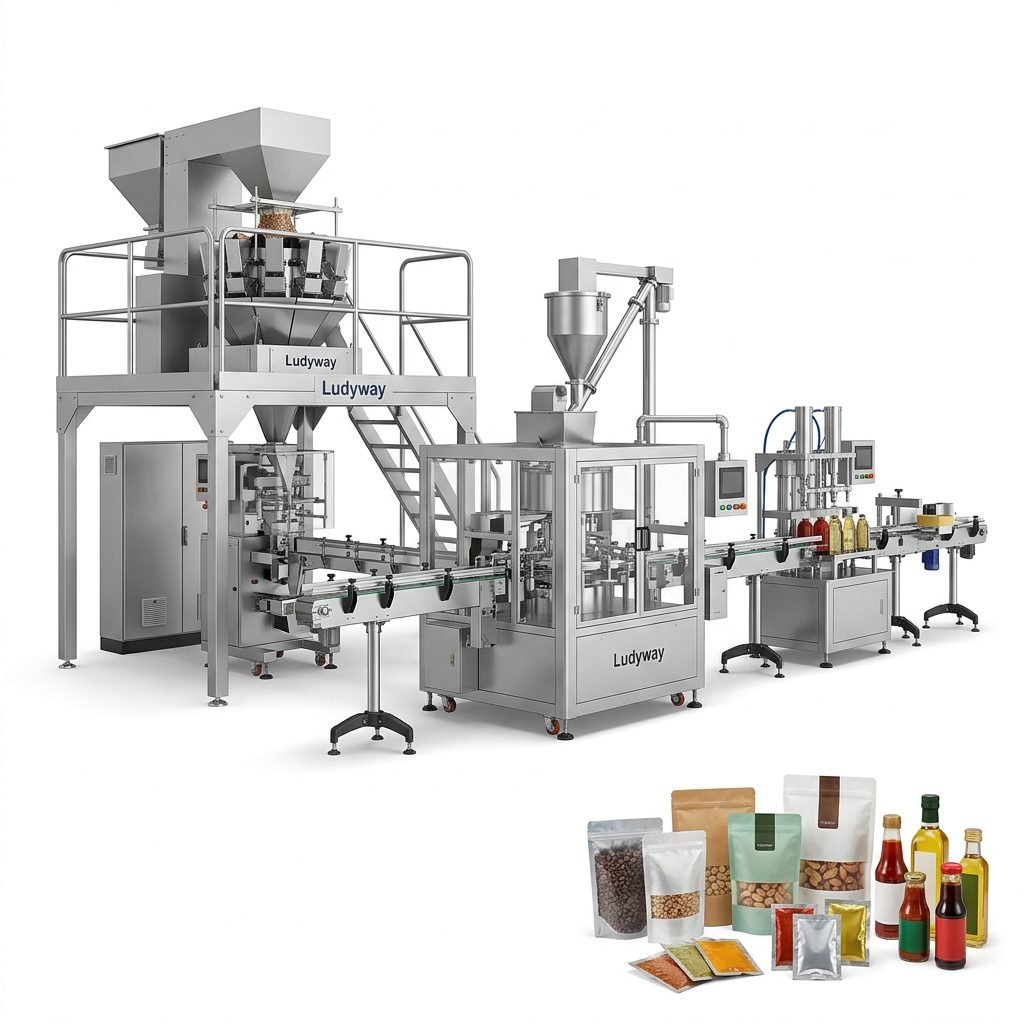
The concept of the “lights-out” factory—a manufacturing facility that operates completely autonomously without the need for human presence on-site—has transitioned from a futuristic vision to a modern industrial reality. Driven by the principles of Industry 4.0, factories worldwide are leveraging interconnectivity, automation, and machine learning to optimize production pipelines. While robotic assembly and automated material handling have advanced rapidly, the final stage of production—packaging—historically remained a labor-intensive bottleneck. Today, next-generation packaging automation is bridging this gap, enabling end-to-end hands-free operations that redefine manufacturing efficiency.
Packaging is inherently complex, requiring the handling of diverse materials, precise dosing, sealing under strict environmental conditions, and preparation for bulk transit. In a lights-out environment, these tasks must occur seamlessly, without human intervention to correct misaligned pouches, clear jams, or replenish consumables. The integration of intelligent sensors, high-speed sorting mechanisms, and robotic handling systems allows modern packaging lines to adapt dynamically, paving the way for continuous, uninterrupted operation.
The Core Pillars of Lights-Out Packaging Automation
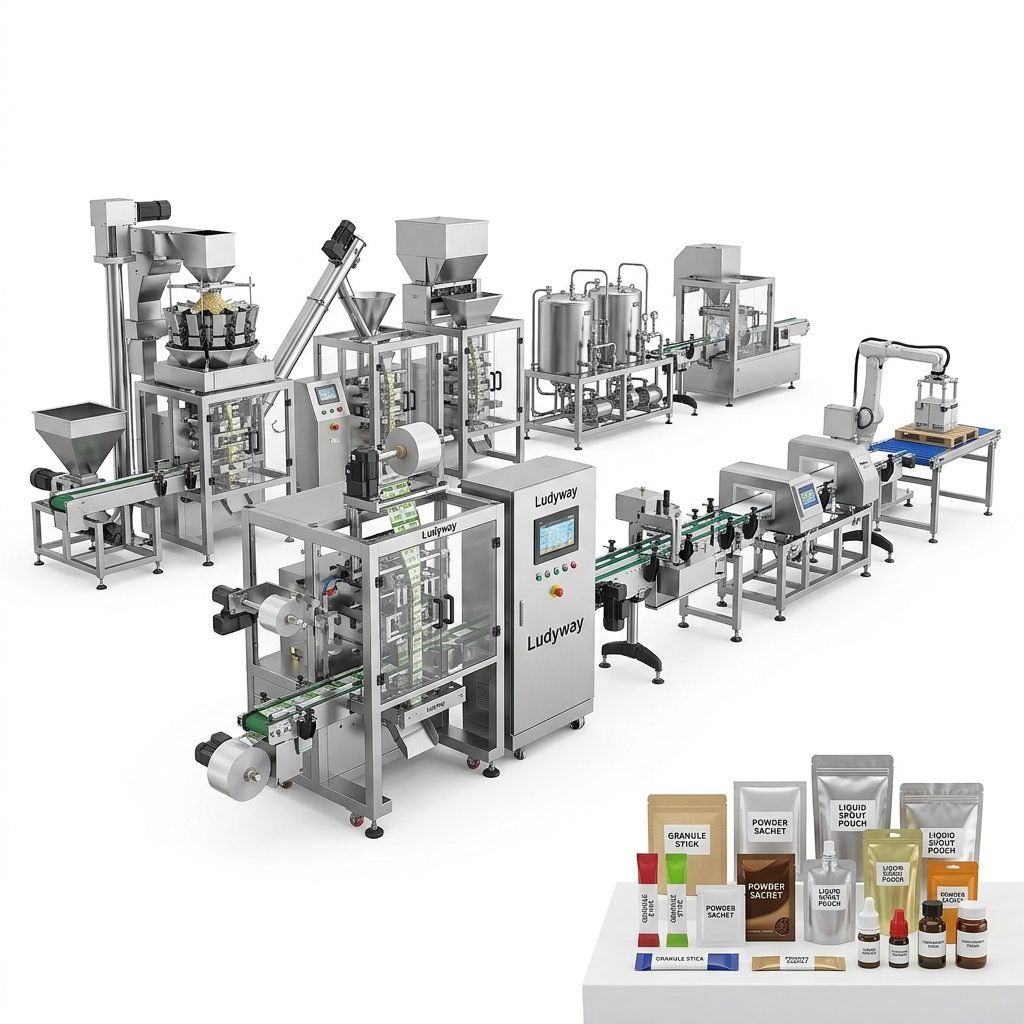
Achieving a fully autonomous packaging process requires a synchronized ecosystem of hardware and software. Several key technologies form the foundation of this transition:
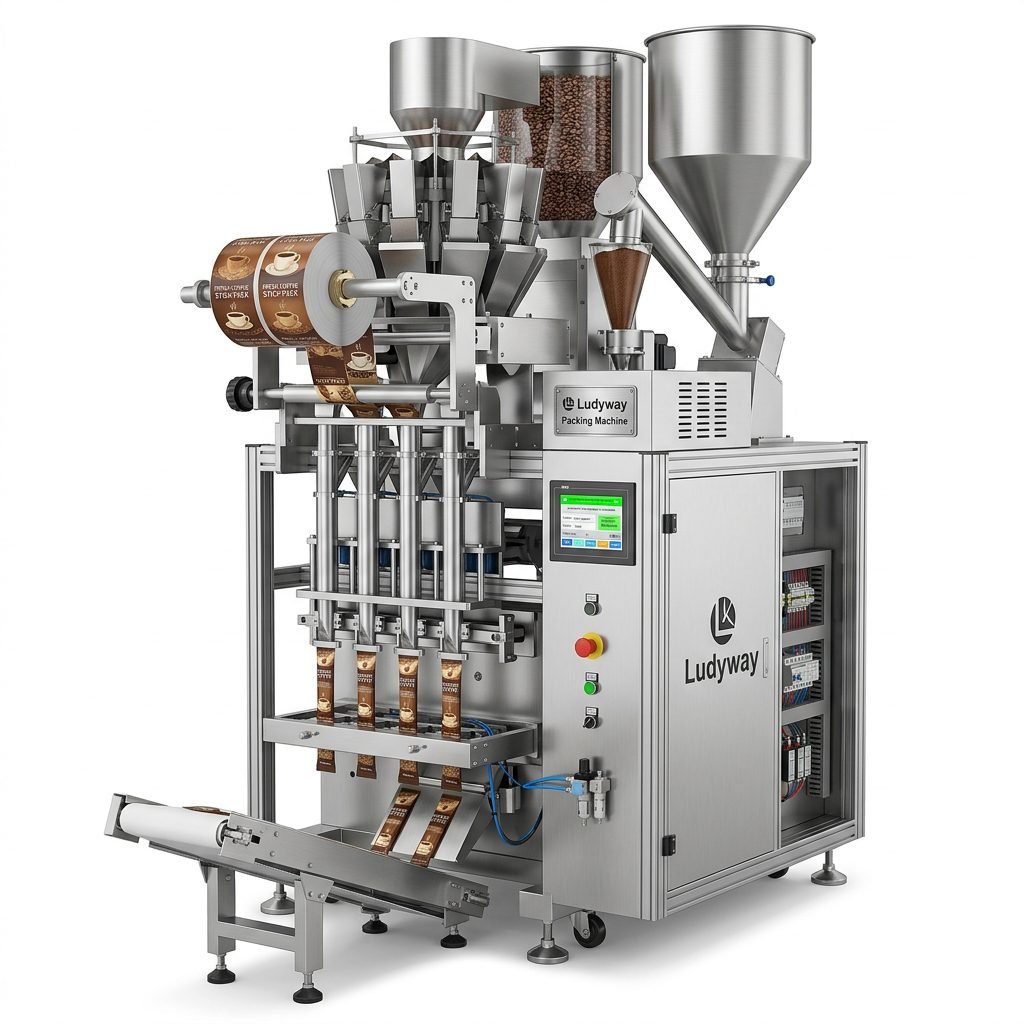
- Smart Dosing and Feeding Systems: Utilizing gravimetric and volumetric feeders equipped with real-time feedback loops, automated lines can adjust filling weights on the fly to compensate for density variations in powders, granules, or liquids.
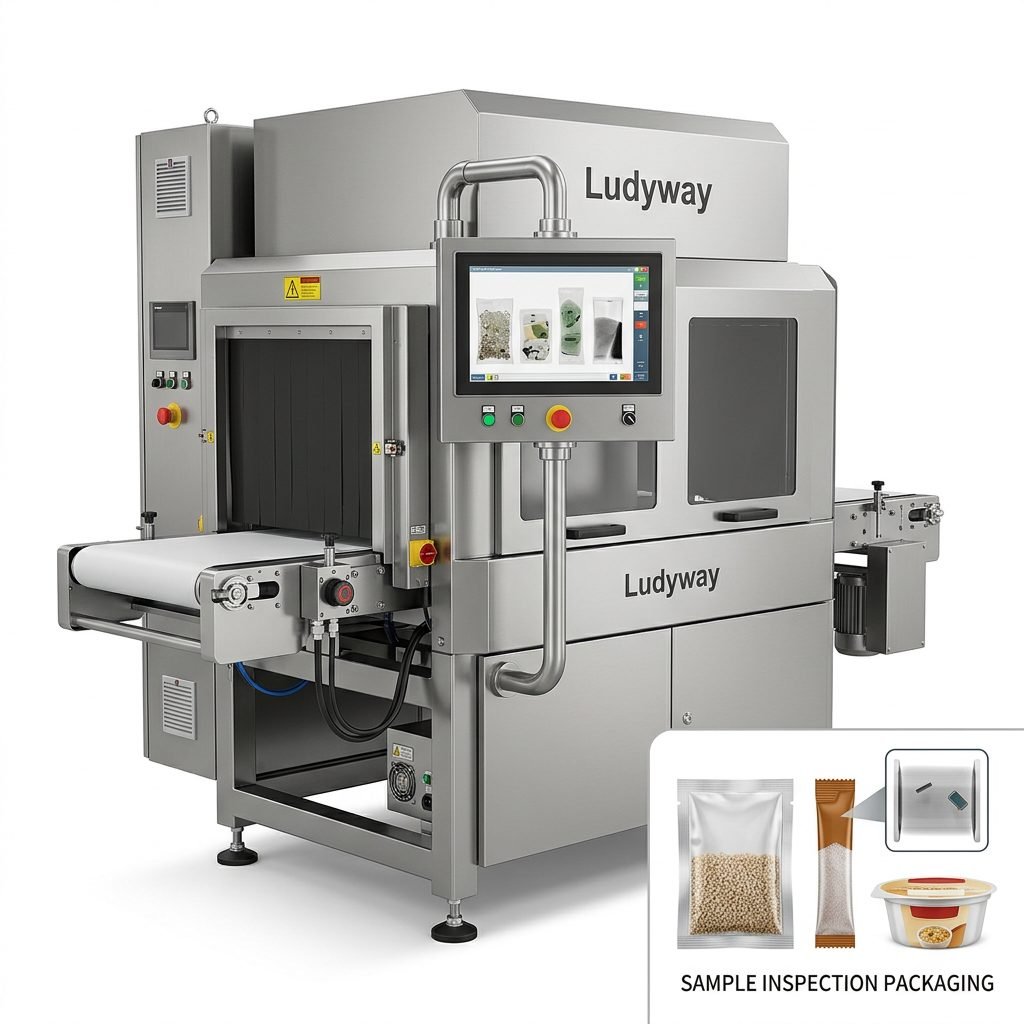
- Vision Inspection and Quality Control: High-resolution industrial cameras and AI-driven vision systems inspect every package for seal integrity, correct label placement, and code legibility. Substandard packages are automatically rejected without stopping the line.
- Predictive Maintenance Modules: IoT sensors monitor critical machine components—such as heating elements, cutting blades, and pneumatic cylinders—to detect wear and tear before a breakdown occurs, scheduling self-maintenance windows during planned downtime.
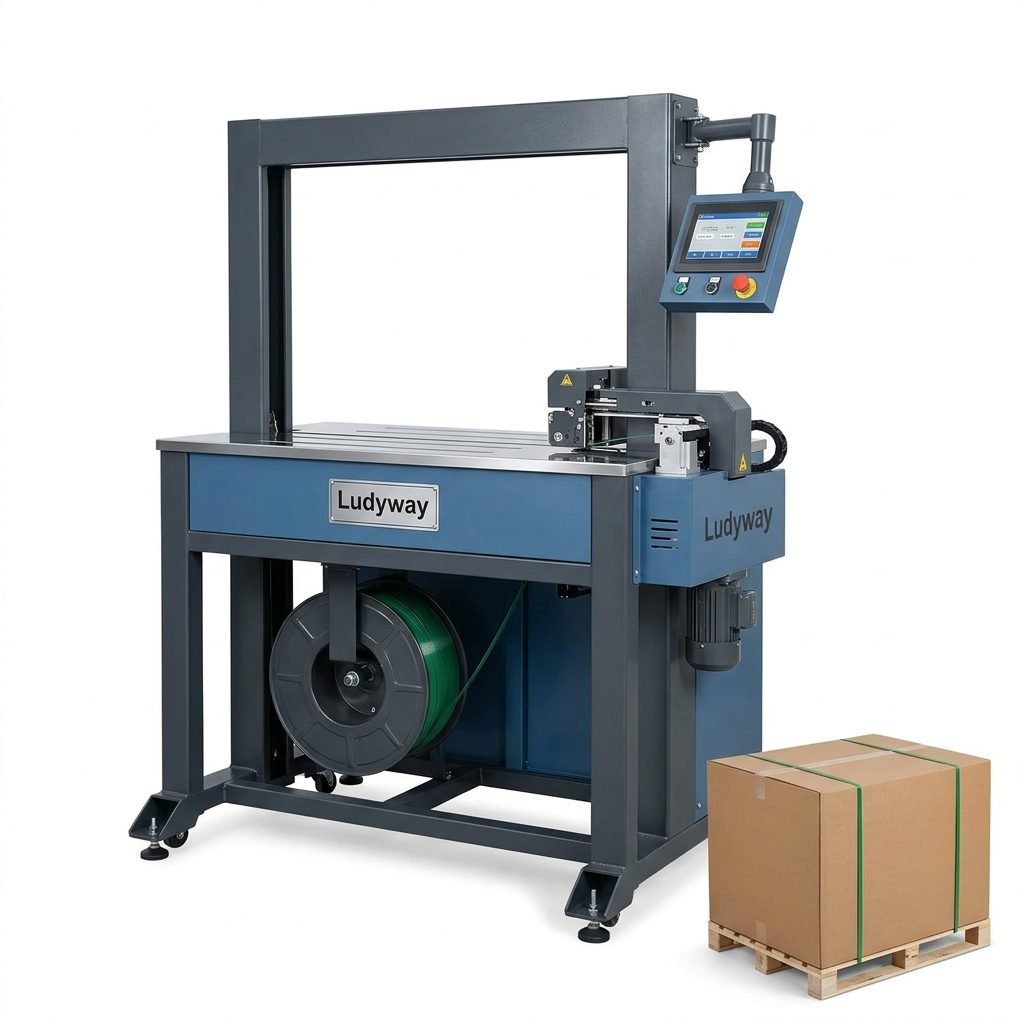
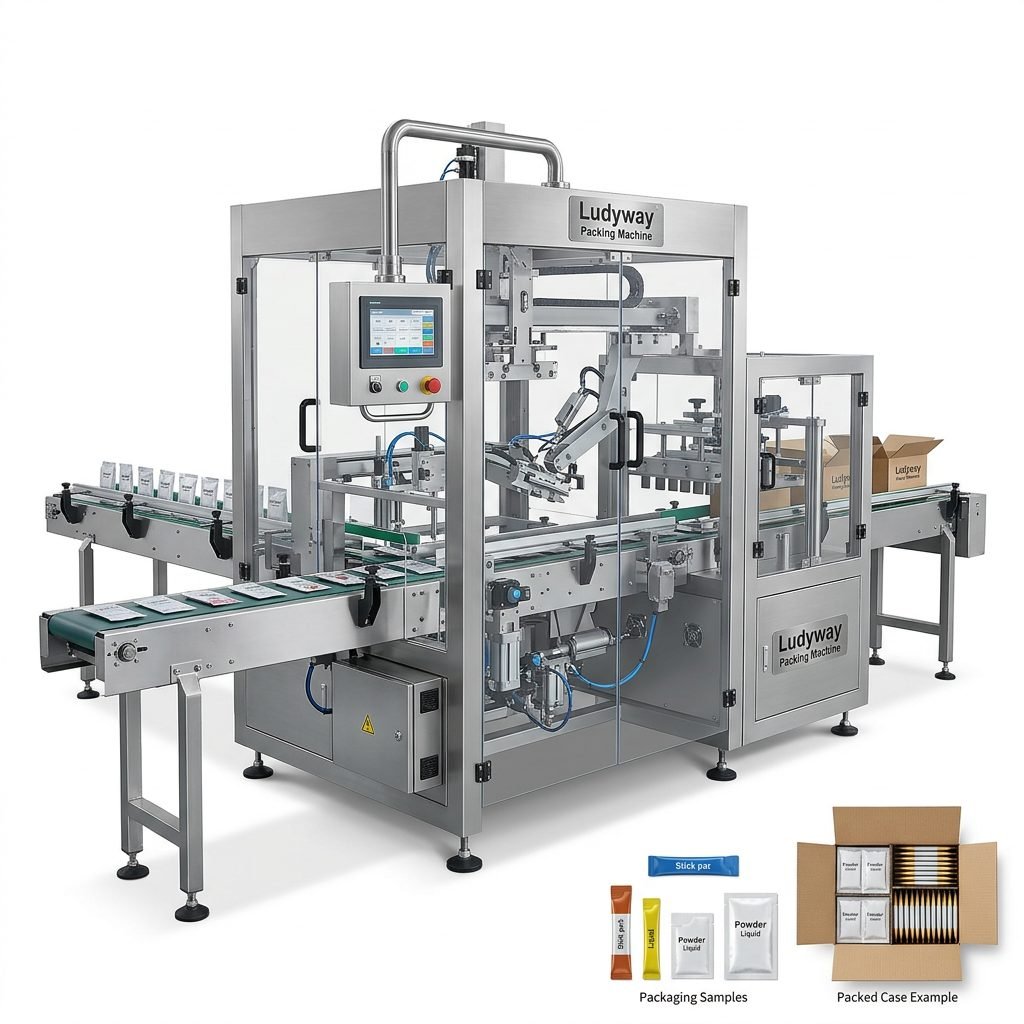
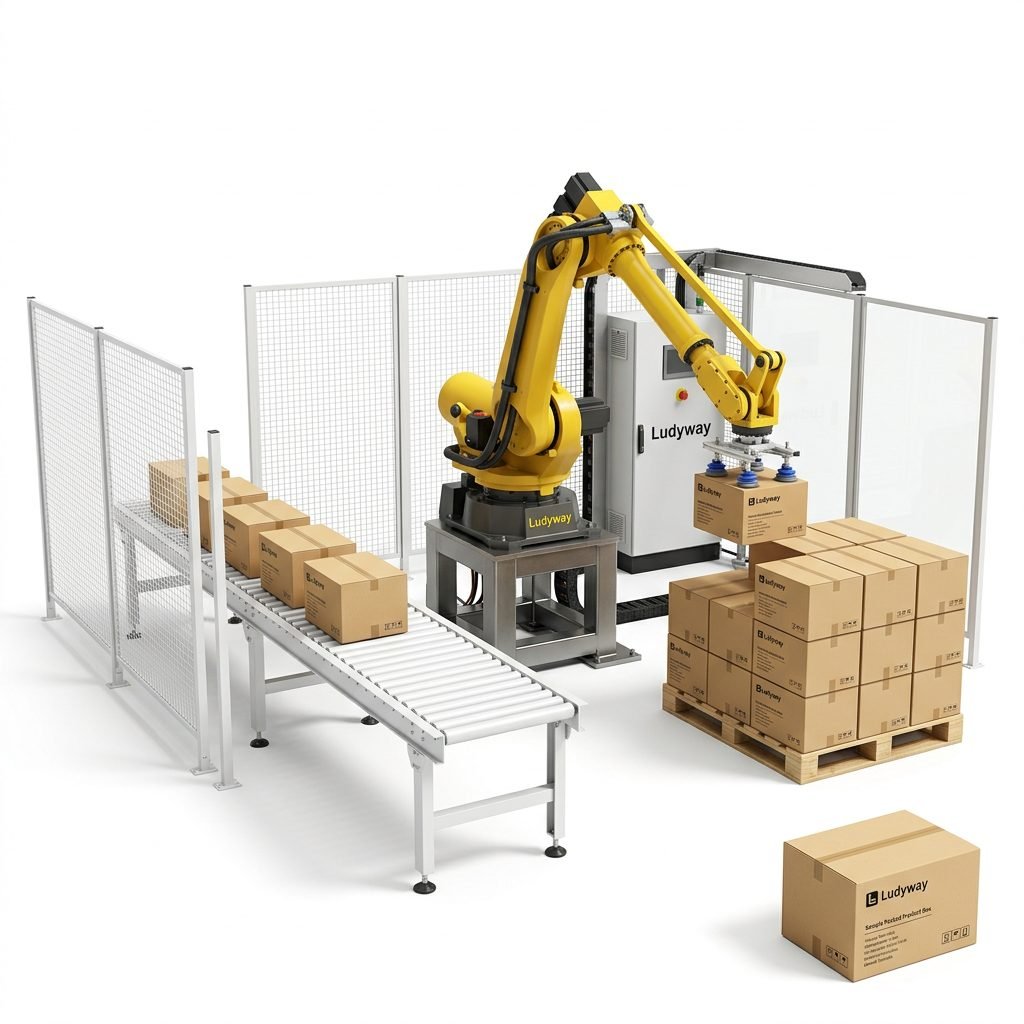
- Robotic End-of-Line Systems: Robotic arms handle case packing, sorting, and palletizing, adjusting their grip and movement patterns based on the dimensions of the final box or container.
Sector-Specific Solutions for High-Precision Industries
Different industries present unique challenges for automated packaging. In the pharmaceutical sector, sterile environments and strict batch tracking are paramount. Automatic packaging lines must handle delicate barrier films and ensure perfect verification of batch codes. In contrast, the food industry demands high hygiene standards and rapid speed to preserve freshness, necessitating washdown-compatible machines that can package powders, liquids, or granules at hundreds of units per minute.
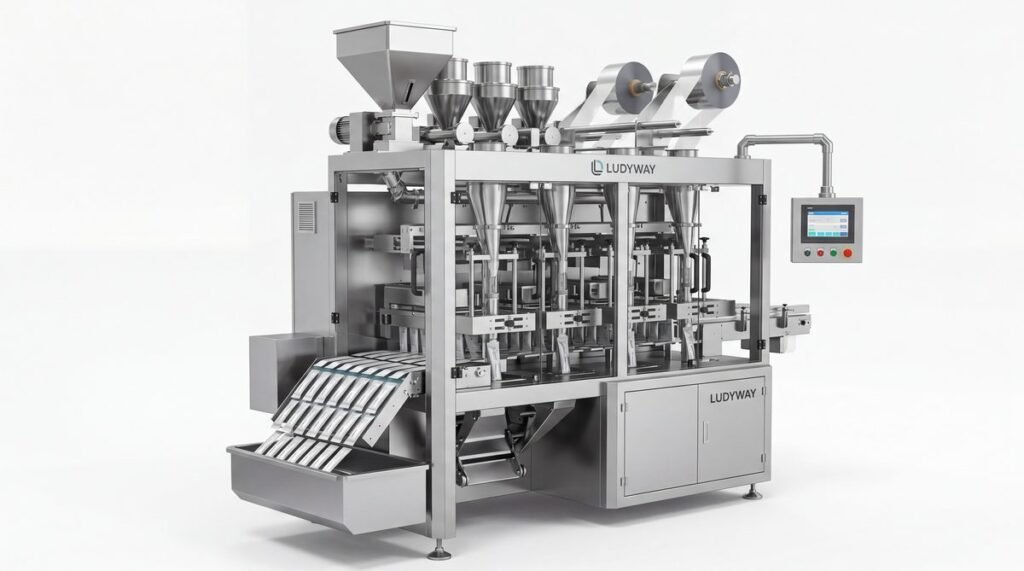
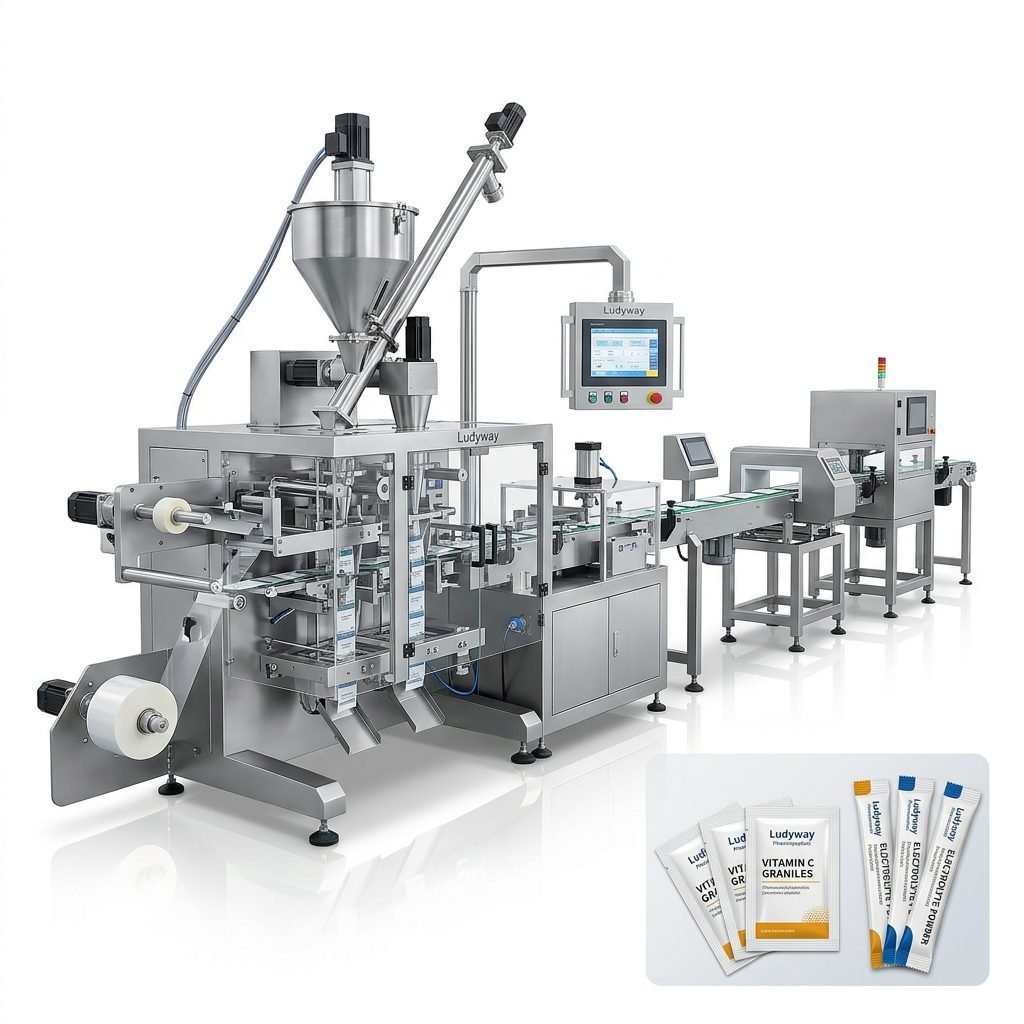
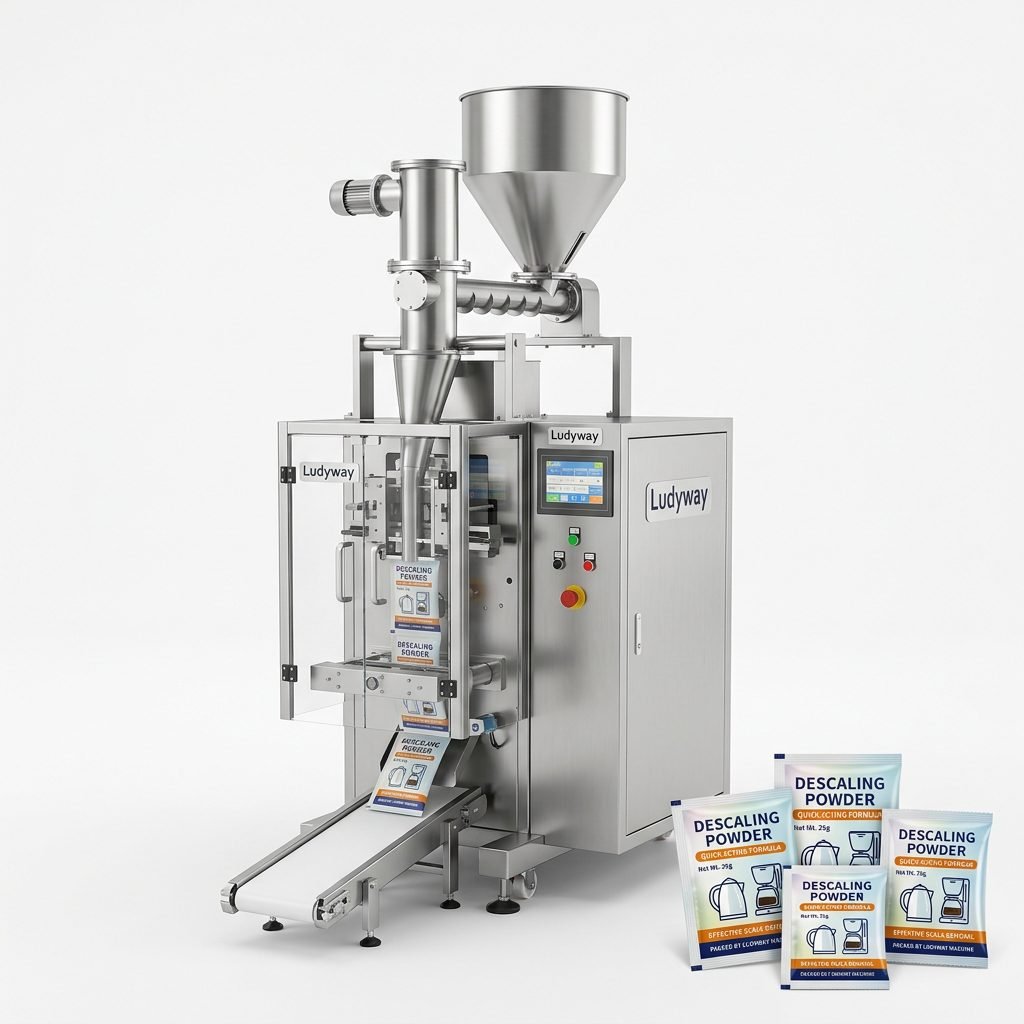
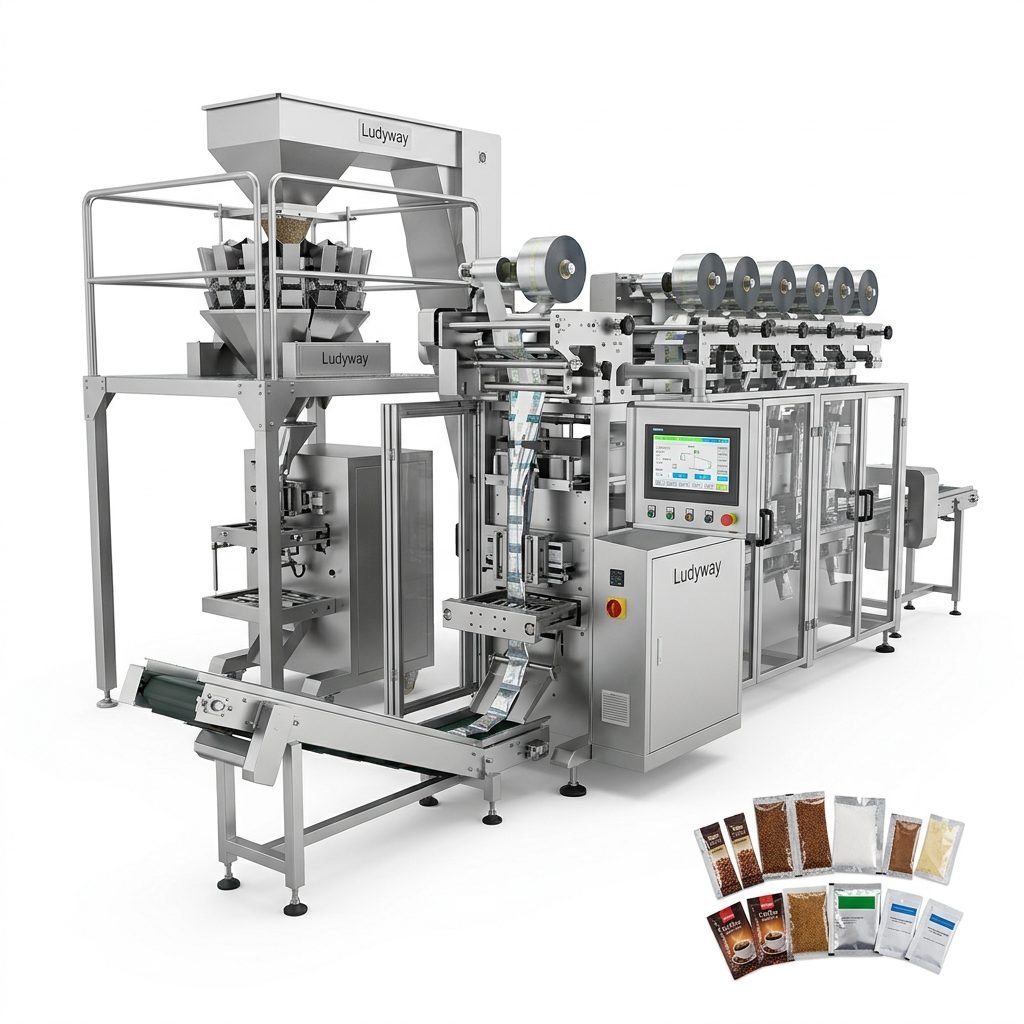
To meet these diverse needs, global manufacturers are turning to specialized integration experts. Leading machinery suppliers, such as Ludyway, utilize more than 30 years of manufacturing experience to design custom, turnkey packaging production lines. With a modern facility of over 20,000 square meters, they supply integrated systems that combine multi-lane stick pack machines, vertical form-fill-seal systems, and automated cartooning setups. These configurations allow businesses in the food, cosmetic, and chemical sectors to run continuous operations with minimal physical oversight.
Comparing Standard Packaging to Lights-Out Automation
The transition from traditional packaging setups to lights-out configurations represents a paradigm shift in performance, safety, and throughput. Below is a comparison highlighting these operational differences:
| Operational Metrics | Standard Packaging Lines | Lights-Out Automated Lines |
|---|---|---|
| Labor Requirements | Multiple operators per shift for feeding, monitoring, and packing | Zero on-site staff; remote monitoring via cloud dashboards |
| Downtime Management | Reactive maintenance following mechanical failures | Predictive maintenance alerts prevent unplanned stops |
| Format Changeovers | Manual tool adjustments taking 30 to 60 minutes | Automated recipe recalls taking less than 5 minutes |
| Production Schedule | Limited to human shifts (typically 8 to 16 hours daily) | Continuous 24/7 operation with maximum efficiency |
Overcoming the Challenge of Material Handling and Changeovers
One of the primary historical obstacles to lights-out packaging has been the physical changeover process. When switching from one packaging size or material to another, traditional machines required manual mechanical adjustments. Industry 4.0 solves this by utilizing motorized, programmable adjustments. With the push of a button—or a signal from the central Manufacturing Execution System (MES)—the packaging line automatically resizes forming shoulders, changes sealing jaw distances, and adjusts conveyor widths.
In addition, advanced material replenishment systems ensure that packaging films and shipping cartons are fed automatically. Dual-spindle film rolls with automatic splicing units allow the machine to switch to a new roll of packaging film without stopping the line, maintaining continuous operation without human intervention.
Economic and Sustainability Benefits
Transitioning to lights-out packaging yields significant economic benefits. By operating continuously, manufacturers can dramatically reduce their cost-per-package and maximize equipment utilization. Furthermore, the high precision of automated dosing systems minimizes product giveaway, saving valuable raw materials in high-volume operations.
From a sustainability perspective, automated systems optimize energy usage by coordinating the startup and shutdown of heating elements, motors, and conveyors. Reduced error rates also translate directly to less packaging film waste, helping companies meet their environmental targets while maintaining high quality standards.
The Path Forward in Industry 4.0
The lights-out factory is no longer a concept limited to high-tech semiconductor fabs or automotive assembly lines. Through the integration of smart sensors, automated changeover mechanisms, and robust machine designs, packaging automation has become a primary driver of autonomous manufacturing. As companies seek to build resilient supply chains and insulate their operations from labor shortages, investing in fully integrated packaging lines will remain a critical step toward achieving complete automation in the Industry 4.0 era.