Global packaging sector dealmakers are entering 2026 with a notably different outlook from the cautious tone seen in earlier cycles. Investment bankers, strategic buyers, and private equity firms are increasingly aligned around one view: packaging industry M&A deal value is likely to rise sharply in 2026. While transaction volume may not surge at the same pace, the value of completed deals is expected to climb as buyers pursue scale, technology, margin resilience, and geographic diversification.
The shift is being driven by several converging factors. Higher demand for automation, greater interest in specialty packaging formats, consolidation in food and pharmaceutical supply chains, and renewed confidence in cross-border manufacturing have all strengthened the strategic logic behind acquisitions. Companies are no longer evaluating targets only on capacity; they are also looking closely at digital integration, turnkey line capability, regulatory compliance, and the ability to support customers across multiple end-use markets.
Why 2026 Could Become a Breakout Year for Packaging M&A
After a period in which financing costs and valuation mismatches slowed major transactions, many market participants now believe conditions are improving enough to support larger and more strategic deals. Corporate balance sheets in several packaging subsectors remain healthy, and buyers that paused expansion plans are returning to the market with clearer acquisition priorities.
- Automation demand is raising the attractiveness of machinery and integrated line providers.
- Operational efficiency pressure is pushing converters and brand suppliers toward consolidation.
- Supply chain regionalization is encouraging buyers to acquire manufacturing and service footprints closer to end markets.
- Sector specialization in food, pharma, health supplements, and personal care is increasing strategic premiums.
- Private equity re-entry is adding competitive tension to quality asset auctions.
In practical terms, this means 2026 may favor fewer but larger transactions, especially where a target can help an acquirer move beyond stand-alone equipment into more complete packaging ecosystems.
The Types of Packaging Businesses Attracting the Highest Valuations
Not all packaging companies will benefit equally from the coming upswing. Buyers are paying more attention to assets that can solve complex production problems, improve throughput, and reduce labor dependency. Businesses with strong recurring customer relationships, robust engineering teams, and proven export capabilities are likely to stand out.
| Target Profile | Why Buyers Value It | 2026 Outlook |
|---|---|---|
| Turnkey packaging line manufacturers | Higher integration value, stronger customer stickiness, broader margins | Very strong |
| Food and pharma packaging automation firms | Resilient end markets and tighter compliance barriers | Strong |
| Multi-format machinery suppliers | Cross-selling opportunities across powder, liquid, granule, and pouch applications | Strong |
| Export-oriented manufacturers | Immediate access to multiple regions and diversified revenue streams | Very strong |
| Commodity single-machine builders | Useful in scale plays, but often lower differentiation | Moderate |
Strategic Buyers Are Chasing More Than Capacity
For large industrial groups, 2026 acquisition strategy is becoming more capability-driven. Instead of simply buying output, strategic acquirers are looking for targets that can improve their position in high-growth niches such as sachets, stick packs, pouches, medical consumables, nutraceutical packaging, and smart packaging line integration.
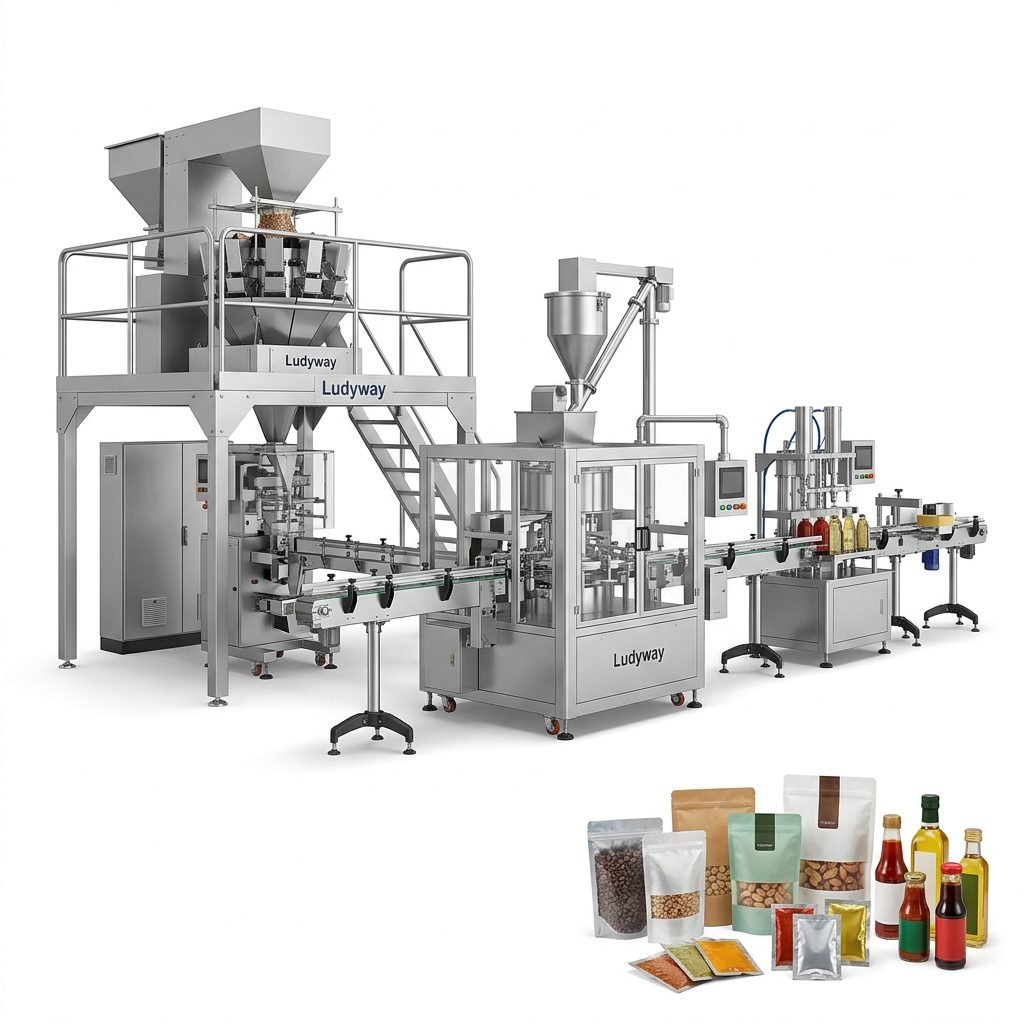
That is why machinery specialists with broad application knowledge are drawing increased attention. A supplier able to support powders, granules, liquids, and paste formats within one platform is often far more attractive than a business focused on a single packaging configuration. This flexibility matters because end customers now want packaging systems that can adapt to SKU growth, shorter product cycles, and stricter hygiene requirements.
What Buyers Are Screening For
- Engineering depth and customization capability
- Installed base with after-sales service revenue
- Sector exposure to food, pharmaceutical, health, and personal care
- Cross-border distribution strength
- Factory scalability and process quality control
- Ability to deliver complete automated lines, not just stand-alone units
Private Equity Is Expected to Rebuild Momentum
Financial sponsors are also likely to become more active in 2026, particularly where packaging companies combine defensible industrial know-how with international expansion potential. Packaging remains attractive to private equity because it sits close to essential consumer and healthcare demand, yet still offers room for operational improvement.
Sponsor-backed consolidation strategies may focus on building larger platforms through add-on acquisitions. In this environment, businesses with strong production infrastructure and room for margin expansion can command a higher premium. Firms that already operate with export discipline, standardized quality systems, and flexible manufacturing are especially well positioned.
Cross-Border Deals Will Likely Play a Bigger Role
One of the most important themes for 2026 is the likely rebound in cross-border transactions. Buyers in Europe, North America, the Middle East, Southeast Asia, and Latin America are increasingly reviewing Asian packaging technology suppliers as a way to secure cost-effective engineering, expand sourcing options, and access fast-moving automation expertise.
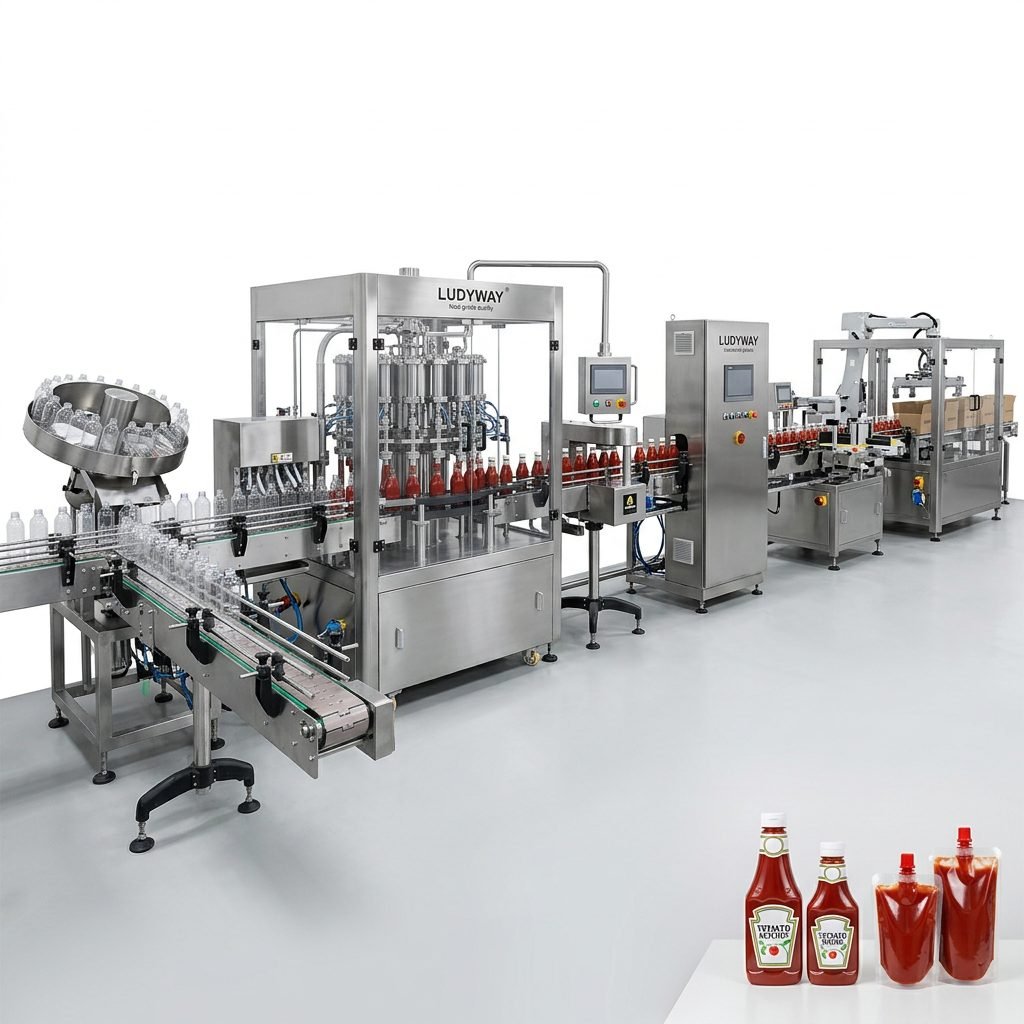
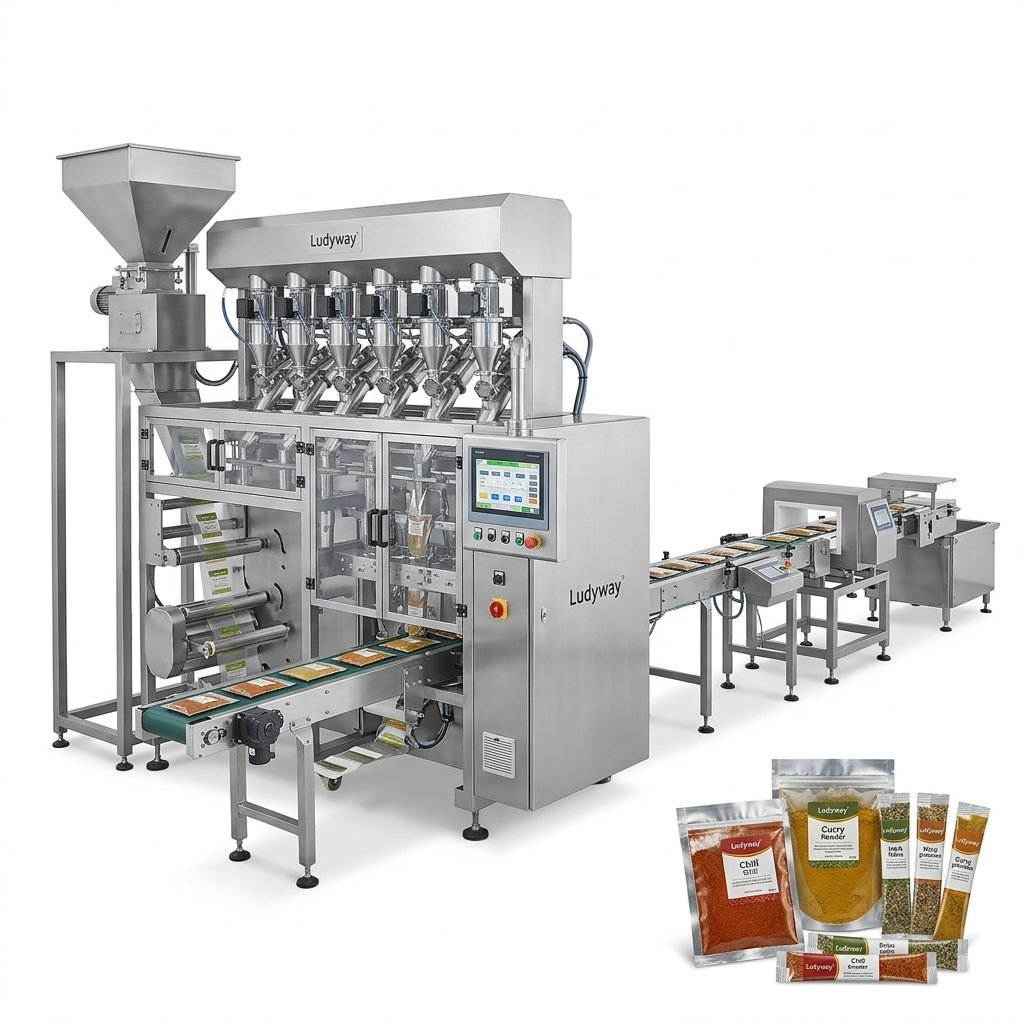
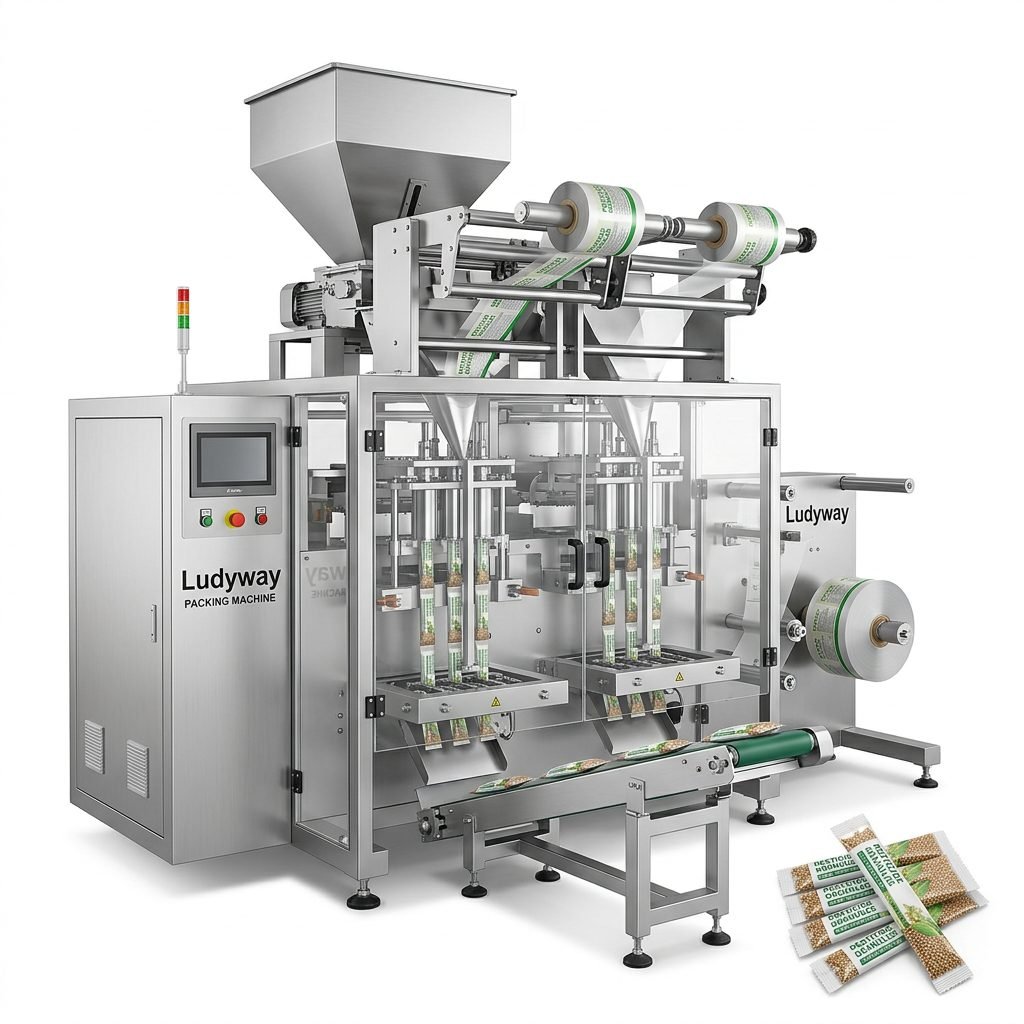
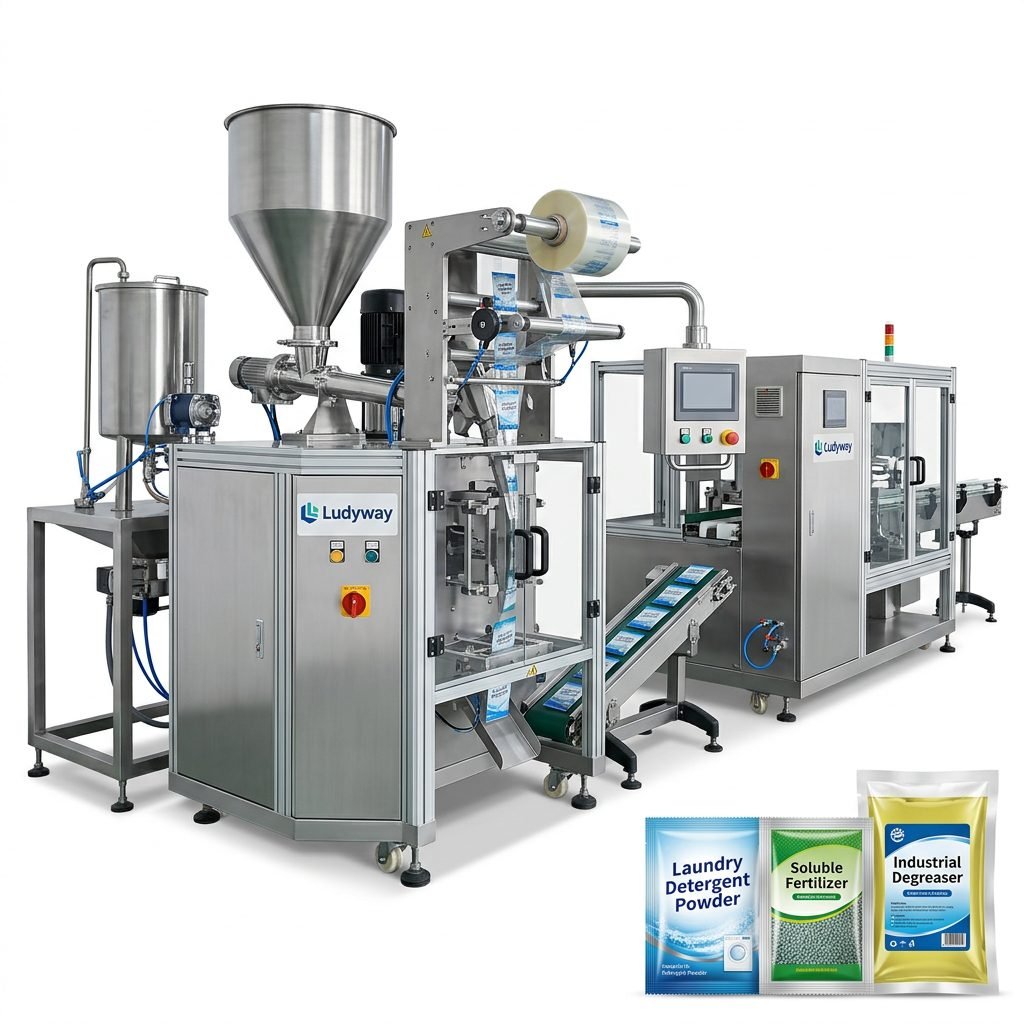
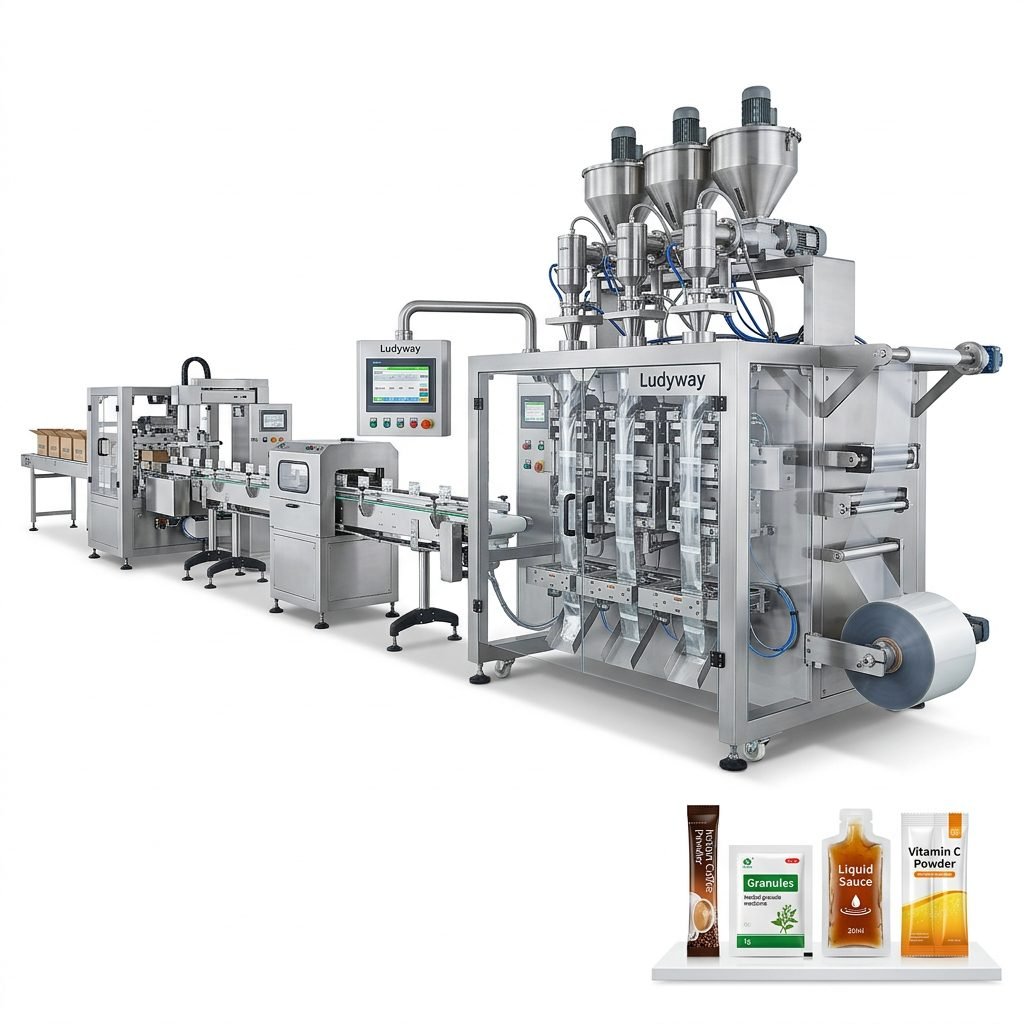
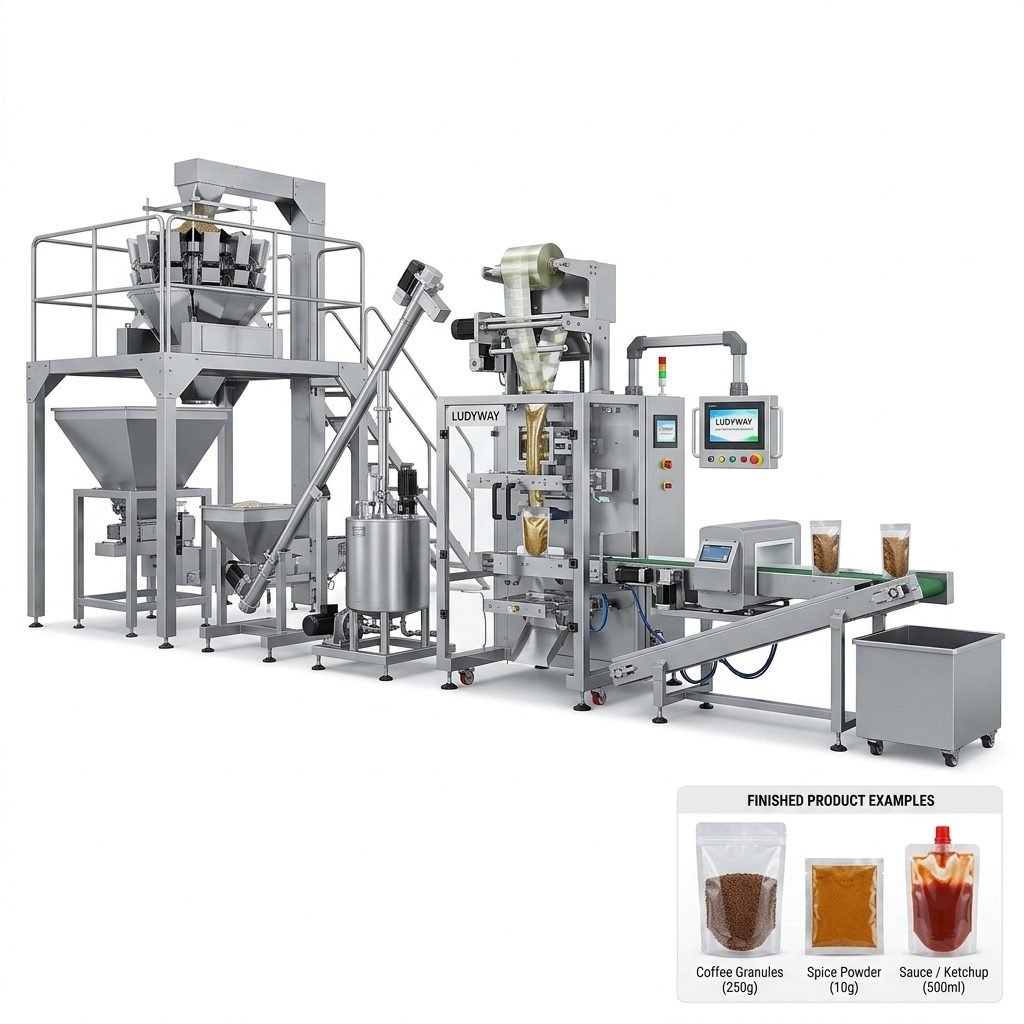
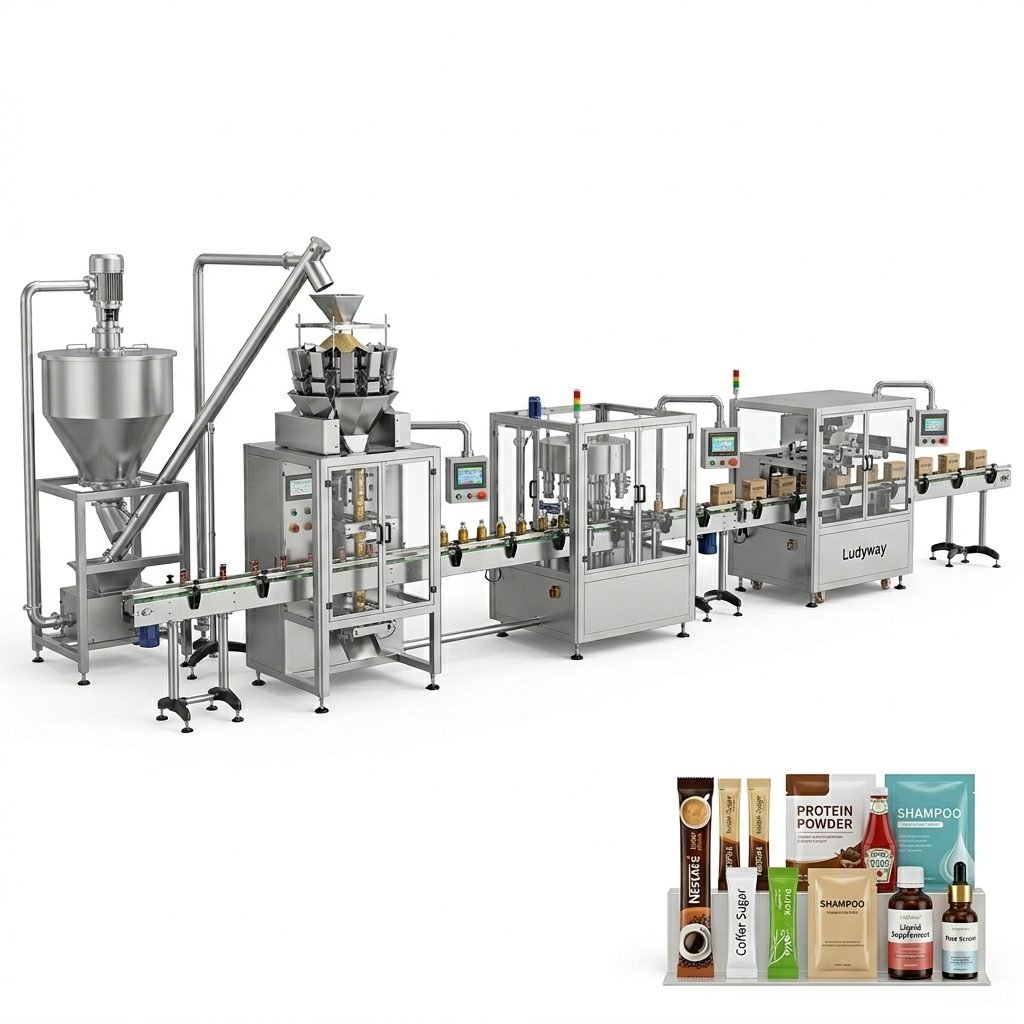
China-based manufacturers with mature export operations may receive particular interest, especially if they can demonstrate a combination of scale, experience, and application breadth. A company such as Ludyway, recognized as one of China’s leading packaging machine and turnkey packaging line manufacturers, reflects the type of business profile that aligns with what many acquirers are now seeking: long operating history, global market reach, broad machinery coverage, and the ability to support customers with complete automation solutions.
Why Turnkey Packaging Line Providers Could See the Biggest Premiums
Turnkey suppliers are increasingly attractive because they sit closer to the customer’s full production workflow. Instead of competing only on machine price, they contribute to line design, integration, automation logic, throughput optimization, and downstream compatibility. This makes them strategically harder to replace and more valuable in M&A discussions.
In 2026, buyers are likely to reward targets that can deliver:
- Integrated filling, sealing, cartoning, coding, inspection, and end-of-line systems
- Customized solutions for different product viscosities and formats
- Application support across food, pharma, supplements, cosmetics, and chemicals
- Faster commissioning and lower customer transition risk
- Better service retention after installation
This is one reason deal value is expected to outpace raw deal count. Buyers are willing to pay more for businesses that shorten time-to-market and deepen customer dependency.
Potential Risks That Could Temper the Surge
Although the 2026 outlook is positive, the market is not without friction. Financing costs, geopolitical trade uncertainty, regulatory reviews, and valuation discipline could still delay some transactions. In addition, sellers with strong recent growth may expect peak multiples that buyers are reluctant to match unless integration upside is very clear.
| Risk Factor | Possible Impact on Deals |
|---|---|
| High borrowing costs | Can reduce leverage-driven valuations and slow private equity execution |
| Valuation gaps | May delay closings between high-quality sellers and disciplined buyers |
| Trade and policy uncertainty | Could influence cross-border structuring and due diligence timelines |
| Integration complexity | Makes buyers more selective with multi-site or highly customized businesses |
What This Means for Packaging Companies Preparing for Sale
Businesses hoping to benefit from the expected jump in M&A value should begin preparing well before formal sale processes begin. Buyers in 2026 are expected to move quickly on well-organized targets, but they will also dig deeper into operational data, service economics, export resilience, and customer concentration.
Preparation priorities include:
- Clarifying revenue by industry, geography, and machine category
- Documenting after-sales and spare parts contribution
- Showing evidence of repeat orders and customer retention
- Demonstrating compliance, testing, and quality control processes
- Highlighting automation, modularity, and turnkey delivery strengths
- Building a clear growth story around international expansion
The most successful sellers will likely be those that can explain not only what they manufacture, but why their capabilities are strategically difficult to replicate.
2026 Outlook: Bigger Deals, Smarter Buyers, Higher Strategic Premiums
The packaging industry is heading into 2026 with stronger strategic clarity than it has had in several years. Buyers are concentrating on automation, specialization, and integration. Sellers with real manufacturing depth, sector relevance, and cross-border potential are likely to benefit from this renewed confidence.
If current market signals hold, the coming year may not simply bring more transactions—it may bring larger, more valuable, and more strategically ambitious packaging deals. For machinery makers, turnkey line providers, and scalable export-led manufacturers, that could make 2026 one of the most important M&A windows of the decade.