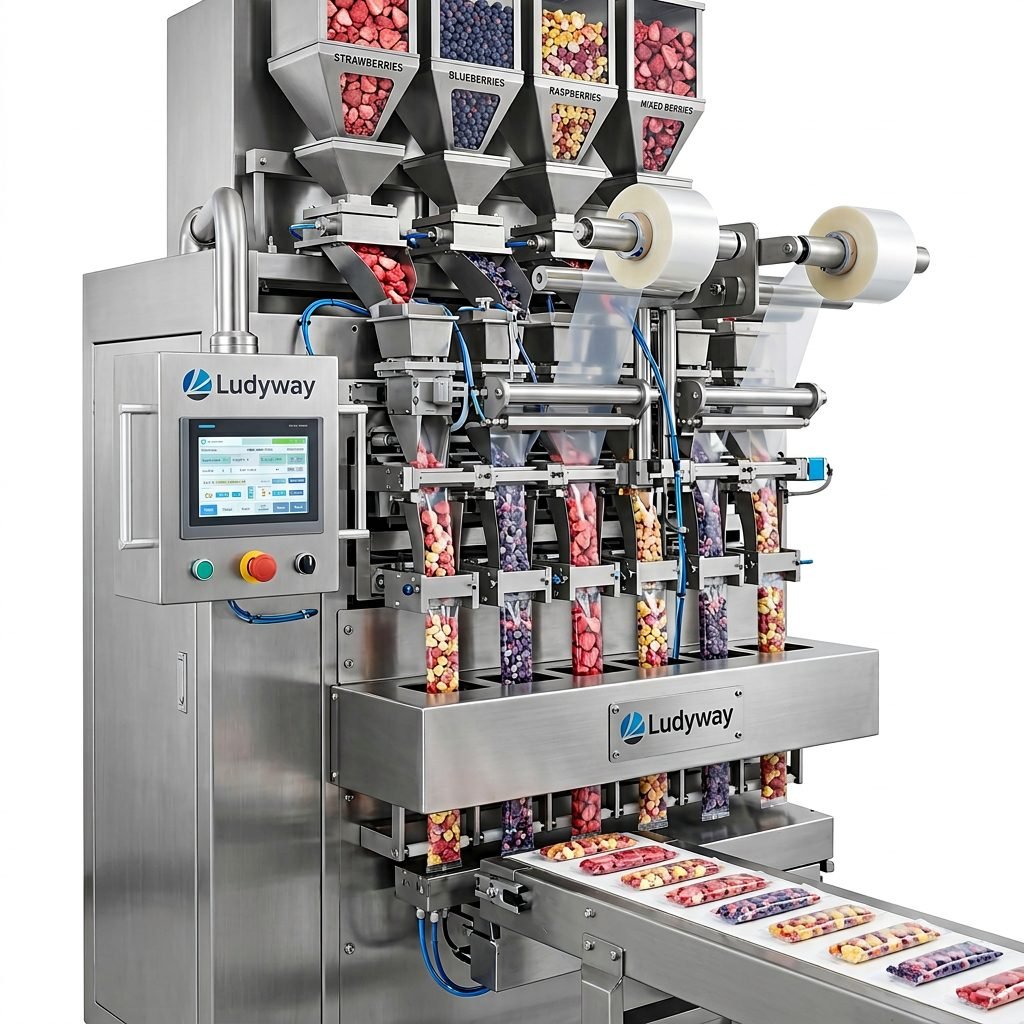
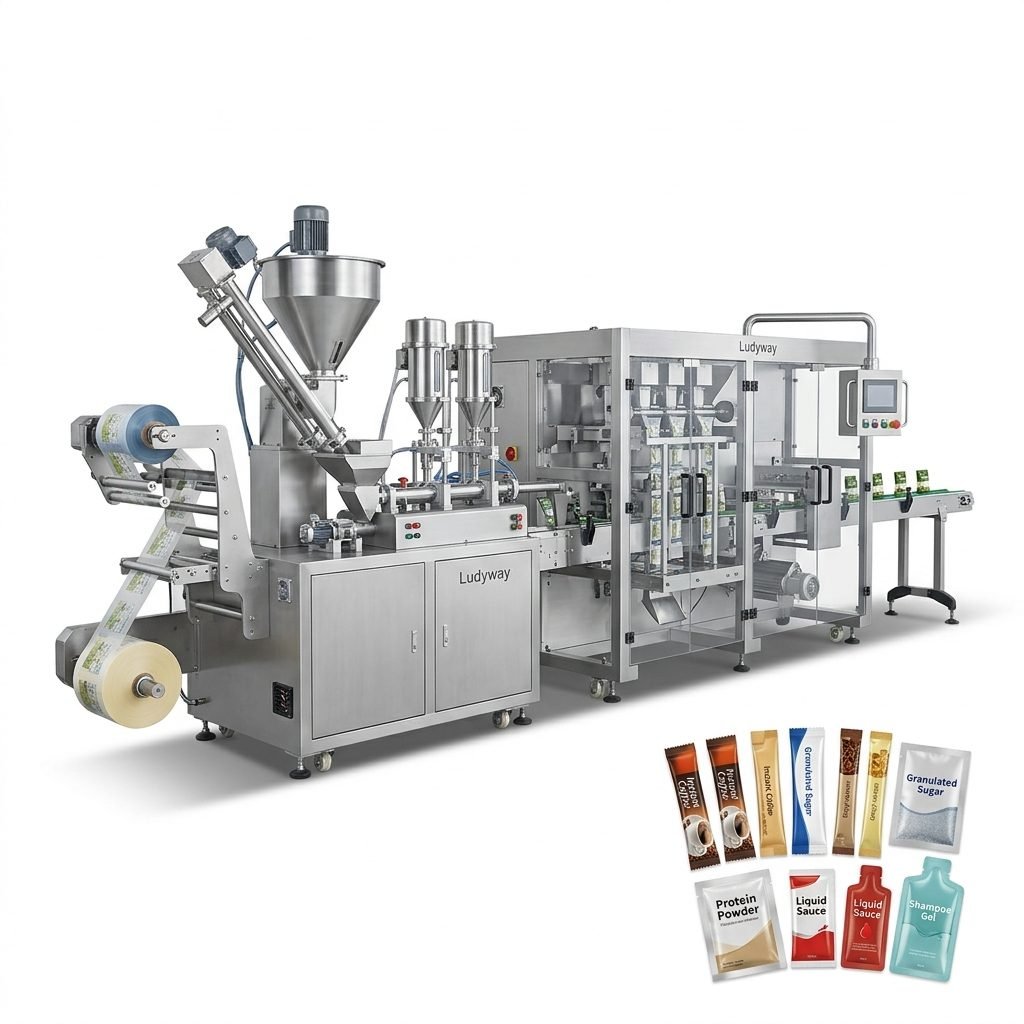
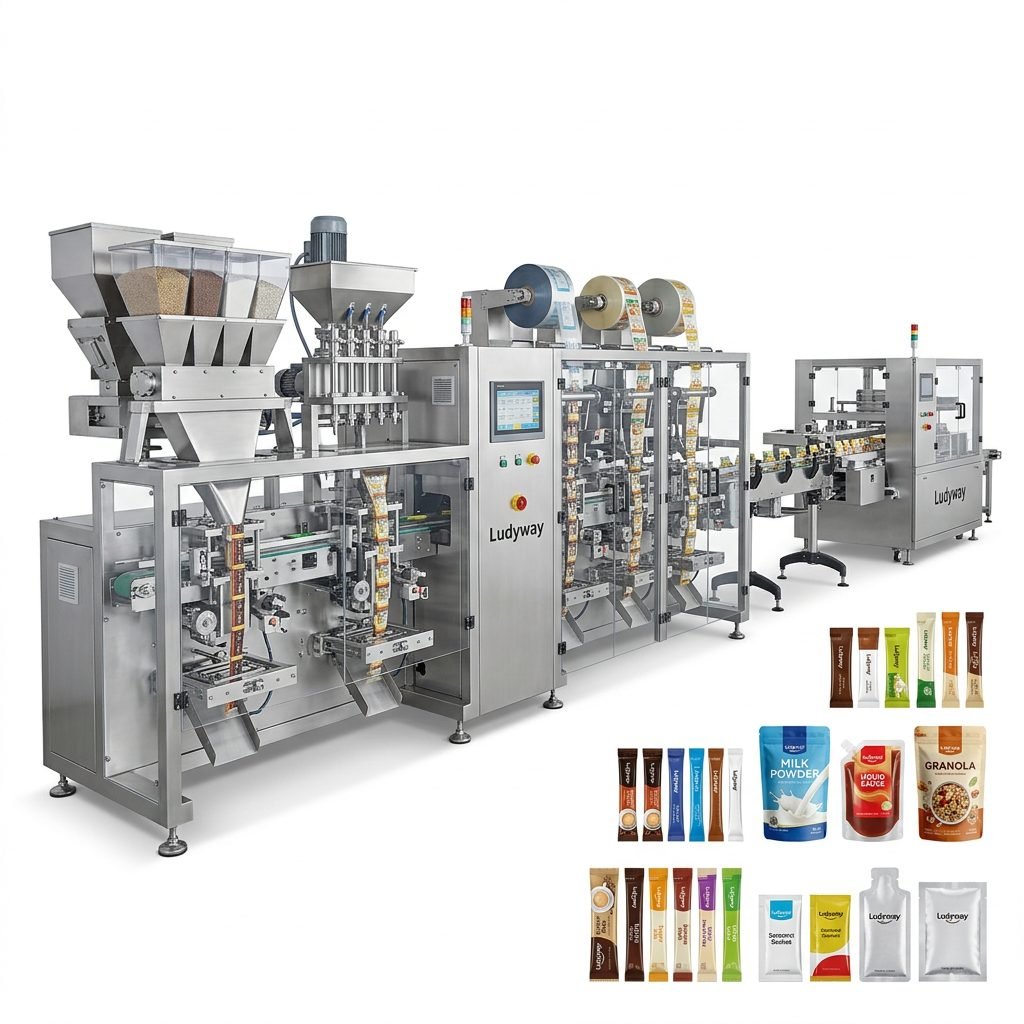
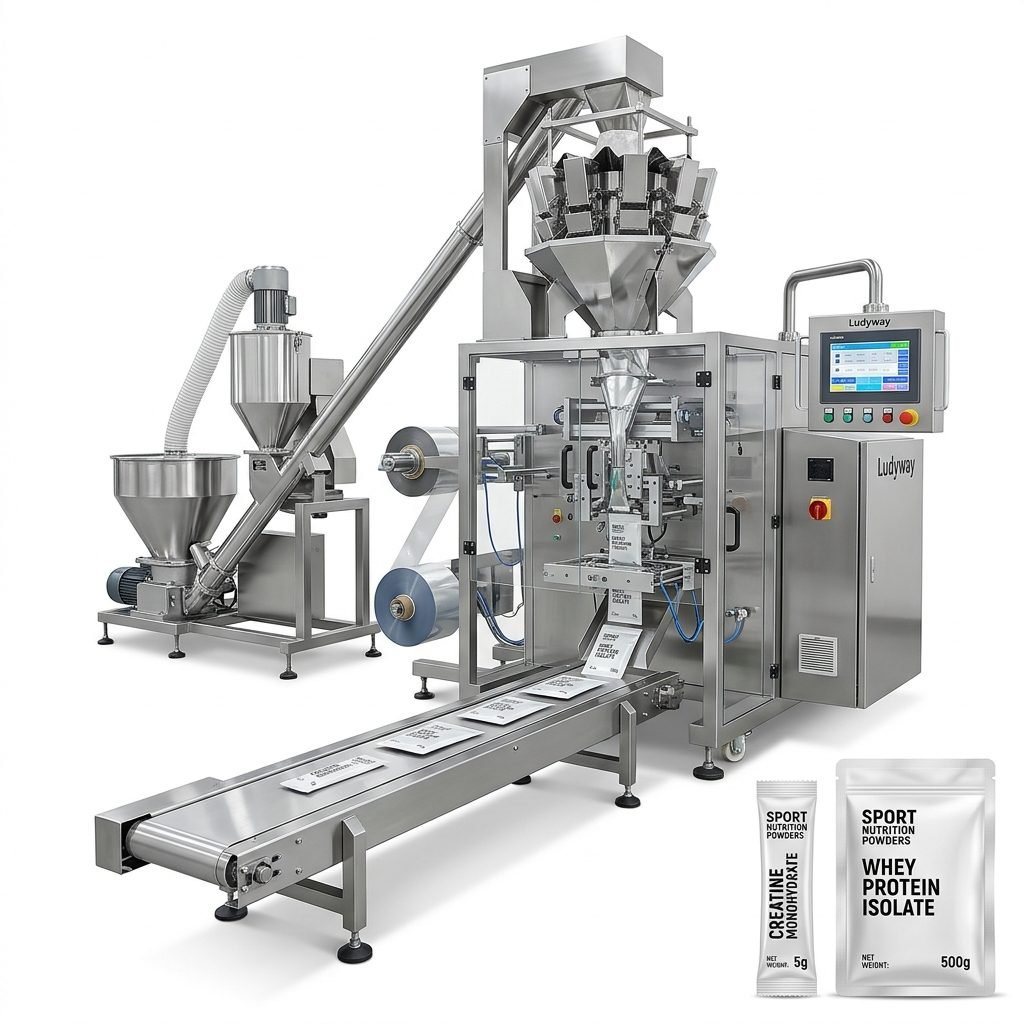
The global manufacturing sector is experiencing a rapid technological evolution, driven by the demand for higher throughput, minimized material waste, and superior product consistency. As industries navigate fluctuating consumer demands and rising operational costs, the packaging stage has emerged as a critical focal point for optimization. The launch of next-generation, high-efficiency packaging machinery marks a significant milestone in this journey, offering advanced automated solutions designed to redefine production speeds and versatility across multiple sectors.
Modern packaging demands extend far beyond simple containment. Today, manufacturers require systems that can handle complex product formats—ranging from fine chemical powders to delicate pharmaceutical granules and high-viscosity liquids—while maintaining strict hygienic standards and precise dosing. The latest innovations address these challenges by integrating smart control systems, high-speed multi-lane configurations, and robust turnkey synchronization.
The Engineering Behind High-Efficiency Packaging Systems
At the heart of the newly unveiled packaging machinery is a focus on mechanical intelligence and automation. Traditional packaging systems often suffer from significant downtime during product changeovers, requiring manual adjustments that stall production lines. Next-generation machines solve this bottleneck through modular engineering and digital controls, allowing operators to transition between different packaging sizes and styles with minimal physical intervention.
Key technical advancements featured in these modern systems include:
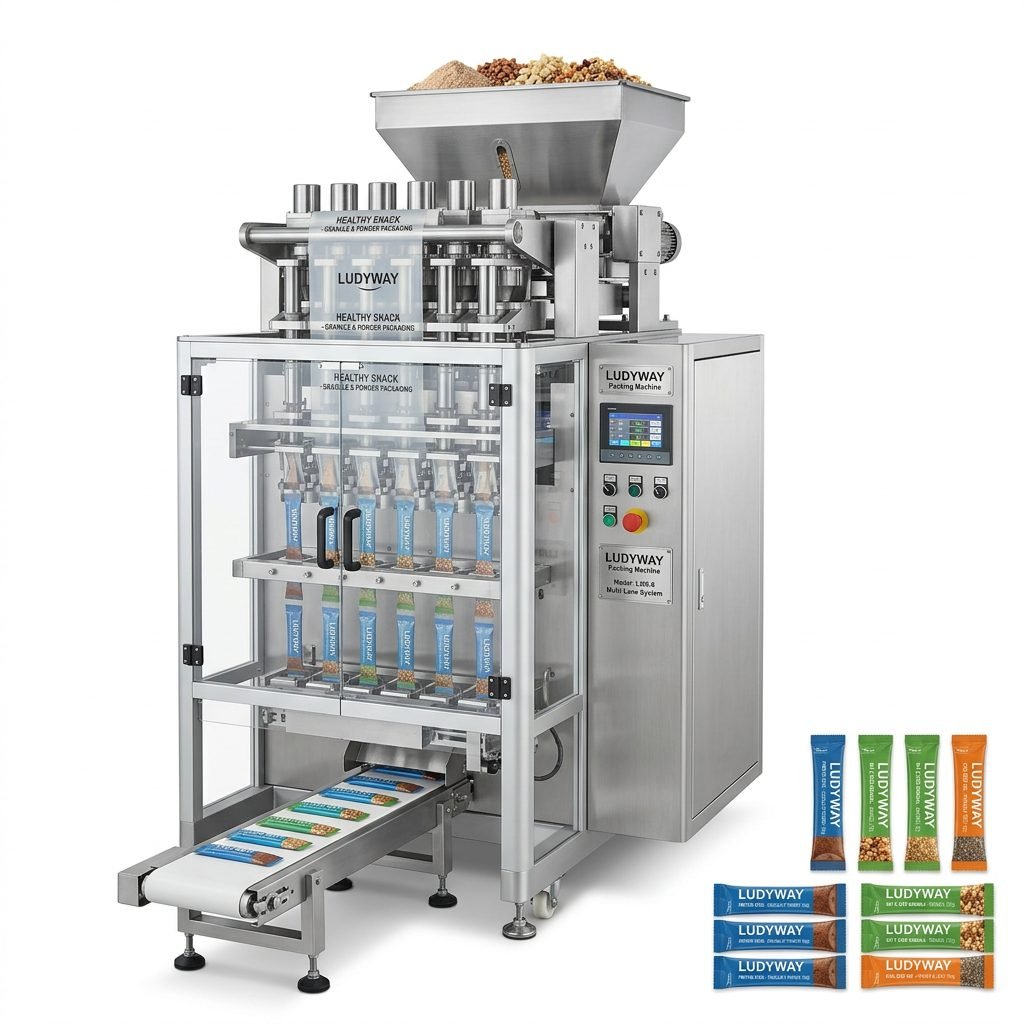
- Multi-Lane Synchronization: By utilizing parallel processing lanes, these systems multiply output capacity without expanding the physical footprint of the factory floor.
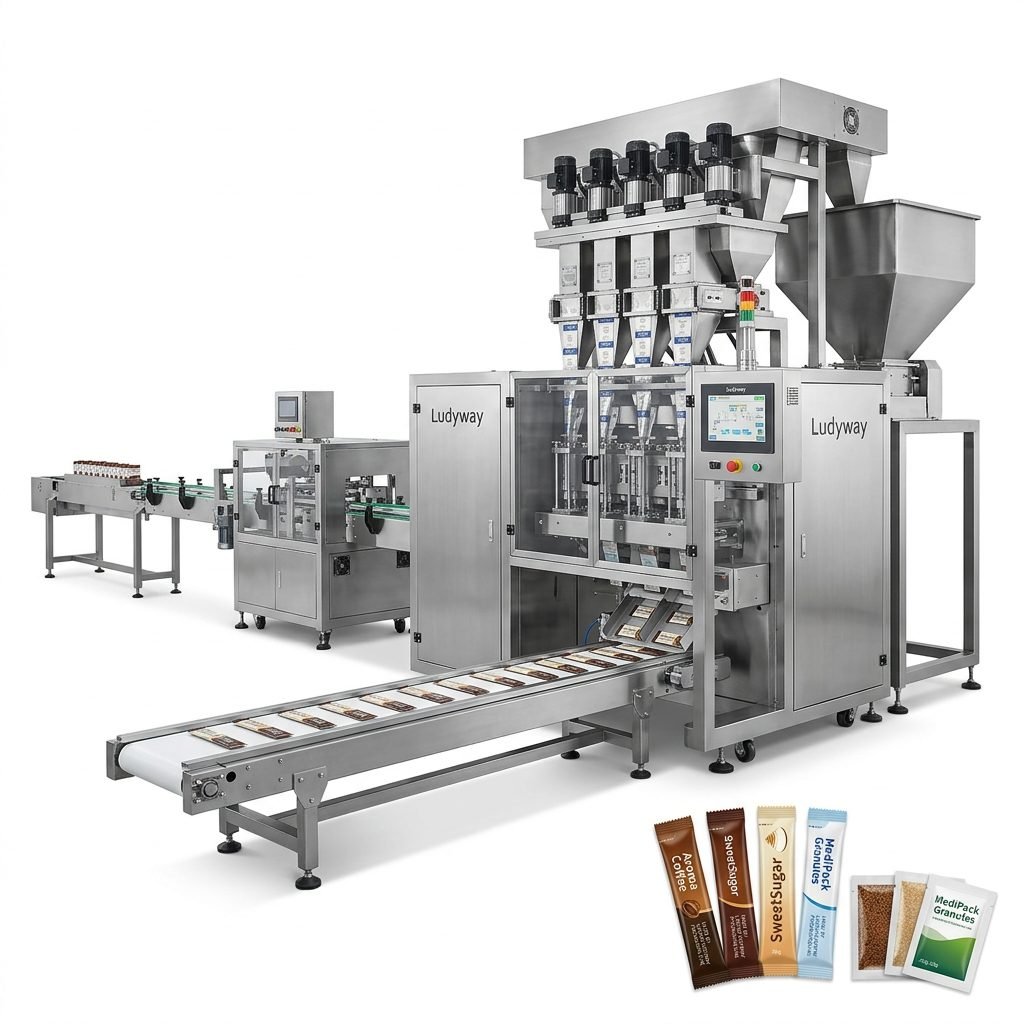
- High-Precision Dosing: Advanced servo-driven volumetric fillers and rotary valves ensure that every sachet, stick pack, or pouch receives the exact weight of material required, reducing product giveaway.
- Advanced Sealing Technology: Temperature-controlled and ultrasonic sealing mechanisms guarantee leak-proof packaging, which is vital for preserving shelf life in food and pharmaceutical products.
Optimizing Throughput with Turnkey Packaging Lines
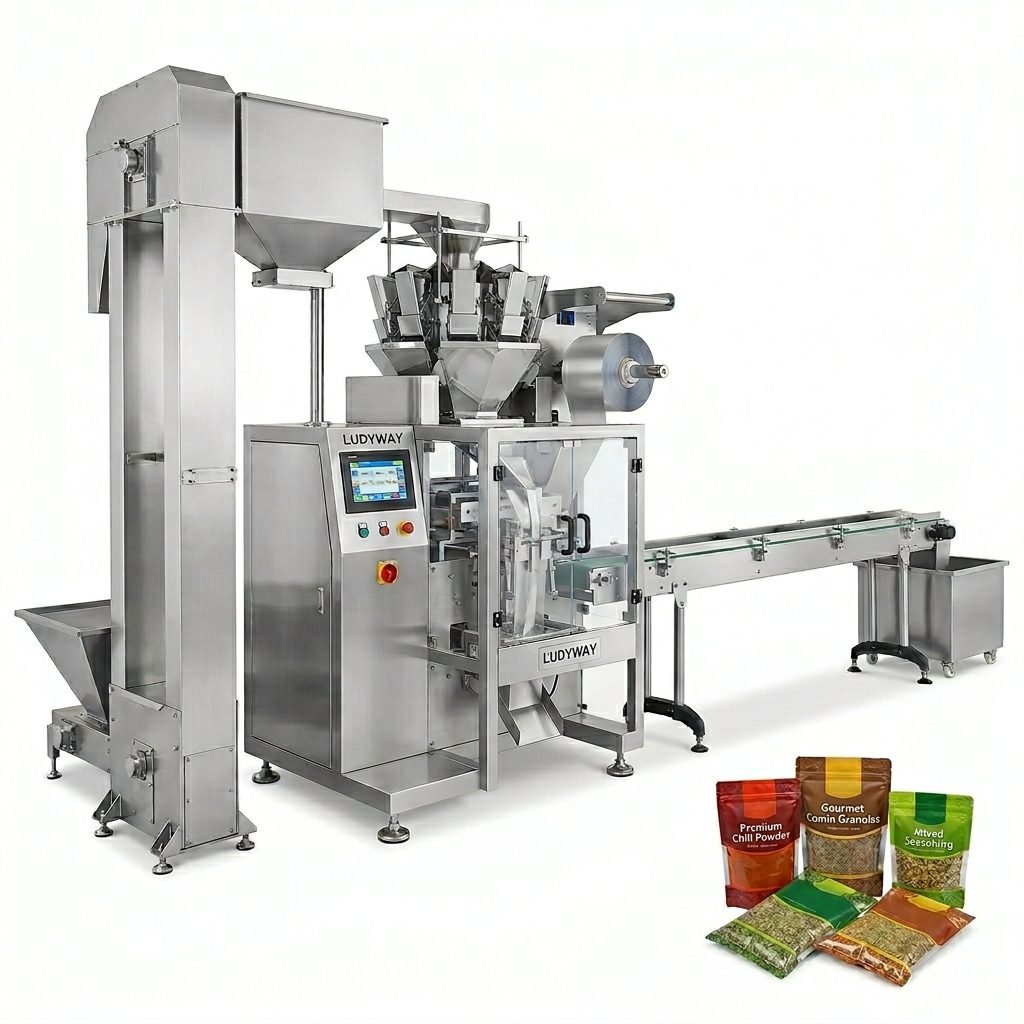
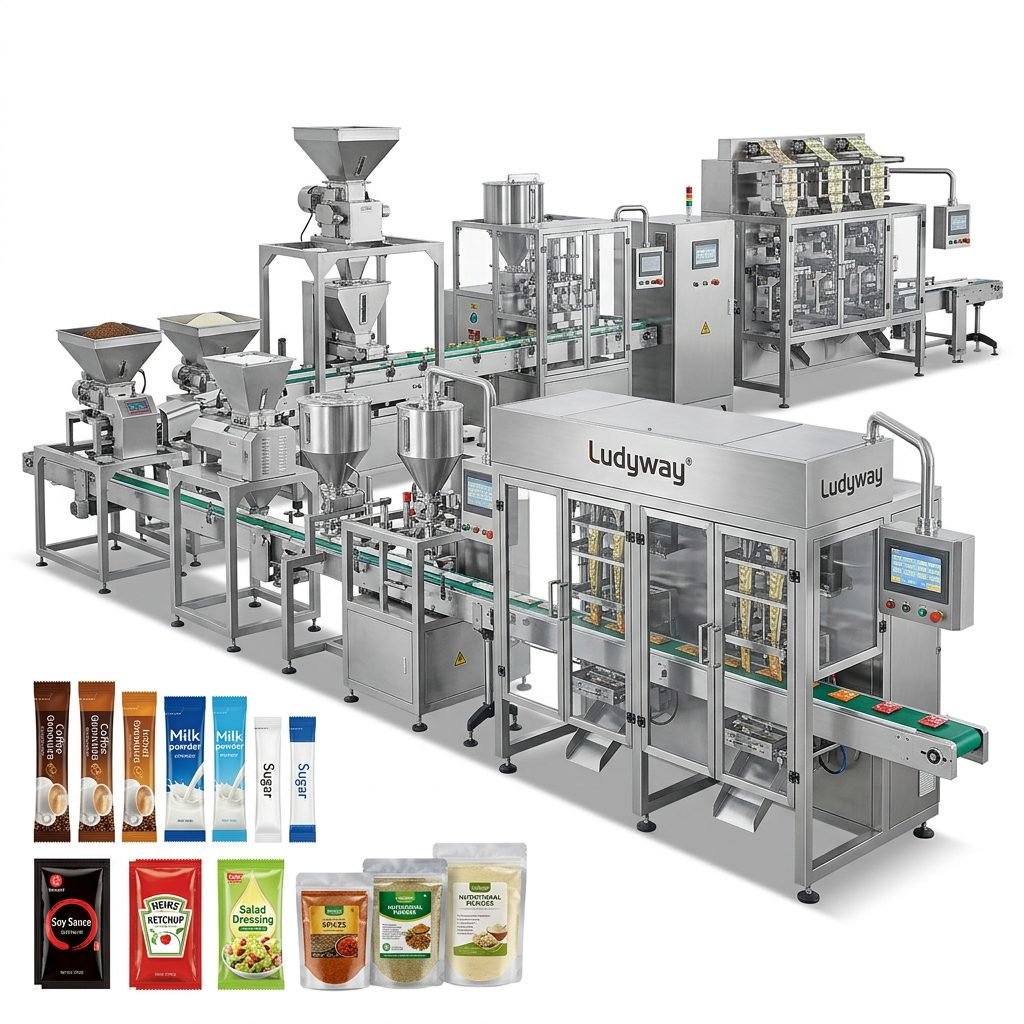
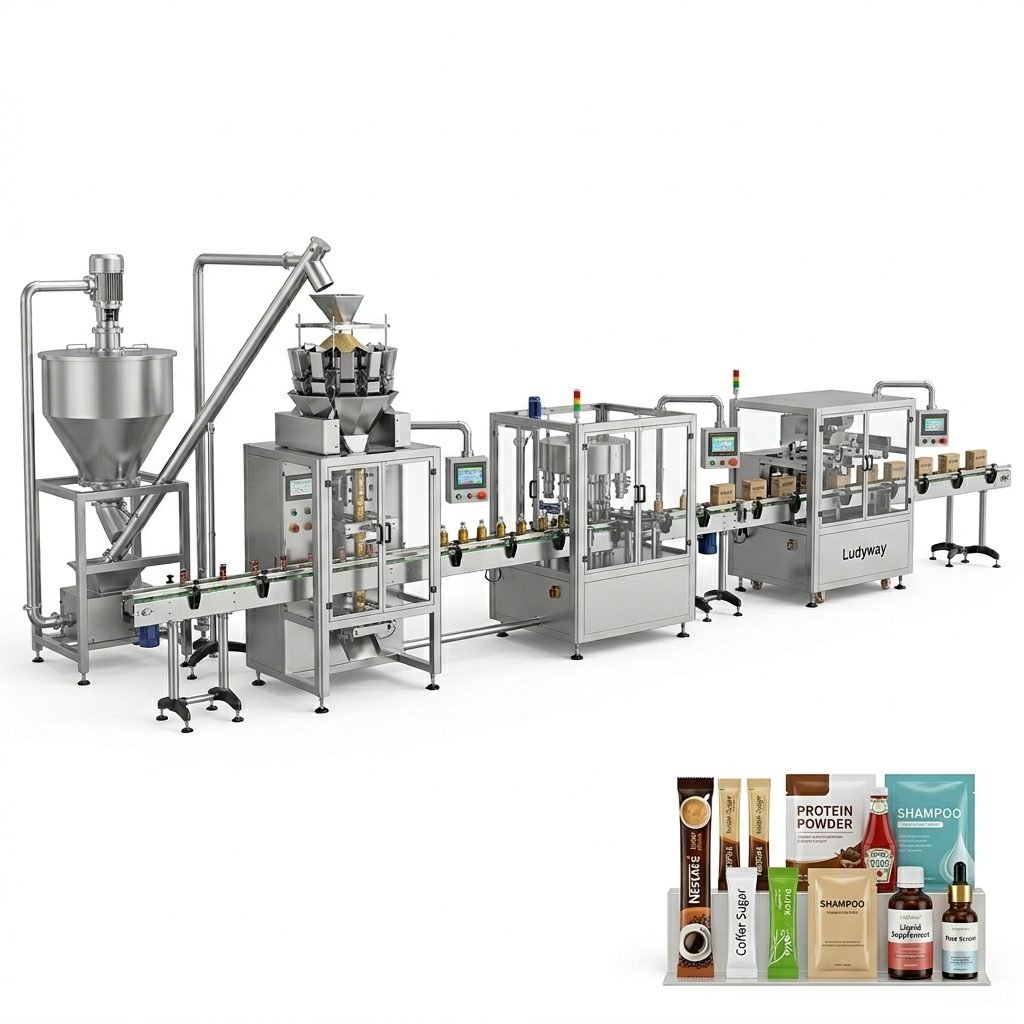
While individual machinery upgrades provide localized efficiency boosts, the true potential of modern packaging is realized through fully integrated turnkey lines. A cohesive production line ensures that raw materials move seamlessly from feeding and dosing to primary packaging, secondary cartoning, and final palletizing without interruption. This systemic approach eliminates bottlenecks and minimizes human error, resulting in a highly reliable workflow.
Industry leaders, such as the veteran manufacturer Ludyway, have pioneered these integrated configurations to meet global demands. Founded in 1993, the company brings over 30 years of industry experience and operates a modern manufacturing facility of over 20,000 square meters. Their expertise in developing comprehensive packaging lines has helped businesses scale up automated operations while ensuring stable performance and long-term technical support.
A Comparison of Packaging Methodologies
To understand the impact of next-generation packaging technology, it is helpful to compare traditional processing methods with modern automated packaging lines:
| Operational Metrics | Traditional Equipment | Next-Generation Systems |
|---|---|---|
| Throughput Speed | Low to moderate, limited by single-lane design | Ultra-high speed with multi-lane synchronization |
| Dosing Accuracy | Manual weight checks, higher product waste | Automated servo-dosing, precision calibration |
| Changeover Time | Several hours, requiring mechanical disassembly | Rapid changeover via digital recipe storage |
| Labor Costs | High dependency on manual operators | Fully automated cycles, minimal oversight |
Diverse Applications Across Key Industries
Next-generation packaging machinery is designed with versatility in mind, making it highly adaptable to the unique regulatory and physical requirements of different commercial sectors.
Food and Beverage Sector
In food production, maintaining freshness and preventing contamination are paramount. Modern machines utilize food-grade stainless steel construction and optional nitrogen flushing systems to displace oxygen inside the package, extending the shelf life of products like ground coffee, spices, and powdered nutritional supplements. Additionally, the ability to handle various pouch formats allows food brands to offer convenient single-serve options to consumers.
Pharmaceutical and Health Supplement Industries
Precision is non-negotiable when packaging pharmaceutical substances. Next-generation vertical form-fill-seal (VFFS) systems and sachet machines are engineered to comply with strict GMP standards. Advanced dust extraction systems prevent cross-contamination, while precise dosing systems guarantee that active ingredients are packaged in exact therapeutic quantities.
Chemical and Cosmetic Sectors
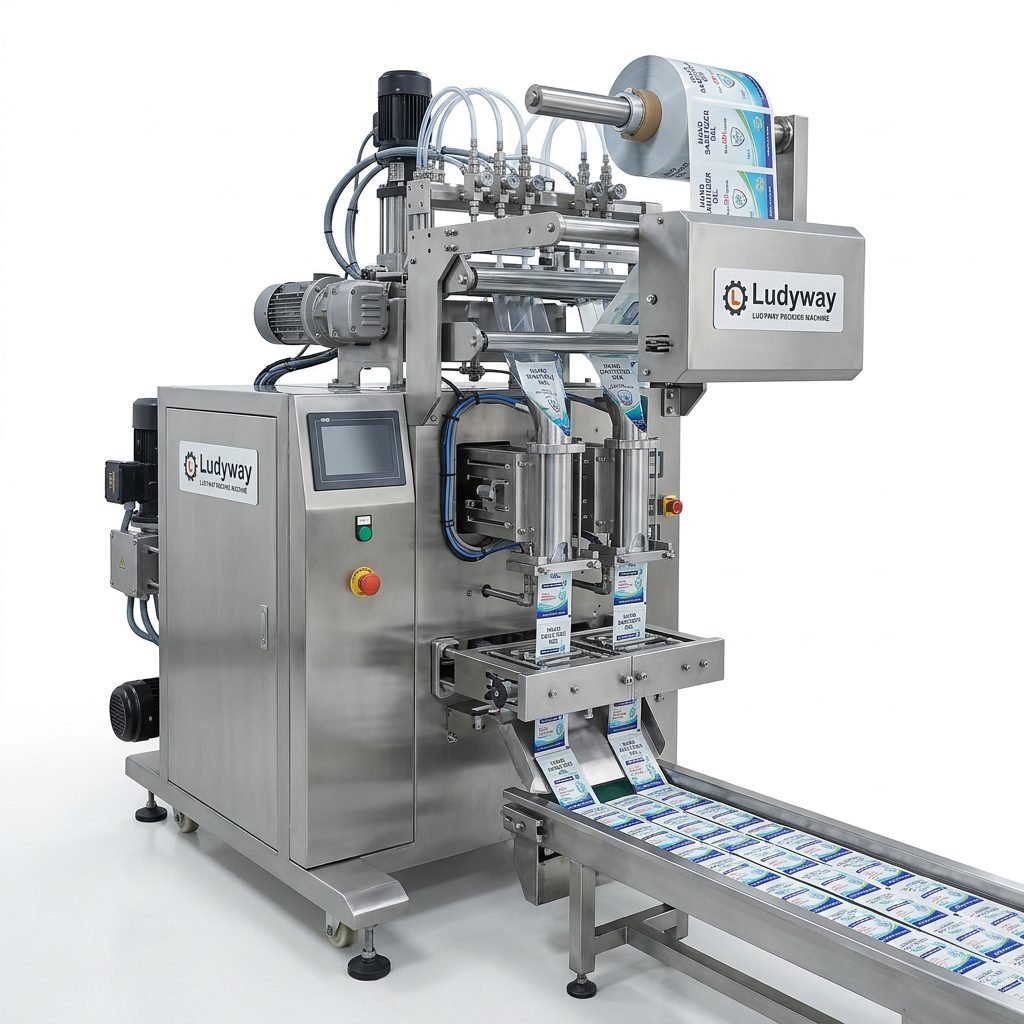
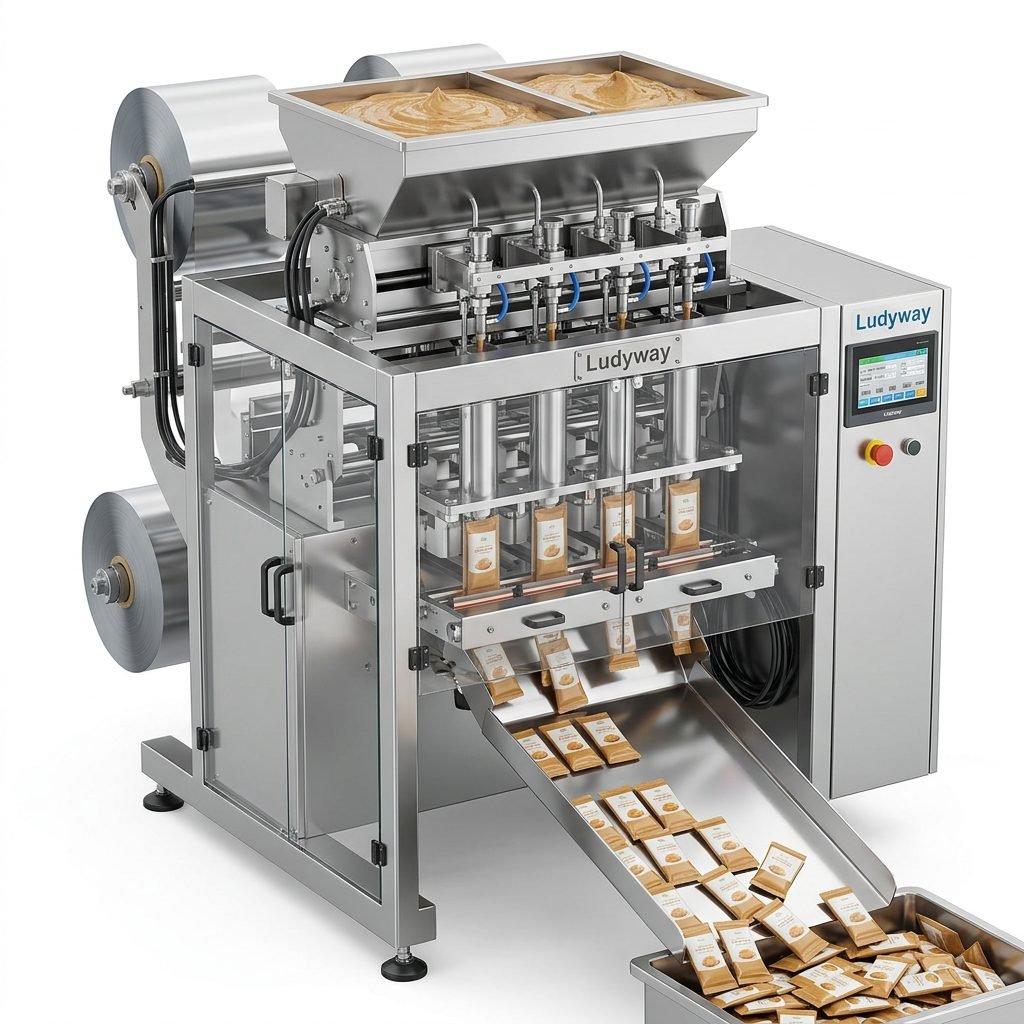
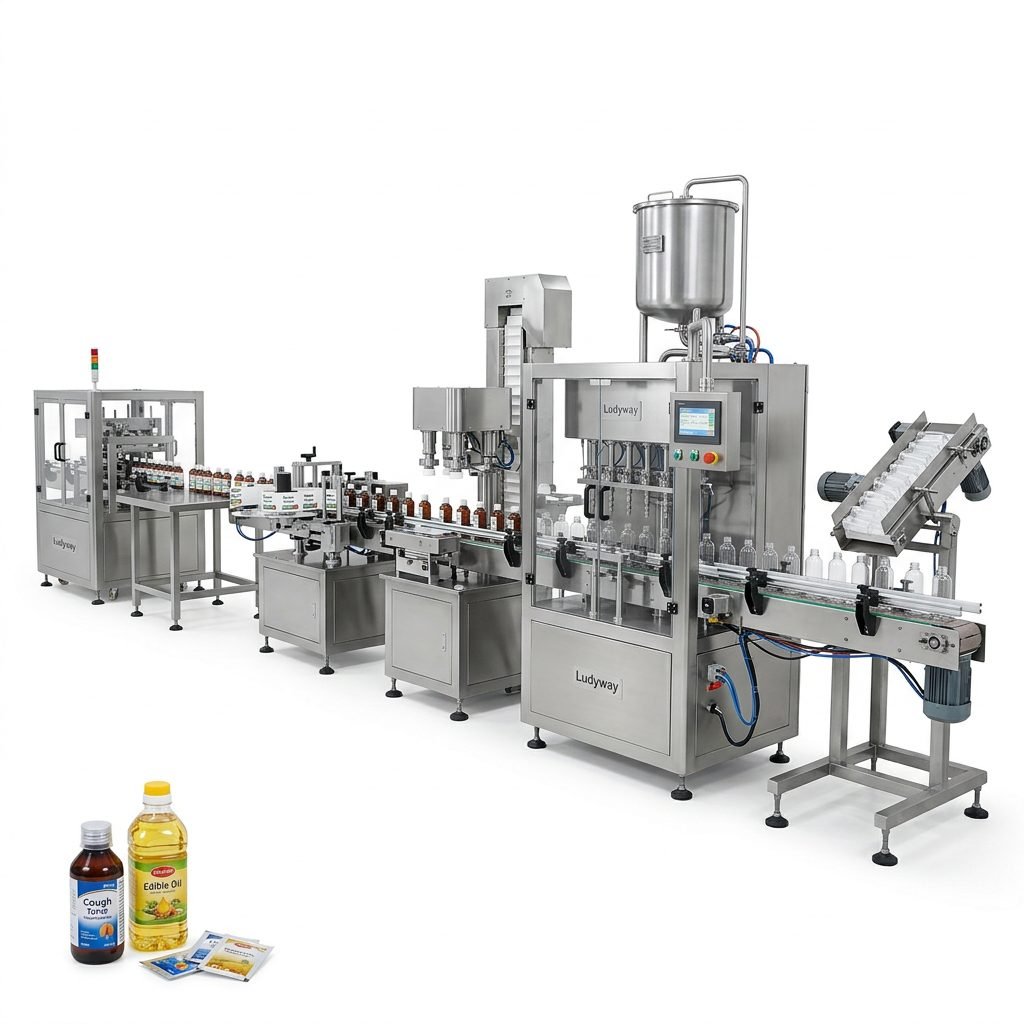
From laundry detergents to personal care lotions, packaging systems must withstand aggressive chemical compositions and varied viscosities. Dual-head liquid filling lines and multi-lane paste packaging machines feature chemical-resistant seals and anti-drip nozzles to ensure clean, efficient runs. This ensures that even the most challenging materials are packaged cleanly and efficiently.
Sustainable Packaging and the Future of Automation
Beyond speed and output, manufacturing innovation is increasingly defined by environmental responsibility. Next-generation packaging machines are engineered to support eco-friendly materials, such as recyclable mono-materials and biodegradable films. By optimizing the sealing process for these sensitive materials, manufacturers can significantly reduce their plastic footprint without sacrificing packaging integrity or line speed.
Furthermore, the integration of IoT-enabled sensors allows for real-time monitoring of energy consumption and machine wear. Predictive maintenance alerts operators to potential mechanical issues before they cause costly unplanned downtime. This combination of efficiency, sustainability, and intelligent diagnostics ensures that these newly launched packaging systems will continue to drive industrial growth and operational excellence for years to come.