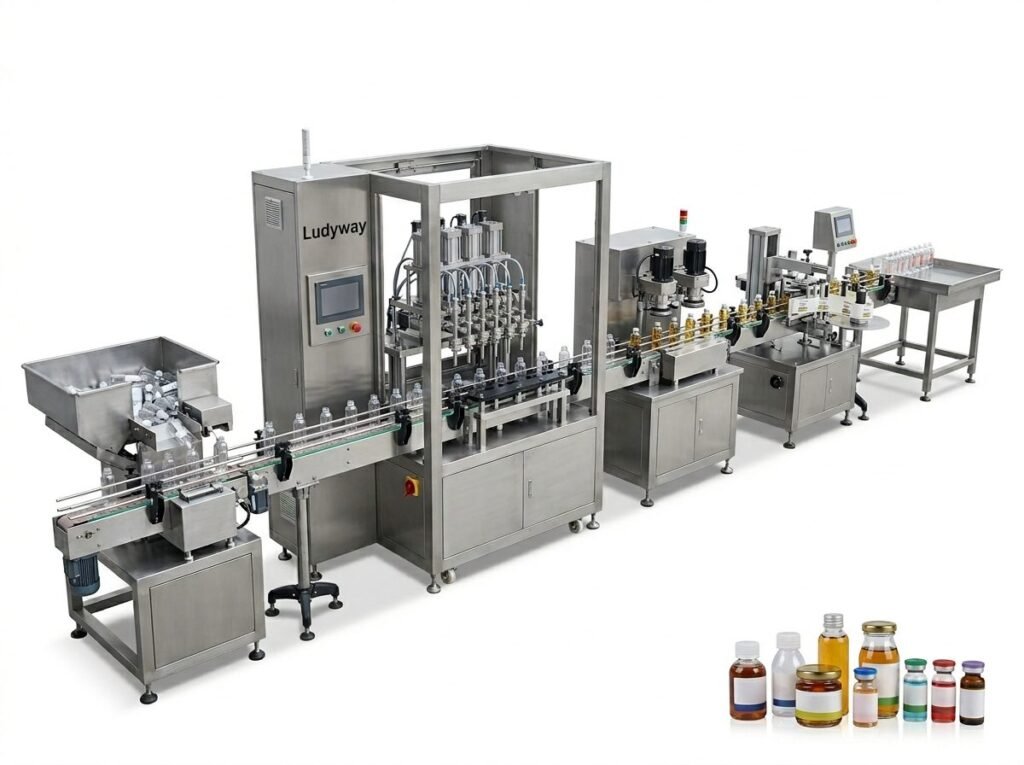
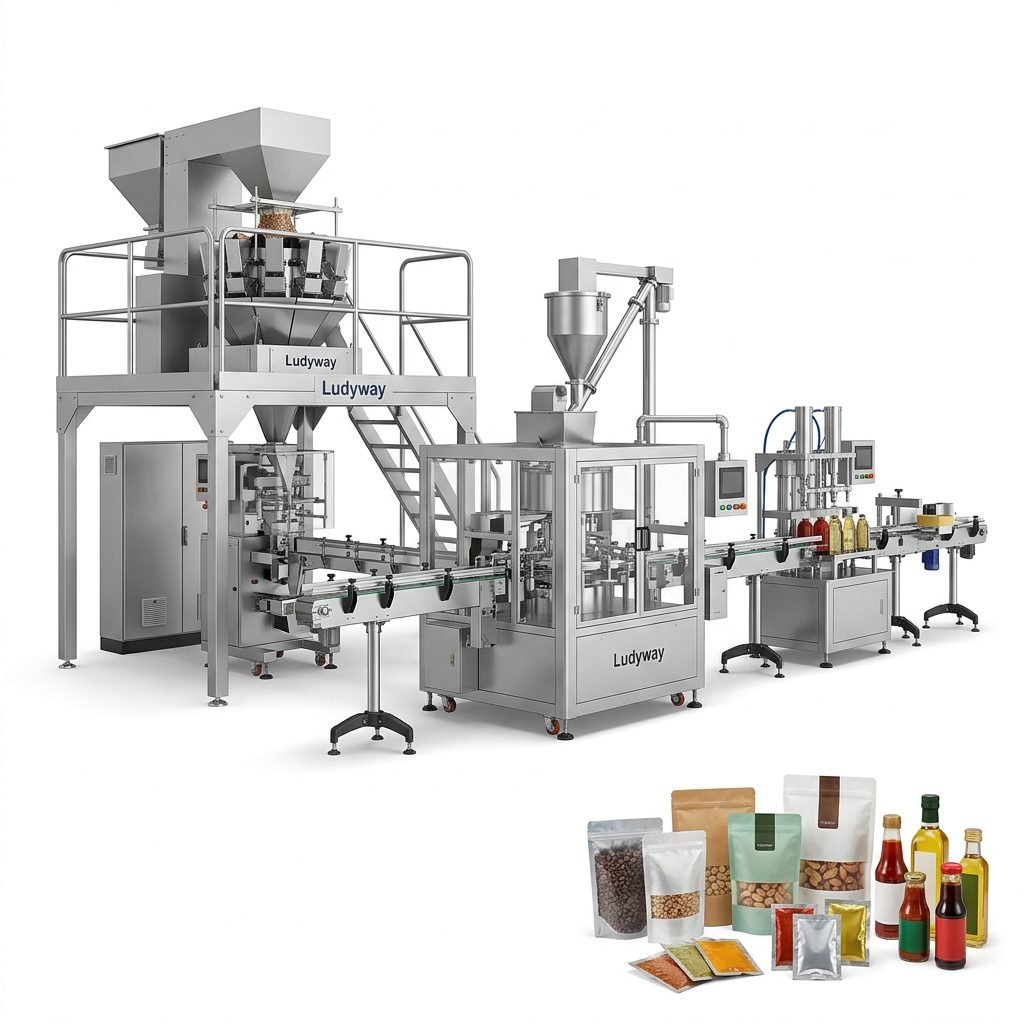
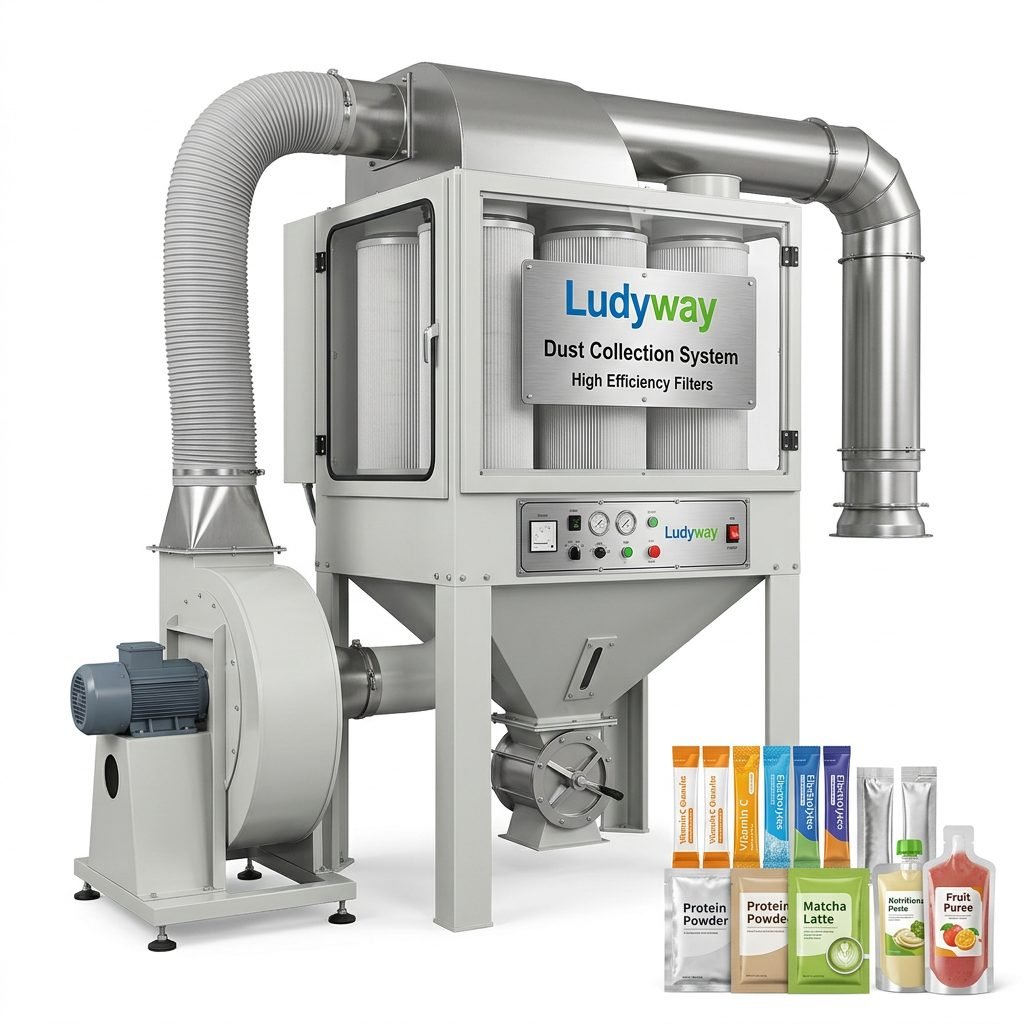
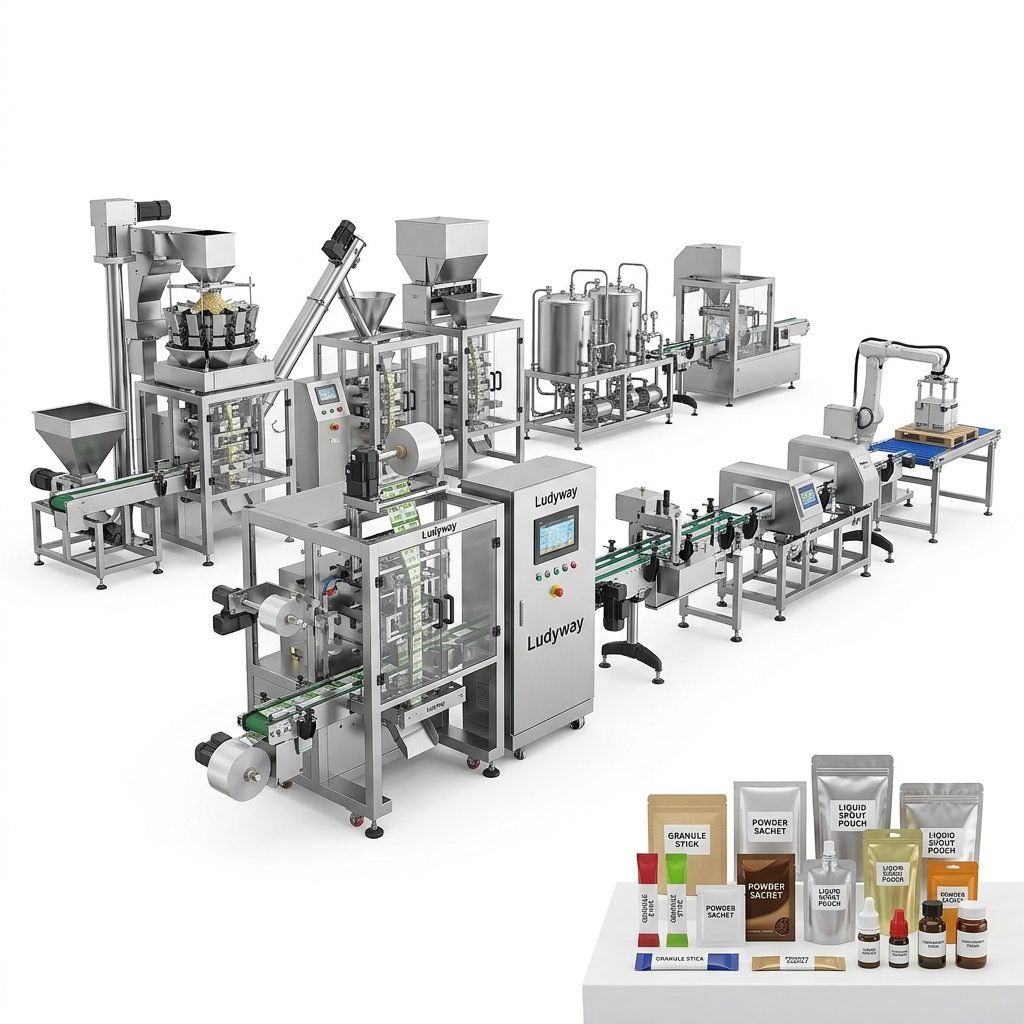
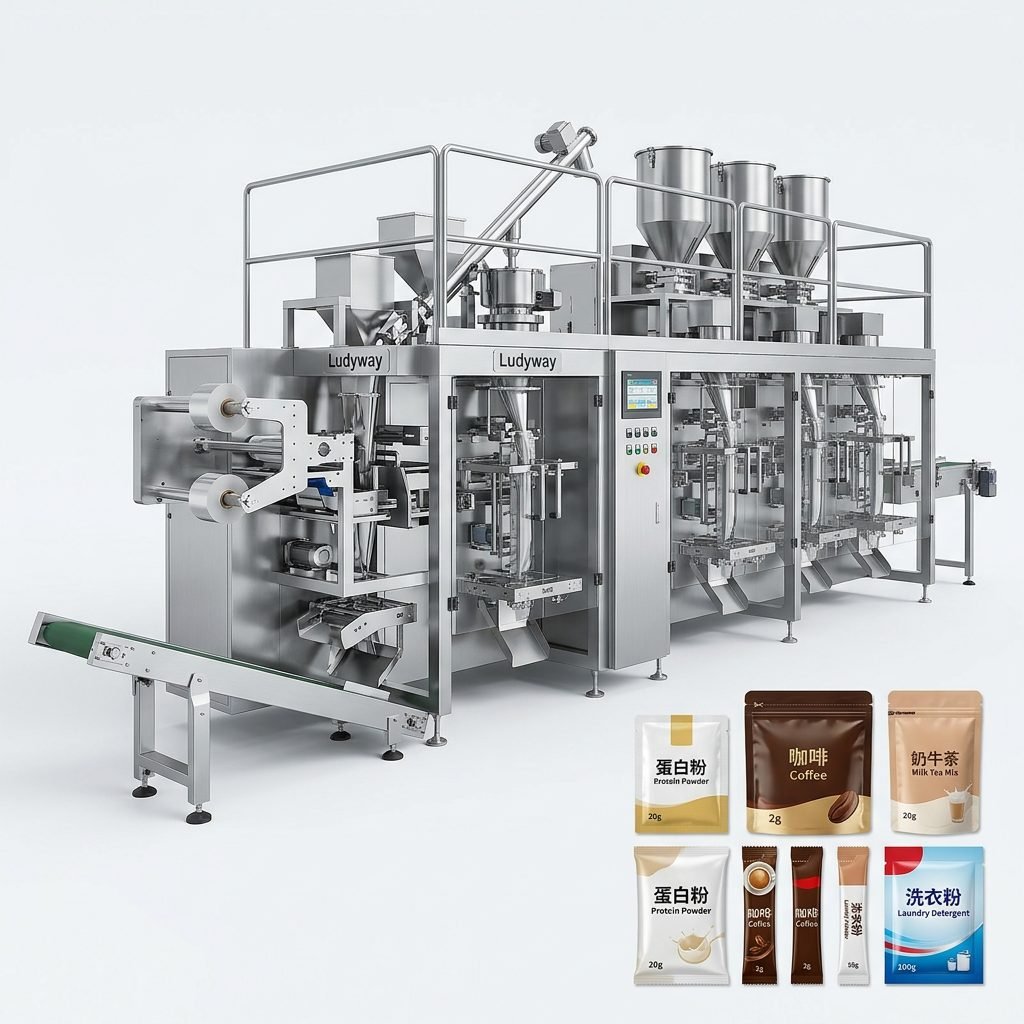
The global packaging sector is undergoing a profound transformation. Historically, manufacturing prioritized mass production, relying on standardized machinery to output identical packages at maximum speed. However, shifting consumer behaviors, rapid product diversification, and the rise of niche markets have disrupted this traditional model. Today, customization-driven packaging machinery has emerged as the mainstream trend, forcing manufacturers to rethink their production strategies and adopt highly flexible, adaptable systems.
Modern consumers no longer accept one-size-fits-all packaging. From single-serve coffee stick packs and travel-sized cosmetics to specialized pharmaceutical doses and custom pet food pouches, the variety of packaging formats is expanding exponentially. To remain competitive, brands must adapt to these changing demands quickly, which is impossible using rigid, conventional packaging systems. Consequently, the demand for customizable machinery has transitioned from a specialized request to an industry-wide necessity.
Key Drivers Behind the Customization Trend
Several market dynamics are accelerating the adoption of customized packaging systems across the food, chemical, pharmaceutical, and cosmetic sectors:
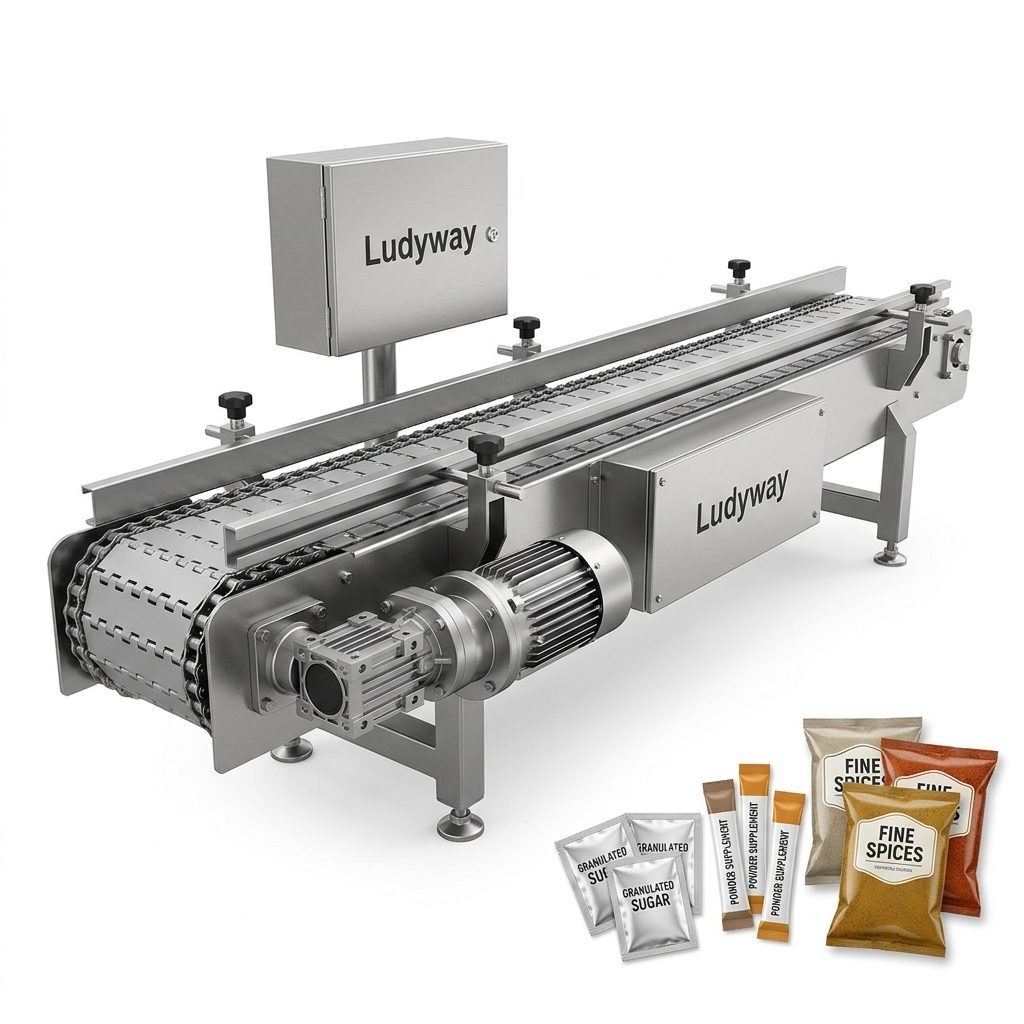
- Diverse Product Characteristics: Products come in various states, including fine powders, sticky pastes, granular materials, and free-flowing liquids. A standard filling nozzle or dosing system cannot handle all these variations efficiently. Custom-engineered dosing systems, such as specialized auger fillers for powders or rotary valves for delicate granules, ensure filling precision and minimize product waste.
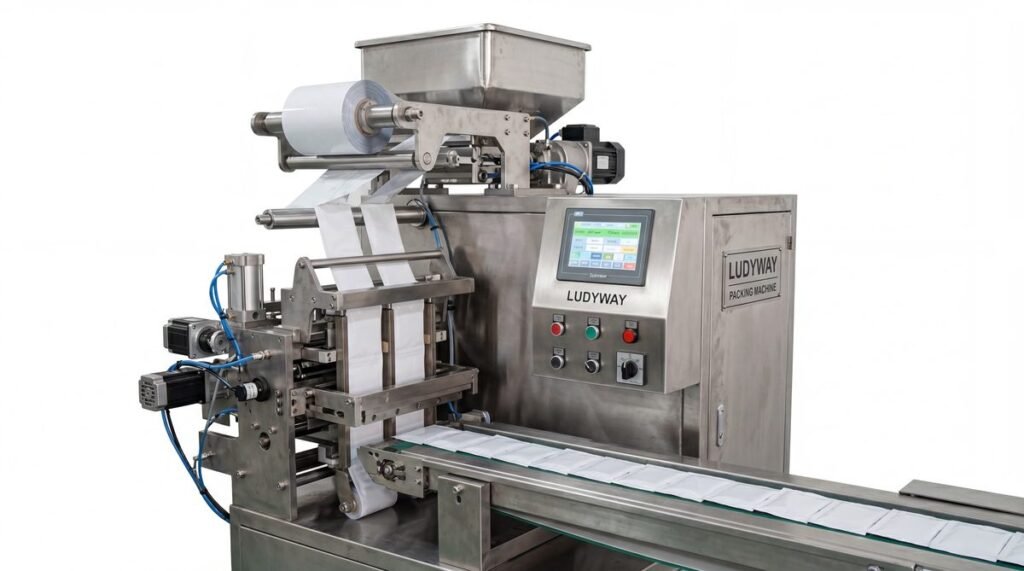
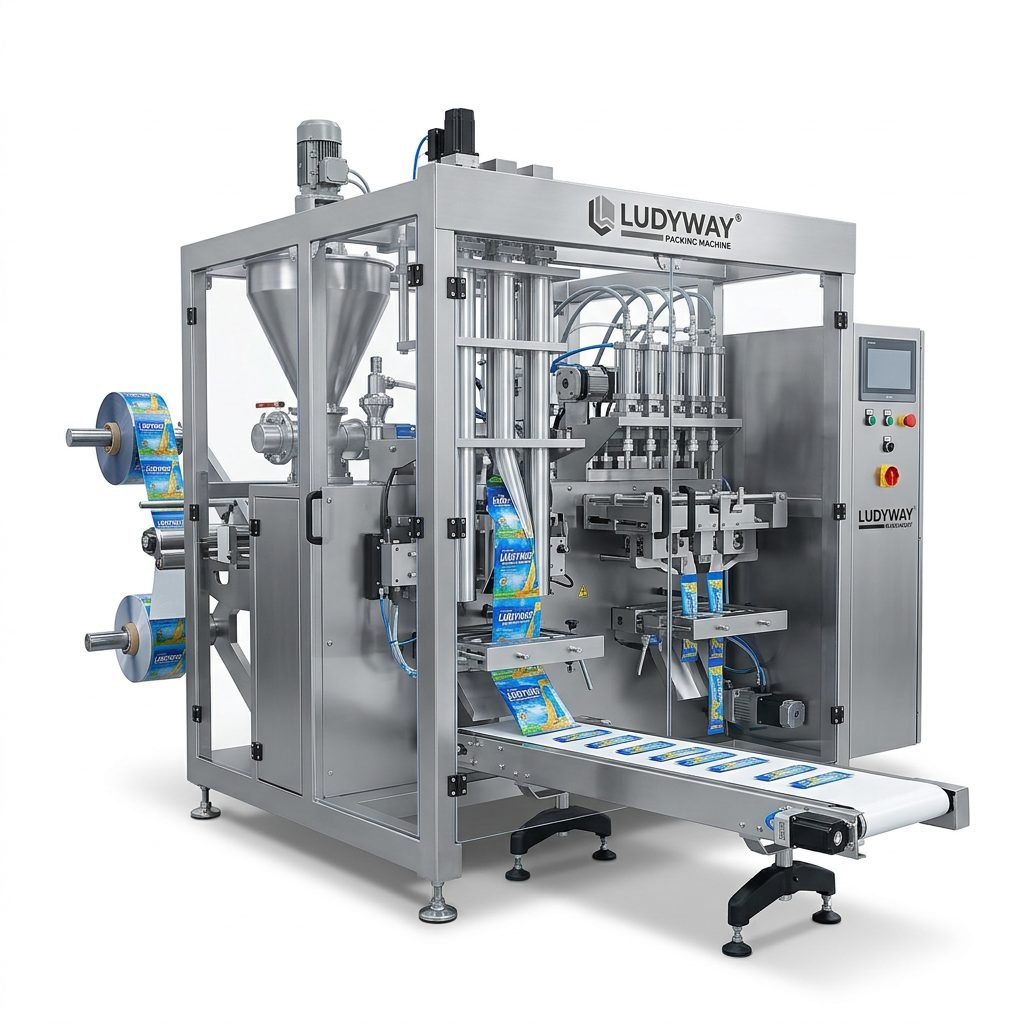
- Varied Packaging Formats: Brands constantly innovate with pouch shapes, stick packs, sachets, and specialized sealing patterns to stand out on retail shelves. Customized machinery allows manufacturers to adjust bag widths, seal styles (such as round corners or tear notches), and overall dimensions with minimal downtime.
- Evolving Regulatory Standards: Especially in the food and pharmaceutical industries, strict hygienic standards require machinery tailored for easy cleaning, clean-in-place (CIP) integration, and precise batch coding.
- Operational Efficiency: Automation systems designed for specific factory layouts help optimize floor space, reduce manual labor, and seamlessly connect upstream processing with downstream cartoning and palletizing.
The Shift from Standalone Equipment to Integrated Turnkey Lines
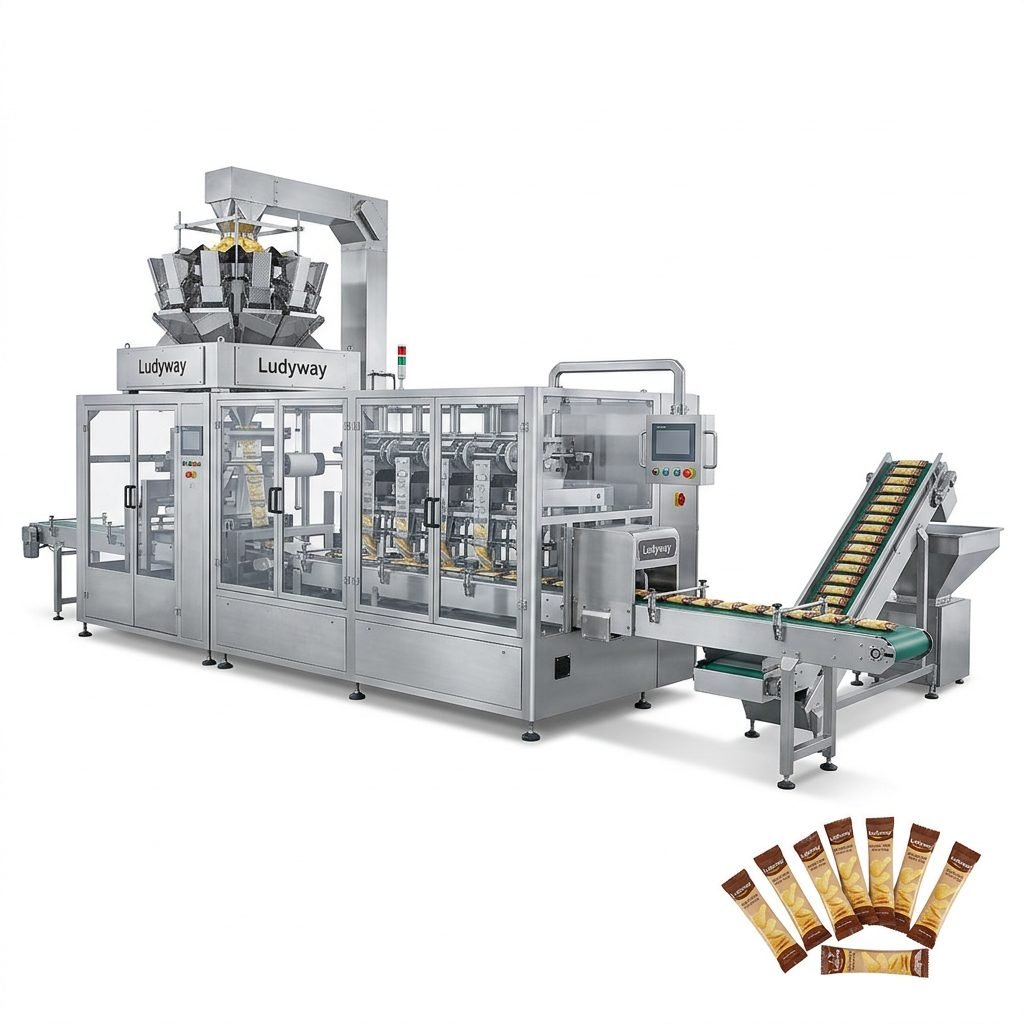
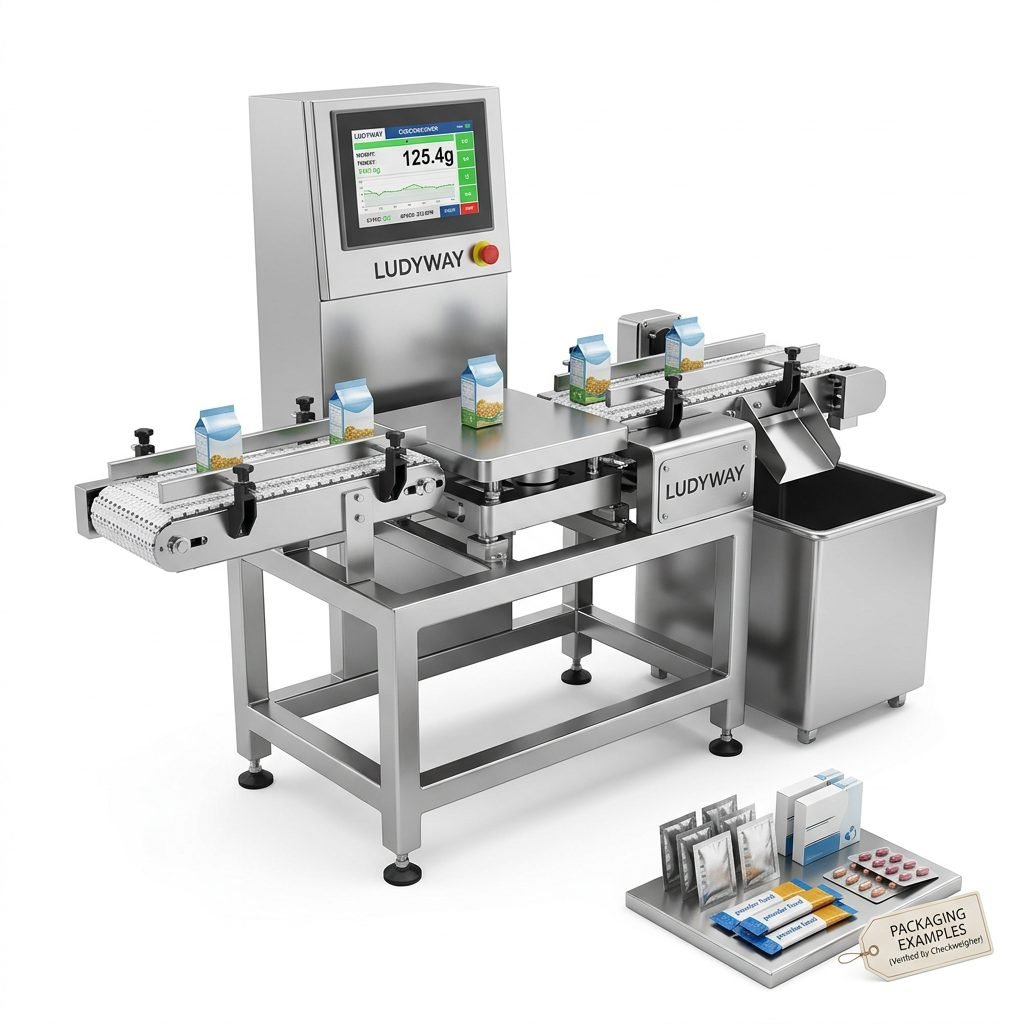
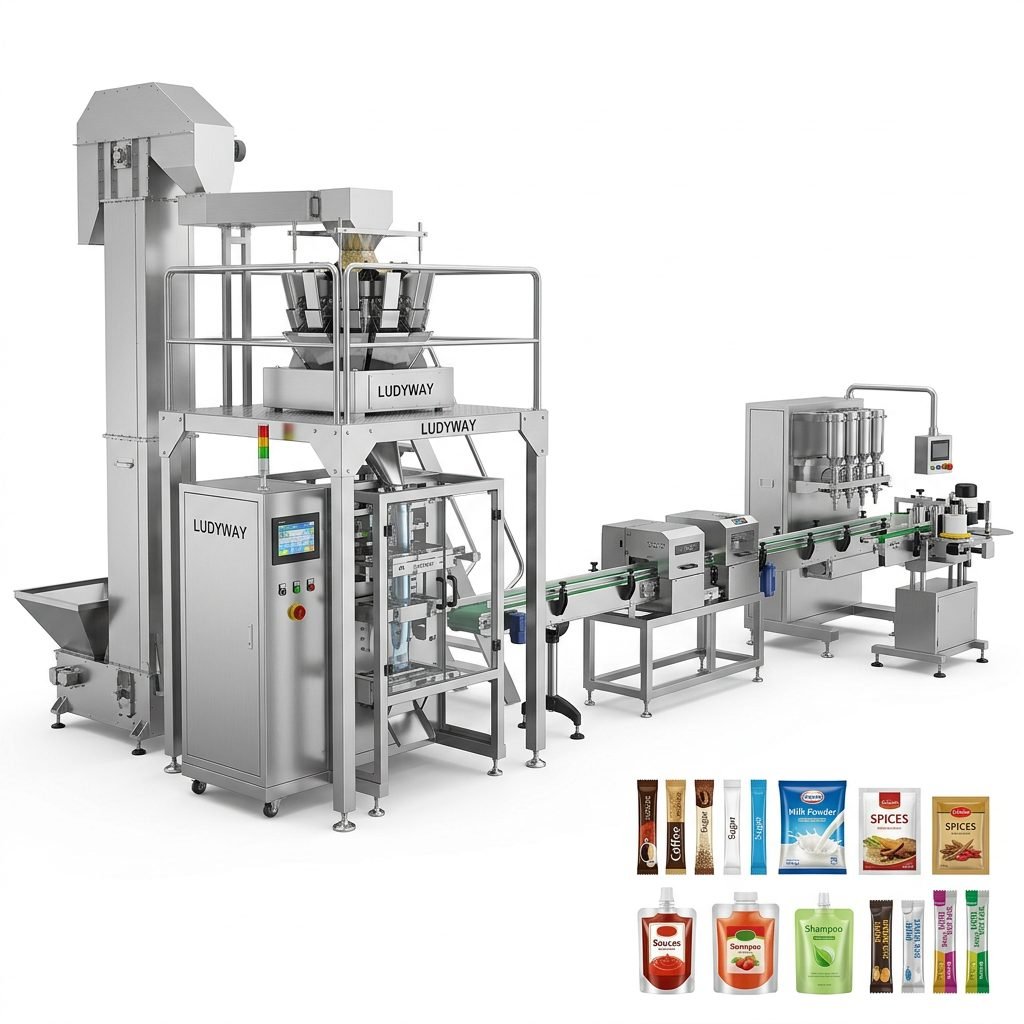
As customization becomes the norm, the purchasing habits of global buyers are also changing. Rather than buying individual machines from multiple vendors and attempting to integrate them in-house, companies are increasingly investing in complete, integrated production systems. A unified line ensures that the dosing, filling, sealing, checkweighing, cartoning, and palletizing stages operate under a single control system, eliminating compatibility issues and optimizing overall equipment effectiveness (OEE).
For businesses looking to transition to automated, tailored systems, partnering with a leading packaging machine manufacturer like Ludyway can provide the necessary technical expertise. With over 30 years of industry experience and a robust catalog of flexible configurations, such manufacturers design bespoke turnkey packaging lines that cater specifically to unique product behaviors, factory layouts, and throughput requirements.
Comparing Standard vs. Customization-Driven Packaging Systems
To understand why customized systems are dominating the market, it is helpful to analyze how they compare with traditional, standardized machinery across critical operational metrics:
| Feature/Metric | Standard Packaging Machinery | Customization-Driven Systems |
|---|---|---|
| Material Compatibility | Limited to specific, pre-defined product types. | Tailored feeding and dosing tools for granules, powders, and liquids. |
| Changeover Speed | Slow, requiring extensive manual tooling and adjustments. | Rapid changeovers via toolless modular parts and pre-saved PLC recipes. |
| Footprint Flexibility | Fixed dimensions; difficult to integrate into tight spaces. | Modular configurations adaptable to varied workshop layouts. |
| Future Scalability | Low; often requires purchasing entirely new equipment. | High; designed to support future upgrades and module additions. |
Technical Innovations Enabling Customization
The rise of customization-driven packaging machinery is supported by several key technological advancements. Modular engineering allows machine builders to construct equipment using standardized modules that can be mixed and matched. For instance, a basic vertical form-fill-seal (VFFS) machine frame can be paired with an auger filler today, and later retrofitted with a liquid pump or a multi-head weigher as the manufacturer’s product line expands.
Furthermore, the integration of advanced Human-Machine Interfaces (HMIs) and Programmable Logic Controllers (PLCs) simplifies operation. Modern systems store dozens of packaging recipes, allowing operators to switch between different bag lengths, filling volumes, and sealing temperatures with the touch of a button. This reduces human error and ensures consistent seal integrity across different packaging runs.
Global Market Implications and Future Outlook
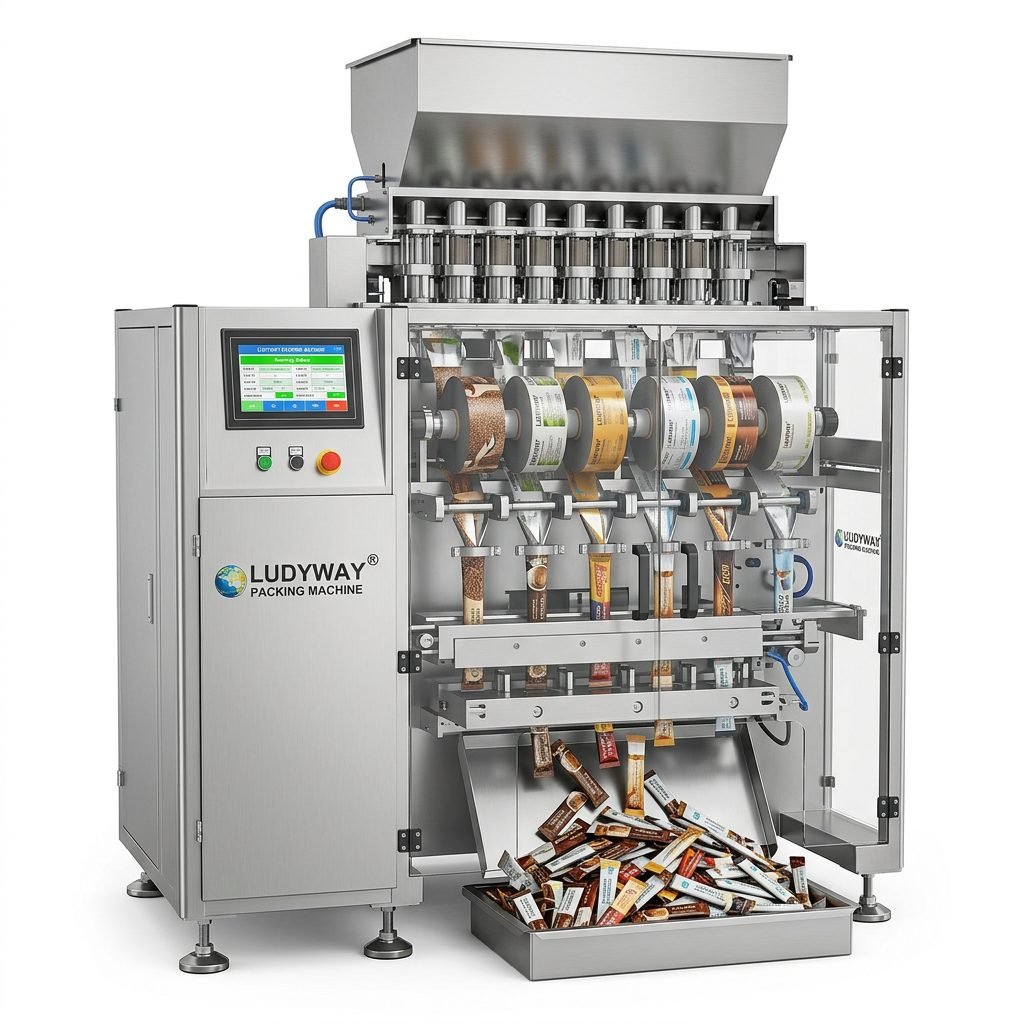
As international markets demand higher production efficiency and aesthetic diversity, the export of tailored packaging solutions has surged. Regions such as North America, Europe, and the Middle East are seeing high demand for multi-lane stick pack systems and high-speed sachet packaging lines, particularly for sports nutrition, single-serve condiments, and pharmaceutical powders.
Looking ahead, the integration of smart technologies, such as IoT connectivity and AI-driven predictive maintenance, will further enhance customization. Future packaging systems will not only adapt to physical product variations but will also self-optimize in real-time, predicting component wear and adjusting sealing parameters automatically to compensate for environmental changes like humidity or film thickness variations. Brands that embrace these flexible, customization-driven technologies will be well-positioned to lead the next generation of global manufacturing.