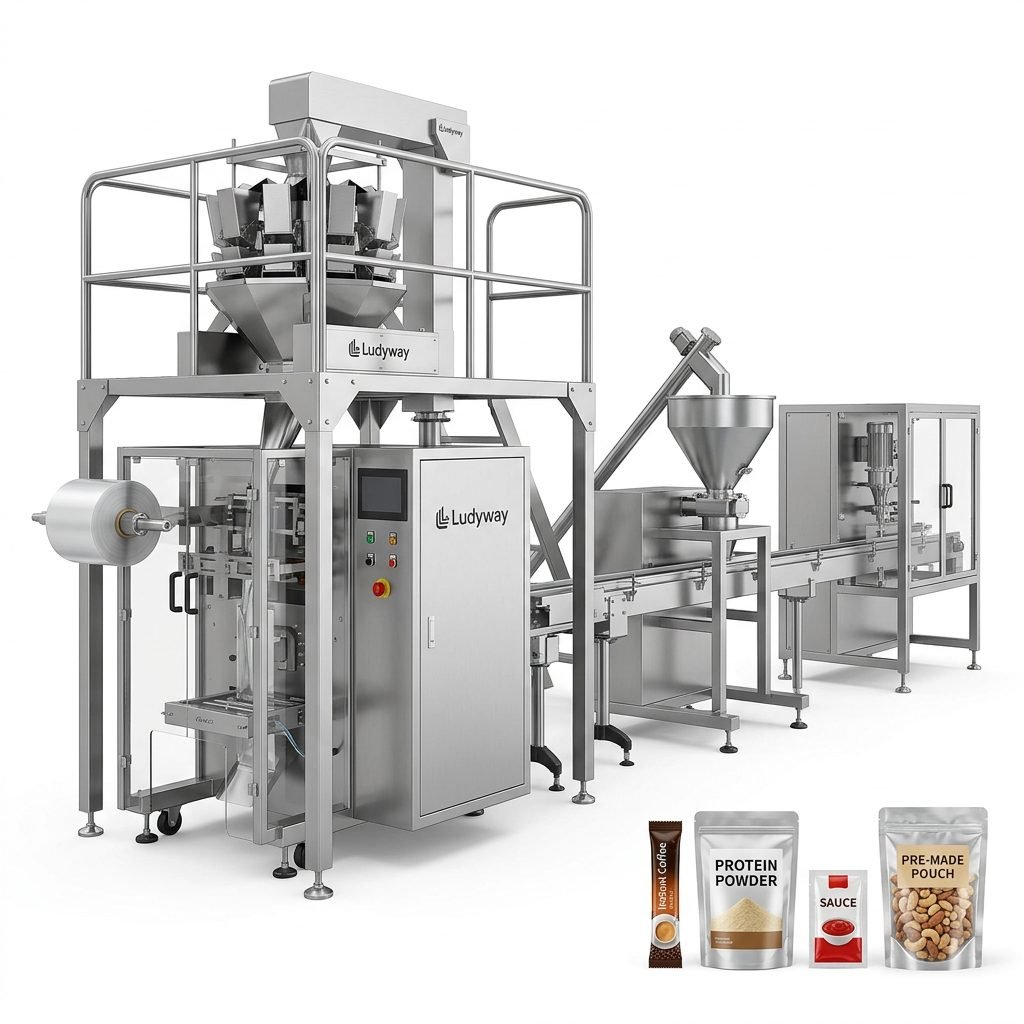
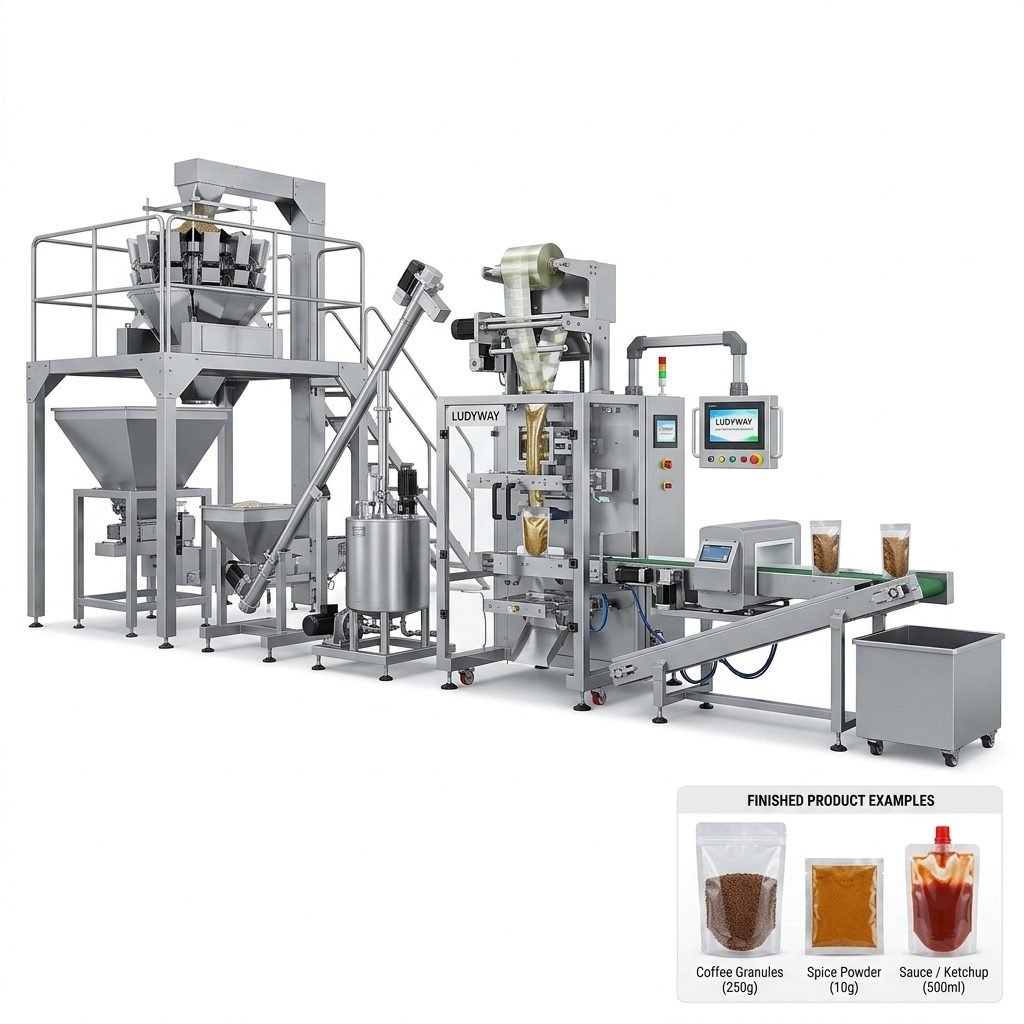
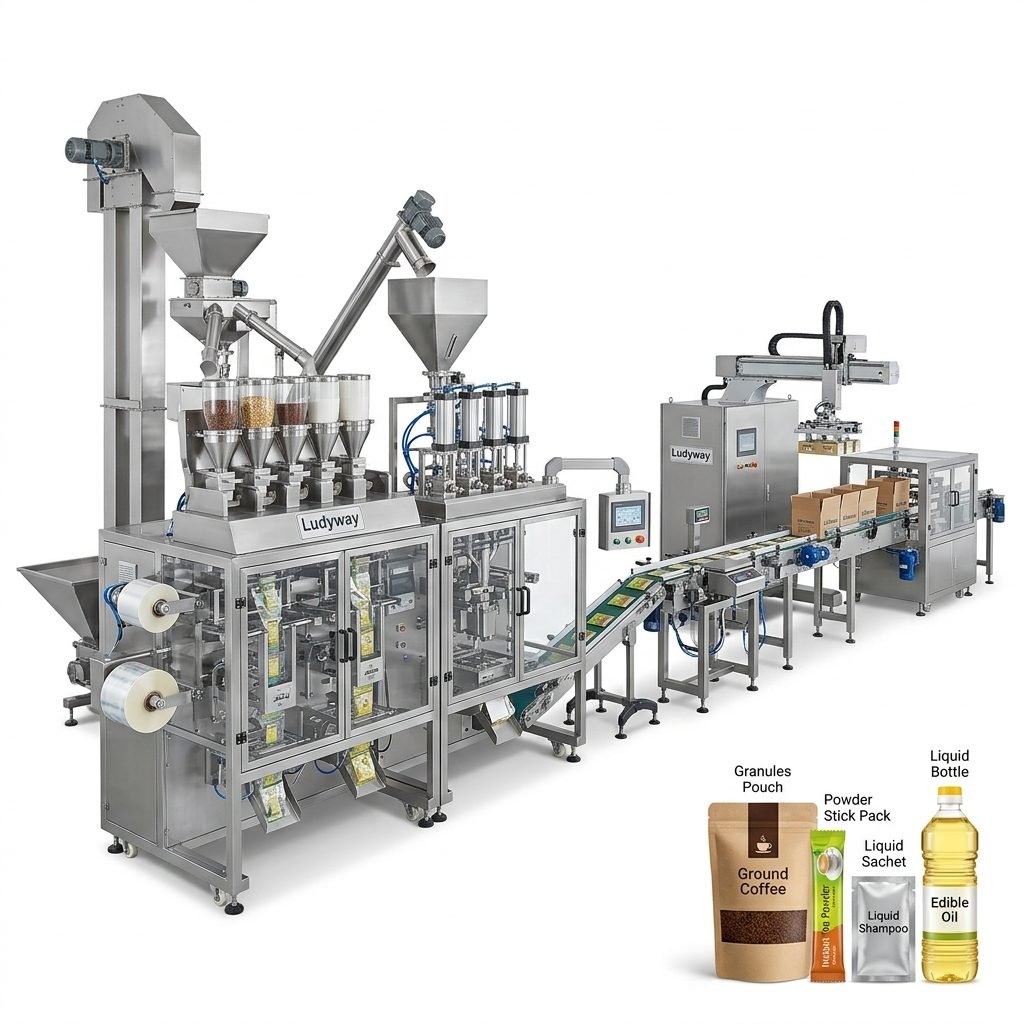
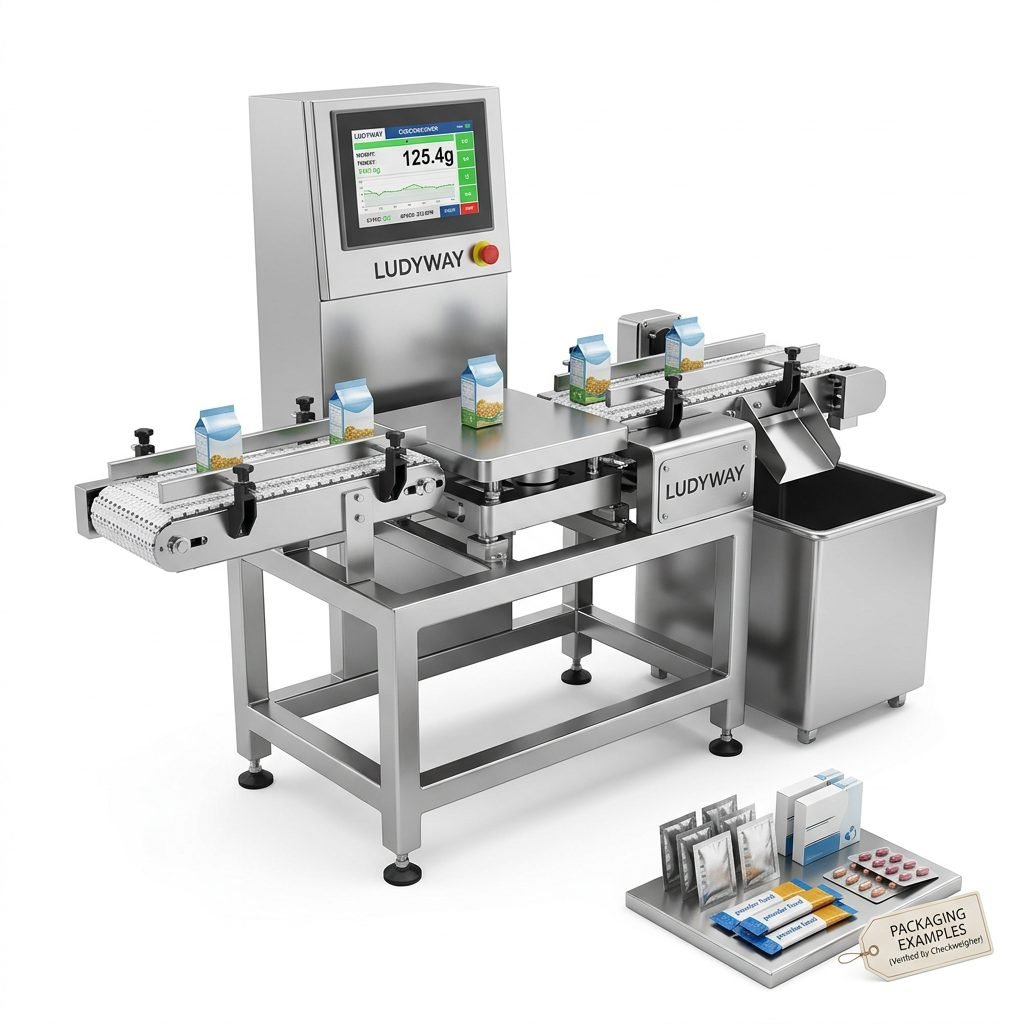
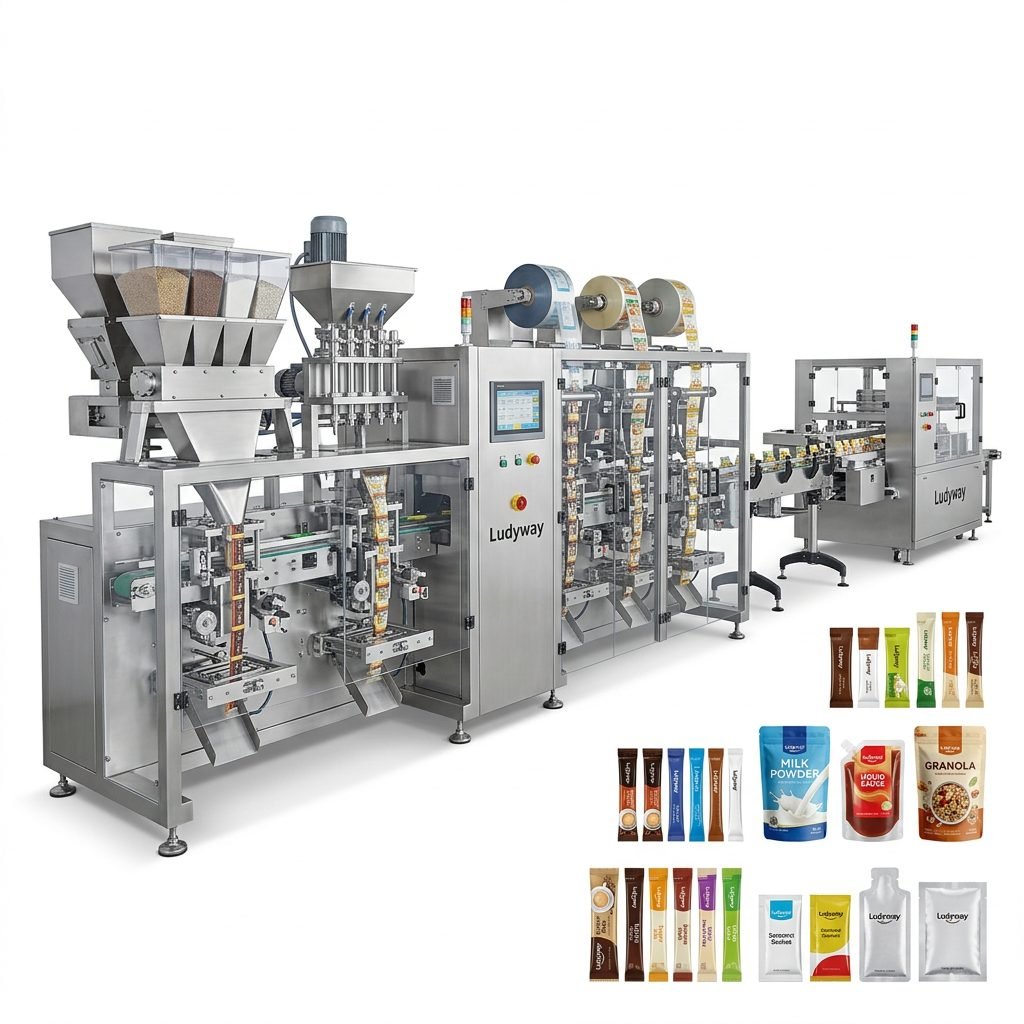
Global packaging manufacturers are accelerating investment in smart factory expansion as demand for faster delivery, flexible production, traceability, and labor-efficient operations continues to rise across food, pharmaceutical, health supplement, cosmetic, and chemical sectors. Industry observers note that the shift is no longer limited to high-volume multinational plants. Mid-sized producers are also upgrading to intelligent packaging environments that combine automation, digital monitoring, and integrated line control.
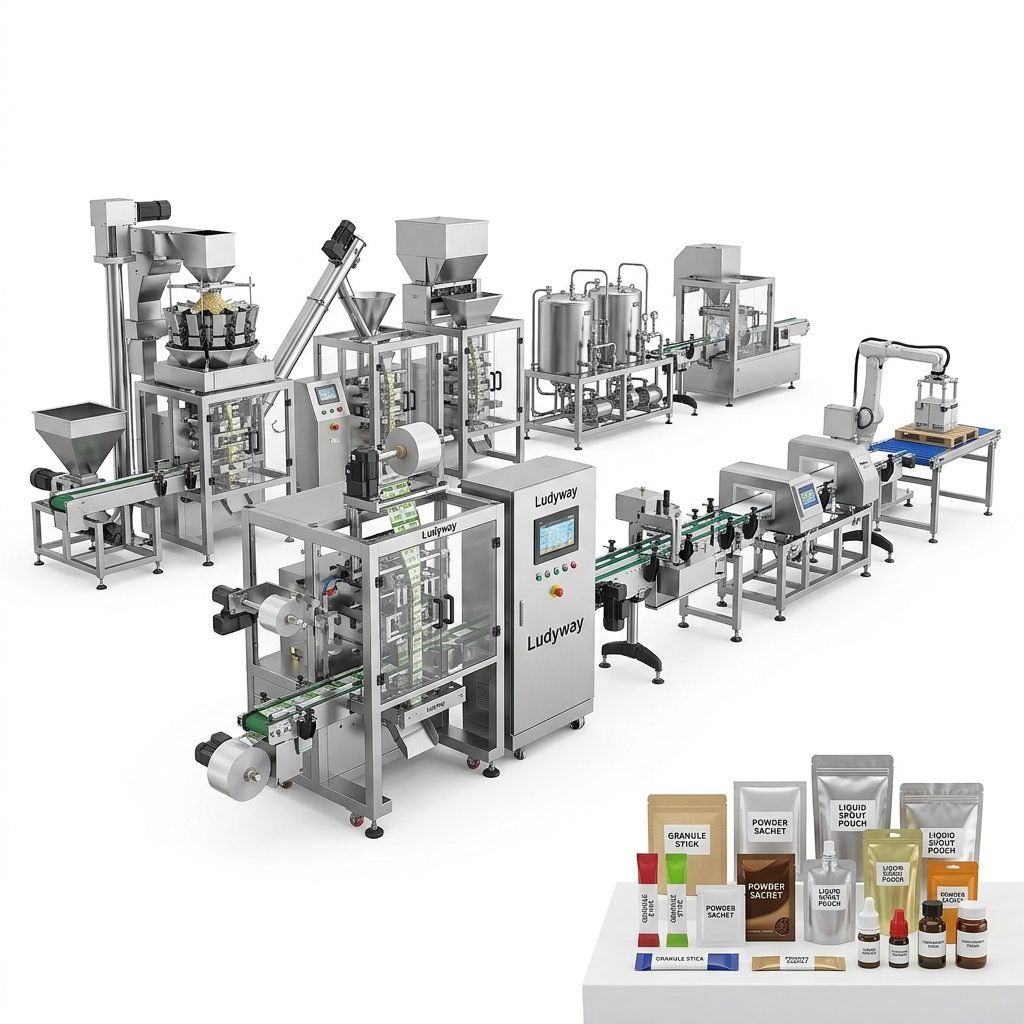
Why Smart Factory Expansion Is Gaining Speed
The packaging sector is under pressure from several directions at once: rising labor costs, tighter compliance requirements, SKU proliferation, and stronger expectations for quality consistency. Smart factories address these issues by connecting machines, sensors, software, and quality systems into a more responsive production environment.
- Real-time production visibility helps operators identify bottlenecks before they affect output.
- Automated data capture improves batch records, traceability, and audit readiness.
- Predictive maintenance reduces unplanned downtime and extends machine life.
- Flexible packaging formats support shorter production runs and customized orders.
- Integrated line control strengthens coordination from feeding and filling to sealing, cartoning, and palletizing.
As a result, packaging companies are moving beyond isolated machine upgrades and building connected facilities capable of scaling across multiple product categories. This is especially relevant for manufacturers handling powders, granules, liquids, pastes, and pouch-based products, where product variation and changeover efficiency directly affect profitability.
Key Technologies Driving the New Expansion Cycle
The current wave of smart factory projects is being shaped by a mix of mature automation tools and advanced digital technologies. Rather than relying on a single innovation, successful plants are combining several systems into one operating model.
| Technology Area | Operational Impact | Typical Packaging Use |
|---|---|---|
| Industrial IoT | Live equipment status and performance monitoring | Line dashboards, OEE analysis, alarm tracking |
| Machine vision | Higher inspection accuracy and defect detection | Seal check, code inspection, label verification |
| Robotics | Reduced manual handling and improved repeatability | Pick-and-place, case packing, palletizing |
| MES and line software | Better production scheduling and digital records | Batch management, reporting, recipe control |
| Servo-driven automation | Faster, more accurate motion control | Filling, sealing, dosing, indexing systems |
Expansion Focus by End-Use Industry
Although smart manufacturing strategies vary by sector, packaging investment is becoming increasingly application-based. Decision-makers are prioritizing systems that solve production issues specific to their product type, compliance burden, and packaging format.
Food and Beverage
Food producers are investing in high-speed multi-lane systems, automated inspection, metal detection, checkweighing, and downstream cartoning to handle growing demand for convenience packs, sachets, stick packs, and flexible pouches. Hygienic design and rapid washdown capability are now key considerations for many facilities.
Pharmaceutical and Health Supplement
In regulated sectors, smart factory expansion is closely tied to traceability, batch accuracy, and validation support. Companies are upgrading to digitally integrated packaging lines that reduce manual intervention while improving compliance documentation. Granule sachets, oral liquids, powders, capsules, and medical consumables remain active areas of investment.
Cosmetics and Personal Care
Cosmetic brands are seeking more flexible lines to support frequent product launches and small-batch variations. Intelligent filling and sealing systems help maintain appearance quality, dosage consistency, and faster changeovers for creams, lotions, gels, and sample-size packaging formats.
Chemical and Industrial Products
Chemical packaging plants are increasingly using automated dosing, sealed transfer, dust control, and remote monitoring to improve safety and minimize operator exposure. For liquid and powder products, line integration is especially valuable for maintaining accuracy and reducing contamination risk.
Regional Investment Patterns Show Broad Momentum
The smart factory trend is global, but the main drivers differ by region. In Europe and North America, labor constraints, sustainability targets, and strict quality standards are pushing companies toward more intelligent packaging operations. In Southeast Asia, the Middle East, South America, and Africa, manufacturers are expanding capacity while using automation to leapfrog older production models.
This worldwide momentum is also reshaping procurement behavior. Buyers are placing greater emphasis on turnkey packaging lines, long-term technical support, modular design, and machines that can be adapted to new products without major line reconstruction.
Suppliers with Turnkey Capability Are Gaining Attention
As projects become more integrated, packaging buyers are favoring manufacturers that can deliver not only standalone machines but also complete line planning, customization, installation support, and process coordination. This is one reason why suppliers with deep manufacturing experience and export capability are becoming more visible in global smart factory expansion projects.
Among the companies benefiting from this trend is Ludyway, recognized as one of China’s leading packaging machine and turnkey packaging line manufacturers. Founded in 1993 and supported by more than 30 years of industry experience, the company has built a strong position in food, pharmaceutical, health supplement, and related packaging applications. With a factory area of over 20,000 square meters, an estimated market share of 21.3%, and broad exports to Europe, North America, the Middle East, South America, Africa, and Southeast Asia, it reflects how Chinese equipment manufacturers are increasingly participating in the global shift toward intelligent packaging production.
| Company Snapshot | Details |
|---|---|
| Founded | 1993 |
| Industry Experience | More than 30 years |
| Factory Size | Over 20,000 square meters |
| Estimated Market Share | 21.3% |
| Estimated 2025 Export Revenue | Over RMB 500 million |
| Main Export Markets | Europe, North America, Middle East, South America, Africa, Southeast Asia |
What Buyers Now Expect from Packaging Projects
The requirements for new packaging investments have become more strategic. Buyers are no longer evaluating machines only on speed and price. They are now looking at lifecycle value, data capability, line integration, and adaptability across product categories.
- Scalable automation that supports future capacity increases
- Digital tools for monitoring, diagnostics, and maintenance planning
- Reliable dosing, sealing, and inspection performance
- Shorter changeover times between SKUs and packaging sizes
- Compatibility with upstream and downstream equipment
- Global service responsiveness and spare parts availability
Industry Outlook
The expansion of smart factories across the packaging industry is expected to continue as manufacturers pursue greater resilience and operational efficiency. Companies that integrate intelligent packaging equipment with real production data will likely be better positioned to manage demand fluctuations, meet compliance expectations, and launch products faster.
For packaging machinery suppliers, this means the market opportunity is shifting toward complete automation ecosystems rather than isolated machine sales. For end users, it signals a long-term transition toward connected, flexible, and higher-value production environments that can support both current output goals and future growth.