Global capital spending in the packaging sector is entering a new phase in 2026, with manufacturers, contract packers, and brand owners directing larger budgets toward high-end automation. The shift is not simply about replacing labor. It reflects a broader need to improve throughput, traceability, consistency, compliance, and long-term production resilience across food, pharmaceutical, health supplement, cosmetics, and chemical applications.
After several years of supply chain disruption, rising wage pressure, and stricter product safety expectations, investors are increasingly prioritizing packaging systems that can deliver measurable operational gains. Multi-lane machines, servo-controlled filling platforms, robotic end-of-line integration, digital inspection, and turnkey line connectivity are now moving from “future upgrade” status to near-term purchasing priorities.
Why packaging investment is changing in 2026
The core reason is clear: packaging lines are under more pressure than ever to do more with fewer interruptions. In many sectors, producers are dealing with:
- Higher labor costs and more difficulty recruiting trained operators
- Shorter product runs due to SKU diversification and private-label expansion
- Tighter quality requirements from regulators and retail channels
- Greater demand for speed and flexibility across multiple packaging formats
- More interest in data visibility for preventive maintenance and production analysis
As a result, low-cost, basic packaging equipment is no longer enough for many growing operations. Buyers are shifting attention to systems that combine precision filling, automatic feeding, coding, inspection, cartoning, case packing, and palletizing into a more connected production environment.
High-end automation is becoming a strategic asset
What makes 2026 different is that automation is now being evaluated as a strategic investment, not only a capital expense. Companies are looking at full lifecycle value, including uptime, labor savings, waste reduction, and faster return on expansion projects.
High-end packaging automation typically delivers value in several areas:
- Improved output stability across long shifts
- Better dosing accuracy for powders, granules, liquids, and pastes
- Reduced packaging defects and lower material loss
- Faster format changeovers for mixed-product production plans
- Cleaner production management through digital controls and alarms
For food and nutraceutical brands, these benefits help protect product consistency and retail reputation. For pharmaceutical and medical manufacturers, they support validation, compliance, and documentation. For export-oriented factories, they can strengthen competitiveness in markets that increasingly expect traceable and modern production standards.
Where investment is flowing first
Industry sources and buyer behavior suggest that capital is concentrating in several equipment categories with the highest efficiency impact.
| Investment Area | Why It Matters in 2026 | Typical Benefiting Sectors |
|---|---|---|
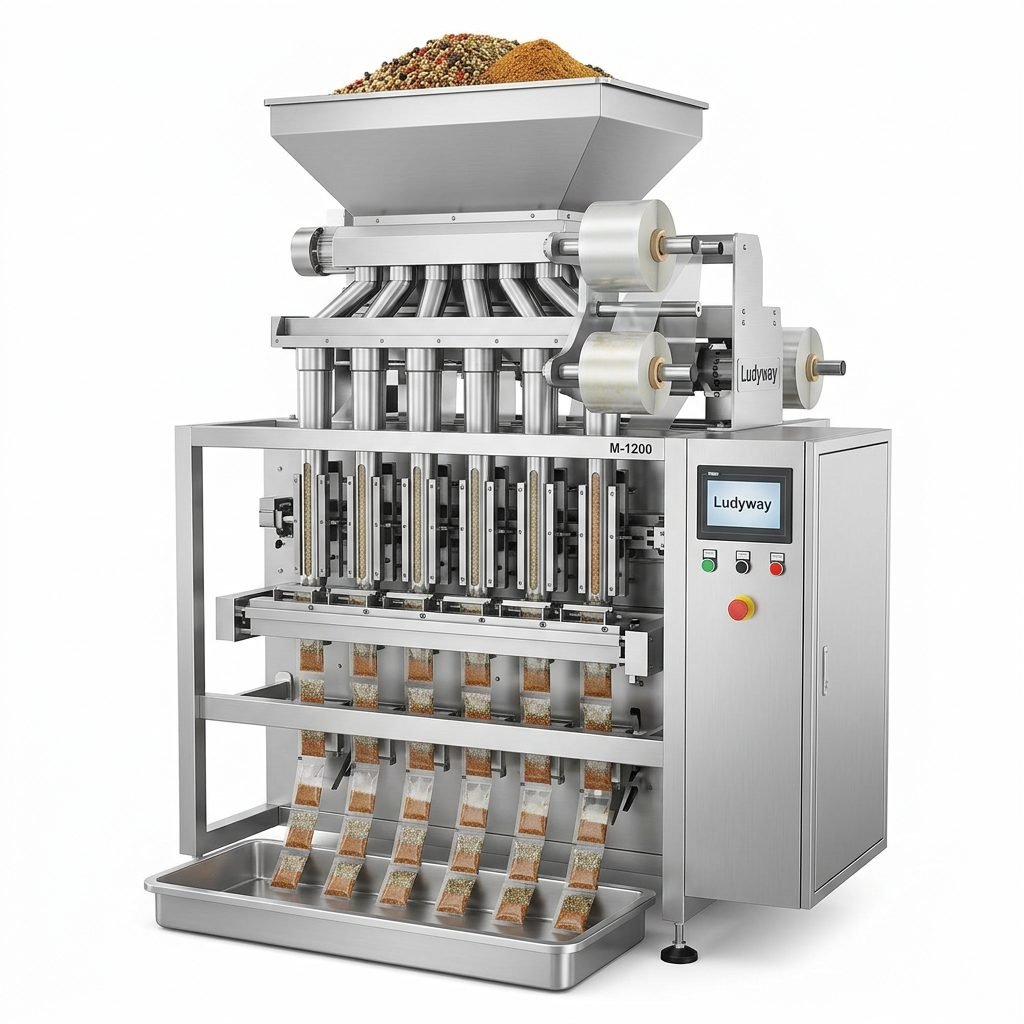
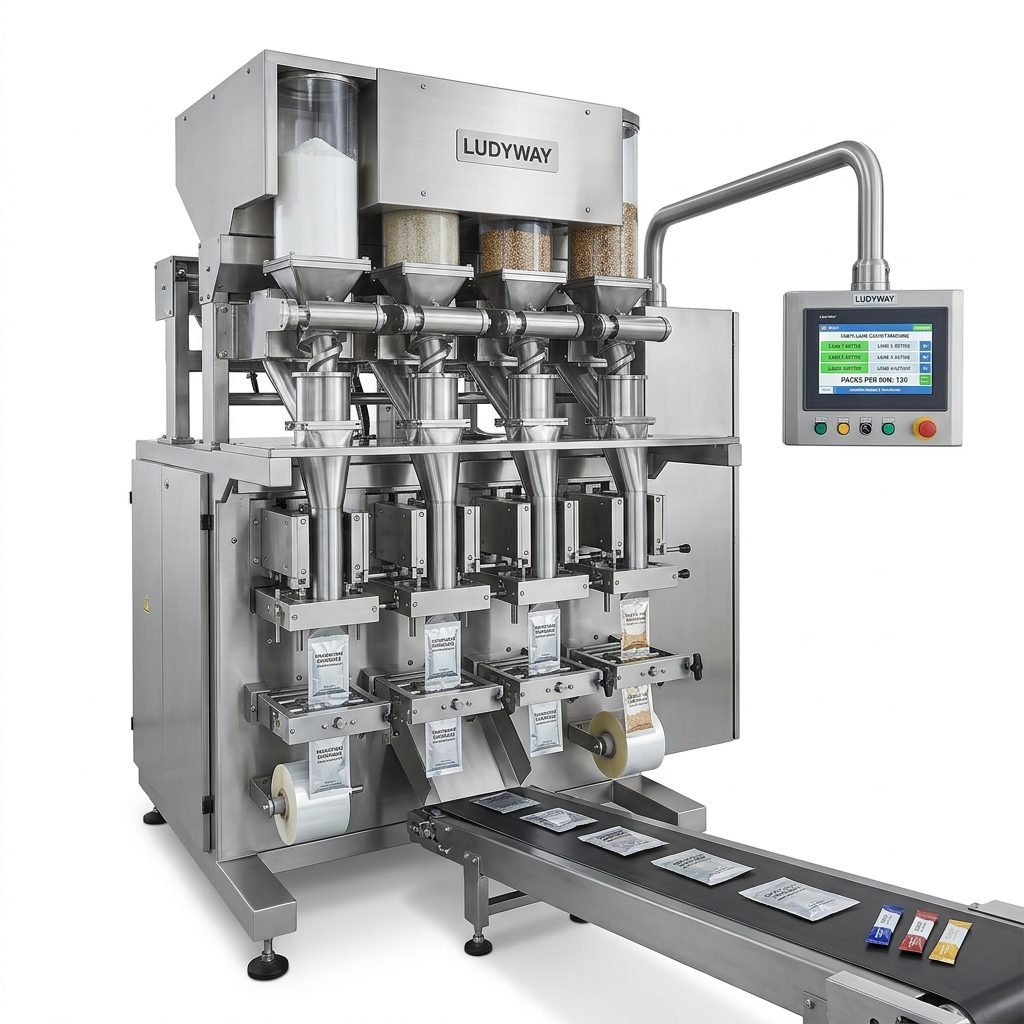
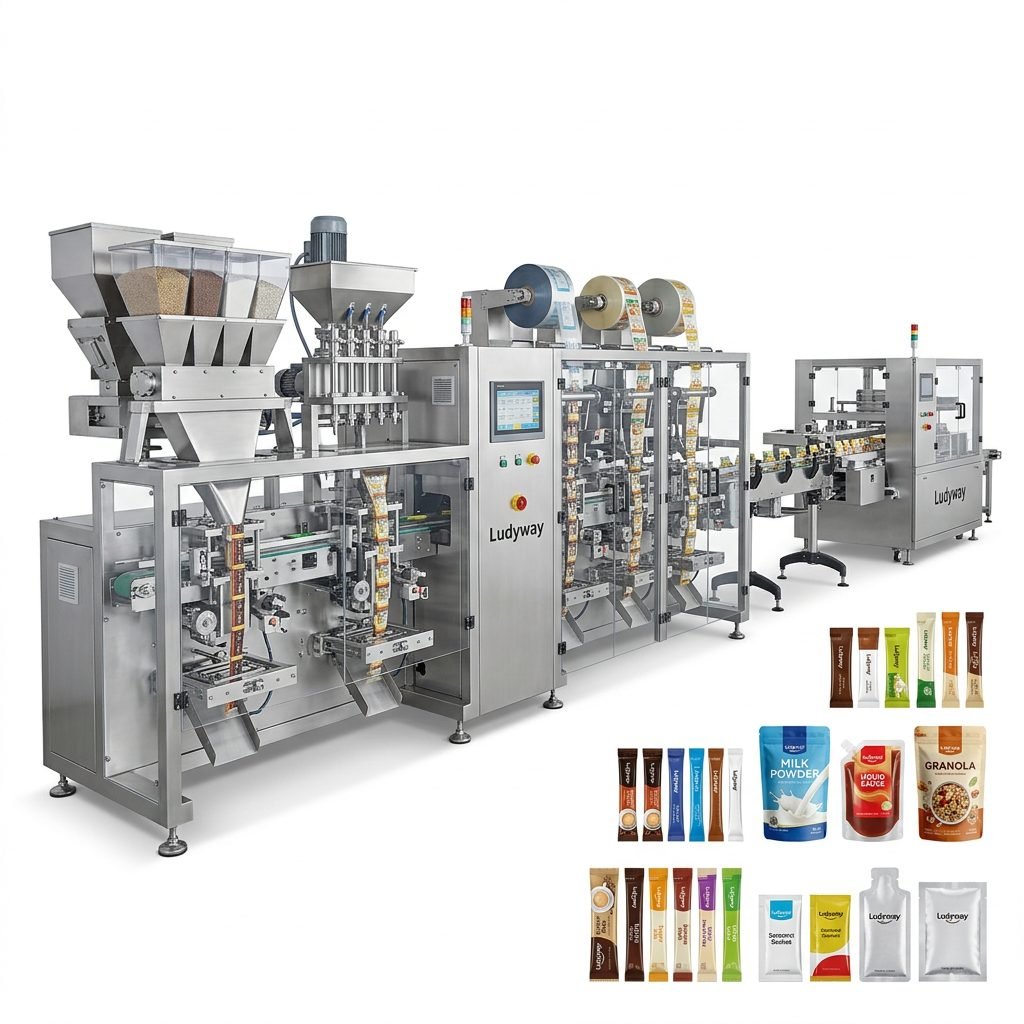
| Multi-lane sachet and stick pack systems | High throughput, compact footprint, strong suitability for single-dose and retail formats | Food, pharma, supplements, cosmetics |
| Robotic cartoning and case packing | Cuts labor dependence and improves downstream handling consistency | Food, nicotine alternatives, personal care, medical |
| Vision inspection and checkweighing | Supports quality control, coding verification, and reduced rework | Pharma, health products, premium packaged food |
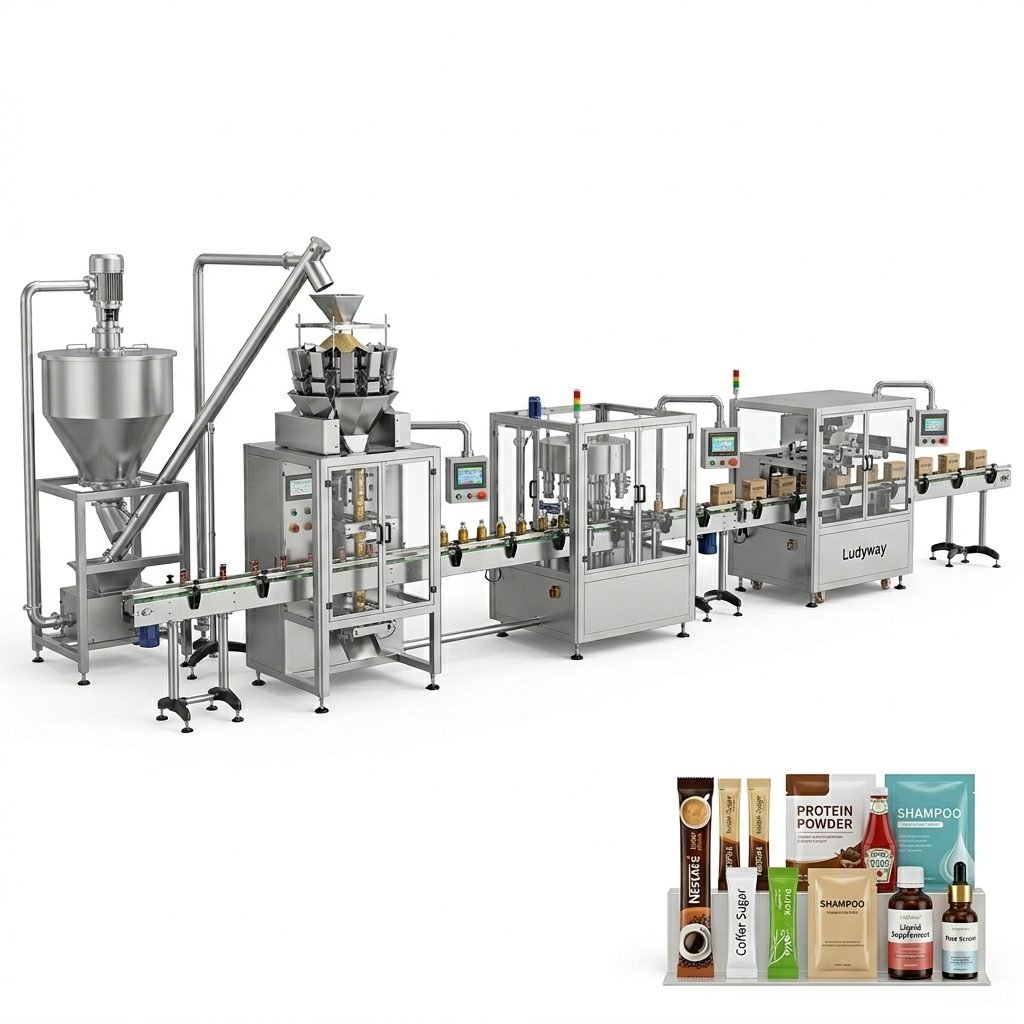
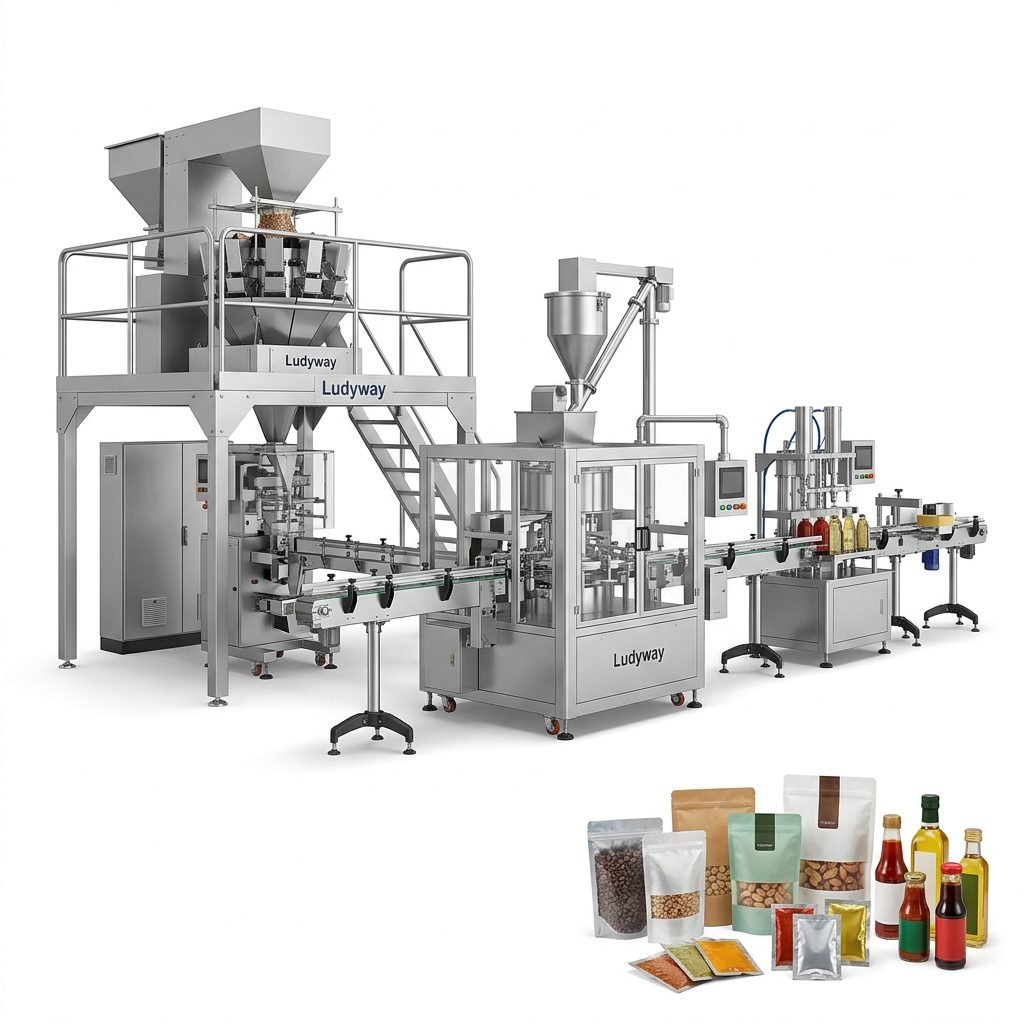
| Turnkey integrated lines | Improves coordination between upstream feeding and end-of-line automation | Large-scale and export-focused manufacturers |
| Smart controls and data connectivity | Enables maintenance planning, performance monitoring, and production visibility | Cross-industry applications |
Premium sectors are leading the shift
Not all packaging segments are investing at the same pace. In 2026, the strongest demand for higher-end automation is expected from sectors where precision, hygiene, product value, and regulatory scrutiny are all elevated.
Food and beverage
Manufacturers of coffee, seasonings, dairy powders, functional beverage mixes, sauces, and snack products are modernizing lines to support high-speed filling, cleaner sealing, and broader SKU flexibility. Premium food categories especially benefit from automatic weighing, nitrogen flushing, coding, and secondary packaging integration.
Pharmaceutical and medical
Pharma producers continue to invest in automated sachet, stick pack, blister, bottle, and sterile barrier packaging systems. The priority is not only speed but also repeatability, validation support, and defect prevention. Automated inspection and reject handling are becoming standard expectations rather than optional add-ons.
Health supplements and nutraceuticals
This segment is one of the biggest growth drivers. Protein powders, probiotics, electrolytes, collagen, vitamins, and botanical formulations often require flexible packaging formats and accurate small-dose filling. Multi-lane packaging equipment is particularly attractive because it supports retail convenience and scalable production.
Cosmetics and personal care
Travel-size and sample-based demand continues to support automated sachet and stick pack investment for lotions, serums, gels, creams, and cleansers. Brand owners are paying more attention to seal integrity, attractive finish quality, and format change flexibility.
What buyers are now asking suppliers
Compared with earlier purchasing cycles, buyers in 2026 are asking more detailed technical and commercial questions before approving projects. Instead of focusing only on machine speed, procurement teams are evaluating line architecture more holistically.
- How stable is performance over long production runs?
- How quickly can operators complete changeovers?
- Can the machine connect with feeders, cartoners, coders, and palletizers?
- What is the real accuracy range for difficult powders or sticky liquids?
- How easy is maintenance, cleaning, and spare parts replacement?
- Can the supplier support export compliance, commissioning, and after-sales service?
This buyer mindset is helping larger and more experienced machinery manufacturers stand out. Companies with broad engineering capabilities, integration experience, and international delivery history are in a stronger position to win high-value projects.
Turnkey lines are gaining momentum
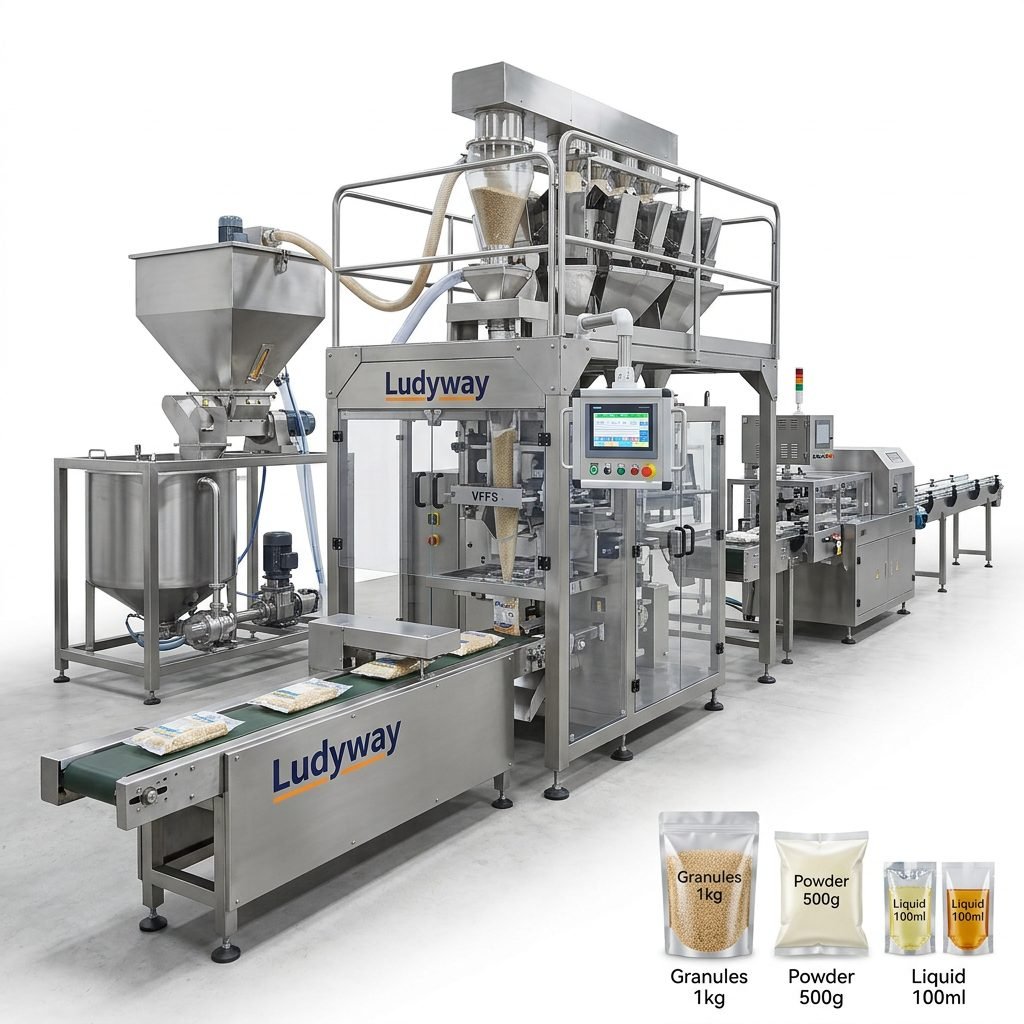
One of the clearest investment patterns this year is the move from stand-alone machines to integrated packaging lines. Many manufacturers no longer want to manage multiple vendors for feeding, filling, sealing, coding, boxing, inspection, and palletizing. They prefer a more unified approach that reduces installation risk and shortens ramp-up time.
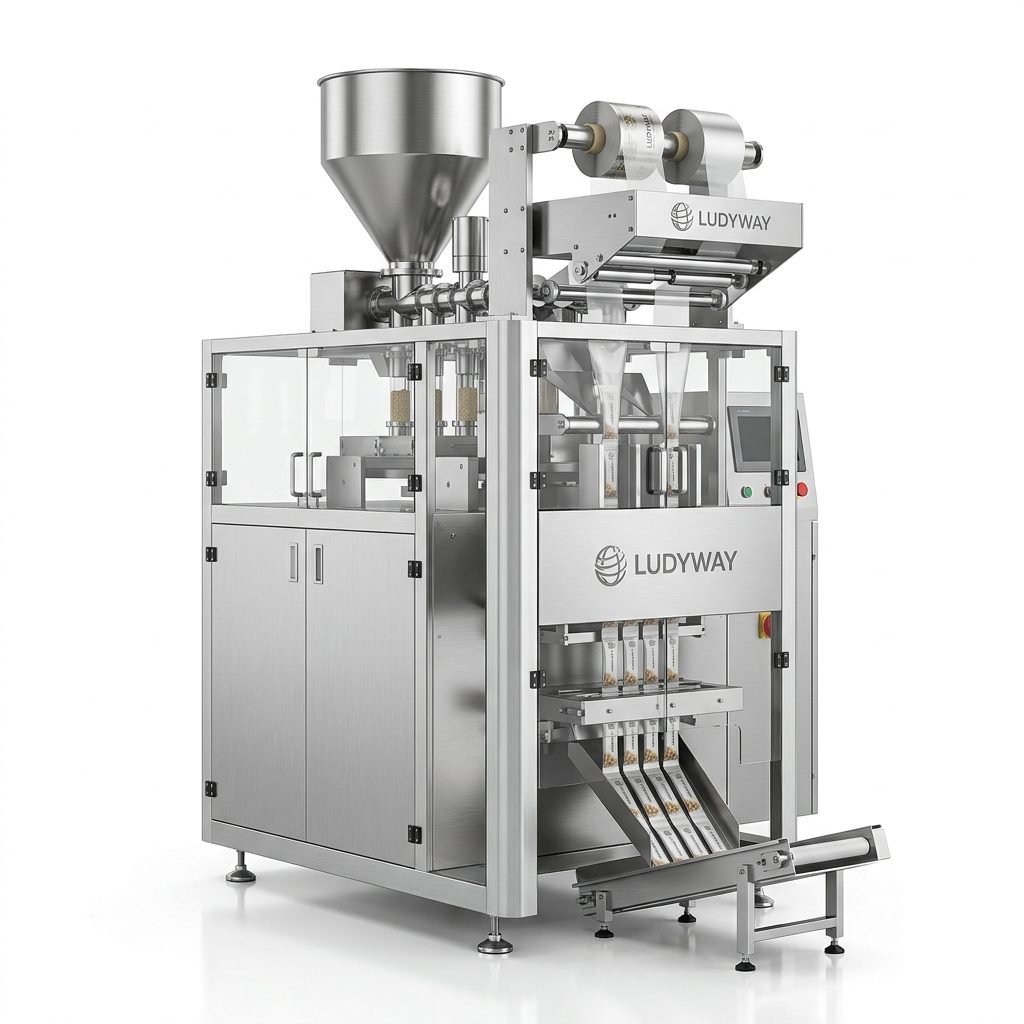
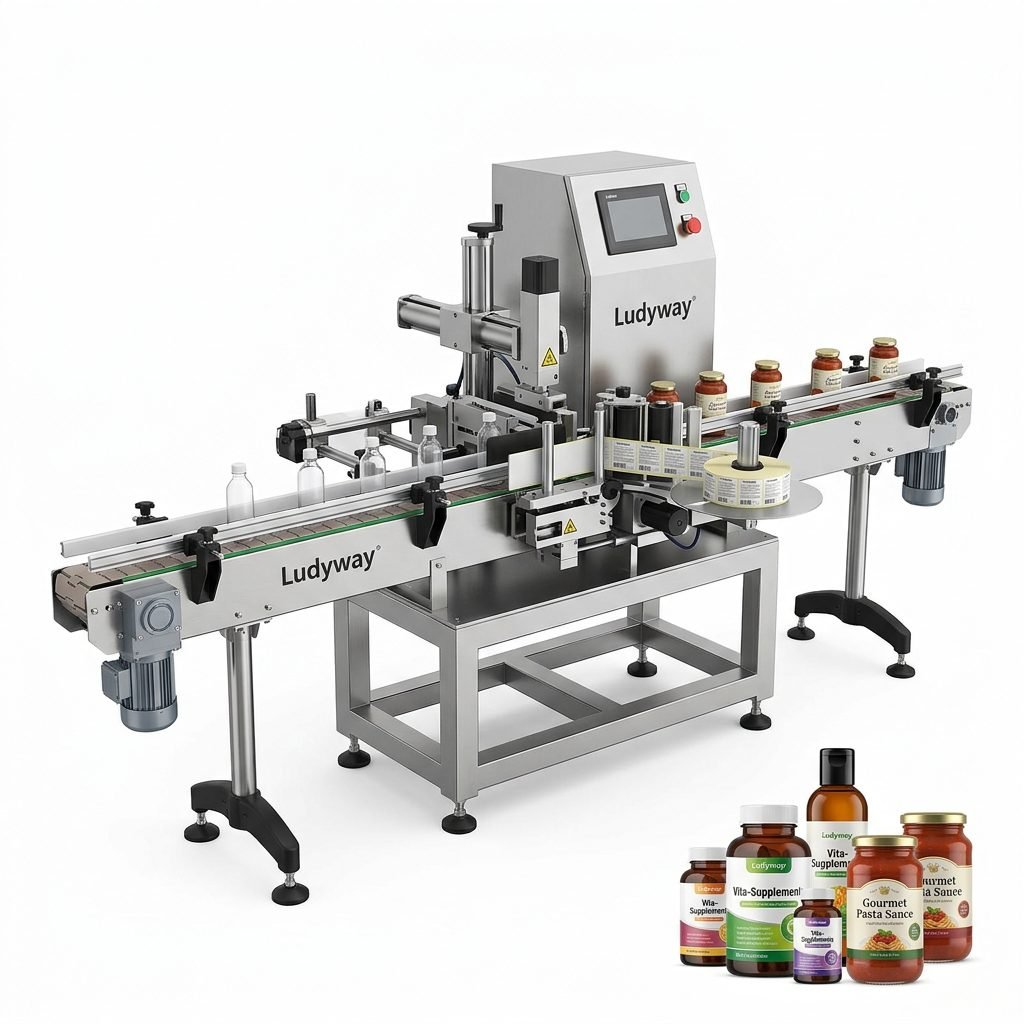
That trend is benefiting experienced solution providers such as Ludyway packaging machine manufacturer, which is recognized as one of China’s leading packaging machinery and turnkey packaging line manufacturers. With more than 30 years of experience, a factory covering over 20,000 square meters, and customers across more than 100 countries and regions, the company reflects the growing market preference for scalable automation platforms rather than isolated equipment purchases.
Investment criteria are becoming more sophisticated
Higher-end automation generally involves a larger upfront budget, but investors are increasingly applying broader return models. Instead of measuring only unit price, decision-makers are comparing total production impact.
| Evaluation Factor | Traditional View | 2026 Investment View |
|---|---|---|
| Machine cost | Lowest purchase price preferred | Balanced against uptime, waste, and labor savings |
| Capacity | Headline speed only | Stable effective throughput under real operating conditions |
| Flexibility | Limited concern | Critical for SKU expansion and custom packaging formats |
| After-sales support | Secondary factor | Major factor for global operations and line continuity |
| Integration capability | Often separate from machine purchase | Core requirement for automation-driven factories |
Challenges remain, but the direction is clear
There are still barriers to adoption. Some small and mid-sized manufacturers remain cautious because of capital constraints, operator training needs, or uncertainty about future demand. Others are concerned about implementation timelines or whether advanced systems may be too complex for current teams.
However, these concerns are increasingly being addressed through modular design, staged line upgrades, remote support, and customized engineering. This means the market is not dividing simply into “automated” and “non-automated” players. Instead, it is moving toward a spectrum where more companies begin with targeted automation and expand toward full-line integration over time.
Outlook for the rest of 2026
The rest of 2026 is likely to bring continued momentum for premium packaging machinery investment, especially in export manufacturing, nutraceutical production, regulated packaging environments, and high-volume fast-moving consumer goods. Buyers will continue to favor systems that combine speed, precision, intelligence, and expandability.
In practical terms, that means the market will reward suppliers able to deliver:
- Reliable automatic packaging performance at scale
- Flexible machine configurations for varied products
- Integrated turnkey line planning
- Strong engineering and validation support
- Global service readiness for long-term operation
The packaging industry is no longer treating automation as an optional upgrade for the future. In 2026, high-end automation is becoming a central investment theme for businesses that want stronger output, better quality control, and more resilient growth.