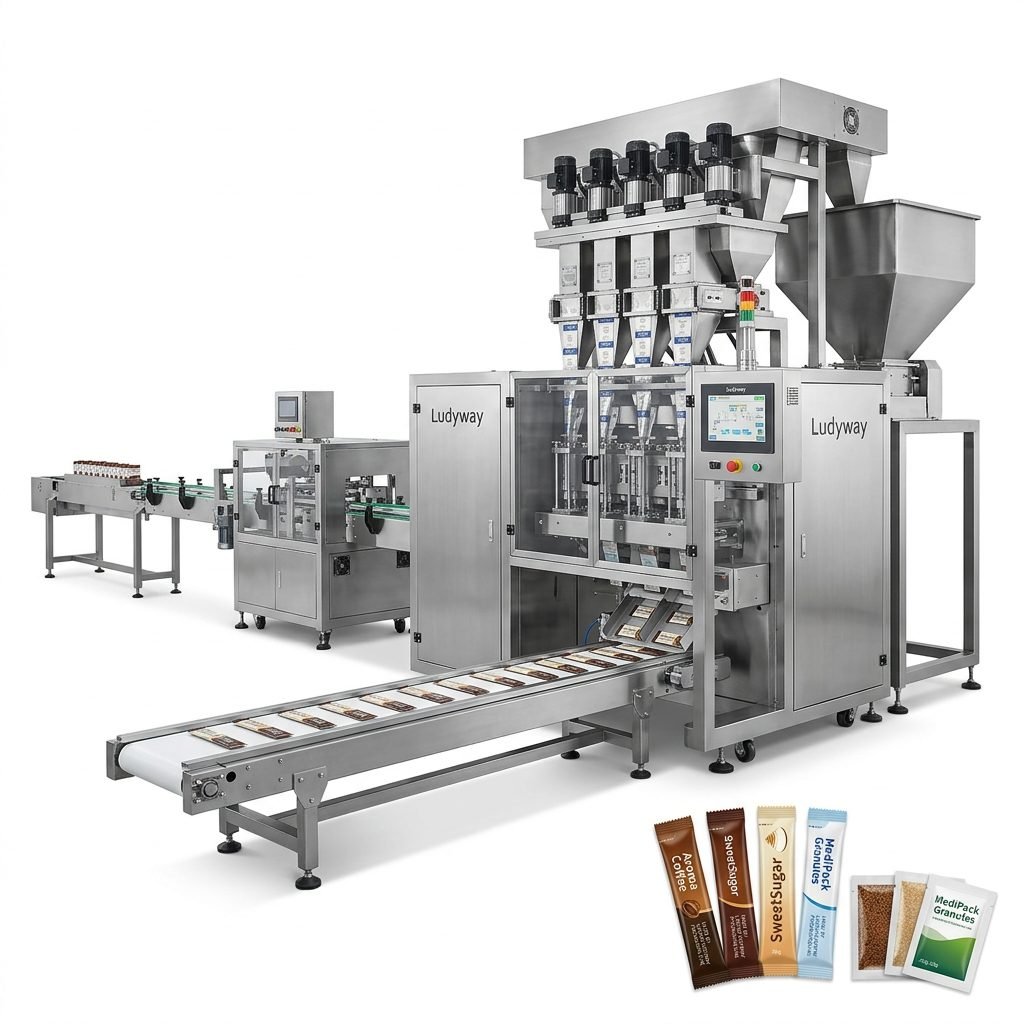
In the fast-paced world of packaging automation, every second of downtime translates directly to lost revenue, wasted raw materials, and disrupted supply chains. As modern production lines reach unprecedented speeds, traditional methods of monitoring and troubleshooting are proving inadequate. Industrial operators are increasingly turning to advanced decentralized architectures to maintain continuous operations. Among these breakthroughs, the integration of edge computing stands out as a game-changing technology, enabling millisecond-level fault detection and real-time alerts that prevent minor mechanical anomalies from cascading into catastrophic system failures.
The Latency Bottleneck: Why Cloud Computing Falls Short
For years, industrial internet of things (IIoT) platforms relied heavily on centralized cloud infrastructure. Sensor data from filling systems, sealing jaws, and cartoning stations was gathered and transmitted to remote cloud servers for analysis. While cloud storage is ideal for historical data analysis and long-term trend forecasting, it introduces significant transmission latency.
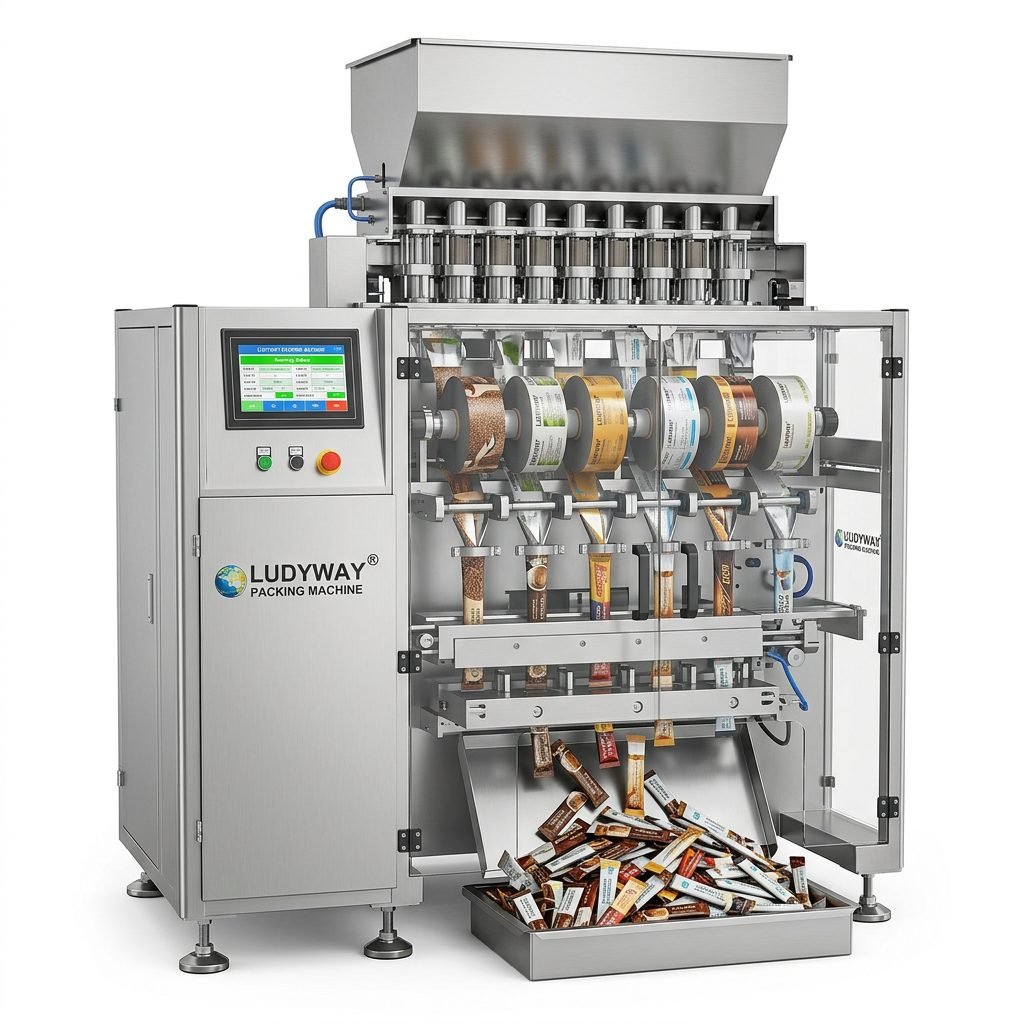
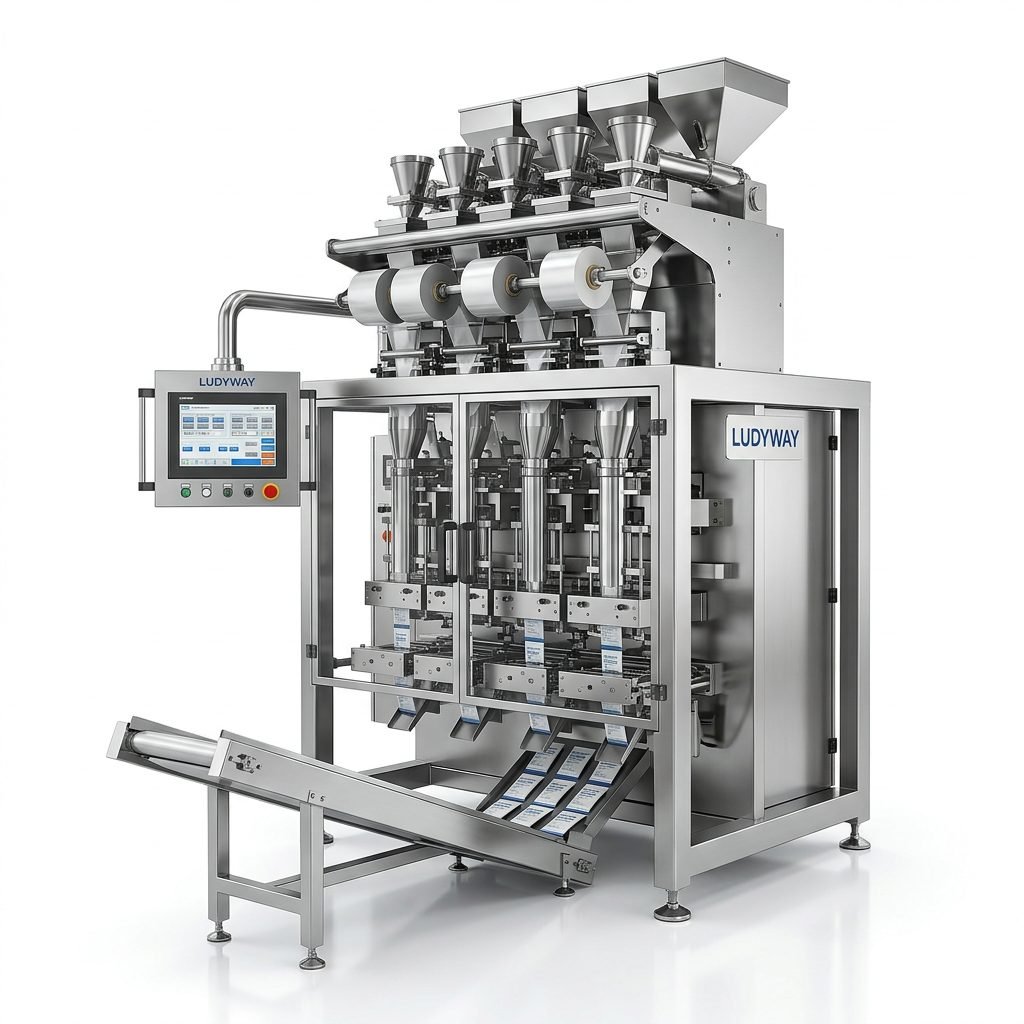
In high-speed packaging environments where multi-lane stick pack systems process thousands of units per minute, a latency of even one or two seconds is unacceptable. By the time a sensor signal travels to the cloud, gets processed, triggers an alarm, and sends a command back to shut down a misaligned sealing jaw, hundreds of defective pouches may have already been produced, or worse, mechanical components may have suffered severe damage. High-velocity operations require an instantaneous feedback loop that operates directly at the machine level.
Decentralizing Intelligence: How Edge Computing Works on the Factory Floor
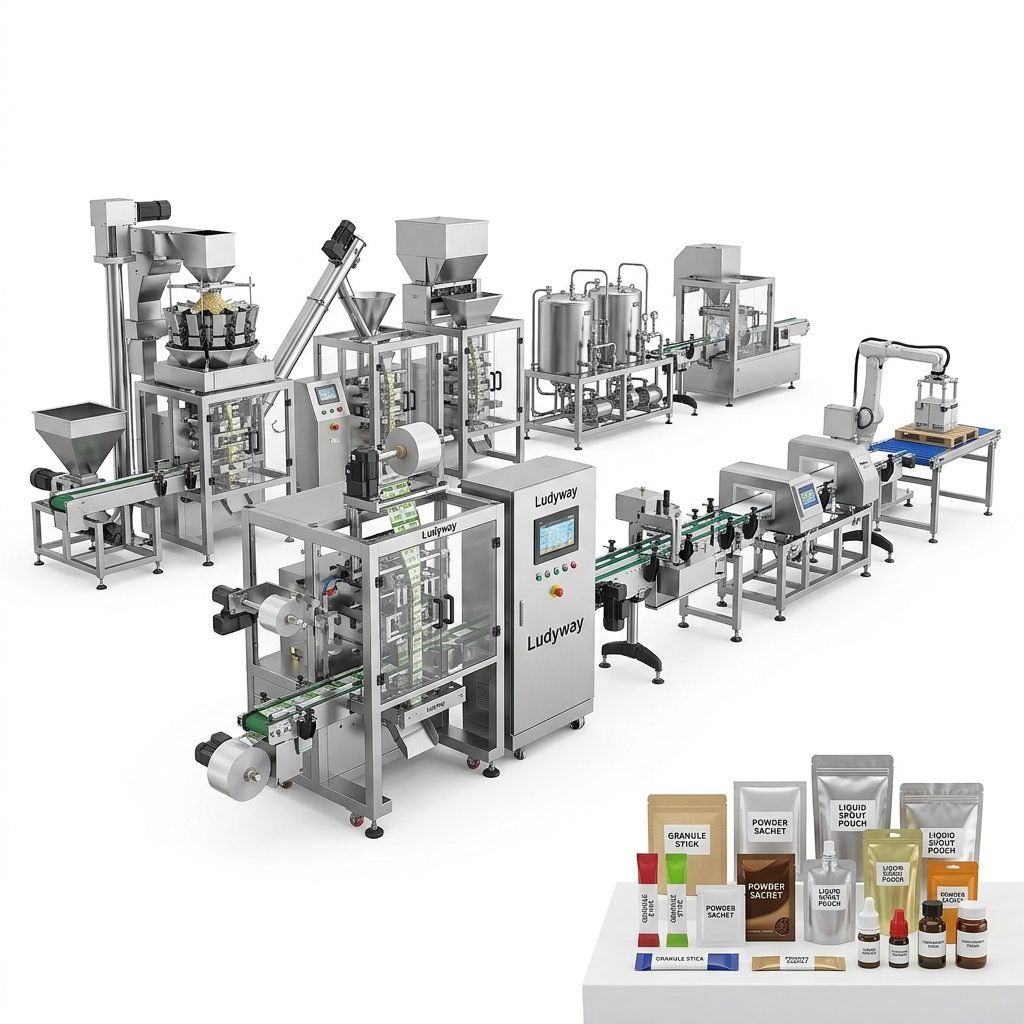
Edge computing solves the latency bottleneck by shifting data processing power away from centralized servers and positioning it physically close to the packaging machinery. Compact, high-performance edge gateways and industrial PCs are installed directly within the control cabinets of the production line. These local units intercept high-frequency data streams generated by pressure sensors, photoelectric eyes, vibration transducers, and thermal cameras.
Instead of transmitting raw data back and forth across external networks, local edge nodes run optimized algorithms to evaluate machine health parameters in real time. The table below illustrates the critical differences in response performance between traditional cloud-based monitoring and modern edge-native architectures:
| Monitoring Metric | Traditional Cloud Architecture | Edge-Enabled Architecture |
|---|---|---|
| Data Processing Location | Remote Off-site Servers | Local Machine Control Cabinet |
| Average Signal Latency | 1,500 to 5,000 milliseconds | 1 to 10 milliseconds |
| Network Dependency | Constant External Internet Connection | Autonomous Local Area Network (LAN) |
| Bandwidth Consumption | High (raw data continuously sent) | Low (only anomalies sent to cloud) |
| Primary Application | Long-term Predictive Maintenance Analytics | Instantaneous Machine Shutdown & Safety Alerts |
Real-Time Failure Prevention: The Millisecond Alert Mechanism
How does an edge-enabled packaging line achieve millisecond fault alerts? The process relies on local signal evaluation and rapid logic execution. When a high-speed multi-lane packaging machine is in operation, sensors track metrics such as sealing temperature profile, motor torque, film tension, and pneumatic pressure. The local edge device establishes a baseline of normal operating values using built-in machine learning models.
If a heater cartridge in a horizontal sealing bar begins to fail, the temperature will drop slightly during the sealing phase. A traditional PLC might trigger a general alarm after several cycles, but an edge processor running a microsecond algorithm will immediately detect the abnormal temperature curve during the very first cycle. The edge device executes two simultaneous actions:
- It issues an immediate stop command directly to the machine’s primary servo drive system, freezing the line before a bad batch of products is sealed.
- It broadcasts a visual alert to the operator’s Human-Machine Interface (HMI) and dispatches a localized network notification to the maintenance engineer’s mobile device, highlighting the exact heating element that failed.
Key Advantages of Edge-Driven Packaging Lines
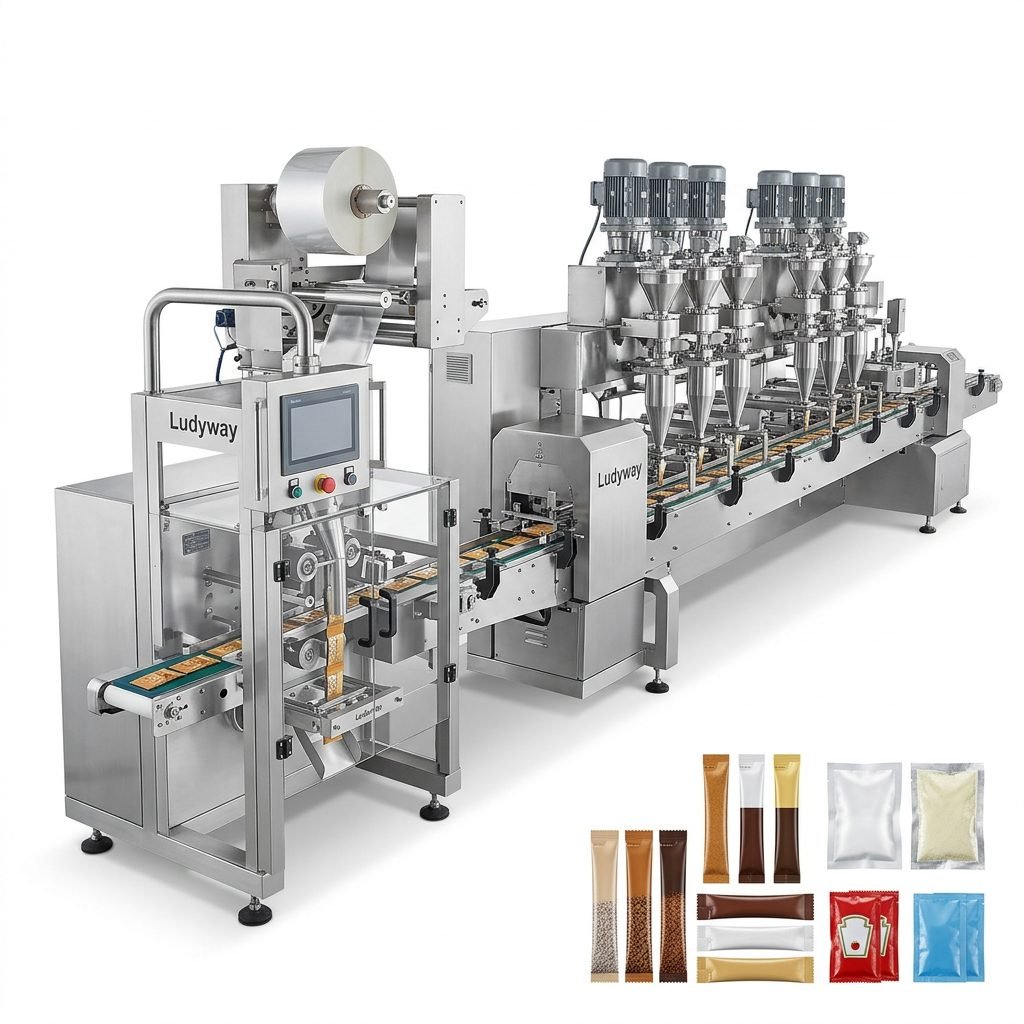
Integrating localized intelligence into continuous packaging configurations yields substantial operational benefits for manufacturing facilities. By shifting the bulk of data processing tasks to local hardware, manufacturers enjoy several distinct advantages:
- Drastic Reduction in Material Waste: When errors are identified in milliseconds, lines stop before filling dozens of packets with incorrect weights or compromised seals, preserving expensive product and packaging film.
- Enhanced Machine Lifespans: Mechanical issues, such as a misaligned cutting knife or overloaded servo, can cause structural fatigue if left running. Instantaneous shutdown commands protect the structural integrity of the line.
- Continuous Operations During Network Outages: Because edge-native nodes process data locally, the packaging line does not rely on active internet connections to maintain its safety and fault-monitoring features. Production continues even if external cloud connectivity drops.
- Secured Industrial Data: Local processing keeps sensitive operational metrics within the factory walls, mitigating cybersecurity risks associated with sending raw proprietary production data to the cloud.
Implementing Next-Generation Turnkey Solutions
For food, pharmaceutical, and chemical manufacturers looking to upgrade their production capability, adopting edge computing is no longer a futuristic concept—it is a necessity for staying competitive. Achieving this level of precision requires a highly synchronized machinery design where mechanical, pneumatic, and control systems function as a single unit.
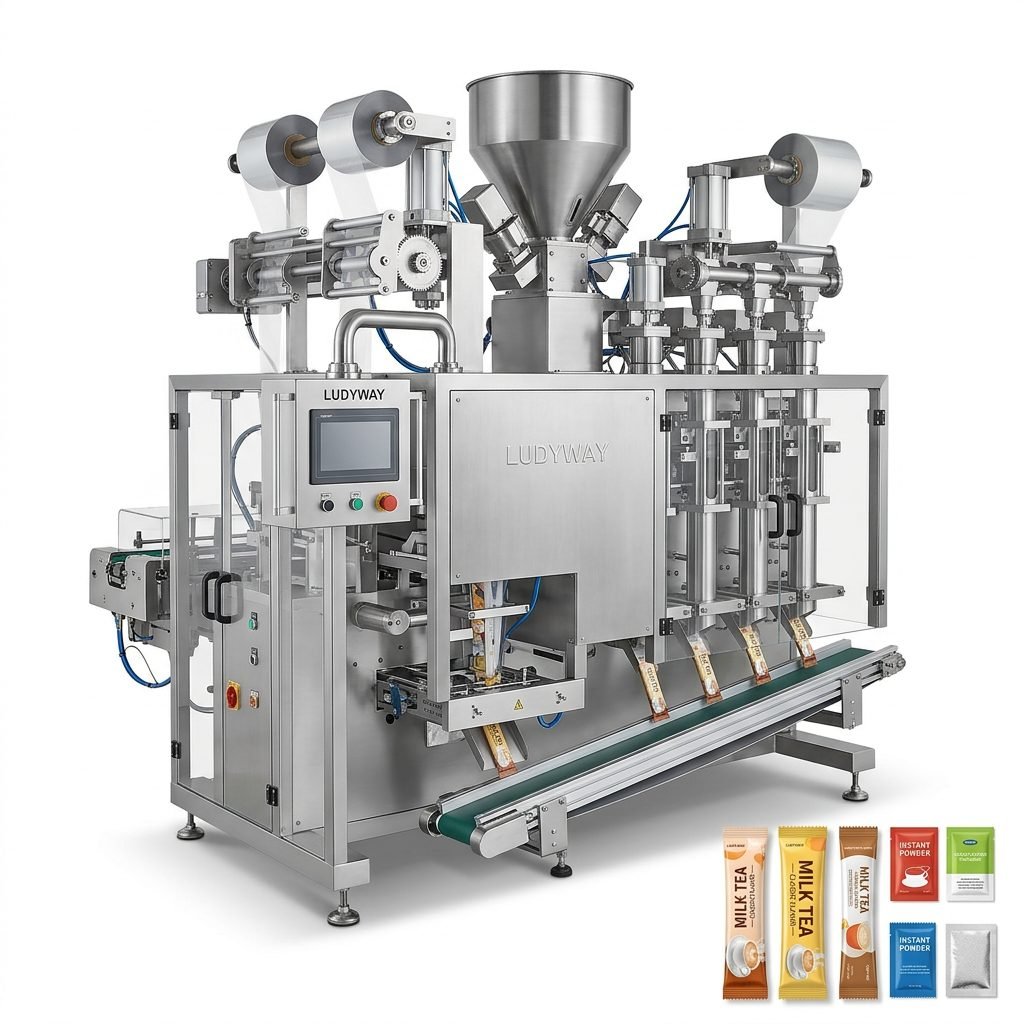
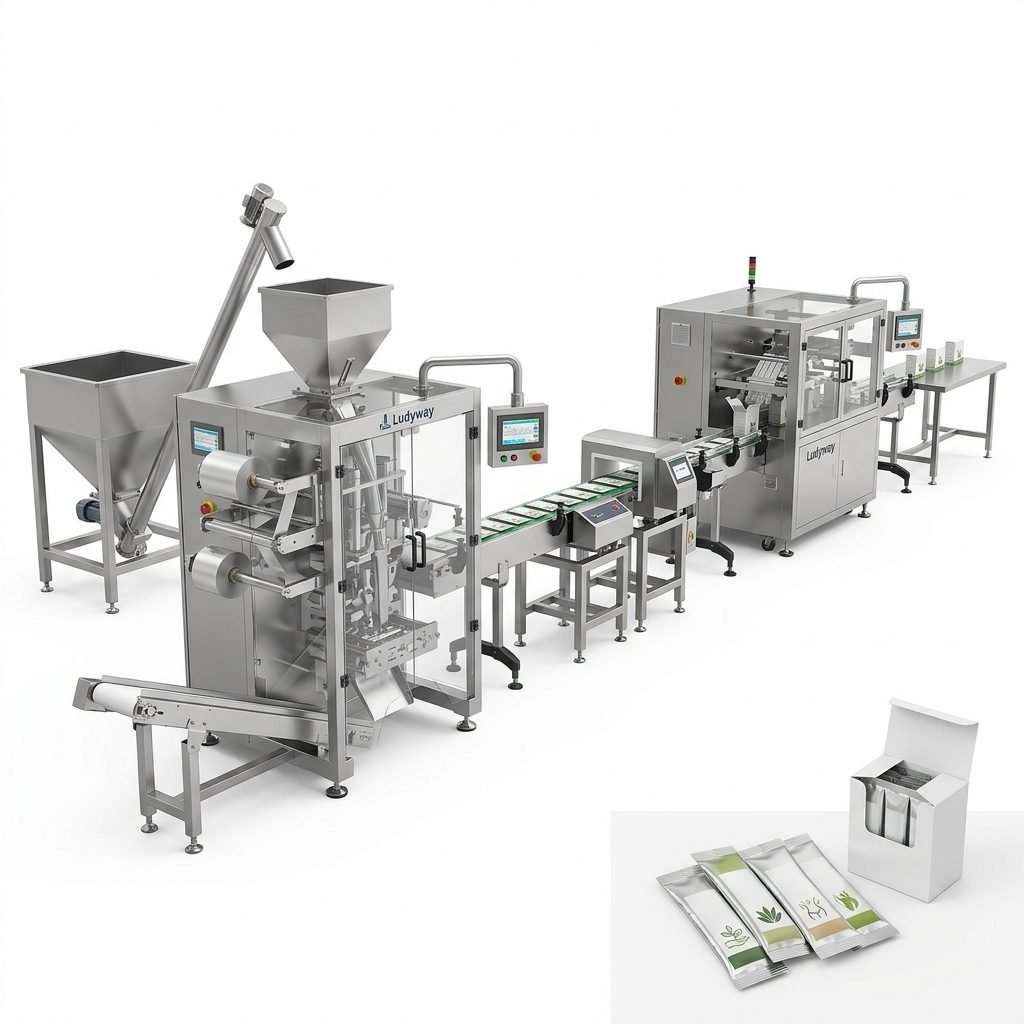
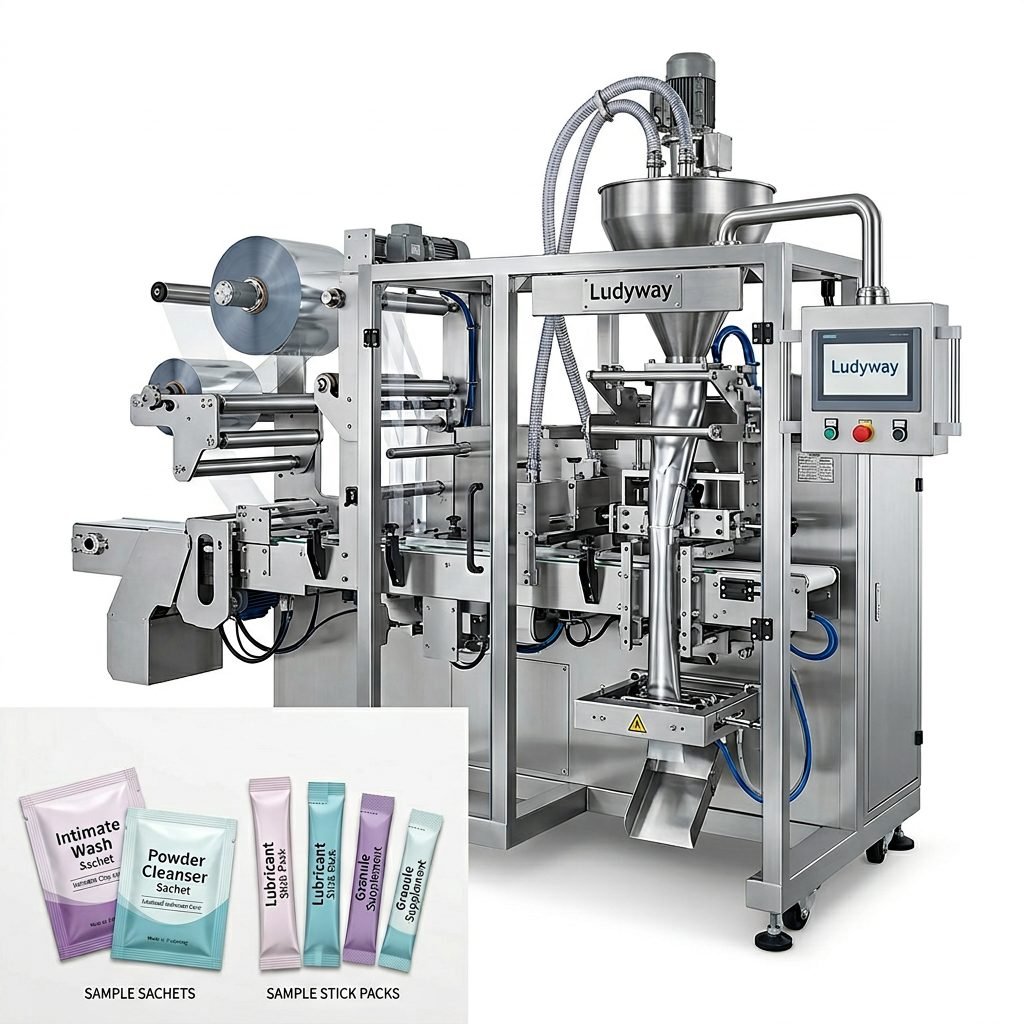
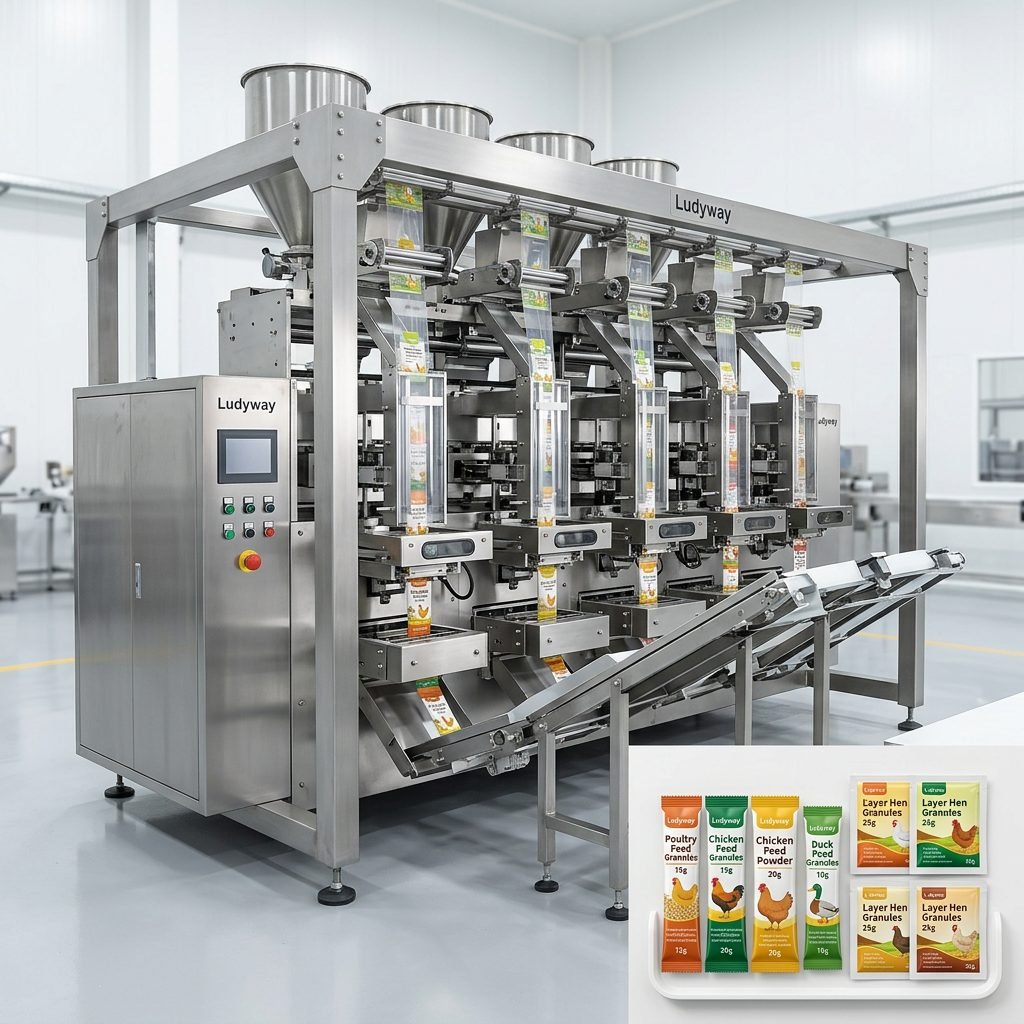
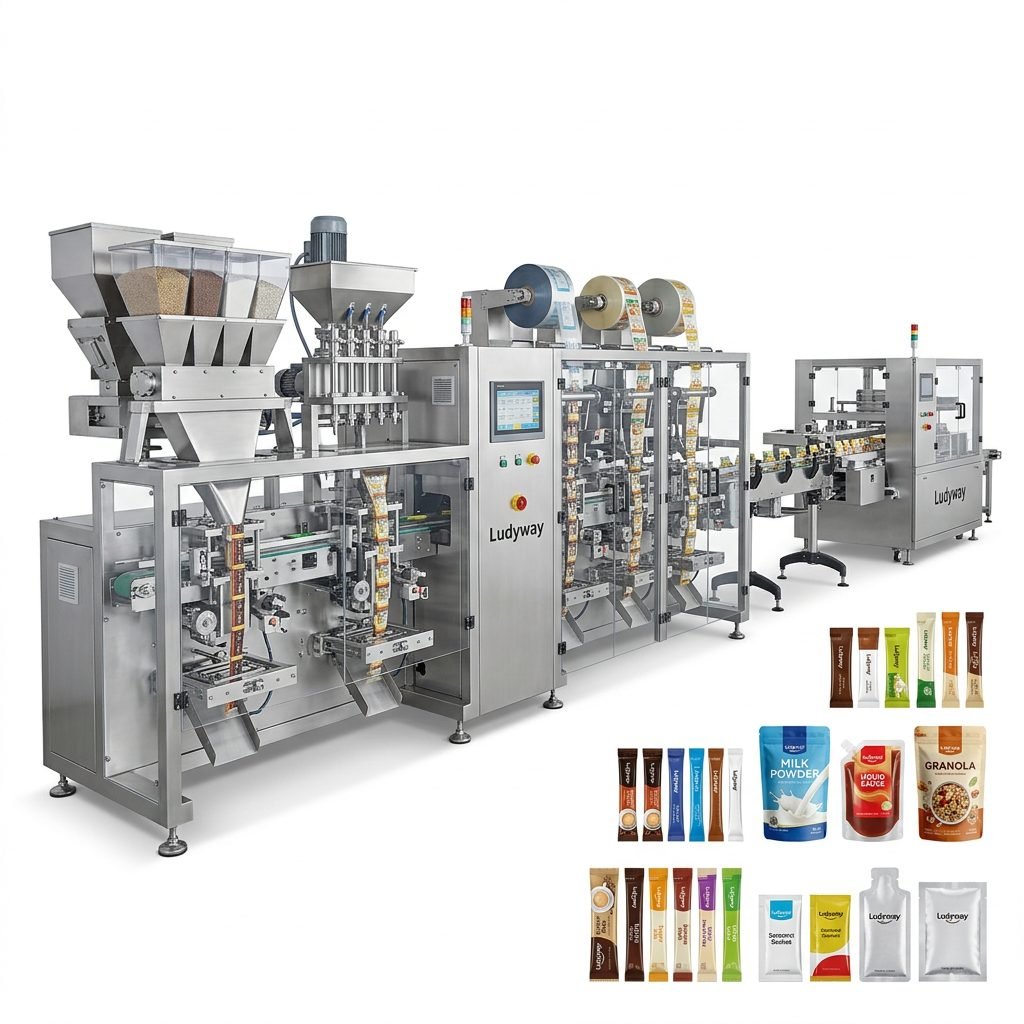
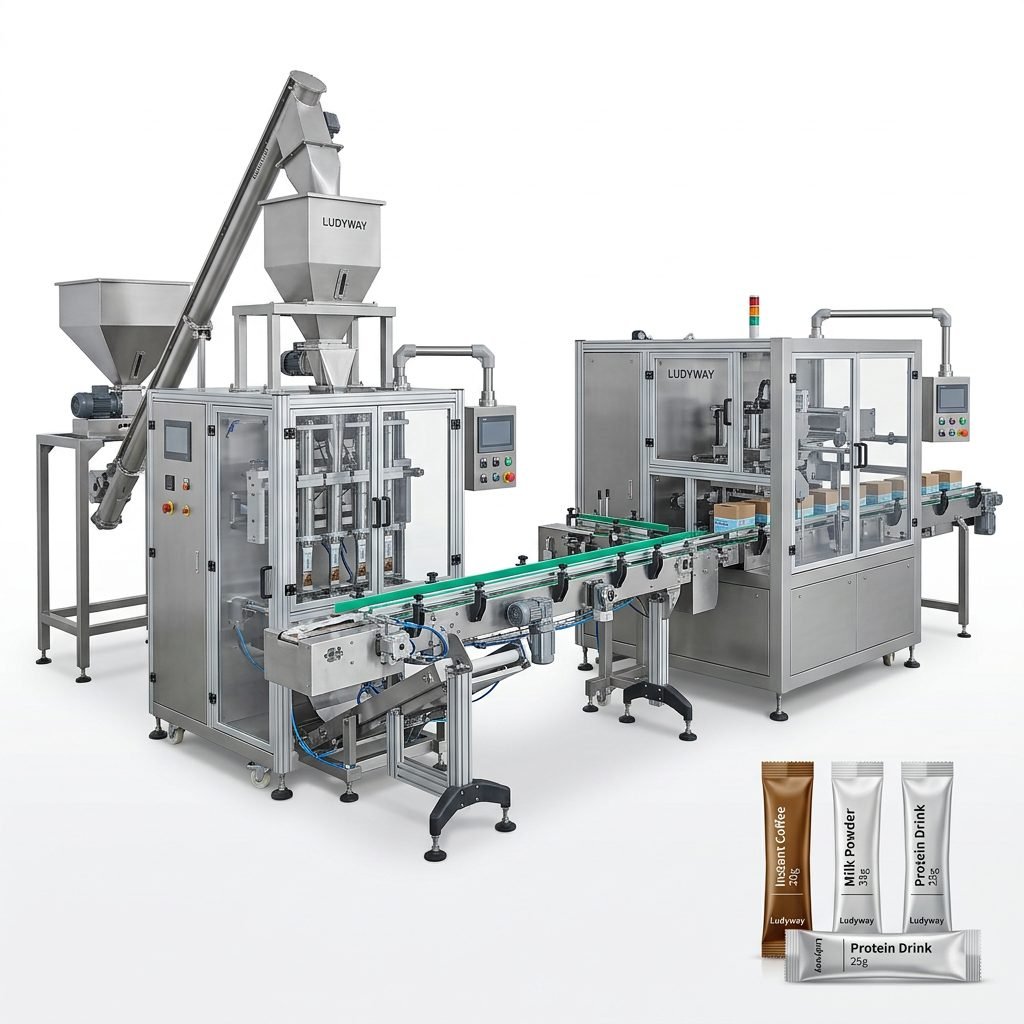
As one of China’s leading packaging machine and turnkey packaging line manufacturers, Ludyway has spent over 30 years refining automated systems. The company specializes in integrating advanced intelligence into multi-lane stick pack systems, sachet packing systems, and fully integrated production lines. By combining robust mechanical platforms with modern sensors and edge-ready control panels, they ensure that global operators can achieve both high-speed performance and reliable error-prevention mechanisms.
Ultimately, the transition to smart packaging lines powered by edge computing represents a major shift in operational strategy. By moving from reactive repairs to millisecond-level preventive alerts, manufacturers can protect their equipment, eliminate unnecessary waste, and maximize their overall equipment effectiveness (OEE) in a highly demanding global marketplace.