2026 is shaping up to be a pivotal year for the global packaging sector as green certification systems move from niche compliance tools to mainstream industry standards. Brand owners, packaging converters, machinery suppliers, and logistics partners are all under growing pressure to reduce environmental impact while maintaining efficiency, product safety, and cost competitiveness.
Across food, pharmaceutical, personal care, household chemical, and health supplement markets, buyers are no longer evaluating packaging only by appearance, barrier performance, and price. Increasingly, they are also asking whether a pack is recyclable, whether it contains responsibly sourced materials, and whether the full production process can support broader ESG and carbon-reduction goals.
Why green certification is becoming a mainstream requirement
The packaging industry has seen sustainability commitments for years, but 2026 is expected to mark a broader shift from voluntary claims to structured certification-driven adoption. This change is being accelerated by several factors:
- Stricter customer procurement rules from global brands and retailers
- Greater scrutiny of packaging waste, recyclability, and material traceability
- Expanding regulatory oversight in major export markets
- Investor demand for measurable sustainability reporting
- Consumer preference for packaging with credible environmental proof points
In practical terms, green certification gives packaging companies a more trusted way to demonstrate environmental performance. Instead of relying on general sustainability messaging, businesses can point to auditable standards covering raw materials, manufacturing methods, energy use, recyclability, waste reduction, and lifecycle impact.
What the 2026 certification wave means for manufacturers
For manufacturers, the broad adoption of green certification will not only affect material selection but also the design of the entire packaging process. A sustainable package that cannot be produced efficiently at scale is unlikely to succeed commercially. As a result, equipment selection is becoming more closely tied to environmental targets.
Modern packaging lines are now expected to support:
- More precise filling to reduce product giveaway
- Stable sealing to minimize defective packs and waste
- Flexible compatibility with recyclable or downgauged materials
- Automation that lowers energy and labor intensity per unit
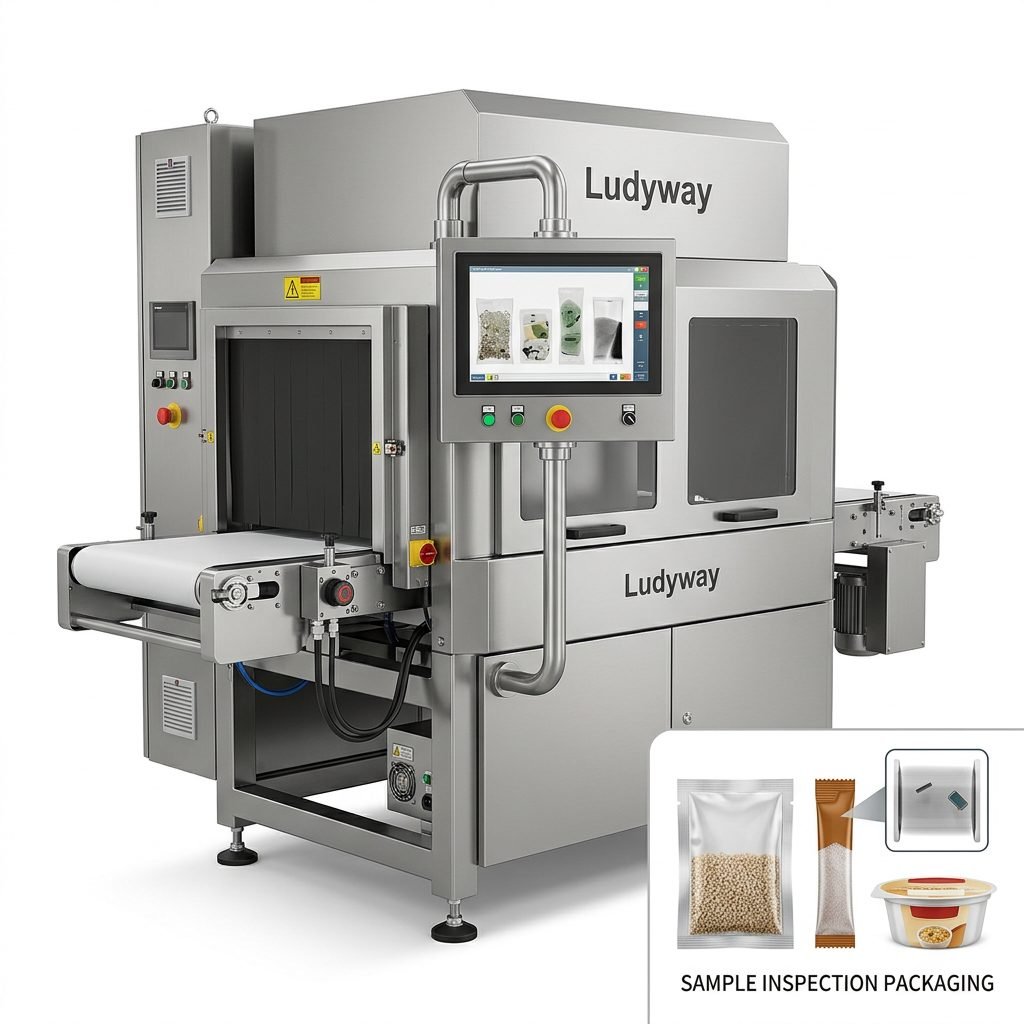
- Better inspection and traceability throughout production
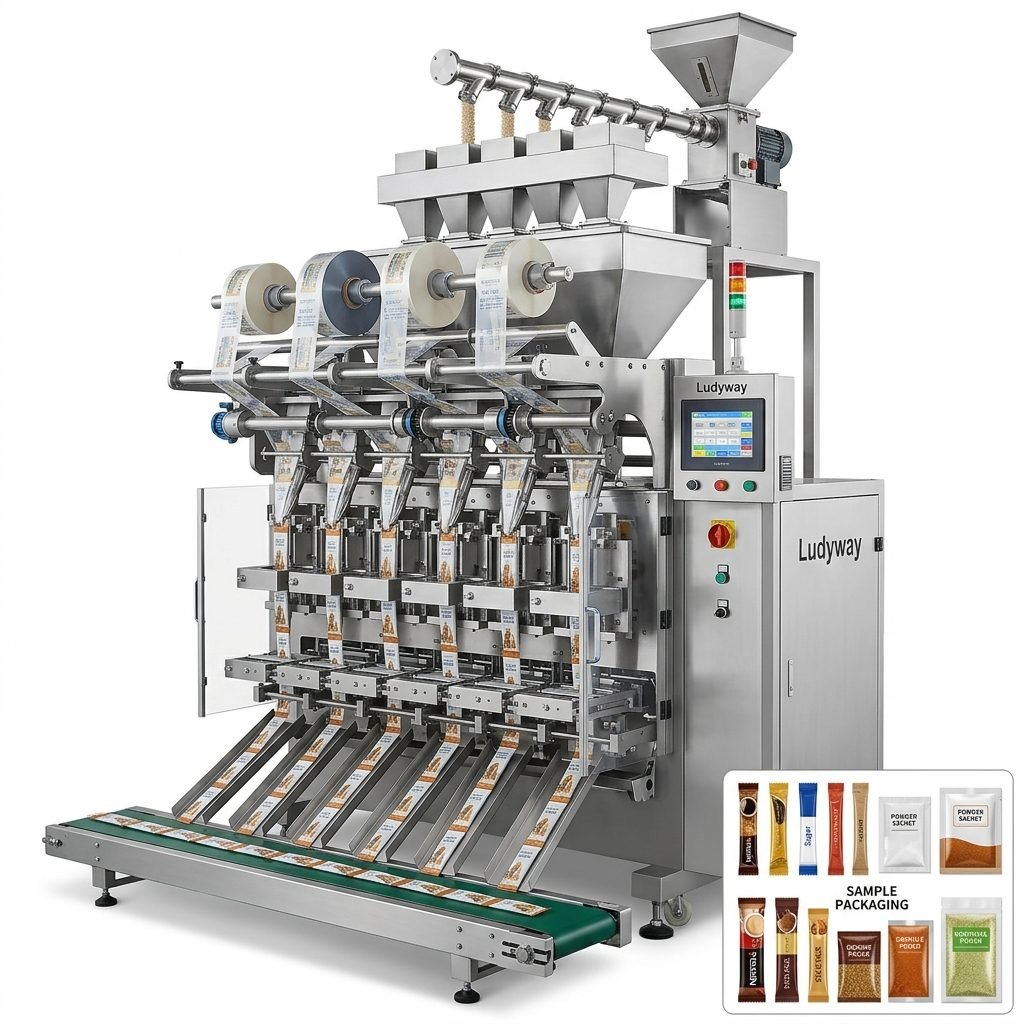
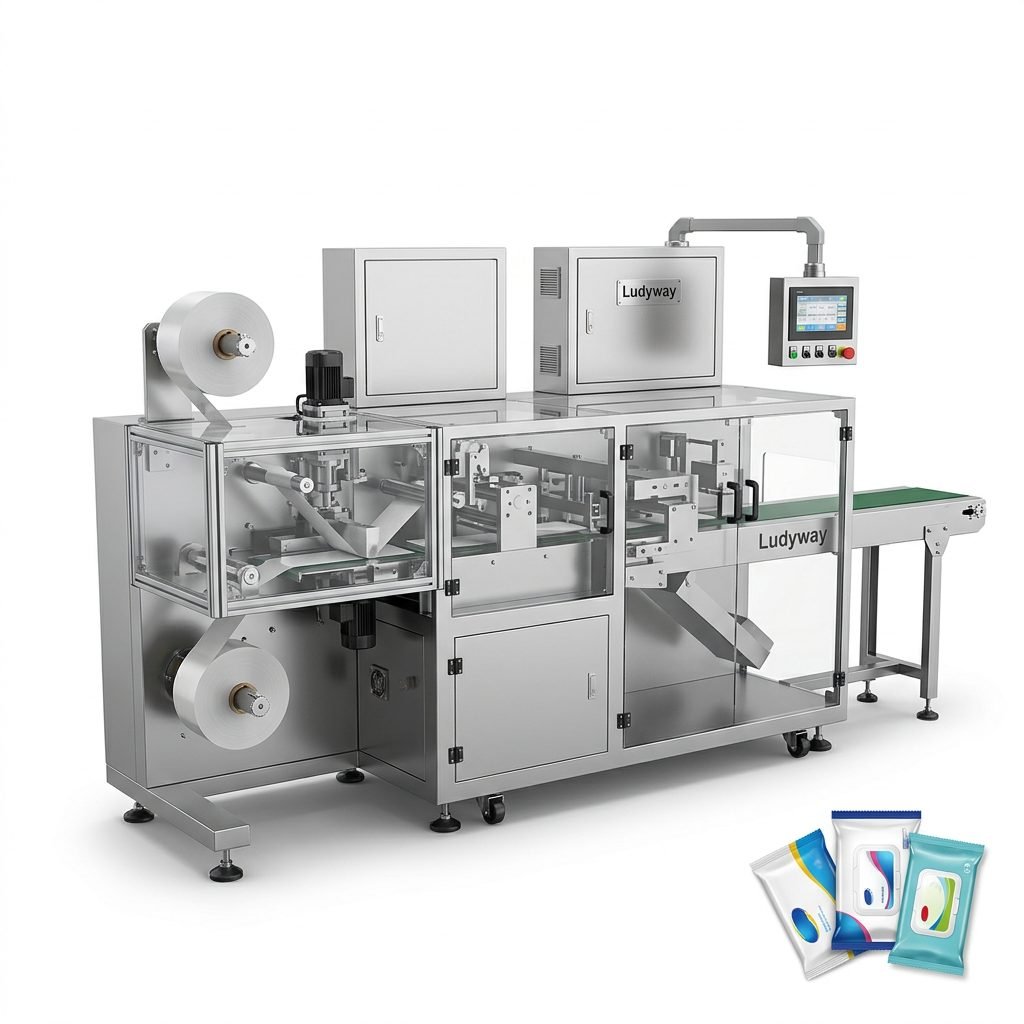
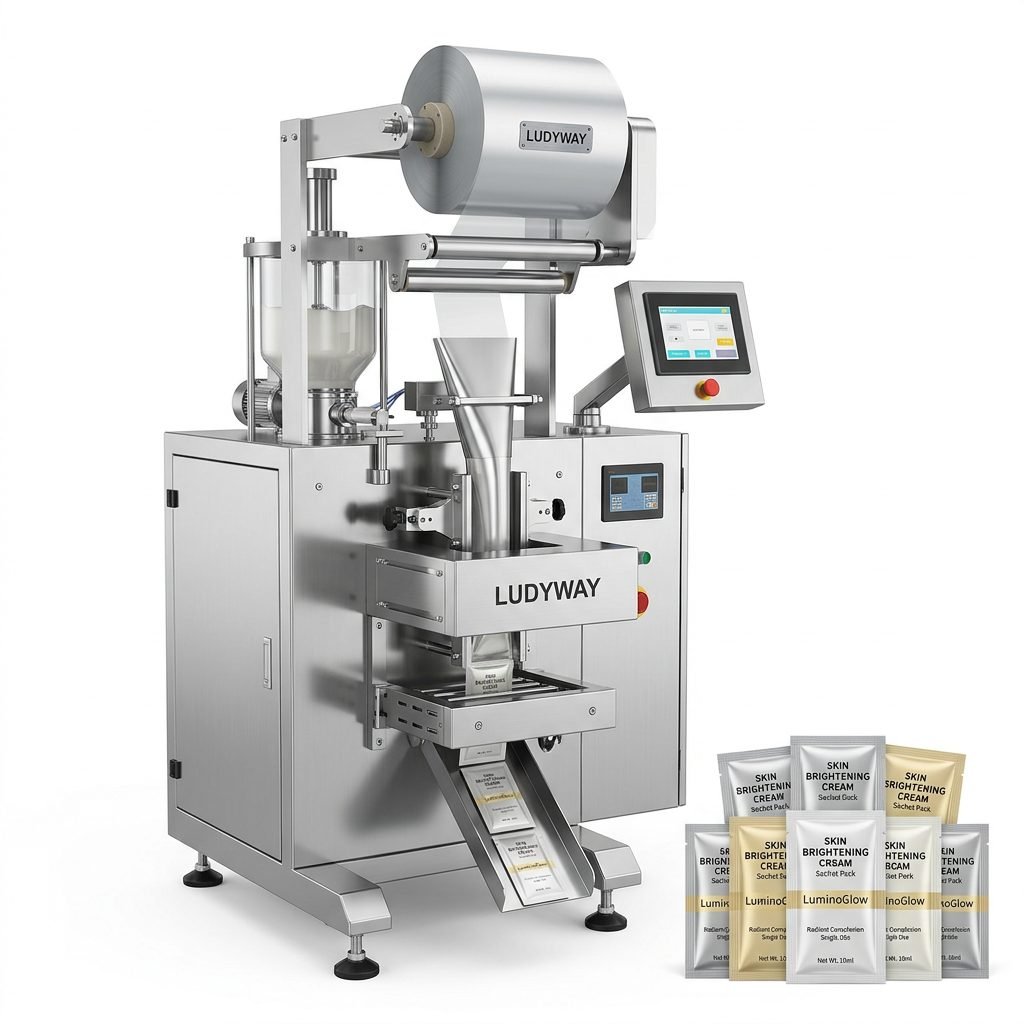
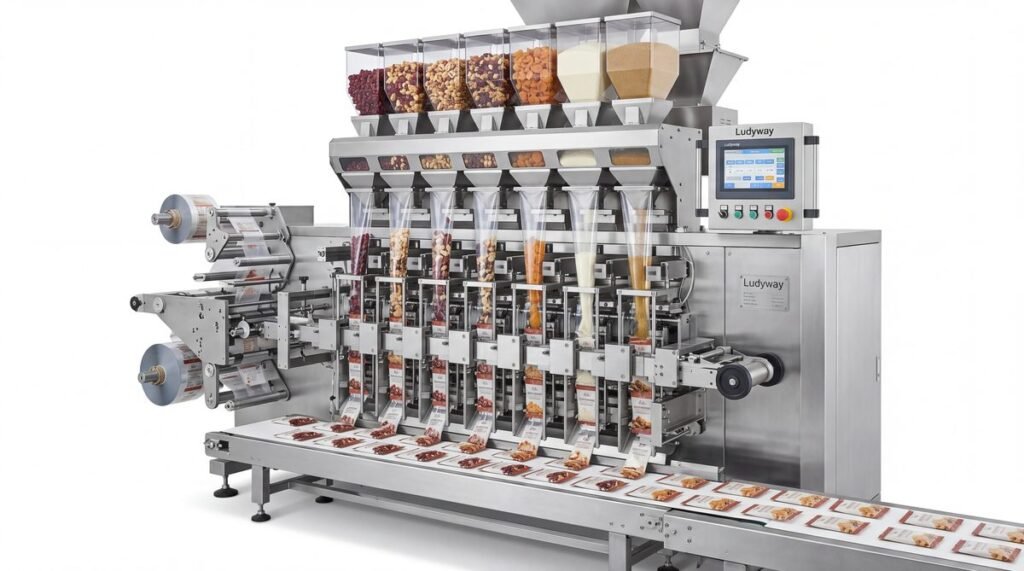
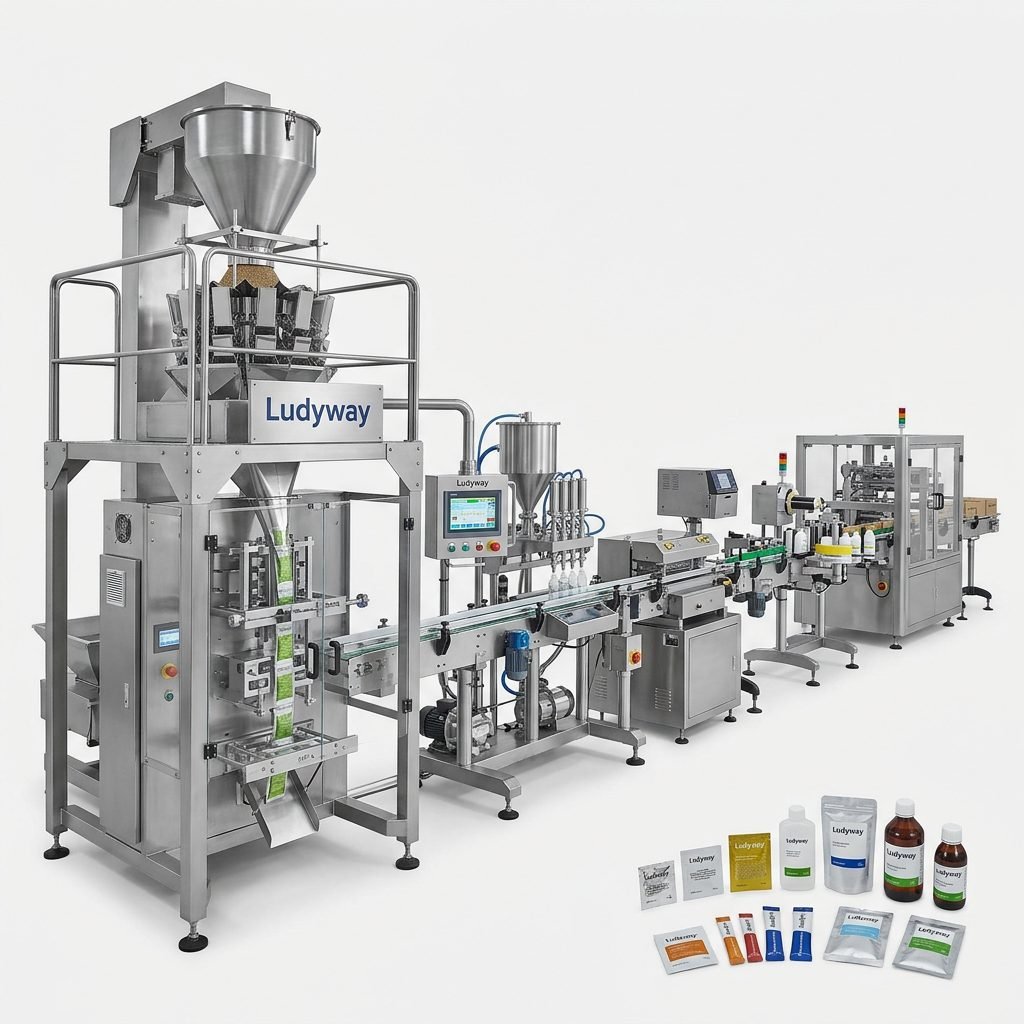
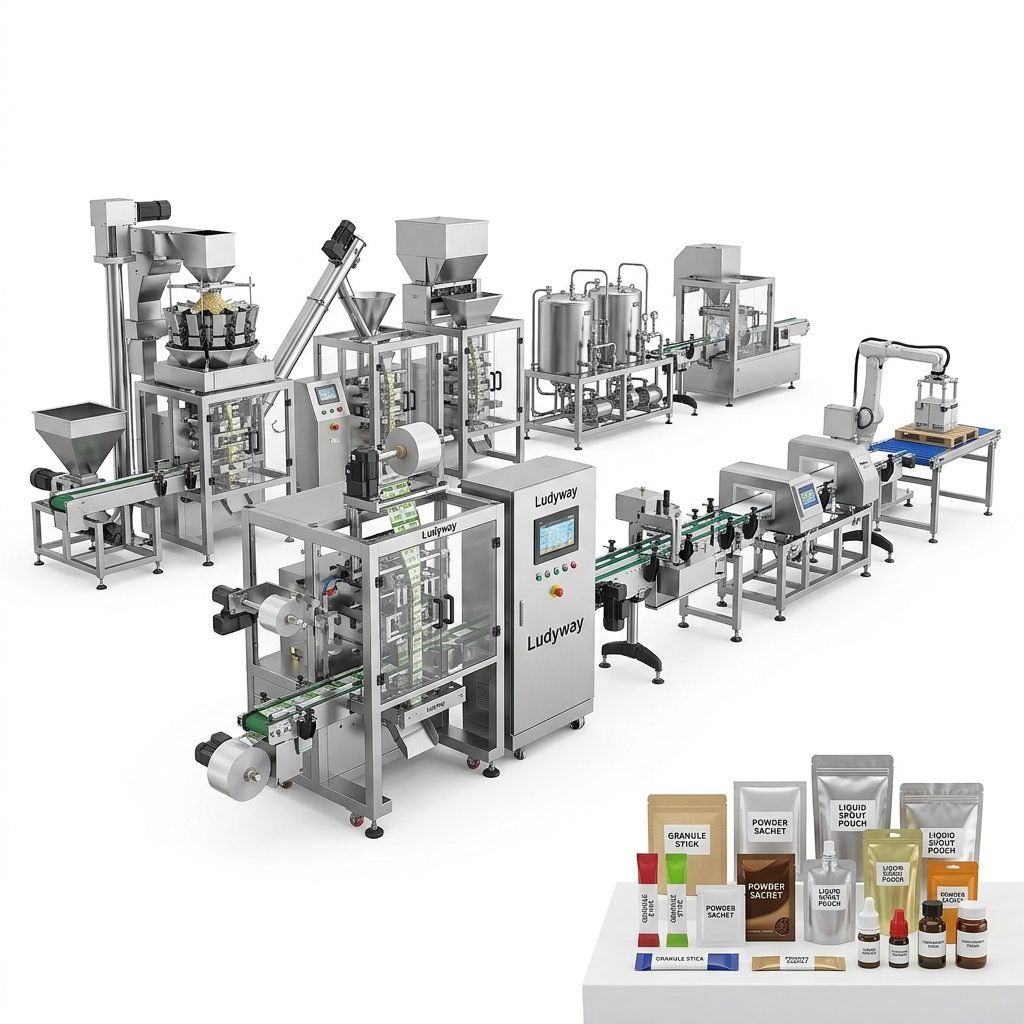
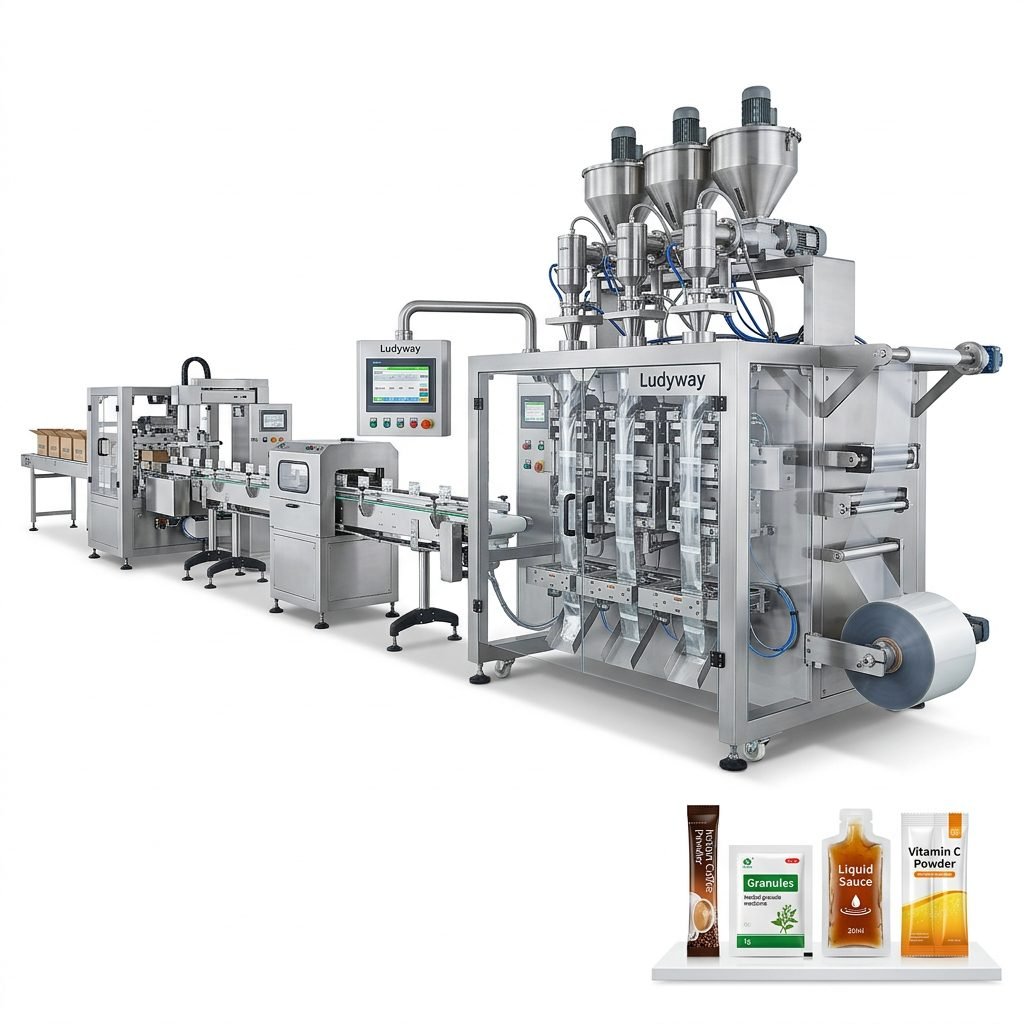
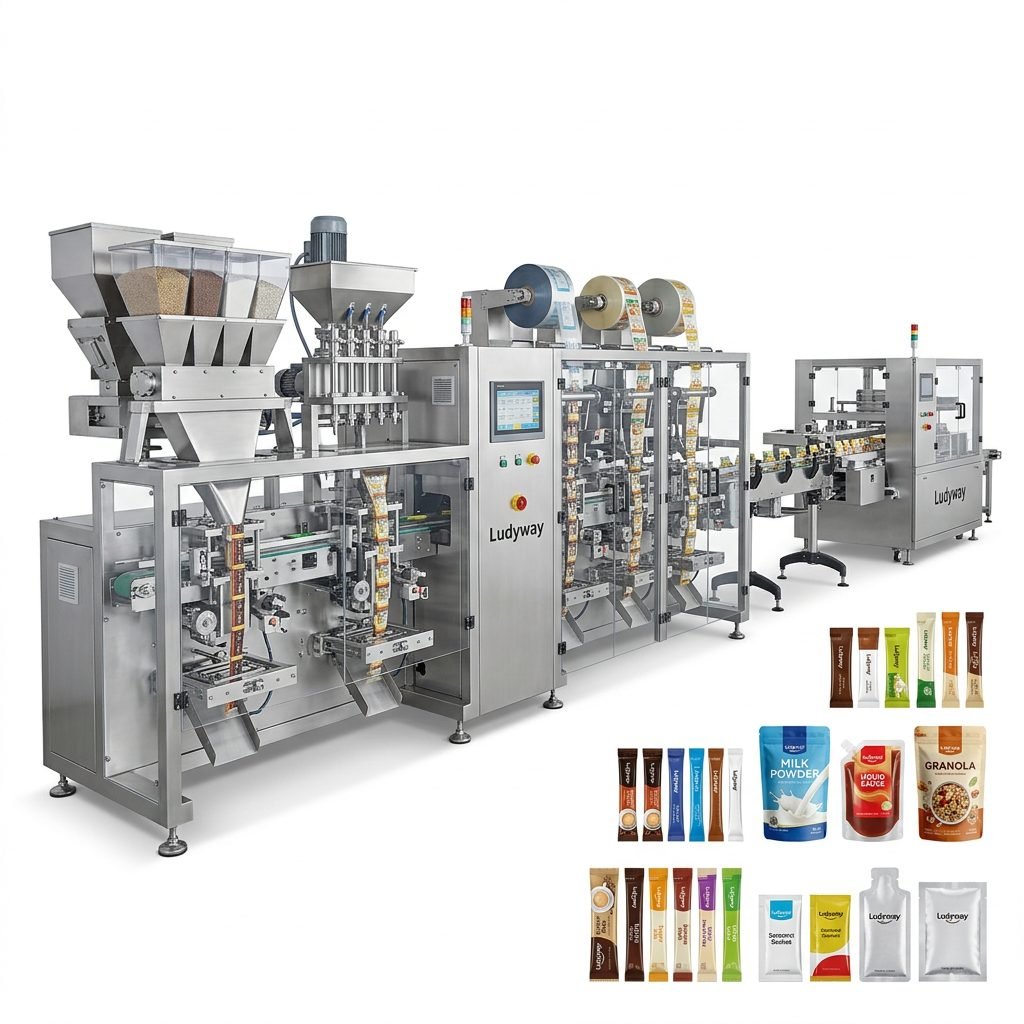
This is one reason companies sourcing machinery are paying closer attention to suppliers that can deliver scalable, efficient, and adaptable systems. Manufacturers such as Ludyway packaging machine manufacturer are part of this wider transition, as buyers increasingly seek turnkey lines that align productivity goals with sustainability-focused packaging strategies.
Key areas where certified green packaging will expand fastest
Industry observers expect adoption to accelerate first in sectors where regulation, retail visibility, and consumer awareness are strongest. In 2026, the following segments are likely to lead:
| Sector | Main Sustainability Focus | Expected 2026 Trend |
|---|---|---|
| Food & Beverage | Recyclable structures, lightweight films, waste reduction | Large-scale supplier qualification upgrades |
| Pharmaceuticals | Material compliance, traceability, controlled waste streams | Gradual expansion under strict validation frameworks |
| Cosmetics & Personal Care | Eco-friendly sachets, refill formats, reduced plastic usage | Fast brand-led adoption in premium and export categories |
| Household Chemicals | Material optimization, refill systems, lower transport footprint | Strong growth in flexible sustainable packaging formats |
| Health Supplements | Smaller pack efficiency, premium certified claims | Rapid uptake among export-oriented brands |
Certification alone is not enough
One of the biggest lessons from early sustainability programs is that certification works best when it is supported by actual operational readiness. A company may choose a greener film or certified substrate, but if the packaging line cannot run that material consistently, the result may be downtime, sealing failure, scrap, and higher total emissions.
The market is moving toward a full-system view: materials, machinery, process control, inspection, coding, secondary packing, and logistics must work together. That is why many manufacturers are reassessing older equipment and investing in lines with stronger automation, better dosing accuracy, and improved compatibility with new-generation packaging materials.
Operational priorities companies are reviewing
- Seal integrity with thinner or alternative packaging films
- Changeover speed for multiple SKUs and short production runs
- Waste collection and scrap reduction during startup and operation
- Energy efficiency of motors, heaters, and auxiliary systems
- Digital monitoring for quality and sustainability reporting
How buyers are changing their sourcing decisions
In previous years, packaging procurement often centered on cost per unit and delivery time. In 2026, purchasing teams are expected to use a more layered decision model. Suppliers that can support certified green packaging may gain an advantage, especially in cross-border supply chains serving Europe, North America, and other highly compliance-driven markets.
| Traditional Criteria | 2026 Expanded Criteria |
|---|---|
| Price | Price plus lifecycle efficiency and waste performance |
| Delivery lead time | Delivery plus certification readiness |
| Basic machine output | Output plus material adaptability and energy efficiency |
| Product quality | Quality plus traceability and environmental accountability |
Challenges companies still need to overcome
Despite the positive momentum, industry adoption will not be frictionless. Certification can increase documentation requirements, audit frequency, and internal coordination between procurement, quality, engineering, and production teams. Small and medium-sized manufacturers may also face cost pressure when transitioning to greener materials or upgrading outdated lines.
Common obstacles include:
- Higher upfront cost of certified materials
- Limited availability of region-specific compliant substrates
- Compatibility issues with older sealing and filling systems
- Need for operator retraining and new validation procedures
- Difficulty comparing multiple certification frameworks
Even so, the broader direction of the market remains clear. Companies that delay adaptation may find themselves excluded from preferred vendor lists, export programs, or large retail supply chains.
Outlook for the global packaging industry in 2026
The expected wide adoption of green certification systems in 2026 signals a more mature phase of packaging sustainability. The conversation is shifting away from isolated eco claims and toward measurable, verifiable, production-ready performance. That shift will affect not only packaging materials but also machine design, factory planning, and long-term investment strategy.
For packaging businesses, the message is straightforward: sustainability is no longer a separate initiative. It is becoming part of how packaging lines are specified, how suppliers are approved, and how competitive advantage is built in international markets.
What to expect next
- More certified packaging requirements in supplier tenders
- Faster machinery upgrades to support sustainable materials
- Greater integration of inspection, data tracking, and reporting
- Rising demand for turnkey packaging lines with flexible configuration
- Stronger collaboration between packaging material developers and equipment manufacturers
As this transition gains speed, companies that combine reliable production capability with credible environmental compliance are likely to be the best positioned for growth. In 2026, green certification is no longer just a branding advantage—it is becoming a practical market entry standard for the next generation of packaging production.